Allemansvlei Reis- & Akkommodasiegids
Jou volledige gids om Allemansvlei, Suid-Afrika te besoek.
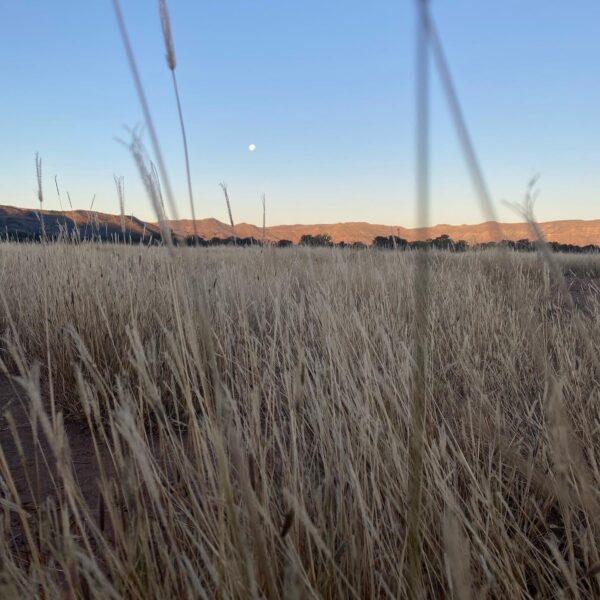
Allemansvlei is a small settlement in the Northern Cape, situated in the vast Karoo landscape between Colesberg and Middelburg. This quiet stopover point offers visitors a genuine taste of rural South African life, far from tourist crowds and urban development.
## Accommodation in Allemansvlei
Currently, no properties are formally listed through mainstream online booking platforms for Allemansvlei, and pricing remains unestablished through these channels. This reflects the nature of the settlement itself rather than any shortage of hospitality: accommodation here operates largely through direct contact with farm owners, word of mouth among travellers, and informal arrangements that rarely surface on travel databases.
At the budget end, options run toward basic farm stays on working sheep and cattle properties, where a spare room or simple self-catering cottage comes with the sounds of open country rather than any curated atmosphere. Facilities are functional: a hot shower, a bed with adequate bedding for cold nights, and usually access to a kitchen or at least a kettle and braai area. Travellers who value simplicity over polish find these stays disproportionately satisfying. Waking before sunrise on a silent Karoo farm, with no other structures visible from the stoep, has a quality that more developed accommodation cannot replicate.
Mid-range options, where they exist in the broader district, tend to take the form of restored farmhouses or small guesthouses with en-suite rooms and more deliberate attention to comfort. A fireplace, decent linen, and a host who knows the land well enough to describe its history over an evening meal represent the standard offering at this level.
Upper-tier farm accommodation does exist in the Northern Cape Karoo generally, with some historic properties offering beautifully maintained buildings and more complete facilities, though the concentration immediately around Allemansvlei is thin. Travellers prioritising this category may find more choices by widening their search area into the surrounding district rather than fixing strictly on the hamlet itself.
Because no formal listings are available, booking requires persistence. Phone contact with regional farm tourism networks, or enquiries through the Colesberg tourism office, remain the most reliable ways to find and confirm a place to stay.
---
## Best Time to Visit Allemansvlei
The Northern Cape's climate divides broadly into extremes, and Allemansvlei sits well within that pattern. Summers, running from November through February, are hot and dry, with daytime temperatures regularly above 35 degrees Celsius on the open plains. Afternoon thunderstorms provide occasional relief but rarely enough rain to change the landscape substantially. The heat is manageable for those accustomed to dry conditions, but shade outside farm buildings is scarce.
Winter months, June through August, bring cold nights and regular frost across the flat terrain. Daytime temperatures in winter are often clear and mild, and the stillness the Karoo takes on in cold weather appeals to travellers who find the summer heat less pleasant. This season also offers the best conditions for stargazing, with minimal light pollution and consistently clear, dry nights across most of the winter period.
Spring, particularly September and October, sees the veld show some recovery after summer rainfall, and temperatures settle into a comfortable range before the heat builds again. April and May offer similar conditions heading into winter, with settled weather and fewer visitors than the school holiday periods. The area never becomes crowded in any conventional sense, but July and December see the highest demand for rural accommodation across the Karoo region.
---
## Getting to Allemansvlei
Allemansvlei sits approximately 50 kilometres from Colesberg along the N9, a route that heads northeast from the N1 junction into the interior of the Eastern and Northern Cape. Colesberg is the key road junction for this area, where the N1 between Johannesburg and Cape Town intersects with the N9.
Driving from Johannesburg, the route south on the N1 reaches Colesberg in roughly four to five hours, after which the N9 northeast covers the remaining distance to Allemansvlei in under an hour. From Cape Town, the N1 north reaches Colesberg in approximately six hours. Travellers approaching from the Eastern Cape coast, particularly from Gqeberha, use the N9 through Middelburg, a journey of around two and a half hours to reach Colesberg, with Allemansvlei a short distance beyond on the same road.
The nearest airports with scheduled domestic services are at Bloemfontein, roughly two hours north, and at Gqeberha to the southeast. Car hire is essential at either airport; there is no public transport serving this part of the Karoo.
Once in the area, driving is the only practical means of getting around. Most district roads are surfaced tar or graded gravel, manageable in a standard sedan under dry conditions. After significant rain, gravel roads can deteriorate quickly, and it is worth checking conditions directly with your accommodation host before travelling.
---
## Allemansvlei and Surrounding Areas
The district around Allemansvlei consists of widely spaced farming properties connected by long roads across the plain, each with its own history and character. Klein Mayburgsdam, six kilometres away, is one of the closest points worth a stop. The dam, whose name marks it as a small reservoir in a farming area named Mayburg, draws bird species to the water's edge that contrast sharply with the arid surroundings. In a landscape where permanent surface water is uncommon, any dam tends to concentrate wildlife, and the birdwatching here rewards patience.
Bloemof, ten kilometres out, carries a name that translates to "place of flowers," a reference to the brief but vivid transformation the Karoo veld undergoes after good rain, when bulbs and annuals that spend most of the year dormant come to life across the plains. Visiting in the weeks following significant rainfall gives this farm and its neighbours an entirely different character.
At 14 kilometres, Goedgedag, meaning roughly "good day," reflects the open hospitality associated with isolated Karoo farming communities. Properties with this kind of name tend to be family farms that have been in continuous occupation for several generations, and direct contact with landowners sometimes reveals opportunities for farm visits or overnight stays not advertised elsewhere.
Kwaggasvalkte, 17 kilometres from Allemansvlei, takes its name from the quagga, an extinct relative of the zebra that once moved across these plains before the combined pressures of hunting and land transformation removed it from the landscape in the nineteenth century. The Anglo-Boer War also passed through this general corridor, and several farms in the district have connections to that period still visible in old walls or family histories.
Arthurs Seat and Droefontein, both approximately 19 kilometres away, complete the near circle of surrounding farms. Droefontein, meaning "sorrowful fountain," captures something essential about the Karoo's relationship with water: the anxiety around its scarcity and the significance attached to any reliable source. Arthurs Seat, a name with British associations common to properties settled in the colonial period, likely offers a slight elevation above the surrounding plain, providing the kind of view that requires no explanation in country this flat.
---
## Planning Your Stay
Accommodation in Allemansvlei does not follow standard online booking conventions, which means planning requires more effort than most destinations. The most reliable starting points are the Colesberg tourism office and regional farm tourism associations active in the Northern Cape, both of which maintain contacts for smaller properties that do not advertise on booking platforms.
Direct telephone contact with hosts produces better results than email in this region. Many farm stays are run by families with limited time at a desk, and a phone call clarifies availability, what is included, and how to reach the property far more efficiently than waiting for an online response.
Before confirming a stay, establish clearly whether the property is accessible by standard vehicle or requires higher clearance, particularly if you are travelling during or shortly after rain. Confirm meal arrangements, firewood provision for cold nights, and the distance to the nearest fuel stop, as these details affect daily logistics considerably.
The area sees modest demand increases during South African school holidays in July and December, though nothing that exhausts availability. For winter visits timed around clear night skies, it is worth making contact several weeks ahead. For most other periods, a few days' notice is generally sufficient, but do not assume this without confirming directly with the host.

Currently, no properties are formally listed through mainstream online booking platforms for Allemansvlei, and pricing remains unestablished through these channels. This reflects the nature of the settlement itself rather than any shortage of hospitality: accommodation here operates largely through direct contact with farm owners, word of mouth among travellers, and informal arrangements that rarely surface on travel databases.
At the budget end, options run toward basic farm stays on working sheep and cattle properties, where a spare room or simple self-catering cottage comes with the sounds of open country rather than any curated atmosphere. Facilities are functional: a hot shower, a bed with adequate bedding for cold nights, and usually access to a kitchen or at least a kettle and braai area. Travellers who value simplicity over polish find these stays disproportionately satisfying. Waking before sunrise on a silent Karoo farm, with no other structures visible from the stoep, has a quality that more developed accommodation cannot replicate.
Mid-range options, where they exist in the broader district, tend to take the form of restored farmhouses or small guesthouses with en-suite rooms and more deliberate attention to comfort. A fireplace, decent linen, and a host who knows the land well enough to describe its history over an evening meal represent the standard offering at this level.
Upper-tier farm accommodation does exist in the Northern Cape Karoo generally, with some historic properties offering beautifully maintained buildings and more complete facilities, though the concentration immediately around Allemansvlei is thin. Travellers prioritising this category may find more choices by widening their search area into the surrounding district rather than fixing strictly on the hamlet itself.
Because no formal listings are available, booking requires persistence. Phone contact with regional farm tourism networks, or enquiries through the Colesberg tourism office, remain the most reliable ways to find and confirm a place to stay.
---
## Best Time to Visit Allemansvlei
The Northern Cape's climate divides broadly into extremes, and Allemansvlei sits well within that pattern. Summers, running from November through February, are hot and dry, with daytime temperatures regularly above 35 degrees Celsius on the open plains. Afternoon thunderstorms provide occasional relief but rarely enough rain to change the landscape substantially. The heat is manageable for those accustomed to dry conditions, but shade outside farm buildings is scarce.
Winter months, June through August, bring cold nights and regular frost across the flat terrain. Daytime temperatures in winter are often clear and mild, and the stillness the Karoo takes on in cold weather appeals to travellers who find the summer heat less pleasant. This season also offers the best conditions for stargazing, with minimal light pollution and consistently clear, dry nights across most of the winter period.
Spring, particularly September and October, sees the veld show some recovery after summer rainfall, and temperatures settle into a comfortable range before the heat builds again. April and May offer similar conditions heading into winter, with settled weather and fewer visitors than the school holiday periods. The area never becomes crowded in any conventional sense, but July and December see the highest demand for rural accommodation across the Karoo region.
---
## Getting to Allemansvlei
Allemansvlei sits approximately 50 kilometres from Colesberg along the N9, a route that heads northeast from the N1 junction into the interior of the Eastern and Northern Cape. Colesberg is the key road junction for this area, where the N1 between Johannesburg and Cape Town intersects with the N9.
Driving from Johannesburg, the route south on the N1 reaches Colesberg in roughly four to five hours, after which the N9 northeast covers the remaining distance to Allemansvlei in under an hour. From Cape Town, the N1 north reaches Colesberg in approximately six hours. Travellers approaching from the Eastern Cape coast, particularly from Gqeberha, use the N9 through Middelburg, a journey of around two and a half hours to reach Colesberg, with Allemansvlei a short distance beyond on the same road.
The nearest airports with scheduled domestic services are at Bloemfontein, roughly two hours north, and at Gqeberha to the southeast. Car hire is essential at either airport; there is no public transport serving this part of the Karoo.
Once in the area, driving is the only practical means of getting around. Most district roads are surfaced tar or graded gravel, manageable in a standard sedan under dry conditions. After significant rain, gravel roads can deteriorate quickly, and it is worth checking conditions directly with your accommodation host before travelling.
---
## Allemansvlei and Surrounding Areas
The district around Allemansvlei consists of widely spaced farming properties connected by long roads across the plain, each with its own history and character. Klein Mayburgsdam, six kilometres away, is one of the closest points worth a stop. The dam, whose name marks it as a small reservoir in a farming area named Mayburg, draws bird species to the water's edge that contrast sharply with the arid surroundings. In a landscape where permanent surface water is uncommon, any dam tends to concentrate wildlife, and the birdwatching here rewards patience.
Bloemof, ten kilometres out, carries a name that translates to "place of flowers," a reference to the brief but vivid transformation the Karoo veld undergoes after good rain, when bulbs and annuals that spend most of the year dormant come to life across the plains. Visiting in the weeks following significant rainfall gives this farm and its neighbours an entirely different character.
At 14 kilometres, Goedgedag, meaning roughly "good day," reflects the open hospitality associated with isolated Karoo farming communities. Properties with this kind of name tend to be family farms that have been in continuous occupation for several generations, and direct contact with landowners sometimes reveals opportunities for farm visits or overnight stays not advertised elsewhere.
Kwaggasvalkte, 17 kilometres from Allemansvlei, takes its name from the quagga, an extinct relative of the zebra that once moved across these plains before the combined pressures of hunting and land transformation removed it from the landscape in the nineteenth century. The Anglo-Boer War also passed through this general corridor, and several farms in the district have connections to that period still visible in old walls or family histories.
Arthurs Seat and Droefontein, both approximately 19 kilometres away, complete the near circle of surrounding farms. Droefontein, meaning "sorrowful fountain," captures something essential about the Karoo's relationship with water: the anxiety around its scarcity and the significance attached to any reliable source. Arthurs Seat, a name with British associations common to properties settled in the colonial period, likely offers a slight elevation above the surrounding plain, providing the kind of view that requires no explanation in country this flat.
---
## Planning Your Stay
Accommodation in Allemansvlei does not follow standard online booking conventions, which means planning requires more effort than most destinations. The most reliable starting points are the Colesberg tourism office and regional farm tourism associations active in the Northern Cape, both of which maintain contacts for smaller properties that do not advertise on booking platforms.
Direct telephone contact with hosts produces better results than email in this region. Many farm stays are run by families with limited time at a desk, and a phone call clarifies availability, what is included, and how to reach the property far more efficiently than waiting for an online response.
Before confirming a stay, establish clearly whether the property is accessible by standard vehicle or requires higher clearance, particularly if you are travelling during or shortly after rain. Confirm meal arrangements, firewood provision for cold nights, and the distance to the nearest fuel stop, as these details affect daily logistics considerably.
The area sees modest demand increases during South African school holidays in July and December, though nothing that exhausts availability. For winter visits timed around clear night skies, it is worth making contact several weeks ahead. For most other periods, a few days' notice is generally sufficient, but do not assume this without confirming directly with the host.
Allemansvlei Kaart
Nabygeleë Bestemmings
Blaai Deur Alle Allemansvlei Akkommodasie
Bekyk al 0 akkommodasie-opsies in Allemansvlei met foto's, pryse en beskikbaarheid.
Blaai Deur Alle Akkommodasie