Cape St Francis Reis- & Akkommodasiegids
Jou volledige gids om Cape St Francis, Suid-Afrika te besoek.
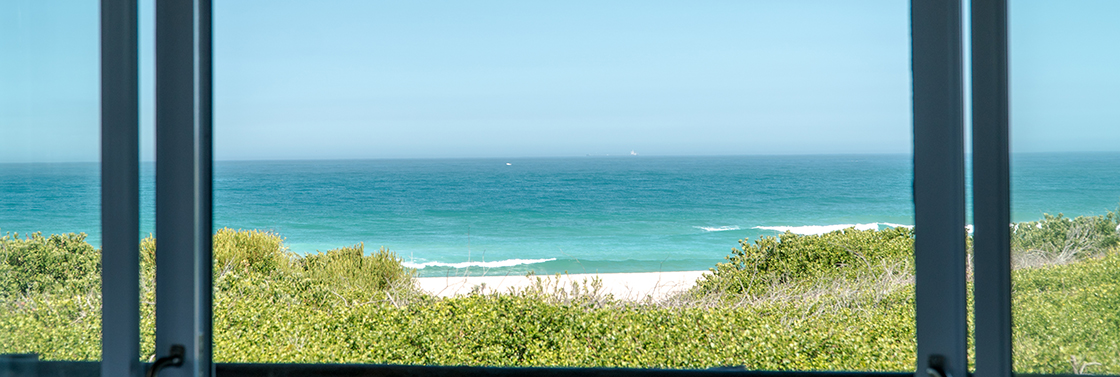
Cape St Francis offers quiet coastal living with its sandy beaches and relaxed atmosphere, making it an appealing spot for those seeking a break from city life. The area features opportunities for surfing and fishing, drawing visitors who enjoy outdoor activities. Its proximity to nature reserves adds to the appeal for wildlife enthusiasts looking for a comfortable stay.
## Accommodation in Cape St Francis
Cape St Francis has a small accommodation scene that favours privacy and self-sufficiency over large-scale hospitality. Listings on major platforms are currently sparse, which makes direct contact with local agents and property managers worthwhile. Prices vary by season, with December and January commanding a significant premium over the quieter months.
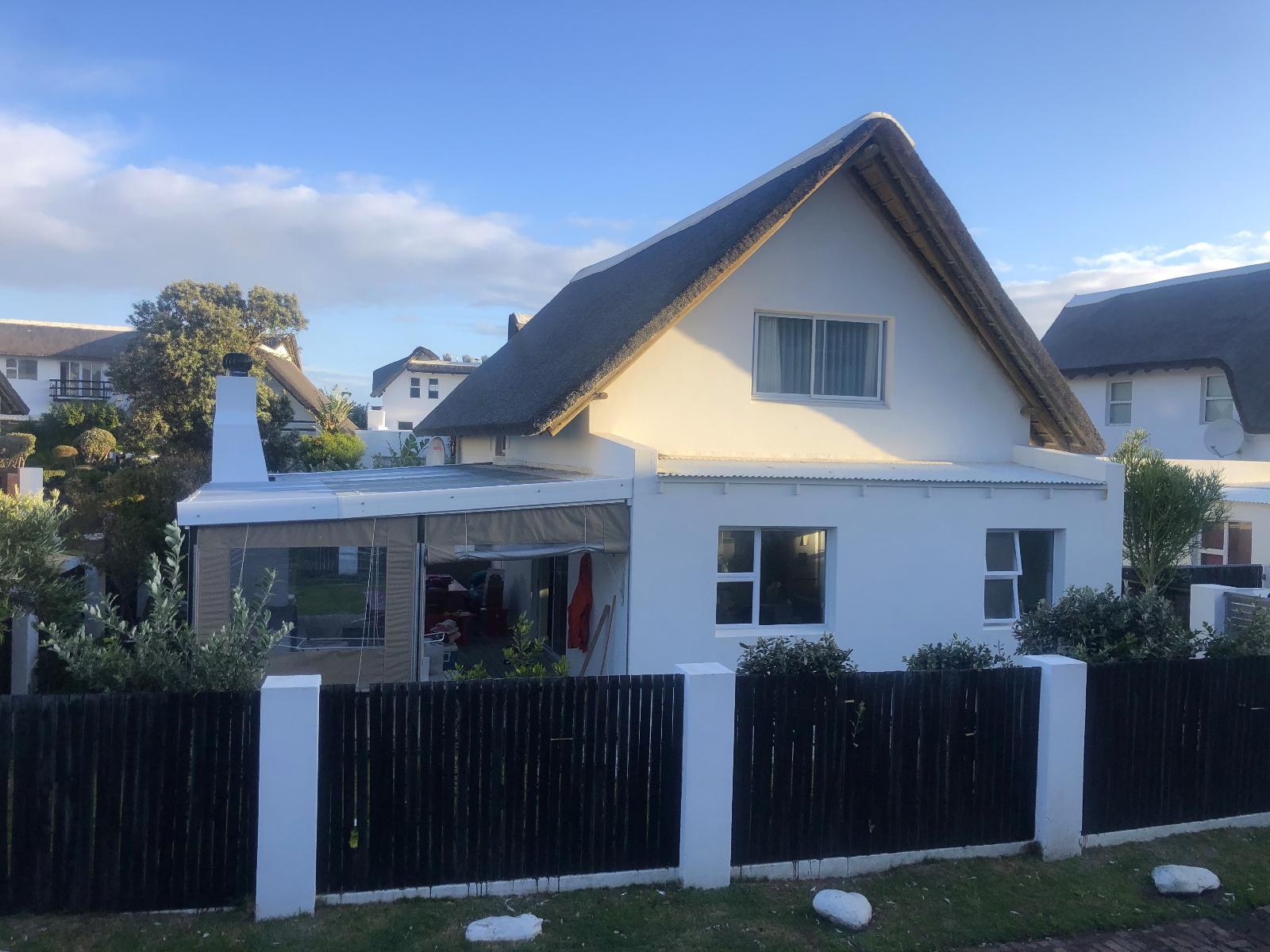
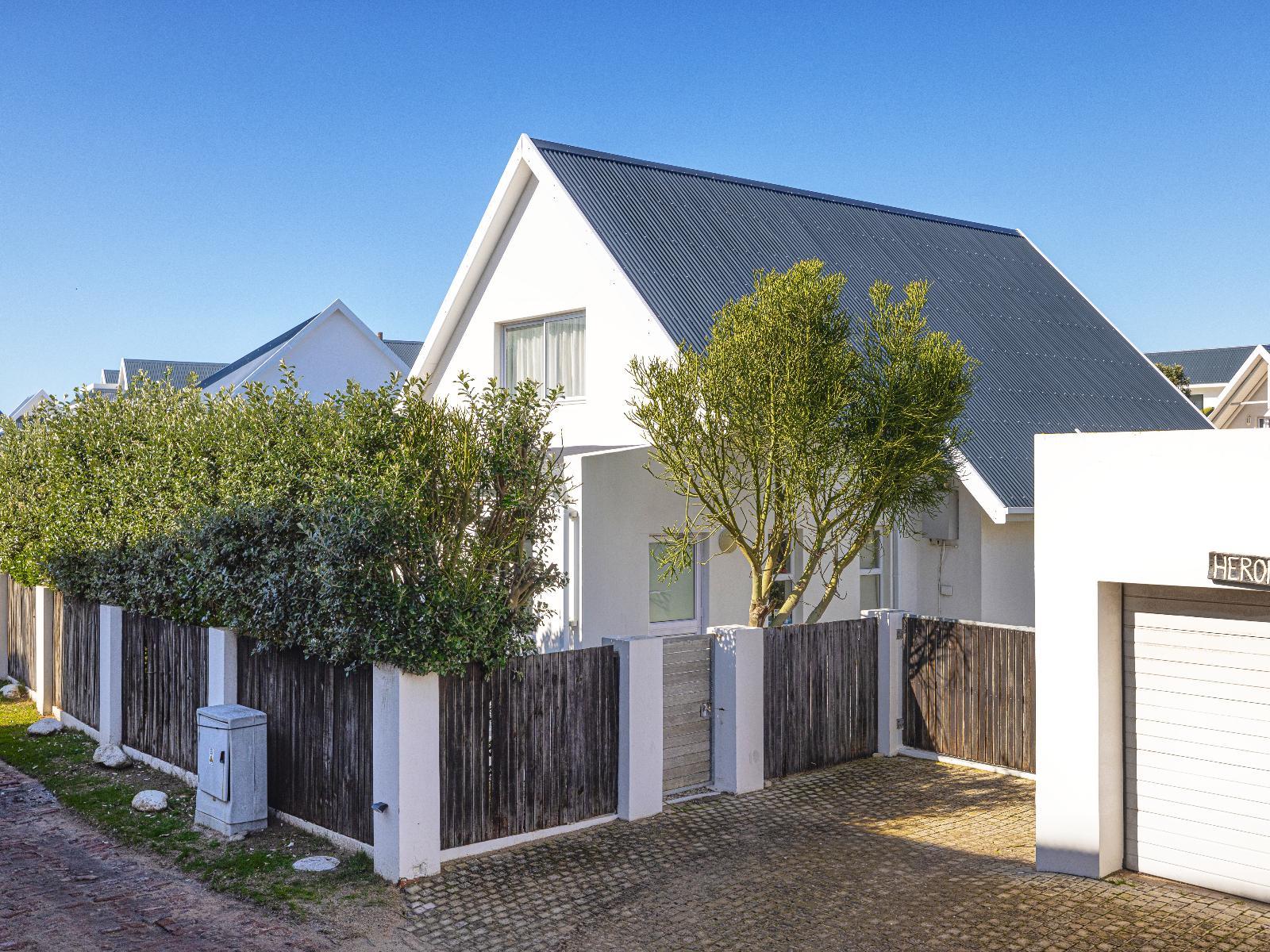
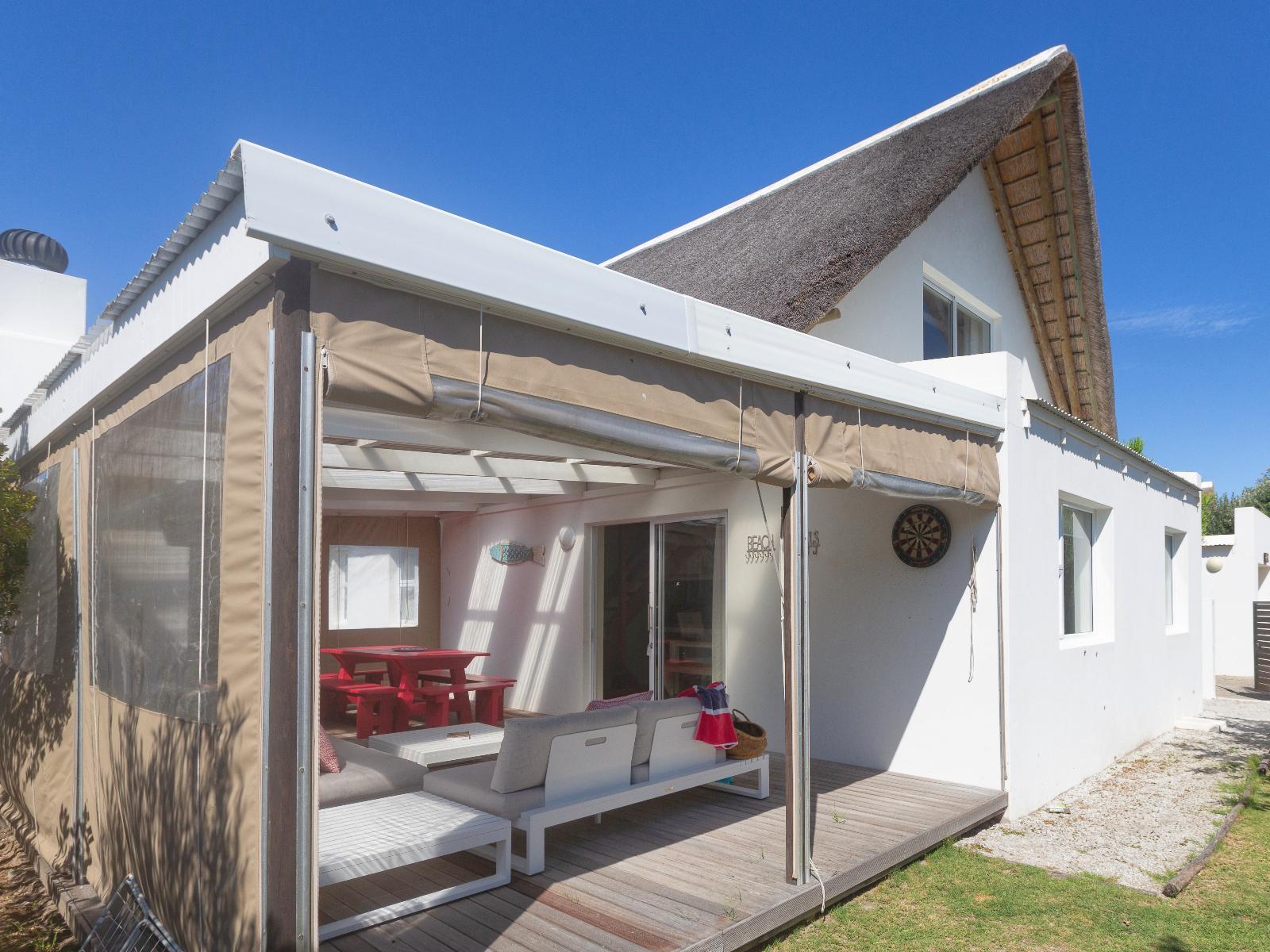
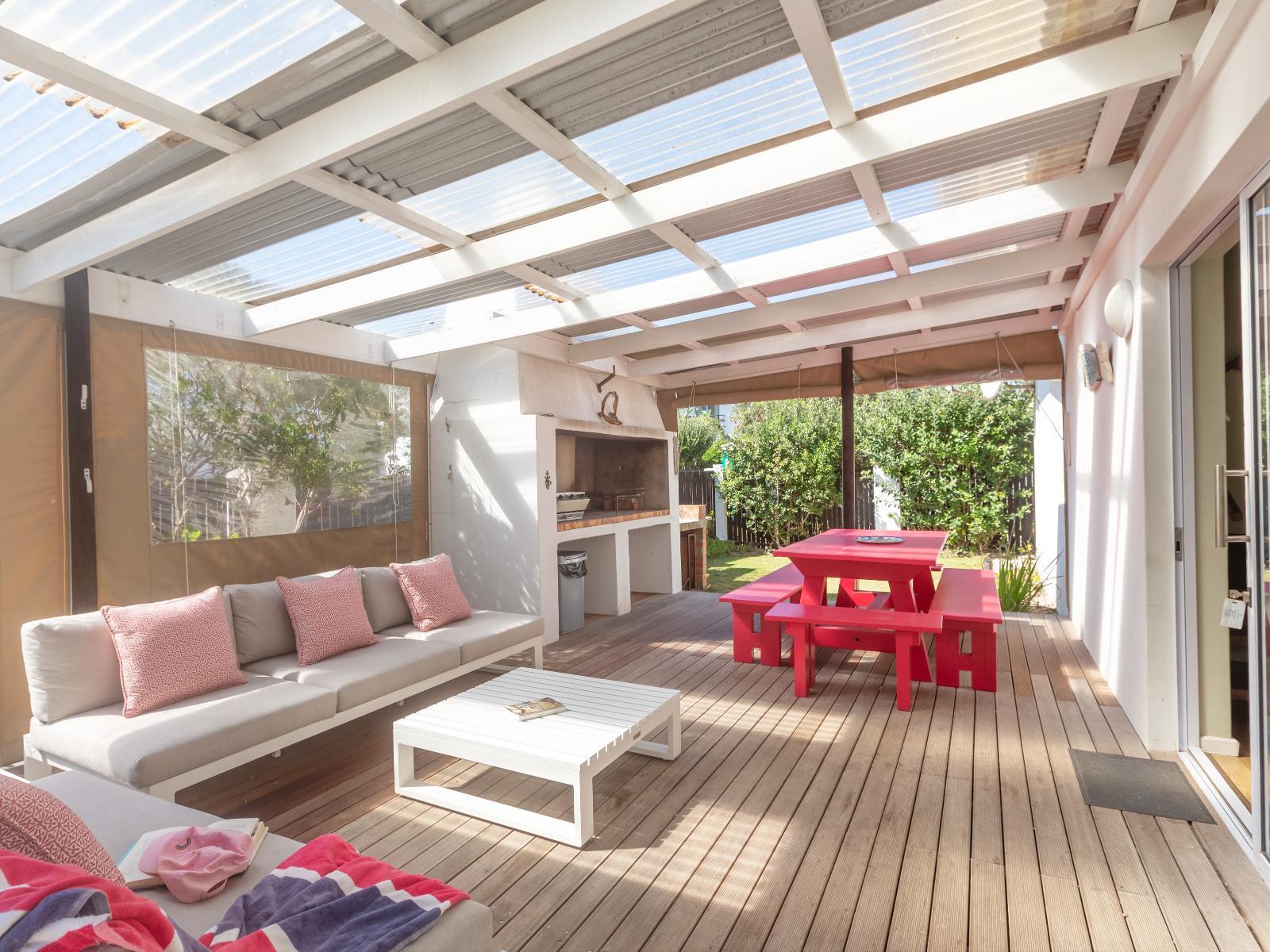
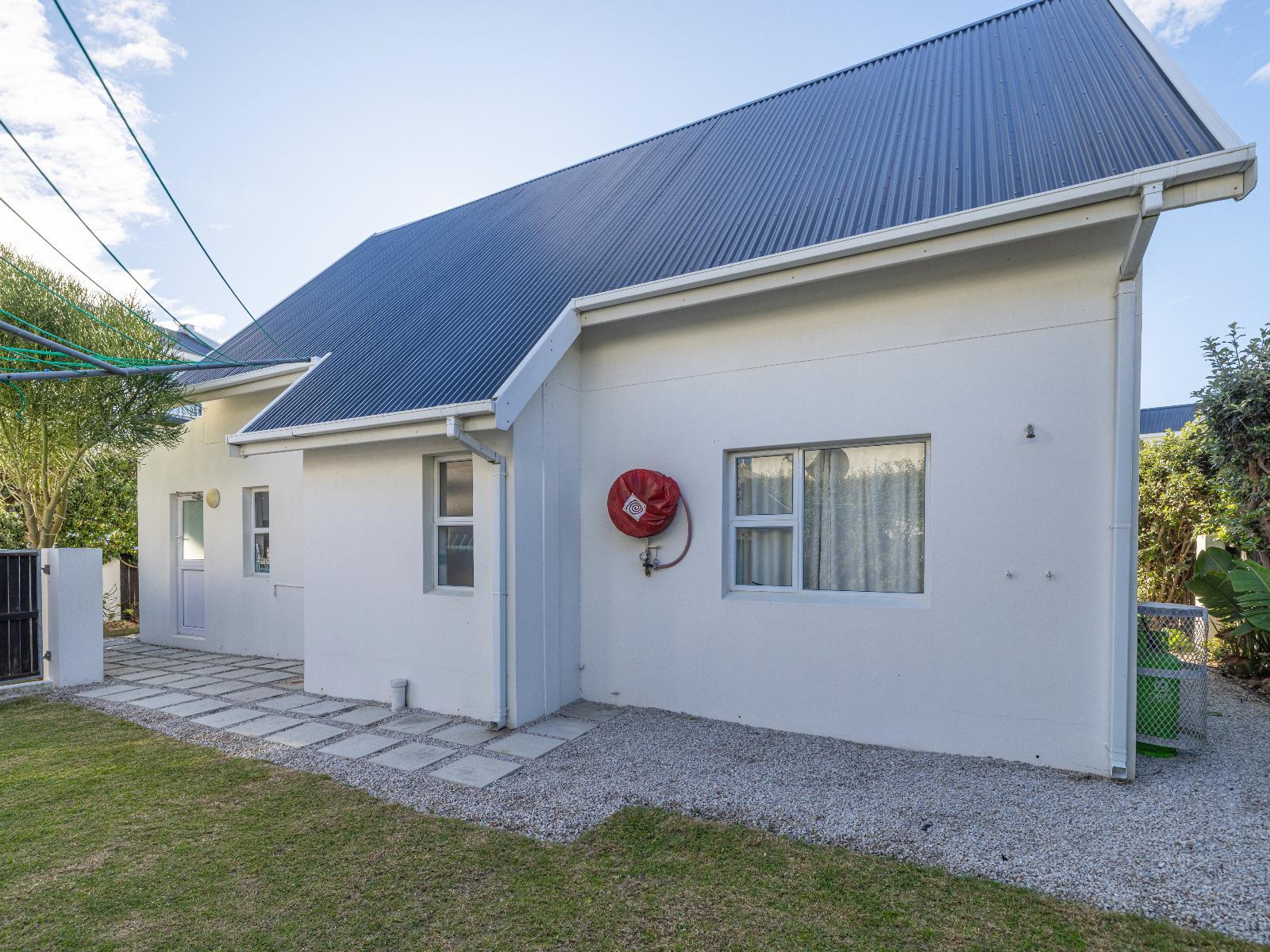
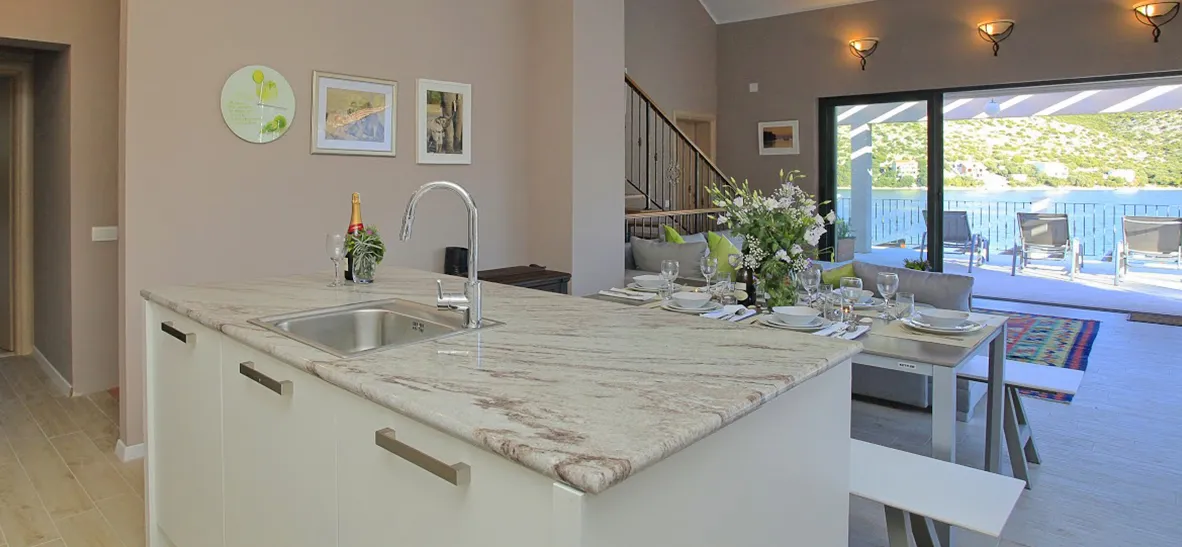
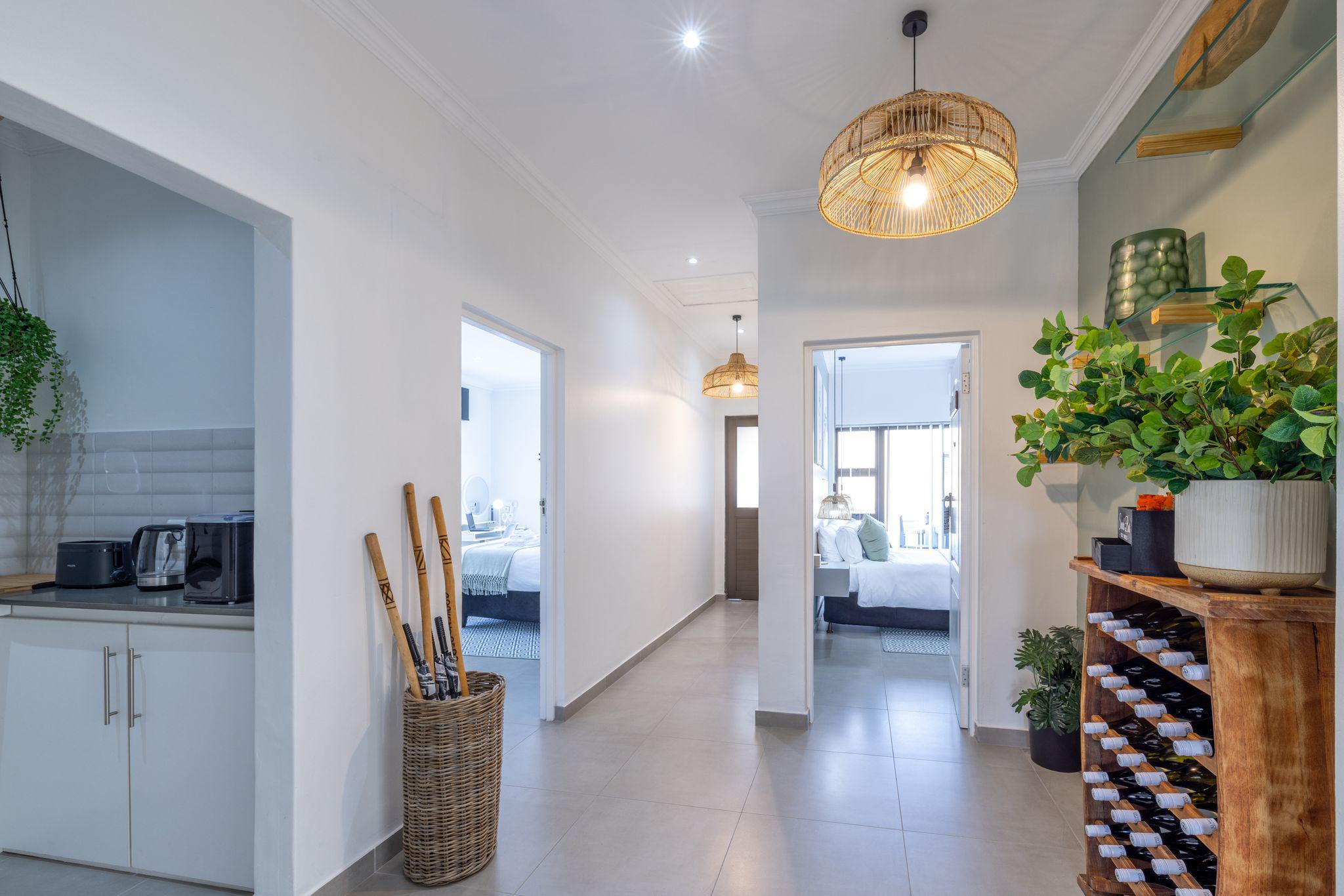
At the budget end, self-catering cottages and holiday apartments are the most common option. These suit families and groups well. Most come with a full kitchen, a living area, and outdoor braai space, and they tend to be within a short walk of the beach or the harbour. The trade-off is that guests provide for themselves, but for stays of a week or more, that independence is often preferred.
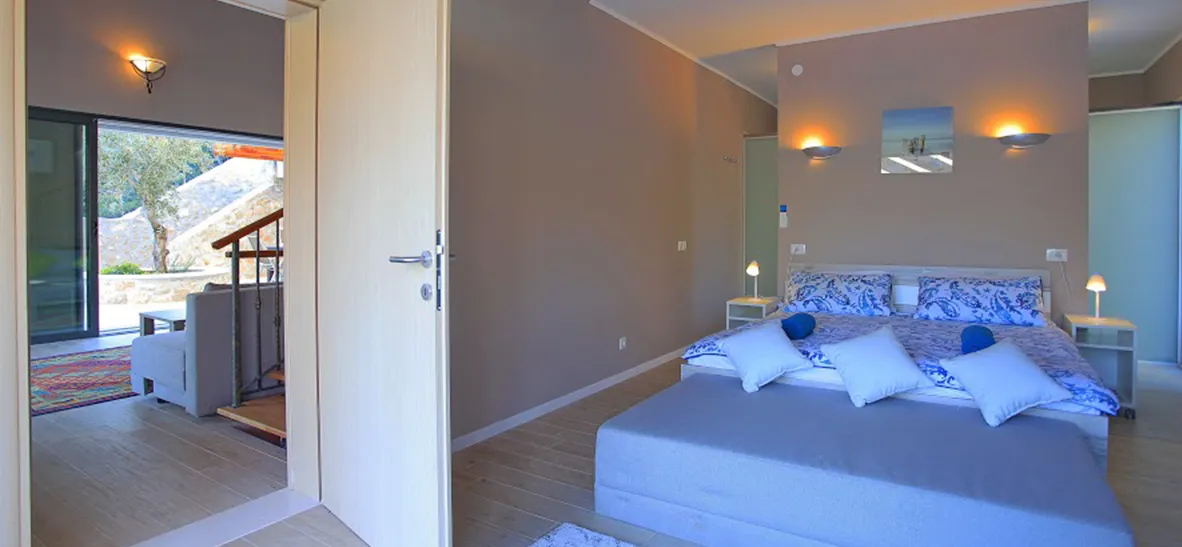
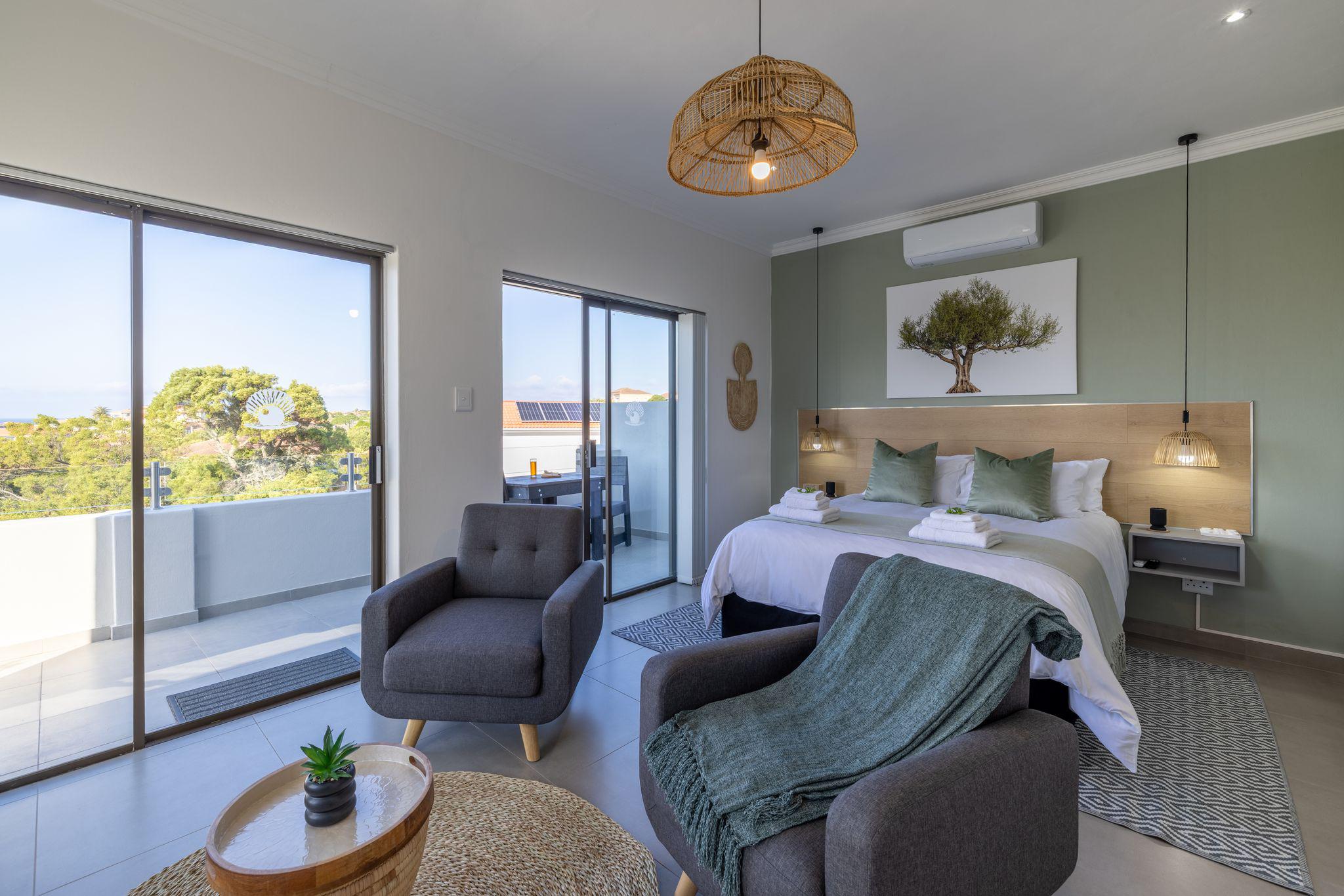
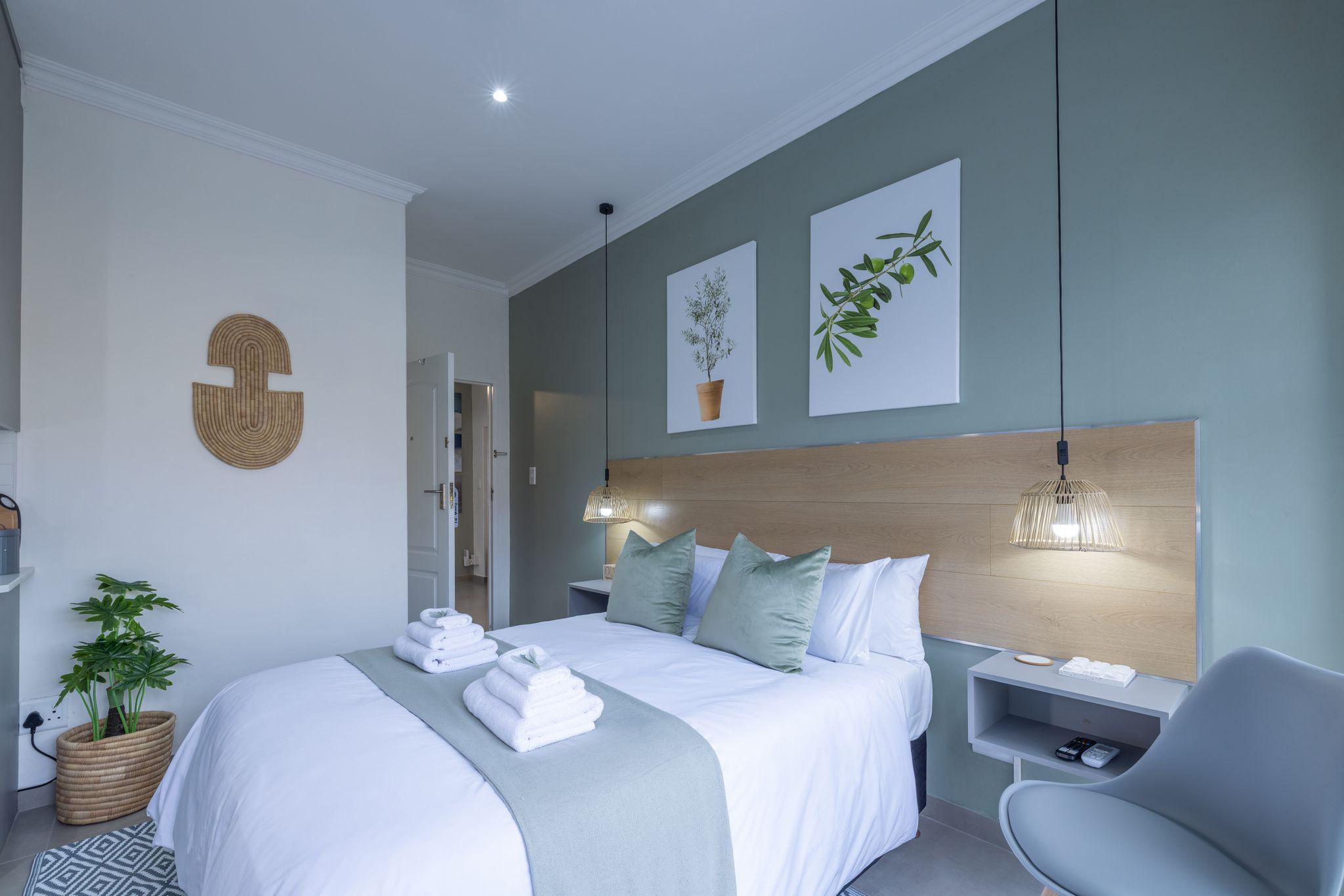
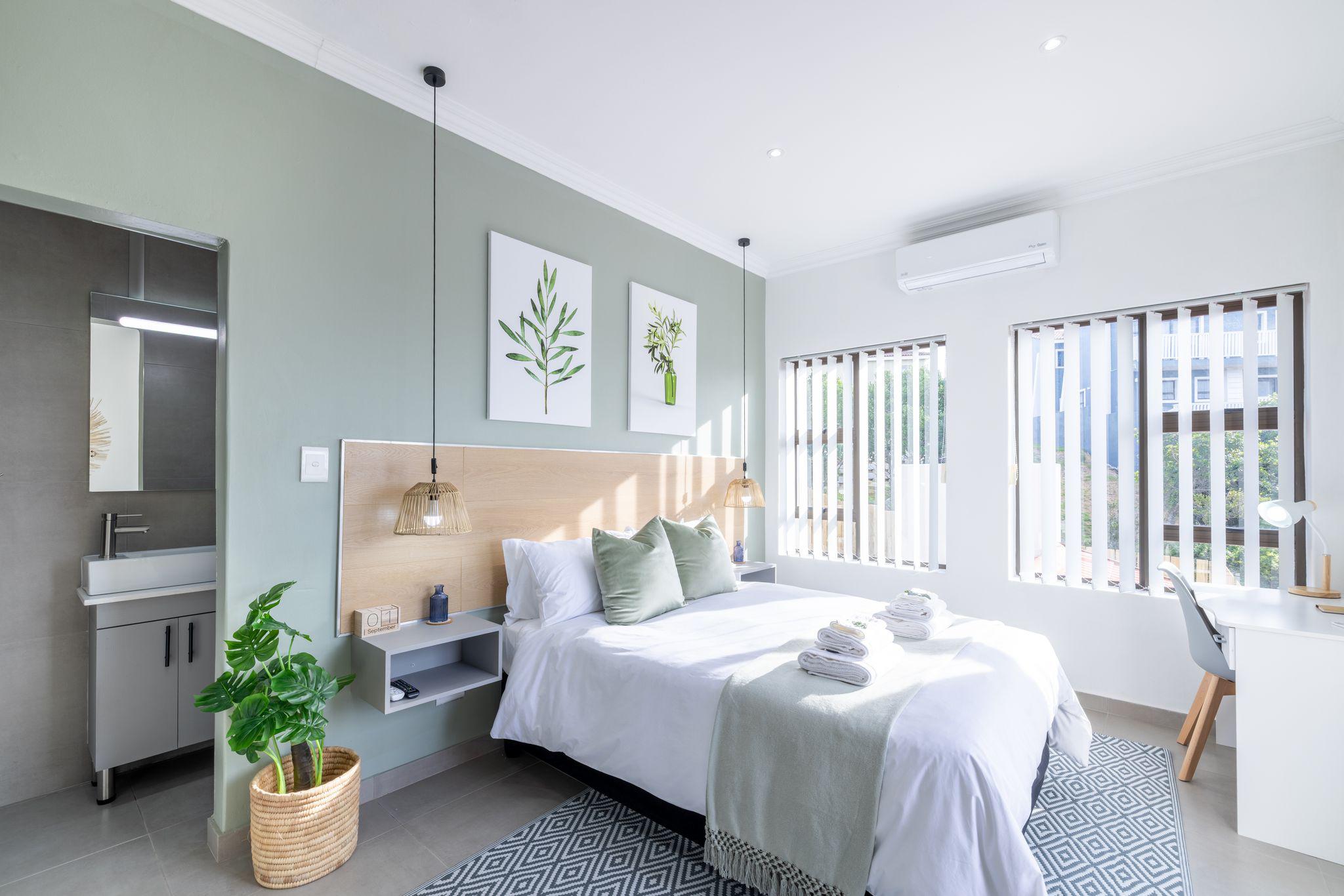
Mid-range guesthouses and bed-and-breakfasts make up the next tier. These are typically owner-run operations where breakfast is included and local knowledge comes freely. Hosts often know current surf conditions, where to find good bait, and which local events are worth attending. Comfort levels are generally solid, and this tier works well for couples or solo travellers who want a more personal stay without the full self-catering commitment.
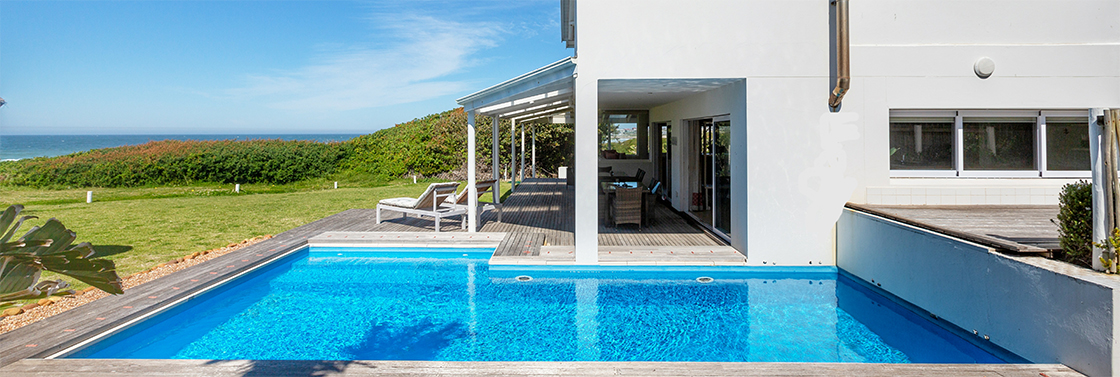
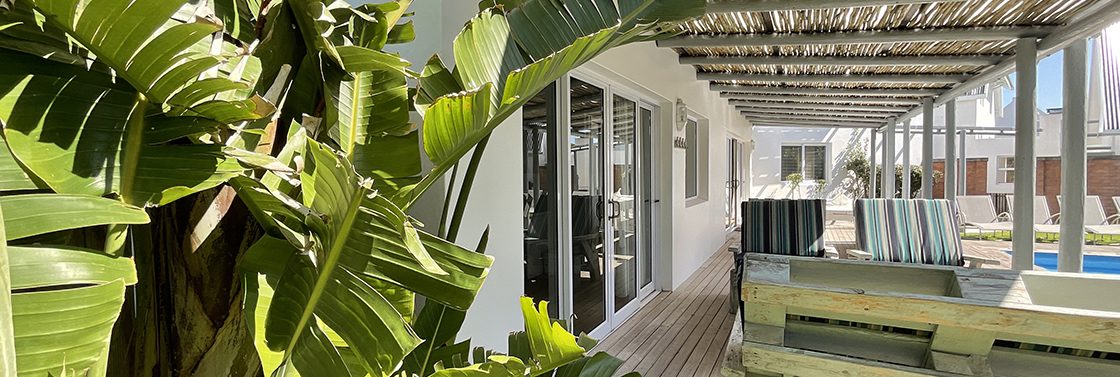
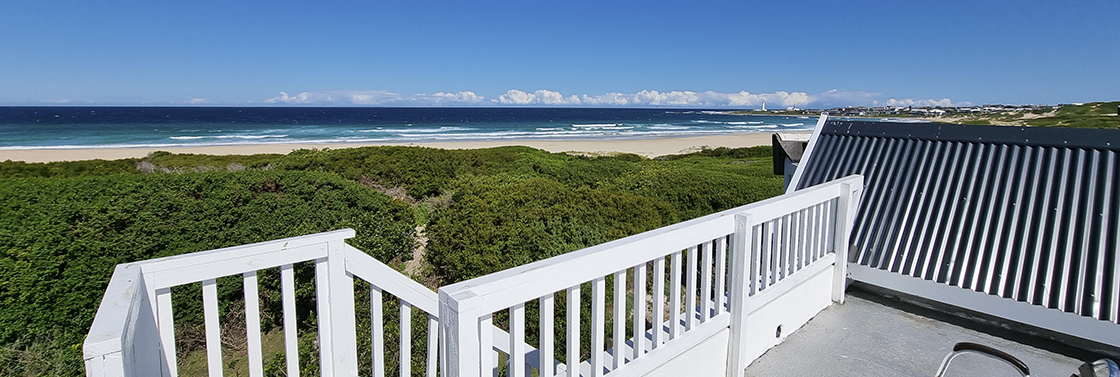
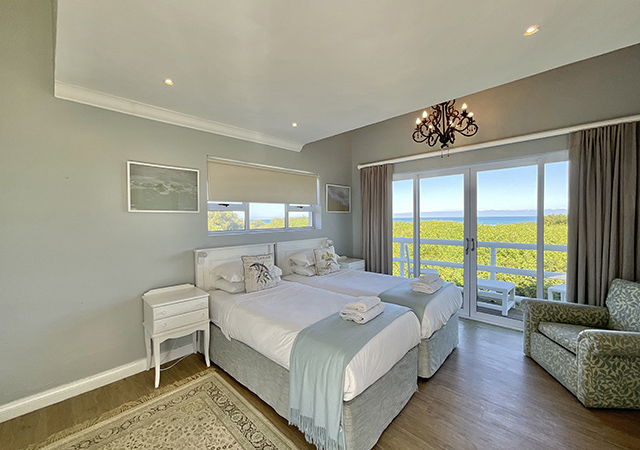
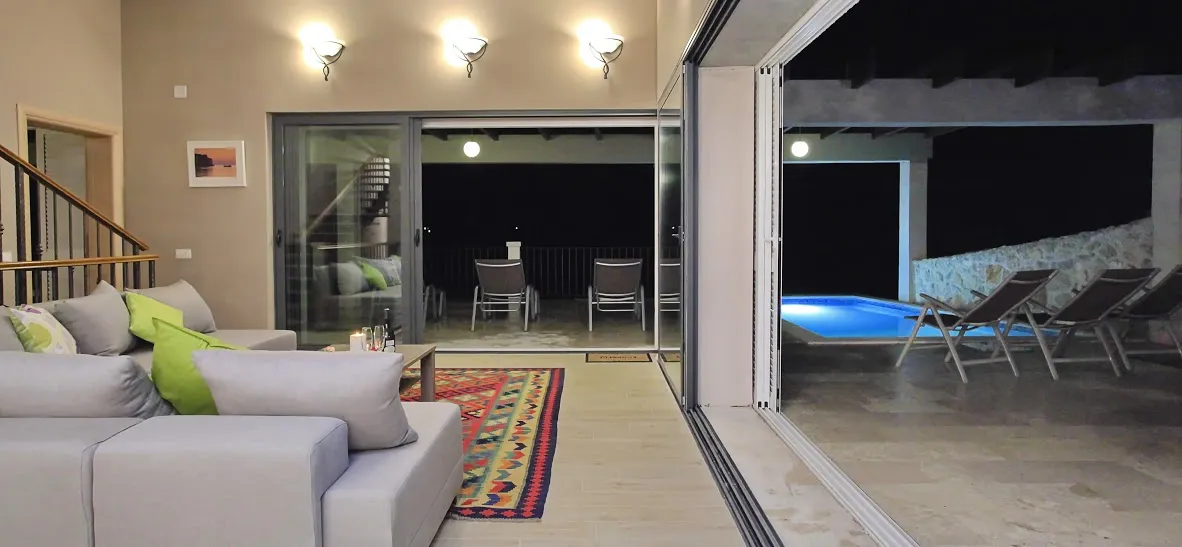
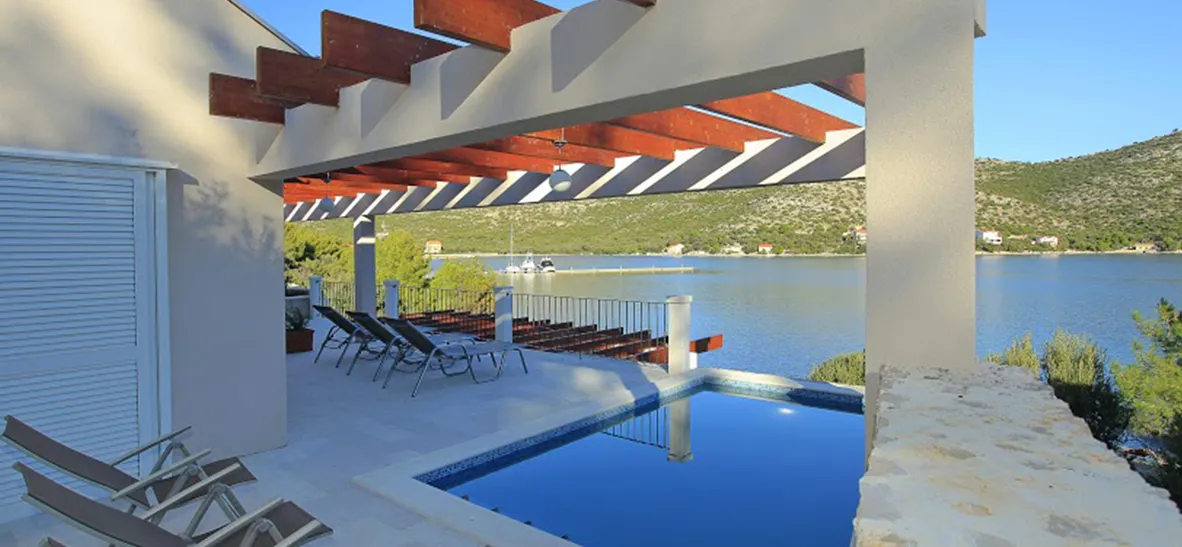
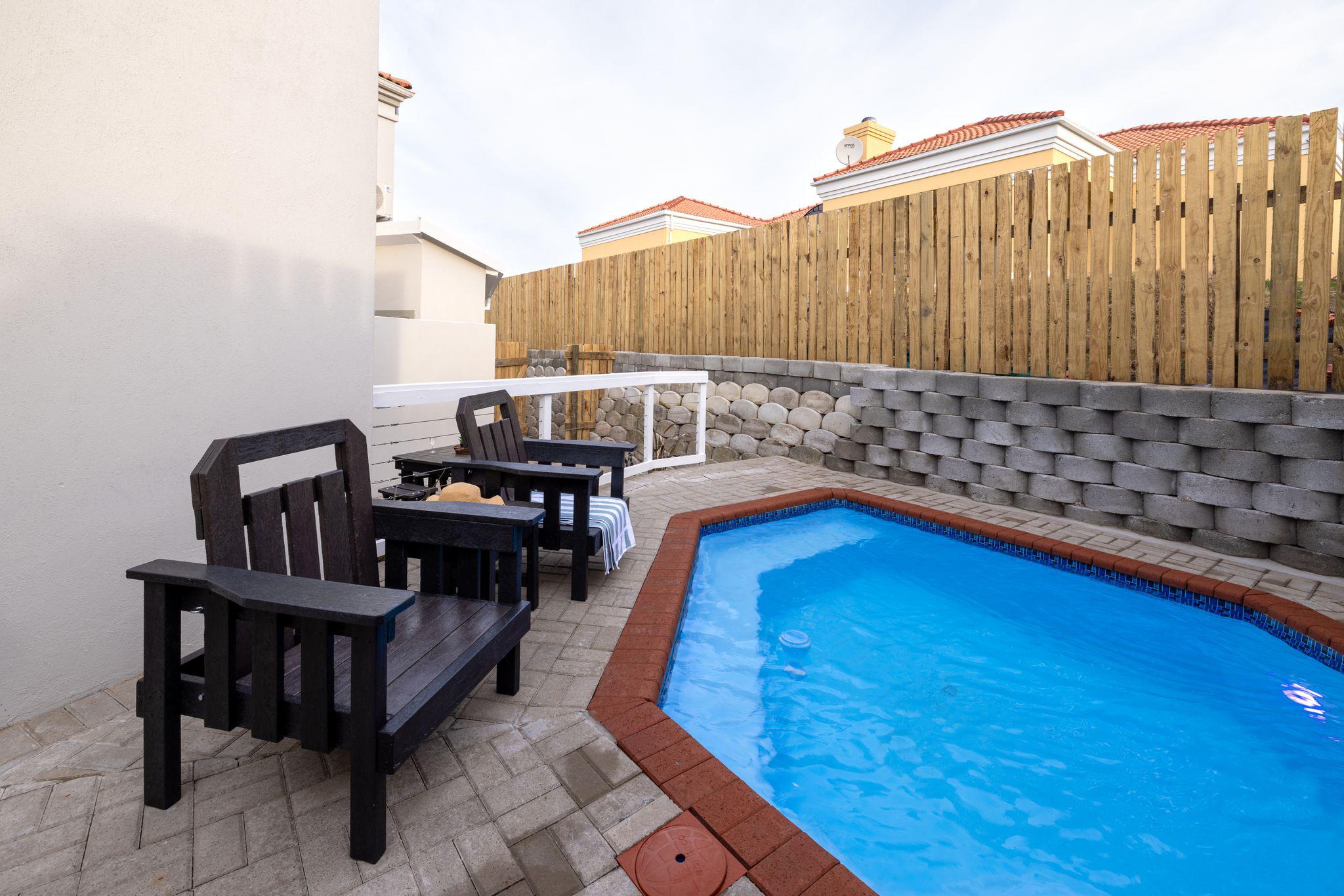
At the upper end, larger holiday homes and private villas offer more bedrooms, more space, and in some cases direct sea views or a private pool. These properties suit groups or families who want an entire house to themselves. They are typically booked far in advance for the peak summer season. Mid-range guesthouses also fill quickly over school holidays, so early research across both national booking platforms and regional Cape St Francis rental agencies is recommended for any stay between November and February.
---
## Best Time to Visit Cape St Francis
The warmest and busiest period runs from November through February. Sea temperatures along this stretch of the Eastern Cape coast peak around 20 to 22 degrees Celsius during summer, driven by the Agulhas current, making swimming, surfing, and boat-based outings comfortable. Dolphins appear regularly close to shore during these months, and the rocky outcrops around the village attract seals throughout the year.
Winter, from June to August, brings cooler and windier conditions but noticeably fewer visitors. This is a productive period for shore and rock fishing, as certain species move inshore during the colder months. Coastal walks are still entirely pleasant on calm winter days, and the reduction in crowds gives the village a quieter, more local feel.
Spring, particularly September and October, offers a reasonable middle ground: mild temperatures, diminishing crowds after the July school holidays, and occasional whale sightings offshore as southern right whales move through the region. Birdwatchers tend to favour spring and autumn, when migratory species supplement the resident coastal population on the walking trails. For most visitors, the shoulder months of March to April and September to October provide the best conditions without the pressure of peak-season bookings.
---
## Getting to Cape St Francis
The nearest commercial airport is Chief Dawid Stuurman International Airport in Port Elizabeth (also known as Gqeberha), roughly 80 kilometres to the west. Car hire is available at the airport, and the drive to Cape St Francis takes about an hour. From the N2 national road, travellers turn south onto the R330 through St Francis Bay and continue to the village.
From Johannesburg, the overland drive covers approximately 1,100 kilometres and takes 10 to 11 hours, making it a logical two-day journey with an overnight stop somewhere along the N2. From Cape Town, the distance is roughly 750 kilometres, a drive of eight to nine hours through the Garden Route.
Once in the village, a private vehicle is the most practical means of getting around. Cape St Francis itself is compact enough to cover on foot or by bicycle for daily errands, but reaching neighbouring towns or attractions requires independent transport. There is no scheduled bus service into the village, and metered taxis are not reliably available. Visitors arriving without a car should arrange a transfer from Port Elizabeth airport in advance, or hire a vehicle there before heading east.
---
## Cape St Francis and Surrounding Areas
Cape St Francis connects easily to several distinct places along the Eastern Cape coast and inland.
**St Francis Bay**, 5 kilometres away, is the larger settlement immediately adjacent to Cape St Francis. It has a recognisable character built around a network of canals lined with whitewashed thatched homes. The town offers more in the way of restaurants, coffee shops, and retail than the village itself, making it a natural choice for an evening out or a resupply stop. Its sheltered lagoon provides calm conditions for sailing and kayaking.
**Jeffrey's Bay** (the name appears on signage with and without an apostrophe, at approximately 19 to 20 kilometres north) is South Africa's most recognised surf destination. The break at Supertubes is considered one of the best right-hand point breaks in the world and hosts professional competitions annually. The town also has a well-established retail strip with surf brands, clothing, and a broader selection of restaurants than smaller coastal villages. It makes a straightforward day trip from Cape St Francis.
**Oyster Bay Village**, about 17 kilometres east along an unpaved road, is a very small and largely undeveloped settlement. Its draw is a long, exposed beach backed by coastal dunes. Visitors come here specifically for isolation and the absence of infrastructure.
**Humansdorp**, 21 kilometres inland, functions as the practical service hub for the entire Kouga coastal area. Supermarkets, a hospital, fuel stations, and hardware stores are all here. Self-catering visitors to Cape St Francis typically make at least one trip to Humansdorp for supplies during a longer stay.
**Kouga**, approximately 33 kilometres away, covers a broader municipal area encompassing farming communities and the Kouga Dam. The dam and surrounding fynbos-covered hills offer a different landscape entirely from the coast, worth exploring for those interested in the Eastern Cape interior.
---
## Planning Your Stay
For visits during December and January, book as early as possible. Domestic tourism along the Eastern Cape coast peaks sharply over Christmas and New Year, and properties at all levels are typically reserved months in advance. School holiday periods in April, June, and September also see demand rise, and two to three months lead time is a reasonable minimum for those periods.
Because the Cape St Francis market is small, limiting what major booking platforms index, a search of regional rental agencies alongside global sites will surface more options. Some of the better properties are managed locally and do not maintain listings on international platforms at all.
Before confirming a booking, check a few practical details: whether backup power or a generator is available given that load shedding affects this area; whether the property has adequate parking, as street access is restricted in parts of the village; and whether internet connectivity meets your needs if remote work is part of the plan. For properties without on-site firewood or braai equipment, Humansdorp is the nearest place to source supplies. If you plan to visit Addo Elephant National Park as a day trip, note that game drive slots through SANParks require advance booking, and the drive from Cape St Francis takes well over an hour each way.

Cape St Francis has a small accommodation scene that favours privacy and self-sufficiency over large-scale hospitality. Listings on major platforms are currently sparse, which makes direct contact with local agents and property managers worthwhile. Prices vary by season, with December and January commanding a significant premium over the quieter months.
At the budget end, self-catering cottages and holiday apartments are the most common option. These suit families and groups well. Most come with a full kitchen, a living area, and outdoor braai space, and they tend to be within a short walk of the beach or the harbour. The trade-off is that guests provide for themselves, but for stays of a week or more, that independence is often preferred.
Mid-range guesthouses and bed-and-breakfasts make up the next tier. These are typically owner-run operations where breakfast is included and local knowledge comes freely. Hosts often know current surf conditions, where to find good bait, and which local events are worth attending. Comfort levels are generally solid, and this tier works well for couples or solo travellers who want a more personal stay without the full self-catering commitment.
At the upper end, larger holiday homes and private villas offer more bedrooms, more space, and in some cases direct sea views or a private pool. These properties suit groups or families who want an entire house to themselves. They are typically booked far in advance for the peak summer season. Mid-range guesthouses also fill quickly over school holidays, so early research across both national booking platforms and regional Cape St Francis rental agencies is recommended for any stay between November and February.
---
## Best Time to Visit Cape St Francis
The warmest and busiest period runs from November through February. Sea temperatures along this stretch of the Eastern Cape coast peak around 20 to 22 degrees Celsius during summer, driven by the Agulhas current, making swimming, surfing, and boat-based outings comfortable. Dolphins appear regularly close to shore during these months, and the rocky outcrops around the village attract seals throughout the year.
Winter, from June to August, brings cooler and windier conditions but noticeably fewer visitors. This is a productive period for shore and rock fishing, as certain species move inshore during the colder months. Coastal walks are still entirely pleasant on calm winter days, and the reduction in crowds gives the village a quieter, more local feel.
Spring, particularly September and October, offers a reasonable middle ground: mild temperatures, diminishing crowds after the July school holidays, and occasional whale sightings offshore as southern right whales move through the region. Birdwatchers tend to favour spring and autumn, when migratory species supplement the resident coastal population on the walking trails. For most visitors, the shoulder months of March to April and September to October provide the best conditions without the pressure of peak-season bookings.
---
## Getting to Cape St Francis
The nearest commercial airport is Chief Dawid Stuurman International Airport in Port Elizabeth (also known as Gqeberha), roughly 80 kilometres to the west. Car hire is available at the airport, and the drive to Cape St Francis takes about an hour. From the N2 national road, travellers turn south onto the R330 through St Francis Bay and continue to the village.
From Johannesburg, the overland drive covers approximately 1,100 kilometres and takes 10 to 11 hours, making it a logical two-day journey with an overnight stop somewhere along the N2. From Cape Town, the distance is roughly 750 kilometres, a drive of eight to nine hours through the Garden Route.
Once in the village, a private vehicle is the most practical means of getting around. Cape St Francis itself is compact enough to cover on foot or by bicycle for daily errands, but reaching neighbouring towns or attractions requires independent transport. There is no scheduled bus service into the village, and metered taxis are not reliably available. Visitors arriving without a car should arrange a transfer from Port Elizabeth airport in advance, or hire a vehicle there before heading east.
---
## Cape St Francis and Surrounding Areas
Cape St Francis connects easily to several distinct places along the Eastern Cape coast and inland.
**St Francis Bay**, 5 kilometres away, is the larger settlement immediately adjacent to Cape St Francis. It has a recognisable character built around a network of canals lined with whitewashed thatched homes. The town offers more in the way of restaurants, coffee shops, and retail than the village itself, making it a natural choice for an evening out or a resupply stop. Its sheltered lagoon provides calm conditions for sailing and kayaking.
**Jeffrey's Bay** (the name appears on signage with and without an apostrophe, at approximately 19 to 20 kilometres north) is South Africa's most recognised surf destination. The break at Supertubes is considered one of the best right-hand point breaks in the world and hosts professional competitions annually. The town also has a well-established retail strip with surf brands, clothing, and a broader selection of restaurants than smaller coastal villages. It makes a straightforward day trip from Cape St Francis.
**Oyster Bay Village**, about 17 kilometres east along an unpaved road, is a very small and largely undeveloped settlement. Its draw is a long, exposed beach backed by coastal dunes. Visitors come here specifically for isolation and the absence of infrastructure.
**Humansdorp**, 21 kilometres inland, functions as the practical service hub for the entire Kouga coastal area. Supermarkets, a hospital, fuel stations, and hardware stores are all here. Self-catering visitors to Cape St Francis typically make at least one trip to Humansdorp for supplies during a longer stay.
**Kouga**, approximately 33 kilometres away, covers a broader municipal area encompassing farming communities and the Kouga Dam. The dam and surrounding fynbos-covered hills offer a different landscape entirely from the coast, worth exploring for those interested in the Eastern Cape interior.
---
## Planning Your Stay
For visits during December and January, book as early as possible. Domestic tourism along the Eastern Cape coast peaks sharply over Christmas and New Year, and properties at all levels are typically reserved months in advance. School holiday periods in April, June, and September also see demand rise, and two to three months lead time is a reasonable minimum for those periods.
Because the Cape St Francis market is small, limiting what major booking platforms index, a search of regional rental agencies alongside global sites will surface more options. Some of the better properties are managed locally and do not maintain listings on international platforms at all.
Before confirming a booking, check a few practical details: whether backup power or a generator is available given that load shedding affects this area; whether the property has adequate parking, as street access is restricted in parts of the village; and whether internet connectivity meets your needs if remote work is part of the plan. For properties without on-site firewood or braai equipment, Humansdorp is the nearest place to source supplies. If you plan to visit Addo Elephant National Park as a day trip, note that game drive slots through SANParks require advance booking, and the drive from Cape St Francis takes well over an hour each way.
Cape St Francis Kaart
Nabygeleë Bestemmings
Blaai Deur Alle Cape St Francis Akkommodasie
Bekyk al 0 akkommodasie-opsies in Cape St Francis met foto's, pryse en beskikbaarheid.
Blaai Deur Alle Akkommodasie