Champagne Valley Reis- & Akkommodasiegids
Jou volledige gids om Champagne Valley, Suid-Afrika te besoek.
1
Eiendom
Gewildste
Lodge
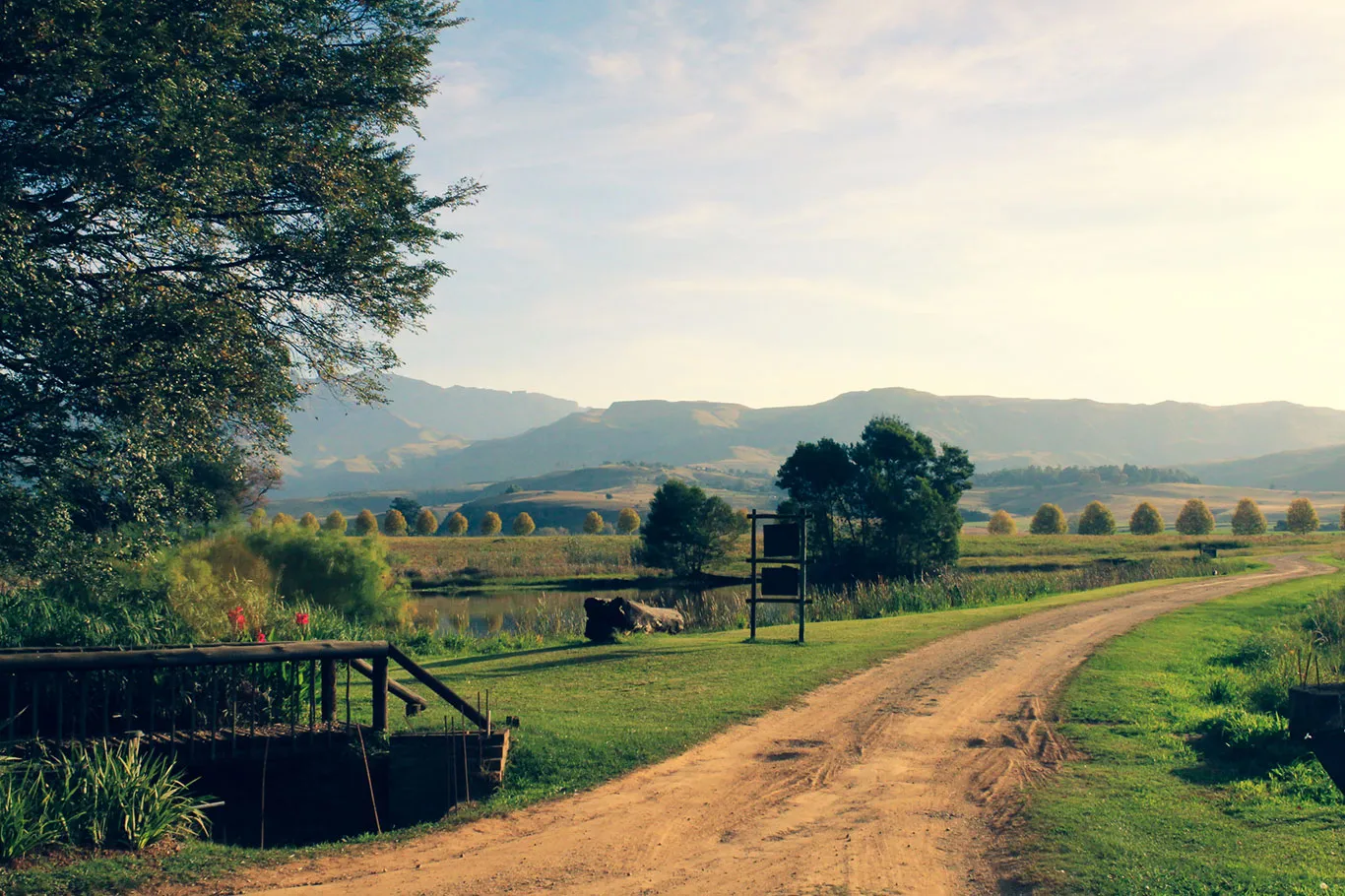
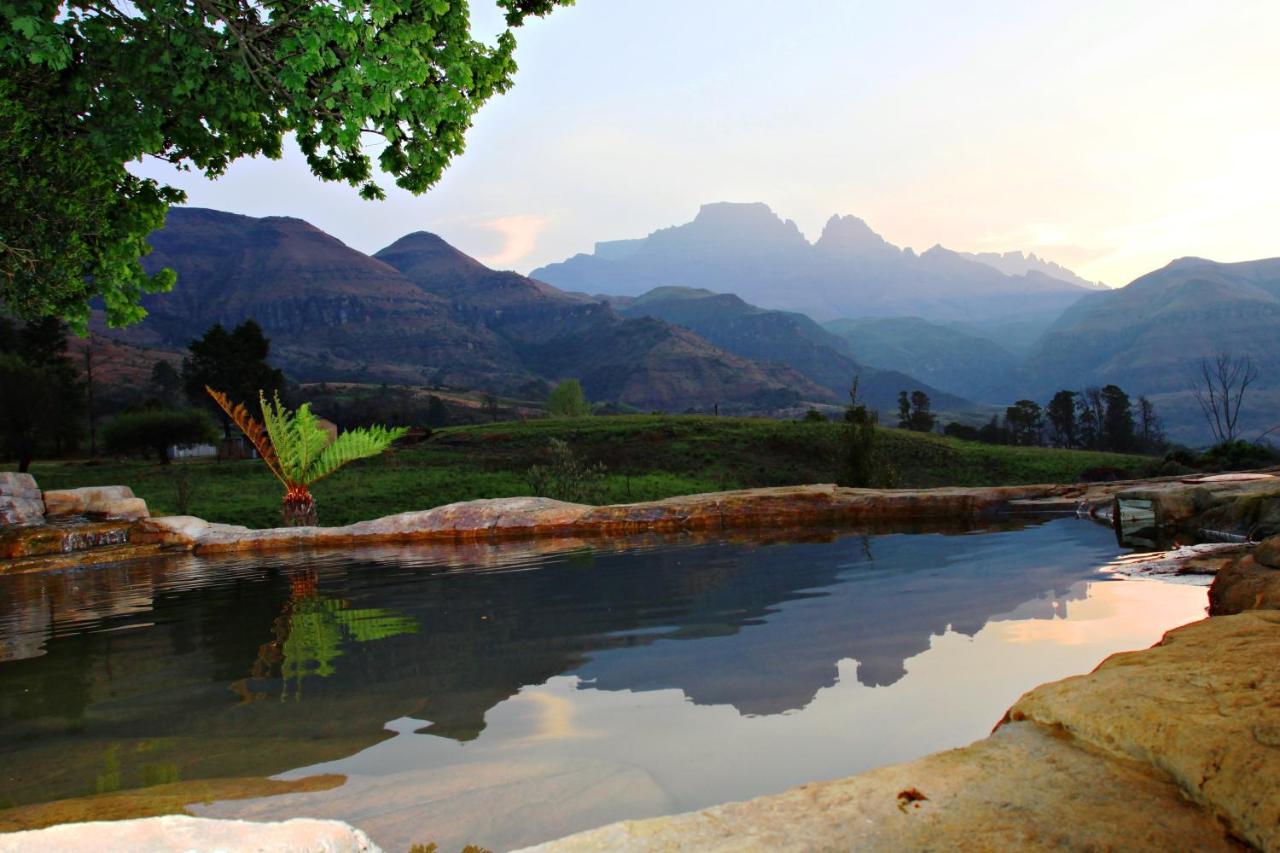
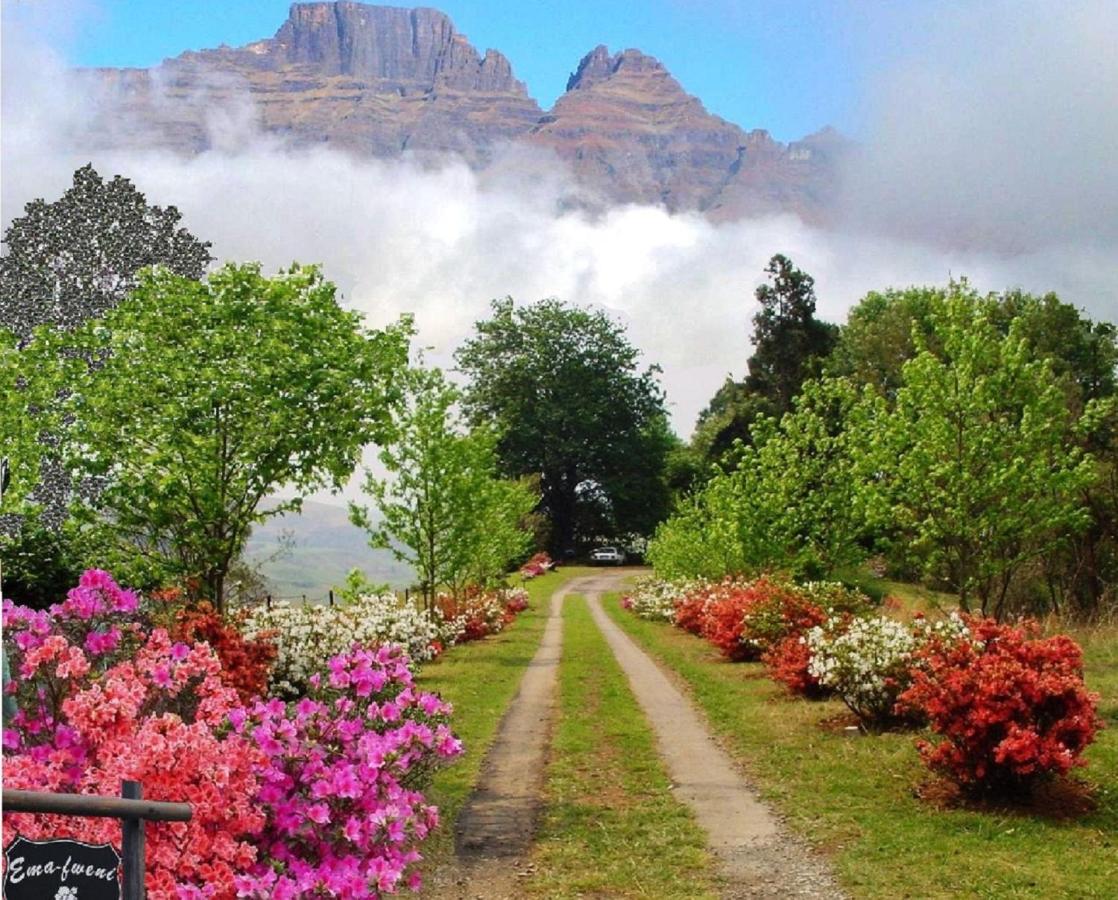
Champagne Valley offers access to the majestic Drakensberg Mountains, with opportunities for outdoor adventures and relaxation in natural surroundings. The area features diverse landscapes that attract nature enthusiasts and those seeking peaceful getaways. Visitors can explore trails and enjoy the cooler climate year-round.
## Accommodation in Champagne Valley
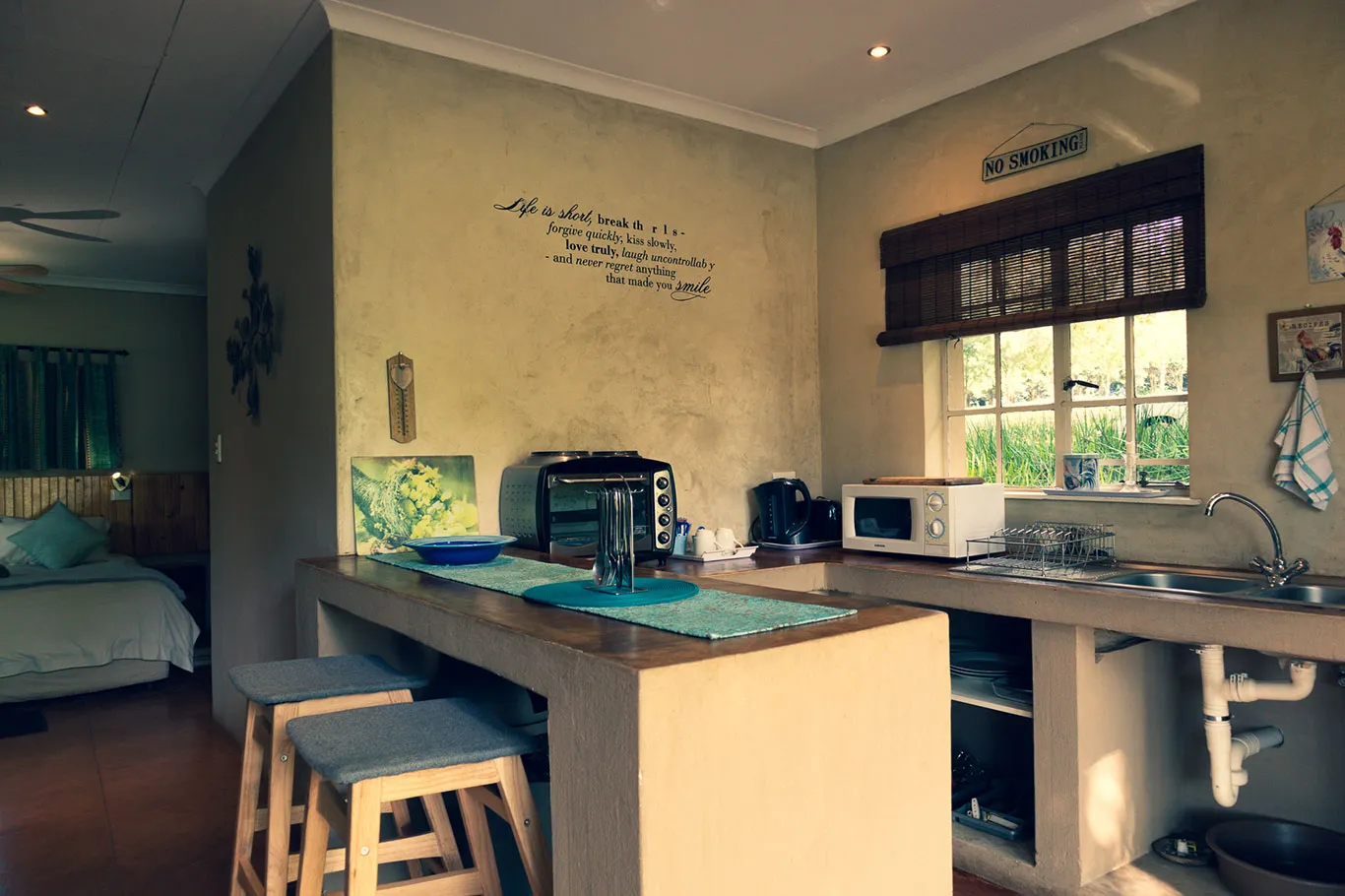
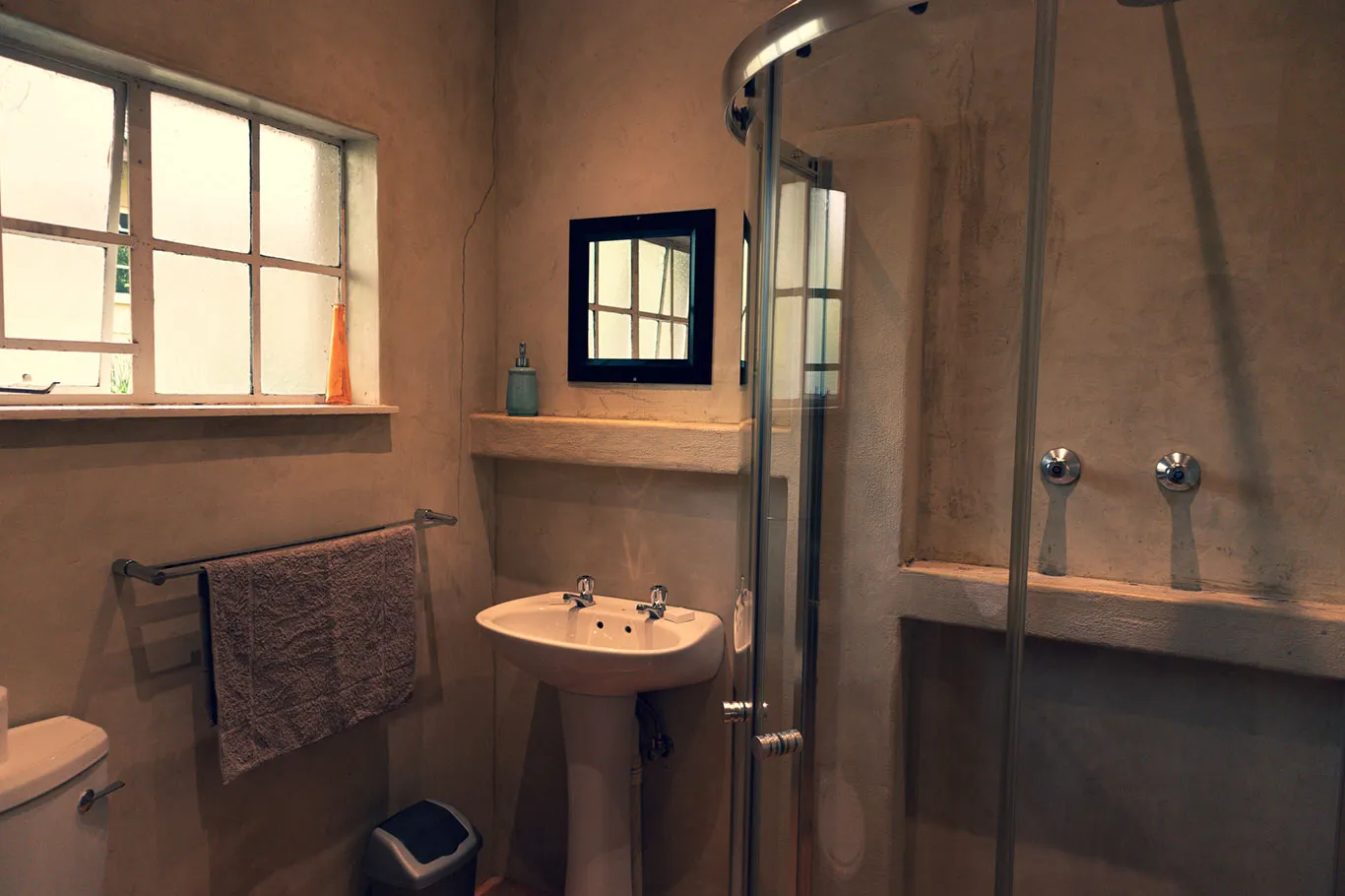
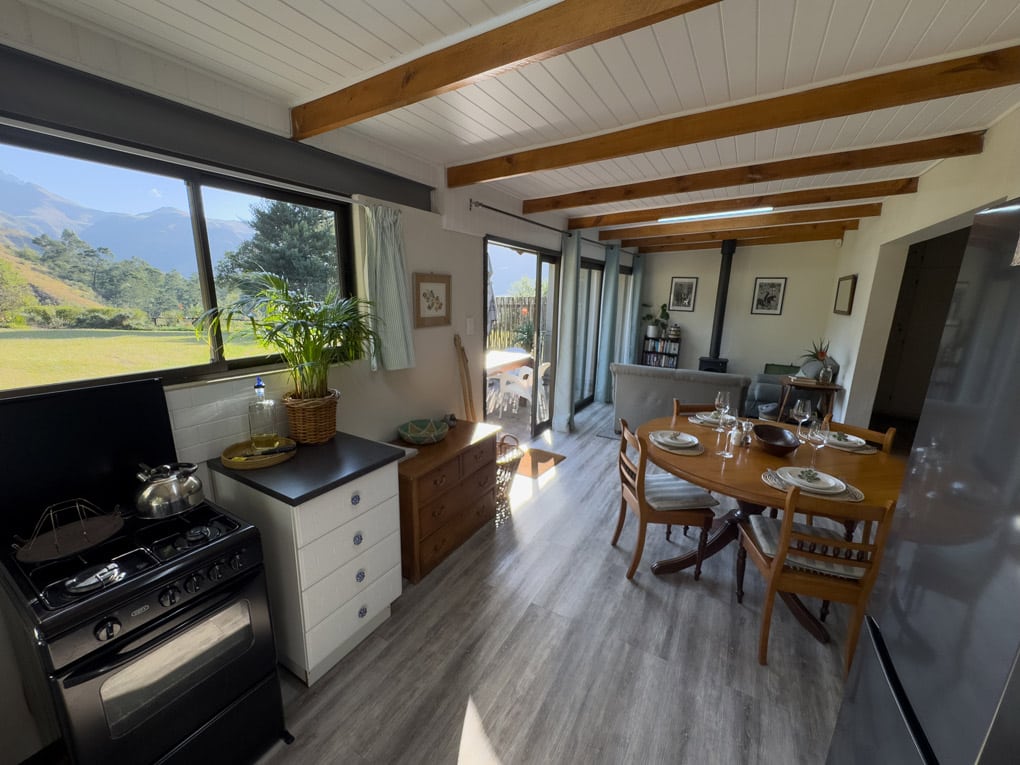
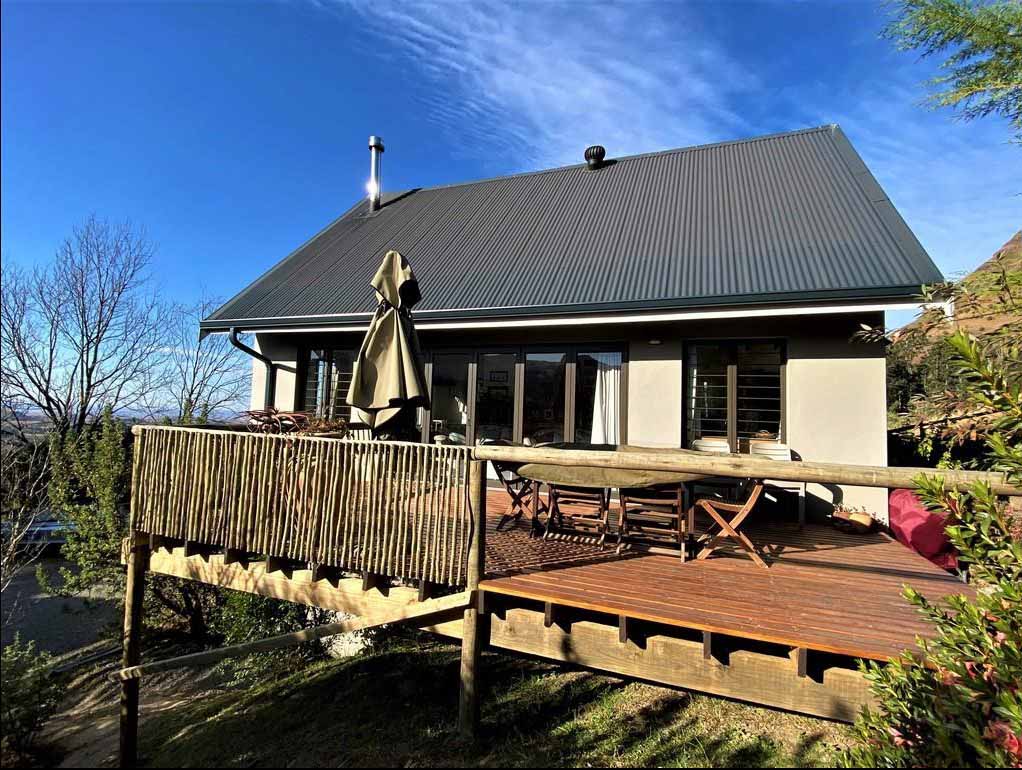
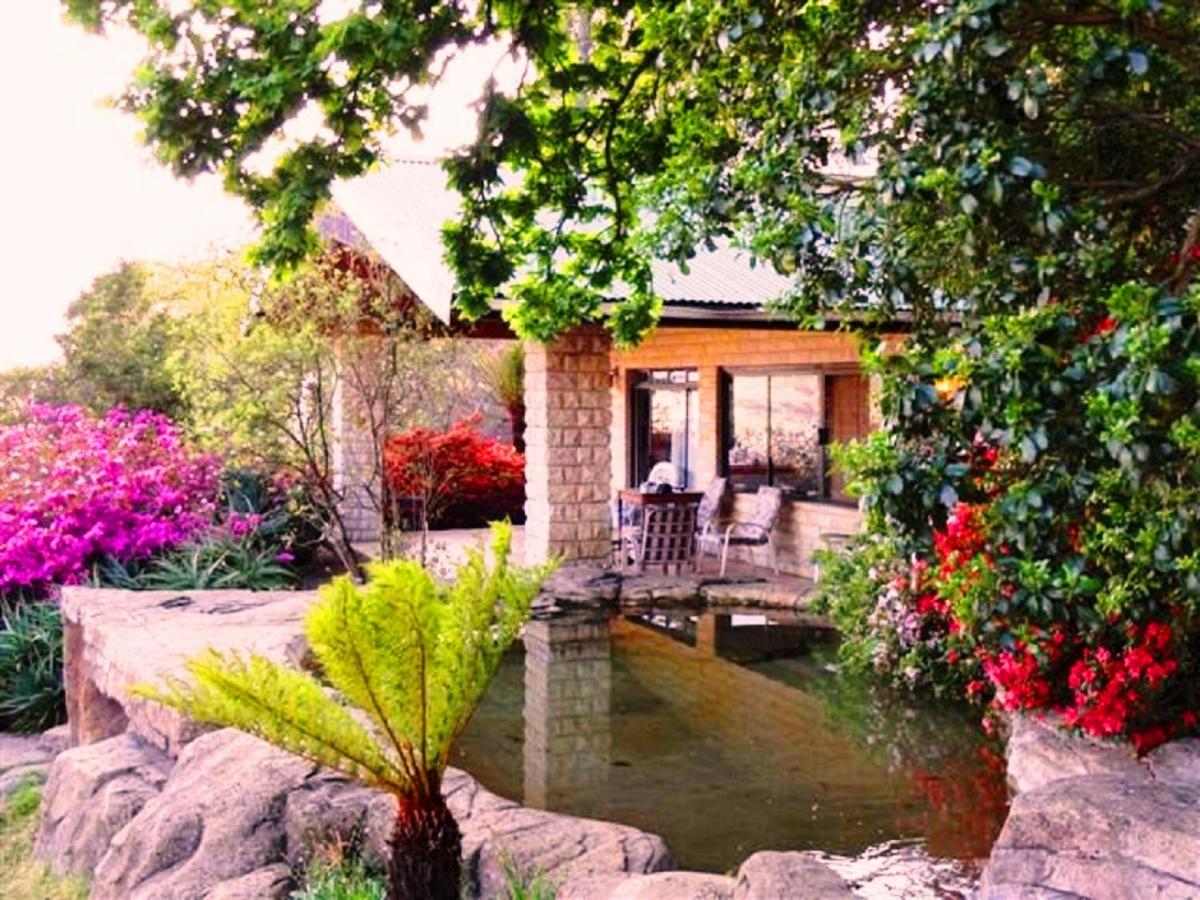
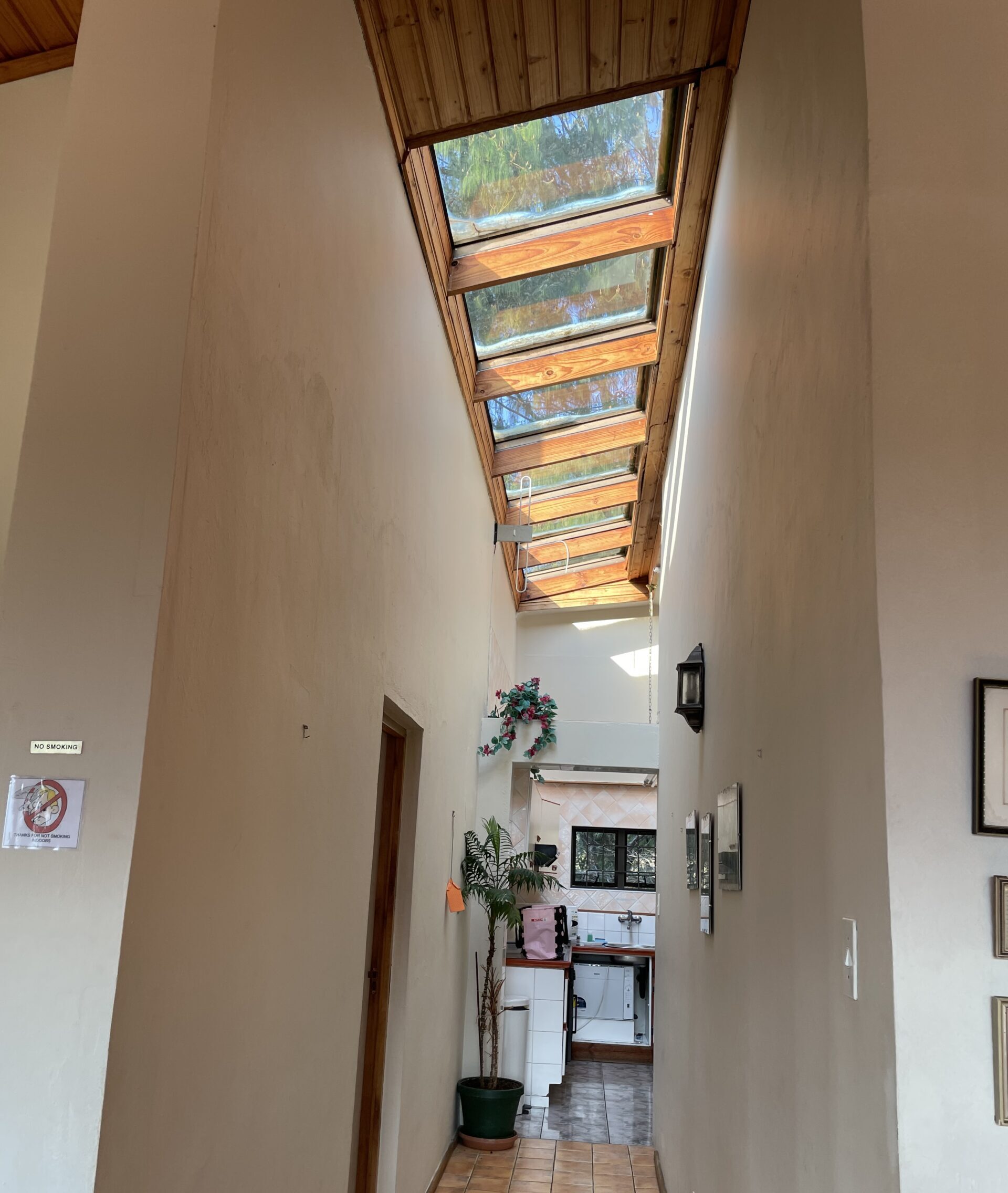
Champagne Valley currently has one property listed, a lodge that captures the style of stay that defines much of the Central Drakensberg's accommodation offering. The lodge format suits the setting well: it keeps guests close to trailheads, provides a base for multiple day walks, and typically includes enough services to handle the practicalities of a mountain trip without requiring visits to town for every meal.
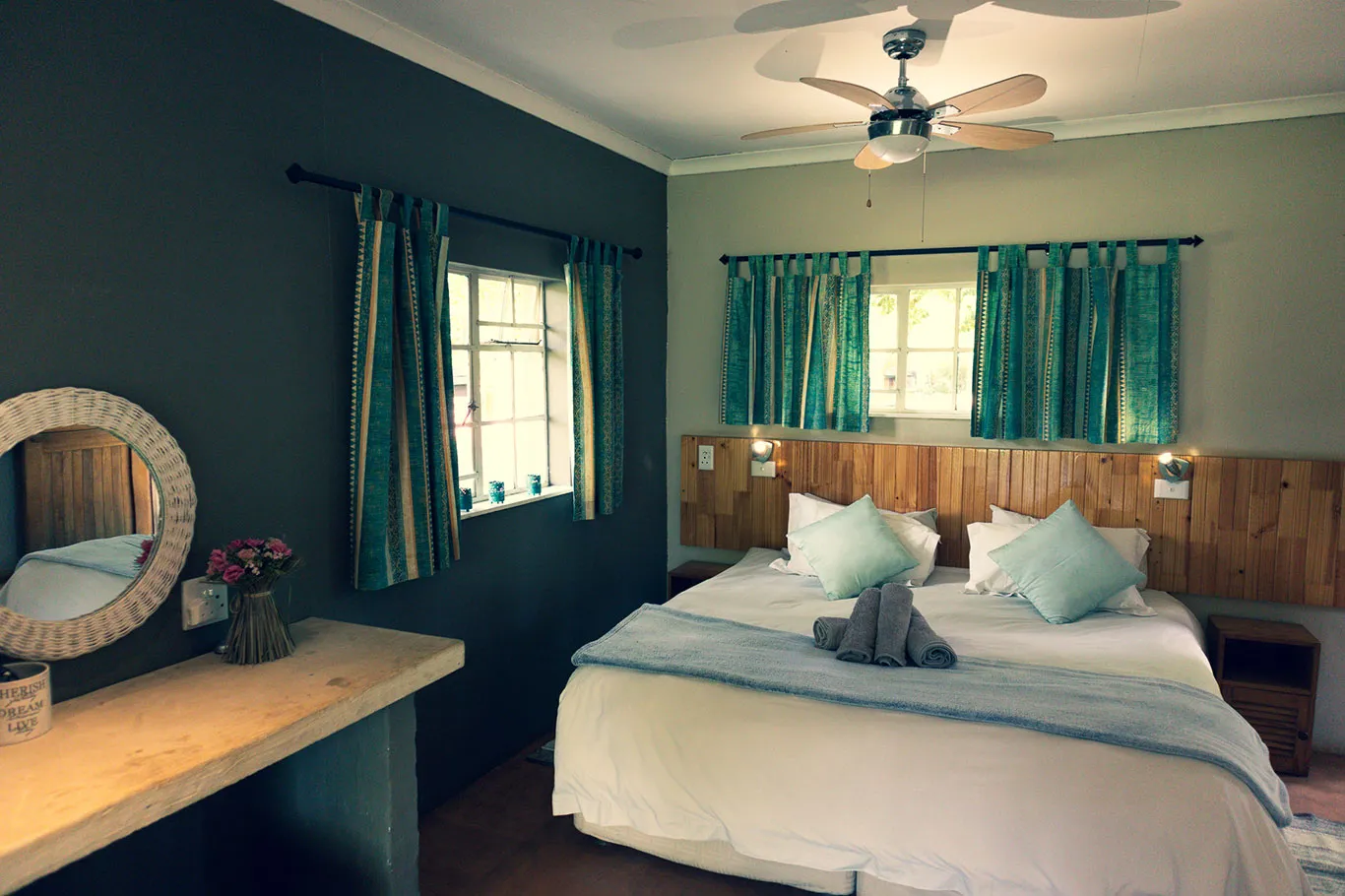
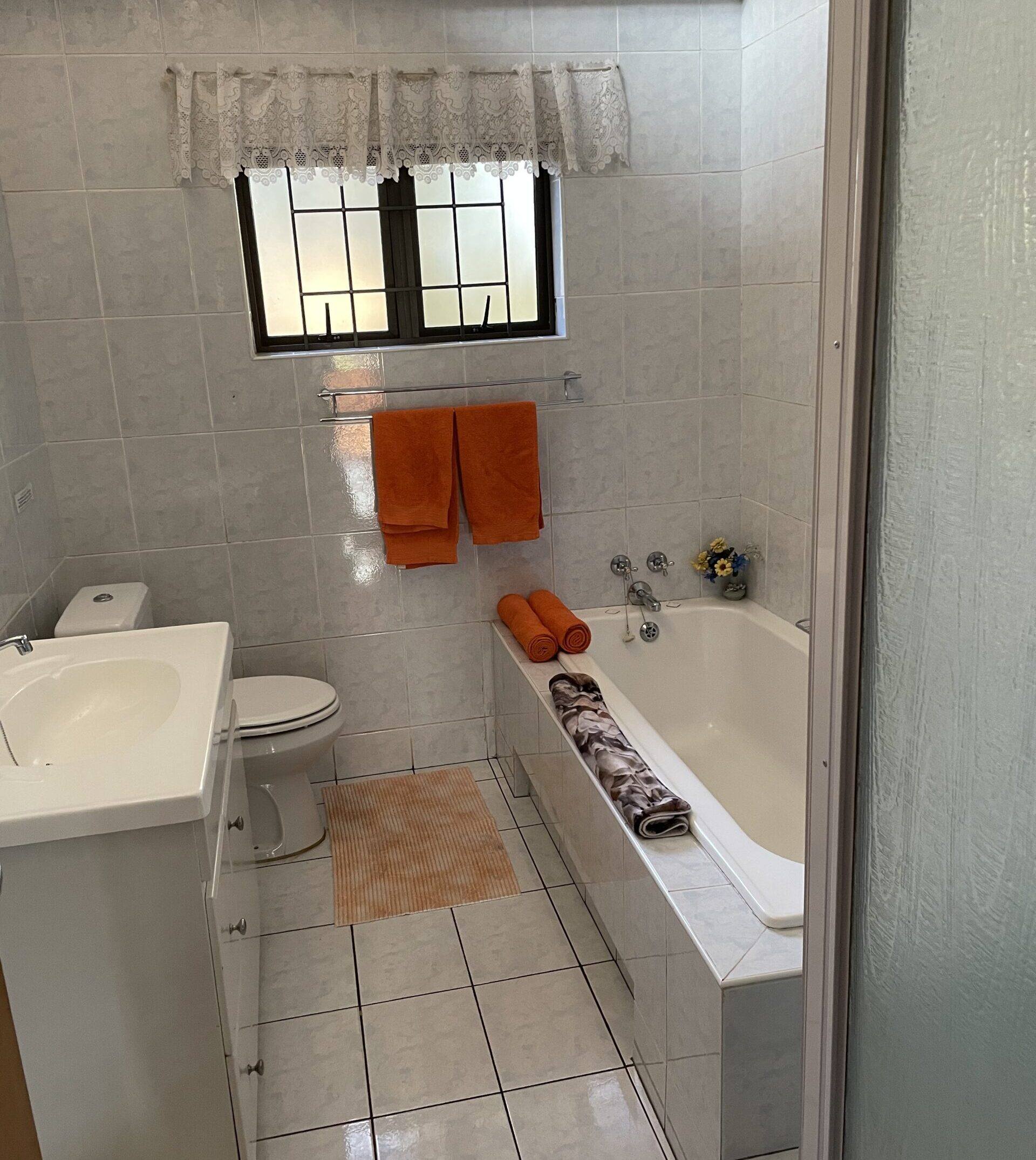
Lodges in this part of KwaZulu-Natal sit primarily at the mid-range and upper tier of the accommodation spectrum. A standard lodge room in the Drakensberg comes with an en-suite bathroom, access to a dining area serving set meals, and staff familiar with the surrounding routes. Many lodges in the broader region offer a choice between hotel-style rooms and self-catering chalets, with the chalet option being particularly useful for groups or families travelling together over several days.
At the upper end of what the lodge category delivers, guests can expect a swimming pool for the warmer months, a log fire lounge for winter evenings, and organised activities including guided hikes, horse riding, and fishing on mountain streams. Some properties at this level also accommodate corporate groups and retreats, which fills capacity during periods outside the main holiday windows.
Budget travellers will find the valley itself limited in affordable options. The lodge format does not typically accommodate backpacker-style dormitories, and those on a tighter budget often need to base themselves in nearby towns rather than the valley. Self-catering chalets within a lodge complex, shared across a small group, can make costs more manageable for longer stays.
With just one property listed, the valley offers a focused rather than varied accommodation landscape. For visitors whose main interest is the mountains and trails, the available lodge is positioned precisely for that purpose, and staying here means the Drakensberg is accessible from the moment you step outside.
---
## Best Time to Visit Champagne Valley
The seasons in Champagne Valley follow the broader Drakensberg pattern, which differs substantially from South Africa's coastal conditions. Summer, from October through March, brings afternoon thunderstorms that develop quickly over the escarpment. Mornings are often clear and suitable for hiking, but thunder and lightning can arrive by early afternoon without much warning, particularly on exposed ridgelines above 2,500 metres. Early starts are important for anyone planning longer routes into the higher ground.
Winter, from June to August, suits serious hikers. Rainfall is minimal, the air is dry, and visibility across the mountains is consistently good. Snow settles on the higher peaks, including Champagne Castle above 3,000 metres, and stays for several days after significant falls. The cold is genuine: nighttime temperatures can drop well below freezing, and daytime conditions on exposed ground remain challenging. Adequate layering is essential even for day walks that begin in sunshine.
Spring and autumn provide a practical middle ground. September and October bring wildflower growth across the grasslands, while April and May offer stable weather with lower humidity. Birding is productive throughout the year but improves during spring as migratory species return.
Visitor numbers peak around the major South African holidays, which affects trail crowding and overall availability. Those with flexible travel dates will find conditions quieter and the experience more in keeping with the mountain isolation many people come here for.
---
## Getting to Champagne Valley
The closest airport with regular domestic connections is King Shaka International, outside Durban, approximately 230 kilometres to the southeast. The drive on the N3 highway takes between two and a half and three hours. Johannesburg is roughly 400 kilometres via the same N3 corridor, a journey of four to five hours in normal conditions.
Public transport into the valley does not exist in any practical form. There are no scheduled buses or taxis serving Champagne Valley directly. Long-distance coaches from Johannesburg or Durban stop in the larger Midlands towns, but the final leg into the Drakensberg requires a private vehicle. Car hire at either airport is the most straightforward option for visitors arriving by air.
From the N3, routes into the Central Drakensberg are well-signposted. The road climbs west through farmland and foothills, with the high peaks becoming increasingly visible as elevation rises. Mountain roads closer to the valley can be narrow, and wet conditions require careful driving.
Once in the valley, a vehicle is essential for every stage of your visit. There is no local shuttle service, and trips for supplies or additional activities require driving. A standard two-wheel drive handles the main roads without difficulty in dry conditions, though a higher-clearance vehicle is useful on some lodge access roads after heavy rain.
---
## Champagne Valley and Surrounding Areas
**Cathkin Park**, 12 kilometres from the valley, is the nearest and most convenient service point for visitors staying in the area. It has fuel, a supermarket, and a handful of restaurants, making it the standard stop for provisions before heading into the mountains. The settlement also offers direct hiking access into the Drakensberg, so those looking to extend their exploration have options without travelling far.
**Isandlwana**, 36 kilometres away, is one of the most historically significant battle sites in southern Africa. The January 1879 engagement between the Zulu army and British forces resulted in one of the largest defeats the British army suffered during the colonial era. The site today includes an outdoor museum with interpretive markers, a visitor centre, and guides who can walk visitors through the battle positions and tactics. The hill that gives the site its name is a striking geographical feature visible from the surrounding plains.
**Winterton**, 37 kilometres to the east, is an agricultural town at the base of the foothills with a hospital, fuel, and a range of shops. Visitors driving up from the coast commonly stop here to stock up before the final stretch into the mountains.
**Bergville**, 40 kilometres to the north, lies closer to the Royal Natal National Park section of the Drakensberg. Visitors combining Champagne Valley with the Amphitheatre and Tugela Falls often pass through Bergville as a refuelling stop on that route.
**Kamberg Valley**, 44 kilometres south, holds some of the best-preserved San rock art in KwaZulu-Natal. Guided walks at the Kamberg Nature Reserve cover the paintings in detail and provide context on the San people who created them over many centuries. The reserve is also noted for trout fishing on its mountain streams.
**Estcourt**, 53 kilometres from the valley, is the largest centre within reasonable driving distance. It has a district hospital, multiple supermarkets, and a full range of hardware and general stores. For stays lasting a week or more, a day trip to Estcourt covers most practical supply needs that the smaller towns cannot meet.
---
## Planning Your Stay
With only one property in the valley, advance booking is not optional during busy periods. The lodge fills around South African school holidays in December, July, and Easter. If your travel dates overlap with any of these, start looking at least two months ahead. At quieter times, a few weeks' notice is usually sufficient, but confirming early still removes uncertainty.
Before finalising a booking, check whether meals are included and what the kitchen hours are. Some mountain lodges operate on a fixed dinner schedule, and arriving late after a long drive can mean going without food for the evening. Ask about check-in arrangements if you expect to arrive outside standard hours.
Clarify which activities are available on-site versus what requires leaving the property. Some lodges include guided hikes or horse riding within a package rate; others provide accommodation only and leave activity planning to guests. If you intend to walk multi-day routes into the higher Drakensberg, let the property know your planned route before setting out. Logging intended routes with accommodation is standard safety practice in the mountains and means someone knows where to look if plans change.
Winter visitors should ask about road conditions before arrival. Snow occasionally closes higher-elevation access roads in June and July. Bringing cash is also advisable, as card facilities in the valley can be limited or dependent on connectivity that is not always reliable.

Champagne Valley currently has one property listed, a lodge that captures the style of stay that defines much of the Central Drakensberg's accommodation offering. The lodge format suits the setting well: it keeps guests close to trailheads, provides a base for multiple day walks, and typically includes enough services to handle the practicalities of a mountain trip without requiring visits to town for every meal.
Lodges in this part of KwaZulu-Natal sit primarily at the mid-range and upper tier of the accommodation spectrum. A standard lodge room in the Drakensberg comes with an en-suite bathroom, access to a dining area serving set meals, and staff familiar with the surrounding routes. Many lodges in the broader region offer a choice between hotel-style rooms and self-catering chalets, with the chalet option being particularly useful for groups or families travelling together over several days.
At the upper end of what the lodge category delivers, guests can expect a swimming pool for the warmer months, a log fire lounge for winter evenings, and organised activities including guided hikes, horse riding, and fishing on mountain streams. Some properties at this level also accommodate corporate groups and retreats, which fills capacity during periods outside the main holiday windows.
Budget travellers will find the valley itself limited in affordable options. The lodge format does not typically accommodate backpacker-style dormitories, and those on a tighter budget often need to base themselves in nearby towns rather than the valley. Self-catering chalets within a lodge complex, shared across a small group, can make costs more manageable for longer stays.
With just one property listed, the valley offers a focused rather than varied accommodation landscape. For visitors whose main interest is the mountains and trails, the available lodge is positioned precisely for that purpose, and staying here means the Drakensberg is accessible from the moment you step outside.
---
## Best Time to Visit Champagne Valley
The seasons in Champagne Valley follow the broader Drakensberg pattern, which differs substantially from South Africa's coastal conditions. Summer, from October through March, brings afternoon thunderstorms that develop quickly over the escarpment. Mornings are often clear and suitable for hiking, but thunder and lightning can arrive by early afternoon without much warning, particularly on exposed ridgelines above 2,500 metres. Early starts are important for anyone planning longer routes into the higher ground.
Winter, from June to August, suits serious hikers. Rainfall is minimal, the air is dry, and visibility across the mountains is consistently good. Snow settles on the higher peaks, including Champagne Castle above 3,000 metres, and stays for several days after significant falls. The cold is genuine: nighttime temperatures can drop well below freezing, and daytime conditions on exposed ground remain challenging. Adequate layering is essential even for day walks that begin in sunshine.
Spring and autumn provide a practical middle ground. September and October bring wildflower growth across the grasslands, while April and May offer stable weather with lower humidity. Birding is productive throughout the year but improves during spring as migratory species return.
Visitor numbers peak around the major South African holidays, which affects trail crowding and overall availability. Those with flexible travel dates will find conditions quieter and the experience more in keeping with the mountain isolation many people come here for.
---
## Getting to Champagne Valley
The closest airport with regular domestic connections is King Shaka International, outside Durban, approximately 230 kilometres to the southeast. The drive on the N3 highway takes between two and a half and three hours. Johannesburg is roughly 400 kilometres via the same N3 corridor, a journey of four to five hours in normal conditions.
Public transport into the valley does not exist in any practical form. There are no scheduled buses or taxis serving Champagne Valley directly. Long-distance coaches from Johannesburg or Durban stop in the larger Midlands towns, but the final leg into the Drakensberg requires a private vehicle. Car hire at either airport is the most straightforward option for visitors arriving by air.
From the N3, routes into the Central Drakensberg are well-signposted. The road climbs west through farmland and foothills, with the high peaks becoming increasingly visible as elevation rises. Mountain roads closer to the valley can be narrow, and wet conditions require careful driving.
Once in the valley, a vehicle is essential for every stage of your visit. There is no local shuttle service, and trips for supplies or additional activities require driving. A standard two-wheel drive handles the main roads without difficulty in dry conditions, though a higher-clearance vehicle is useful on some lodge access roads after heavy rain.
---
## Champagne Valley and Surrounding Areas
**Cathkin Park**, 12 kilometres from the valley, is the nearest and most convenient service point for visitors staying in the area. It has fuel, a supermarket, and a handful of restaurants, making it the standard stop for provisions before heading into the mountains. The settlement also offers direct hiking access into the Drakensberg, so those looking to extend their exploration have options without travelling far.
**Isandlwana**, 36 kilometres away, is one of the most historically significant battle sites in southern Africa. The January 1879 engagement between the Zulu army and British forces resulted in one of the largest defeats the British army suffered during the colonial era. The site today includes an outdoor museum with interpretive markers, a visitor centre, and guides who can walk visitors through the battle positions and tactics. The hill that gives the site its name is a striking geographical feature visible from the surrounding plains.
**Winterton**, 37 kilometres to the east, is an agricultural town at the base of the foothills with a hospital, fuel, and a range of shops. Visitors driving up from the coast commonly stop here to stock up before the final stretch into the mountains.
**Bergville**, 40 kilometres to the north, lies closer to the Royal Natal National Park section of the Drakensberg. Visitors combining Champagne Valley with the Amphitheatre and Tugela Falls often pass through Bergville as a refuelling stop on that route.
**Kamberg Valley**, 44 kilometres south, holds some of the best-preserved San rock art in KwaZulu-Natal. Guided walks at the Kamberg Nature Reserve cover the paintings in detail and provide context on the San people who created them over many centuries. The reserve is also noted for trout fishing on its mountain streams.
**Estcourt**, 53 kilometres from the valley, is the largest centre within reasonable driving distance. It has a district hospital, multiple supermarkets, and a full range of hardware and general stores. For stays lasting a week or more, a day trip to Estcourt covers most practical supply needs that the smaller towns cannot meet.
---
## Planning Your Stay
With only one property in the valley, advance booking is not optional during busy periods. The lodge fills around South African school holidays in December, July, and Easter. If your travel dates overlap with any of these, start looking at least two months ahead. At quieter times, a few weeks' notice is usually sufficient, but confirming early still removes uncertainty.
Before finalising a booking, check whether meals are included and what the kitchen hours are. Some mountain lodges operate on a fixed dinner schedule, and arriving late after a long drive can mean going without food for the evening. Ask about check-in arrangements if you expect to arrive outside standard hours.
Clarify which activities are available on-site versus what requires leaving the property. Some lodges include guided hikes or horse riding within a package rate; others provide accommodation only and leave activity planning to guests. If you intend to walk multi-day routes into the higher Drakensberg, let the property know your planned route before setting out. Logging intended routes with accommodation is standard safety practice in the mountains and means someone knows where to look if plans change.
Winter visitors should ask about road conditions before arrival. Snow occasionally closes higher-elevation access roads in June and July. Bringing cash is also advisable, as card facilities in the valley can be limited or dependent on connectivity that is not always reliable.
Tipes Akkommodasie in Champagne Valley
Akkommodasiepryse in Champagne Valley
| Tipe | Inskrywings | Vanaf | Gemiddeld | Tot |
|---|---|---|---|---|
| Lodge | 1 | – | – | – |
Champagne Valley Kaart
Nabygeleë Bestemmings
Blaai Deur Alle Champagne Valley Akkommodasie
Bekyk al 1 akkommodasie-opsies in Champagne Valley met foto's, pryse en beskikbaarheid.
Blaai Deur Alle Akkommodasie