Accommodation in Chartwell
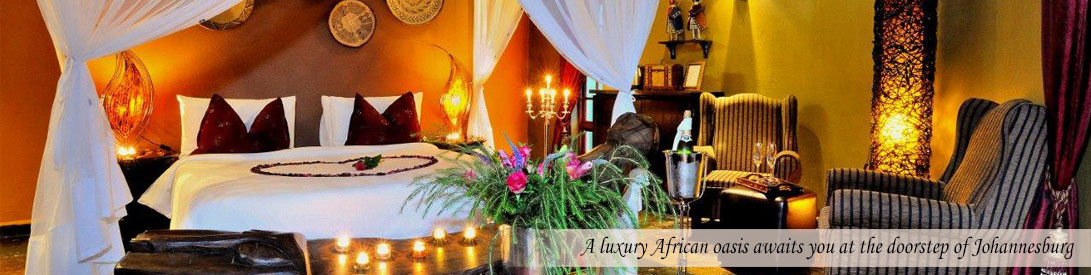
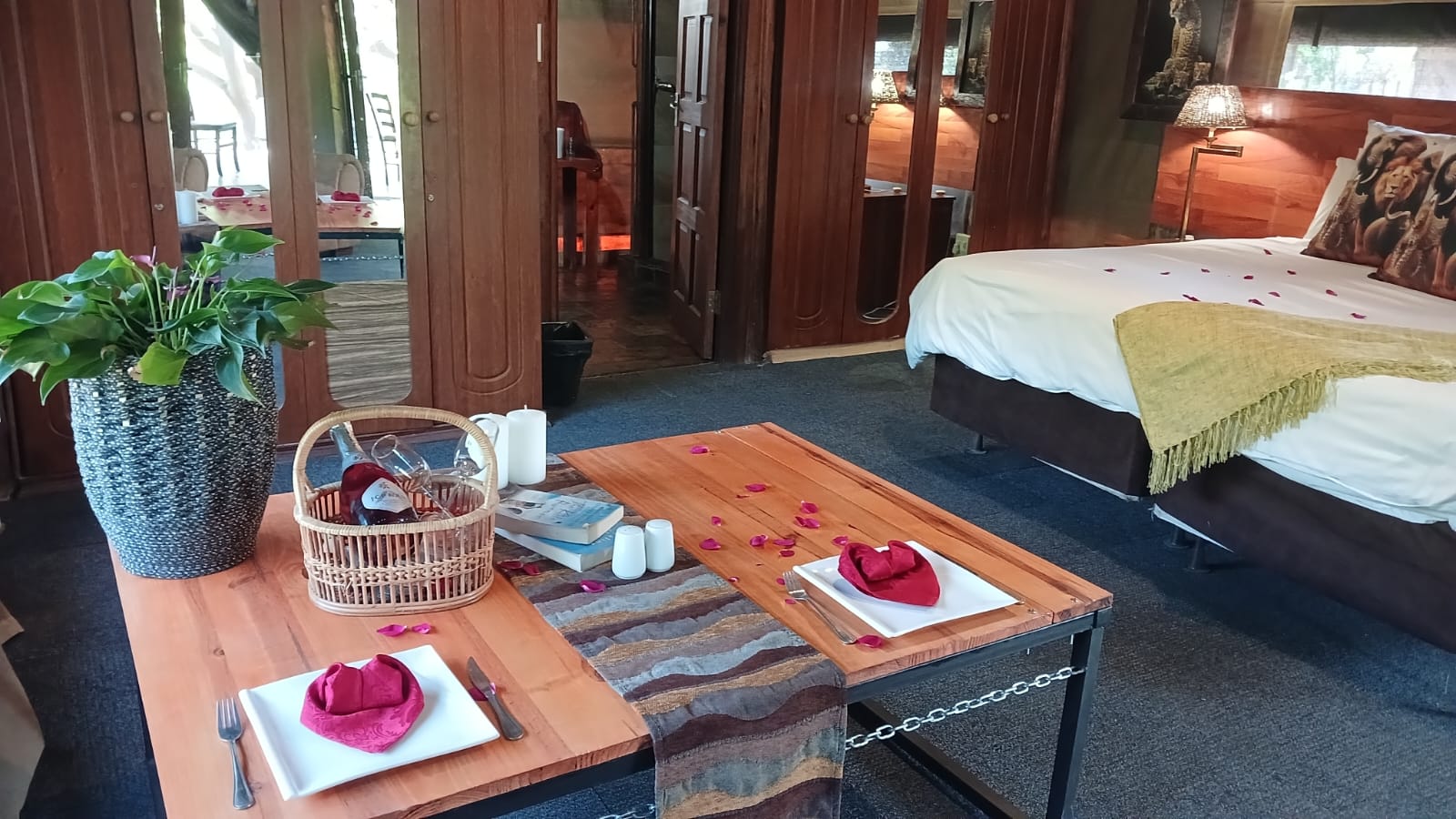
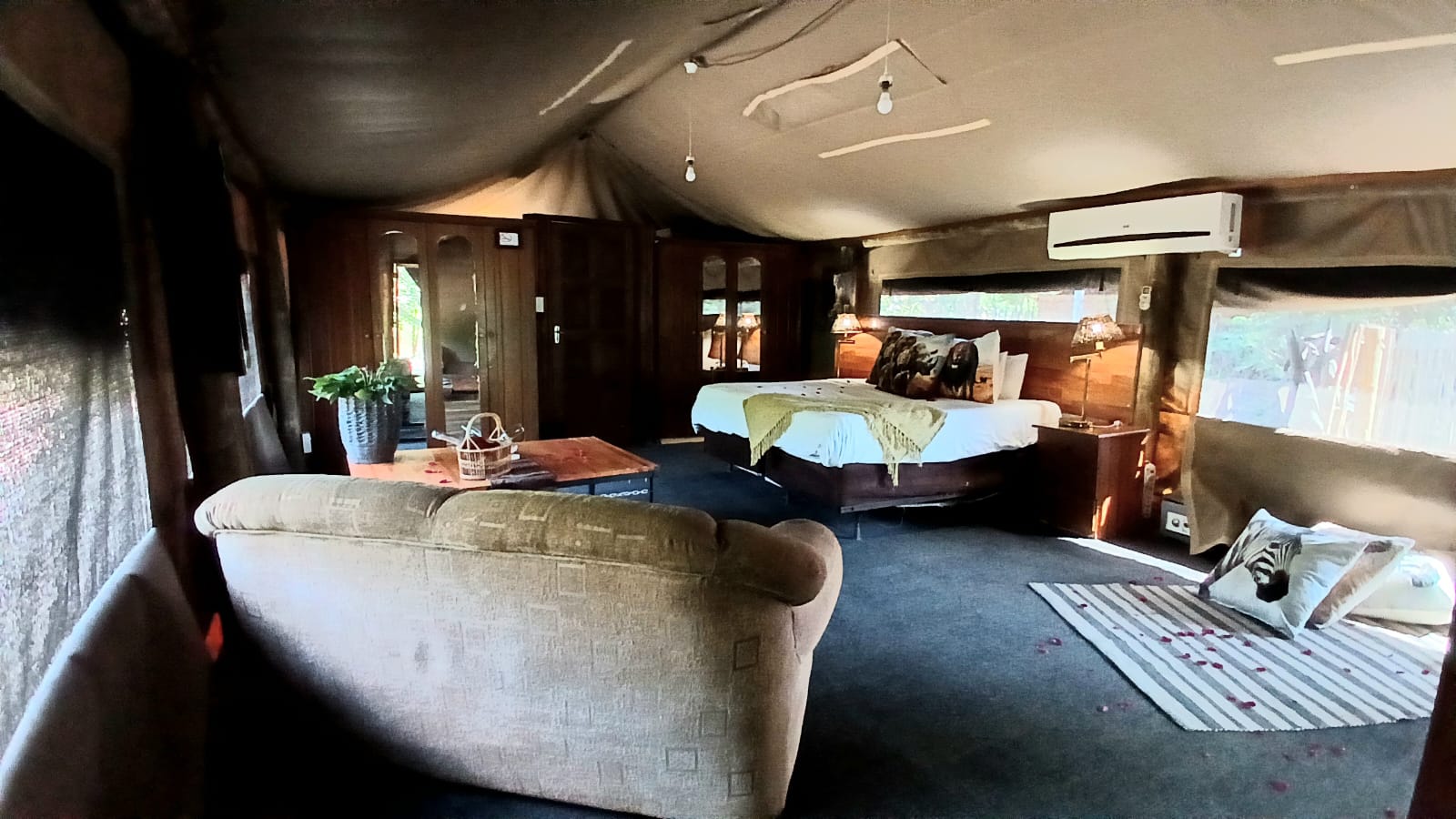
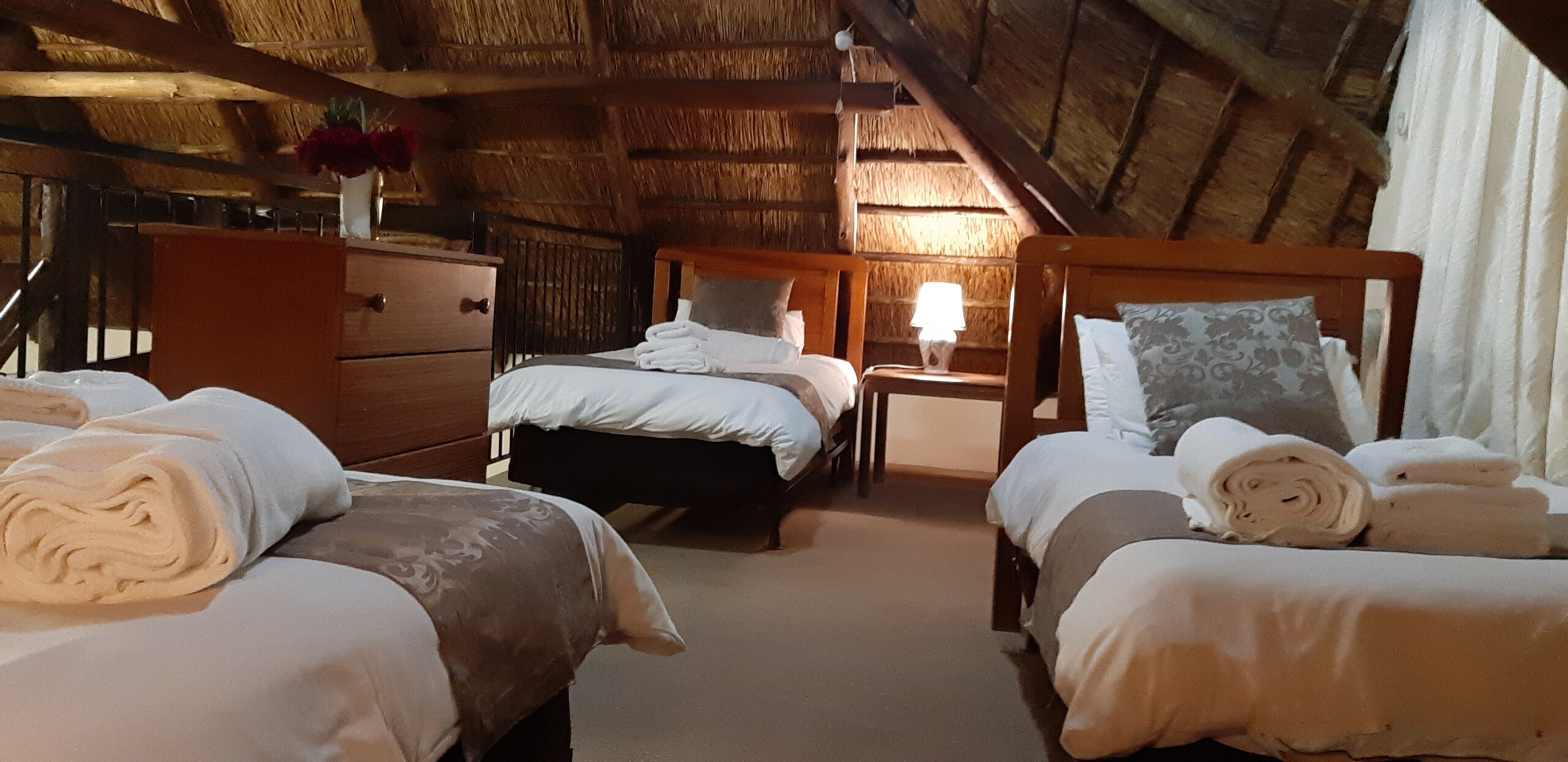
Chartwell sits within a broader landscape of large residential estates and smallholdings north of Johannesburg, and the accommodation available here reflects that character. At present, this site lists 0 properties in Chartwell, with pricing currently unavailable, though the surrounding region offers options for visitors across different budgets.
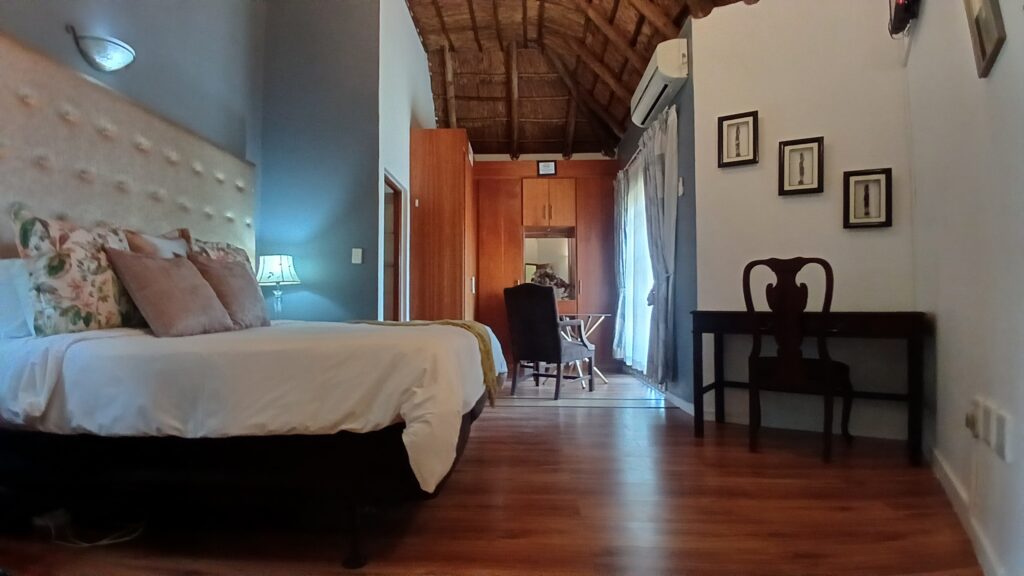
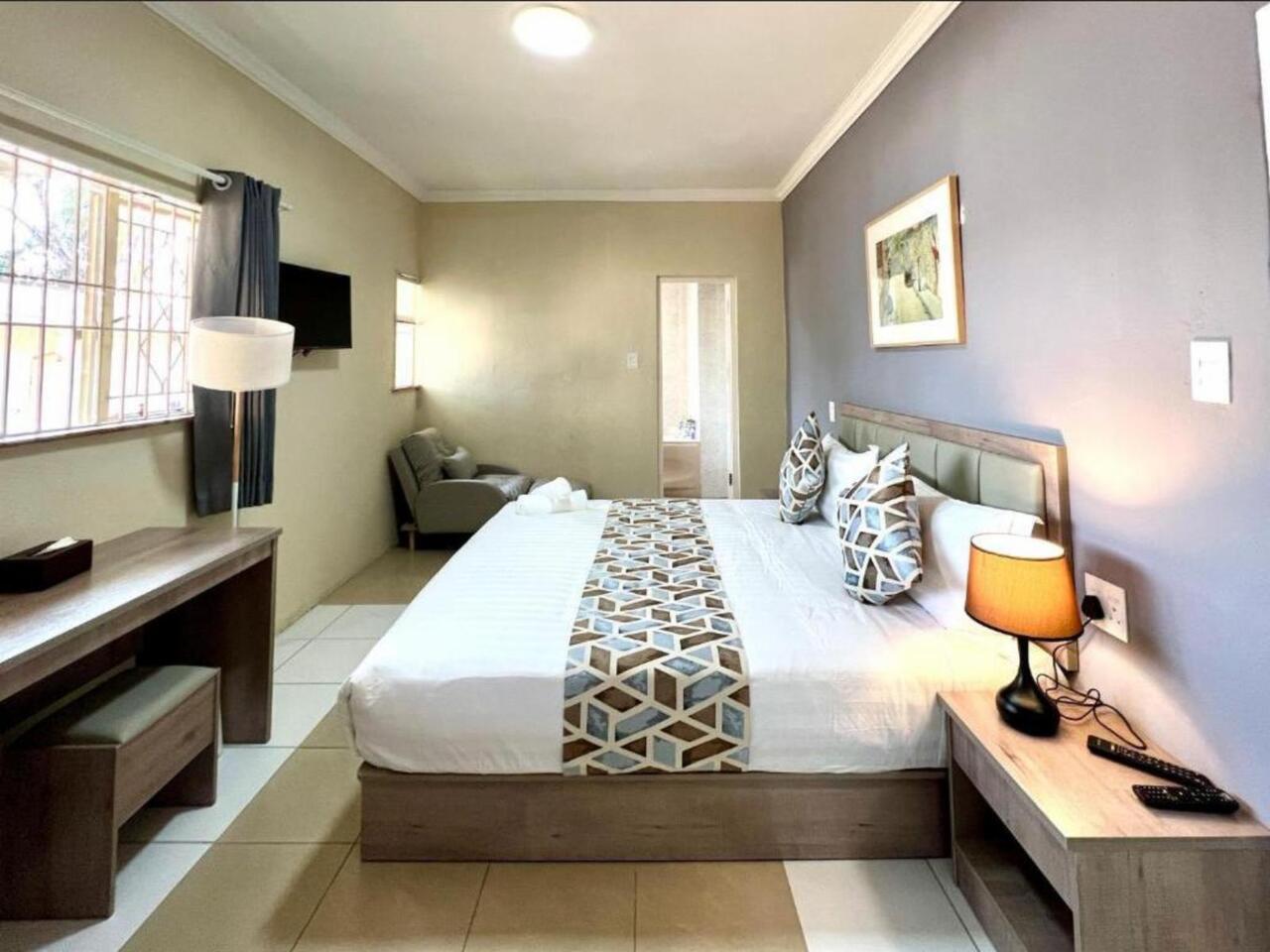
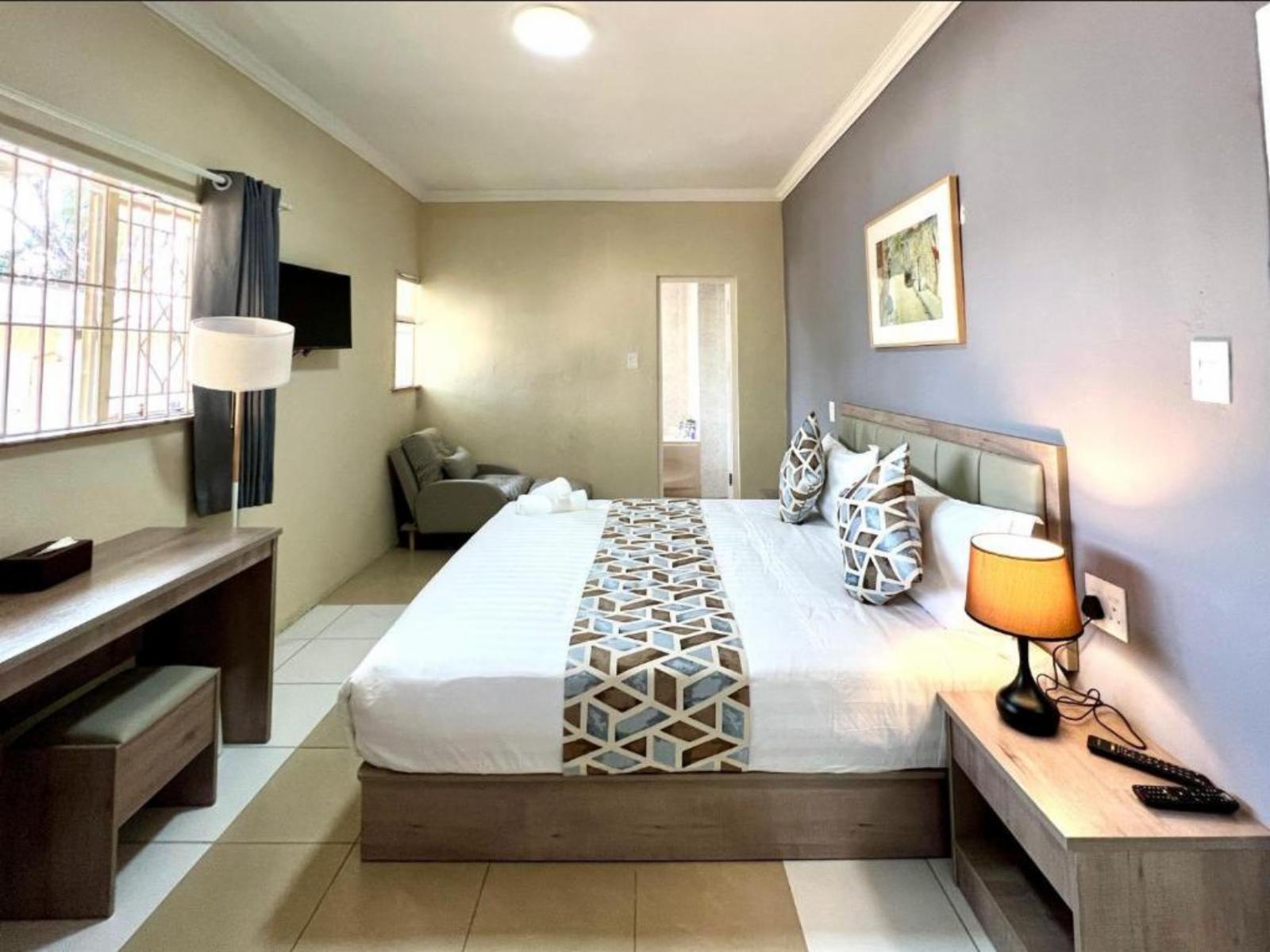
At the entry level, self-catering units and garden flats attached to private homes provide a cost-effective way to experience the area's suburban pace. These tend to be compact spaces, often with shared access to outdoor areas, and suit solo travellers or couples on a short trip who need a quiet base rather than a full property.
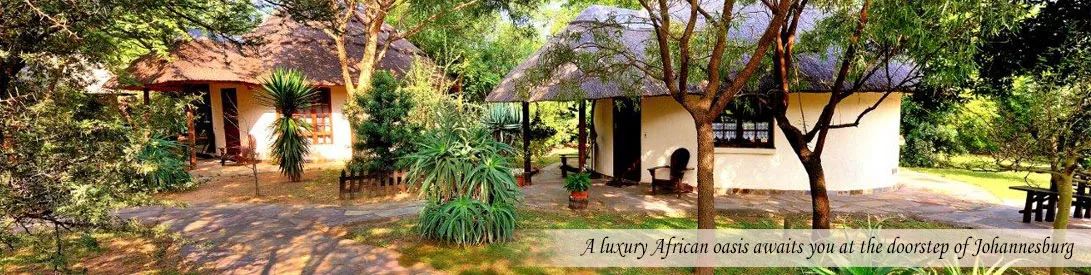
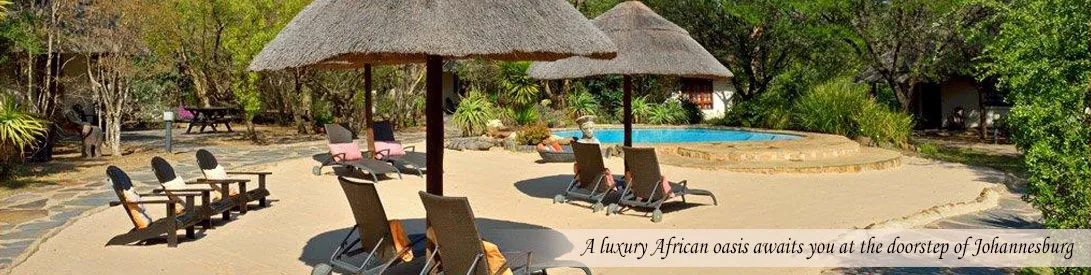
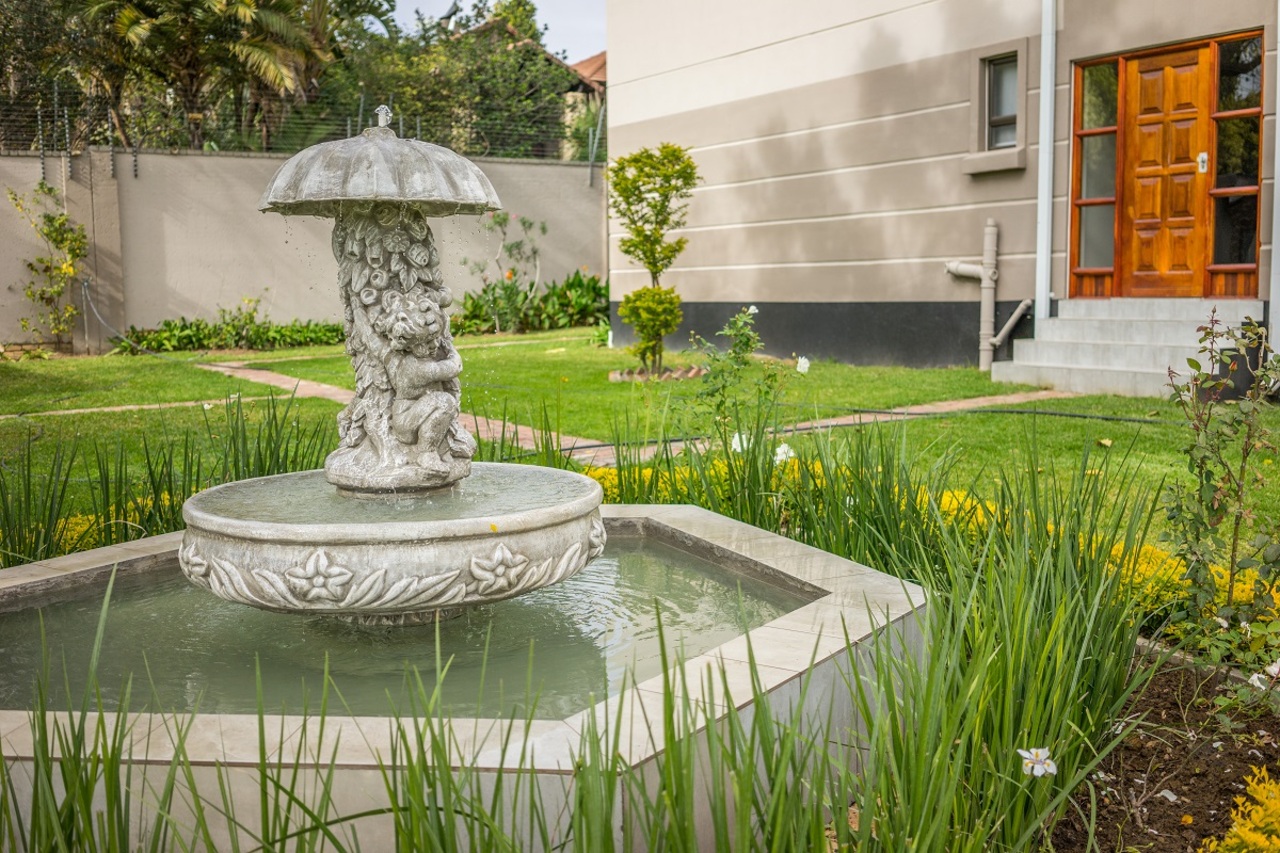
Mid-range options step up to garden cottages and two- or three-bedroom houses on larger plots. This is where Chartwell's estate character becomes most apparent, with properties set apart from neighbours, gardens that back onto open land, and a calmer atmosphere than the denser suburbs further south. Families and professionals on extended stays tend to gravitate toward this tier, where amenities like private pools, braai facilities, and secure parking become more common. The spaciousness of plots in this range is one of the main reasons visitors choose Chartwell over closer-in alternatives.
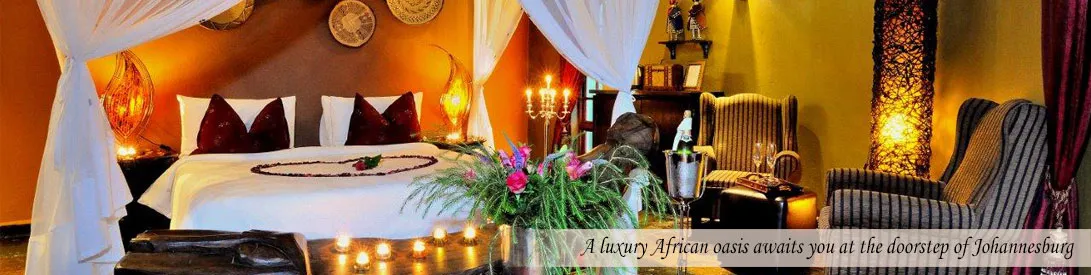
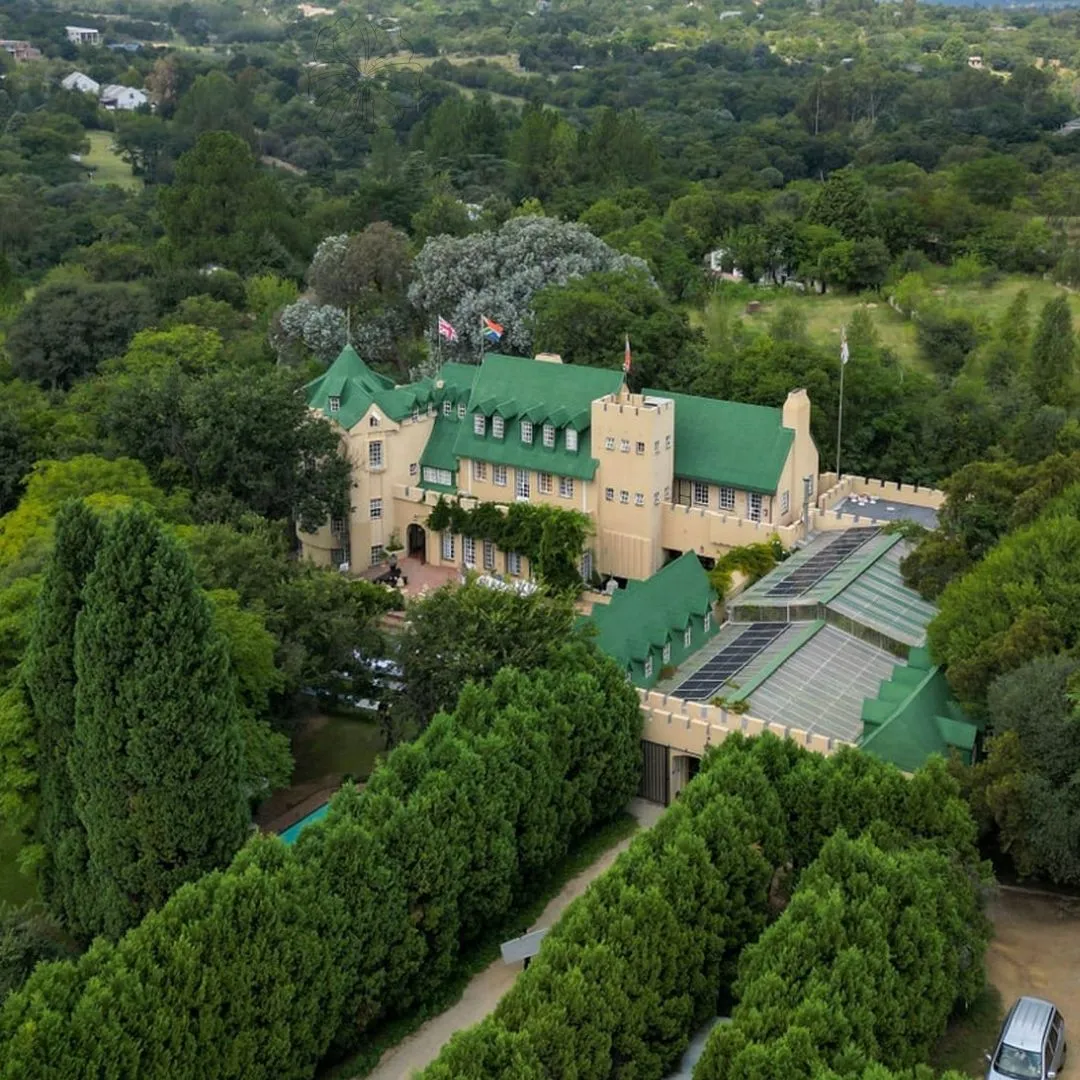
Upper-tier houses and estate homes offer the full Chartwell experience. These are typically large properties within gated developments, with multiple bedrooms, dedicated lounge and dining areas, and sometimes a separate staff cottage. Many include generators or inverter setups, a practical consideration given South Africa's intermittent load shedding schedule. Some properties back onto smallholding land, giving guests a more rural feel without losing proximity to city facilities.
Booking through a reputable platform and communicating directly with hosts about specific needs, particularly for longer stays, helps ensure the right fit. Demand in this part of Gauteng rises during busy travel periods, so planning ahead is worthwhile.
Best Time to Visit Chartwell
Gauteng's climate makes Chartwell accessible year-round, but the two distinct seasons shape what a visit looks and feels like.
Summer runs from October through March, bringing warm to hot days with the afternoon thunderstorms typical of the Highveld. Temperatures in December and January regularly reach the low to mid-thirties Celsius, and the storms, while brief, can be intense. The landscape turns green and the air clears quickly after rain, making early mornings and evenings particularly good for outdoor walks or sitting outside. This is the peak travel season, with Gauteng school holidays driving strong demand in December and January, so accommodation across the northern suburbs books up quickly.
Winter, from May through August, is dry and sunny with mild daytime temperatures usually in the mid-twenties. Nights can be cold, dropping close to zero in June and July, so warm clothing is necessary for evenings outdoors. The dry conditions produce better road surfaces, clearer skies, and a quieter visitor environment overall. Wildlife in managed reserves nearby tends to be easier to spot when vegetation is sparse.
The shoulder months of April and September fall between the two extremes, offering warm days with fewer storms than midsummer and lighter tourist traffic. For visitors whose plans depend on consistent weather, these months represent the most practical choice.
Getting to Chartwell
Lanseria International Airport sits approximately 6 kilometres from Chartwell and is the most convenient arrival point for domestic travellers, handling flights from Cape Town, Durban, and other South African cities. For international arrivals, O.R. Tambo International Airport is the main hub, lying roughly 50 kilometres southeast via the N14 and N1 highways. The drive from O.R. Tambo takes around 45 to 60 minutes in typical traffic.
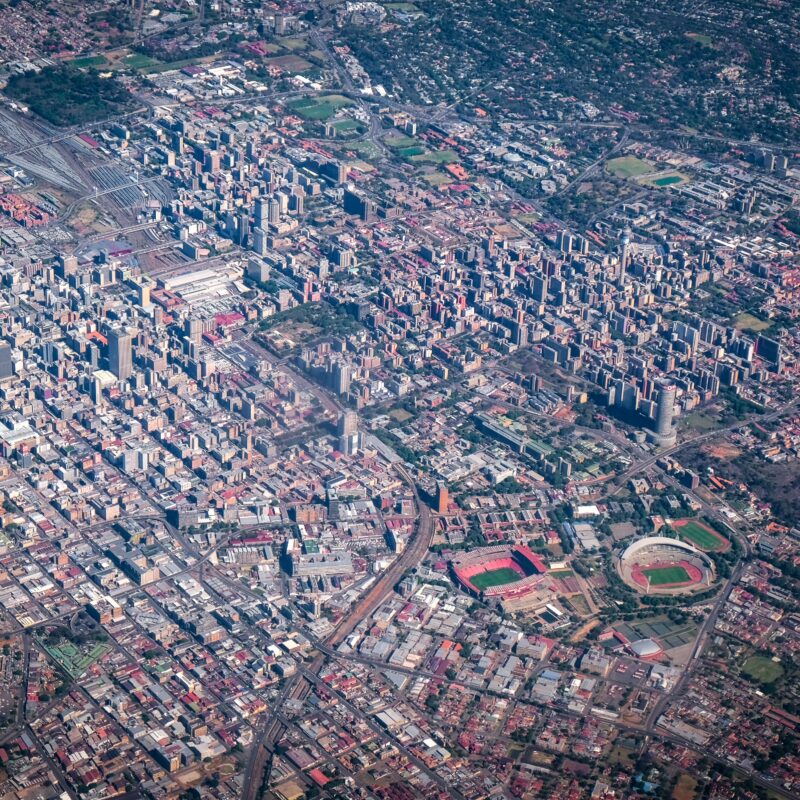
By road, Chartwell connects to the R114 and R511, which run north toward the Hartbeespoort area and south into the broader Johannesburg highway network. Pretoria is approximately 45 kilometres north via the N14, making Chartwell a reasonable midpoint between the two cities for visitors with business in both. From central Johannesburg, the drive takes around 30 to 40 minutes under normal traffic conditions, with the R55 offering a direct approach from the southern suburbs.
Public transport within Chartwell is limited. The Gautrain rapid rail network does not reach this area, though stations in the Fourways corridor are accessible by road and connect to trains heading into the city or toward O.R. Tambo. Uber and other e-hailing apps operate throughout this part of Gauteng and are practical for airport transfers or occasional day trips when a rental car is not available.
Most visitors find a private vehicle necessary for comfortable travel within Chartwell and through the surrounding smallholding areas, where distances between points do not suit walking.
Chartwell and Surrounding Areas
Chartwell's position in the northern Gauteng corridor puts it within easy reach of several distinct communities and commercial zones, each serving a different purpose for visitors using the area as a base.
Farmall, 3 kilometres away, is a small agricultural holdings area with an open, semi-rural character typical of this part of Gauteng. There is limited tourism infrastructure, but the wide plots and quieter roads offer a contrast to the more built-up suburbs closer to the city, and the area is worth a drive for those interested in the region's smallholding lifestyle.
Sunrella AH, 4 kilometres out, is another agricultural holdings zone where properties tend to be larger than standard suburban stands. The area includes smallholder farms and equestrian properties, making it worth exploring for visitors interested in horse riding or farm-style accommodation not available in more developed suburbs.
Lanseria, 6 kilometres northwest, has developed considerably beyond its airport precinct. The broader Lanseria area includes retail and light industrial zones, and a long-running smart city development project aims to significantly expand its residential and commercial footprint over the coming decades. It is increasingly a destination in its own right rather than simply a transit point.
Fourways, 7 kilometres south, functions as the main commercial hub for northern Johannesburg. Large shopping centres, a cinema complex, and the Montecasino casino and entertainment precinct cluster here, alongside a high concentration of restaurants spanning every cuisine and price point. Most daily needs, from groceries to banking, can be met in Fourways without driving further into the city.
Doornrandjies, also 7 kilometres away, shares the agricultural holdings character of the other smallholding areas in the corridor. It is not a commercial destination but illustrates the peri-urban mix that defines the immediate surrounds of Chartwell.
Sandton, 8 kilometres southeast, is Johannesburg's primary financial and commercial district. Nelson Mandela Square, the Sandton City shopping complex, and a dense concentration of restaurants and corporate offices make it the closest urban centre for upmarket dining, business meetings, or a cultural evening.
The Lion and Safari Park lies approximately 10 kilometres from Chartwell, offering guided and self-drive encounters with lions, cheetahs, wild dogs, and other species in a managed reserve. It is a practical day-trip option for families and those who want wildlife proximity without the commitment of a multi-day game reserve visit.
Planning Your Stay
Chartwell suits visitors who want access to Johannesburg's facilities without the noise and density of its inner suburbs. A few practical steps help a stay go smoothly.
Book at least four to six weeks in advance if visiting in December, January, or over the Easter school holidays, when demand across northern Gauteng rises sharply. Outside these periods, shorter lead times are generally sufficient and may yield better pricing through direct negotiation with hosts.
When reviewing properties, confirm whether a generator or inverter is included. Load shedding remains a feature of South African daily life, and a property without backup power can mean several hours without electricity each day, affecting cooking, hot water, and device charging. Also check whether the property sits inside a gated estate or on an open plot, as access procedures and security arrangements differ considerably between the two.
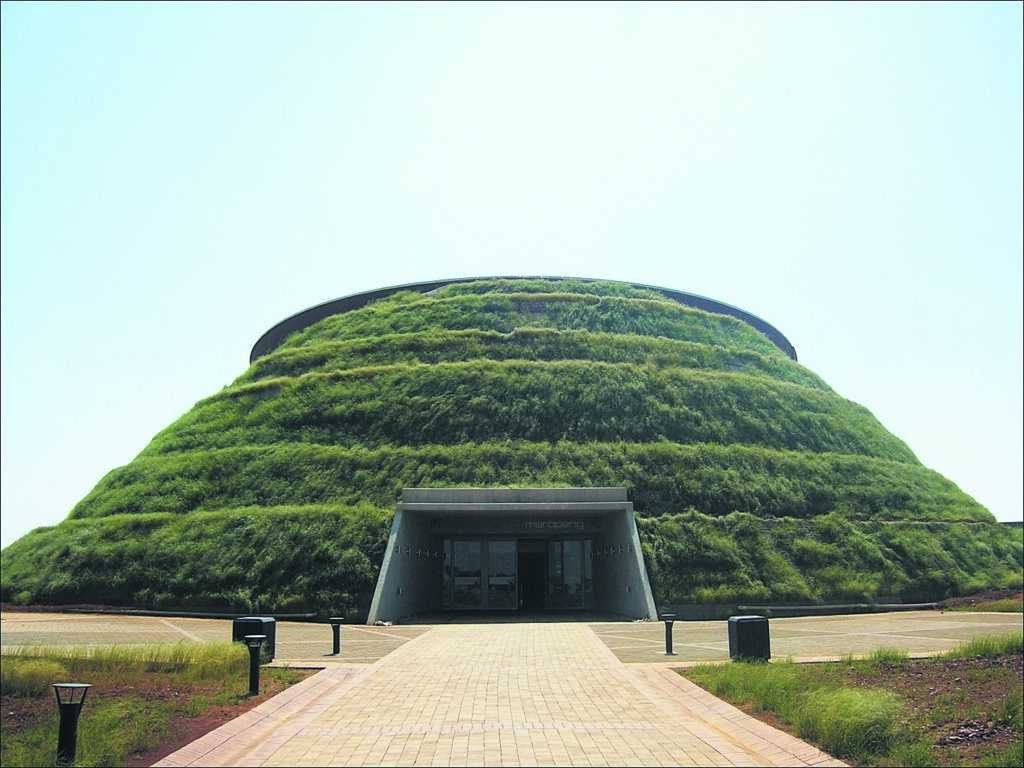
For a day trip beyond the immediate area, the Cradle of Humankind World Heritage Site lies approximately 30 kilometres from Chartwell. The Maropeng visitor centre and the Sterkfontein Caves are the main draws, covering some of the most significant early human fossil sites in the world. A half-day by car is sufficient for a focused visit, and the roads connecting Chartwell to the site are straightforward.
Check internet connectivity if remote work is part of the trip. Fibre coverage is not universal in agricultural holdings areas, and some properties rely on LTE. Confirming this before booking avoids inconvenience after arrival.