De Rust Reis- & Akkommodasiegids
Jou volledige gids om De Rust, Suid-Afrika te besoek.
1
Eiendom
Vanaf
R5,060
/ nag
Gemiddeld
R5,060
/ nag
Gewildste
Lodge
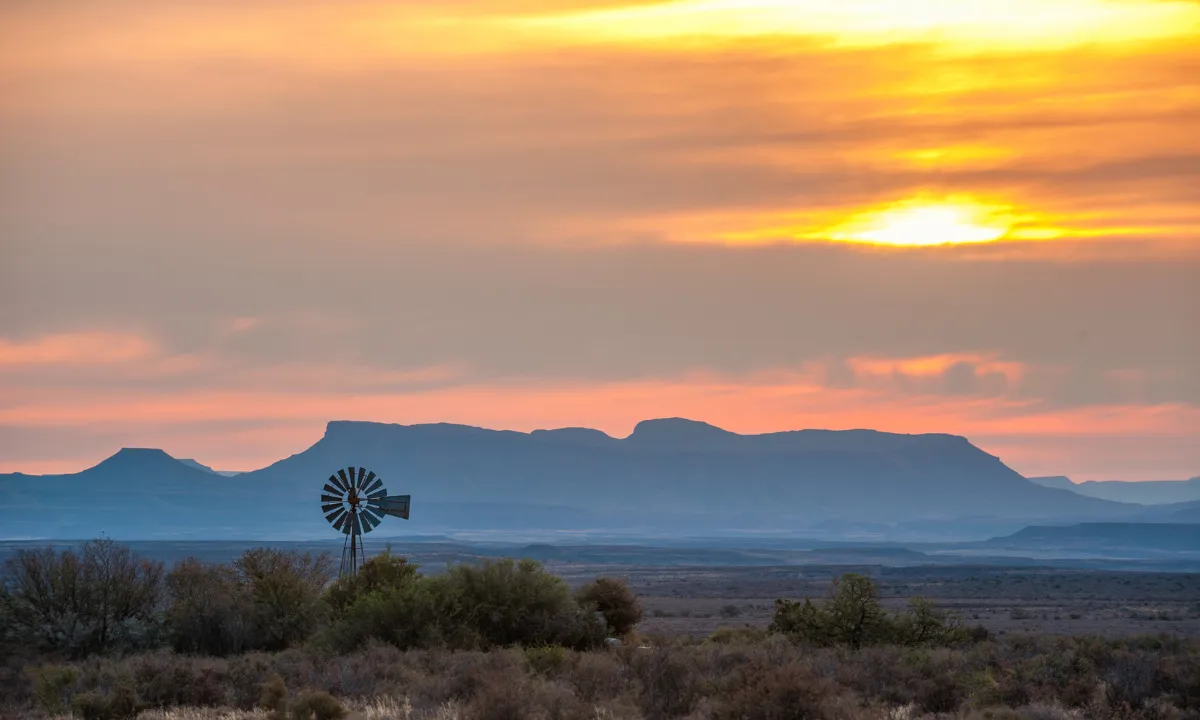
De Rust is a small Karoo town in the Western Cape, positioned between Oudtshoorn and the Swartberg Mountains. This quiet settlement serves as a gateway to the scenic Route 62 and offers visitors a taste of authentic Karoo hospitality and landscapes.
## Accommodation in De Rust
De Rust's accommodation offering is small by the standards of better-known Klein Karoo towns. A single listed property, priced at R5,060 per night, covers what the town currently provides through formal booking channels. That property is a lodge, a format well-matched to the Karoo environment and to the kind of visit most people make here.
Lodge accommodation in this part of South Africa typically means self-contained space on a private or semi-private basis, with braai facilities, a well-equipped kitchen, and views across open terrain. Unlike a hotel or formal guesthouse, there is no morning table service or fixed front desk. Guests tend to have the property largely to themselves and manage their own schedules. The emphasis falls on independence: cooking when you choose, coming and going freely, and using the property as a base for day trips rather than as an activity hub.
De Rust's position on a well-travelled route means it sees a steady flow of passing visitors, but those who stay more than a single night typically choose it for the pace of the town itself. A lodge-style property suits that kind of visit, providing space to settle in without the structure of scheduled services. Guests arriving as part of a longer Klein Karoo road trip often find De Rust works well as a midpoint rather than a final destination.
At this price point, expect well-appointed rather than bare-bones. Karoo lodges frequently incorporate whitewashed walls, exposed timber ceilings, deep verandas, and wood-burning fireplaces. These features are practical as much as atmospheric, given the cold winters and the significant temperature swings between day and night. Specific inclusions vary and should always be confirmed before booking, particularly around linen, Wi-Fi, braai equipment, and whether firewood is provided for winter stays.
Because the total inventory amounts to a single property, availability disappears quickly at busy periods. Last-minute deals are unlikely, and there is no scope to compare options within De Rust itself. Stocking up on groceries before arriving is worth planning, as the town has limited retail options and the nearest larger shopping facilities are a short drive away.
---
## Best Time to Visit De Rust
The Klein Karoo has a continental climate with pronounced temperature swings between seasons and between day and night. Summers, from November through February, bring the most demanding conditions. Midday temperatures regularly exceed 35 degrees Celsius, and the heat radiates from the pale Karoo soil well into the evening. On the hottest days, the town quietens by midday and picks up again in the late afternoon, a rhythm that shapes any visit more than a formal itinerary would.
Autumn and spring offer the most comfortable conditions for travel. March through May and September through October bring warm days, cool nights, and generally clear skies. Spring can produce scattered wildflowers across the plains around De Rust following good winter rainfall, though the bloom is modest and depends heavily on the season's precipitation total. These shoulder periods also tend to fall outside the main South African school holiday windows, which makes logistics easier.
Winter runs from June through August. The valley floor sees frost rather than snow in most years, though the higher surrounding peaks can carry snow after cold fronts. Daytime temperatures at lower elevations sit between 10 and 20 degrees Celsius. The dry winter air makes the cold feel less punishing than the numbers suggest, but evenings are genuinely cold. Clear winter nights offer excellent stargazing, as light pollution is minimal across the Karoo.
Peak domestic tourism falls during the summer and winter school breaks. Travelling in May or late August gives reasonable weather alongside smaller crowds.
---
## Getting to De Rust
De Rust sits on Route 62, which runs east-west through the Klein Karoo. The nearest city with a regional airport is George, roughly an hour's drive south, with direct flights connecting to Cape Town and Johannesburg. Car hire is available at George Airport, making a fly-drive itinerary practical for visitors arriving from further afield. The drive north from George crosses either the Outeniqua or Robinson pass, both involving notable mountain scenery, so the approach to De Rust forms part of the experience rather than merely a transit leg.
There is no scheduled bus or minibus taxi service running directly to De Rust. Long-distance coaches serve the Garden Route corridor, but onward travel to De Rust from either end requires a hired car or private arrangement. Most visitors arrive by car, and for the region as a whole, a car is the only practical way to get around.
Once in town, the main street takes only a few minutes to walk from end to end. Reaching nearby towns, surrounding farms, or the mountain terrain north of De Rust all require independent transport. A standard sedan handles the area's tarred roads without difficulty. Gravel routes call for slower driving and attention to road surface. Fuel is available in De Rust, though filling up at a larger centre before heading into remote areas remains a sensible precaution.
---
## De Rust and Surrounding Areas
De Rust sits within a compact radius of destinations spanning different landscapes and town characters, making day trips in most directions worthwhile.
**Klaarstroom**, 18 kilometres north, is the nearest village and the southern entry point for the Swartberg Pass. This gravel mountain road, engineered by Thomas Bain and completed in 1888, forms part of a UNESCO World Heritage Site and rises steeply through bare rock faces and open mountain terrain, connecting the Little Karoo with the Great Karoo above. The pass has no services or fuel once you leave Klaarstroom, and road conditions should be checked before departure, particularly after rain. It is one of the more demanding and rewarding drives in South Africa and can be completed as a return trip in a single day.
At the northern end of the pass lies **Prince Albert**, 55 kilometres from De Rust. This well-preserved town has 19th-century Cape Dutch and Victorian architecture, a modest olive oil industry, and an established arts community. It has good coffee shops and a few small but well-regarded restaurants, along with the kind of complete quiet that comes from being a genuine working Karoo settlement.
**Oudtshoorn**, 32 kilometres west, is the Klein Karoo's main commercial and tourist hub and the centre of South Africa's ostrich farming industry. The Cango Caves, a large limestone cave system with impressive formations, sit just outside town and offer guided tours at multiple difficulty levels.
**Herold**, 40 kilometres toward the coast, is a small farming settlement where dry Karoo scrub gives way to fruit orchards and moister foothills terrain. A small winery operates here, and the stop suits a brief visit on the drive between De Rust and the coast rather than an extended stay.
**George**, 53 kilometres south, is the Garden Route's main city, offering full retail facilities, hospital services, and access to the Wilderness coast and Outeniqua forests. It provides the urban infrastructure that De Rust does not.
**Hoekwil**, also 53 kilometres south in the forested hills above the Wilderness coastline, is known for indigenous forest walks andthe Woodville Big Tree, a large protected yellowwood. The shift from De Rust's open dry plains to dense indigenous forest within an hour's drive makes the contrast worth the trip.
---
## Planning Your Stay
With a single listed property in De Rust, availability is limited and books out faster than in towns with a larger pool of options. Check dates well in advance, particularly around South African school holidays in June/July and December/January, and in late March or early April when the KKNK, a major Afrikaans arts festival held in the Klein Karoo, draws large numbers of regional visitors.
Before confirming, verify what the nightly rate includes. Self-catering Karoo properties vary considerably: some provide a fully stocked kitchen, firewood, and all linen; others offer only the basics. Wi-Fi and mobile data signal can be unreliable at rural properties, so if connectivity matters for your stay, ask directly rather than assuming it is available.
Bring cash as a backup. Card machines at smaller Karoo establishments do not always function reliably, and ATM access in De Rust is limited. A standard car handles the tarred roads around town, but if you plan to drive gravel mountain routes, check road conditions before setting out, as rain or maintenance can temporarily close sections.
Water supply is worth asking about. Some rural properties draw from borehole or rainwater catchment rather than municipal supply, which can affect availability during extended dry periods. If travelling in summer or planning more than a few nights, confirm water availability at the time of booking. Travelling with pets or specific accessibility requirements also warrants a direct enquiry, as rural Karoo properties vary considerably and formal information is not always listed online.

De Rust's accommodation offering is small by the standards of better-known Klein Karoo towns. A single listed property, priced at R5,060 per night, covers what the town currently provides through formal booking channels. That property is a lodge, a format well-matched to the Karoo environment and to the kind of visit most people make here.
Lodge accommodation in this part of South Africa typically means self-contained space on a private or semi-private basis, with braai facilities, a well-equipped kitchen, and views across open terrain. Unlike a hotel or formal guesthouse, there is no morning table service or fixed front desk. Guests tend to have the property largely to themselves and manage their own schedules. The emphasis falls on independence: cooking when you choose, coming and going freely, and using the property as a base for day trips rather than as an activity hub.
De Rust's position on a well-travelled route means it sees a steady flow of passing visitors, but those who stay more than a single night typically choose it for the pace of the town itself. A lodge-style property suits that kind of visit, providing space to settle in without the structure of scheduled services. Guests arriving as part of a longer Klein Karoo road trip often find De Rust works well as a midpoint rather than a final destination.
At this price point, expect well-appointed rather than bare-bones. Karoo lodges frequently incorporate whitewashed walls, exposed timber ceilings, deep verandas, and wood-burning fireplaces. These features are practical as much as atmospheric, given the cold winters and the significant temperature swings between day and night. Specific inclusions vary and should always be confirmed before booking, particularly around linen, Wi-Fi, braai equipment, and whether firewood is provided for winter stays.
Because the total inventory amounts to a single property, availability disappears quickly at busy periods. Last-minute deals are unlikely, and there is no scope to compare options within De Rust itself. Stocking up on groceries before arriving is worth planning, as the town has limited retail options and the nearest larger shopping facilities are a short drive away.
---
## Best Time to Visit De Rust
The Klein Karoo has a continental climate with pronounced temperature swings between seasons and between day and night. Summers, from November through February, bring the most demanding conditions. Midday temperatures regularly exceed 35 degrees Celsius, and the heat radiates from the pale Karoo soil well into the evening. On the hottest days, the town quietens by midday and picks up again in the late afternoon, a rhythm that shapes any visit more than a formal itinerary would.
Autumn and spring offer the most comfortable conditions for travel. March through May and September through October bring warm days, cool nights, and generally clear skies. Spring can produce scattered wildflowers across the plains around De Rust following good winter rainfall, though the bloom is modest and depends heavily on the season's precipitation total. These shoulder periods also tend to fall outside the main South African school holiday windows, which makes logistics easier.
Winter runs from June through August. The valley floor sees frost rather than snow in most years, though the higher surrounding peaks can carry snow after cold fronts. Daytime temperatures at lower elevations sit between 10 and 20 degrees Celsius. The dry winter air makes the cold feel less punishing than the numbers suggest, but evenings are genuinely cold. Clear winter nights offer excellent stargazing, as light pollution is minimal across the Karoo.
Peak domestic tourism falls during the summer and winter school breaks. Travelling in May or late August gives reasonable weather alongside smaller crowds.
---
## Getting to De Rust
De Rust sits on Route 62, which runs east-west through the Klein Karoo. The nearest city with a regional airport is George, roughly an hour's drive south, with direct flights connecting to Cape Town and Johannesburg. Car hire is available at George Airport, making a fly-drive itinerary practical for visitors arriving from further afield. The drive north from George crosses either the Outeniqua or Robinson pass, both involving notable mountain scenery, so the approach to De Rust forms part of the experience rather than merely a transit leg.
There is no scheduled bus or minibus taxi service running directly to De Rust. Long-distance coaches serve the Garden Route corridor, but onward travel to De Rust from either end requires a hired car or private arrangement. Most visitors arrive by car, and for the region as a whole, a car is the only practical way to get around.
Once in town, the main street takes only a few minutes to walk from end to end. Reaching nearby towns, surrounding farms, or the mountain terrain north of De Rust all require independent transport. A standard sedan handles the area's tarred roads without difficulty. Gravel routes call for slower driving and attention to road surface. Fuel is available in De Rust, though filling up at a larger centre before heading into remote areas remains a sensible precaution.
---
## De Rust and Surrounding Areas
De Rust sits within a compact radius of destinations spanning different landscapes and town characters, making day trips in most directions worthwhile.
**Klaarstroom**, 18 kilometres north, is the nearest village and the southern entry point for the Swartberg Pass. This gravel mountain road, engineered by Thomas Bain and completed in 1888, forms part of a UNESCO World Heritage Site and rises steeply through bare rock faces and open mountain terrain, connecting the Little Karoo with the Great Karoo above. The pass has no services or fuel once you leave Klaarstroom, and road conditions should be checked before departure, particularly after rain. It is one of the more demanding and rewarding drives in South Africa and can be completed as a return trip in a single day.
At the northern end of the pass lies **Prince Albert**, 55 kilometres from De Rust. This well-preserved town has 19th-century Cape Dutch and Victorian architecture, a modest olive oil industry, and an established arts community. It has good coffee shops and a few small but well-regarded restaurants, along with the kind of complete quiet that comes from being a genuine working Karoo settlement.
**Oudtshoorn**, 32 kilometres west, is the Klein Karoo's main commercial and tourist hub and the centre of South Africa's ostrich farming industry. The Cango Caves, a large limestone cave system with impressive formations, sit just outside town and offer guided tours at multiple difficulty levels.
**Herold**, 40 kilometres toward the coast, is a small farming settlement where dry Karoo scrub gives way to fruit orchards and moister foothills terrain. A small winery operates here, and the stop suits a brief visit on the drive between De Rust and the coast rather than an extended stay.
**George**, 53 kilometres south, is the Garden Route's main city, offering full retail facilities, hospital services, and access to the Wilderness coast and Outeniqua forests. It provides the urban infrastructure that De Rust does not.
**Hoekwil**, also 53 kilometres south in the forested hills above the Wilderness coastline, is known for indigenous forest walks andthe Woodville Big Tree, a large protected yellowwood. The shift from De Rust's open dry plains to dense indigenous forest within an hour's drive makes the contrast worth the trip.
---
## Planning Your Stay
With a single listed property in De Rust, availability is limited and books out faster than in towns with a larger pool of options. Check dates well in advance, particularly around South African school holidays in June/July and December/January, and in late March or early April when the KKNK, a major Afrikaans arts festival held in the Klein Karoo, draws large numbers of regional visitors.
Before confirming, verify what the nightly rate includes. Self-catering Karoo properties vary considerably: some provide a fully stocked kitchen, firewood, and all linen; others offer only the basics. Wi-Fi and mobile data signal can be unreliable at rural properties, so if connectivity matters for your stay, ask directly rather than assuming it is available.
Bring cash as a backup. Card machines at smaller Karoo establishments do not always function reliably, and ATM access in De Rust is limited. A standard car handles the tarred roads around town, but if you plan to drive gravel mountain routes, check road conditions before setting out, as rain or maintenance can temporarily close sections.
Water supply is worth asking about. Some rural properties draw from borehole or rainwater catchment rather than municipal supply, which can affect availability during extended dry periods. If travelling in summer or planning more than a few nights, confirm water availability at the time of booking. Travelling with pets or specific accessibility requirements also warrants a direct enquiry, as rural Karoo properties vary considerably and formal information is not always listed online.
Tipes Akkommodasie in De Rust
Uitgesoekte Verblyf in De Rust
Zwartberg View Mountain Lodge
Lodge
Oudtshoorn
Vanaf R5,060
Zwartberg View Mountain Lodge
Lodge
Oudtshoorn
· 13.1km van De Rust
Vanaf
R5,060
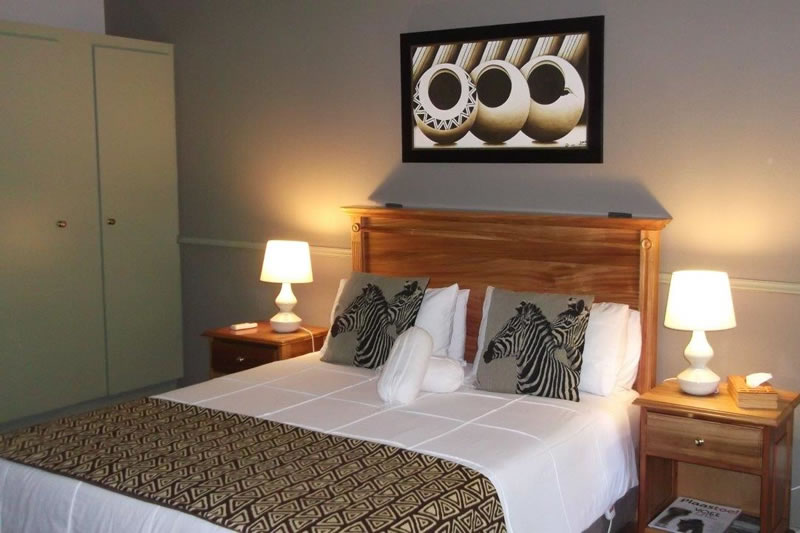
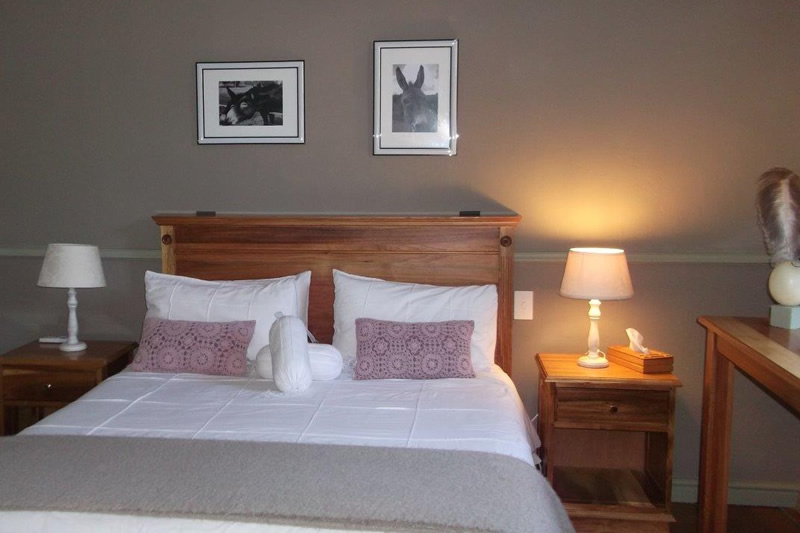
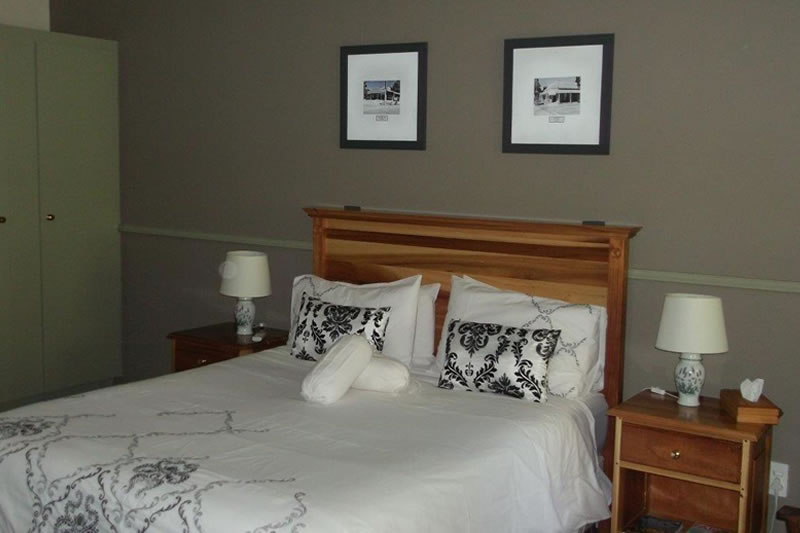
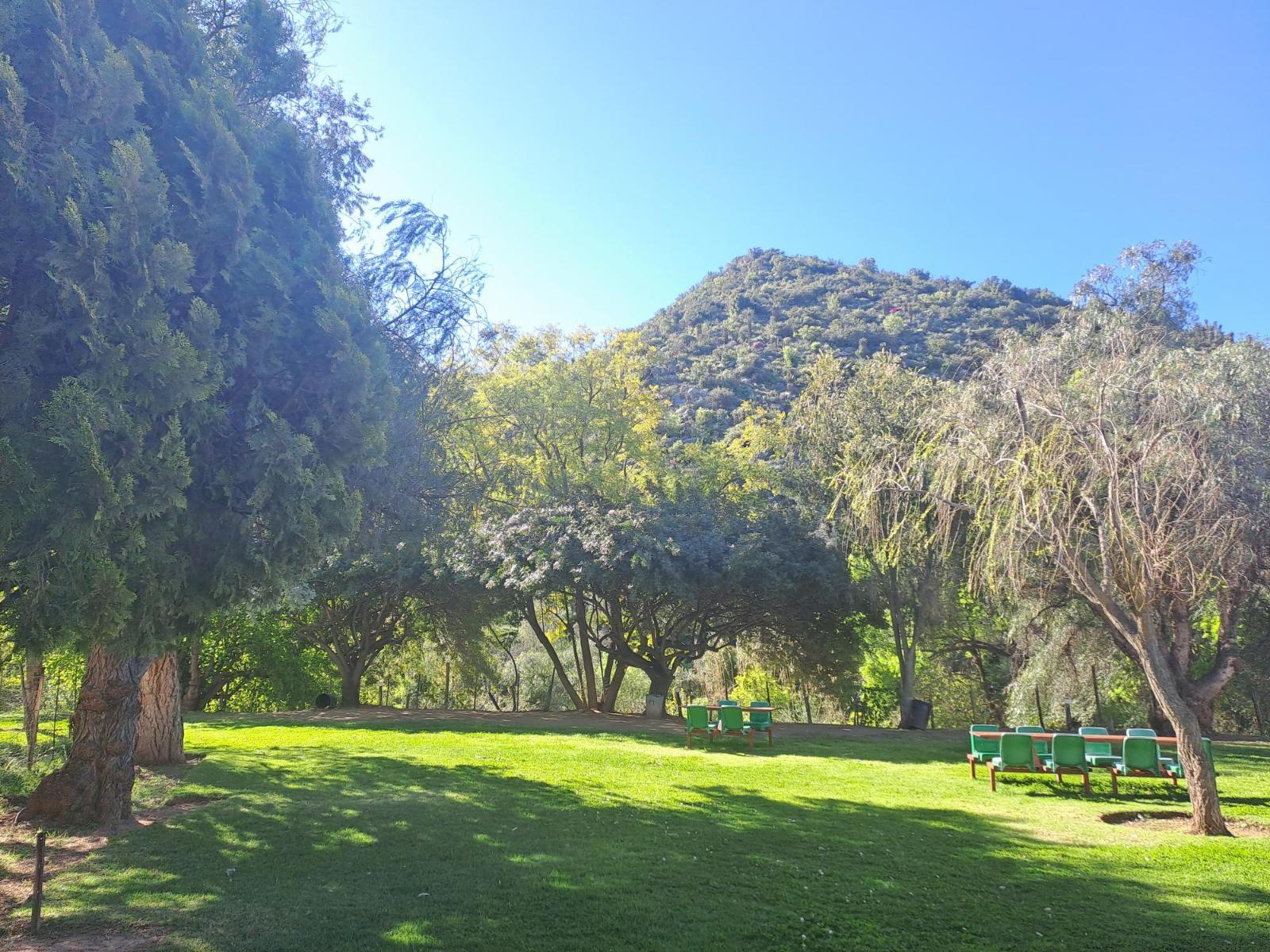
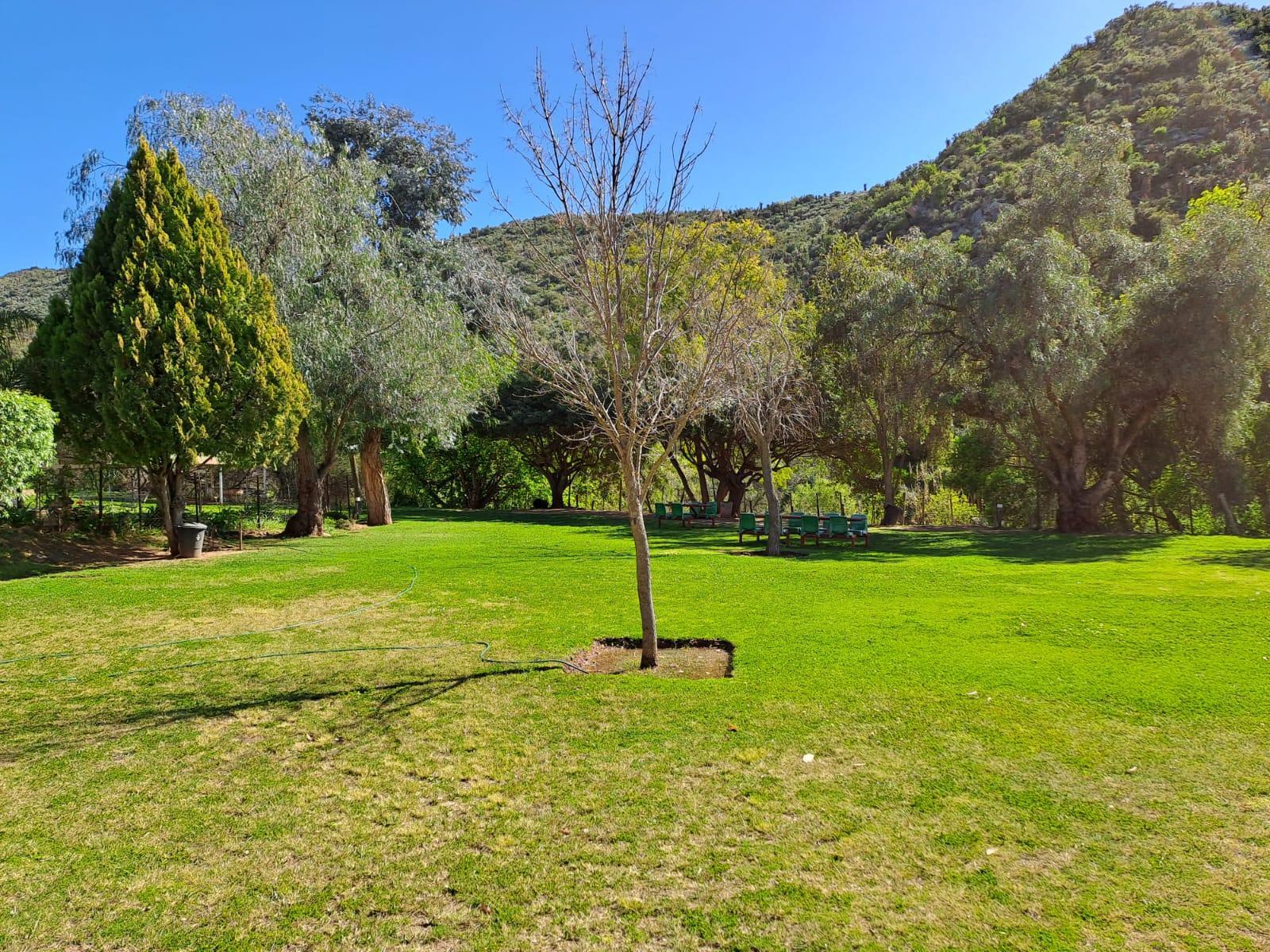
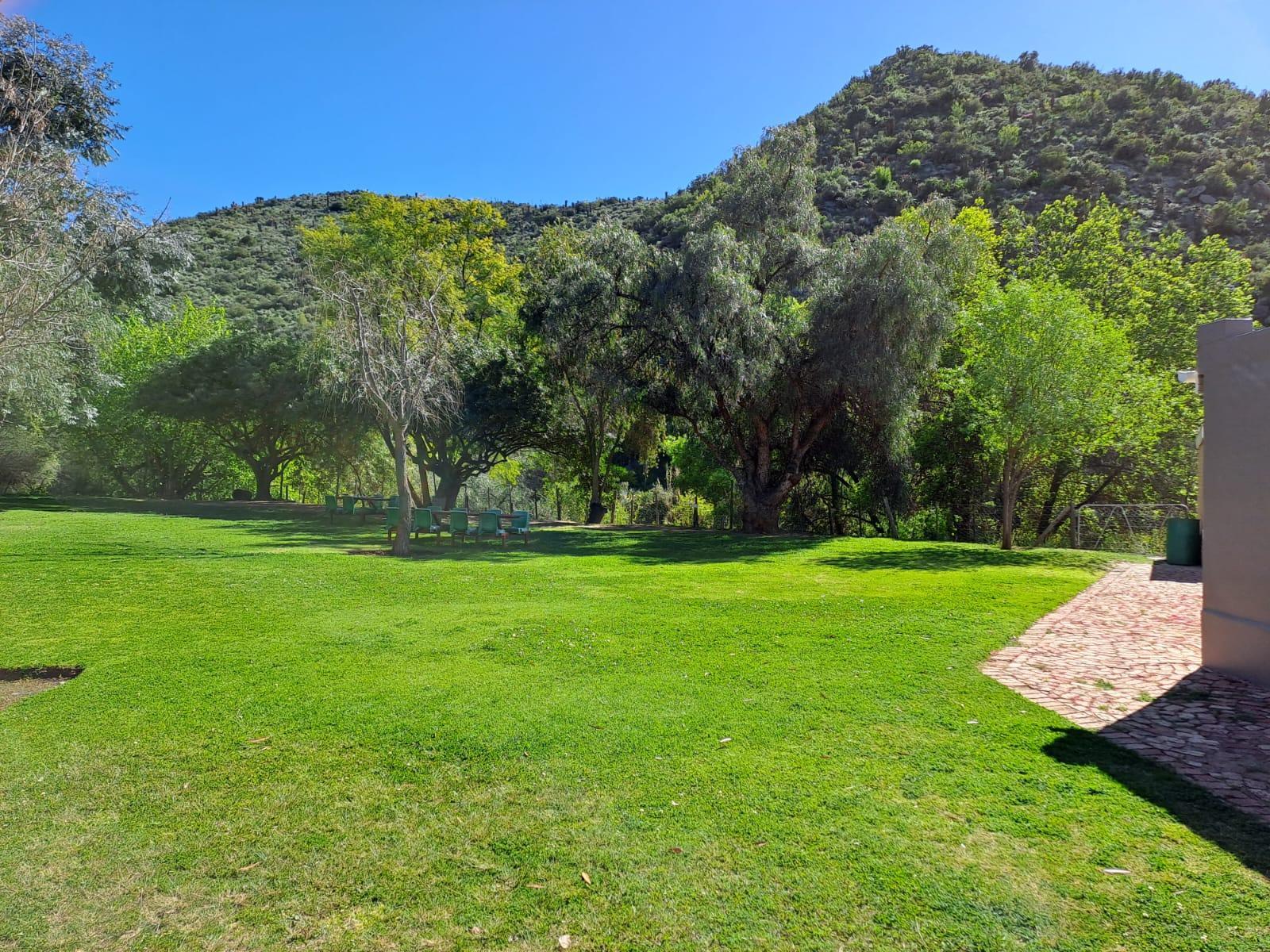
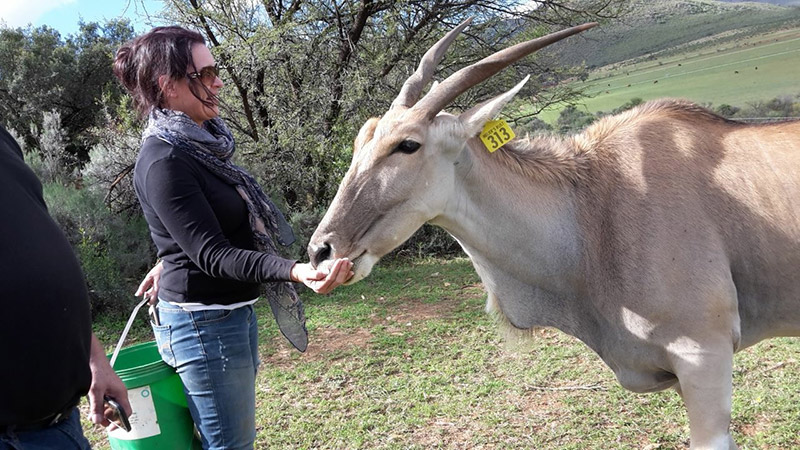
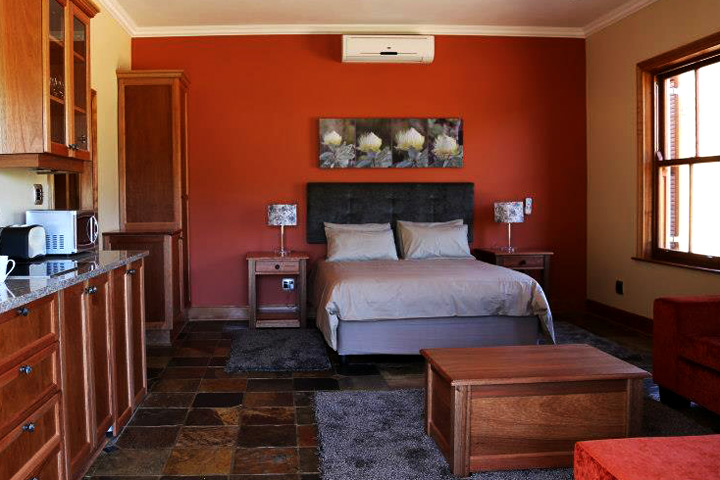
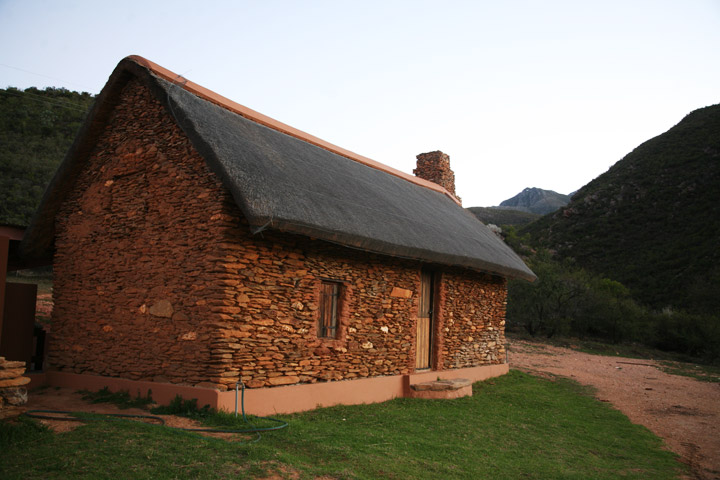
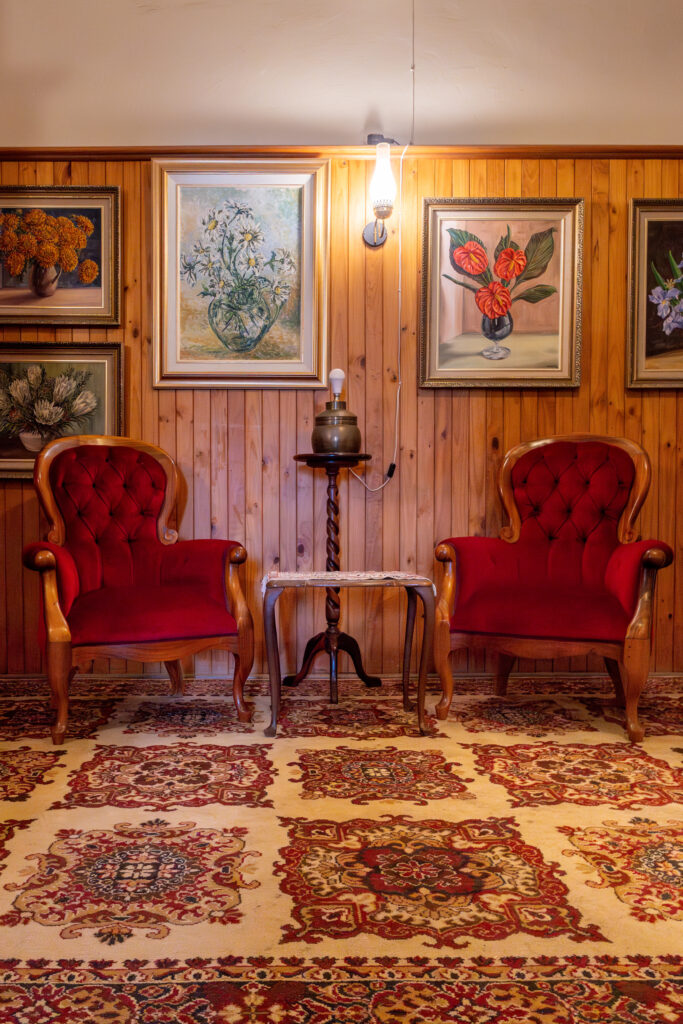
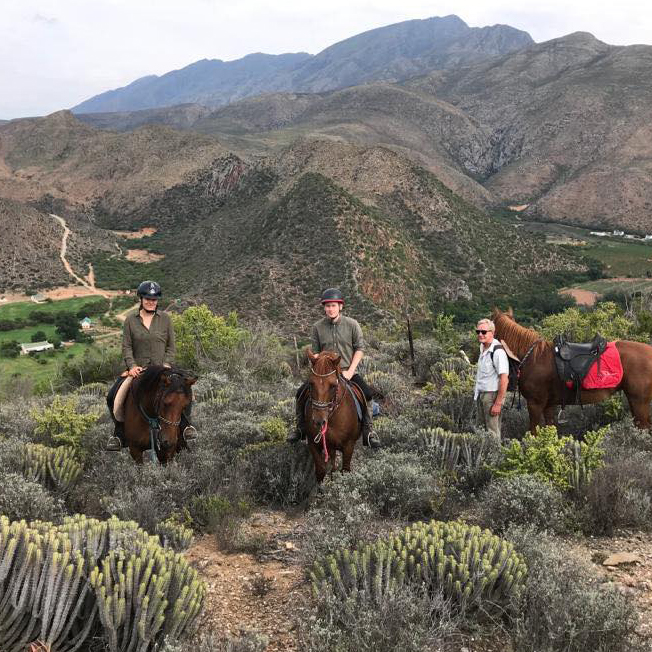
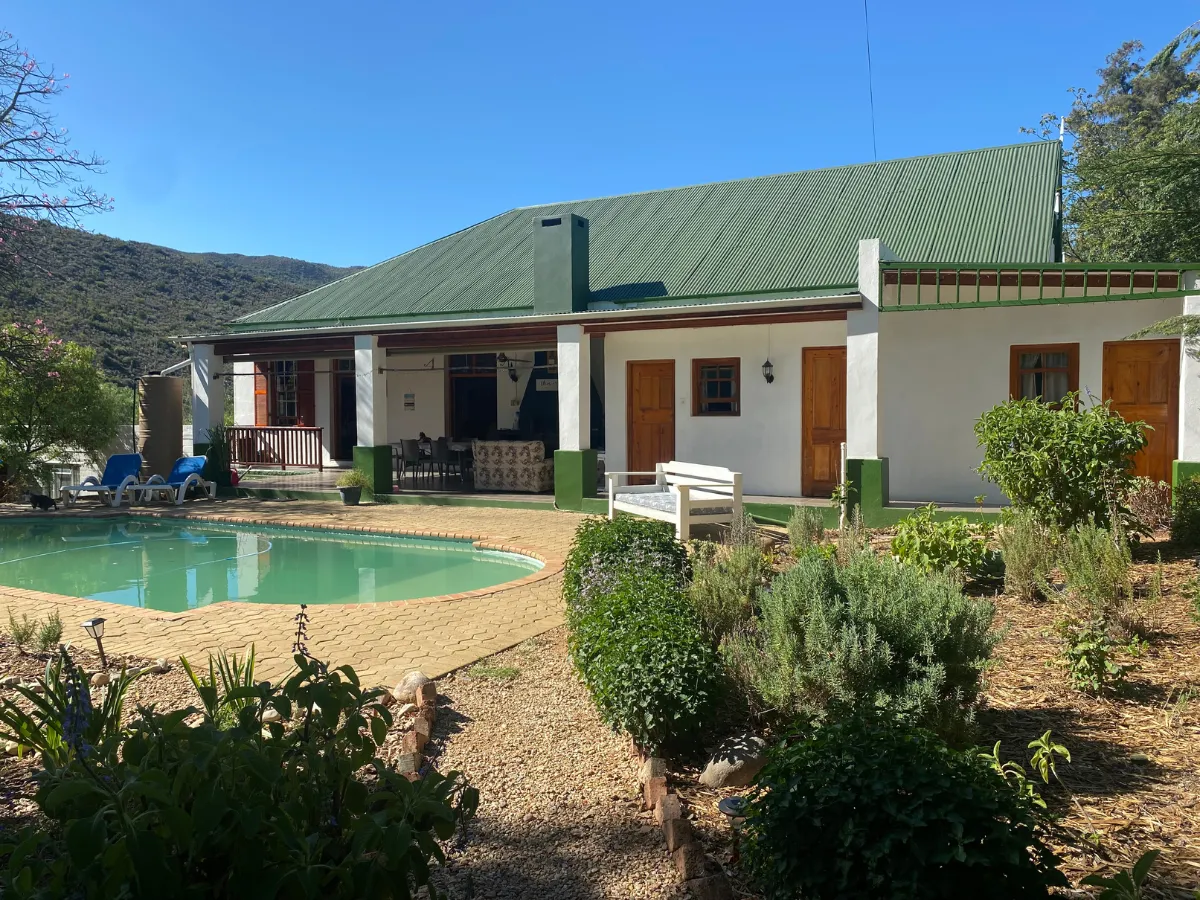
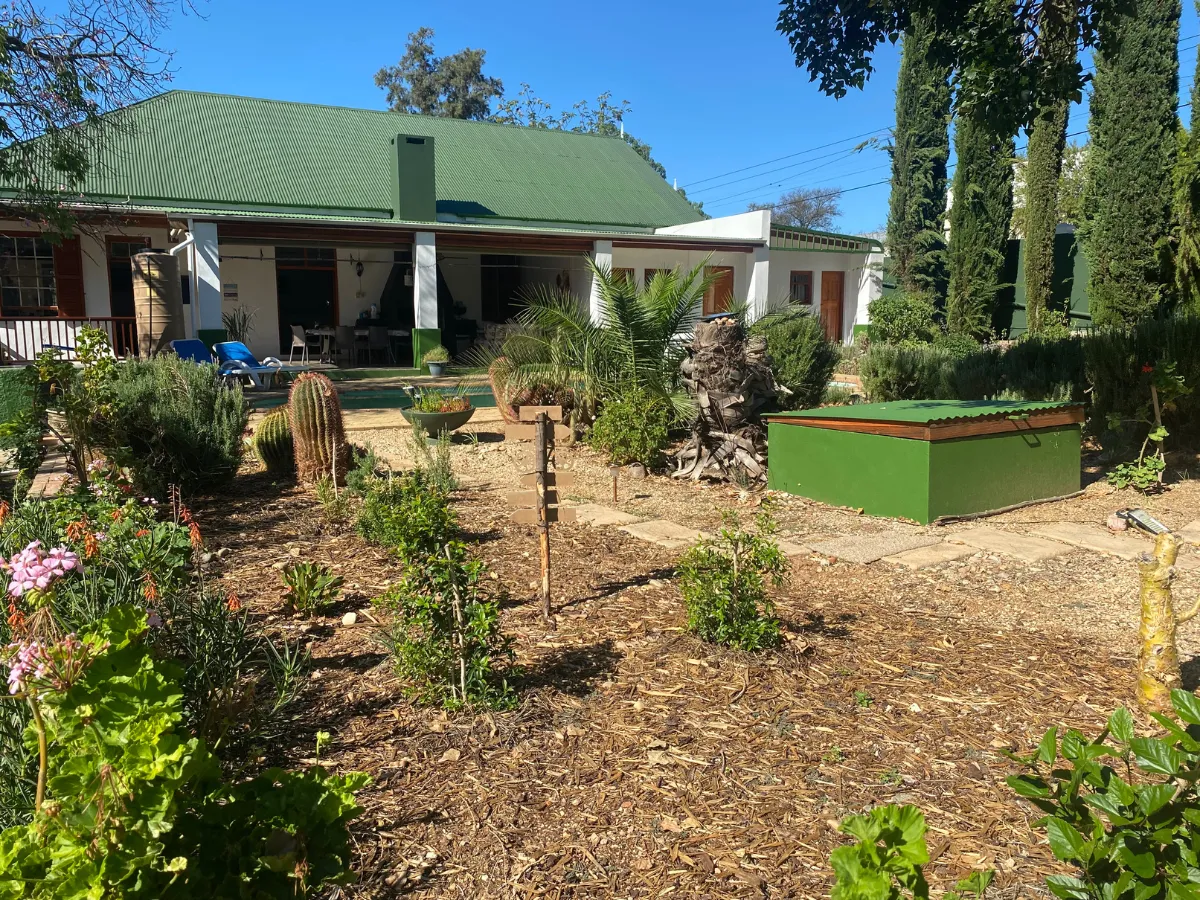
Zwartberg View Mountain Lodge bied vier chalets en een huisie as akkommodasie tussen die rooi Enon Hills. Gaste kan geniet van bergwandeling, paardrye, sterrekyk, sundowners, wildsafari's en cheetah-wandelings. Chalets beskik oor private dekke en dier-tematieke dekor.
Slaap 12
Kinders welkom
Akkommodasiepryse in De Rust
| Tipe | Inskrywings | Vanaf | Gemiddeld | Tot |
|---|---|---|---|---|
| Lodge | 1 | R5,060 | R6,904 | R11,100 |
De Rust Kaart
Nabygeleë Bestemmings
Blaai Deur Alle De Rust Akkommodasie
Bekyk al 1 akkommodasie-opsies in De Rust met foto's, pryse en beskikbaarheid.
Blaai Deur Alle Akkommodasie