Derdepoort Reis- & Akkommodasiegids
Jou volledige gids om Derdepoort, Suid-Afrika te besoek.
1
Eiendom
Gewildste
Lodge
Derdepoort lies in the southern Free State, a quiet farming settlement where the landscape transitions between grassland and the edge of the Karoo. This small community offers visitors a chance to experience rural South African life away from tourist crowds, with access to wide open spaces and agricultural heritage.
## Accommodation in Derdepoort
With just one property currently listed, accommodation in Derdepoort reflects the settlement's character: sparse, agricultural, and genuinely off the main tourist circuit. Pricing has not been publicly listed, which is common in rural Free State communities where lodge rates are typically arranged directly with owners based on season, group size, and length of stay.
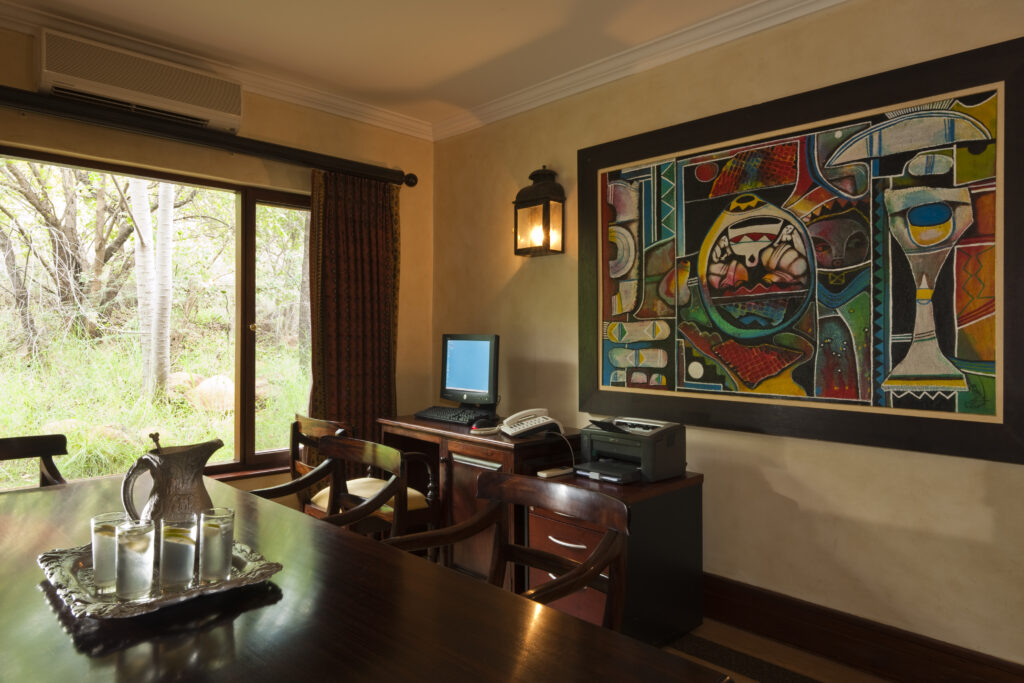
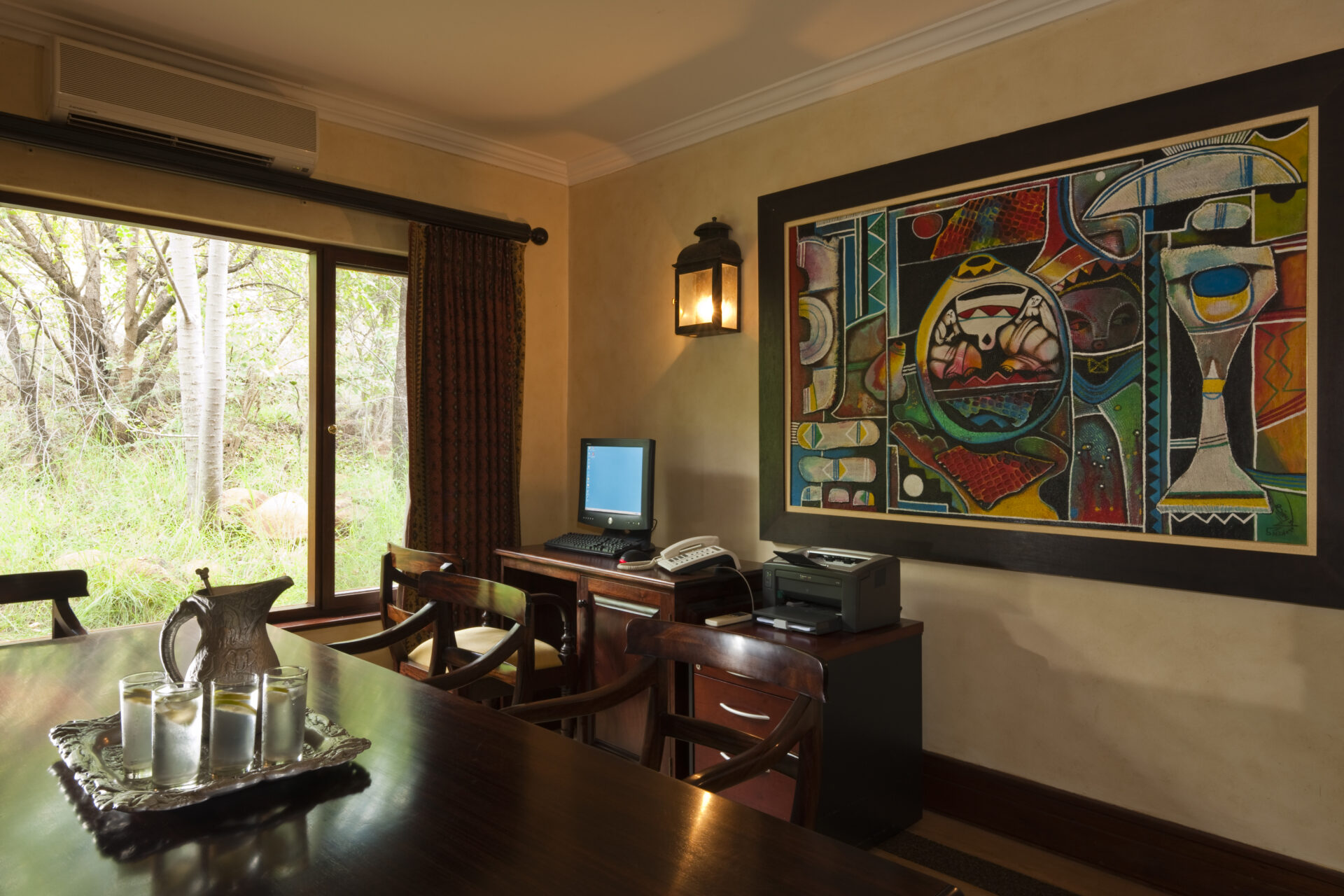
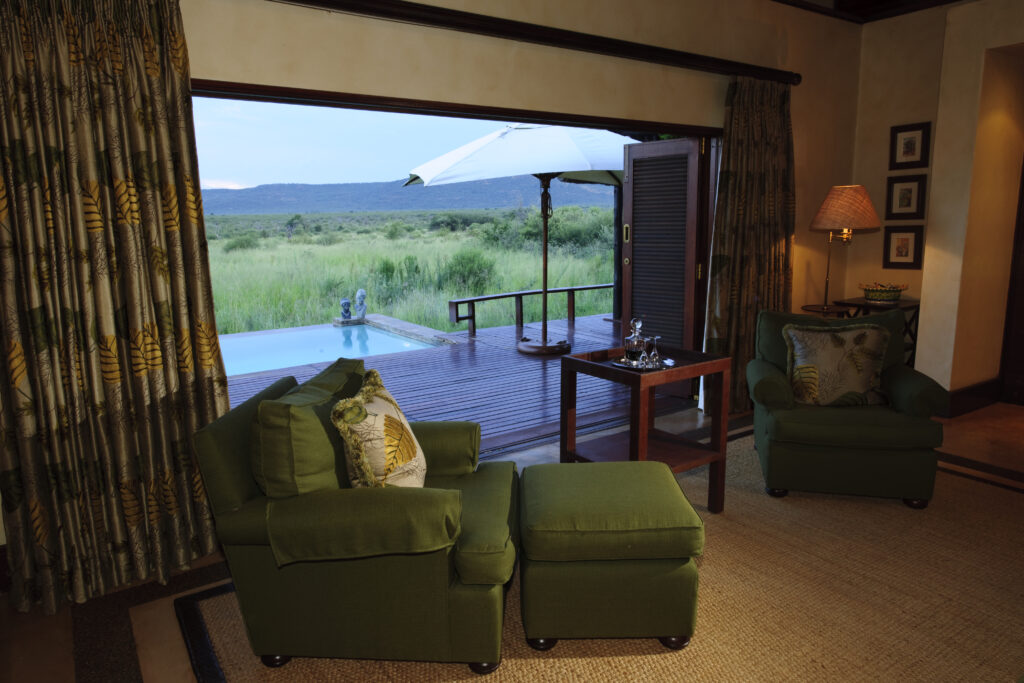
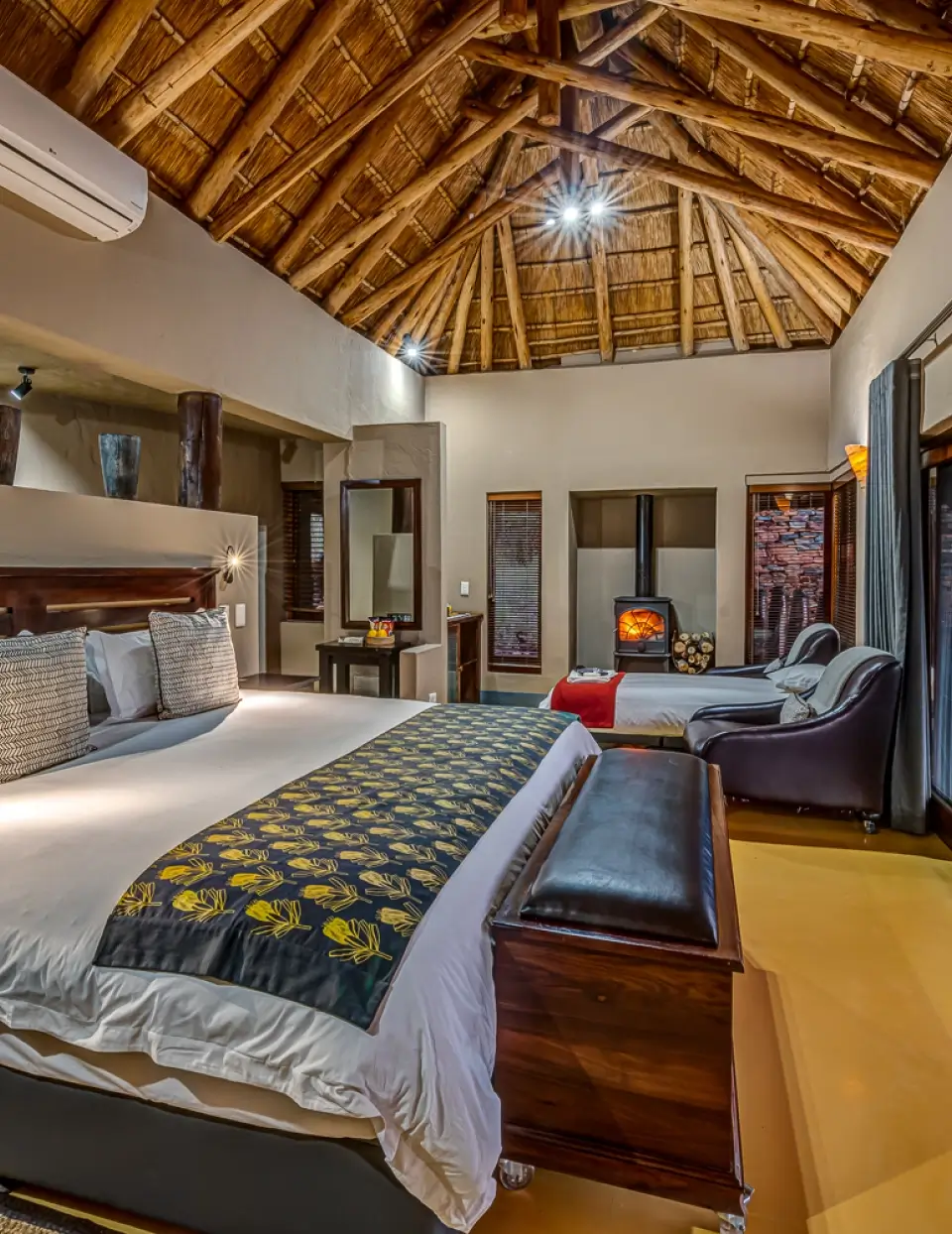
The available lodge sits within what would be considered the mid-to-upper end of rural Free State accommodation, offering a more structured experience than a basic farm guesthouse. Lodges in this region generally include private rooms, communal dining arrangements, and access to the working farm. Meals are commonly sourced from the property itself or nearby farms, and the hospitality is personal rather than corporate. Expect modest but functional furnishings, limited connectivity or none, and surroundings where quiet is an asset rather than a concern.
Because there is only one property, flexibility matters. Many travellers use a lodge stay here as a base for multi-day exploration of the broader district, staying two or three nights to properly decompress. The lodge format suits solo travellers, couples, and small groups equally, as these are rarely large-scale commercial operations. Children are generally welcome, though worth confirming at the time of booking.
Booking directly with the property is strongly advisable given the remoteness. Online listing details may lag behind current availability or seasonal closures, and speaking with the owners directly gives useful information about road conditions, meal arrangements, and what to bring that no booking platform captures.
## Things to Do in Derdepoort
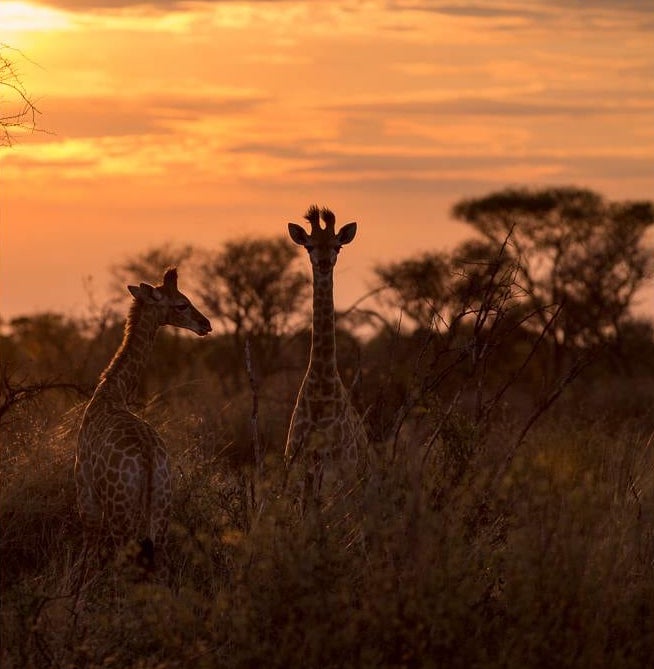
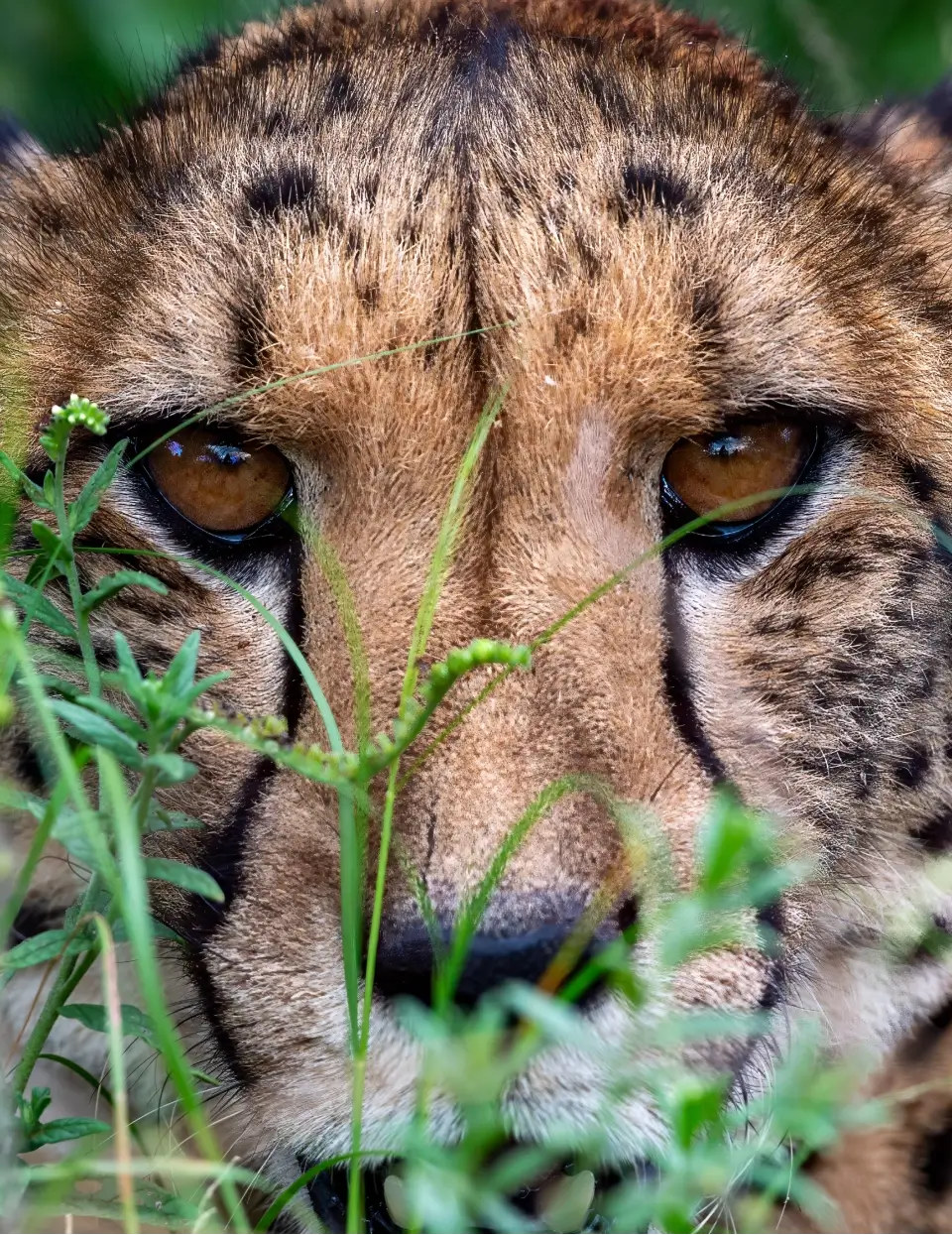
Safari experiences in the surrounding region are the primary organised activity for visitors to the Derdepoort area. The Free State's northern borders with North West Province place travellers within reach of private game reserves and conservancies where wildlife viewing is conducted at a quieter pace than in the larger national parks. These smaller operations typically run guided game drives in open vehicles, with the focus on plains game and predators suited to the dry interior landscape.
Birdwatching is productive throughout the year across the open grasslands and agricultural land. Raptors are conspicuous along fence lines, including black-shouldered kites, jackal buzzards, and pale chanting goshawks. The migratory season from October through March brings additional species through, making that window particularly rewarding for birders who know what to look for. Grassland specialists that have declined elsewhere remain visible here due to the limited agricultural transformation of the veld in some areas.
Photographers find consistent material in the flat, open landscape where the horizon stretches uninterrupted across red soil and dry grass. The quality of light in the Free State interior, particularly the hour after sunrise and before sunset, suits landscape and wildlife work equally well. At night, the near-total absence of light pollution creates conditions for astrophotography that are difficult to replicate within 200 kilometres of any city.
Farm walks and observation of daily agricultural operations are informal activities that many lodge hosts facilitate. Watching sheep work, attending to stock, or following the rhythm of a working property gives texture to the landscape that no guided tour replicates. These activities depend on the host's schedule rather than a fixed timetable, which suits the pace of a stay here.
## Best Time to Visit Derdepoort
Summer, from November through February, brings the most challenging conditions for visiting. Heat exceeds 35 degrees Celsius on the interior plateau, and afternoon thunderstorms, while impressive, can render gravel roads temporarily impassable. This is when grassland birds are most active and the veld greens up following rain, making it the best period for birding and landscape photography but the least comfortable for general travel.
Winter, June through August, is dry and cold. Night temperatures fall below freezing regularly, and even sunny days carry a sharp edge. Game viewing improves in winter because vegetation thins and animals concentrate around remaining water sources. The air clarity in dry winter months makes long-distance visibility exceptional, which matters in a landscape this open.
The shoulder seasons, April through May and September through October, offer the most practical balance for most visitors. Temperatures are comfortable, roads are generally reliable, and the accommodation available in an area this small is more likely to be free of competing bookings. Spring from September onward also brings ephemeral wildflowers to the veld before the summer rains build. For first-time visitors, September or October is the easiest entry point.
## Getting to Derdepoort
The most practical route to Derdepoort for most visitors begins in either Johannesburg or Bloemfontein. From Johannesburg, the drive is approximately five to six hours, making a planned overnight stop in a larger town worth considering. From Bloemfontein, the provincial capital and the main hub for the interior Free State, the journey runs roughly three to four hours depending on the specific route taken.
The N12 and N14 national routes form the backbone of the road network in this part of the country, connecting the area to the wider South African road system before provincial and district roads take over for the final approach. Gravel roads are unavoidable for much of the last section, and a vehicle with reasonable ground clearance handles these more comfortably than a standard sedan, particularly after rain.
No public transport serves Derdepoort directly. The region lacks minibus taxi routes, intercity coaches, or any rail connection, which means a private vehicle is essential for the full duration of the trip. Fill the fuel tank at the last sizeable town before the final leg, as service stations in smaller settlements keep irregular hours. Mobile navigation works on the approach, but downloading an offline map before leaving any town with decent connectivity is a sensible precaution.
## Derdepoort and Surrounding Areas
The settlements within a 60-kilometre radius of Derdepoort form a loosely connected network of farming communities spanning the Free State and North West border regions. Each has its own practical identity, and together they give shape to what a wider exploration of the area looks like.
Pitsedisulejang, 43 kilometres away, is the closest of the named nearby destinations and sits within the cultural transition zone where Free State and North West Province farming communities overlap. Travellers passing through encounter a settlement that reflects both Setswana-speaking agricultural traditions and the commercial farming patterns of the plateau.
Adriaanshoop, 48 kilometres out, is a small farming settlement associated with wool and mutton production. The surrounding land carries the flat-topped ridges and wide plains typical of this part of the interior, and the drive there gives a clear sense of how the landscape is organised around water points and grazing blocks.
Nietverdiend, at 49 kilometres, sits close to the North West border and has historical connections to cattle farming. Its name, translating roughly as "not deserved" or "not earned," reflects the economic hardships that marked many of these settlements during recurring drought cycles in the 19th and 20th centuries. A stop here adds historical context to the settlement patterns visible across the whole district.
Wegdraai, 55 kilometres from Derdepoort, likely takes its name from a historical road junction or survey point. It is a modest service stop for surrounding farms and functions as a reference point when navigating between the communities spread across this part of the plateau.
Goedgevond, 57 kilometres distant, has a name meaning "well found," the kind of place name given where water or fertile ground was discovered by early settlers. It remains an agricultural community with minimal visitor infrastructure but holds its place in the pattern of land use across the region.
Rhenosterkraal, the furthest at 61 kilometres, references the historic presence of black rhinoceros in this part of southern Africa. The name points to old livestock enclosures used when rhino still roamed the area. It marks the practical outer boundary of a day trip from Derdepoort and rounds out a circuit route through the broader district.
## Planning Your Stay
With a single property currently available in Derdepoort, early contact with the host is more important than in areas where alternatives exist nearby. Reach out well ahead of your planned dates, particularly for school holiday periods, public holiday weekends, and the popular spring shoulder months when even low-profile rural accommodation fills.
Before confirming a booking, ask specifically about current road conditions on the approach route, whether the property operates on grid power, generator, or solar, and how far the nearest shop or pharmacy is from the farm gate. Load shedding affects the Free State regularly, and backup power arrangements vary considerably between properties. Knowing the situation in advance avoids surprises on arrival.
A two-night minimum makes practical sense given the distances involved. One night rarely allows enough time to settle into the pace that makes a stay like this valuable. Pack for variable temperatures regardless of season, as the interior plateau cools sharply after sunset even in summer. Bring more cash than you think you need, as card facilities are not guaranteed in rural areas. Share your itinerary with someone before departing towns with reliable connectivity, and keep a physical copy of directions rather than relying entirely on mobile data that may drop in the final kilometres.

With just one property currently listed, accommodation in Derdepoort reflects the settlement's character: sparse, agricultural, and genuinely off the main tourist circuit. Pricing has not been publicly listed, which is common in rural Free State communities where lodge rates are typically arranged directly with owners based on season, group size, and length of stay.
The available lodge sits within what would be considered the mid-to-upper end of rural Free State accommodation, offering a more structured experience than a basic farm guesthouse. Lodges in this region generally include private rooms, communal dining arrangements, and access to the working farm. Meals are commonly sourced from the property itself or nearby farms, and the hospitality is personal rather than corporate. Expect modest but functional furnishings, limited connectivity or none, and surroundings where quiet is an asset rather than a concern.
Because there is only one property, flexibility matters. Many travellers use a lodge stay here as a base for multi-day exploration of the broader district, staying two or three nights to properly decompress. The lodge format suits solo travellers, couples, and small groups equally, as these are rarely large-scale commercial operations. Children are generally welcome, though worth confirming at the time of booking.
Booking directly with the property is strongly advisable given the remoteness. Online listing details may lag behind current availability or seasonal closures, and speaking with the owners directly gives useful information about road conditions, meal arrangements, and what to bring that no booking platform captures.
## Things to Do in Derdepoort
Safari experiences in the surrounding region are the primary organised activity for visitors to the Derdepoort area. The Free State's northern borders with North West Province place travellers within reach of private game reserves and conservancies where wildlife viewing is conducted at a quieter pace than in the larger national parks. These smaller operations typically run guided game drives in open vehicles, with the focus on plains game and predators suited to the dry interior landscape.
Birdwatching is productive throughout the year across the open grasslands and agricultural land. Raptors are conspicuous along fence lines, including black-shouldered kites, jackal buzzards, and pale chanting goshawks. The migratory season from October through March brings additional species through, making that window particularly rewarding for birders who know what to look for. Grassland specialists that have declined elsewhere remain visible here due to the limited agricultural transformation of the veld in some areas.
Photographers find consistent material in the flat, open landscape where the horizon stretches uninterrupted across red soil and dry grass. The quality of light in the Free State interior, particularly the hour after sunrise and before sunset, suits landscape and wildlife work equally well. At night, the near-total absence of light pollution creates conditions for astrophotography that are difficult to replicate within 200 kilometres of any city.
Farm walks and observation of daily agricultural operations are informal activities that many lodge hosts facilitate. Watching sheep work, attending to stock, or following the rhythm of a working property gives texture to the landscape that no guided tour replicates. These activities depend on the host's schedule rather than a fixed timetable, which suits the pace of a stay here.
## Best Time to Visit Derdepoort
Summer, from November through February, brings the most challenging conditions for visiting. Heat exceeds 35 degrees Celsius on the interior plateau, and afternoon thunderstorms, while impressive, can render gravel roads temporarily impassable. This is when grassland birds are most active and the veld greens up following rain, making it the best period for birding and landscape photography but the least comfortable for general travel.
Winter, June through August, is dry and cold. Night temperatures fall below freezing regularly, and even sunny days carry a sharp edge. Game viewing improves in winter because vegetation thins and animals concentrate around remaining water sources. The air clarity in dry winter months makes long-distance visibility exceptional, which matters in a landscape this open.
The shoulder seasons, April through May and September through October, offer the most practical balance for most visitors. Temperatures are comfortable, roads are generally reliable, and the accommodation available in an area this small is more likely to be free of competing bookings. Spring from September onward also brings ephemeral wildflowers to the veld before the summer rains build. For first-time visitors, September or October is the easiest entry point.
## Getting to Derdepoort
The most practical route to Derdepoort for most visitors begins in either Johannesburg or Bloemfontein. From Johannesburg, the drive is approximately five to six hours, making a planned overnight stop in a larger town worth considering. From Bloemfontein, the provincial capital and the main hub for the interior Free State, the journey runs roughly three to four hours depending on the specific route taken.
The N12 and N14 national routes form the backbone of the road network in this part of the country, connecting the area to the wider South African road system before provincial and district roads take over for the final approach. Gravel roads are unavoidable for much of the last section, and a vehicle with reasonable ground clearance handles these more comfortably than a standard sedan, particularly after rain.
No public transport serves Derdepoort directly. The region lacks minibus taxi routes, intercity coaches, or any rail connection, which means a private vehicle is essential for the full duration of the trip. Fill the fuel tank at the last sizeable town before the final leg, as service stations in smaller settlements keep irregular hours. Mobile navigation works on the approach, but downloading an offline map before leaving any town with decent connectivity is a sensible precaution.
## Derdepoort and Surrounding Areas
The settlements within a 60-kilometre radius of Derdepoort form a loosely connected network of farming communities spanning the Free State and North West border regions. Each has its own practical identity, and together they give shape to what a wider exploration of the area looks like.
Pitsedisulejang, 43 kilometres away, is the closest of the named nearby destinations and sits within the cultural transition zone where Free State and North West Province farming communities overlap. Travellers passing through encounter a settlement that reflects both Setswana-speaking agricultural traditions and the commercial farming patterns of the plateau.
Adriaanshoop, 48 kilometres out, is a small farming settlement associated with wool and mutton production. The surrounding land carries the flat-topped ridges and wide plains typical of this part of the interior, and the drive there gives a clear sense of how the landscape is organised around water points and grazing blocks.
Nietverdiend, at 49 kilometres, sits close to the North West border and has historical connections to cattle farming. Its name, translating roughly as "not deserved" or "not earned," reflects the economic hardships that marked many of these settlements during recurring drought cycles in the 19th and 20th centuries. A stop here adds historical context to the settlement patterns visible across the whole district.
Wegdraai, 55 kilometres from Derdepoort, likely takes its name from a historical road junction or survey point. It is a modest service stop for surrounding farms and functions as a reference point when navigating between the communities spread across this part of the plateau.
Goedgevond, 57 kilometres distant, has a name meaning "well found," the kind of place name given where water or fertile ground was discovered by early settlers. It remains an agricultural community with minimal visitor infrastructure but holds its place in the pattern of land use across the region.
Rhenosterkraal, the furthest at 61 kilometres, references the historic presence of black rhinoceros in this part of southern Africa. The name points to old livestock enclosures used when rhino still roamed the area. It marks the practical outer boundary of a day trip from Derdepoort and rounds out a circuit route through the broader district.
## Planning Your Stay
With a single property currently available in Derdepoort, early contact with the host is more important than in areas where alternatives exist nearby. Reach out well ahead of your planned dates, particularly for school holiday periods, public holiday weekends, and the popular spring shoulder months when even low-profile rural accommodation fills.
Before confirming a booking, ask specifically about current road conditions on the approach route, whether the property operates on grid power, generator, or solar, and how far the nearest shop or pharmacy is from the farm gate. Load shedding affects the Free State regularly, and backup power arrangements vary considerably between properties. Knowing the situation in advance avoids surprises on arrival.
A two-night minimum makes practical sense given the distances involved. One night rarely allows enough time to settle into the pace that makes a stay like this valuable. Pack for variable temperatures regardless of season, as the interior plateau cools sharply after sunset even in summer. Bring more cash than you think you need, as card facilities are not guaranteed in rural areas. Share your itinerary with someone before departing towns with reliable connectivity, and keep a physical copy of directions rather than relying entirely on mobile data that may drop in the final kilometres.
Tipes Akkommodasie in Derdepoort
Akkommodasiepryse in Derdepoort
| Tipe | Inskrywings | Vanaf | Gemiddeld | Tot |
|---|---|---|---|---|
| Lodge | 1 | – | – | – |
Derdepoort Kaart
Nabygeleë Bestemmings
Blaai Deur Alle Derdepoort Akkommodasie
Bekyk al 1 akkommodasie-opsies in Derdepoort met foto's, pryse en beskikbaarheid.
Blaai Deur Alle Akkommodasie