Dulcies Nek Reis- & Akkommodasiegids
Jou volledige gids om Dulcies Nek, Suid-Afrika te besoek.
Dulcies Nek is a mountain pass in the Eastern Cape Province, not the Northern Cape as listed. Located in the remote highlands near the Lesotho border, this area offers access to dramatic mountainous terrain and traditional rural communities in one of South Africa's least developed regions.
## Accommodation in Dulcies Nek
Mainstream booking platforms return no results for Dulcies Nek and the surrounding pass country. With zero properties formally listed and nightly rates effectively unknown across all accommodation types, finding a place to stay requires a different approach, and the options that do exist sit entirely outside the standard tourism infrastructure.
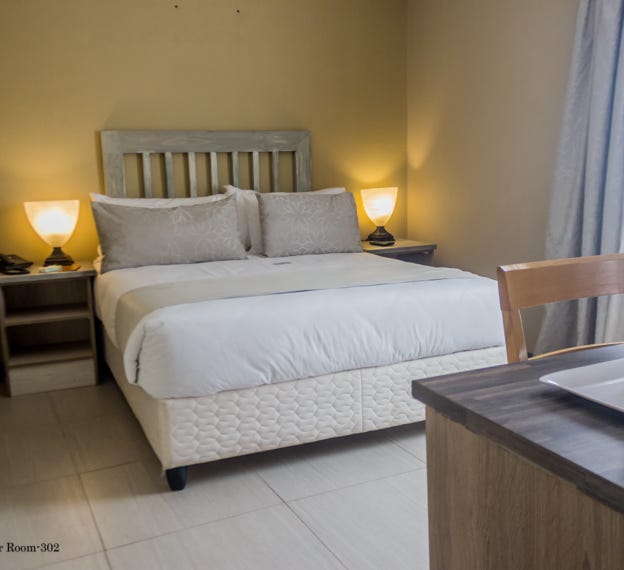
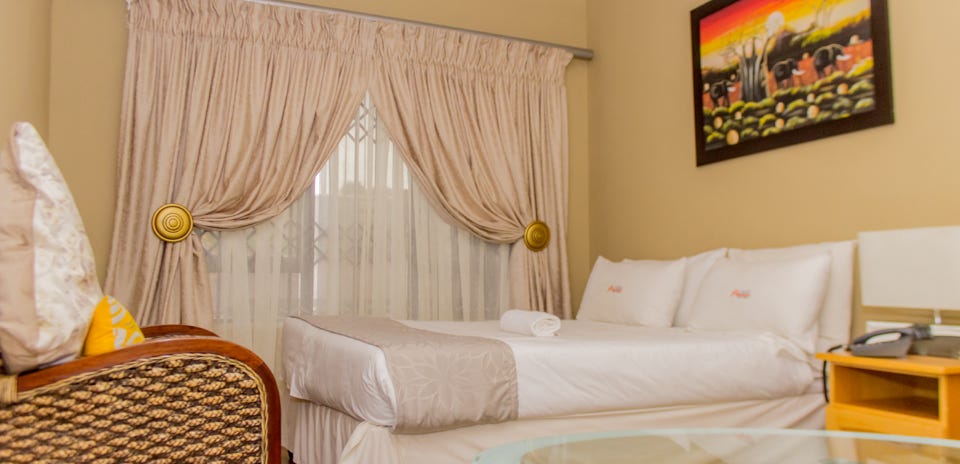
At the budget end, homestays with families in the villages surrounding the pass represent the closest accommodation to Dulcies Nek itself. These arrangements do not appear in any database and cannot be reserved through any app. Contact typically comes through community liaison or word passed along by other travellers who have spent time in the area. Rooms are basic, facilities are shared, and the household's own rhythm shapes the day. Meals are generally included and reflect what the family is cooking, which tends to mean substantial, filling food grounded in local practice. The gap between what first-time visitors expect and what they actually find tends to produce strong opinions quickly, and the experience suits those willing to accept genuine uncertainty on arrival.
Farm stays occupy the middle tier across the broader district. Working properties in this part of the Northern Cape take occasional guests in straightforward, functional rooms, with home-cooked food and access to the surrounding land. The arrangement places guests within the farm's own schedule rather than the other way around, which means flexible check-in times and hotel-style service are not on offer. For visitors with a genuine interest in how this landscape is used and in the farming life of the interior, a working farm provides a context that no guesthouse can replicate.
There is no upper-tier accommodation within the Dulcies Nek area. Travellers who require consistent hot water, reliable electricity, and private bathrooms will need to base themselves in one of the larger service towns and make day trips to the pass. Those towns support small guesthouses and basic hotels that offer a more conventional experience, without the uncertainty of informal arrangements.
---
## Best Time to Visit Dulcies Nek
At roughly 2,100 metres, the pass sits high enough that conditions here diverge considerably from the lower country on either side of it. The season you choose has a direct effect on whether the road is passable, what the landscape looks like, and how comfortable the experience will be.
October through December offers the most reliable access. The highland grasslands carry their fullest colour during this period, temperatures are moderate through the middle of the day, and the afternoon thunderstorms that build up regularly tend to pass within an hour. Daylight runs long enough to allow extended time on foot without needing an early start.
June through August brings cold conditions rather than rain. Nights fall below freezing, snow occasionally crosses the upper ground, and some gravel approaches become temporarily impassable. In exchange, skies are clear, visibility after dark is exceptional, and the landscape takes on a stripped quality that suits a particular kind of visitor.
January through March is the heaviest rainfall period of the year. Gravel sections absorb water unpredictably and flash flooding is a real concern on lower approaches. The most practical window for visitors with any flexibility in their timing is March through May, when rainfall eases, temperatures remain mild, and the roads recover from the wet season without the cold of winter setting in.
---
## Getting to Dulcies Nek
No commercial airport sits within convenient reach of the pass. East London Airport, roughly 350 kilometres to the south, carries the most regular scheduled services in the region and is the standard starting point for most visitors arriving by air. The drive from there occupies most of a day. Queenstown Airport is somewhat closer but operates limited routes, typically requiring a connection through Johannesburg or Cape Town, and does not meaningfully reduce total travel time for most itineraries. Hiring a vehicle at either airport and driving independently is the standard approach.
The main approach to the pass follows the R56 corridor, passing through the agricultural towns of the interior before the road surface changes from tar to gravel and the elevation begins to climb. The final section requires a vehicle with meaningful ground clearance. A 4x4 is not strictly necessary in dry conditions, though it adds a useful margin on the steeper gravel sections. Once conditions turn wet, high clearance becomes necessary rather than optional, and a 4x4 is strongly advisable.
No functional public transport extends to the pass. Minibus taxis connect the larger regional towns but do not run into the mountain approaches, and scheduled coach services do not cover this corridor. Independent driving is the only workable option.
Fill the fuel tank completely at the last sizable town before the gravel begins. No fuel stations exist along the approach, and carrying a spare can is worth considering if your vehicle's range is limited.
---
## Dulcies Nek and Surrounding Areas
The towns within reach of the pass each have a distinct character, and combining several of them into a circuit makes the journey considerably more worthwhile than treating the pass as an isolated stop.
**Lady Grey**, 34 kilometres from the pass, has developed an identity as a gathering point for artists and craftspeople over recent decades, drawn by the quality of light and the distance from urban pressures. Small galleries and working studios sit alongside the town's basic retail services. The Witteberg range rising directly above the settlement provides accessible hiking routes that do not require a guide, giving Lady Grey an unusual combination of a working creative community and immediate access to mountain terrain.
**Wartrail**, 39 kilometres out, functions as a farming settlement rather than a town in any conventional sense. The surrounding country opens into some of the most extensive grassland in this part of the province, and streams running off the escarpment carry trout that draw fly-fishing visitors. It suits people prepared to move slowly through a large, quiet landscape without organised activities to structure the day.
**Barkly East**, 56 kilometres from the pass, is the main service centre for the region. Fuel, groceries, and hardware are all available here, making it the logical resupply point for anyone spending several days in the mountains. The town's narrow-gauge railway history is worth an hour of investigation, offering a concrete record of the engineering effort required to push infrastructure across this terrain during the early twentieth century.
**Rhodes**, 60 kilometres away, has the most developed visitor infrastructure on the circuit and serves as the primary base for hiking the surrounding ranges. During winter, it provides access to the Tiffindell ski resort a short distance above the village. The road connecting Rhodes to Dulcies Nek passes through some of the most open highland country in the district and is worth travelling for its own sake.
**Goedemoed**, 66 kilometres from the pass, is primarily administrative in character and adds limited value to a recreational itinerary. It functions more usefully as a waypoint on longer drives across the district.
**Plaatfontein**, at 67 kilometres, sits in surrounding farmland and marks one edge of the navigable loop around the pass rather than acting as a destination in its own right.
---
## Planning Your Stay
Organising a visit here takes longer than planning most South African destinations, and starting the process several weeks before travel is strongly advisable. No formal booking infrastructure exists for the immediate pass area. Useful leads come from direct contact: phone calls to community tourism offices in the district, or referrals from guesthouses in the nearby service towns whose staff often know local operators well enough to make reliable introductions.
Confirm all arrangements before leaving the city. Mobile coverage across much of this highland country is inconsistent, and attempting to organise a place to stay on arrival is not a realistic approach. If staying at a private property, carry a printed confirmation and a landline number for the host where one exists.
Check road conditions before departure. Local providers in the surrounding towns generally hold current information about pass access, and the district municipality can advise during periods of poor weather. Conditions change quickly after rain, and a route that was passable one morning may not be by the following day.
Travel insurance covering vehicle recovery and emergency medical evacuation is worth serious consideration. The nearest hospitals with meaningful capacity are an hour or more away on roads that emergency services cannot travel quickly. If you are driving to the pass alone, leave a detailed itinerary with a contact who can alert relevant authorities if a scheduled check-in is missed.

Mainstream booking platforms return no results for Dulcies Nek and the surrounding pass country. With zero properties formally listed and nightly rates effectively unknown across all accommodation types, finding a place to stay requires a different approach, and the options that do exist sit entirely outside the standard tourism infrastructure.
At the budget end, homestays with families in the villages surrounding the pass represent the closest accommodation to Dulcies Nek itself. These arrangements do not appear in any database and cannot be reserved through any app. Contact typically comes through community liaison or word passed along by other travellers who have spent time in the area. Rooms are basic, facilities are shared, and the household's own rhythm shapes the day. Meals are generally included and reflect what the family is cooking, which tends to mean substantial, filling food grounded in local practice. The gap between what first-time visitors expect and what they actually find tends to produce strong opinions quickly, and the experience suits those willing to accept genuine uncertainty on arrival.
Farm stays occupy the middle tier across the broader district. Working properties in this part of the Northern Cape take occasional guests in straightforward, functional rooms, with home-cooked food and access to the surrounding land. The arrangement places guests within the farm's own schedule rather than the other way around, which means flexible check-in times and hotel-style service are not on offer. For visitors with a genuine interest in how this landscape is used and in the farming life of the interior, a working farm provides a context that no guesthouse can replicate.
There is no upper-tier accommodation within the Dulcies Nek area. Travellers who require consistent hot water, reliable electricity, and private bathrooms will need to base themselves in one of the larger service towns and make day trips to the pass. Those towns support small guesthouses and basic hotels that offer a more conventional experience, without the uncertainty of informal arrangements.
---
## Best Time to Visit Dulcies Nek
At roughly 2,100 metres, the pass sits high enough that conditions here diverge considerably from the lower country on either side of it. The season you choose has a direct effect on whether the road is passable, what the landscape looks like, and how comfortable the experience will be.
October through December offers the most reliable access. The highland grasslands carry their fullest colour during this period, temperatures are moderate through the middle of the day, and the afternoon thunderstorms that build up regularly tend to pass within an hour. Daylight runs long enough to allow extended time on foot without needing an early start.
June through August brings cold conditions rather than rain. Nights fall below freezing, snow occasionally crosses the upper ground, and some gravel approaches become temporarily impassable. In exchange, skies are clear, visibility after dark is exceptional, and the landscape takes on a stripped quality that suits a particular kind of visitor.
January through March is the heaviest rainfall period of the year. Gravel sections absorb water unpredictably and flash flooding is a real concern on lower approaches. The most practical window for visitors with any flexibility in their timing is March through May, when rainfall eases, temperatures remain mild, and the roads recover from the wet season without the cold of winter setting in.
---
## Getting to Dulcies Nek
No commercial airport sits within convenient reach of the pass. East London Airport, roughly 350 kilometres to the south, carries the most regular scheduled services in the region and is the standard starting point for most visitors arriving by air. The drive from there occupies most of a day. Queenstown Airport is somewhat closer but operates limited routes, typically requiring a connection through Johannesburg or Cape Town, and does not meaningfully reduce total travel time for most itineraries. Hiring a vehicle at either airport and driving independently is the standard approach.
The main approach to the pass follows the R56 corridor, passing through the agricultural towns of the interior before the road surface changes from tar to gravel and the elevation begins to climb. The final section requires a vehicle with meaningful ground clearance. A 4x4 is not strictly necessary in dry conditions, though it adds a useful margin on the steeper gravel sections. Once conditions turn wet, high clearance becomes necessary rather than optional, and a 4x4 is strongly advisable.
No functional public transport extends to the pass. Minibus taxis connect the larger regional towns but do not run into the mountain approaches, and scheduled coach services do not cover this corridor. Independent driving is the only workable option.
Fill the fuel tank completely at the last sizable town before the gravel begins. No fuel stations exist along the approach, and carrying a spare can is worth considering if your vehicle's range is limited.
---
## Dulcies Nek and Surrounding Areas
The towns within reach of the pass each have a distinct character, and combining several of them into a circuit makes the journey considerably more worthwhile than treating the pass as an isolated stop.
**Lady Grey**, 34 kilometres from the pass, has developed an identity as a gathering point for artists and craftspeople over recent decades, drawn by the quality of light and the distance from urban pressures. Small galleries and working studios sit alongside the town's basic retail services. The Witteberg range rising directly above the settlement provides accessible hiking routes that do not require a guide, giving Lady Grey an unusual combination of a working creative community and immediate access to mountain terrain.
**Wartrail**, 39 kilometres out, functions as a farming settlement rather than a town in any conventional sense. The surrounding country opens into some of the most extensive grassland in this part of the province, and streams running off the escarpment carry trout that draw fly-fishing visitors. It suits people prepared to move slowly through a large, quiet landscape without organised activities to structure the day.
**Barkly East**, 56 kilometres from the pass, is the main service centre for the region. Fuel, groceries, and hardware are all available here, making it the logical resupply point for anyone spending several days in the mountains. The town's narrow-gauge railway history is worth an hour of investigation, offering a concrete record of the engineering effort required to push infrastructure across this terrain during the early twentieth century.
**Rhodes**, 60 kilometres away, has the most developed visitor infrastructure on the circuit and serves as the primary base for hiking the surrounding ranges. During winter, it provides access to the Tiffindell ski resort a short distance above the village. The road connecting Rhodes to Dulcies Nek passes through some of the most open highland country in the district and is worth travelling for its own sake.
**Goedemoed**, 66 kilometres from the pass, is primarily administrative in character and adds limited value to a recreational itinerary. It functions more usefully as a waypoint on longer drives across the district.
**Plaatfontein**, at 67 kilometres, sits in surrounding farmland and marks one edge of the navigable loop around the pass rather than acting as a destination in its own right.
---
## Planning Your Stay
Organising a visit here takes longer than planning most South African destinations, and starting the process several weeks before travel is strongly advisable. No formal booking infrastructure exists for the immediate pass area. Useful leads come from direct contact: phone calls to community tourism offices in the district, or referrals from guesthouses in the nearby service towns whose staff often know local operators well enough to make reliable introductions.
Confirm all arrangements before leaving the city. Mobile coverage across much of this highland country is inconsistent, and attempting to organise a place to stay on arrival is not a realistic approach. If staying at a private property, carry a printed confirmation and a landline number for the host where one exists.
Check road conditions before departure. Local providers in the surrounding towns generally hold current information about pass access, and the district municipality can advise during periods of poor weather. Conditions change quickly after rain, and a route that was passable one morning may not be by the following day.
Travel insurance covering vehicle recovery and emergency medical evacuation is worth serious consideration. The nearest hospitals with meaningful capacity are an hour or more away on roads that emergency services cannot travel quickly. If you are driving to the pass alone, leave a detailed itinerary with a contact who can alert relevant authorities if a scheduled check-in is missed.
Dulcies Nek Kaart
Nabygeleë Bestemmings
Blaai Deur Alle Dulcies Nek Akkommodasie
Bekyk al 0 akkommodasie-opsies in Dulcies Nek met foto's, pryse en beskikbaarheid.
Blaai Deur Alle Akkommodasie