Dwarskersbos Reis- & Akkommodasiegids
Jou volledige gids om Dwarskersbos, Suid-Afrika te besoek.
1
Eiendom
Vanaf
R1,300
/ nag
Gemiddeld
R1,300
/ nag
Gewildste
Guest house
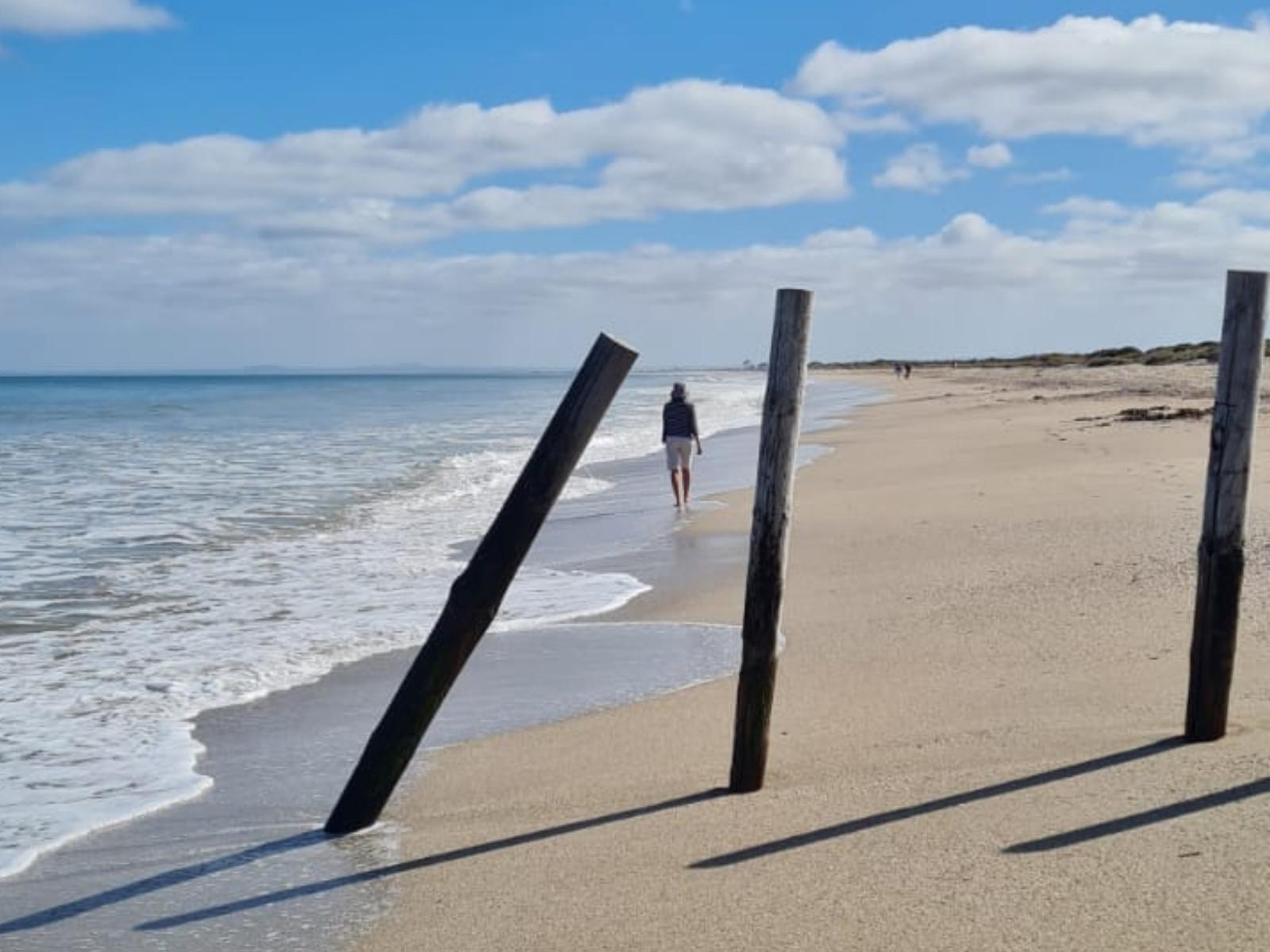
Dwarskersbos provides a quiet coastal experience with its beaches and ocean views. The village appeals to those who enjoy simple outdoor activities like walking along the shore or fishing from the pier. It serves as a base for exploring nearby natural areas, offering a straightforward option for a seaside stay.
## Accommodation in Dwarskersbos
One property currently lists in Dwarskersbos: a guest house at R1,300 per night. That sits comfortably in the mid-range for West Coast coastal accommodation, comparable to what similar villages charge for a room with proper facilities and a resident host.
A guest house at this scale operates quite differently from a hotel or resort in a larger town. The host is typically on site or nearby, and that changes the character of a stay in practical ways. Questions about where fishing boats come in, which stretches of beach work at low tide, and which local suppliers carry fresh produce get answered with genuine knowledge rather than a leaflet. Rooms tend to be clean and functional, furnished for comfort without the styling that tends to appear in more tourist-oriented spots.
Self-catering facilities are standard at this type of property, which matters considerably in a village with limited dining options. Buying fish or local produce and cooking at the property suits the pace here. Meals on your own schedule, rather than around a kitchen's service hours, fit naturally with how time tends to pass in a small coastal settlement. After a few days the village's rhythm becomes familiar enough that cooking in works better than the alternative.
The village is small enough that the accommodation reflects its character. No resort complexes, conference facilities, or managed entertainment exist here. The atmosphere comes from the surroundings: the ocean, the dune fynbos, and the coastal birds. For visitors who prefer that to organised amenities, the trade-off is not difficult. Those arriving with hotel-style service expectations should adjust them before the trip.
With only one property listed, the host can offer flexibility that larger establishments cannot. Longer stays sometimes attract adjusted rates, and early check-in is more likely when the room has been empty. The scale of the operation also means direct communication tends to produce quicker and more specific responses than front-desk systems at larger properties. A brief message before arrival, covering practical questions, typically resolves everything before check-in day.
---
## Best Time to Visit Dwarskersbos
The West Coast follows a Mediterranean-type climate: warm and dry from late spring through summer, with rainfall concentrated in the winter months. December through February offers the most reliable conditions for beach days and outdoor activity, with daytime temperatures typically between 20 and 28 degrees Celsius. The prevailing south-westerly winds keep humidity low, though on exposed coastal stretches they can make even warm afternoons feel cooler than the temperature suggests.
August through October draws a different kind of visitor. After good winter rains, the coastal fynbos and dune scrub around the village produce notable wildflower displays, extending well beyond roadside verges into the surrounding vegetation. The timing varies with annual rainfall, but late August through mid-October generally gives the best chance of significant blooms.
June and July are the quietest months on this stretch of coast. The village returns to its ordinary pace once the summer visitors leave. Southern right whales move inshore along this stretch through winter and into early spring, and sightings from the shore are possible during these months.
The December school holidays and Easter long weekend are the peak periods for the region. Road traffic rises, accommodation fills, and the quiet character of the village shifts noticeably. South African public holiday long weekends produce similar short-term surges.
---
## Getting to Dwarskersbos
Cape Town lies roughly 160 kilometres to the south, making it the natural starting point for most visitors. The standard route follows the R27 north through Langebaan before continuing along the West Coast Road toward the mouth of the Berg River, where local roads branch off into the village. Under normal conditions the drive takes around two hours. Friday afternoon traffic leaving Cape Town can add considerably to that.
Cape Town International Airport handles both domestic and international flights and is the closest commercial airport with regular services. No scheduled bus or rail routes run directly to Dwarskersbos. Travellers arriving by air without a rental car would need to reach a larger town further along the route and arrange onward transport from there, which is manageable but requires advance planning rather than something easily improvised on arrival day.
Within the village, the immediate area is walkable. Beyond the central settlement, a vehicle is necessary for reaching beach access points outside the main node, exploring the surrounding coast, or picking up supplies. Standard sedans handle local roads without difficulty in dry conditions. Sandy tracks near the shore require slower speeds, but four-wheel drive is not needed for ordinary tourist access.
Fuel is unavailable in the village. Fill the tank before the final turn-off, and plan grocery shopping before leaving the main road toward Dwarskersbos.
---
## Dwarskersbos and Surrounding Areas
Several destinations within a 35-kilometre radius make Dwarskersbos a workable base for exploring the central West Coast.
**Velddrif**, 11 kilometres away, sits at the mouth of the Berg River and ranks among South Africa's most productive birdwatching sites. The saltpans and estuary support flamingos, pelicans, and numerous wading species throughout the year, with summer bringing migratory birds from the northern hemisphere. The saltpan system extends for several kilometres along the river mouth, concentrating birds in predictable locations and making the area accessible even without specialist equipment. The town also produces bokkoms, a dried and heavily salted harders mullet made here for generations. Buying a piece from a local supplier connects to a food tradition that far predates the tourist economy on this coast.
**St Helena Bay**, 21 kilometres from Dwarskersbos, is a working fishing harbour with a beach considerably calmer than the open Atlantic coast. The protected bay absorbs much of the south-westerly swell, making it one of the more reliable swimming options in the area. A handful of restaurants serve fresh linefish. The broader Saint Helena Bay arc curving further around the headland, at roughly 24 kilometres, includes additional quiet beach access points that reward exploration by car.
**Britannia Bay**, 28 kilometres north, centres on a sheltered beach and little else. The settlement fills with local families during school holidays and stays largely empty for the rest of the year. There is not much to organise around, which suits visitors who specifically want that.
**Vredenburg**, 32 kilometres to the south-east, is the main commercial hub for the Saldanha Bay municipality. Supermarkets, banks, medical facilities, and hardware stores are all available here. It functions as a working town rather than a visitor destination, but is the essential resupply point for any stay extending beyond a weekend.
**Paternoster**, 34 kilometres away, has become the most visited village on this stretch of coast. Its white-painted fishermen's cottages fall under heritage protection and give the place an immediately recognisable character. The restaurant scene has grown considerably in recent years, the beach is suitable for swimming, and the Cape Columbine Nature Reserve on its outskirts provides coastal walking trails and an operational lighthouse.
---
## Planning Your Stay
With a single listed property, availability during school holidays and public holiday weekends disappears quickly. Booking two to three months ahead for the busiest periods is a practical minimum, not an excess of caution. Leaving it to the final few weeks is a genuine risk.
Before confirming a reservation, ask the host directly what the nightly rate covers. Firewood, linen, and towels are sometimes charged separately at smaller coastal properties, and the specifics vary between hosts. Minimum stay requirements of two or three nights over weekends are common across the West Coast, so checking this before comparing dates avoids confusion.
Cancellation terms at independently run properties tend to be stricter than at larger establishments. Refund windows are often shorter and conditions less flexible. Reading the clause before committing takes a few minutes and prevents complications if plans change.
Mobile data coverage can be unreliable in small coastal villages. If reliable internet access matters to the trip, confirm it with the host before booking rather than assuming availability.
For self-catering stays, plan a grocery run on the way in or immediately after arrival. Retail options within the village are minimal, and having the basics covered from the start means settling in without needing to drive somewhere on the first afternoon.

One property currently lists in Dwarskersbos: a guest house at R1,300 per night. That sits comfortably in the mid-range for West Coast coastal accommodation, comparable to what similar villages charge for a room with proper facilities and a resident host.
A guest house at this scale operates quite differently from a hotel or resort in a larger town. The host is typically on site or nearby, and that changes the character of a stay in practical ways. Questions about where fishing boats come in, which stretches of beach work at low tide, and which local suppliers carry fresh produce get answered with genuine knowledge rather than a leaflet. Rooms tend to be clean and functional, furnished for comfort without the styling that tends to appear in more tourist-oriented spots.
Self-catering facilities are standard at this type of property, which matters considerably in a village with limited dining options. Buying fish or local produce and cooking at the property suits the pace here. Meals on your own schedule, rather than around a kitchen's service hours, fit naturally with how time tends to pass in a small coastal settlement. After a few days the village's rhythm becomes familiar enough that cooking in works better than the alternative.
The village is small enough that the accommodation reflects its character. No resort complexes, conference facilities, or managed entertainment exist here. The atmosphere comes from the surroundings: the ocean, the dune fynbos, and the coastal birds. For visitors who prefer that to organised amenities, the trade-off is not difficult. Those arriving with hotel-style service expectations should adjust them before the trip.
With only one property listed, the host can offer flexibility that larger establishments cannot. Longer stays sometimes attract adjusted rates, and early check-in is more likely when the room has been empty. The scale of the operation also means direct communication tends to produce quicker and more specific responses than front-desk systems at larger properties. A brief message before arrival, covering practical questions, typically resolves everything before check-in day.
---
## Best Time to Visit Dwarskersbos
The West Coast follows a Mediterranean-type climate: warm and dry from late spring through summer, with rainfall concentrated in the winter months. December through February offers the most reliable conditions for beach days and outdoor activity, with daytime temperatures typically between 20 and 28 degrees Celsius. The prevailing south-westerly winds keep humidity low, though on exposed coastal stretches they can make even warm afternoons feel cooler than the temperature suggests.
August through October draws a different kind of visitor. After good winter rains, the coastal fynbos and dune scrub around the village produce notable wildflower displays, extending well beyond roadside verges into the surrounding vegetation. The timing varies with annual rainfall, but late August through mid-October generally gives the best chance of significant blooms.
June and July are the quietest months on this stretch of coast. The village returns to its ordinary pace once the summer visitors leave. Southern right whales move inshore along this stretch through winter and into early spring, and sightings from the shore are possible during these months.
The December school holidays and Easter long weekend are the peak periods for the region. Road traffic rises, accommodation fills, and the quiet character of the village shifts noticeably. South African public holiday long weekends produce similar short-term surges.
---
## Getting to Dwarskersbos
Cape Town lies roughly 160 kilometres to the south, making it the natural starting point for most visitors. The standard route follows the R27 north through Langebaan before continuing along the West Coast Road toward the mouth of the Berg River, where local roads branch off into the village. Under normal conditions the drive takes around two hours. Friday afternoon traffic leaving Cape Town can add considerably to that.
Cape Town International Airport handles both domestic and international flights and is the closest commercial airport with regular services. No scheduled bus or rail routes run directly to Dwarskersbos. Travellers arriving by air without a rental car would need to reach a larger town further along the route and arrange onward transport from there, which is manageable but requires advance planning rather than something easily improvised on arrival day.
Within the village, the immediate area is walkable. Beyond the central settlement, a vehicle is necessary for reaching beach access points outside the main node, exploring the surrounding coast, or picking up supplies. Standard sedans handle local roads without difficulty in dry conditions. Sandy tracks near the shore require slower speeds, but four-wheel drive is not needed for ordinary tourist access.
Fuel is unavailable in the village. Fill the tank before the final turn-off, and plan grocery shopping before leaving the main road toward Dwarskersbos.
---
## Dwarskersbos and Surrounding Areas
Several destinations within a 35-kilometre radius make Dwarskersbos a workable base for exploring the central West Coast.
**Velddrif**, 11 kilometres away, sits at the mouth of the Berg River and ranks among South Africa's most productive birdwatching sites. The saltpans and estuary support flamingos, pelicans, and numerous wading species throughout the year, with summer bringing migratory birds from the northern hemisphere. The saltpan system extends for several kilometres along the river mouth, concentrating birds in predictable locations and making the area accessible even without specialist equipment. The town also produces bokkoms, a dried and heavily salted harders mullet made here for generations. Buying a piece from a local supplier connects to a food tradition that far predates the tourist economy on this coast.
**St Helena Bay**, 21 kilometres from Dwarskersbos, is a working fishing harbour with a beach considerably calmer than the open Atlantic coast. The protected bay absorbs much of the south-westerly swell, making it one of the more reliable swimming options in the area. A handful of restaurants serve fresh linefish. The broader Saint Helena Bay arc curving further around the headland, at roughly 24 kilometres, includes additional quiet beach access points that reward exploration by car.
**Britannia Bay**, 28 kilometres north, centres on a sheltered beach and little else. The settlement fills with local families during school holidays and stays largely empty for the rest of the year. There is not much to organise around, which suits visitors who specifically want that.
**Vredenburg**, 32 kilometres to the south-east, is the main commercial hub for the Saldanha Bay municipality. Supermarkets, banks, medical facilities, and hardware stores are all available here. It functions as a working town rather than a visitor destination, but is the essential resupply point for any stay extending beyond a weekend.
**Paternoster**, 34 kilometres away, has become the most visited village on this stretch of coast. Its white-painted fishermen's cottages fall under heritage protection and give the place an immediately recognisable character. The restaurant scene has grown considerably in recent years, the beach is suitable for swimming, and the Cape Columbine Nature Reserve on its outskirts provides coastal walking trails and an operational lighthouse.
---
## Planning Your Stay
With a single listed property, availability during school holidays and public holiday weekends disappears quickly. Booking two to three months ahead for the busiest periods is a practical minimum, not an excess of caution. Leaving it to the final few weeks is a genuine risk.
Before confirming a reservation, ask the host directly what the nightly rate covers. Firewood, linen, and towels are sometimes charged separately at smaller coastal properties, and the specifics vary between hosts. Minimum stay requirements of two or three nights over weekends are common across the West Coast, so checking this before comparing dates avoids confusion.
Cancellation terms at independently run properties tend to be stricter than at larger establishments. Refund windows are often shorter and conditions less flexible. Reading the clause before committing takes a few minutes and prevents complications if plans change.
Mobile data coverage can be unreliable in small coastal villages. If reliable internet access matters to the trip, confirm it with the host before booking rather than assuming availability.
For self-catering stays, plan a grocery run on the way in or immediately after arrival. Retail options within the village are minimal, and having the basics covered from the start means settling in without needing to drive somewhere on the first afternoon.
Tipes Akkommodasie in Dwarskersbos
Uitgesoekte Verblyf in Dwarskersbos
JubelnJuig
Gastehuis
Dwarskersbos
Vanaf R1,300
JubelnJuig
Gastehuis
Dwarskersbos
· 2.2km van Dwarskersbos
Vanaf
R1,300
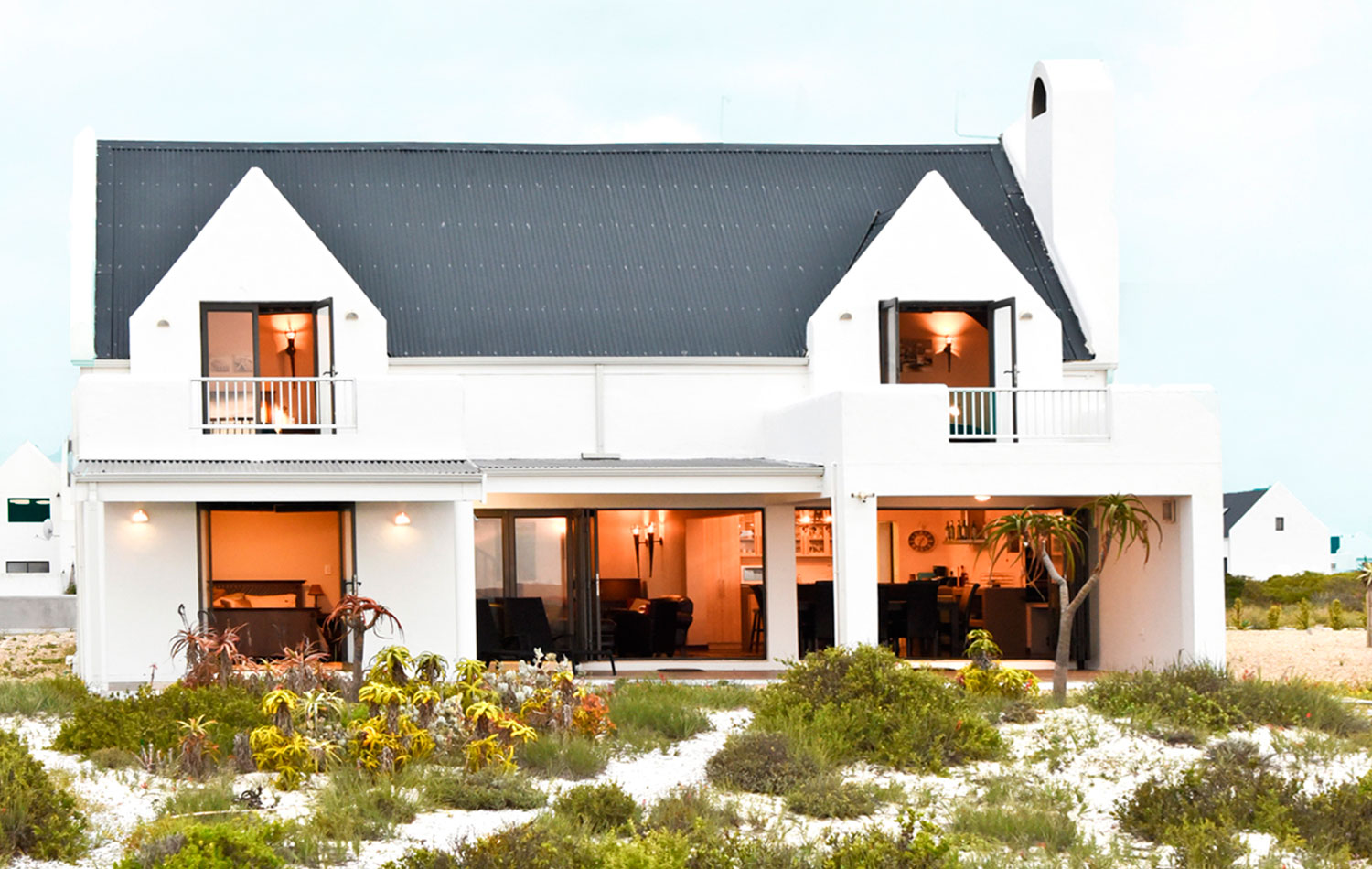
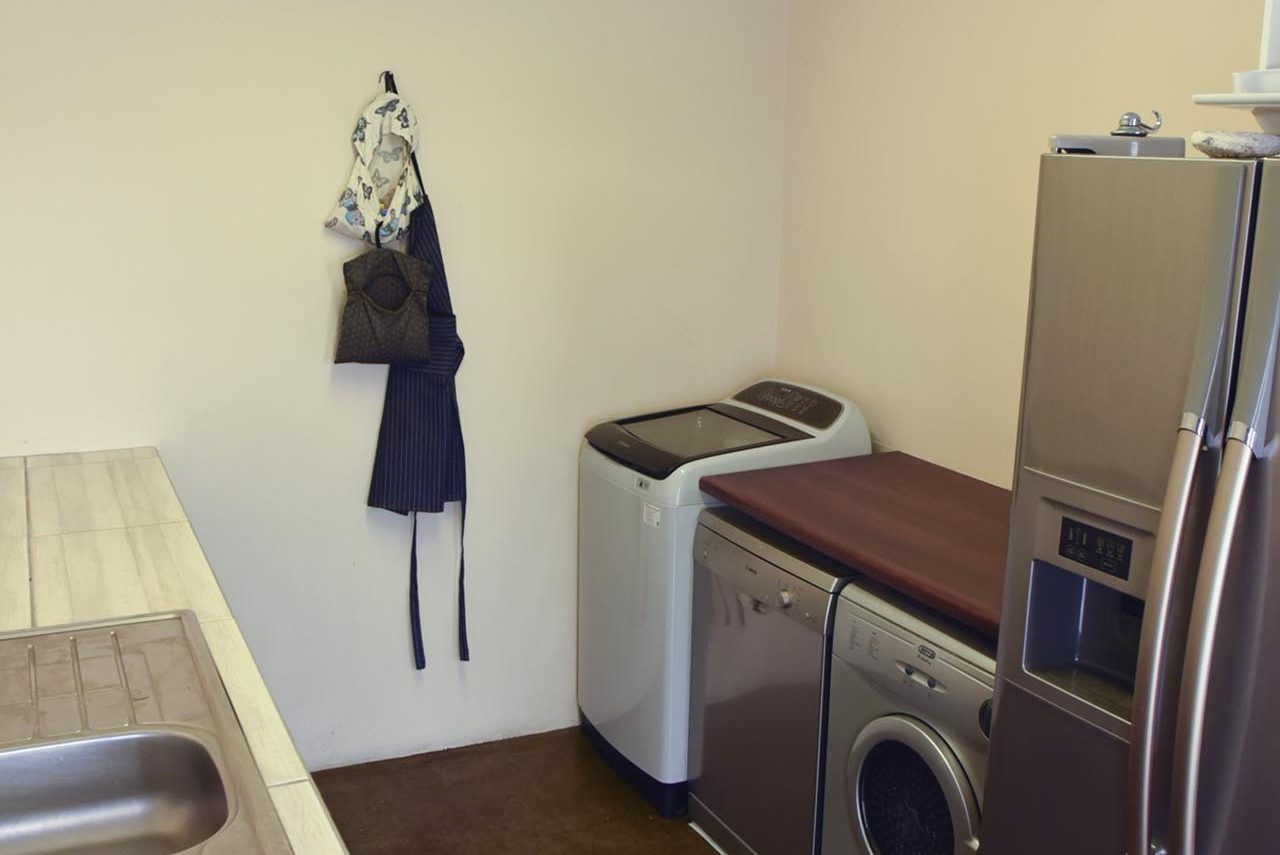
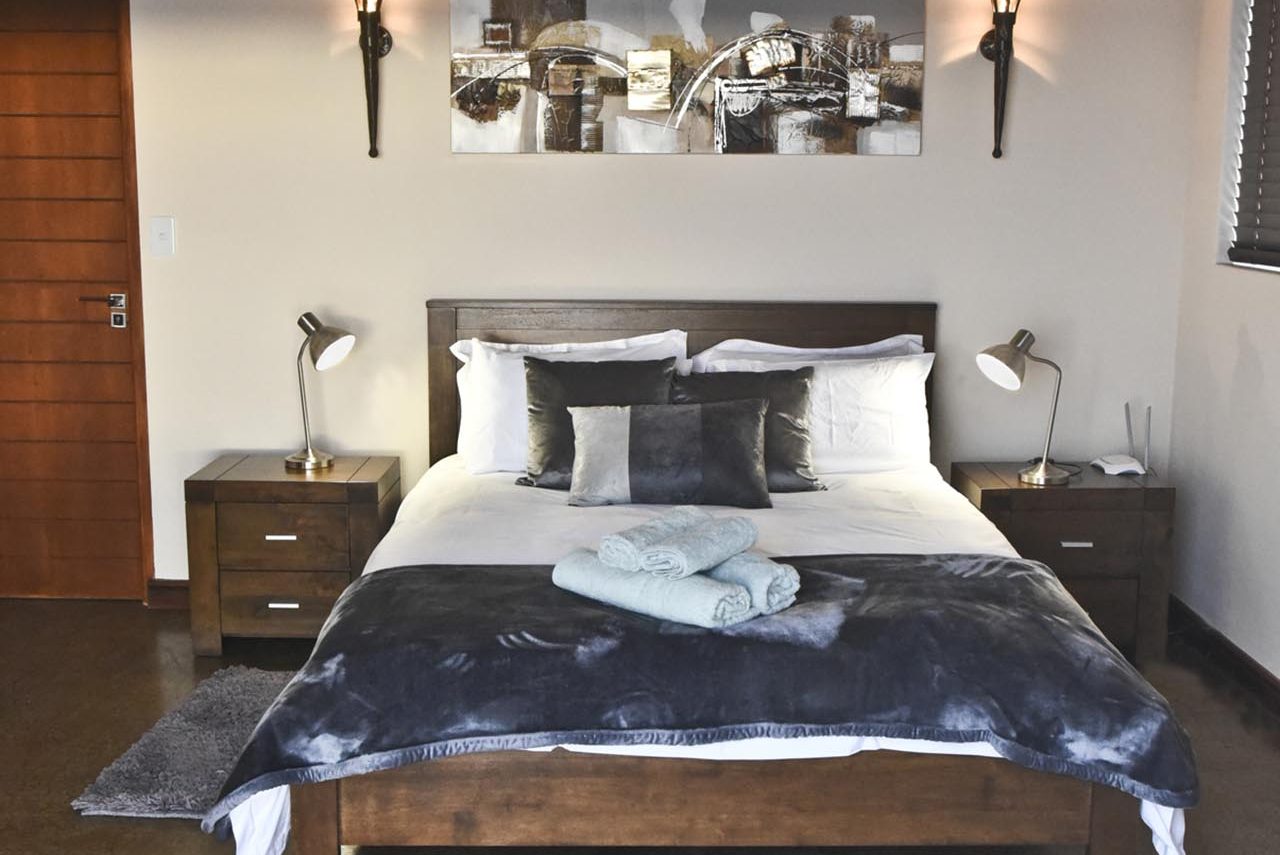
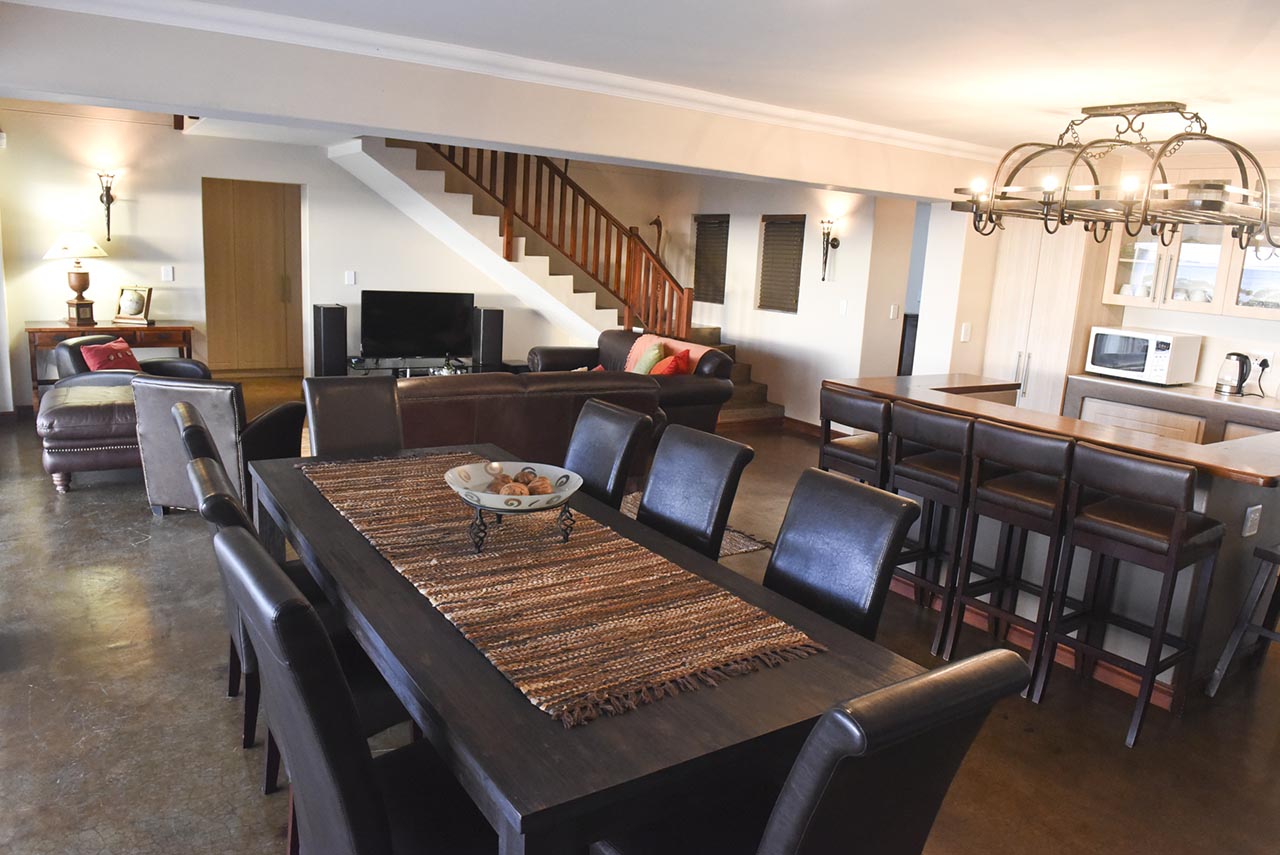
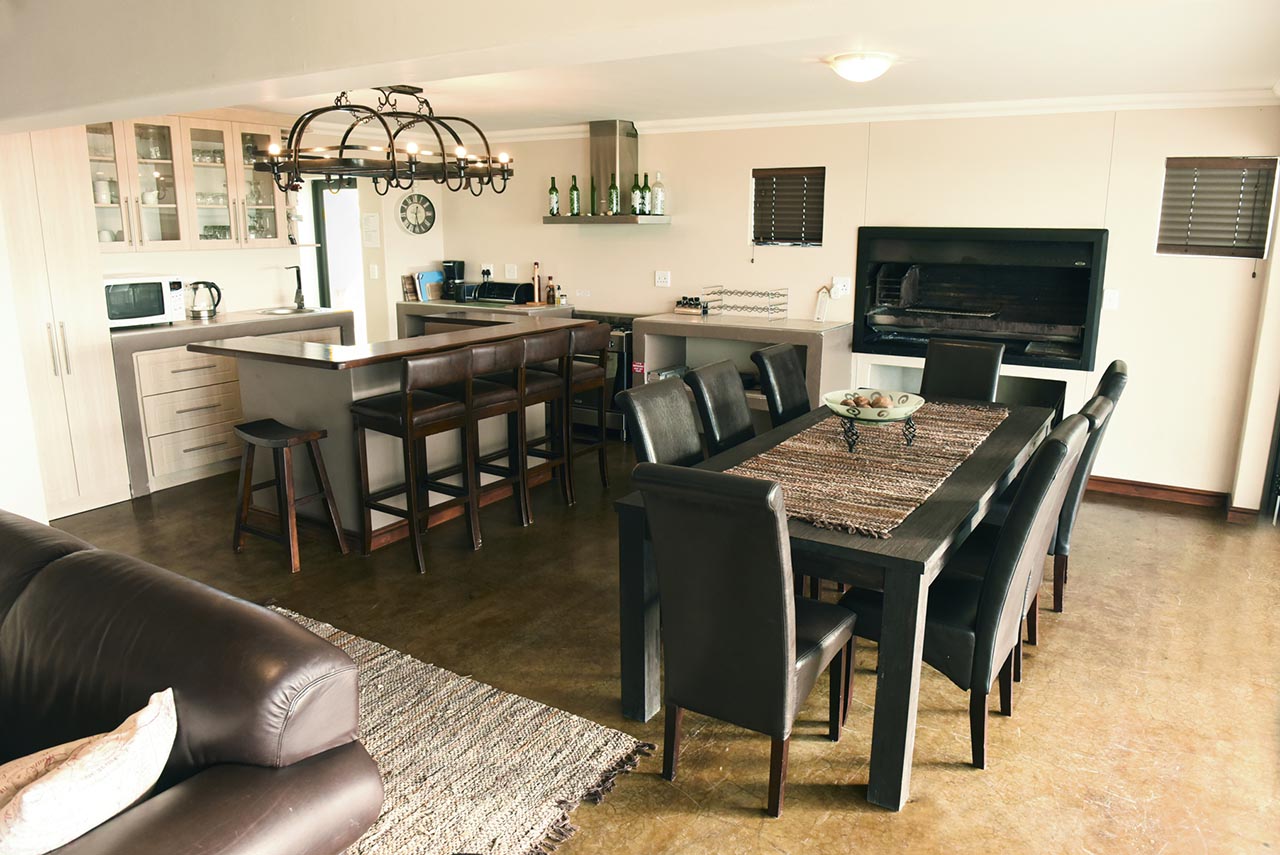
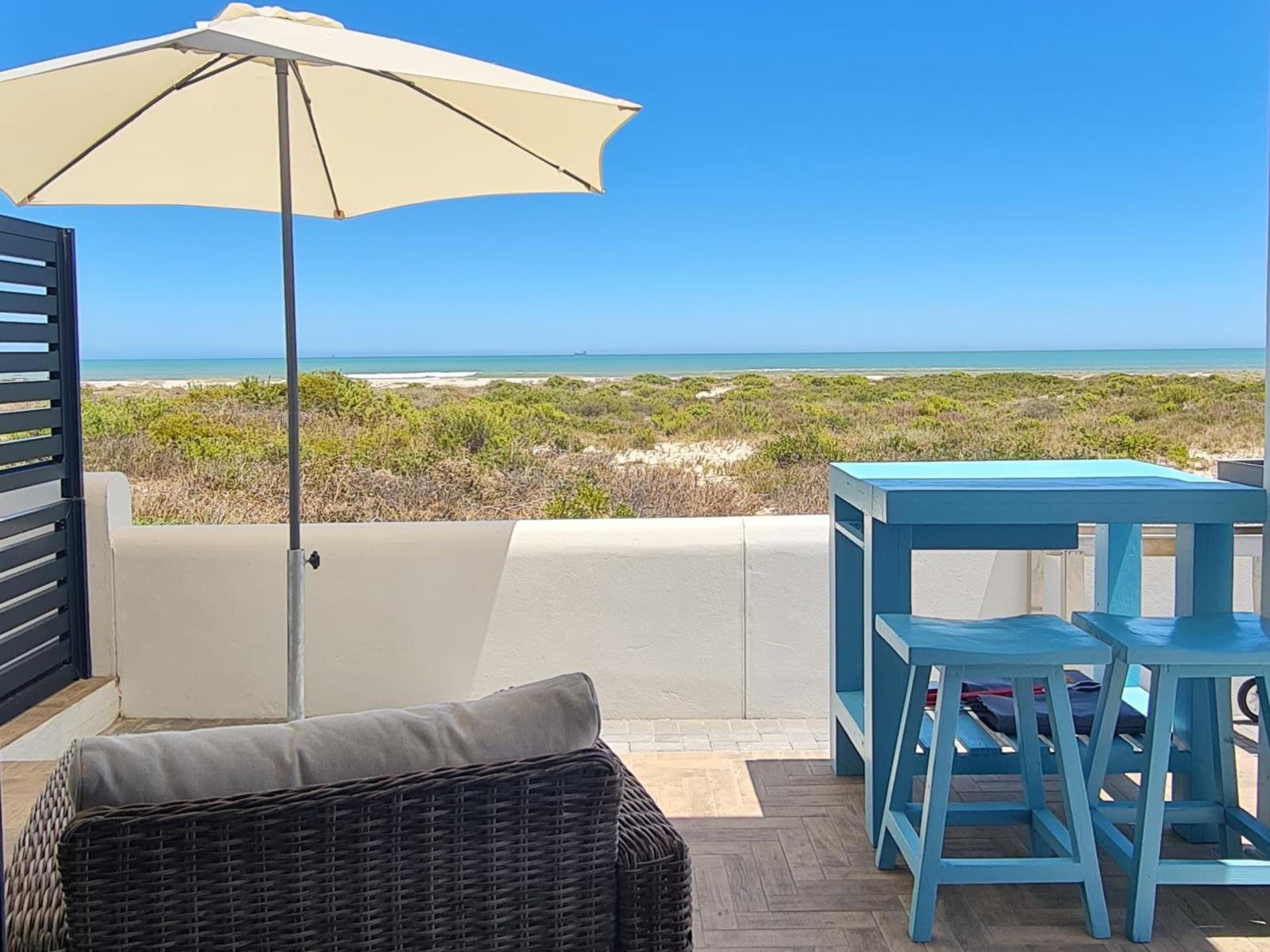
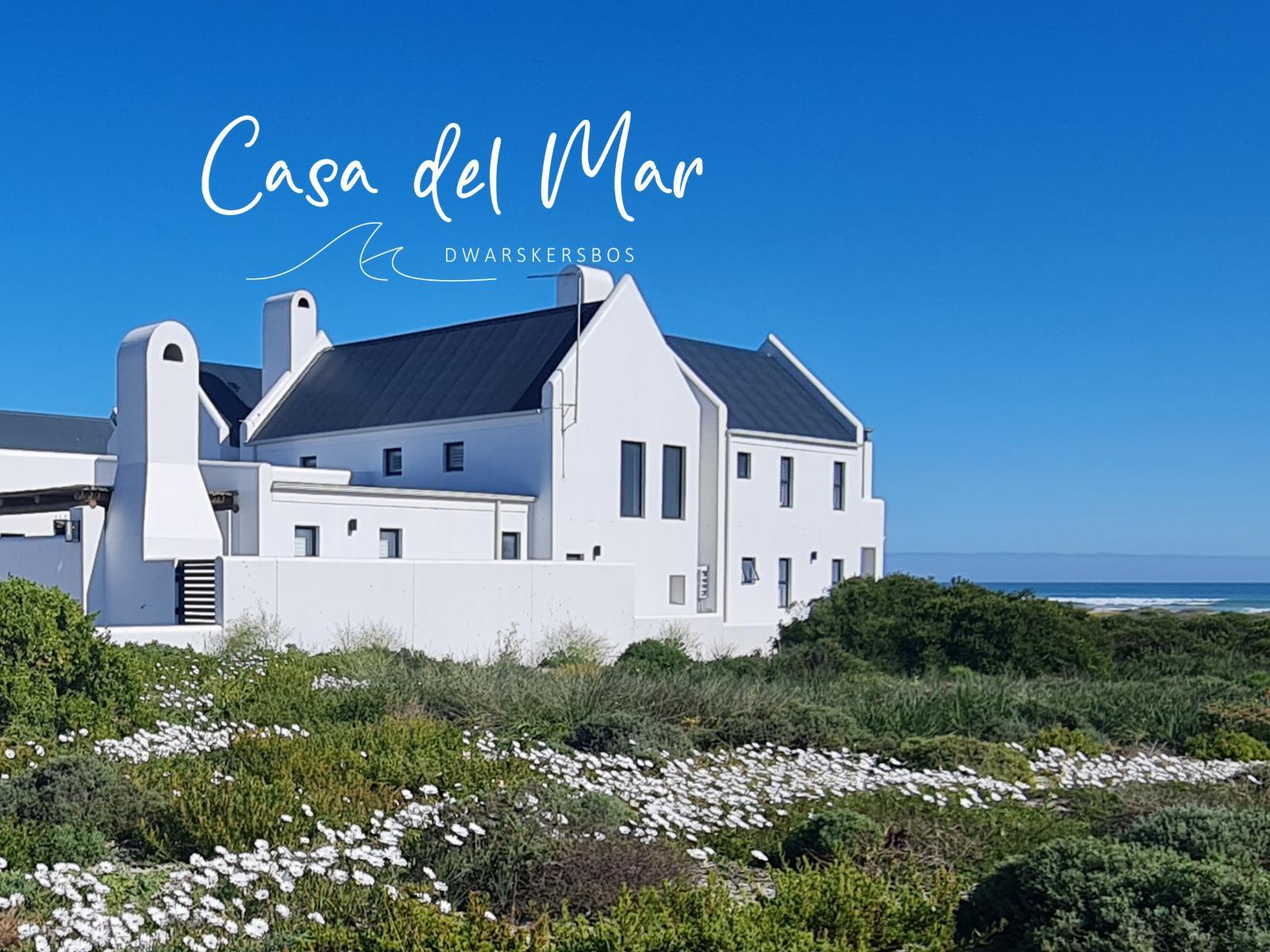
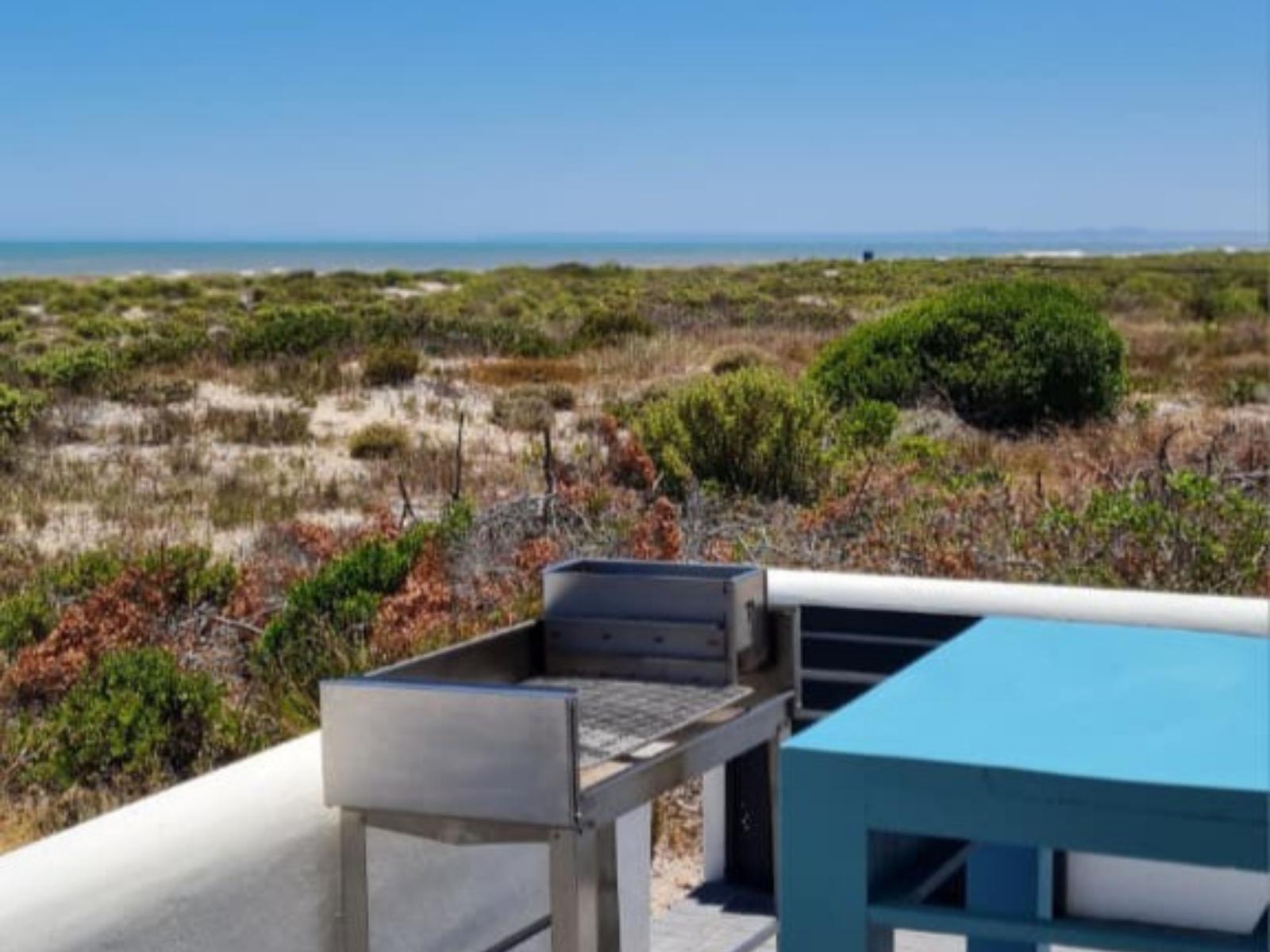
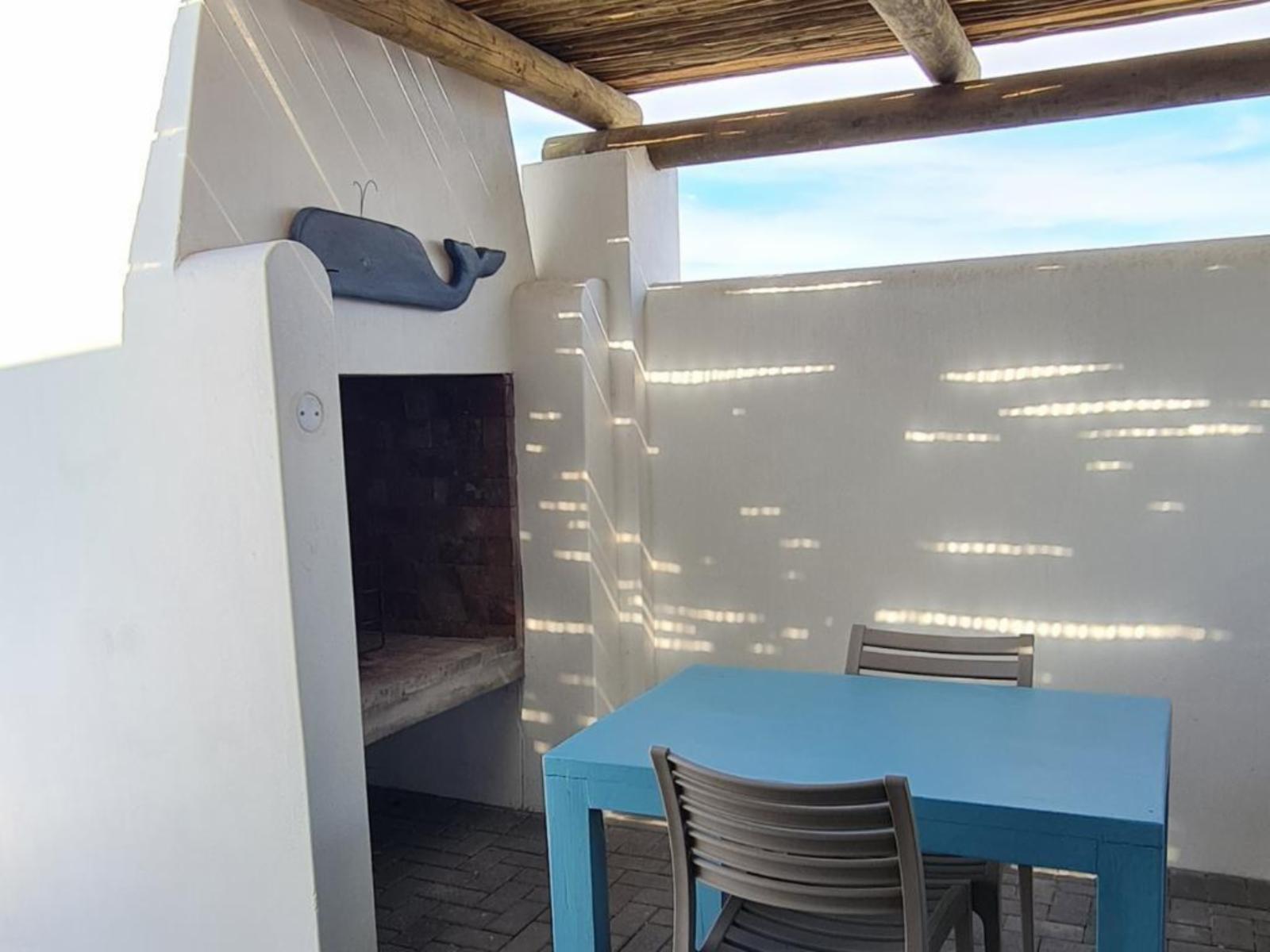
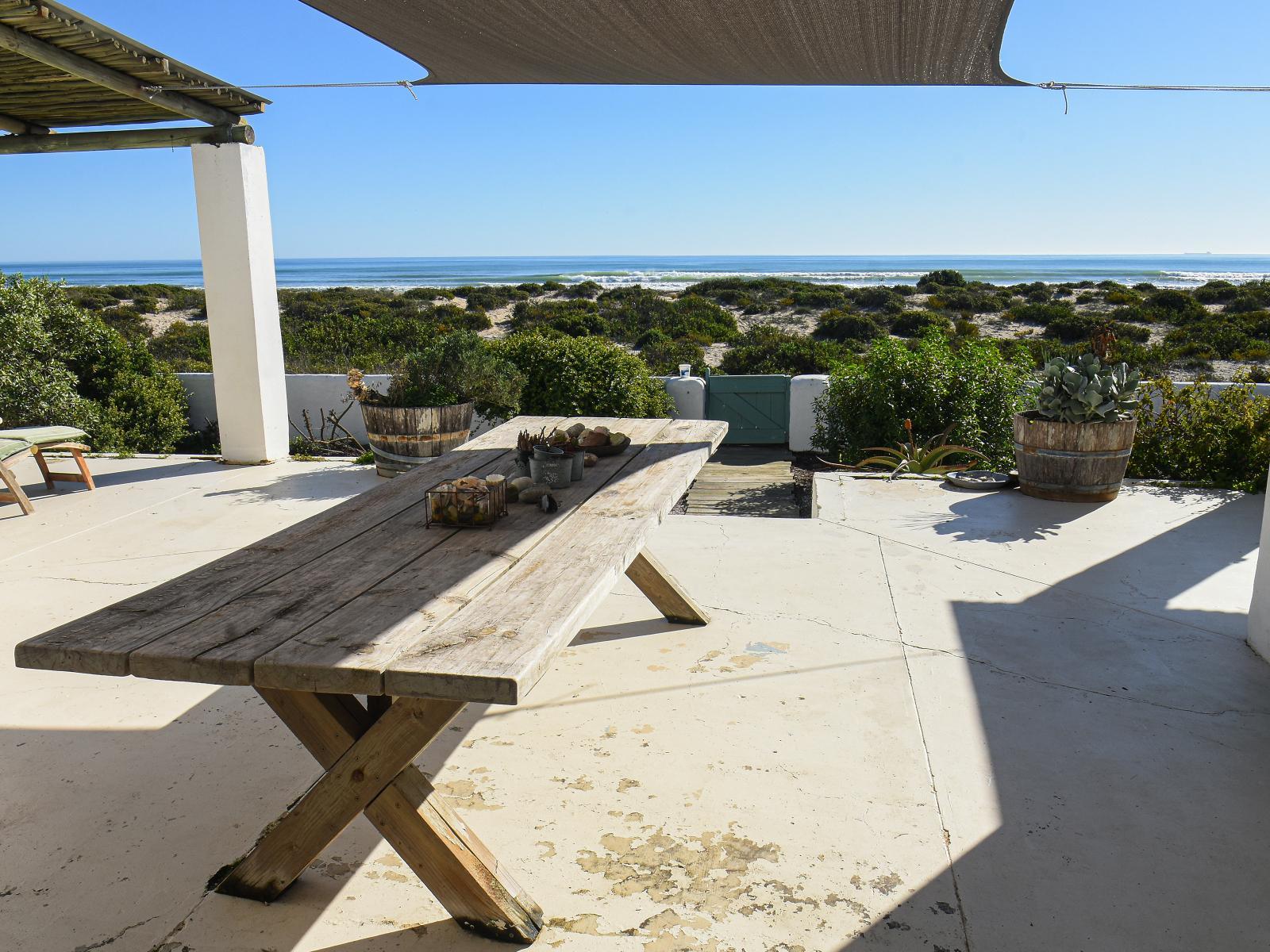
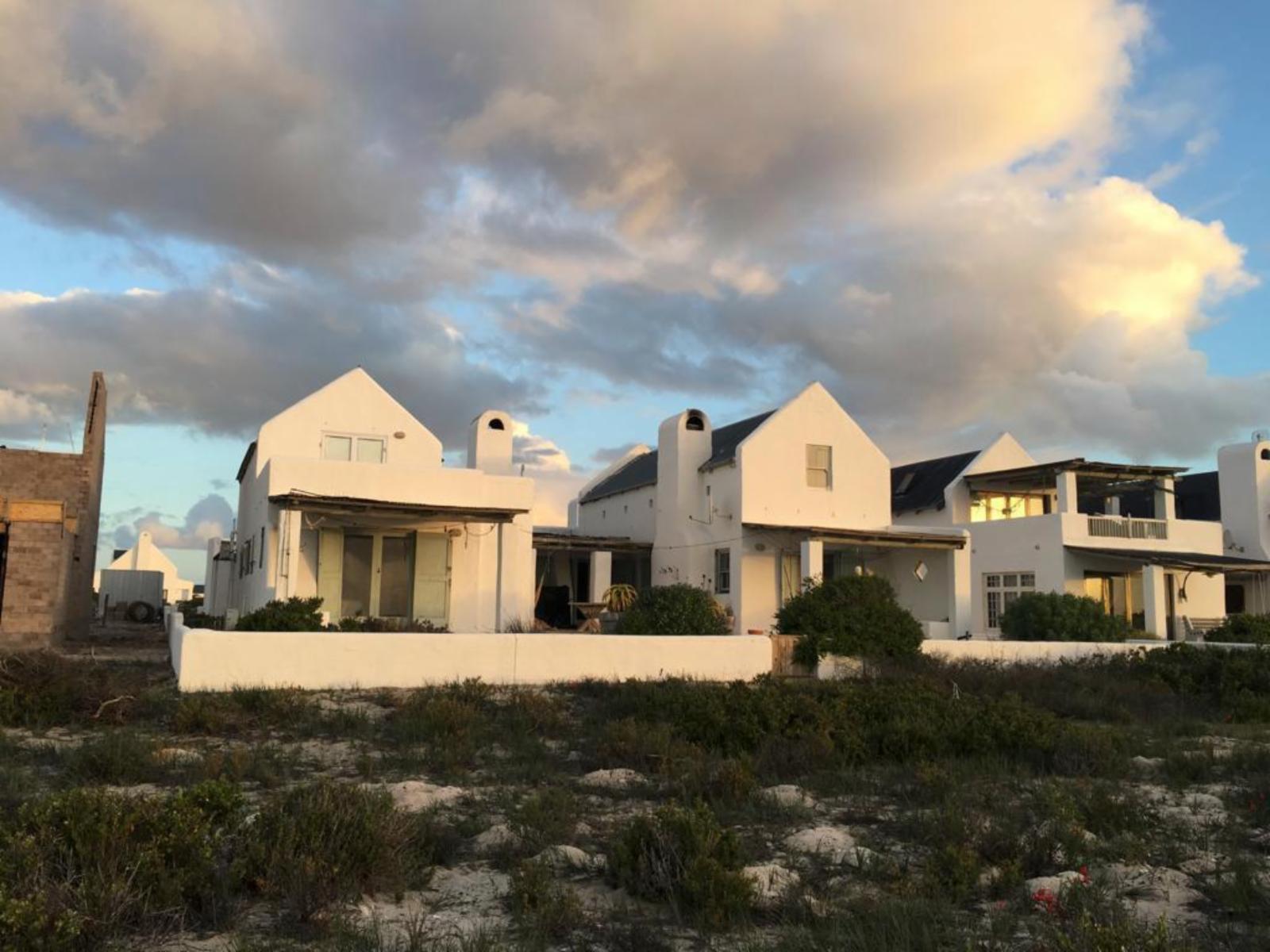
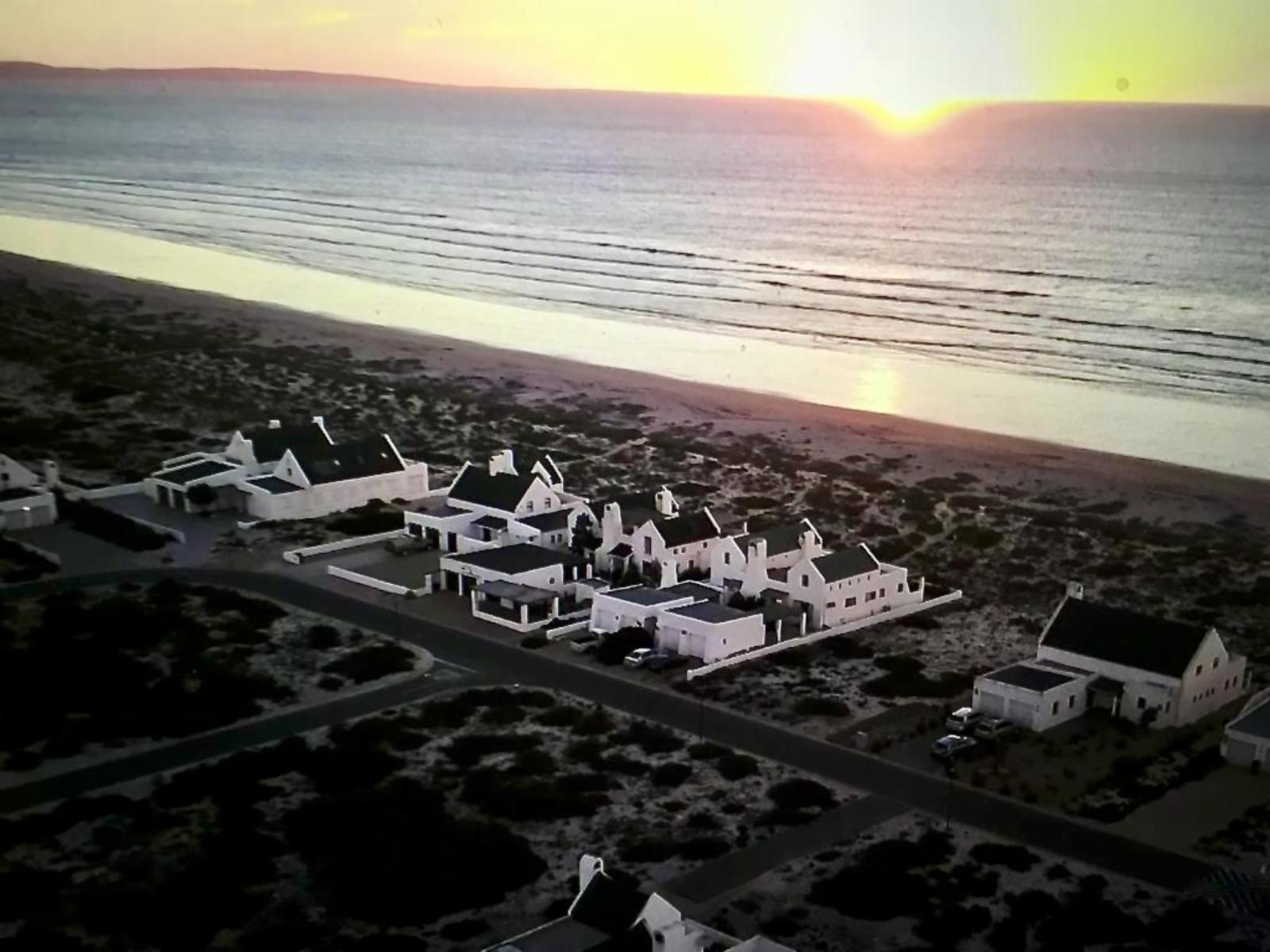
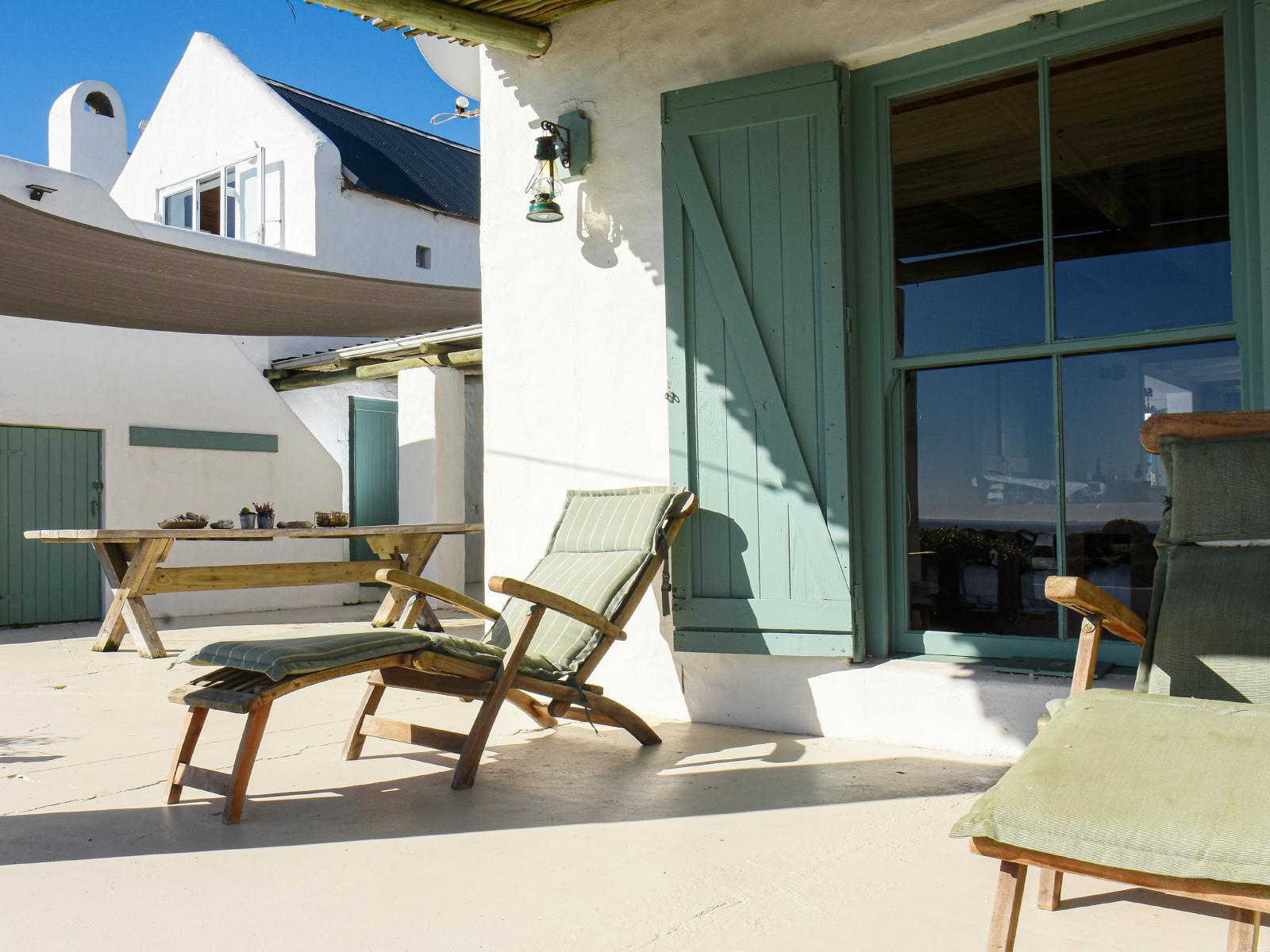
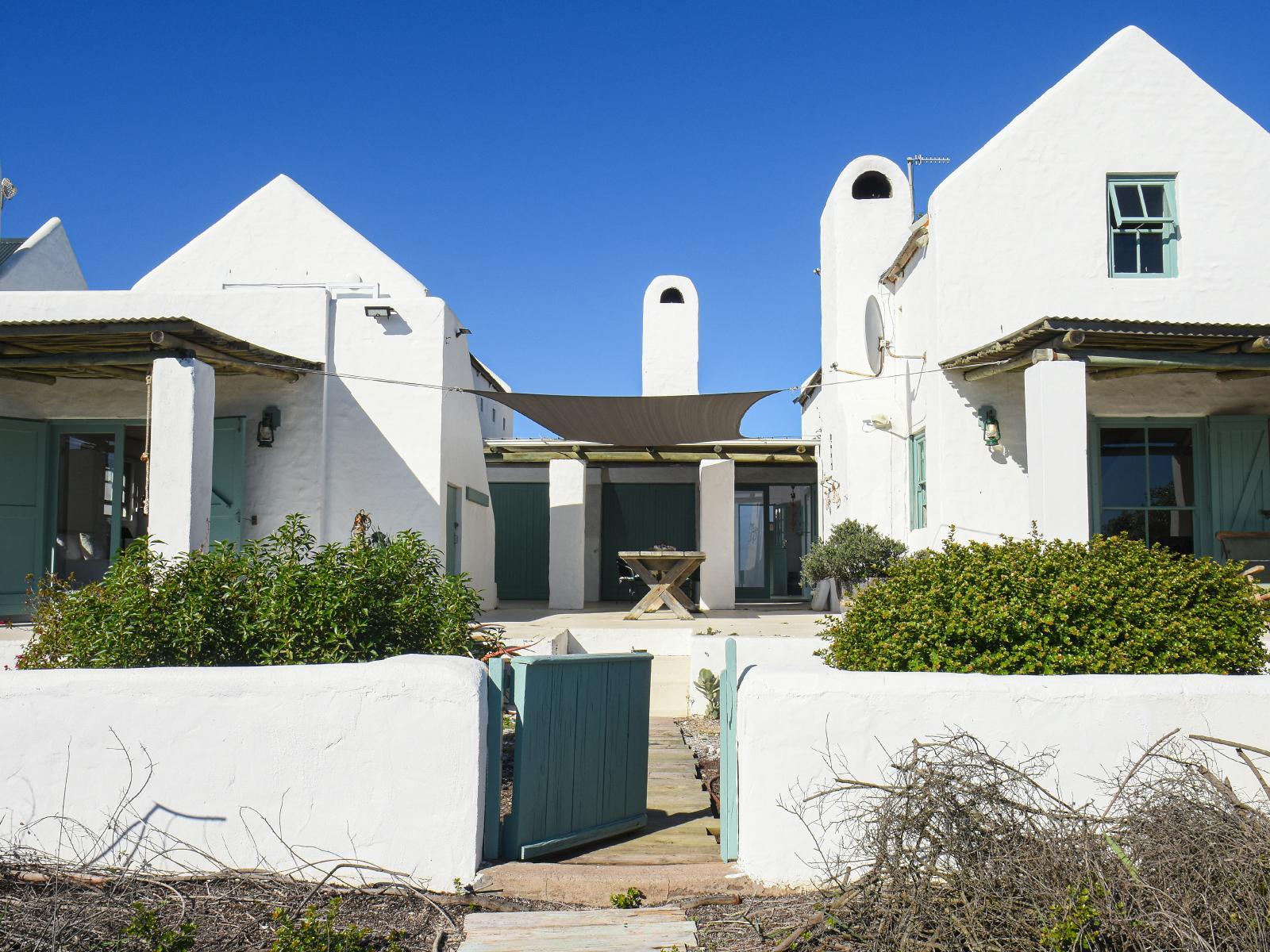
Jubel n Juig Self-Catering bied 'n apartment net 200 m van Dwarskersbos Beach. Die akkommodasie sluit 'n patio, BBQ en buiteëtfasiliteite in. Gratis private parkering buite die straat is voor die apartment beskikbaar.
Slaap 4
Kinders welkom
Akkommodasiepryse in Dwarskersbos
| Tipe | Inskrywings | Vanaf | Gemiddeld | Tot |
|---|---|---|---|---|
| Guest house | 1 | R1,300 | R1,300 | R1,300 |
Dwarskersbos Kaart
Nabygeleë Bestemmings
Blaai Deur Alle Dwarskersbos Akkommodasie
Bekyk al 1 akkommodasie-opsies in Dwarskersbos met foto's, pryse en beskikbaarheid.
Blaai Deur Alle Akkommodasie