Fish Hoek Reis- & Akkommodasiegids
Jou volledige gids om Fish Hoek, Suid-Afrika te besoek.
3
Eiendomme
Vanaf
R1,800
/ nag
Gemiddeld
R1,972
/ nag
Gewildste
Self-catering
Fish Hoek offers a relaxed coastal experience with its sandy beaches and clear waters, ideal for family outings and water sports. The area features pleasant weather and easy access to outdoor activities, making it a practical choice for a seaside holiday. Visitors can enjoy the local community vibe and nearby amenities for a comfortable stay.
## Accommodation in Fish Hoek
Fish Hoek has a small selection of accommodation, with three properties available at nightly rates ranging from R1,800 to R2,144. The options sit at the mid to upper end of the market, better suited to leisure travellers seeking comfort than to those on tight budgets.
At the more independent end, a self-catering property suits visitors who prefer home-like arrangements. A full kitchen reduces the need to eat out for every meal, a practical benefit for families or anyone staying more than a few nights.
The guest house, averaging around R2,264 per night, provides a more personal experience. Properties of this type on the Cape Peninsula usually include breakfast and are run by resident hosts with solid local knowledge. For visitors unfamiliar with the region, having a host who can advise on local routes, transport or seasonal conditions carries real value. The format suits solo travellers and couples who want a degree of structure without the formality of a hotel.
The apartment option, averaging around R2,325 per night, provides the most space. With a full kitchen, lounge, and sometimes a second bedroom, apartments appeal to pairs wanting separate living and sleeping areas, or to guests planning a week or longer who need room to settle in properly.
The properties in Fish Hoek share a relaxed, residential character rather than a polished resort feel. The proximity to the beach and the low-key setting give the accommodation experience a grounded quality. Because the number of listed properties is small, availability is limited, and during the summer peak booking two to three months ahead is advisable rather than overcautious.
## Things to Do in Fish Hoek
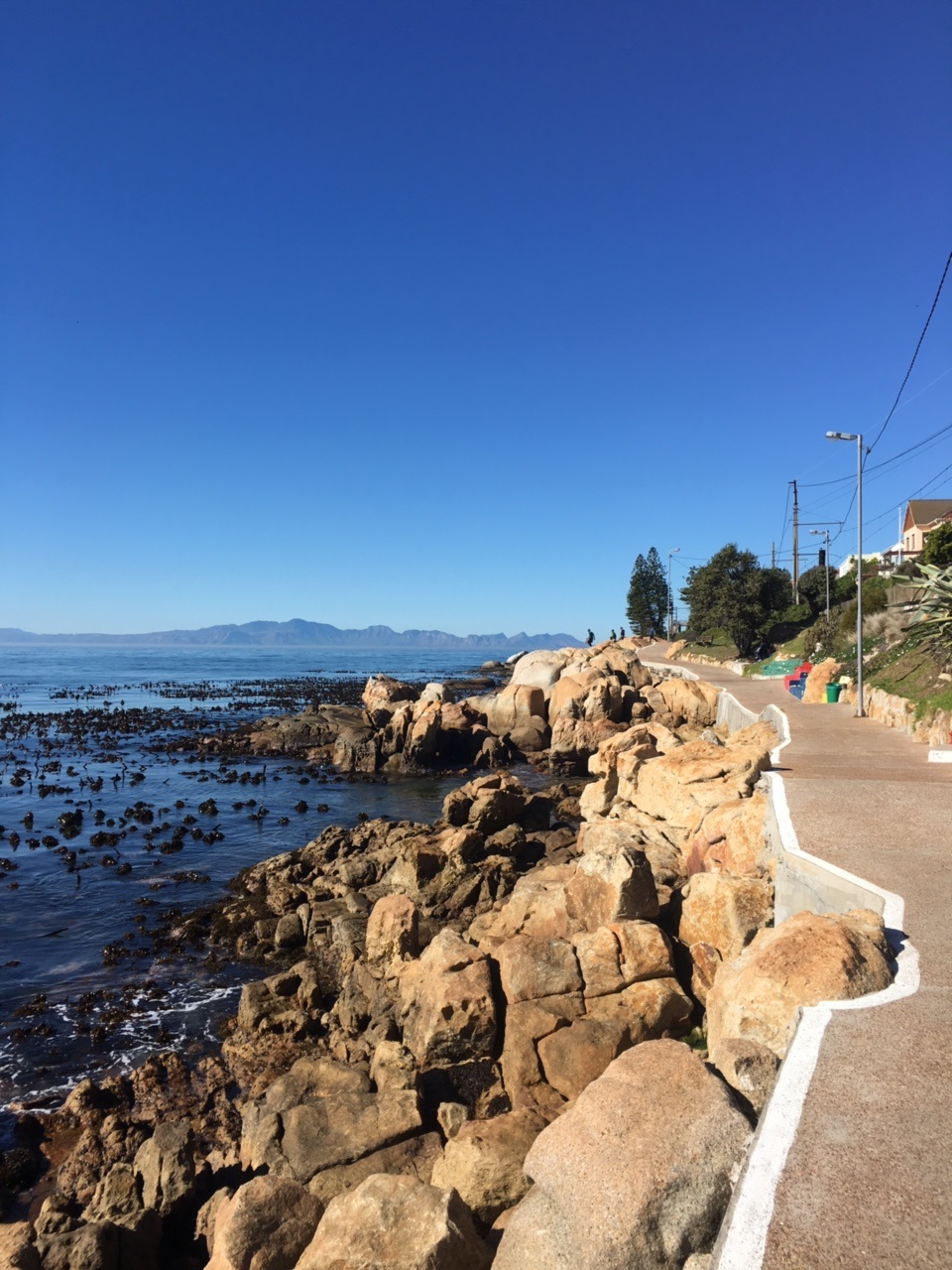
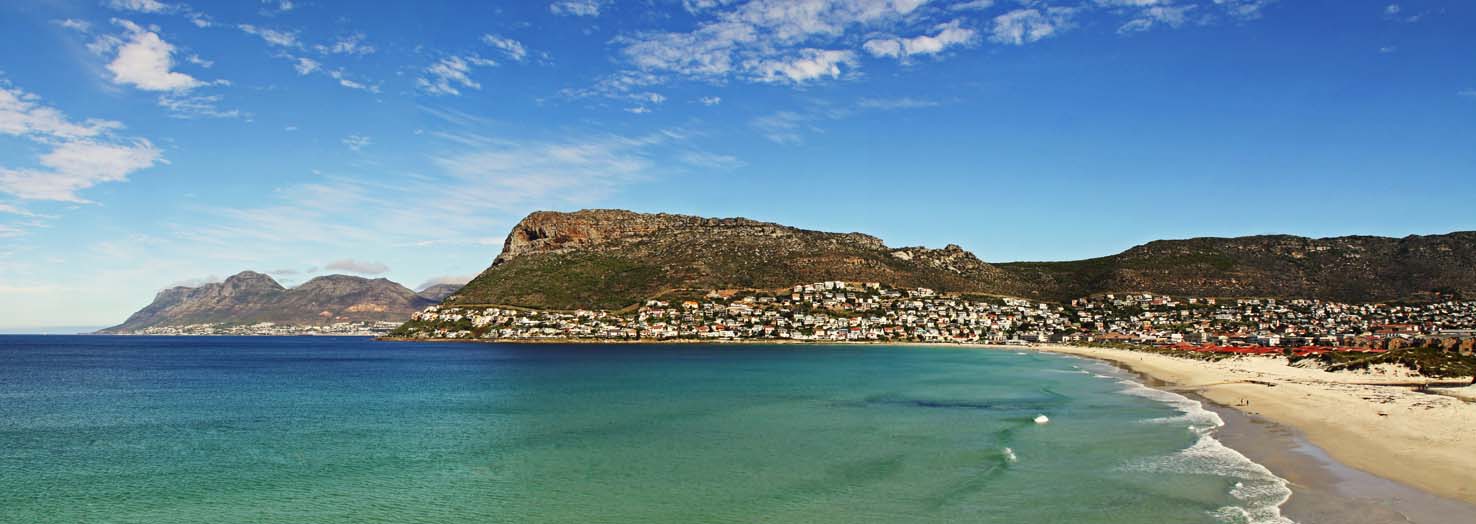
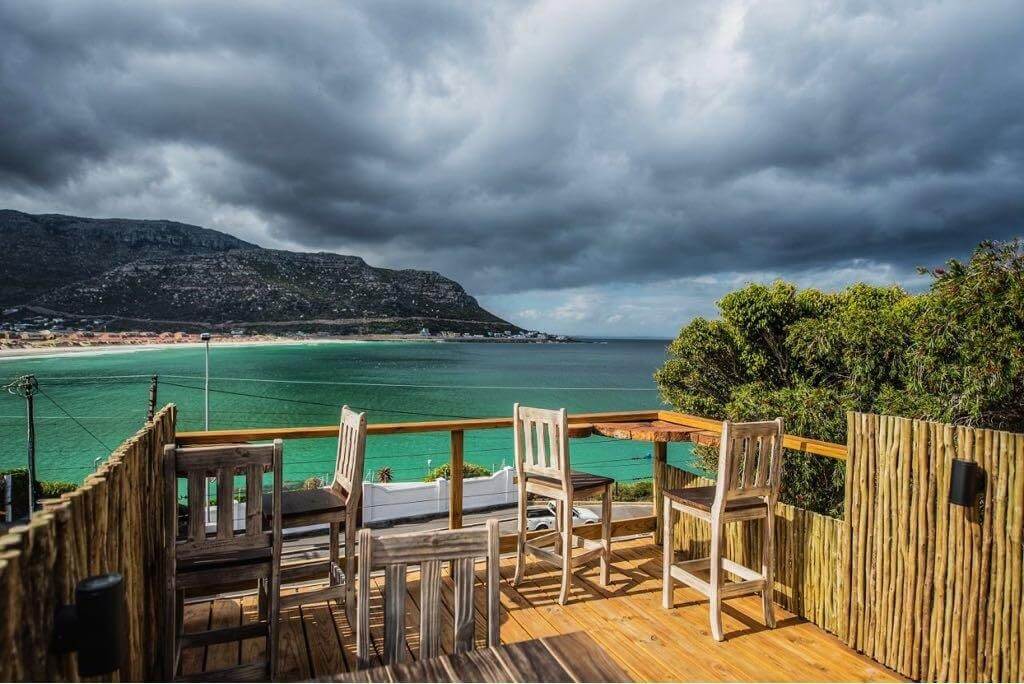
Fish Hoek Beach stretches along the eastern bay, facing across the water toward the Hottentots Holland Mountains on clear days. The bay's sheltered orientation produces calmer conditions and warmer water than the Atlantic-facing beaches on the other side of the peninsula. In midsummer the sea temperature reaches around 20 degrees Celsius, comfortable enough for extended swimming. A tidal pool at the southern end of the beach provides a sheltered option for children or less confident swimmers. Kayaking and stand-up paddleboarding are popular on calm mornings, and the flat sandy shore makes it easy to find space throughout the day.
For wine, mountain roads inland lead to a cluster of long-established estates offering cellar tours and tastings most weekdays and Saturdays. The drive through oak-lined valleys and past vineyards is part of the experience. A half-day excursion during the harvest season from February through April is particularly worthwhile.
Golf is available at Clovelly Country Club, a few kilometres along the coast road from town. The course plays through a narrow valley between fynbos-covered slopes and is open to visiting players on weekdays. Small mammals and a variety of birds appear regularly on the course.
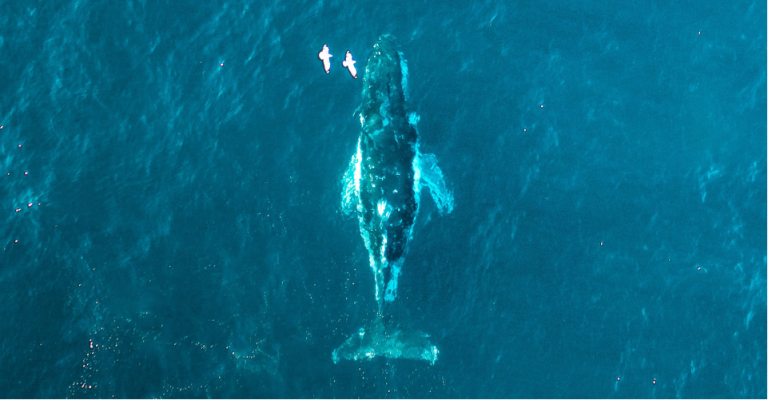
Southern right whales enter False Bay between July and November to calve, and can often be spotted from elevated coastal paths south of the town without the need for a boat trip. On clear days when the whales come close inshore, binoculars are useful but not essential.
## Best Time to Visit Fish Hoek
The Cape Peninsula follows a Mediterranean climate pattern: dry summers and wet winters. The most settled weather for outdoor activities runs from November through March, with daytime temperatures reaching the mid-20s Celsius and most days bringing clear skies.
The peak domestic holiday season falls through the last two weeks of December and the first weeks of January. During this period the beach and town are noticeably busier, and public spaces fill up quickly on weekends. Easter, in late March or April, brings a shorter surge of visitors over a long weekend.
October and April are practical shoulder months. The summer crowds have either not yet arrived or have already dispersed, and the weather stays comfortable for walking and day trips. Spring, from August through October, is when the hillsides above the town come into wildflower bloom, making the hiking trails behind Fish Hoek particularly rewarding during these months.
From May through August, frontal rain systems move in from the Atlantic. These rarely persist for more than two to three consecutive days before clearing, but outdoor plans should allow flexibility. Clear winter days have a sharp quality to the light that suits landscape photography and longer walks. The town is quietest during this period, which for some travellers is reason enough to visit.
## Getting to Fish Hoek
Cape Town International Airport lies roughly 35 kilometres from Fish Hoek. The drive takes between 40 minutes and an hour depending on traffic, following the N2 highway south from the airport, then connecting to the M3 before joining the M6 along the southern coastal road. Peak-hour congestion through the southern suburbs, roughly 7 to 9 in the morning and 4 to 7 in the afternoon, can add 20 to 30 minutes to the journey.
Car hire is available from major operators at the airport and provides the most flexibility for exploring the peninsula. Fish Hoek has adequate street and off-street parking near the town centre and beach.
Metrorail's Southern Line runs from Cape Town Central station to Fish Hoek in just over an hour. The Fish Hoek station sits within easy walking distance of the beach and town centre. Fares are low and the service operates regularly during daylight hours, making it a reliable option for daytime visits. Evening travel on this line is less advisable on security grounds.
From Johannesburg, the road distance is around 1,400 kilometres, making flights the practical choice for most visitors from the interior. Multiple domestic carriers operate several daily services between Johannesburg and Cape Town International, with flight times of around two hours.
## Fish Hoek and Surrounding Areas
**Muizenberg**, 5 kilometres north, is the main spot for learning to surf on this side of the peninsula. The waves are long, consistent, and manageable for beginners, and several surf schools operate from the beach year-round with hire equipment and instruction at all levels. The town is also known for its row of painted Victorian bathing boxes along the promenade, one of the more photographed landmarks on the Cape coast. The area has a loosely bohemian character, with independent cafés and a Saturday market drawing a mixed crowd of residents and visitors.
**Simon's Town**, 7 kilometres south, functions as both a working naval base and one of the most historically intact harbour towns on the peninsula. The main street follows the waterfront and is lined with mid-19th century buildings housing restaurants, galleries and antique shops. A short walk from the town centre, Boulders Beach is home to a large African penguin colony managed by SANParks. Entry requires a fee. The penguins are entirely accustomed to people and can be observed at close range from boardwalks running through the colony. The combination of heritage architecture, a working harbour, and accessible wildlife makes this the most visited day-trip destination from Fish Hoek.
**Kommetjie**, 9 kilometres to the southwest, sits on the Atlantic side of the peninsula where the ocean is colder and the swell considerably more powerful. Long Beach attracts experienced surfers. The village moves at a slow pace compared to busier suburbs further north. The Slangkop Lighthouse at the north end of the beach is one of the tallest cast-iron structures of its kind in South Africa, with guided tours available on selected days.
**Grassy Park**, 12 kilometres northeast, is a residential suburb with limited visitor attractions. Its primary usefulness for Fish Hoek visitors is as a road junction for routes toward the airport and across the Cape Flats.
**Constantia**, 13 kilometres north through the mountain passes, holds the Cape's oldest wine estate. Groot Constantia was established in 1685 and remains the most historically significant property in the valley. Several other estates offer tastings, farm restaurants and cellar tours. The Constantia Nek road connects the valley to Hout Bay on the Atlantic side, providing a scenic drive between two distinct parts of the peninsula.
## Planning Your Stay
Fish Hoek has a limited accommodation inventory, which means the standard advice about booking ahead applies with more force here than in larger destinations. For travel during peak periods, aim to confirm a booking at least two months in advance. Long weekends around April and September public holidays also see demand rise quickly and should be planned for accordingly.
When comparing properties, check elevation and distance from the beach. Fish Hoek's streets rise steeply back from the shoreline, and a property that looks close on a map can still involve a significant uphill return from a beach day with gear in hand. For stays that include a kitchen, confirm what equipment and utensils are provided, as standards differ between listings.
Power reliability is worth raising with hosts before booking. Load shedding, the scheduled electricity outages that remain a feature of daily life across South Africa, continues to affect the region. Properties with battery backup or inverter systems keep lights and basic appliances running during cuts. Knowing this before arrival avoids an unpleasant surprise.
Fibre internet coverage across Fish Hoek is reasonably good, but connection quality varies between properties. If remote work is part of the trip, ask specifically whether the connection is uncapped. For fresh seafood and local produce, the nearby harbour village of Kalk Bay holds weekend markets worth planning around, just a short drive north along the coast road.

Fish Hoek has a small selection of accommodation, with three properties available at nightly rates ranging from R1,800 to R2,144. The options sit at the mid to upper end of the market, better suited to leisure travellers seeking comfort than to those on tight budgets.
At the more independent end, a self-catering property suits visitors who prefer home-like arrangements. A full kitchen reduces the need to eat out for every meal, a practical benefit for families or anyone staying more than a few nights.
The guest house, averaging around R2,264 per night, provides a more personal experience. Properties of this type on the Cape Peninsula usually include breakfast and are run by resident hosts with solid local knowledge. For visitors unfamiliar with the region, having a host who can advise on local routes, transport or seasonal conditions carries real value. The format suits solo travellers and couples who want a degree of structure without the formality of a hotel.
The apartment option, averaging around R2,325 per night, provides the most space. With a full kitchen, lounge, and sometimes a second bedroom, apartments appeal to pairs wanting separate living and sleeping areas, or to guests planning a week or longer who need room to settle in properly.
The properties in Fish Hoek share a relaxed, residential character rather than a polished resort feel. The proximity to the beach and the low-key setting give the accommodation experience a grounded quality. Because the number of listed properties is small, availability is limited, and during the summer peak booking two to three months ahead is advisable rather than overcautious.
## Things to Do in Fish Hoek
Fish Hoek Beach stretches along the eastern bay, facing across the water toward the Hottentots Holland Mountains on clear days. The bay's sheltered orientation produces calmer conditions and warmer water than the Atlantic-facing beaches on the other side of the peninsula. In midsummer the sea temperature reaches around 20 degrees Celsius, comfortable enough for extended swimming. A tidal pool at the southern end of the beach provides a sheltered option for children or less confident swimmers. Kayaking and stand-up paddleboarding are popular on calm mornings, and the flat sandy shore makes it easy to find space throughout the day.
For wine, mountain roads inland lead to a cluster of long-established estates offering cellar tours and tastings most weekdays and Saturdays. The drive through oak-lined valleys and past vineyards is part of the experience. A half-day excursion during the harvest season from February through April is particularly worthwhile.
Golf is available at Clovelly Country Club, a few kilometres along the coast road from town. The course plays through a narrow valley between fynbos-covered slopes and is open to visiting players on weekdays. Small mammals and a variety of birds appear regularly on the course.
Southern right whales enter False Bay between July and November to calve, and can often be spotted from elevated coastal paths south of the town without the need for a boat trip. On clear days when the whales come close inshore, binoculars are useful but not essential.
## Best Time to Visit Fish Hoek
The Cape Peninsula follows a Mediterranean climate pattern: dry summers and wet winters. The most settled weather for outdoor activities runs from November through March, with daytime temperatures reaching the mid-20s Celsius and most days bringing clear skies.
The peak domestic holiday season falls through the last two weeks of December and the first weeks of January. During this period the beach and town are noticeably busier, and public spaces fill up quickly on weekends. Easter, in late March or April, brings a shorter surge of visitors over a long weekend.
October and April are practical shoulder months. The summer crowds have either not yet arrived or have already dispersed, and the weather stays comfortable for walking and day trips. Spring, from August through October, is when the hillsides above the town come into wildflower bloom, making the hiking trails behind Fish Hoek particularly rewarding during these months.
From May through August, frontal rain systems move in from the Atlantic. These rarely persist for more than two to three consecutive days before clearing, but outdoor plans should allow flexibility. Clear winter days have a sharp quality to the light that suits landscape photography and longer walks. The town is quietest during this period, which for some travellers is reason enough to visit.
## Getting to Fish Hoek
Cape Town International Airport lies roughly 35 kilometres from Fish Hoek. The drive takes between 40 minutes and an hour depending on traffic, following the N2 highway south from the airport, then connecting to the M3 before joining the M6 along the southern coastal road. Peak-hour congestion through the southern suburbs, roughly 7 to 9 in the morning and 4 to 7 in the afternoon, can add 20 to 30 minutes to the journey.
Car hire is available from major operators at the airport and provides the most flexibility for exploring the peninsula. Fish Hoek has adequate street and off-street parking near the town centre and beach.
Metrorail's Southern Line runs from Cape Town Central station to Fish Hoek in just over an hour. The Fish Hoek station sits within easy walking distance of the beach and town centre. Fares are low and the service operates regularly during daylight hours, making it a reliable option for daytime visits. Evening travel on this line is less advisable on security grounds.
From Johannesburg, the road distance is around 1,400 kilometres, making flights the practical choice for most visitors from the interior. Multiple domestic carriers operate several daily services between Johannesburg and Cape Town International, with flight times of around two hours.
## Fish Hoek and Surrounding Areas
**Muizenberg**, 5 kilometres north, is the main spot for learning to surf on this side of the peninsula. The waves are long, consistent, and manageable for beginners, and several surf schools operate from the beach year-round with hire equipment and instruction at all levels. The town is also known for its row of painted Victorian bathing boxes along the promenade, one of the more photographed landmarks on the Cape coast. The area has a loosely bohemian character, with independent cafés and a Saturday market drawing a mixed crowd of residents and visitors.
**Simon's Town**, 7 kilometres south, functions as both a working naval base and one of the most historically intact harbour towns on the peninsula. The main street follows the waterfront and is lined with mid-19th century buildings housing restaurants, galleries and antique shops. A short walk from the town centre, Boulders Beach is home to a large African penguin colony managed by SANParks. Entry requires a fee. The penguins are entirely accustomed to people and can be observed at close range from boardwalks running through the colony. The combination of heritage architecture, a working harbour, and accessible wildlife makes this the most visited day-trip destination from Fish Hoek.
**Kommetjie**, 9 kilometres to the southwest, sits on the Atlantic side of the peninsula where the ocean is colder and the swell considerably more powerful. Long Beach attracts experienced surfers. The village moves at a slow pace compared to busier suburbs further north. The Slangkop Lighthouse at the north end of the beach is one of the tallest cast-iron structures of its kind in South Africa, with guided tours available on selected days.
**Grassy Park**, 12 kilometres northeast, is a residential suburb with limited visitor attractions. Its primary usefulness for Fish Hoek visitors is as a road junction for routes toward the airport and across the Cape Flats.
**Constantia**, 13 kilometres north through the mountain passes, holds the Cape's oldest wine estate. Groot Constantia was established in 1685 and remains the most historically significant property in the valley. Several other estates offer tastings, farm restaurants and cellar tours. The Constantia Nek road connects the valley to Hout Bay on the Atlantic side, providing a scenic drive between two distinct parts of the peninsula.
## Planning Your Stay
Fish Hoek has a limited accommodation inventory, which means the standard advice about booking ahead applies with more force here than in larger destinations. For travel during peak periods, aim to confirm a booking at least two months in advance. Long weekends around April and September public holidays also see demand rise quickly and should be planned for accordingly.
When comparing properties, check elevation and distance from the beach. Fish Hoek's streets rise steeply back from the shoreline, and a property that looks close on a map can still involve a significant uphill return from a beach day with gear in hand. For stays that include a kitchen, confirm what equipment and utensils are provided, as standards differ between listings.
Power reliability is worth raising with hosts before booking. Load shedding, the scheduled electricity outages that remain a feature of daily life across South Africa, continues to affect the region. Properties with battery backup or inverter systems keep lights and basic appliances running during cuts. Knowing this before arrival avoids an unpleasant surprise.
Fibre internet coverage across Fish Hoek is reasonably good, but connection quality varies between properties. If remote work is part of the trip, ask specifically whether the connection is uncapped. For fresh seafood and local produce, the nearby harbour village of Kalk Bay holds weekend markets worth planning around, just a short drive north along the coast road.
Tipes Akkommodasie in Fish Hoek
Uitgesoekte Verblyf in Fish Hoek
Moonglow Guesthouse
Gastehuis
Simon's Town
Vanaf R2,144
Moonglow Guesthouse
Gastehuis
Simon's Town
· 3.4km van Fish Hoek
Vanaf
R2,144
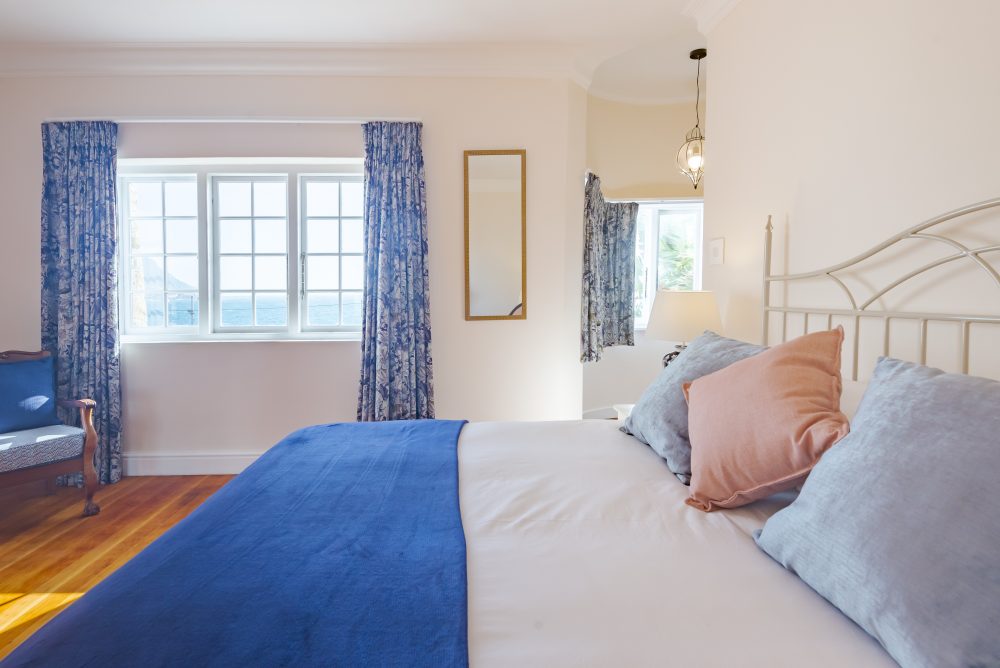
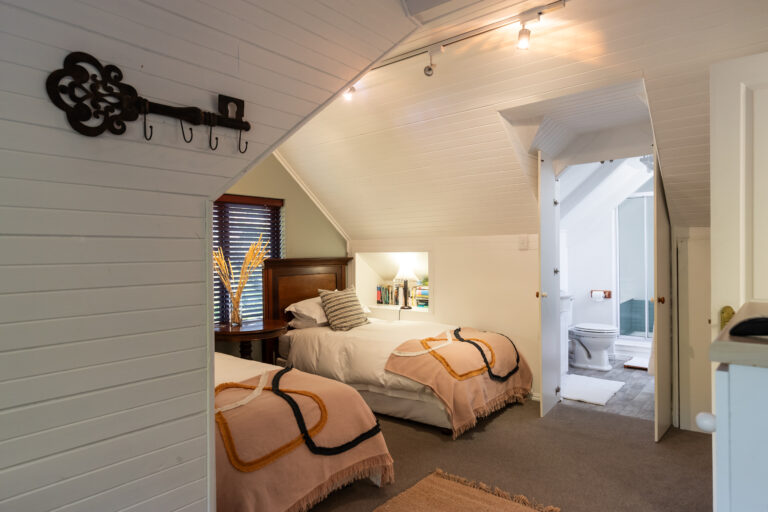
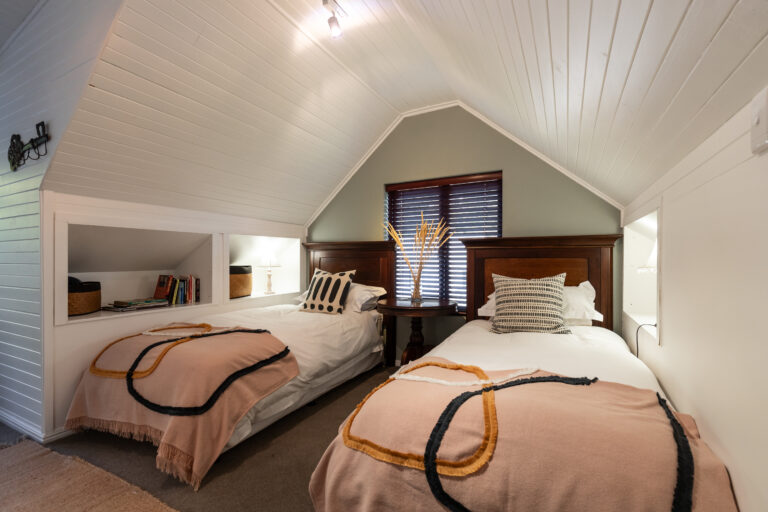
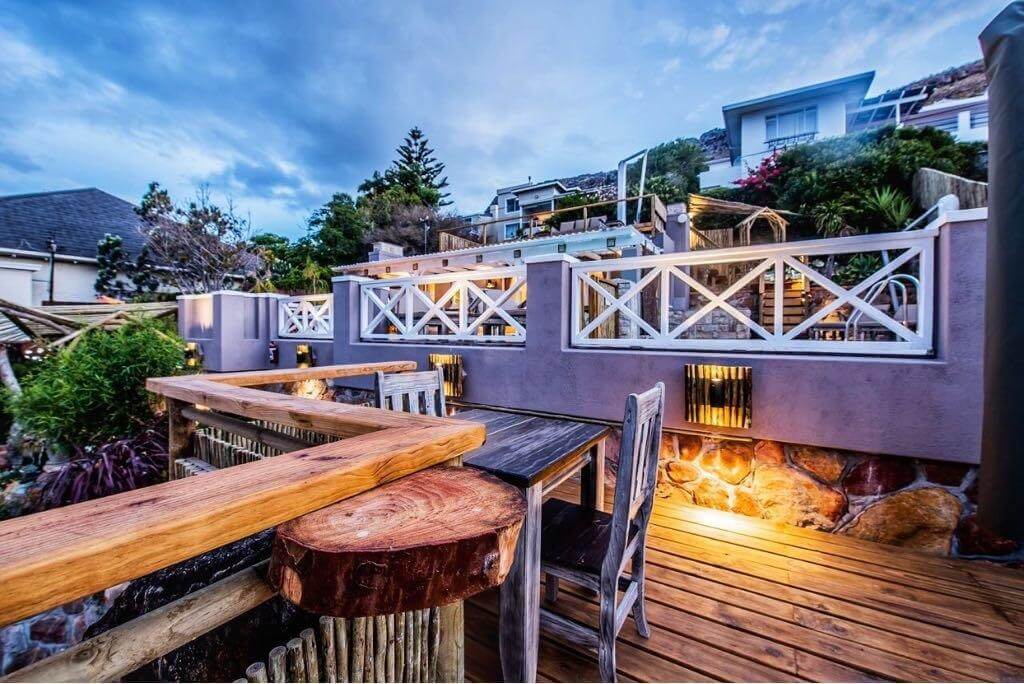
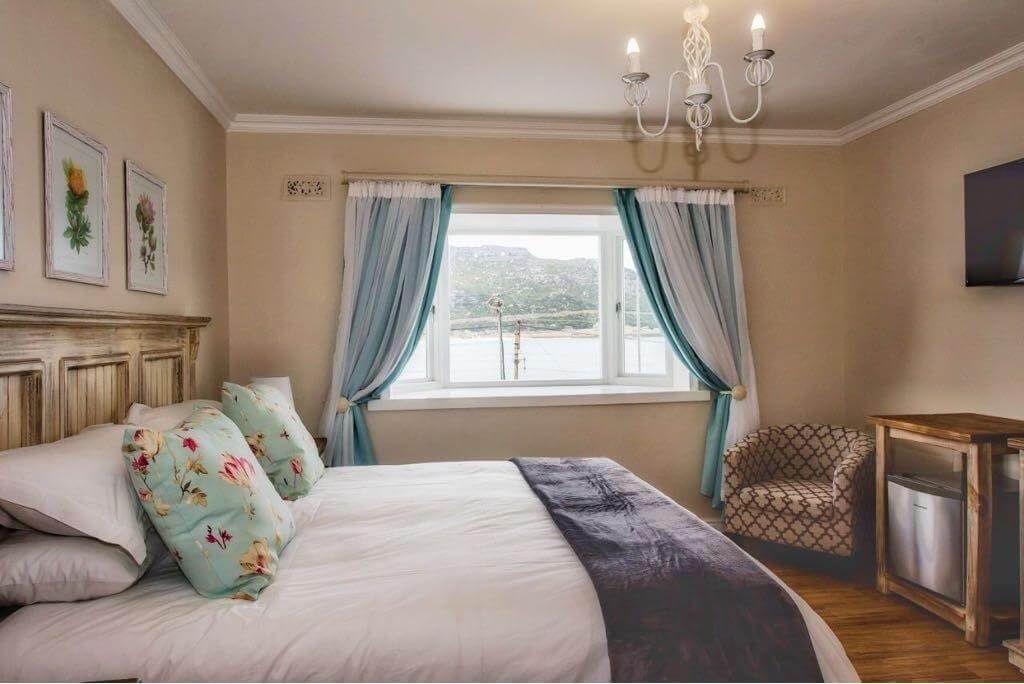
Moonglow Guesthouse is 'n 4-ster TGCSA-gegradeerde bed en ontbyt-akkommodasie in Glencairn, op die hellings van die Simon's Town-berge. Dit is eienaar-bestuur, met ses ensuite-slaapkamers en 180-grade uitsigte oor False Bay.
Slaap 7
Kinders welkom
African Violet Guest Suites
Woonstel
Sunnydale
Vanaf R1,800
African Violet Guest Suites
Woonstel
Sunnydale
· 3.5km van Fish Hoek
Vanaf
R1,800
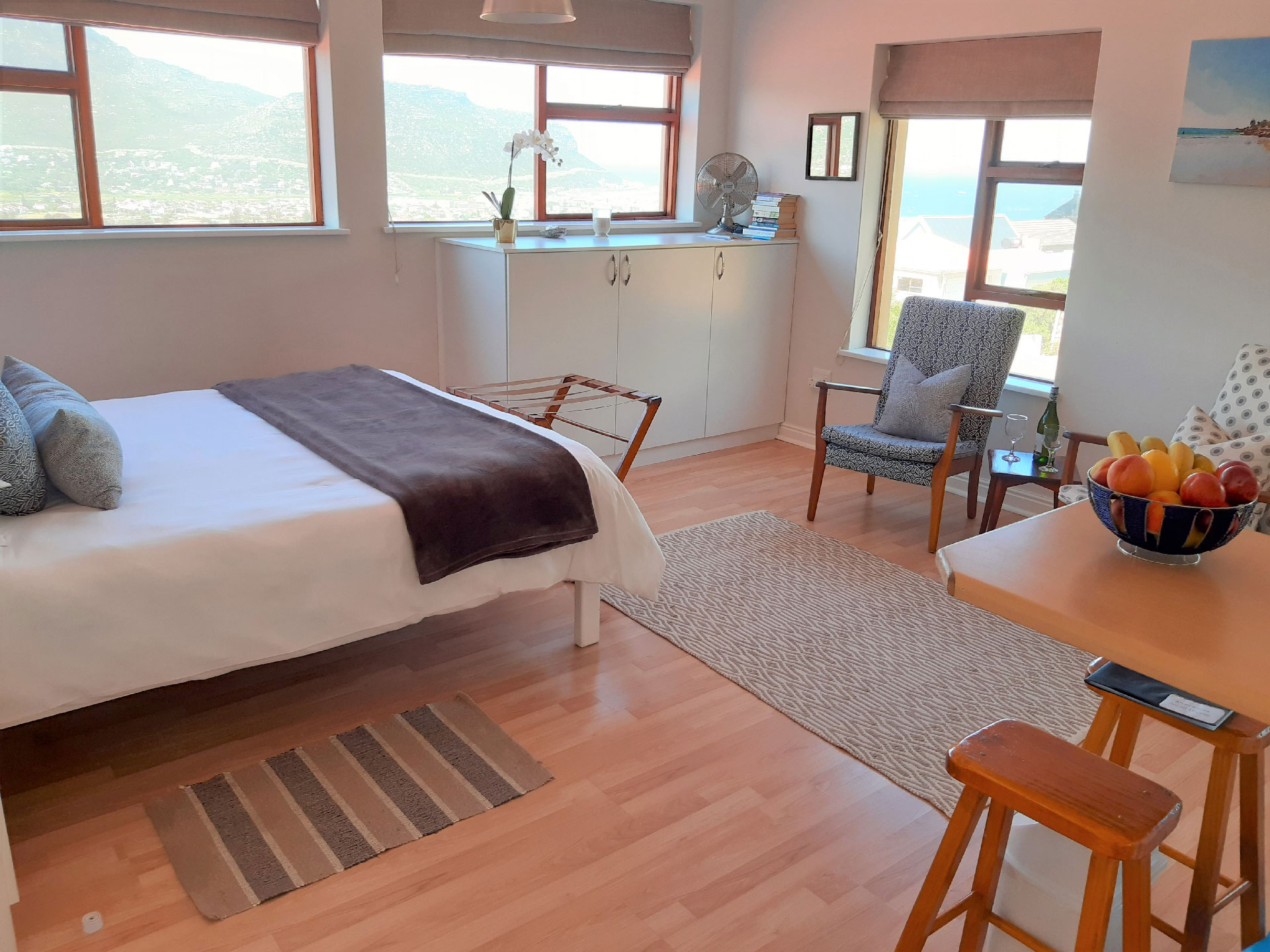
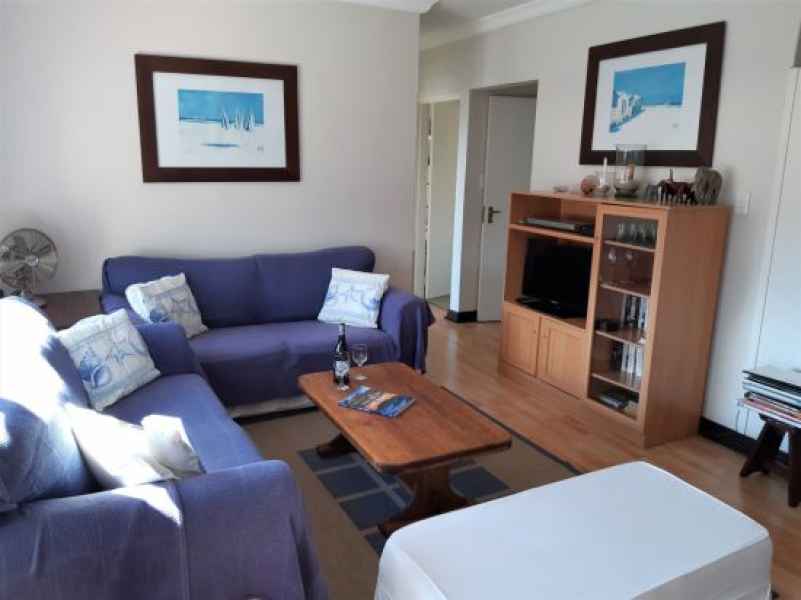
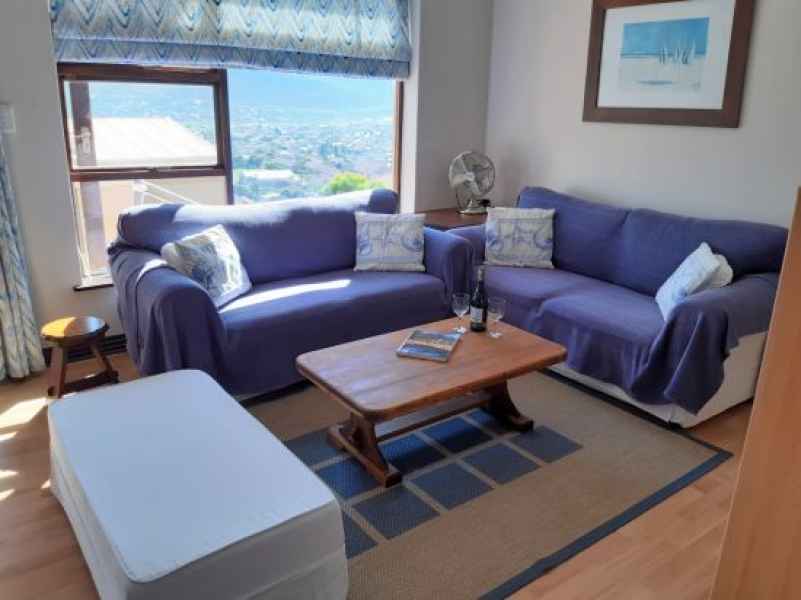
Selfversorgingsverblyf in Capri, Noordhoek, op die suidelike skiereiland van Kaapstad, met uitsigte oor die Noordhoek-vallei en die Atlantiese Oseaan. Ses selfversorgingsappartemente insluit drie honeymoon-suites.
Slaap 4
Kinders welkom
Akkommodasiepryse in Fish Hoek
| Tipe | Inskrywings | Vanaf | Gemiddeld | Tot |
|---|---|---|---|---|
| Self-catering | 1 | – | – | – |
| Apartment | 1 | R1,800 | R2,322 | R3,200 |
| Guest house | 1 | R2,144 | R2,265 | R2,350 |
Fish Hoek Kaart
Nabygeleë Bestemmings
Blaai Deur Alle Fish Hoek Akkommodasie
Bekyk al 3 akkommodasie-opsies in Fish Hoek met foto's, pryse en beskikbaarheid.
Blaai Deur Alle Akkommodasie