Ga-mabelebele Reis- & Akkommodasiegids
Jou volledige gids om Ga-mabelebele, Suid-Afrika te besoek.
Ga-Mabelebele is a rural village in the Capricorn District of Limpopo Province, positioned in the northeastern region of South Africa. The area serves as a gateway to exploring traditional Pedi culture and the surrounding bushveld landscape. Visitors seeking an authentic experience away from urban centers will find this a suitable base.
## Accommodation in Ga-mabelebele
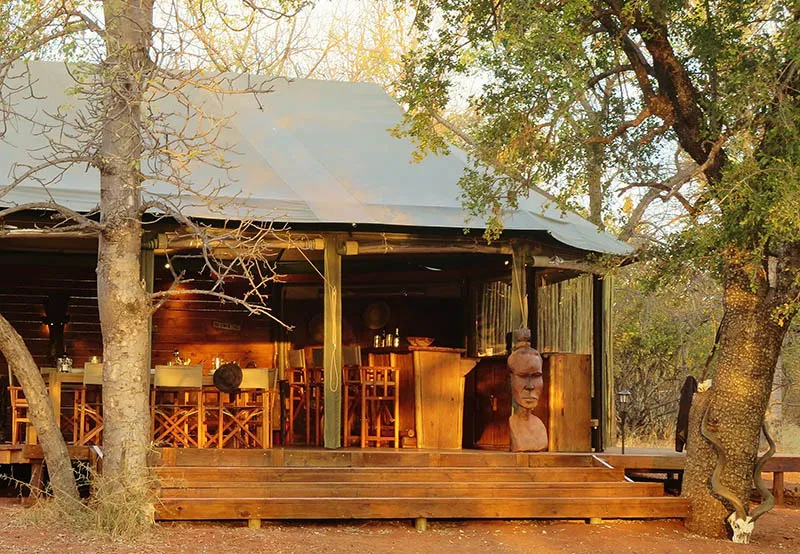
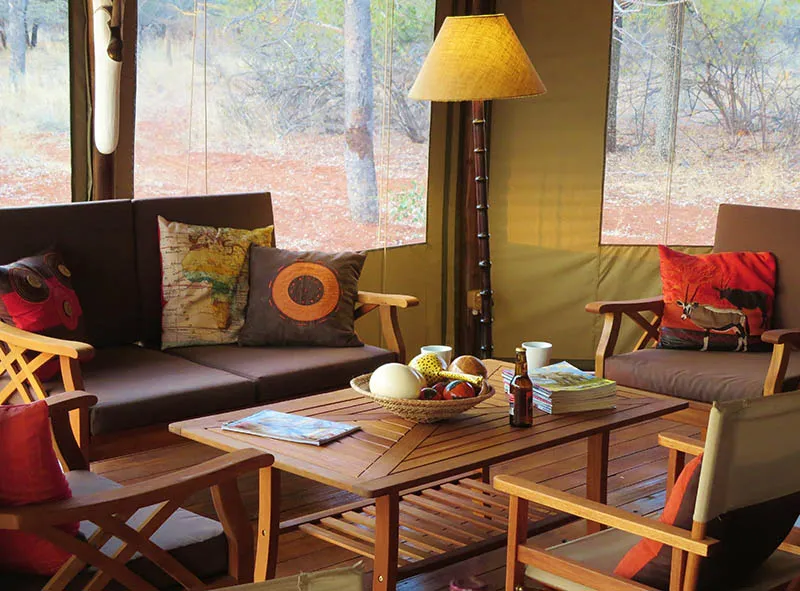
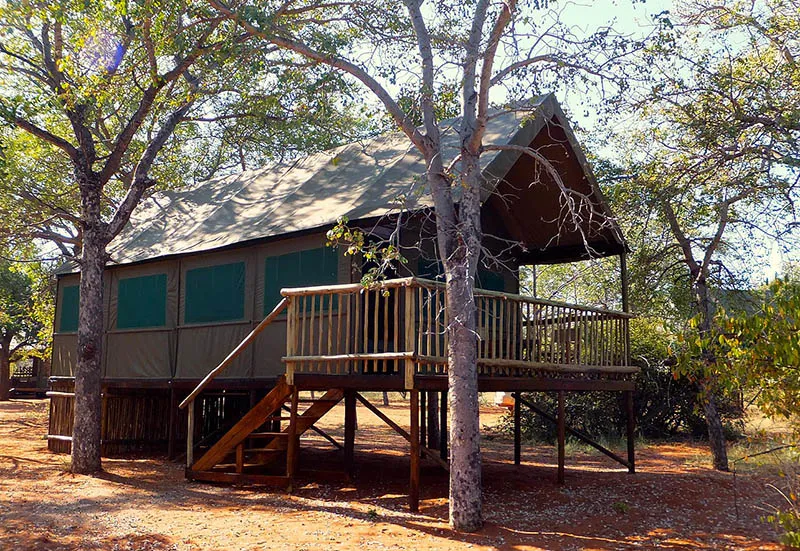
The accommodation market in Ga-mabelebele is limited at present, with no properties currently listed on major booking platforms, meaning visitors typically need to contact local guesthouses and self-catering facilities directly or through community tourism networks. Rates follow the pattern of rural Limpopo rather than the pricing found in Polokwane, and budget travellers generally find this area more affordable than comparable stays in the provincial capital.
At the budget end, small guesthouses and basic self-catering units are the most common options. These are often owner-operated, sometimes within or adjacent to traditional homesteads, and may include a home-cooked breakfast where the host is present. The facilities are functional rather than polished, but the personal character of these properties is often what draws visitors seeking an authentic experience of rural Limpopo rather than a generic hotel stay.
Mid-range options in the surrounding area tend to be more formally managed guesthouses with consistent amenities, reliable hot water, and secure parking. Self-catering accommodation at this level is well-suited to independent travellers staying several nights, since the distance to Polokwane makes daily supply runs inconvenient. A properly equipped kitchen and a nearby local market for fresh produce covers most practical needs.
There is no upper-tier hotel infrastructure in Ga-mabelebele itself. Business travellers requiring conference facilities, reliable high-speed internet, or hotel-standard services are better placed to stay closer to the N1 corridor or in Polokwane and make day trips into the village. Some guesthouses in the broader Capricorn District have improved their offerings in recent years and now occupy a comfortable mid-tier position without the price of city accommodation.
Families and groups tend to find self-catering houses the most practical arrangement, both for cost and flexibility. Booking directly with the property owner, rather than through intermediary platforms, is often the only option in this area.
---
## Best Time to Visit Ga-mabelebele
The Limpopo Lowveld has a clearly defined wet and dry season, and the difference shapes the experience considerably. Summer, from October through March, brings high humidity, afternoon thunderstorms, and temperatures that regularly push past 35°C. The bush greens up during these months, making the landscape more visually alive, but the heat limits outdoor activity to the early morning and late afternoon. Unpaved roads can become difficult after sustained rain, so road conditions deserve a check before heading out.
The dry winter months, May through August, are the most comfortable for travel. Daytime temperatures sit in the low to mid-20s, nights are cool, and the clear air gives better visibility across the bushveld. The sparser dry-season vegetation also makes it easier to observe wildlife in nearby private reserves.
April and September sit between these extremes. Both are reasonable travel months. April occasionally still carries late-season storms, while September heats up toward summer levels but remains dry. Either month offers good conditions without the holiday crowds that gather in July and December.
The main domestic holiday periods, Easter, the July school break, and the weeks surrounding Christmas and New Year, increase demand across the province. Accommodation fills faster during these windows, and the roads through Polokwane see noticeably more traffic.
---
## Getting to Ga-mabelebele
Polokwane Airport (PTG) is the most practical air entry point for this region, with daily flights connecting to Johannesburg O.R. Tambo International. From the airport, Ga-mabelebele lies approximately 50 kilometres away, reachable by road in under an hour. Car hire desks operate at the airport, and a private vehicle is the only genuinely practical way to get around once you leave the main urban area.
Driving from Johannesburg, the standard route follows the N1 north through Bela-Bela and Mokopane to Polokwane, covering roughly 330 kilometres. From Polokwane, the R37 and R521 regional routes provide access to the village and surrounding communal areas. The tarred sections of these routes are maintained acceptably, though side roads into the village may warrant a vehicle with good ground clearance after heavy rain.
No scheduled bus service runs into Ga-mabelebele. Shared minibus taxis operate across the Capricorn District and link outlying villages to Polokwane, but they run on informal schedules and are not straightforward for visitors unfamiliar with the network. Arranging a transfer through your accommodation before arrival removes this uncertainty entirely.
For travellers coming from Zimbabwe or the north, the N1 south from Musina passes through Polokwane, making this part of Limpopo a natural stop on a longer south-bound journey.
---
## Ga-mabelebele and Surrounding Areas
The settlements within 30 kilometres of Ga-mabelebele form a network of rural communities spread across the Capricorn District, each connected by regional roads through the dry bushveld. Using the village as a base, several of these destinations are reachable within a half-hour drive.
**Ga-rakwele**, 16 kilometres away, is a traditional community whose name reflects the lineage of the local Rakwele chieftaincy. It sits within typical Blouberg-area bushveld and offers a close look at the administrative and social structures of a Northern Sotho community. The drive there passes through open agricultural land and small homestead clusters.
**Hananwa**, 21 kilometres distant, carries specific historical significance. The Hananwa people, under Chief Malaboch, resisted annexation by the South African Republic in 1894 in a conflict that became known as the Siege of Maleboch. The Hananwa were ultimately defeated, their community dispersed, and the episode stands as one of the more documented examples of Limpopo's pre-Union resistance history. Visitors with an interest in South African colonial history will find the broader area worth the short drive.
**Ga-mampote**, 24 kilometres out, is a farming community whose economy centres on subsistence agriculture and small-scale livestock keeping. It offers a representative picture of how rural livelihoods function in the district for visitors interested in community-based tourism.
**Tlhonasedimong** and **Thalahane**, both approximately 25 kilometres from Ga-mabelebele, are small settlements in the same rural corridor. They can be incorporated into a day's drive through the communal lands north and east of Polokwane without significant detour.
**Grootpan**, 26 kilometres away, takes its name from an Afrikaans description of a large natural pan. Seasonal pans in this part of Limpopo collect water during the summer rains and attract significant birdlife, making them of interest to birders willing to explore off the main routes.
---
## Planning Your Stay
Given how few properties are currently listed online for Ga-mabelebele, the best approach is to identify accommodation through local tourism networks, community contacts, or the Capricorn District Municipality, rather than expecting to find options through standard booking platforms. Once you have a property in mind, confirm the reservation directly with the host, ideally by phone a day or two before arrival. Communication in rural areas can be patchy, and written confirmation through a platform does not always reach an owner reliably.
Before confirming, check whether meals are provided or whether the property is fully self-catering. The nearest supermarkets and pharmacies with consistent stock are in Polokwane, so arriving without basics creates an immediate 50-kilometre return trip. Carrying supplies for at least the first day is sensible.
Download offline maps of the Capricorn District before leaving Polokwane, since data speeds in the village can be slow and navigation on a live connection is unreliable. Most major South African mobile networks have coverage in the area, but speeds vary significantly.
Travellers with specific medical requirements should stock any prescription medication in advance. The summer heat demands that anyone planning outdoor activity carry more water than seems necessary, as temperatures in the Lowveld build quickly through the morning.

The accommodation market in Ga-mabelebele is limited at present, with no properties currently listed on major booking platforms, meaning visitors typically need to contact local guesthouses and self-catering facilities directly or through community tourism networks. Rates follow the pattern of rural Limpopo rather than the pricing found in Polokwane, and budget travellers generally find this area more affordable than comparable stays in the provincial capital.
At the budget end, small guesthouses and basic self-catering units are the most common options. These are often owner-operated, sometimes within or adjacent to traditional homesteads, and may include a home-cooked breakfast where the host is present. The facilities are functional rather than polished, but the personal character of these properties is often what draws visitors seeking an authentic experience of rural Limpopo rather than a generic hotel stay.
Mid-range options in the surrounding area tend to be more formally managed guesthouses with consistent amenities, reliable hot water, and secure parking. Self-catering accommodation at this level is well-suited to independent travellers staying several nights, since the distance to Polokwane makes daily supply runs inconvenient. A properly equipped kitchen and a nearby local market for fresh produce covers most practical needs.
There is no upper-tier hotel infrastructure in Ga-mabelebele itself. Business travellers requiring conference facilities, reliable high-speed internet, or hotel-standard services are better placed to stay closer to the N1 corridor or in Polokwane and make day trips into the village. Some guesthouses in the broader Capricorn District have improved their offerings in recent years and now occupy a comfortable mid-tier position without the price of city accommodation.
Families and groups tend to find self-catering houses the most practical arrangement, both for cost and flexibility. Booking directly with the property owner, rather than through intermediary platforms, is often the only option in this area.
---
## Best Time to Visit Ga-mabelebele
The Limpopo Lowveld has a clearly defined wet and dry season, and the difference shapes the experience considerably. Summer, from October through March, brings high humidity, afternoon thunderstorms, and temperatures that regularly push past 35°C. The bush greens up during these months, making the landscape more visually alive, but the heat limits outdoor activity to the early morning and late afternoon. Unpaved roads can become difficult after sustained rain, so road conditions deserve a check before heading out.
The dry winter months, May through August, are the most comfortable for travel. Daytime temperatures sit in the low to mid-20s, nights are cool, and the clear air gives better visibility across the bushveld. The sparser dry-season vegetation also makes it easier to observe wildlife in nearby private reserves.
April and September sit between these extremes. Both are reasonable travel months. April occasionally still carries late-season storms, while September heats up toward summer levels but remains dry. Either month offers good conditions without the holiday crowds that gather in July and December.
The main domestic holiday periods, Easter, the July school break, and the weeks surrounding Christmas and New Year, increase demand across the province. Accommodation fills faster during these windows, and the roads through Polokwane see noticeably more traffic.
---
## Getting to Ga-mabelebele
Polokwane Airport (PTG) is the most practical air entry point for this region, with daily flights connecting to Johannesburg O.R. Tambo International. From the airport, Ga-mabelebele lies approximately 50 kilometres away, reachable by road in under an hour. Car hire desks operate at the airport, and a private vehicle is the only genuinely practical way to get around once you leave the main urban area.
Driving from Johannesburg, the standard route follows the N1 north through Bela-Bela and Mokopane to Polokwane, covering roughly 330 kilometres. From Polokwane, the R37 and R521 regional routes provide access to the village and surrounding communal areas. The tarred sections of these routes are maintained acceptably, though side roads into the village may warrant a vehicle with good ground clearance after heavy rain.
No scheduled bus service runs into Ga-mabelebele. Shared minibus taxis operate across the Capricorn District and link outlying villages to Polokwane, but they run on informal schedules and are not straightforward for visitors unfamiliar with the network. Arranging a transfer through your accommodation before arrival removes this uncertainty entirely.
For travellers coming from Zimbabwe or the north, the N1 south from Musina passes through Polokwane, making this part of Limpopo a natural stop on a longer south-bound journey.
---
## Ga-mabelebele and Surrounding Areas
The settlements within 30 kilometres of Ga-mabelebele form a network of rural communities spread across the Capricorn District, each connected by regional roads through the dry bushveld. Using the village as a base, several of these destinations are reachable within a half-hour drive.
**Ga-rakwele**, 16 kilometres away, is a traditional community whose name reflects the lineage of the local Rakwele chieftaincy. It sits within typical Blouberg-area bushveld and offers a close look at the administrative and social structures of a Northern Sotho community. The drive there passes through open agricultural land and small homestead clusters.
**Hananwa**, 21 kilometres distant, carries specific historical significance. The Hananwa people, under Chief Malaboch, resisted annexation by the South African Republic in 1894 in a conflict that became known as the Siege of Maleboch. The Hananwa were ultimately defeated, their community dispersed, and the episode stands as one of the more documented examples of Limpopo's pre-Union resistance history. Visitors with an interest in South African colonial history will find the broader area worth the short drive.
**Ga-mampote**, 24 kilometres out, is a farming community whose economy centres on subsistence agriculture and small-scale livestock keeping. It offers a representative picture of how rural livelihoods function in the district for visitors interested in community-based tourism.
**Tlhonasedimong** and **Thalahane**, both approximately 25 kilometres from Ga-mabelebele, are small settlements in the same rural corridor. They can be incorporated into a day's drive through the communal lands north and east of Polokwane without significant detour.
**Grootpan**, 26 kilometres away, takes its name from an Afrikaans description of a large natural pan. Seasonal pans in this part of Limpopo collect water during the summer rains and attract significant birdlife, making them of interest to birders willing to explore off the main routes.
---
## Planning Your Stay
Given how few properties are currently listed online for Ga-mabelebele, the best approach is to identify accommodation through local tourism networks, community contacts, or the Capricorn District Municipality, rather than expecting to find options through standard booking platforms. Once you have a property in mind, confirm the reservation directly with the host, ideally by phone a day or two before arrival. Communication in rural areas can be patchy, and written confirmation through a platform does not always reach an owner reliably.
Before confirming, check whether meals are provided or whether the property is fully self-catering. The nearest supermarkets and pharmacies with consistent stock are in Polokwane, so arriving without basics creates an immediate 50-kilometre return trip. Carrying supplies for at least the first day is sensible.
Download offline maps of the Capricorn District before leaving Polokwane, since data speeds in the village can be slow and navigation on a live connection is unreliable. Most major South African mobile networks have coverage in the area, but speeds vary significantly.
Travellers with specific medical requirements should stock any prescription medication in advance. The summer heat demands that anyone planning outdoor activity carry more water than seems necessary, as temperatures in the Lowveld build quickly through the morning.
Ga-mabelebele Kaart
Nabygeleë Bestemmings
Blaai Deur Alle Ga-mabelebele Akkommodasie
Bekyk al 0 akkommodasie-opsies in Ga-mabelebele met foto's, pryse en beskikbaarheid.
Blaai Deur Alle Akkommodasie