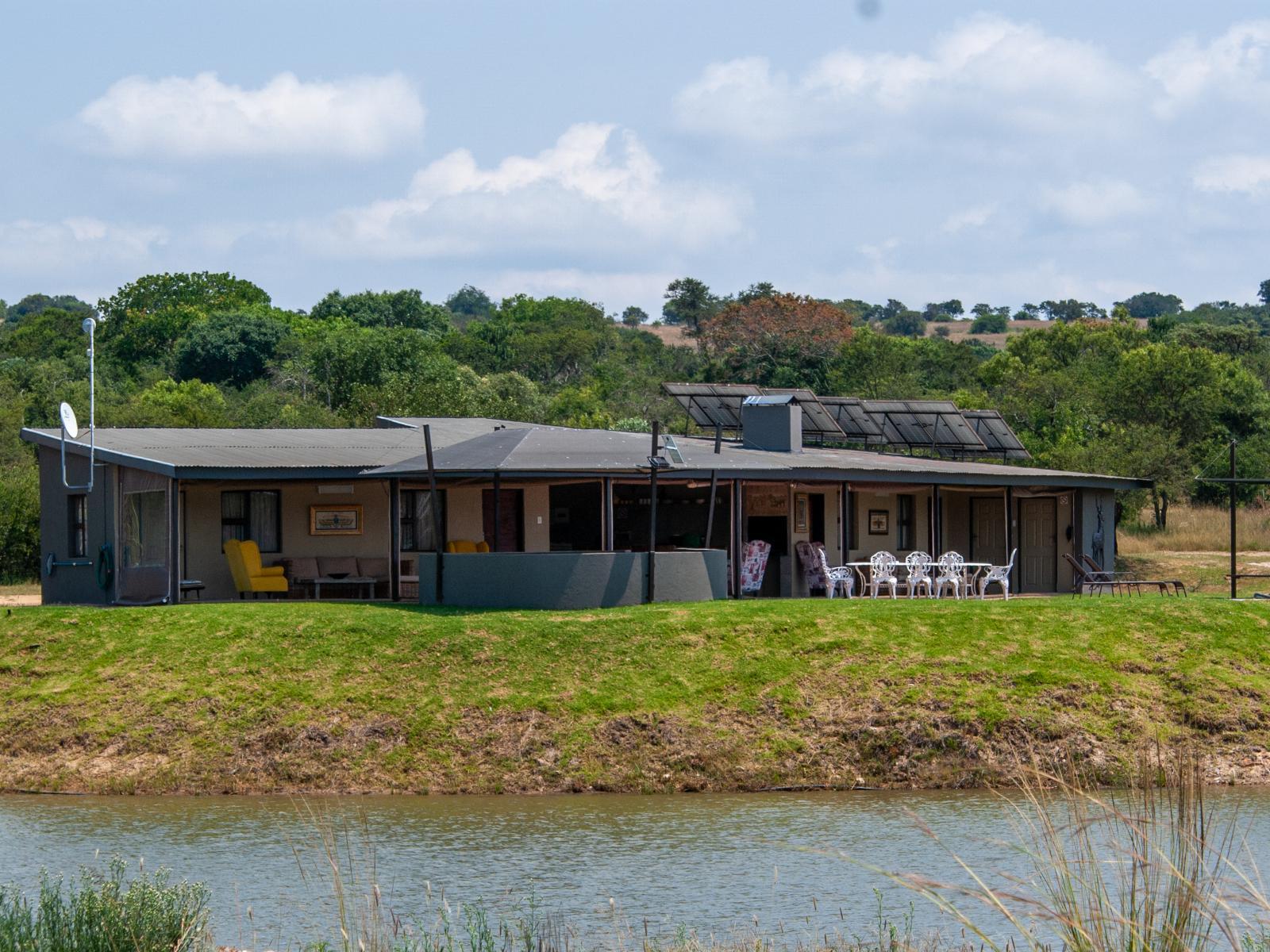
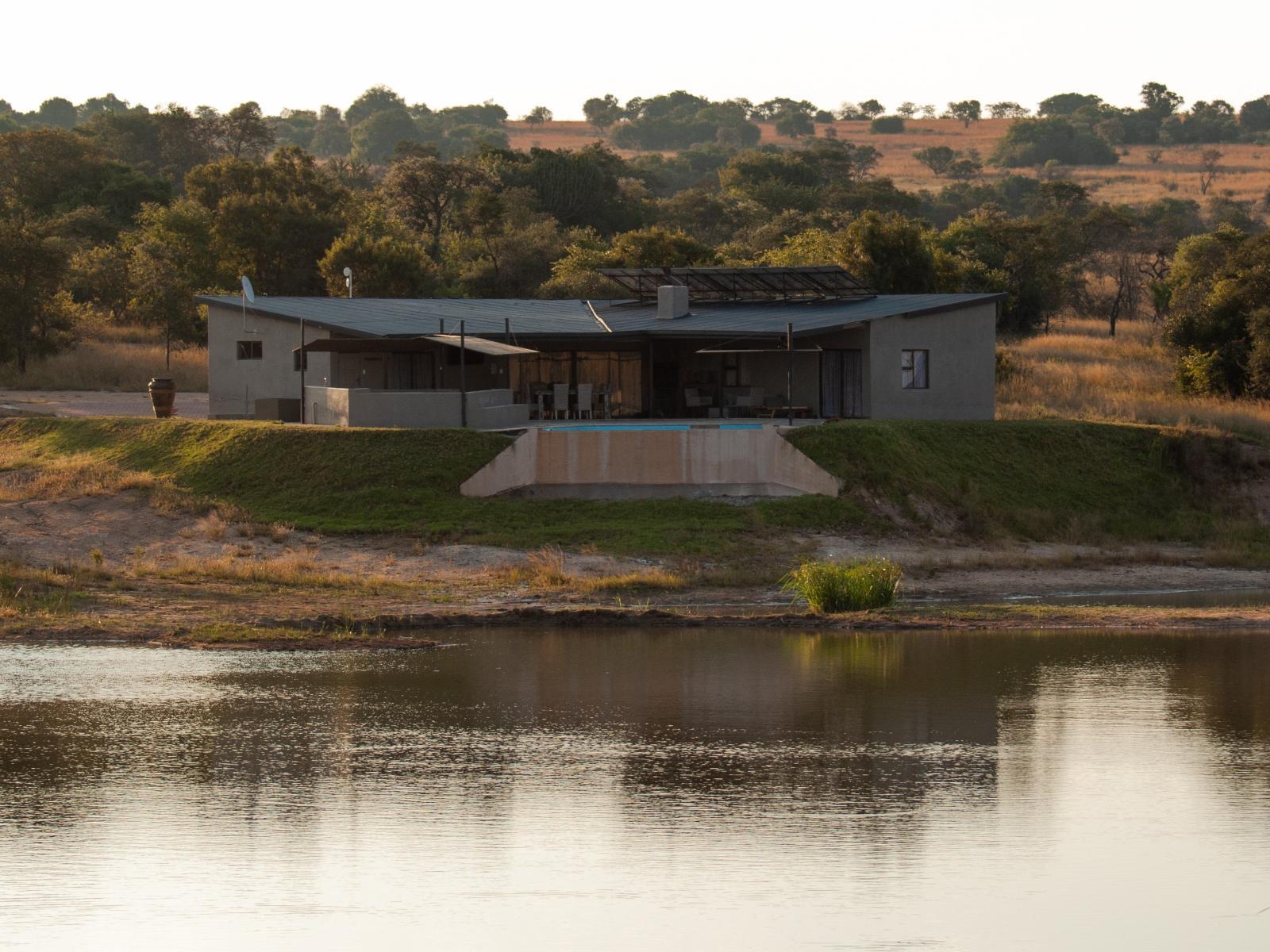
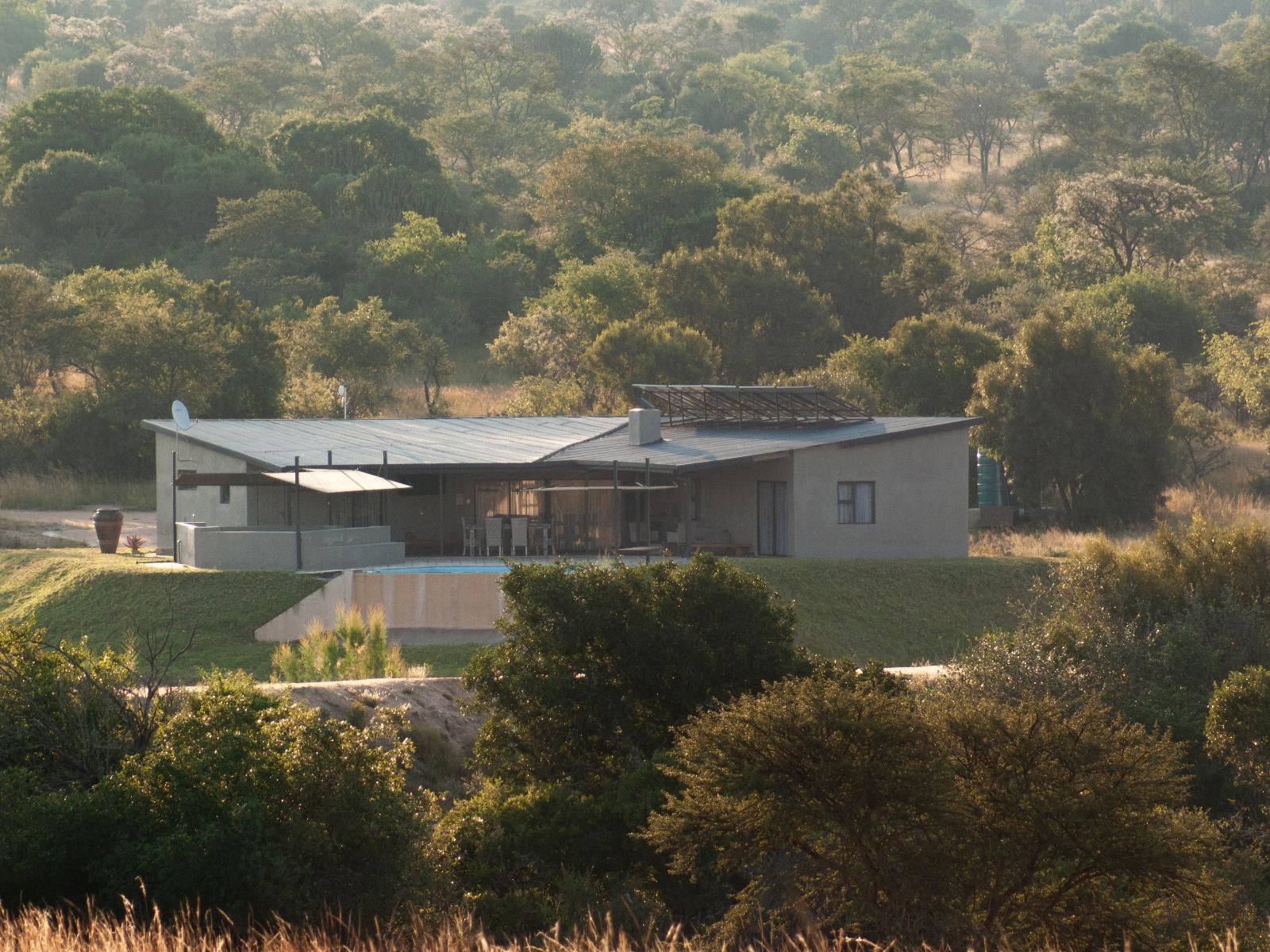
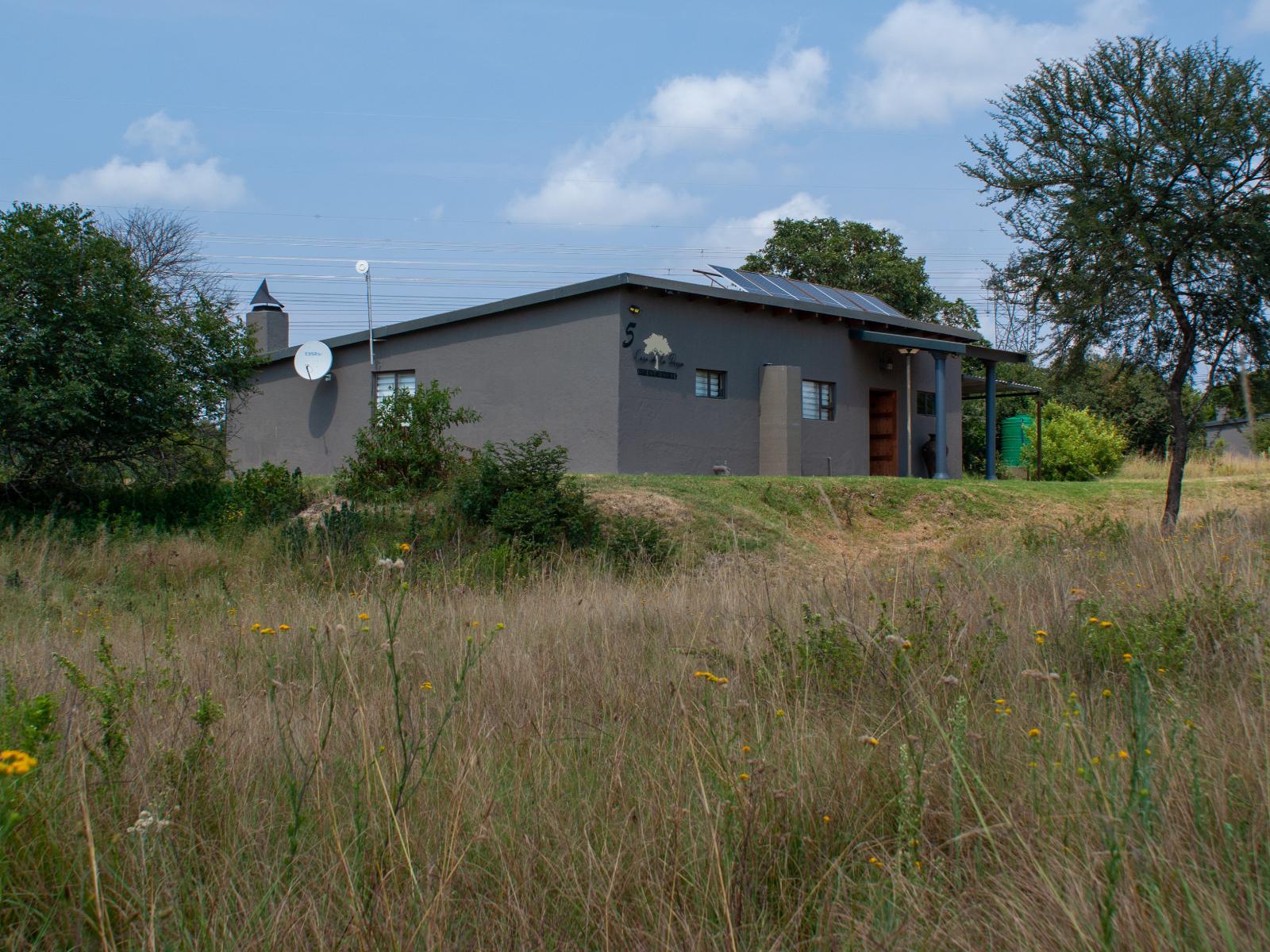
Accommodation in Ga-mapangula
With no properties currently listed on major booking platforms, Ga-mapangula sits entirely outside the self-catering and hotel circuit that services most South African destinations. Accommodation in the village operates through community-based arrangements, and travellers should expect to contact hosts directly or through local community organisations rather than booking through any centralised online platform.
At the budget end, a village homestay provides a room within a family household. Meals are typically included and prepared from locally grown produce, including maize, vegetables, and seasonal crops. The arrangement works best for travellers willing to adapt to rural domestic rhythms, which may include shared facilities, early meal times, and a general absence of privacy standard in guesthouses or hotels. Hosts will often involve guests in household activities, and the dynamic tends to produce a more direct exchange than any conventional tourism format can provide. The draw is immediate proximity to everyday Venda household life, which is the reason most travellers come this far into northern Limpopo.
Community guesthouses, where available, represent a modest step up. These offer more defined sleeping arrangements and bathroom facilities while maintaining a locally run, small-scale character. Finding them requires advance research. They are not listed on mainstream booking sites and are best located through word of mouth or by contacting community tourism bodies in Thohoyandou before departure.
There are no hotels, lodges, or self-catering units in Ga-mapangula. Upper-tier accommodation simply does not exist within the village. Travellers who require conventional facilities should plan to stay in Thohoyandou, around 80 kilometres to the west, and use the village as a day-trip destination. For those who choose to remain in Ga-mapangula overnight, the accommodation, whatever form it takes, is an integral part of the experience rather than an amenity separate from it.
Best Time to Visit Ga-mapangula
The village experiences a subtropical climate with two distinct seasons, each with different implications for travel. The wet season runs from October through March. Temperatures are high, frequently exceeding 30 degrees Celsius during the day, and afternoon thunderstorms are a regular occurrence. The surrounding bushveld takes on a greener quality during this period, and the landscape changes character noticeably from the dry months. The main practical problem is road conditions. Unpaved rural tracks can become muddy or impassable during sustained heavy rain, making a 4WD vehicle more than just a convenience.
From April through September, the dry season brings stable, warm days and predictably clear skies. Evenings and early mornings can be cool enough in winter to require a light jacket. Road surfaces are more reliable, and getting between villages is less subject to weather-related uncertainty. For first-time visitors or those driving standard passenger vehicles, this is the more straightforward time to come.
Various traditional Venda ceremonies and community practices are tied to the agricultural and seasonal calendar. Visitors with a specific interest in observing these should contact local community organisations before travelling, since events of this kind are not promoted through general tourism channels and access is not automatic.
Getting to Ga-mapangula
The village is most easily reached by private vehicle. From Polokwane, the route follows the N1 north before heading east through the Vhembe district, connecting through Thohoyandou and continuing roughly 80 kilometres further east to Ga-mapangula. The drive from Polokwane takes three to four hours under normal conditions. Coming from Johannesburg, the journey is at least six hours, depending on route and stops along the way.
Polokwane International Airport handles domestic flights from Johannesburg and is the most practical air entry point. Car hire is available in Polokwane and is the standard approach for independent visitors. Kruger Mpumalanga International Airport is an alternative for travellers who plan to combine the trip with time in the park's southern zones, though it adds significant road distance to the Vhembe leg of the journey.
Public transport is informal and limited. Minibus taxis run routes out of Thohoyandou to surrounding villages, but smaller settlements are not consistently covered and departure times vary. Travellers relying on public transport should check connections at the Thohoyandou taxi rank and carry food and water for possible delays. From April through September, a standard vehicle is adequate for most roads in the area. During the wet season, the final rural access roads benefit considerably from 4WD clearance.
Ga-mapangula and Surrounding Areas
The settlements around Ga-mapangula are all part of the same rural Venda landscape and can be combined into a circuit explored over two or three days from a single base.
Ga-madiba, three kilometres away, is walkable from Ga-mapangula. The path passes through low bushveld and cultivated plots, and the village shares the same agricultural and cultural character as Ga-mapangula. It functions as a natural extension of the community rather than a separate destination.
Utsane, seven kilometres out, is accessible by vehicle or bicycle and makes a simple half-day return trip. Like most settlements in this part of Vhembe, it is defined by subsistence farming and traditional community organisation, and the road between the two passes through open rural terrain that is characteristic of the region.
Ga-matlapa, at 15 kilometres, is worth pairing with Utsane into a full-day loop from Ga-mapangula. The village adds further exposure to the agricultural and social character of the zone, particularly for those trying to understand how communities here organise around traditional structures.
Ga-setshaba and Ga-komape, both around 16 kilometres from Ga-mapangula, can be visited on the same trip. An early start makes it feasible to cover both without rushing. The drive through northern Limpopo bushveld to reach them is part of the appeal, and the two villages together give a broader picture of rural settlement patterns in this zone.
Ga-ramakara, at 17 kilometres, is the furthest of the nearby villages and fits naturally into a circuit with Ga-setshaba and Ga-komape.
Further into the Vhembe region, Lake Fundudzi and the Thathe Vondo Forest carry deep significance in Venda spiritual tradition. Both are best visited with a local guide who can provide appropriate context and ensure access protocols are observed. The Soutpansberg range, accessible to the west via Thohoyandou, offers a contrast in terrain and temperature for visitors wanting to combine village travel with mountain walking at higher elevation.
Planning Your Stay
Because accommodation in Ga-mapangula does not appear on mainstream booking platforms, making a stay here requires more direct preparation than most South African trips. The starting point is identifying a community tourism contact in Thohoyandou and reaching out at least two to three weeks before travel. During that contact, establish whether accommodation is available for your specific dates and clarify practical details: meal arrangements, bathroom facilities, road conditions for the access route, and whether a 4WD vehicle is necessary given the time of year.
Cash is the only payment option. There are no ATMs within the village, and card facilities are not available. Fuel and supplies should be obtained in Thohoyandou or Polokwane before the final leg of the journey. Mobile signal in the area is inconsistent, and downloading offline maps before leaving a larger centre is essential preparation rather than optional.
Traditional Venda crafts, including pottery, woodcarving, and textile production, can be found at markets in Thohoyandou and other regional towns. If purchasing crafts or arranging a cultural tour is part of your visit, ask your community contact which markets operate on which days.
Cultural conduct should be treated as part of the planning process. Ask permission before photographing individuals or ceremonial spaces, and respect any refusal. Confirm payment arrangements with your host before arrival and pay fairly in cash. Travelling with a local guide adds depth to the experience and ensures that the economic benefit of the visit flows directly to the households and communities involved.