Gruisplaats Reis- & Akkommodasiegids
Jou volledige gids om Gruisplaats, Suid-Afrika te besoek.
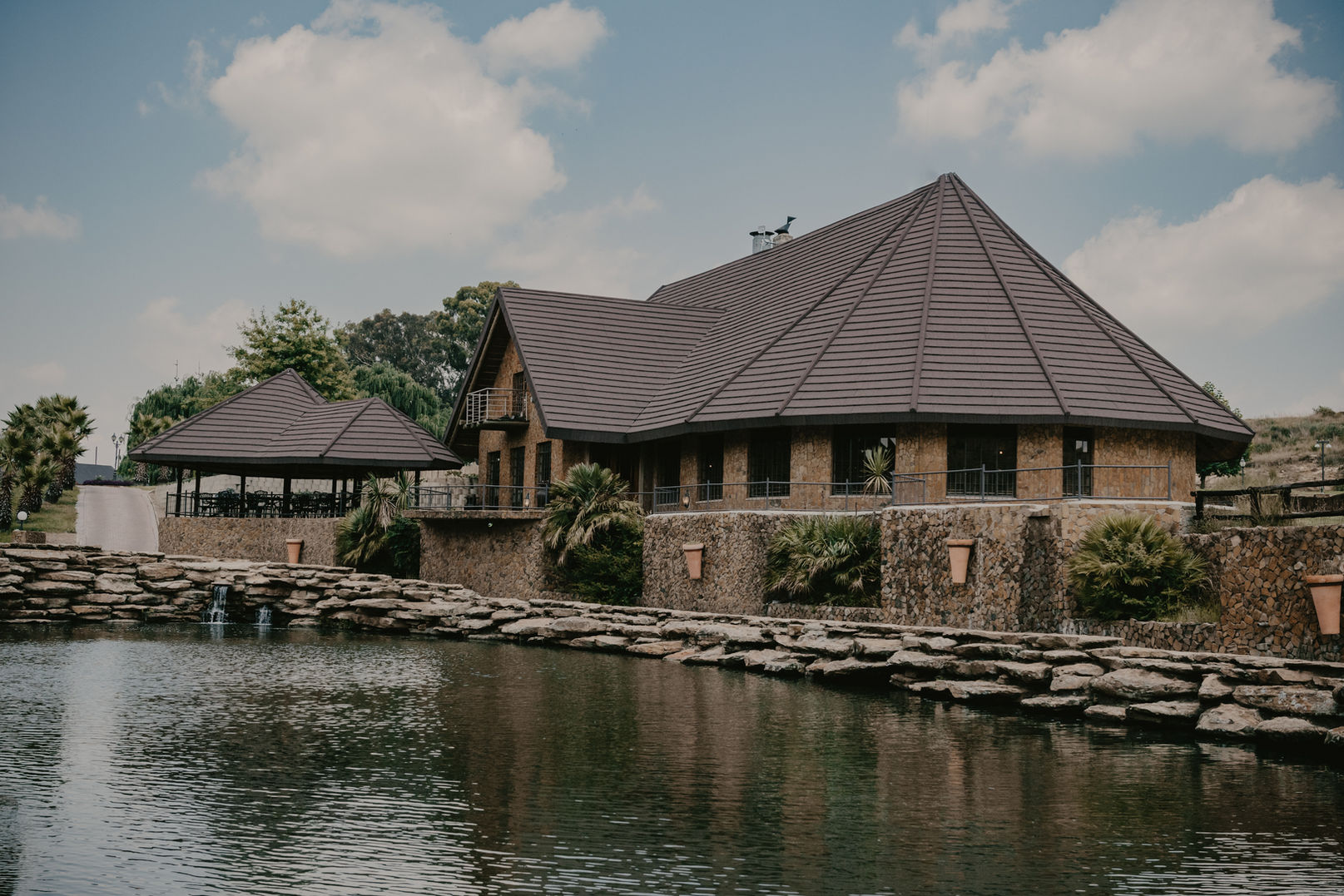
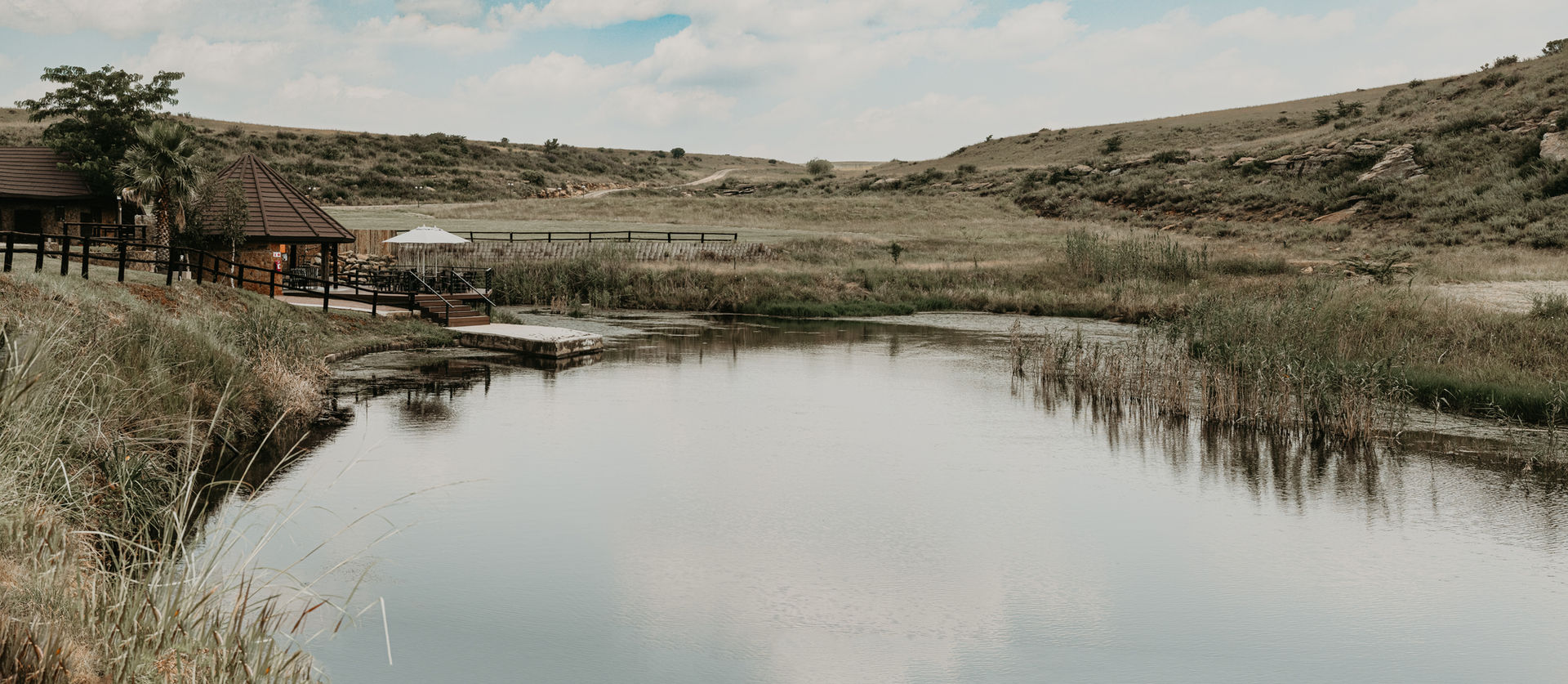
Gruisplaats in Mpumalanga provides a quiet rural setting with open landscapes and farming communities. The area includes access to nearby natural reserves for wildlife viewing and outdoor activities. Visitors can enjoy the simplicity of country life while exploring local culture.
## Accommodation in Gruisplaats
With no properties currently listed on major booking platforms, accommodation in and immediately around Gruisplaats is found primarily through direct contact with local farm owners and small guesthouse operators. Pricing is not publicly standardised, which means rates vary considerably depending on the host and the season, and travellers should budget with some flexibility.
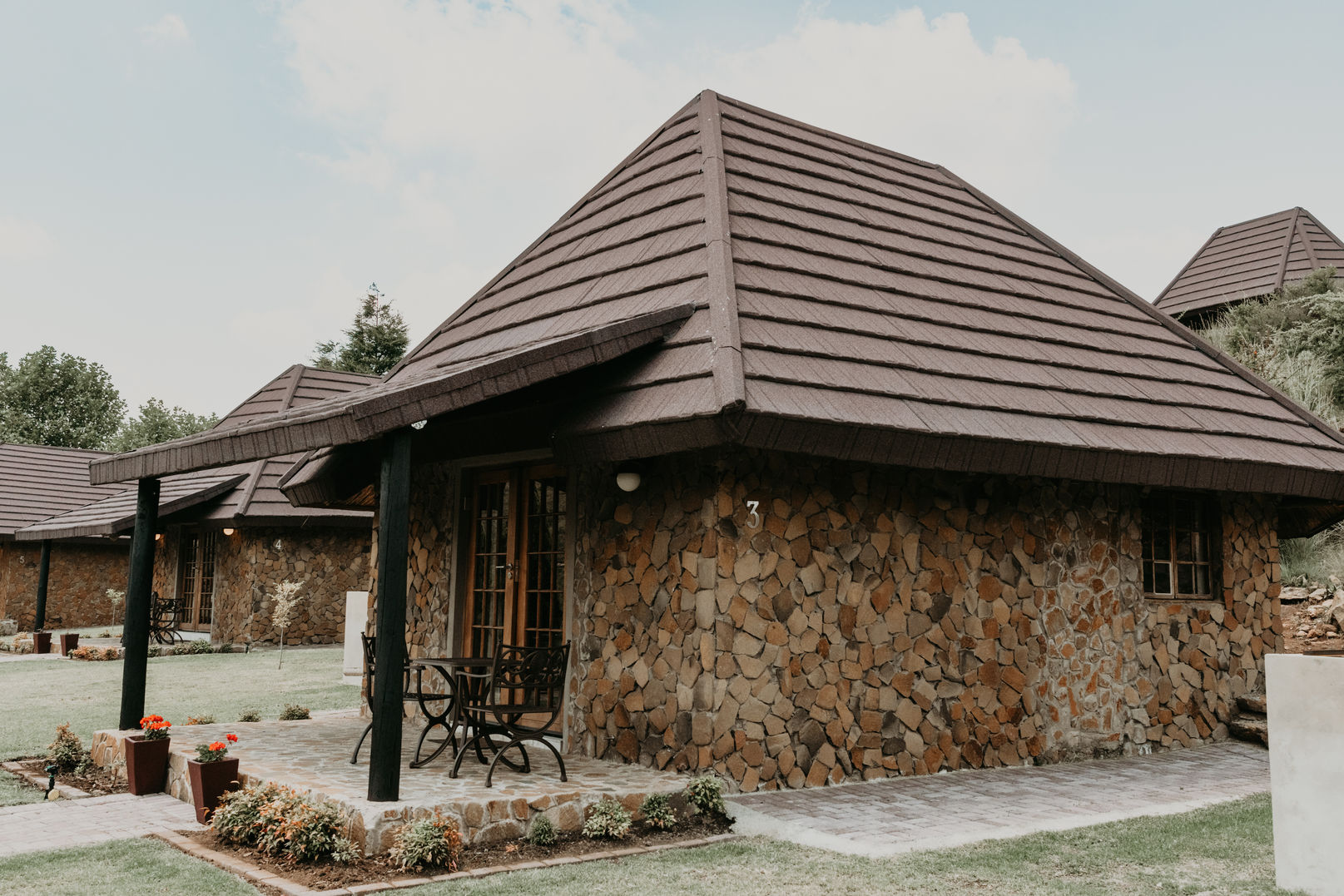
Budget options in the broader area typically take the form of self-catering farm cottages, where visitors supply their own food and manage their own schedule. These suit travellers comfortable with minimal services who want a quiet base from which to drive through the surrounding countryside. Expect basic furnishings, outdoor braai facilities, and working-farm surroundings rather than resort amenities.
Mid-range stays step up to guesthouses and B&Bs that include breakfast and more attentive hosting. Farm stays in this category often come with guided walks, birdwatching on the property, and access to dams. The open grassland setting and scattered acacia vegetation tend to be the main draw rather than interior fittings or decor.
At the upper end, a small number of country retreats operate within driving distance, catering to guests who want a more structured stay with organised activities and full board. These properties justify higher nightly rates through their inclusivity and the additional services on offer, even without the facilities of a large commercial lodge.
Because listings are limited and the area sees light tourist traffic compared to better-known Mpumalanga destinations, availability is generally not a problem during quieter periods. The better-known farm stays do fill up during long weekends, so booking directly with operators, rather than assuming online availability, is the most reliable approach in an area where digital infrastructure remains inconsistent.
## Best Time to Visit Gruisplaats
Gruisplaats sits on the Highveld at an elevation that moderates summer heat without producing harsh winters. Summer runs from November through February, bringing afternoon thunderstorms and lush, green grassland. The rains support flowering vegetation and draw birdlife, making it an active season for birdwatchers, though the storms can be intense and tracks on private farms occasionally become muddy and impassable.
Winter, from June to August, is dry and clear, with cold nights that can drop close to freezing. Days warm up quickly under cloudless skies, which suits hiking and stargazing, since light pollution is minimal across the plateau. Wildlife is easier to spot against dry, shorter grass during these months.
Spring, September to October, offers a balance: warming temperatures, early wildflowers, and the first migratory birds returning to the region. This window is often considered the most comfortable for extended outdoor activity. The peak South African holiday periods, primarily December and the Easter long weekend, see the highest concentration of domestic visitors, with a secondary surge during mid-year school holidays. Visiting in shoulder months such as September or March typically means quieter conditions and greater flexibility.
## Getting to Gruisplaats
The most practical way to reach Gruisplaats is by car. From Johannesburg, the drive covers roughly 200 kilometres, following the N17 eastward through the Highveld before turning onto smaller provincial roads. The route is well-surfaced for most of the journey, though the final stretches into the settlement may involve gravel. Allow around two and a half to three hours depending on traffic leaving the city.
OR Tambo International Airport in Johannesburg is the nearest major airport, handling the majority of domestic and international flights into the region. From the airport, car hire is the most sensible option. No scheduled public transport serves Gruisplaats directly, and minibus taxis operating in the area connect the larger towns rather than small settlements like this one.
Once in the area, a vehicle is essential. Distances between farms, reserves, and nearby towns are too large for walking, and there are no ride-hailing services at this level of rural Mpumalanga. A standard passenger car handles most tarred routes; a vehicle with reasonable ground clearance is useful if you plan to visit properties off the main roads. Fuel and groceries should be stocked in a larger town before arriving, as local shops carry limited supplies.
## Gruisplaats and Surrounding Areas
The nearest town of any scale is **Amersfoort**, 43 kilometres away, a compact agricultural centre with Dutch Reformed church architecture dating to the late 19th century. It functions as the main service hub for the surrounding farming district, with a few shops, banking facilities, and fuel. The town has a modest historical character typical of small Free State-border settlements that grew up around the railway network.
**Paardekop**, at 46 kilometres, is a smaller settlement serving the immediate farming community around it. It offers little in the way of tourist infrastructure but works as a useful waypoint when driving through the plateau, and the open countryside surrounding it reflects the wider grassland character of the district.
Some 54 kilometres out, **Oufontein** is similarly agricultural in nature. The name, referencing an old spring, hints at how water sources historically shaped settlement patterns across this drier section of the Highveld, and the landscape around it rewards those interested in the ecology of semi-arid grassland environments.
**Greylingstad**, 70 kilometres from Gruisplaats, has a more developed commercial presence and has served as a small market town for the surrounding area. The region around it historically supported cattle farming alongside grain crops, and the town retains a working agricultural identity rather than a tourist-facing one.
**Zanddraai**, at 76 kilometres, sits in terrain where sandy soil compositions common in parts of the Highveld are evident. The flat, open landscape suits long drives and gives a strong sense of the scale of the South African interior.
**Grootvlei**, the furthest at 87 kilometres, sits near the boundary between Mpumalanga and Gauteng. It has historical associations with mining activity alongside the surrounding agricultural economy, and its position near the provincial edge makes it a natural stopping point for travellers moving between the two provinces.
## Planning Your Stay
Because accommodation around Gruisplaats is largely informal, the planning approach differs from booking a mainstream destination. Contact farm stay operators and guesthouses directly rather than relying solely on aggregator platforms. Many properties in this region maintain their own contact details through local tourism bodies or community listings that do not always sync with major booking engines.
Before confirming, ask specific questions: whether meals are included or self-catering only, whether linen and towels are provided, the condition of access roads to the property, and whether any activities on site require advance arrangement or additional fees. These details matter more in a rural setting where the nearest alternative is a long drive away.
Cancellation policies at small operators can be informal but should still be confirmed in writing. In a low-traffic area, late cancellations affect small property owners significantly, and clear expectations on both sides prevent complications.
Book well ahead for peak South African holiday periods. Outside of those windows, flexibility is generally possible and a few weeks' notice is usually sufficient. Consider calling the day before arrival to confirm access arrangements, as farm stays in particular may require a gate code or advance notice to prepare the property for guests.

With no properties currently listed on major booking platforms, accommodation in and immediately around Gruisplaats is found primarily through direct contact with local farm owners and small guesthouse operators. Pricing is not publicly standardised, which means rates vary considerably depending on the host and the season, and travellers should budget with some flexibility.
Budget options in the broader area typically take the form of self-catering farm cottages, where visitors supply their own food and manage their own schedule. These suit travellers comfortable with minimal services who want a quiet base from which to drive through the surrounding countryside. Expect basic furnishings, outdoor braai facilities, and working-farm surroundings rather than resort amenities.
Mid-range stays step up to guesthouses and B&Bs that include breakfast and more attentive hosting. Farm stays in this category often come with guided walks, birdwatching on the property, and access to dams. The open grassland setting and scattered acacia vegetation tend to be the main draw rather than interior fittings or decor.
At the upper end, a small number of country retreats operate within driving distance, catering to guests who want a more structured stay with organised activities and full board. These properties justify higher nightly rates through their inclusivity and the additional services on offer, even without the facilities of a large commercial lodge.
Because listings are limited and the area sees light tourist traffic compared to better-known Mpumalanga destinations, availability is generally not a problem during quieter periods. The better-known farm stays do fill up during long weekends, so booking directly with operators, rather than assuming online availability, is the most reliable approach in an area where digital infrastructure remains inconsistent.
## Best Time to Visit Gruisplaats
Gruisplaats sits on the Highveld at an elevation that moderates summer heat without producing harsh winters. Summer runs from November through February, bringing afternoon thunderstorms and lush, green grassland. The rains support flowering vegetation and draw birdlife, making it an active season for birdwatchers, though the storms can be intense and tracks on private farms occasionally become muddy and impassable.
Winter, from June to August, is dry and clear, with cold nights that can drop close to freezing. Days warm up quickly under cloudless skies, which suits hiking and stargazing, since light pollution is minimal across the plateau. Wildlife is easier to spot against dry, shorter grass during these months.
Spring, September to October, offers a balance: warming temperatures, early wildflowers, and the first migratory birds returning to the region. This window is often considered the most comfortable for extended outdoor activity. The peak South African holiday periods, primarily December and the Easter long weekend, see the highest concentration of domestic visitors, with a secondary surge during mid-year school holidays. Visiting in shoulder months such as September or March typically means quieter conditions and greater flexibility.
## Getting to Gruisplaats
The most practical way to reach Gruisplaats is by car. From Johannesburg, the drive covers roughly 200 kilometres, following the N17 eastward through the Highveld before turning onto smaller provincial roads. The route is well-surfaced for most of the journey, though the final stretches into the settlement may involve gravel. Allow around two and a half to three hours depending on traffic leaving the city.
OR Tambo International Airport in Johannesburg is the nearest major airport, handling the majority of domestic and international flights into the region. From the airport, car hire is the most sensible option. No scheduled public transport serves Gruisplaats directly, and minibus taxis operating in the area connect the larger towns rather than small settlements like this one.
Once in the area, a vehicle is essential. Distances between farms, reserves, and nearby towns are too large for walking, and there are no ride-hailing services at this level of rural Mpumalanga. A standard passenger car handles most tarred routes; a vehicle with reasonable ground clearance is useful if you plan to visit properties off the main roads. Fuel and groceries should be stocked in a larger town before arriving, as local shops carry limited supplies.
## Gruisplaats and Surrounding Areas
The nearest town of any scale is **Amersfoort**, 43 kilometres away, a compact agricultural centre with Dutch Reformed church architecture dating to the late 19th century. It functions as the main service hub for the surrounding farming district, with a few shops, banking facilities, and fuel. The town has a modest historical character typical of small Free State-border settlements that grew up around the railway network.
**Paardekop**, at 46 kilometres, is a smaller settlement serving the immediate farming community around it. It offers little in the way of tourist infrastructure but works as a useful waypoint when driving through the plateau, and the open countryside surrounding it reflects the wider grassland character of the district.
Some 54 kilometres out, **Oufontein** is similarly agricultural in nature. The name, referencing an old spring, hints at how water sources historically shaped settlement patterns across this drier section of the Highveld, and the landscape around it rewards those interested in the ecology of semi-arid grassland environments.
**Greylingstad**, 70 kilometres from Gruisplaats, has a more developed commercial presence and has served as a small market town for the surrounding area. The region around it historically supported cattle farming alongside grain crops, and the town retains a working agricultural identity rather than a tourist-facing one.
**Zanddraai**, at 76 kilometres, sits in terrain where sandy soil compositions common in parts of the Highveld are evident. The flat, open landscape suits long drives and gives a strong sense of the scale of the South African interior.
**Grootvlei**, the furthest at 87 kilometres, sits near the boundary between Mpumalanga and Gauteng. It has historical associations with mining activity alongside the surrounding agricultural economy, and its position near the provincial edge makes it a natural stopping point for travellers moving between the two provinces.
## Planning Your Stay
Because accommodation around Gruisplaats is largely informal, the planning approach differs from booking a mainstream destination. Contact farm stay operators and guesthouses directly rather than relying solely on aggregator platforms. Many properties in this region maintain their own contact details through local tourism bodies or community listings that do not always sync with major booking engines.
Before confirming, ask specific questions: whether meals are included or self-catering only, whether linen and towels are provided, the condition of access roads to the property, and whether any activities on site require advance arrangement or additional fees. These details matter more in a rural setting where the nearest alternative is a long drive away.
Cancellation policies at small operators can be informal but should still be confirmed in writing. In a low-traffic area, late cancellations affect small property owners significantly, and clear expectations on both sides prevent complications.
Book well ahead for peak South African holiday periods. Outside of those windows, flexibility is generally possible and a few weeks' notice is usually sufficient. Consider calling the day before arrival to confirm access arrangements, as farm stays in particular may require a gate code or advance notice to prepare the property for guests.
Gruisplaats Kaart
Nabygeleë Bestemmings
Blaai Deur Alle Gruisplaats Akkommodasie
Bekyk al 0 akkommodasie-opsies in Gruisplaats met foto's, pryse en beskikbaarheid.
Blaai Deur Alle Akkommodasie