Harrismith Reis- & Akkommodasiegids
Jou volledige gids om Harrismith, Suid-Afrika te besoek.
Harrismith provides access to the Drakensberg mountains for hiking and nature exploration. The town features historical sites and local events that attract travelers. Its position makes it a practical base for those seeking both adventure and relaxation in the area.
## Accommodation in Harrismith
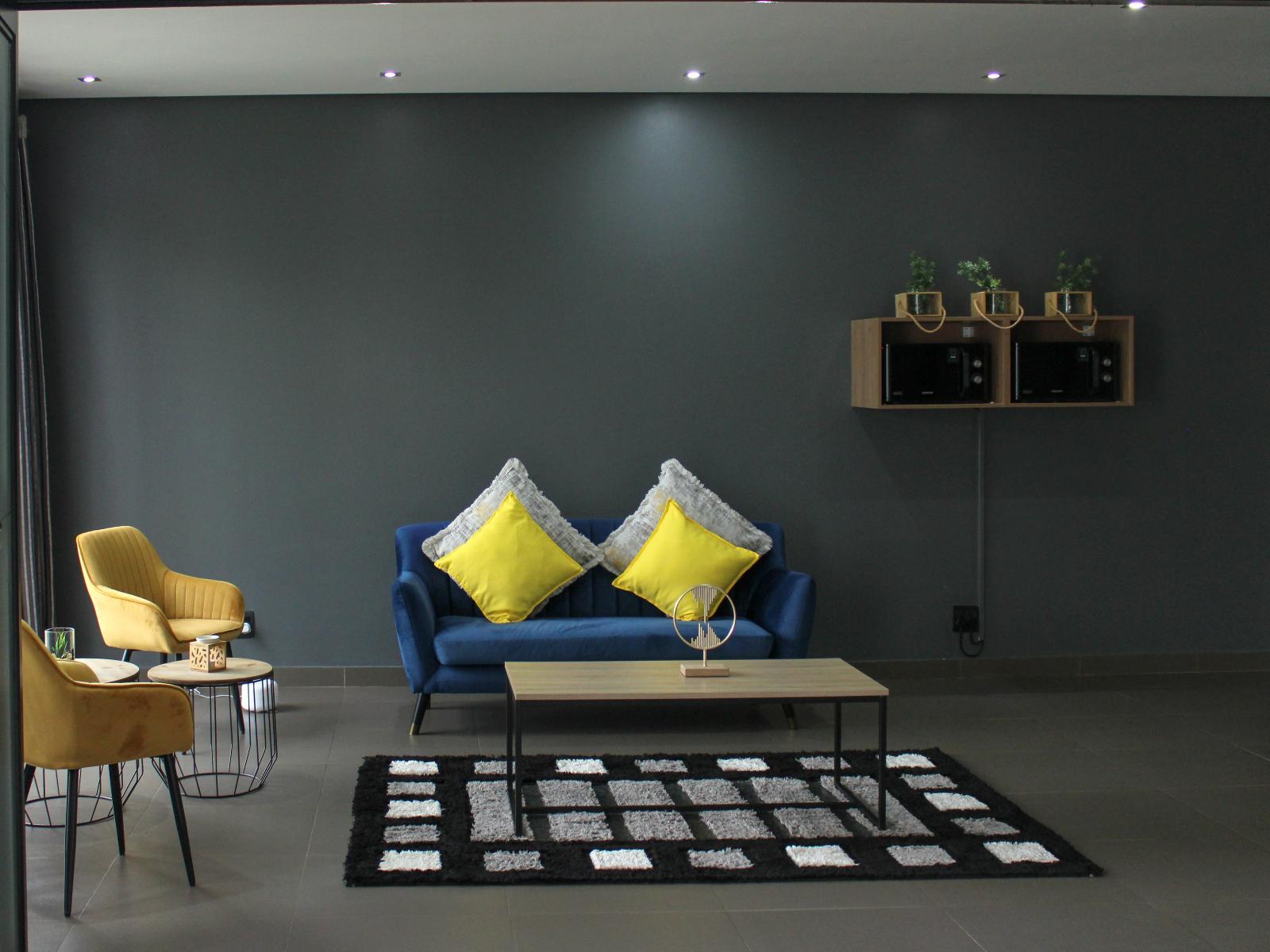
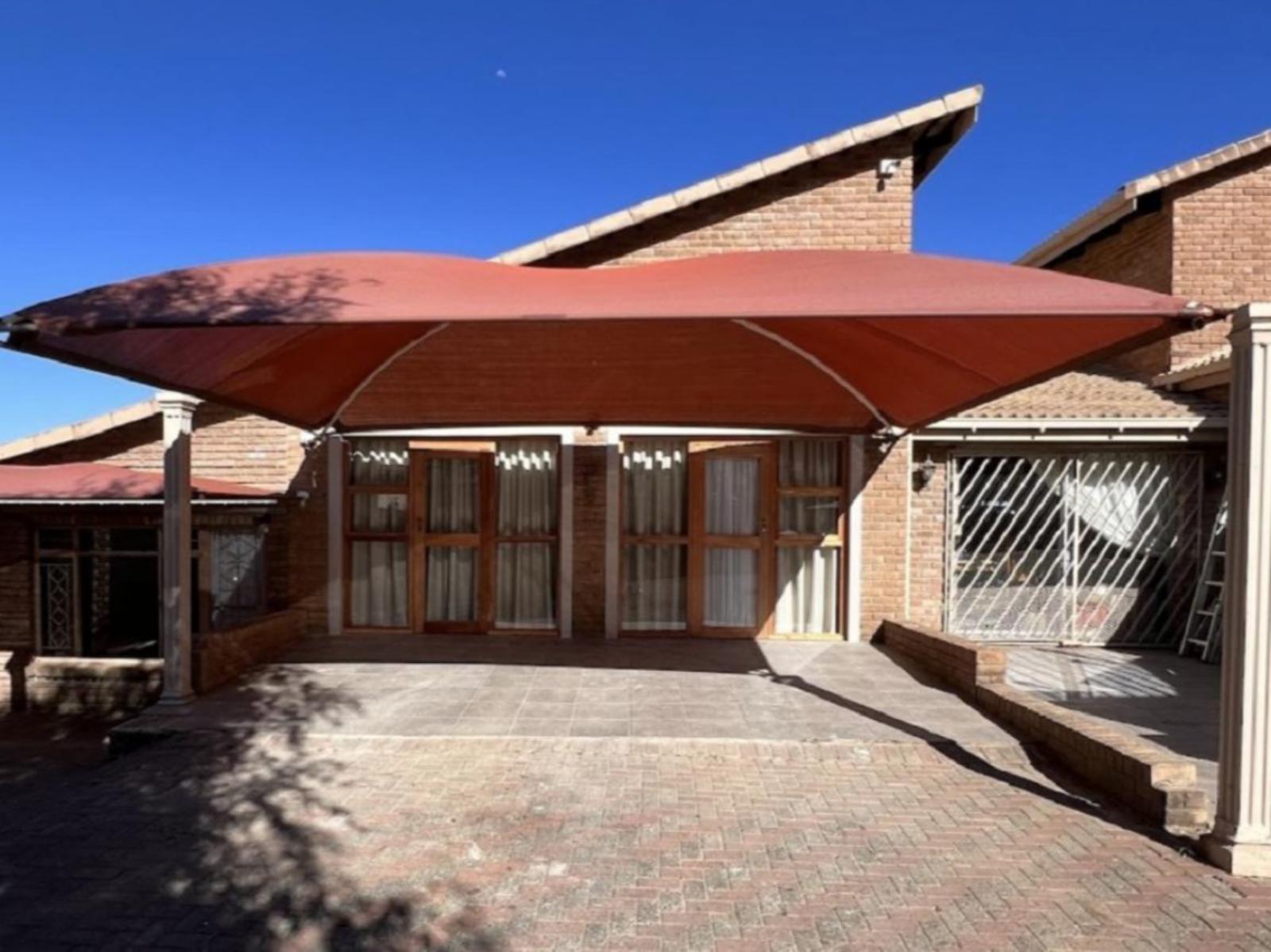
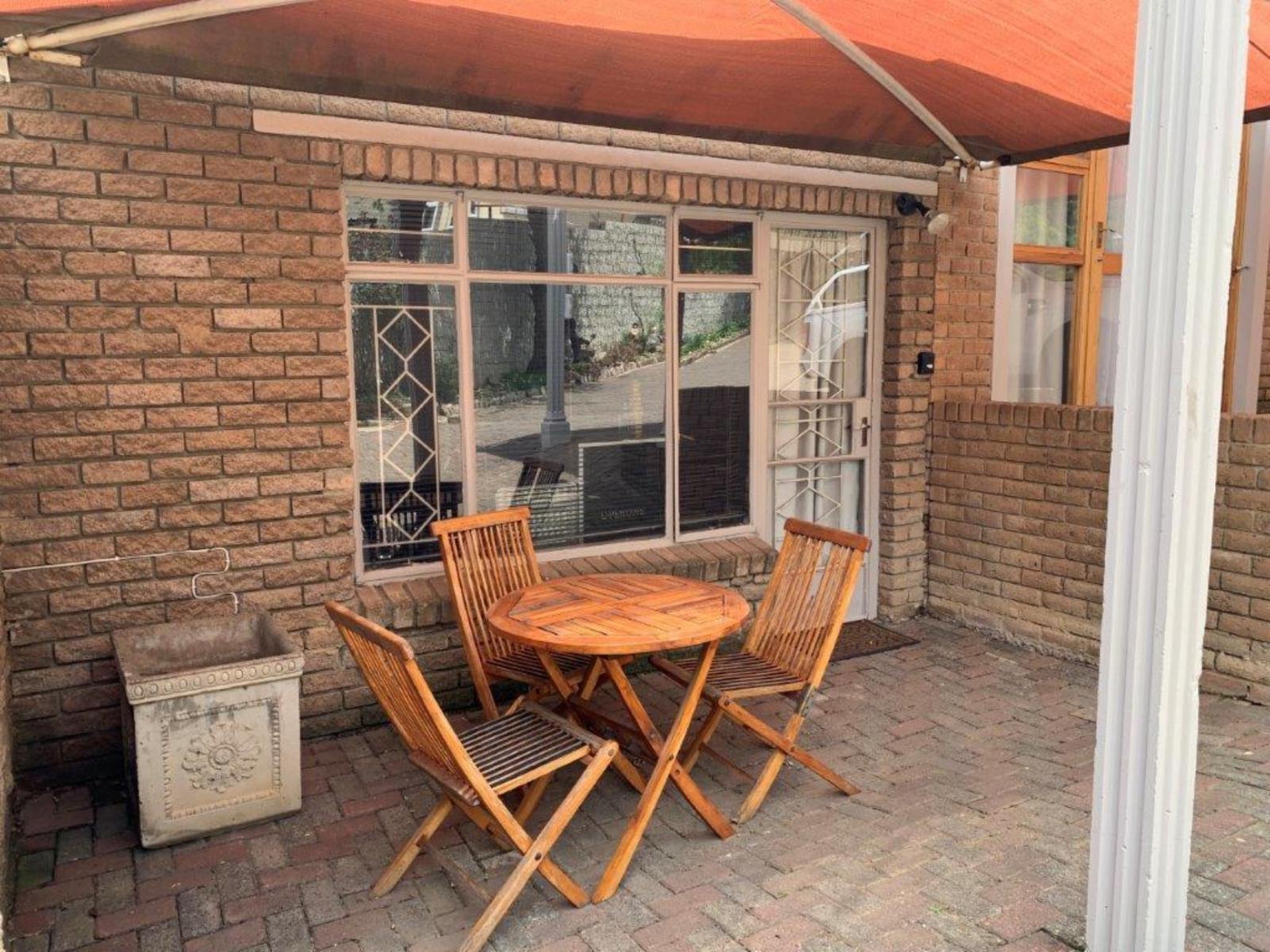
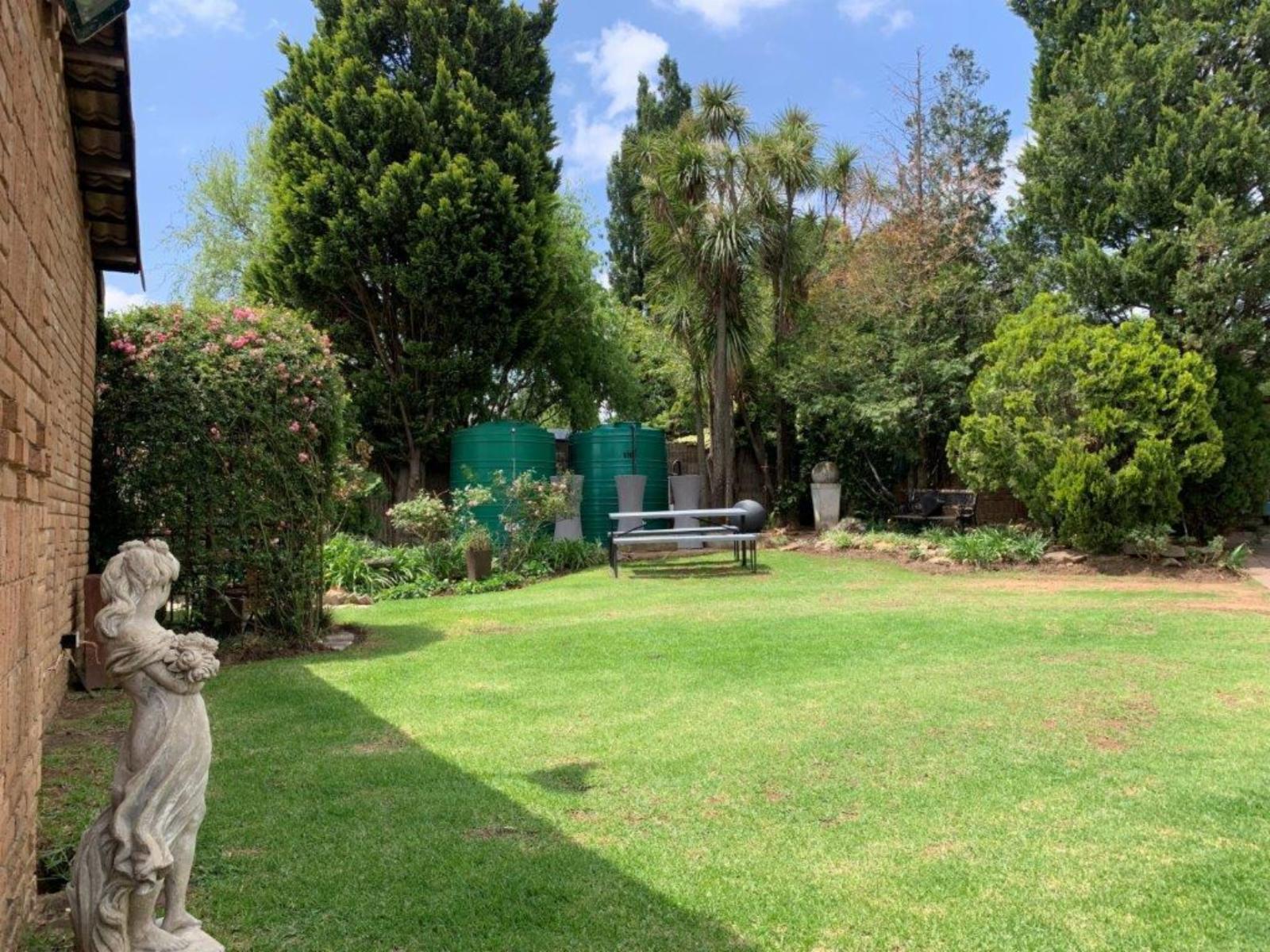
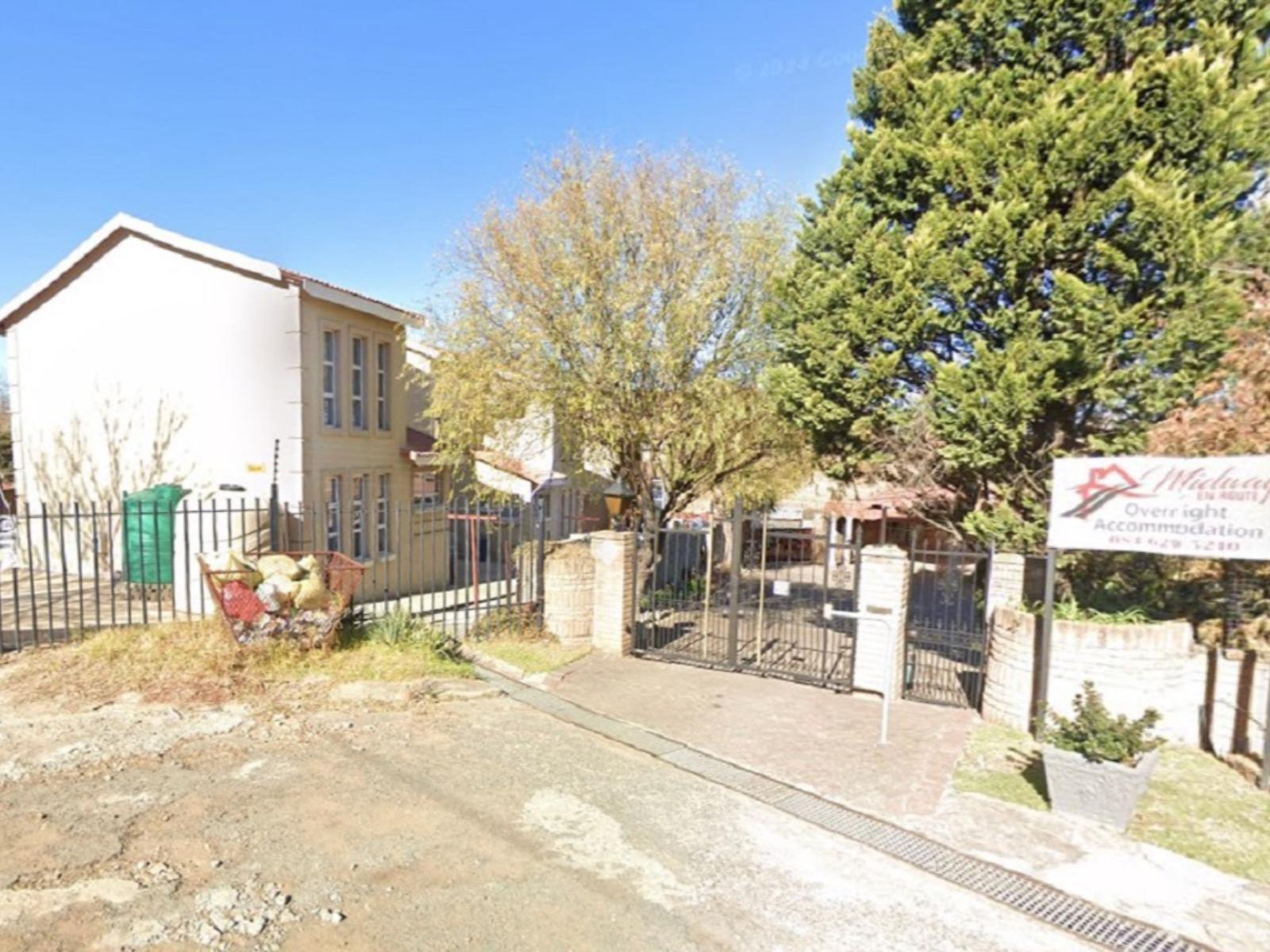
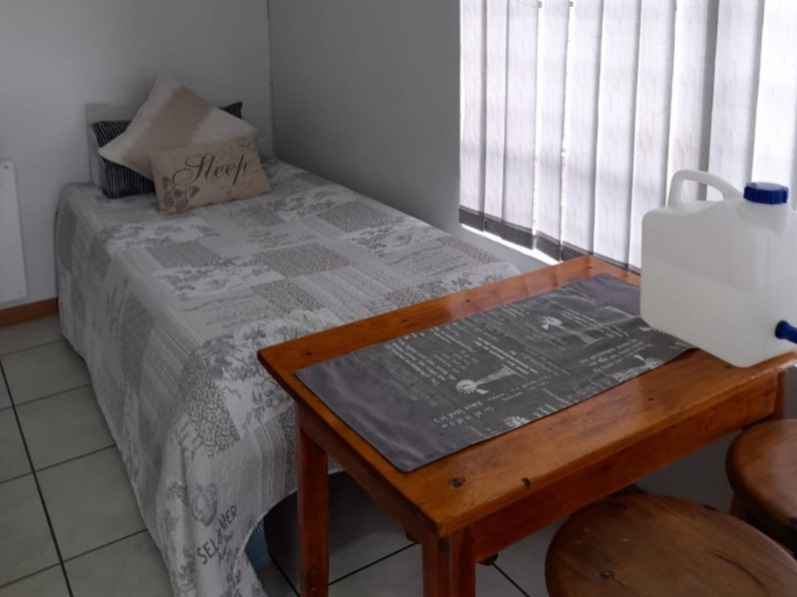
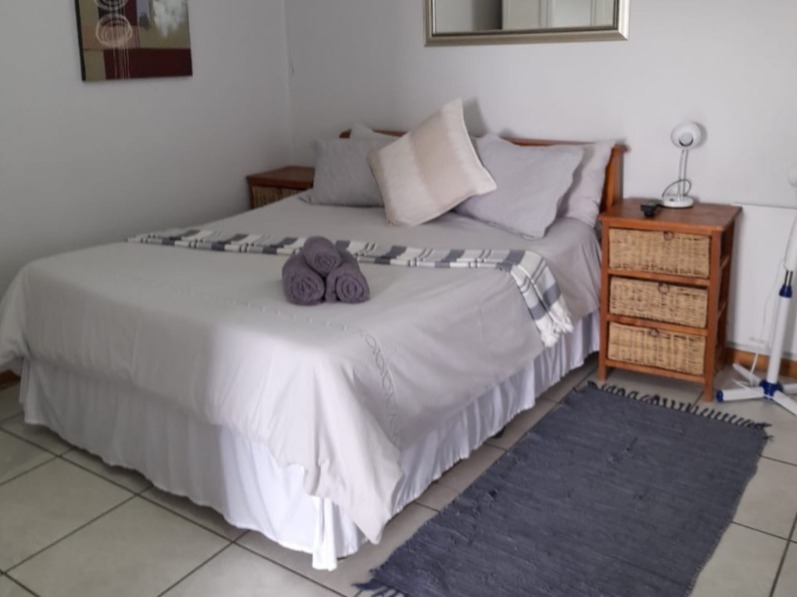
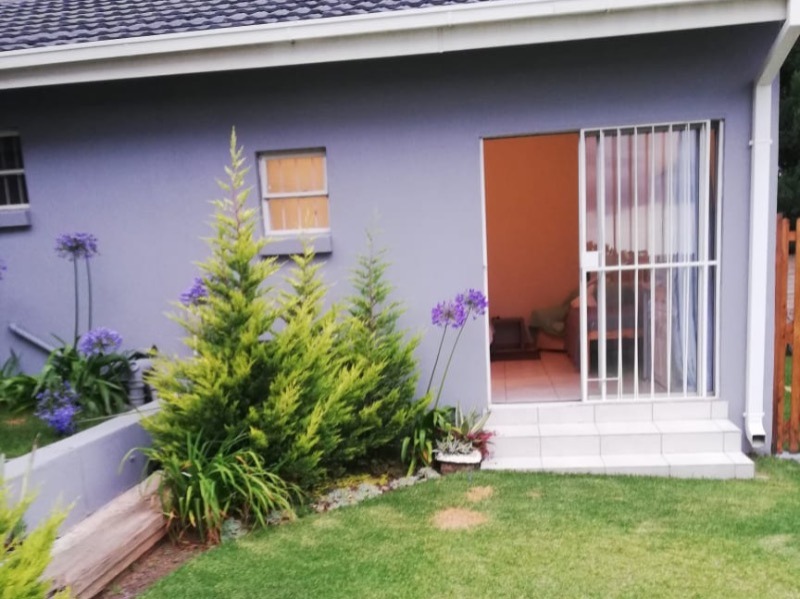
Harrismith has a modest but functional accommodation scene, shaped by its role as a road stopover and a base for day trips into surrounding mountains and farmland. The platform currently lists 0 properties with pricing yet to be confirmed, though the town supports options at most budget levels. The range of property types means being clear about your priorities before searching is worthwhile, since a working farm stay and a town-centre guesthouse offer quite different experiences despite potentially similar prices.
At the affordable end, guesthouses and B&Bs near the town centre serve travellers who need a comfortable night without much ceremony. These are typically family-run, offering clean rooms and a cooked breakfast. Outside peak travel periods they are easy to secure at short notice, and many are familiar with the standard requests of road trippers passing through on the N3.
Mid-range options are where the area shows more character. Self-catering cottages on working farms are common across the Harrismith district, suited to families or small groups who plan to stay two or three nights and explore at their own pace. Some farm properties include guided walks or horse riding, making them useful as an activity base rather than just overnight accommodation.
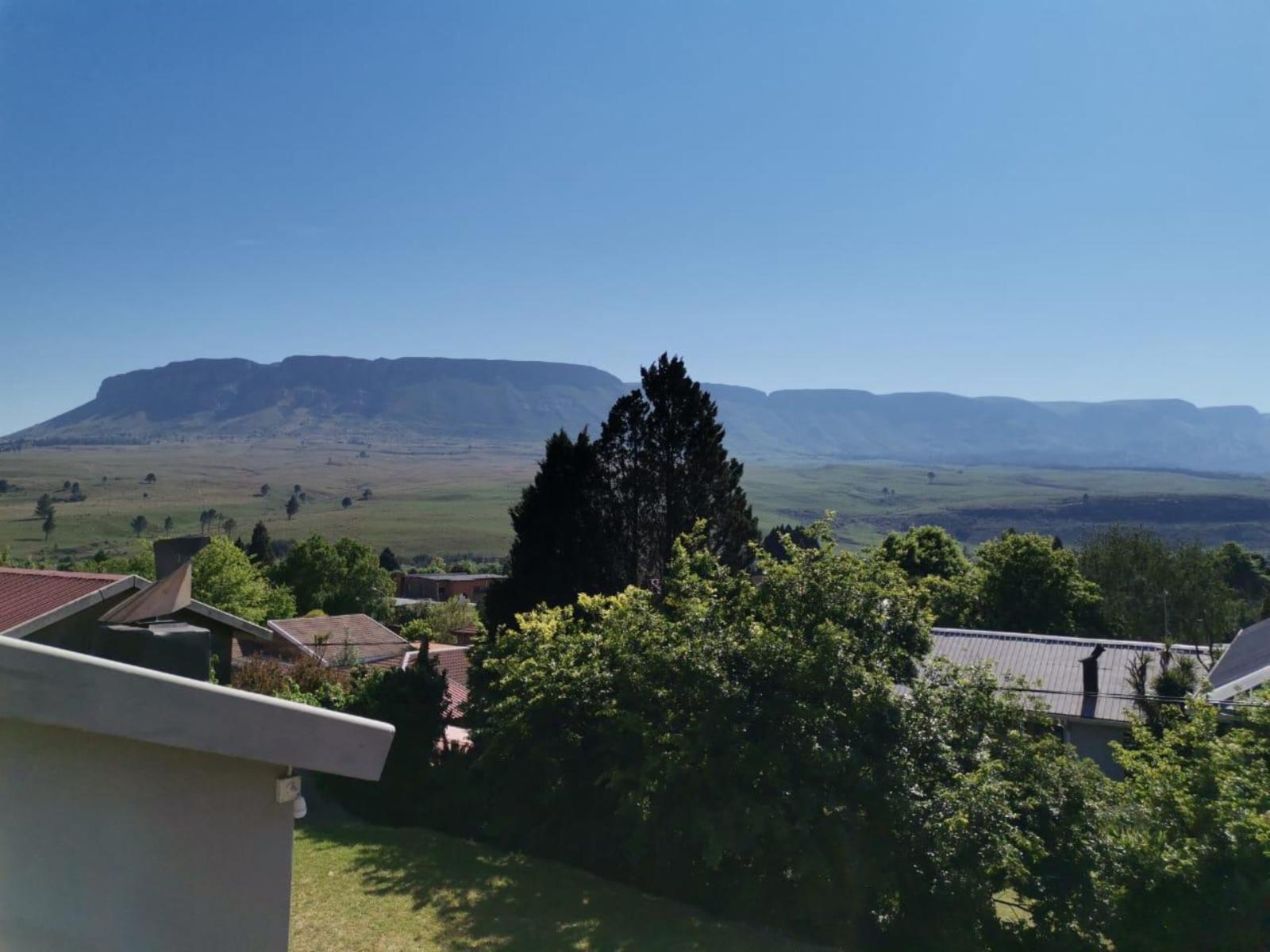
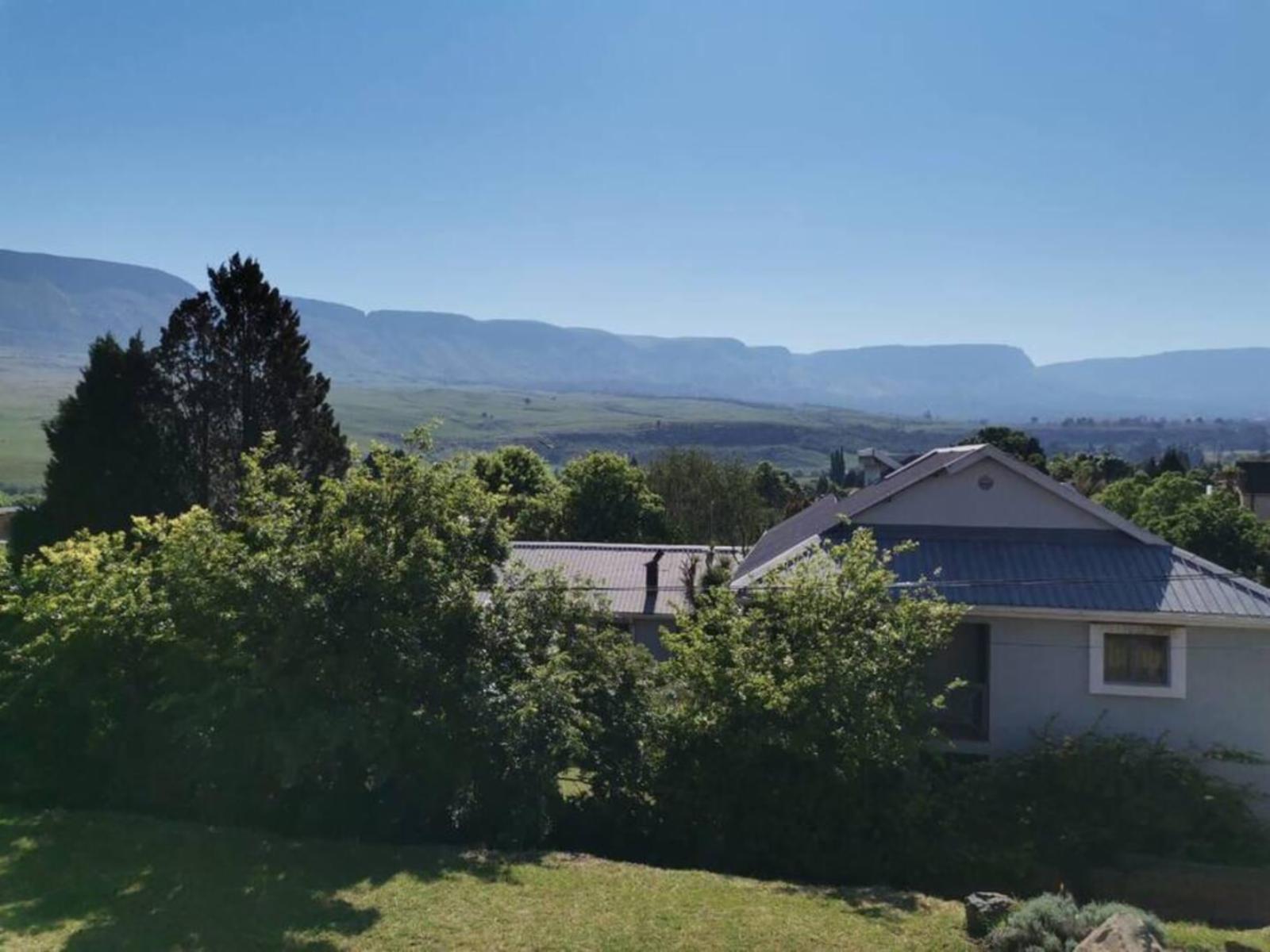
At the upper end of the local market, a small number of lodges offer better-appointed rooms with on-site dining and long views across open grassland toward the mountain horizon. These suit couples or business travellers seeking a quieter environment with more reliable amenities. Given the town's altitude, rooms that face the mountains rather than the street tend to be the better choice at any price point.
Accommodation stock is relatively limited compared with larger gateway towns, which means availability tightens quickly during school holidays and long weekends. Planning ahead by a few weeks makes a real practical difference.
---
## Best Time to Visit Harrismith
Harrismith sits at around 1600 metres above sea level, producing a climate noticeably cooler than the lowveld or the KwaZulu-Natal coast. Summer, from November through March, brings warm days and afternoon thunderstorms. The rain keeps the grasslands green and conditions are generally good for walking on Platberg, the flat-topped mountain that rises above the town, though trails become slippery after heavy downpours and rivers run higher than usual.
Winter, from June to August, is dry and clear but genuinely cold. Overnight frost is common and temperatures drop sharply after sunset, so adequate layering is essential. The firm ground and clear winter air make this the preferred season for sustained ridge walks and longer climbs. It is also the quieter period for tourism, so accommodation is easier to find and the town itself is less congested.
Spring, from September into October, and autumn, covering April and May, both offer stable temperatures without the extremes of summer storms or winter frost. These shoulder seasons work well for mixing outdoor activity with visits to historical sites and local markets. Events and seasonal activities in the broader region vary by month, so checking what is scheduled around your intended travel dates is worth doing before committing to a booking.
---
## Getting to Harrismith
Harrismith is on the N3 highway, the main artery between Johannesburg and Durban, making it easy to reach from either direction. The drive from Johannesburg covers roughly 300 kilometres and takes about three hours under normal traffic conditions. From Bloemfontein the distance is approximately 200 kilometres, around two to two and a half hours. Durban lies approximately 360 kilometres to the southeast.
The town has a small airport that handles light aircraft and occasional charter flights rather than scheduled commercial services. For most travellers arriving from overseas or from Cape Town, OR Tambo International Airport in Johannesburg is the practical entry point, after which a hire car gives you the flexibility to explore the surrounding area properly. Long-distance bus companies operating the Johannesburg to Durban corridor do stop in Harrismith, which is a workable option for those not renting a vehicle.
Within the town, local taxis cover the central area. Reaching farm properties, trailheads, and outlying attractions beyond the town centre requires your own vehicle. Fuel and basic vehicle services are available throughout Harrismith, which matters when managing a longer highway journey or preparing for day trips into rougher terrain. The town is compact enough that once you have a base, most essentials are a short drive away.
---
## Harrismith and Surrounding Areas
The area around Harrismith spans the eastern Free State and the adjoining parts of KwaZulu-Natal, placing a spread of landscapes and historical sites within an hour's drive.
**Eenzaamheid**, 48 kilometres from Harrismith, is a small farming settlement on the highveld plateau. It draws few visitors in its own right but is representative of the working agricultural landscape surrounding the town, with cattle farms and seasonal wetlands typical of this part of the Free State.
At 55 kilometres, **Bergville** is the main gateway to Royal Natal National Park in the northern Drakensberg. The park contains the Amphitheatre, a broad basalt escarpment roughly five kilometres wide that dominates the valley, as well as the upper reaches of the Tugela Falls. The drive from Harrismith already delivers long views of the range, making the journey itself part of the attraction.
**Zanddraai**, 58 kilometres out, sits in quiet farming country near the provincial border. There is no specific museum or reserve to visit, but the route crosses the transitional landscape between the highveld and the KwaZulu-Natal foothills, which rewards travellers with an interest in the natural terrain.
At 60 kilometres, **Isandlwana** is the site of the January 1879 battle where a Zulu army defeated a British imperial column in one of the most studied engagements of the Anglo-Zulu War. The battlefield is preserved as a heritage site with a museum. The sphinx-shaped hill overlooking the site has changed little since the battle, which gives the location a strong sense of historical immediacy.
**Ladysmith**, 71 kilometres from Harrismith, carries its own war chapter: the town endured a 118-day siege during the Anglo-Boer War from 1899 to 1900. The Siege Museum in the town centre covers that period in detail. Ladysmith is also the birthplace of the choral group Ladysmith Black Mambazo, adding a cultural dimension alongside the history.
**Winterton**, at 72 kilometres, is the entry point to Champagne Valley and the Central Drakensberg. Giants Castle Game Reserve is accessible from this direction and holds some of the most significant San rock art sites in southern Africa, with guided tours available to the main painting panels and multi-day hiking routes into the high mountains.
---
## Planning Your Stay
Booking ahead is the most practical piece of advice for Harrismith. Long weekends and school holidays fill available rooms faster than the limited local supply can accommodate, and even quieter periods can produce thin last-minute options. Confirming a reservation two to three weeks out covers most scenarios without over-committing too far in advance.
When reviewing properties, pay attention to what the rate actually includes. Some operators bundle meals or guided activities into their pricing, which changes the comparison with a straightforward room rate considerably. Cancellation terms among smaller independent operators tend to be strict, so reading the fine print before paying a deposit avoids complications if plans change.
Before confirming, check a few practical details specific to this area. Heating is worth asking about directly, since winter nights are cold and some older properties may not be well insulated. If you plan to drive to rural properties or reach mountain access roads, ask your host about current track conditions, particularly after summer rain when unpaved roads can become impassable for standard vehicles.
Town-centre services, including supermarkets, pharmacies, and fuel, are accessible from most accommodation in Harrismith, so day-to-day provisioning is straightforward. For longer excursions to heritage sites or mountain parks, an early morning departure gives you more time on-site and reduces the chance of being caught in afternoon thunderstorms during summer. Downloading offline navigation before leaving the town is advisable, as mobile data coverage on minor roads between the Free State and KwaZulu-Natal can be patchy.

Harrismith has a modest but functional accommodation scene, shaped by its role as a road stopover and a base for day trips into surrounding mountains and farmland. The platform currently lists 0 properties with pricing yet to be confirmed, though the town supports options at most budget levels. The range of property types means being clear about your priorities before searching is worthwhile, since a working farm stay and a town-centre guesthouse offer quite different experiences despite potentially similar prices.
At the affordable end, guesthouses and B&Bs near the town centre serve travellers who need a comfortable night without much ceremony. These are typically family-run, offering clean rooms and a cooked breakfast. Outside peak travel periods they are easy to secure at short notice, and many are familiar with the standard requests of road trippers passing through on the N3.
Mid-range options are where the area shows more character. Self-catering cottages on working farms are common across the Harrismith district, suited to families or small groups who plan to stay two or three nights and explore at their own pace. Some farm properties include guided walks or horse riding, making them useful as an activity base rather than just overnight accommodation.
At the upper end of the local market, a small number of lodges offer better-appointed rooms with on-site dining and long views across open grassland toward the mountain horizon. These suit couples or business travellers seeking a quieter environment with more reliable amenities. Given the town's altitude, rooms that face the mountains rather than the street tend to be the better choice at any price point.
Accommodation stock is relatively limited compared with larger gateway towns, which means availability tightens quickly during school holidays and long weekends. Planning ahead by a few weeks makes a real practical difference.
---
## Best Time to Visit Harrismith
Harrismith sits at around 1600 metres above sea level, producing a climate noticeably cooler than the lowveld or the KwaZulu-Natal coast. Summer, from November through March, brings warm days and afternoon thunderstorms. The rain keeps the grasslands green and conditions are generally good for walking on Platberg, the flat-topped mountain that rises above the town, though trails become slippery after heavy downpours and rivers run higher than usual.
Winter, from June to August, is dry and clear but genuinely cold. Overnight frost is common and temperatures drop sharply after sunset, so adequate layering is essential. The firm ground and clear winter air make this the preferred season for sustained ridge walks and longer climbs. It is also the quieter period for tourism, so accommodation is easier to find and the town itself is less congested.
Spring, from September into October, and autumn, covering April and May, both offer stable temperatures without the extremes of summer storms or winter frost. These shoulder seasons work well for mixing outdoor activity with visits to historical sites and local markets. Events and seasonal activities in the broader region vary by month, so checking what is scheduled around your intended travel dates is worth doing before committing to a booking.
---
## Getting to Harrismith
Harrismith is on the N3 highway, the main artery between Johannesburg and Durban, making it easy to reach from either direction. The drive from Johannesburg covers roughly 300 kilometres and takes about three hours under normal traffic conditions. From Bloemfontein the distance is approximately 200 kilometres, around two to two and a half hours. Durban lies approximately 360 kilometres to the southeast.
The town has a small airport that handles light aircraft and occasional charter flights rather than scheduled commercial services. For most travellers arriving from overseas or from Cape Town, OR Tambo International Airport in Johannesburg is the practical entry point, after which a hire car gives you the flexibility to explore the surrounding area properly. Long-distance bus companies operating the Johannesburg to Durban corridor do stop in Harrismith, which is a workable option for those not renting a vehicle.
Within the town, local taxis cover the central area. Reaching farm properties, trailheads, and outlying attractions beyond the town centre requires your own vehicle. Fuel and basic vehicle services are available throughout Harrismith, which matters when managing a longer highway journey or preparing for day trips into rougher terrain. The town is compact enough that once you have a base, most essentials are a short drive away.
---
## Harrismith and Surrounding Areas
The area around Harrismith spans the eastern Free State and the adjoining parts of KwaZulu-Natal, placing a spread of landscapes and historical sites within an hour's drive.
**Eenzaamheid**, 48 kilometres from Harrismith, is a small farming settlement on the highveld plateau. It draws few visitors in its own right but is representative of the working agricultural landscape surrounding the town, with cattle farms and seasonal wetlands typical of this part of the Free State.
At 55 kilometres, **Bergville** is the main gateway to Royal Natal National Park in the northern Drakensberg. The park contains the Amphitheatre, a broad basalt escarpment roughly five kilometres wide that dominates the valley, as well as the upper reaches of the Tugela Falls. The drive from Harrismith already delivers long views of the range, making the journey itself part of the attraction.
**Zanddraai**, 58 kilometres out, sits in quiet farming country near the provincial border. There is no specific museum or reserve to visit, but the route crosses the transitional landscape between the highveld and the KwaZulu-Natal foothills, which rewards travellers with an interest in the natural terrain.
At 60 kilometres, **Isandlwana** is the site of the January 1879 battle where a Zulu army defeated a British imperial column in one of the most studied engagements of the Anglo-Zulu War. The battlefield is preserved as a heritage site with a museum. The sphinx-shaped hill overlooking the site has changed little since the battle, which gives the location a strong sense of historical immediacy.
**Ladysmith**, 71 kilometres from Harrismith, carries its own war chapter: the town endured a 118-day siege during the Anglo-Boer War from 1899 to 1900. The Siege Museum in the town centre covers that period in detail. Ladysmith is also the birthplace of the choral group Ladysmith Black Mambazo, adding a cultural dimension alongside the history.
**Winterton**, at 72 kilometres, is the entry point to Champagne Valley and the Central Drakensberg. Giants Castle Game Reserve is accessible from this direction and holds some of the most significant San rock art sites in southern Africa, with guided tours available to the main painting panels and multi-day hiking routes into the high mountains.
---
## Planning Your Stay
Booking ahead is the most practical piece of advice for Harrismith. Long weekends and school holidays fill available rooms faster than the limited local supply can accommodate, and even quieter periods can produce thin last-minute options. Confirming a reservation two to three weeks out covers most scenarios without over-committing too far in advance.
When reviewing properties, pay attention to what the rate actually includes. Some operators bundle meals or guided activities into their pricing, which changes the comparison with a straightforward room rate considerably. Cancellation terms among smaller independent operators tend to be strict, so reading the fine print before paying a deposit avoids complications if plans change.
Before confirming, check a few practical details specific to this area. Heating is worth asking about directly, since winter nights are cold and some older properties may not be well insulated. If you plan to drive to rural properties or reach mountain access roads, ask your host about current track conditions, particularly after summer rain when unpaved roads can become impassable for standard vehicles.
Town-centre services, including supermarkets, pharmacies, and fuel, are accessible from most accommodation in Harrismith, so day-to-day provisioning is straightforward. For longer excursions to heritage sites or mountain parks, an early morning departure gives you more time on-site and reduces the chance of being caught in afternoon thunderstorms during summer. Downloading offline navigation before leaving the town is advisable, as mobile data coverage on minor roads between the Free State and KwaZulu-Natal can be patchy.
Harrismith Kaart
Nabygeleë Bestemmings
Blaai Deur Alle Harrismith Akkommodasie
Bekyk al 0 akkommodasie-opsies in Harrismith met foto's, pryse en beskikbaarheid.
Blaai Deur Alle Akkommodasie