Hartswater Reis- & Akkommodasiegids
Jou volledige gids om Hartswater, Suid-Afrika te besoek.
Hartswater provides a peaceful base for exploring South African agriculture and rural traditions. The town centers around large-scale irrigation projects that support vast farmlands. Its straightforward charm and access to nature make it an appealing choice for those seeking a break from urban life.
## Accommodation in Hartswater
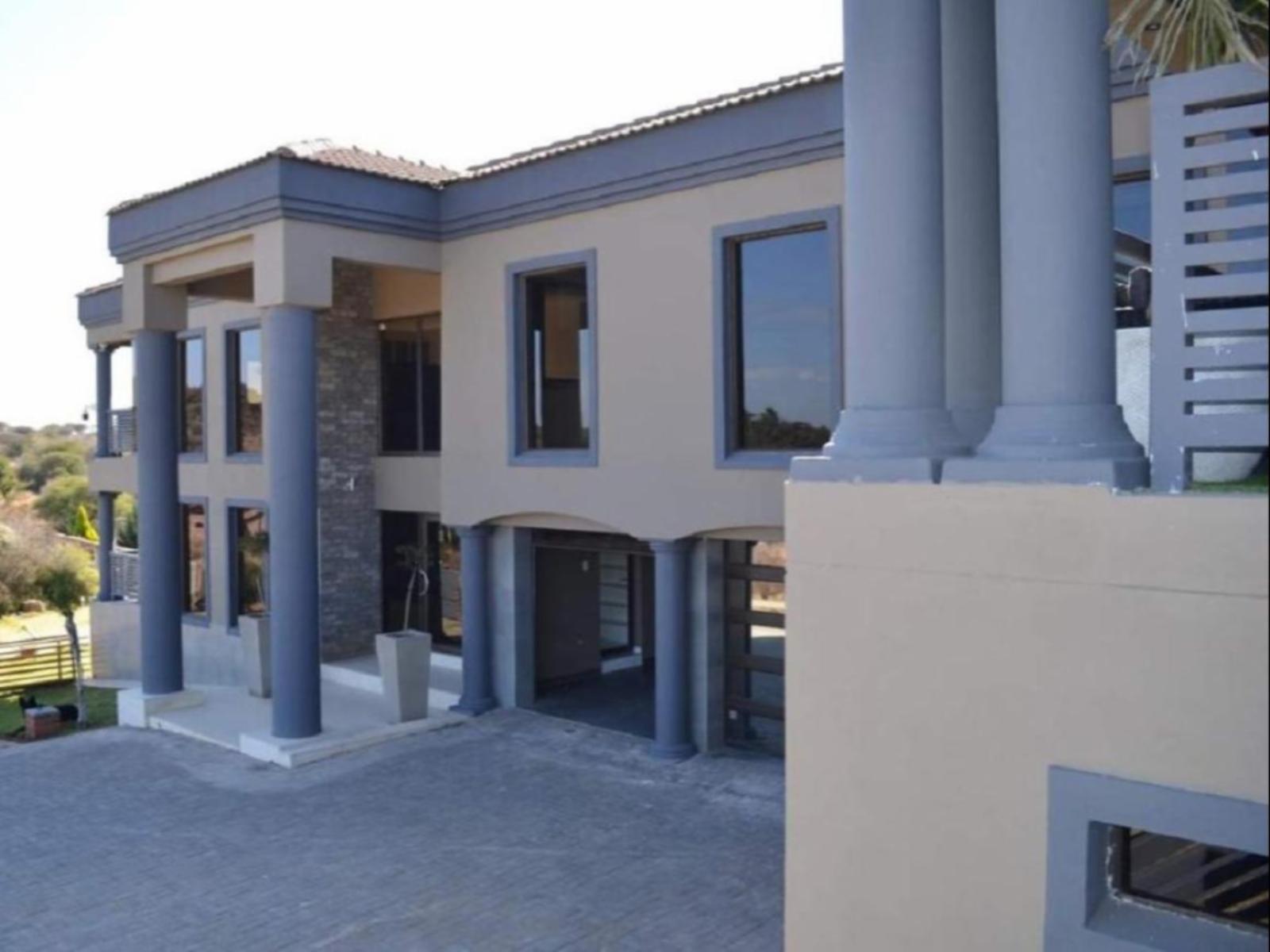
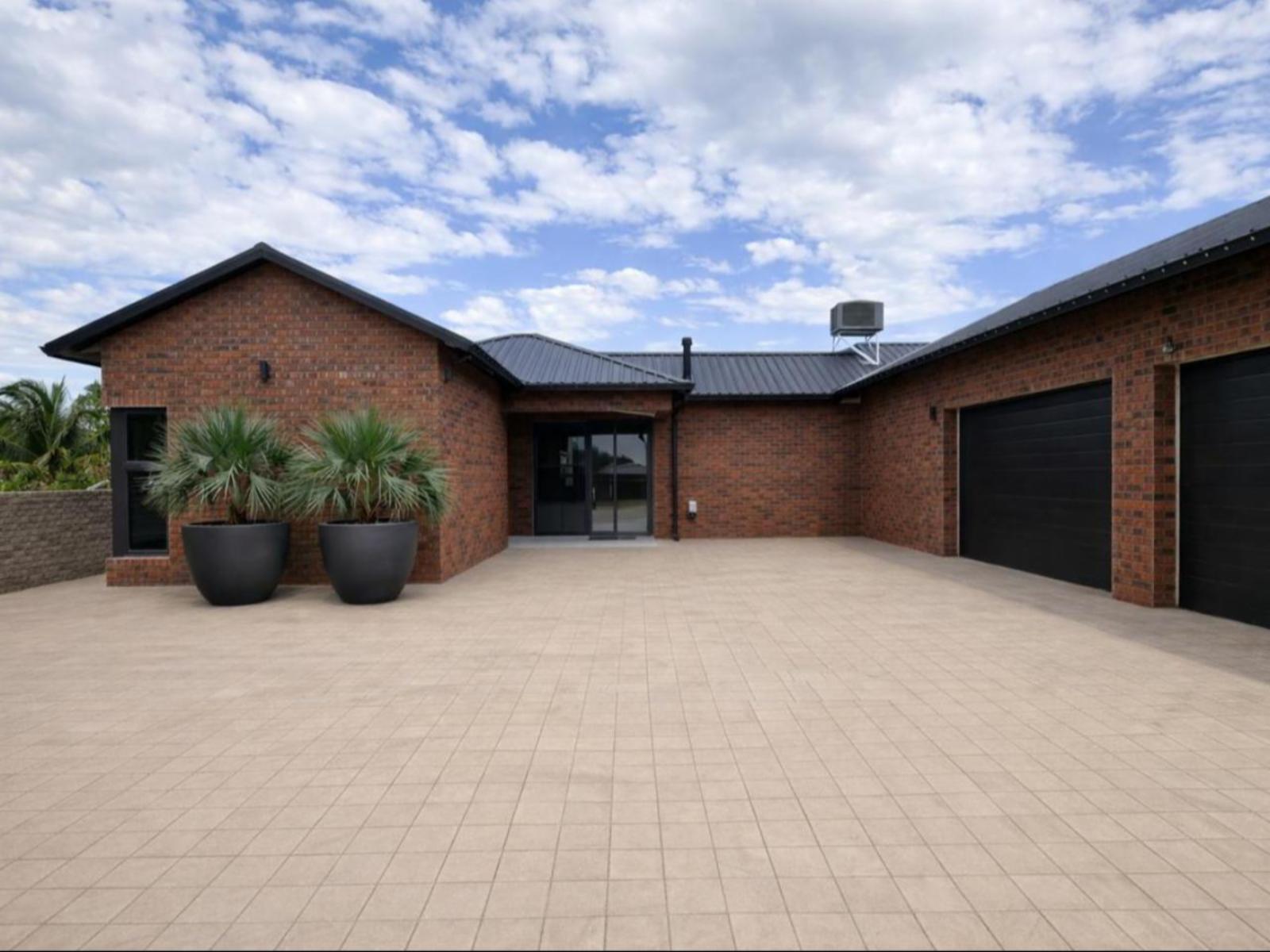
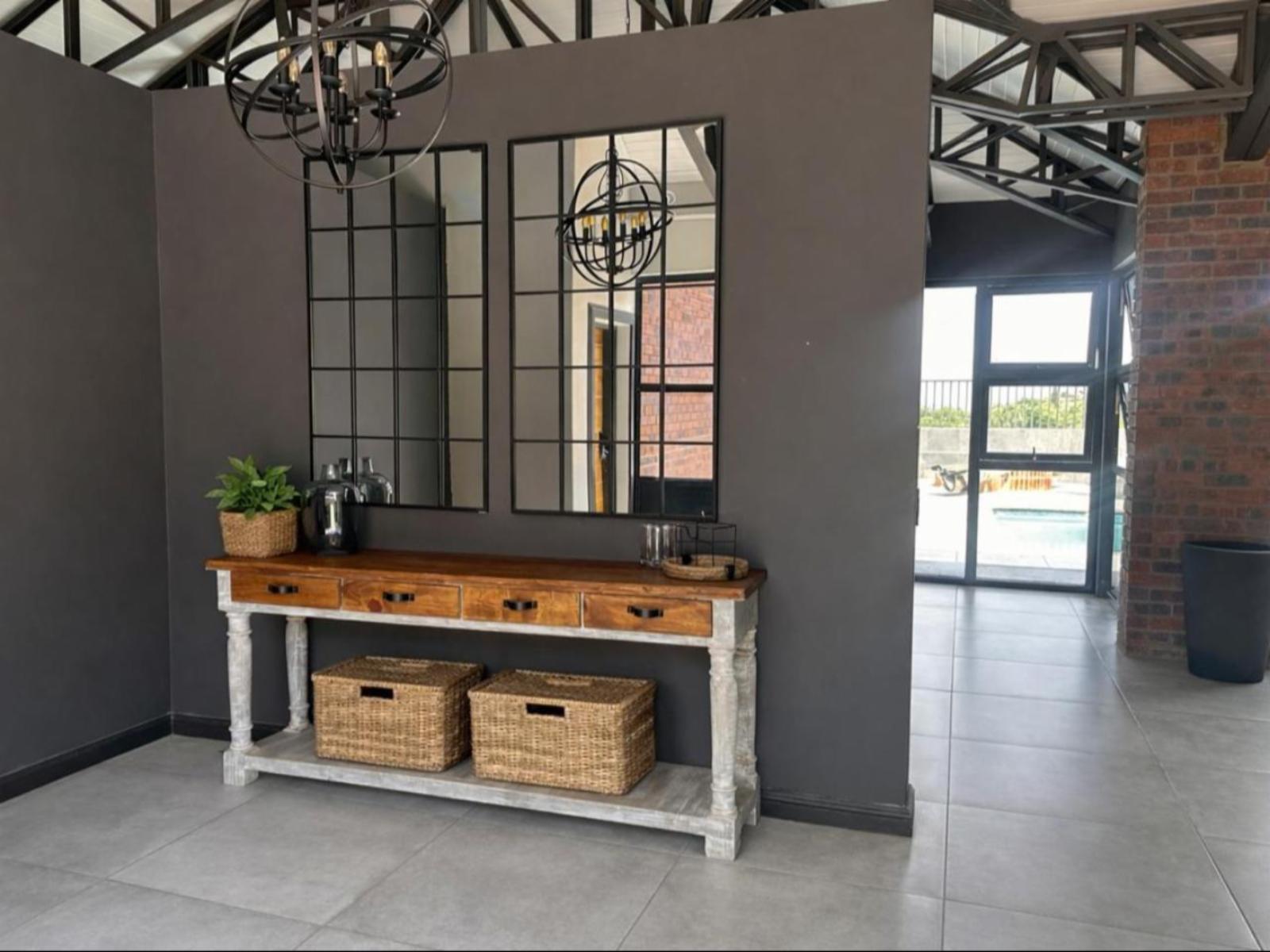
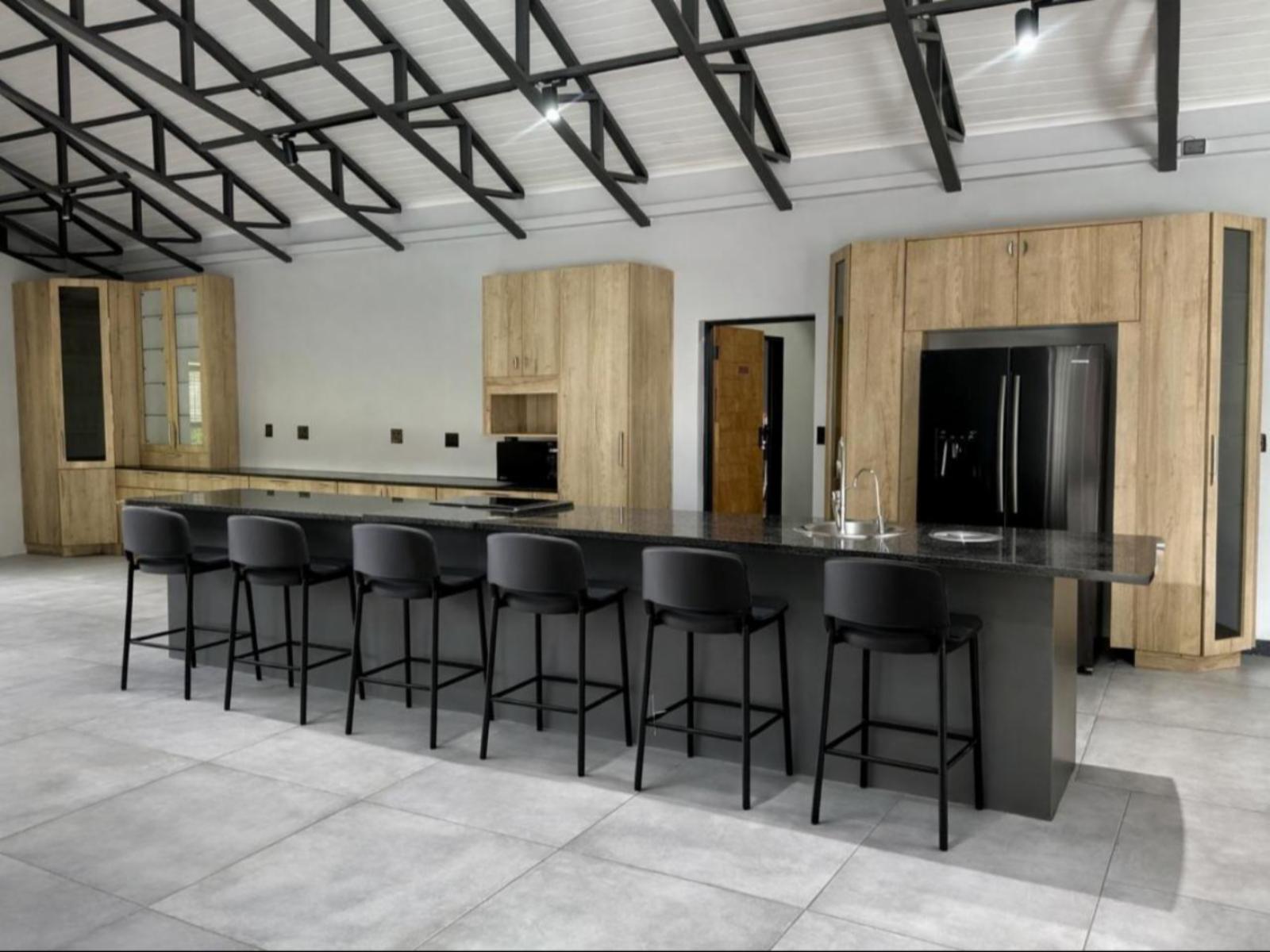
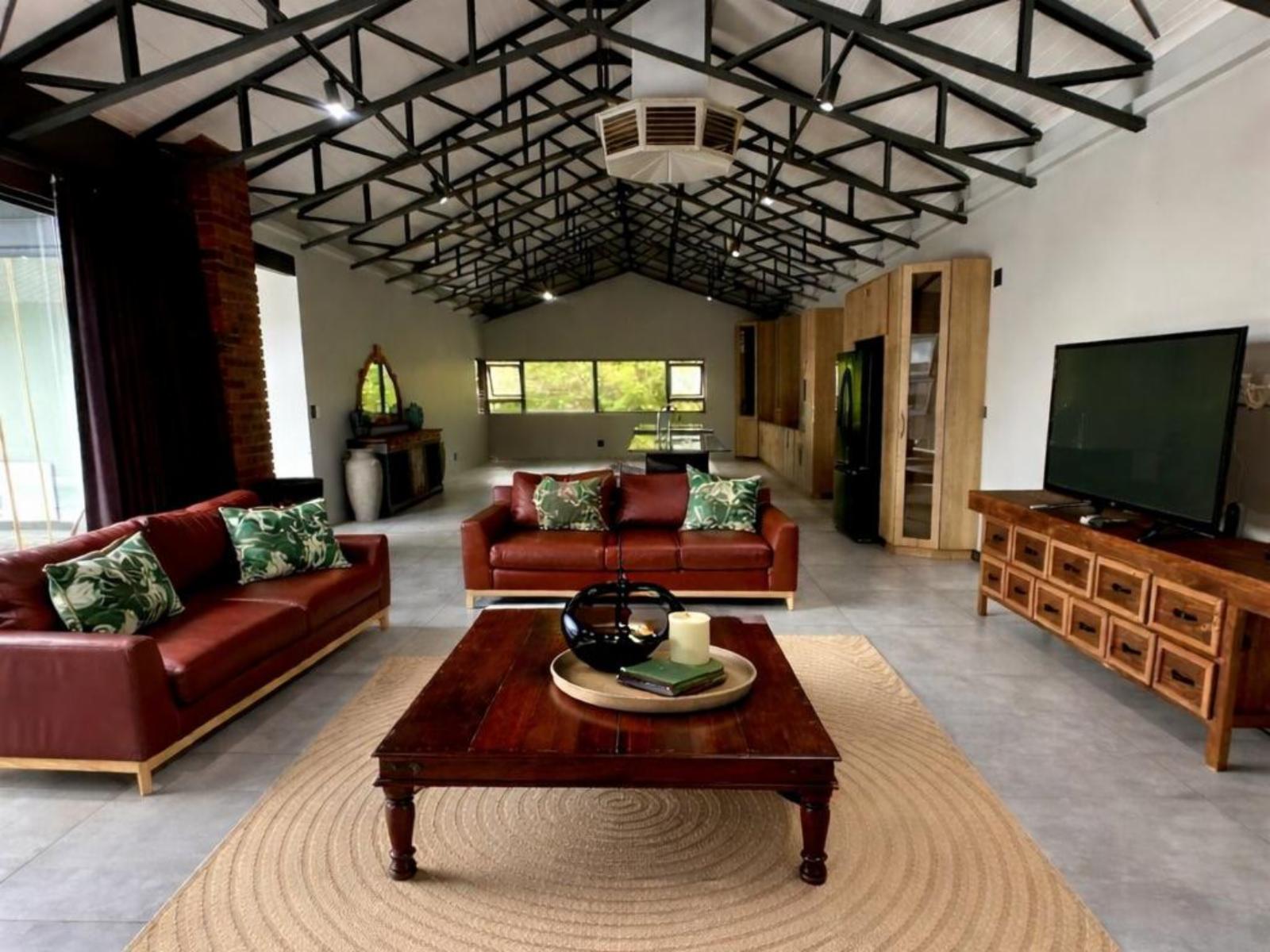
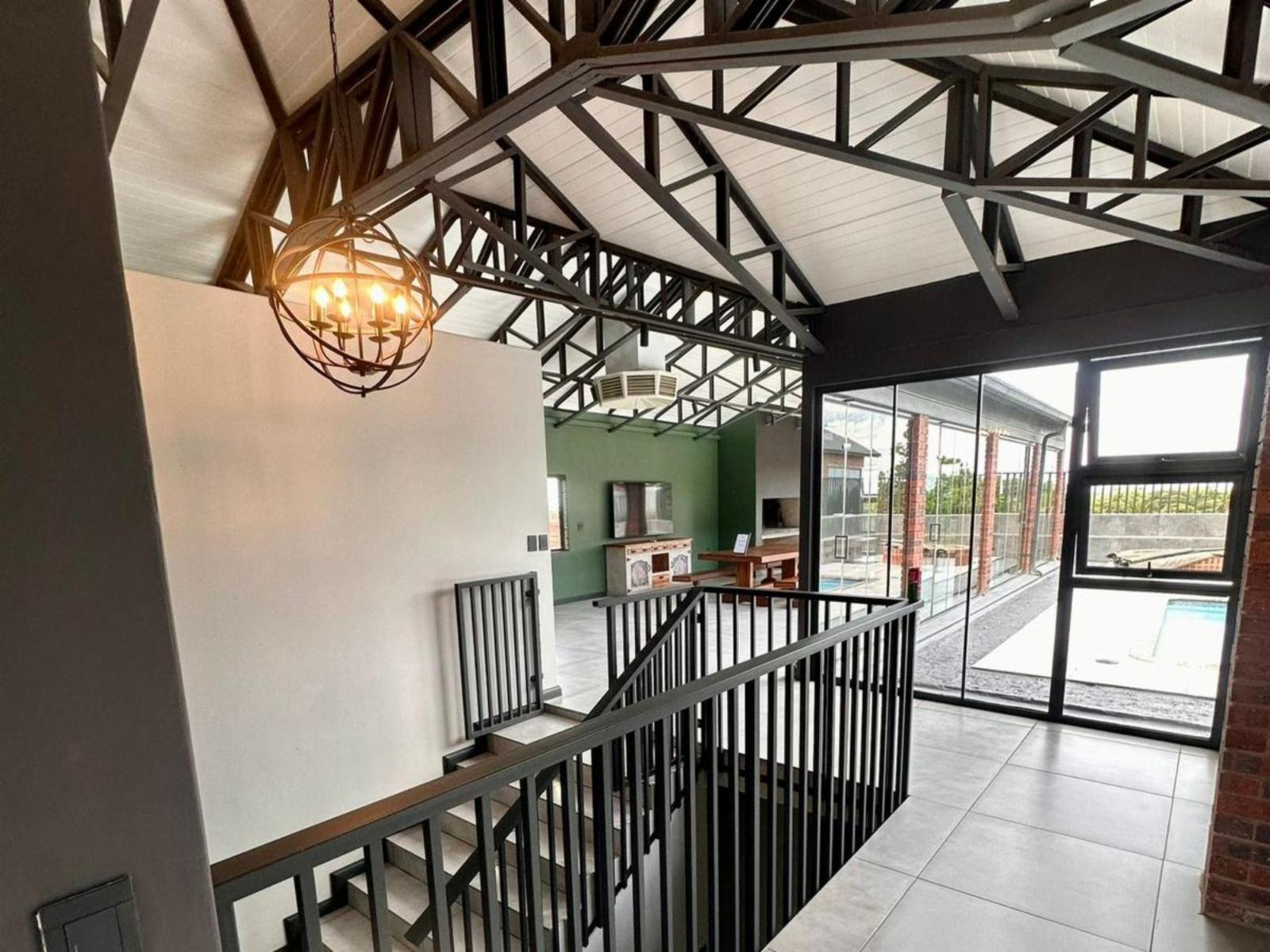
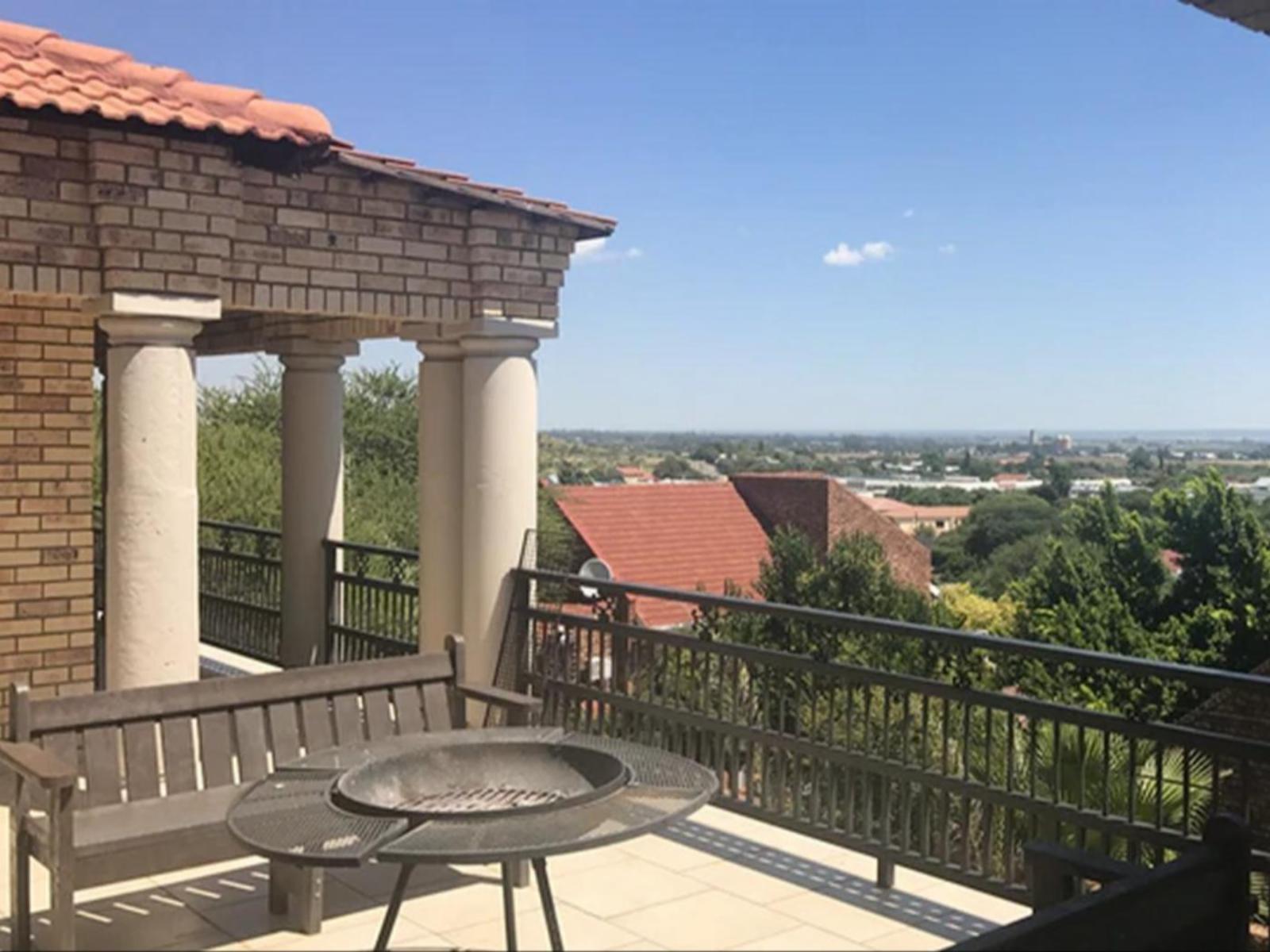
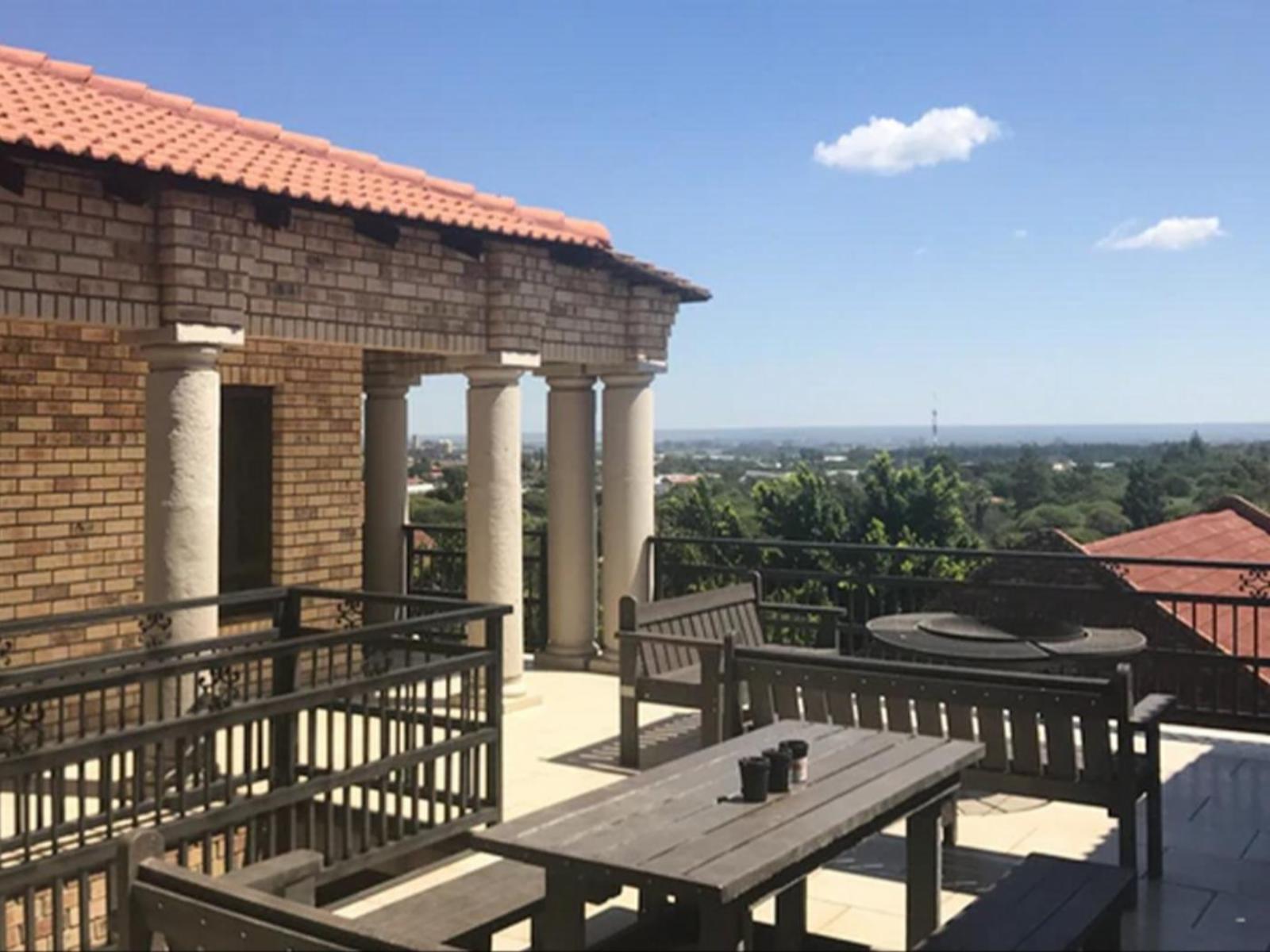
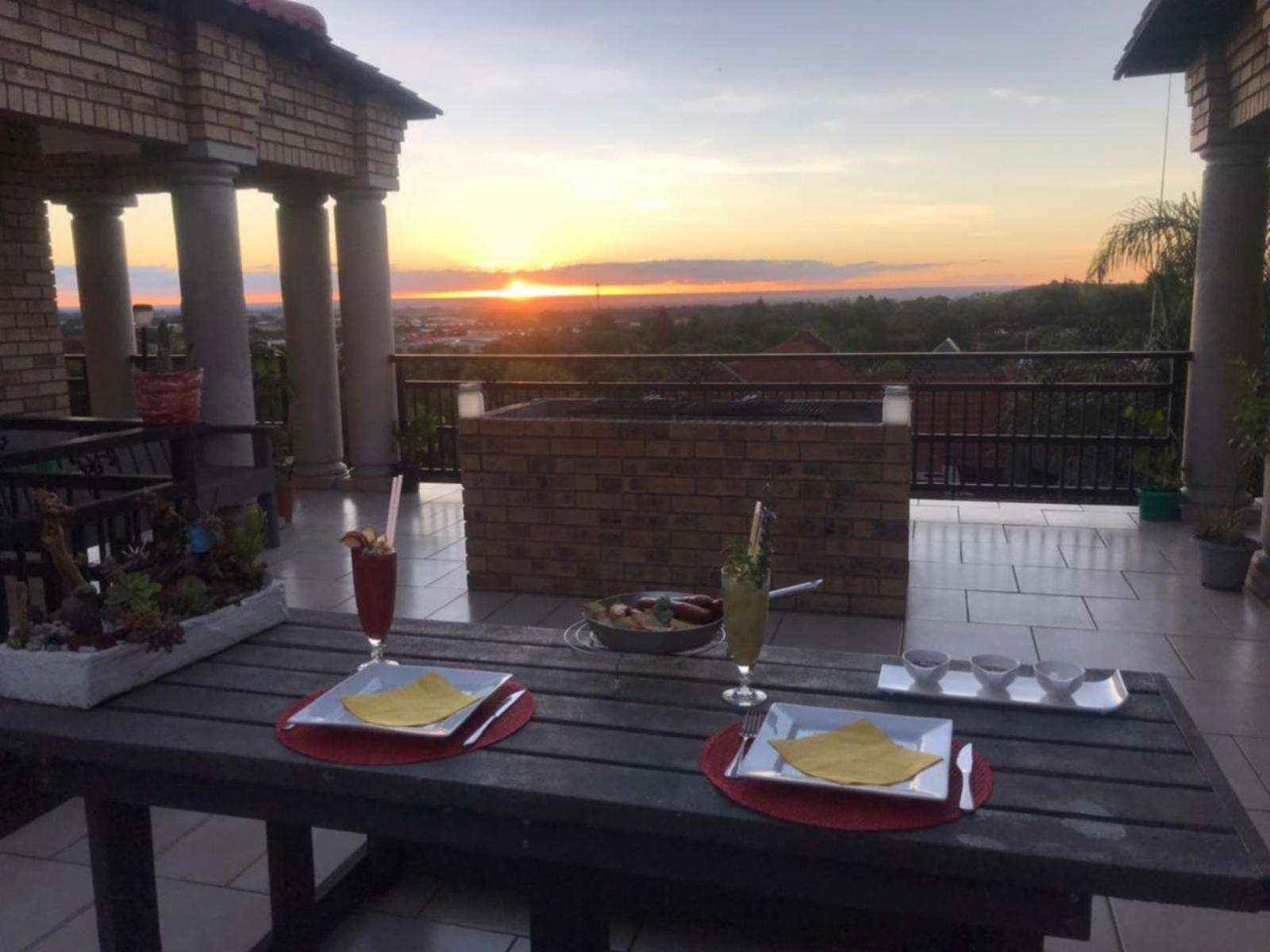
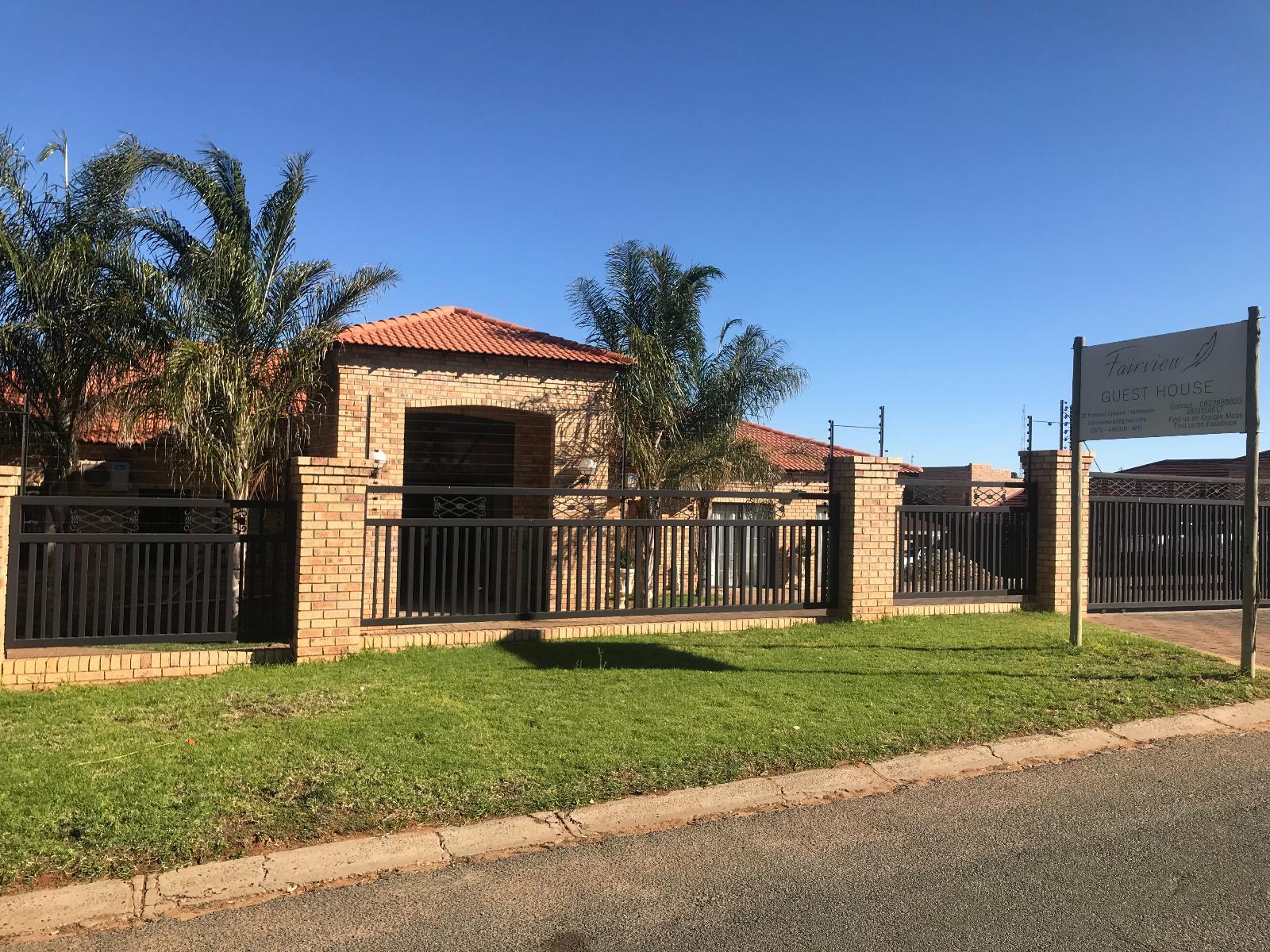
Hartswater has a small and informal accommodation sector that reflects the town's agricultural character rather than a developed tourism economy. The area currently has no properties listed on this platform, and visitors will typically need to book directly with local guesthouses, farm stays, and small lodges that do not maintain a consistent online presence. This means a phone call or email before arriving is more reliable than searching aggregator sites.
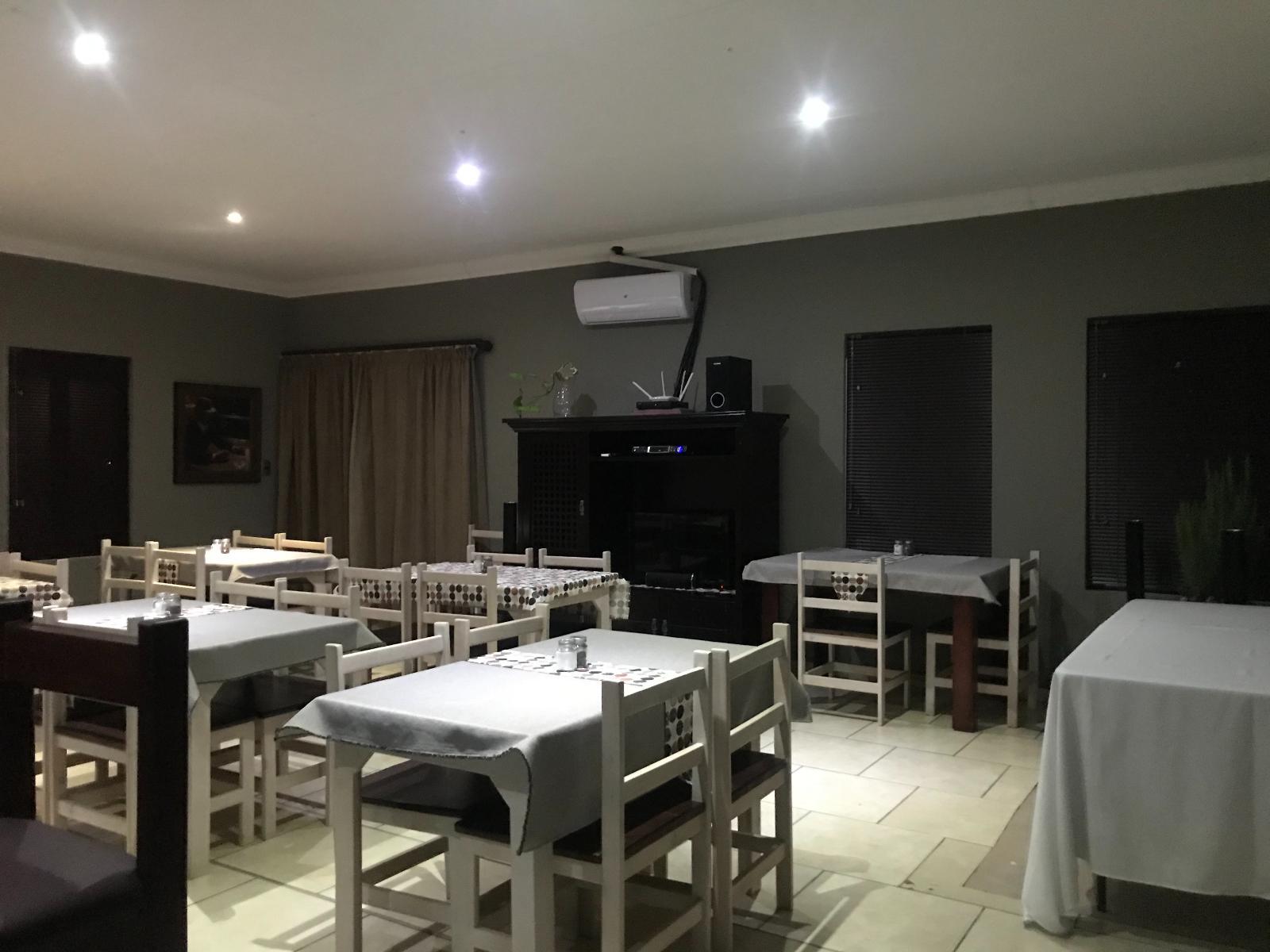
At the budget end of the market, self-catering units and basic guesthouses offer clean, functional rooms at modest rates. These are usually within the town boundaries or on its immediate outskirts, run by locals with practical knowledge of the farming district. Meals are not always included, so checking kitchen access or proximity to a shop is worth doing before you confirm.
Mid-range options lean toward small guesthouses and bed-and-breakfast properties operated by farming families on larger plots. Rooms are generally en-suite, the properties have outdoor space, and hosts in this category tend to be well-informed about the Vaalharts area. This tier suits travelers who want more personal service than a bare-bones unit provides without paying for amenities they will not use.
Upper-tier accommodation exists primarily in the form of farm lodges catering to extended-stay visitors, corporate agricultural groups, and occasional conferences tied to the irrigation and farming sector. These properties offer more space and facilities, but they are not numerous. Availability at this level can be inconsistent depending on the season and whether any major agricultural events are drawing visitors to the district.
Because the total number of properties is limited, demand during local farming shows can exhaust availability quickly. Planning early and confirming directly with the property is the safest approach for any tier.
---
## Best Time to Visit Hartswater
Hartswater sits in a semi-arid climate zone where summers are long and hot and winters are cold overnight despite being clear and sunny during the day. From November through February, temperatures regularly push above 35 degrees Celsius. Any outdoor activity during these months is best planned for early morning or late afternoon, and carrying water is non-negotiable across the open farmlands.
The cooler months from May to August offer the most comfortable conditions for getting around the district. June and July nights can drop below 5 degrees Celsius, so warm layers are necessary, but daytime hours are good for driving the Vaalharts canals or visiting the dam. Birdwatching is particularly productive during this period as waterbird activity tends to increase around local pans and water sources.
Spring, from September to October, and autumn, from March to April, offer mild temperatures and manageable conditions across the board. Agricultural shows tend to cluster in these shoulder seasons, which can make accommodation harder to find and roads to town slightly busier than usual. Rain is sparse throughout the year, so weather disruptions are rarely the main planning concern for visitors.
---
## Getting to Hartswater
The practical route into Hartswater is by road. The town sits roughly 100 kilometres north of Kimberley in the Northern Cape, accessible via the N12 highway. From Johannesburg the drive takes approximately four hours, heading southwest through Potchefstroom before crossing into the Northern Cape. From Cape Town the journey is nine to ten hours through the Karoo and up through the Northern Cape interior.
The nearest commercial airport is Kimberley Airport, which receives domestic flights from Johannesburg and Cape Town. From the airport, Hartswater is about an hour north by car. Hiring a vehicle at the airport is strongly recommended, as public transport connections between Kimberley and Hartswater are infrequent and not designed for visitors.
Once in the area, a private vehicle is essential. The main roads between Hartswater and the surrounding farming districts are surfaced and generally well-maintained, but some farm tracks and side roads require higher ground clearance. Local taxis do operate for residents, though their routes and schedules are not reliable for tourist use. Fuel is available in town, and topping up before heading out to explore the wider district is a sensible habit given that the next service station can be a significant distance away.
---
## Hartswater and Surrounding Areas
The communities within half an hour of Hartswater are small and largely agricultural, but they give context to how the broader district functions and offer a few specific draws for visitors who want to explore beyond the town itself.
**Bankdrif**, 14 kilometres away, sits along the Vaal River. The riverbank here provides a reasonable spot for birdwatching, particularly for waterbirds, and the crossing offers a view of the kind of riparian landscape that contrasts with the drier terrain further from the river. It is worth a short detour rather than a dedicated trip.
**Norlim**, 22 kilometres from Hartswater, is part of the Vaalharts Irrigation Scheme's wider footprint. Driving through gives a clear sense of the infrastructure involved in irrigating this part of the Northern Cape, with canals visible from the road and cultivated fields extending across what would otherwise be dry scrubland.
**Pholofolo** and **Diretsaneng**, both at around 24 kilometres, are residential communities that reflect the social character of the Northern Cape interior. Neither has developed visitor attractions, but both are accessible and give a more complete picture of the district's population geography beyond the farming economy.
**Tswedintlhe**, also 24 kilometres out, sits in similar terrain. The surrounding grassland and open sky make the drive pleasant, and the settlement itself is a functional rural community rather than a tourist stop.
**Ganspan**, 25 kilometres from Hartswater, is the destination most worth planning around. The Ganspan Pan is a seasonal wetland that draws a notable variety of waterbirds, and during years with good water levels it has recorded flamingos alongside the more common species found at Northern Cape pans. There are no formal visitor facilities, so self-sufficient travelers with binoculars and a reliable vehicle will get the most from it. Bird activity is strongest during the cooler and wetter periods of the year.
---
## Planning Your Stay
The practical challenge in Hartswater is that its accommodation market does not fit neatly into the standard online booking workflow. Many properties here do not maintain updated listings on major platforms, so comparing options requires direct contact rather than browsing a results page. Starting your search a few weeks ahead of your intended arrival gives time to make calls, exchange emails, and confirm what is actually available.
When you reach a property by phone or email, ask specifically about meal arrangements, since the answer affects your planning considerably in a town with limited restaurant options. Also confirm whether the property has backup power. Load-shedding affects rural Northern Cape properties as much as anywhere in South Africa, and smaller guesthouses vary considerably in whether they have generator or solar capacity.
If your visit coincides with an agricultural show or farming event, expect availability to tighten fast. These events are modest in national terms but draw enough visitors from the broader district to fill the limited rooms available. Booking several weeks ahead during these periods is not excessive.
Finally, check access conditions if you are staying on a farm property outside the town centre. Some driveways and access roads suit standard sedans while others require higher clearance, and arriving after dark on an unfamiliar farm road is best avoided.

Hartswater has a small and informal accommodation sector that reflects the town's agricultural character rather than a developed tourism economy. The area currently has no properties listed on this platform, and visitors will typically need to book directly with local guesthouses, farm stays, and small lodges that do not maintain a consistent online presence. This means a phone call or email before arriving is more reliable than searching aggregator sites.
At the budget end of the market, self-catering units and basic guesthouses offer clean, functional rooms at modest rates. These are usually within the town boundaries or on its immediate outskirts, run by locals with practical knowledge of the farming district. Meals are not always included, so checking kitchen access or proximity to a shop is worth doing before you confirm.
Mid-range options lean toward small guesthouses and bed-and-breakfast properties operated by farming families on larger plots. Rooms are generally en-suite, the properties have outdoor space, and hosts in this category tend to be well-informed about the Vaalharts area. This tier suits travelers who want more personal service than a bare-bones unit provides without paying for amenities they will not use.
Upper-tier accommodation exists primarily in the form of farm lodges catering to extended-stay visitors, corporate agricultural groups, and occasional conferences tied to the irrigation and farming sector. These properties offer more space and facilities, but they are not numerous. Availability at this level can be inconsistent depending on the season and whether any major agricultural events are drawing visitors to the district.
Because the total number of properties is limited, demand during local farming shows can exhaust availability quickly. Planning early and confirming directly with the property is the safest approach for any tier.
---
## Best Time to Visit Hartswater
Hartswater sits in a semi-arid climate zone where summers are long and hot and winters are cold overnight despite being clear and sunny during the day. From November through February, temperatures regularly push above 35 degrees Celsius. Any outdoor activity during these months is best planned for early morning or late afternoon, and carrying water is non-negotiable across the open farmlands.
The cooler months from May to August offer the most comfortable conditions for getting around the district. June and July nights can drop below 5 degrees Celsius, so warm layers are necessary, but daytime hours are good for driving the Vaalharts canals or visiting the dam. Birdwatching is particularly productive during this period as waterbird activity tends to increase around local pans and water sources.
Spring, from September to October, and autumn, from March to April, offer mild temperatures and manageable conditions across the board. Agricultural shows tend to cluster in these shoulder seasons, which can make accommodation harder to find and roads to town slightly busier than usual. Rain is sparse throughout the year, so weather disruptions are rarely the main planning concern for visitors.
---
## Getting to Hartswater
The practical route into Hartswater is by road. The town sits roughly 100 kilometres north of Kimberley in the Northern Cape, accessible via the N12 highway. From Johannesburg the drive takes approximately four hours, heading southwest through Potchefstroom before crossing into the Northern Cape. From Cape Town the journey is nine to ten hours through the Karoo and up through the Northern Cape interior.
The nearest commercial airport is Kimberley Airport, which receives domestic flights from Johannesburg and Cape Town. From the airport, Hartswater is about an hour north by car. Hiring a vehicle at the airport is strongly recommended, as public transport connections between Kimberley and Hartswater are infrequent and not designed for visitors.
Once in the area, a private vehicle is essential. The main roads between Hartswater and the surrounding farming districts are surfaced and generally well-maintained, but some farm tracks and side roads require higher ground clearance. Local taxis do operate for residents, though their routes and schedules are not reliable for tourist use. Fuel is available in town, and topping up before heading out to explore the wider district is a sensible habit given that the next service station can be a significant distance away.
---
## Hartswater and Surrounding Areas
The communities within half an hour of Hartswater are small and largely agricultural, but they give context to how the broader district functions and offer a few specific draws for visitors who want to explore beyond the town itself.
**Bankdrif**, 14 kilometres away, sits along the Vaal River. The riverbank here provides a reasonable spot for birdwatching, particularly for waterbirds, and the crossing offers a view of the kind of riparian landscape that contrasts with the drier terrain further from the river. It is worth a short detour rather than a dedicated trip.
**Norlim**, 22 kilometres from Hartswater, is part of the Vaalharts Irrigation Scheme's wider footprint. Driving through gives a clear sense of the infrastructure involved in irrigating this part of the Northern Cape, with canals visible from the road and cultivated fields extending across what would otherwise be dry scrubland.
**Pholofolo** and **Diretsaneng**, both at around 24 kilometres, are residential communities that reflect the social character of the Northern Cape interior. Neither has developed visitor attractions, but both are accessible and give a more complete picture of the district's population geography beyond the farming economy.
**Tswedintlhe**, also 24 kilometres out, sits in similar terrain. The surrounding grassland and open sky make the drive pleasant, and the settlement itself is a functional rural community rather than a tourist stop.
**Ganspan**, 25 kilometres from Hartswater, is the destination most worth planning around. The Ganspan Pan is a seasonal wetland that draws a notable variety of waterbirds, and during years with good water levels it has recorded flamingos alongside the more common species found at Northern Cape pans. There are no formal visitor facilities, so self-sufficient travelers with binoculars and a reliable vehicle will get the most from it. Bird activity is strongest during the cooler and wetter periods of the year.
---
## Planning Your Stay
The practical challenge in Hartswater is that its accommodation market does not fit neatly into the standard online booking workflow. Many properties here do not maintain updated listings on major platforms, so comparing options requires direct contact rather than browsing a results page. Starting your search a few weeks ahead of your intended arrival gives time to make calls, exchange emails, and confirm what is actually available.
When you reach a property by phone or email, ask specifically about meal arrangements, since the answer affects your planning considerably in a town with limited restaurant options. Also confirm whether the property has backup power. Load-shedding affects rural Northern Cape properties as much as anywhere in South Africa, and smaller guesthouses vary considerably in whether they have generator or solar capacity.
If your visit coincides with an agricultural show or farming event, expect availability to tighten fast. These events are modest in national terms but draw enough visitors from the broader district to fill the limited rooms available. Booking several weeks ahead during these periods is not excessive.
Finally, check access conditions if you are staying on a farm property outside the town centre. Some driveways and access roads suit standard sedans while others require higher clearance, and arriving after dark on an unfamiliar farm road is best avoided.
Hartswater Kaart
Nabygeleë Bestemmings
Blaai Deur Alle Hartswater Akkommodasie
Bekyk al 0 akkommodasie-opsies in Hartswater met foto's, pryse en beskikbaarheid.
Blaai Deur Alle Akkommodasie