Heidelberg Reis- & Akkommodasiegids
Jou volledige gids om Heidelberg, Suid-Afrika te besoek.
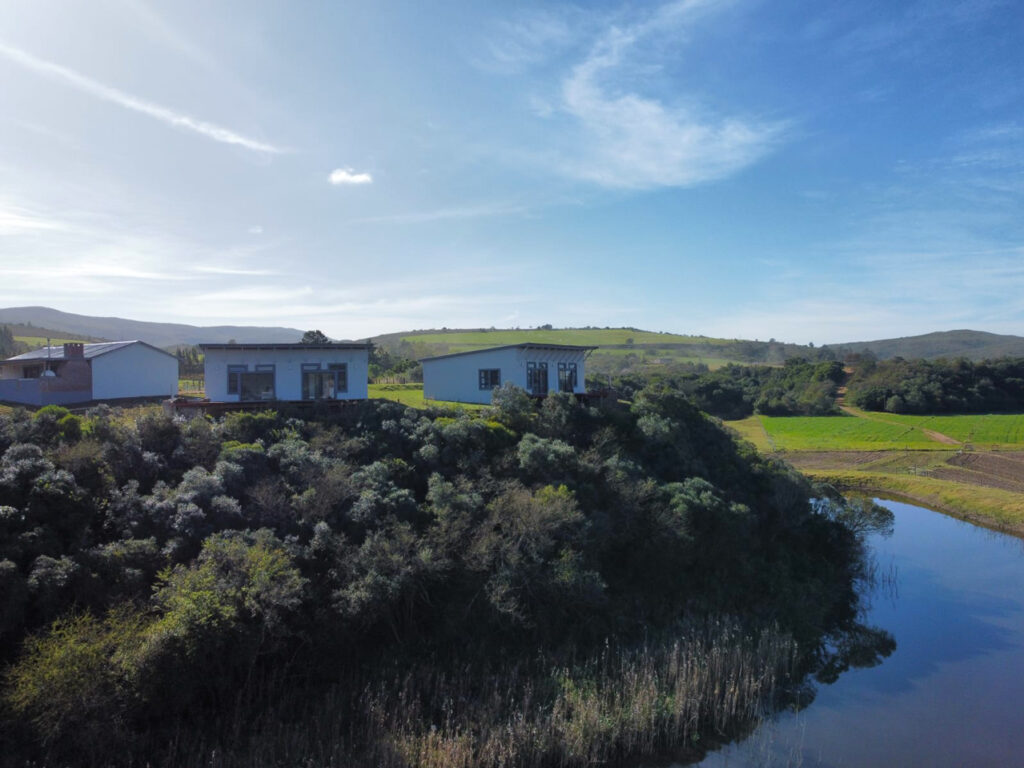
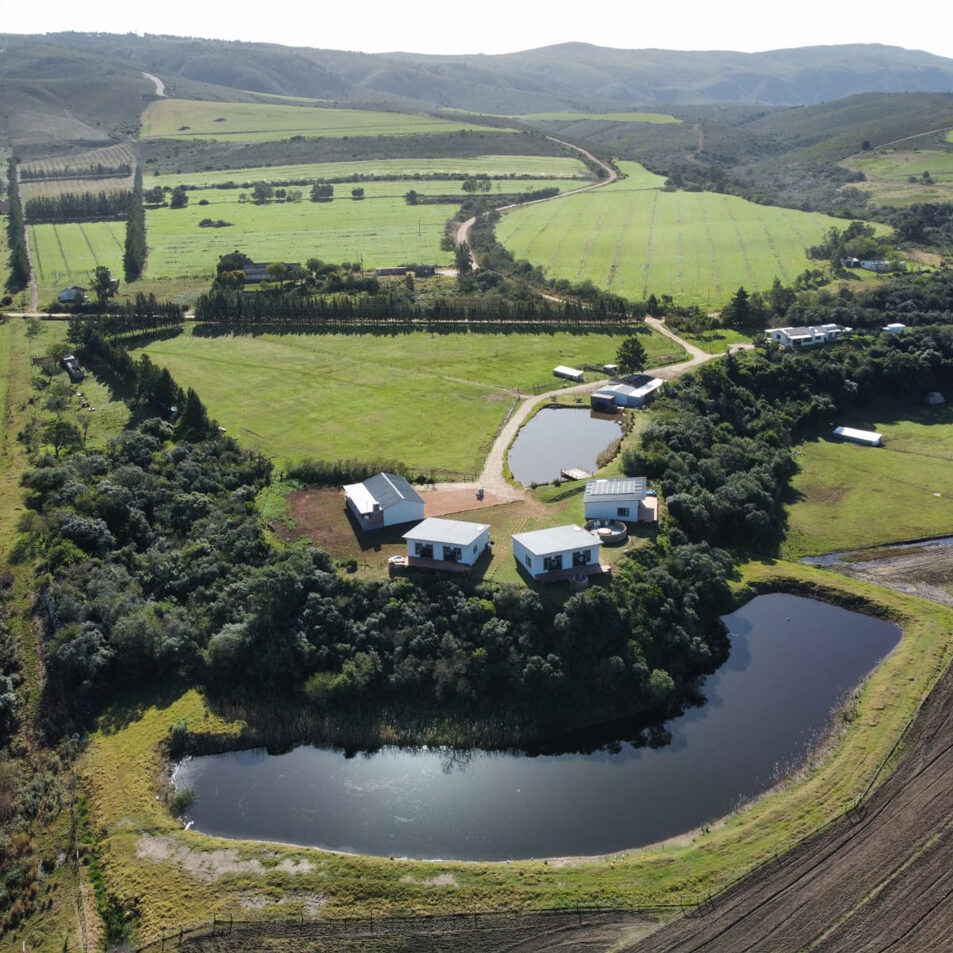
Heidelberg in the Western Cape provides a tranquil base for exploring South Africa's rural landscapes. The area features historical buildings and agricultural fields that reflect its farming heritage. Visitors can enjoy outdoor pursuits and local produce, making for a straightforward holiday experience.
## Accommodation in Heidelberg
Heidelberg draws a modest number of visitors, and its accommodation scene reflects the character of a small agricultural town in the Western Cape interior. At present, formal listing platforms register no properties with confirmed nightly rates, which means direct contact with hosts is often the most reliable way to establish availability and pricing.
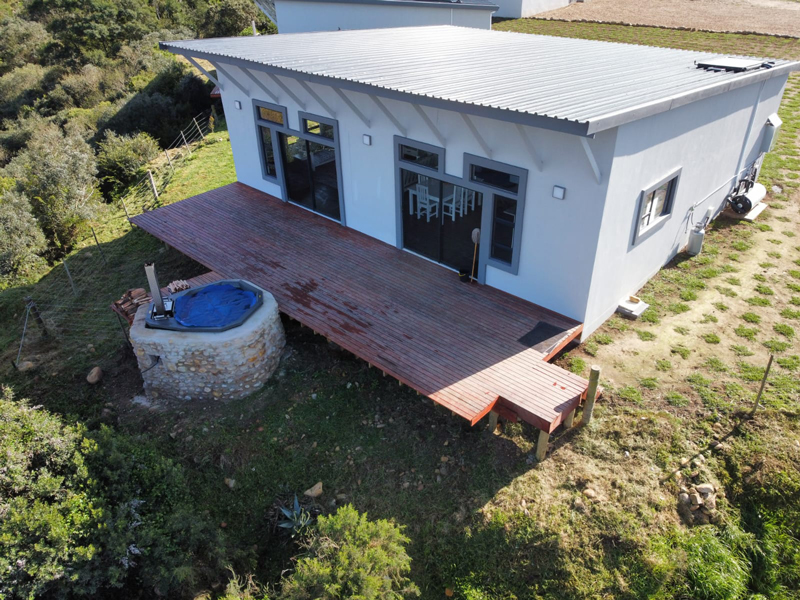
At the budget end, self-catering cottages on working farms offer the most affordable entry point. These are functional rather than resort-like, typically set among vineyards or fruit orchards, with guests often welcome to buy produce directly from the source. The emphasis is on access to space and quiet rather than amenities.
Mid-range options tend toward guesthouses in or near the town itself. These are usually family-run, include breakfast, and provide a more personal experience than any larger chain could offer. Rooms are kept well and suit couples or solo travellers moving through the region on a longer itinerary.
Farm stays represent the upper tier. Some working estates offer guest accommodation that goes beyond a basic cottage, providing private rooms in a farmhouse with meals included and guided walks on the property. These suit visitors planning a stay of several days rather than a single overnight stop.
Demand is not especially high outside school holidays and long weekends, so last-minute bookings are often possible. That said, the overall stock of accommodation in the area is small, and well-regarded farm stays fill up during the winter wine and harvest period. Visitors intending to travel in June or July, when domestic tourism from Cape Town picks up across the Breede River Valley, should book several weeks ahead. For all other periods, booking a week or two in advance is generally sufficient.
## Best Time to Visit Heidelberg
Heidelberg has a Mediterranean climate: hot and dry from December through February, cool and wet from June through August. Both seasons offer valid reasons to visit, depending on your priorities.
Summer suits outdoor activity. Walking the surrounding hills, fishing the nearby rivers, and touring wine estates are all most practical in the longer daylight hours. Temperatures regularly exceed 30°C, so early starts make sense for anything physical. Domestic holiday travel increases over December and January, and the town sees a corresponding rise in passing visitors.
Autumn, from February through April, is harvest season across the Breede River Valley. Estates are at their most active, farm stalls are stocked with fresh fruit, and the landscape has a warmth and colour that photographs well. For those with an interest in agricultural life or wine production, this is the most rewarding time to visit.
Winter brings rain, green hills, and swollen rivers, but also fewer visitors and lower accommodation demand. Some smaller properties reduce their hours or close for a period in July. Spring, September through November, offers mild temperatures and wildflowers across the surrounding fynbos. This shoulder period represents good value and comfortable weather without high-season crowds.
## Getting to Heidelberg
Heidelberg sits approximately 120 kilometres from Cape Town, accessible via the N2 highway through the Overberg. The drive takes around 90 minutes under normal conditions. Travellers coming from the east, from George or Mossel Bay along the Garden Route, can reach the town in roughly two hours by the same route.
Cape Town International Airport is the nearest major airport, connected to Johannesburg, Durban, and other South African cities by frequent domestic services, as well as international routes. From the airport, the drive to Heidelberg takes just over an hour, depending on traffic through the southern suburbs and the Overberg.
Local public transport is limited. Intercity buses and shared minibus taxis link Heidelberg to Swellendam and Cape Town, but services are infrequent and do not extend to outlying farms or smaller surrounding villages. A private vehicle is effectively necessary for anyone wanting to explore the wider region, including the coastal and river destinations within an hour of town. Car hire from Cape Town is the standard approach.
The R323 provides access south from Heidelberg toward Riversdale and the coast. The road is in reasonable condition for standard vehicles year-round, though some routes toward more remote settlements involve gravel sections.
## Heidelberg and Surrounding Areas
Heidelberg works well as a base for several distinct landscapes within an hour's drive, from river estuaries and open coast to historic towns and isolated valleys.
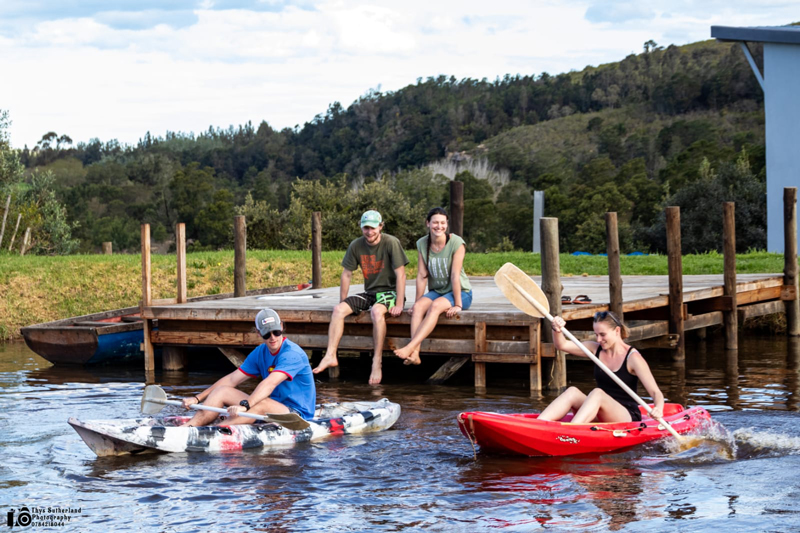
Vermaaklikheid, 25 kilometres to the south, sits on the Duiwenhoks River and is among the more isolated settlements in the Western Cape. The appeal is almost entirely natural: calm river water suited to canoeing and kayaking, surrounding fynbos that supports good birdwatching, and an almost total absence of commercial infrastructure. It is a destination for those who want genuine remoteness rather than organised tourism.
Riversdale, 28 kilometres away, is a larger agricultural service town on the edge of the Langeberg Mountains. It provides practical access to shops and fuel, and the Langeberg foothills offer hiking trails for those willing to explore beyond the town. A regional agricultural show in late summer draws visitors from across the district and gives a clear sense of the area's farming identity.
Witsand, 35 kilometres south, is a coastal resort village at the mouth of the Breede River. Southern right whales use the estuary as a calving ground between July and November, making this one of the more accessible whale-watching locations on the Western Cape coast without requiring a boat trip. Year-round fishing for grunter and steenbras keeps it active even outside whale season.
Malgas, also spelled Malagas, lies 42 kilometres from Heidelberg and refers to the same small settlement on the Breede River. A hand-operated pont, one of the last working vehicle ferries of its kind in South Africa, crosses the river here. The surrounding floodplain and the slow pace of the crossing give Malgas a character that has changed very little over generations.
Swellendam, 48 kilometres away, is the most historically substantial town in the area. Its Drostdy Museum occupies an 18th-century magistrate's court and adjoining outbuildings, offering solid context for the Cape's colonial history. Bontebok National Park on the southern edge of town protects one of the rarest antelope species in the world, with game viewing that requires no special equipment or long drives.
## Planning Your Stay
Because accommodation in Heidelberg is limited in number, researching options early pays off more than in larger towns. Many smaller properties manage their own bookings independently, so direct contact by phone or email often reveals availability not reflected on booking platforms, and may produce more flexible arrangements than online rates suggest.
Before confirming, check whether the property is self-catering or includes meals. Grocery shopping options in a small town are limited, and knowing what to bring, or whether meals are provided, affects how much to pack. Visitors planning to reach Vermaaklikheid, Malgas, or other remote spots should confirm road conditions in advance, particularly after heavy winter rain when gravel routes can become difficult for low-clearance vehicles.
South African school holidays, particularly the summer break from mid-December to mid-January and the winter break in late June and July, generate noticeably higher demand across the Western Cape. Booking four to six weeks ahead during these windows is advisable. At other times of year, same-week availability is common, though the smallest properties may have only one or two rooms. Mobile coverage is reliable in town but can drop off on farm roads and in river valleys, so downloading offline maps before leaving is a straightforward precaution.

Heidelberg draws a modest number of visitors, and its accommodation scene reflects the character of a small agricultural town in the Western Cape interior. At present, formal listing platforms register no properties with confirmed nightly rates, which means direct contact with hosts is often the most reliable way to establish availability and pricing.
At the budget end, self-catering cottages on working farms offer the most affordable entry point. These are functional rather than resort-like, typically set among vineyards or fruit orchards, with guests often welcome to buy produce directly from the source. The emphasis is on access to space and quiet rather than amenities.
Mid-range options tend toward guesthouses in or near the town itself. These are usually family-run, include breakfast, and provide a more personal experience than any larger chain could offer. Rooms are kept well and suit couples or solo travellers moving through the region on a longer itinerary.
Farm stays represent the upper tier. Some working estates offer guest accommodation that goes beyond a basic cottage, providing private rooms in a farmhouse with meals included and guided walks on the property. These suit visitors planning a stay of several days rather than a single overnight stop.
Demand is not especially high outside school holidays and long weekends, so last-minute bookings are often possible. That said, the overall stock of accommodation in the area is small, and well-regarded farm stays fill up during the winter wine and harvest period. Visitors intending to travel in June or July, when domestic tourism from Cape Town picks up across the Breede River Valley, should book several weeks ahead. For all other periods, booking a week or two in advance is generally sufficient.
## Best Time to Visit Heidelberg
Heidelberg has a Mediterranean climate: hot and dry from December through February, cool and wet from June through August. Both seasons offer valid reasons to visit, depending on your priorities.
Summer suits outdoor activity. Walking the surrounding hills, fishing the nearby rivers, and touring wine estates are all most practical in the longer daylight hours. Temperatures regularly exceed 30°C, so early starts make sense for anything physical. Domestic holiday travel increases over December and January, and the town sees a corresponding rise in passing visitors.
Autumn, from February through April, is harvest season across the Breede River Valley. Estates are at their most active, farm stalls are stocked with fresh fruit, and the landscape has a warmth and colour that photographs well. For those with an interest in agricultural life or wine production, this is the most rewarding time to visit.
Winter brings rain, green hills, and swollen rivers, but also fewer visitors and lower accommodation demand. Some smaller properties reduce their hours or close for a period in July. Spring, September through November, offers mild temperatures and wildflowers across the surrounding fynbos. This shoulder period represents good value and comfortable weather without high-season crowds.
## Getting to Heidelberg
Heidelberg sits approximately 120 kilometres from Cape Town, accessible via the N2 highway through the Overberg. The drive takes around 90 minutes under normal conditions. Travellers coming from the east, from George or Mossel Bay along the Garden Route, can reach the town in roughly two hours by the same route.
Cape Town International Airport is the nearest major airport, connected to Johannesburg, Durban, and other South African cities by frequent domestic services, as well as international routes. From the airport, the drive to Heidelberg takes just over an hour, depending on traffic through the southern suburbs and the Overberg.
Local public transport is limited. Intercity buses and shared minibus taxis link Heidelberg to Swellendam and Cape Town, but services are infrequent and do not extend to outlying farms or smaller surrounding villages. A private vehicle is effectively necessary for anyone wanting to explore the wider region, including the coastal and river destinations within an hour of town. Car hire from Cape Town is the standard approach.
The R323 provides access south from Heidelberg toward Riversdale and the coast. The road is in reasonable condition for standard vehicles year-round, though some routes toward more remote settlements involve gravel sections.
## Heidelberg and Surrounding Areas
Heidelberg works well as a base for several distinct landscapes within an hour's drive, from river estuaries and open coast to historic towns and isolated valleys.
Vermaaklikheid, 25 kilometres to the south, sits on the Duiwenhoks River and is among the more isolated settlements in the Western Cape. The appeal is almost entirely natural: calm river water suited to canoeing and kayaking, surrounding fynbos that supports good birdwatching, and an almost total absence of commercial infrastructure. It is a destination for those who want genuine remoteness rather than organised tourism.
Riversdale, 28 kilometres away, is a larger agricultural service town on the edge of the Langeberg Mountains. It provides practical access to shops and fuel, and the Langeberg foothills offer hiking trails for those willing to explore beyond the town. A regional agricultural show in late summer draws visitors from across the district and gives a clear sense of the area's farming identity.
Witsand, 35 kilometres south, is a coastal resort village at the mouth of the Breede River. Southern right whales use the estuary as a calving ground between July and November, making this one of the more accessible whale-watching locations on the Western Cape coast without requiring a boat trip. Year-round fishing for grunter and steenbras keeps it active even outside whale season.
Malgas, also spelled Malagas, lies 42 kilometres from Heidelberg and refers to the same small settlement on the Breede River. A hand-operated pont, one of the last working vehicle ferries of its kind in South Africa, crosses the river here. The surrounding floodplain and the slow pace of the crossing give Malgas a character that has changed very little over generations.
Swellendam, 48 kilometres away, is the most historically substantial town in the area. Its Drostdy Museum occupies an 18th-century magistrate's court and adjoining outbuildings, offering solid context for the Cape's colonial history. Bontebok National Park on the southern edge of town protects one of the rarest antelope species in the world, with game viewing that requires no special equipment or long drives.
## Planning Your Stay
Because accommodation in Heidelberg is limited in number, researching options early pays off more than in larger towns. Many smaller properties manage their own bookings independently, so direct contact by phone or email often reveals availability not reflected on booking platforms, and may produce more flexible arrangements than online rates suggest.
Before confirming, check whether the property is self-catering or includes meals. Grocery shopping options in a small town are limited, and knowing what to bring, or whether meals are provided, affects how much to pack. Visitors planning to reach Vermaaklikheid, Malgas, or other remote spots should confirm road conditions in advance, particularly after heavy winter rain when gravel routes can become difficult for low-clearance vehicles.
South African school holidays, particularly the summer break from mid-December to mid-January and the winter break in late June and July, generate noticeably higher demand across the Western Cape. Booking four to six weeks ahead during these windows is advisable. At other times of year, same-week availability is common, though the smallest properties may have only one or two rooms. Mobile coverage is reliable in town but can drop off on farm roads and in river valleys, so downloading offline maps before leaving is a straightforward precaution.
Heidelberg Kaart
Nabygeleë Bestemmings
Blaai Deur Alle Heidelberg Akkommodasie
Bekyk al 0 akkommodasie-opsies in Heidelberg met foto's, pryse en beskikbaarheid.
Blaai Deur Alle Akkommodasie