Accommodation in Kuruman
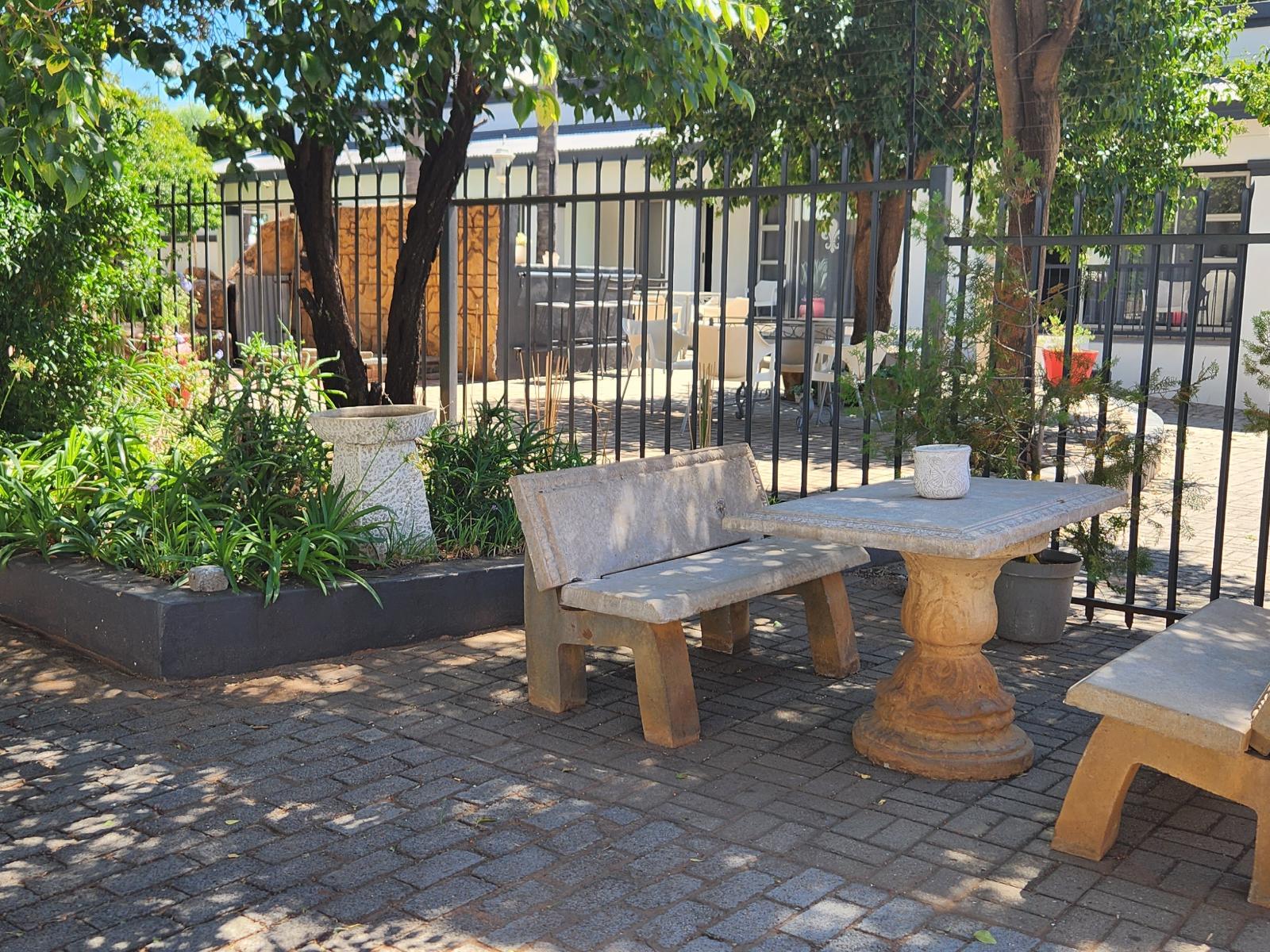
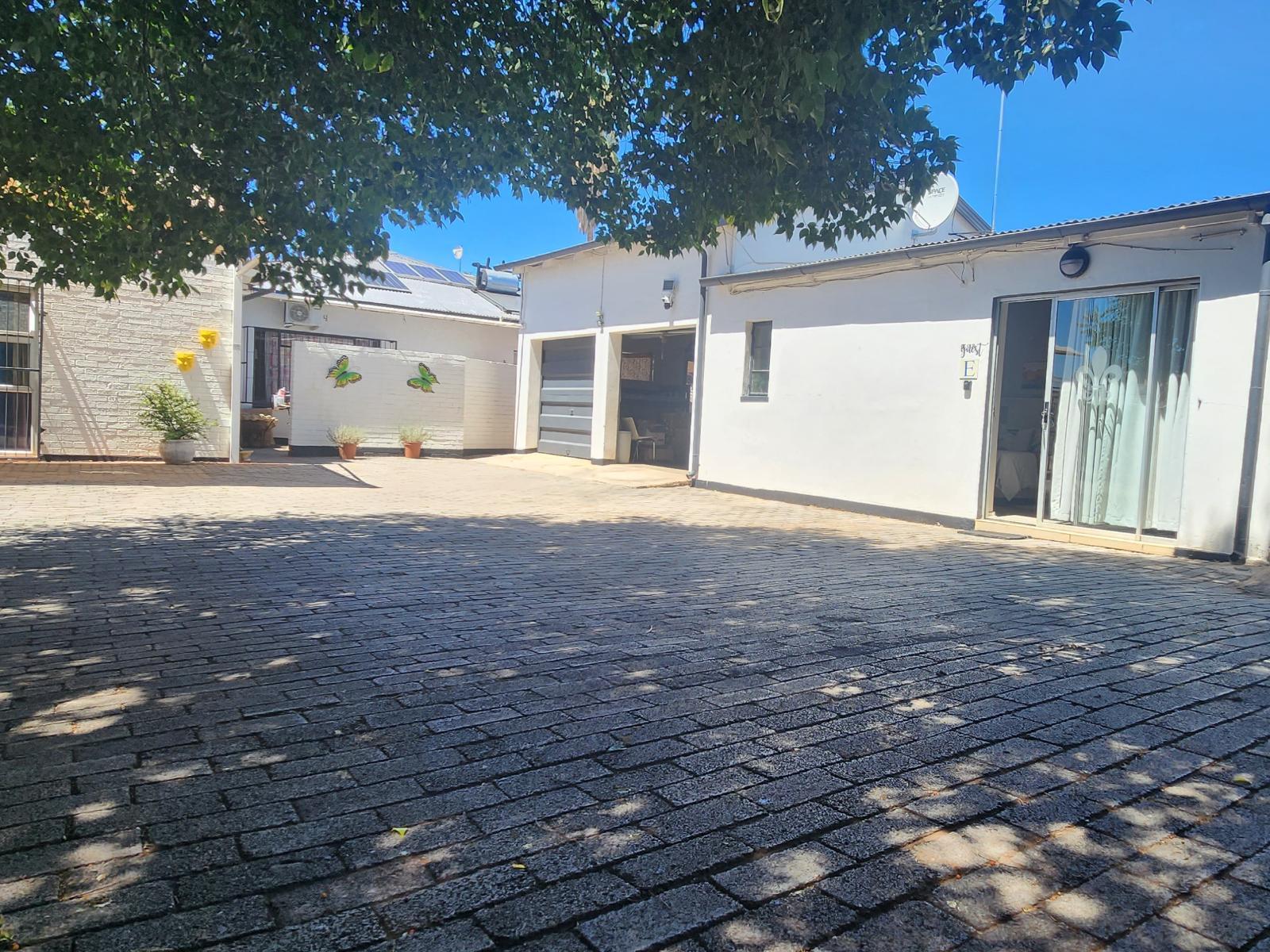
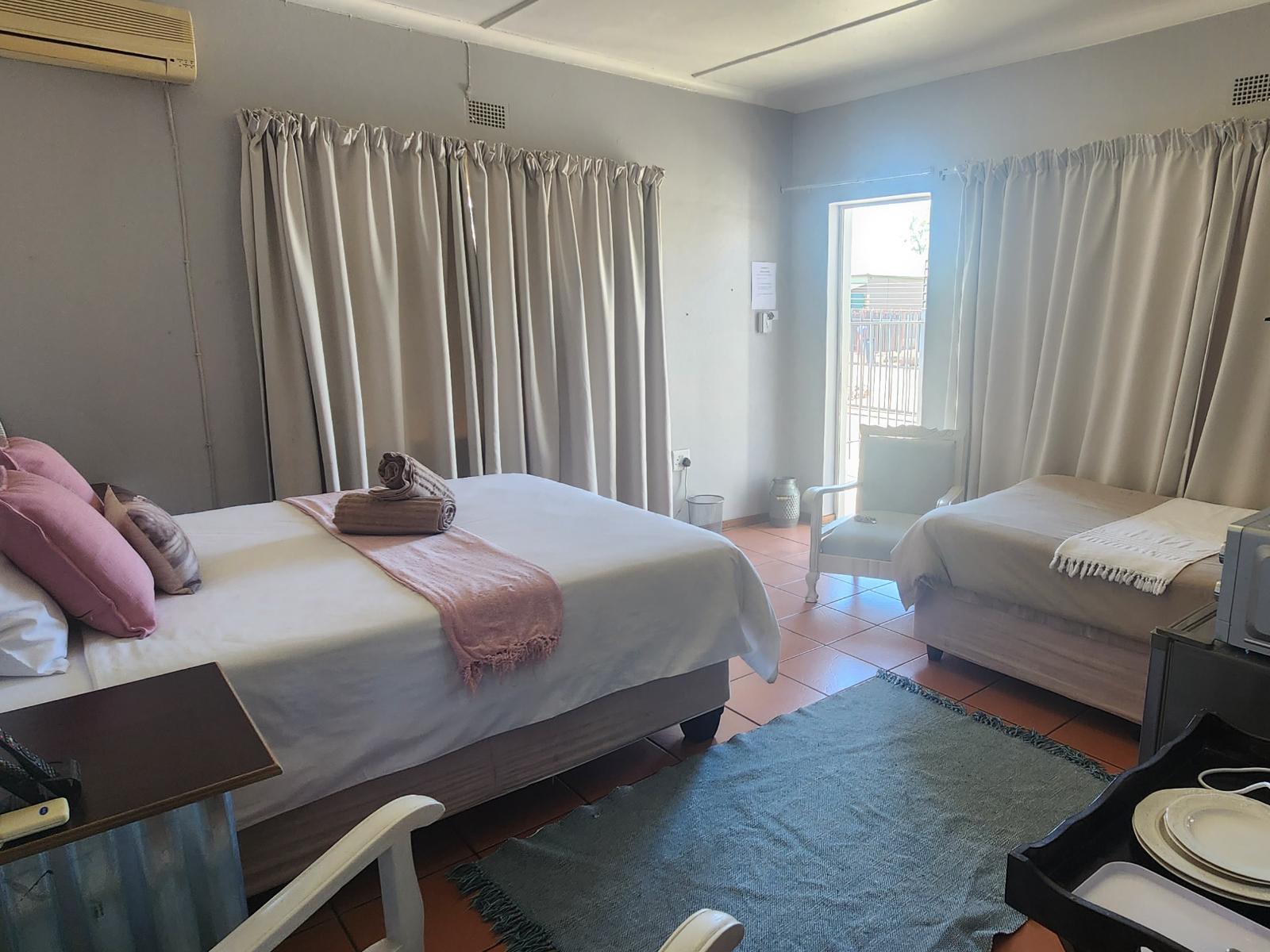
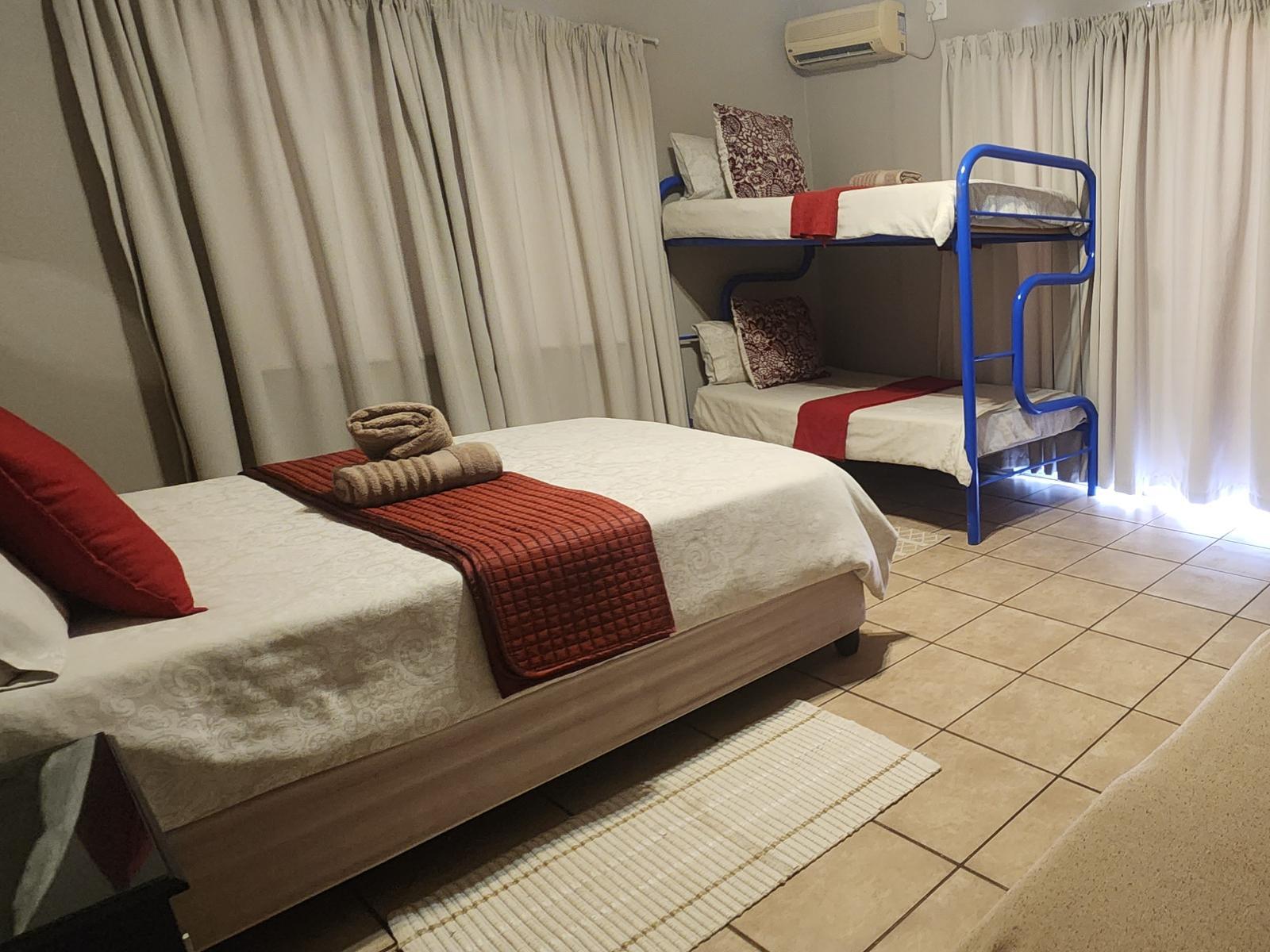
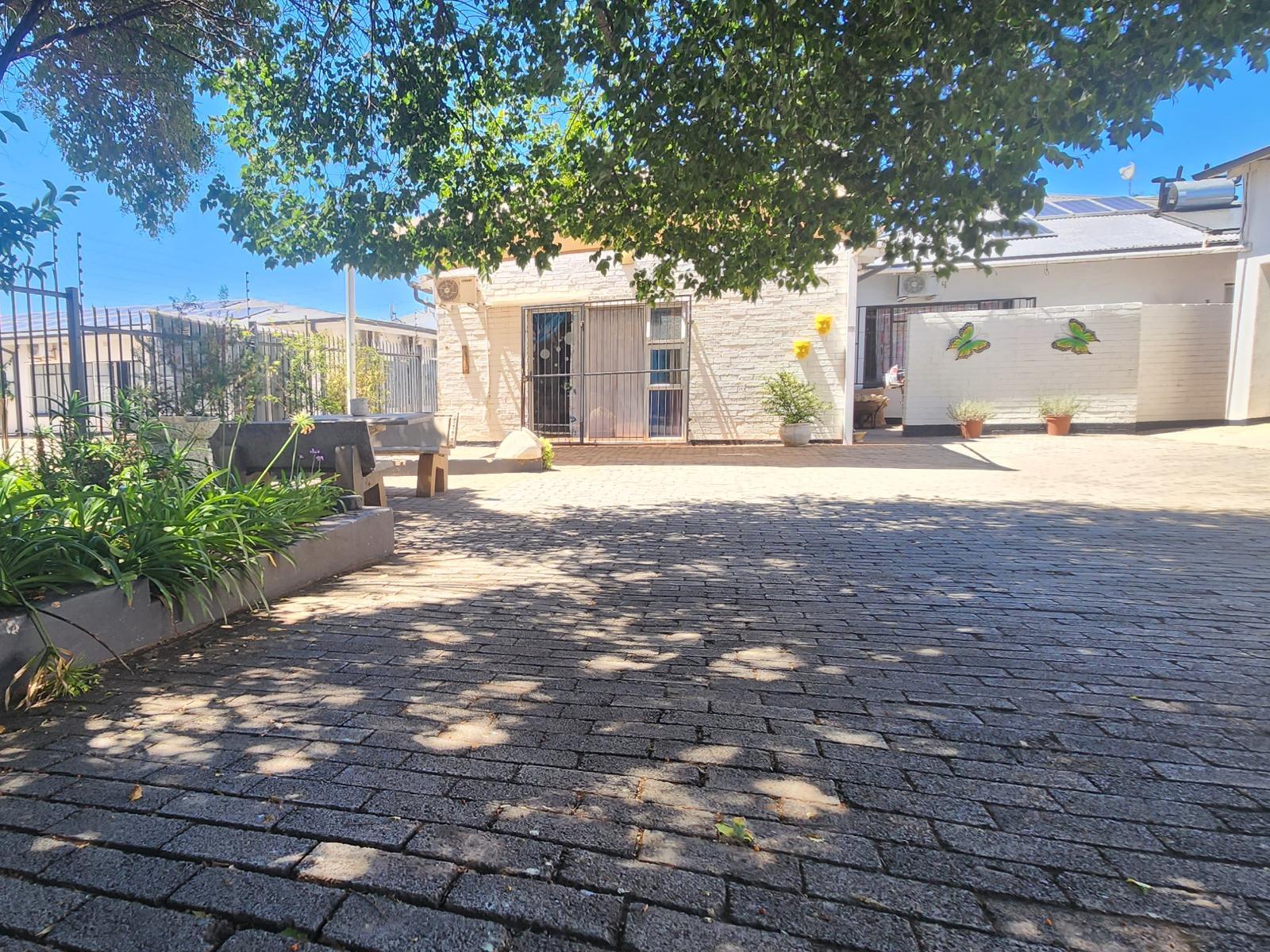
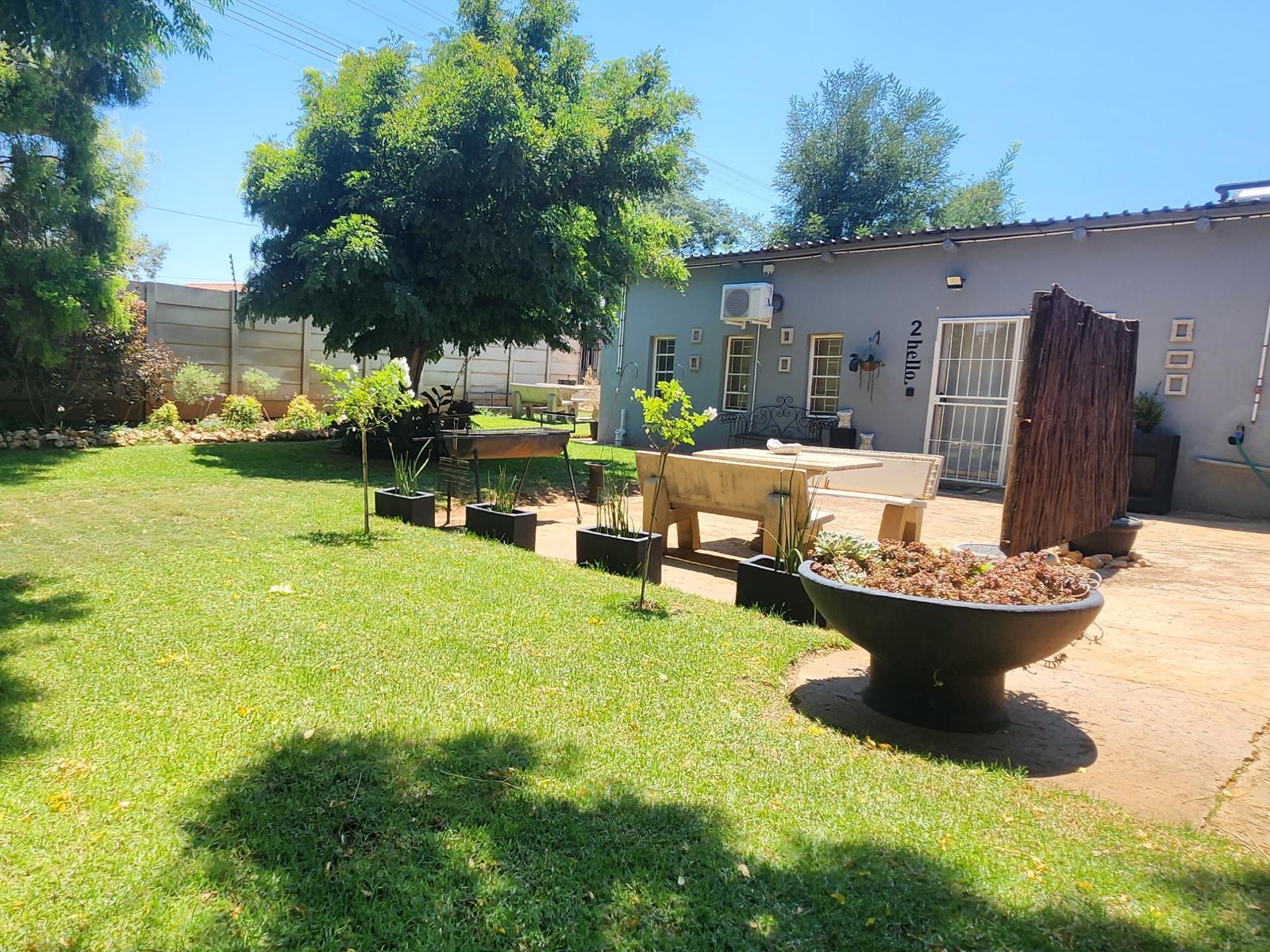
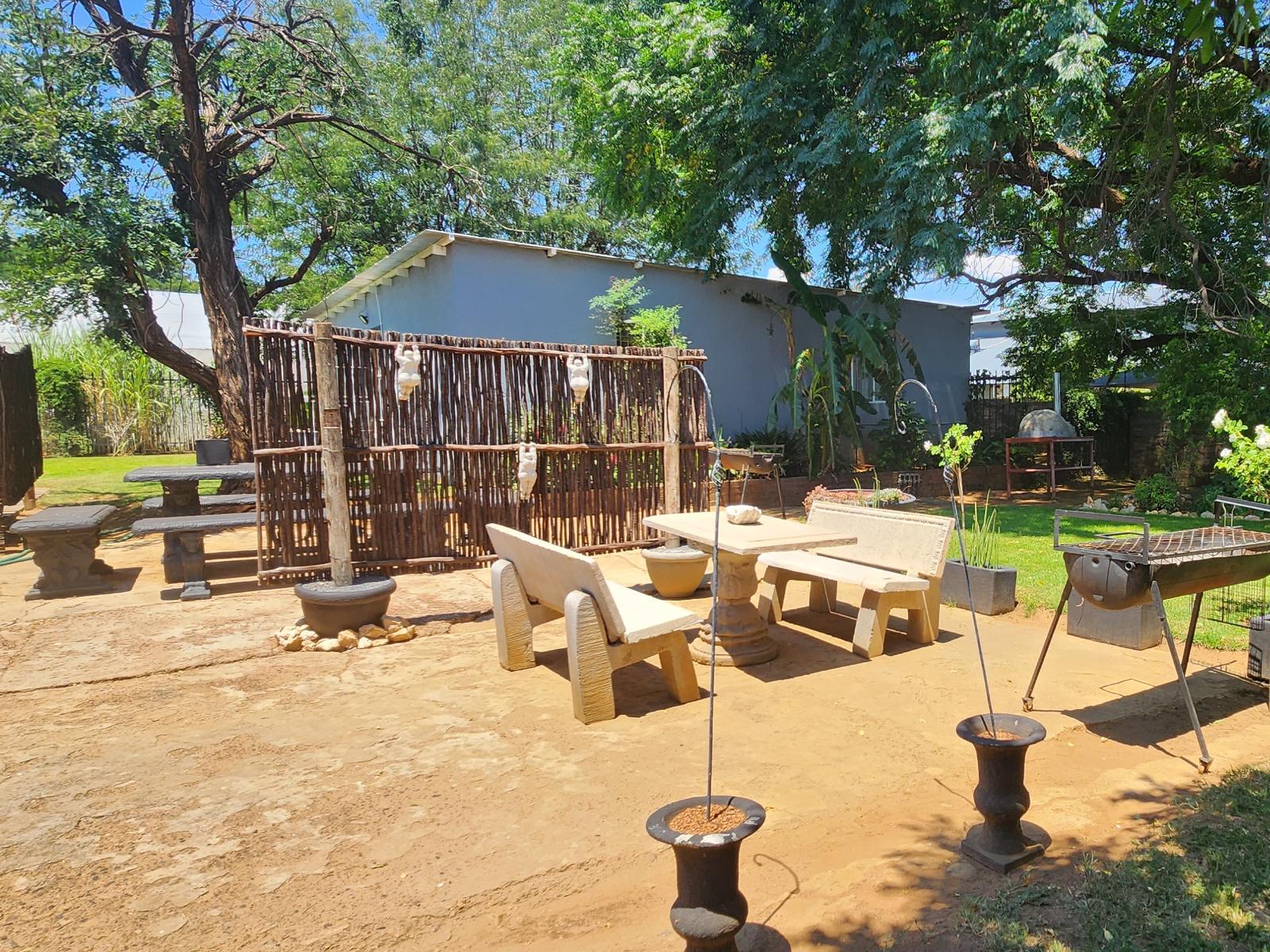
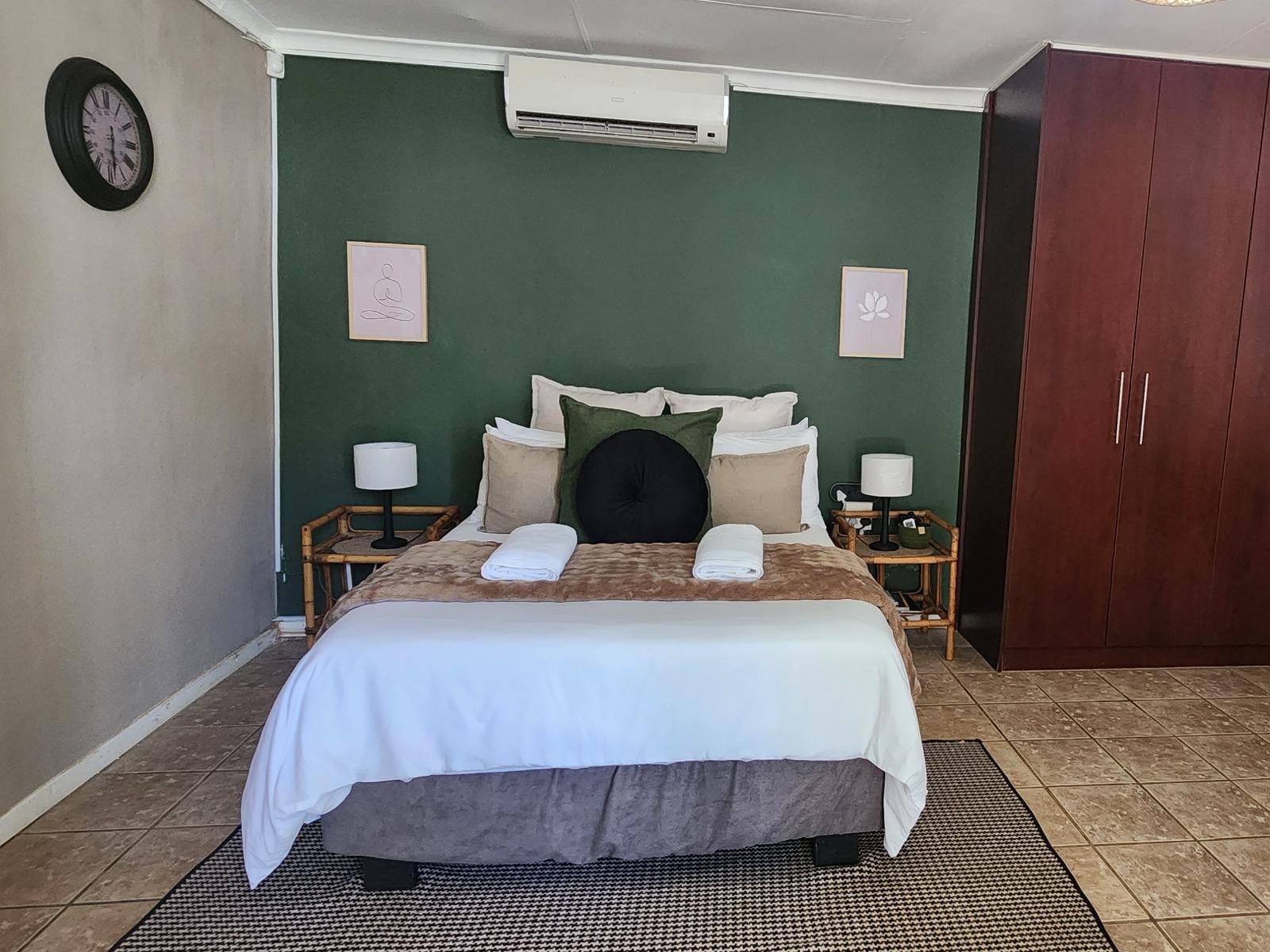
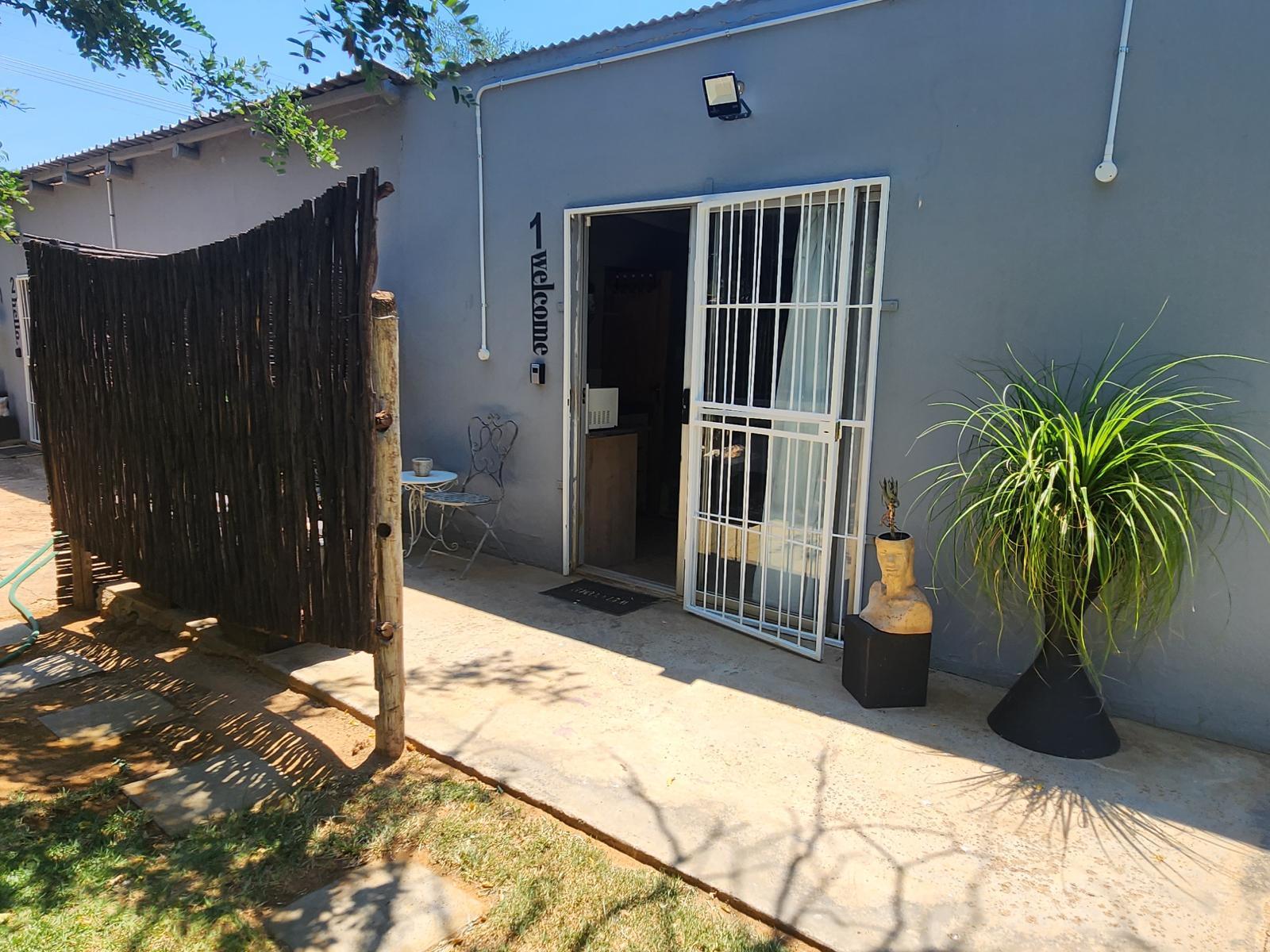
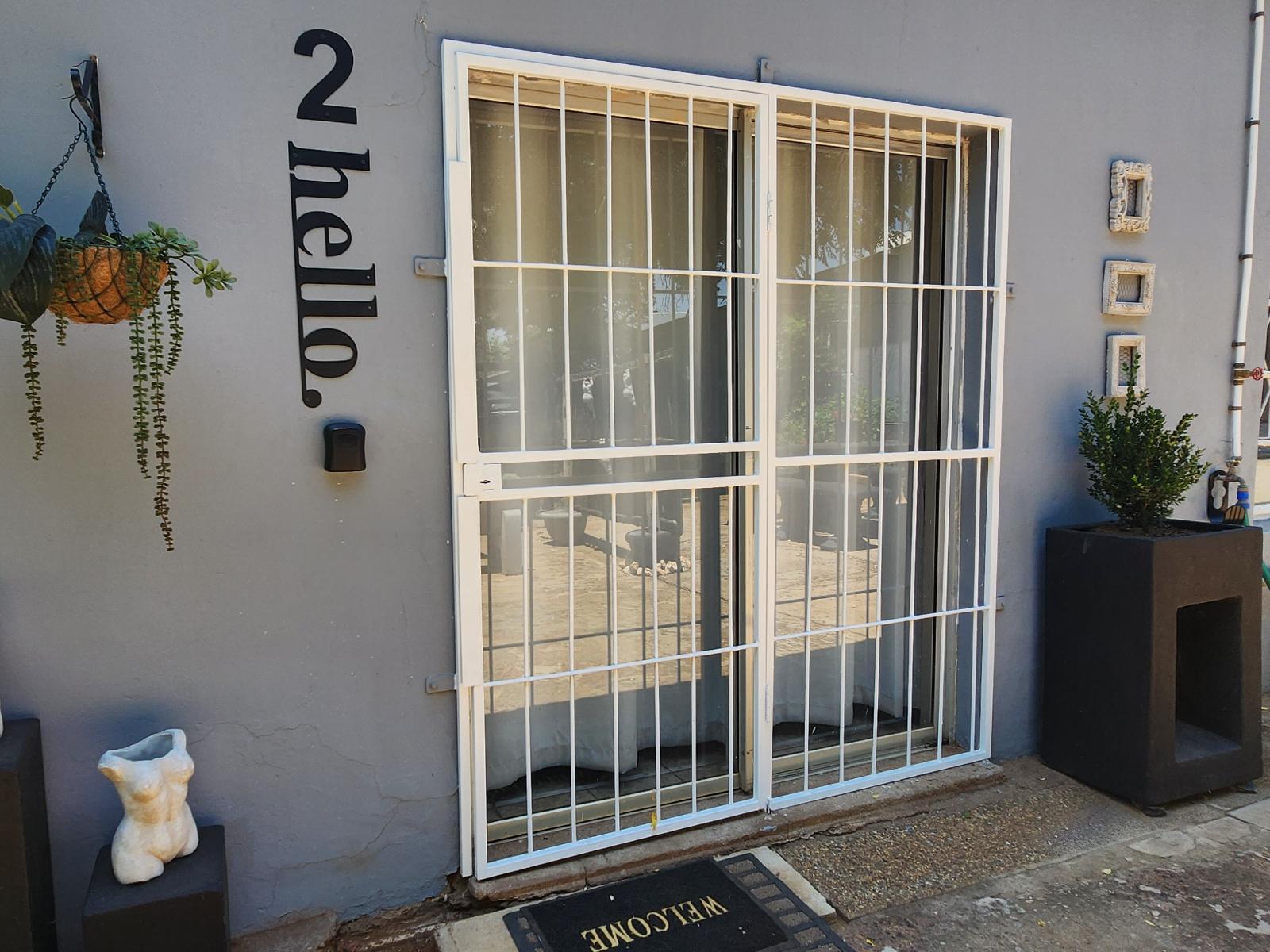
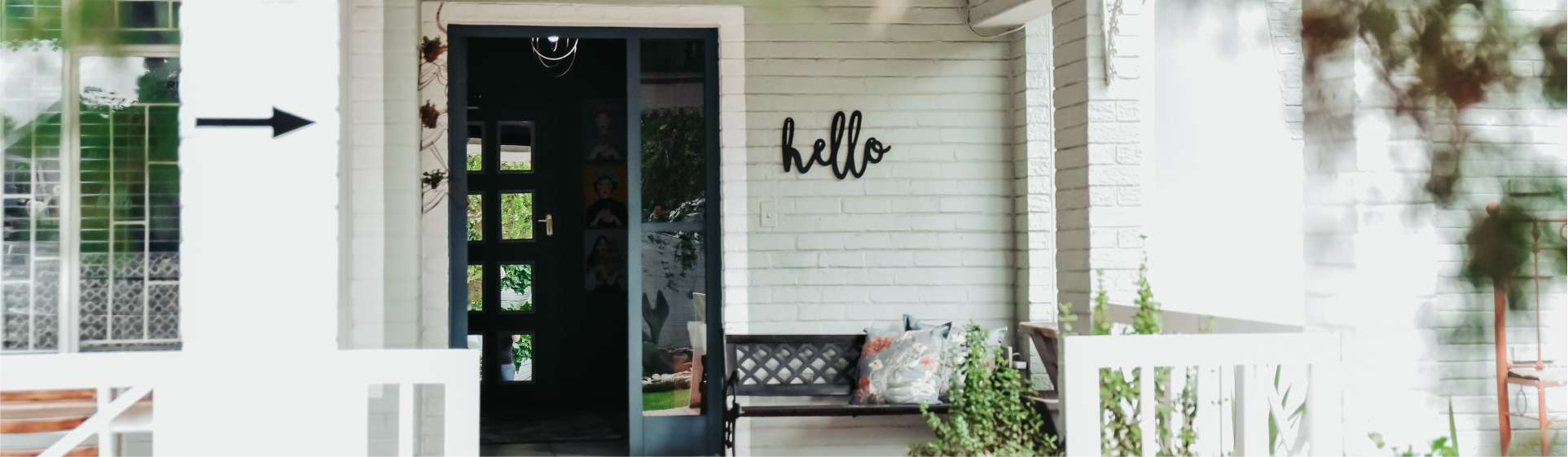
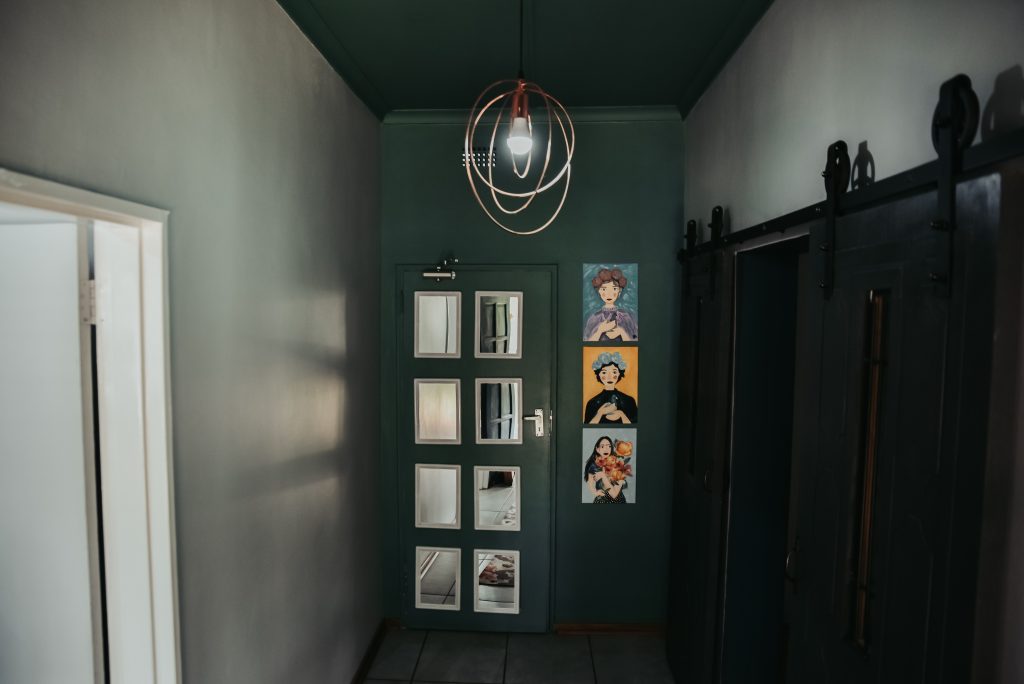
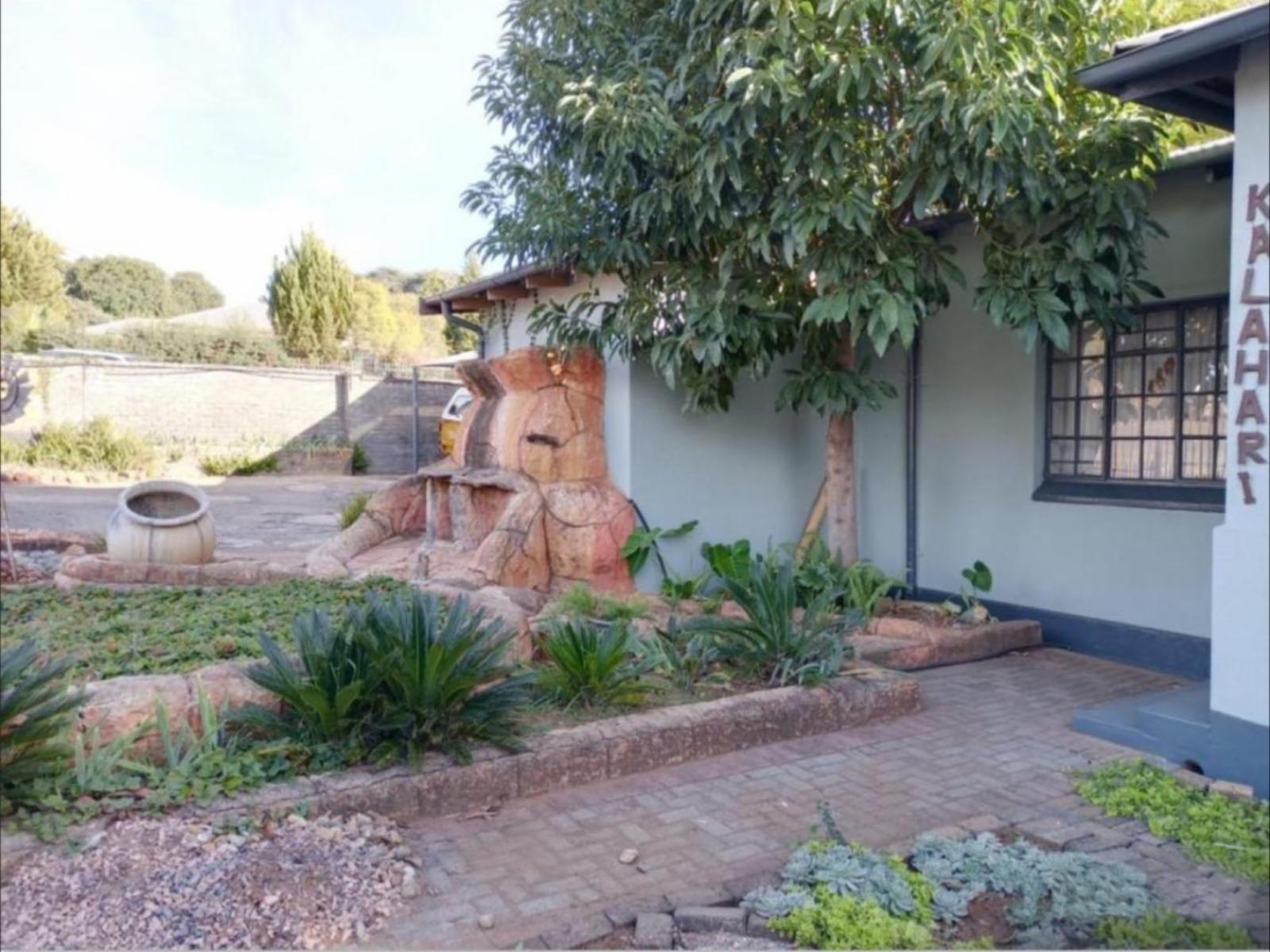
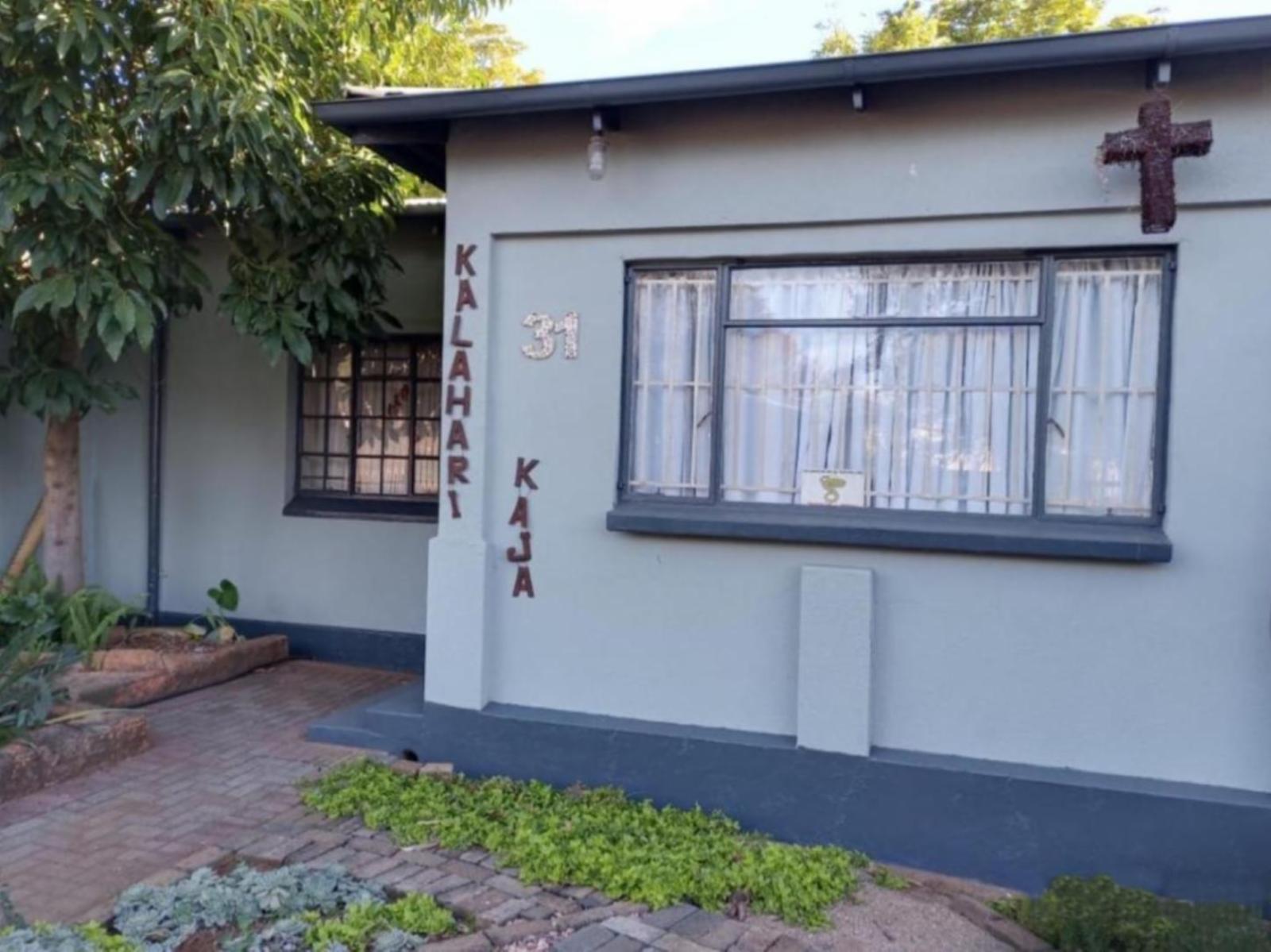
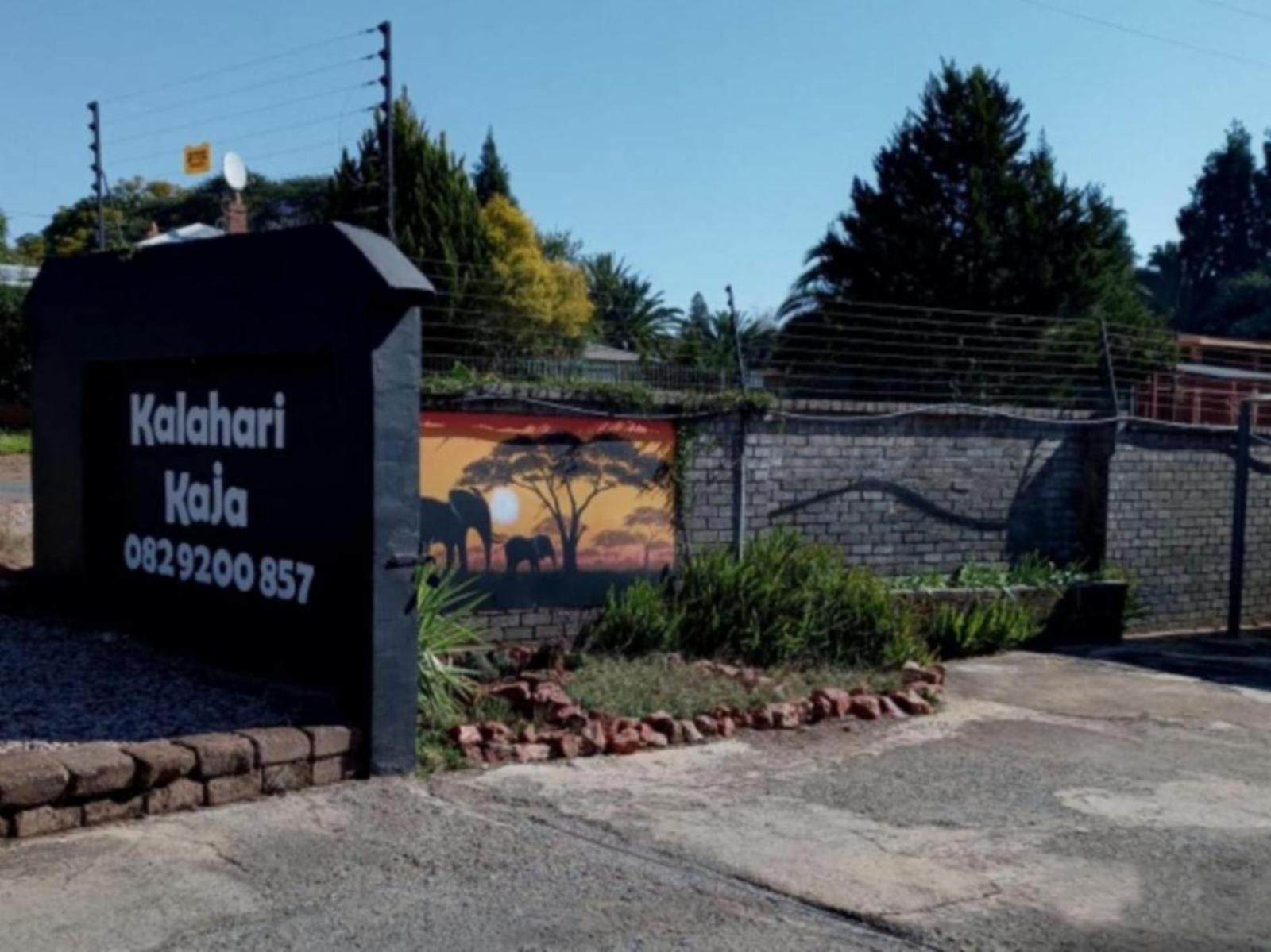
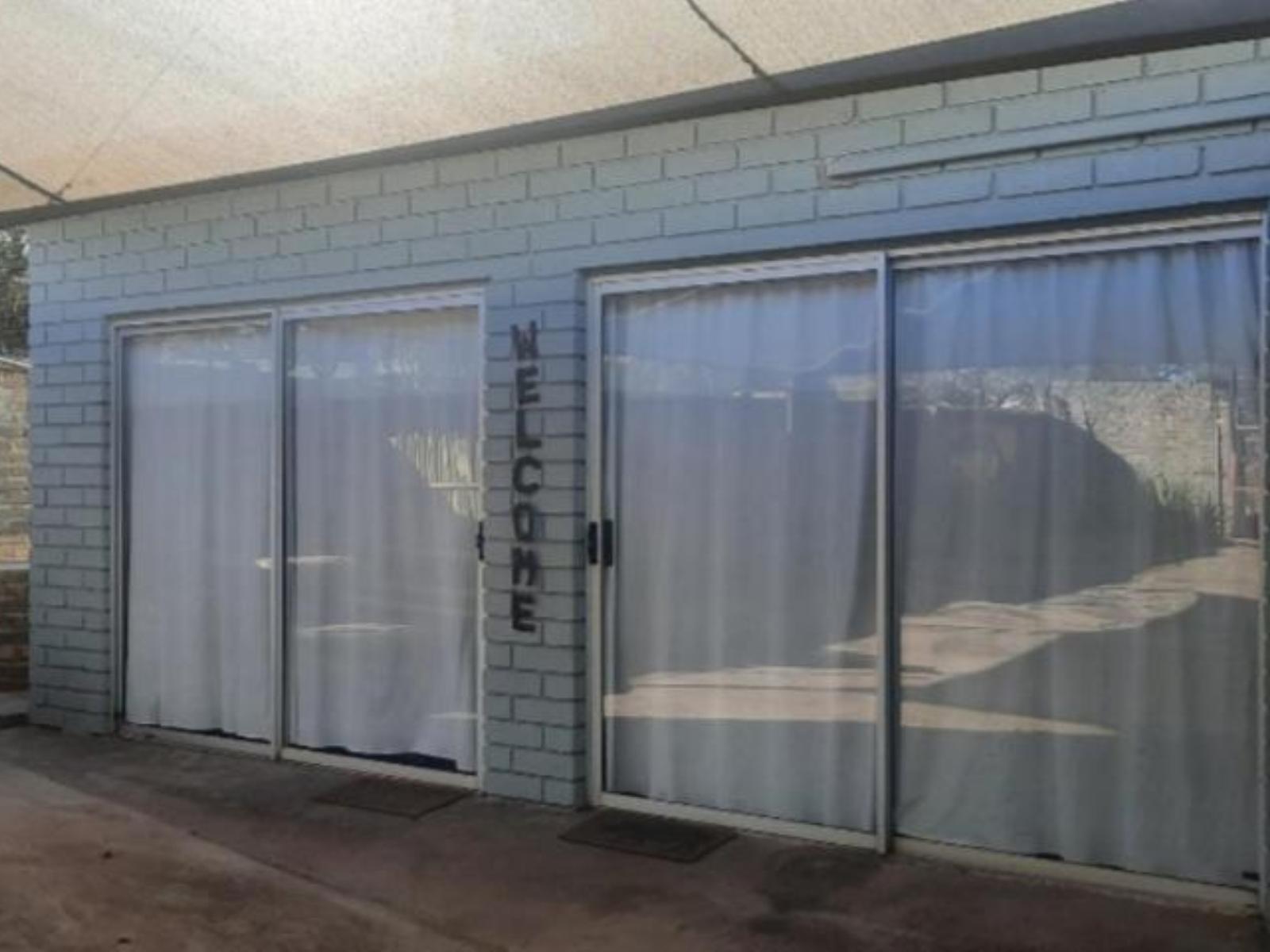
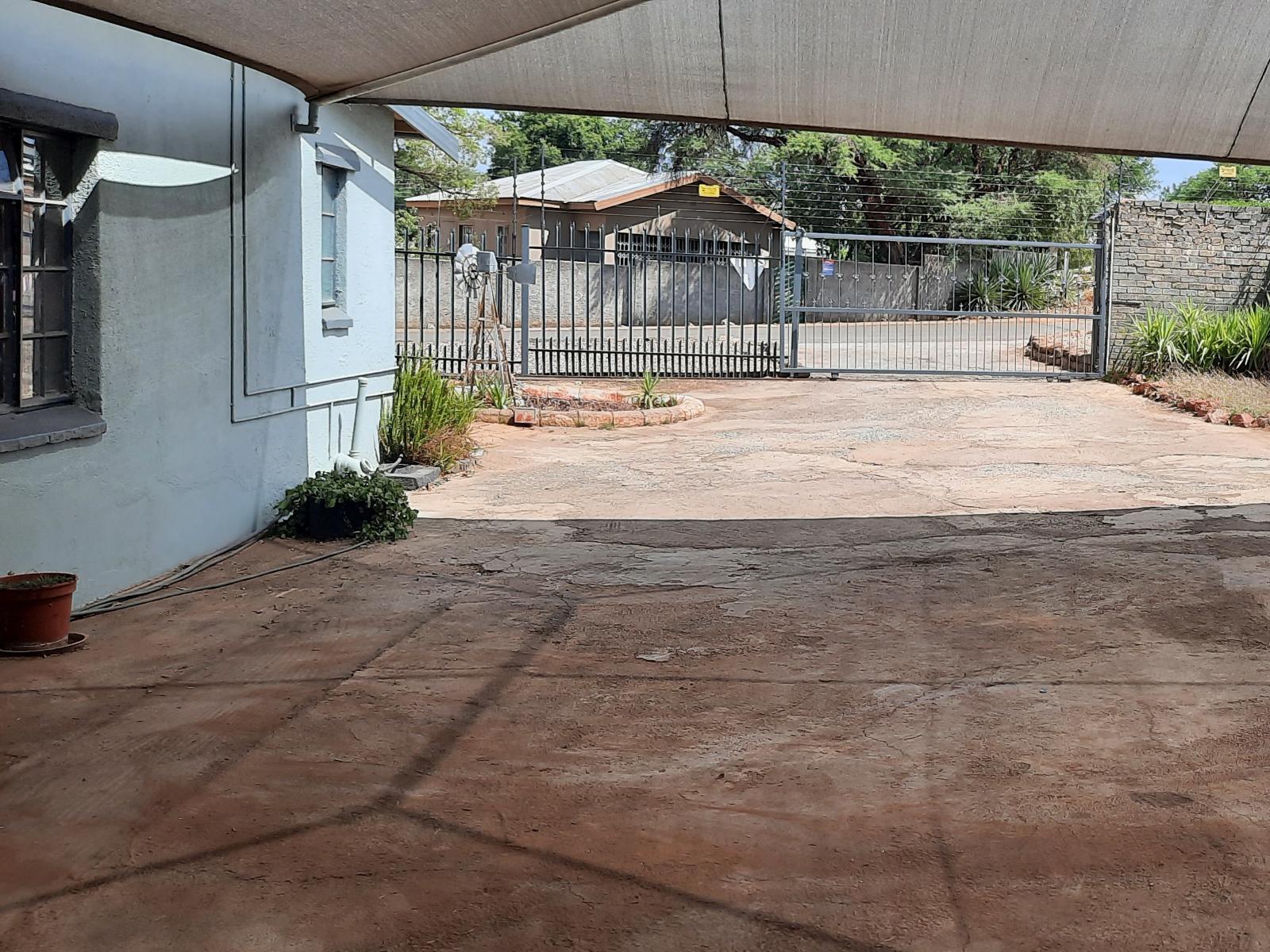
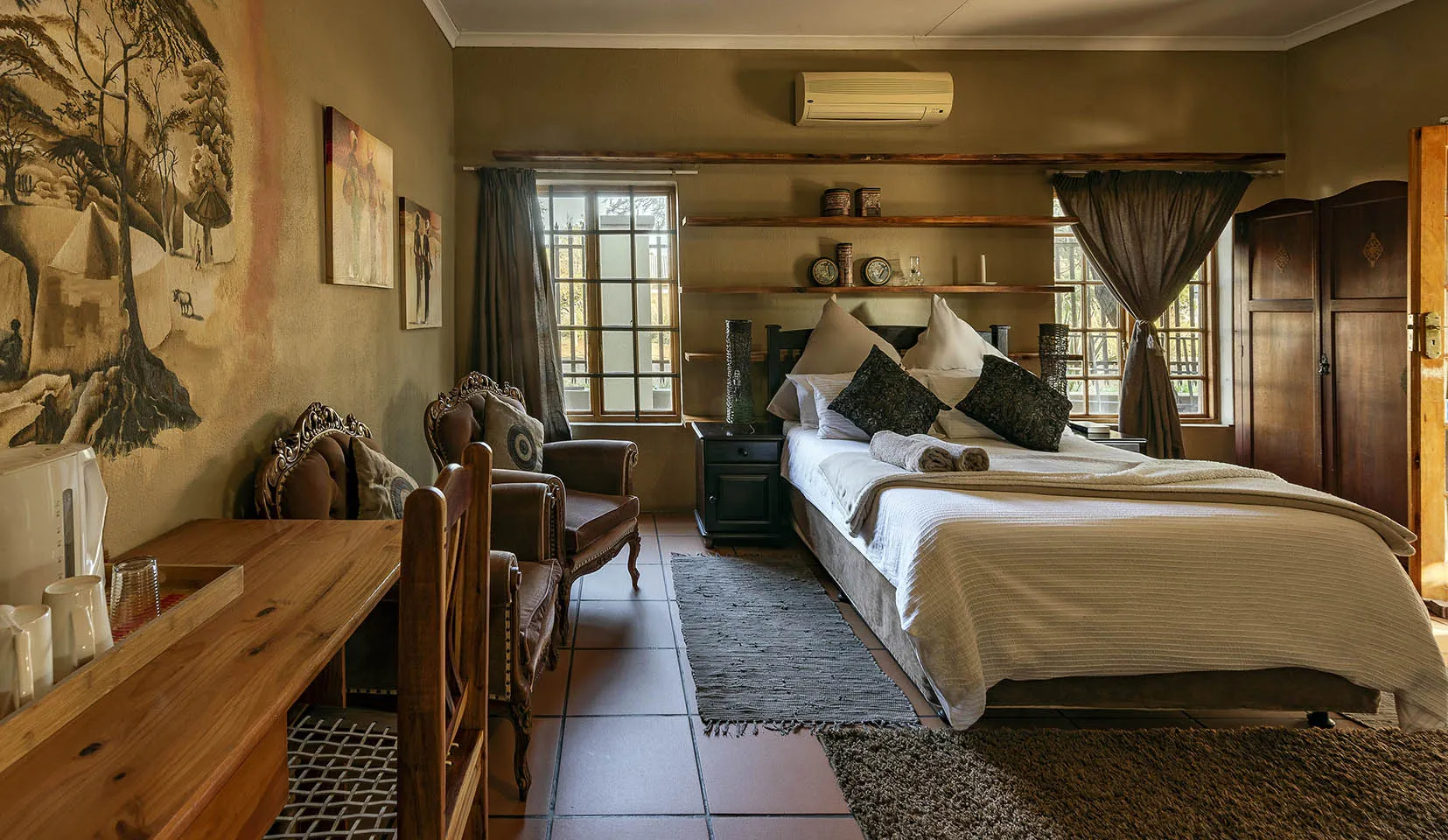
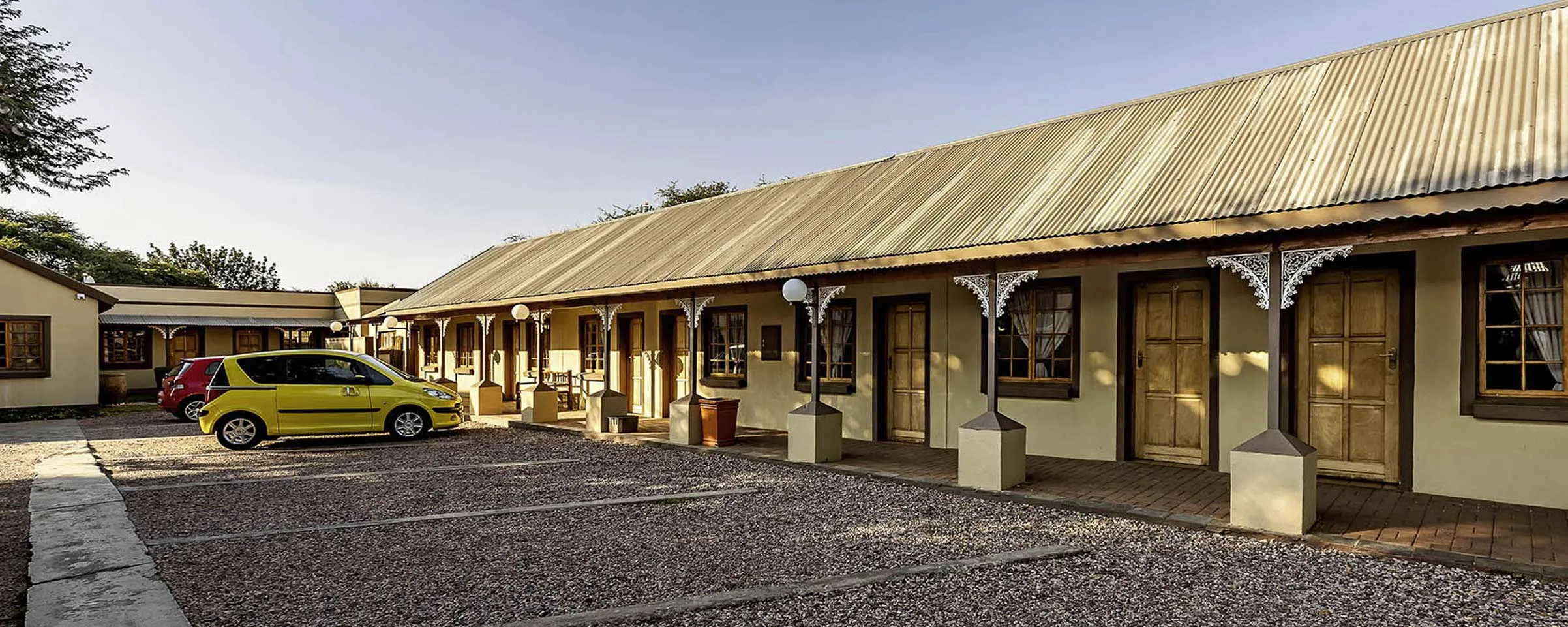
Kuruman's accommodation offering is compact, shaped by the town's size and its position deep in the Northern Cape. One property is listed in the town, priced at R1,060 per night, sitting comfortably within mid-range territory for regional South African travel.
The hotel available here is designed for travelers using Kuruman as a base rather than a destination in itself. Functional en-suite rooms, secure on-site parking, and some form of dining facilities are the expected baseline. This kind of setup suits people whose days are spent outdoors: it covers what matters without adding unnecessary complexity. Hotels in remote regional towns cater to a practical mix of guests, including tourists drawn by the Kalahari landscape and the town's 19th-century missionary history, business visitors connected to local mining and agricultural operations, and South African families on longer road trip itineraries.
The Eye of Kuruman, a large natural freshwater spring that supports striking plant and bird life in an otherwise arid setting, sits within easy reach of the town center. Proximity to this natural feature, and to the broader history associated with it, is a genuine advantage of staying in town rather than at a more isolated property in the surrounding district.
For those who prefer a rural atmosphere or need more than a standard hotel room, private-farm self-catering options exist in the wider district. These generally sit outside the main booking platforms and require direct inquiry, making them more suitable for visitors who have done prior research. For most travelers, the single town listing is the practical choice. Check what is included in the rate, confirm whether on-site dining is available for evenings, and book well ahead during the winter months when demand from inland South African provinces is at its highest. Outside peak season, availability is generally less constrained, though last-minute bookings carry more risk when a town has only one listed property.
Best Time to Visit Kuruman
The most comfortable visiting period runs from May through August. Daytime temperatures in these months typically sit between 18 and 25°C, nights cool sharply, sometimes below 5°C, and rainfall is negligible. Sparse winter vegetation makes wildlife more visible across the Kuruman Hills and the open Kalahari terrain, and dry conditions keep gravel roads stable throughout.
Summer, from November into February, brings heat that regularly pushes past 38°C. Outdoor activity becomes impractical during midday hours, and afternoon thunderstorms in January and February can temporarily make gravel roads impassable. Anyone planning extended outdoor exploration should avoid this period unless early morning starts are built into every day.
June and July, while cold at night, are the busiest months for visitors. They coincide with South African school holidays and combine the most comfortable outdoor conditions with the highest demand on accommodation. Booking ahead is particularly important for this window.
March, April, September, and October offer a practical middle ground. Heat eases, visitor numbers drop, and spring (September to October) can bring scattered wildflowers to the red Kalahari sand, adding some variation to an otherwise muted landscape palette. Most of Kuruman's appeal is tied to outdoor settings and long drives between sites, so the cooler months remain the most practical choice for visitors prioritizing both comfort and road accessibility.
Getting to Kuruman
The most practical way to reach Kuruman is by car. From Johannesburg, the drive covers roughly 700 kilometers via the N14 highway through Vryburg, taking around seven hours with stops. From Kimberley, the distance is approximately 300 kilometers on the N18 and R31, a journey of about three hours.
The nearest commercial airport is Upington, roughly 250 kilometers to the west, with regular connections from Johannesburg. Car hire is available at Upington on arrival and provides the most flexible way to complete the journey east. Kimberley Airport, smaller and with fewer services, offers an alternative entry point for travelers approaching from the south.
Intercity bus services pass through Kuruman on the Johannesburg to Upington corridor, but schedules are limited and frequency is low. There is no passenger rail service. For visiting the Moffat Mission station, located a few kilometers outside the town center, and for covering the wider district properly, independent transport is not optional.
Fuel, ATMs, and basic provisions are reliably available within the town center. Kuruman sits on a route used by travelers heading northwest toward the Kalahari Gemsbok National Park, making it a logical resupply stop for visitors with broader Northern Cape itineraries.
Kuruman and Surrounding Areas
The settlements within an hour's drive of Kuruman are small farming communities spread across the dry Kalahari interior. None offers conventional tourist infrastructure, but each gives a different view of the landscape and the long history of settlement in this part of the Northern Cape.
Bylfontein, 36 kilometers from Kuruman, is reached through characteristic red Kalahari terrain. Sheep and goat farming dominate land use in this area, and the drive out gives an immediate sense of how quickly the landscape empties beyond the town boundary.
Geelboom, 40 kilometers away, is named for the geelboom, the yellow-thorn acacia that grows across the semi-arid basin. Birdwatchers willing to walk the dry riverbeds in this direction can find species less commonly seen near the busier areas of town. The Wonderwerk Cave, a major archaeological site with evidence of continuous human occupation spanning hundreds of thousands of years, lies close to this route. It is worth building into any itinerary that takes you east of Kuruman.
Oranje, 41 kilometers south, sits in a zone of mixed livestock farming typical of the Northern Cape at this distance from a service center. It is not a destination in itself, but passing through it adds a clearer sense of the region's scale and isolation.
Geluk and Grasrug, both around 48 kilometers from Kuruman via separate routes, carry names rooted in early Afrikaner settlement. Geluk translates as luck or good fortune, while Grasrug means grass ridge. The latter sits on slightly elevated ground, producing marginally different vegetation from the flat surrounding plains, which is worth noting for anyone with an interest in Kalahari plant communities.
Kliniek, 55 kilometers out, serves as a focal point for surrounding farm operations. The drive passes open veld where springbok are regularly seen along roadsides and near dry watercourses. It works best as the endpoint of a day loop rather than a standalone trip.
Planning Your Stay
With limited accommodation options in Kuruman, booking is about securing availability rather than weighing competing properties. Check well before your intended dates, and note that the winter months consistently bring the highest visitor numbers from South Africa's inland provinces.
Before confirming, clarify exactly what the nightly rate includes. Breakfast, Wi-Fi, and secure parking are not universally bundled into regional accommodation. These details matter more in a small town where alternatives for food and services are limited, particularly in the evenings. Check whether on-site dining is available, since options outside the property may be minimal after dark.
A minimum stay of two nights is sensible. Most of the sites in and around Kuruman require a half-day or full day each, and trying to compress everything into a single visit means either rushing or cutting stops. Spreading the driving across two days is more practical and more rewarding.
Before heading out on any gravel road, check conditions locally. Northern Cape roads can deteriorate significantly after rain, sometimes within hours of a storm. Staff at your accommodation are typically the most current and reliable source for access information that no online tool will reflect in real time.
Carry cash and fill your tank before leaving town. Electronic payment is not consistently available at rural stops, and gaps between fuel stations in this part of the country are longer than visitors from more urban regions generally expect. Downloaded offline navigation and a supply of water are practical additions to any day trip that goes beyond 50 kilometers from the center.