Accommodation in Kwambonambi
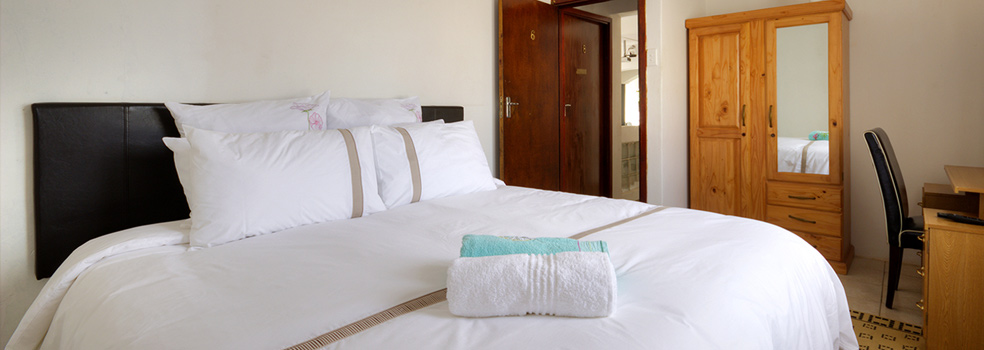
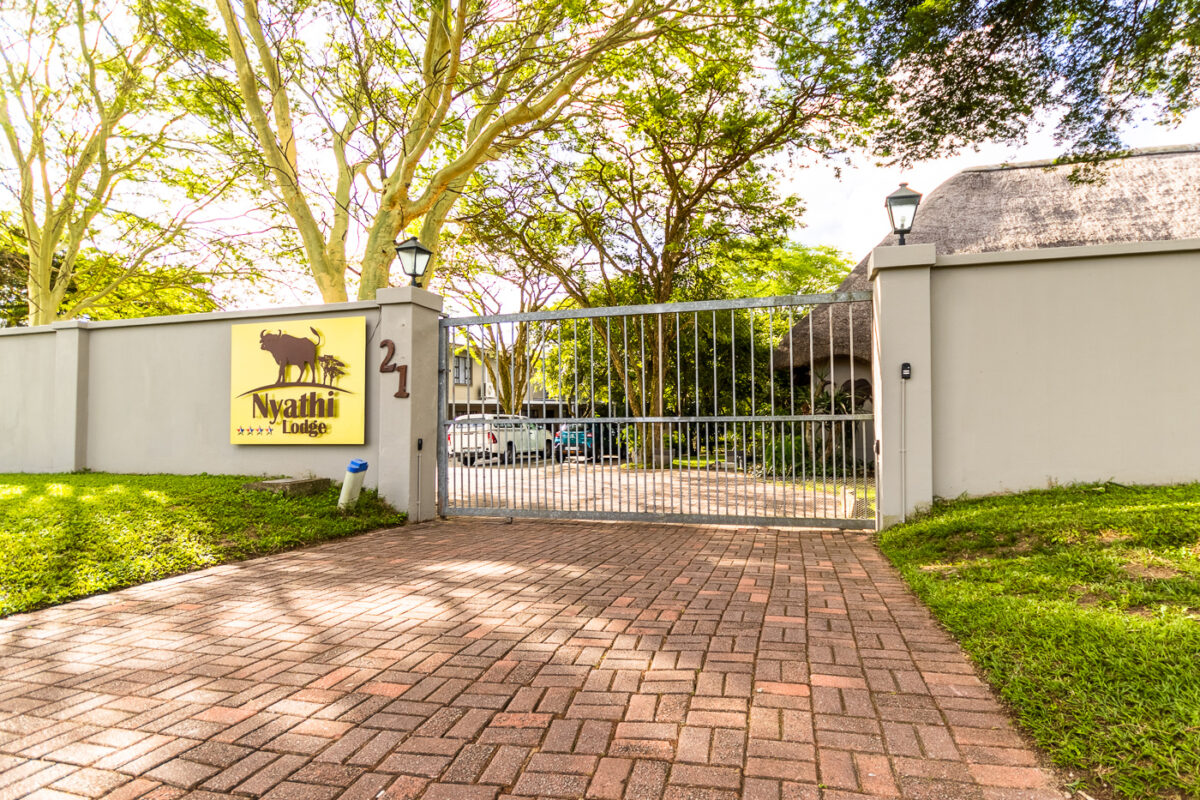
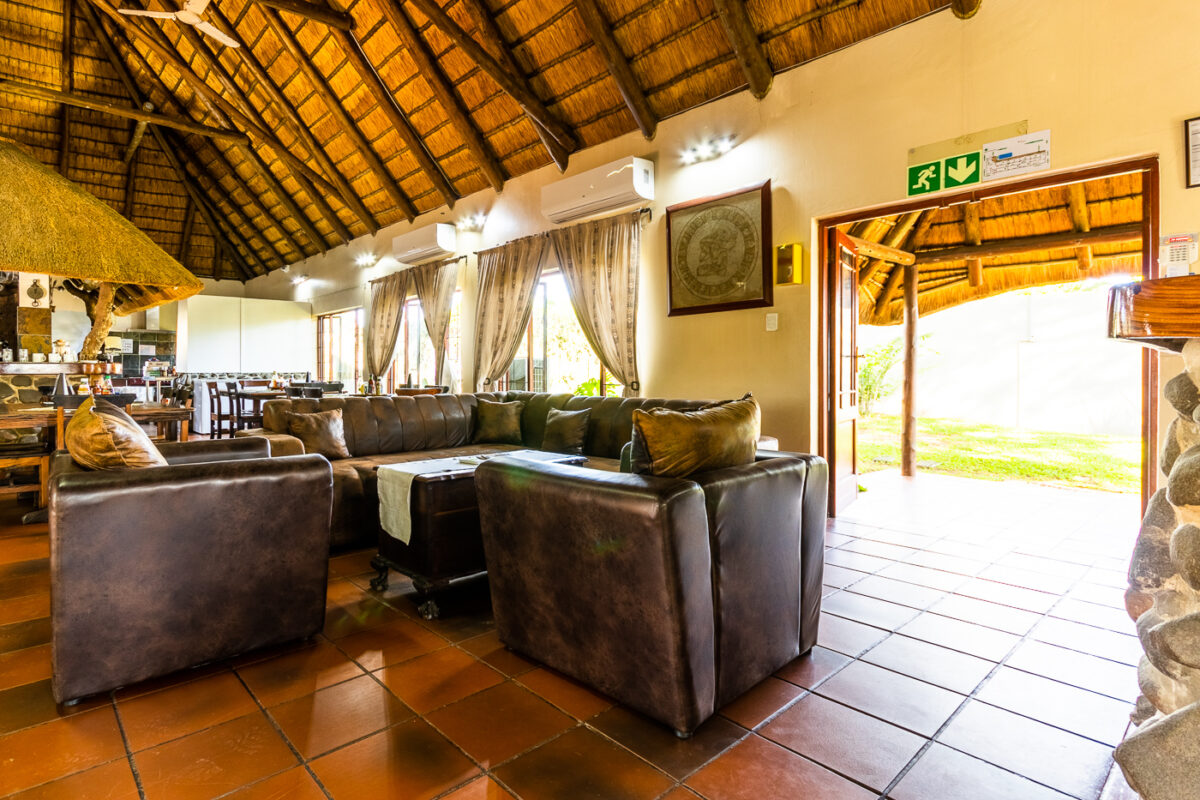
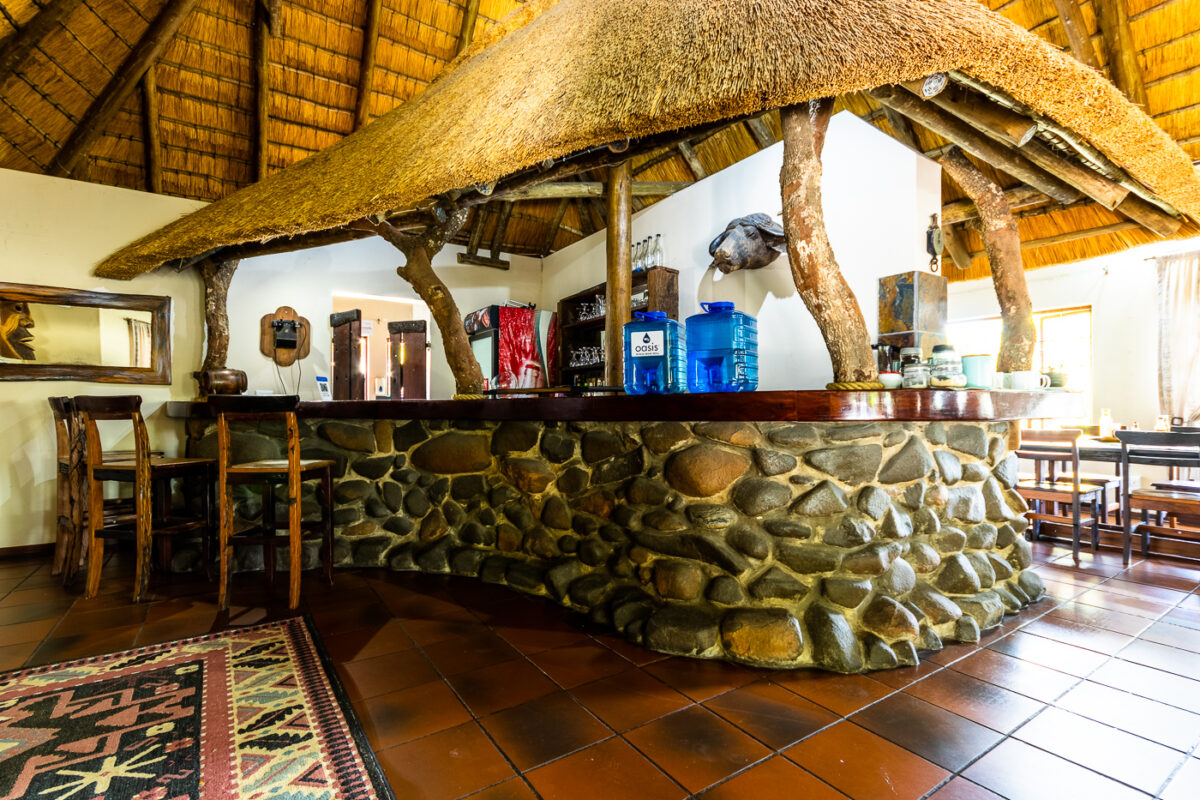
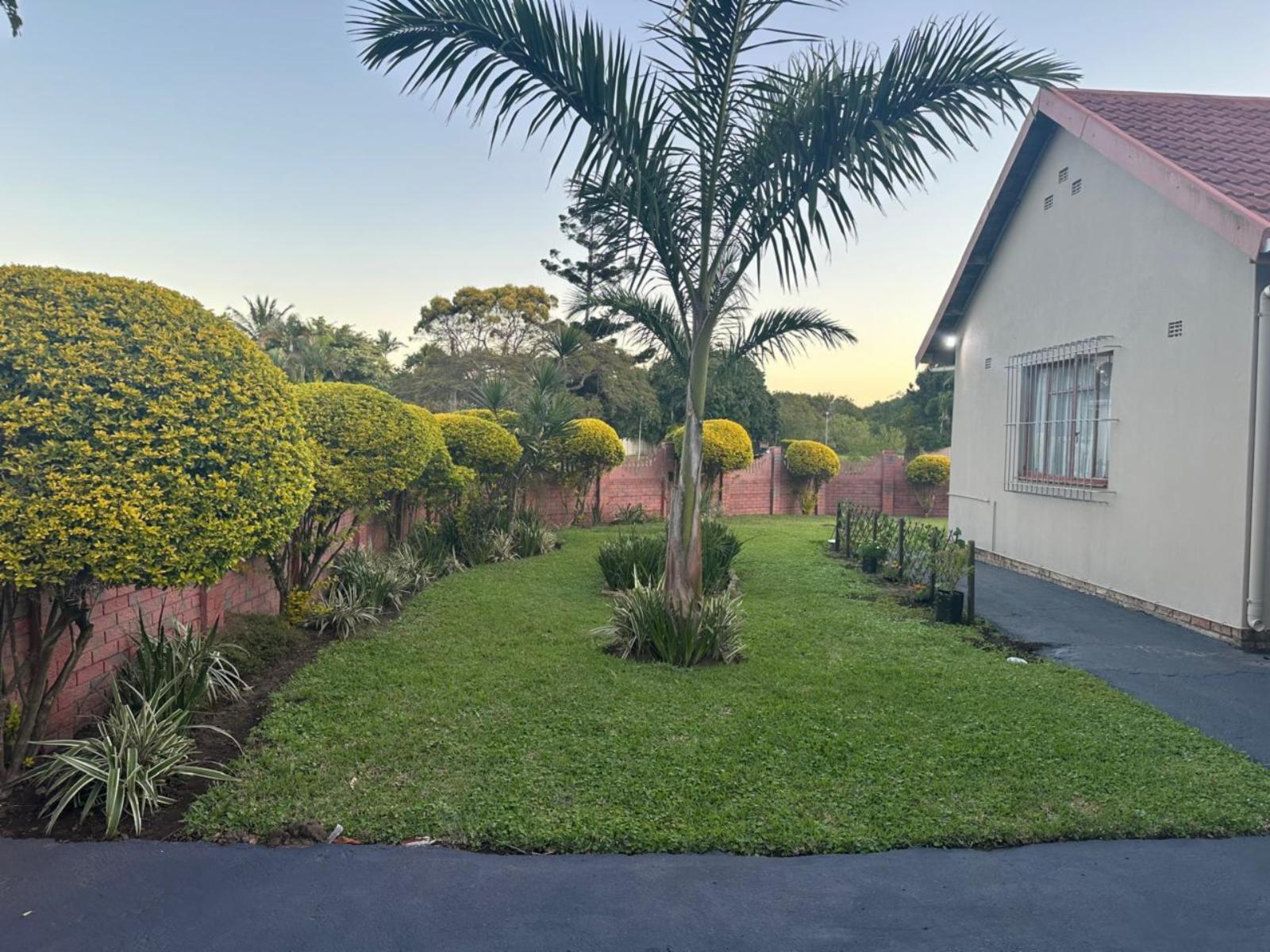
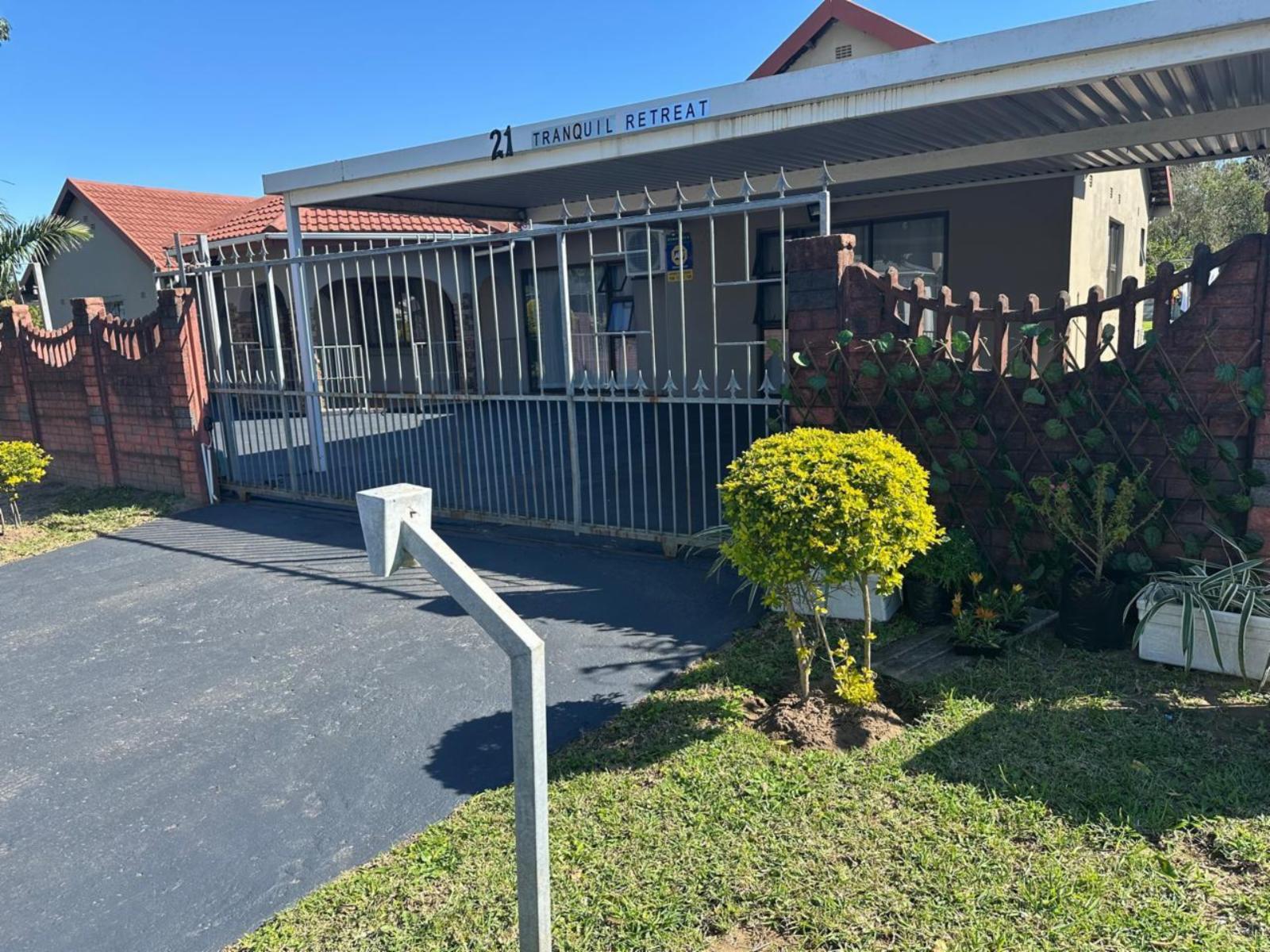
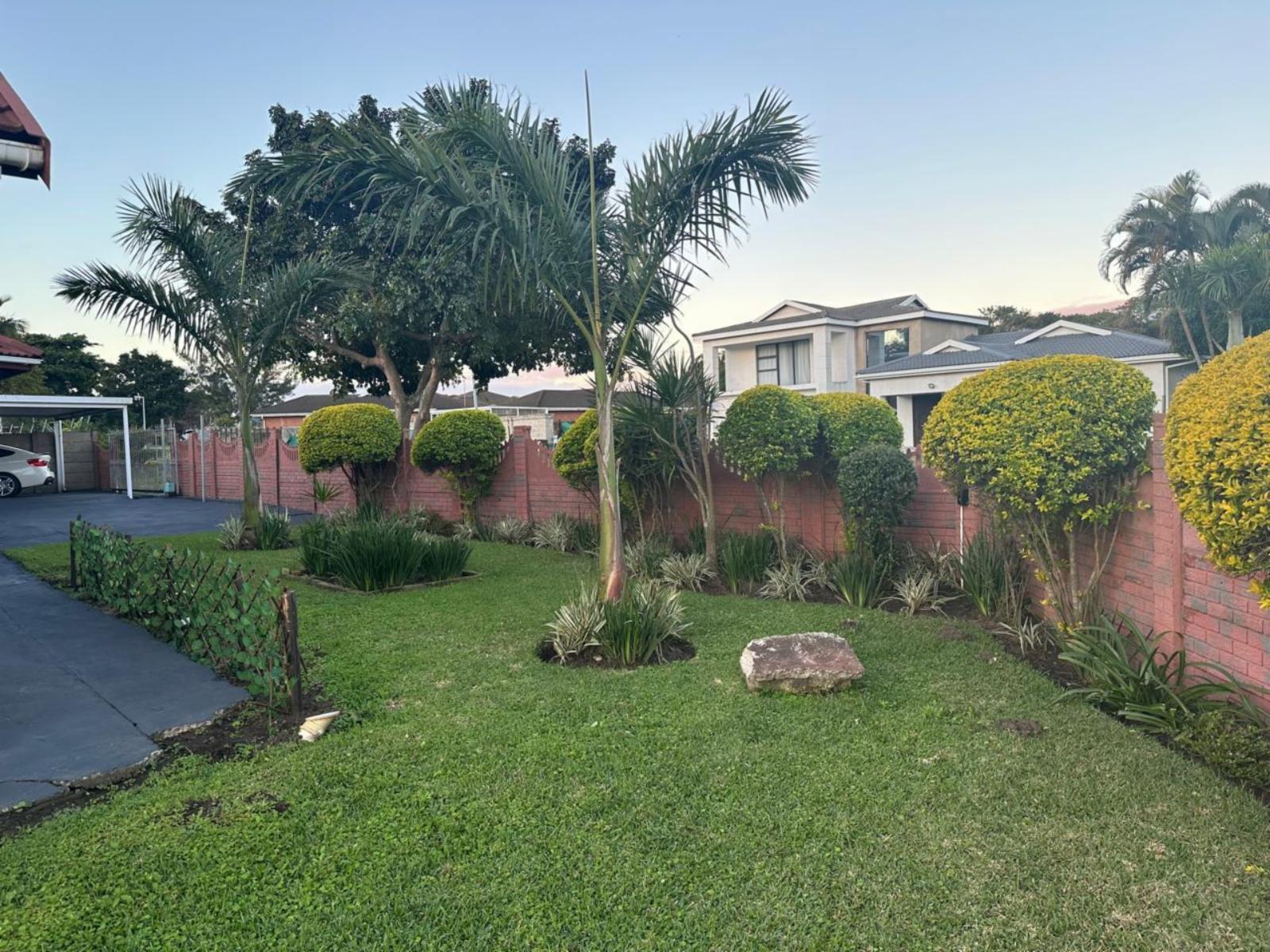
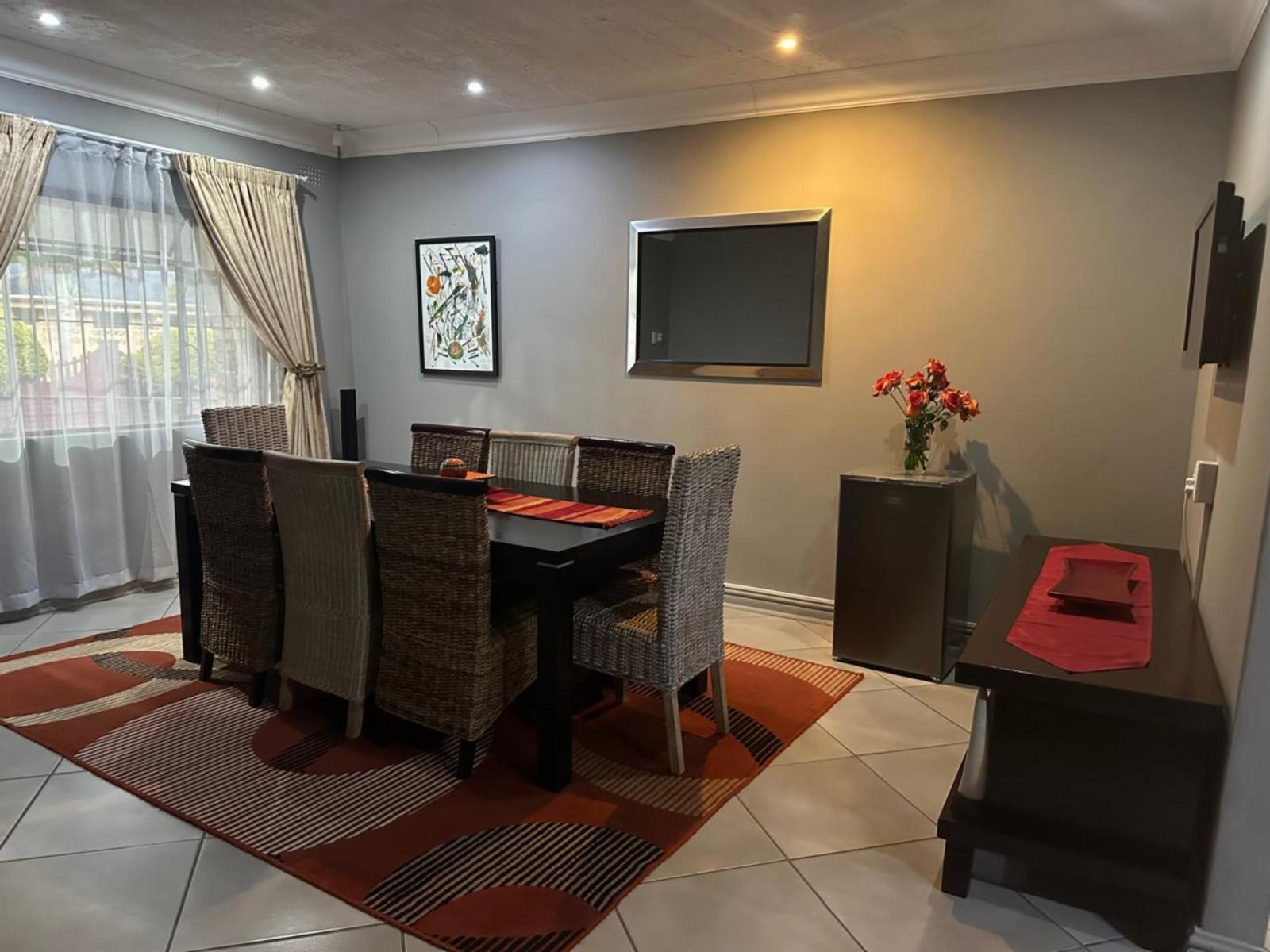
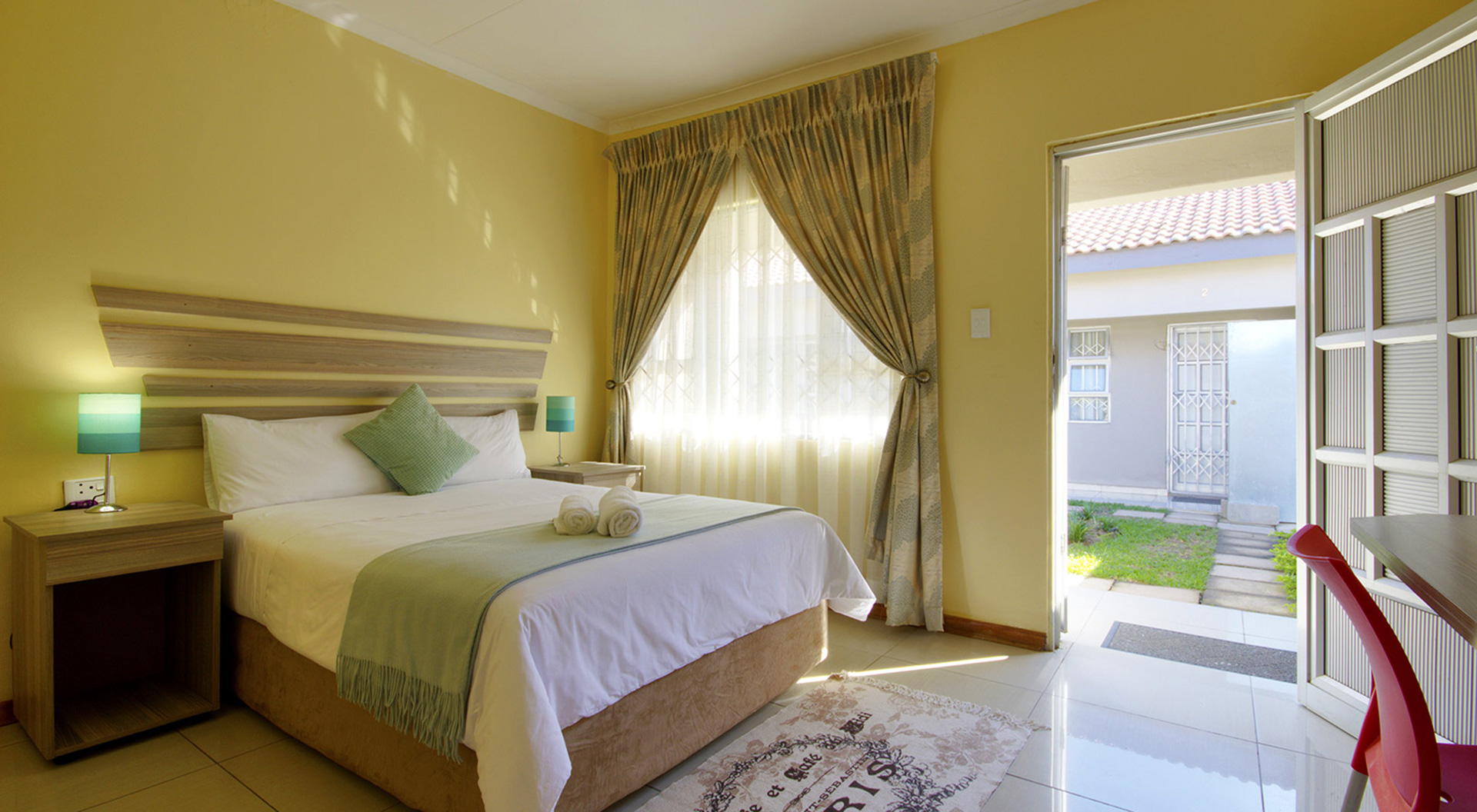
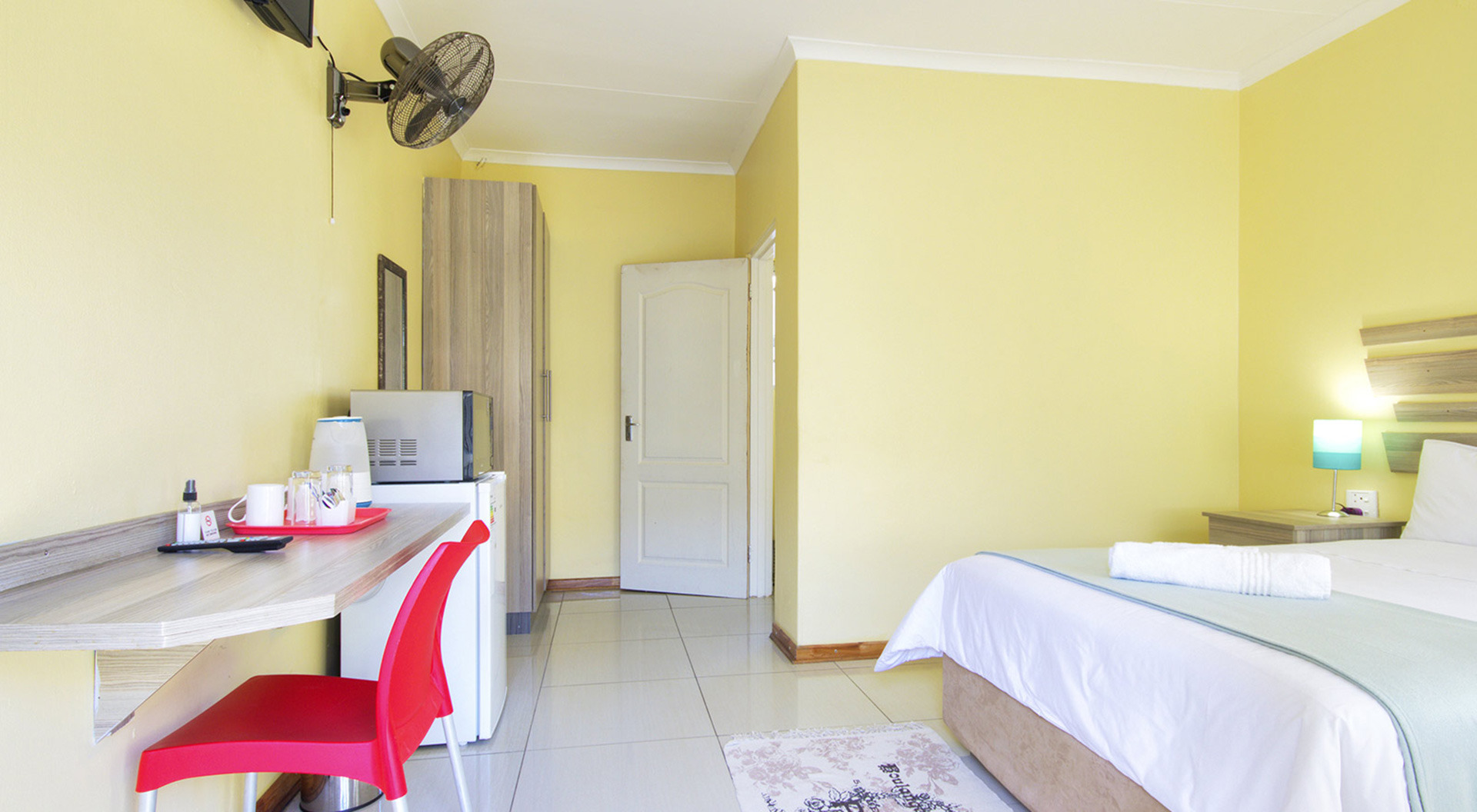
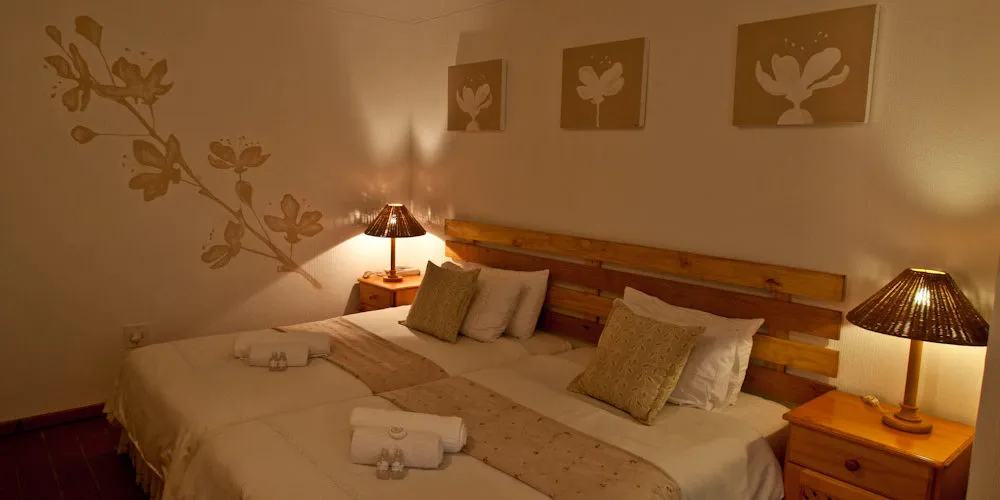
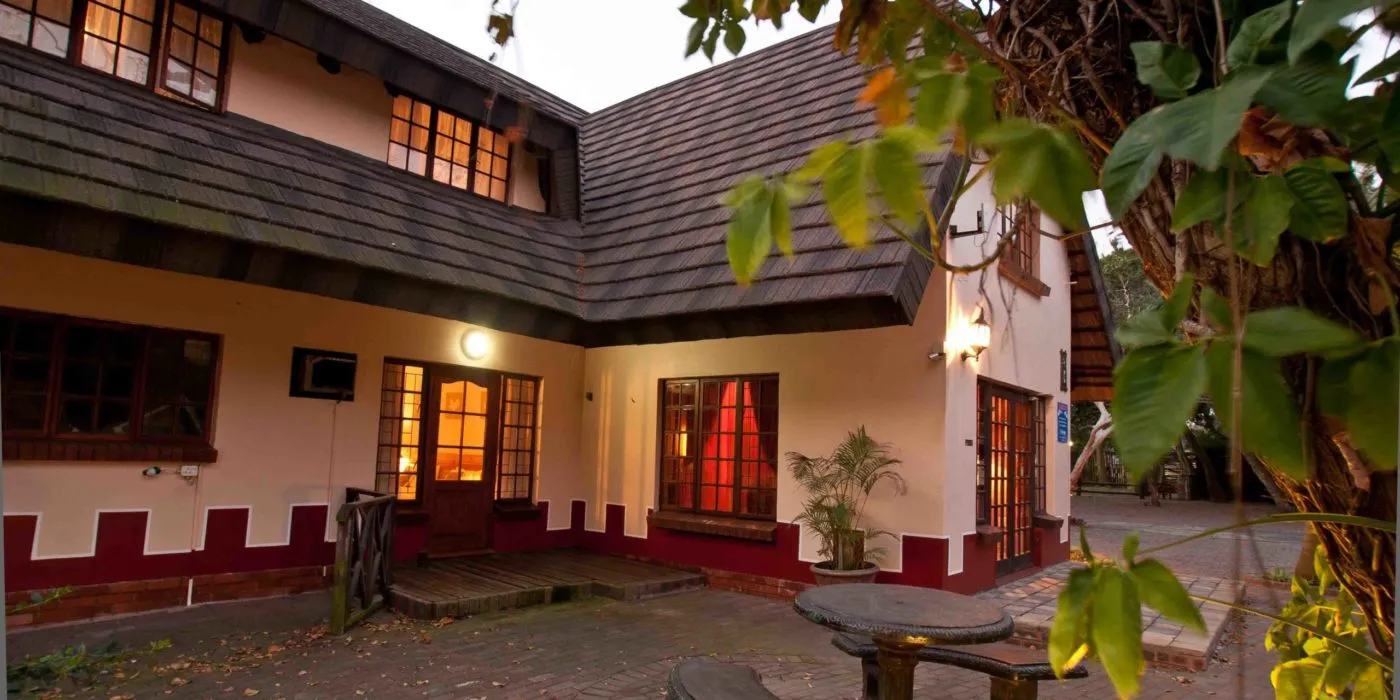
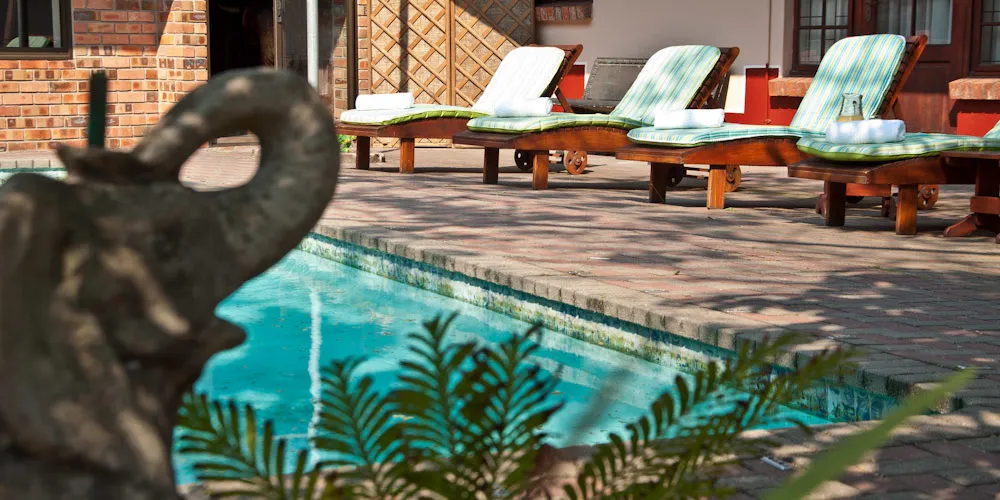
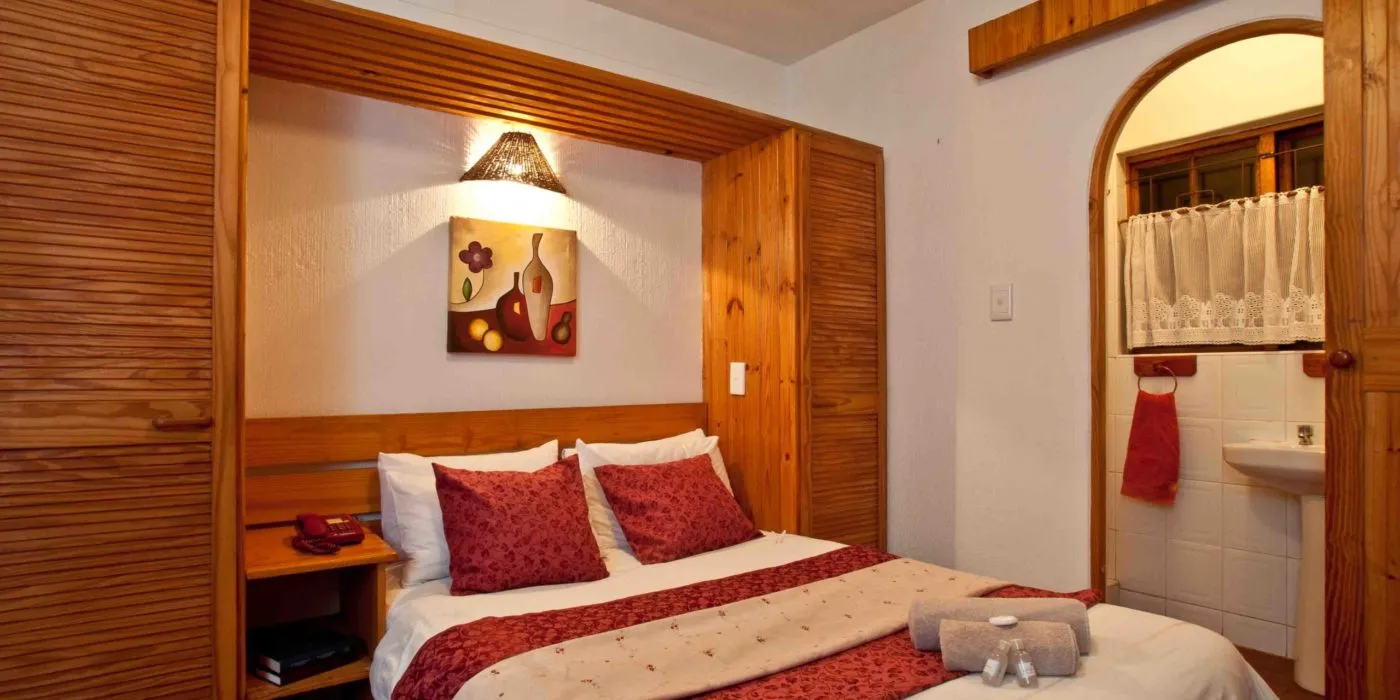
Kwambonambi has a small but functional selection of places to stay, with 6 properties available and nightly rates running from R1,280 to R1,593, averaging around R1,408. The options split evenly between bed and breakfasts and guest houses, and the price spread reflects differences in facilities and setting rather than any dramatic quality gap.
At the lower end of the range, bed and breakfasts offer a more personal experience. These are typically family-run operations where the morning meal is included and hosts can advise on local walks, fishing spots, or the fastest route to the coast. Rooms tend to be fewer and the atmosphere more domestic, which suits travellers who prefer a personalised approach over anonymity.
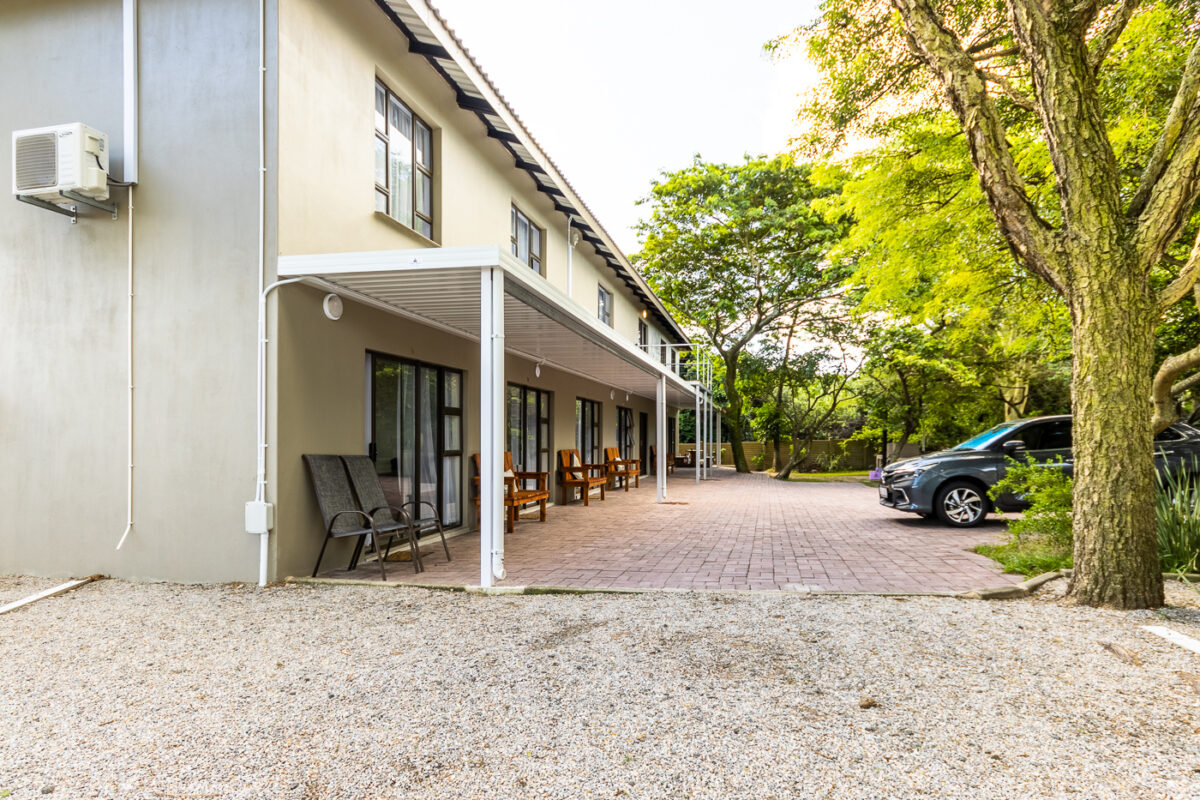
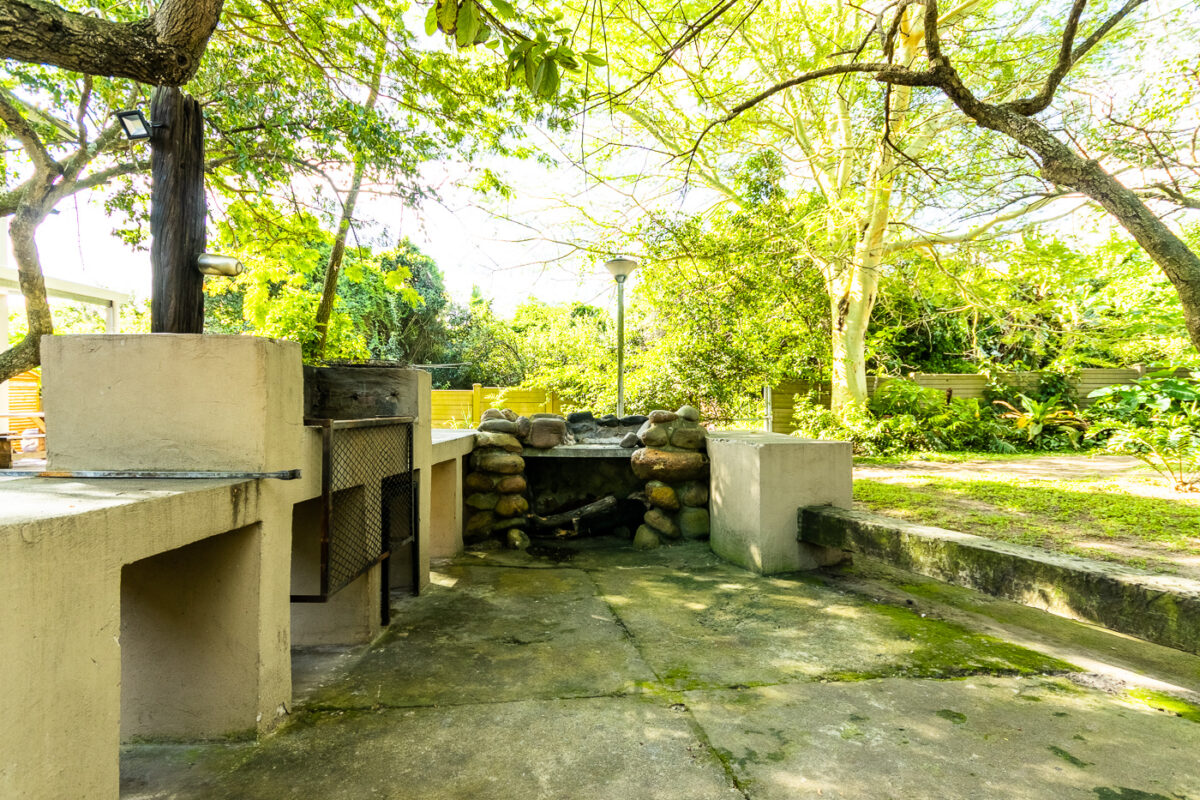
Guest houses sit slightly higher in the pricing, averaging around R1,513 per night. They tend to offer more self-contained arrangements, sometimes with separate entrances, small kitchenettes, and greater privacy. This makes them a reasonable choice for couples or small groups wanting independence during their stay without the overhead of a full hotel.
The overall accommodation scene is practical rather than polished, which reflects the town's character. Kwambonambi draws visitors interested in the surrounding forests, the nearby coastline, and game country within day-trip range, and the lodgings here meet that purpose without attempting more than they are. Availability tightens during busy travel periods, so confirming a booking in advance is worthwhile.
Things to Do in Kwambonambi
The closest draw for most visitors is the Indian Ocean coastline, within easy reach of town. The beaches along this stretch of KwaZulu-Natal's northern coast see considerably fewer people than those near Durban, making them well suited to fishing, swimming, or spending a full day on the sand without competing for space. Rock and surf fishing are popular, with catches including shad, kob, and various reef species depending on the season.
Inland, commercial timber forests frame much of the landscape around town. Kwambonambi developed as part of the regional timber industry, and drives through the pine and eucalyptus plantations, with patches of indigenous coastal bush between them, offer a distinctive kind of scenery. The forest edges provide casual birdwatching opportunities even without venturing into a formal reserve.
The uMlalazi Nature Reserve, accessible from the coastal belt near the town, covers wetlands, grasslands, and coastal forest. Trails run through the reserve, and bird species are plentiful, with fish eagles, kingfishers, and waders common along the waterways. Small antelope move through the reserve as well. Longer hikes can be planned according to fitness and time available.
For those interested in Zulu history, the broader KwaZulu-Natal region contains numerous heritage sites connected to 19th-century conflicts and precolonial settlements. Several are accessible on day trips from Kwambonambi, adding a historical dimension to what is otherwise a nature-focused visit.
Best Time to Visit Kwambonambi
Kwambonambi's climate is subtropical, shaped by its position along KwaZulu-Natal's northern coastal belt. Summers from November to February are hot and humid, with temperatures regularly exceeding 30°C and afternoon thunderstorms arriving most days. The rain tends to be brief and heavy rather than persistent, and the vegetation is at its lushest during these months. Beach conditions are good if the humidity is manageable.
Winter from May to August brings drier air and milder daytime temperatures, typically in the low to mid-20s Celsius. Nights cool down but rarely turn cold. This is arguably the most comfortable season for hiking, game drives, and general outdoor activity. Birdwatching benefits from thinner vegetation during winter, making species easier to spot in the reserves and forest margins.
The shoulder months of March to April and September to October offer a middle ground: lower humidity than midsummer, reasonable temperatures, and fewer visitors on the roads. School holiday periods in December, Easter, and June or July bring noticeably more traffic through the northern KwaZulu-Natal corridor, affecting both roads and accommodation availability across the region.
Getting to Kwambonambi
The most practical air access point is the regional airport approximately 20 kilometres from town, which operates scheduled services to Johannesburg (OR Tambo). Travellers connecting from Cape Town or other cities typically route through Johannesburg. Charter flights also use the airport for access to the broader Zululand region.
By road, the N2 national highway is the main artery running north from Durban along the KwaZulu-Natal coast, and Kwambonambi lies within this corridor. The drive from Durban covers roughly 180 kilometres and takes around two hours under normal traffic conditions. From Johannesburg, the route via the N3 through the Midlands to Durban, then north on the N2, covers approximately 600 kilometres.
Once in Kwambonambi, a private vehicle is essential. Public transport connects the town to nearby urban centres but does not serve coastal areas, nature reserves, or the smaller roads leading to specific lodges with any useful frequency. Hiring a vehicle in Durban, or collecting one at the regional airport, gives the flexibility needed for day trips and reserve visits. Roads in the area are generally surfaced and in reasonable condition, though some gravel sections appear on routes toward specific reserves and farms.
Kwambonambi and Surrounding Areas
Richards Bay (20km) is the closest urban centre and serves as the region's main service hub, anchored by one of Africa's largest deepwater ports. The city has a shopping mall, supermarkets, medical facilities, and the regional airport. It also provides access to the Mhlatuze estuary and birding areas on its outskirts, making it more than just a logistics stop.
Mtubatuba (22km) functions as the primary gateway to the iSimangaliso Wetland Park, a UNESCO World Heritage Site spanning estuaries, lakes, coastal forest, and beaches. It is the logical first stop before entering the park's various sections, with fuel and supplies readily available.
Empangeni (26km) has a longer history connected to the regional sugar industry and offers a broader range of commercial services than Kwambonambi. It is a working town rather than a tourist stop, but useful for anyone needing larger shops, a pharmacy, or vehicle servicing.
St Lucia (40km) is a well-established tourist town within the iSimangaliso Park. The estuary supports large hippopotamus and crocodile populations, and hippos are commonly seen on the main street after dark. Boat cruises on the estuary, game drives into the surrounding park sections, and beach access at Cape Vidal are the main activities.
Mtunzini (52km) is a quiet coastal village noted for its raffia palms, a protected species that draws botanists and casual visitors alike. The pace is slower than the reserve towns further north, and it suits a half-day excursion from Kwambonambi.
Hluhluwe (66km) is the entry point for Hluhluwe-iMfolozi Park, South Africa's oldest formally proclaimed nature reserve. The park is particularly associated with successful white rhino conservation and supports all of the Big Five. Day drives and overnight camps within the park are popular, and the roads inside are generally accessible by standard vehicle.
Planning Your Stay
With only 6 properties in Kwambonambi, rooms fill quickly during busy periods. Booking two to three months ahead is sensible for peak travel windows, when demand across the northern KwaZulu-Natal corridor is at its highest and availability across the entire region compresses quickly.
When comparing properties, check whether breakfast is included, as this affects the real daily cost in a meaningful way. Some guest houses offer self-catering arrangements, which suits visitors planning to stay for several nights. Confirm parking availability before booking, particularly if travelling with a larger vehicle or a 4x4 suited for reserve tracks.
Read cancellation policies carefully before confirming. Smaller properties often operate with strict refund terms given their limited room counts. If your travel dates are uncertain, look for accommodation with more flexible conditions. It is also worth asking hosts whether air conditioning is available, as summer nights can be warm and humid even away from the coast.
Mobile data coverage is adequate in the town itself but can be patchy on forestry roads and farm tracks beyond the main routes. Downloading an offline map before you leave is useful for navigating to specific reserves. Fuel stations are concentrated in the larger nearby towns, so fill up before heading into more remote areas rather than relying on finding a pump along the way.