Loxton Reis- & Akkommodasiegids
Jou volledige gids om Loxton, Suid-Afrika te besoek.
Loxton provides a quiet escape with its wide Karoo landscapes and clear skies. The town features simple architecture and rural charm that appeal to those seeking solitude. It serves as a starting point for exploring nearby natural areas and local history.
## Accommodation in Loxton
Loxton's accommodation market is small, reflecting the town's population and its appeal to travelers who prefer quiet over convenience. Currently there are no formal listings on major booking platforms, which means the town largely operates through direct bookings, word-of-mouth recommendations, and locally managed properties. Prices are not published in any aggregate form, so budgeting requires contacting operators directly before your trip.
At the budget end, basic guesthouses in the town center offer clean, simple rooms and often include home-cooked breakfasts. These properties are typically owner-run, which means personal service but limited facilities. Expect the essentials: a comfortable bed, a private or shared bathroom, and enough quiet to hear the wind move across the veld.
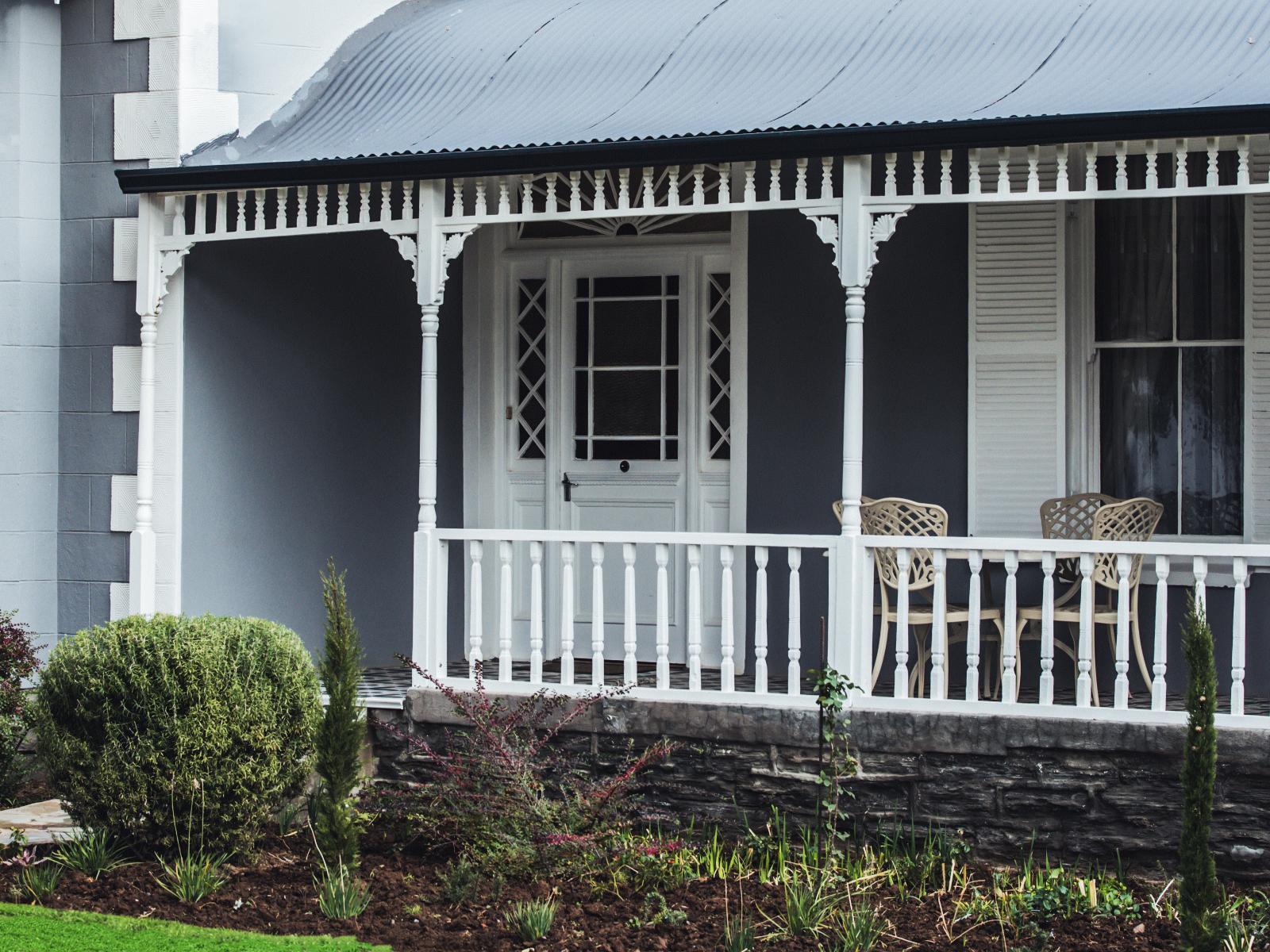
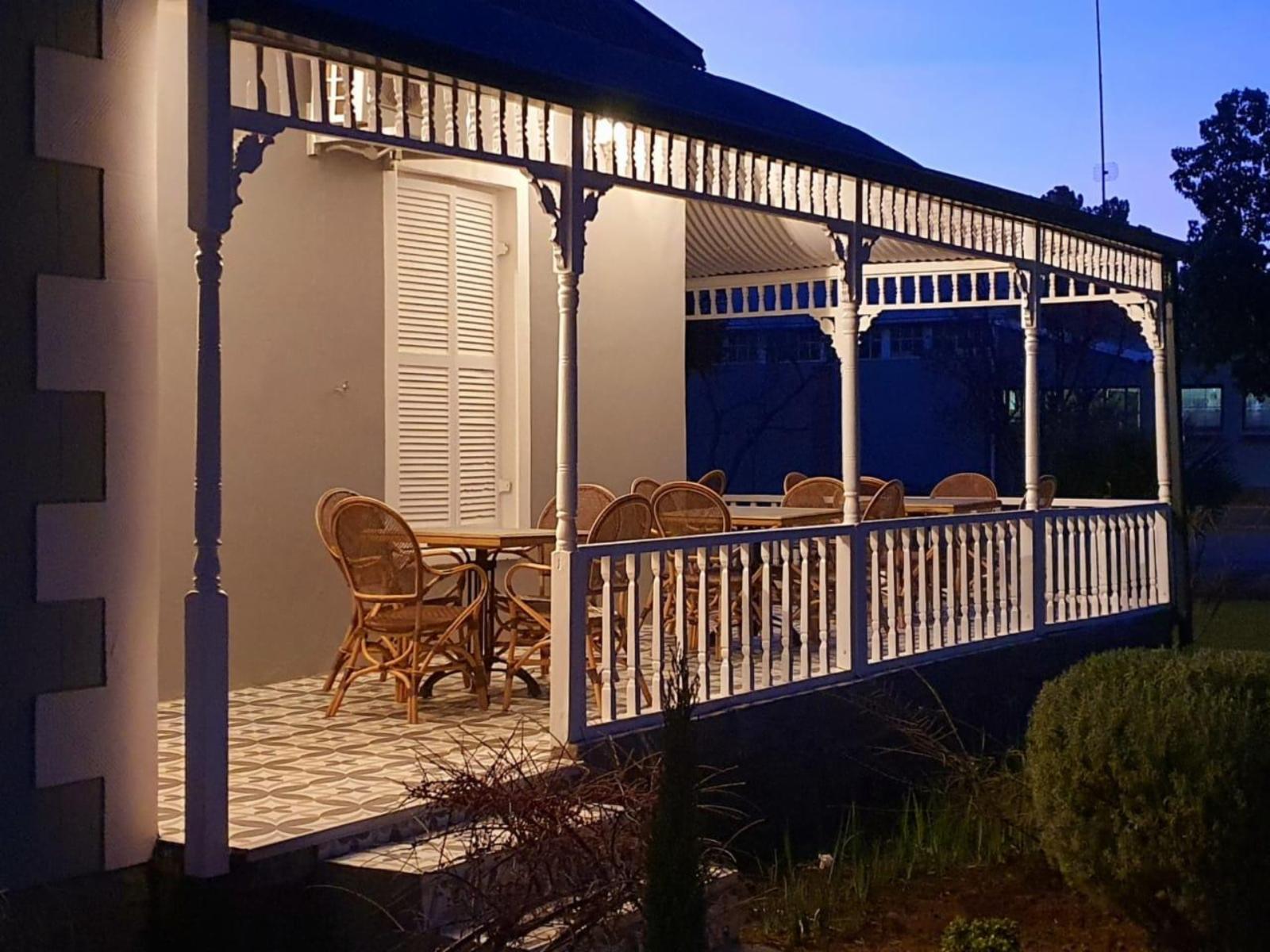
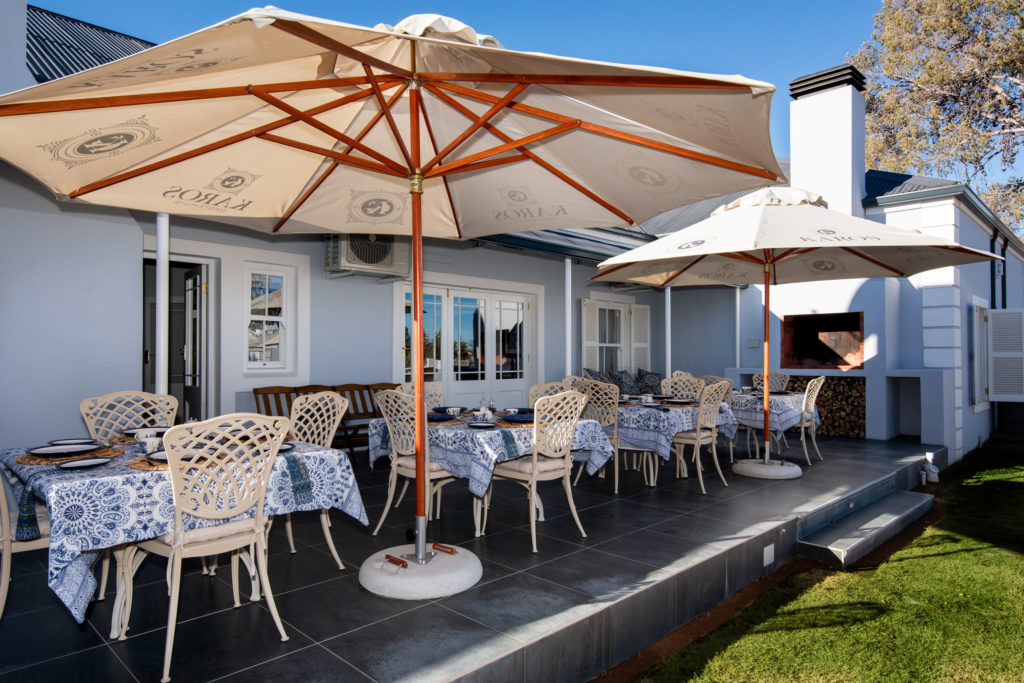
Mid-range travelers will find more space and character at farm stays and self-catering cottages on working sheep properties around Loxton. These options give access to the wider landscape and often include stoep seating, braai facilities, and occasionally guided walks or farm drives. Some allow guests to observe day-to-day operations, including shearing periods when the farms are at their most active. Self-catering suits those who want flexibility without the overhead of a full-service operation.
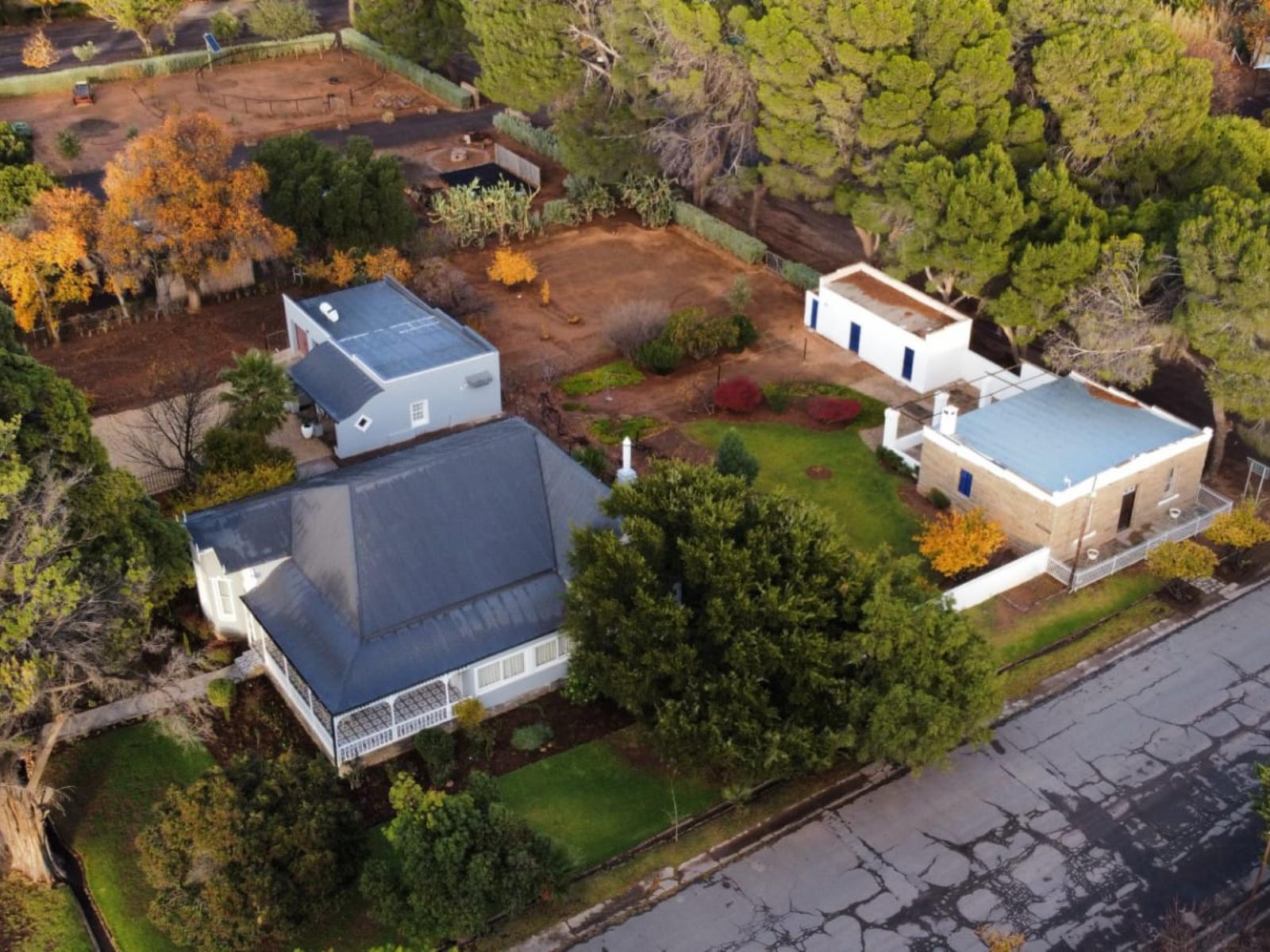
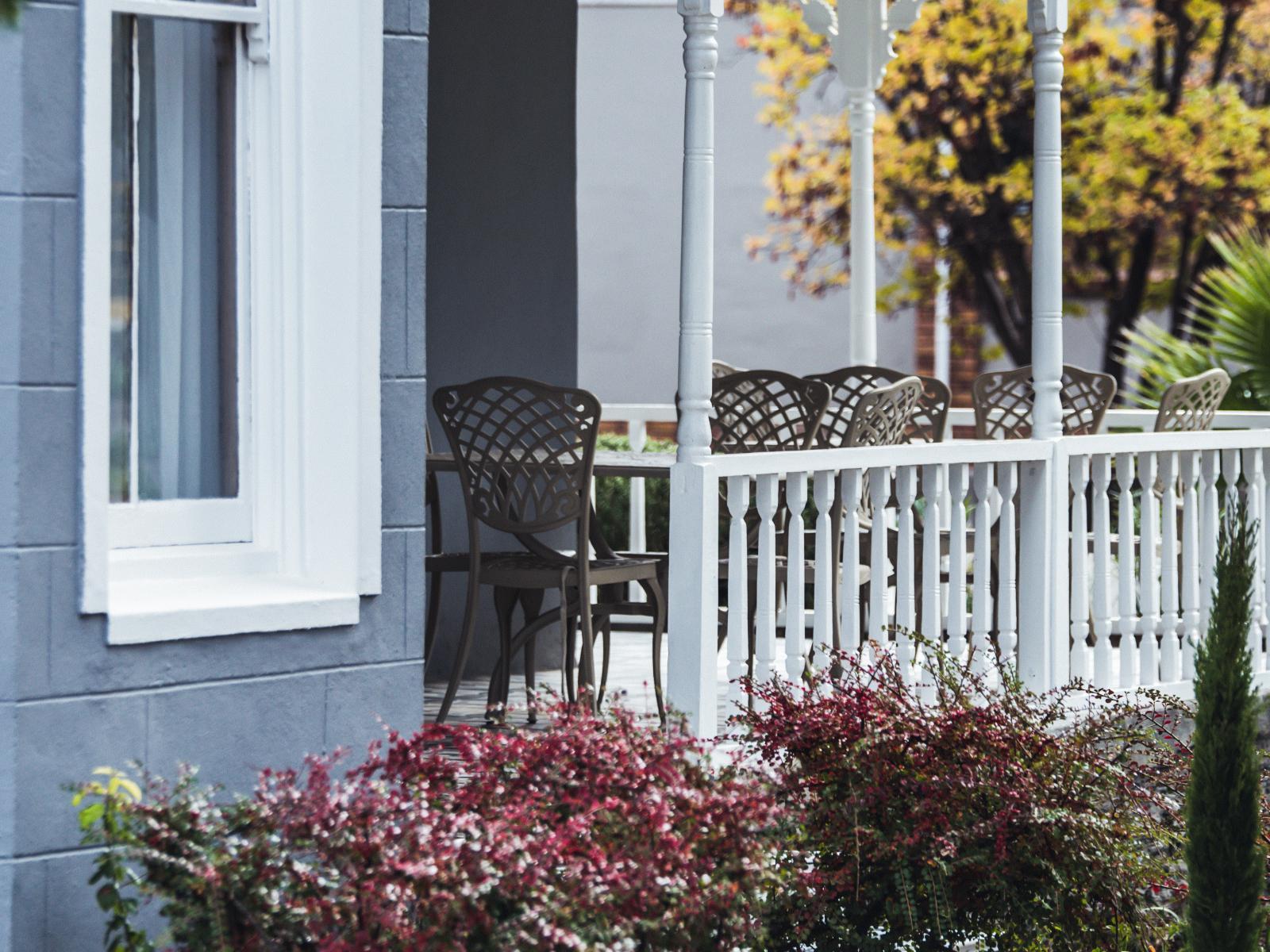
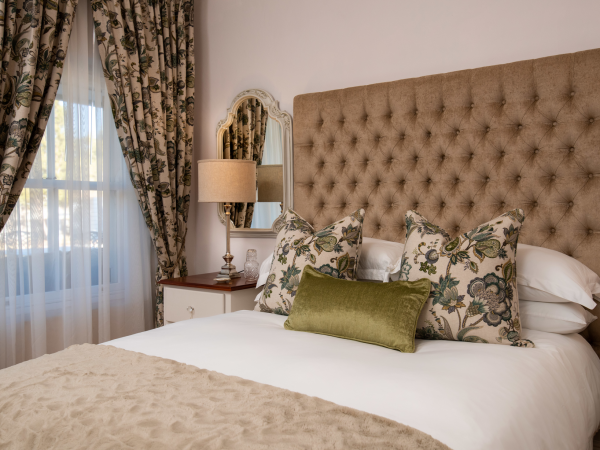
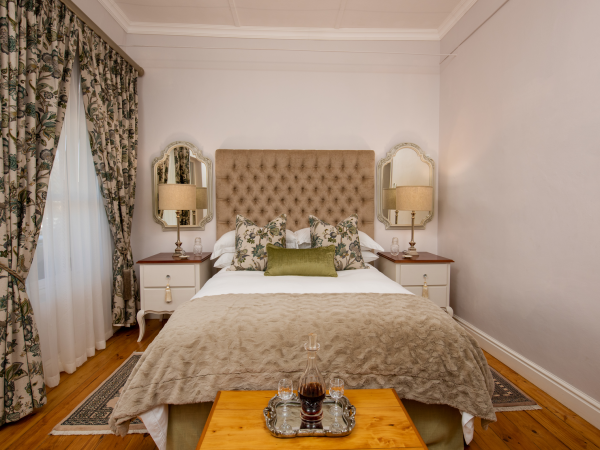
At the upper end of what Loxton offers, a small number of heritage guesthouses and private farm lodges provide more space, more amenities, and more character. Some occupy historic stone buildings, with thick walls that keep interiors cool in summer and retain heat on cold winter nights. Meals at these properties are often prepared on request using local produce, and some include private access to walking trails or dry riverbeds on adjacent farm land.
Given the limited overall number of options, availability can tighten quickly during school holidays and when local agricultural events bring visitors from surrounding towns. Booking well ahead is always sensible.
## Best Time to Visit Loxton
The Karoo's climate shapes when a visit is most rewarding. Summers, from November through February, push temperatures well above 35°C on many days, and the dry air offers little relief. Late afternoon thunderstorms are possible but infrequent. The heat makes midday outdoor activity impractical for most visitors, though the long evenings are pleasant once temperatures drop.
Spring and autumn, broadly September to October and March to April, offer milder days in the low-to-mid twenties with cool evenings. These periods are the most comfortable for hiking the surrounding hills and for extended time outdoors. The landscape also holds a little more colour after the summer rains.
Winter, from June to August, brings cold nights that can drop to near freezing, and daytime highs rarely exceed 15°C. Clear, dry skies during these months create excellent conditions for stargazing. The absence of light pollution in this part of the Northern Cape means the Milky Way is visible on cloudless nights with unusual clarity. Birdwatchers find the drier winter months productive, as thinning vegetation makes resident species more visible in the scrub.
The town's agricultural show calendar influences local demand in ways that don't always align with tourist peak seasons, so confirming local event dates before booking avoids unexpected competition for rooms.
## Getting to Loxton
Loxton has no commercial air access. The nearest airports with scheduled services are in Kimberley, roughly 250 kilometers to the north, and Cape Town, approximately 700 kilometers to the southwest. Most visitors arrive by private vehicle, which is also the only practical way to get around once there. Car hire is available at both airports, and the drives cover open Karoo terrain that is straightforward but long.
The R48 highway provides the main overland link connecting Loxton to the broader Northern Cape road network. Main approach roads are tarred, but some farm access routes are gravel, so a vehicle with reasonable ground clearance is useful if you plan to explore beyond the town center.
There is no public bus service or minibus taxi network that reaches Loxton directly. Fuel is available in town, though filling up before departing is advisable since distances between fuel stops across the Karoo can be considerable. Mobile phone coverage exists within the town but can be patchy on surrounding farm roads. Downloading offline maps before traveling is practical rather than precautionary.
## Loxton and Surrounding Areas
Loxton sits within reach of several small Karoo and Northern Cape towns, each with its own character.
**Victoria West** (73km) lies on the N12 and serves as a natural first stop for travelers moving between Johannesburg and Cape Town. It has a modest local history museum and a small theatre that has hosted travelling productions, offering a mild cultural counterpoint to Loxton's quieter pace. It is also a reliable fuel and resupply point.
**Beaufort West** (100km) is the largest center within easy reach and the primary gateway to the Karoo National Park. The park holds white rhino, springbok, mountain zebra, and an extensive road network for game drives and hiking. For practical needs, including larger shops, medical services, and a wider restaurant selection, Beaufort West is the most capable service town near Loxton.
**Kosi Bay** (116km) is listed in regional travel data as a nearby destination. Travelers should confirm current access conditions, available facilities, and the specific route before including it in an itinerary, as details vary.
**Murraysburg** (144km) is a small village with well-preserved 19th-century architecture and minimal tourist infrastructure. The surrounding countryside is largely undisturbed, making it a productive area for landscape photography and geological exploration.
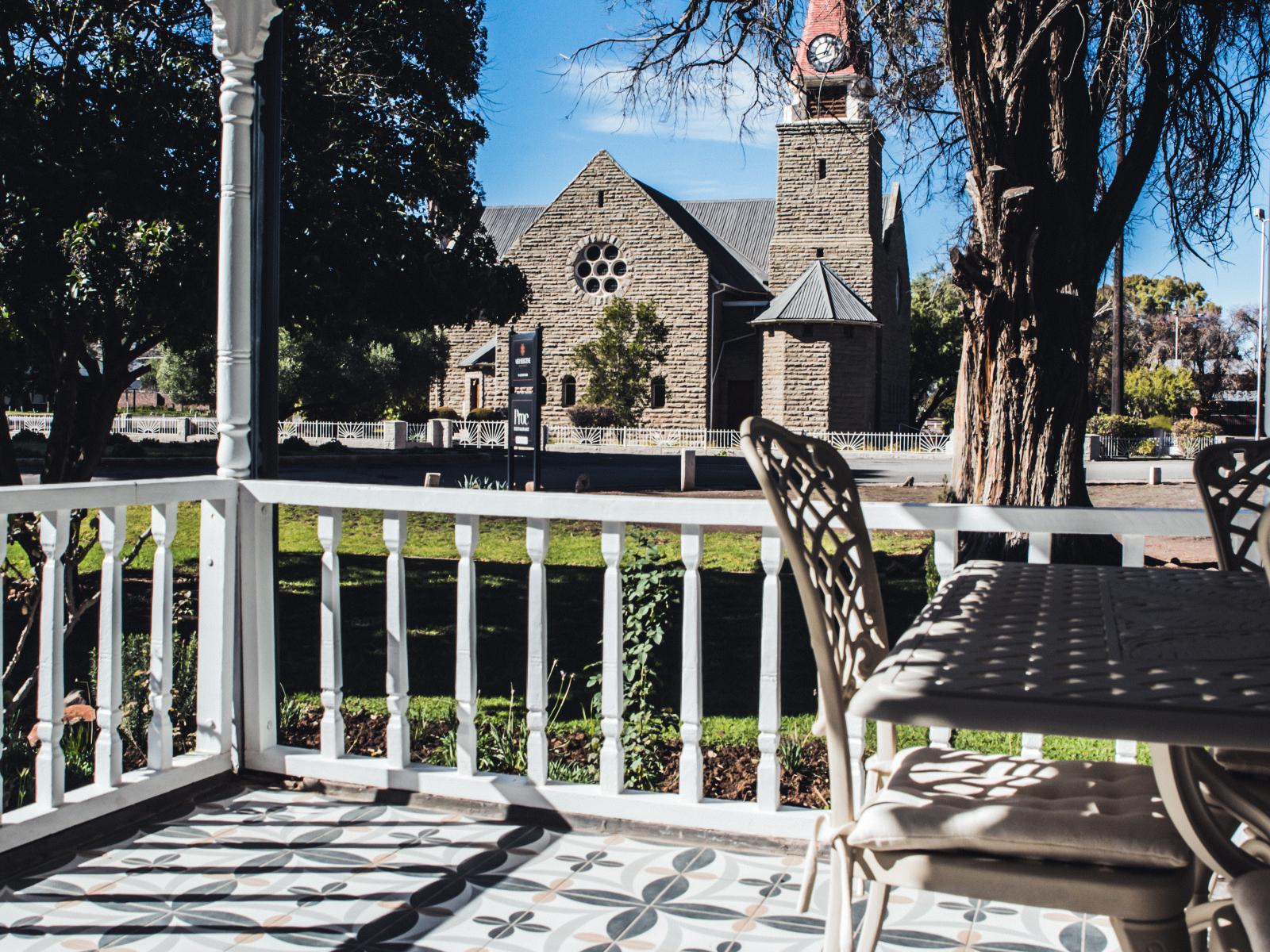
**Richmond** (151km) has established a modest identity as a book town, with second-hand bookshops occupying historic buildings along its main street. An annual literary festival draws visitors from across the country. The town's stone church and period streetscapes give it a distinct personality among Karoo dorps.
**Graspan** (153km) is a small settlement rather than a formal town, but the surrounding area holds Anglo-Boer War battlefield sites and memorials that are of interest to those with a focus on South African military history.
## Planning Your Stay
Because Loxton's accommodation operates largely outside mainstream booking platforms, planning requires more direct engagement with hosts than a typical trip. The most reliable approach is to search South African accommodation directories or contact the Northern Cape tourism office for current listings, then reach out to properties directly to confirm availability, rates, and what is included.
Before confirming a booking, check a few specific things: whether meals are included or available on request, what the cancellation policy is, and whether the property has a generator or solar backup. Rural power supply in the Karoo can be intermittent, and this is worth knowing in advance rather than discovering on arrival. For farm stays, ask whether any activities are available during your visit, as these vary with the farming calendar and season.
Demand increases during South African school holidays, particularly the Easter break in April and the June and July winter recess. If your vehicle needs servicing, arrange this before leaving a major center. For any travel on surrounding farm roads, carry a physical map or a downloaded offline version as a backup, and note emergency contact details for the accommodation before losing cell coverage on approach.

Loxton's accommodation market is small, reflecting the town's population and its appeal to travelers who prefer quiet over convenience. Currently there are no formal listings on major booking platforms, which means the town largely operates through direct bookings, word-of-mouth recommendations, and locally managed properties. Prices are not published in any aggregate form, so budgeting requires contacting operators directly before your trip.
At the budget end, basic guesthouses in the town center offer clean, simple rooms and often include home-cooked breakfasts. These properties are typically owner-run, which means personal service but limited facilities. Expect the essentials: a comfortable bed, a private or shared bathroom, and enough quiet to hear the wind move across the veld.
Mid-range travelers will find more space and character at farm stays and self-catering cottages on working sheep properties around Loxton. These options give access to the wider landscape and often include stoep seating, braai facilities, and occasionally guided walks or farm drives. Some allow guests to observe day-to-day operations, including shearing periods when the farms are at their most active. Self-catering suits those who want flexibility without the overhead of a full-service operation.
At the upper end of what Loxton offers, a small number of heritage guesthouses and private farm lodges provide more space, more amenities, and more character. Some occupy historic stone buildings, with thick walls that keep interiors cool in summer and retain heat on cold winter nights. Meals at these properties are often prepared on request using local produce, and some include private access to walking trails or dry riverbeds on adjacent farm land.
Given the limited overall number of options, availability can tighten quickly during school holidays and when local agricultural events bring visitors from surrounding towns. Booking well ahead is always sensible.
## Best Time to Visit Loxton
The Karoo's climate shapes when a visit is most rewarding. Summers, from November through February, push temperatures well above 35°C on many days, and the dry air offers little relief. Late afternoon thunderstorms are possible but infrequent. The heat makes midday outdoor activity impractical for most visitors, though the long evenings are pleasant once temperatures drop.
Spring and autumn, broadly September to October and March to April, offer milder days in the low-to-mid twenties with cool evenings. These periods are the most comfortable for hiking the surrounding hills and for extended time outdoors. The landscape also holds a little more colour after the summer rains.
Winter, from June to August, brings cold nights that can drop to near freezing, and daytime highs rarely exceed 15°C. Clear, dry skies during these months create excellent conditions for stargazing. The absence of light pollution in this part of the Northern Cape means the Milky Way is visible on cloudless nights with unusual clarity. Birdwatchers find the drier winter months productive, as thinning vegetation makes resident species more visible in the scrub.
The town's agricultural show calendar influences local demand in ways that don't always align with tourist peak seasons, so confirming local event dates before booking avoids unexpected competition for rooms.
## Getting to Loxton
Loxton has no commercial air access. The nearest airports with scheduled services are in Kimberley, roughly 250 kilometers to the north, and Cape Town, approximately 700 kilometers to the southwest. Most visitors arrive by private vehicle, which is also the only practical way to get around once there. Car hire is available at both airports, and the drives cover open Karoo terrain that is straightforward but long.
The R48 highway provides the main overland link connecting Loxton to the broader Northern Cape road network. Main approach roads are tarred, but some farm access routes are gravel, so a vehicle with reasonable ground clearance is useful if you plan to explore beyond the town center.
There is no public bus service or minibus taxi network that reaches Loxton directly. Fuel is available in town, though filling up before departing is advisable since distances between fuel stops across the Karoo can be considerable. Mobile phone coverage exists within the town but can be patchy on surrounding farm roads. Downloading offline maps before traveling is practical rather than precautionary.
## Loxton and Surrounding Areas
Loxton sits within reach of several small Karoo and Northern Cape towns, each with its own character.
**Victoria West** (73km) lies on the N12 and serves as a natural first stop for travelers moving between Johannesburg and Cape Town. It has a modest local history museum and a small theatre that has hosted travelling productions, offering a mild cultural counterpoint to Loxton's quieter pace. It is also a reliable fuel and resupply point.
**Beaufort West** (100km) is the largest center within easy reach and the primary gateway to the Karoo National Park. The park holds white rhino, springbok, mountain zebra, and an extensive road network for game drives and hiking. For practical needs, including larger shops, medical services, and a wider restaurant selection, Beaufort West is the most capable service town near Loxton.
**Kosi Bay** (116km) is listed in regional travel data as a nearby destination. Travelers should confirm current access conditions, available facilities, and the specific route before including it in an itinerary, as details vary.
**Murraysburg** (144km) is a small village with well-preserved 19th-century architecture and minimal tourist infrastructure. The surrounding countryside is largely undisturbed, making it a productive area for landscape photography and geological exploration.
**Richmond** (151km) has established a modest identity as a book town, with second-hand bookshops occupying historic buildings along its main street. An annual literary festival draws visitors from across the country. The town's stone church and period streetscapes give it a distinct personality among Karoo dorps.
**Graspan** (153km) is a small settlement rather than a formal town, but the surrounding area holds Anglo-Boer War battlefield sites and memorials that are of interest to those with a focus on South African military history.
## Planning Your Stay
Because Loxton's accommodation operates largely outside mainstream booking platforms, planning requires more direct engagement with hosts than a typical trip. The most reliable approach is to search South African accommodation directories or contact the Northern Cape tourism office for current listings, then reach out to properties directly to confirm availability, rates, and what is included.
Before confirming a booking, check a few specific things: whether meals are included or available on request, what the cancellation policy is, and whether the property has a generator or solar backup. Rural power supply in the Karoo can be intermittent, and this is worth knowing in advance rather than discovering on arrival. For farm stays, ask whether any activities are available during your visit, as these vary with the farming calendar and season.
Demand increases during South African school holidays, particularly the Easter break in April and the June and July winter recess. If your vehicle needs servicing, arrange this before leaving a major center. For any travel on surrounding farm roads, carry a physical map or a downloaded offline version as a backup, and note emergency contact details for the accommodation before losing cell coverage on approach.
Loxton Kaart
Nabygeleë Bestemmings
Blaai Deur Alle Loxton Akkommodasie
Bekyk al 0 akkommodasie-opsies in Loxton met foto's, pryse en beskikbaarheid.
Blaai Deur Alle Akkommodasie