Mafikeng Reis- & Akkommodasiegids
Jou volledige gids om Mafikeng, Suid-Afrika te besoek.
Mafikeng stands out for its historical connections to the Anglo-Boer War, drawing those interested in South Africa's past. The town provides access to nearby nature reserves for wildlife viewing. With a range of lodging options, it appeals to travelers seeking a blend of education and relaxation.
## Accommodation in Mafikeng
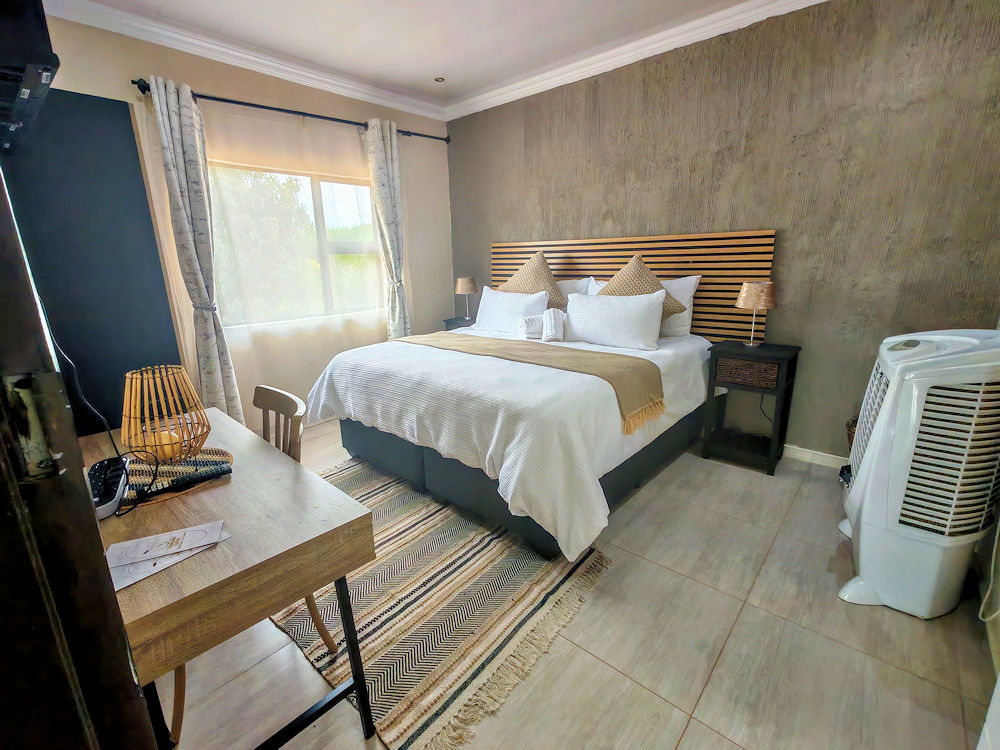
This platform currently lists no properties in Mafikeng, and pricing data is not available, so rates should be confirmed directly with properties or through local booking channels. The town supports a functioning accommodation market shaped primarily by the steady flow of government employees, contractors, and NGO workers who come here as the provincial capital of North West. Leisure travellers form a smaller but consistent segment, particularly on weekends and during school holidays when weekday demand eases.
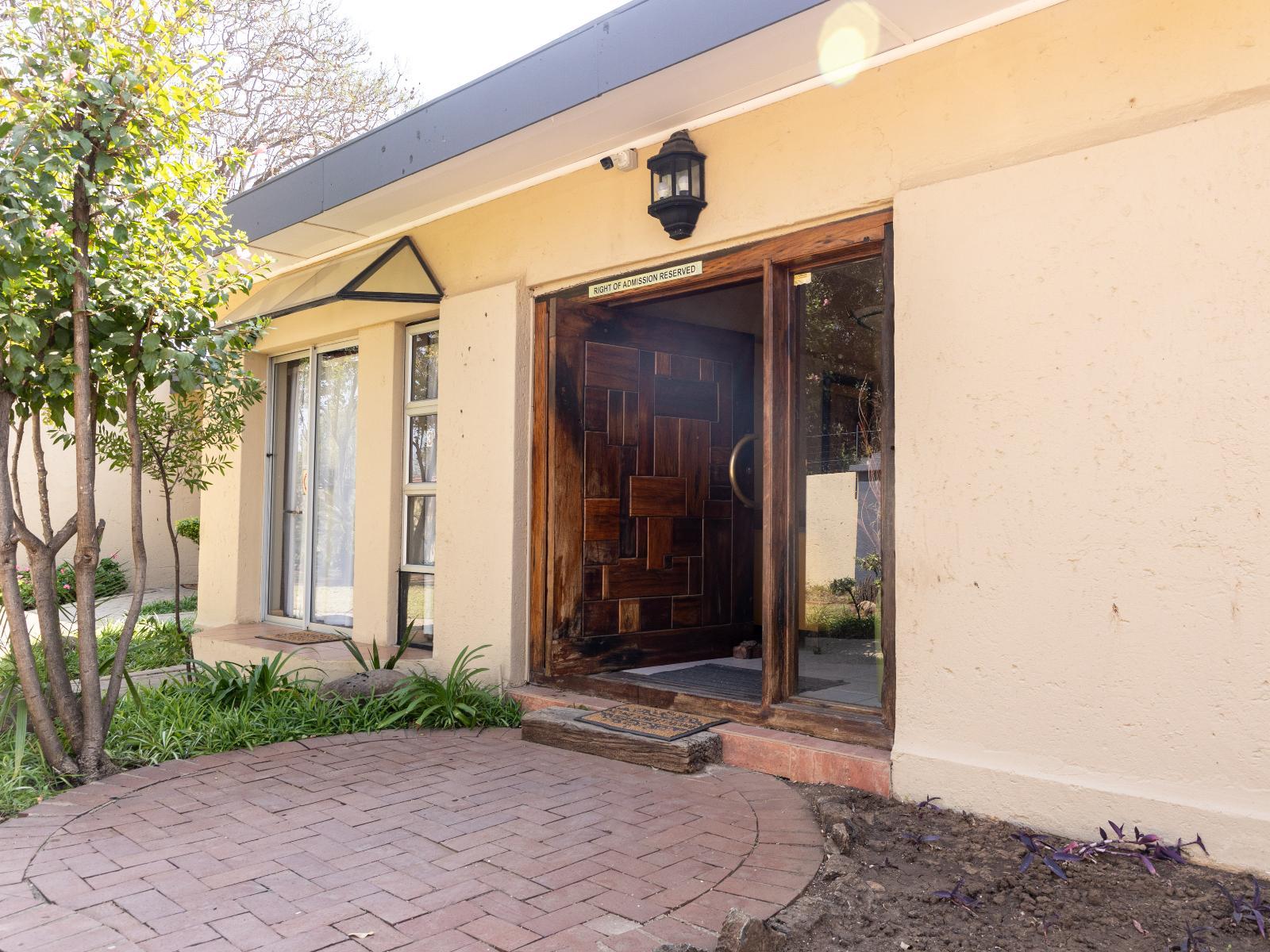
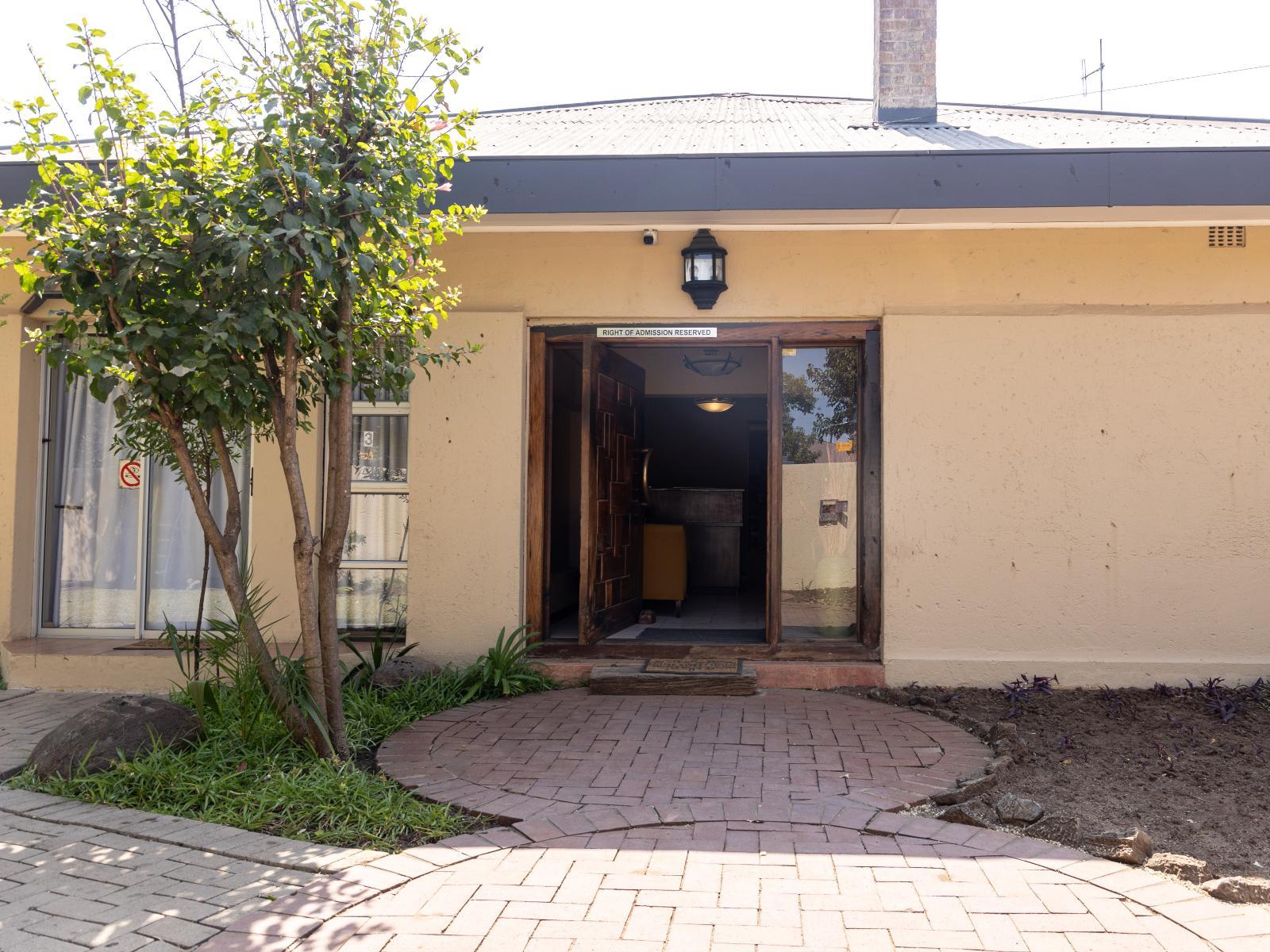
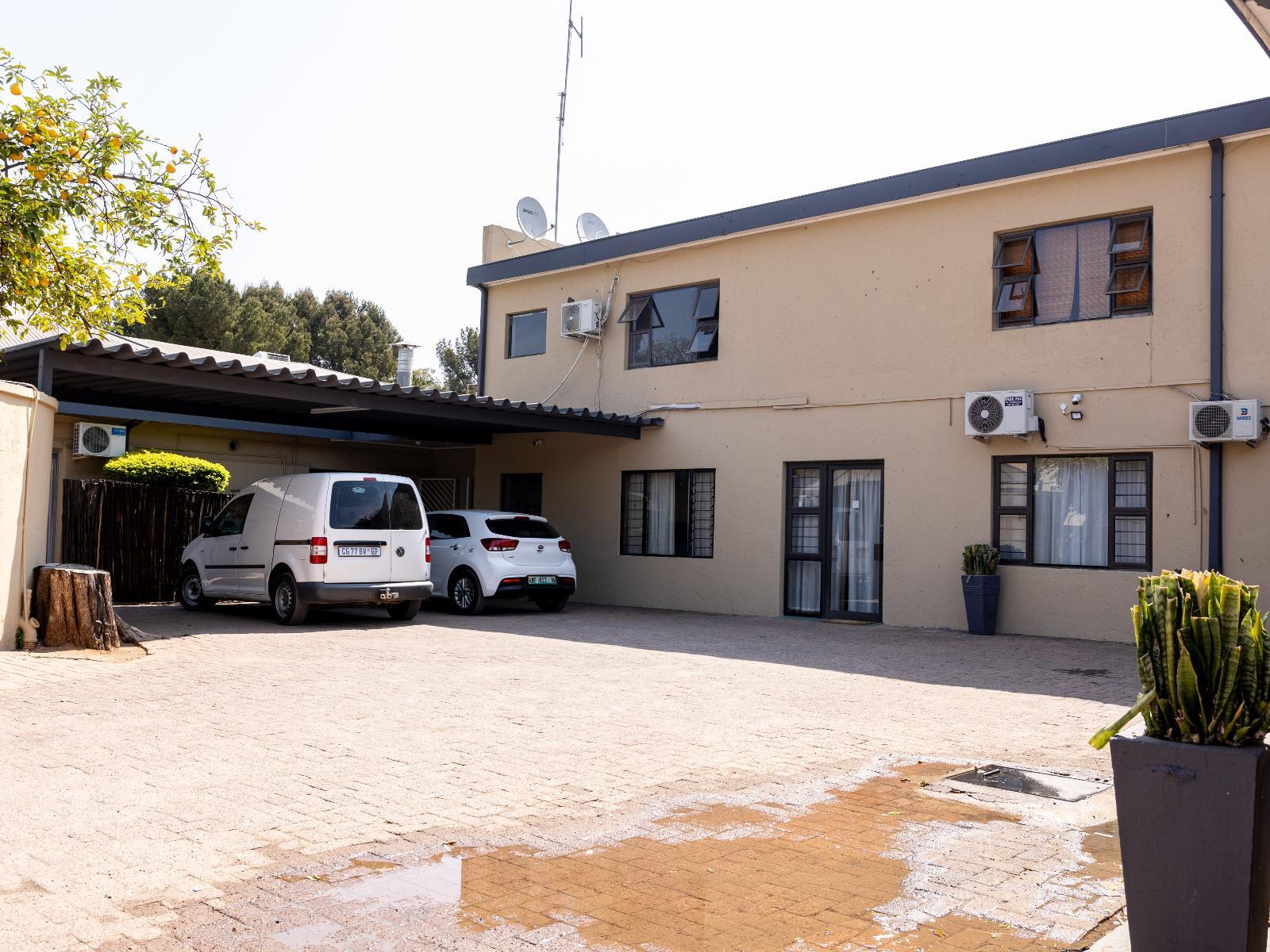
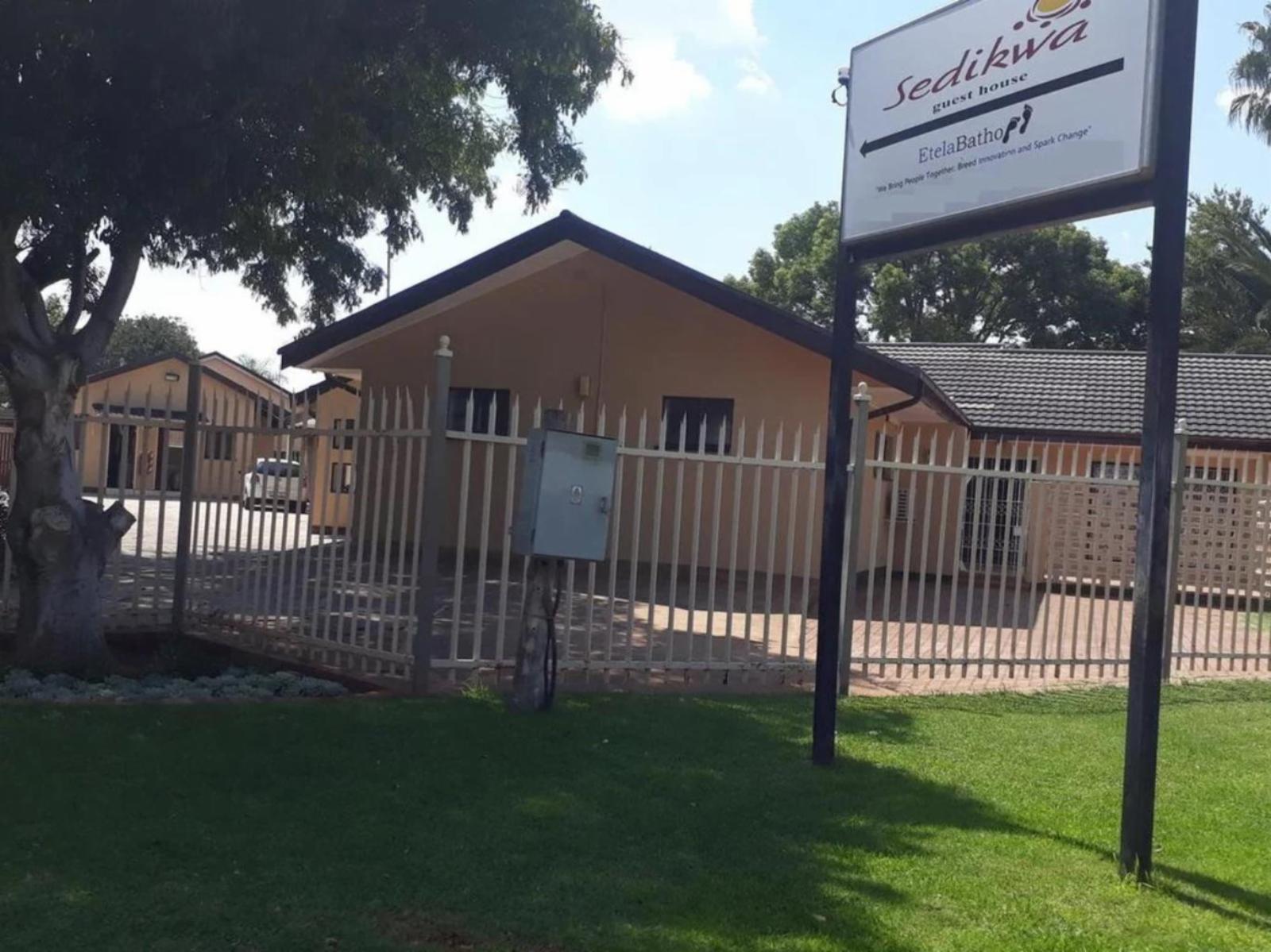
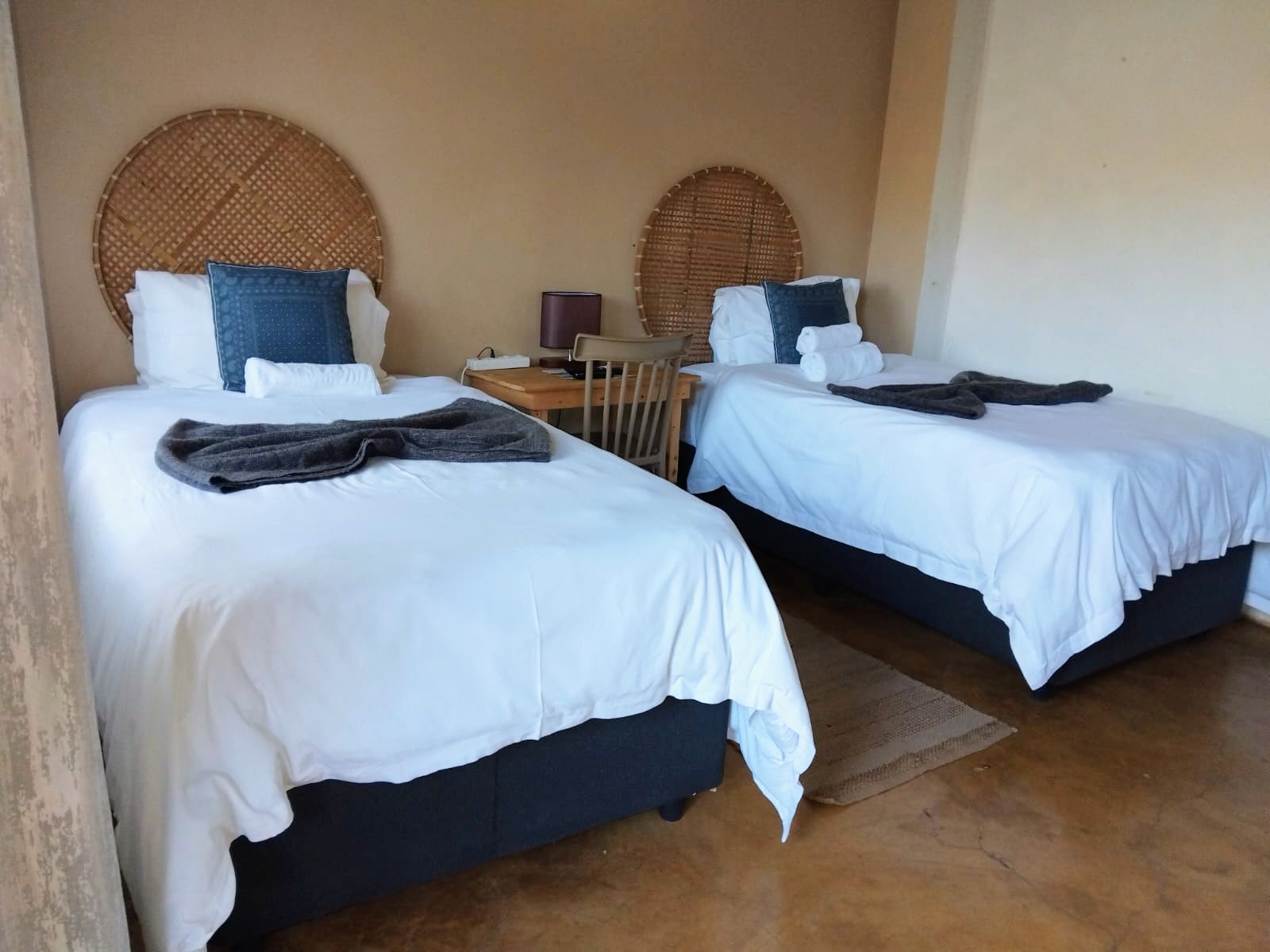
At the budget end, guesthouses are the most common option. Many are family-run, offering clean basic rooms with breakfast often included in the rate. Self-catering units also appear at this level and suit visitors staying several nights or arriving in groups. Standards vary more here than at higher tiers, and reading recent guest reviews before confirming a booking is worthwhile.
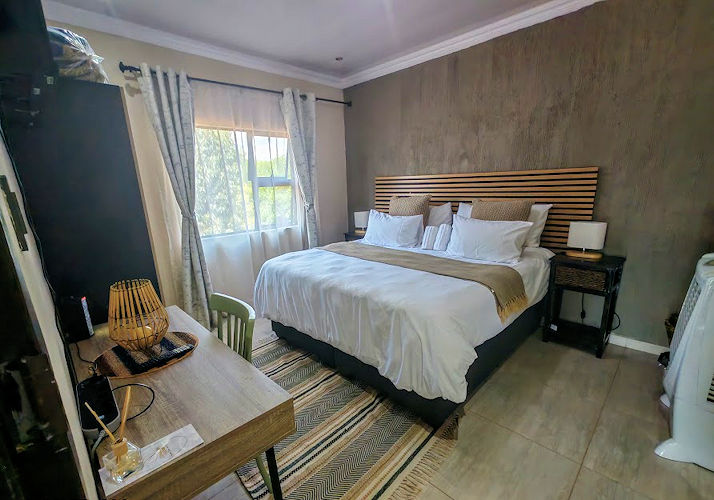
Mid-range properties, including small hotels and bed and breakfast establishments, typically offer private bathrooms, off-street parking, and more reliable internet connections. A number of these sit near the administrative and commercial centre, which works well for business travellers and provides a practical base for day trips in the area. This tier sees strong weekday demand, so arriving Friday to Sunday generally opens up better availability for leisure visitors.
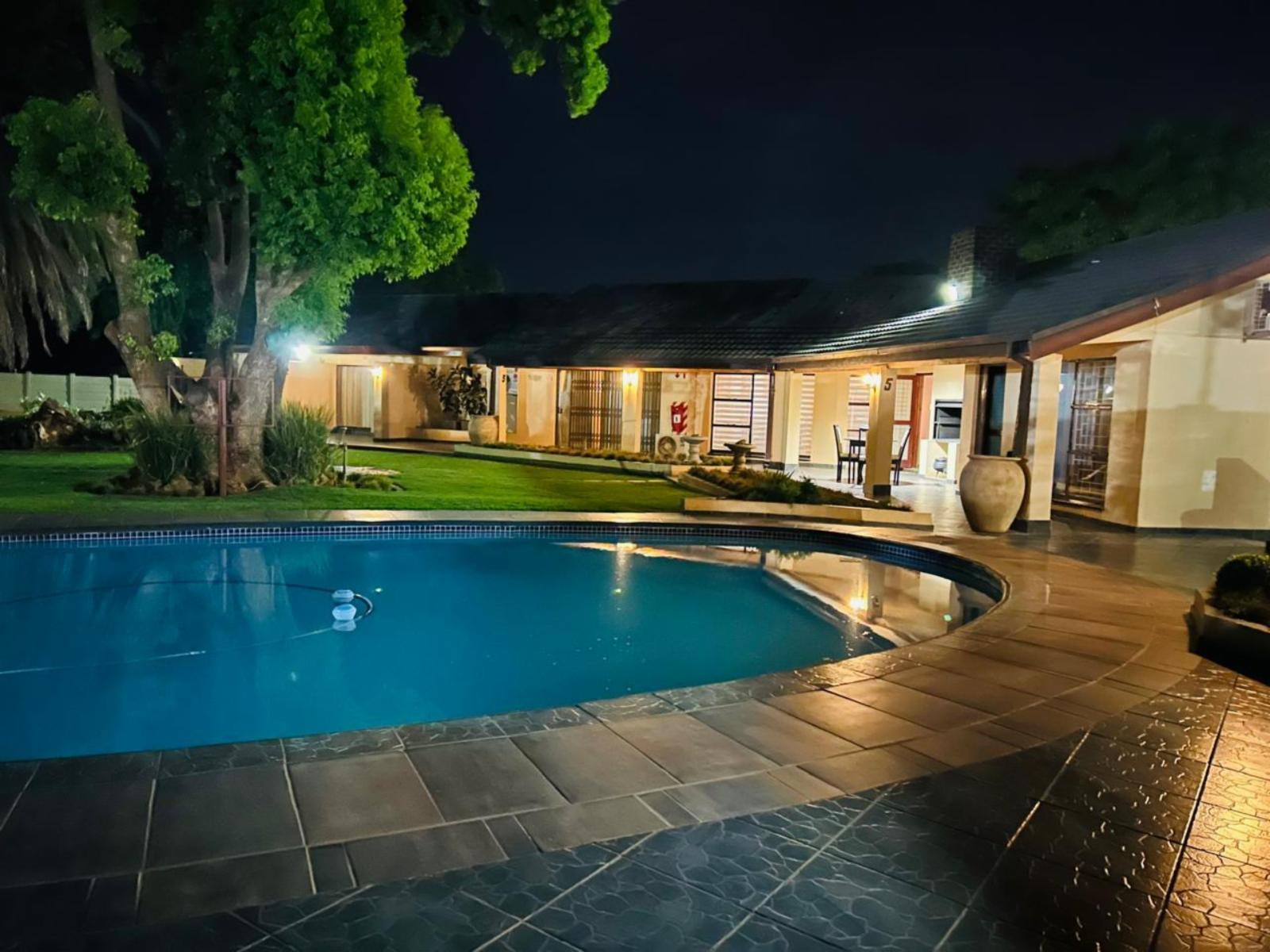
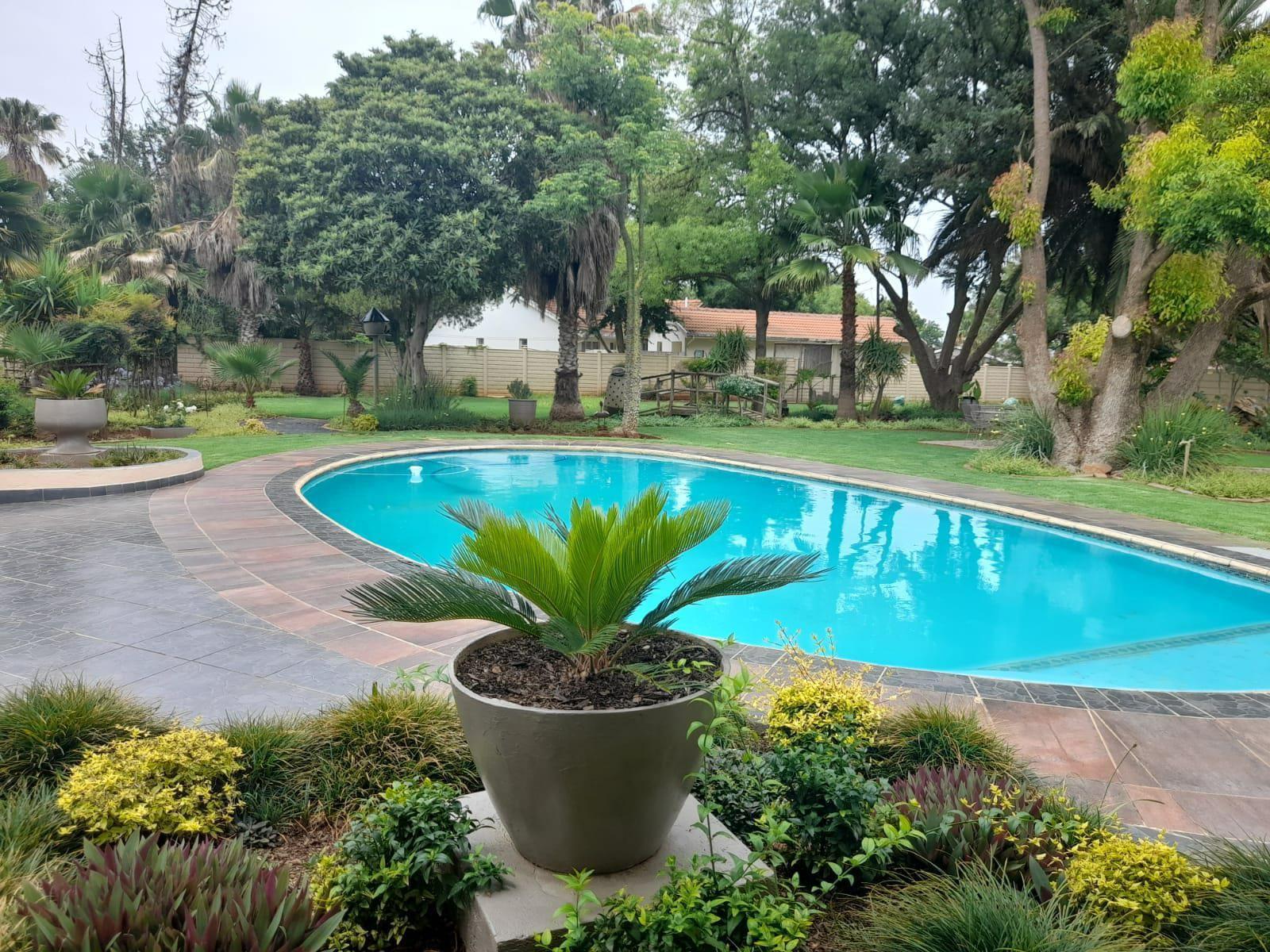
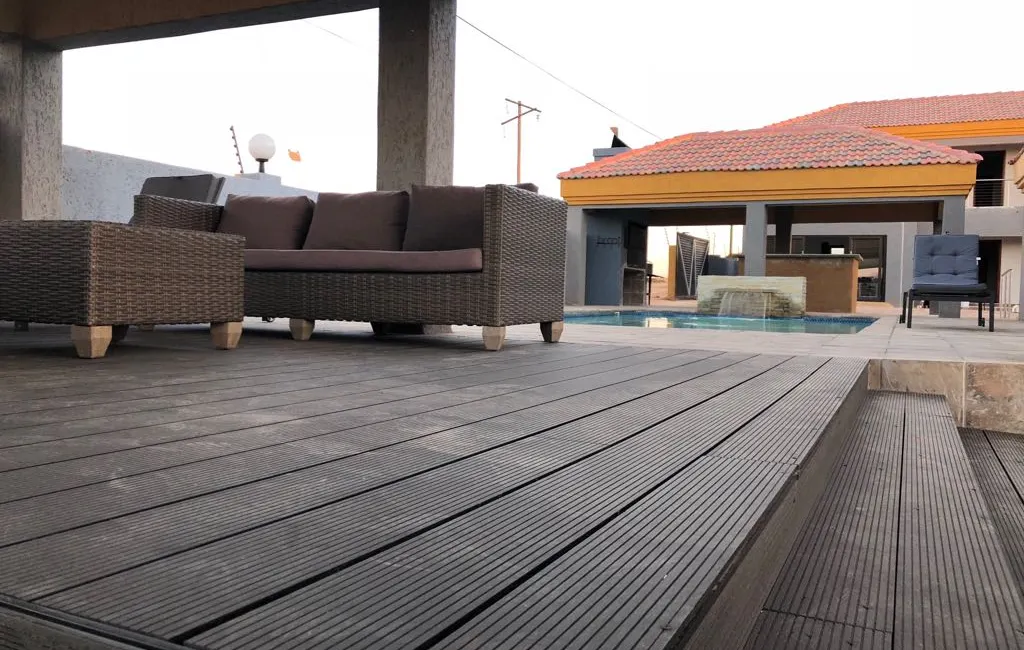
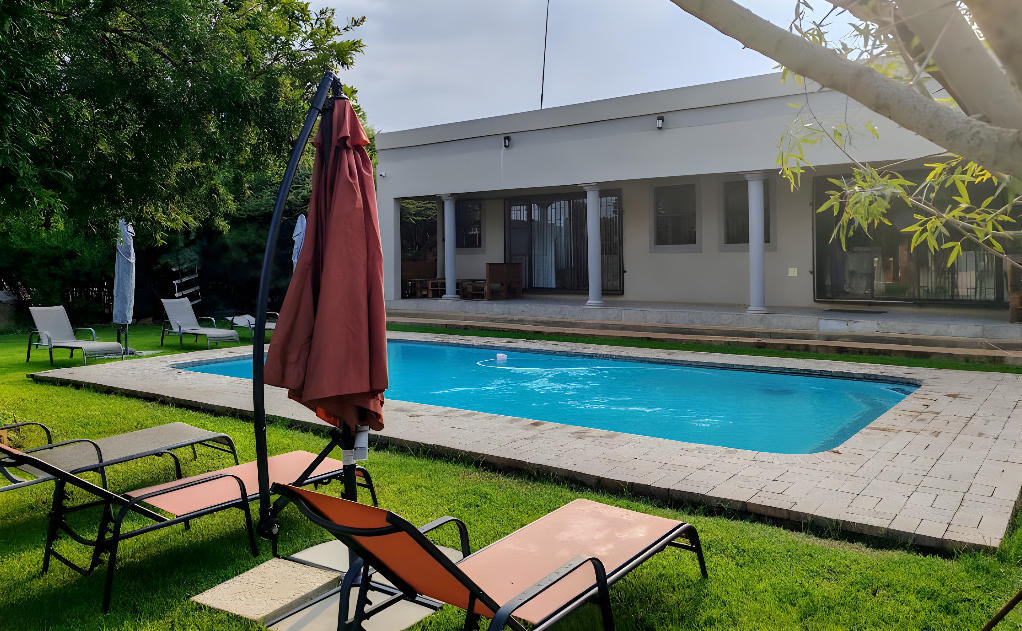
Upper-tier accommodation is limited in number. A handful of hotels operate at a noticeably higher standard, with facilities such as swimming pools, air conditioning, and conference rooms. These properties cater primarily to corporate and government clients, and their pricing reflects that market rather than leisure demand.
Booking directly with properties, by phone or email, frequently produces better results than third-party platforms, where listings for smaller guesthouses can lag behind current availability. Confirming meal inclusions and parking when booking avoids the most common arrival surprises.
---
## Best Time to Visit Mafikeng
The North West Province falls within a summer rainfall zone, with most rain arriving between November and March. Afternoon thunderstorms are frequent during these months, sometimes heavy, but typically brief and clearing by evening. The surrounding savanna and bushveld respond quickly to the first rains, which makes this a productive period for birdwatching in the reserve areas outside town.
The dry winter season, from May through August, brings clear skies and comfortable daytime temperatures, usually in the low to mid-20s Celsius. Nights cool sharply and can approach freezing in June and July, so packing warm layers is necessary. The Mafikeng Museum and the outdoor historical sites associated with the 1899-1900 Siege are accessible year-round, but winter conditions make extended time on foot around these sites considerably more comfortable than the humid summer months.
April and September are transitional months with moderate temperatures, low rainfall, and less visitor pressure than the main school holiday windows. These months balance the benefits of both seasons without their extremes and are well-suited to general sightseeing.
School holidays in July and December bring increased visitors travelling from Gauteng, and the cluster of public holidays in April has a similar effect. Properties book up faster during these periods, and planning ahead matters more. Mosquito activity rises through the wet season, so carrying repellent is sensible for evenings spent outdoors between November and March.
---
## Getting to Mafikeng
Mafikeng is roughly 300 kilometres northwest of Johannesburg, a drive of three to four hours on the N14. The highway passes through Krugersdorp and continues across open farmland into the North West Province. Road conditions are generally acceptable on the main route, though sections closer to the town centre can require more attention than the earlier stretches. Rustenburg, a larger town known for platinum mining, sits approximately 150 kilometres to the east and makes a practical overnight stop for those breaking the drive from Johannesburg.
Mmabatho Airport provides scheduled domestic flights connecting primarily with Johannesburg, with a journey time under an hour. The airport operates at a scale suited to the government and business traffic Mafikeng generates, with moderate but adequate frequency. Checking schedules and booking ahead is sensible, as services are less frequent than at larger regional airports.
Around town, minibus taxis cover main routes at low cost but on informal schedules. The central area is walkable for most sightseeing, with key sites reasonably close together. Hiring a car makes a significant difference for anyone planning to visit outlying settlements, reach the Botswana border crossing approximately 20 kilometres north, or drive loops into the hinterland. Fuel is available in town, but filling up before heading onto rural roads is a sensible precaution, as petrol stations become sparse quickly outside the urban area.
---
## Mafikeng and Surrounding Areas
Mafikeng makes a workable base for exploring the communities and landscapes within a 50-kilometre radius, most of which are accessible on half-day or full-day drives. None of the nearby destinations functions primarily as a tourist site, but taken together they provide an honest picture of the North West Province beyond the capital.
**Kwamakubung**, 11 kilometres from the town centre, developed as a township community during the Bophuthatswana homeland era. Its spatial layout reflects the forced-settlement policies of that period, and the township grew substantially after internal movement restrictions were lifted at the end of apartheid. For visitors interested in South Africa's political geography, driving through adds context that no museum exhibit fully captures.
**Welverdiend**, at 23 kilometres, sits among agricultural land typical of the North West interior. Cattle farming and dryland cropping are the main land uses. There is no formal visitor infrastructure, but the drive out gives an unmediated view of how rural communities in the region operate.
**Naauwpoort**, 36 kilometres away, is a small rural node in open savanna. The surrounding thornveld makes for reasonable roadside birdwatching on the route there, and the flat, open terrain gives a clear sense of the landscape extending toward the border. The settlement itself is small, but the road passing through it covers some of the most undeveloped country accessible from Mafikeng on a single tank.
**Uitkyk**, 38 kilometres from Mafikeng, is a sparsely populated farming area. The terrain flattens noticeably heading west from town, and Uitkyk sits within that transition zone approaching the Molopo basin, where the semi-arid character of the region becomes pronounced.
**Bathobatho**, at 42 kilometres, and **Elandsputte**, at 47 kilometres, lie on the outer edge of Mafikeng's accessible day-trip range, well into the semi-arid belt that intensifies toward the Botswana border region. Combining either community with the border post area to the north makes for a full day's driving without requiring an overnight stop elsewhere.
---
## Planning Your Stay
Mafikeng's accommodation market runs on a business-week pattern. Mid-range and upper-tier properties fill most readily from Monday to Thursday, when government and contractor bookings take priority. Leisure visitors generally find better availability from Friday through Sunday, sometimes at reduced rates. Outside school holiday periods, booking one to two weeks ahead is usually sufficient. The July and December school holidays and the April public holiday cluster are worth planning around earlier, as both domestic and business travel converge during those windows.
When comparing properties, confirm whether breakfast is included in the quoted rate, since practice varies widely and affects the real cost per night. Parking should be checked specifically for centrally-located guesthouses, as off-street space is not universal. Internet reliability varies considerably across accommodation tiers and should not be assumed at budget level, so downloading offline maps and any documents you need before heading out to outlying areas is a sensible precaution.
Local guesthouses are often better sources of current practical information than any website: road conditions on gravel routes to smaller settlements, border-post operating hours for a cross-border excursion, or which guided tours are currently running. Calling ahead to a property before arrival tends to surface this kind of detail more reliably than online research, and it provides an early indication of how responsive the accommodation is before you check in.

This platform currently lists no properties in Mafikeng, and pricing data is not available, so rates should be confirmed directly with properties or through local booking channels. The town supports a functioning accommodation market shaped primarily by the steady flow of government employees, contractors, and NGO workers who come here as the provincial capital of North West. Leisure travellers form a smaller but consistent segment, particularly on weekends and during school holidays when weekday demand eases.
At the budget end, guesthouses are the most common option. Many are family-run, offering clean basic rooms with breakfast often included in the rate. Self-catering units also appear at this level and suit visitors staying several nights or arriving in groups. Standards vary more here than at higher tiers, and reading recent guest reviews before confirming a booking is worthwhile.
Mid-range properties, including small hotels and bed and breakfast establishments, typically offer private bathrooms, off-street parking, and more reliable internet connections. A number of these sit near the administrative and commercial centre, which works well for business travellers and provides a practical base for day trips in the area. This tier sees strong weekday demand, so arriving Friday to Sunday generally opens up better availability for leisure visitors.
Upper-tier accommodation is limited in number. A handful of hotels operate at a noticeably higher standard, with facilities such as swimming pools, air conditioning, and conference rooms. These properties cater primarily to corporate and government clients, and their pricing reflects that market rather than leisure demand.
Booking directly with properties, by phone or email, frequently produces better results than third-party platforms, where listings for smaller guesthouses can lag behind current availability. Confirming meal inclusions and parking when booking avoids the most common arrival surprises.
---
## Best Time to Visit Mafikeng
The North West Province falls within a summer rainfall zone, with most rain arriving between November and March. Afternoon thunderstorms are frequent during these months, sometimes heavy, but typically brief and clearing by evening. The surrounding savanna and bushveld respond quickly to the first rains, which makes this a productive period for birdwatching in the reserve areas outside town.
The dry winter season, from May through August, brings clear skies and comfortable daytime temperatures, usually in the low to mid-20s Celsius. Nights cool sharply and can approach freezing in June and July, so packing warm layers is necessary. The Mafikeng Museum and the outdoor historical sites associated with the 1899-1900 Siege are accessible year-round, but winter conditions make extended time on foot around these sites considerably more comfortable than the humid summer months.
April and September are transitional months with moderate temperatures, low rainfall, and less visitor pressure than the main school holiday windows. These months balance the benefits of both seasons without their extremes and are well-suited to general sightseeing.
School holidays in July and December bring increased visitors travelling from Gauteng, and the cluster of public holidays in April has a similar effect. Properties book up faster during these periods, and planning ahead matters more. Mosquito activity rises through the wet season, so carrying repellent is sensible for evenings spent outdoors between November and March.
---
## Getting to Mafikeng
Mafikeng is roughly 300 kilometres northwest of Johannesburg, a drive of three to four hours on the N14. The highway passes through Krugersdorp and continues across open farmland into the North West Province. Road conditions are generally acceptable on the main route, though sections closer to the town centre can require more attention than the earlier stretches. Rustenburg, a larger town known for platinum mining, sits approximately 150 kilometres to the east and makes a practical overnight stop for those breaking the drive from Johannesburg.
Mmabatho Airport provides scheduled domestic flights connecting primarily with Johannesburg, with a journey time under an hour. The airport operates at a scale suited to the government and business traffic Mafikeng generates, with moderate but adequate frequency. Checking schedules and booking ahead is sensible, as services are less frequent than at larger regional airports.
Around town, minibus taxis cover main routes at low cost but on informal schedules. The central area is walkable for most sightseeing, with key sites reasonably close together. Hiring a car makes a significant difference for anyone planning to visit outlying settlements, reach the Botswana border crossing approximately 20 kilometres north, or drive loops into the hinterland. Fuel is available in town, but filling up before heading onto rural roads is a sensible precaution, as petrol stations become sparse quickly outside the urban area.
---
## Mafikeng and Surrounding Areas
Mafikeng makes a workable base for exploring the communities and landscapes within a 50-kilometre radius, most of which are accessible on half-day or full-day drives. None of the nearby destinations functions primarily as a tourist site, but taken together they provide an honest picture of the North West Province beyond the capital.
**Kwamakubung**, 11 kilometres from the town centre, developed as a township community during the Bophuthatswana homeland era. Its spatial layout reflects the forced-settlement policies of that period, and the township grew substantially after internal movement restrictions were lifted at the end of apartheid. For visitors interested in South Africa's political geography, driving through adds context that no museum exhibit fully captures.
**Welverdiend**, at 23 kilometres, sits among agricultural land typical of the North West interior. Cattle farming and dryland cropping are the main land uses. There is no formal visitor infrastructure, but the drive out gives an unmediated view of how rural communities in the region operate.
**Naauwpoort**, 36 kilometres away, is a small rural node in open savanna. The surrounding thornveld makes for reasonable roadside birdwatching on the route there, and the flat, open terrain gives a clear sense of the landscape extending toward the border. The settlement itself is small, but the road passing through it covers some of the most undeveloped country accessible from Mafikeng on a single tank.
**Uitkyk**, 38 kilometres from Mafikeng, is a sparsely populated farming area. The terrain flattens noticeably heading west from town, and Uitkyk sits within that transition zone approaching the Molopo basin, where the semi-arid character of the region becomes pronounced.
**Bathobatho**, at 42 kilometres, and **Elandsputte**, at 47 kilometres, lie on the outer edge of Mafikeng's accessible day-trip range, well into the semi-arid belt that intensifies toward the Botswana border region. Combining either community with the border post area to the north makes for a full day's driving without requiring an overnight stop elsewhere.
---
## Planning Your Stay
Mafikeng's accommodation market runs on a business-week pattern. Mid-range and upper-tier properties fill most readily from Monday to Thursday, when government and contractor bookings take priority. Leisure visitors generally find better availability from Friday through Sunday, sometimes at reduced rates. Outside school holiday periods, booking one to two weeks ahead is usually sufficient. The July and December school holidays and the April public holiday cluster are worth planning around earlier, as both domestic and business travel converge during those windows.
When comparing properties, confirm whether breakfast is included in the quoted rate, since practice varies widely and affects the real cost per night. Parking should be checked specifically for centrally-located guesthouses, as off-street space is not universal. Internet reliability varies considerably across accommodation tiers and should not be assumed at budget level, so downloading offline maps and any documents you need before heading out to outlying areas is a sensible precaution.
Local guesthouses are often better sources of current practical information than any website: road conditions on gravel routes to smaller settlements, border-post operating hours for a cross-border excursion, or which guided tours are currently running. Calling ahead to a property before arrival tends to surface this kind of detail more reliably than online research, and it provides an early indication of how responsive the accommodation is before you check in.
Mafikeng Kaart
Nabygeleë Bestemmings
Blaai Deur Alle Mafikeng Akkommodasie
Bekyk al 0 akkommodasie-opsies in Mafikeng met foto's, pryse en beskikbaarheid.
Blaai Deur Alle Akkommodasie