Magaliesburg Reis- & Akkommodasiegids
Jou volledige gids om Magaliesburg, Suid-Afrika te besoek.
4
Eiendomme
Gewildste
Hotel
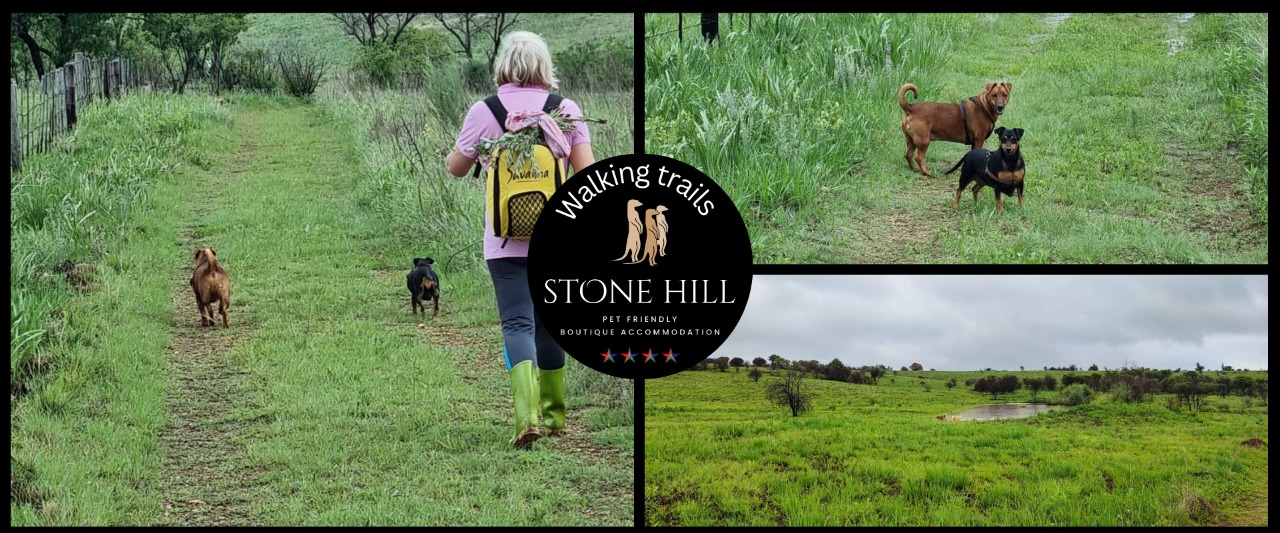
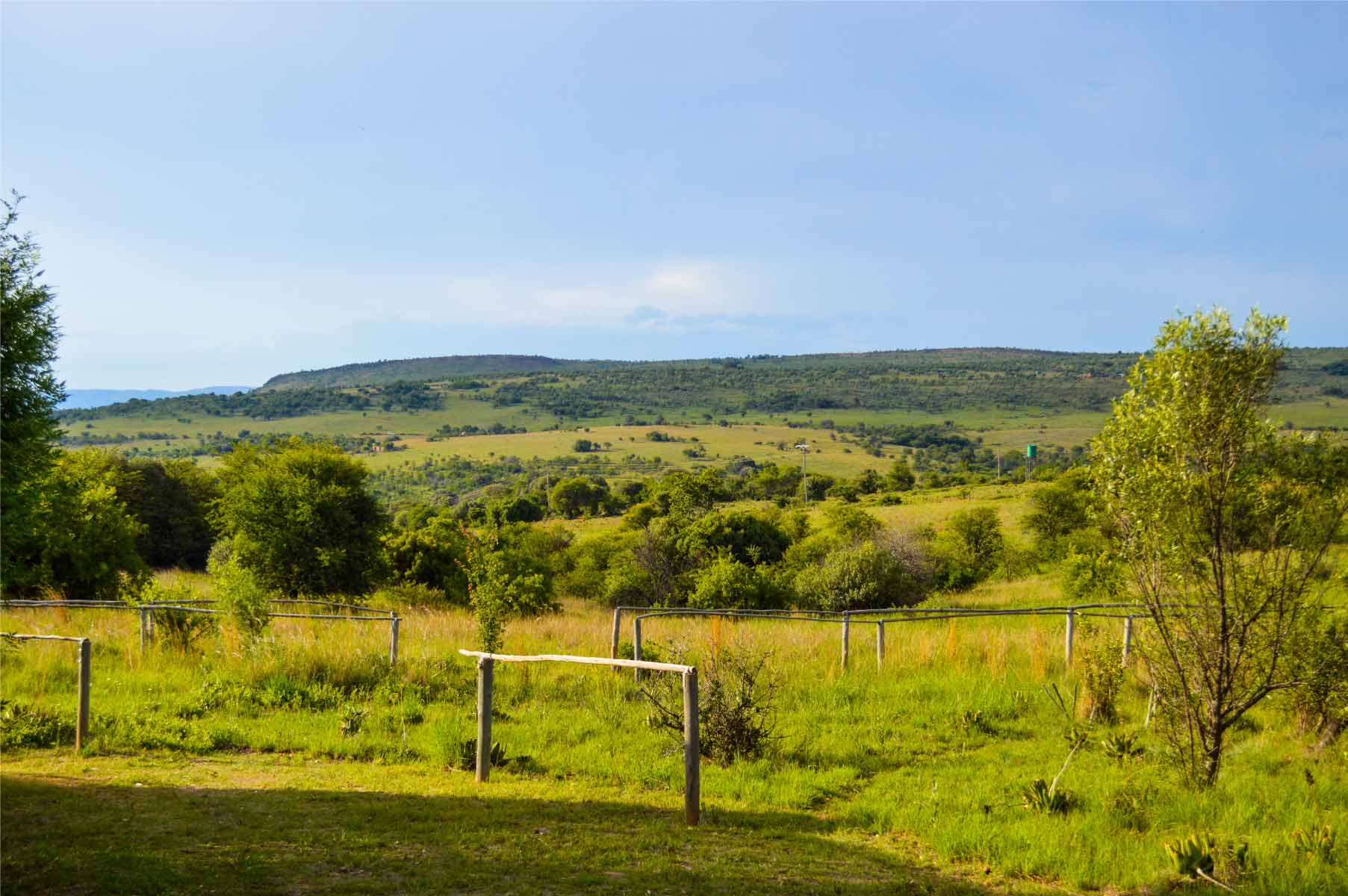
Magaliesburg offers a peaceful retreat with its rolling hills and outdoor pursuits. Visitors enjoy hiking trails and fresh air in the surrounding mountains. The area provides a solid base for exploring nearby attractions, appealing to those seeking a break from urban life.
## Accommodation in Magaliesburg
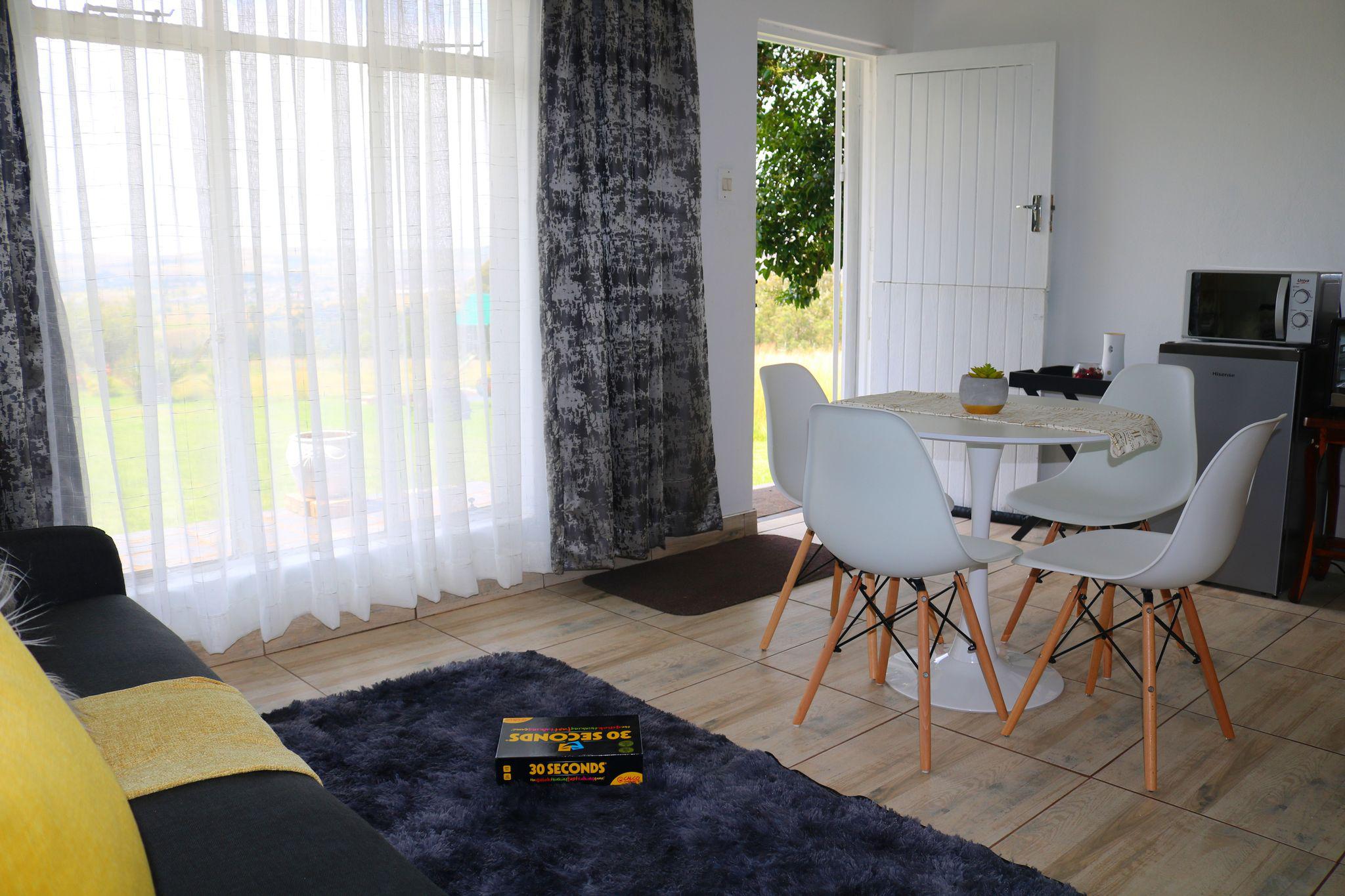
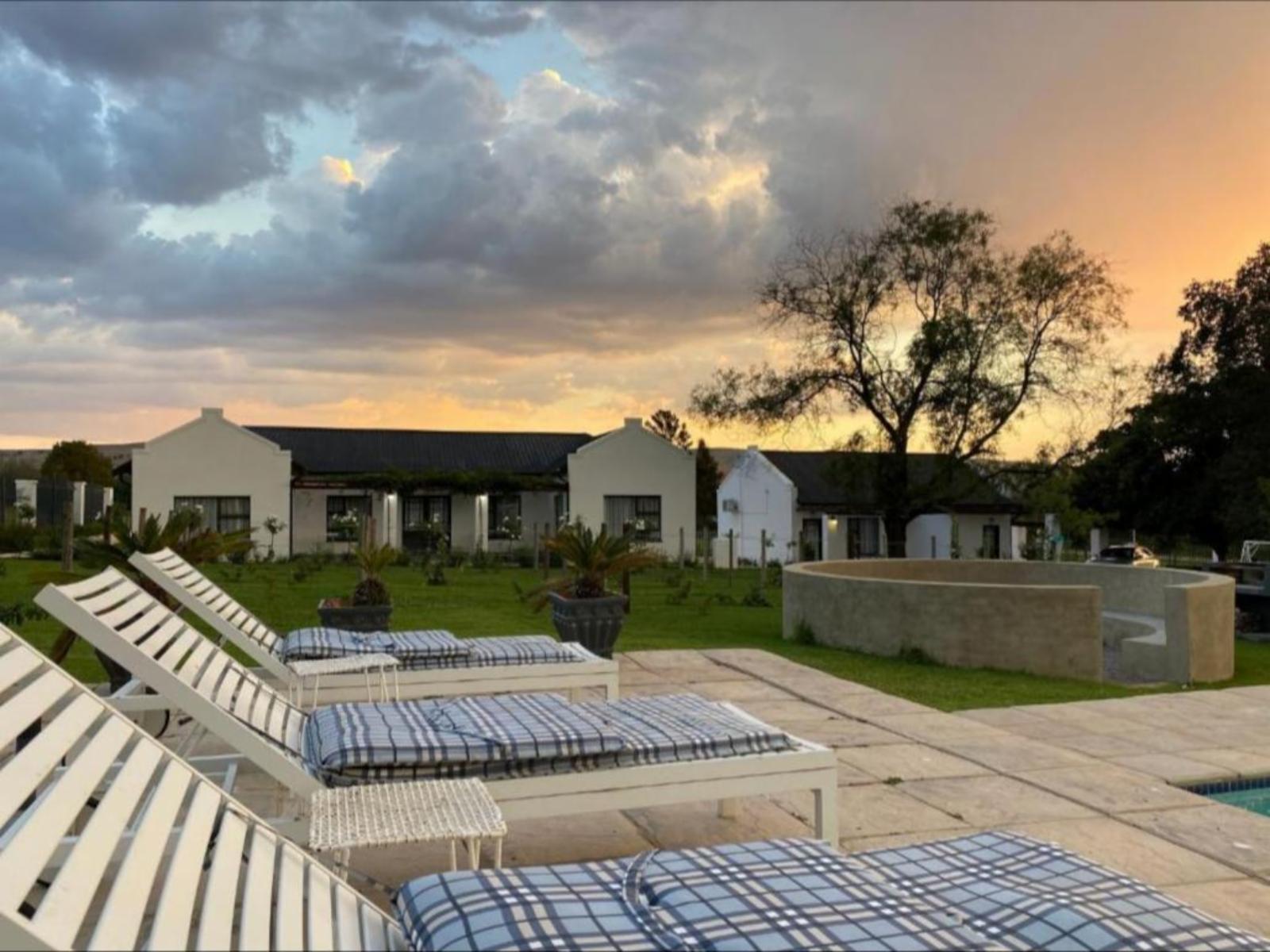
Magaliesburg has 4 listed properties, divided between hotels and lodges. Prices are not standardised across the current stock, and availability shifts significantly with the seasons, so using a comparison platform before booking is the most practical way to assess what fits your budget and travel style.
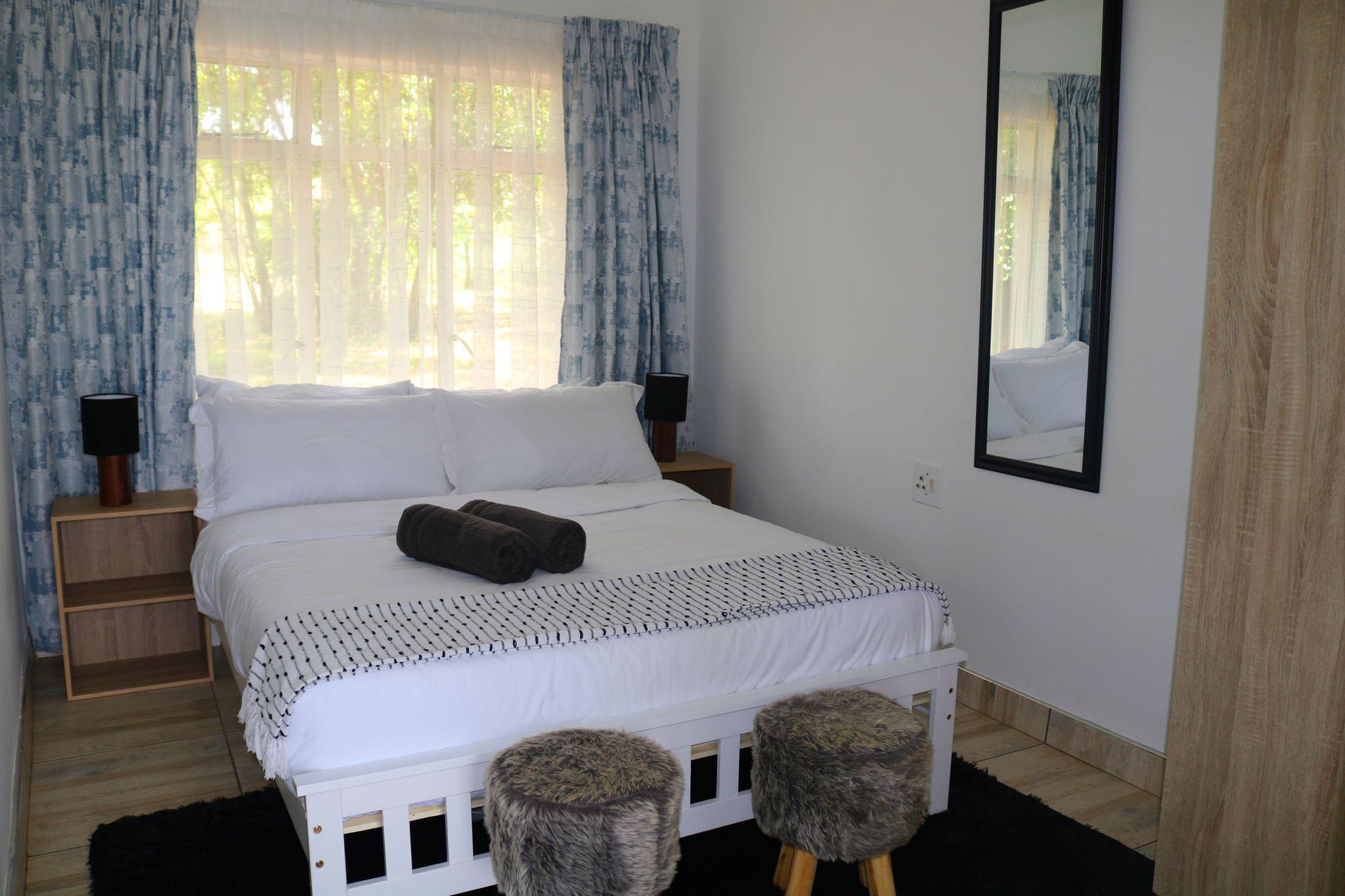
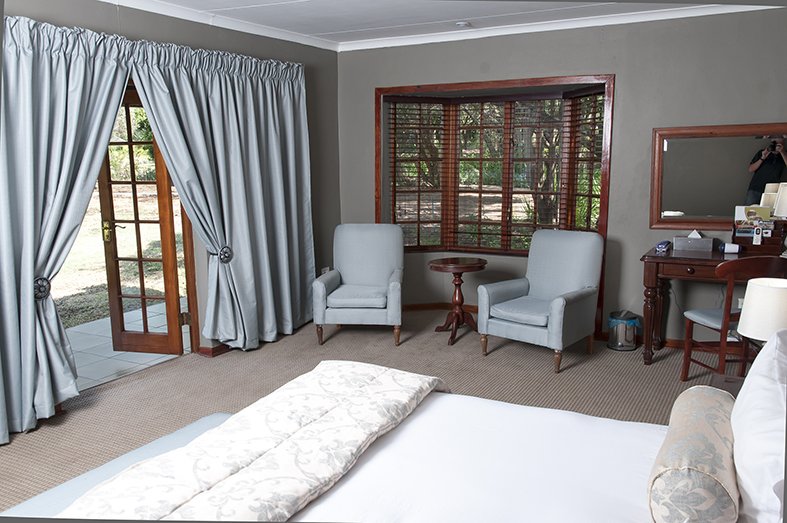
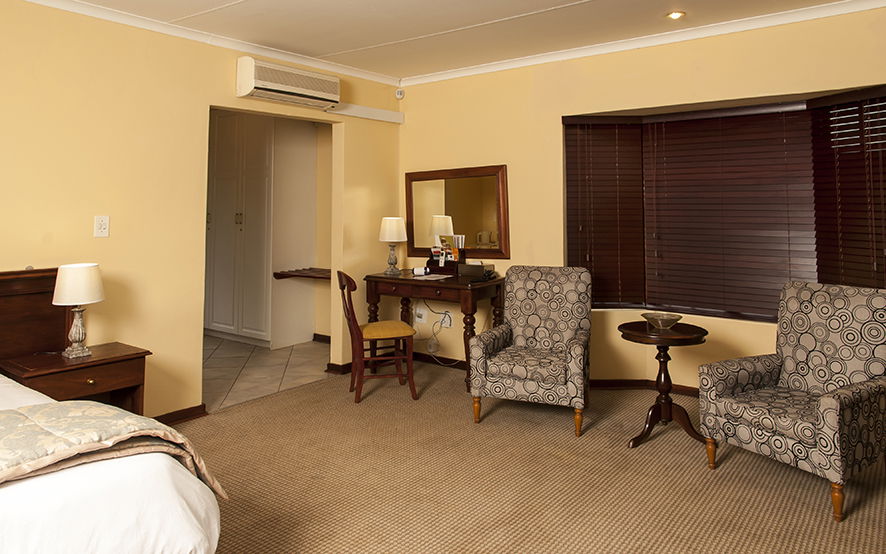
At the mid-range level, hotels in the area provide the kind of reliable infrastructure that makes a long weekend comfortable without fuss. Standard rooms, on-site meals, and proximity to the main roads through town are the expected features. For visitors who plan to spend most of their time out in the mountains or at nearby dams, this format keeps logistics simple without requiring a significant commitment to a particular property layout.
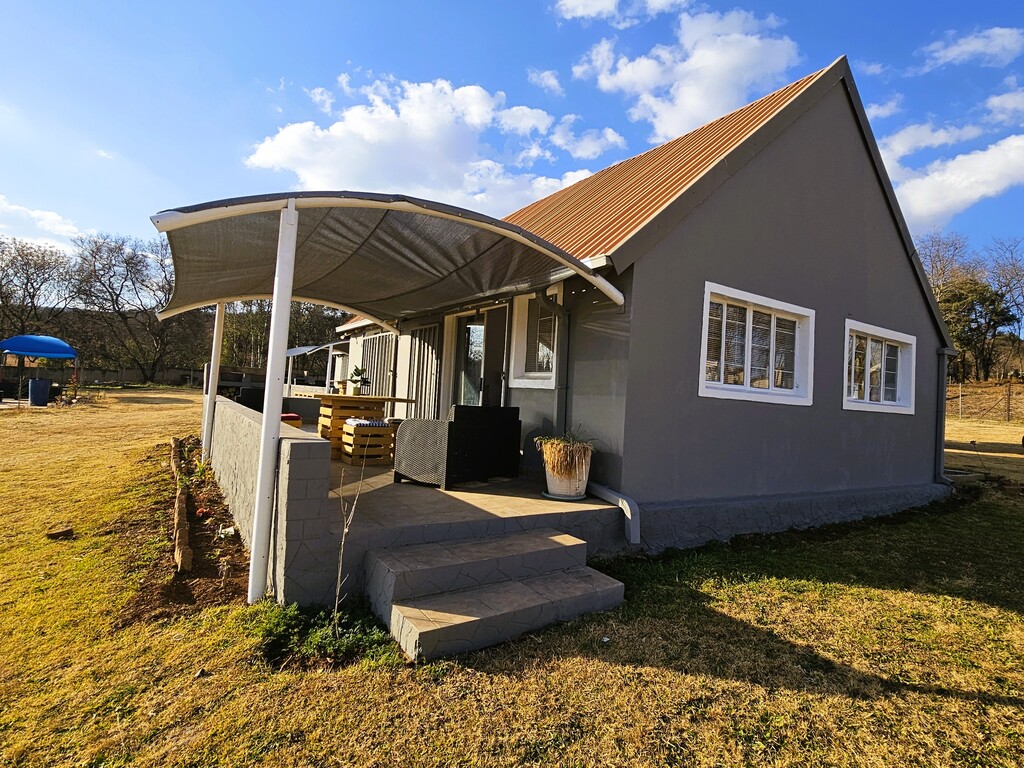
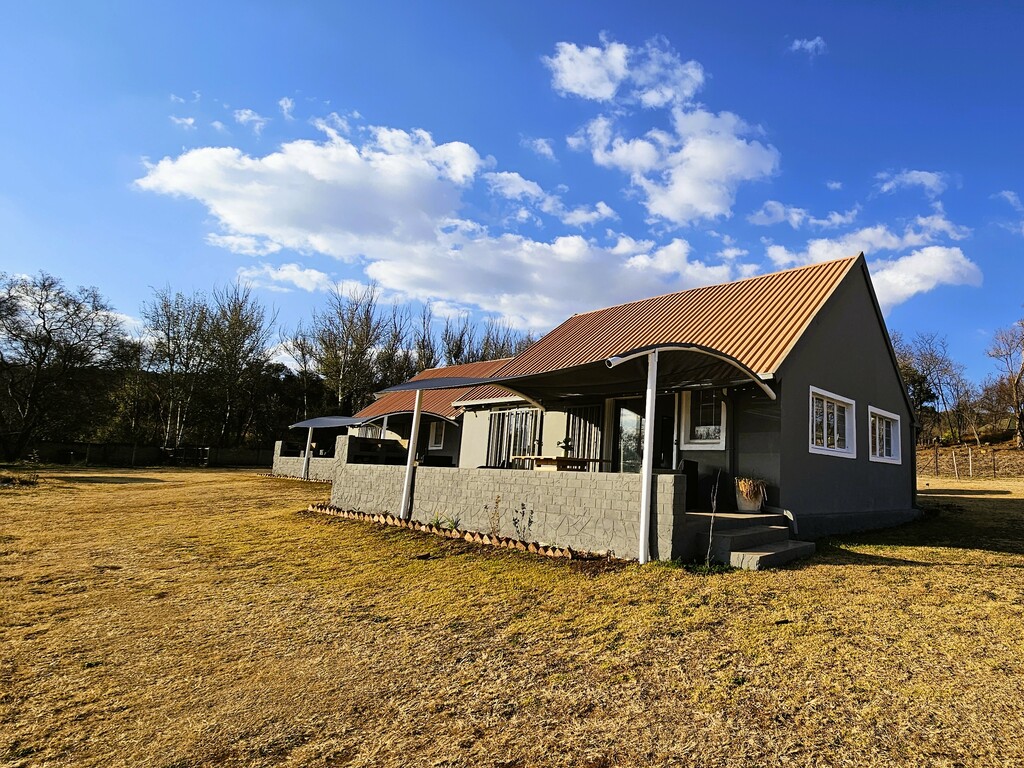
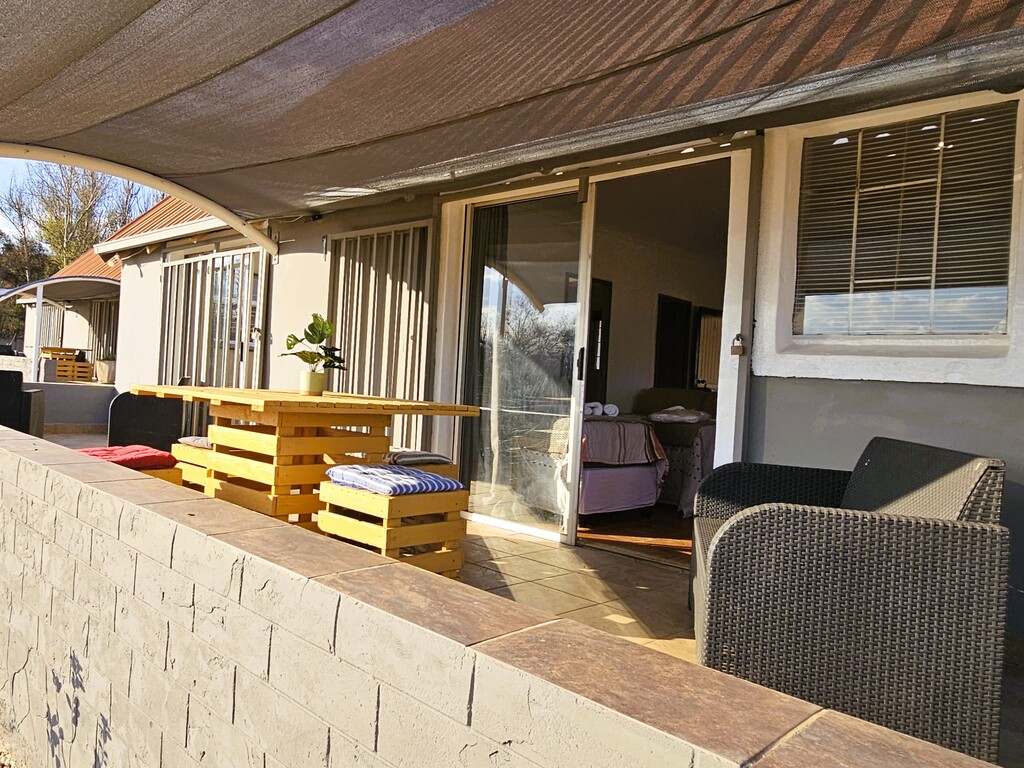
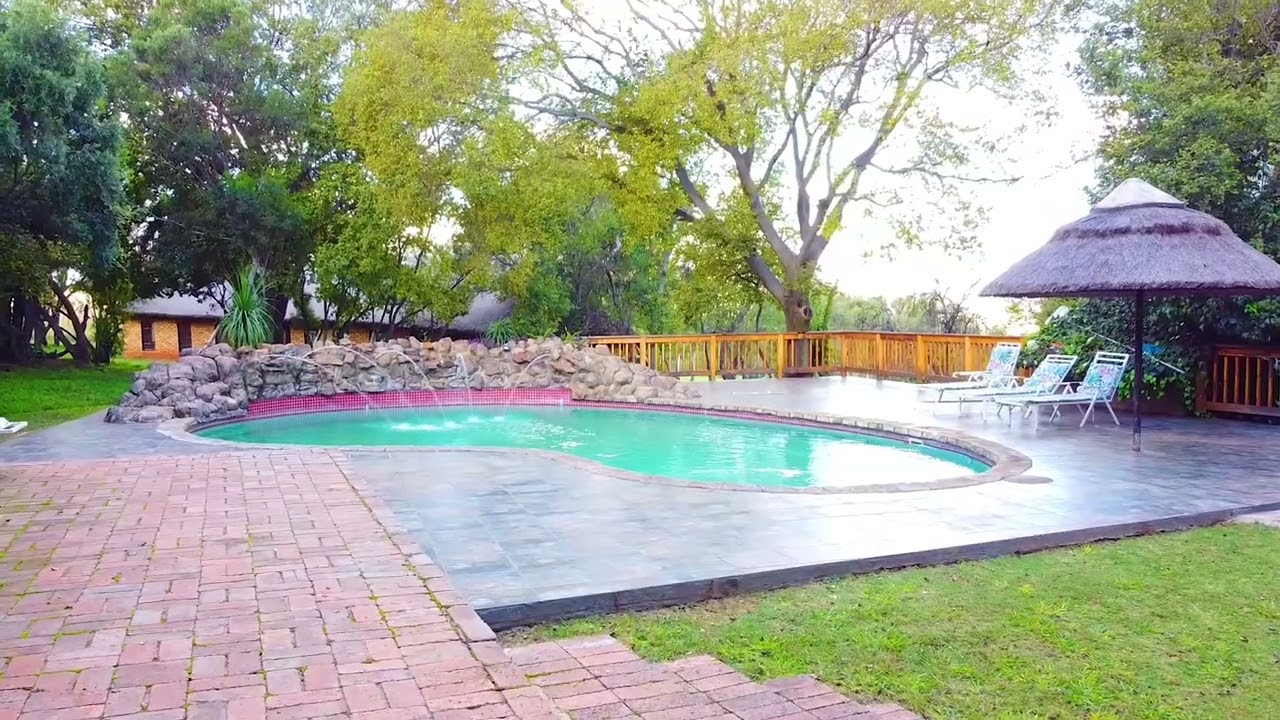
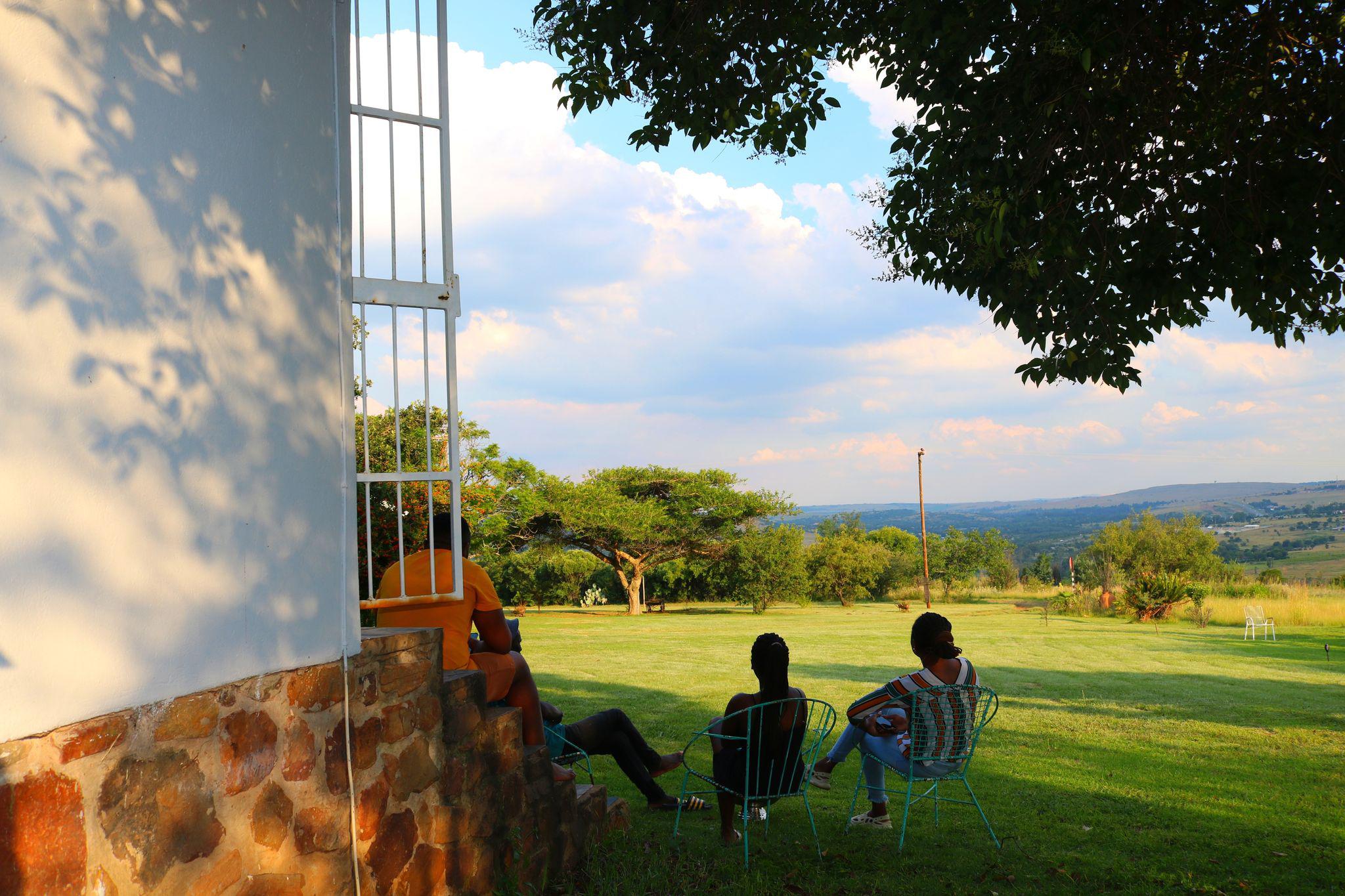
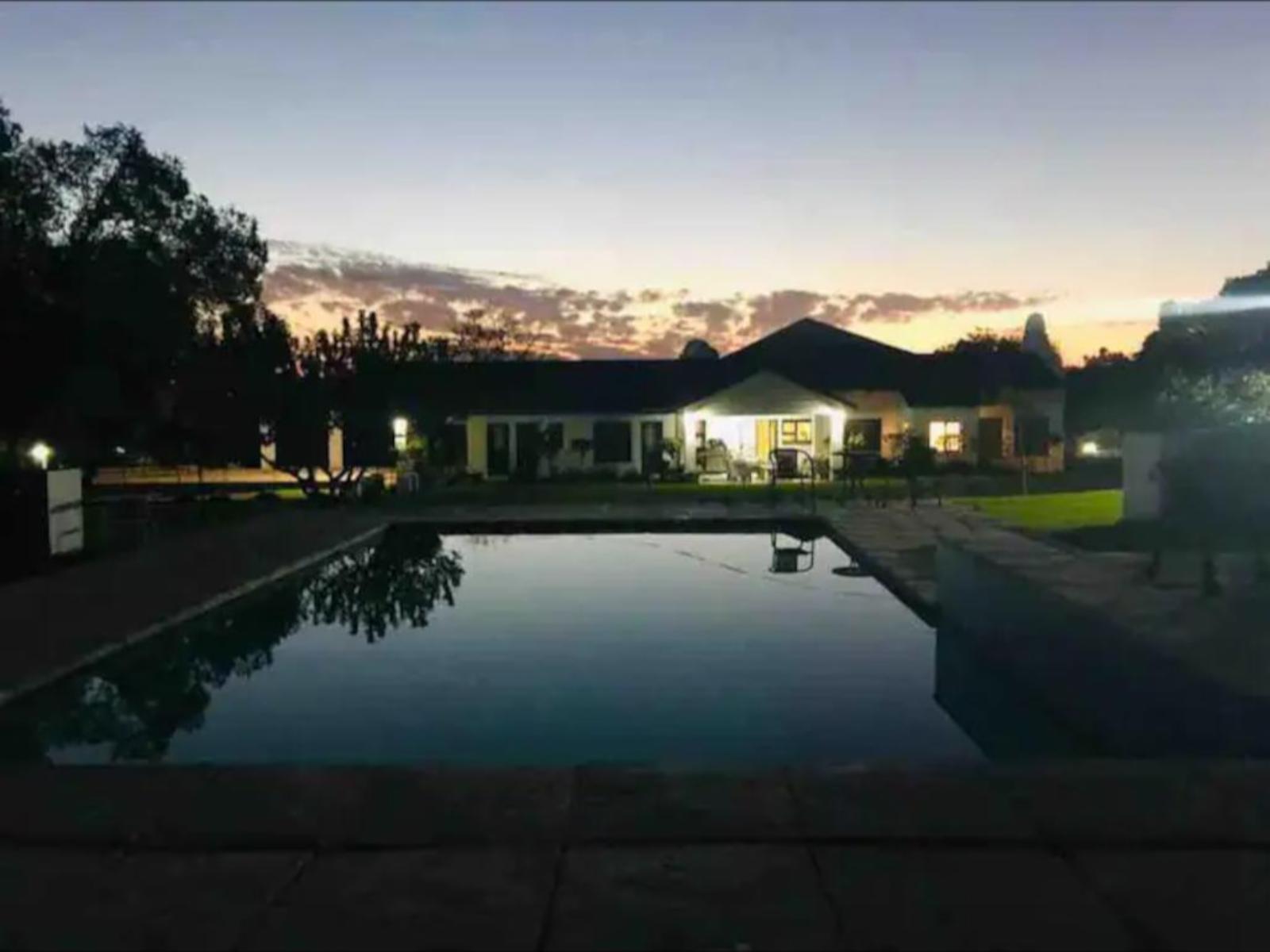
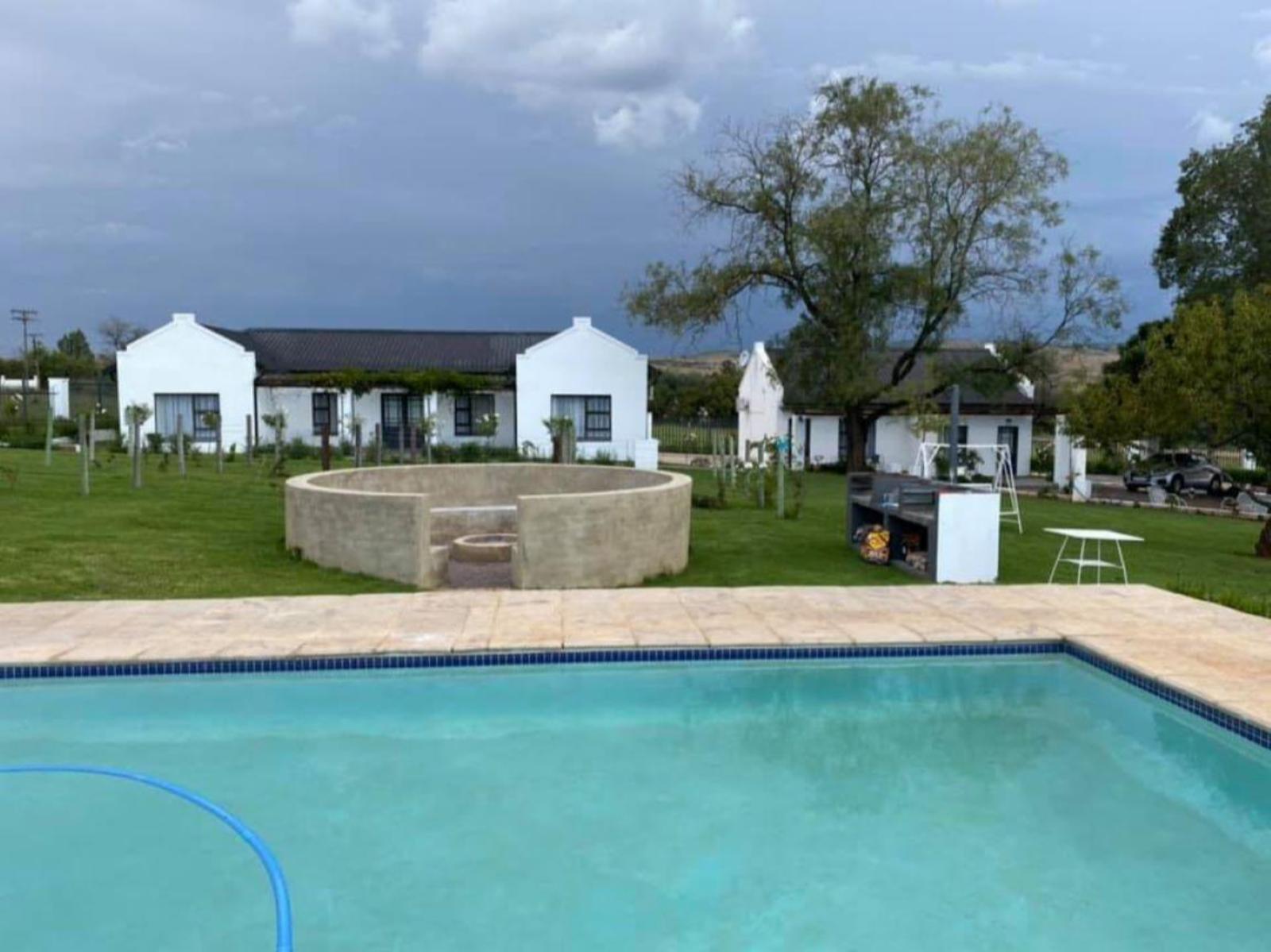
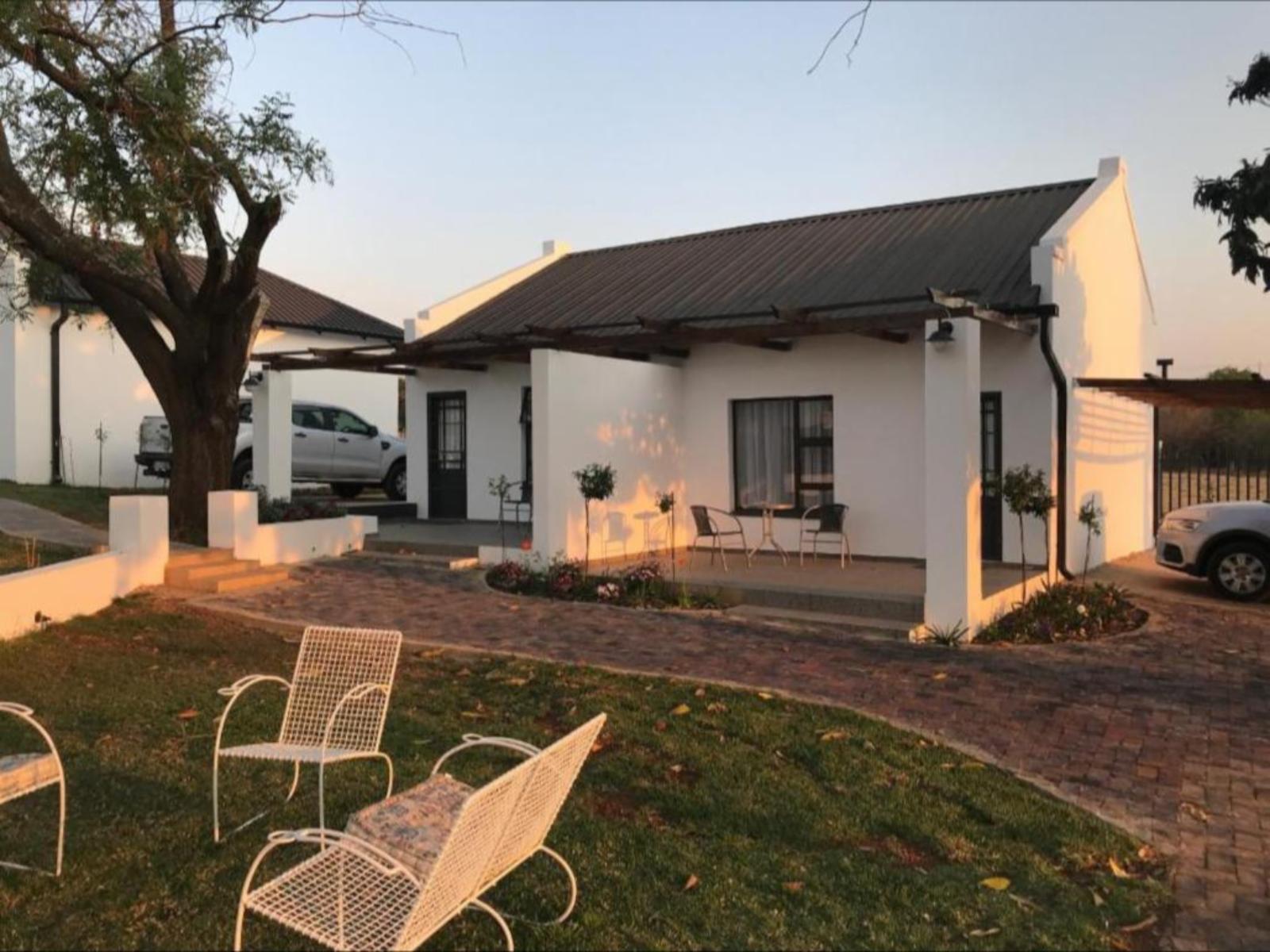
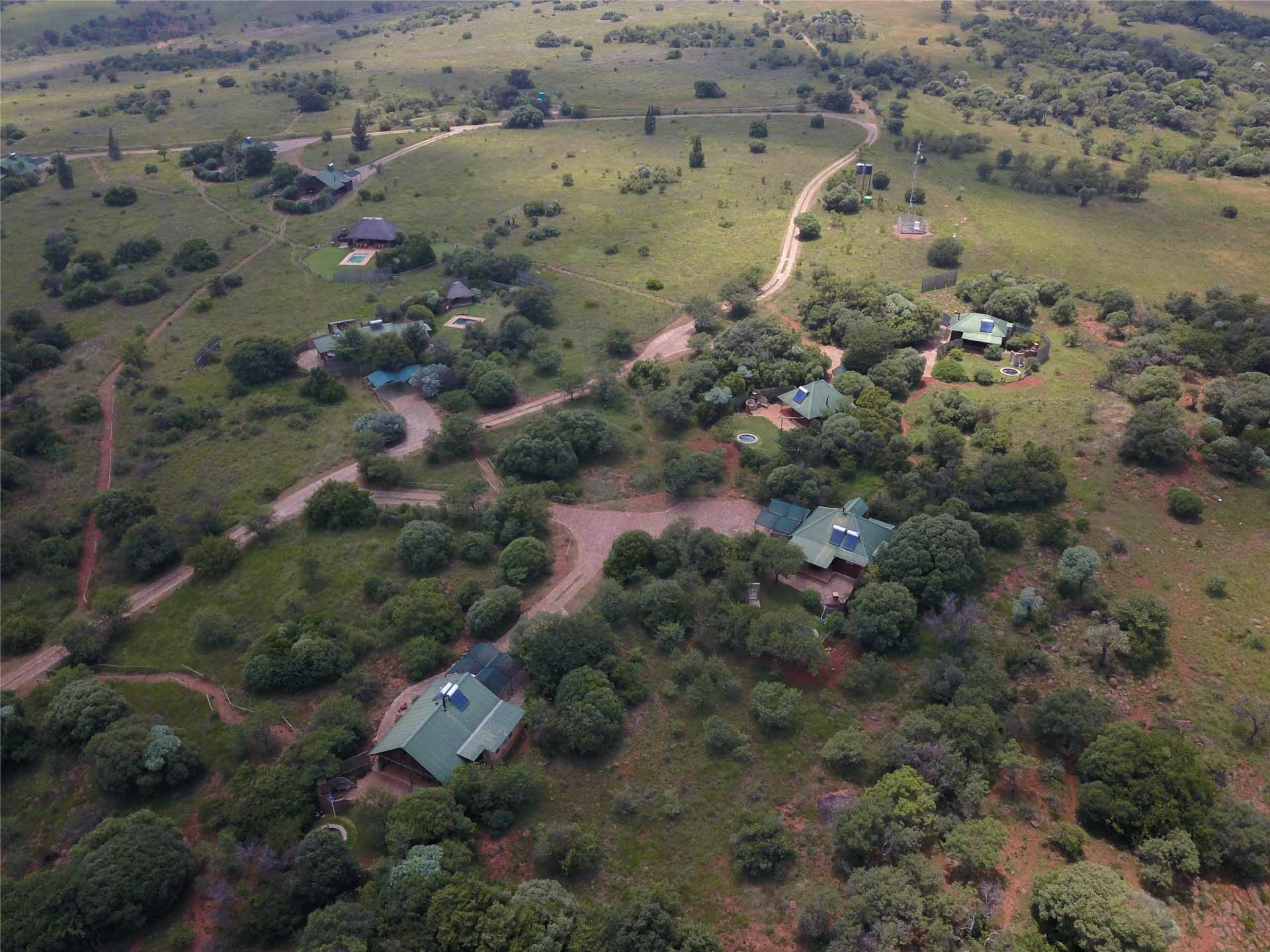
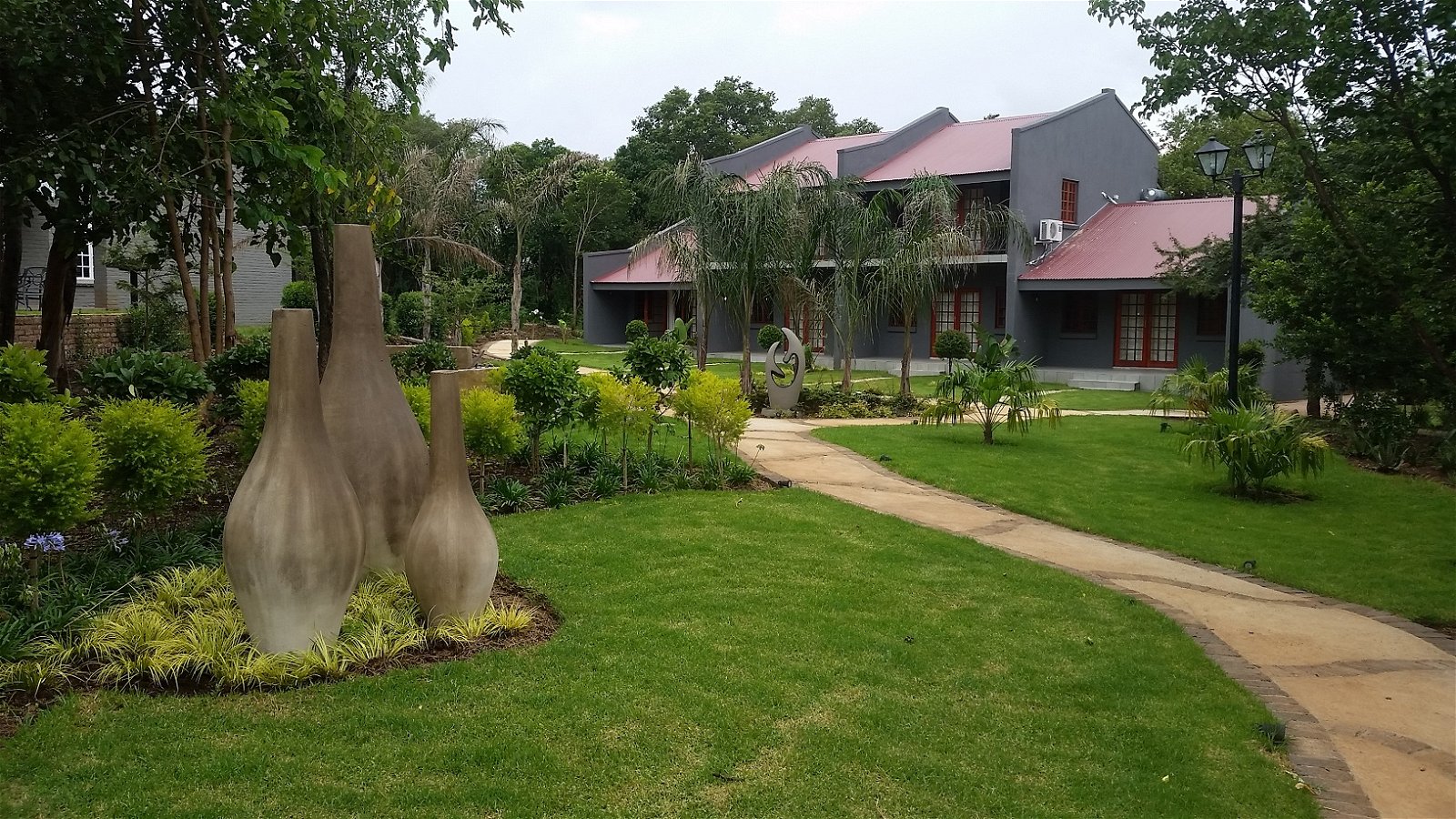
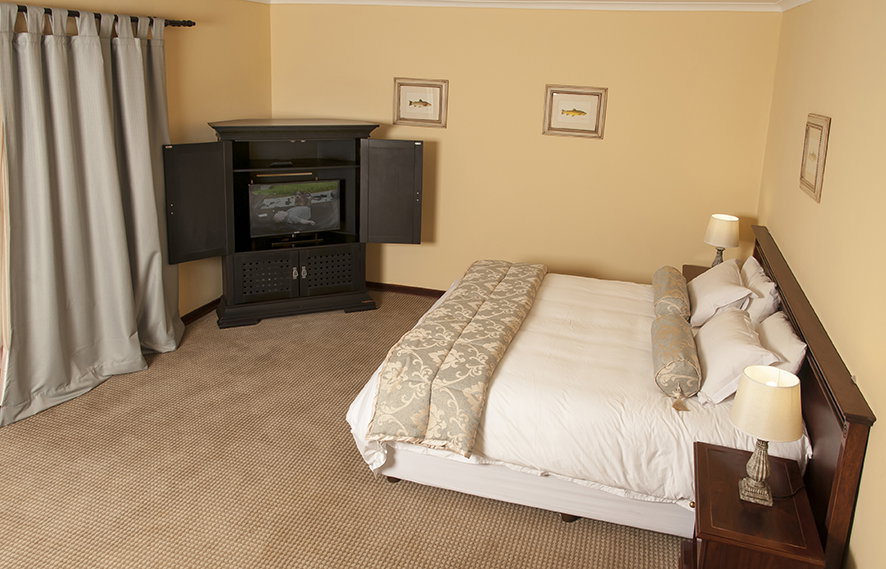
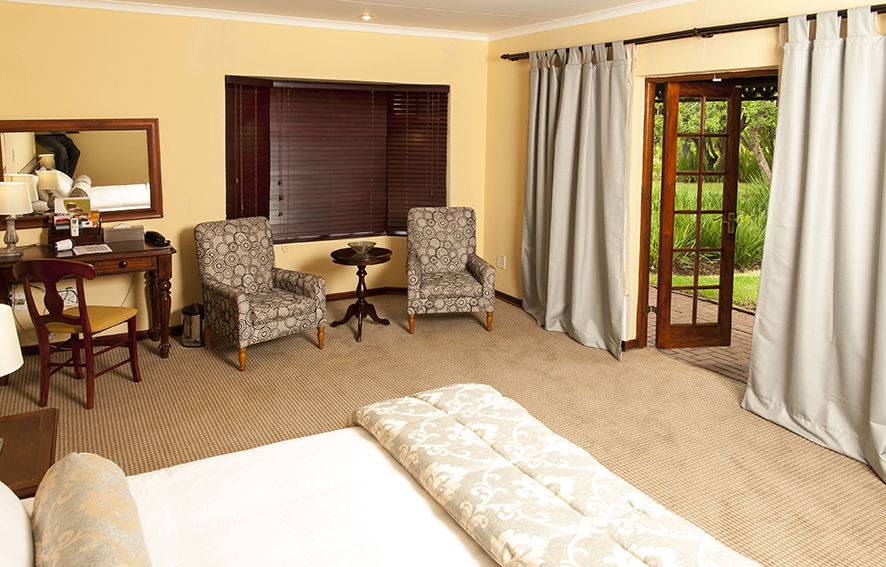
Lodges, particularly those in the upper range of the local market, tend to occupy larger portions of land and are built around the landscape they sit in. Access to private walking routes, birdwatching from a deck, and outdoor braai facilities are common at this level. Guest numbers at most lodge properties are smaller, which produces a more personal atmosphere. Rooms often open directly onto garden or bush, and the overall setup rewards visitors who come specifically to spend time outdoors rather than treating the property as a hotel with views.
What both types share is a general leaning toward the informal and nature-oriented. Magaliesburg is not a conference and spa destination. Properties at any level tend to reflect the character of the town itself: practical, grounded in the landscape, and suited to people who want proximity to the mountains rather than insulation from them. For a two to three night visit, either format delivers, with the choice coming down to how much of the outdoor environment you want built into the daily rhythm of the stay.
---
## Best Time to Visit Magaliesburg
The dry season, running from May through September, is when outdoor activities are most reliably enjoyable. Days are clear with low humidity, and conditions are well-suited to hiking and trail walking. Nights turn cold from June through August, with frost possible on higher ground, so warm layers are worth packing even if daytime temperatures feel mild. The clear winter skies also produce sharp, low-angle light in the early morning and late afternoon, which rewards photography along the ridgelines.
Summer, October through April, brings afternoon thunderstorms that arrive quickly and can make some trails muddy or temporarily impassable. Mornings in these months are often clear, making early starts a practical habit. The vegetation turns noticeably greener in summer, and birdlife peaks during the breeding season from October onwards, which draws birders despite the less predictable afternoon weather.
Peak visitor numbers follow the school calendar more than the seasons. The Easter break, September school holidays, and the December to January summer period all see strong demand. Weekday stays in June or July offer the best combination of settled weather and smaller crowds. Long weekends throughout the year are consistently busy and are best approached with bookings already confirmed.
---
## Getting to Magaliesburg
Driving is the standard way to reach Magaliesburg. The town sits roughly 70 kilometres west of Johannesburg, a trip that takes between 60 and 90 minutes depending on traffic. From Pretoria, allow approximately 90 minutes via the R512 or R104. The R24 and R509 are the main routes used once in the area. Fuel is available in Magaliesburg town, though filling up in Johannesburg or Krugersdorp before entering the valley reduces the risk of arriving on a low tank.
For those arriving by air, O.R. Tambo International Airport in Johannesburg is the principal international gateway. Lanseria International Airport, positioned northwest of Johannesburg and considerably closer to Magaliesburg, handles domestic routes and is worth considering for travelers flying within South Africa. Car hire is available at both airports and is strongly recommended, as there is no scheduled bus or train service directly to Magaliesburg.
Shuttle operators do run routes from Johannesburg on weekends, but schedules are inconsistent and advance booking is essential. Once in the area, a vehicle is effectively necessary for getting around. Most accommodation is accessible by standard sedan, though some properties on farm roads or higher slopes involve short gravel stretches. Ground clearance above a typical hatchback is useful but not always required.
---
## Magaliesburg and Surrounding Areas
Several destinations within a 25-kilometre radius extend the possibilities of a visit, each with a different character.
**Maanhaarrand**, 14 kilometres to the south, is a small rural settlement set against the rocky ridgeline that defines this part of the range. The area is valued for quieter hiking routes with fewer facilities and more solitude than those closer to Magaliesburg's main tourist corridor. Cyclists also use the surrounding gravel roads, particularly for weekend rides that avoid main road traffic.
**Brandylei**, 16 kilometres out, lies in the foothills and is associated with the natural vegetation typical of this elevation, including patches of protea woodland. The area is low-key, drawing visitors interested in the local flora and plant-associated wildlife rather than organised activities.
**Klein Elandsvlei**, 20 kilometres from Magaliesburg, occupies a valley setting surrounded by agricultural land. Game farming is a feature of the area, and equestrian properties operate here. It reflects the farming character of this part of Gauteng more than the wilderness experience found closer to the mountains.
**Protea Ridge**, also 20 kilometres distant, takes its name from the protea scrub covering the higher slopes. The focus here is nature walking and photography rather than formal tourism infrastructure, with the vegetation and elevated views being the primary draw.
**Krugersdorp West**, at 22 kilometres, is the nearest urban centre with full retail and service infrastructure: fuel, supermarkets, pharmacies, and hardware. Part of Mogale City municipality, it serves as the practical provisioning stop for anyone heading deeper into the countryside.
**Gladysvale**, 23 kilometres from Magaliesburg, holds significant paleoanthropological importance. The Gladysvale Cave site has produced hominid fossils and forms part of the broader Cradle of Humankind, a UNESCO World Heritage Site. For visitors with an interest in human prehistory, it offers a well-grounded counterpoint to the landscape-focused activities available around the town itself.
---
## Planning Your Stay
Booking two to three weeks ahead is adequate for mid-week and off-peak stays. Long weekends and school holidays warrant four to six weeks in advance, as well-regarded properties fill quickly in a destination with limited total supply.
When comparing options, establish whether the nightly rate includes meals. Some properties operate on a half-board or full-board basis, while others charge for meals separately. Confirming this before booking avoids unexpected additions to the final invoice. Also check what outdoor facilities are included. Braai equipment, firewood, and access to walking routes on the property are not always standard, and the difference matters for a stay oriented around evenings outdoors.
Cancellation terms vary considerably between properties. Peak-period bookings often carry stricter policies, and non-refundable deposits are common. Reading these terms before paying is worthwhile, particularly if travel dates may shift.
Weather in mountain areas can change without much warning. Summer afternoon storms from October through March occasionally make lower-lying routes impassable for a day. Building some flexibility into the itinerary is a sensible precaution. Mobile coverage is inconsistent in parts of the valley, so downloading offline maps and any relevant attraction details before departure is practical. Some nature reserves and activity operators in the region require advance booking rather than accepting walk-ins, so checking availability before arrival avoids wasted trips.

Magaliesburg has 4 listed properties, divided between hotels and lodges. Prices are not standardised across the current stock, and availability shifts significantly with the seasons, so using a comparison platform before booking is the most practical way to assess what fits your budget and travel style.
At the mid-range level, hotels in the area provide the kind of reliable infrastructure that makes a long weekend comfortable without fuss. Standard rooms, on-site meals, and proximity to the main roads through town are the expected features. For visitors who plan to spend most of their time out in the mountains or at nearby dams, this format keeps logistics simple without requiring a significant commitment to a particular property layout.
Lodges, particularly those in the upper range of the local market, tend to occupy larger portions of land and are built around the landscape they sit in. Access to private walking routes, birdwatching from a deck, and outdoor braai facilities are common at this level. Guest numbers at most lodge properties are smaller, which produces a more personal atmosphere. Rooms often open directly onto garden or bush, and the overall setup rewards visitors who come specifically to spend time outdoors rather than treating the property as a hotel with views.
What both types share is a general leaning toward the informal and nature-oriented. Magaliesburg is not a conference and spa destination. Properties at any level tend to reflect the character of the town itself: practical, grounded in the landscape, and suited to people who want proximity to the mountains rather than insulation from them. For a two to three night visit, either format delivers, with the choice coming down to how much of the outdoor environment you want built into the daily rhythm of the stay.
---
## Best Time to Visit Magaliesburg
The dry season, running from May through September, is when outdoor activities are most reliably enjoyable. Days are clear with low humidity, and conditions are well-suited to hiking and trail walking. Nights turn cold from June through August, with frost possible on higher ground, so warm layers are worth packing even if daytime temperatures feel mild. The clear winter skies also produce sharp, low-angle light in the early morning and late afternoon, which rewards photography along the ridgelines.
Summer, October through April, brings afternoon thunderstorms that arrive quickly and can make some trails muddy or temporarily impassable. Mornings in these months are often clear, making early starts a practical habit. The vegetation turns noticeably greener in summer, and birdlife peaks during the breeding season from October onwards, which draws birders despite the less predictable afternoon weather.
Peak visitor numbers follow the school calendar more than the seasons. The Easter break, September school holidays, and the December to January summer period all see strong demand. Weekday stays in June or July offer the best combination of settled weather and smaller crowds. Long weekends throughout the year are consistently busy and are best approached with bookings already confirmed.
---
## Getting to Magaliesburg
Driving is the standard way to reach Magaliesburg. The town sits roughly 70 kilometres west of Johannesburg, a trip that takes between 60 and 90 minutes depending on traffic. From Pretoria, allow approximately 90 minutes via the R512 or R104. The R24 and R509 are the main routes used once in the area. Fuel is available in Magaliesburg town, though filling up in Johannesburg or Krugersdorp before entering the valley reduces the risk of arriving on a low tank.
For those arriving by air, O.R. Tambo International Airport in Johannesburg is the principal international gateway. Lanseria International Airport, positioned northwest of Johannesburg and considerably closer to Magaliesburg, handles domestic routes and is worth considering for travelers flying within South Africa. Car hire is available at both airports and is strongly recommended, as there is no scheduled bus or train service directly to Magaliesburg.
Shuttle operators do run routes from Johannesburg on weekends, but schedules are inconsistent and advance booking is essential. Once in the area, a vehicle is effectively necessary for getting around. Most accommodation is accessible by standard sedan, though some properties on farm roads or higher slopes involve short gravel stretches. Ground clearance above a typical hatchback is useful but not always required.
---
## Magaliesburg and Surrounding Areas
Several destinations within a 25-kilometre radius extend the possibilities of a visit, each with a different character.
**Maanhaarrand**, 14 kilometres to the south, is a small rural settlement set against the rocky ridgeline that defines this part of the range. The area is valued for quieter hiking routes with fewer facilities and more solitude than those closer to Magaliesburg's main tourist corridor. Cyclists also use the surrounding gravel roads, particularly for weekend rides that avoid main road traffic.
**Brandylei**, 16 kilometres out, lies in the foothills and is associated with the natural vegetation typical of this elevation, including patches of protea woodland. The area is low-key, drawing visitors interested in the local flora and plant-associated wildlife rather than organised activities.
**Klein Elandsvlei**, 20 kilometres from Magaliesburg, occupies a valley setting surrounded by agricultural land. Game farming is a feature of the area, and equestrian properties operate here. It reflects the farming character of this part of Gauteng more than the wilderness experience found closer to the mountains.
**Protea Ridge**, also 20 kilometres distant, takes its name from the protea scrub covering the higher slopes. The focus here is nature walking and photography rather than formal tourism infrastructure, with the vegetation and elevated views being the primary draw.
**Krugersdorp West**, at 22 kilometres, is the nearest urban centre with full retail and service infrastructure: fuel, supermarkets, pharmacies, and hardware. Part of Mogale City municipality, it serves as the practical provisioning stop for anyone heading deeper into the countryside.
**Gladysvale**, 23 kilometres from Magaliesburg, holds significant paleoanthropological importance. The Gladysvale Cave site has produced hominid fossils and forms part of the broader Cradle of Humankind, a UNESCO World Heritage Site. For visitors with an interest in human prehistory, it offers a well-grounded counterpoint to the landscape-focused activities available around the town itself.
---
## Planning Your Stay
Booking two to three weeks ahead is adequate for mid-week and off-peak stays. Long weekends and school holidays warrant four to six weeks in advance, as well-regarded properties fill quickly in a destination with limited total supply.
When comparing options, establish whether the nightly rate includes meals. Some properties operate on a half-board or full-board basis, while others charge for meals separately. Confirming this before booking avoids unexpected additions to the final invoice. Also check what outdoor facilities are included. Braai equipment, firewood, and access to walking routes on the property are not always standard, and the difference matters for a stay oriented around evenings outdoors.
Cancellation terms vary considerably between properties. Peak-period bookings often carry stricter policies, and non-refundable deposits are common. Reading these terms before paying is worthwhile, particularly if travel dates may shift.
Weather in mountain areas can change without much warning. Summer afternoon storms from October through March occasionally make lower-lying routes impassable for a day. Building some flexibility into the itinerary is a sensible precaution. Mobile coverage is inconsistent in parts of the valley, so downloading offline maps and any relevant attraction details before departure is practical. Some nature reserves and activity operators in the region require advance booking rather than accepting walk-ins, so checking availability before arrival avoids wasted trips.
Tipes Akkommodasie in Magaliesburg
Akkommodasiepryse in Magaliesburg
Magaliesburg Kaart
Nabygeleë Bestemmings
Blaai Deur Alle Magaliesburg Akkommodasie
Bekyk al 4 akkommodasie-opsies in Magaliesburg met foto's, pryse en beskikbaarheid.
Blaai Deur Alle Akkommodasie