Malelane Reis- & Akkommodasiegids
Jou volledige gids om Malelane, Suid-Afrika te besoek.
3
Eiendomme
Vanaf
R950
/ nag
Gemiddeld
R1,443
/ nag
Gewildste
Lodge
Malelane serves as a practical base for exploring the nearby Kruger National Park, with its abundant wildlife and expansive savannas. The town features easy access to outdoor adventures and nature reserves. Its location supports a variety of stays that cater to different preferences for comfort and convenience.
## Accommodation in Malelane
Malelane has a compact selection of stays, with 3 properties available ranging from R950 to R2,080 per night. The options span three recognisable tiers, giving visitors a workable choice depending on their budget and the kind of experience they want.
At the more accessible end of the scale, the lodge averages around R1,100 per night. Lodges in this part of the Lowveld typically offer functional rooms with solid facilities and proximity to the bush. They suit travellers who plan to spend most of their time outdoors and need a clean, comfortable base rather than elaborate comforts. Early departures for the park gates are straightforward from this kind of property.
The guest house sits in the middle of the range, averaging R1,667 per night. This category tends to offer a more personal experience, with hosts who can advise on local conditions, park road closures, and the best times to head out for wildlife. En-suite rooms, common areas, and a braai facility are standard expectations. It is a good choice for couples or small groups who want a sociable atmosphere without paying top-end rates.
At the upper end, the bed and breakfast averages R2,080 per night. The rate typically includes breakfast, which is a practical advantage when you need to be at the park gate by opening time. Presentation and attention to detail tend to be higher at this level, and the hosts are usually well-connected to local operators and guides.
Availability across all three tiers can tighten quickly during the winter school holidays and the dry months when game viewing is at its best. Booking four to six weeks ahead for travel between June and August is a sensible precaution. Visitors travelling in the summer months will generally find more flexibility, with less competition for the limited rooms on offer.
## Things to Do in Malelane
The southern section of Kruger National Park is the primary reason most people stop in Malelane. The Malelane Gate is a few kilometres from the town centre and provides access to a quieter stretch of the park, with noticeably less traffic than the gates further north. Self-drive safaris are well-suited to this section: the roads are a mix of paved and good-quality gravel, accessible to standard vehicles, and the Big Five are all regularly sighted. Elephants are particularly common in this area, and leopard sightings are reported more frequently here than in many other zones of the park.
The Crocodile River forms the park's southern boundary and passes close to town. Birdwatchers find the riverbanks productive, especially in the early morning. Kingfishers, fish eagles, and various wading species are common, and the resident crocodiles and hippos add an element of interest. A slow drive along the river road outside the park is free and worthwhile.
Golf is available in the vicinity and offers a pleasant alternative to a day in the bush. The course is accessible to visiting players, and tee times are generally straightforward to arrange without the booking pressure found at more heavily marketed resort destinations.
Fishing draws a steady stream of visitors to the rivers around Malelane. The local waterways hold a range of species, and the activity fits easily into a multi-day stay. Hiking trails are also accessible through nearby reserves, with routes ranging from short interpretive walks to more demanding half-day options that require proper footwear and water.
## Best Time to Visit Malelane
The dry season, running from May through September, is the most popular time to visit and for clear practical reasons. Vegetation drops back considerably, improving sightlines in the bush, and animals concentrate around permanent water sources, making them easier to find and observe. Days are warm and generally sunny, while nights can turn cool, particularly in June and July. Rain is rare during these months.
The wet season from October through April brings a different character to the region. Afternoon thunderstorms are common, sometimes heavy, and the bush fills in quickly, making game viewing more challenging. Migratory birds arrive from the north during this period, however, and birdwatchers often prefer the summer months for the variety of species on offer. The landscape is dramatically green, and the rivers run full.
July and August mark the peak of visitor demand, coinciding with school holidays and the driest conditions. Travelling in May, June, or September offers the benefits of the dry season with somewhat less pressure on accommodation and park gates. January and February are the quietest months overall and also see the most rainfall, which suits budget-conscious visitors willing to accept some weather unpredictability.
## Getting to Malelane
Malelane sits directly on the N4 highway, the main artery running east-west between the Mozambican border at Lebombo and Johannesburg via Mbombela. From Johannesburg, the drive covers approximately 360 kilometres and takes between three and four hours depending on traffic, with most of the route on well-maintained national road. The N4 toll road is the fastest option and well-signposted throughout.
The nearest commercial airport is Kruger Mpumalanga International Airport, which serves the Mbombela area and sits around 54 kilometres to the west. Domestic carriers run several flights daily between OR Tambo International Airport in Johannesburg and this airport, making it a practical option for those who prefer to fly. Car hire desks operate at the terminal, and the drive to Malelane takes under an hour on the N4.
Once in Malelane, a private vehicle is effectively essential. Metered taxis are rare outside of arranged transfers, and no reliable bus network connects the town with the park gate or nearby reserves. All of the main sites, from the Kruger gate to the river road, require independent transport. Standard two-wheel-drive vehicles handle the local roads and the paved sections inside the park without difficulty.
## Malelane and Surrounding Areas
The towns and reserves within an hour of Malelane each have a distinct character and can extend a trip considerably beyond the national park.
**Hectorspruit**, 19 kilometres to the east, is a small agricultural service settlement close to the Mozambican border. It functions mainly as a fuel and supplies stop for travellers heading to or from the Lebombo border post, and it does not have significant tourist infrastructure of its own.
**Marloth Park**, 32 kilometres away, is a private residential wildlife reserve that borders the southern section of Kruger. Properties here are unfenced, and animals including impala, zebra, nyala, and warthog move freely through the suburb. Day visits allow a relaxed form of wildlife watching at close range without entering the national park.
**Komatipoort**, 45 kilometres from Malelane, occupies the confluence of the Komati and Crocodile rivers near the Mozambican border. It has restaurants, shops, and basic services, and it serves as a border transit hub. Several private game properties operate in the surrounding area.
**White River**, 53 kilometres to the west, has a different atmosphere from the bushveld towns. It is known for its fruit and nut farming, craft markets, and a more established arts presence. It provides a practical counterpoint to a nature-heavy itinerary, with decent dining options and shops selling local produce.
**Nelspruit and Mbombela**, effectively the same city at 54 kilometres, form the regional capital of Mpumalanga. The urban area has the largest shopping facilities in the region, private hospitals, and the international airport. Most visitors to Malelane will pass through at some point for supplies, medical needs, or a connecting flight.
## Planning Your Stay
With a small number of properties available, the main practical challenge in Malelane is securing a booking before the best options sell out. For travel during the dry winter months, begin searching at least six weeks ahead, particularly if your dates fall during school holiday periods when demand from domestic travellers spikes.
Before confirming a booking, clarify what is and is not included in the rate. Breakfast, braai facilities, laundry, and airport transfers are each handled differently by different properties, and assuming these are standard can lead to surprises on arrival. Check the cancellation policy carefully, as policies vary considerably and the limited number of properties means individual bookings have a real impact on the operator.
It is worth booking your Kruger National Park day permits at the same time as your accommodation. Permits are managed through the SANParks online system and can sell out for popular dates, particularly in July. Confirm with your host which park gate is closest to the property, since the Malelane Gate and Crocodile Bridge Gate both serve the southern section but offer different internal road networks.
Ask your host directly about vehicle parking security and whether the property has a night guard or secure parking. This is a common practical concern for visitors to the Lowveld and most hosts are straightforward about what is in place.

Malelane has a compact selection of stays, with 3 properties available ranging from R950 to R2,080 per night. The options span three recognisable tiers, giving visitors a workable choice depending on their budget and the kind of experience they want.
At the more accessible end of the scale, the lodge averages around R1,100 per night. Lodges in this part of the Lowveld typically offer functional rooms with solid facilities and proximity to the bush. They suit travellers who plan to spend most of their time outdoors and need a clean, comfortable base rather than elaborate comforts. Early departures for the park gates are straightforward from this kind of property.
The guest house sits in the middle of the range, averaging R1,667 per night. This category tends to offer a more personal experience, with hosts who can advise on local conditions, park road closures, and the best times to head out for wildlife. En-suite rooms, common areas, and a braai facility are standard expectations. It is a good choice for couples or small groups who want a sociable atmosphere without paying top-end rates.
At the upper end, the bed and breakfast averages R2,080 per night. The rate typically includes breakfast, which is a practical advantage when you need to be at the park gate by opening time. Presentation and attention to detail tend to be higher at this level, and the hosts are usually well-connected to local operators and guides.
Availability across all three tiers can tighten quickly during the winter school holidays and the dry months when game viewing is at its best. Booking four to six weeks ahead for travel between June and August is a sensible precaution. Visitors travelling in the summer months will generally find more flexibility, with less competition for the limited rooms on offer.
## Things to Do in Malelane
The southern section of Kruger National Park is the primary reason most people stop in Malelane. The Malelane Gate is a few kilometres from the town centre and provides access to a quieter stretch of the park, with noticeably less traffic than the gates further north. Self-drive safaris are well-suited to this section: the roads are a mix of paved and good-quality gravel, accessible to standard vehicles, and the Big Five are all regularly sighted. Elephants are particularly common in this area, and leopard sightings are reported more frequently here than in many other zones of the park.
The Crocodile River forms the park's southern boundary and passes close to town. Birdwatchers find the riverbanks productive, especially in the early morning. Kingfishers, fish eagles, and various wading species are common, and the resident crocodiles and hippos add an element of interest. A slow drive along the river road outside the park is free and worthwhile.
Golf is available in the vicinity and offers a pleasant alternative to a day in the bush. The course is accessible to visiting players, and tee times are generally straightforward to arrange without the booking pressure found at more heavily marketed resort destinations.
Fishing draws a steady stream of visitors to the rivers around Malelane. The local waterways hold a range of species, and the activity fits easily into a multi-day stay. Hiking trails are also accessible through nearby reserves, with routes ranging from short interpretive walks to more demanding half-day options that require proper footwear and water.
## Best Time to Visit Malelane
The dry season, running from May through September, is the most popular time to visit and for clear practical reasons. Vegetation drops back considerably, improving sightlines in the bush, and animals concentrate around permanent water sources, making them easier to find and observe. Days are warm and generally sunny, while nights can turn cool, particularly in June and July. Rain is rare during these months.
The wet season from October through April brings a different character to the region. Afternoon thunderstorms are common, sometimes heavy, and the bush fills in quickly, making game viewing more challenging. Migratory birds arrive from the north during this period, however, and birdwatchers often prefer the summer months for the variety of species on offer. The landscape is dramatically green, and the rivers run full.
July and August mark the peak of visitor demand, coinciding with school holidays and the driest conditions. Travelling in May, June, or September offers the benefits of the dry season with somewhat less pressure on accommodation and park gates. January and February are the quietest months overall and also see the most rainfall, which suits budget-conscious visitors willing to accept some weather unpredictability.
## Getting to Malelane
Malelane sits directly on the N4 highway, the main artery running east-west between the Mozambican border at Lebombo and Johannesburg via Mbombela. From Johannesburg, the drive covers approximately 360 kilometres and takes between three and four hours depending on traffic, with most of the route on well-maintained national road. The N4 toll road is the fastest option and well-signposted throughout.
The nearest commercial airport is Kruger Mpumalanga International Airport, which serves the Mbombela area and sits around 54 kilometres to the west. Domestic carriers run several flights daily between OR Tambo International Airport in Johannesburg and this airport, making it a practical option for those who prefer to fly. Car hire desks operate at the terminal, and the drive to Malelane takes under an hour on the N4.
Once in Malelane, a private vehicle is effectively essential. Metered taxis are rare outside of arranged transfers, and no reliable bus network connects the town with the park gate or nearby reserves. All of the main sites, from the Kruger gate to the river road, require independent transport. Standard two-wheel-drive vehicles handle the local roads and the paved sections inside the park without difficulty.
## Malelane and Surrounding Areas
The towns and reserves within an hour of Malelane each have a distinct character and can extend a trip considerably beyond the national park.
**Hectorspruit**, 19 kilometres to the east, is a small agricultural service settlement close to the Mozambican border. It functions mainly as a fuel and supplies stop for travellers heading to or from the Lebombo border post, and it does not have significant tourist infrastructure of its own.
**Marloth Park**, 32 kilometres away, is a private residential wildlife reserve that borders the southern section of Kruger. Properties here are unfenced, and animals including impala, zebra, nyala, and warthog move freely through the suburb. Day visits allow a relaxed form of wildlife watching at close range without entering the national park.
**Komatipoort**, 45 kilometres from Malelane, occupies the confluence of the Komati and Crocodile rivers near the Mozambican border. It has restaurants, shops, and basic services, and it serves as a border transit hub. Several private game properties operate in the surrounding area.
**White River**, 53 kilometres to the west, has a different atmosphere from the bushveld towns. It is known for its fruit and nut farming, craft markets, and a more established arts presence. It provides a practical counterpoint to a nature-heavy itinerary, with decent dining options and shops selling local produce.
**Nelspruit and Mbombela**, effectively the same city at 54 kilometres, form the regional capital of Mpumalanga. The urban area has the largest shopping facilities in the region, private hospitals, and the international airport. Most visitors to Malelane will pass through at some point for supplies, medical needs, or a connecting flight.
## Planning Your Stay
With a small number of properties available, the main practical challenge in Malelane is securing a booking before the best options sell out. For travel during the dry winter months, begin searching at least six weeks ahead, particularly if your dates fall during school holiday periods when demand from domestic travellers spikes.
Before confirming a booking, clarify what is and is not included in the rate. Breakfast, braai facilities, laundry, and airport transfers are each handled differently by different properties, and assuming these are standard can lead to surprises on arrival. Check the cancellation policy carefully, as policies vary considerably and the limited number of properties means individual bookings have a real impact on the operator.
It is worth booking your Kruger National Park day permits at the same time as your accommodation. Permits are managed through the SANParks online system and can sell out for popular dates, particularly in July. Confirm with your host which park gate is closest to the property, since the Malelane Gate and Crocodile Bridge Gate both serve the southern section but offer different internal road networks.
Ask your host directly about vehicle parking security and whether the property has a night guard or secure parking. This is a common practical concern for visitors to the Lowveld and most hosts are straightforward about what is in place.
Tipes Akkommodasie in Malelane
Uitgesoekte Verblyf in Malelane
Selati Guest Cottages
Gastehuis
Malelane
Vanaf R1,300
Selati Guest Cottages
Gastehuis
Malelane
· 4.9km van Malelane
Vanaf
R1,300
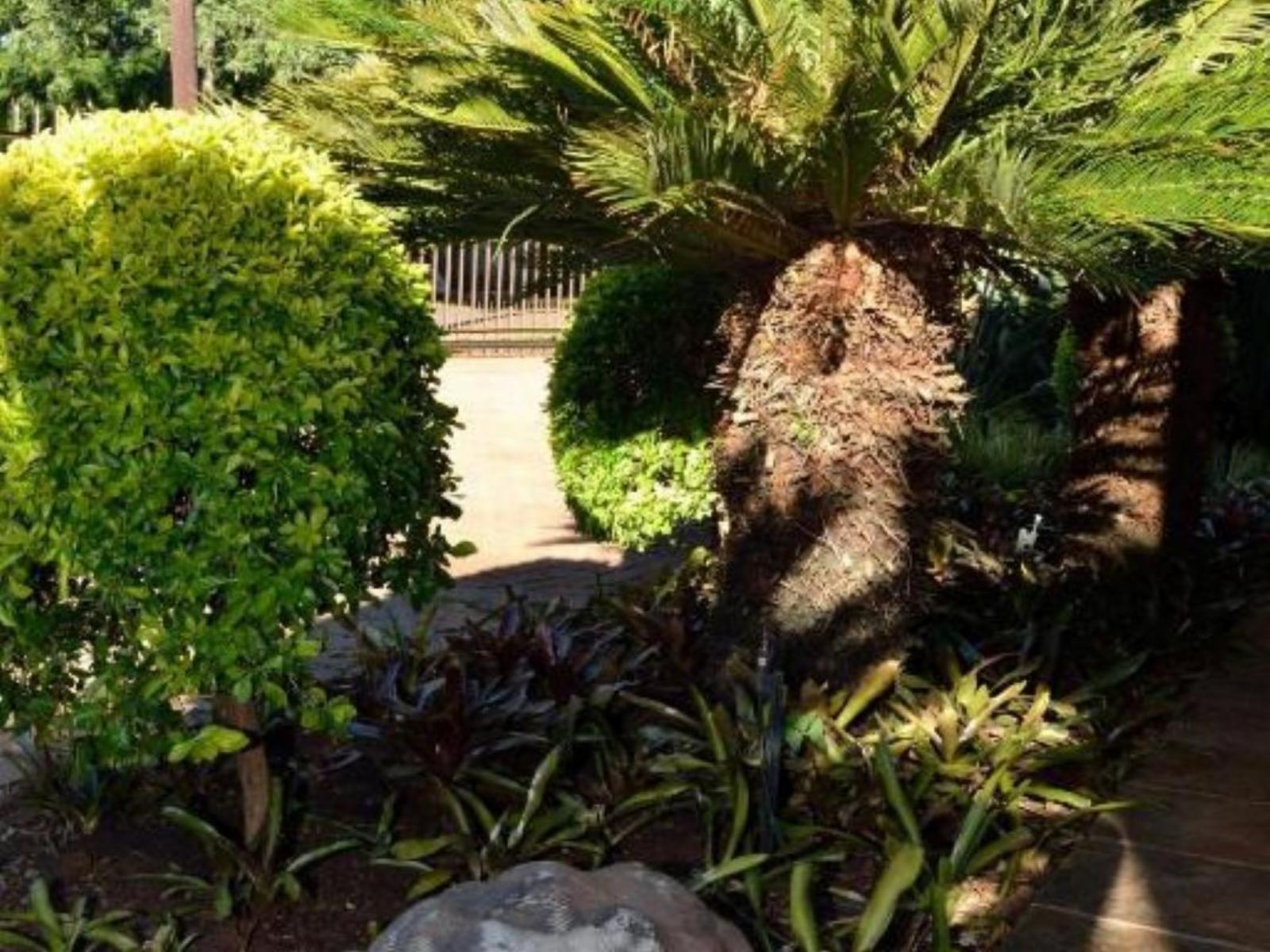
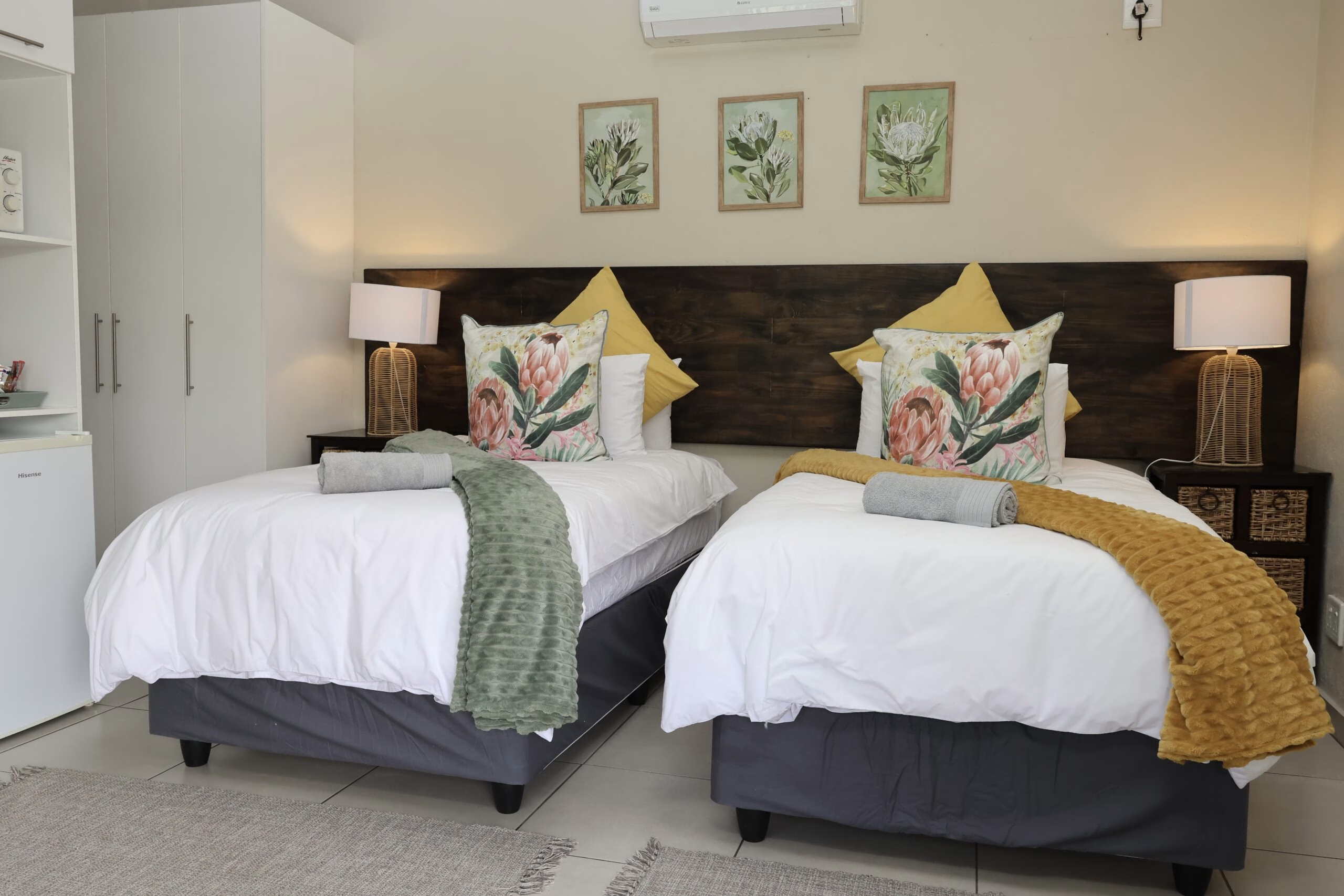
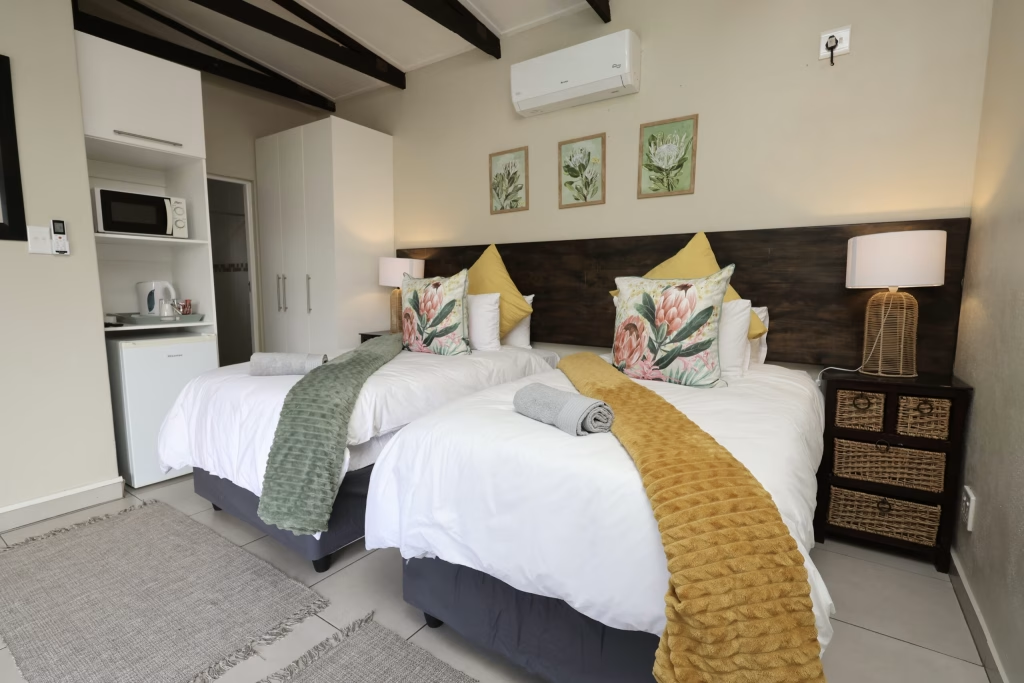
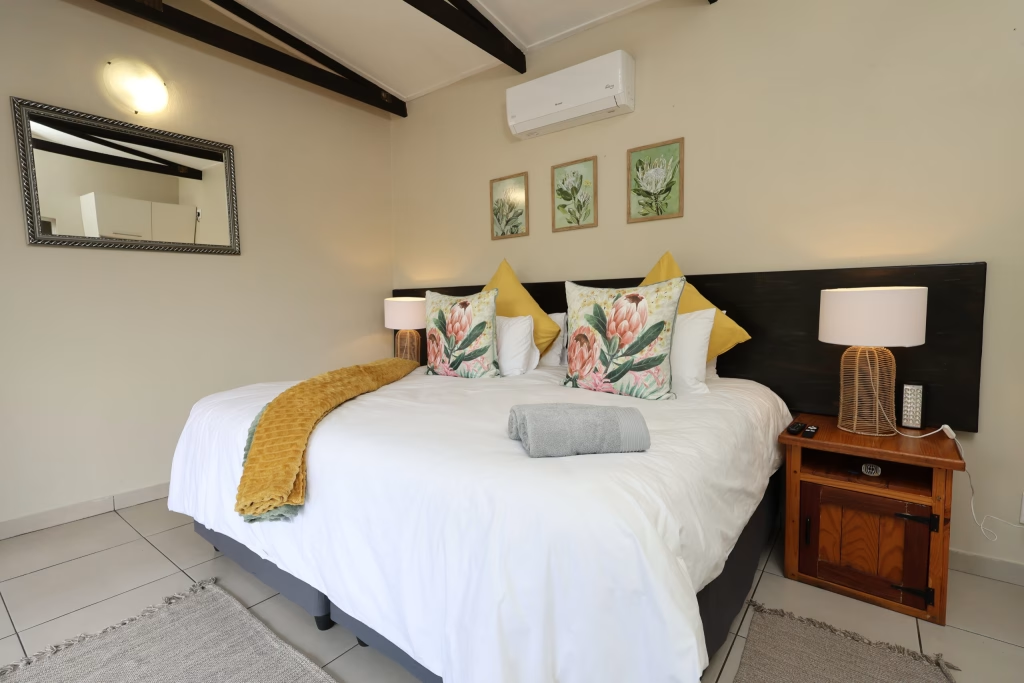
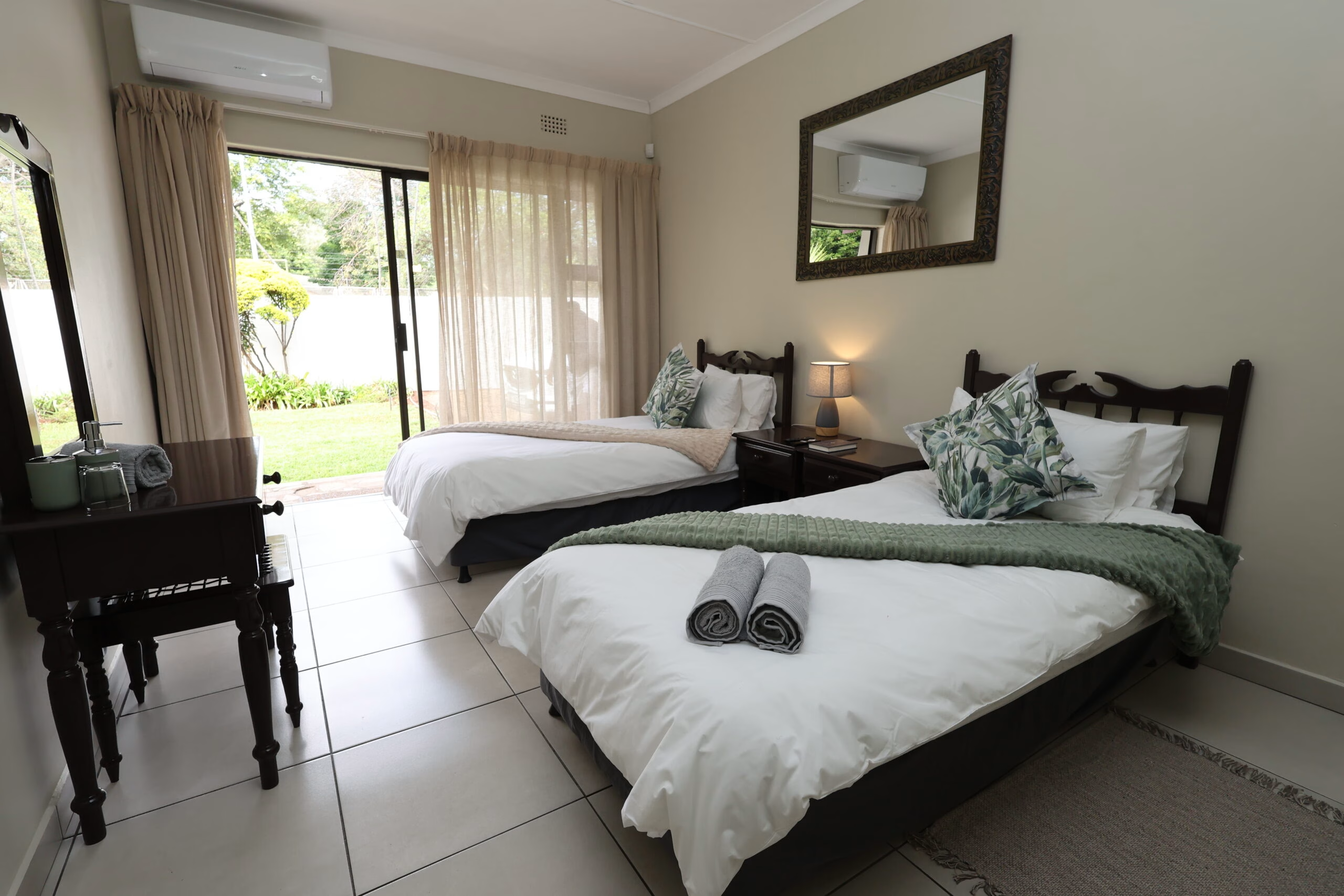
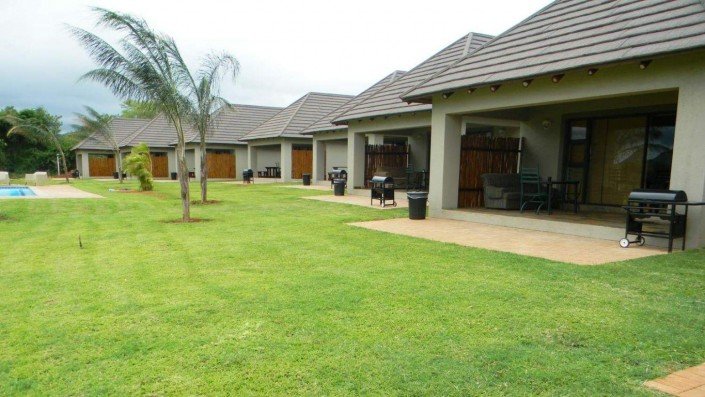
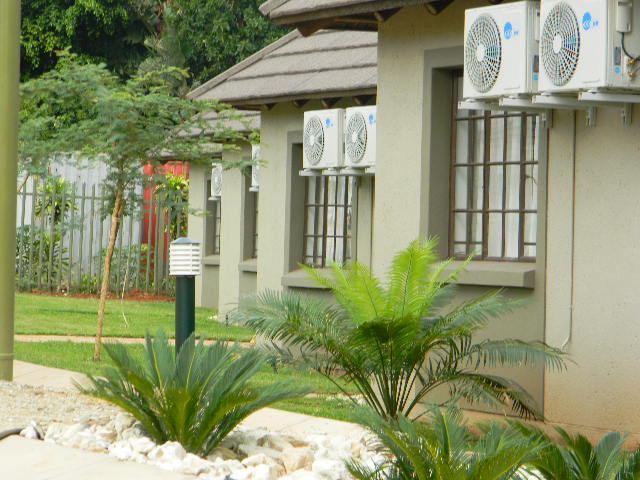
Selati 103 Guest Cottages is 'n TGCSA 3-ster selfbetien-akkommodasie in Malelane, Mpumalanga, geleë op 10 000 m² subtropiese tuine, 2 km vanaf die Malelane Gate van die Kruger Nasionale Park.
Slaap 46
Kinders welkom
Duma Lodge
Lodge
Nelspruit
Vanaf R950
Duma Lodge
Lodge
Nelspruit
· 7.3km van Malelane
Vanaf
R950
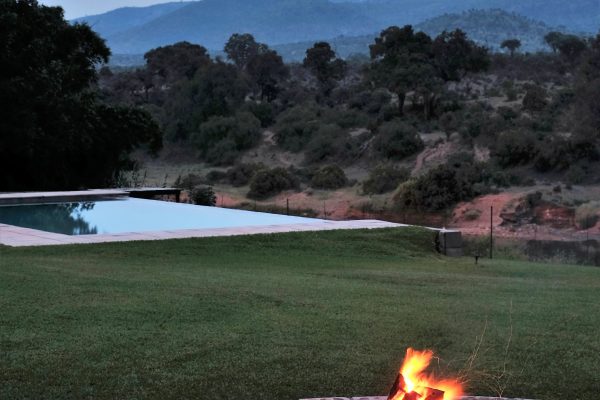
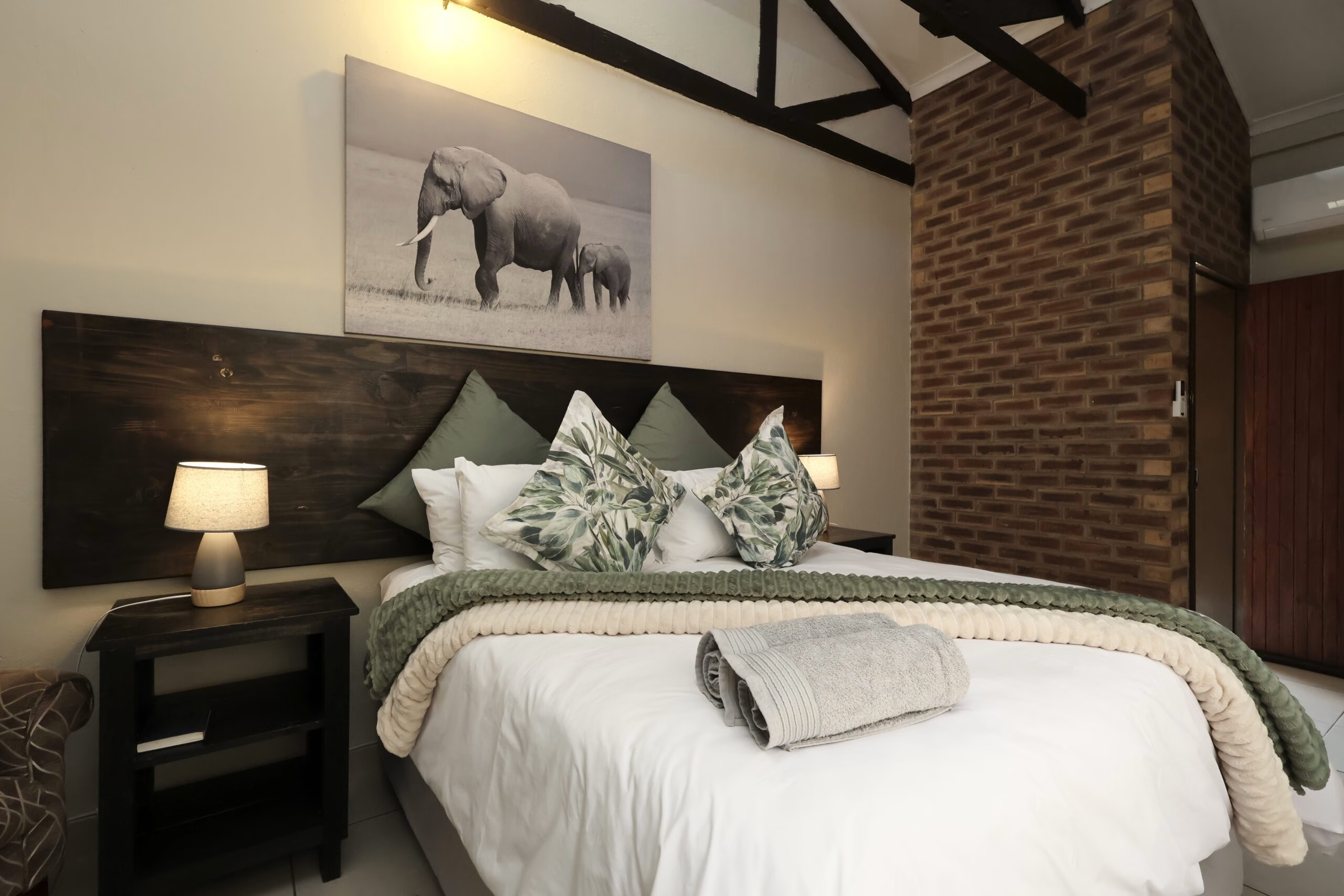
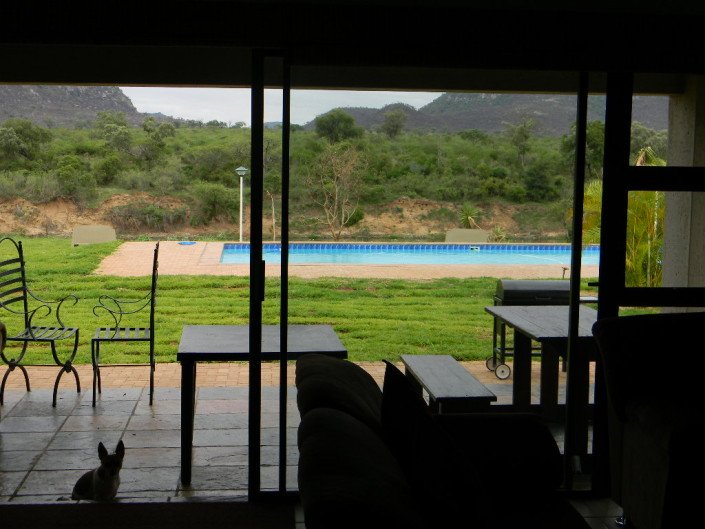
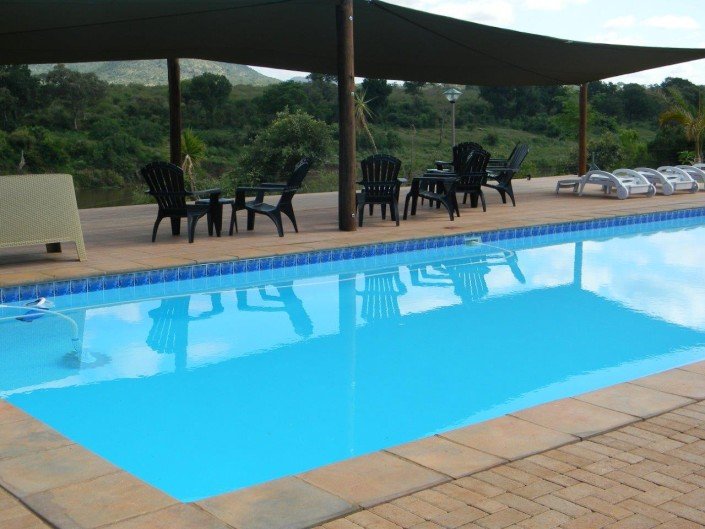
Duma Lodge bied goeie kwaliteit verblyf as 'n familiebedryf wat besit word deur Mariola en Mirek Luzynski, 20 km vanaf Nelspruit CBD op die N4-snelweg. Gaste ontvang doeltreffende diens van die eienaars en personeel van inchekking tot vertrek.
Slaap 14
Troeteldier vriendelik
Kinders welkom
Akkommodasiepryse in Malelane
| Tipe | Inskrywings | Vanaf | Gemiddeld | Tot |
|---|---|---|---|---|
| Lodge | 1 | R950 | R1,100 | R1,350 |
| Guest house | 1 | R1,300 | R1,667 | R3,200 |
| Bed & Breakfast | 1 | R2,080 | R2,080 | R2,080 |
Malelane Kaart
Nabygeleë Bestemmings
Blaai Deur Alle Malelane Akkommodasie
Bekyk al 3 akkommodasie-opsies in Malelane met foto's, pryse en beskikbaarheid.
Blaai Deur Alle Akkommodasie