Oubosstrand Reis- & Akkommodasiegids
Jou volledige gids om Oubosstrand, Suid-Afrika te besoek.
1
Eiendom
Vanaf
R1,300
/ nag
Gemiddeld
R1,300
/ nag
Gewildste
Self-catering
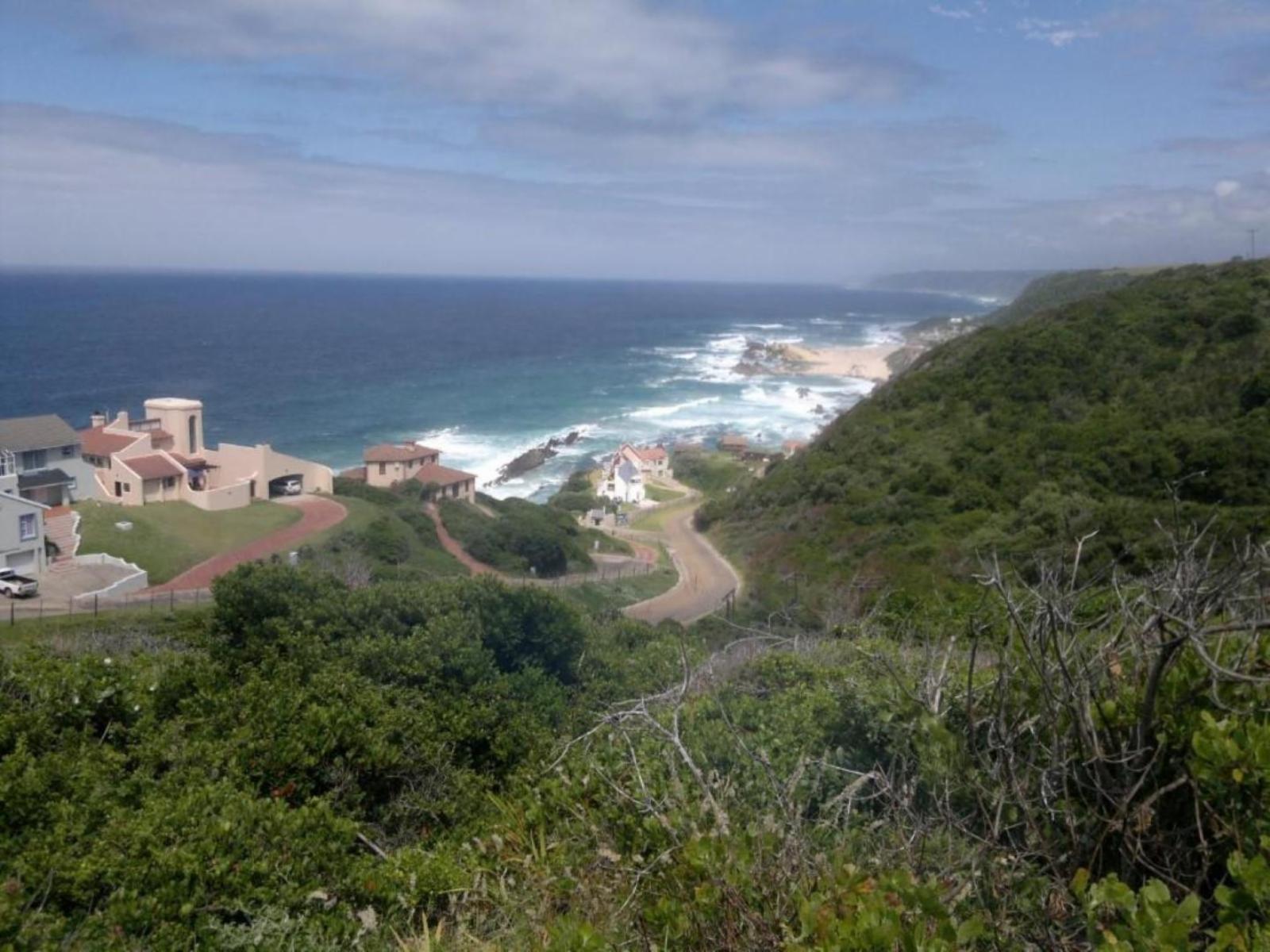
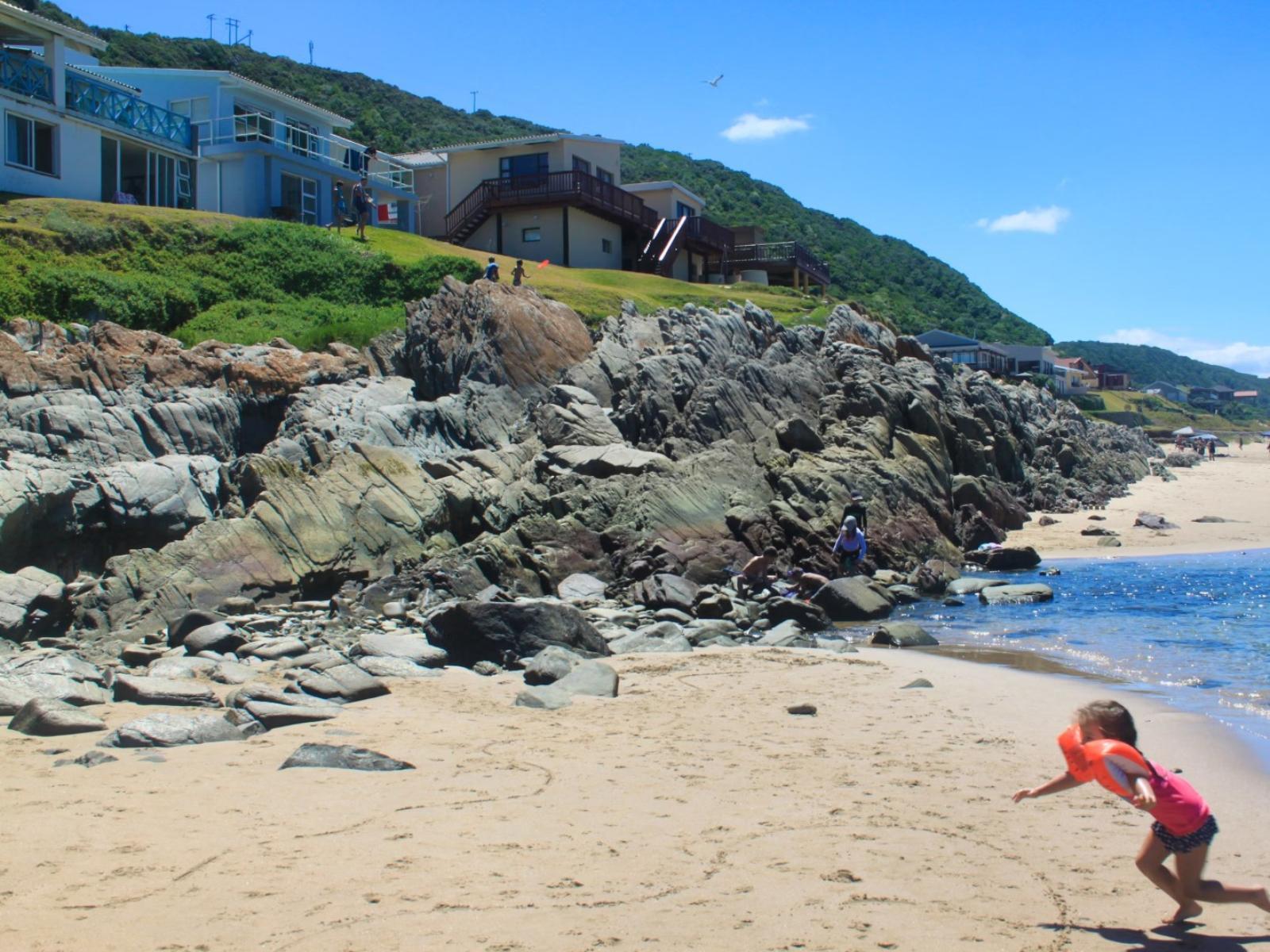
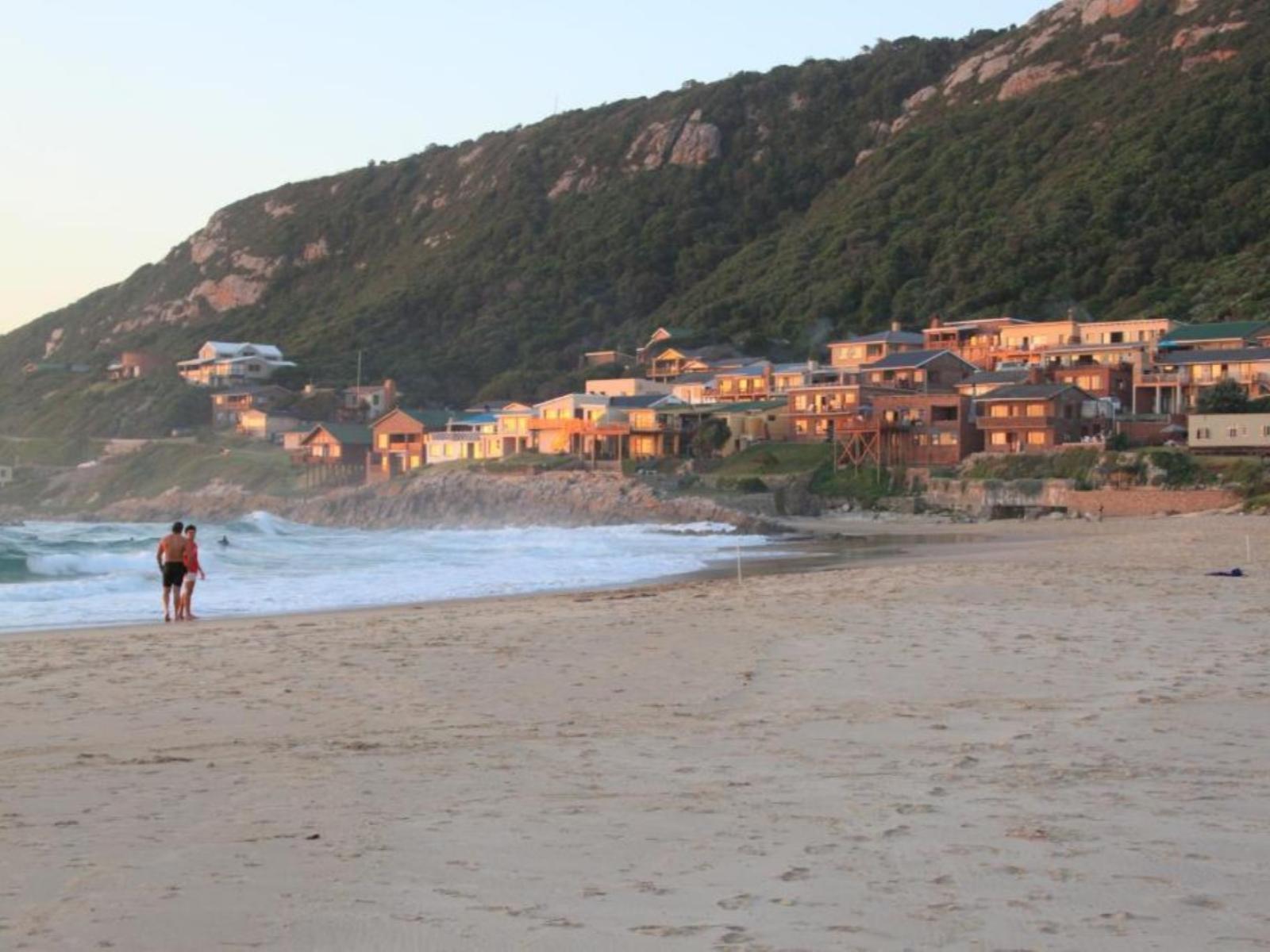
Oubosstrand is a small coastal settlement on the Northern Cape's wild Atlantic coastline, approximately 70 kilometres north of Hondeklipbaai. This remote fishing village offers visitors an escape from urban life, with dramatic ocean views and access to some of South Africa's most isolated beaches.
## Accommodation in Oubosstrand
With a single property available, accommodation options are as minimal as the settlement itself. The listing is self-catering, priced at R1,300 per night, and there is no choice to be made between competing types or price points. Either this arrangement suits your group or Oubosstrand requires a rethink.
Self-catering is the only format that works here. The nearest restaurant is not within easy reach, and the expectation from the moment of arrival is that guests will cook their own meals. For anglers, this fits naturally: fish caught in the morning can be prepared in the evening, with no need for anything the settlement cannot provide. For those comfortable managing a simple kitchen in a coastal setting, the format becomes part of the appeal rather than an inconvenience.
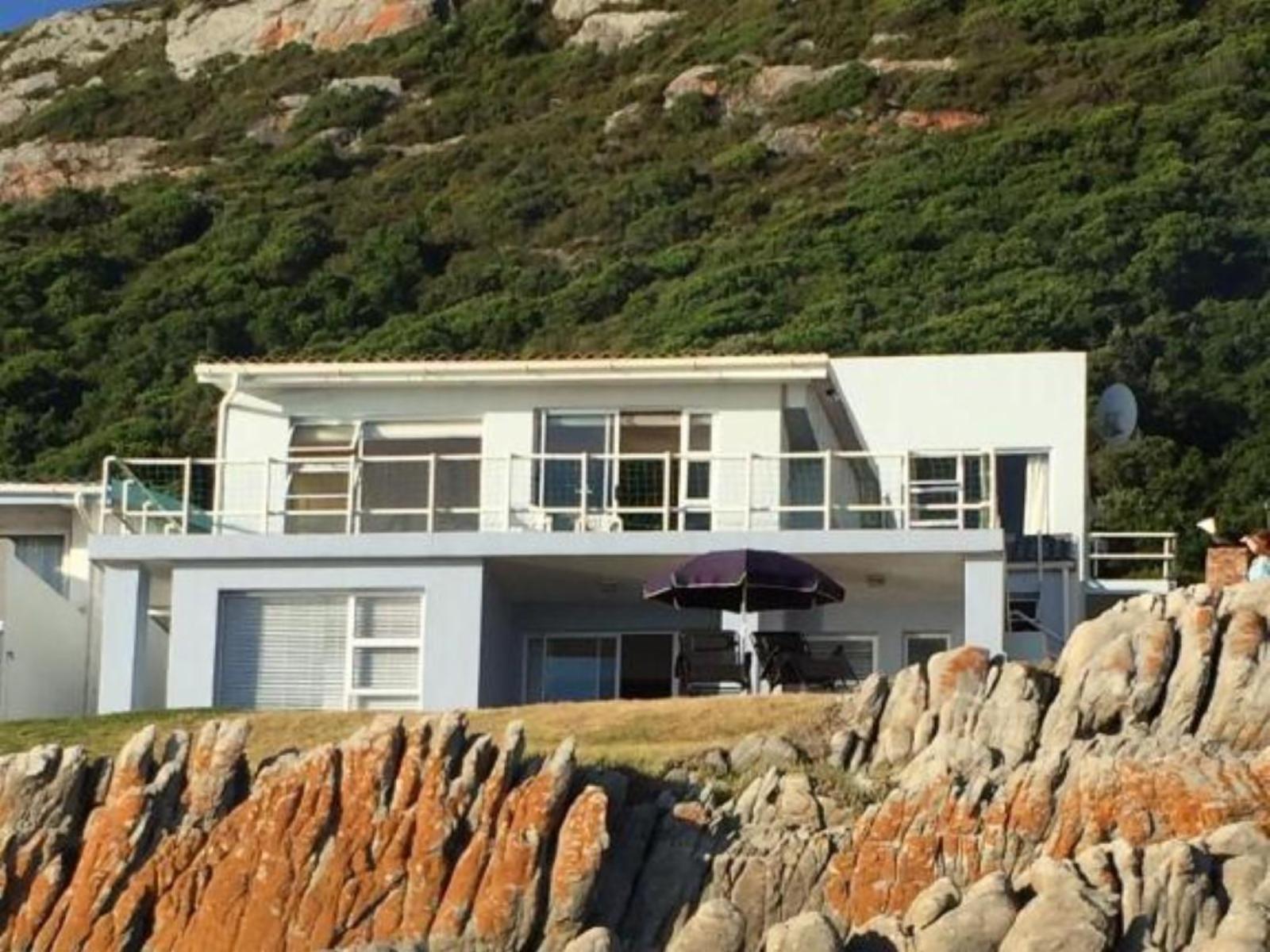
The property itself is almost certainly a beach cottage or fishing cabin. Expect functional furnishings, outdoor space suited to braaiing, and an environment oriented around the sea rather than interior features. Groups of three or four tend to suit this format well, distributing the nightly cost while bringing enough people to handle cooking, fishing, and the general logistics of a remote stay comfortably.
Some travellers measure the rate against comparable properties in more accessible coastal towns and find the value clear. Others come specifically because so few people make it this far, and the price reflects access to a stretch of coastline that sees minimal visitor traffic. The self-catering structure means food costs go on provisions from the last town rather than on restaurant bills, keeping the overall budget predictable once the booking is confirmed.
## Best Time to Visit Oubosstrand
The coastline here is subject to cold Southern Ocean influences, with sea temperatures staying cool throughout the year. Swimming is possible but rarely comfortable, and the wind is a near-constant presence, most persistent in spring and early summer afternoons.
Shore fishing is most productive from May through July, when cooler water temperatures draw snoek and yellowtail closer inshore. Winter months deliver the most rewarding angling conditions for those prepared to fish in cold, sometimes blustery weather.
From August through November, conditions improve for coastal walking and the chances of spotting southern right whales from shore increase. These whales move through the waters along this coastline from around June onward, coming closest to the bays between August and October, often visible without binoculars on calm days.
Night sky quality is outstanding for most of the year, with no meaningful light pollution from the immediate area. Stable, clear conditions are most reliable between April and October. Summer months can bring moisture and cloud cover that reduces visibility after dark.
The peak visitor season, centred on December and January, brings warmer weather and more activity at nearby destinations. Travelling from May through August means fewer people, quieter roads, and a more solitary experience overall, though winter conditions along this coast demand more preparation for outdoor activities than a summer visit typically requires.
## Getting to Oubosstrand
Cape Town International Airport is the most practical entry point for international travellers, with direct connections from Europe, the Middle East, and domestic hubs. From Cape Town, the N2 eastward through the Garden Route covers roughly 570 kilometres before the final turnoff toward the coast. Allow six to seven hours of driving, accounting for the quality of the final approach roads.
Gqeberha (Port Elizabeth) Airport offers an alternative for travellers arriving domestically from Johannesburg or Durban. The westward drive along the N2 from there covers approximately 180 kilometres, making it a considerably shorter journey of around two hours before the coastal approach.
There is no scheduled public transport serving Oubosstrand. No intercity buses or minibus taxis reach the settlement directly, making car hire or a private vehicle essential. The approach roads include gravel sections that benefit from four-wheel-drive clearance, particularly after rain. A standard vehicle can manage in dry conditions at reduced speed, but the road is not suited to low-clearance cars after wet weather.
Fuel up at the last service station before leaving the N2. There are no filling stations along the coastal access roads, and running low this far from town is a problem that takes time to resolve. Mobile coverage drops off once you leave the main highway, so download offline maps before departing and keep the property address or GPS coordinates saved locally without requiring a live signal.
## Oubosstrand and Surrounding Areas
The small communities and natural areas within a 35-kilometre radius of Oubosstrand provide context for what surrounds this stretch of coast, and most can be reached as day trips without changing base.
**Oudebosch** and **Woodlands**, both approximately 7 kilometres away, are small residential settlements rather than visitor destinations. They have no tourist facilities, but knowing their names helps when navigating the local road network, which can be disorienting for first-time visitors when GPS coverage becomes unreliable.
**Witelsbos** (11 kilometres) has operated as a coastal retreat for South African families across several generations, with camping and self-catering facilities that are more developed than anything at Oubosstrand itself. It is worth knowing about as a source of basic supplies on arrival or as a half-day change of scenery.
**Witte Kley Bos** (23 kilometres) sits within the indigenous coastal forest belt, where the open rocky exposure near Oubosstrand gives way to denser vegetation and a more sheltered environment. Walking tracks through this area provide a physical contrast to the windswept coast, and the birdlife in the forest differs markedly from the seabirds and coastal species visible from the settlement.
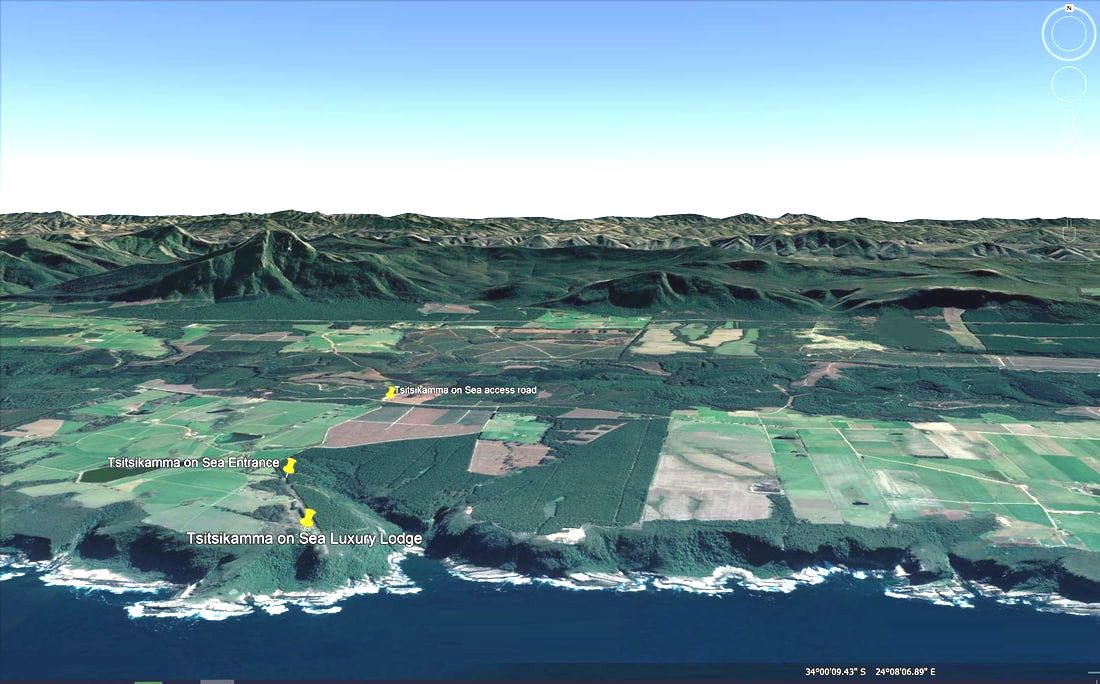
**Storms River** and **Storms River Village** (both 31 kilometres) are the most significant destinations in the area. The Storms River mouth falls within Tsitsikamma National Park, a marine protected area where the suspension bridge above the river gorge draws large numbers of day visitors. The Otter Trail begins here, one of South Africa's most-booked multi-day coastal hikes, requiring reservations many months in advance. Rock pools at the mouth are calm enough for snorkelling when conditions allow.
The village, a short distance inland from the park entrance, has restaurants, accommodation at various price points, a craft brewery, and adventure operators running bungee jumping from the Bloukrans Bridge and zipline experiences through the forest canopy. A day trip from Oubosstrand covers the main draws and returns you to the quieter base by evening.
## Planning Your Stay
Only one property serves Oubosstrand, which means availability is binary with no alternative nearby. Check dates as soon as travel plans firm up and book immediately if the listing is open. South African school holidays in December, April, and July drive coastal demand across this stretch sharply upward, and leaving a booking until a few weeks out during those periods almost always means finding nothing available.
Before confirming, contact the host directly to establish a few practical details. Ask about the access road condition after recent rainfall, and find out whether the property has load-shedding backup such as gas cooking or a generator. Power outages affect this coastline regularly, and properties without alternatives become significantly less functional during extended cuts. Confirm the full list of what is provided for the kitchen and outdoor braai area, since self-catering setups vary considerably in what they include.
Stock up on groceries, water, and any specialised equipment at the largest town you pass through before the final approach roads. A generous supply list rather than a minimal one avoids the inconvenience of a long return trip for something forgotten. Build a contingency day or two into your itinerary if possible, as coastal weather along this stretch can shift and affect both the activities you planned and the timing of your departure.
Travel with a written list of emergency contacts, including the property owner, the nearest medical facility, and a vehicle breakdown number. Mobile signal is too unreliable in this area to depend on finding these details once you are settled at the property.

With a single property available, accommodation options are as minimal as the settlement itself. The listing is self-catering, priced at R1,300 per night, and there is no choice to be made between competing types or price points. Either this arrangement suits your group or Oubosstrand requires a rethink.
Self-catering is the only format that works here. The nearest restaurant is not within easy reach, and the expectation from the moment of arrival is that guests will cook their own meals. For anglers, this fits naturally: fish caught in the morning can be prepared in the evening, with no need for anything the settlement cannot provide. For those comfortable managing a simple kitchen in a coastal setting, the format becomes part of the appeal rather than an inconvenience.
The property itself is almost certainly a beach cottage or fishing cabin. Expect functional furnishings, outdoor space suited to braaiing, and an environment oriented around the sea rather than interior features. Groups of three or four tend to suit this format well, distributing the nightly cost while bringing enough people to handle cooking, fishing, and the general logistics of a remote stay comfortably.
Some travellers measure the rate against comparable properties in more accessible coastal towns and find the value clear. Others come specifically because so few people make it this far, and the price reflects access to a stretch of coastline that sees minimal visitor traffic. The self-catering structure means food costs go on provisions from the last town rather than on restaurant bills, keeping the overall budget predictable once the booking is confirmed.
## Best Time to Visit Oubosstrand
The coastline here is subject to cold Southern Ocean influences, with sea temperatures staying cool throughout the year. Swimming is possible but rarely comfortable, and the wind is a near-constant presence, most persistent in spring and early summer afternoons.
Shore fishing is most productive from May through July, when cooler water temperatures draw snoek and yellowtail closer inshore. Winter months deliver the most rewarding angling conditions for those prepared to fish in cold, sometimes blustery weather.
From August through November, conditions improve for coastal walking and the chances of spotting southern right whales from shore increase. These whales move through the waters along this coastline from around June onward, coming closest to the bays between August and October, often visible without binoculars on calm days.
Night sky quality is outstanding for most of the year, with no meaningful light pollution from the immediate area. Stable, clear conditions are most reliable between April and October. Summer months can bring moisture and cloud cover that reduces visibility after dark.
The peak visitor season, centred on December and January, brings warmer weather and more activity at nearby destinations. Travelling from May through August means fewer people, quieter roads, and a more solitary experience overall, though winter conditions along this coast demand more preparation for outdoor activities than a summer visit typically requires.
## Getting to Oubosstrand
Cape Town International Airport is the most practical entry point for international travellers, with direct connections from Europe, the Middle East, and domestic hubs. From Cape Town, the N2 eastward through the Garden Route covers roughly 570 kilometres before the final turnoff toward the coast. Allow six to seven hours of driving, accounting for the quality of the final approach roads.
Gqeberha (Port Elizabeth) Airport offers an alternative for travellers arriving domestically from Johannesburg or Durban. The westward drive along the N2 from there covers approximately 180 kilometres, making it a considerably shorter journey of around two hours before the coastal approach.
There is no scheduled public transport serving Oubosstrand. No intercity buses or minibus taxis reach the settlement directly, making car hire or a private vehicle essential. The approach roads include gravel sections that benefit from four-wheel-drive clearance, particularly after rain. A standard vehicle can manage in dry conditions at reduced speed, but the road is not suited to low-clearance cars after wet weather.
Fuel up at the last service station before leaving the N2. There are no filling stations along the coastal access roads, and running low this far from town is a problem that takes time to resolve. Mobile coverage drops off once you leave the main highway, so download offline maps before departing and keep the property address or GPS coordinates saved locally without requiring a live signal.
## Oubosstrand and Surrounding Areas
The small communities and natural areas within a 35-kilometre radius of Oubosstrand provide context for what surrounds this stretch of coast, and most can be reached as day trips without changing base.
**Oudebosch** and **Woodlands**, both approximately 7 kilometres away, are small residential settlements rather than visitor destinations. They have no tourist facilities, but knowing their names helps when navigating the local road network, which can be disorienting for first-time visitors when GPS coverage becomes unreliable.
**Witelsbos** (11 kilometres) has operated as a coastal retreat for South African families across several generations, with camping and self-catering facilities that are more developed than anything at Oubosstrand itself. It is worth knowing about as a source of basic supplies on arrival or as a half-day change of scenery.
**Witte Kley Bos** (23 kilometres) sits within the indigenous coastal forest belt, where the open rocky exposure near Oubosstrand gives way to denser vegetation and a more sheltered environment. Walking tracks through this area provide a physical contrast to the windswept coast, and the birdlife in the forest differs markedly from the seabirds and coastal species visible from the settlement.
**Storms River** and **Storms River Village** (both 31 kilometres) are the most significant destinations in the area. The Storms River mouth falls within Tsitsikamma National Park, a marine protected area where the suspension bridge above the river gorge draws large numbers of day visitors. The Otter Trail begins here, one of South Africa's most-booked multi-day coastal hikes, requiring reservations many months in advance. Rock pools at the mouth are calm enough for snorkelling when conditions allow.
The village, a short distance inland from the park entrance, has restaurants, accommodation at various price points, a craft brewery, and adventure operators running bungee jumping from the Bloukrans Bridge and zipline experiences through the forest canopy. A day trip from Oubosstrand covers the main draws and returns you to the quieter base by evening.
## Planning Your Stay
Only one property serves Oubosstrand, which means availability is binary with no alternative nearby. Check dates as soon as travel plans firm up and book immediately if the listing is open. South African school holidays in December, April, and July drive coastal demand across this stretch sharply upward, and leaving a booking until a few weeks out during those periods almost always means finding nothing available.
Before confirming, contact the host directly to establish a few practical details. Ask about the access road condition after recent rainfall, and find out whether the property has load-shedding backup such as gas cooking or a generator. Power outages affect this coastline regularly, and properties without alternatives become significantly less functional during extended cuts. Confirm the full list of what is provided for the kitchen and outdoor braai area, since self-catering setups vary considerably in what they include.
Stock up on groceries, water, and any specialised equipment at the largest town you pass through before the final approach roads. A generous supply list rather than a minimal one avoids the inconvenience of a long return trip for something forgotten. Build a contingency day or two into your itinerary if possible, as coastal weather along this stretch can shift and affect both the activities you planned and the timing of your departure.
Travel with a written list of emergency contacts, including the property owner, the nearest medical facility, and a vehicle breakdown number. Mobile signal is too unreliable in this area to depend on finding these details once you are settled at the property.
Tipes Akkommodasie in Oubosstrand
Uitgesoekte Verblyf in Oubosstrand
Fynbos Golf & Country Estate
Selfsorg
Tsitsikamma
Vanaf R1,300
Fynbos Golf & Country Estate
Selfsorg
Tsitsikamma
· 3.1km van Oubosstrand
Vanaf
R1,300
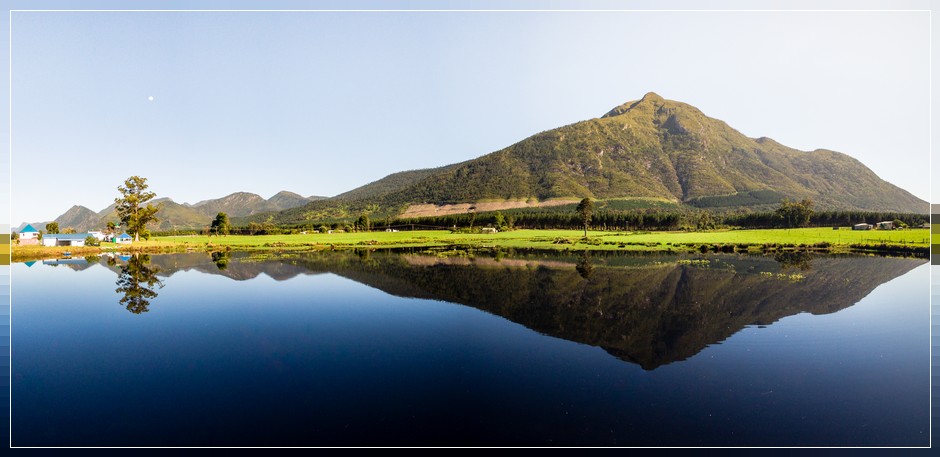
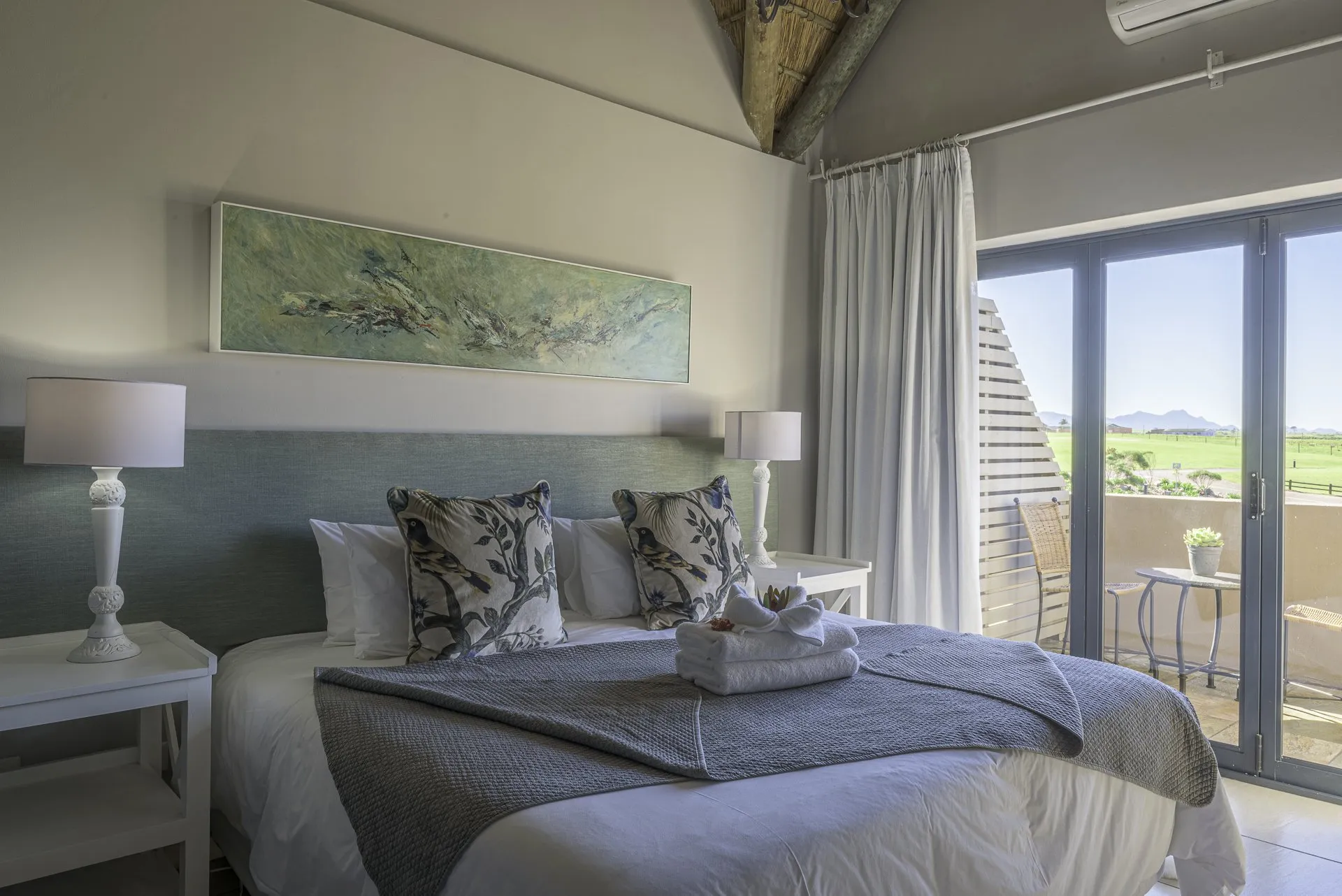
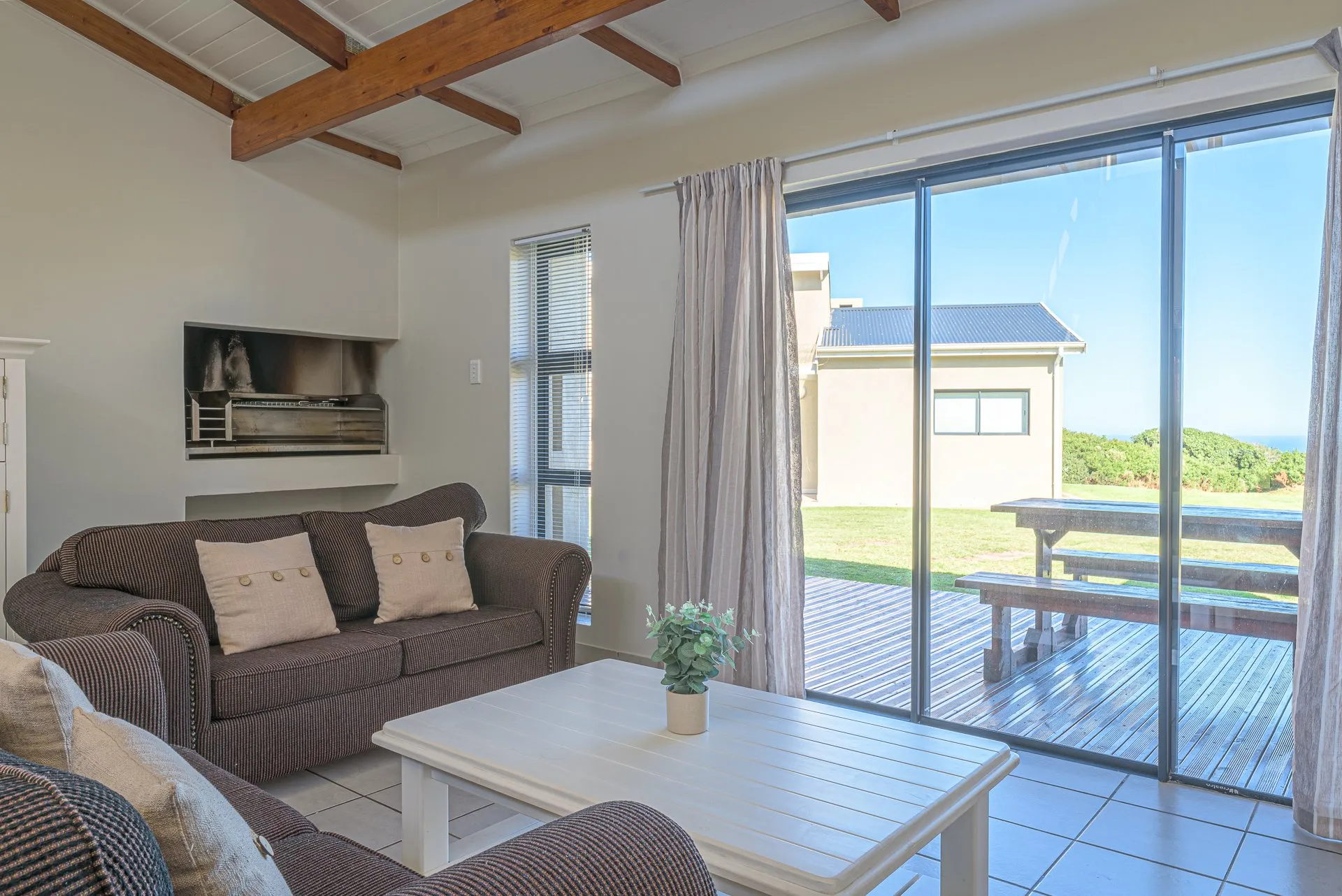
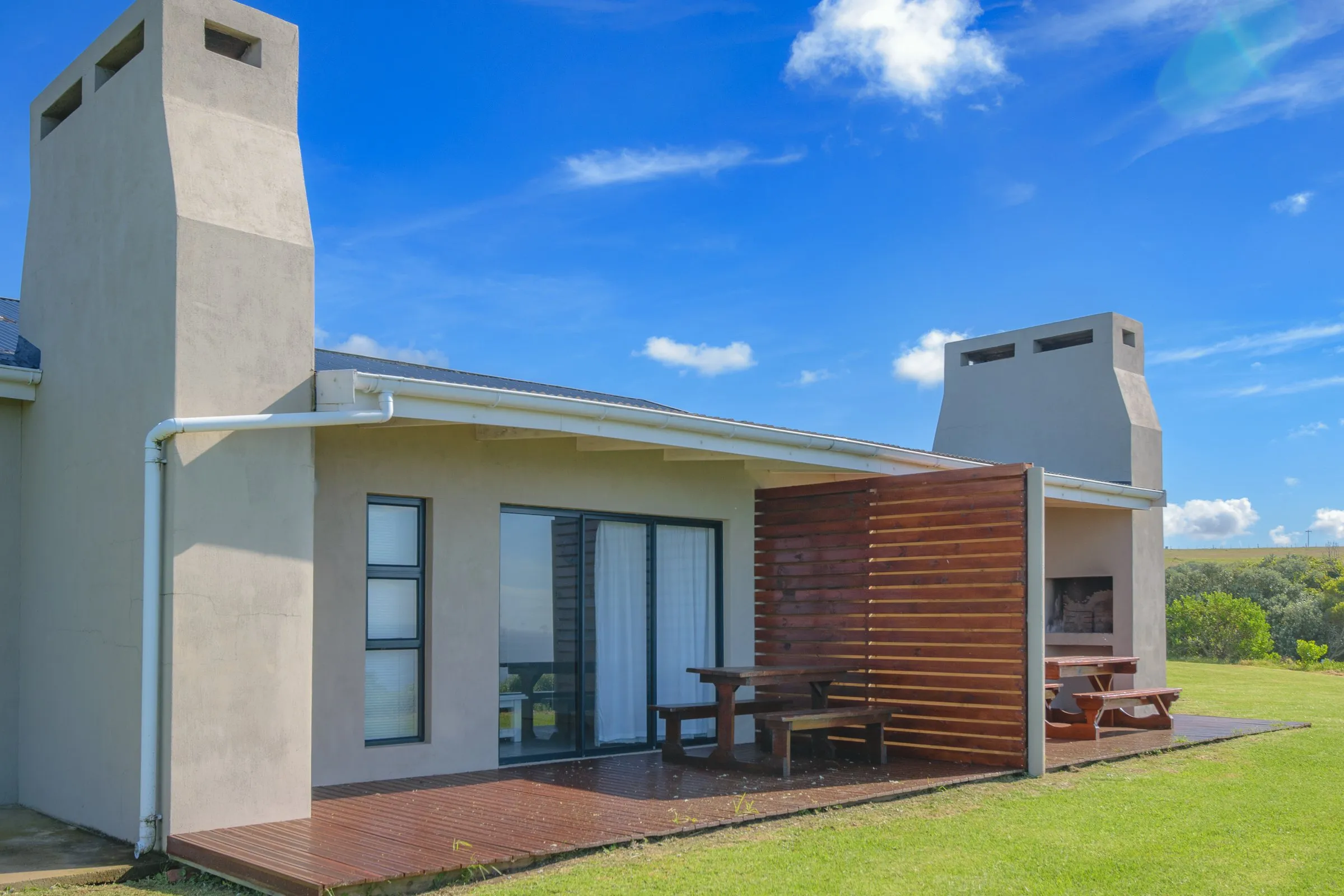
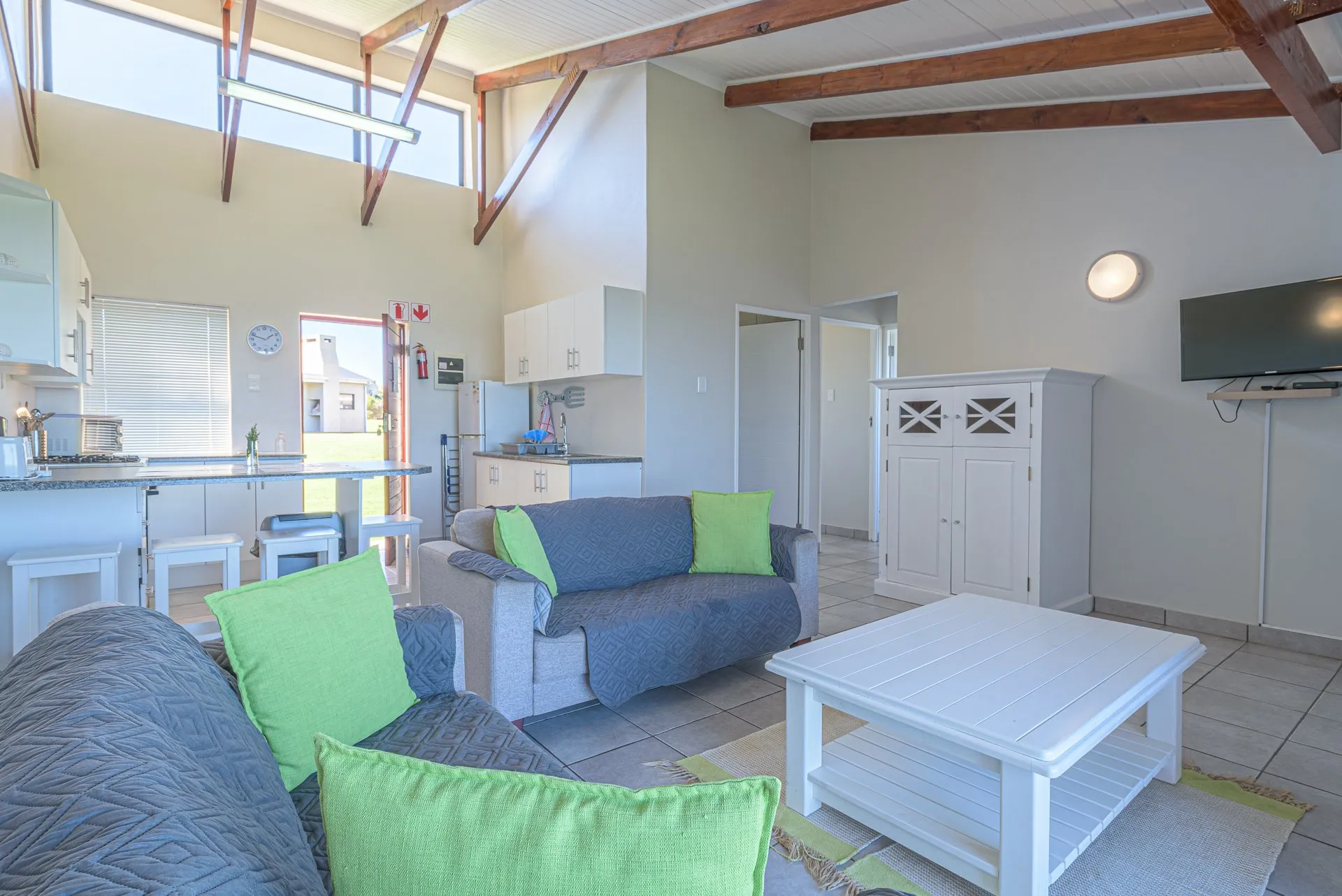
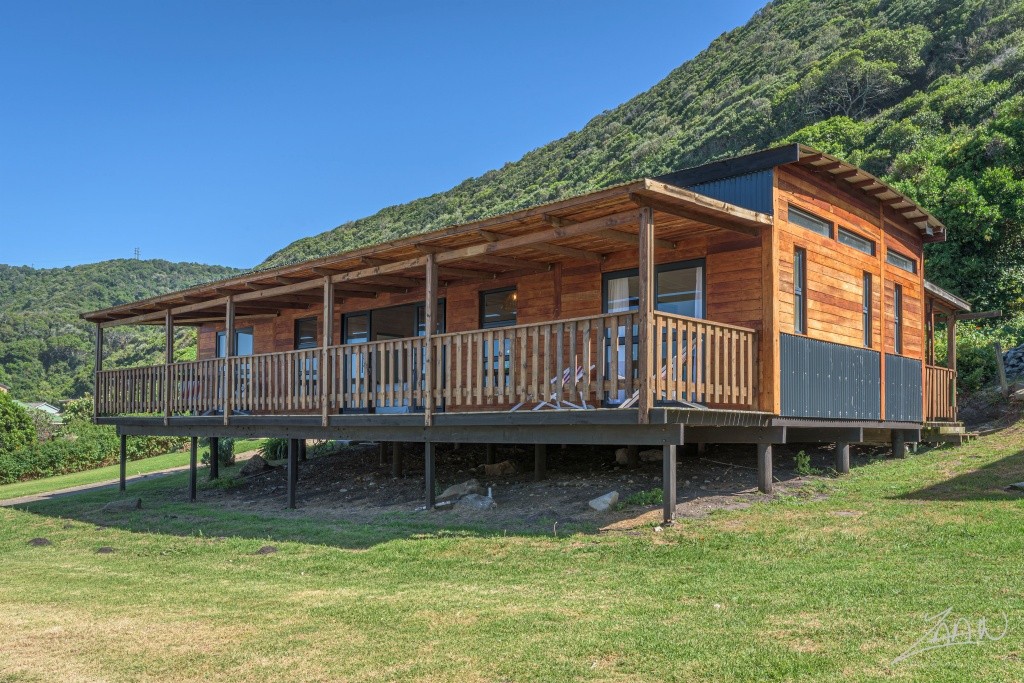
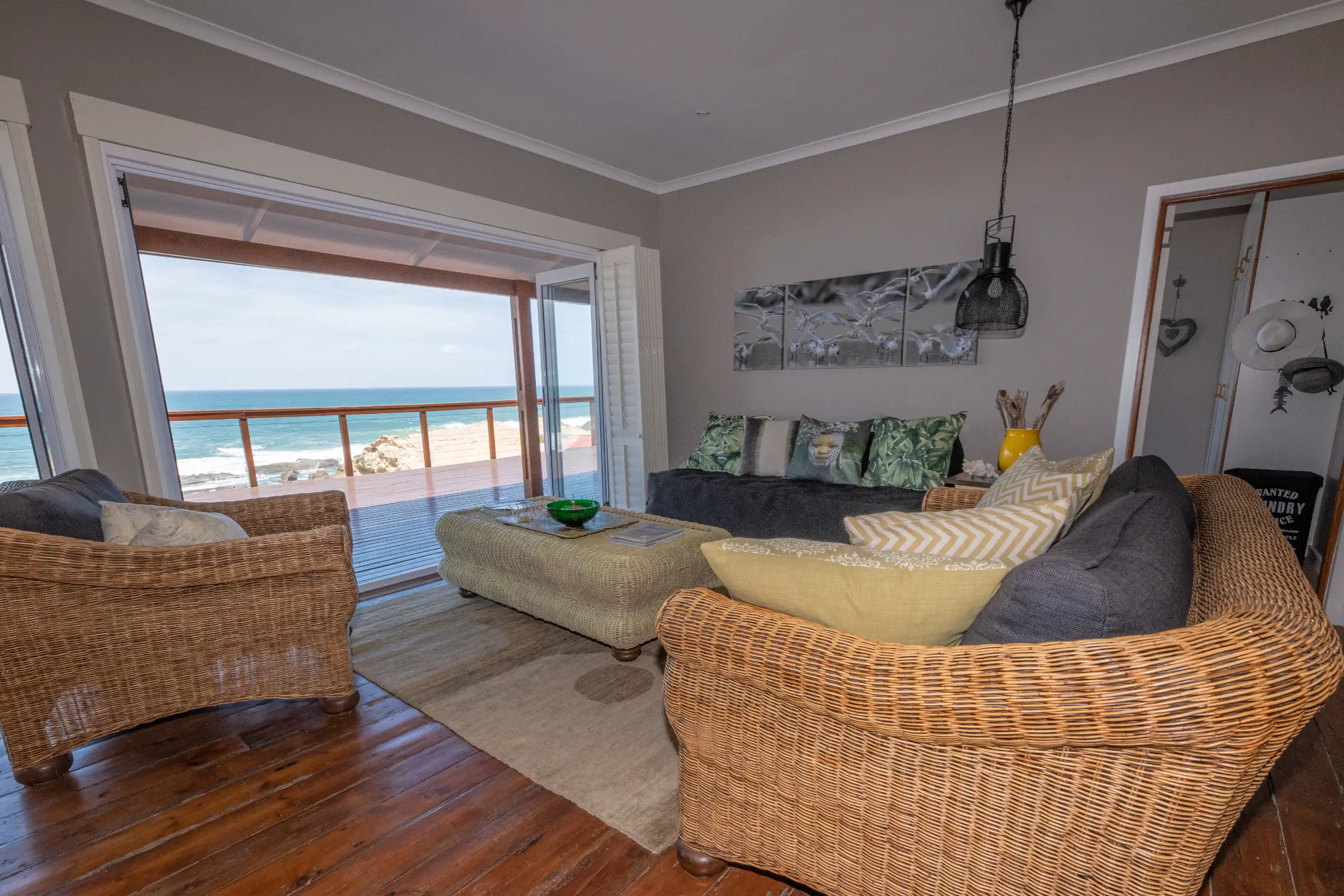
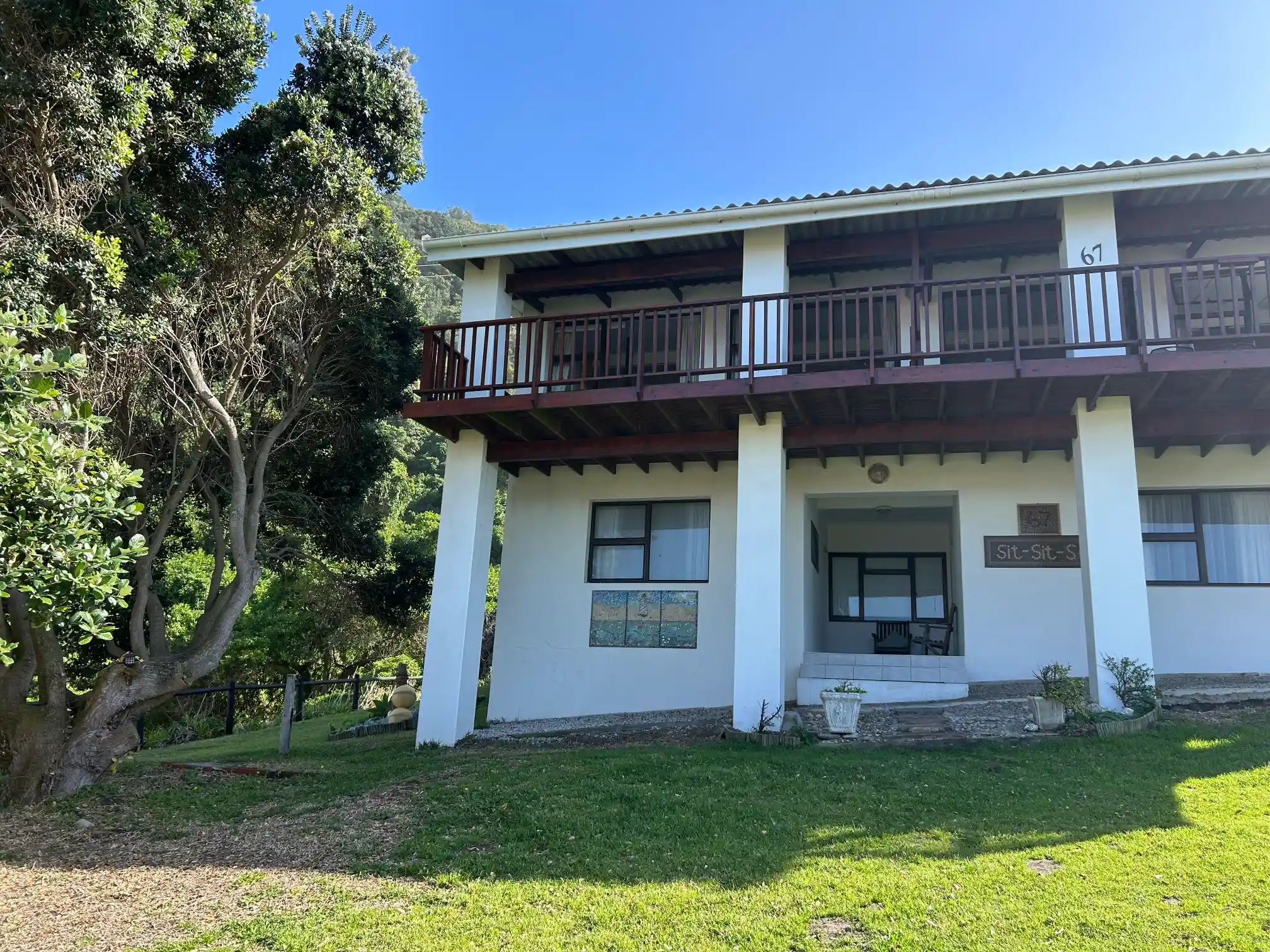
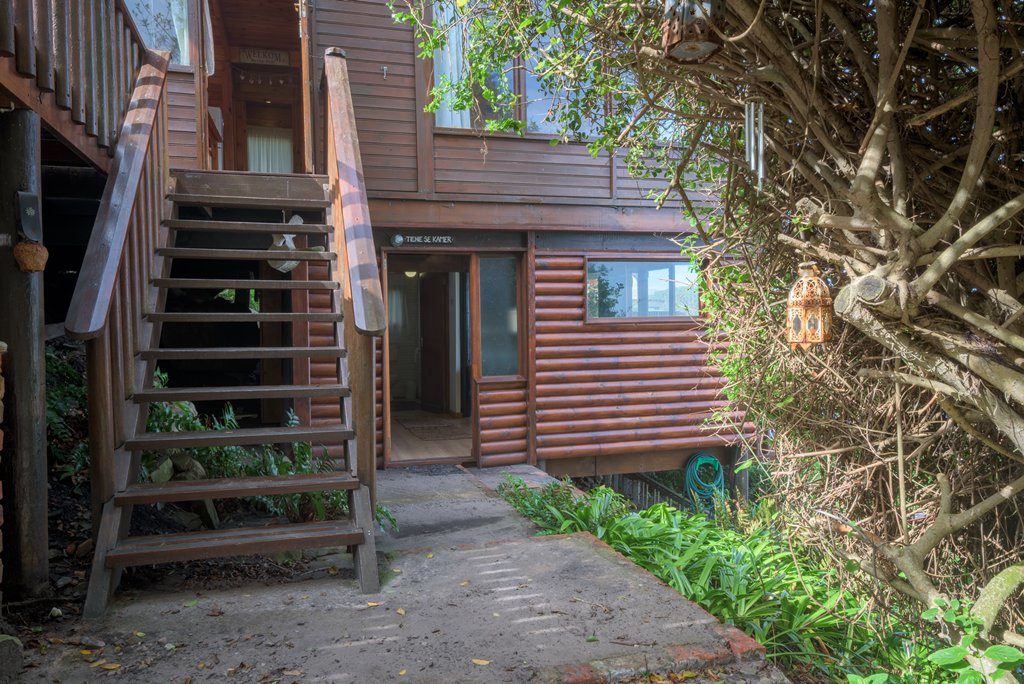
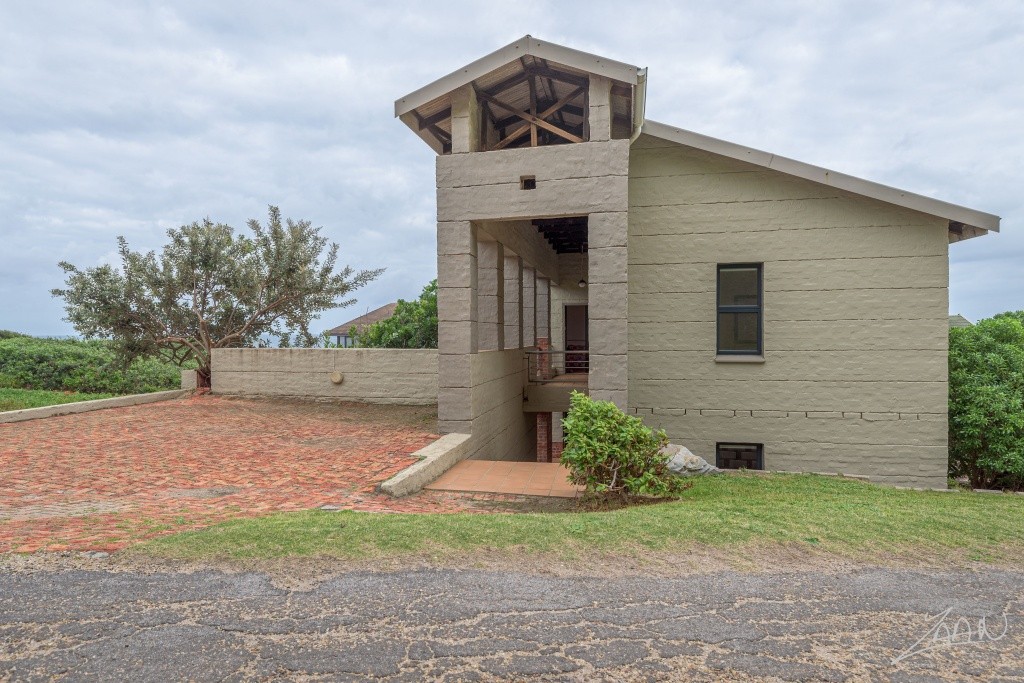
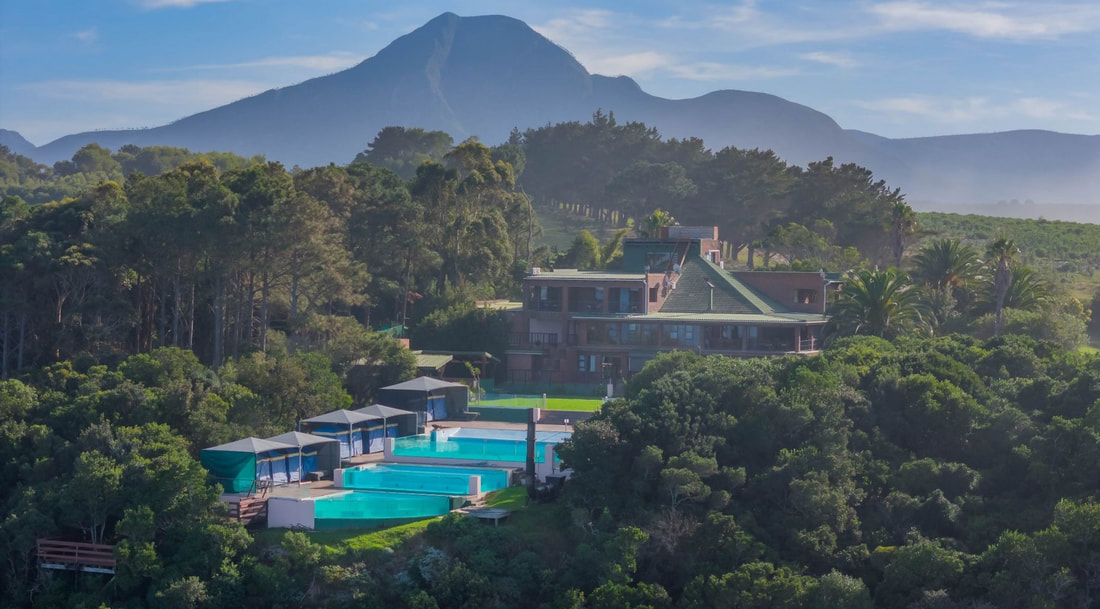
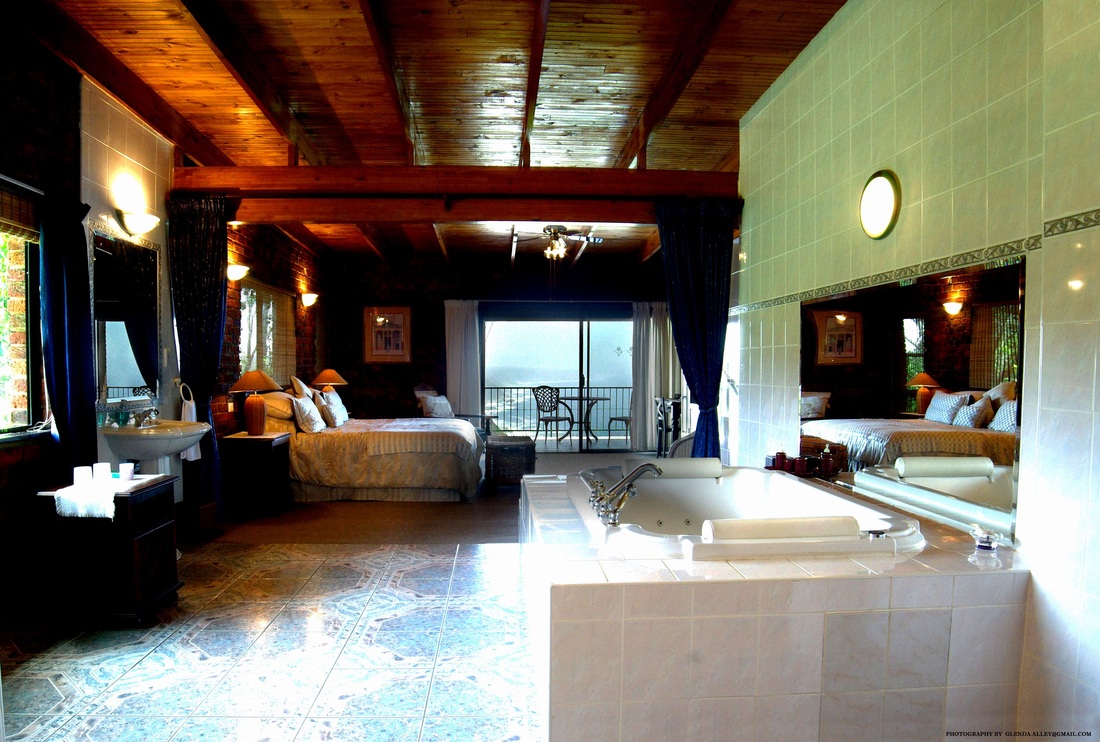
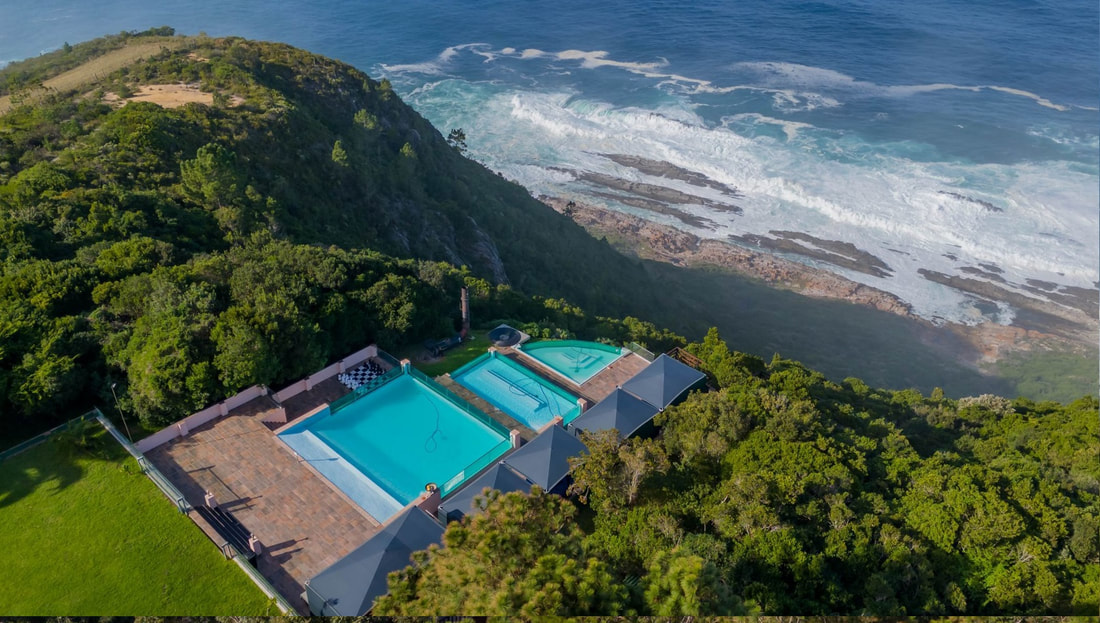
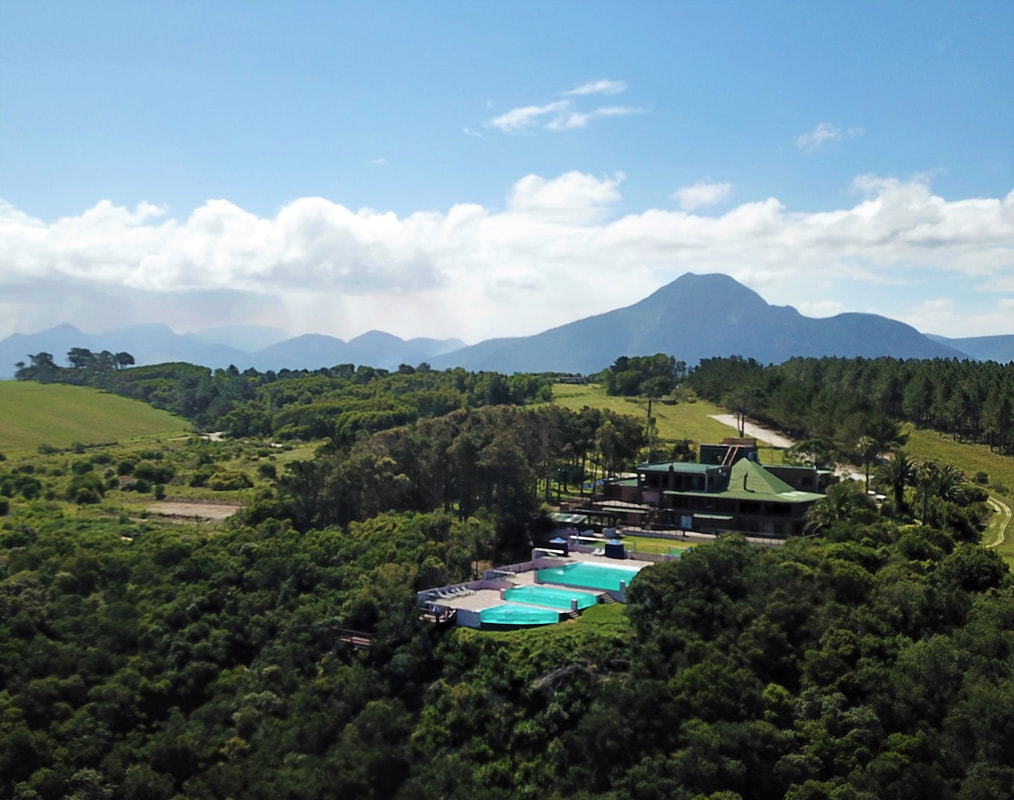
Fynbos Golf & Country Estate bied akkommodasie teen die agtergrond van die Tsitsikamma-berge, met uitsig oor rotsagtige inlette, koeie en kuskliffe. Gaste het toegang tot die 9-gatige golfbaan, gimnasium, tennisbane en klubhuis.
Slaap 104
Kinders welkom
Akkommodasiepryse in Oubosstrand
| Tipe | Inskrywings | Vanaf | Gemiddeld | Tot |
|---|---|---|---|---|
| Self-catering | 1 | R1,300 | R2,923 | R12,000 |
Oubosstrand Kaart
Nabygeleë Bestemmings
Blaai Deur Alle Oubosstrand Akkommodasie
Bekyk al 1 akkommodasie-opsies in Oubosstrand met foto's, pryse en beskikbaarheid.
Blaai Deur Alle Akkommodasie