Phatsane Reis- & Akkommodasiegids
Jou volledige gids om Phatsane, Suid-Afrika te besoek.
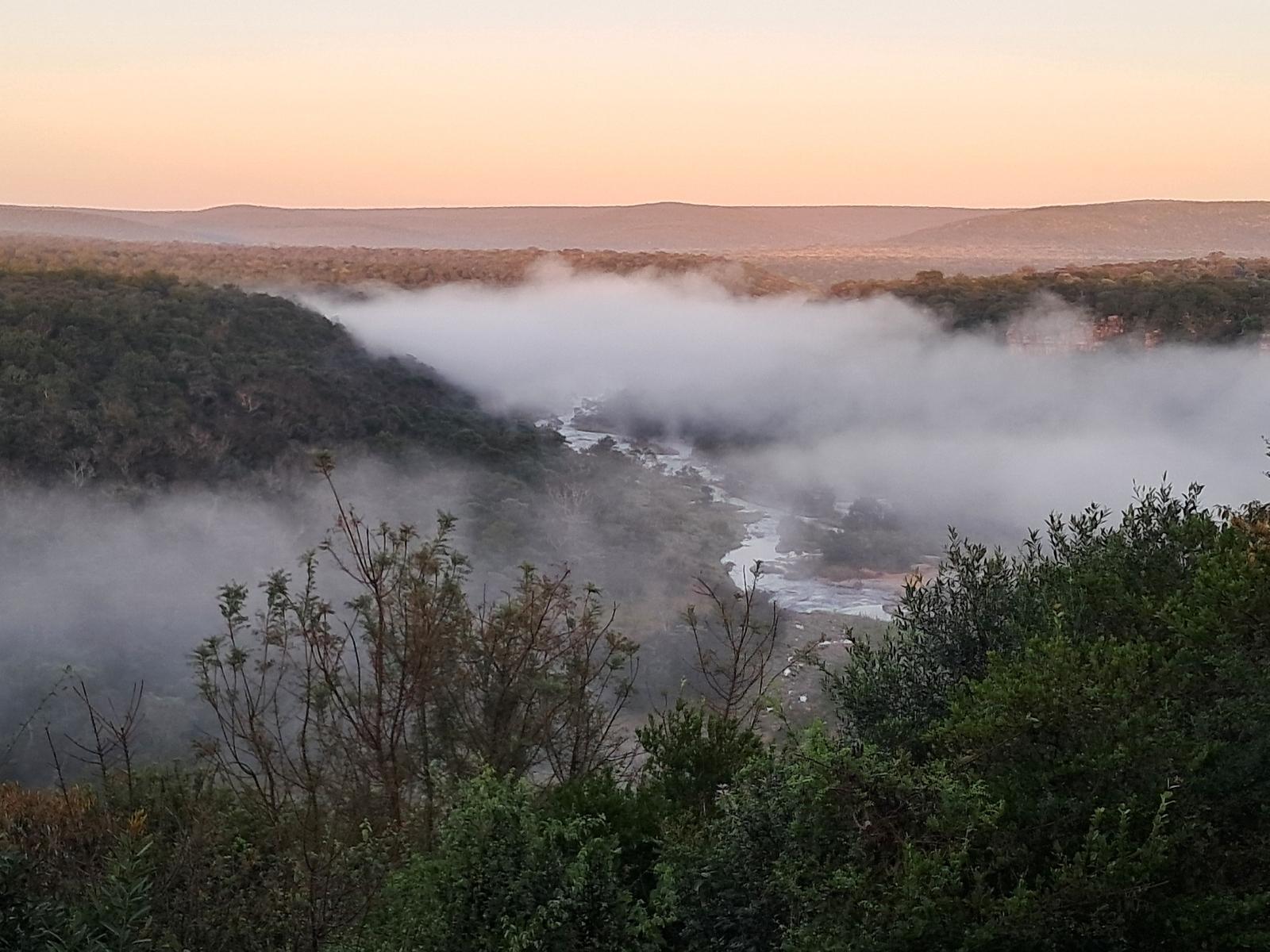
Phatsane is a small rural village in the Limpopo Province, positioned in an agricultural area where traditional community life continues much as it has for generations. The village offers visitors a chance to experience authentic South African rural culture away from tourist circuits.
## Accommodation in Phatsane
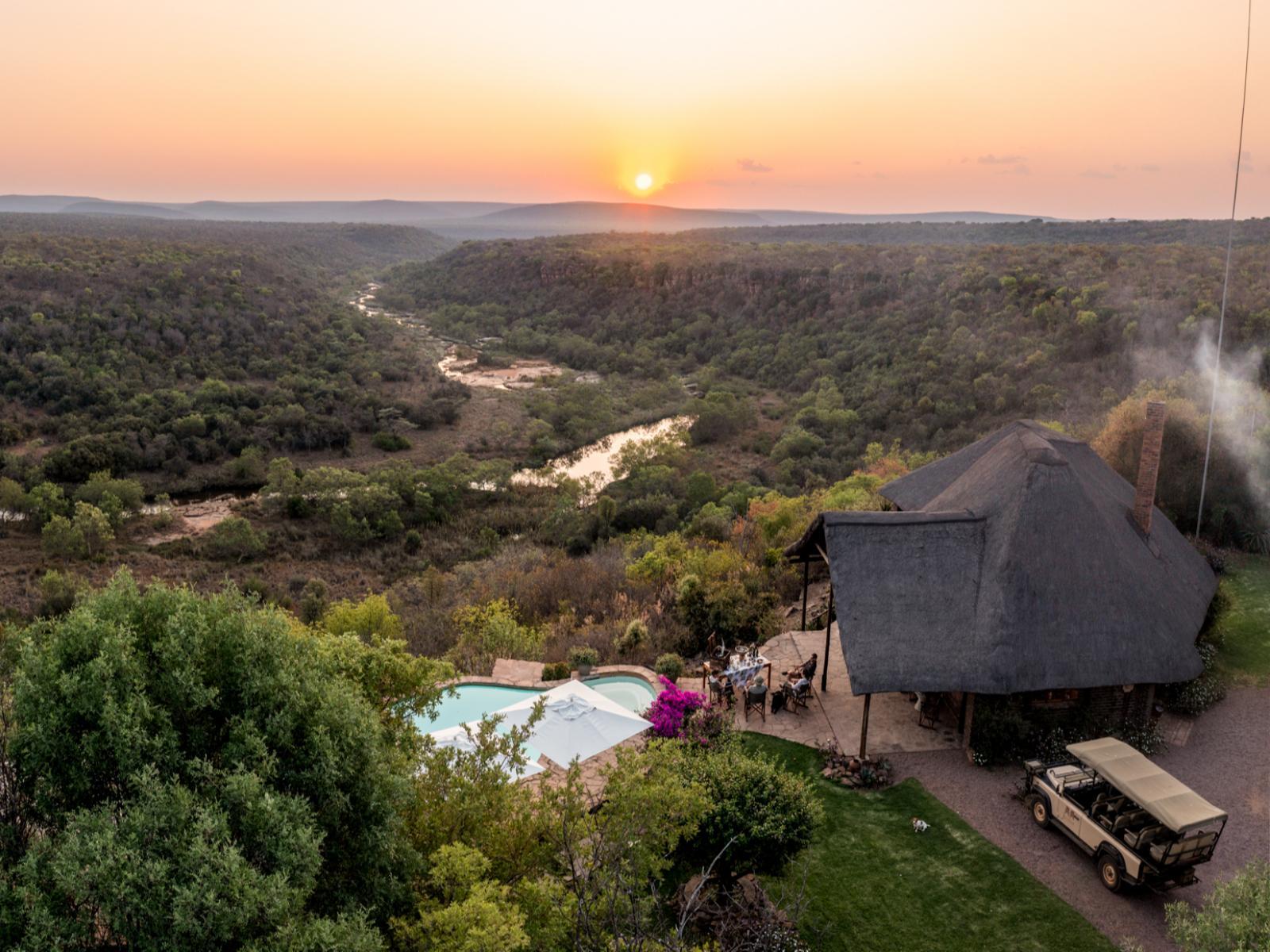
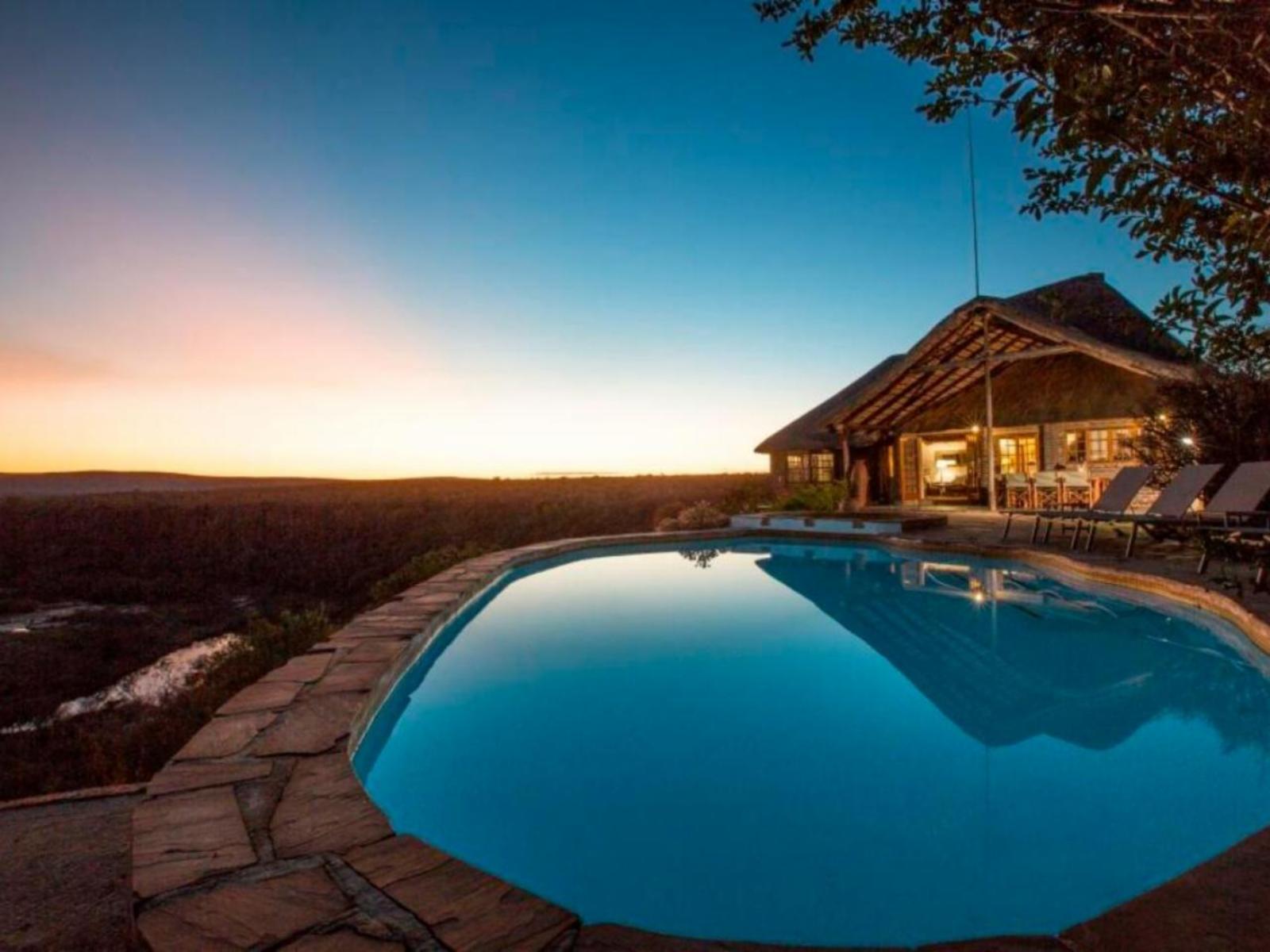
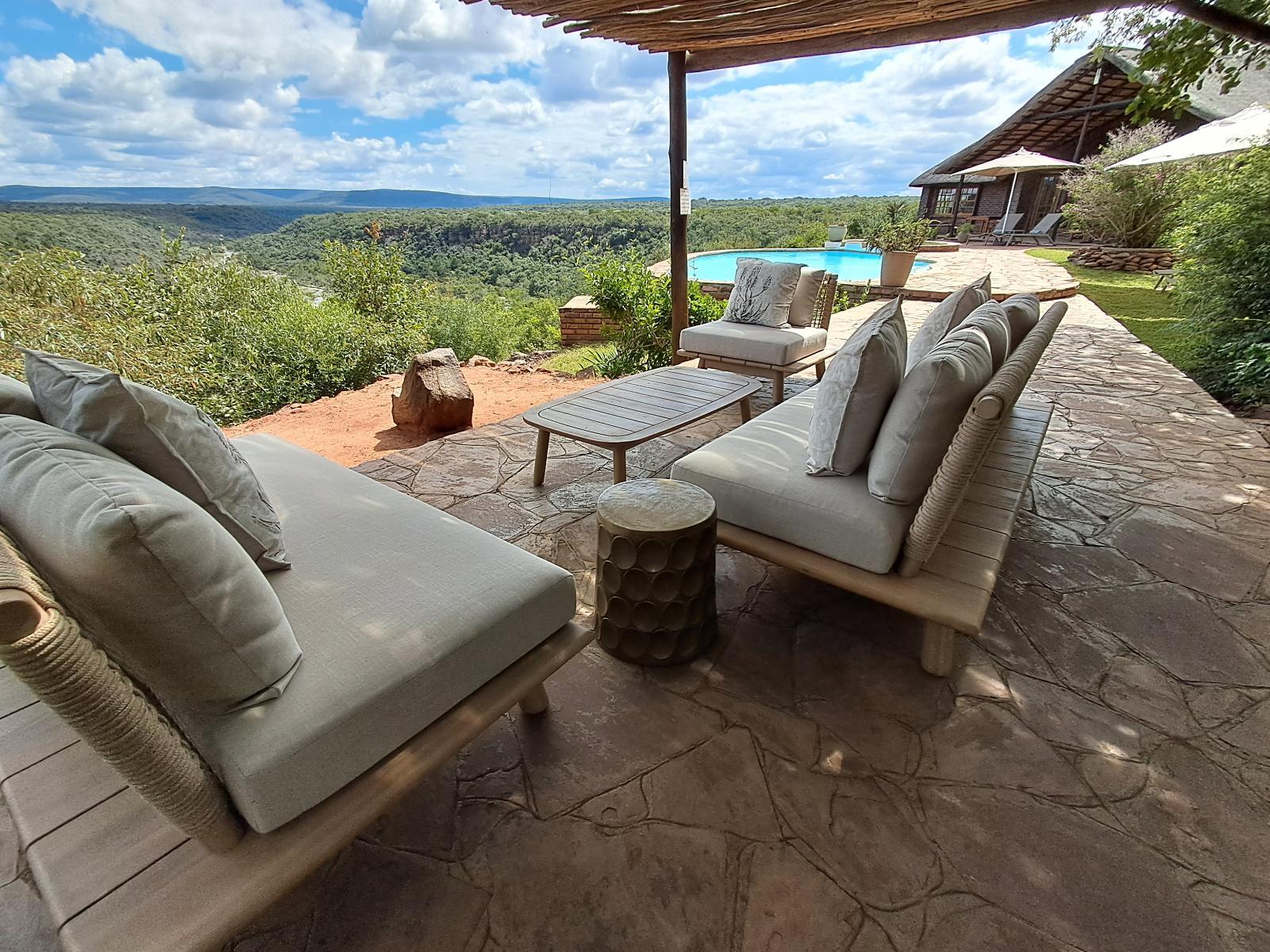
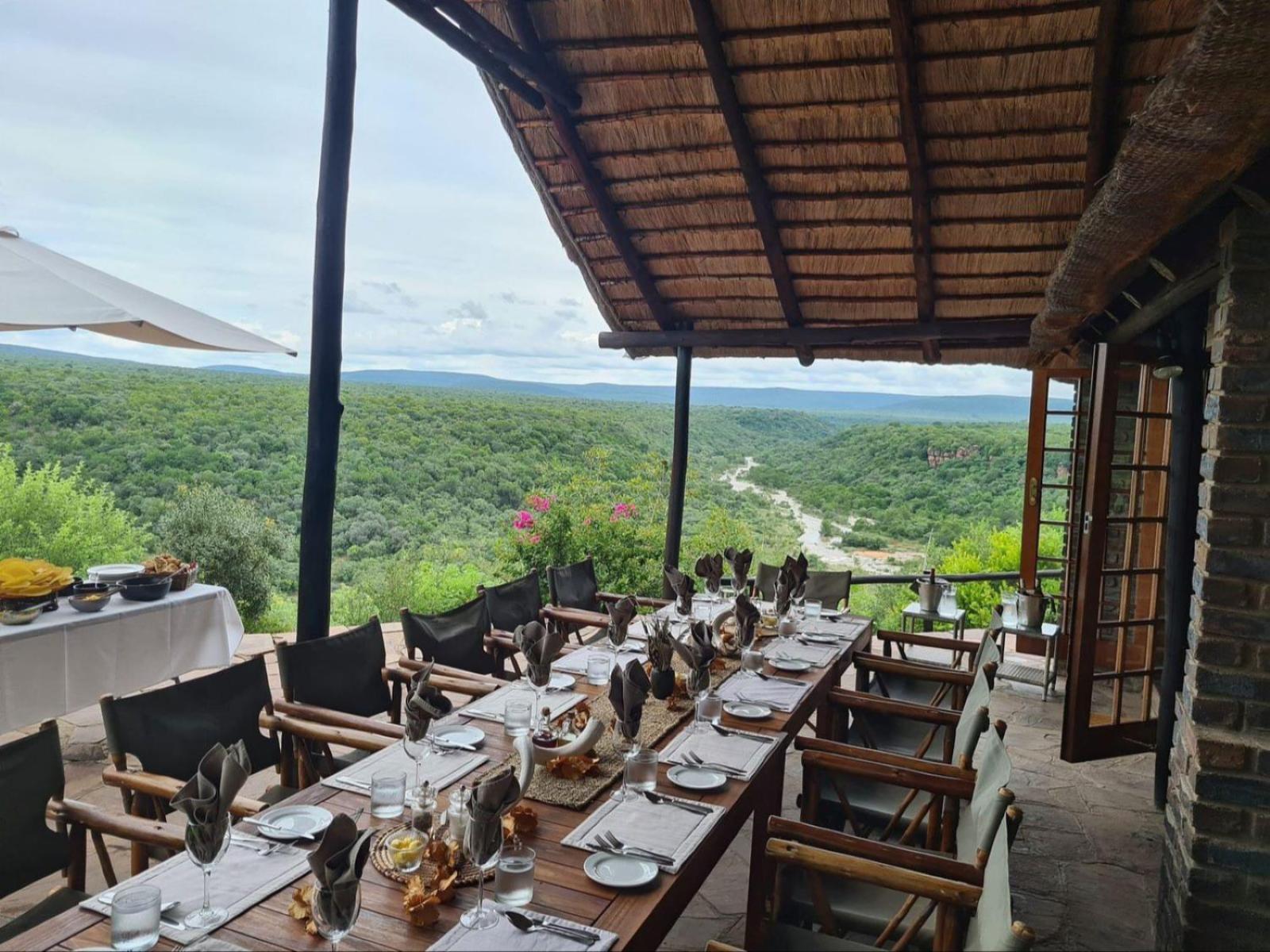
With no commercial properties currently listed on major booking platforms, accommodation in Phatsane sits almost entirely outside the mainstream hospitality circuit. This is not unusual for small rural villages in the Capricorn District, where staying with community members or in locally arranged guesthouses remains the norm. Visitors who make prior contact may find rooms within family homesteads, small community-run rest stops, or basic self-catering facilities connected to farming operations in the area.
At the budget end, expect simple rooms with shared ablutions, often within a family compound where meals can be provided on request. The experience is closer to a homestay than a hotel, and that directness is the point for many travellers who come specifically to connect with daily rural life in Limpopo. Costs are negotiated directly and payment is cash-based, with no fixed rates to consult in advance.
Mid-range options in the broader area tend to emerge from farmsteads and community lodges that cater to visitors interested in longer stays or cultural programmes. These properties may offer private bathrooms and some form of structured activity, though amenities remain modest. Air conditioning is not guaranteed even in summer, when temperatures regularly climb above 30 degrees Celsius.
Upper-tier accommodation does not exist within Phatsane itself, and travellers expecting that level of comfort would need to base themselves in Polokwane and travel north from there. That city carries a reasonable range of guesthouses and hotels that can serve as a practical hub for day trips into the surrounding villages.
For anyone committed to staying in or immediately around Phatsane, the priority should be confirming arrangements well in advance. There are no walk-in options to fall back on. This is fundamentally a destination that rewards those who have done their groundwork before arrival rather than those hoping to figure it out on the road.
---
## Best Time to Visit Phatsane
Phatsane receives most of its rainfall between November and March, the summer months when the bushveld responds with green growth and the agricultural cycle picks up. Maize fields come into production, seasonal streams carry more water, and the landscape looks markedly different from the dry tones of the winter months. Midday heat during summer is intense, regularly reaching above 33 degrees Celsius, and humidity rises noticeably during peak rainfall weeks in January and February.
The dry season, running roughly from May through August, brings cooler temperatures, clear skies, and dusty roads. Winter nights in this part of Limpopo can drop close to zero, which surprises visitors expecting consistent warmth. Daytime remains pleasant, with temperatures in the mid-twenties, making it the more comfortable season for walking and outdoor observation.
From a practical standpoint, the dry season suits most visits. Roads are more reliable, river crossings are straightforward, and reduced vegetation makes navigation easier. The summer months suit those interested in the agricultural and community side of life, when seasonal work and local gatherings tend to be more active. There is no meaningful tourist peak season in Phatsane, so timing is largely a question of personal weather preference rather than crowd management.
---
## Getting to Phatsane
Polokwane is the practical gateway for reaching Phatsane. The city lies roughly 70 kilometres to the south and handles the nearest commercial airport, Polokwane International, which receives regular flights from Johannesburg's OR Tambo International. From OR Tambo, the drive north via the N1 highway takes approximately four hours under normal traffic conditions, passing through Mokopane before heading deeper into the Mogalakwena River valley region.
Road infrastructure in this part of Limpopo is serviceable but requires attention. Sections between Polokwane and the northern villages can be poorly maintained, and a vehicle with reasonable ground clearance is advisable, particularly after summer rainfall when potholes multiply and unpaved stretches soften. A standard sedan will manage the main road, but side routes into the villages are better suited to a higher-clearance vehicle.
Local transport between Phatsane and larger towns runs via minibus taxis, which operate informally on flexible schedules. Polokwane is the main hub for connections. There is no scheduled bus service directly serving Phatsane, and no car hire available in the village. Visitors relying on public transport should allow for variable waiting times and confirm departure points locally. Having your own vehicle is strongly recommended for anyone planning to explore the area independently or visit neighbouring communities.
---
## Phatsane and Surrounding Areas
The settlements closest to Phatsane are small Bapedi communities spread across the same bushveld landscape, and visiting more than one gives a clearer picture of how this part of Limpopo operates as a connected rural network rather than a collection of isolated points.
Ga-Mosidi, five kilometres away, is the most accessible side trip from Phatsane. The short distance means the two communities are linked in daily life through shared movement to schools, local markets, and clan gatherings. For a visitor, the route between them is a gentle introduction to how the land is used between settlements, with smallholder cultivation visible alongside communal grazing land.
Suswe, at 13 kilometres, requires a more deliberate journey but introduces a stretch of terrain that differs noticeably from the Phatsane immediate area. The drive passes through open farmland before arriving at a settlement whose position in the surrounding landscape makes it a worthwhile stop for anyone interested in the variation across the region.
Ga-Ralenkwane (18km) and Ga-Molekwa (19km) are close enough in distance to combine into a single day of travel from Phatsane. Both are village communities where the arrangement of homesteads and the management of surrounding agricultural land follow communal patterns distinctly different from the commercial farming layouts found elsewhere in Limpopo. The two villages share a broadly similar character and are best understood in relation to each other.
Ga-Malapile at 24 kilometres and Diphitshi at 27 kilometres mark the furthest practical reach for a day trip. Roads become predominantly unpaved at this range, and the drive through open bushveld is itself the main draw. Cattle and goats are a constant presence on these routes, and patient, attentive driving is necessary. Neither village has developed any formal visitor infrastructure, which is consistent with the character of the entire area.
---
## Planning Your Stay
Arranging a visit to Phatsane requires more lead time than booking in a commercial destination. Because formal listings are limited, the process typically involves direct contact with community members, local guesthouses, or cultural organisations operating in the Capricorn District. Confirming arrangements by phone before travelling is essential rather than optional, and having a local contact who can facilitate introductions will significantly improve the experience.
Practical preparation matters considerably here. The village has limited shops, and visitors should arrive with sufficient food, water, and any required medication. Fuel should be topped up in Polokwane or another larger town before heading north, as reliable fuel availability near Phatsane cannot be assumed.
Cash remains the default for transactions in the area. While mobile payments have spread across much of South Africa, rural villages in this region still operate largely on a cash basis, and ATMs are not locally available.
Mobile coverage is patchy depending on your network provider. MTN and Vodacom tend to have better rural reach than smaller operators, but data speeds will be slow and connectivity is not consistent throughout the Phatsane surroundings. Download any offline maps, translation tools, or reference material before leaving an urban area. Letting someone outside the region know your itinerary and expected return is a sensible precaution for any visit to areas with limited connectivity.

With no commercial properties currently listed on major booking platforms, accommodation in Phatsane sits almost entirely outside the mainstream hospitality circuit. This is not unusual for small rural villages in the Capricorn District, where staying with community members or in locally arranged guesthouses remains the norm. Visitors who make prior contact may find rooms within family homesteads, small community-run rest stops, or basic self-catering facilities connected to farming operations in the area.
At the budget end, expect simple rooms with shared ablutions, often within a family compound where meals can be provided on request. The experience is closer to a homestay than a hotel, and that directness is the point for many travellers who come specifically to connect with daily rural life in Limpopo. Costs are negotiated directly and payment is cash-based, with no fixed rates to consult in advance.
Mid-range options in the broader area tend to emerge from farmsteads and community lodges that cater to visitors interested in longer stays or cultural programmes. These properties may offer private bathrooms and some form of structured activity, though amenities remain modest. Air conditioning is not guaranteed even in summer, when temperatures regularly climb above 30 degrees Celsius.
Upper-tier accommodation does not exist within Phatsane itself, and travellers expecting that level of comfort would need to base themselves in Polokwane and travel north from there. That city carries a reasonable range of guesthouses and hotels that can serve as a practical hub for day trips into the surrounding villages.
For anyone committed to staying in or immediately around Phatsane, the priority should be confirming arrangements well in advance. There are no walk-in options to fall back on. This is fundamentally a destination that rewards those who have done their groundwork before arrival rather than those hoping to figure it out on the road.
---
## Best Time to Visit Phatsane
Phatsane receives most of its rainfall between November and March, the summer months when the bushveld responds with green growth and the agricultural cycle picks up. Maize fields come into production, seasonal streams carry more water, and the landscape looks markedly different from the dry tones of the winter months. Midday heat during summer is intense, regularly reaching above 33 degrees Celsius, and humidity rises noticeably during peak rainfall weeks in January and February.
The dry season, running roughly from May through August, brings cooler temperatures, clear skies, and dusty roads. Winter nights in this part of Limpopo can drop close to zero, which surprises visitors expecting consistent warmth. Daytime remains pleasant, with temperatures in the mid-twenties, making it the more comfortable season for walking and outdoor observation.
From a practical standpoint, the dry season suits most visits. Roads are more reliable, river crossings are straightforward, and reduced vegetation makes navigation easier. The summer months suit those interested in the agricultural and community side of life, when seasonal work and local gatherings tend to be more active. There is no meaningful tourist peak season in Phatsane, so timing is largely a question of personal weather preference rather than crowd management.
---
## Getting to Phatsane
Polokwane is the practical gateway for reaching Phatsane. The city lies roughly 70 kilometres to the south and handles the nearest commercial airport, Polokwane International, which receives regular flights from Johannesburg's OR Tambo International. From OR Tambo, the drive north via the N1 highway takes approximately four hours under normal traffic conditions, passing through Mokopane before heading deeper into the Mogalakwena River valley region.
Road infrastructure in this part of Limpopo is serviceable but requires attention. Sections between Polokwane and the northern villages can be poorly maintained, and a vehicle with reasonable ground clearance is advisable, particularly after summer rainfall when potholes multiply and unpaved stretches soften. A standard sedan will manage the main road, but side routes into the villages are better suited to a higher-clearance vehicle.
Local transport between Phatsane and larger towns runs via minibus taxis, which operate informally on flexible schedules. Polokwane is the main hub for connections. There is no scheduled bus service directly serving Phatsane, and no car hire available in the village. Visitors relying on public transport should allow for variable waiting times and confirm departure points locally. Having your own vehicle is strongly recommended for anyone planning to explore the area independently or visit neighbouring communities.
---
## Phatsane and Surrounding Areas
The settlements closest to Phatsane are small Bapedi communities spread across the same bushveld landscape, and visiting more than one gives a clearer picture of how this part of Limpopo operates as a connected rural network rather than a collection of isolated points.
Ga-Mosidi, five kilometres away, is the most accessible side trip from Phatsane. The short distance means the two communities are linked in daily life through shared movement to schools, local markets, and clan gatherings. For a visitor, the route between them is a gentle introduction to how the land is used between settlements, with smallholder cultivation visible alongside communal grazing land.
Suswe, at 13 kilometres, requires a more deliberate journey but introduces a stretch of terrain that differs noticeably from the Phatsane immediate area. The drive passes through open farmland before arriving at a settlement whose position in the surrounding landscape makes it a worthwhile stop for anyone interested in the variation across the region.
Ga-Ralenkwane (18km) and Ga-Molekwa (19km) are close enough in distance to combine into a single day of travel from Phatsane. Both are village communities where the arrangement of homesteads and the management of surrounding agricultural land follow communal patterns distinctly different from the commercial farming layouts found elsewhere in Limpopo. The two villages share a broadly similar character and are best understood in relation to each other.
Ga-Malapile at 24 kilometres and Diphitshi at 27 kilometres mark the furthest practical reach for a day trip. Roads become predominantly unpaved at this range, and the drive through open bushveld is itself the main draw. Cattle and goats are a constant presence on these routes, and patient, attentive driving is necessary. Neither village has developed any formal visitor infrastructure, which is consistent with the character of the entire area.
---
## Planning Your Stay
Arranging a visit to Phatsane requires more lead time than booking in a commercial destination. Because formal listings are limited, the process typically involves direct contact with community members, local guesthouses, or cultural organisations operating in the Capricorn District. Confirming arrangements by phone before travelling is essential rather than optional, and having a local contact who can facilitate introductions will significantly improve the experience.
Practical preparation matters considerably here. The village has limited shops, and visitors should arrive with sufficient food, water, and any required medication. Fuel should be topped up in Polokwane or another larger town before heading north, as reliable fuel availability near Phatsane cannot be assumed.
Cash remains the default for transactions in the area. While mobile payments have spread across much of South Africa, rural villages in this region still operate largely on a cash basis, and ATMs are not locally available.
Mobile coverage is patchy depending on your network provider. MTN and Vodacom tend to have better rural reach than smaller operators, but data speeds will be slow and connectivity is not consistent throughout the Phatsane surroundings. Download any offline maps, translation tools, or reference material before leaving an urban area. Letting someone outside the region know your itinerary and expected return is a sensible precaution for any visit to areas with limited connectivity.
Phatsane Kaart
Nabygeleë Bestemmings
Blaai Deur Alle Phatsane Akkommodasie
Bekyk al 0 akkommodasie-opsies in Phatsane met foto's, pryse en beskikbaarheid.
Blaai Deur Alle Akkommodasie