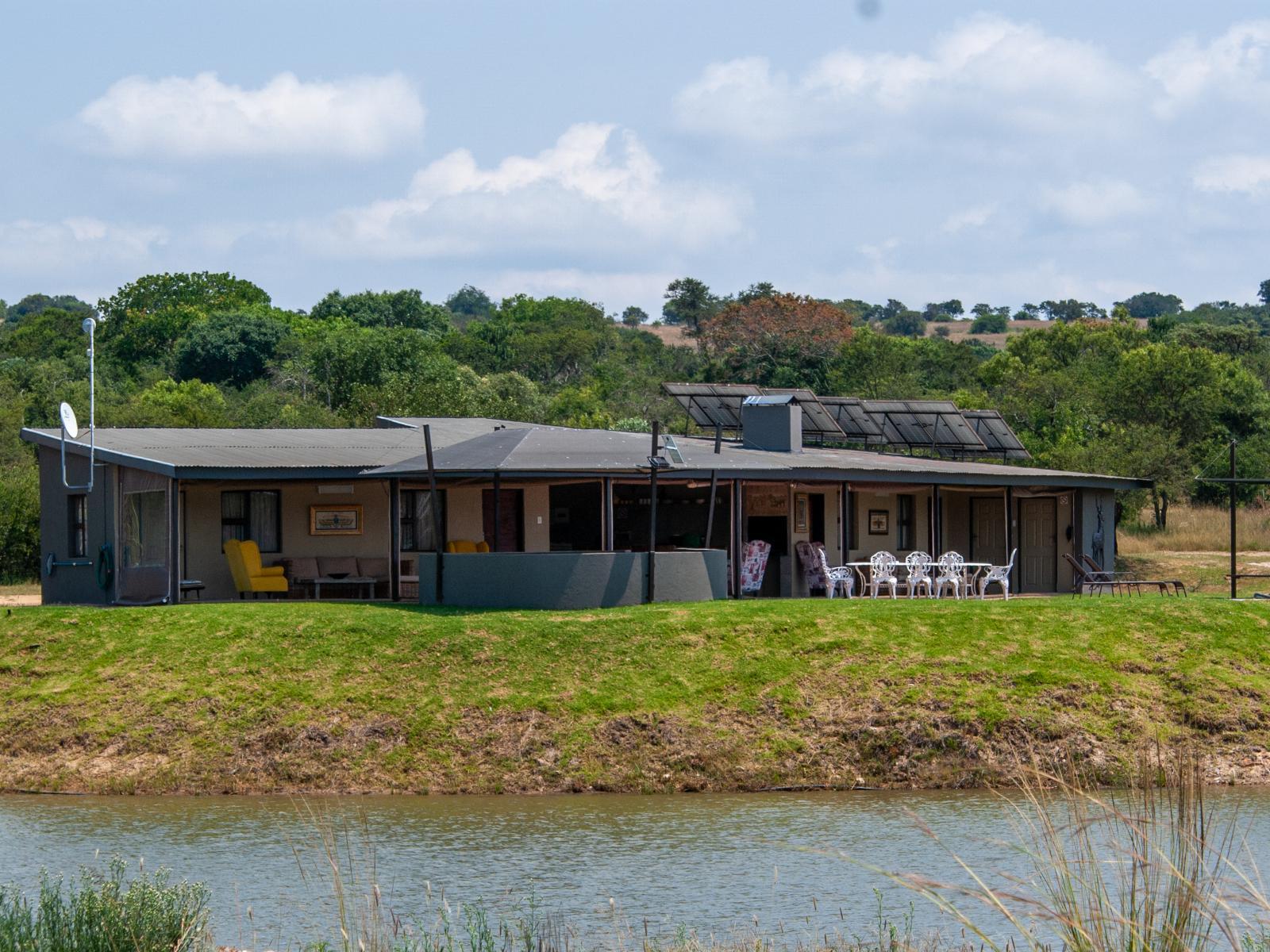
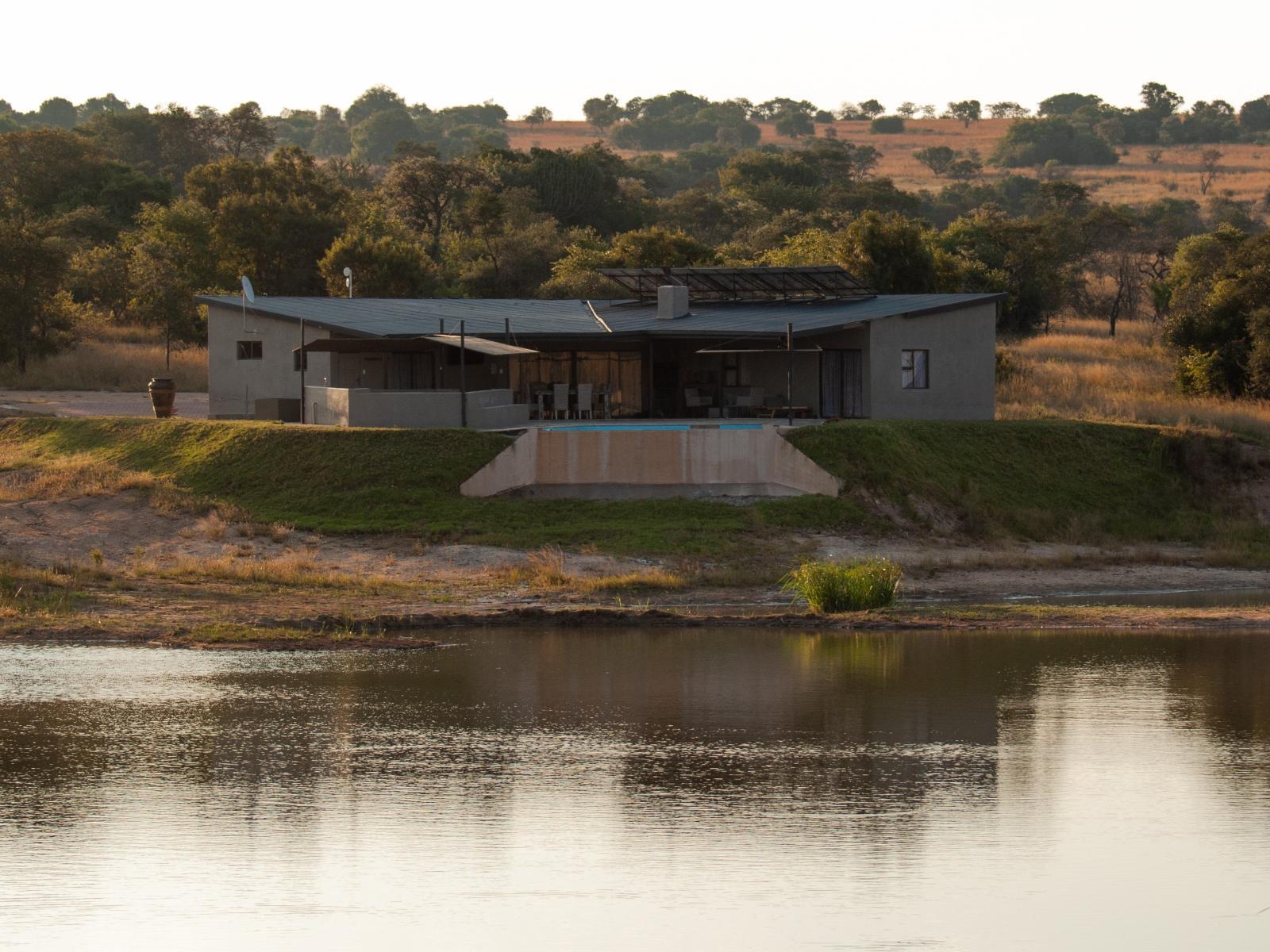
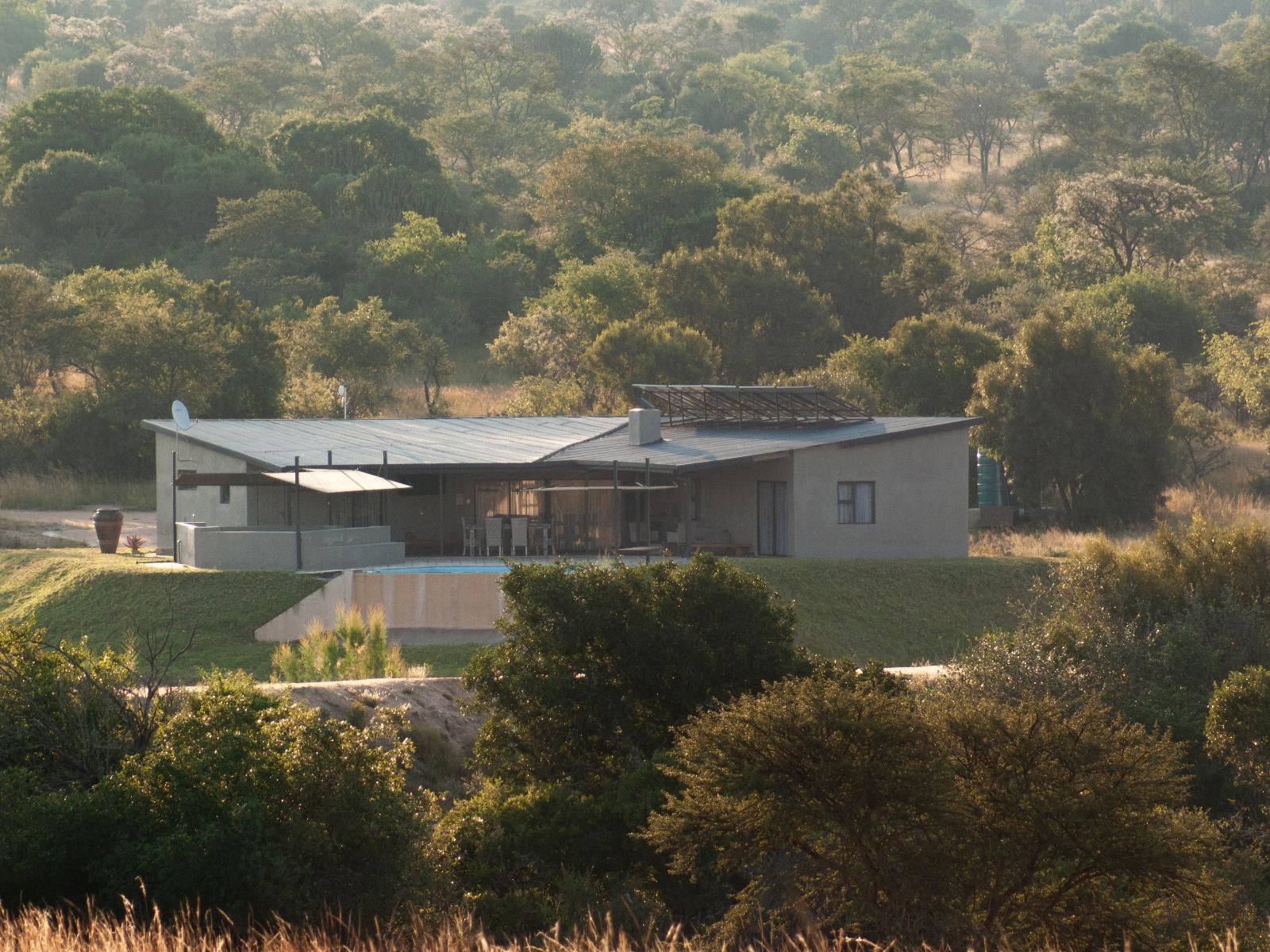
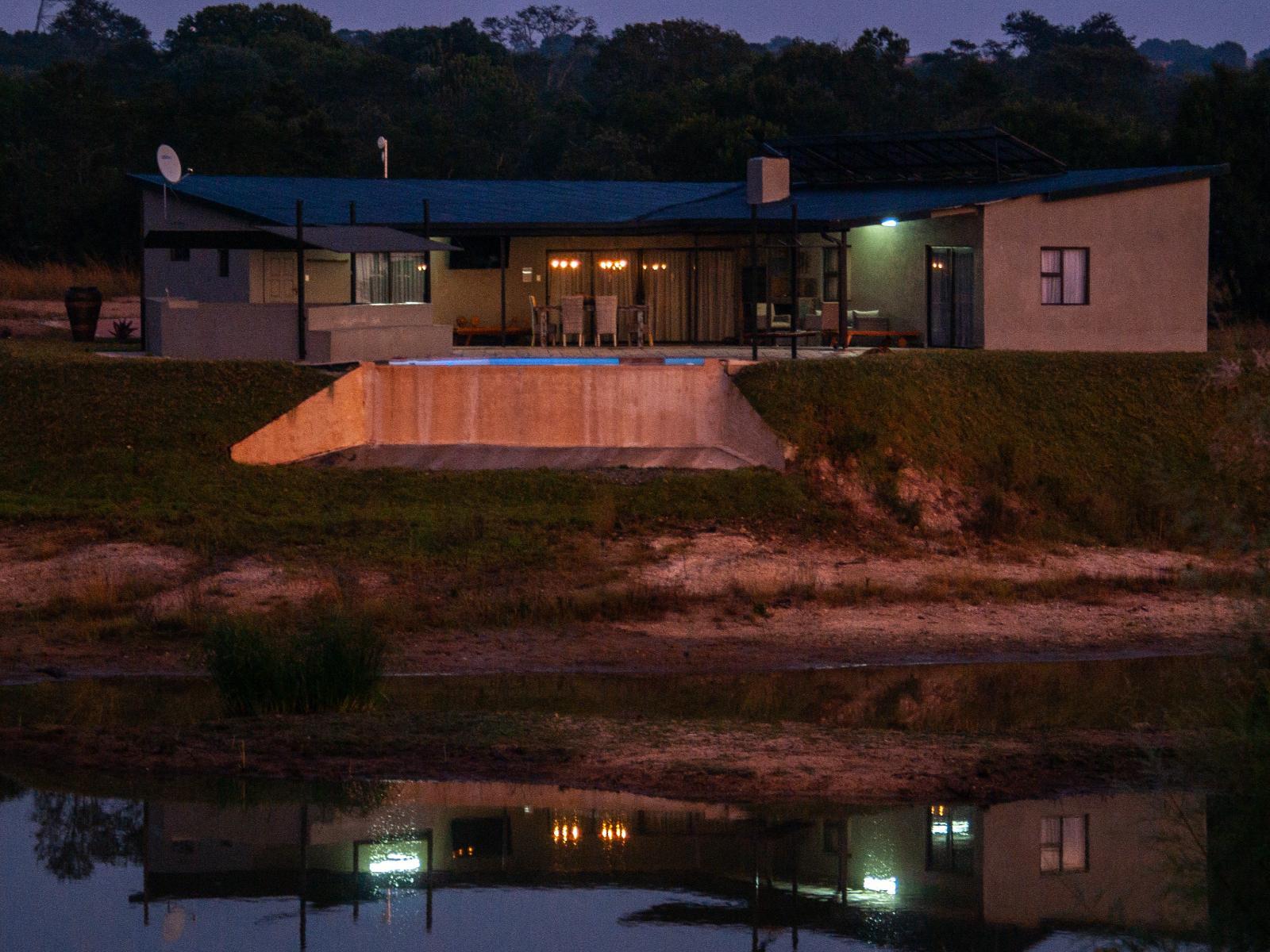
Accommodation in Polokwane Local Municipality
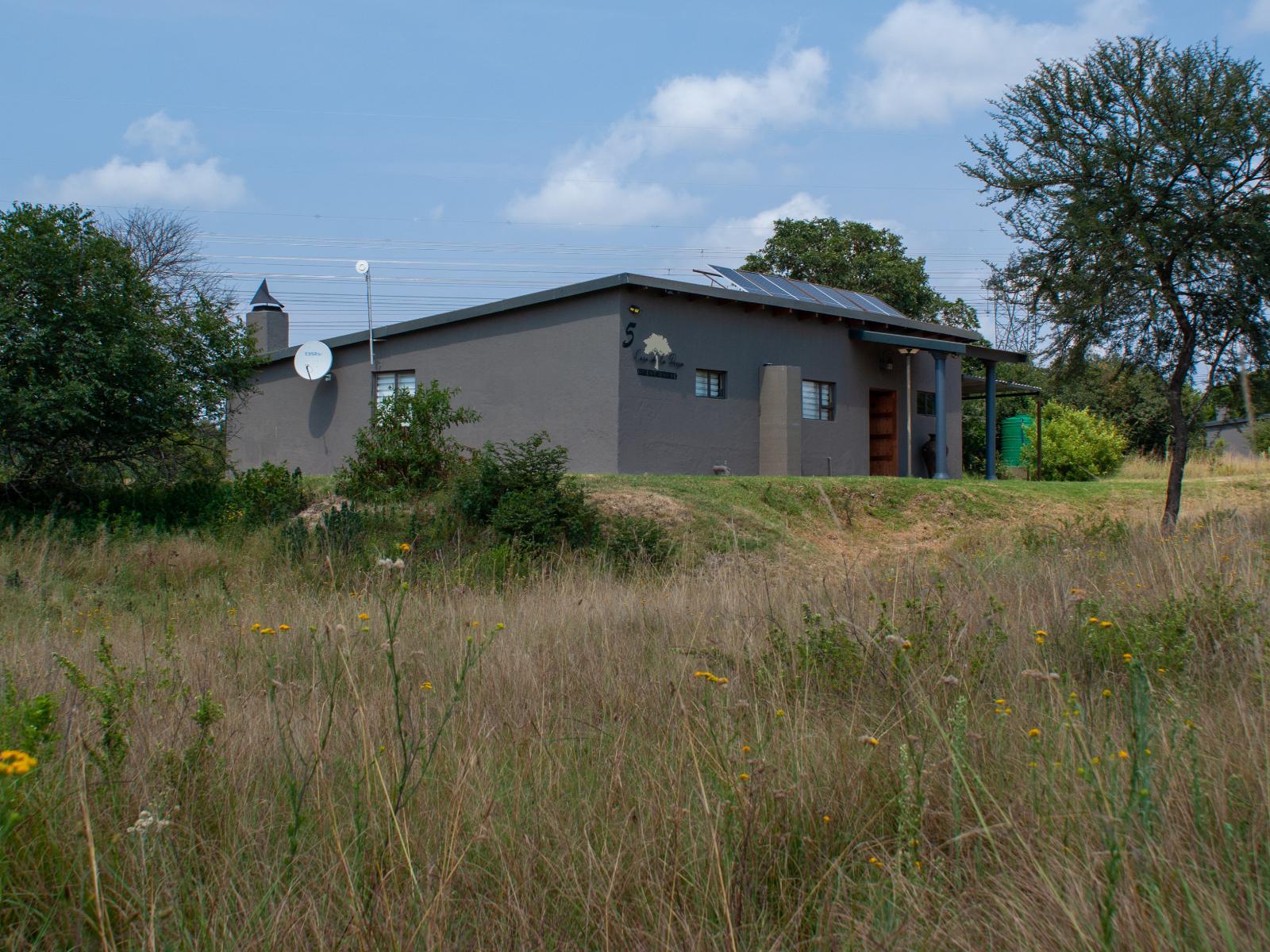
Polokwane Local Municipality currently has one listed property, a hotel, though the broader city market offers considerably more options accessible through direct bookings and local searches. The city functions primarily as a business and transit destination, which shapes the character of accommodation supply at every price level.
Budget travellers can find guesthouses and bed-and-breakfast properties throughout the city's residential suburbs, offering basic rooms with parking at modest rates. These suit overnight stopovers for people driving north toward Zimbabwe or turning east toward Limpopo's game reserves. Owners of smaller establishments often provide local knowledge that helps guests navigate the city and plan their onward routes.
Mid-range accommodation caters heavily to Polokwane's substantial business visitor population. As the Limpopo provincial capital, the city generates consistent demand from government contractors, mining sector representatives, and conference attendees. Self-catering units and business-oriented guesthouses in this bracket typically include reliable Wi-Fi, air conditioning, and secure parking as standard features. Multi-week stays are common in this segment, and many properties offer weekly rates accordingly.
The hotel tier at the upper end provides the full-service package expected by corporate clients: on-site dining, conference facilities, and rooms maintained to a consistent standard. Leisure visitors making day trips to the Polokwane Game Reserve, set within the municipal boundaries, or to the Bakone Malapa Open Air Museum roughly nine kilometres from the city centre, will find hotel accommodation a convenient base for both sites.
Regardless of tier, properties in or near the CBD offer the easiest access to government offices, commercial districts, and the main retail strips. Occupancy spikes rapidly during periods of elevated government activity, and options narrow quickly as a result, so booking ahead is advisable rather than optional.
Best Time to Visit Polokwane Local Municipality
At 1,310 metres above sea level, Polokwane experiences a modified subtropical climate that makes the city more temperate than lower-lying parts of Limpopo, though summers remain hot and humid. Rain falls mainly between November and March, arriving as afternoon thunderstorms that can be heavy and brief. This wet season keeps the landscape green and animals active, but outdoor sites are best visited in the morning before heat and storms build.
The dry winter months, June through August, suit most visitors. Days are clear with temperatures reaching the mid-twenties, and nights cool sharply, sometimes below 10 degrees Celsius, so packing a warm layer is necessary even when daytime conditions feel mild. Archaeological and open-air heritage sites are most comfortable and accessible during this period.
April and May offer a practical middle ground: rain has largely eased, temperatures are comfortable, and the landscape still carries much of its green from the wet season. September and October bring increasing heat before the rains return. Business travellers generally find December and January quieter periods, as government activity slows over the holiday season, though accommodation availability does not improve as dramatically as the reduced official business might suggest.
Getting to Polokwane Local Municipality
Polokwane International Airport connects the city to Johannesburg and Cape Town through scheduled flights. The journey from OR Tambo International takes under an hour, and car hire desks at the airport allow visitors to collect vehicles on arrival. Most travellers who fly in choose to drive for the rest of their stay, given how spread out Polokwane has become and how scattered the surrounding sites are across the plateau.
The N1 highway runs directly through the city, making road access from Johannesburg straightforward. The drive from Johannesburg covers roughly 300 kilometres and takes around four hours under typical conditions. From Pretoria the journey is closer to 250 kilometres and takes approximately three hours. Long-distance bus services from both cities stop at the Polokwane terminal, making the city reachable without a private vehicle, though travel within the region then requires hired transport or pre-arranged transfers.
Within the city, private transport is the most practical option. Metered taxis operate but are unevenly available outside peak commercial hours. Minibus taxis run regular routes between townships and the CBD throughout the day. For day trips to the Makapans Valley, a UNESCO World Heritage Site roughly 30 kilometres northeast containing important archaeological and palaeontological deposits, or to other sites outside the immediate urban area, a hired car provides the flexibility that scheduled transport cannot match.
Polokwane Local Municipality and Surrounding Areas
The six settlements closest to Polokwane all fall within 18 kilometres of the city and each reflects a distinct aspect of the broader Capricorn District landscape and economy.
Eerstegoud, 10 kilometres from the city, is a peri-urban farming area on the outskirts where smallholdings and agricultural plots line the access roads. Farm stalls in this corridor sell seasonal produce directly to the public, and the area gives a clear picture of the transition between Polokwane's urban edge and the commercial farming belt that extends across the plateau.
Kuschke, 15 kilometres out, sits deeper into that agricultural corridor. The land here supports commercial operations supplying Polokwane's markets. Travellers passing through encounter working farm infrastructure rather than tourism-oriented amenities, which suits those interested in how Limpopo's food production economy actually functions.
Bergnek, at 17 kilometres, takes its name from the ridge terrain characteristic of this stretch of the Limpopo interior. Low rocky ridgelines and koppies define the landscape here, and the area provides a short drive for those wanting to see the countryside beyond the city's commercial fringe before heading back.
Utsane, also 17 kilometres from the city, is a rural settlement within the predominantly Sepedi-speaking communities surrounding Polokwane. The homestead architecture and land-use patterns here offer a living counterpart to the heritage reconstructions that formal museum sites provide. Visitors gain a more immediate sense of how the Northern Sotho landscape is organised.
Ga-matlapa, 18 kilometres from Polokwane, is a village community. In Sepedi, the ga- prefix designates a place associated with a particular family or chief's people, and these village clusters are distributed throughout the plateau. Understanding this settlement structure helps visitors read the landscape more clearly as they move through the rural roads surrounding the city.
Broadlands, at 18 kilometres, is a commercial farming district with the mixed production typical of the Polokwane plateau. Cattle, citrus, and field crops all feature here, and the district feeds into regional supply chains. It complements a visit to Polokwane by filling in the agricultural context that drives much of the city's retail and logistics economy.
None of these destinations requires more than a half-day excursion. Taken together, they illustrate the range of land use, community structure, and agricultural activity that characterises the region immediately beyond the urban boundary.
Planning Your Stay
Polokwane's accommodation demand tracks government and corporate activity more closely than school holidays or public holidays. Properties fill during budget cycles, tender periods, and official government functions, which means the city can run tight on rooms at times that would not register as obvious peak periods to a leisure traveller. Booking two to three weeks ahead is sensible for any stay, and reading cancellation terms before confirming is worth the time, particularly if travel plans depend on road or weather conditions.
When comparing properties, consider your actual daily destinations rather than just proximity to the city centre. Polokwane has grown into a large city and cross-town travel adds meaningful time to a day's itinerary. Properties near the government precinct suit official business visits; those closer to the eastern side of town are more convenient for heading out toward the plateau.
Confirm that parking is included and that the property has secure fencing or a covered carport. Vehicle security is a practical concern throughout Limpopo Province. For stays of more than a couple of nights, ask about load-shedding arrangements, as Eskom outages affect the region intermittently and a working generator or inverter setup makes a genuine difference to comfort and productivity.
The Irish House Museum, dating to 1890, and the Polokwane Art Museum, which holds works by South African artists, are both accessible from accommodation anywhere in the city and take no more than a half-day each. Medical facilities in Polokwane are the most comprehensive in Limpopo Province, which is worth knowing for travellers planning to continue into more remote areas afterward.