Scottburgh Reis- & Akkommodasiegids
Jou volledige gids om Scottburgh, Suid-Afrika te besoek.
2
Eiendomme
Gewildste
Self-catering
Scottburgh is a coastal town on South Africa's east side, known for its sandy beaches and warm Indian Ocean waters that attract swimmers and anglers. The area includes parks and reserves nearby, providing spaces for walks and wildlife viewing. Its proximity to larger cities makes it convenient for short stays or extended holidays.
## Accommodation in Scottburgh
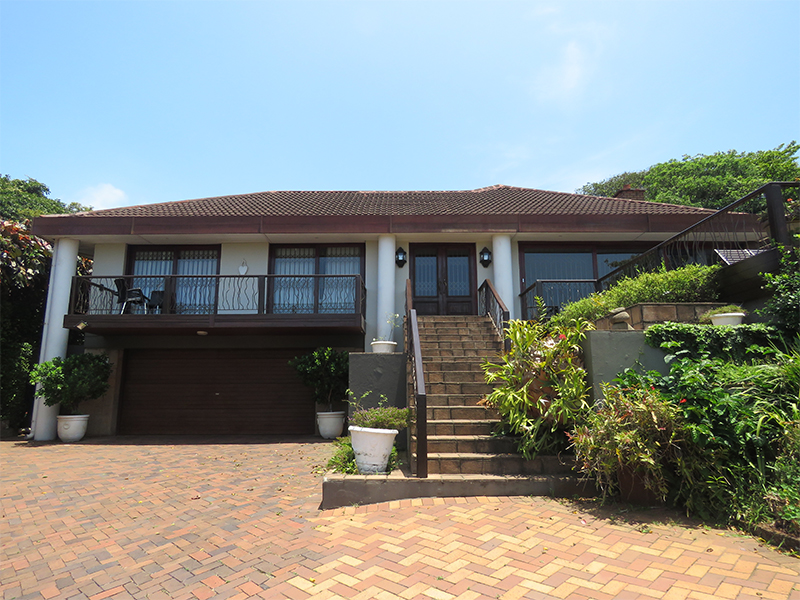
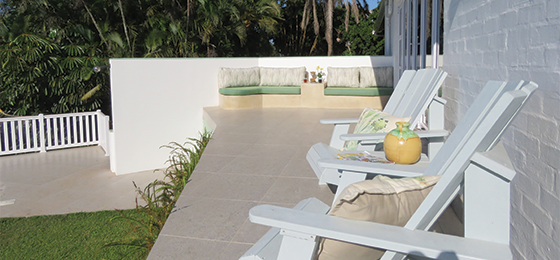
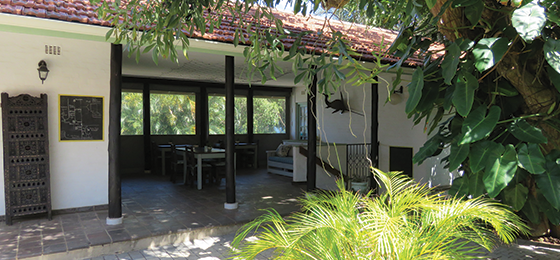
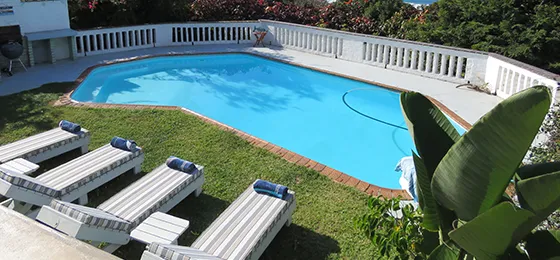
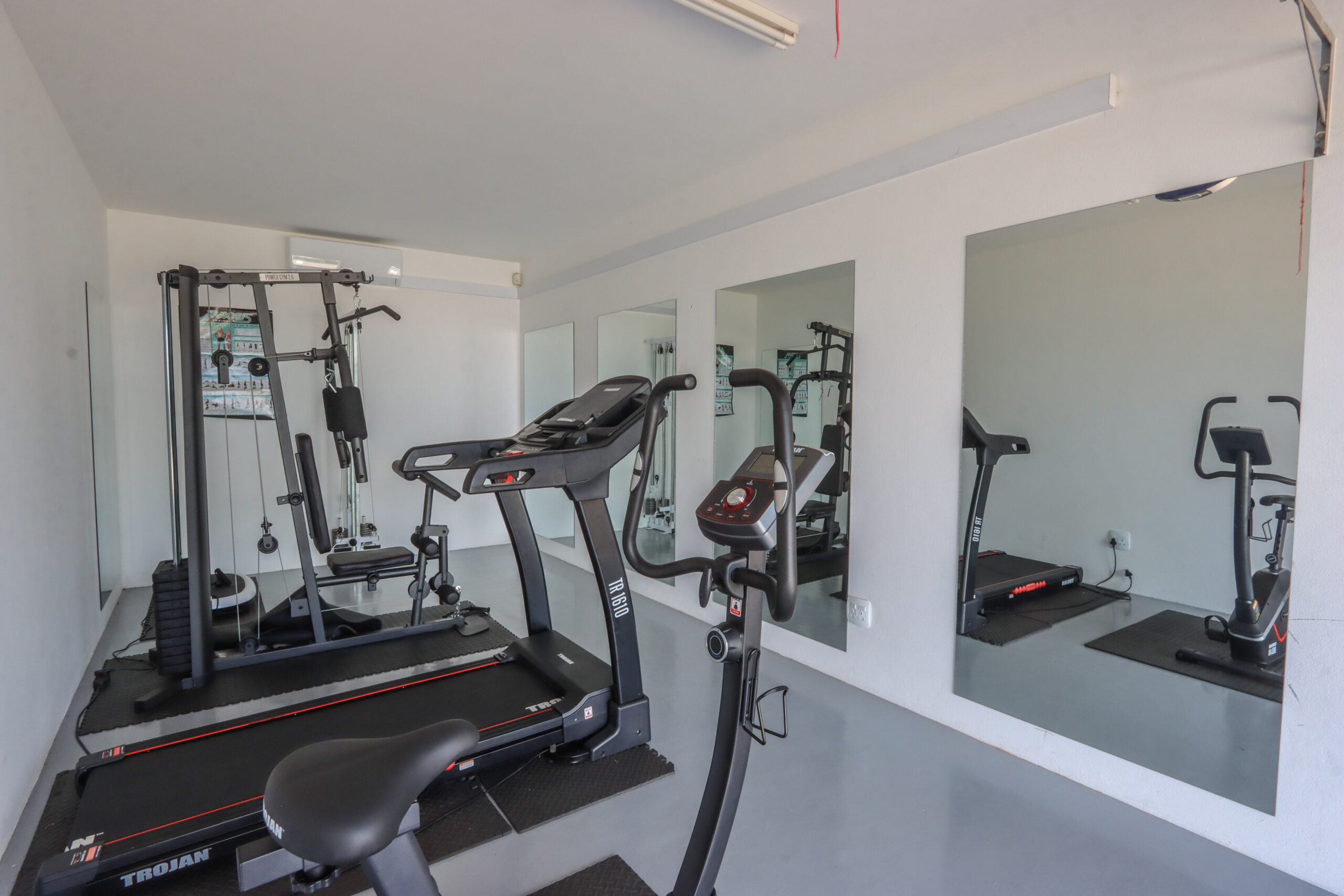
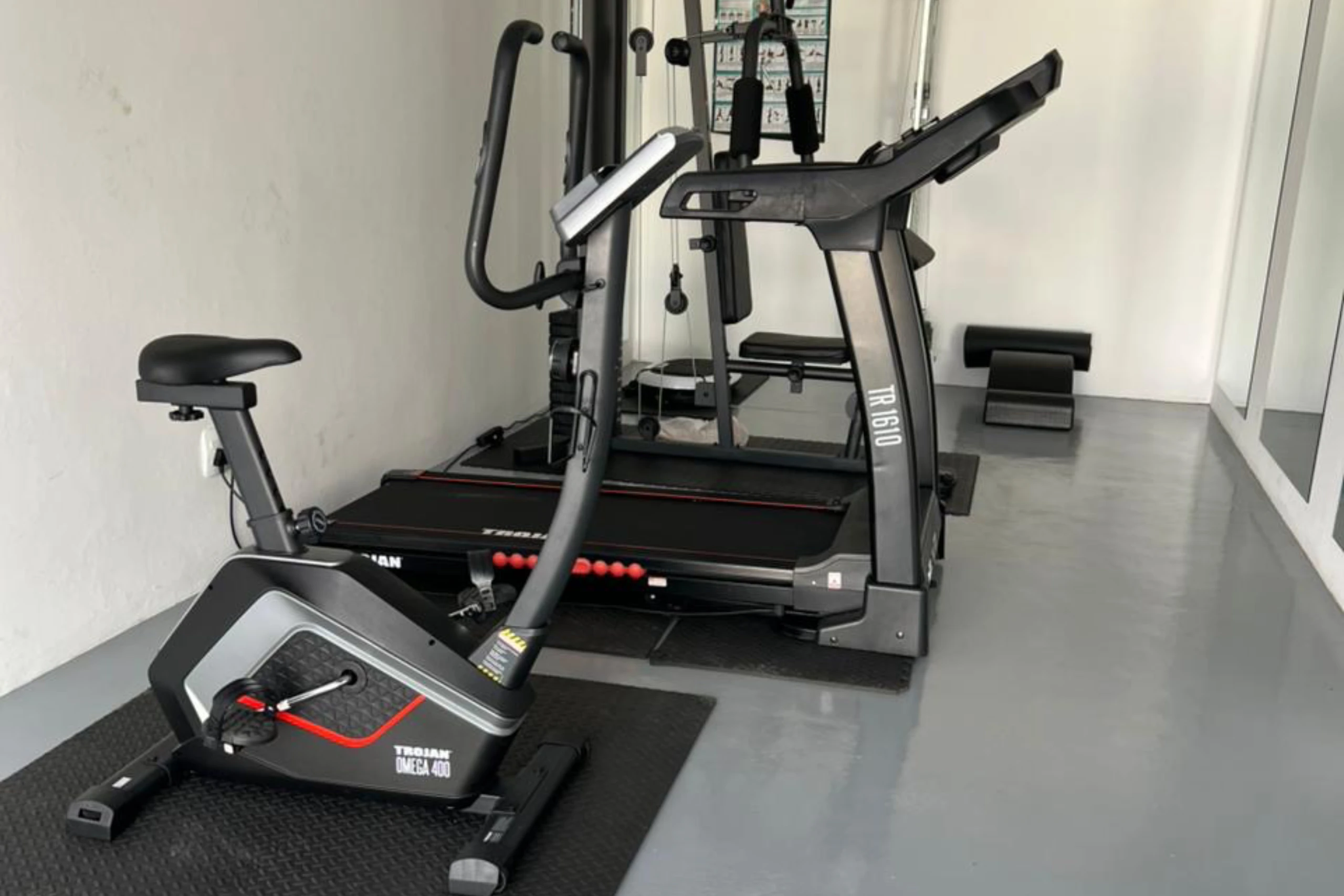
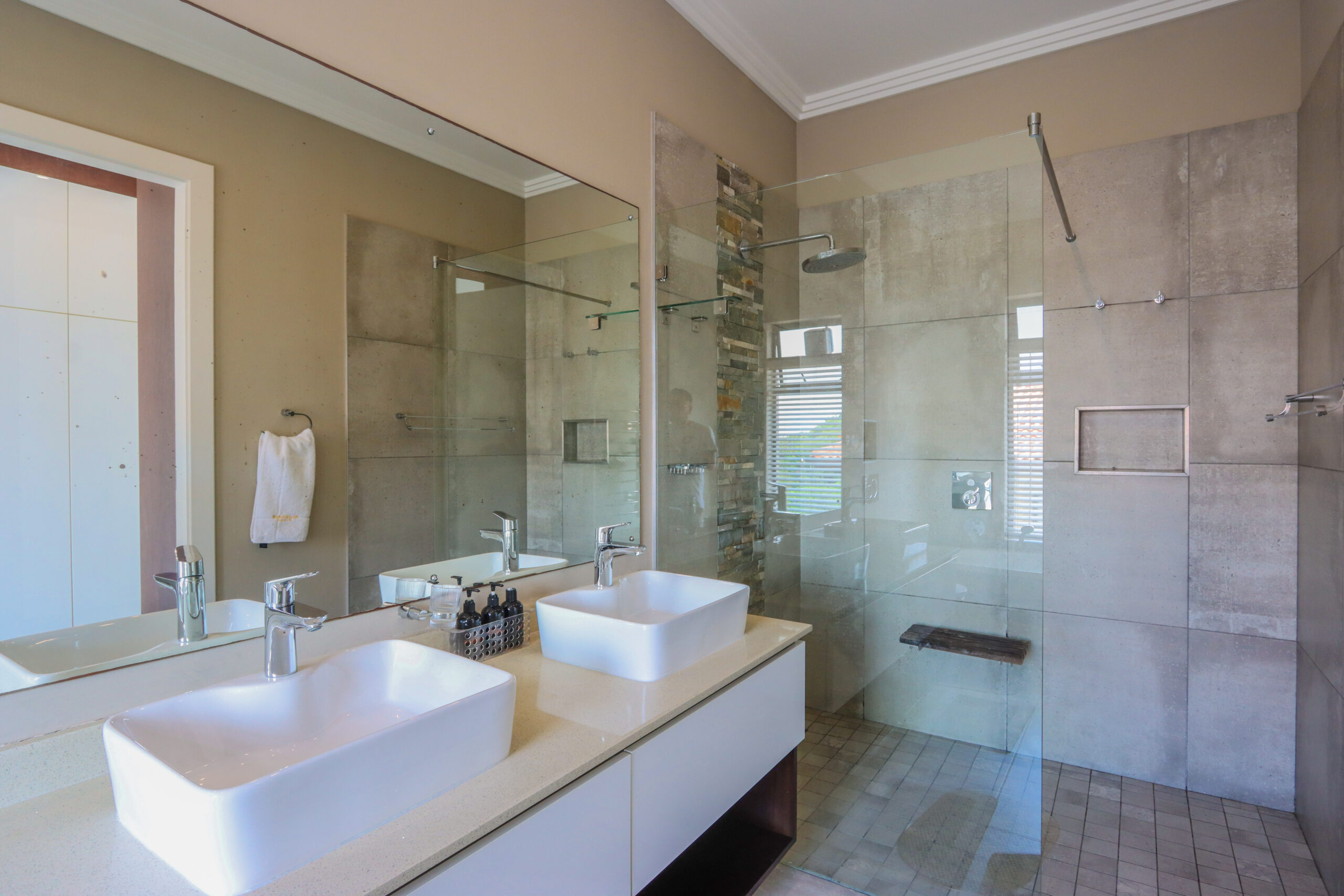
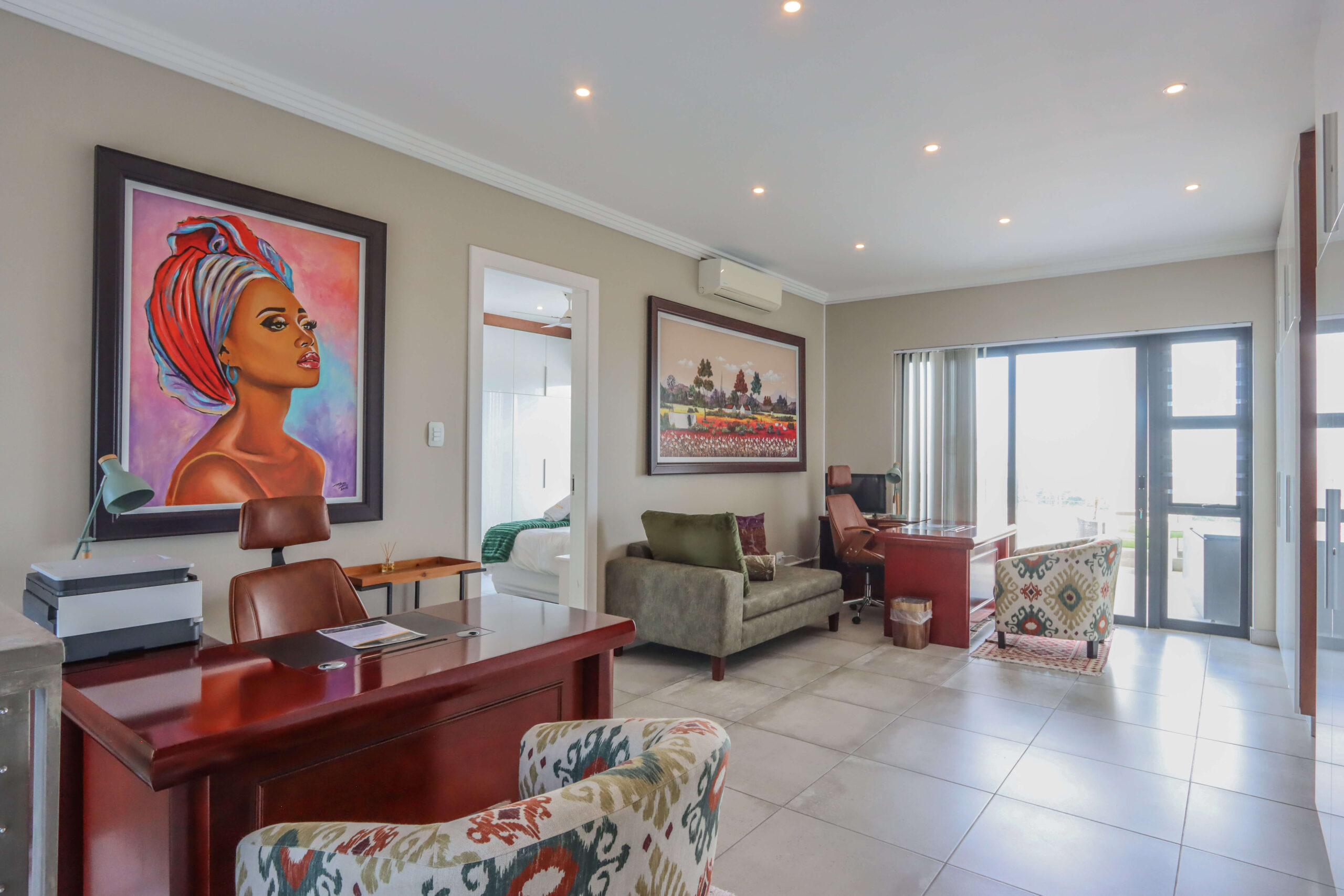
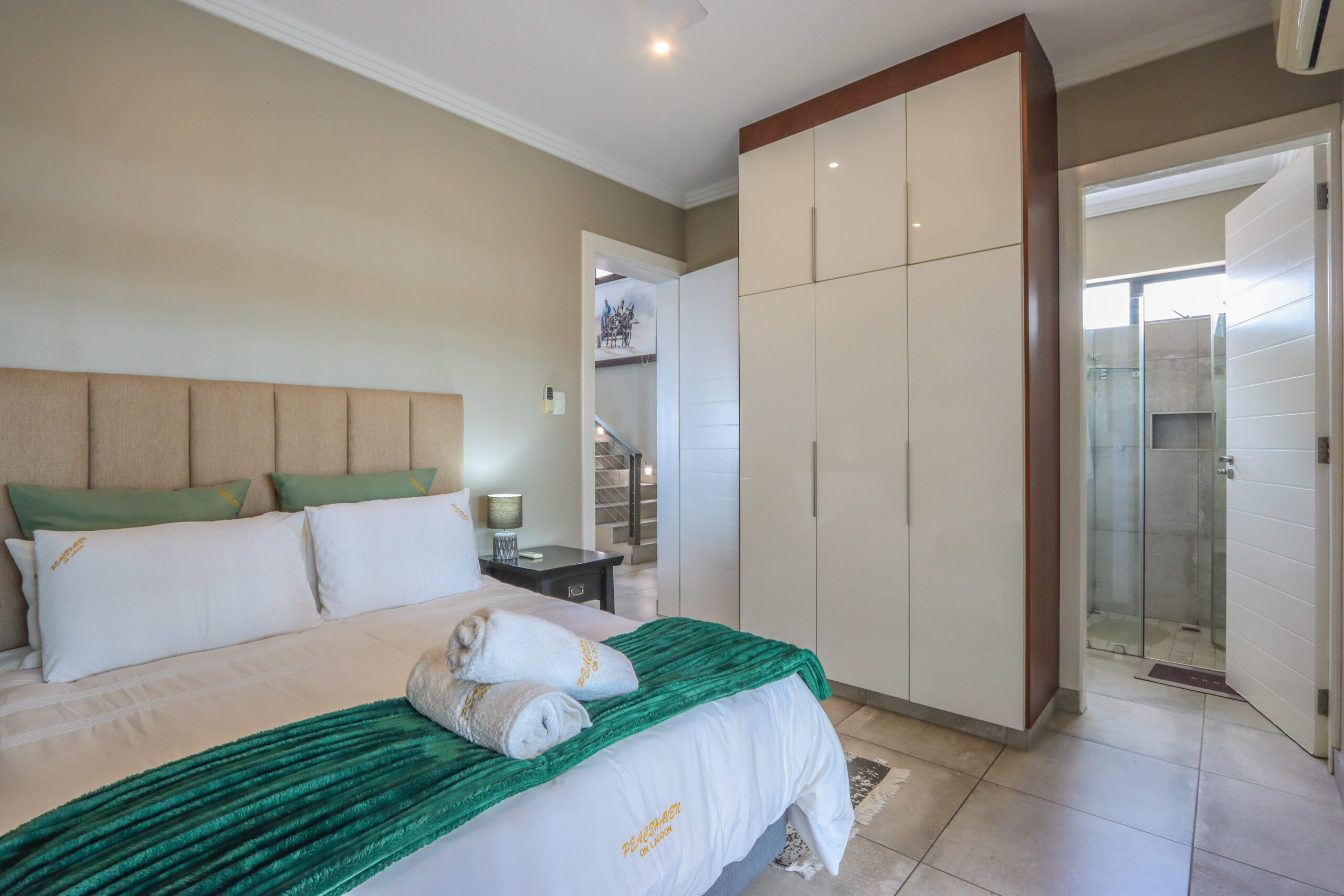
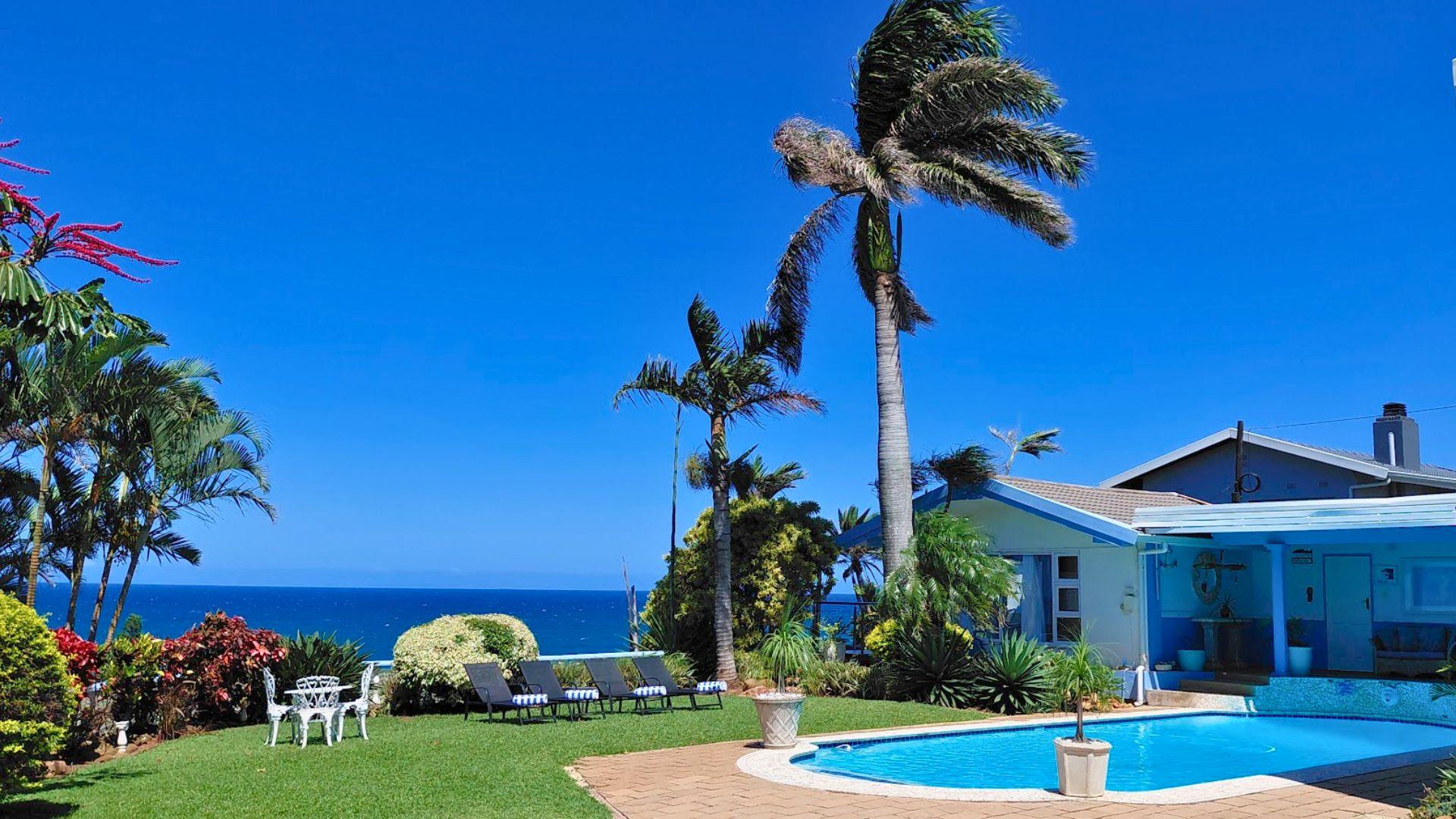
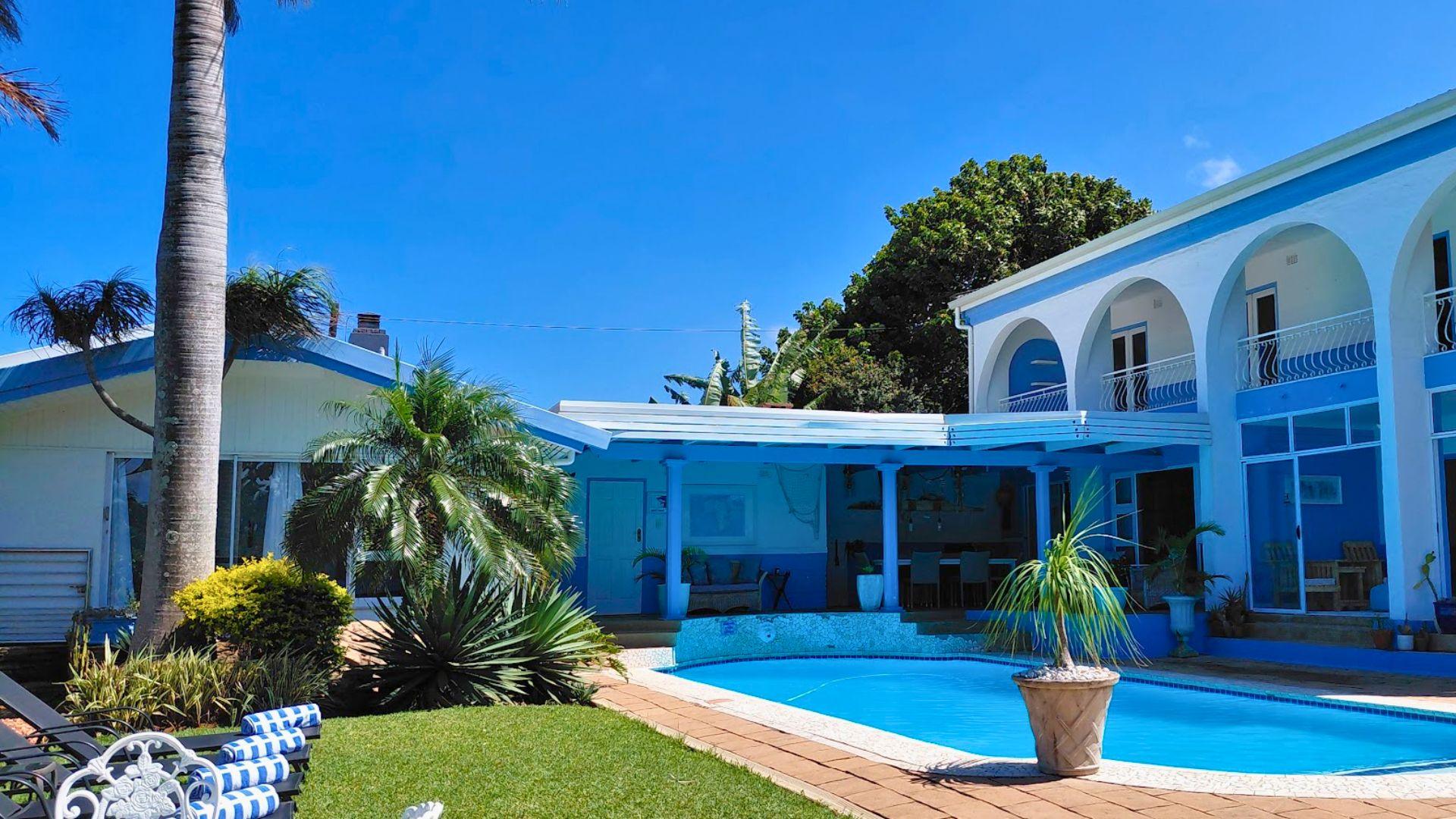
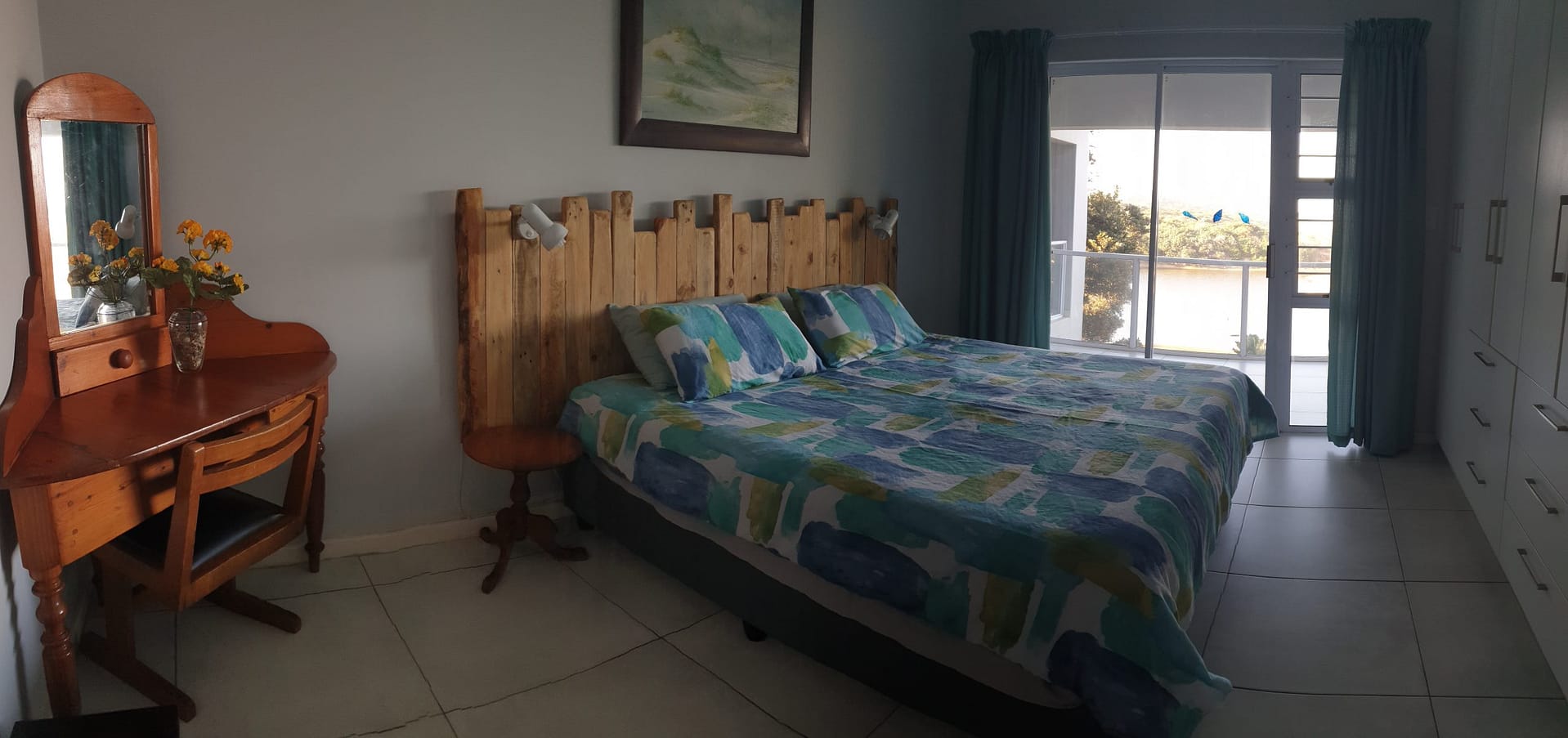
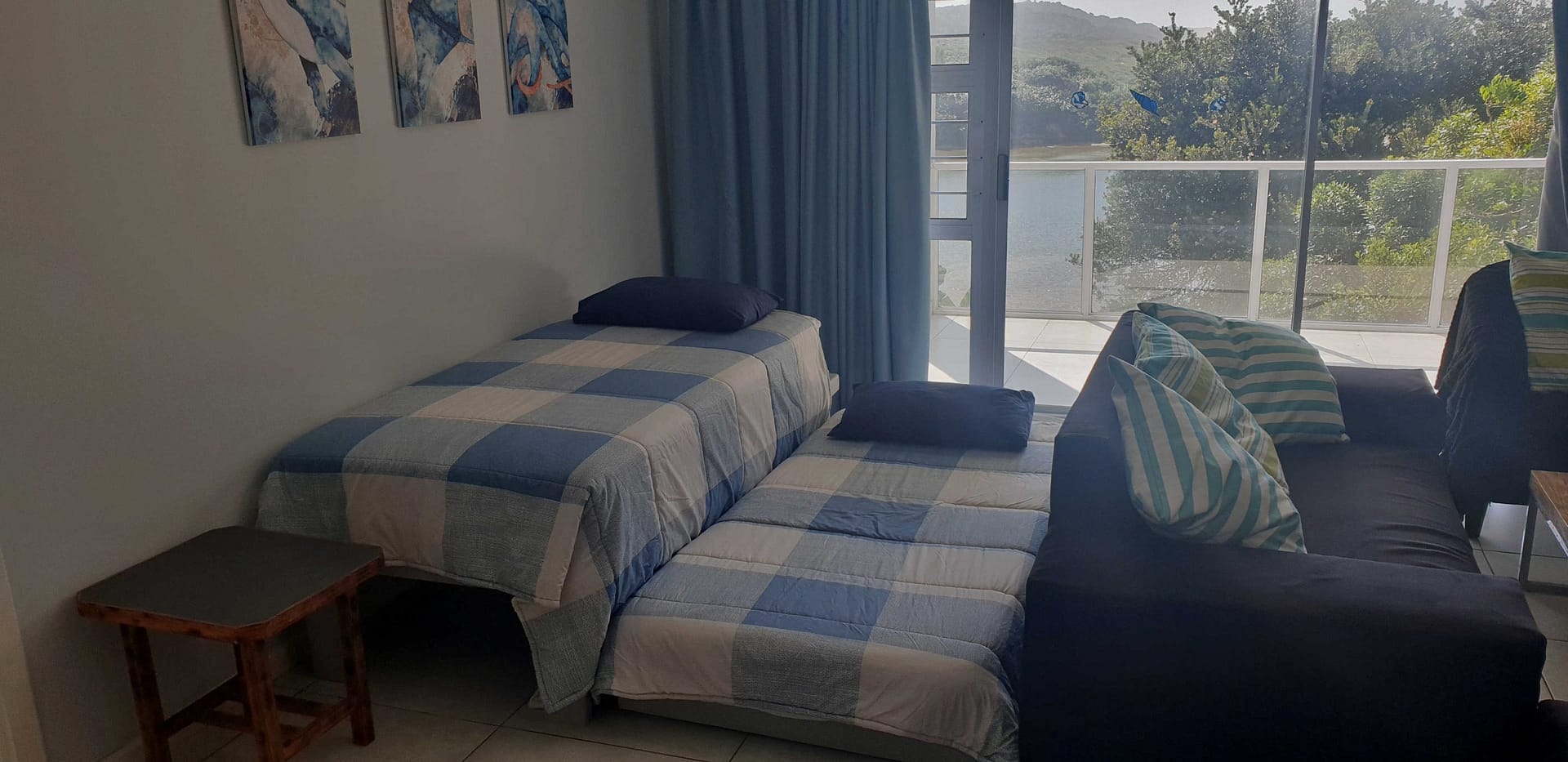
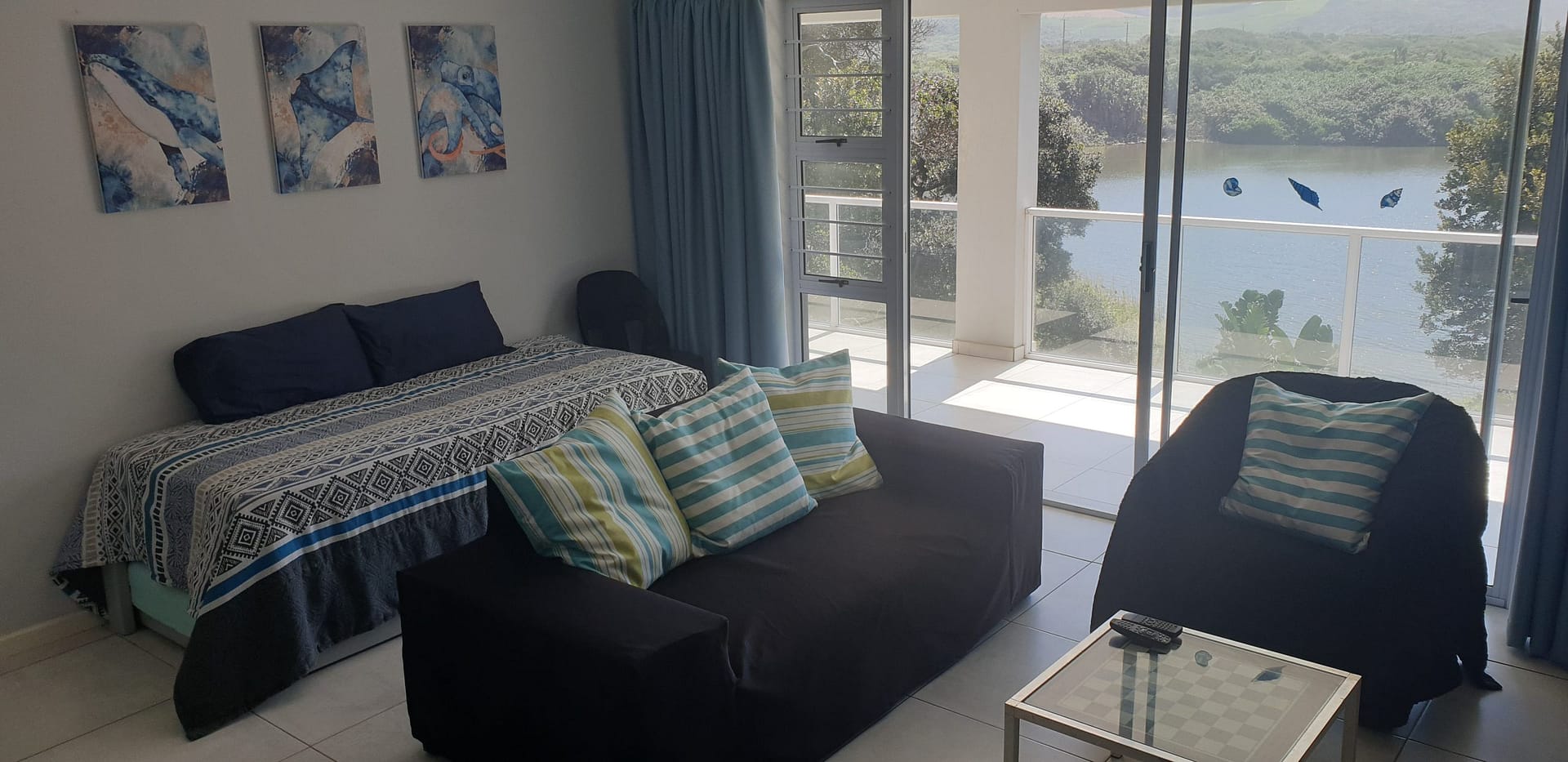
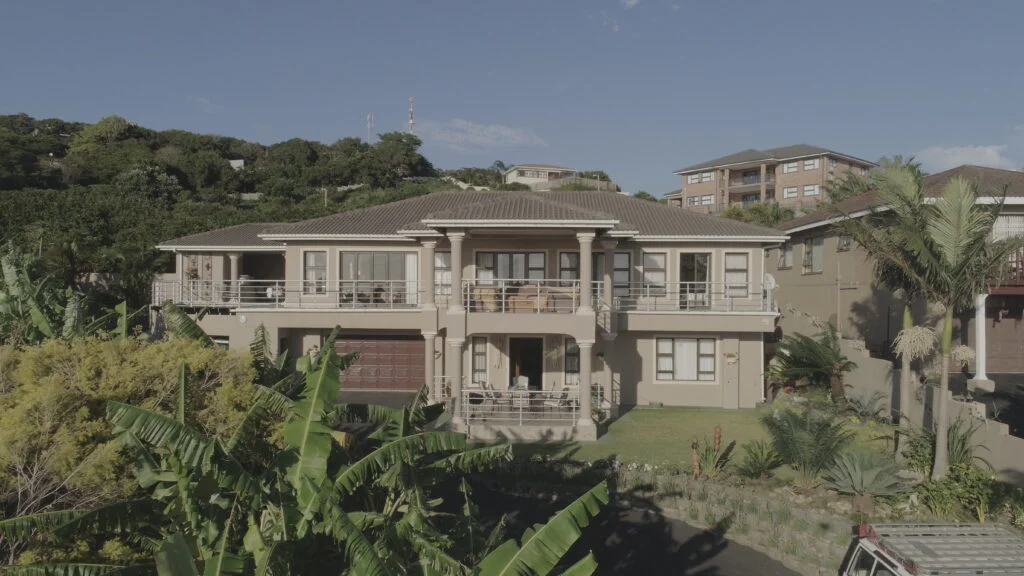
With two self-catering properties currently listed in Scottburgh, the accommodation market here is compact and straightforward to navigate. Both options fall into the self-catering category, which suits families, couples, or small groups who prefer to manage their own schedule without depending on hotel services. Pricing is not publicly stated for either property, so contacting hosts directly is the most reliable step before committing to a booking.
Self-catering accommodation on the KwaZulu-Natal South Coast covers a reasonable range. At the more affordable end, expect basic kitchen facilities, a private or shared bathroom, and a location a street or two from the water. A step up typically brings more floor space, a private balcony or patio, and better-equipped kitchens with appliances like a washing machine. The upper tier, which in South Coast towns often means a beachfront unit with sea views and a braai deck, suits groups staying for a week or more who want to live closer to the local routine.
The small listing count means availability tightens quickly during South African school holidays, particularly December and January, and on long weekends throughout the year. The self-catering format works well here because supermarkets and shops are within easy reach of the town, making it practical to stock a kitchen on arrival. For evenings when cooking is unappealing, local eateries serving fresh seafood are within walking distance of most properties. Visitors wanting a broader selection of accommodation types will find more choice in larger towns nearby, but Scottburgh's listed properties have the clear advantage of placing guests directly in the town.
---
## Things to Do in Scottburgh
The main beach draws most visitors first. It runs broad and flat, with wave conditions that shift noticeably through the seasons. During summer, the water is warm and swell sizes are generally manageable, making it accessible for swimmers, paddlers, and bodyboarders. Winter swells push through with more consistency and size, which attracts experienced surfers. Lifeguards patrol designated swimming areas during peak periods, and the beach is suitable for families with young children.
Offshore, the Aliwal Shoal sits roughly 10 kilometres from shore and is one of the more significant dive sites on the South African east coast. The reef hosts ragged-tooth sharks during their annual northward migration, typically from June through November, drawing divers specifically for that encounter. Turtles, dolphins, and a variety of reef fish are present year-round. Dive operators based in the area run regular charter trips.
Scottburgh's golf course occupies elevated ground above the town, with views across the coastline during play. It accommodates golfers at most skill levels, and midweek rounds avoid weekend congestion. Green fees compare favourably with larger resort courses further up the coast.
Fishing from the Scottburgh pier is a low-barrier option requiring no boat and no specialist gear for most inshore species. Shad, spotted grunter, and various other fish are common catches in the warmer months. The pier is used consistently by locals and tourists alike throughout the day.
The town center hosts local markets on regular days, selling fresh produce and handmade crafts. It is a practical stop for self-caterers as well as a way to get a feel for everyday life in the town.
---
## Best Time to Visit Scottburgh
Scottburgh's subtropical position on the KwaZulu-Natal coast means weather is workable throughout the year, but each season affects the visit differently.
Summer, from November to February, brings temperatures into the high 20s Celsius alongside high humidity. Afternoon thunderstorms are common but typically short-lived, and sea temperatures climb above 24 degrees, making this the most comfortable period for swimming. December and January coincide with South African school holidays, which push visitor numbers along the South Coast to their annual peak.
The winter months, June to August, see daytime temperatures settle in the low 20s. Humidity drops considerably, rainfall becomes infrequent, and conditions for hiking and outdoor activity are more comfortable than summer. The sea cools to between 19 and 21 degrees. Consistent winter swells produce better conditions for experienced wave riders than the calmer summer months.
The shoulder periods, March to May and September to October, offer a practical middle ground. Visitor numbers are lower, activities along the coast are less crowded, and the weather remains cooperative. For visitors with schedule flexibility, these months often deliver the most relaxed experience without the peak-season congestion.
---
## Getting to Scottburgh
Scottburgh is approximately 50 kilometres south of Durban along the N2 highway. The drive from central Durban takes under an hour in normal traffic and follows a well-maintained coastal route without complicated sections. From Johannesburg, the most direct path covers around 600 kilometres via the N3 south to Durban and then the N2 south to Scottburgh, a journey of six to seven hours depending on stops and traffic near the city.
King Shaka International Airport, north of Durban near La Mercy, is the main arrival point for visitors flying in. Car hire desks at the terminal cover all major national providers, and the drive from King Shaka to Scottburgh takes approximately one hour. Visitors arriving without a vehicle can use minibus taxis, which run the South Coast corridor from Durban and stop at various towns including Scottburgh. These are affordable but require flexibility around timing and route changes.
Once in Scottburgh, the town center, pier, and beach are all close enough to reach on foot from most accommodation. The golf course sits slightly outside the central area and is more comfortably reached by car or taxi. For day trips to the surrounding towns, having a vehicle makes a significant difference in how easily those options can be combined.
---
## Scottburgh and Surrounding Areas
The chain of small coastal towns along the South Coast makes Scottburgh a practical base for exploring the region in either direction.
**Freeland Park**, just 2 kilometres away, is less a destination than an extension of Scottburgh's residential edge. It has a petrol station, a small retail cluster, and little else to detain visitors, but it is useful for fuel and quick supplies.
**Umdoni**, 7 kilometres south, offers a genuinely different atmosphere. The area takes its name from the indigenous umdoni tree, and the park there has been developed with braai facilities, shaded paths through coastal bush, and picnic lawns. It suits a relaxed morning or afternoon outing, particularly for families wanting outdoor space away from the busier beach.
**Umkomaas**, 10 kilometres north, is the main hub for dive operations targeting the offshore reef south of Durban. The small harbour town has dive shops, boat ramps, and accommodation oriented specifically around visiting divers. Anyone planning multiple days on the water would do well to base themselves there at least overnight rather than travelling back to Scottburgh after each trip.
**Pennington**, 12 kilometres south, is a quieter residential settlement with its own beach access. The surf is calmer than at Scottburgh's main beach, and the atmosphere is notably more low-key. It functions well as an alternative beach day rather than a separate itinerary item.
**Bazley**, 19 kilometres south, centres on the Mpambanyoni River mouth and estuary. Kayaking and birdwatching are the main activities there, and the beach attracts far fewer visitors than those closer to Scottburgh. It suits those specifically interested in estuarine environments rather than the open coast.
**Illovo South**, 22 kilometres from Scottburgh near the Lovu River, offers gentle surf and a family-oriented beach environment. The drive south from Scottburgh passes through several of the towns above, and covering all of them as a single coastal road trip is achievable in a day.
---
## Planning Your Stay
With only two properties listed, Scottburgh's accommodation fills faster than in larger South Coast towns. School holidays and peak long weekends leave little room for last-minute bookings, so planning four to six weeks ahead during busy periods is a sensible baseline. Outside school holiday windows, shorter notice may work, but confirming early still avoids being displaced to a neighbouring town.
Before confirming any booking, establish exactly what the property includes. Self-catering arrangements vary considerably in whether they provide linen, towels, braai equipment, firewood, and pantry staples. Arriving after a long drive to find missing essentials is frustrating, especially if nearby shops have already closed. Confirm parking details if travelling by car, and verify the exact distance to amenities since property descriptions can be loosely worded.
Review cancellation terms carefully. Many South Coast properties impose strict fees during the December and January peak, with little or no refund available inside a few weeks of the booking date. Travel insurance covering accommodation cancellation is worth considering for longer or more expensive stays.
Also check whether the property has any restrictions on guest numbers or outdoor entertainment. Residential coastal areas in KwaZulu-Natal apply noise bylaws, and some properties have specific rules around braai areas, fires, and late-night gatherings.

With two self-catering properties currently listed in Scottburgh, the accommodation market here is compact and straightforward to navigate. Both options fall into the self-catering category, which suits families, couples, or small groups who prefer to manage their own schedule without depending on hotel services. Pricing is not publicly stated for either property, so contacting hosts directly is the most reliable step before committing to a booking.
Self-catering accommodation on the KwaZulu-Natal South Coast covers a reasonable range. At the more affordable end, expect basic kitchen facilities, a private or shared bathroom, and a location a street or two from the water. A step up typically brings more floor space, a private balcony or patio, and better-equipped kitchens with appliances like a washing machine. The upper tier, which in South Coast towns often means a beachfront unit with sea views and a braai deck, suits groups staying for a week or more who want to live closer to the local routine.
The small listing count means availability tightens quickly during South African school holidays, particularly December and January, and on long weekends throughout the year. The self-catering format works well here because supermarkets and shops are within easy reach of the town, making it practical to stock a kitchen on arrival. For evenings when cooking is unappealing, local eateries serving fresh seafood are within walking distance of most properties. Visitors wanting a broader selection of accommodation types will find more choice in larger towns nearby, but Scottburgh's listed properties have the clear advantage of placing guests directly in the town.
---
## Things to Do in Scottburgh
The main beach draws most visitors first. It runs broad and flat, with wave conditions that shift noticeably through the seasons. During summer, the water is warm and swell sizes are generally manageable, making it accessible for swimmers, paddlers, and bodyboarders. Winter swells push through with more consistency and size, which attracts experienced surfers. Lifeguards patrol designated swimming areas during peak periods, and the beach is suitable for families with young children.
Offshore, the Aliwal Shoal sits roughly 10 kilometres from shore and is one of the more significant dive sites on the South African east coast. The reef hosts ragged-tooth sharks during their annual northward migration, typically from June through November, drawing divers specifically for that encounter. Turtles, dolphins, and a variety of reef fish are present year-round. Dive operators based in the area run regular charter trips.
Scottburgh's golf course occupies elevated ground above the town, with views across the coastline during play. It accommodates golfers at most skill levels, and midweek rounds avoid weekend congestion. Green fees compare favourably with larger resort courses further up the coast.
Fishing from the Scottburgh pier is a low-barrier option requiring no boat and no specialist gear for most inshore species. Shad, spotted grunter, and various other fish are common catches in the warmer months. The pier is used consistently by locals and tourists alike throughout the day.
The town center hosts local markets on regular days, selling fresh produce and handmade crafts. It is a practical stop for self-caterers as well as a way to get a feel for everyday life in the town.
---
## Best Time to Visit Scottburgh
Scottburgh's subtropical position on the KwaZulu-Natal coast means weather is workable throughout the year, but each season affects the visit differently.
Summer, from November to February, brings temperatures into the high 20s Celsius alongside high humidity. Afternoon thunderstorms are common but typically short-lived, and sea temperatures climb above 24 degrees, making this the most comfortable period for swimming. December and January coincide with South African school holidays, which push visitor numbers along the South Coast to their annual peak.
The winter months, June to August, see daytime temperatures settle in the low 20s. Humidity drops considerably, rainfall becomes infrequent, and conditions for hiking and outdoor activity are more comfortable than summer. The sea cools to between 19 and 21 degrees. Consistent winter swells produce better conditions for experienced wave riders than the calmer summer months.
The shoulder periods, March to May and September to October, offer a practical middle ground. Visitor numbers are lower, activities along the coast are less crowded, and the weather remains cooperative. For visitors with schedule flexibility, these months often deliver the most relaxed experience without the peak-season congestion.
---
## Getting to Scottburgh
Scottburgh is approximately 50 kilometres south of Durban along the N2 highway. The drive from central Durban takes under an hour in normal traffic and follows a well-maintained coastal route without complicated sections. From Johannesburg, the most direct path covers around 600 kilometres via the N3 south to Durban and then the N2 south to Scottburgh, a journey of six to seven hours depending on stops and traffic near the city.
King Shaka International Airport, north of Durban near La Mercy, is the main arrival point for visitors flying in. Car hire desks at the terminal cover all major national providers, and the drive from King Shaka to Scottburgh takes approximately one hour. Visitors arriving without a vehicle can use minibus taxis, which run the South Coast corridor from Durban and stop at various towns including Scottburgh. These are affordable but require flexibility around timing and route changes.
Once in Scottburgh, the town center, pier, and beach are all close enough to reach on foot from most accommodation. The golf course sits slightly outside the central area and is more comfortably reached by car or taxi. For day trips to the surrounding towns, having a vehicle makes a significant difference in how easily those options can be combined.
---
## Scottburgh and Surrounding Areas
The chain of small coastal towns along the South Coast makes Scottburgh a practical base for exploring the region in either direction.
**Freeland Park**, just 2 kilometres away, is less a destination than an extension of Scottburgh's residential edge. It has a petrol station, a small retail cluster, and little else to detain visitors, but it is useful for fuel and quick supplies.
**Umdoni**, 7 kilometres south, offers a genuinely different atmosphere. The area takes its name from the indigenous umdoni tree, and the park there has been developed with braai facilities, shaded paths through coastal bush, and picnic lawns. It suits a relaxed morning or afternoon outing, particularly for families wanting outdoor space away from the busier beach.
**Umkomaas**, 10 kilometres north, is the main hub for dive operations targeting the offshore reef south of Durban. The small harbour town has dive shops, boat ramps, and accommodation oriented specifically around visiting divers. Anyone planning multiple days on the water would do well to base themselves there at least overnight rather than travelling back to Scottburgh after each trip.
**Pennington**, 12 kilometres south, is a quieter residential settlement with its own beach access. The surf is calmer than at Scottburgh's main beach, and the atmosphere is notably more low-key. It functions well as an alternative beach day rather than a separate itinerary item.
**Bazley**, 19 kilometres south, centres on the Mpambanyoni River mouth and estuary. Kayaking and birdwatching are the main activities there, and the beach attracts far fewer visitors than those closer to Scottburgh. It suits those specifically interested in estuarine environments rather than the open coast.
**Illovo South**, 22 kilometres from Scottburgh near the Lovu River, offers gentle surf and a family-oriented beach environment. The drive south from Scottburgh passes through several of the towns above, and covering all of them as a single coastal road trip is achievable in a day.
---
## Planning Your Stay
With only two properties listed, Scottburgh's accommodation fills faster than in larger South Coast towns. School holidays and peak long weekends leave little room for last-minute bookings, so planning four to six weeks ahead during busy periods is a sensible baseline. Outside school holiday windows, shorter notice may work, but confirming early still avoids being displaced to a neighbouring town.
Before confirming any booking, establish exactly what the property includes. Self-catering arrangements vary considerably in whether they provide linen, towels, braai equipment, firewood, and pantry staples. Arriving after a long drive to find missing essentials is frustrating, especially if nearby shops have already closed. Confirm parking details if travelling by car, and verify the exact distance to amenities since property descriptions can be loosely worded.
Review cancellation terms carefully. Many South Coast properties impose strict fees during the December and January peak, with little or no refund available inside a few weeks of the booking date. Travel insurance covering accommodation cancellation is worth considering for longer or more expensive stays.
Also check whether the property has any restrictions on guest numbers or outdoor entertainment. Residential coastal areas in KwaZulu-Natal apply noise bylaws, and some properties have specific rules around braai areas, fires, and late-night gatherings.
Tipes Akkommodasie in Scottburgh
Akkommodasiepryse in Scottburgh
| Tipe | Inskrywings | Vanaf | Gemiddeld | Tot |
|---|---|---|---|---|
| Self-catering | 2 | – | – | – |
Scottburgh Kaart
Nabygeleë Bestemmings
Blaai Deur Alle Scottburgh Akkommodasie
Bekyk al 2 akkommodasie-opsies in Scottburgh met foto's, pryse en beskikbaarheid.
Blaai Deur Alle Akkommodasie