Springbok Reis- & Akkommodasiegids
Jou volledige gids om Springbok, Suid-Afrika te besoek.
Springbok is a notable town in the Northern Cape Province of South Africa, serving as a central point for regional exploration. The area features a mix of historical mining sites and natural landscapes that draw outdoor enthusiasts. It provides practical options for travelers interested in both culture and adventure.
## Accommodation in Springbok
Springbok's accommodation scene is modest and functional, suited to a town that serves primarily as a staging point for explorations into the Northern Cape. No properties are currently listed through this platform, and pricing in the region is variable, which means sourcing a place to stay requires contacting local guesthouses directly or checking with regional operators covering the Namaqualand corridor.
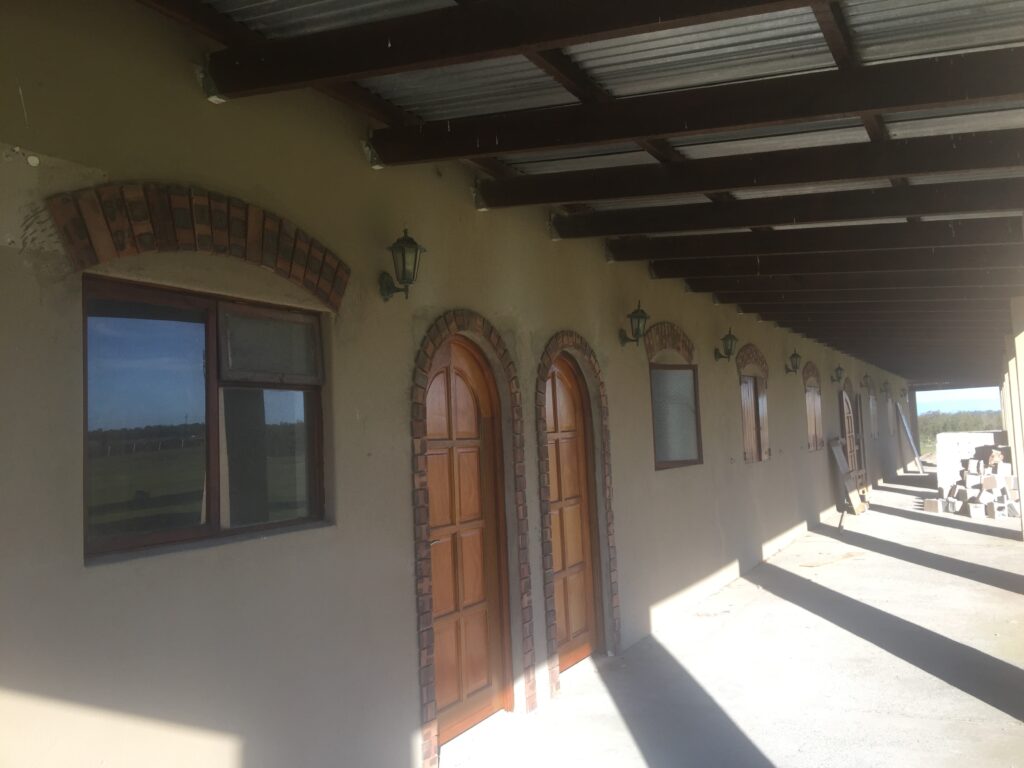
Budget options include self-catering chalets and backpacker-style rooms, typically positioned near the town centre for easy access to fuel, supplies, and the main road north. These suit travellers on tighter budgets or overland journeys who need somewhere clean and practical for a night or two. Shared kitchens and communal areas are common at this tier, and the informal atmosphere can be useful for exchanging information with fellow travellers about road conditions and reserve access.
Mid-range guesthouses form the backbone of what is available. Most are family-run, with a handful of rooms in properties that may include a private garden and a sitting area. Hosts at these establishments tend to be well-informed about local conditions, from wildflower timing and road closures to which sections of Goegap Nature Reserve are worth visiting at different times of year. Breakfast, when included, usually features local produce, sometimes lamb preparations or homemade preserves made from regional fruit.
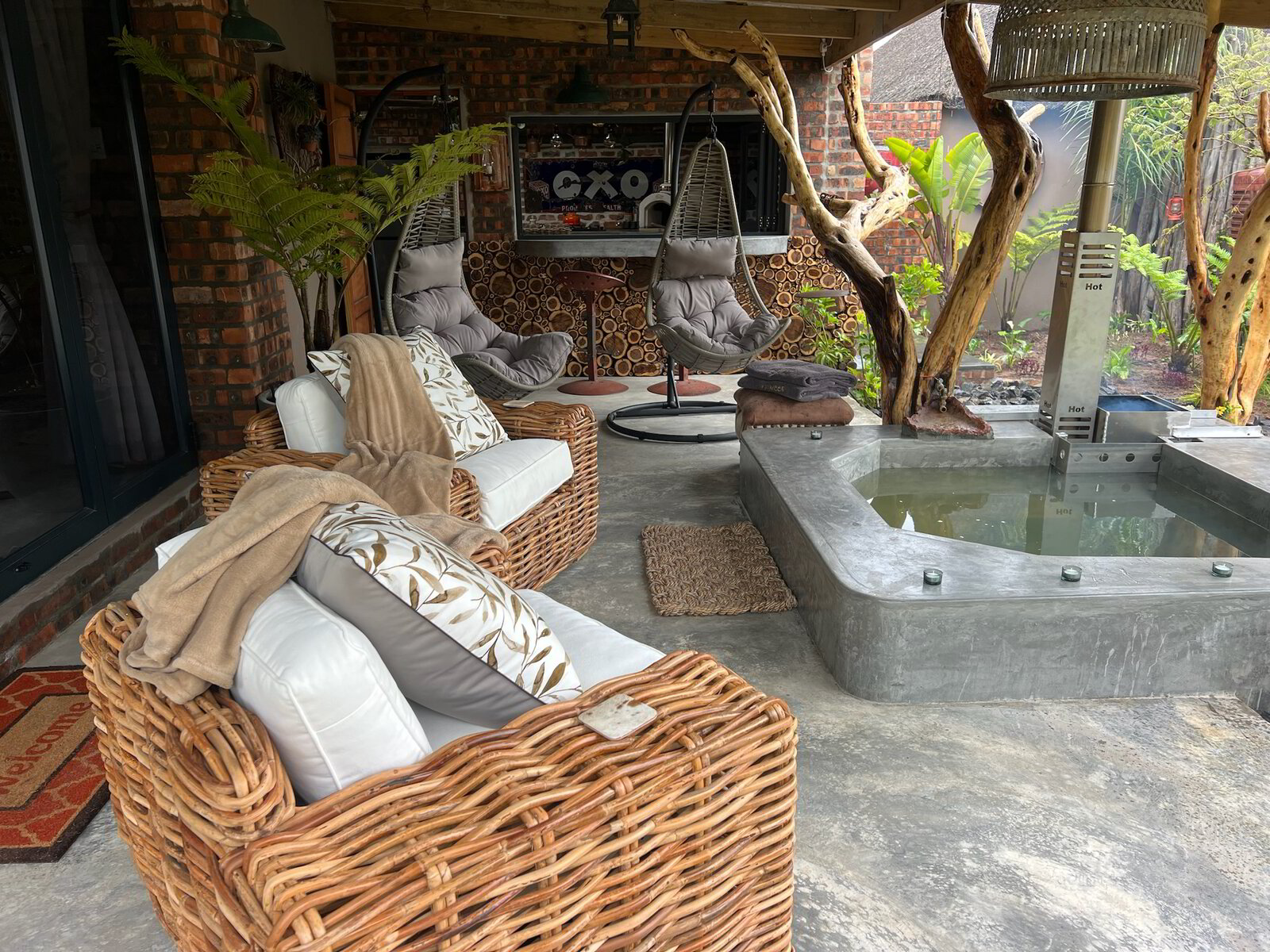
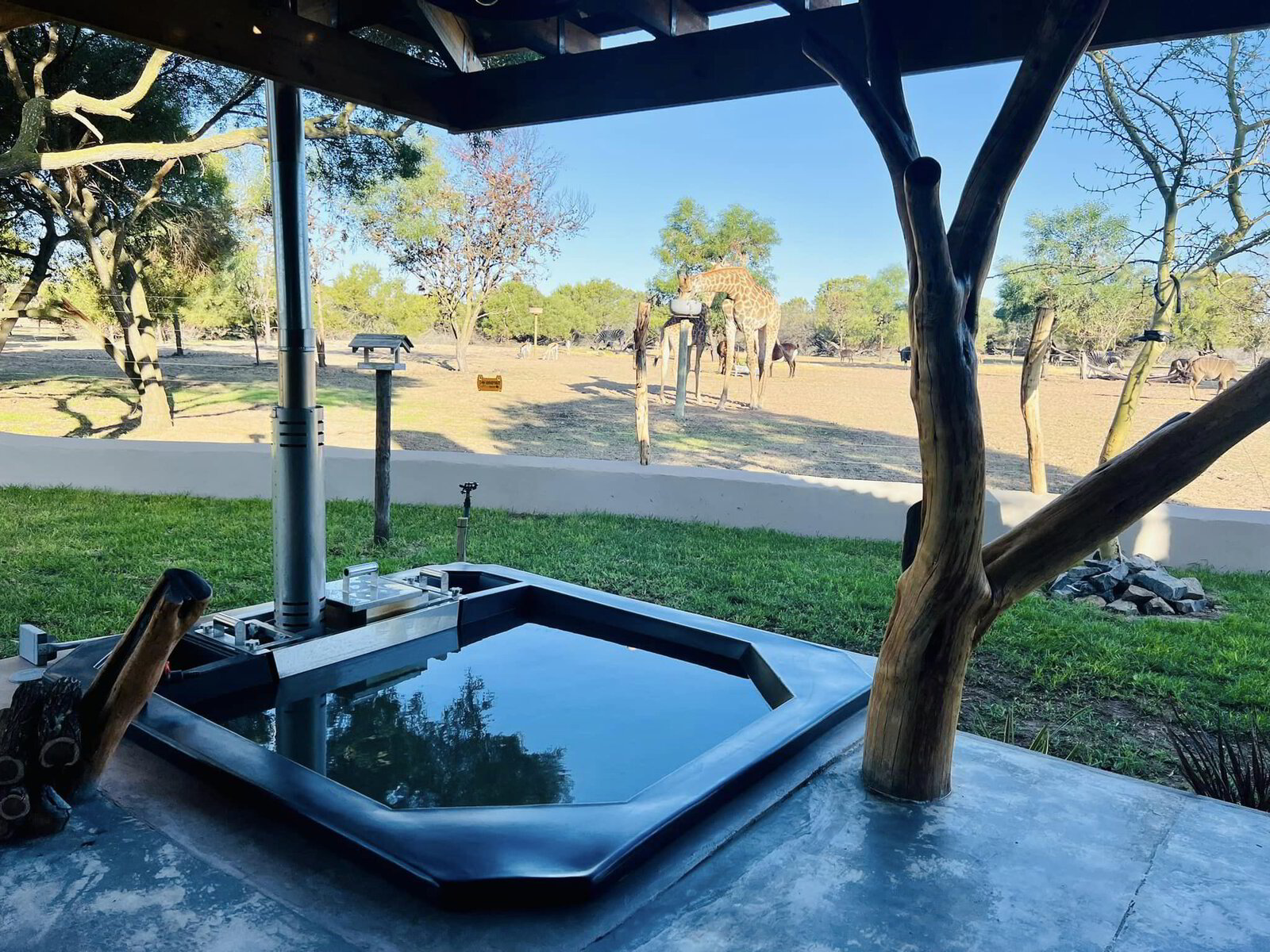
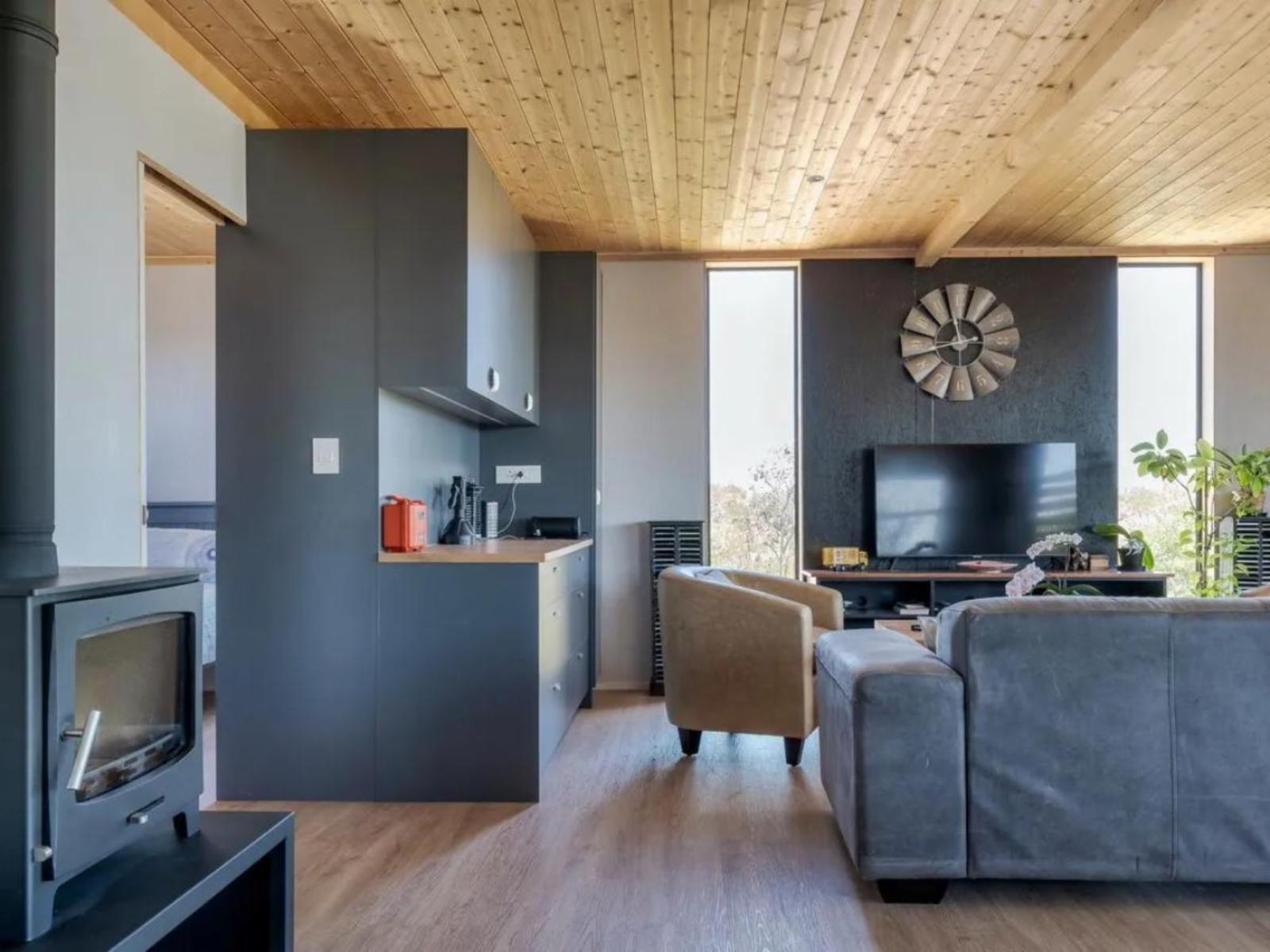
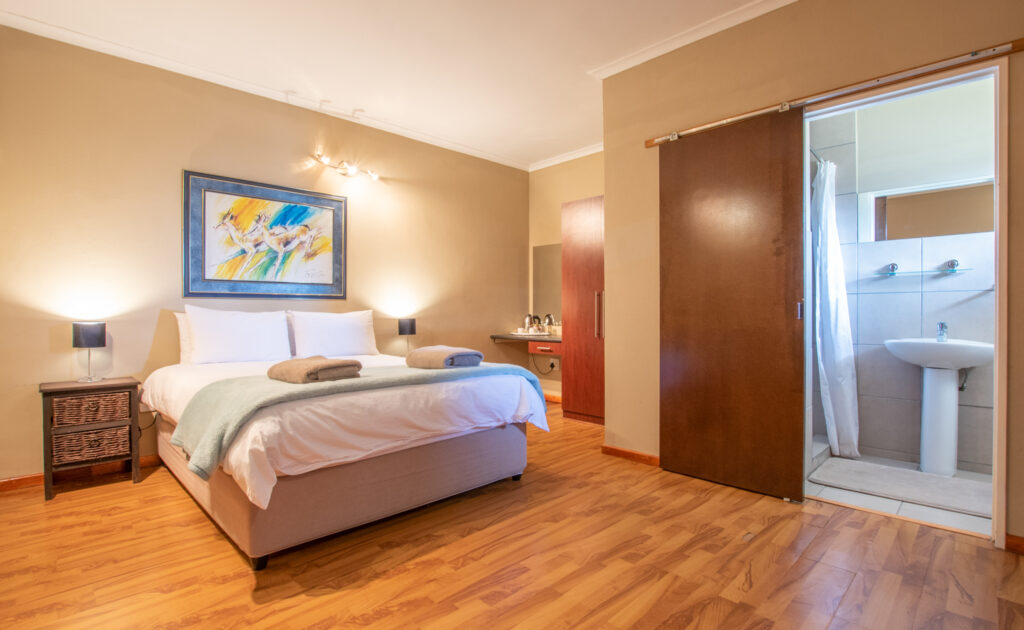
At the upper end of the local range, small lodges and more polished guesthouses offer en-suite bathrooms, landscaped outdoor spaces, and occasionally a swimming pool. Some include guided excursions in their rates, targeting photographers and nature-focused visitors who arrive in spring and want a complete experience without having to self-cater.
Regardless of budget tier, accommodation in Springbok works as a base rather than a destination in itself. The landscape outside the town is what draws most visitors, and the properties here are sized and priced accordingly.
---
## Best Time to Visit Springbok
The timing of a visit shapes the experience considerably. Cooler months from May through September are the most comfortable for outdoor activity, with daytime temperatures typically between 18 and 25 degrees Celsius. Nights can drop sharply, especially at higher elevations near the town, so warm clothing is worth packing even during late summer trips.
August and September mark the wildflower peak across Namaqualand. When winter rains have been sufficient, the semi-desert plains transform with flowering succulents and daisies in concentrations that draw visitors from across the country. Roads to popular viewpoints can become congested by mid-morning during these weeks, and the town sees its highest visitor numbers of the year during this window.
May through July is quieter and still pleasant. The weather suits extended hiking and birding, and the reserves are considerably less pressured. This period works well for visitors who prefer independent travel without competition for space.
Summer, from November to February, brings extreme heat that frequently exceeds 35 degrees Celsius by mid-afternoon. Outdoor activity is realistically limited to early mornings and evenings. Clear skies are consistent year-round, but winter nights offer the darkest conditions for stargazing, which is one of the region's more distinctive draws for the right kind of visitor.
---
## Getting to Springbok
The N7 national road is the main artery connecting Springbok to the rest of South Africa, running south to Cape Town at roughly 560 kilometres and north toward the Namibian border. The drive from Cape Town takes around five to six hours, passing through increasingly sparse and arid terrain as the road climbs into the Northern Cape. The national route is generally well maintained, though some sections warrant steady driving rather than speed.
From Gauteng, the practical approach is flying into Upington, the nearest city with scheduled commercial flights, and then driving west along the N14 for around 400 kilometres. Flying into Cape Town and covering the full N7 by rental car is equally common and suits those combining the trip with other Western Cape stops before heading north.
Public transport to Springbok has significant limitations. Long-distance coaches operate along the N7 corridor but schedules are infrequent, and the flexibility required for exploring the region is difficult to achieve without a private vehicle. Car hire is not available in Springbok itself, so arranging transport from a major departure point, Cape Town or Upington, is essential before setting out.
Fuel is consistently available in town and filling up here before heading toward outlying areas is sensible. Gravel roads feature prominently on routes leading to the surrounding attractions, and a vehicle with reasonable ground clearance handles these sections more comfortably than a standard low-clearance car. Carrying extra water is standard practice for any extended drive in this part of the country.
---
## Springbok and Surrounding Areas
Melkbosstrand, 14 kilometres from Springbok, is a coastal settlement best known for its exposure to strong south-easterly winds, which makes it one of the more consistent spots for kite and windsurfing in the area. The beachfront has a small strip of cafes and informal restaurants, and the setting facing the bay gives a practical sense of the wider coastline for those new to the region.
Big Bay, 20 kilometres away, extends the active coastal strip northward and has become a well-established watersports hub. The beach is wide and exposed, drawing kitesurfers and spectators on weekends. Food vendors and parking are well established here, making it easy to spend a few hours without much prior planning.
Table View, 23 kilometres from Springbok, combines a suburban commercial centre with a beachfront promenade popular for running and walking. Its broader range of shops and supermarkets makes it a practical stop for travellers who need to stock up on supplies before heading back toward more remote areas. The suburb connects directly to major roads heading south and inland.
Bloubergstrand, also at 23 kilometres, carries a slightly quieter character than Big Bay. Visitors come primarily for views across the water toward Robben Island and for beachcombing along the rockier sections of shore. A handful of independent restaurants operate here, mostly featuring seafood and grills.
Rosendal, 24 kilometres from Springbok, sits inland from the coastal strip and functions mainly as a residential transit point. Its value for travellers lies in the road access it provides to both the beachfront towns and routes heading further inland rather than as a day-trip destination.
Durbanville, 28 kilometres from Springbok, lies in the Tygerberg wine-producing corridor. Several wine estates in the surrounding hills offer tasting facilities and lunches, and the local Sauvignon Blanc has a mineral character tied to the area's soils. The town has a well-developed commercial centre and accommodation options that provide a different feel from the coastal or arid settings elsewhere in the region.
---
## Planning Your Stay
August and September are the most pressured booking period across Namaqualand. Accommodation fills weeks in advance during the wildflower peak, and travellers who leave this to chance often find themselves driving considerable distances to alternative towns at the end of the day. For all other periods, shorter lead times are workable, though confirming a booking before departure remains sensible.
When evaluating options, check whether properties are self-catering or breakfast-inclusive, as this shapes both daily logistics and overall cost. For early starts on reserve visits or coastal drives, proximity to the main road out of town is a practical factor worth weighing.
Before confirming any booking, ask about check-in procedures and arrival windows. Many smaller guesthouses and lodges do not have staff available around the clock, and arriving late without prior notice can create unnecessary complications. Asking about current road conditions at the same time is worthwhile, as gravel routes in the region can deteriorate after rain and are not always reported through standard navigation apps.
Mobile signal is generally serviceable in Springbok but drops noticeably on routes through reserve areas and toward the Atlantic coast. Downloading offline maps before setting out is a sensible precaution. Cash remains useful for farm stalls and roadside vendors encountered on longer drives, where card facilities are not reliably available.

Springbok's accommodation scene is modest and functional, suited to a town that serves primarily as a staging point for explorations into the Northern Cape. No properties are currently listed through this platform, and pricing in the region is variable, which means sourcing a place to stay requires contacting local guesthouses directly or checking with regional operators covering the Namaqualand corridor.
Budget options include self-catering chalets and backpacker-style rooms, typically positioned near the town centre for easy access to fuel, supplies, and the main road north. These suit travellers on tighter budgets or overland journeys who need somewhere clean and practical for a night or two. Shared kitchens and communal areas are common at this tier, and the informal atmosphere can be useful for exchanging information with fellow travellers about road conditions and reserve access.
Mid-range guesthouses form the backbone of what is available. Most are family-run, with a handful of rooms in properties that may include a private garden and a sitting area. Hosts at these establishments tend to be well-informed about local conditions, from wildflower timing and road closures to which sections of Goegap Nature Reserve are worth visiting at different times of year. Breakfast, when included, usually features local produce, sometimes lamb preparations or homemade preserves made from regional fruit.
At the upper end of the local range, small lodges and more polished guesthouses offer en-suite bathrooms, landscaped outdoor spaces, and occasionally a swimming pool. Some include guided excursions in their rates, targeting photographers and nature-focused visitors who arrive in spring and want a complete experience without having to self-cater.
Regardless of budget tier, accommodation in Springbok works as a base rather than a destination in itself. The landscape outside the town is what draws most visitors, and the properties here are sized and priced accordingly.
---
## Best Time to Visit Springbok
The timing of a visit shapes the experience considerably. Cooler months from May through September are the most comfortable for outdoor activity, with daytime temperatures typically between 18 and 25 degrees Celsius. Nights can drop sharply, especially at higher elevations near the town, so warm clothing is worth packing even during late summer trips.
August and September mark the wildflower peak across Namaqualand. When winter rains have been sufficient, the semi-desert plains transform with flowering succulents and daisies in concentrations that draw visitors from across the country. Roads to popular viewpoints can become congested by mid-morning during these weeks, and the town sees its highest visitor numbers of the year during this window.
May through July is quieter and still pleasant. The weather suits extended hiking and birding, and the reserves are considerably less pressured. This period works well for visitors who prefer independent travel without competition for space.
Summer, from November to February, brings extreme heat that frequently exceeds 35 degrees Celsius by mid-afternoon. Outdoor activity is realistically limited to early mornings and evenings. Clear skies are consistent year-round, but winter nights offer the darkest conditions for stargazing, which is one of the region's more distinctive draws for the right kind of visitor.
---
## Getting to Springbok
The N7 national road is the main artery connecting Springbok to the rest of South Africa, running south to Cape Town at roughly 560 kilometres and north toward the Namibian border. The drive from Cape Town takes around five to six hours, passing through increasingly sparse and arid terrain as the road climbs into the Northern Cape. The national route is generally well maintained, though some sections warrant steady driving rather than speed.
From Gauteng, the practical approach is flying into Upington, the nearest city with scheduled commercial flights, and then driving west along the N14 for around 400 kilometres. Flying into Cape Town and covering the full N7 by rental car is equally common and suits those combining the trip with other Western Cape stops before heading north.
Public transport to Springbok has significant limitations. Long-distance coaches operate along the N7 corridor but schedules are infrequent, and the flexibility required for exploring the region is difficult to achieve without a private vehicle. Car hire is not available in Springbok itself, so arranging transport from a major departure point, Cape Town or Upington, is essential before setting out.
Fuel is consistently available in town and filling up here before heading toward outlying areas is sensible. Gravel roads feature prominently on routes leading to the surrounding attractions, and a vehicle with reasonable ground clearance handles these sections more comfortably than a standard low-clearance car. Carrying extra water is standard practice for any extended drive in this part of the country.
---
## Springbok and Surrounding Areas
Melkbosstrand, 14 kilometres from Springbok, is a coastal settlement best known for its exposure to strong south-easterly winds, which makes it one of the more consistent spots for kite and windsurfing in the area. The beachfront has a small strip of cafes and informal restaurants, and the setting facing the bay gives a practical sense of the wider coastline for those new to the region.
Big Bay, 20 kilometres away, extends the active coastal strip northward and has become a well-established watersports hub. The beach is wide and exposed, drawing kitesurfers and spectators on weekends. Food vendors and parking are well established here, making it easy to spend a few hours without much prior planning.
Table View, 23 kilometres from Springbok, combines a suburban commercial centre with a beachfront promenade popular for running and walking. Its broader range of shops and supermarkets makes it a practical stop for travellers who need to stock up on supplies before heading back toward more remote areas. The suburb connects directly to major roads heading south and inland.
Bloubergstrand, also at 23 kilometres, carries a slightly quieter character than Big Bay. Visitors come primarily for views across the water toward Robben Island and for beachcombing along the rockier sections of shore. A handful of independent restaurants operate here, mostly featuring seafood and grills.
Rosendal, 24 kilometres from Springbok, sits inland from the coastal strip and functions mainly as a residential transit point. Its value for travellers lies in the road access it provides to both the beachfront towns and routes heading further inland rather than as a day-trip destination.
Durbanville, 28 kilometres from Springbok, lies in the Tygerberg wine-producing corridor. Several wine estates in the surrounding hills offer tasting facilities and lunches, and the local Sauvignon Blanc has a mineral character tied to the area's soils. The town has a well-developed commercial centre and accommodation options that provide a different feel from the coastal or arid settings elsewhere in the region.
---
## Planning Your Stay
August and September are the most pressured booking period across Namaqualand. Accommodation fills weeks in advance during the wildflower peak, and travellers who leave this to chance often find themselves driving considerable distances to alternative towns at the end of the day. For all other periods, shorter lead times are workable, though confirming a booking before departure remains sensible.
When evaluating options, check whether properties are self-catering or breakfast-inclusive, as this shapes both daily logistics and overall cost. For early starts on reserve visits or coastal drives, proximity to the main road out of town is a practical factor worth weighing.
Before confirming any booking, ask about check-in procedures and arrival windows. Many smaller guesthouses and lodges do not have staff available around the clock, and arriving late without prior notice can create unnecessary complications. Asking about current road conditions at the same time is worthwhile, as gravel routes in the region can deteriorate after rain and are not always reported through standard navigation apps.
Mobile signal is generally serviceable in Springbok but drops noticeably on routes through reserve areas and toward the Atlantic coast. Downloading offline maps before setting out is a sensible precaution. Cash remains useful for farm stalls and roadside vendors encountered on longer drives, where card facilities are not reliably available.
Springbok Kaart
Nabygeleë Bestemmings
Blaai Deur Alle Springbok Akkommodasie
Bekyk al 0 akkommodasie-opsies in Springbok met foto's, pryse en beskikbaarheid.
Blaai Deur Alle Akkommodasie