Springs Reis- & Akkommodasiegids
Jou volledige gids om Springs, Suid-Afrika te besoek.
Springs provides a practical base for exploring Gauteng's urban landscape, with its mix of industrial heritage and modern amenities. The area features accessible parks and cultural sites that appeal to history enthusiasts and families alike. Visitors can enjoy a straightforward stay in this Gauteng city, supported by reliable infrastructure.
## Accommodation in Springs
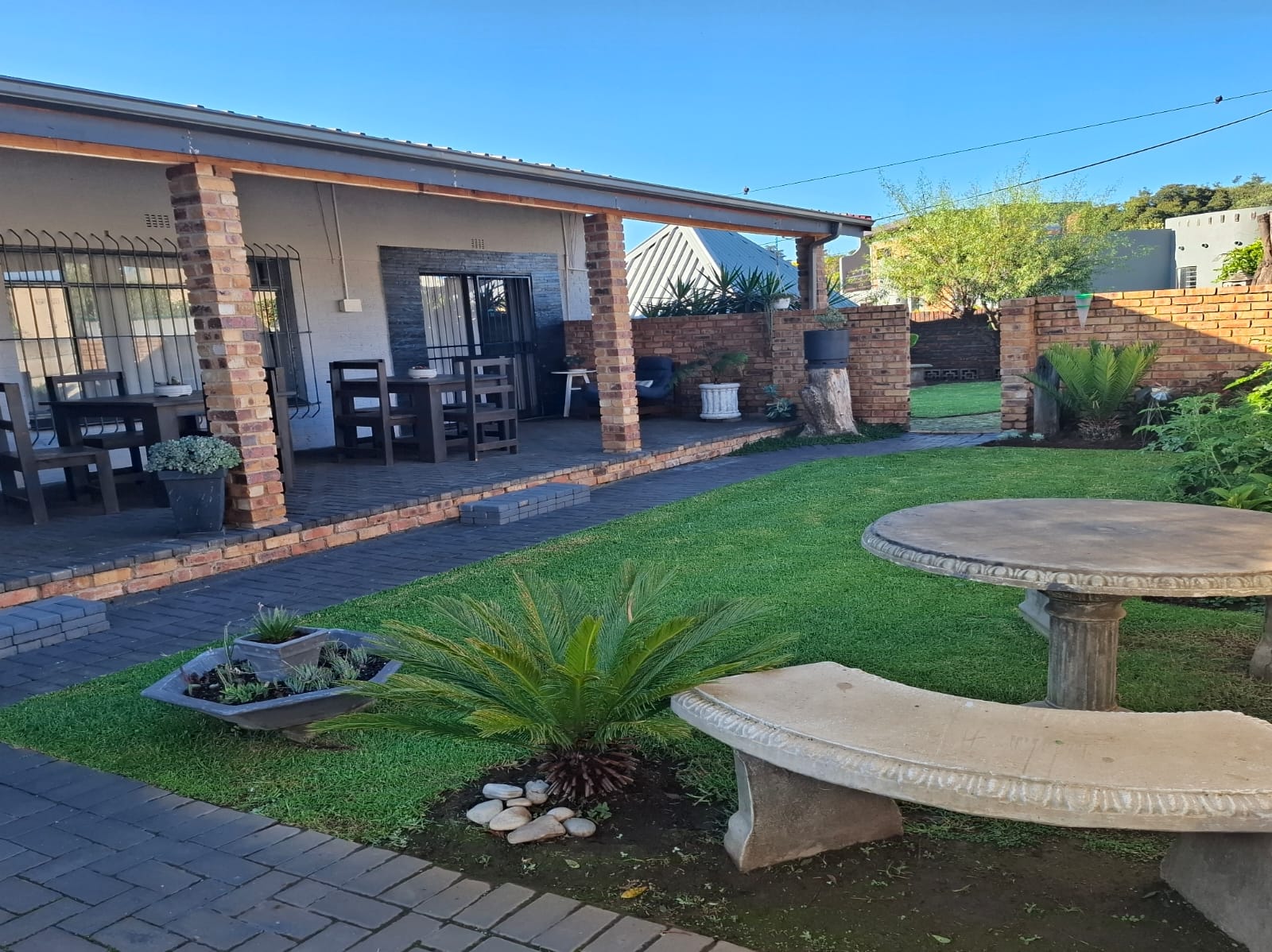
Springs does not currently have properties listed on this platform, though accommodation exists within the city in several forms. The options reflect Springs' character as an industrial and working-class center, which means the market skews toward practical, functional stays rather than the hospitality sector you would find in a leisure tourism hub.
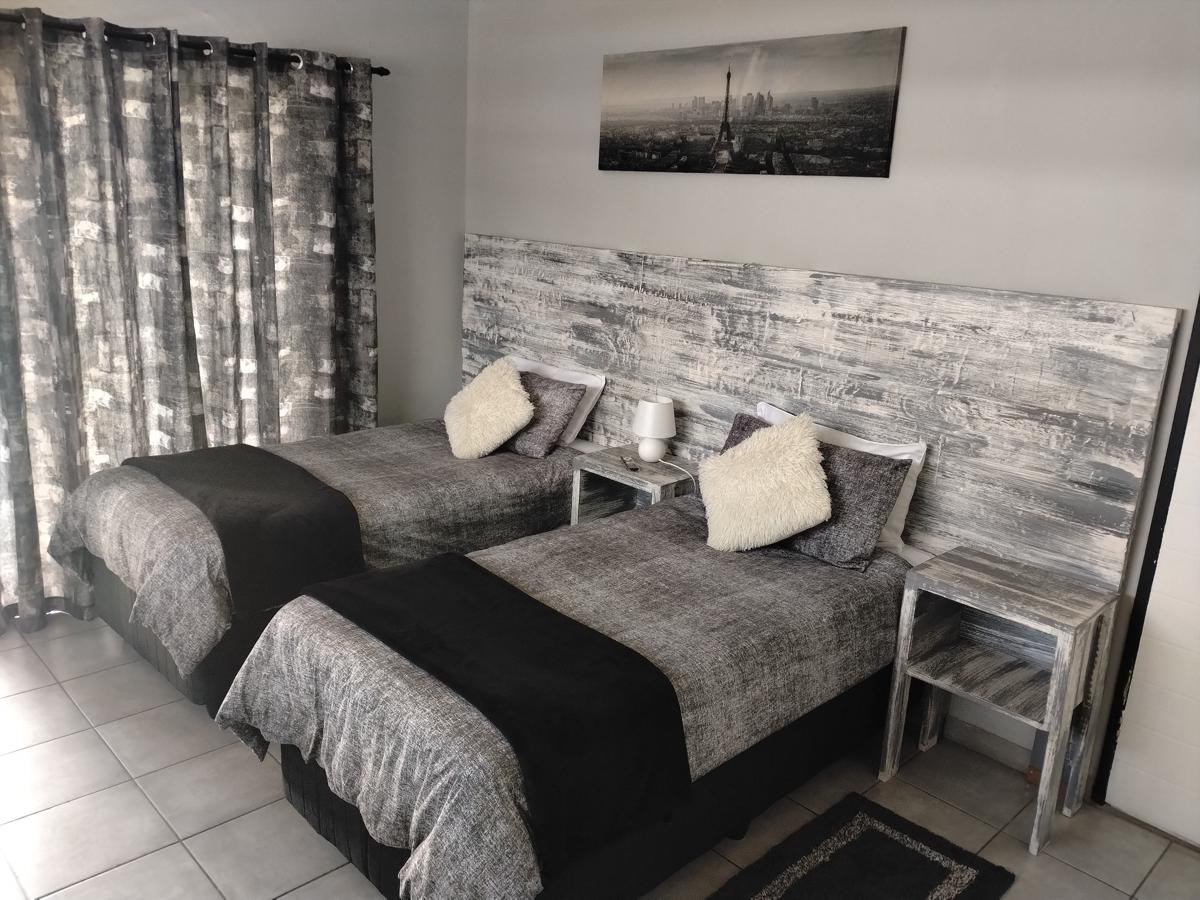
Budget travelers will find the highest concentration of options near the city center and along the main arterial roads heading east and west. Small hotels and family-run guesthouses at this tier cater primarily to contractors, business visitors passing through the East Rand, and people visiting family in the area. Rooms are clean and functional, with on-site parking almost universally available, and security is a consistent priority. Meal arrangements vary: some properties include a basic breakfast, while others are room-only.
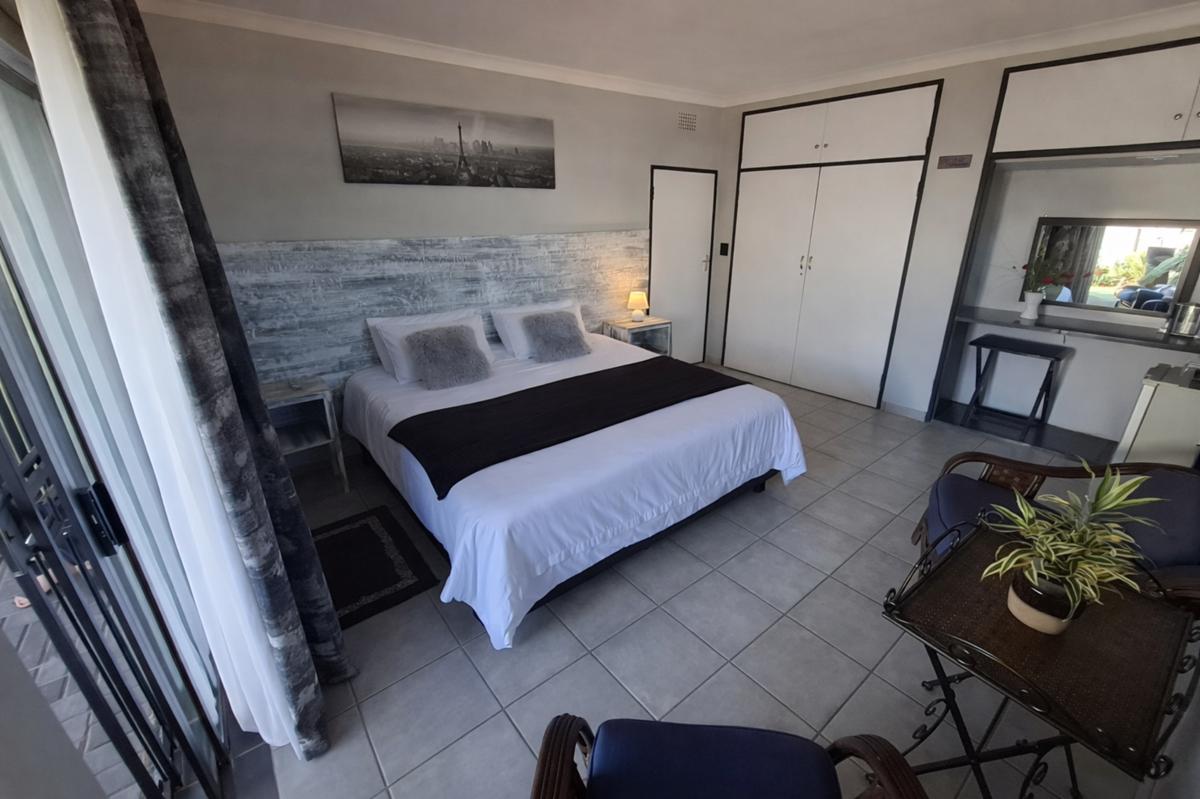
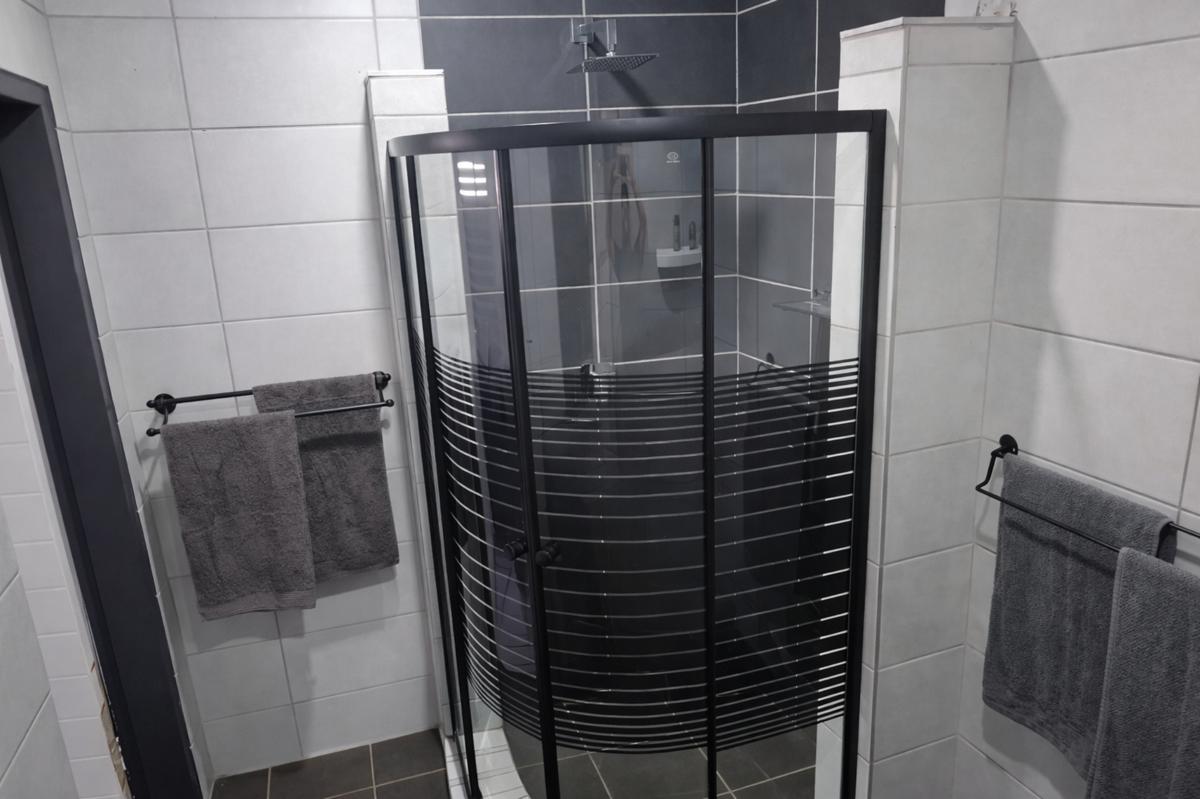
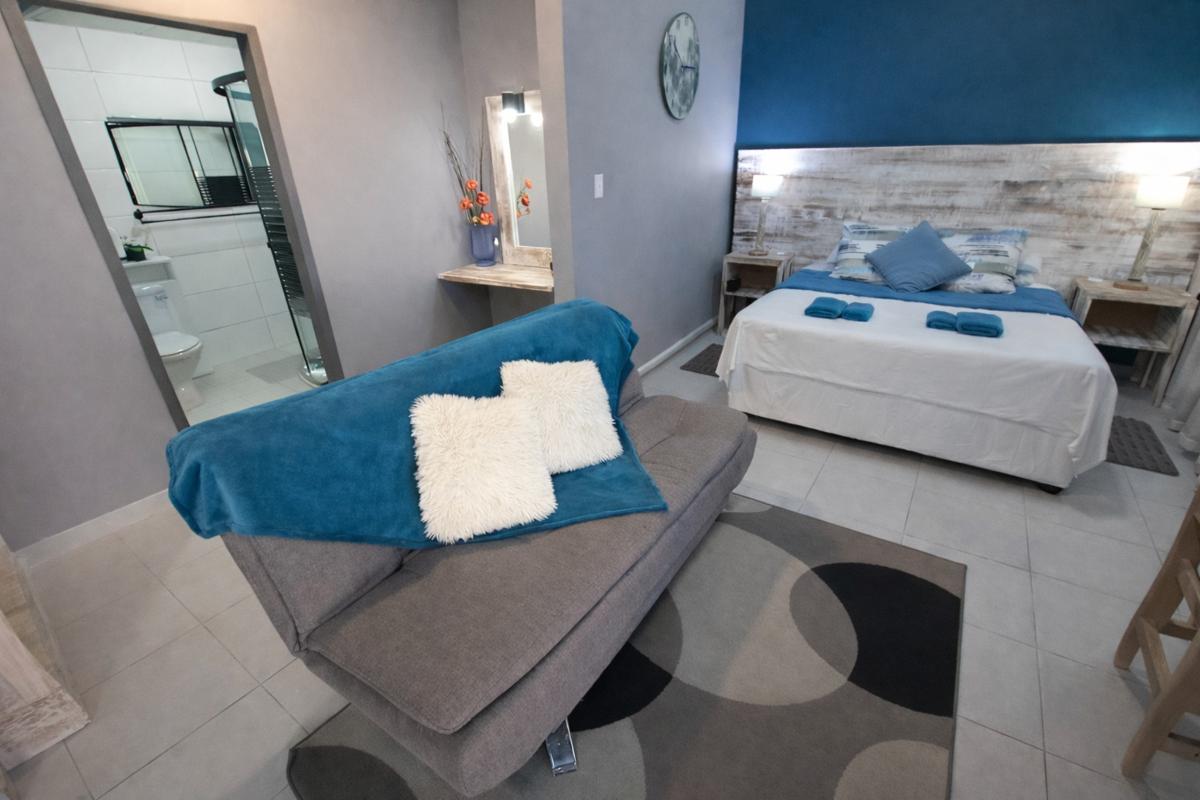
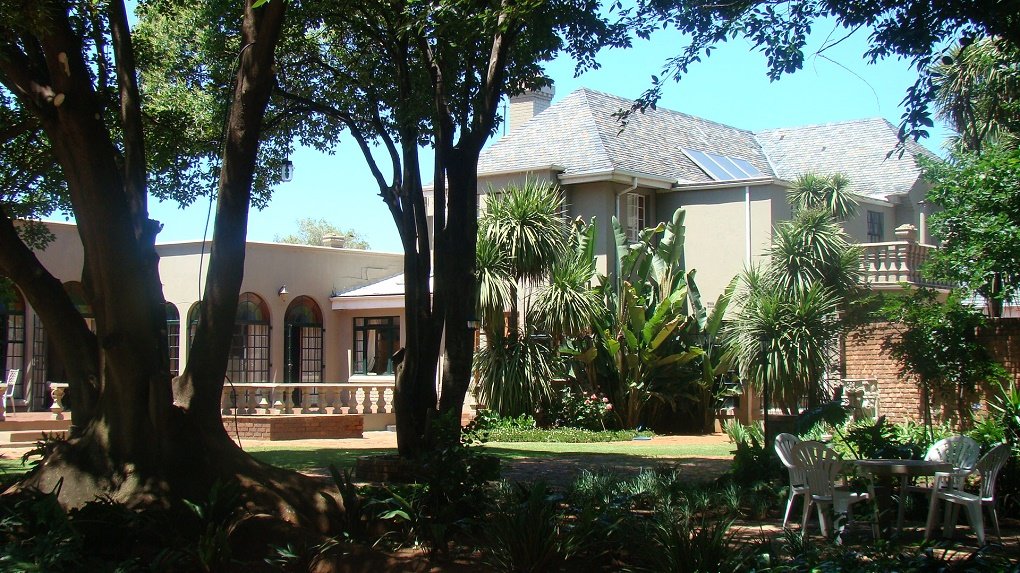
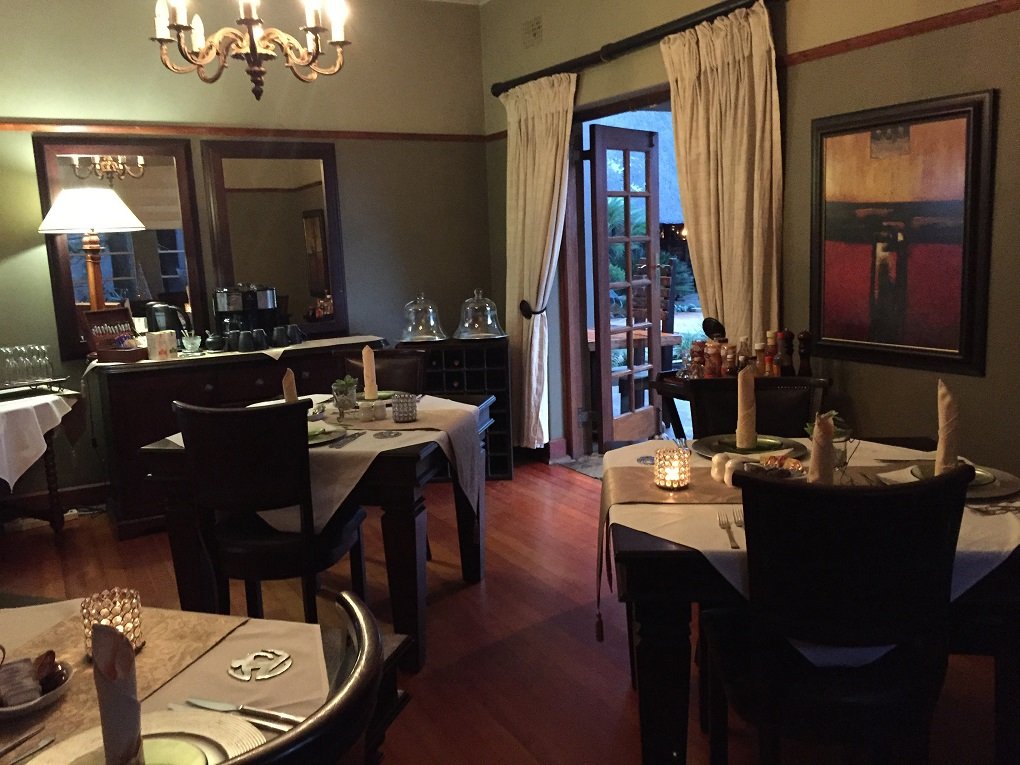
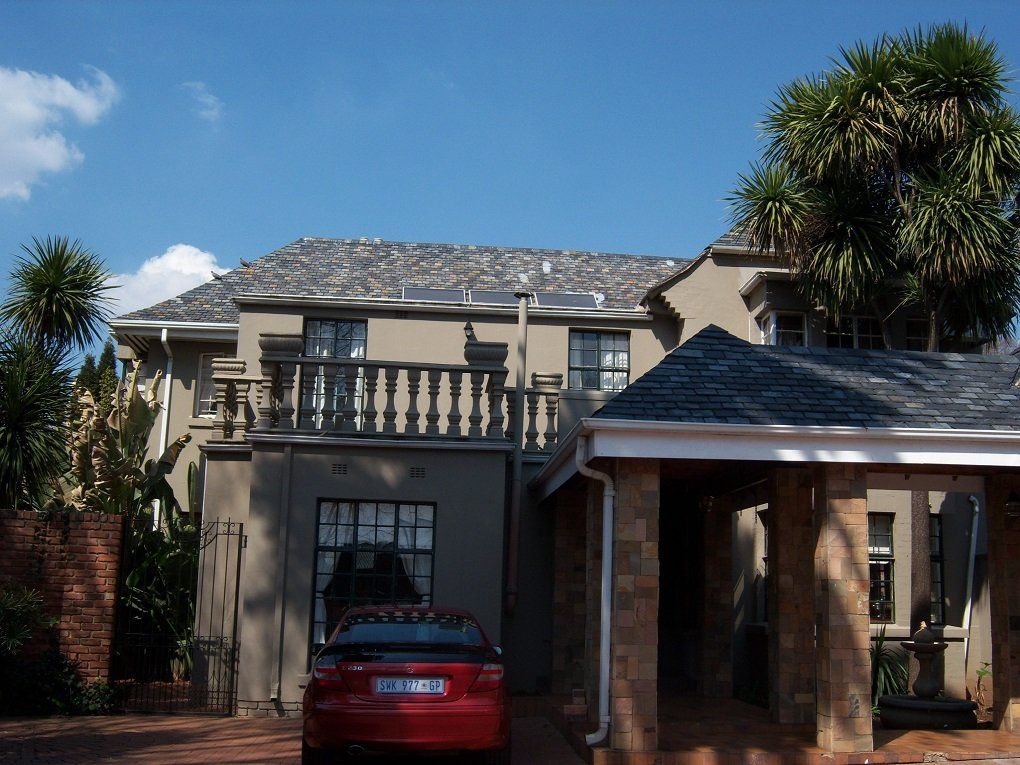
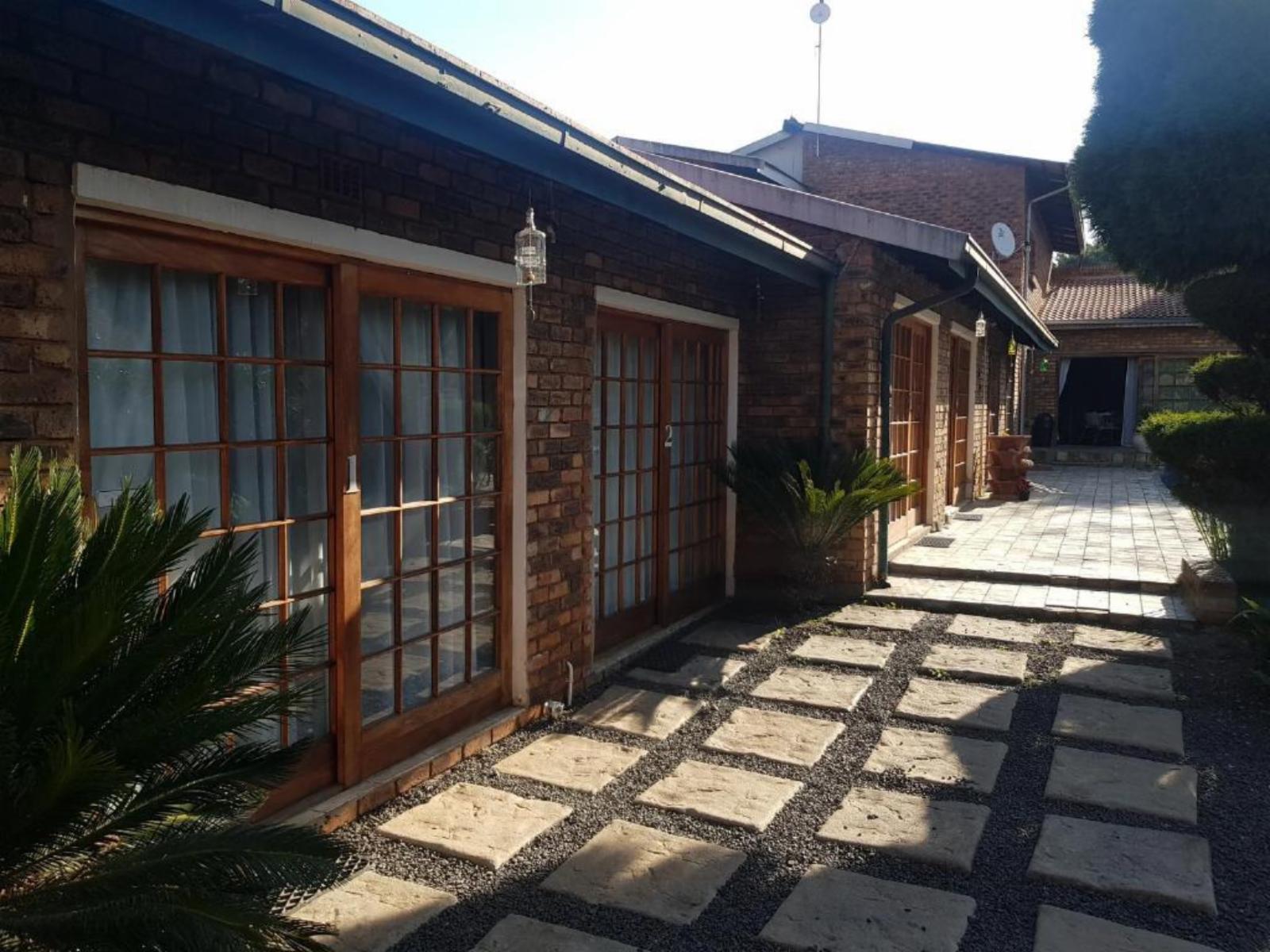
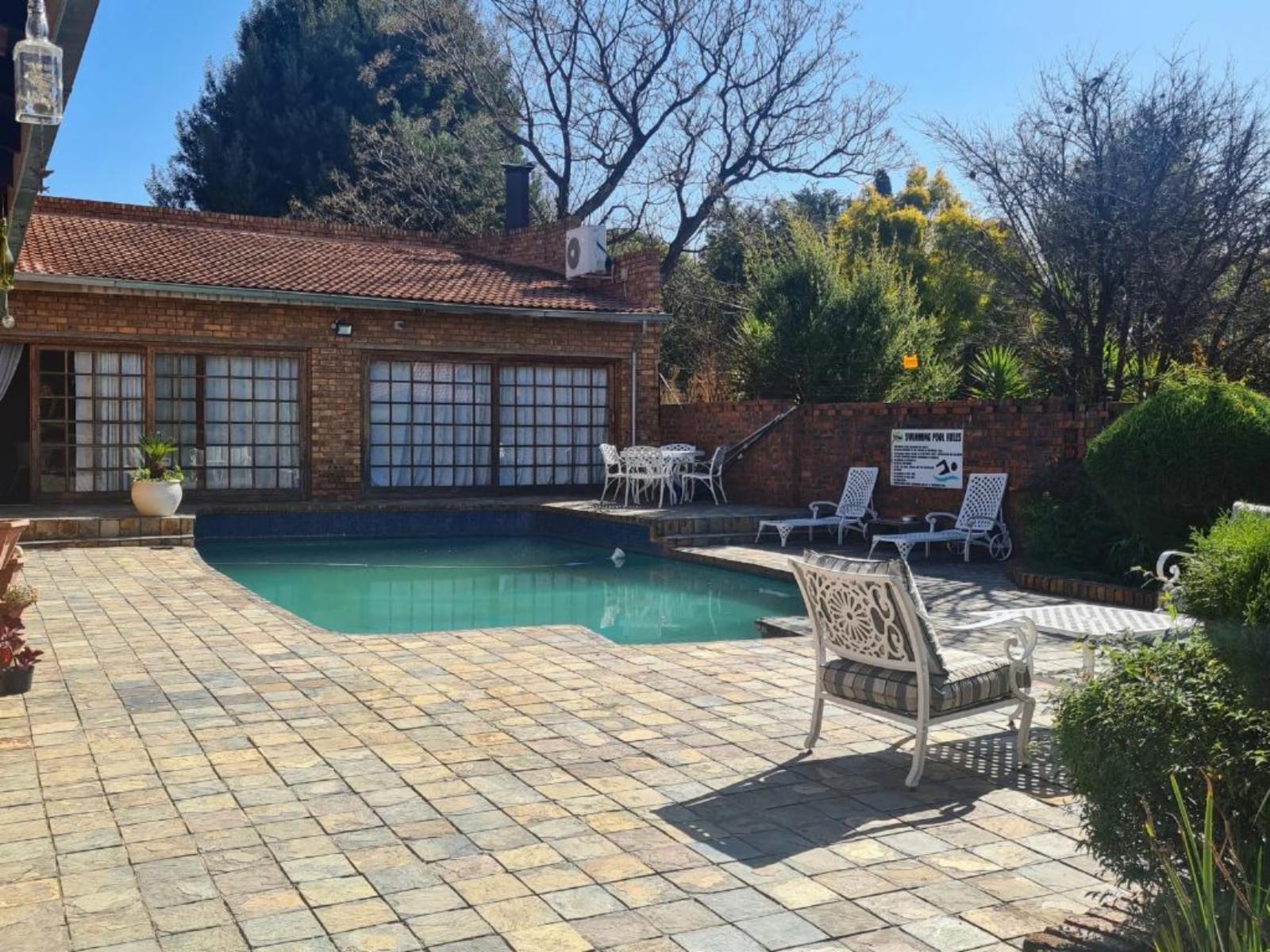
Mid-range guesthouses in the outer residential suburbs offer a step up in comfort and atmosphere. These are mostly owner-operated, which means service tends to be more personal and the experience closer to staying in a home than in a conventional hotel. Properties at this tier typically include private en-suite bathrooms and a cooked breakfast, and the surrounding streets are quieter and more walkable than the city center.
Upper-tier accommodation is limited in Springs. There are no established hotel brands operating at the four or five-star level within the city limits, and the city has historically attracted industrial rather than tourist investment. Travelers who need premium facilities are better served by looking at neighboring towns. For those who specifically want to stay in Springs, a well-maintained private guesthouse with security, reliable Wi-Fi, and air conditioning represents the ceiling of what is generally available.
Pricing is not formally tracked for the Springs market, so comparisons across multiple booking platforms before committing will serve you better than relying on any single source.
---
## Best Time to Visit Springs
Springs sits on the Gauteng Highveld at roughly 1,600 metres above sea level, and this altitude shapes the climate considerably compared to lower-lying parts of South Africa. Summers run from November through February, bringing warm to hot days that typically reach the high 20s to low 30s Celsius. Afternoon thunderstorms are a regular feature, often arriving suddenly and clearing quickly, but they can be heavy enough to affect driving conditions and outdoor plans. Rainfall is concentrated between October and March, with January and February typically the wettest months.
Winter, from June to August, is dry and generally sunny. Daytime temperatures are comfortable, often reaching 18 to 20°C, but nights cool sharply and can drop below 5°C. The dry winter air brings clearer skies and better visibility, making this the most practical window for outdoor activities and exploring the surrounding landscape. The Springs Nature Reserve is easier to navigate when the vegetation is thinner, and wildlife and birds tend to be more visible near water sources during this period.
Springs has no formal tourist peak season. School holidays in December and April increase movement across Gauteng, which can affect accommodation availability across the region, but the city itself does not see dramatic fluctuations in visitor numbers. For most visits, the May-to-September dry season offers the most reliable conditions.
---
## Getting to Springs
The N17 highway is the fastest road connection between Springs and central Johannesburg, covering approximately 50 kilometres in around 40 minutes under normal traffic conditions. The N17 corridor experiences significant congestion during morning and evening peak hours, so building extra time into journeys during those windows is sensible. From Pretoria, the drive is approximately 90 minutes via the N12 and connecting routes through the East Rand.
O.R. Tambo International Airport sits roughly 30 kilometres from Springs via the R21 and connecting roads, making it the most practical entry point for air travelers. The airport handles domestic routes between Johannesburg, Cape Town, Durban, and other major South African cities, as well as international arrivals. Vehicle rental desks are available at the terminal, and the self-drive route into Springs is straightforward. Metered taxis and ride-hailing services cover the airport-to-Springs transfer, though the cost over multiple days makes a rental car the more economical choice for longer stays.
Within Springs, the city is oriented around private vehicles. Minibus taxis operate along the main routes connecting residential areas to the city center and neighboring towns, but the informal route system can be difficult for visitors to navigate without local knowledge. Ride-hailing apps function in the area with slower response times than in central Johannesburg. For anyone planning to visit several of the surrounding towns, a rental vehicle is the most practical option.
---
## Springs and Surrounding Areas
The towns encircling Springs are all part of the broader East Rand urban corridor, and each has a distinct function and character. Understanding what each offers makes it easier to use Springs as a base for a wider East Rand visit.
Brakpan, 3 kilometres to the east, is the closest neighbor and shares much of Springs' working character. The boundary between the two towns blurs in practice, with residential neighborhoods and light industrial zones interspersed along the main connecting road. Brakpan has its own shops and services but functions largely as an extension of the Springs urban area rather than an independent destination.
Benoni, 11 kilometres to the west, is considerably larger and more commercially developed. Lake Benoni in the town center is the main point of interest for visitors, offering walking paths around the water and a more open, relaxed environment than the industrial East Rand landscape tends to provide. Benoni's restaurant and retail offering is meaningfully broader than Springs', and a half-day trip is worthwhile for anyone staying in the area for more than one night.
Boksburg, 15 kilometres from Springs, has become one of the East Rand's main commercial centers. East Rand Mall draws shoppers from across the region, and the town's road network connects well to the broader Gauteng highway system. Boksburg has grown substantially as a residential and commercial address over the past two decades.
Ravenswood, at 16 kilometres, is a quieter residential suburb within the Boksburg municipal area. It has no specific visitor attractions but is relevant for travelers considering accommodation at the western edge of the corridor.
Brentwood Park, 17 kilometres from Springs, is another Boksburg-district suburb. Local parks give it a slightly more open feel, and it suits families or visitors who prefer a calmer, less industrial setting.
Zesfontein, the furthest at 19 kilometres, takes on a more rural character. Open Highveld farmland surrounds the small community, offering a contrast to the urbanized towns elsewhere in the corridor.
---
## Planning Your Stay
The accommodation market in Springs is small enough that a few straightforward steps make a meaningful difference. Searching across multiple booking platforms gives the most complete picture of what is available, since smaller guesthouses frequently list on only one or two sites. When you identify a property that suits your needs, confirming details directly, such as check-in times, parking arrangements, and whether meals are included, is worth doing before you commit, as listings are not always current.
The city's industrial layout means that location within Springs matters more than it might in a compact tourist town. Properties in different parts of the city can vary considerably in terms of noise levels, walkability, and the character of the surrounding streets. Checking the exact location on a map before booking, particularly relative to any industrial zones or busy roads nearby, avoids unpleasant surprises on arrival.
Practical preparations for a Gauteng Highveld stay include packing for cold nights even in the warmer months, as temperatures can drop quickly after afternoon storms. A vehicle is effectively essential for getting around Springs and the surrounding area comfortably.
Booking two to three weeks ahead during South African school holidays in December and July is a sensible precaution, as accommodation demand rises across the region during these periods. Outside of holidays, Springs does not typically experience demand spikes, though large construction or industrial projects can occasionally tighten local supply at short notice.

Springs does not currently have properties listed on this platform, though accommodation exists within the city in several forms. The options reflect Springs' character as an industrial and working-class center, which means the market skews toward practical, functional stays rather than the hospitality sector you would find in a leisure tourism hub.
Budget travelers will find the highest concentration of options near the city center and along the main arterial roads heading east and west. Small hotels and family-run guesthouses at this tier cater primarily to contractors, business visitors passing through the East Rand, and people visiting family in the area. Rooms are clean and functional, with on-site parking almost universally available, and security is a consistent priority. Meal arrangements vary: some properties include a basic breakfast, while others are room-only.
Mid-range guesthouses in the outer residential suburbs offer a step up in comfort and atmosphere. These are mostly owner-operated, which means service tends to be more personal and the experience closer to staying in a home than in a conventional hotel. Properties at this tier typically include private en-suite bathrooms and a cooked breakfast, and the surrounding streets are quieter and more walkable than the city center.
Upper-tier accommodation is limited in Springs. There are no established hotel brands operating at the four or five-star level within the city limits, and the city has historically attracted industrial rather than tourist investment. Travelers who need premium facilities are better served by looking at neighboring towns. For those who specifically want to stay in Springs, a well-maintained private guesthouse with security, reliable Wi-Fi, and air conditioning represents the ceiling of what is generally available.
Pricing is not formally tracked for the Springs market, so comparisons across multiple booking platforms before committing will serve you better than relying on any single source.
---
## Best Time to Visit Springs
Springs sits on the Gauteng Highveld at roughly 1,600 metres above sea level, and this altitude shapes the climate considerably compared to lower-lying parts of South Africa. Summers run from November through February, bringing warm to hot days that typically reach the high 20s to low 30s Celsius. Afternoon thunderstorms are a regular feature, often arriving suddenly and clearing quickly, but they can be heavy enough to affect driving conditions and outdoor plans. Rainfall is concentrated between October and March, with January and February typically the wettest months.
Winter, from June to August, is dry and generally sunny. Daytime temperatures are comfortable, often reaching 18 to 20°C, but nights cool sharply and can drop below 5°C. The dry winter air brings clearer skies and better visibility, making this the most practical window for outdoor activities and exploring the surrounding landscape. The Springs Nature Reserve is easier to navigate when the vegetation is thinner, and wildlife and birds tend to be more visible near water sources during this period.
Springs has no formal tourist peak season. School holidays in December and April increase movement across Gauteng, which can affect accommodation availability across the region, but the city itself does not see dramatic fluctuations in visitor numbers. For most visits, the May-to-September dry season offers the most reliable conditions.
---
## Getting to Springs
The N17 highway is the fastest road connection between Springs and central Johannesburg, covering approximately 50 kilometres in around 40 minutes under normal traffic conditions. The N17 corridor experiences significant congestion during morning and evening peak hours, so building extra time into journeys during those windows is sensible. From Pretoria, the drive is approximately 90 minutes via the N12 and connecting routes through the East Rand.
O.R. Tambo International Airport sits roughly 30 kilometres from Springs via the R21 and connecting roads, making it the most practical entry point for air travelers. The airport handles domestic routes between Johannesburg, Cape Town, Durban, and other major South African cities, as well as international arrivals. Vehicle rental desks are available at the terminal, and the self-drive route into Springs is straightforward. Metered taxis and ride-hailing services cover the airport-to-Springs transfer, though the cost over multiple days makes a rental car the more economical choice for longer stays.
Within Springs, the city is oriented around private vehicles. Minibus taxis operate along the main routes connecting residential areas to the city center and neighboring towns, but the informal route system can be difficult for visitors to navigate without local knowledge. Ride-hailing apps function in the area with slower response times than in central Johannesburg. For anyone planning to visit several of the surrounding towns, a rental vehicle is the most practical option.
---
## Springs and Surrounding Areas
The towns encircling Springs are all part of the broader East Rand urban corridor, and each has a distinct function and character. Understanding what each offers makes it easier to use Springs as a base for a wider East Rand visit.
Brakpan, 3 kilometres to the east, is the closest neighbor and shares much of Springs' working character. The boundary between the two towns blurs in practice, with residential neighborhoods and light industrial zones interspersed along the main connecting road. Brakpan has its own shops and services but functions largely as an extension of the Springs urban area rather than an independent destination.
Benoni, 11 kilometres to the west, is considerably larger and more commercially developed. Lake Benoni in the town center is the main point of interest for visitors, offering walking paths around the water and a more open, relaxed environment than the industrial East Rand landscape tends to provide. Benoni's restaurant and retail offering is meaningfully broader than Springs', and a half-day trip is worthwhile for anyone staying in the area for more than one night.
Boksburg, 15 kilometres from Springs, has become one of the East Rand's main commercial centers. East Rand Mall draws shoppers from across the region, and the town's road network connects well to the broader Gauteng highway system. Boksburg has grown substantially as a residential and commercial address over the past two decades.
Ravenswood, at 16 kilometres, is a quieter residential suburb within the Boksburg municipal area. It has no specific visitor attractions but is relevant for travelers considering accommodation at the western edge of the corridor.
Brentwood Park, 17 kilometres from Springs, is another Boksburg-district suburb. Local parks give it a slightly more open feel, and it suits families or visitors who prefer a calmer, less industrial setting.
Zesfontein, the furthest at 19 kilometres, takes on a more rural character. Open Highveld farmland surrounds the small community, offering a contrast to the urbanized towns elsewhere in the corridor.
---
## Planning Your Stay
The accommodation market in Springs is small enough that a few straightforward steps make a meaningful difference. Searching across multiple booking platforms gives the most complete picture of what is available, since smaller guesthouses frequently list on only one or two sites. When you identify a property that suits your needs, confirming details directly, such as check-in times, parking arrangements, and whether meals are included, is worth doing before you commit, as listings are not always current.
The city's industrial layout means that location within Springs matters more than it might in a compact tourist town. Properties in different parts of the city can vary considerably in terms of noise levels, walkability, and the character of the surrounding streets. Checking the exact location on a map before booking, particularly relative to any industrial zones or busy roads nearby, avoids unpleasant surprises on arrival.
Practical preparations for a Gauteng Highveld stay include packing for cold nights even in the warmer months, as temperatures can drop quickly after afternoon storms. A vehicle is effectively essential for getting around Springs and the surrounding area comfortably.
Booking two to three weeks ahead during South African school holidays in December and July is a sensible precaution, as accommodation demand rises across the region during these periods. Outside of holidays, Springs does not typically experience demand spikes, though large construction or industrial projects can occasionally tighten local supply at short notice.
Springs Kaart
Nabygeleë Bestemmings
Blaai Deur Alle Springs Akkommodasie
Bekyk al 0 akkommodasie-opsies in Springs met foto's, pryse en beskikbaarheid.
Blaai Deur Alle Akkommodasie