Accommodation in Trafalgar
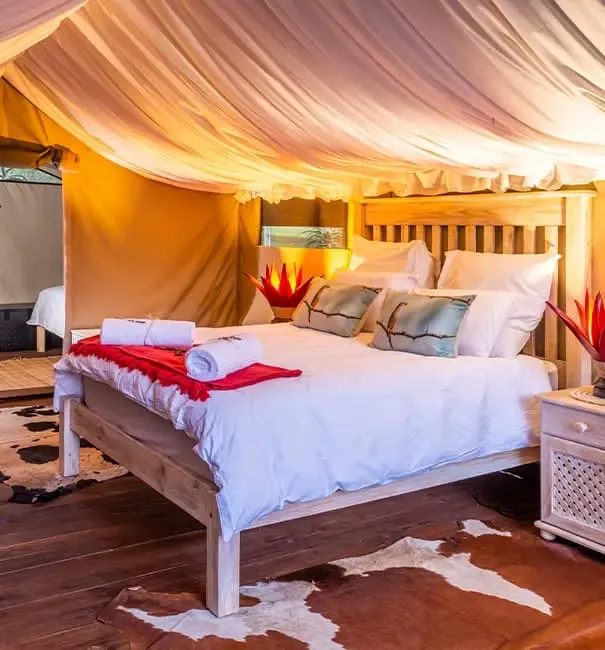
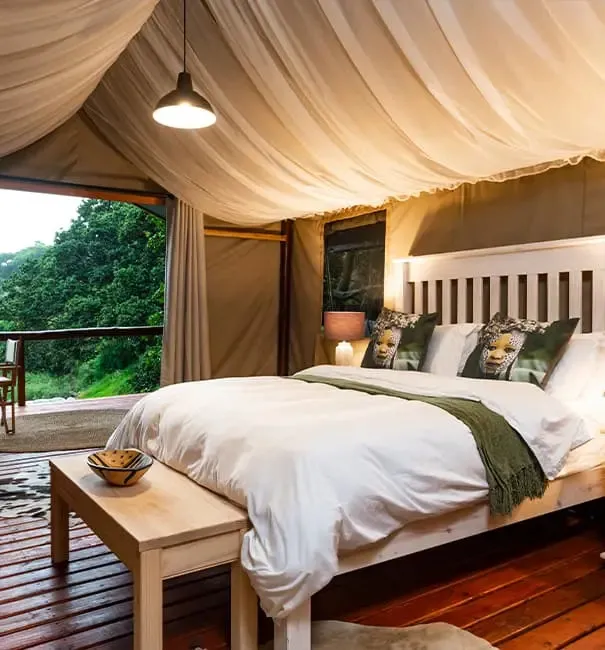
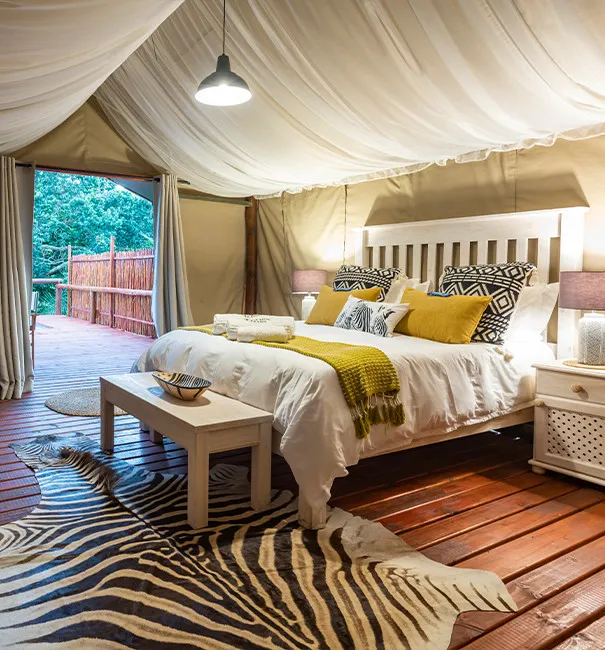
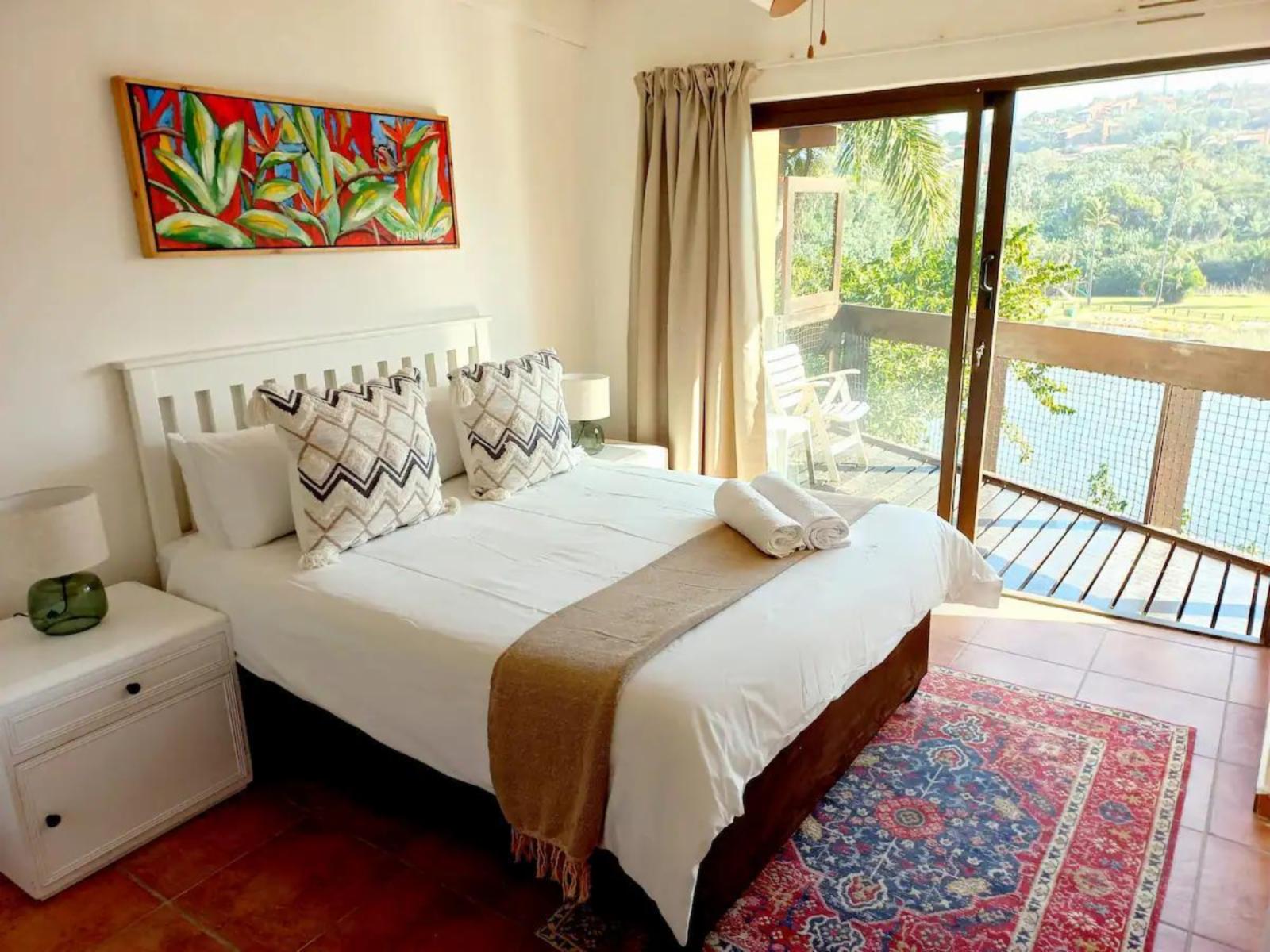
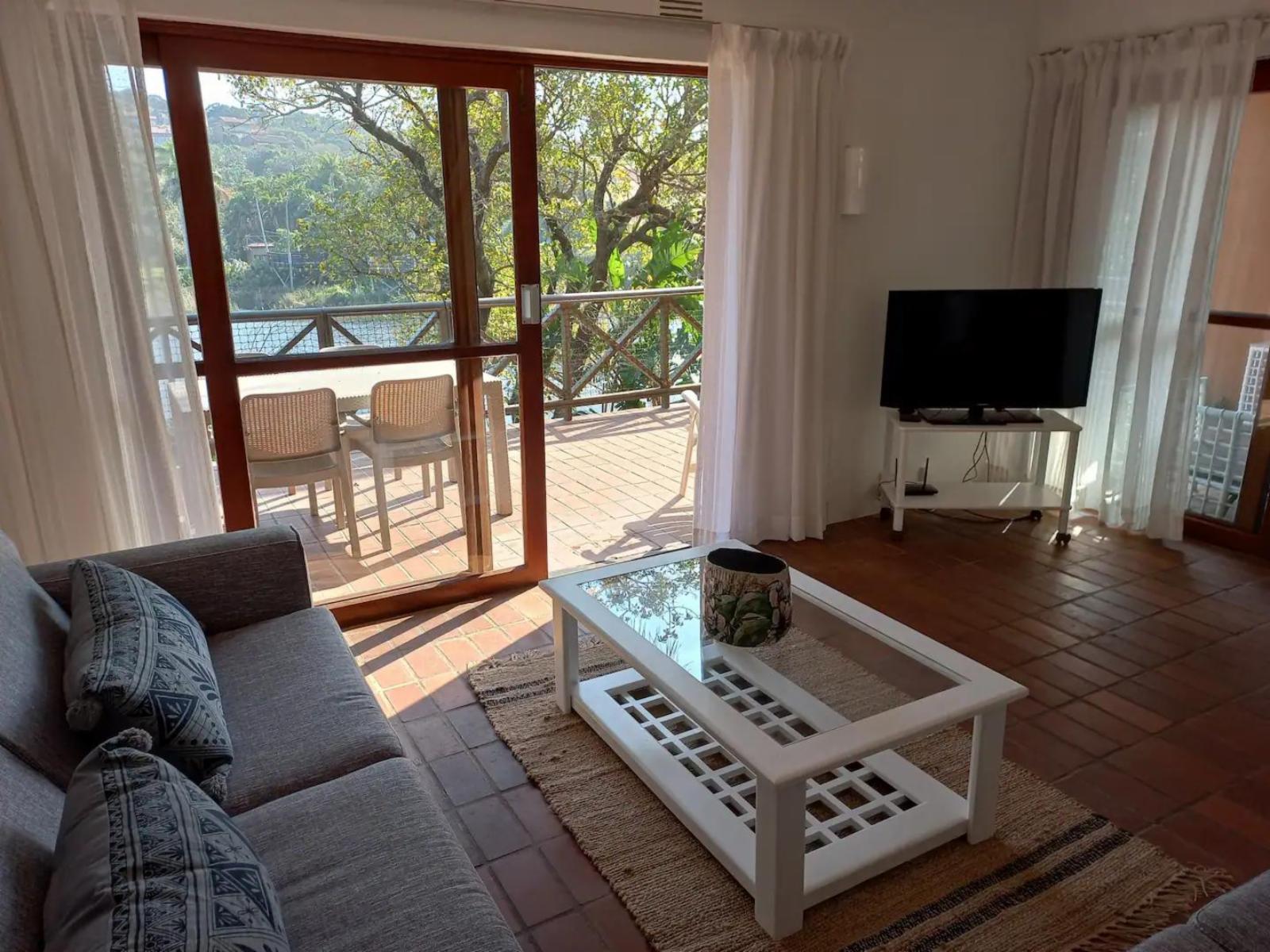
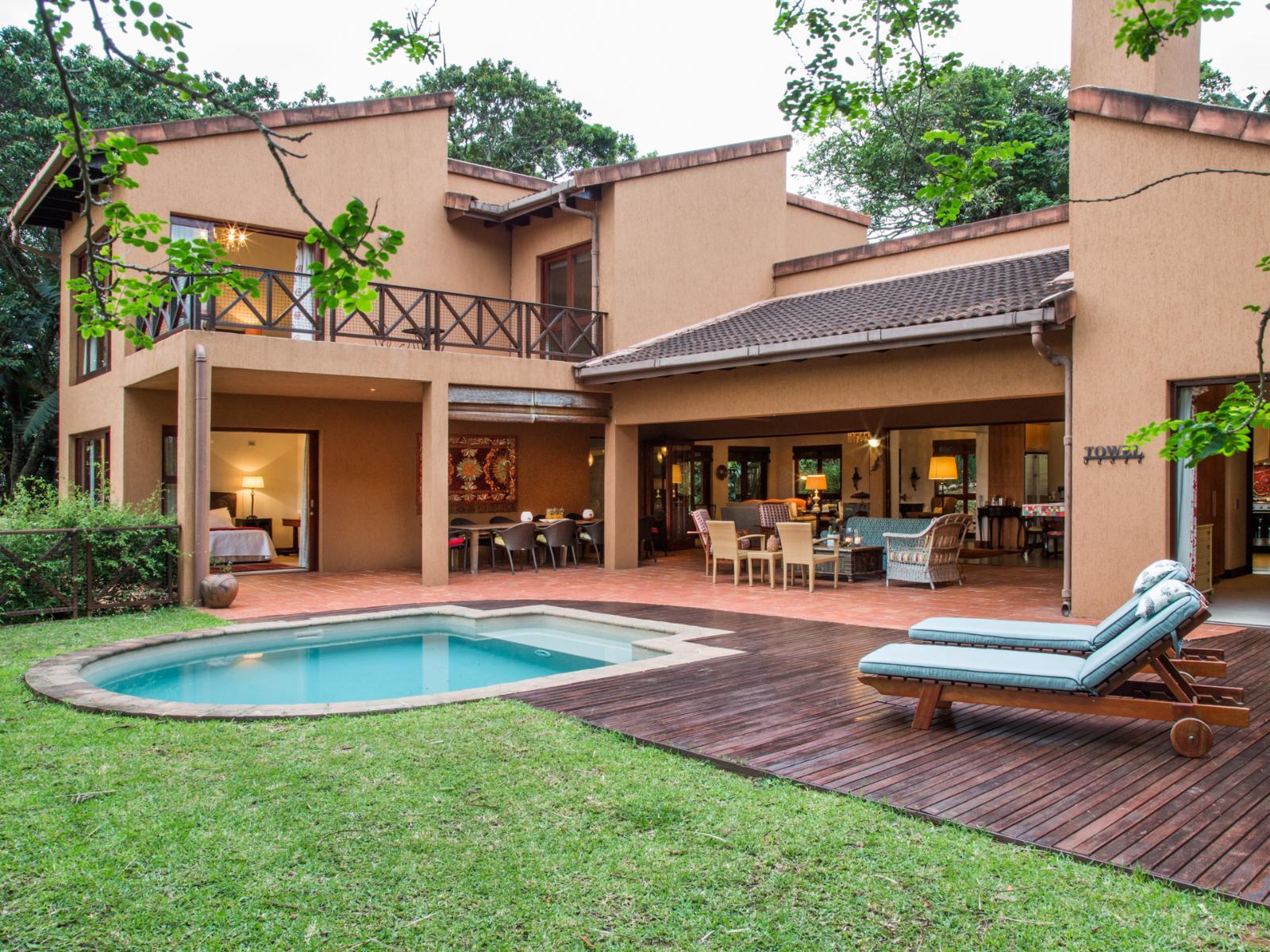
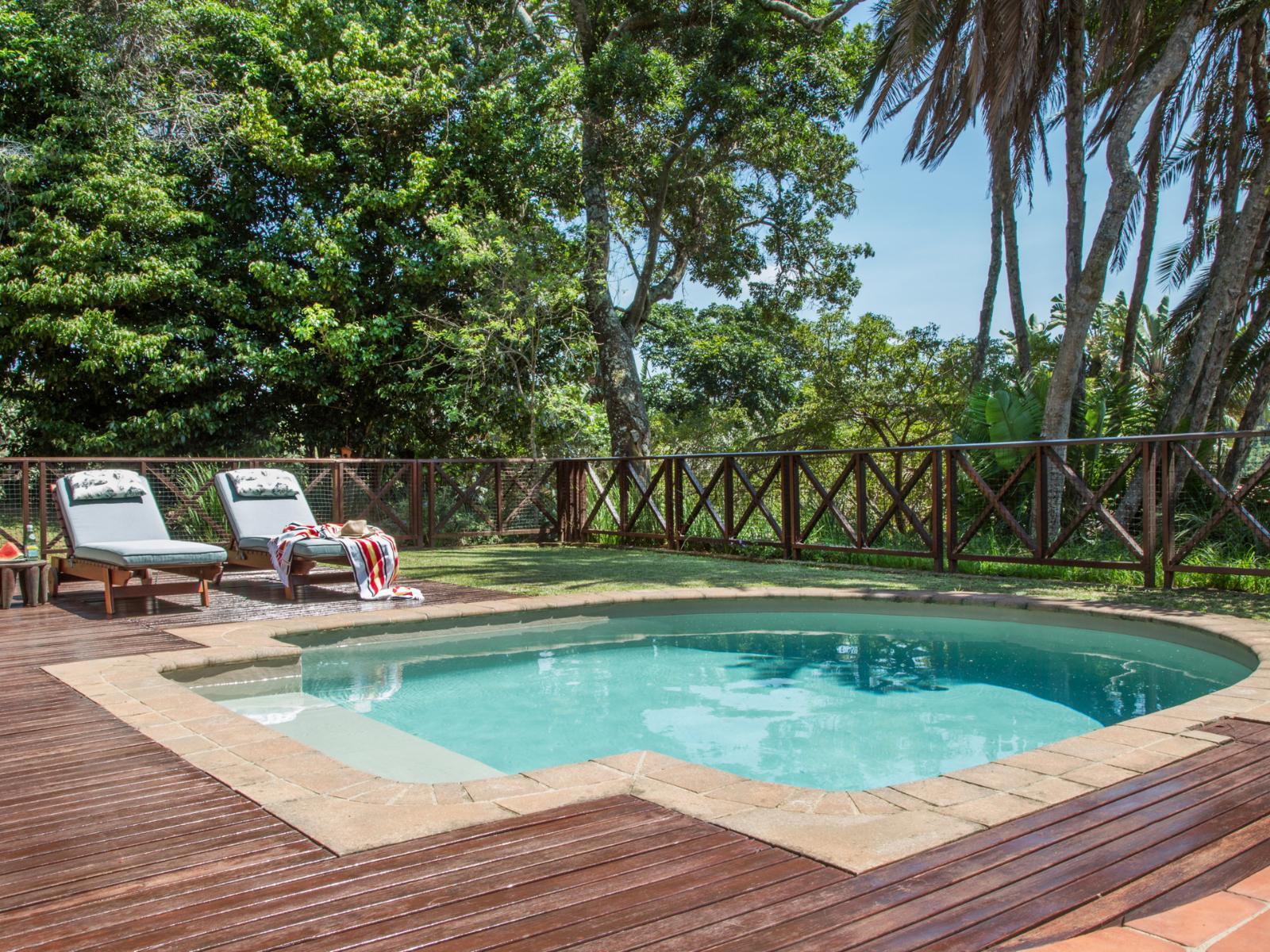
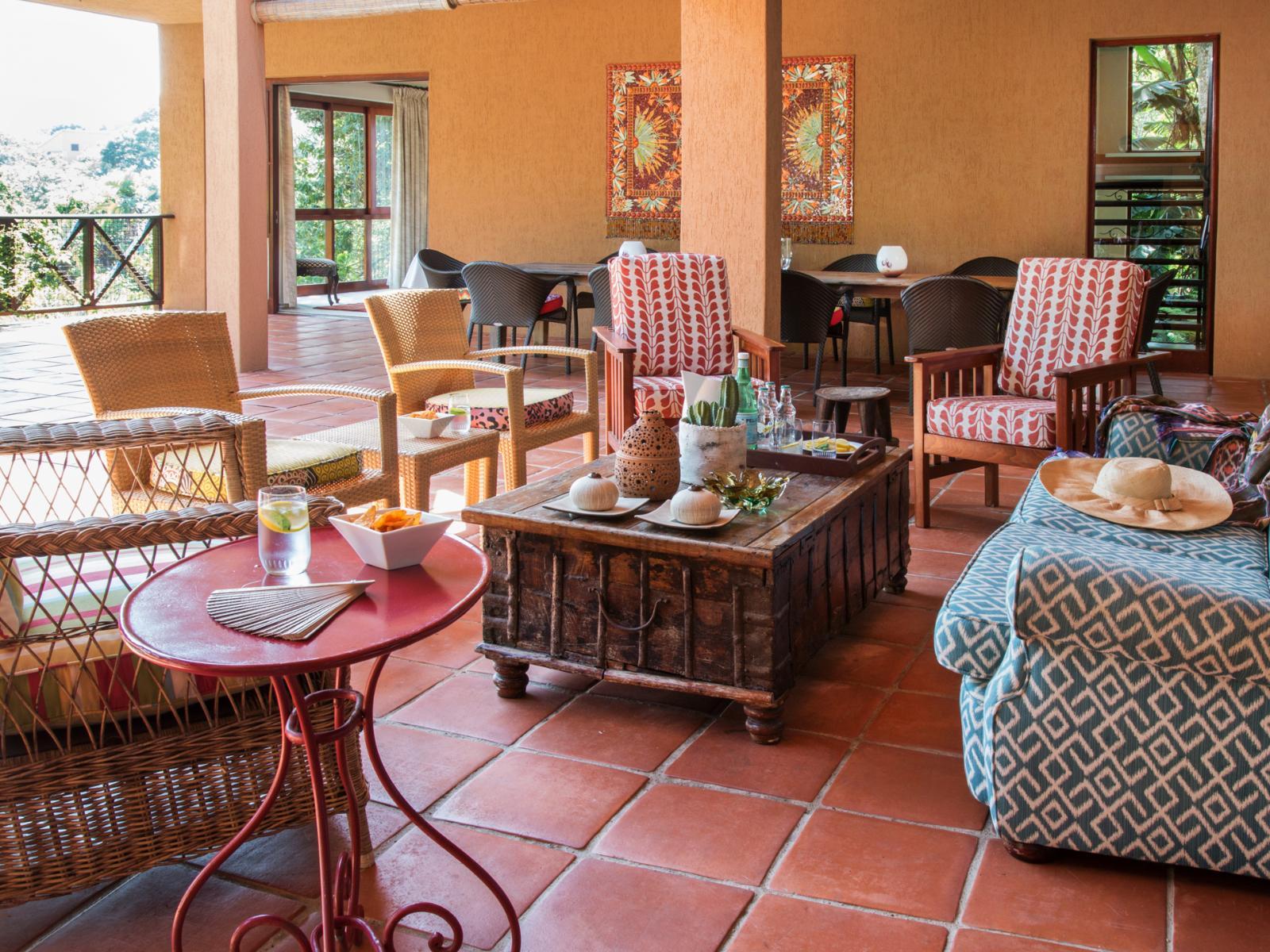
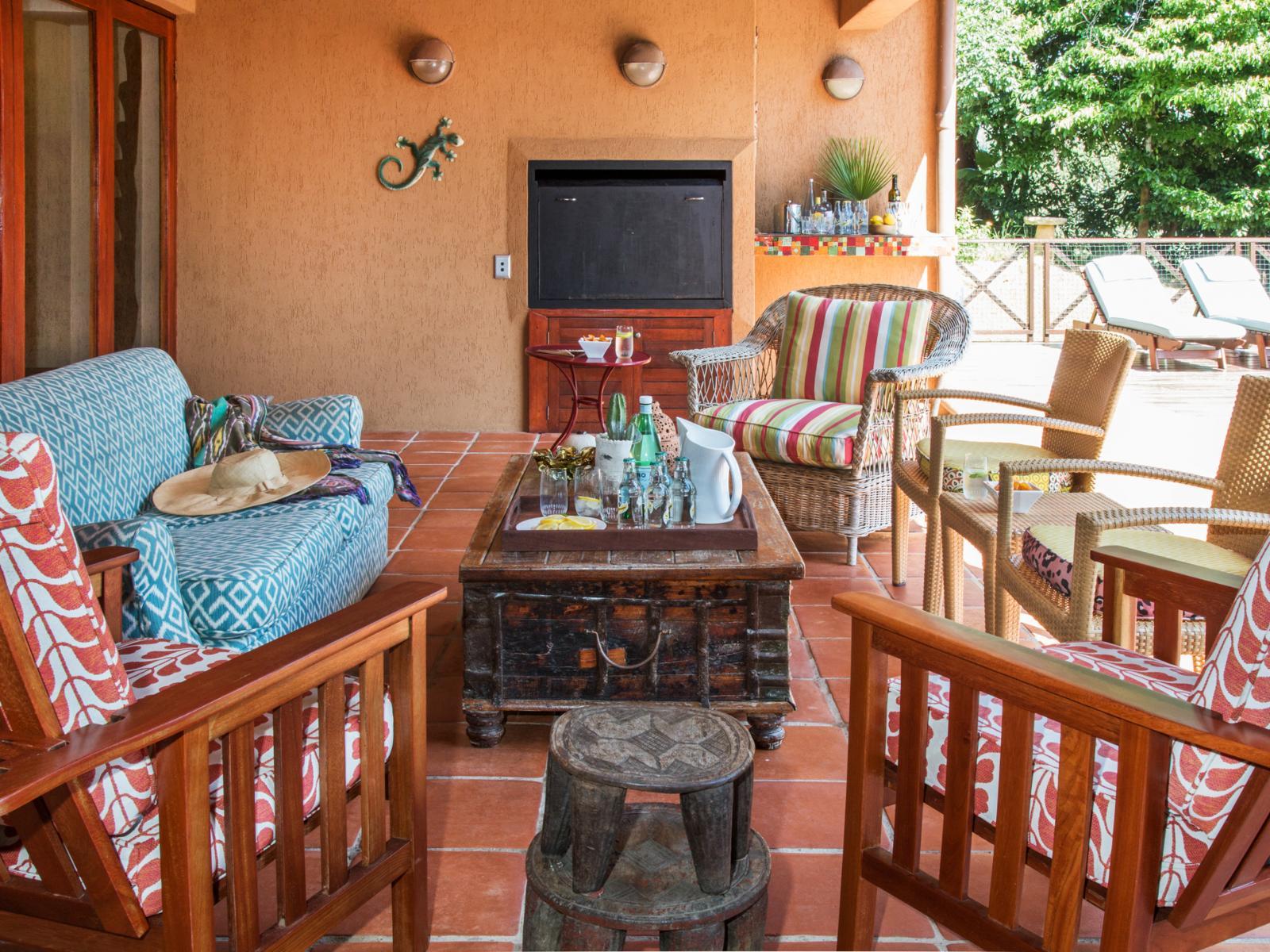
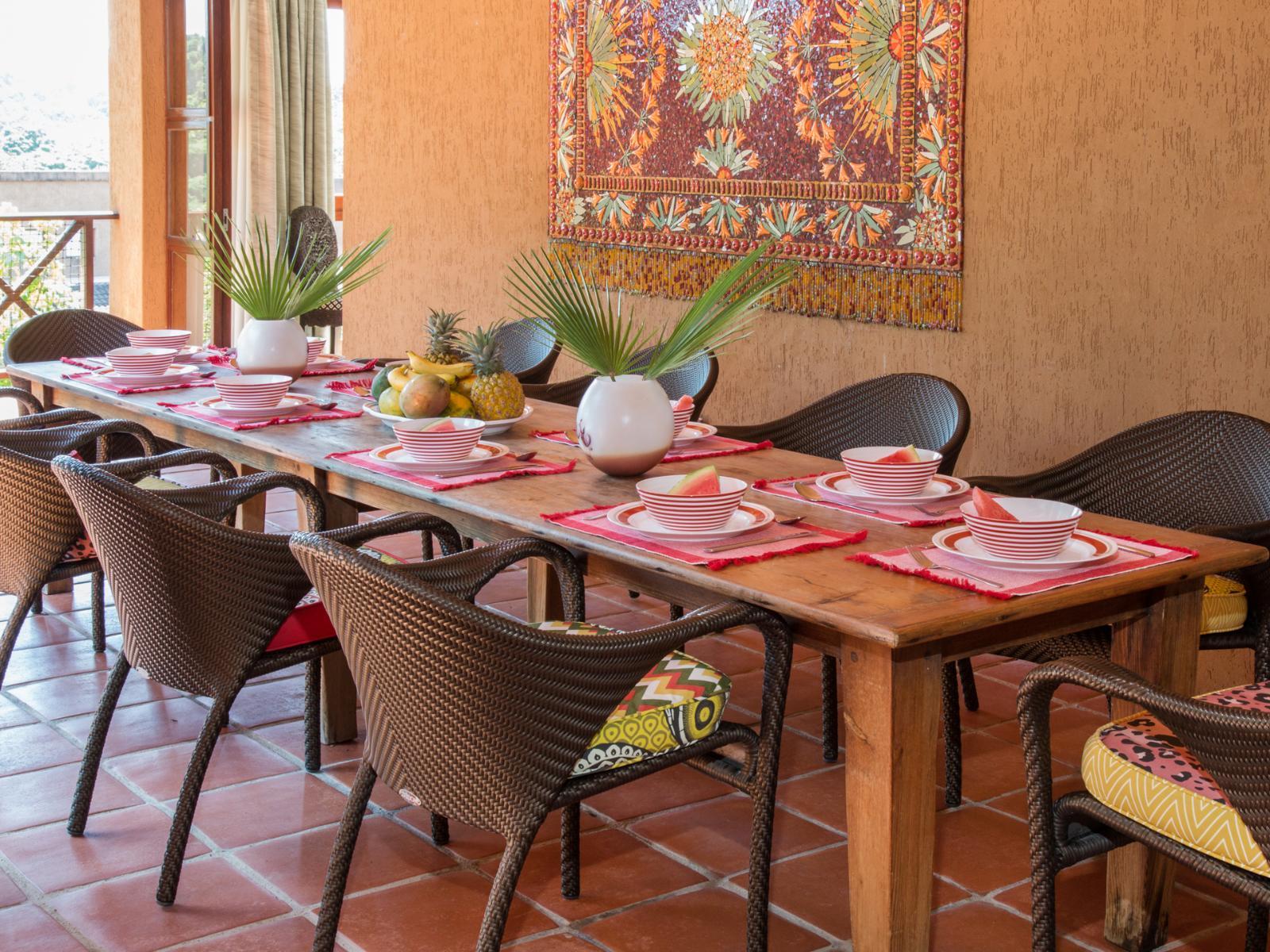
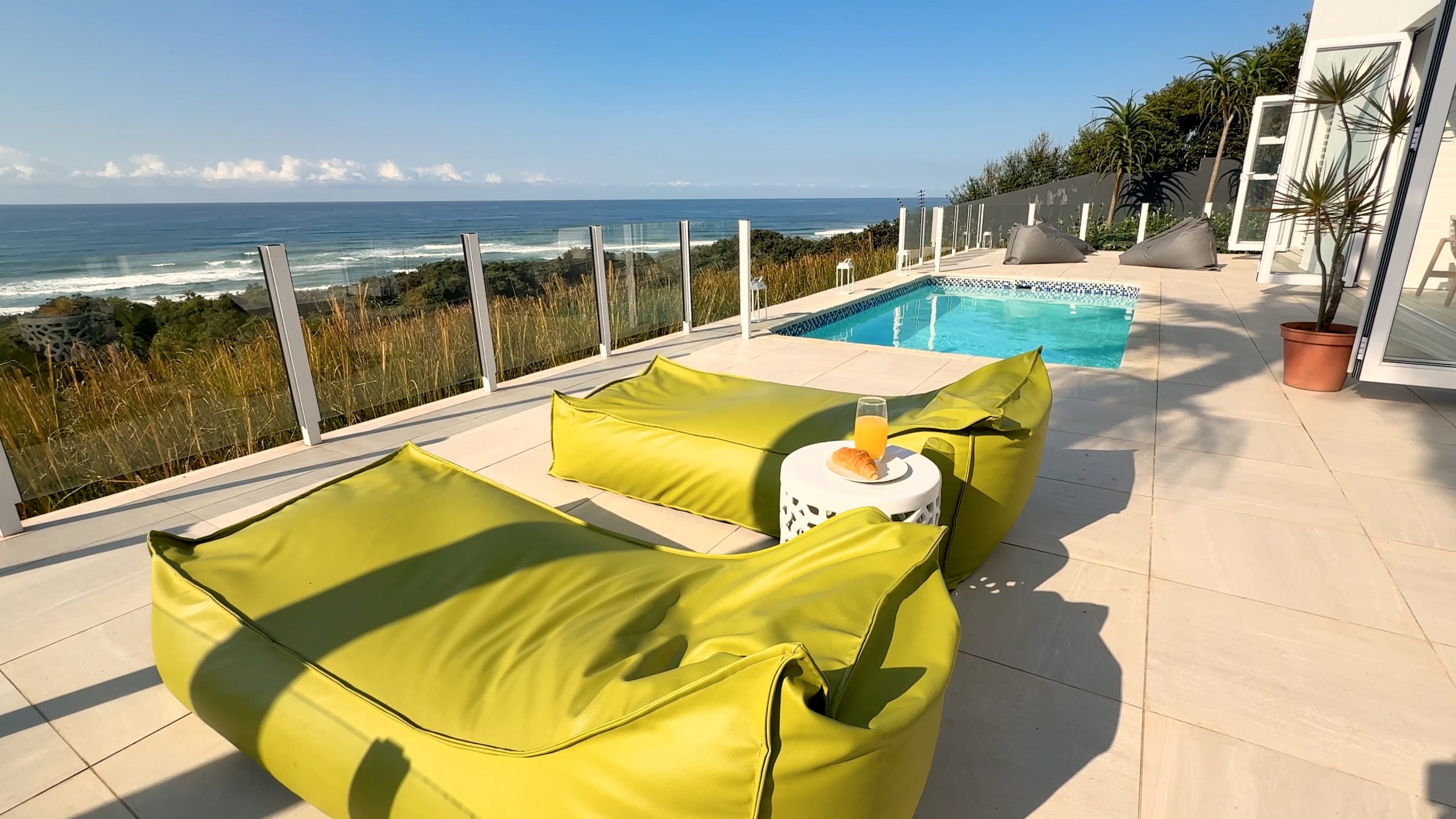
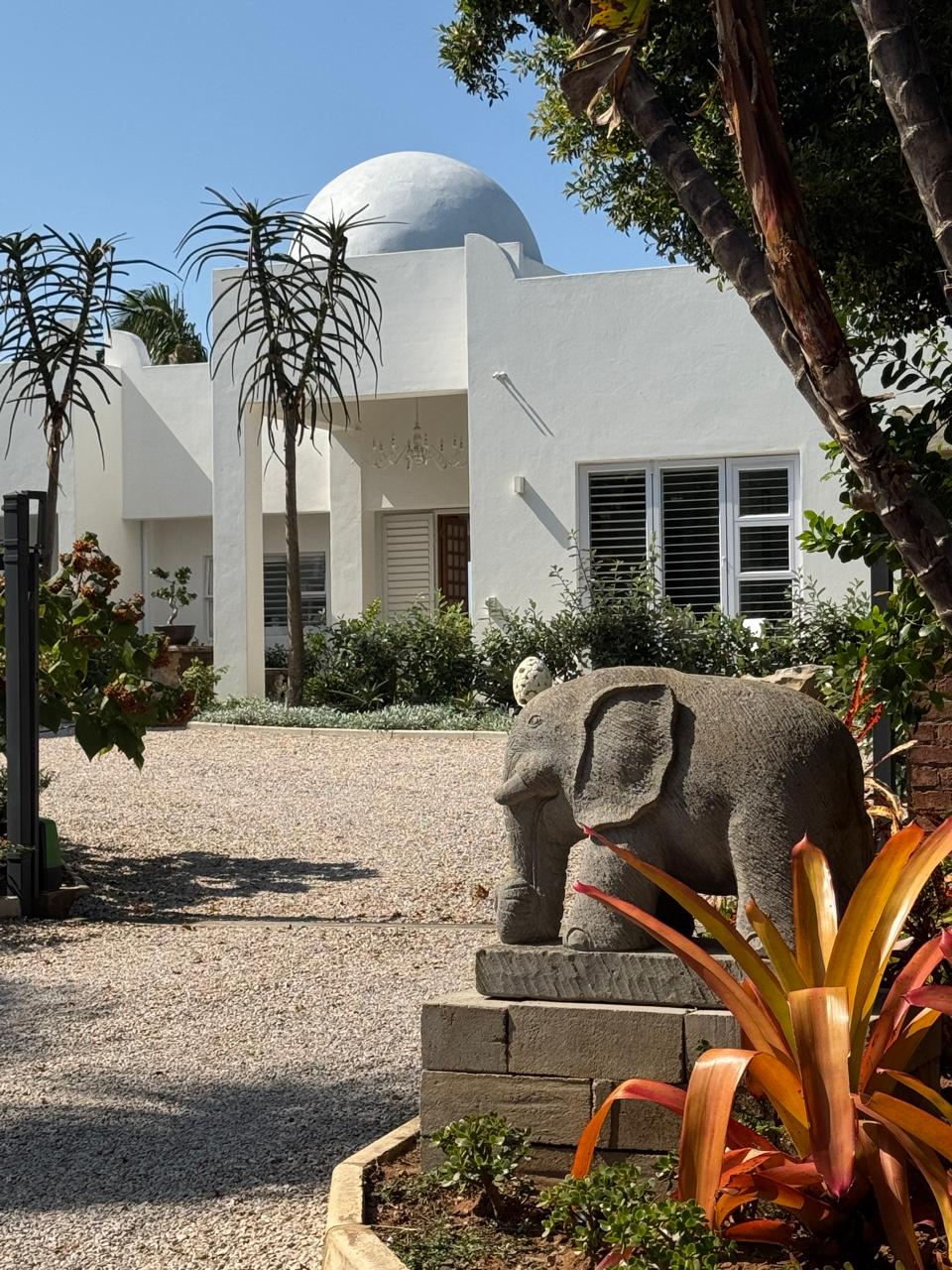
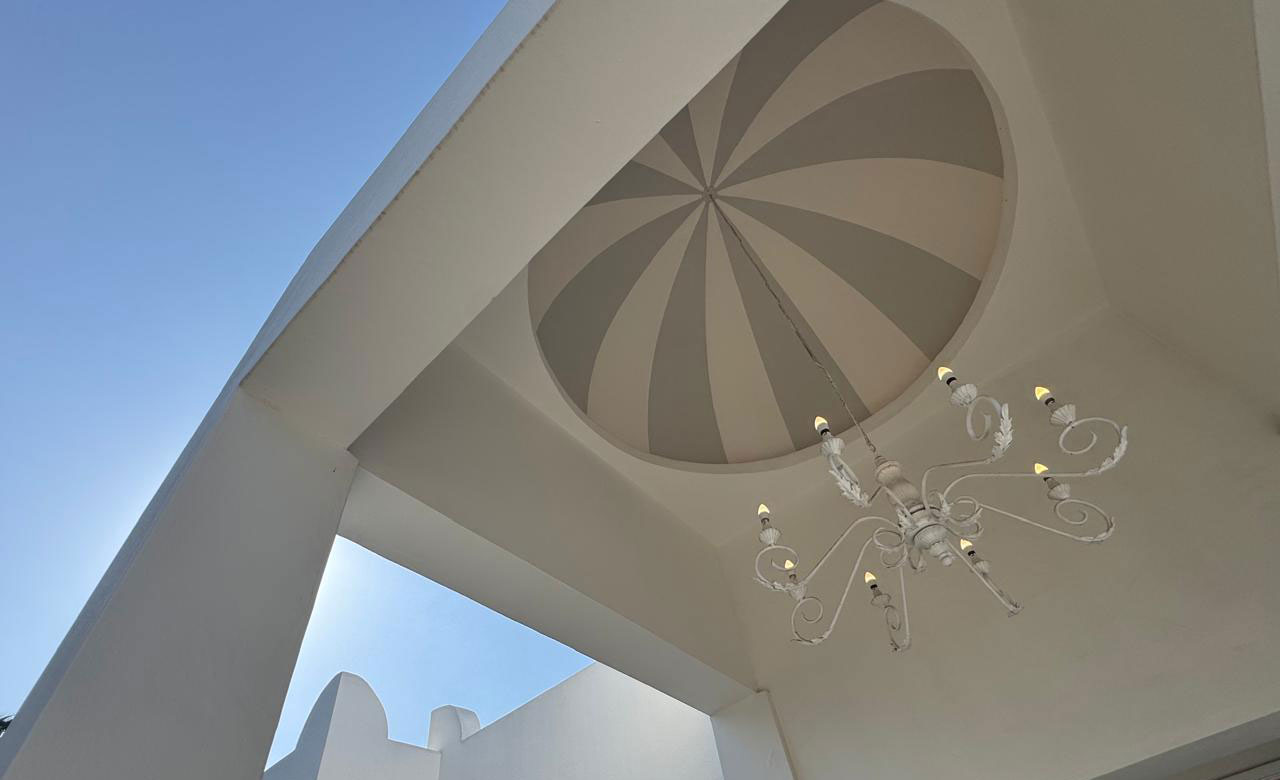
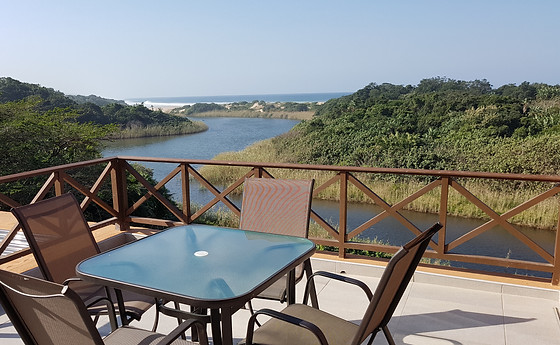
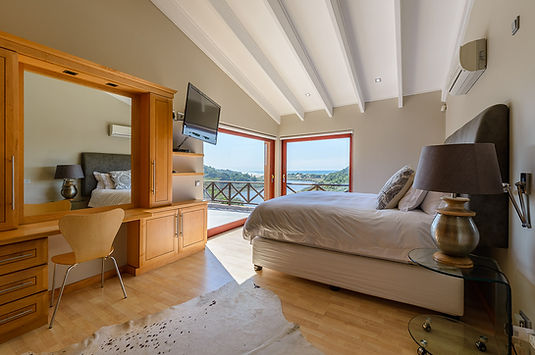
With just two listed properties, Trafalgar offers an intimate rather than extensive accommodation market, which makes early planning worthwhile. Prices run at around R2,000 per night, and the available stock consists entirely of self-catering units, a format that suits the area's character well. This part of the KwaZulu-Natal south coast draws visitors who want to cook their own catch after a morning on the beach, or spread out across a week rather than a rushed long weekend.
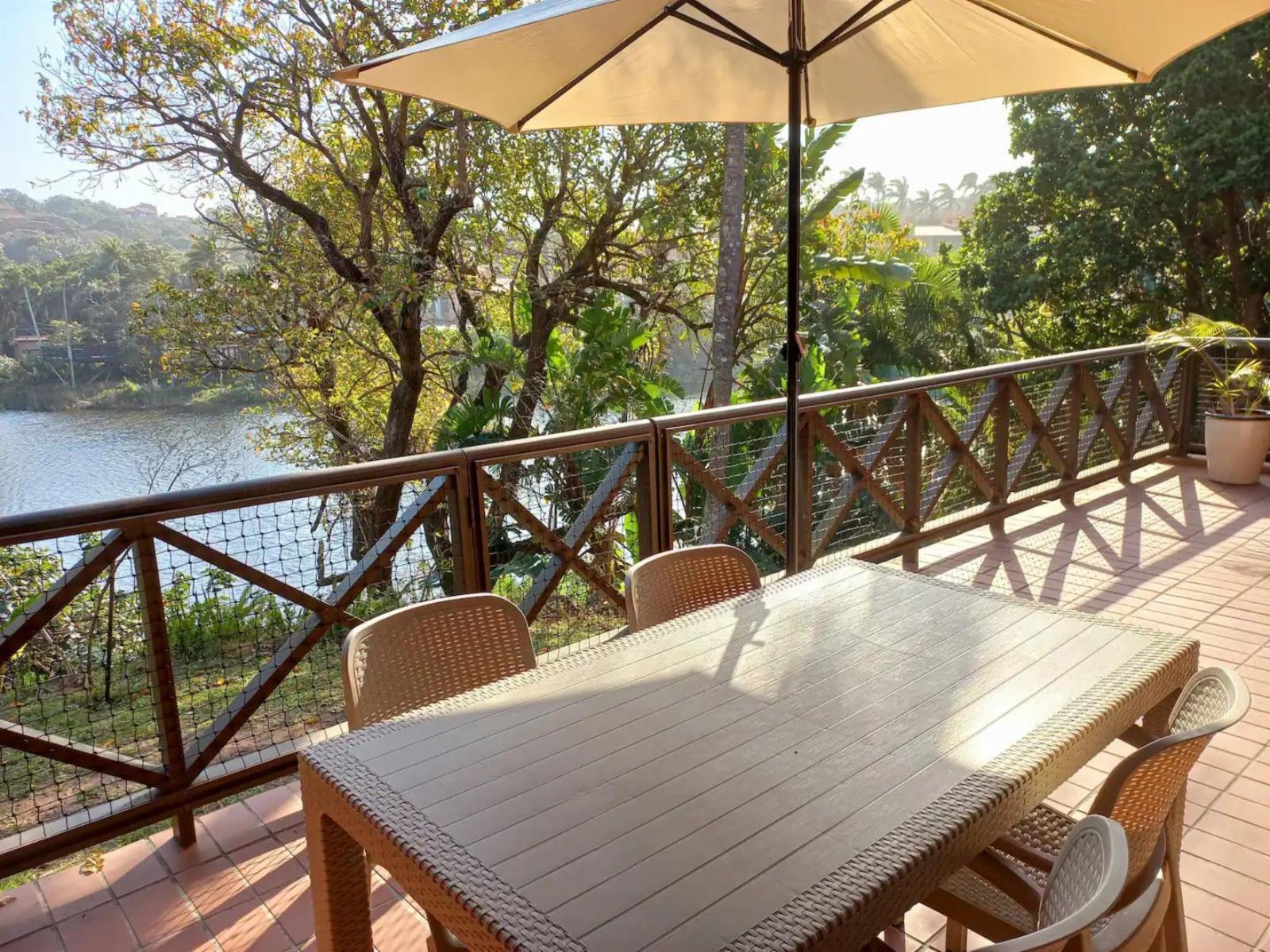
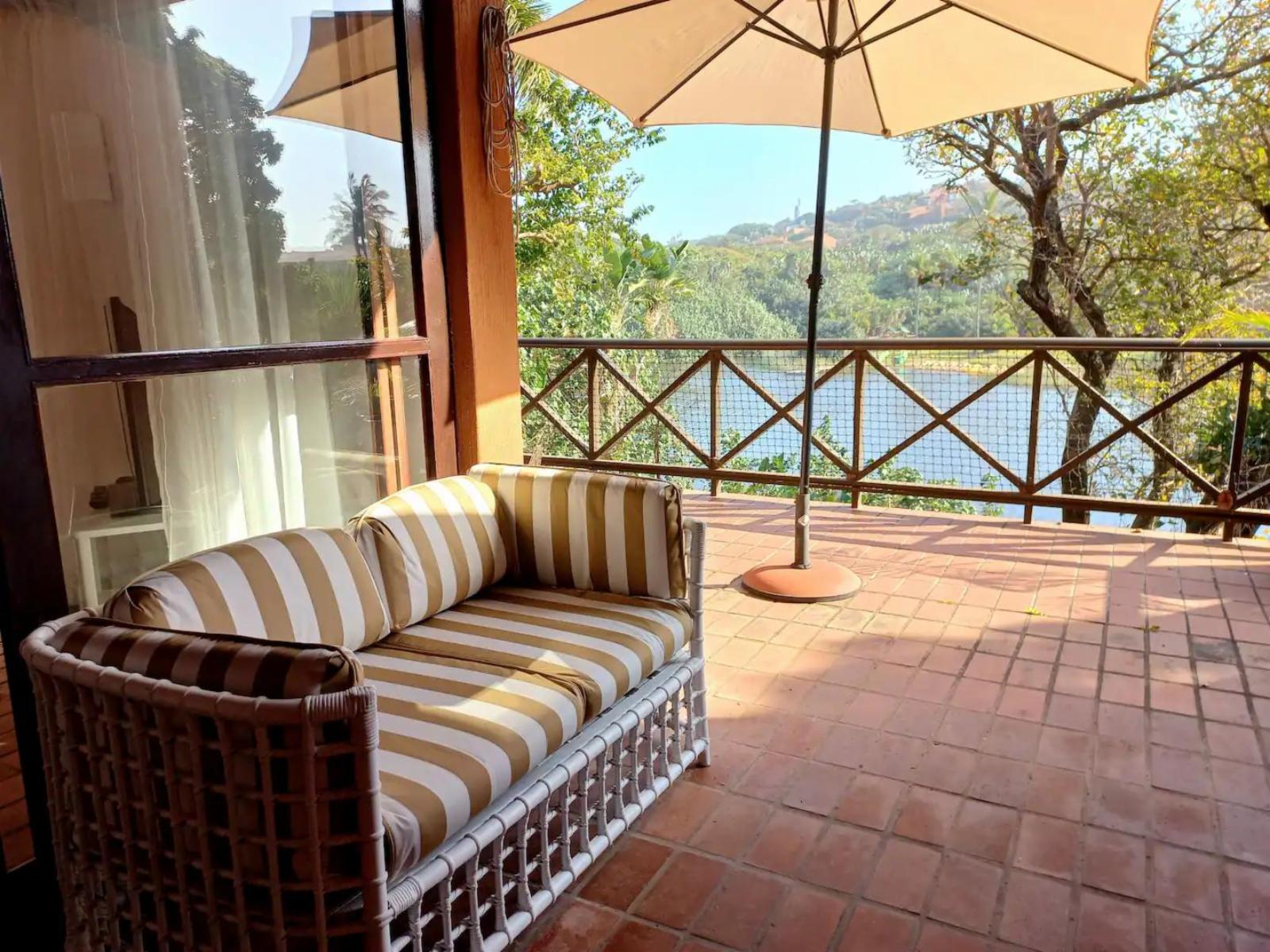
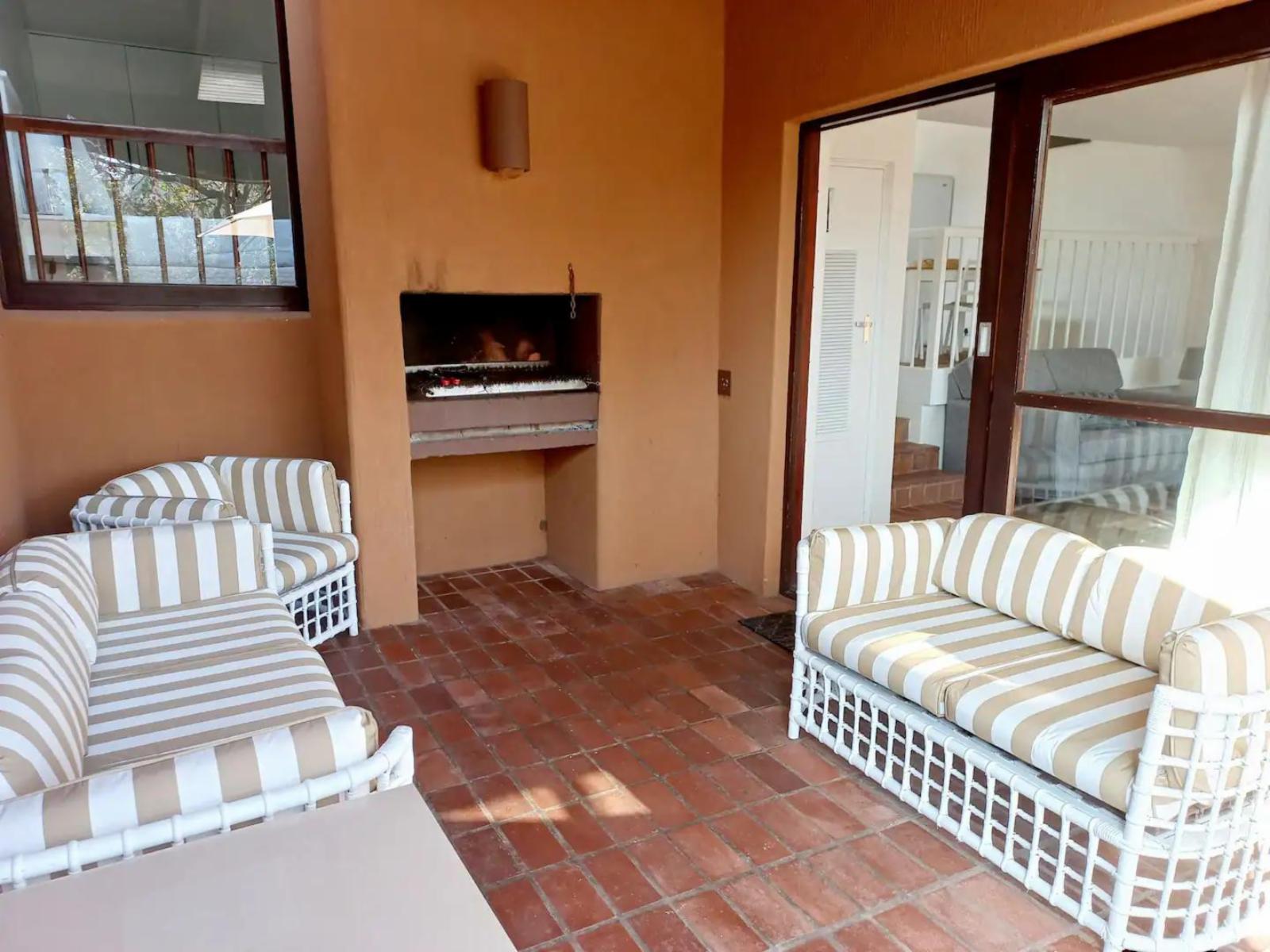
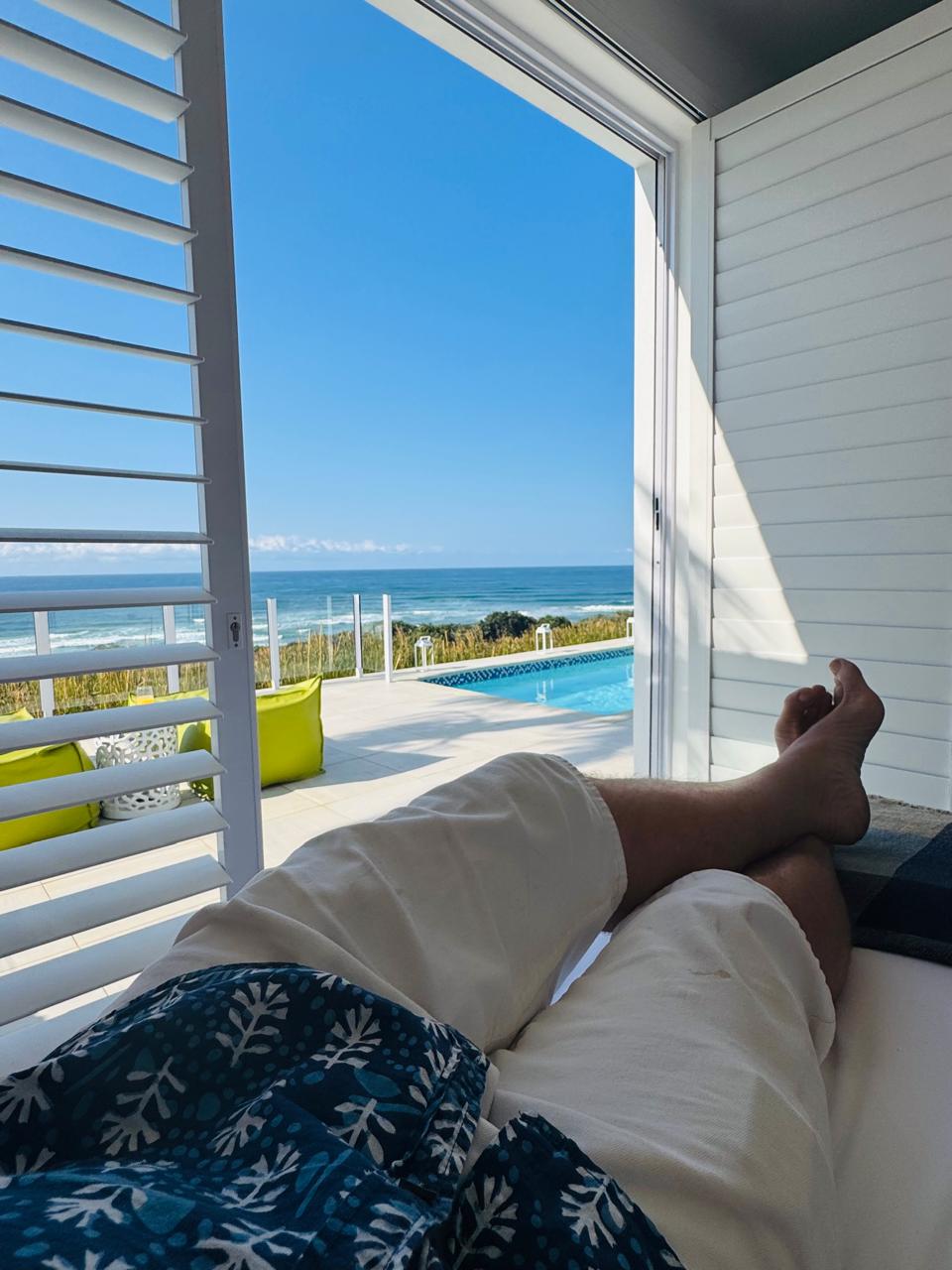
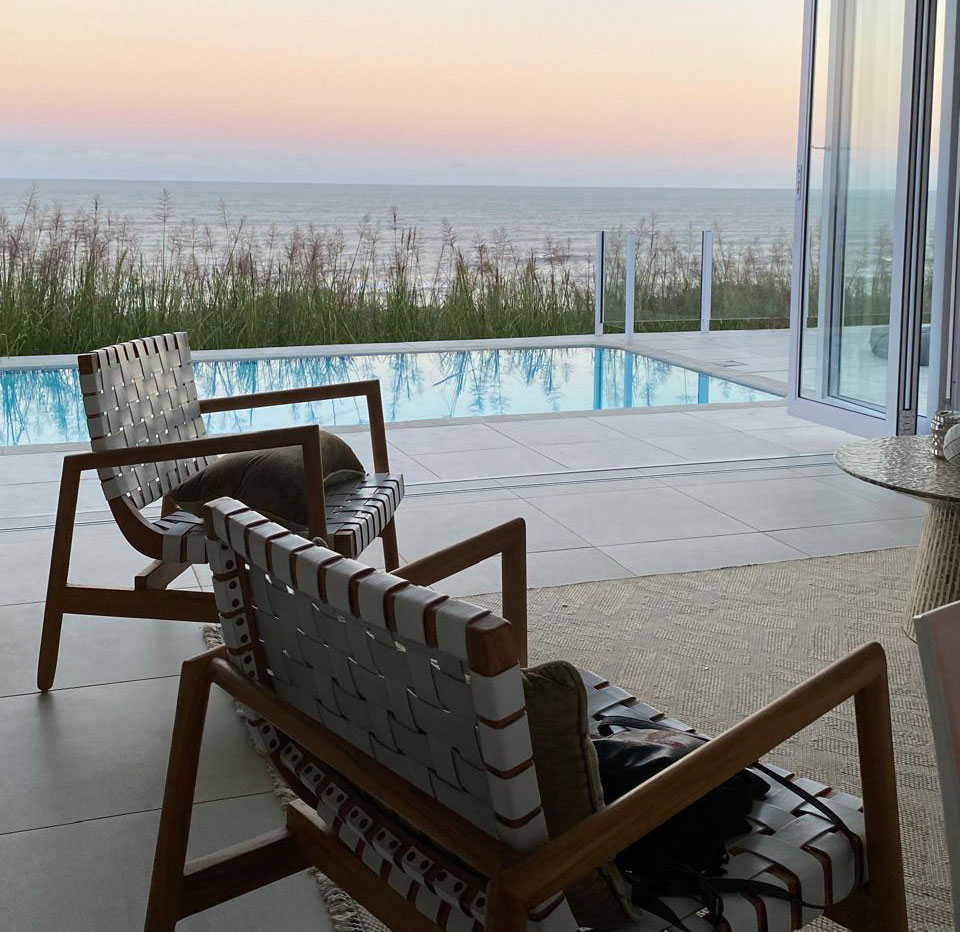
Self-catering in Trafalgar typically means access to a fully equipped kitchen, outdoor braai facilities, and direct or near-direct beach access. The units lean toward the mid-range in feel: the kind of place where families and small groups book a week at a time rather than a single night. Given that there are only two properties to choose between, availability can be tight during school holidays and public holiday weekends, so confirming dates well in advance is advisable.
The self-catering format also gives guests flexibility that hotel-style accommodation rarely allows. Meals can be timed around tides and weather, provisions can be bought on the way in, and the pace of the stay becomes entirely your own. There are no resort amenities or poolside services here, which is largely the point. Trafalgar functions as a quiet coastal base, and the accommodation reflects that. For visitors who want simplicity, space, and proximity to the water, the options here are well suited to the area's appeal. Those wanting restaurants, shops, and broader facilities will find them in the larger towns a short drive along the coast.
Things to Do in Trafalgar
The beach is the primary draw, a stretch of Indian Ocean coast with soft sand and surf conditions that are generally manageable for recreational swimmers. Water temperatures stay warm for much of the year, making swimming and snorkeling practical from spring through autumn, and comfortable enough in winter for those not deterred by a slight chill.
Fishing is a significant part of life here, for residents and visitors alike. Bream is among the more common catches along the rocky outcrops and sandy flats, particularly during the warmer months when fish move closer to shore. No specialist equipment hire operates from within the village, so bringing your own gear or making arrangements through your accommodation is the practical approach.
A short drive from Trafalgar, the Umtamvuna Nature Reserve offers a different kind of outing. The reserve follows the Umtamvuna River gorge and protects a substantial area of subtropical coastal forest, with day walks ranging from easy riverside strolls to more demanding ridge trails. Birdlife is particularly varied, and the flora includes several species endemic to this coastal zone.
Offshore, humpback whales migrate northward along this stretch of coast between June and November, and sightings from elevated headland points are possible on clear days. Dolphins are more year-round in their presence and can often be spotted from the beach in the early morning. Boat-based excursions for marine wildlife are available from the broader south coast area, though none operate directly from the village.
Best Time to Visit Trafalgar
Trafalgar's subtropical climate means there is no genuinely bad time to visit, but the season shapes what you experience. Summer, running from November through February, brings the warmest air and water temperatures, making beach activity most appealing. Rainfall peaks during these months, usually arriving as heavy afternoon showers rather than prolonged overcast periods, so mornings often remain clear even in the wettest weeks.
The school holiday periods in December and January bring the highest visitor numbers to the south coast broadly, and Trafalgar follows this pattern despite its small scale. Occasional fishing competitions during the cooler months add organized activity to the off-season.
Autumn and spring, particularly March through May and September through October, offer a balance of settled weather and lower crowds. The sea remains warm into April, and the vegetation is at its most lush in the months following summer rains.
Winter, from June to August, is mild by most standards, with daytime temperatures typically in the high teens to low twenties Celsius. Rain is infrequent and the landscape stays green. This period suits walking and outdoor exploration particularly well. For most purposes, the shoulder seasons offer the best combination of good conditions and manageable availability.
Getting to Trafalgar
Trafalgar sits on the KwaZulu-Natal south coast, roughly 150 kilometres south of Durban. The most direct road route follows the N2 highway southward from Durban, with a turn-off toward the coast as you approach the southern section. The drive takes approximately two hours under normal traffic conditions, somewhat longer during the December holiday peak when the N2 carries significant congestion through the south coast towns.
From King Shaka International Airport north of Durban, the drive follows the same N2 route. There is no closer regional airport of practical size, so visitors arriving by air use King Shaka as their entry point and collect a hire car from one of the major operators at the terminal. Having your own vehicle is effectively essential once here, as no scheduled public transport serves the village directly.
From Johannesburg, the distance is approximately 700 kilometres via the N3 to Durban and then south on the N2. This is a long but fully tarred and well-serviced route, manageable as a two-day drive with an overnight stop in the Midlands or Durban. From Cape Town, the distance is considerably greater, and flying into Durban and hiring a car is the more practical approach for travellers coming from the Western Cape.
Trafalgar and Surrounding Areas
Trafalgar's position on the south coast makes it a practical base for reaching several distinct towns within a short drive.
Marina Beach, 3 kilometres away, is a residential coastal suburb with a quieter beach than those found in the larger resort towns. It suits an easy afternoon outing or a more secluded swim, with minimal commercial development along the shoreline.
Southbroom, 6 kilometres from Trafalgar, has a golf course regarded as one of the better layouts on this stretch of coast, alongside a small commercial strip with restaurants and a supermarket. For a sit-down meal or a grocery run, it is the most convenient option nearby.
Munster, also 6 kilometres out, is a small community without significant tourist infrastructure, but useful as a navigation reference when driving the coastal roads between villages.
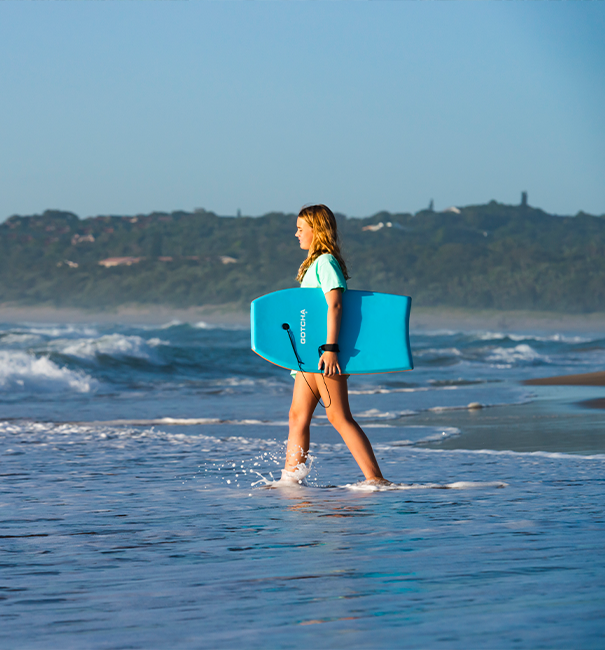
Glenmore Beach, 7 kilometres away, has broader sands than many of the smaller bays in the area. The surf can suit beginner-level bodyboarding at certain tidal points, and the beach handles moderate visitor numbers without feeling crowded outside peak season.
Port Edward, 12 kilometres south, sits at the provincial boundary between KwaZulu-Natal and the Eastern Cape, where the river meets the sea on the southern edge of town. It has petrol stations and a shopping centre, and functions as the largest service point between Trafalgar and the Eastern Cape. It also provides the access point for the river gorge nature reserve in the area.
Margate, 13 kilometres to the north, is the main commercial hub of the KwaZulu-Natal south coast. Larger supermarkets, restaurants, medical facilities, and the full range of everyday services are concentrated here. For most practical errands, this is the town to head for, and its beach draws the highest visitor numbers on this section of coast.
Planning Your Stay
Given that Trafalgar has only two listed properties, availability is a genuine constraint. Booking several months ahead is realistic for December and January visits, when the south coast fills broadly. The Easter long weekend and June/July school holidays also book quickly. For winter and shoulder-season travel, four to six weeks of lead time is generally sufficient, though earlier is always safer with such limited inventory.
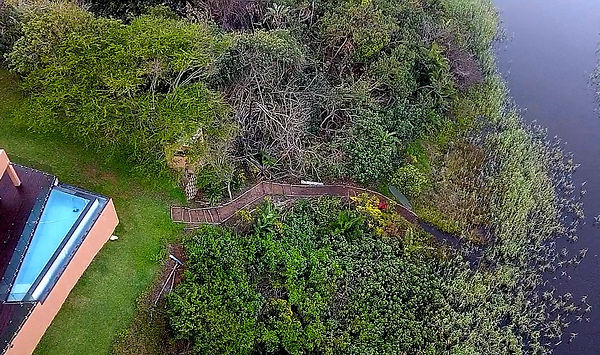
When comparing the two available options, focus on practical specifics: distance to the beach, whether a braai area is included, parking arrangements, and the number of bedrooms relative to your group size. Reviews mentioning sleep quality, water pressure, and kitchen equipment tend to be more useful than general impressions. Photos of outdoor areas give a better sense of the self-catering experience than interior decor shots.
Before confirming, check the property's policy on pets, any noise restrictions, and whether firewood or charcoal is supplied or needs to be brought in. Stocking up on provisions before arriving saves unnecessary return trips, as the nearest larger shops are in the towns a few kilometres along the coast. Mobile reception in the area is generally adequate on the major networks, though checking coverage maps for your specific provider is worth doing if reliable data connectivity factors into your plans.