Accommodation in Tsitsikamma
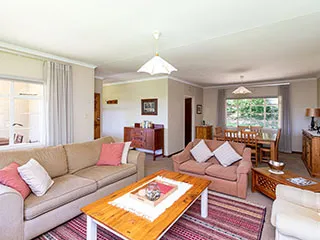
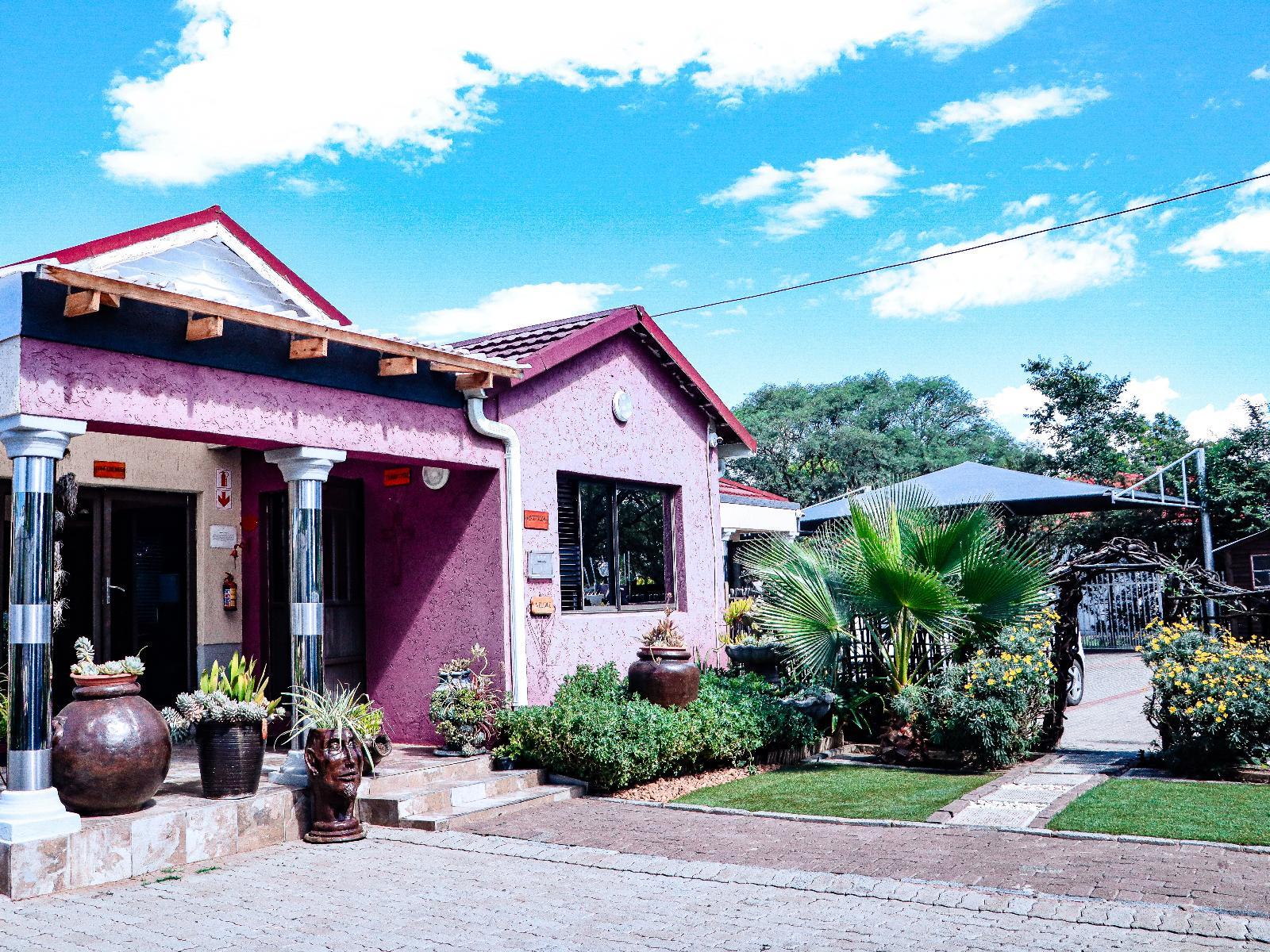
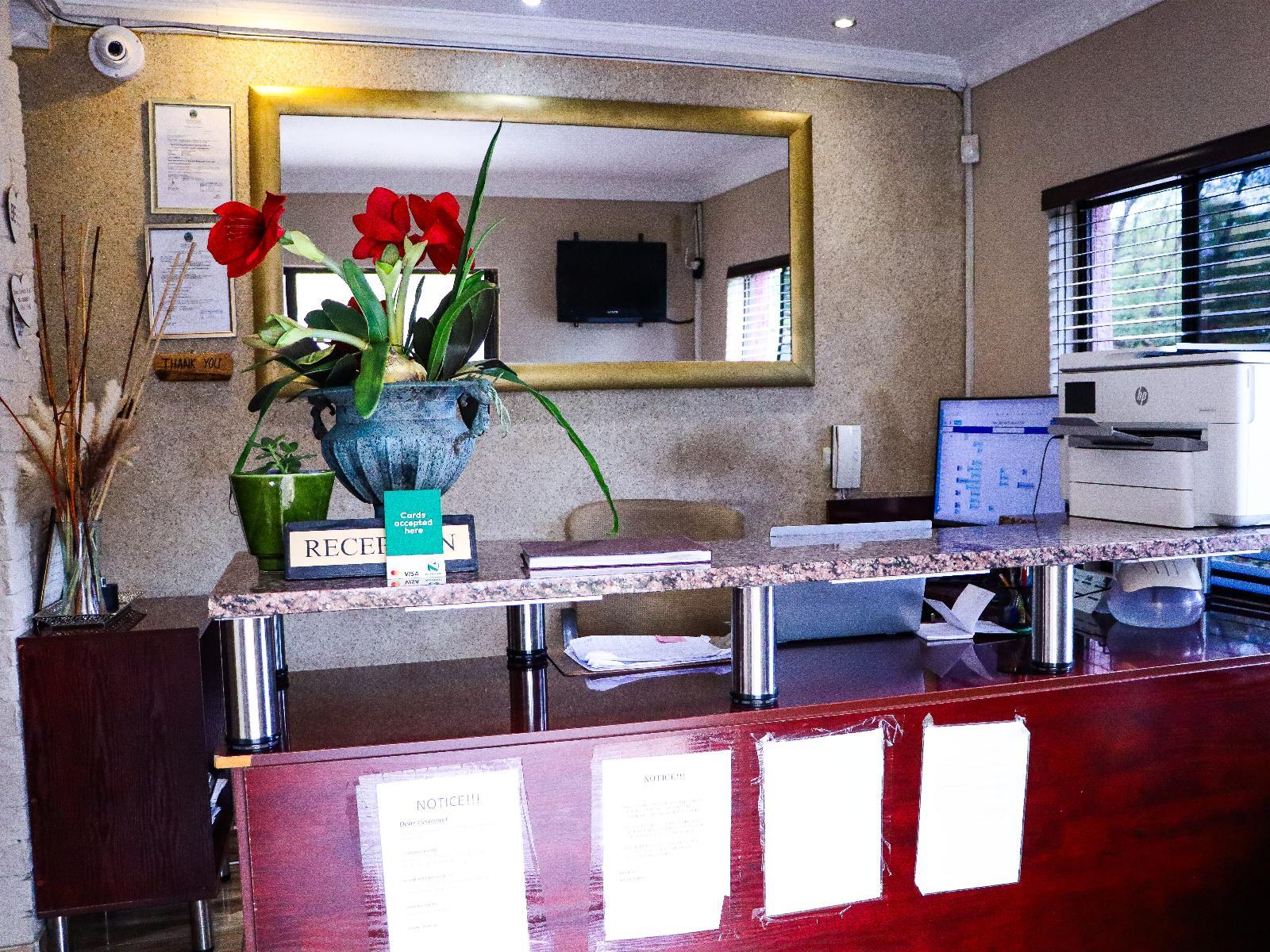
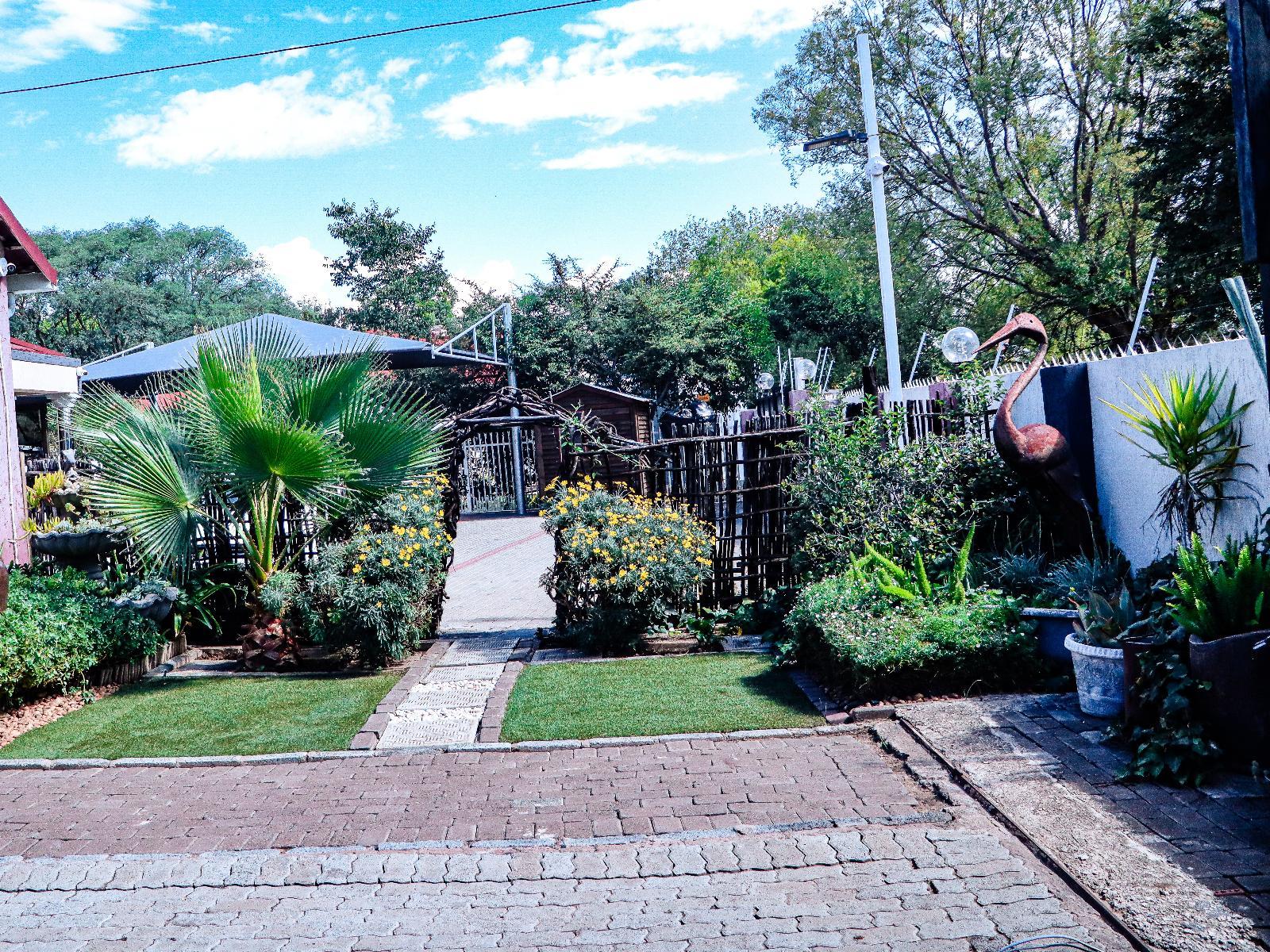
Three properties serve visitors to the area, with nightly rates ranging from R690 to R1,200 and an overall average of R887. That spread is wide enough to suit different budgets and travel styles, and the options break down usefully across tiers.
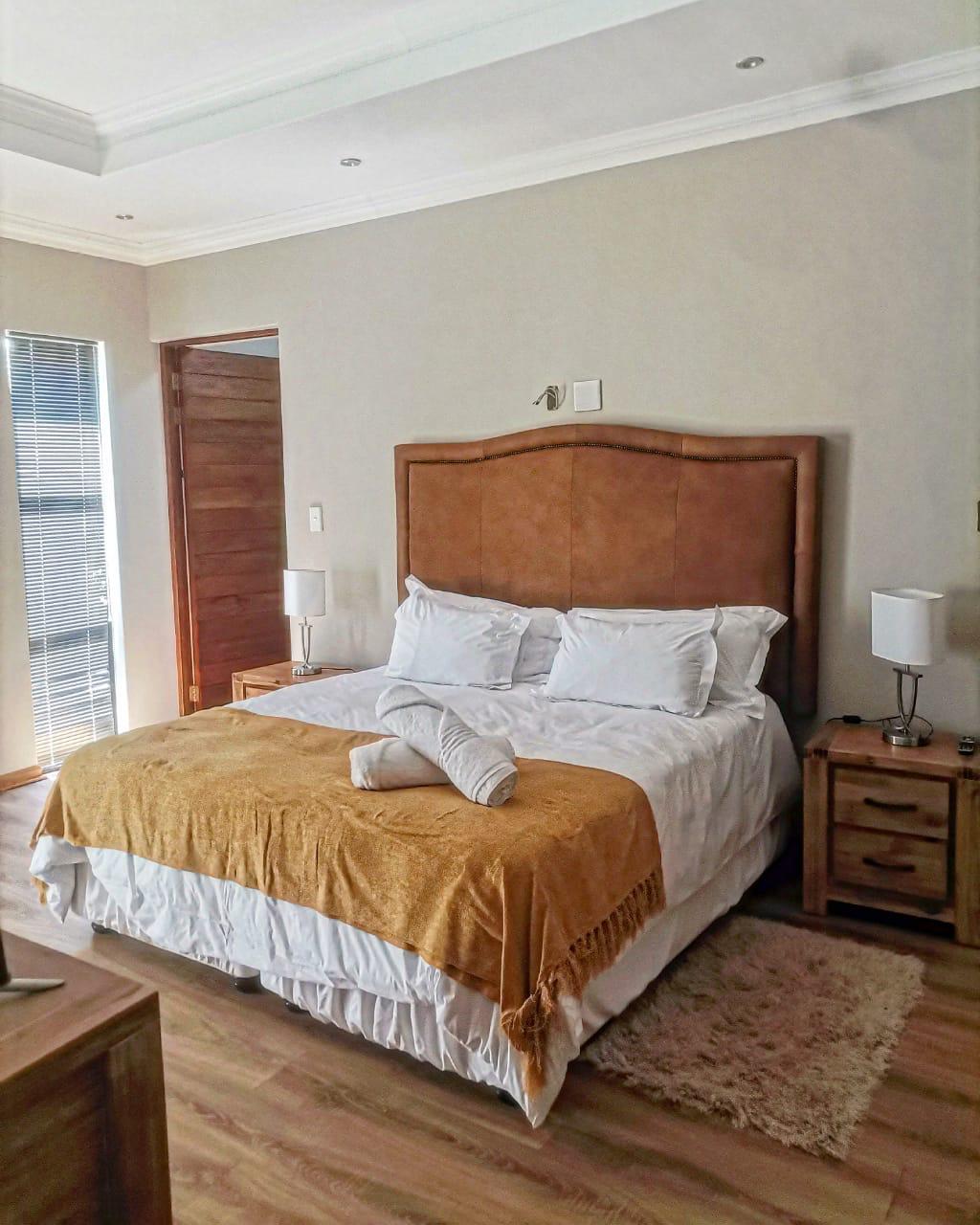
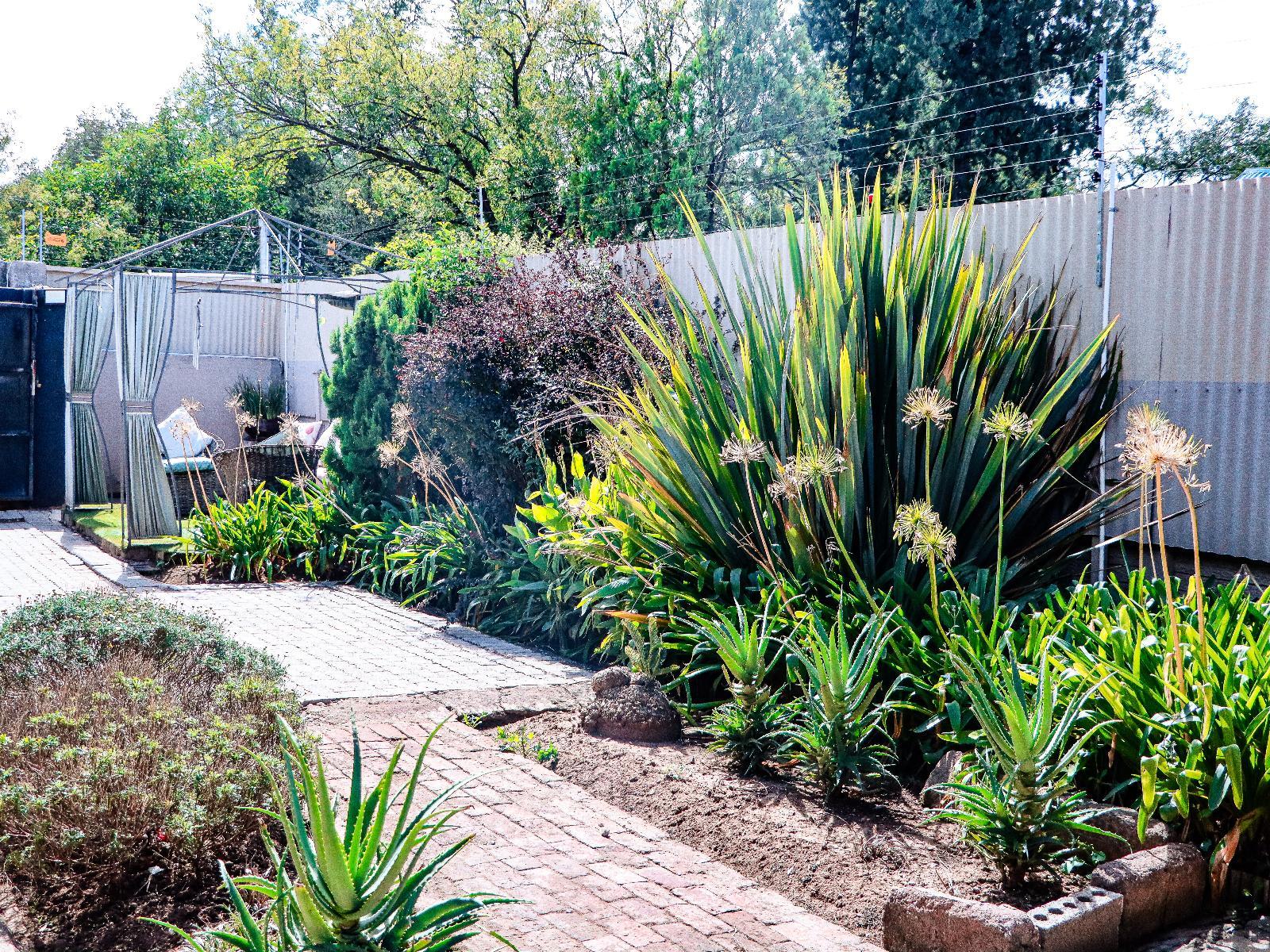
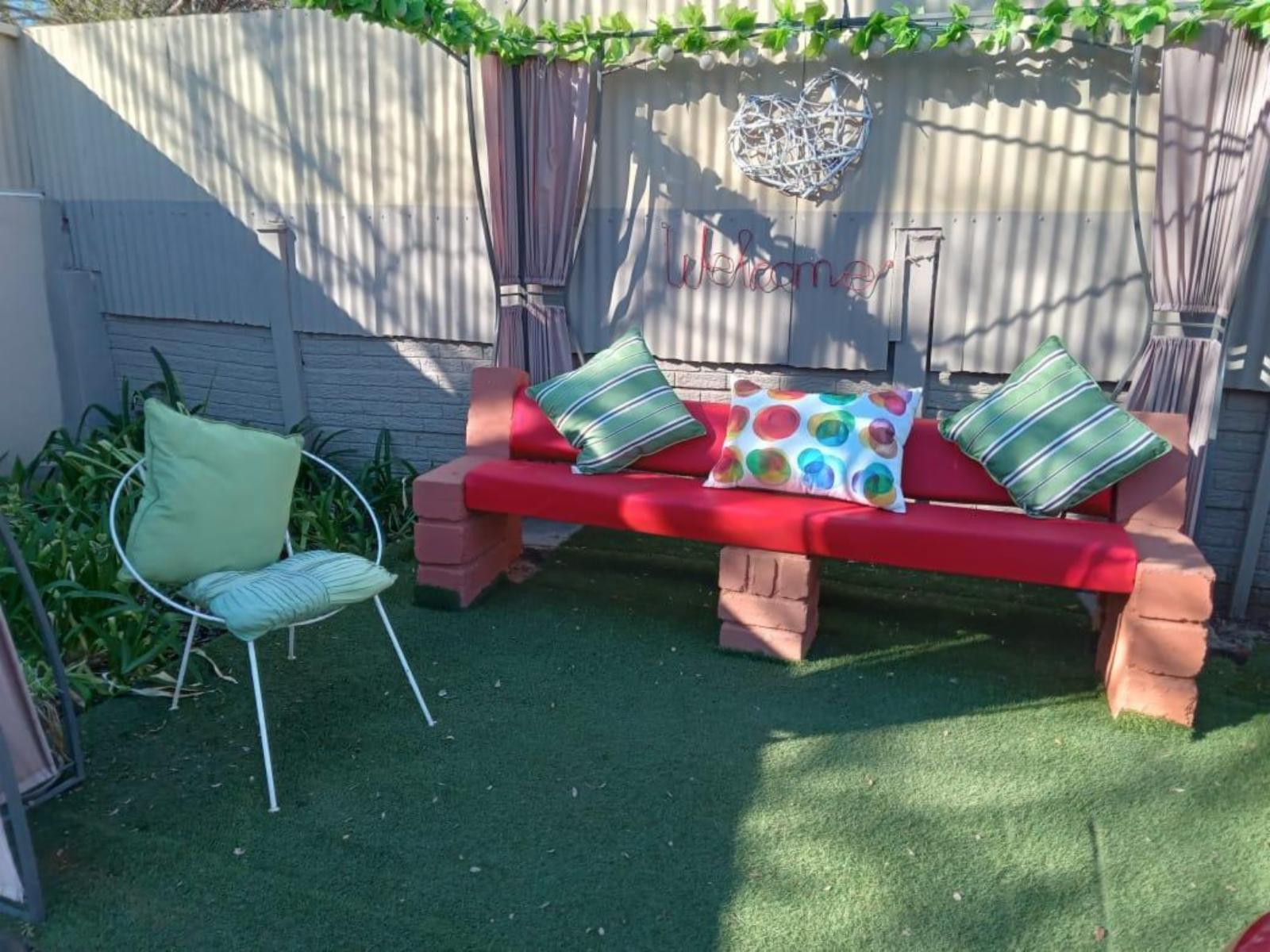
At the budget end, a guest house offers the most affordable entry point into the area. Guest houses in the Eastern Cape interior tend to be owner-operated, which means guests often get a more personal experience: local recommendations, home-cooked breakfasts, and a sense of the community they are passing through. For solo travellers or couples who want character over convenience, this is often the most memorable option.
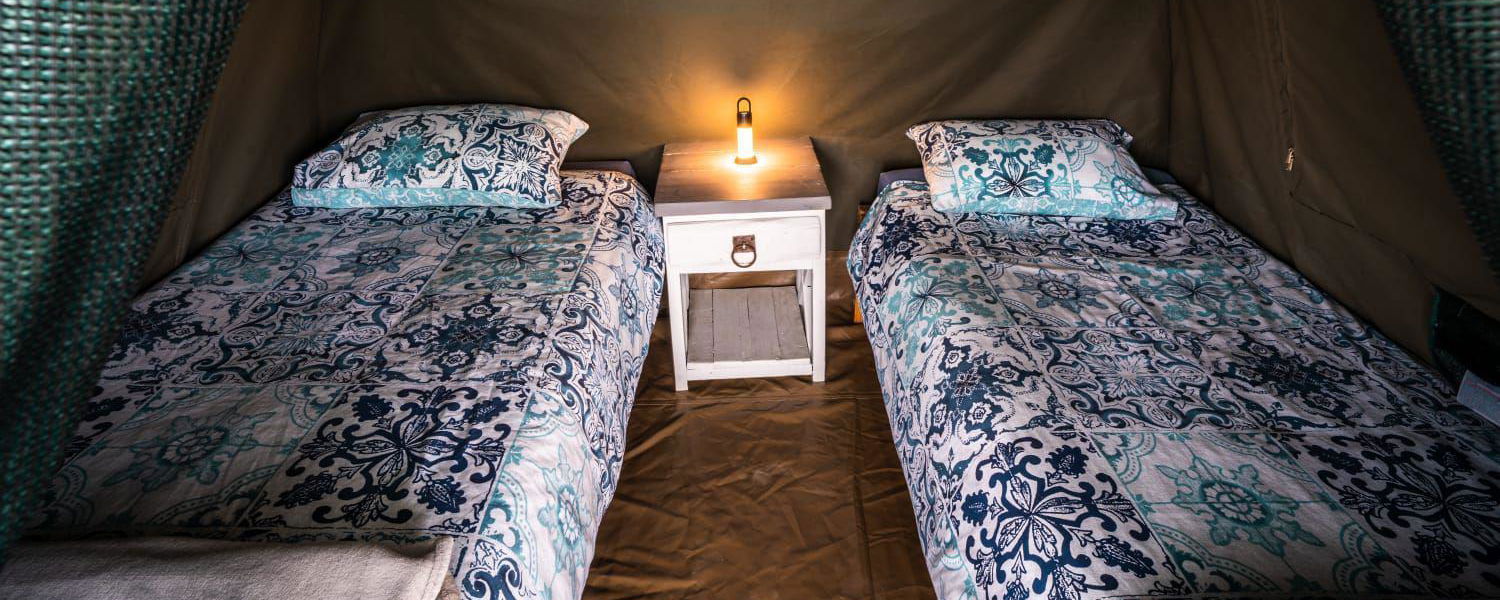
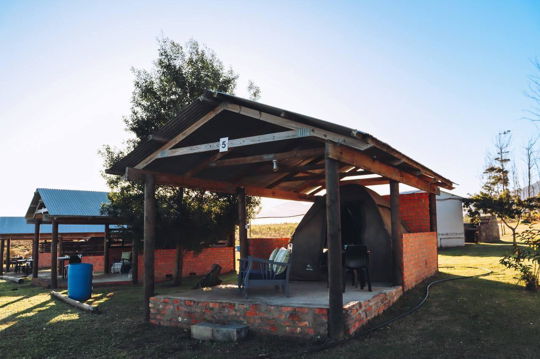
The lodge represents the mid-range choice. At around R1,200 per night, lodges in this part of the country typically provide self-contained units with enough space for families or small groups. Outdoor access is usually a feature rather than an afterthought, with trails, gardens, or farm surrounds within easy reach of the accommodation. Guests tend to value the independence that comes with a lodge setup, particularly when exploring the surrounding countryside at their own pace.
The single hotel listing sits at a higher price point, reflecting the more structured amenities that come with formal hotel accommodation: consistent room standards, on-site services, and usually a restaurant. Travellers who prefer predictability or who are combining business with leisure tend to opt for this tier. Given the rural setting, having meals and facilities on site can be a practical consideration rather than a luxury.
Because the total number of properties is small, the area does not have the accommodation depth of larger Eastern Cape towns. Visitors should treat this as a quiet, low-footprint destination rather than a hub with abundant choices.
Best Time to Visit Tsitsikamma
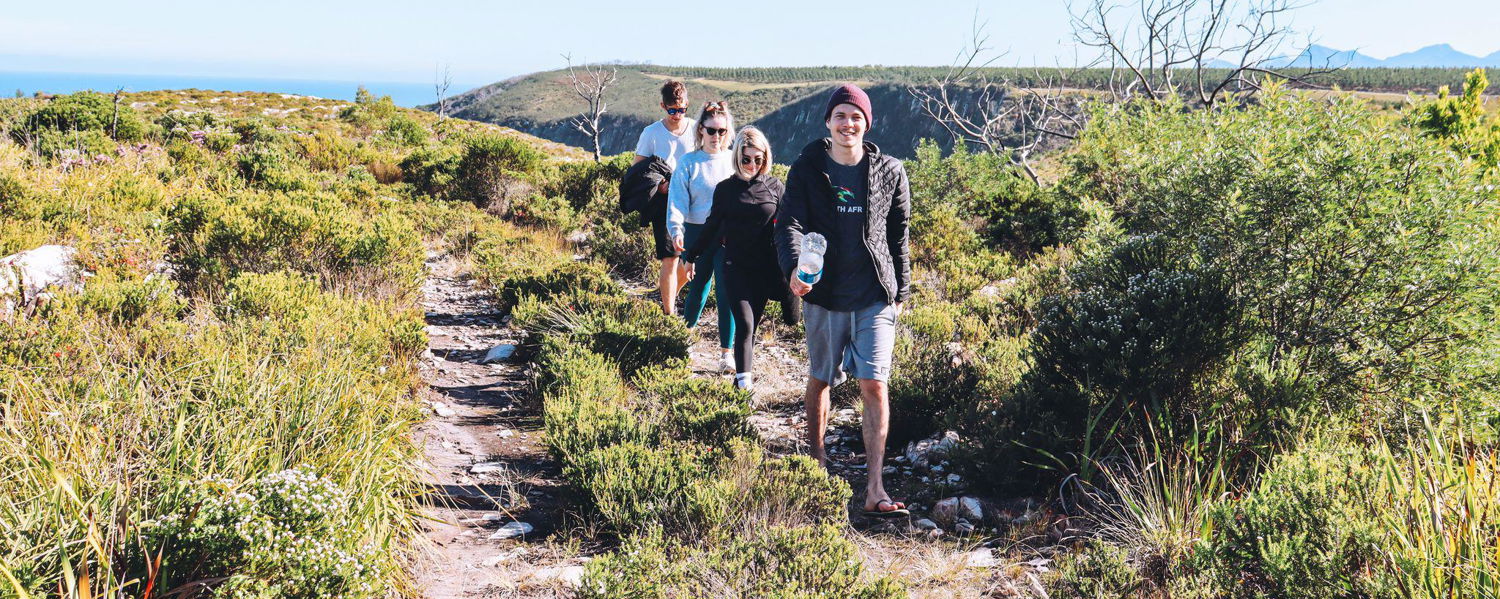
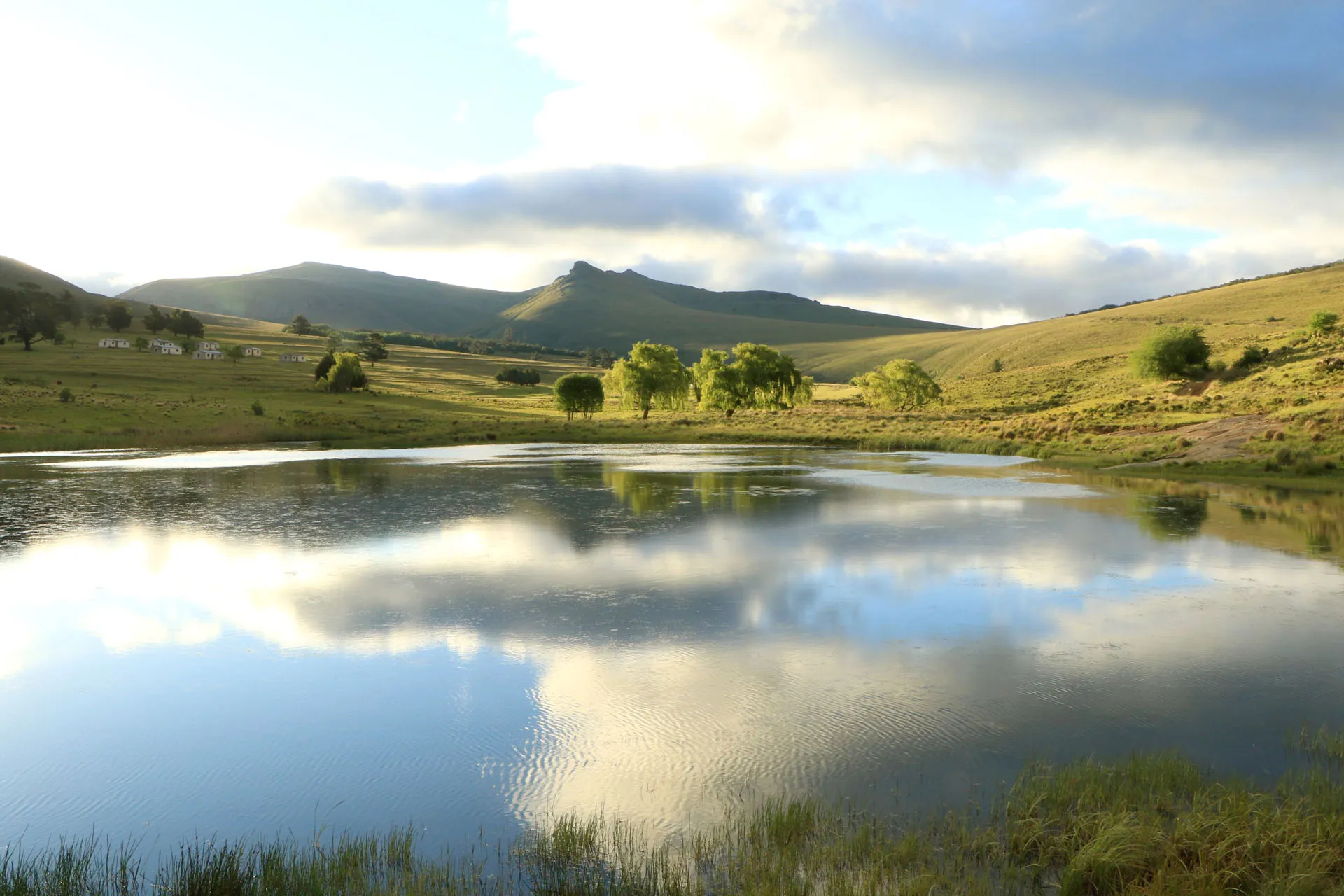
The Eastern Cape interior has a climate shaped by elevation and distance from the coast. Summers, running from November through February, bring warm days with temperatures regularly in the mid-20s Celsius. Afternoon thunderstorms are common across this period, particularly in January and February, but they typically pass quickly and leave the air cool and clear. Hiking and driving through the surrounding farmland and hills is most rewarding during these months when vegetation is green and rivers run.
Winter, from June to August, is dry and noticeably cold. Nights can drop near freezing, particularly at higher elevations toward the Amatola range. The season suits travellers who prefer clear skies and empty roads, and the countryside has a stark quality in winter that appeals to photographers and those who prefer fewer fellow visitors.
The shoulder seasons of spring (September to October) and autumn (March to May) offer the most balanced conditions. Rain is lighter, temperatures are moderate, and the roads between small towns are generally in good repair. Easter weekend is an exception, when domestic tourism picks up across the province. Public school holidays in December and January bring the highest visitor numbers region-wide, so planning around these periods can make a meaningful difference to both cost and availability.
Getting to Tsitsikamma
East London, roughly 150 kilometres to the east, is the most practical arrival point for air travellers. The airport there handles domestic flights from Johannesburg and Cape Town, and several car hire companies operate from the terminal. From East London, the route west and inland via the N2 and connecting provincial roads takes around two hours depending on conditions.
Travellers coming from Johannesburg can drive the full route via the N1 through Bloemfontein and into the Eastern Cape, a trip of approximately 900 kilometres, typically done as an overnight stop-over journey. Komani, which sits 47 kilometres from Tsitsikamma, is the most useful larger town along the approach from this direction and a sensible place to refuel and stock up on supplies.
A private vehicle is the only realistic way to get around this part of the Eastern Cape. Intercity buses do serve Komani, but onward local transport to smaller communities is limited and unreliable. Distances between towns are significant enough that walking or cycling between them is not practical for most visitors.
Some roads in the area are unpaved, and rain can affect surface conditions quickly. Checking conditions ahead of time is worth doing, particularly in summer when afternoon storms are frequent. A standard passenger car is adequate for most routes, but a vehicle with reasonable ground clearance helps on farm roads.
Tsitsikamma and Surrounding Areas
The small community of Knowsley lies 25 kilometres out and is predominantly agricultural. Sheep and cattle farming define the character of this area, and the surrounding landscape reflects the transition between the Eastern Cape's greener eastern regions and the drier Karoo-edge terrain. There is little tourist infrastructure, but the roads through here pass through open, expansive country that rewards those who simply enjoy driving through rural South Africa.
Hartebeesnek, six kilometres further at 31 kilometres, shares a similar character. The farming country here sits at the edge of biome boundaries, and the land shifts noticeably as you move between settlements. Neither Knowsley nor Hartebeesnek holds significant visitor attractions, but they give context to the agricultural life that has shaped this part of the Eastern Cape for generations.
Tarkastad, 38 kilometres away in the Tarka River valley, has a more defined town centre and a history tied to the frontier conflicts of the nineteenth century. The Karoo geology visible in the surrounding hills draws those with an interest in rock formations and arid landscapes. Basic services are available here, and it functions as a stepping stone for travellers moving between Tsitsikamma and the larger centres.
Komani, 47 kilometres distant and formerly known as Queenstown, is the commercial and administrative anchor of the broader district. Hospitals, shopping centres, intercity bus terminals, and ATMs are all present. For visitors based in Tsitsikamma, Komani is the practical go-to for anything that the smaller settlements cannot provide.
Bothaskraal, at 52 kilometres, is a quiet farming community with minimal facilities. The roads out to it pass through open grassland and offer a sense of the emptiness that characterises the Eastern Cape interior away from its main corridors.
Hogsback, 54 kilometres away in the Amatola Mountains, is by far the most distinctive day-trip option from Tsitsikamma. Known for its indigenous forests, waterfalls, and persistent mountain mist, it has developed a small arts and crafts community that draws visitors from across the province. Forest walks here can take several hours, and the contrast between Hogsback's dense canopy and the drier, open terrain around Tsitsikamma makes the drive worthwhile. The mountain road up to Hogsback requires careful driving in wet conditions but presents no serious difficulty in dry weather.
Planning Your Stay
With only three properties in the area, availability moves quickly during peak periods. December and January school holidays see strong demand across the Eastern Cape, and Easter weekend fills well in advance. Booking at least a month ahead for these periods is sensible. If your preferred property is not available, Komani carries more accommodation options and remains close enough for daily excursions.
Before confirming a reservation, check whether meals are included or if the property is self-catering. Rural Eastern Cape accommodation varies widely on this point, and arriving expecting a restaurant when there is none creates a practical problem. Phone calls are often more reliable than online messaging in areas with patchy connectivity, so direct contact with the property owner is worth the effort.
Ask specifically about road access if you are travelling after heavy rain. Some properties in this part of the Eastern Cape sit at the end of gravel tracks that can become muddy or difficult to pass after summer storms.
Carry cash and fill up on fuel before leaving Komani, as smaller towns along the way may not have ATMs or working fuel pumps. A degree of self-sufficiency is part of travelling in this region, and those who prepare accordingly tend to have a smoother experience than those who assume infrastructure will be available on demand.