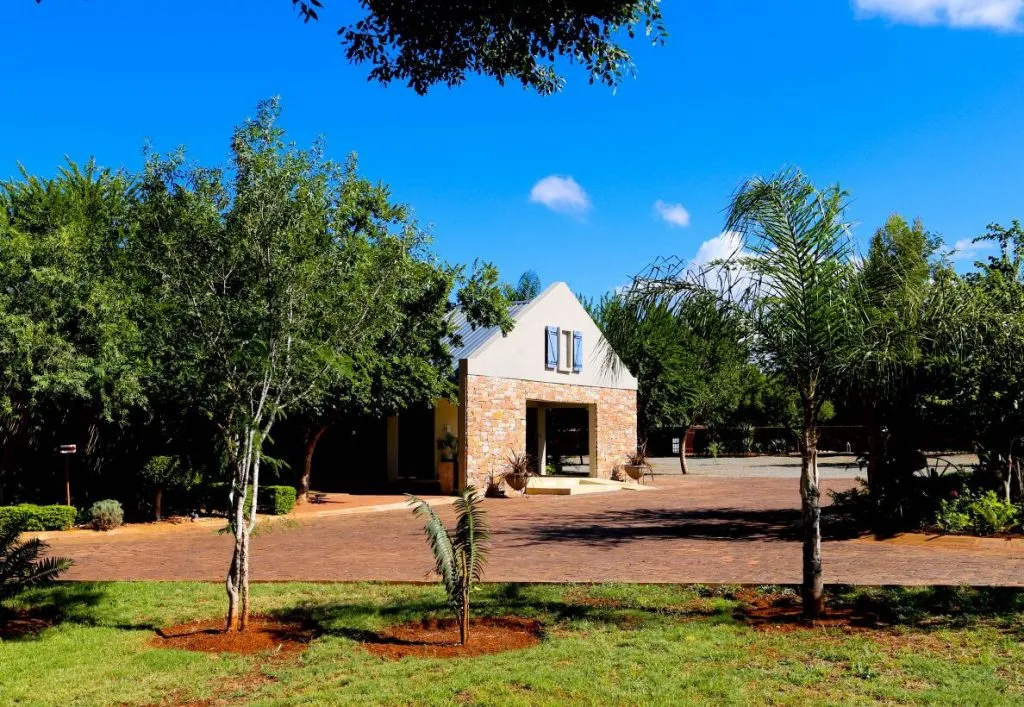
Accommodation in Tswaing
Tswaing is a small community within the Sekhukhune District of Limpopo province, and its accommodation picture reflects that rural context. No properties are currently listed within the settlement, which means visitors planning an overnight stay must look to the wider district or to larger centres further afield. For most travellers, the practical approach is to treat Tswaing itself as a day-trip destination while basing in a town with more established facilities nearby.
For budget-conscious travellers, service towns in the Sekhukhune district offer guesthouses and simple self-catering units. These properties tend to be straightforward and affordable, aimed primarily at commercial travellers passing through the region, but they serve leisure visitors adequately. Expect a clean room, sometimes with a shared kitchen or outdoor braai area, at rates that reflect the rural cost of living rather than tourist pricing.
Mid-range options are more scattered across the district. A small number of guesthouses and lodges operate in the broader Sekhukhune area, some of them linked to cultural or historical tour programmes that draw on the area's Bapedi heritage. These typically offer private en-suite rooms, meals by arrangement, and a quieter atmosphere than lodges in more commercialised corners of Limpopo. Capacity at these places is limited, so a confirmed booking before arrival is advisable.
Upper-range accommodation is not available within easy reach of Tswaing. Travellers wanting hotel-standard facilities and consistent on-site dining will need to travel to Polokwane, roughly 100 kilometres to the northwest, where a fuller range of business hotels and established guesthouses serves the provincial capital.
For the time being, Tswaing functions primarily as a destination to visit rather than a hub to stay in. As community tourism develops in the Sekhukhune area, that may shift, but planning expectations should be set accordingly.
Best Time to Visit Tswaing
Limpopo has a subtropical climate divided into a wet summer season and a dry winter. The rains arrive around October and continue through April, bringing afternoon thunderstorms, high humidity, and daytime temperatures that regularly exceed 35°C. Unpaved roads in the Sekhukhune area can become difficult after sustained downpours, which is worth factoring in if you plan to reach smaller communities.
The dry season from May to September offers more predictable conditions. Days are warm and clear, typically between 20°C and 28°C, though nights from June through August drop sharply and frost is possible at higher elevations within the province during midwinter.
From a wildlife and birdwatching perspective, the dry months concentrate animals around remaining water sources and thin out vegetation, making observation easier. The wet season, by contrast, brings migrant bird species and a flush of green growth across the bushveld that some visitors prefer.
South African school holidays create domestic travel peaks during December, April, and the June/July winter break. Travelling in May, August, or early September avoids these peaks while still offering dry, comfortable conditions. Late May and early September are particularly useful windows: the heat is manageable, road conditions are firm, and demand across the district is low.
Getting to Tswaing
The Sekhukhune District requires deliberate planning to reach from major population centres. OR Tambo International Airport in Johannesburg is the main arrival point for international visitors, lying approximately 250 kilometres to the south. Polokwane Airport, which receives domestic flights from Johannesburg and Cape Town, is the closer option for those already within South Africa, sitting roughly 100 kilometres to the northwest of the district.
By road, the most direct approach from Johannesburg uses the N1 north towards Polokwane, then turns east along the R37 or R555 into the Sekhukhune area. From Johannesburg, allow around three to three and a half hours of driving. From Polokwane, the journey into the Sekhukhune district takes approximately 90 minutes depending on your specific destination within it.
Public transport is limited. Minibus taxis connect major towns in the district, but services to smaller settlements are infrequent and not easy for visitors to navigate without local knowledge. A private vehicle or hired car is the most reliable option. Most main routes are tar, but some roads to smaller communities are gravel, which a standard sedan handles without difficulty in dry conditions. During the wet season, some tracks become impassable, and a vehicle with higher clearance is useful from October through April.
Tswaing and Surrounding Areas
The settlements within a short drive of Tswaing offer a cross-section of the Sekhukhune district's character, ranging from local service points to communities with deep historical roots.
Phosiri, 5 kilometres away, is a small community that shares the immediate landscape of the area. Its proximity makes it a natural first orientation point for visitors getting a feel for the district, giving a clear sense of the everyday pace of life in this part of Limpopo.
Apel, at 9 kilometres, is one of the more functional service centres in the vicinity. It has a small commercial strip with shops, a fuel station, and basic amenities, making it a practical stop for supplies before heading to smaller communities where nothing may be available.
Tiekiedraai, 13 kilometres out, is a rural settlement whose Afrikaans name likely refers to a feature of the local road. The surrounding bushveld here is characteristic of the lower Sekhukhune valley, with rocky ridgelines and open grassland giving way to scattered thorn trees.
Ga-Makgoba, 14 kilometres from Tswaing, is a traditional village within the chief's area of the Makgoba people, one of the Northern Sotho lineages with long-standing ties to this part of Limpopo. Traditional governance structures remain active, and the community retains cultural practices that reflect that continuity. It offers a context that larger tourist sites in the province rarely provide.
Ga-Sekhukhune, 16 kilometres away, is the area associated with Bapedi paramount chief Sekhukhune I, who led sustained military resistance against Boer expansion in the 1870s and later against British forces. The escarpment terrain here, marked by natural fortifications and defensible ridges, reflects the strategic geography that shaped that period of history, and the community's connection to it remains strong.
Ga-Mankopane, at 17 kilometres, is connected to Chief Mankopane of the Kgatla, another leader who resisted colonial encroachment during the same era. Visiting both Ga-Sekhukhune and Ga-Mankopane on the same day gives a layered perspective on the district's resistance history.
Planning Your Stay
The Sekhukhune district operates at a different pace to Limpopo's more developed tourism corridors, and adjusting expectations before arrival makes a real difference to the experience.
Accommodation in the area does not require booking months ahead outside of South African school holidays, but confirming a reservation at least a week before arrival is sensible. Small properties fill quickly when local events or gatherings draw people into the district.
Before finalising any booking, check meal arrangements. Many smaller establishments in rural Limpopo offer dinner only by prior request, and roadside dining options along district roads are limited. Arriving without a plan for food is a common mistake. It is also worth confirming whether the road to your chosen property requires higher clearance, particularly when travelling between October and April.
ATMs are not available in Tswaing. The closest reliable banking services are in larger district towns, so carry cash for fuel, roadside purchases, and any entry fees or payments to local guides.
For visitors with an interest in the historical dimensions of the Sekhukhune area, arranging a guide before arrival is worthwhile. Community-based tourism initiatives operate in the district and provide context that printed materials rarely match. A day or two of advance notice is generally sufficient.