Vryburg Reis- & Akkommodasiegids
Jou volledige gids om Vryburg, Suid-Afrika te besoek.
2
Eiendomme
Vanaf
R927
/ nag
Gemiddeld
R927
/ nag
Gewildste
Guesthouse
Vryburg provides a quiet base for exploring the North West Province's rural landscapes and farming heritage. The town features wide streets and historic buildings that reflect its development in the late 19th century. Visitors can enjoy outdoor activities and local culture in a less crowded setting.
## Accommodation in Vryburg
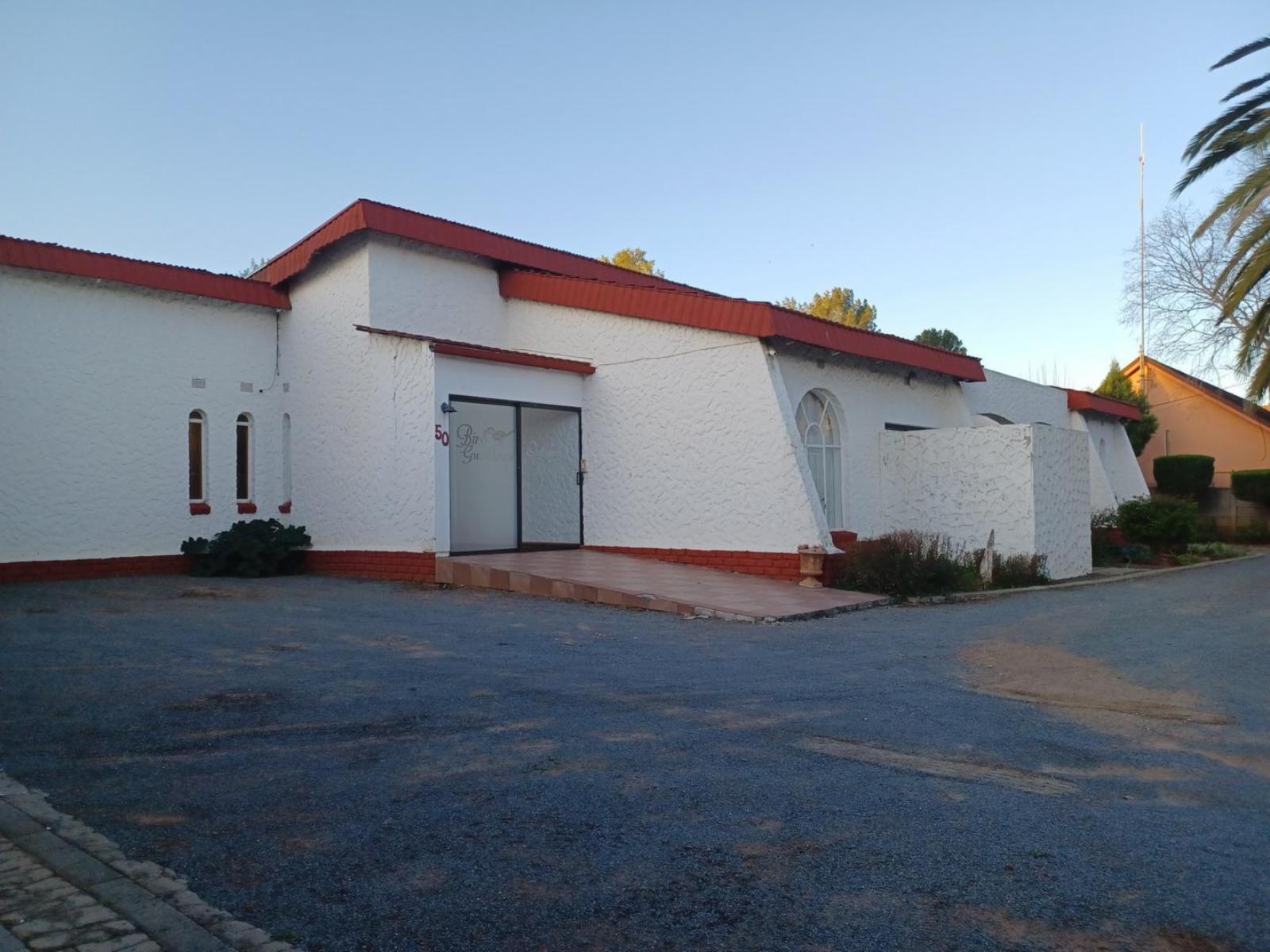
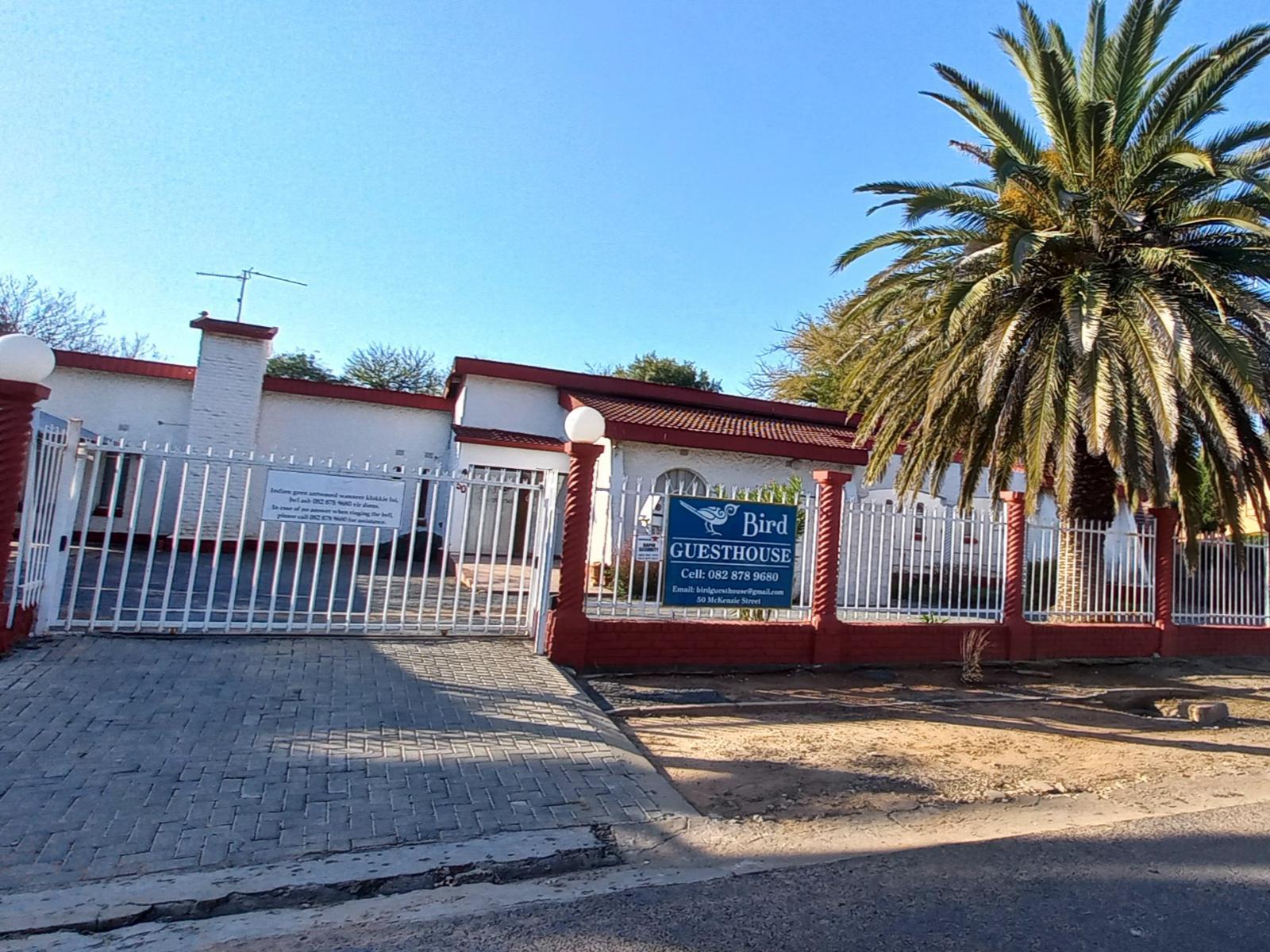
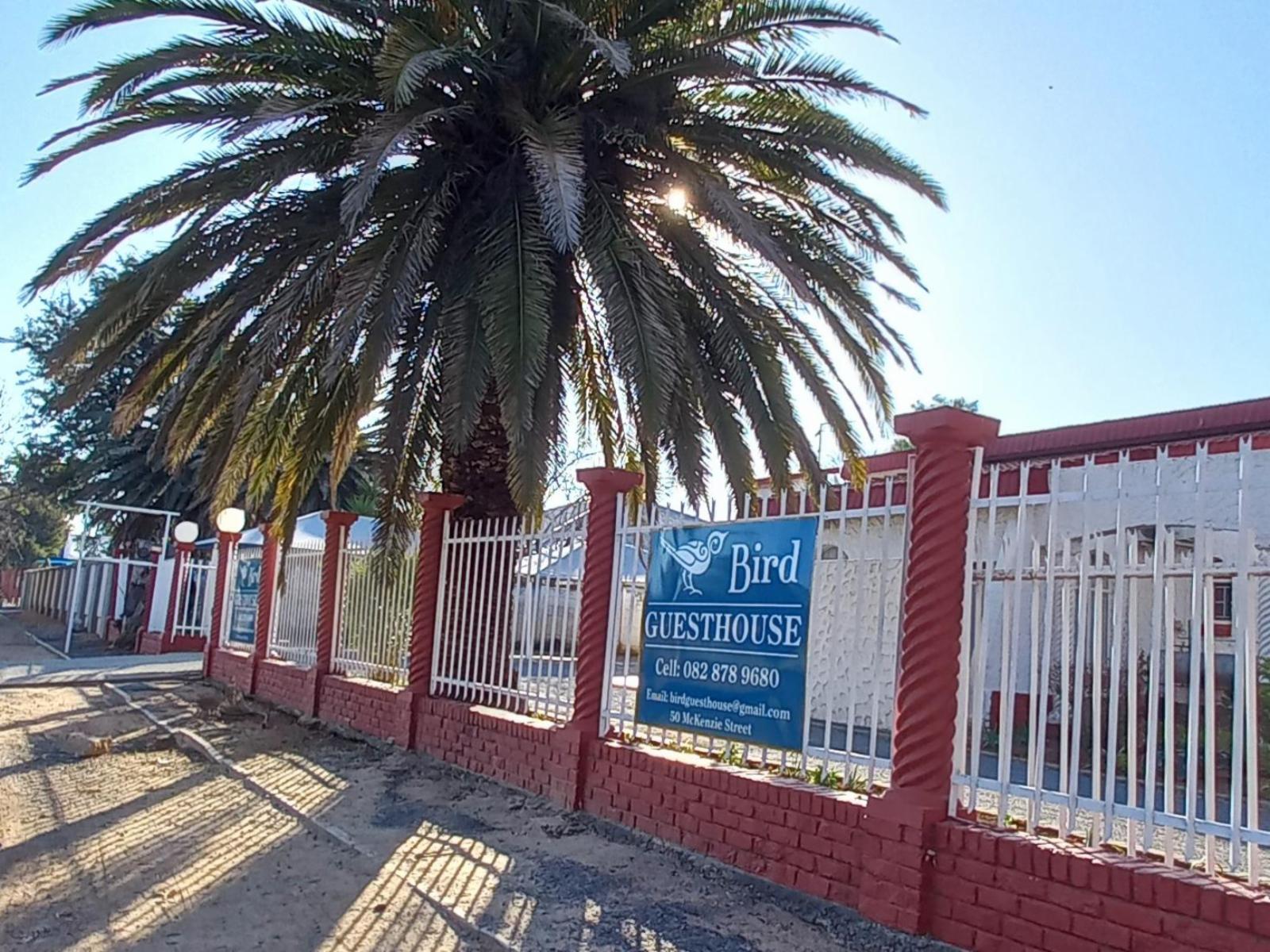
Vryburg's accommodation market is compact, with two listed properties and nightly rates starting at R927. Both fall within the guesthouse category, which in this context means owner-managed properties where you are likely to deal directly with the people who run the place rather than a front desk. In a farming town where hospitality follows its own unwritten conventions, the character of a stay is shaped largely by who is running it.
At the more affordable end, a standard guesthouse provides clean, functional rooms with basic amenities. Breakfast may be included or available on request, depending on the property. The atmosphere tends toward the domestic: shared common areas, simple furnishings, and hosts who know the surrounding area well enough to give useful, specific advice. These stays suit the overnight traveler passing through or someone in town for business or an agricultural event.
Moving up to the mid-range tier, Vryburg's guest house options offer a measure of additional comfort without dramatically changing the essential experience. Better-appointed rooms, more space, and occasionally a property with a larger footprint on the outskirts of town are the distinguishing features. Average rates at this level sit somewhat higher, and for those spending two or three nights while exploring the wider region, the additional comfort is worth the modest premium.
Given the limited total of options, Vryburg's accommodation suits travelers who are self-sufficient and unpretentious about facilities. There is no resort infrastructure, no concierge, and no pool complex. What exists instead are practical, honest places to sleep, eat a decent breakfast, and continue with whatever has brought you this far west. For travelers who find that model appealing rather than limiting, the town delivers good value for what it charges.
---
## Best Time to Visit Vryburg
The North West interior has a semi-arid climate with distinct wet and dry seasons. Summer, from November through February, is hot and wet. Temperatures regularly exceed 35°C, and afternoon thunderstorms develop quickly from mid-afternoon. The rains bring green grass to the veld and attract waterbirds to seasonal pans, but the heat limits outdoor activity during the middle hours of the day.
Winter, from June to August, is consistently the more comfortable season for travel. Days are dry and warm, typically in the mid-20s Celsius, while nights can drop close to freezing in July. The dry air and shorter grass make this the best time for birdwatching across the open plains, where species like the kori bustard become easier to spot against the spare, pale landscape. Game drives in nearby reserves also improve as animals concentrate around reliable water sources.
Spring, in September and October, offers a workable shoulder season. Temperatures rise but the rains have not yet arrived, producing clear, bright days and wildflowers across the veld before the wet season begins.
The Vryburg Agricultural Show draws visitors from across the surrounding districts and typically takes place in the middle months of the year. If your travel overlaps with the show calendar, plan ahead, as the town's limited accommodation fills faster than at any other point in the year.
---
## Getting to Vryburg
The N14 highway is Vryburg's main connection to the rest of the country. Driving from Johannesburg takes around three hours and covers approximately 300 kilometres westward through Krugersdorp and Zeerust. The road is generally well-maintained, though sections through smaller dorps can slow progress. From Kimberley in the Northern Cape, the same N14 connects via a drive of around 250 kilometres to the north.
There is no commercial airport serving Vryburg directly. Travelers arriving by air typically use OR Tambo International Airport in Johannesburg and hire a vehicle for the drive west. Pilanesburg International Airport, near Sun City and roughly 250 kilometres to the northeast, is a second option for those flying in from other domestic hubs. Car hire is not available locally, so arrange a vehicle before arrival.
Within the town itself, distances are short enough to cover on foot for central errands. For visits to surrounding communities or farms, a private vehicle is essential, as settlements are spread across large distances with no scheduled transport linking them. Long-distance coaches connect Vryburg to Johannesburg and to Kuruman in the Northern Cape, running several times a week, making the bus a viable option for travelers without a car. Fuel is available reliably in town, but it is worth filling up before heading into the surrounding districts where service stations are sparse.
---
## Vryburg and Surrounding Areas
The communities within 90 kilometres of Vryburg are small, rural, and spread across a landscape of dryland farming, cattle ranching, and open thornveld. None are conventional tourist destinations, but each reflects a distinct aspect of the North West interior and adds context to a stay in the region.
Tswedintlhe, 65 kilometres away, sits on the edge of territory where the soils shift toward the red earth characteristic of the Kalahari margin. Camelthorn and shepherd's tree dominate the vegetation, and the pastoral character here is immediately apparent. It is the kind of place where the scale of ranching, and how much land a working cattle operation actually requires, becomes physically clear.
Diretsaneng, at 70 kilometres, occupies similarly flat terrain. Small settlements like this one function primarily as service points for the farming community around them. A drive through gives a more honest sense of the region's everyday life than anything the main town can offer.
Norlim, 74 kilometres out, lies in dryland agricultural territory where maize and sorghum production complement the dominant cattle economy. The road there runs through some of the flattest country in the district, with sight lines that extend to a distant, even horizon.
Kokomeng, at 81 kilometres, is set further into the interior and associated with communal farming areas that characterize much of this part of the province. The patterns of land use here differ visibly from commercial farms closer to Vryburg, with smaller enclosed plots and family-operated holdings that have their own distinct history.
Bankdrif, 82 kilometres distant, takes its name from a river drift, a shallow crossing historically used by trekkers and traders moving through the interior during the nineteenth century. The dry riverbeds that define such places still mark the landscape, and driving through conveys something of that older, overland character without requiring formal interpretation.
Pholofolo, the furthest listed at 84 kilometres, carries a Setswana name meaning animal or beast, appropriate for a settlement surrounded by grazing land. Using Vryburg as a base, a full day's loop can cover two or three of these communities and return before dark.
---
## Planning Your Stay
With only two properties available in town, securing a room is less a matter of choosing between comparable options and more a matter of confirming availability before you arrive. The agricultural show is the clearest pressure point. If your travel dates fall during or just before the event, book as early as possible. Inquire with the property directly about the show dates if they are not published when you are planning.
Outside of event periods, advance booking of one to two weeks is generally sufficient. Confirming earlier gives you time to discuss check-in arrangements, breakfast options, and any specific requirements directly with the host.
Before confirming a reservation, check the cancellation policy carefully. Owner-managed guesthouses tend to have stricter no-show terms than chain properties, and refund conditions can vary between them. If you are driving, ask about parking. If reliable internet is important, ask specifically about Wi-Fi quality rather than assuming it is standard.
A few practical notes for the stay itself: most shops in Vryburg close by mid-afternoon on Saturdays and remain closed on Sundays, so stock up on anything you need before the weekend. Local eateries reflect the town's farming culture with hearty, beef-centered menus, and most close by 8pm. Planning your evening meal early in the day avoids being caught short after dark. Cash is useful for farm stalls and local markets even where card payment is accepted at the main restaurants and shops.

Vryburg's accommodation market is compact, with two listed properties and nightly rates starting at R927. Both fall within the guesthouse category, which in this context means owner-managed properties where you are likely to deal directly with the people who run the place rather than a front desk. In a farming town where hospitality follows its own unwritten conventions, the character of a stay is shaped largely by who is running it.
At the more affordable end, a standard guesthouse provides clean, functional rooms with basic amenities. Breakfast may be included or available on request, depending on the property. The atmosphere tends toward the domestic: shared common areas, simple furnishings, and hosts who know the surrounding area well enough to give useful, specific advice. These stays suit the overnight traveler passing through or someone in town for business or an agricultural event.
Moving up to the mid-range tier, Vryburg's guest house options offer a measure of additional comfort without dramatically changing the essential experience. Better-appointed rooms, more space, and occasionally a property with a larger footprint on the outskirts of town are the distinguishing features. Average rates at this level sit somewhat higher, and for those spending two or three nights while exploring the wider region, the additional comfort is worth the modest premium.
Given the limited total of options, Vryburg's accommodation suits travelers who are self-sufficient and unpretentious about facilities. There is no resort infrastructure, no concierge, and no pool complex. What exists instead are practical, honest places to sleep, eat a decent breakfast, and continue with whatever has brought you this far west. For travelers who find that model appealing rather than limiting, the town delivers good value for what it charges.
---
## Best Time to Visit Vryburg
The North West interior has a semi-arid climate with distinct wet and dry seasons. Summer, from November through February, is hot and wet. Temperatures regularly exceed 35°C, and afternoon thunderstorms develop quickly from mid-afternoon. The rains bring green grass to the veld and attract waterbirds to seasonal pans, but the heat limits outdoor activity during the middle hours of the day.
Winter, from June to August, is consistently the more comfortable season for travel. Days are dry and warm, typically in the mid-20s Celsius, while nights can drop close to freezing in July. The dry air and shorter grass make this the best time for birdwatching across the open plains, where species like the kori bustard become easier to spot against the spare, pale landscape. Game drives in nearby reserves also improve as animals concentrate around reliable water sources.
Spring, in September and October, offers a workable shoulder season. Temperatures rise but the rains have not yet arrived, producing clear, bright days and wildflowers across the veld before the wet season begins.
The Vryburg Agricultural Show draws visitors from across the surrounding districts and typically takes place in the middle months of the year. If your travel overlaps with the show calendar, plan ahead, as the town's limited accommodation fills faster than at any other point in the year.
---
## Getting to Vryburg
The N14 highway is Vryburg's main connection to the rest of the country. Driving from Johannesburg takes around three hours and covers approximately 300 kilometres westward through Krugersdorp and Zeerust. The road is generally well-maintained, though sections through smaller dorps can slow progress. From Kimberley in the Northern Cape, the same N14 connects via a drive of around 250 kilometres to the north.
There is no commercial airport serving Vryburg directly. Travelers arriving by air typically use OR Tambo International Airport in Johannesburg and hire a vehicle for the drive west. Pilanesburg International Airport, near Sun City and roughly 250 kilometres to the northeast, is a second option for those flying in from other domestic hubs. Car hire is not available locally, so arrange a vehicle before arrival.
Within the town itself, distances are short enough to cover on foot for central errands. For visits to surrounding communities or farms, a private vehicle is essential, as settlements are spread across large distances with no scheduled transport linking them. Long-distance coaches connect Vryburg to Johannesburg and to Kuruman in the Northern Cape, running several times a week, making the bus a viable option for travelers without a car. Fuel is available reliably in town, but it is worth filling up before heading into the surrounding districts where service stations are sparse.
---
## Vryburg and Surrounding Areas
The communities within 90 kilometres of Vryburg are small, rural, and spread across a landscape of dryland farming, cattle ranching, and open thornveld. None are conventional tourist destinations, but each reflects a distinct aspect of the North West interior and adds context to a stay in the region.
Tswedintlhe, 65 kilometres away, sits on the edge of territory where the soils shift toward the red earth characteristic of the Kalahari margin. Camelthorn and shepherd's tree dominate the vegetation, and the pastoral character here is immediately apparent. It is the kind of place where the scale of ranching, and how much land a working cattle operation actually requires, becomes physically clear.
Diretsaneng, at 70 kilometres, occupies similarly flat terrain. Small settlements like this one function primarily as service points for the farming community around them. A drive through gives a more honest sense of the region's everyday life than anything the main town can offer.
Norlim, 74 kilometres out, lies in dryland agricultural territory where maize and sorghum production complement the dominant cattle economy. The road there runs through some of the flattest country in the district, with sight lines that extend to a distant, even horizon.
Kokomeng, at 81 kilometres, is set further into the interior and associated with communal farming areas that characterize much of this part of the province. The patterns of land use here differ visibly from commercial farms closer to Vryburg, with smaller enclosed plots and family-operated holdings that have their own distinct history.
Bankdrif, 82 kilometres distant, takes its name from a river drift, a shallow crossing historically used by trekkers and traders moving through the interior during the nineteenth century. The dry riverbeds that define such places still mark the landscape, and driving through conveys something of that older, overland character without requiring formal interpretation.
Pholofolo, the furthest listed at 84 kilometres, carries a Setswana name meaning animal or beast, appropriate for a settlement surrounded by grazing land. Using Vryburg as a base, a full day's loop can cover two or three of these communities and return before dark.
---
## Planning Your Stay
With only two properties available in town, securing a room is less a matter of choosing between comparable options and more a matter of confirming availability before you arrive. The agricultural show is the clearest pressure point. If your travel dates fall during or just before the event, book as early as possible. Inquire with the property directly about the show dates if they are not published when you are planning.
Outside of event periods, advance booking of one to two weeks is generally sufficient. Confirming earlier gives you time to discuss check-in arrangements, breakfast options, and any specific requirements directly with the host.
Before confirming a reservation, check the cancellation policy carefully. Owner-managed guesthouses tend to have stricter no-show terms than chain properties, and refund conditions can vary between them. If you are driving, ask about parking. If reliable internet is important, ask specifically about Wi-Fi quality rather than assuming it is standard.
A few practical notes for the stay itself: most shops in Vryburg close by mid-afternoon on Saturdays and remain closed on Sundays, so stock up on anything you need before the weekend. Local eateries reflect the town's farming culture with hearty, beef-centered menus, and most close by 8pm. Planning your evening meal early in the day avoids being caught short after dark. Cash is useful for farm stalls and local markets even where card payment is accepted at the main restaurants and shops.
Tipes Akkommodasie in Vryburg
Uitgesoekte Verblyf in Vryburg
Castello Guest House Vryburg
Gastehuis
Vryburg
Vanaf R927
Castello Guest House Vryburg
Gastehuis
Vryburg
· < 1km van Vryburg
Vanaf
R927
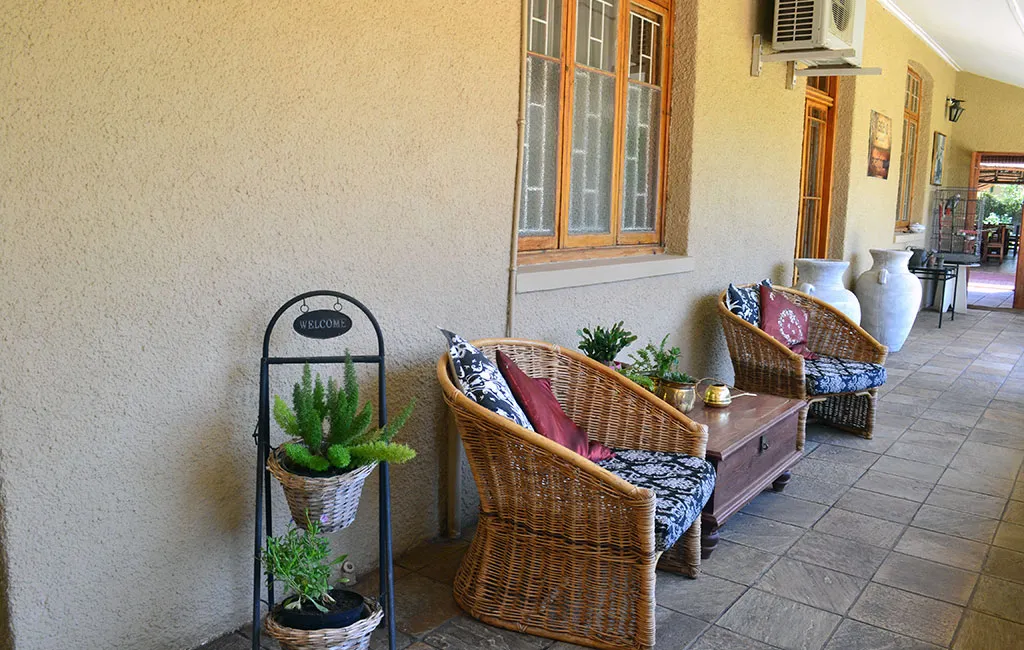
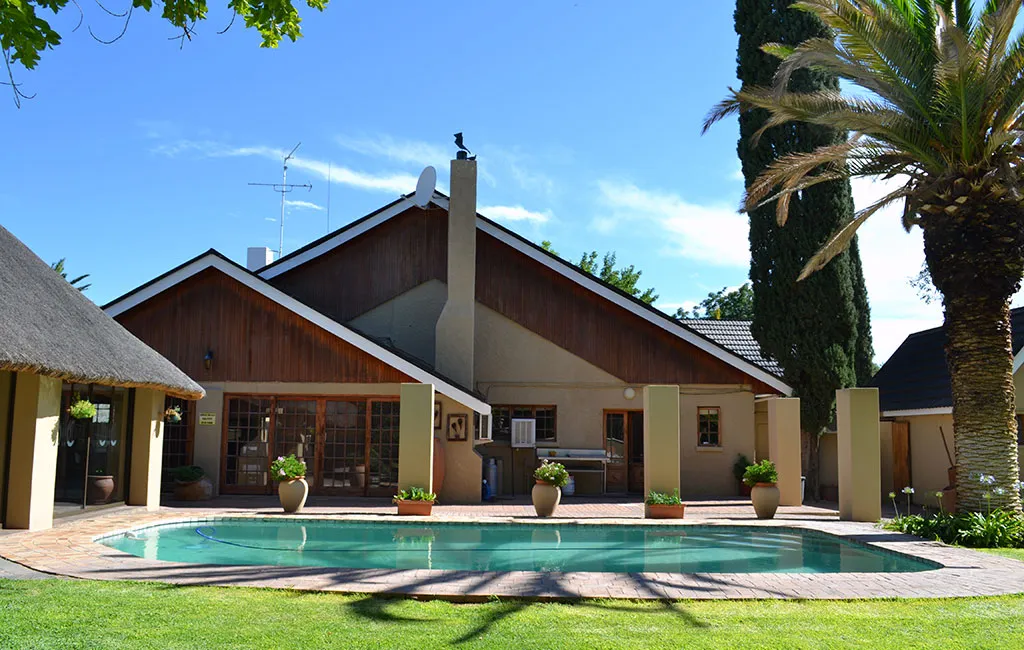
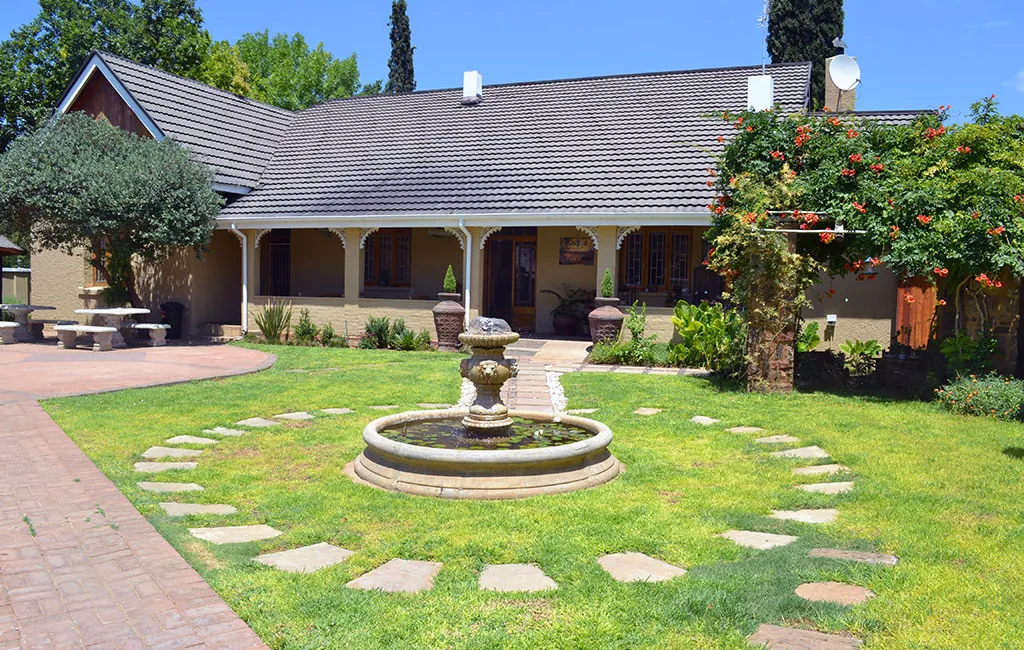
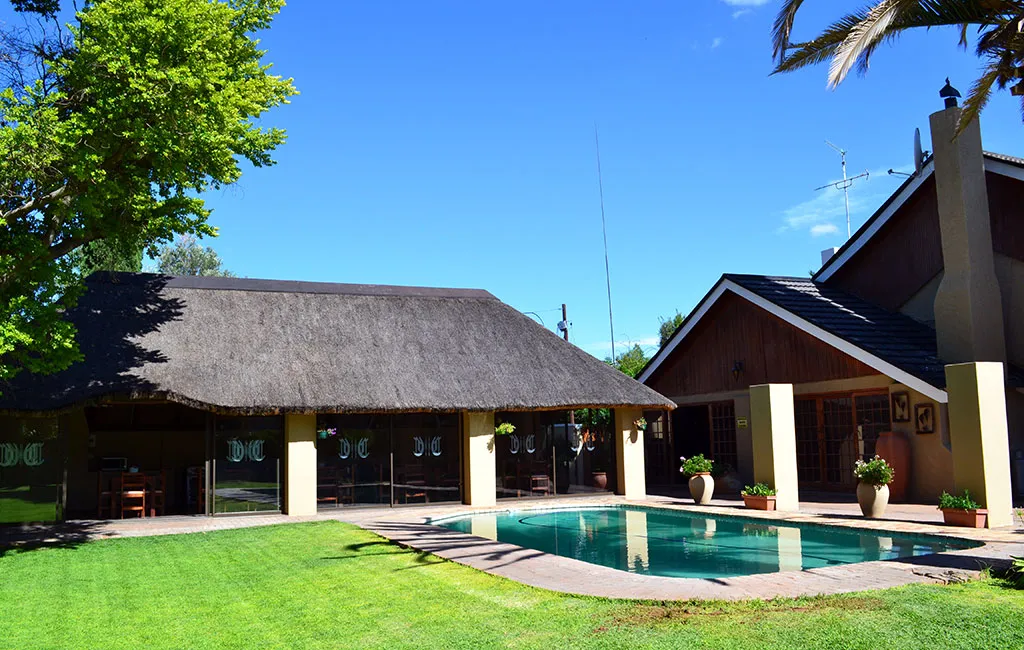
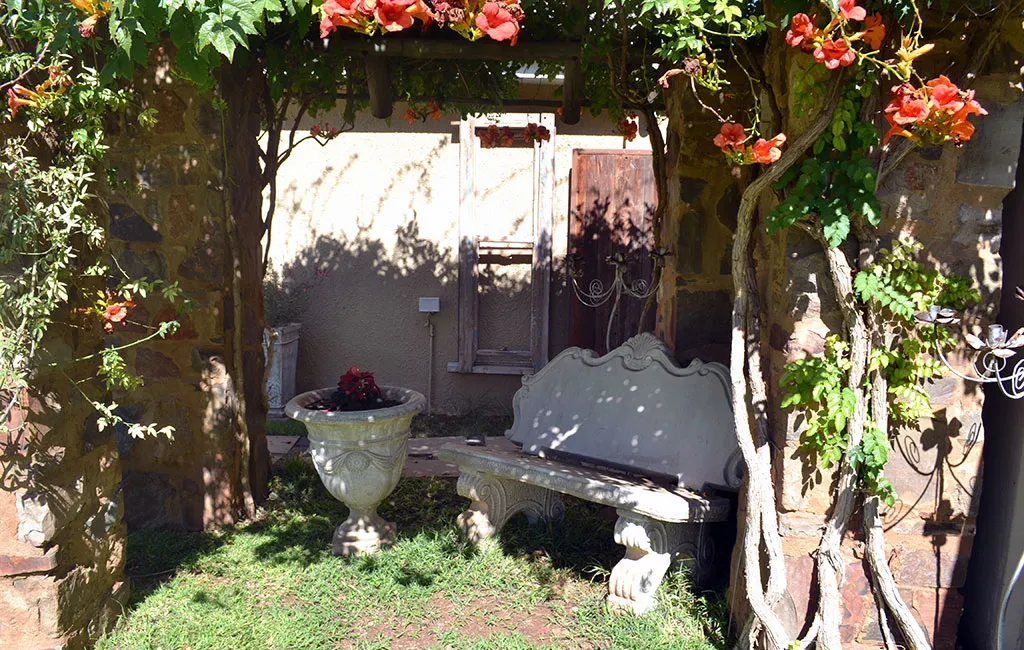
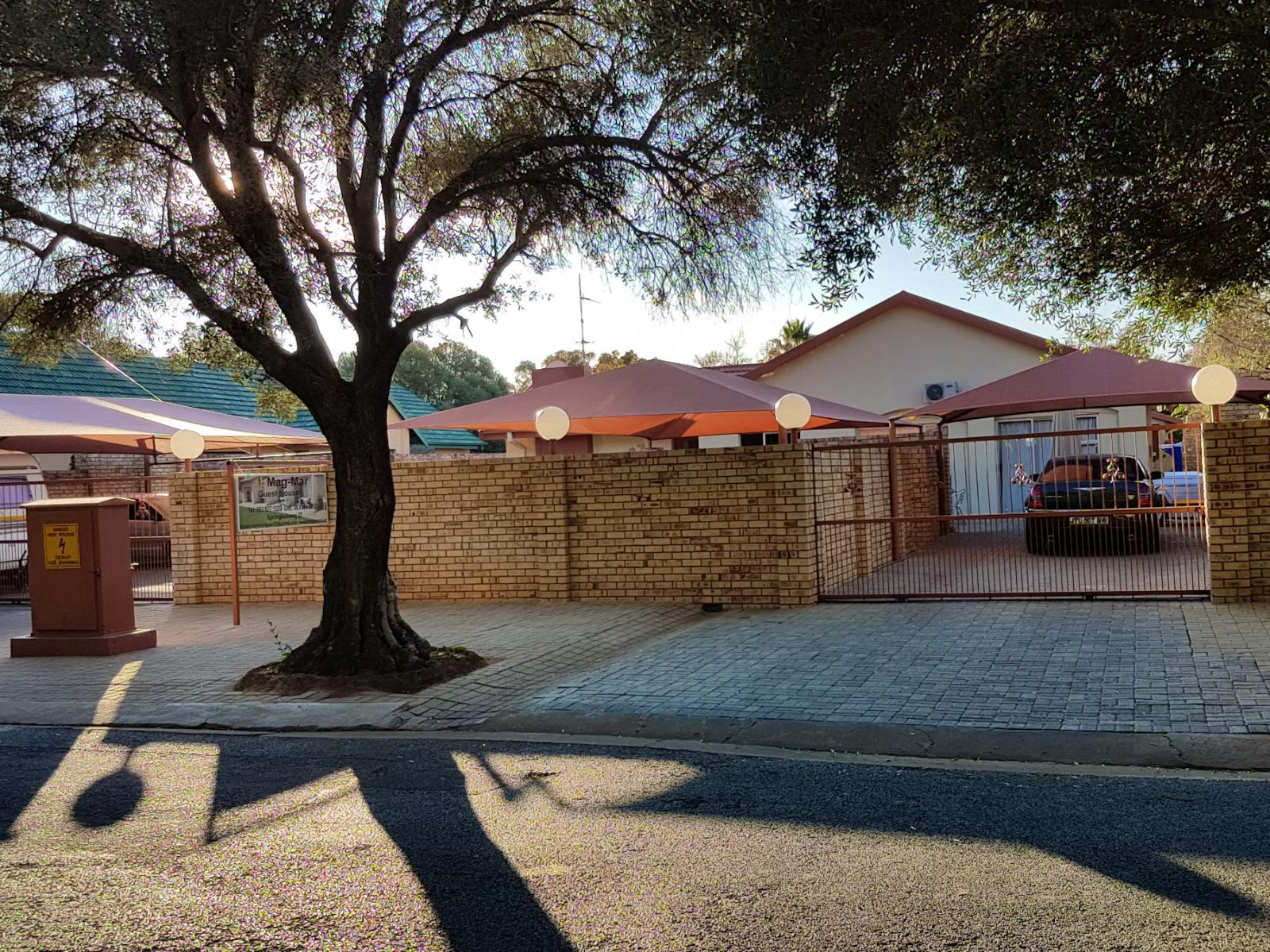
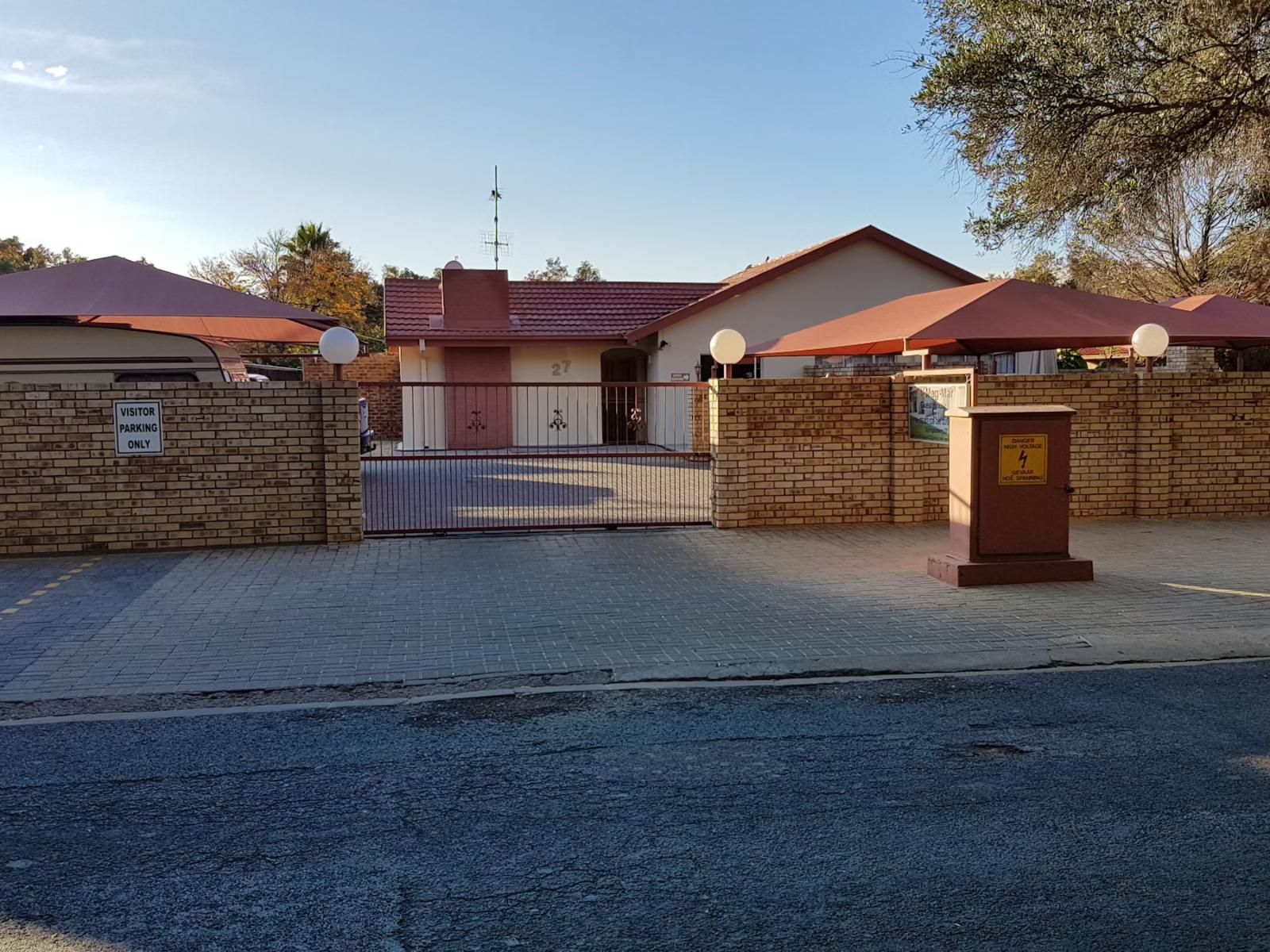
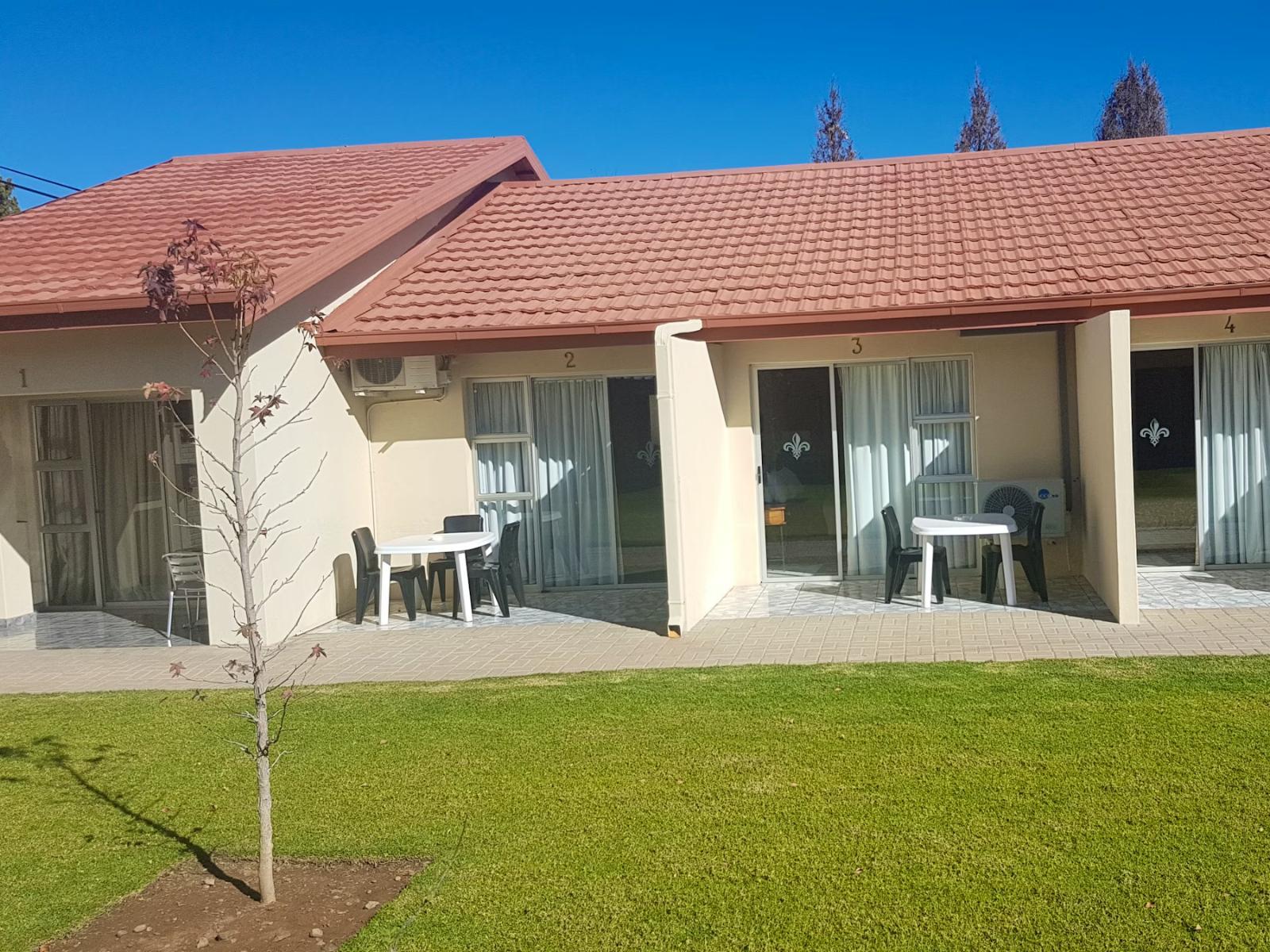
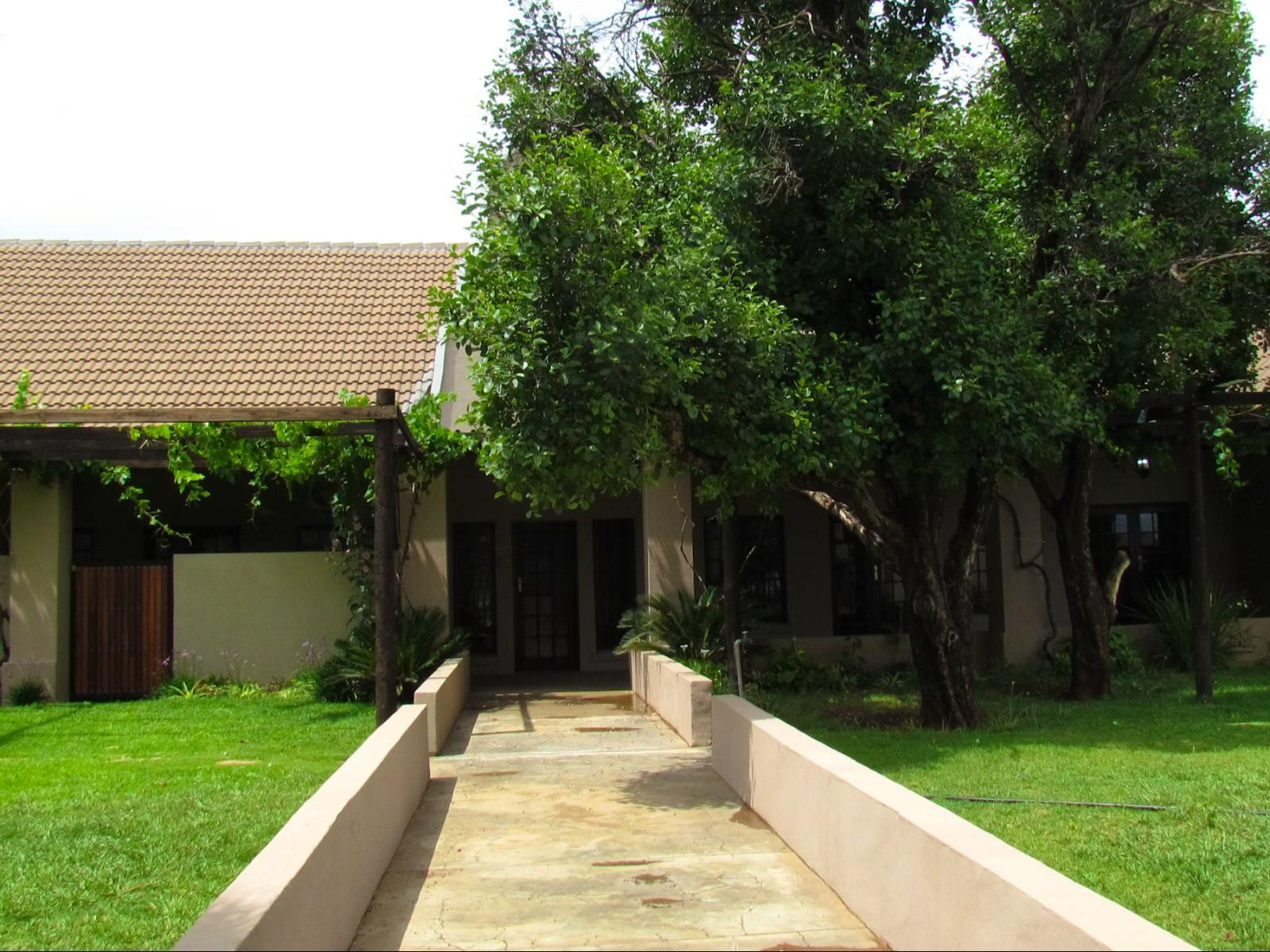
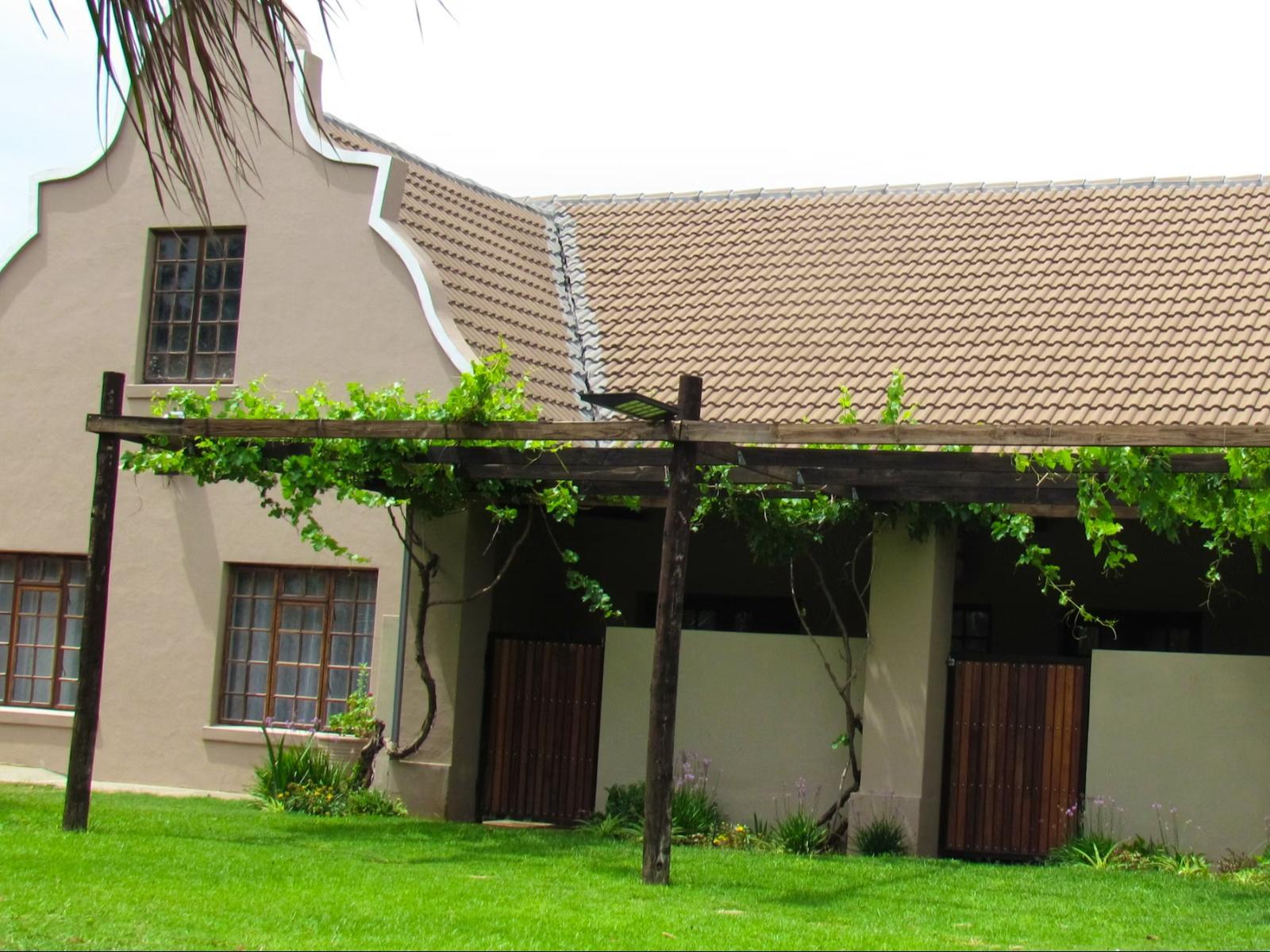
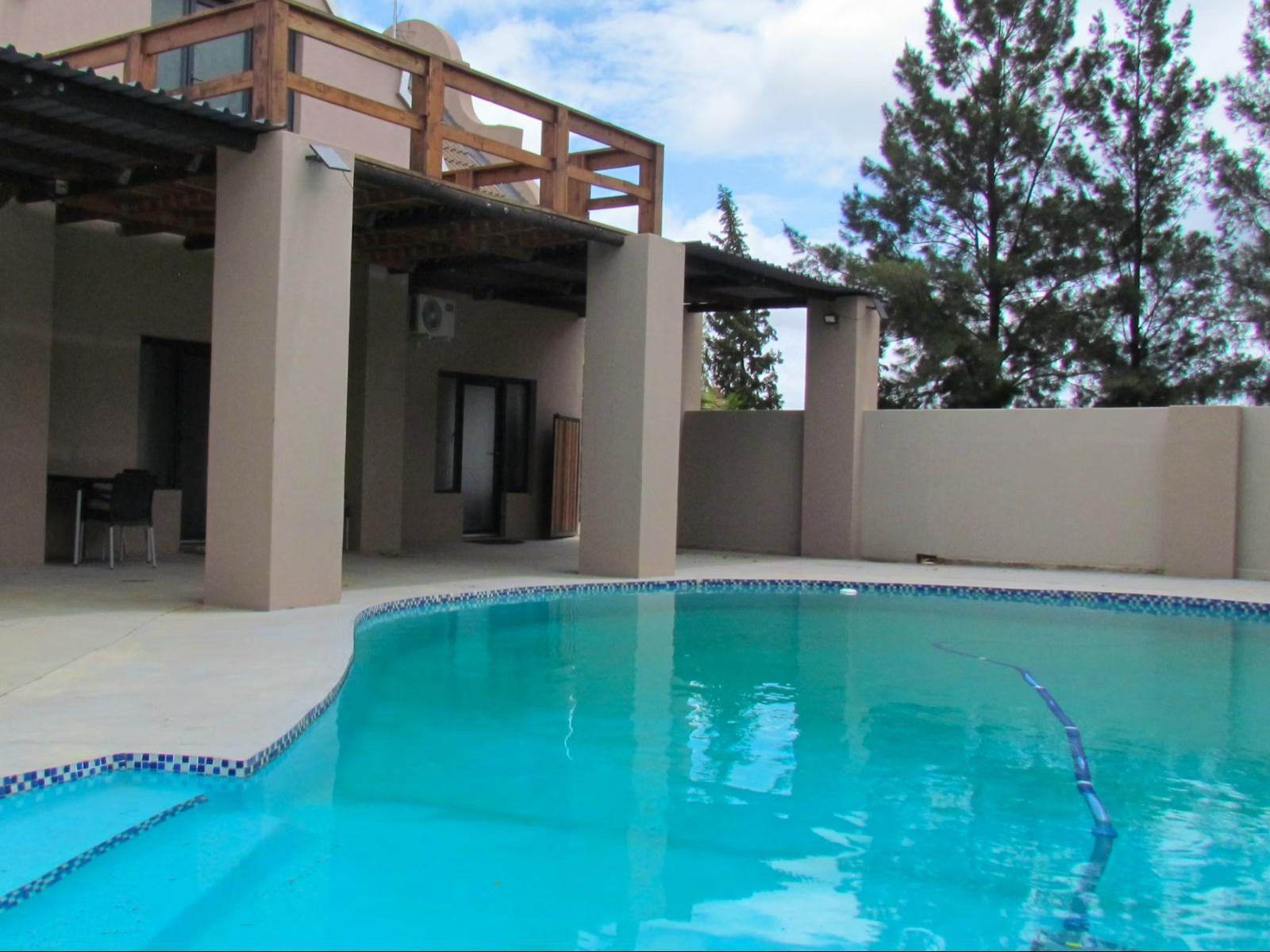
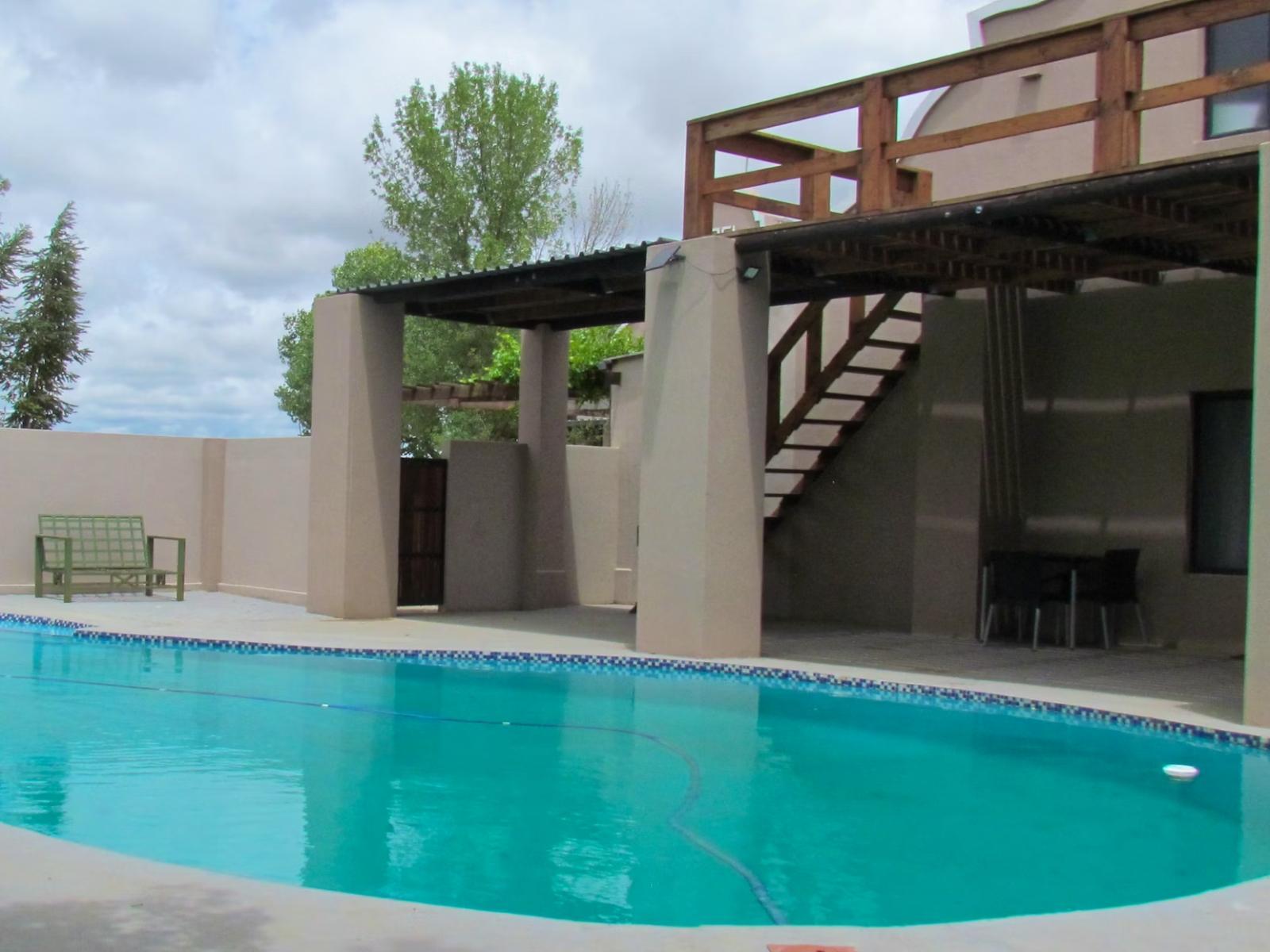
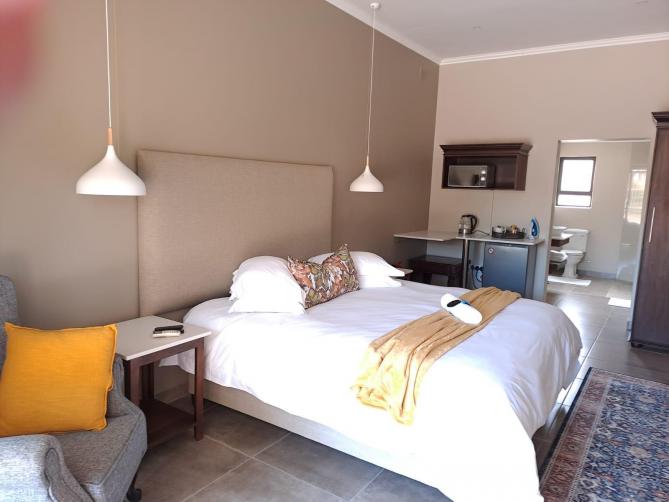
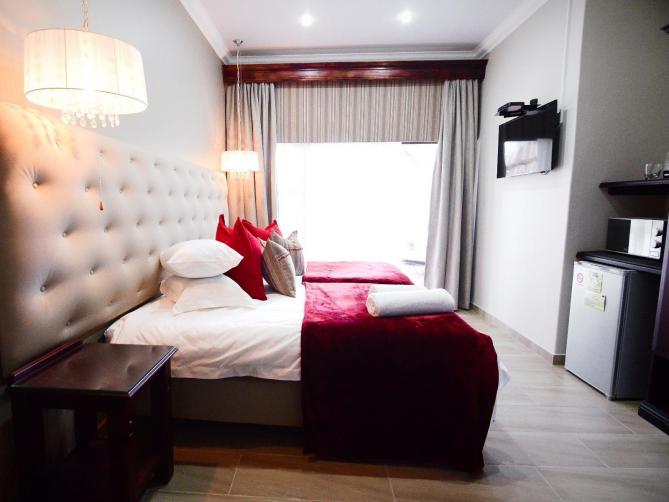
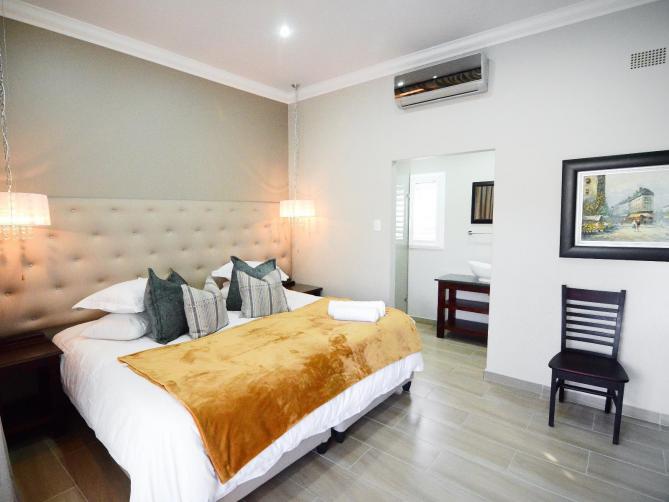
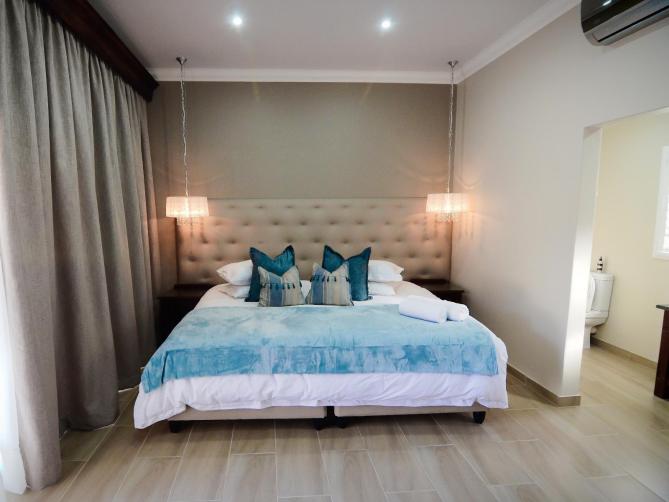
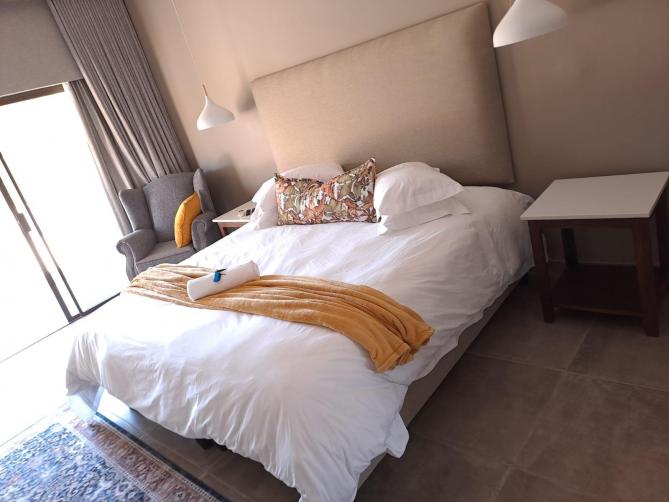
Castello Guest House bied komfortable, veilige akkommodasie in Vryburg langsaan die Vryburg Golf course in 'n stil, rustige gebied. Dit bied 'n gezellige wegbreek naby groot winkels, restaurants en sportfasiliteite vir gesinsvakansies of sakereise.
Slaap 10
Kinders welkom
Akkommodasiepryse in Vryburg
| Tipe | Inskrywings | Vanaf | Gemiddeld | Tot |
|---|---|---|---|---|
| Guesthouse | 1 | – | – | – |
| Guest house | 1 | R927 | R1,068 | R1,090 |
Vryburg Kaart
Nabygeleë Bestemmings
Blaai Deur Alle Vryburg Akkommodasie
Bekyk al 2 akkommodasie-opsies in Vryburg met foto's, pryse en beskikbaarheid.
Blaai Deur Alle Akkommodasie