Warner Beach Reis- & Akkommodasiegids
Jou volledige gids om Warner Beach, Suid-Afrika te besoek.
2
Eiendomme
Gewildste
Apartment
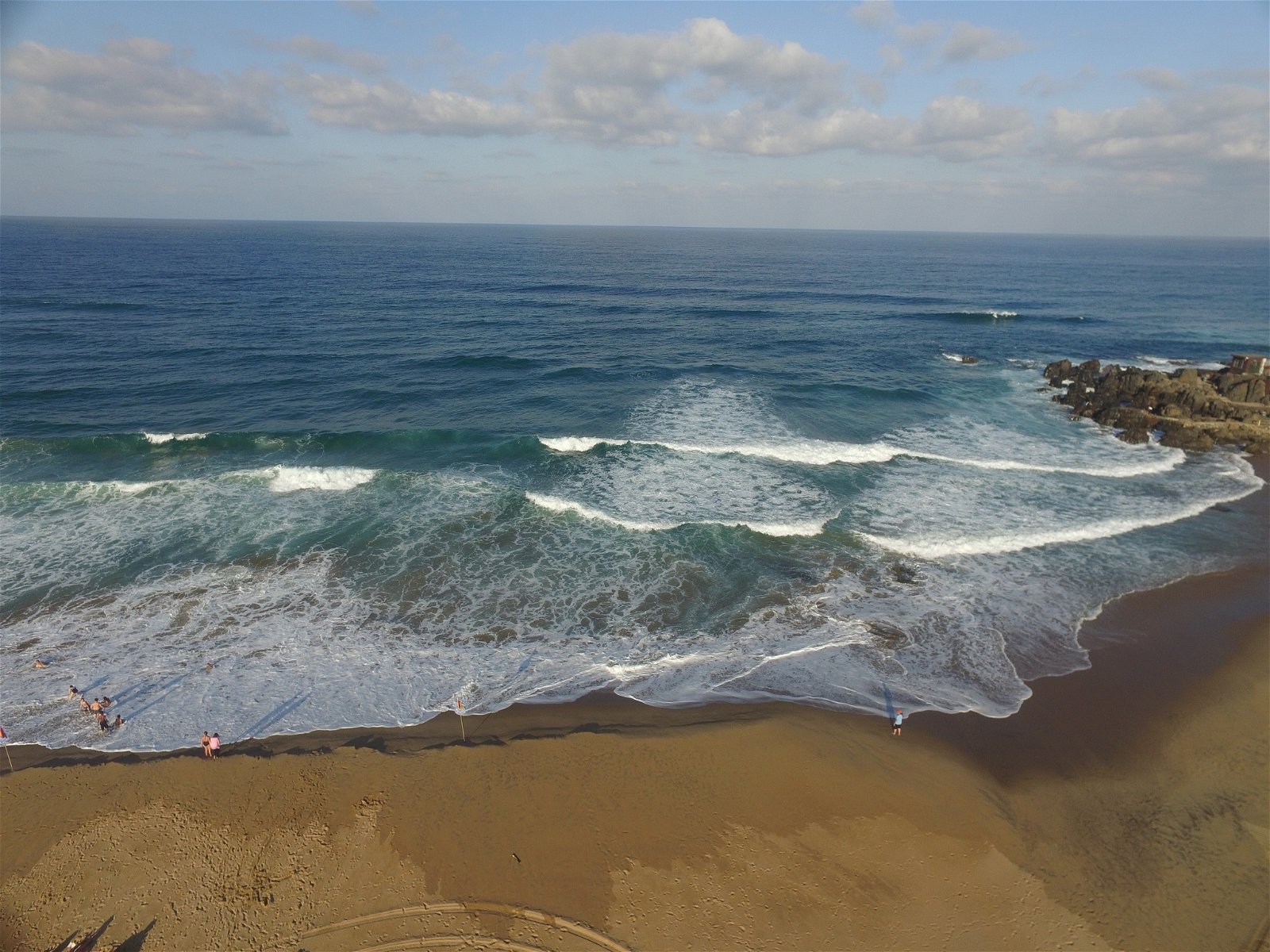
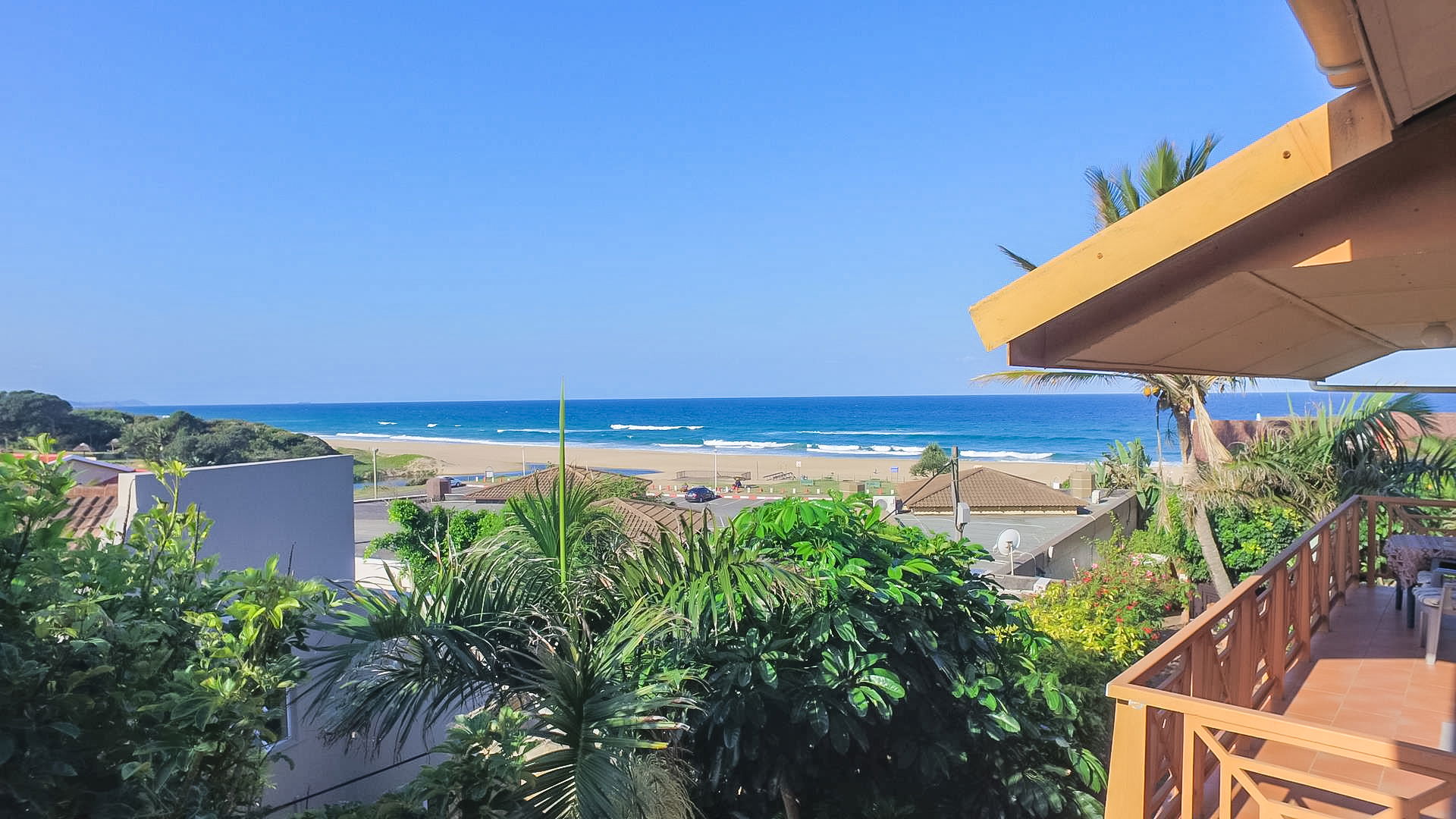
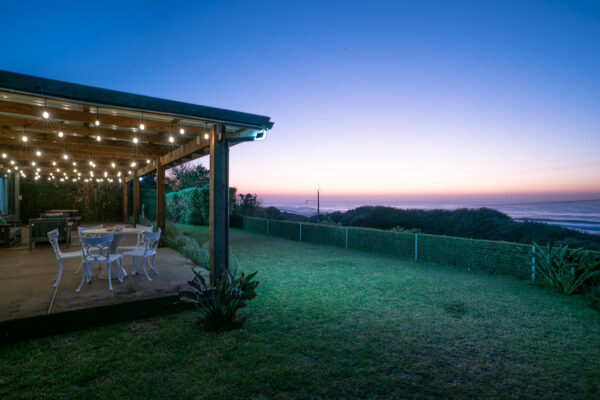
Warner Beach features wide sandy beaches and gentle waves that attract swimmers and families. The area includes coastal paths for walks and nearby spots for fishing. With its sunny climate, it serves as a practical base for exploring the South Coast.
## Accommodation in Warner Beach
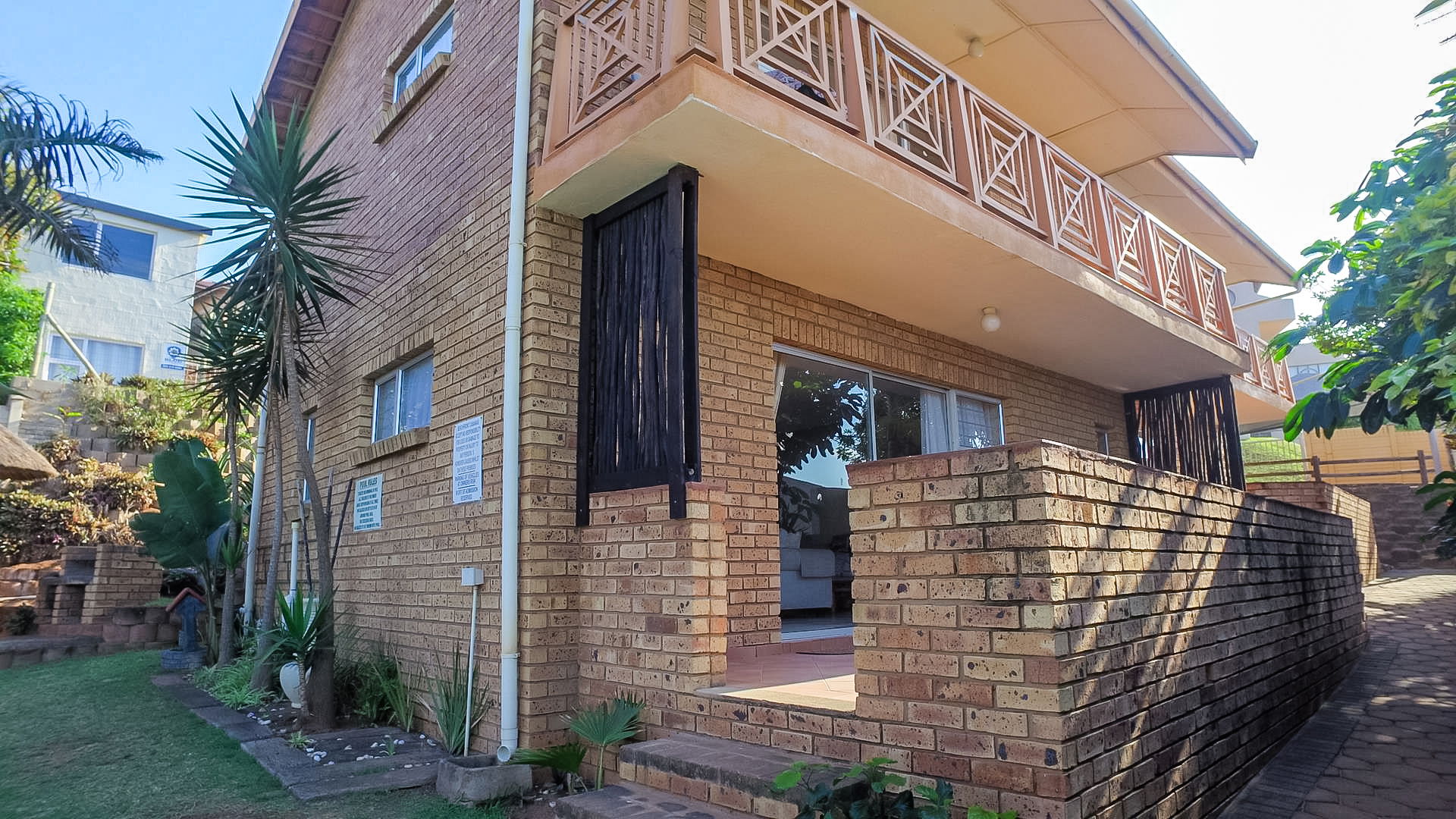
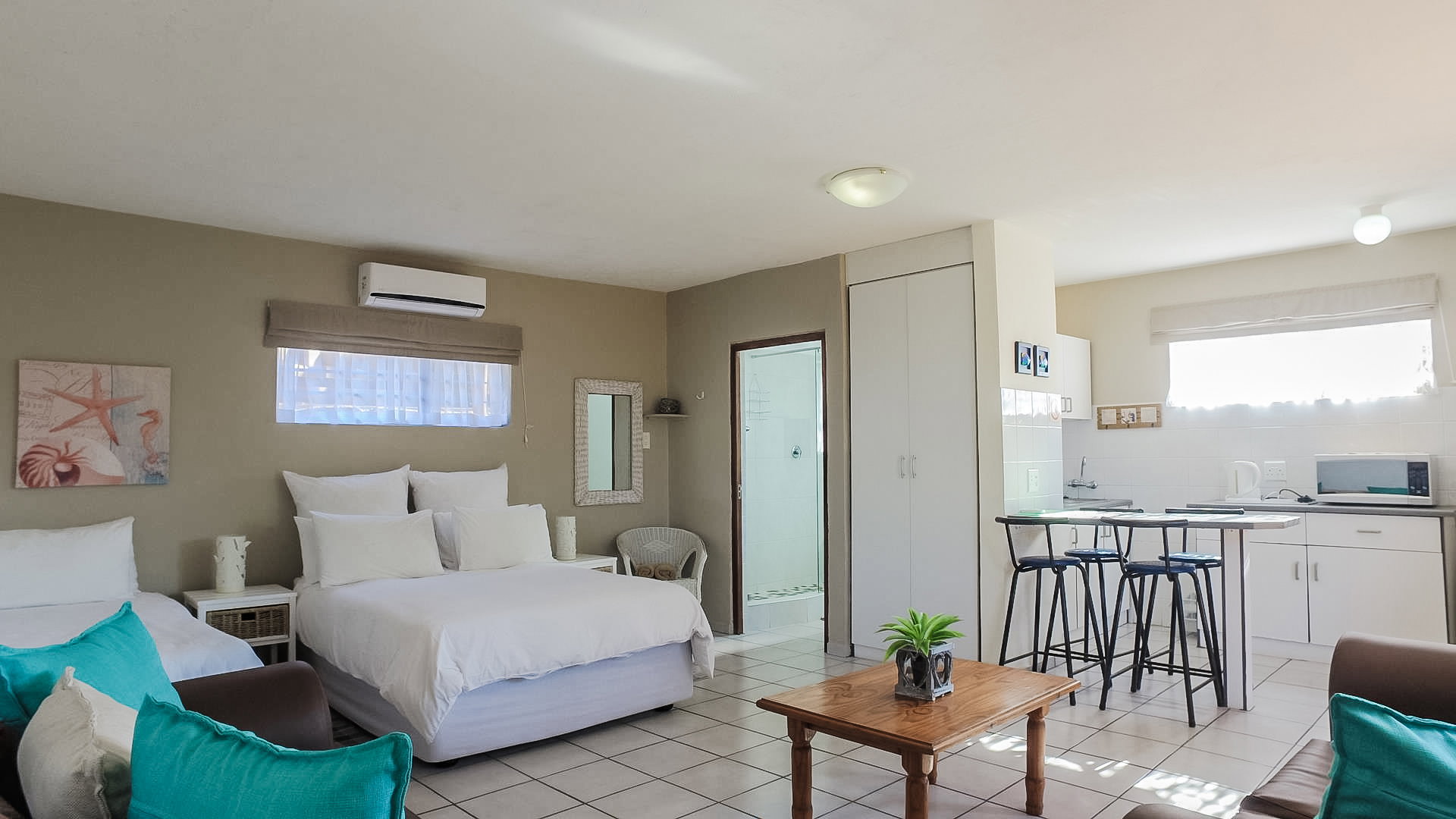
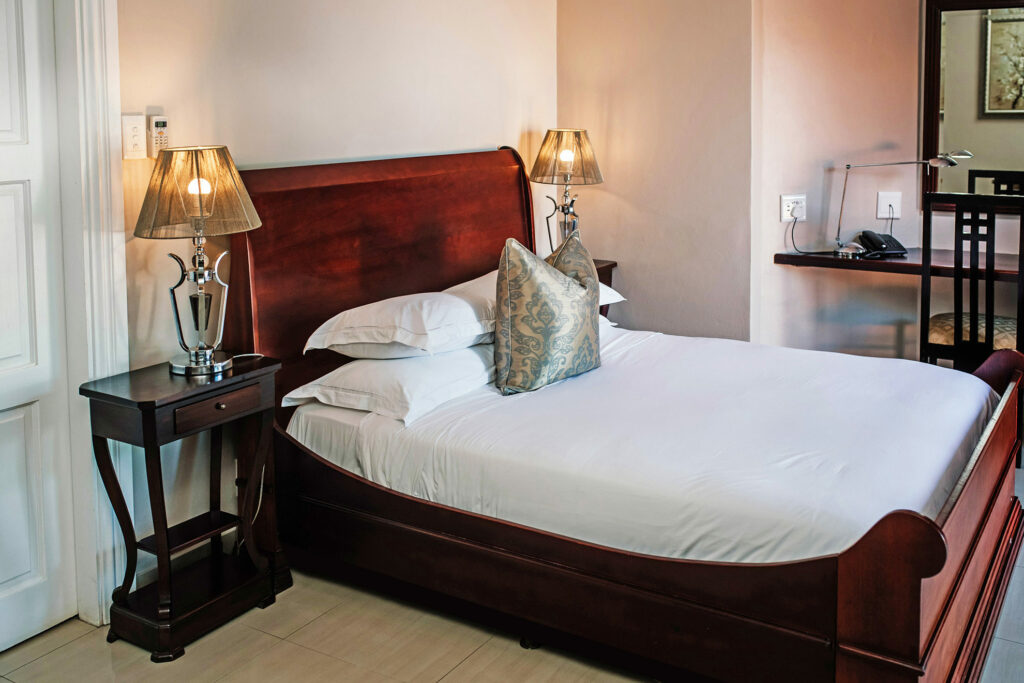
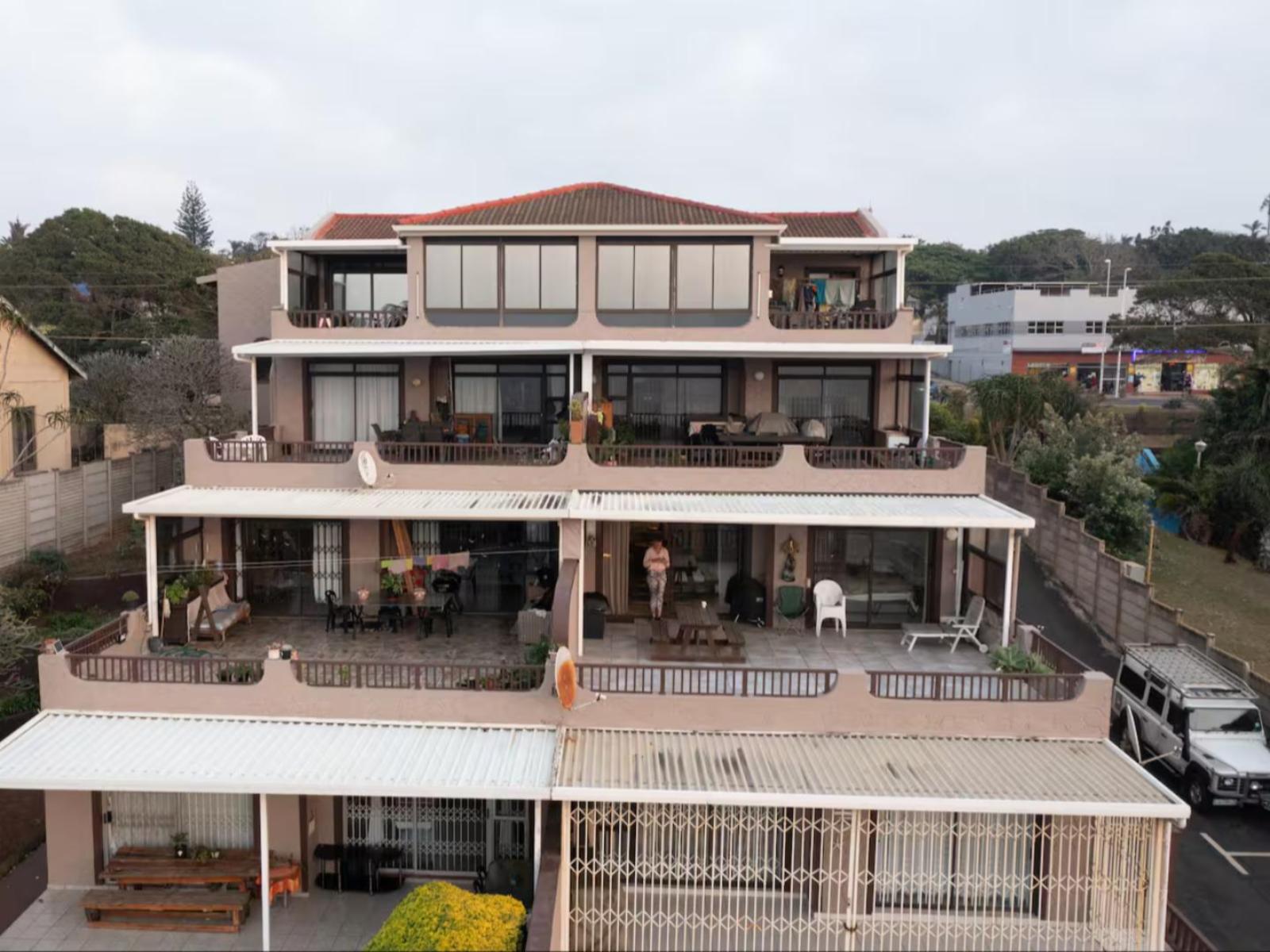
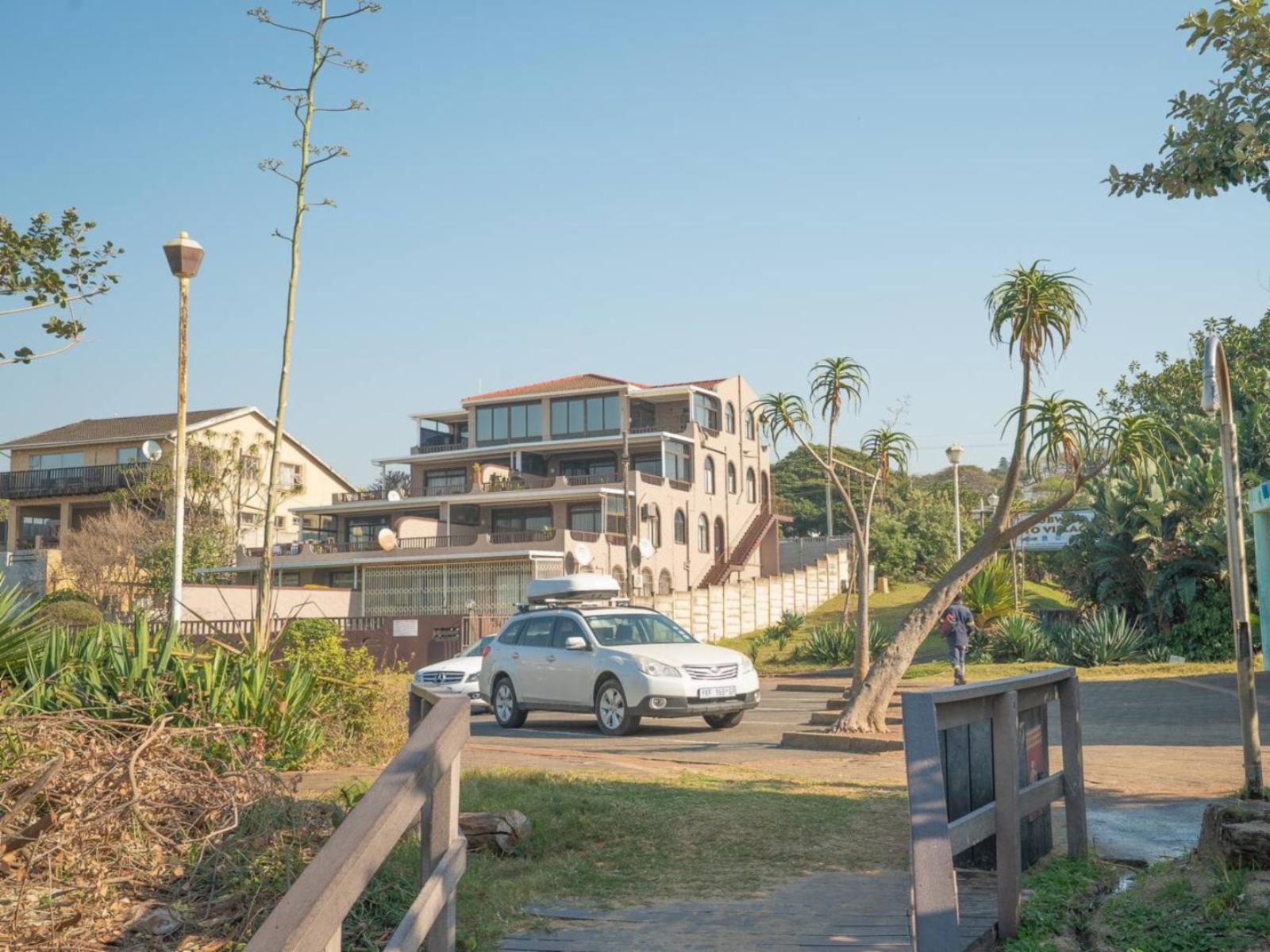
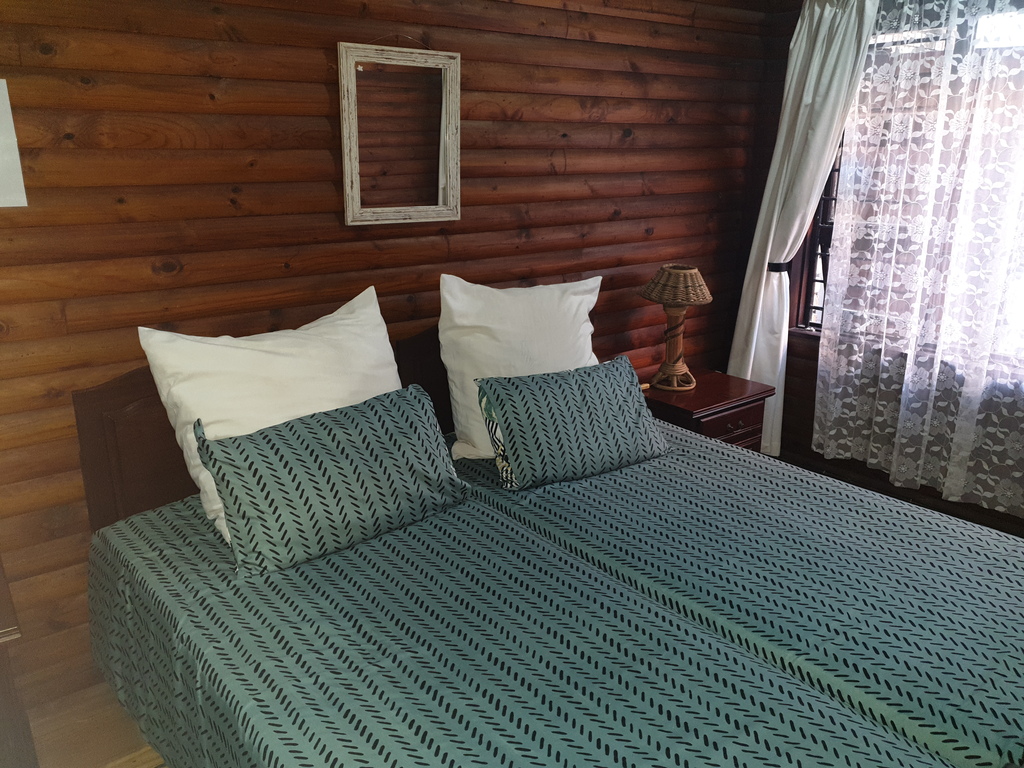
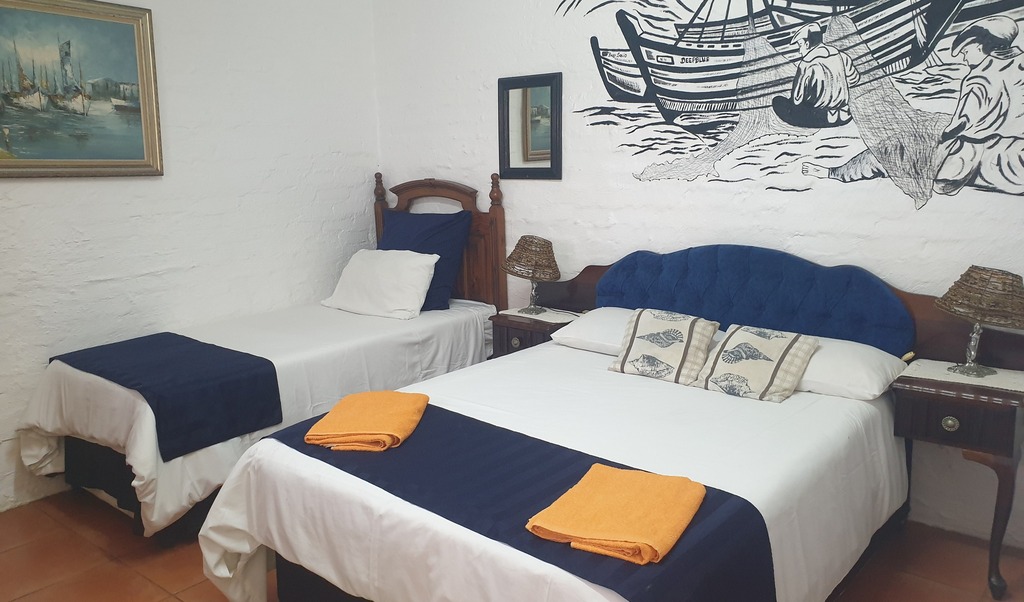
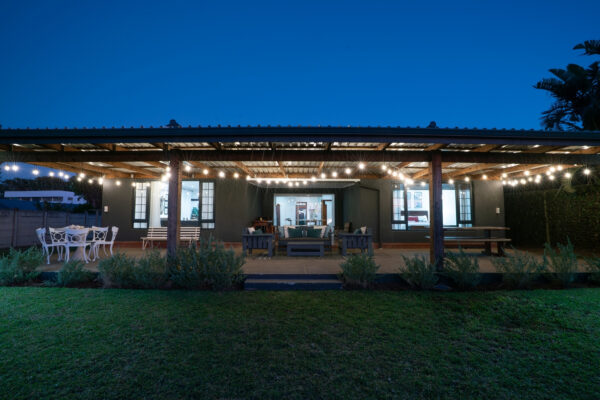
With just two properties currently listed, the accommodation inventory at Warner Beach is compact. Both are apartments, which fits the character of this stretch of the KwaZulu-Natal South Coast, where self-catering is the dominant mode for holiday stays. Visitors cook, keep their own groceries, and organise days around the beach rather than hotel schedules or mealtimes.
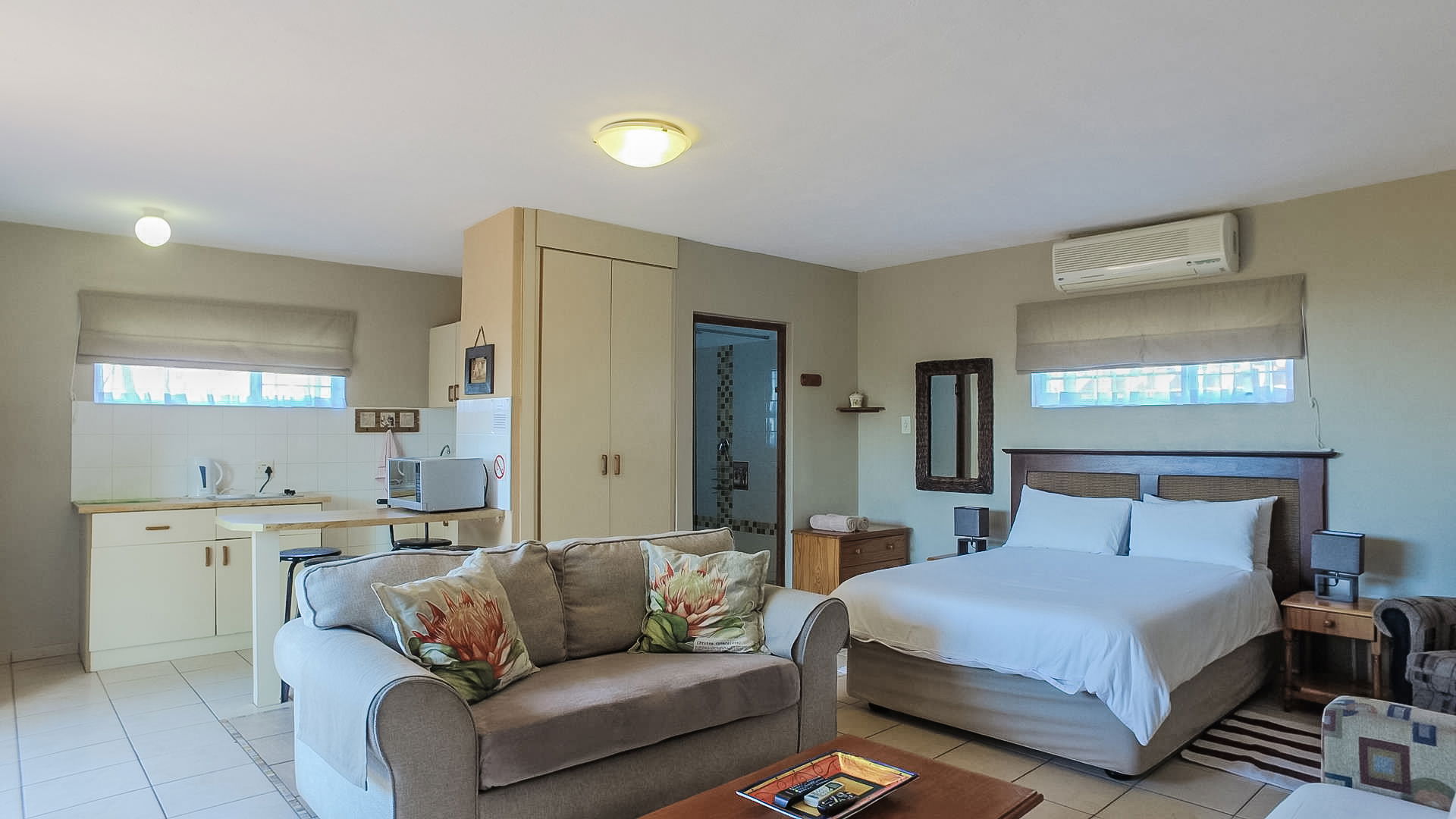
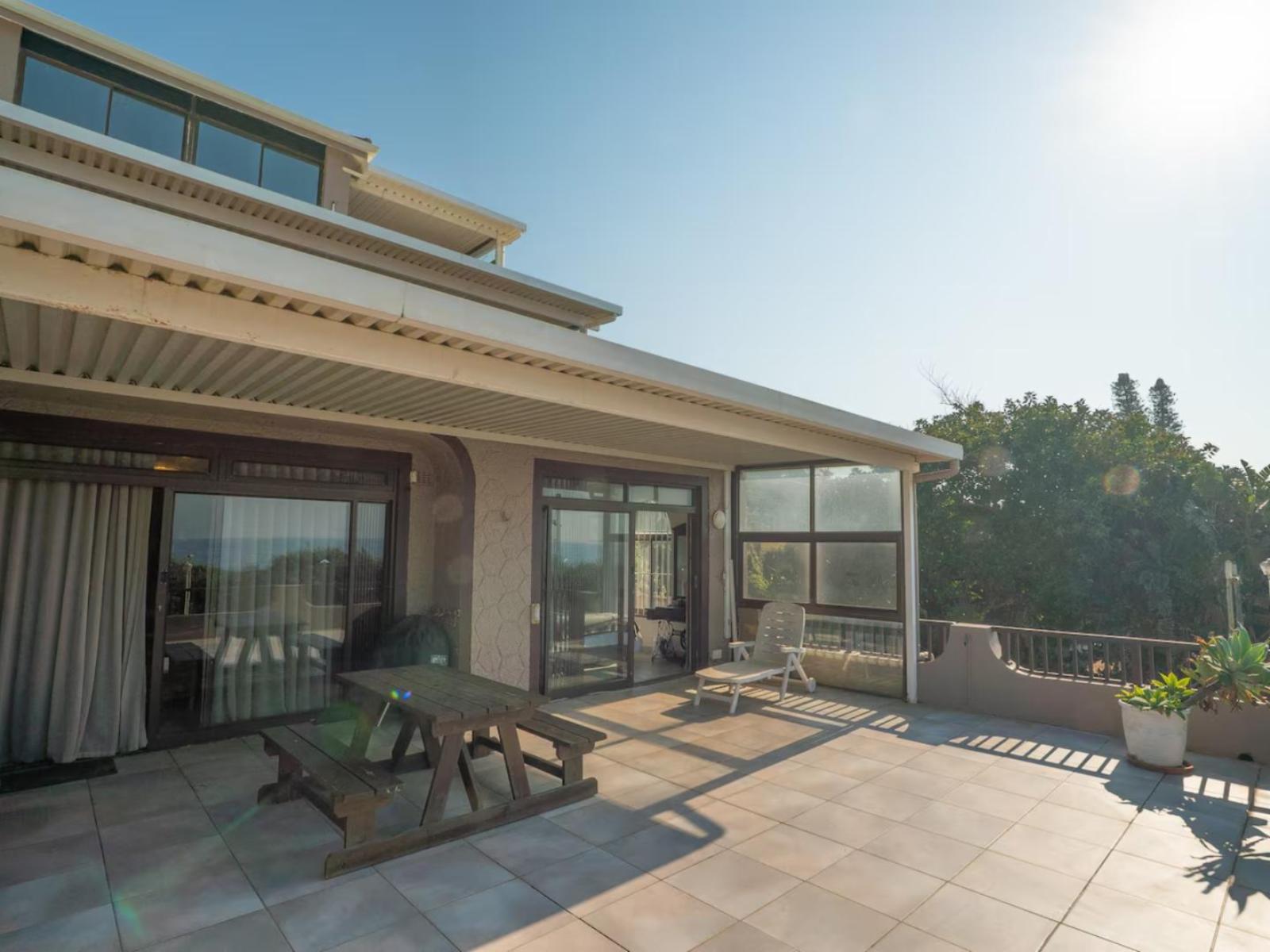
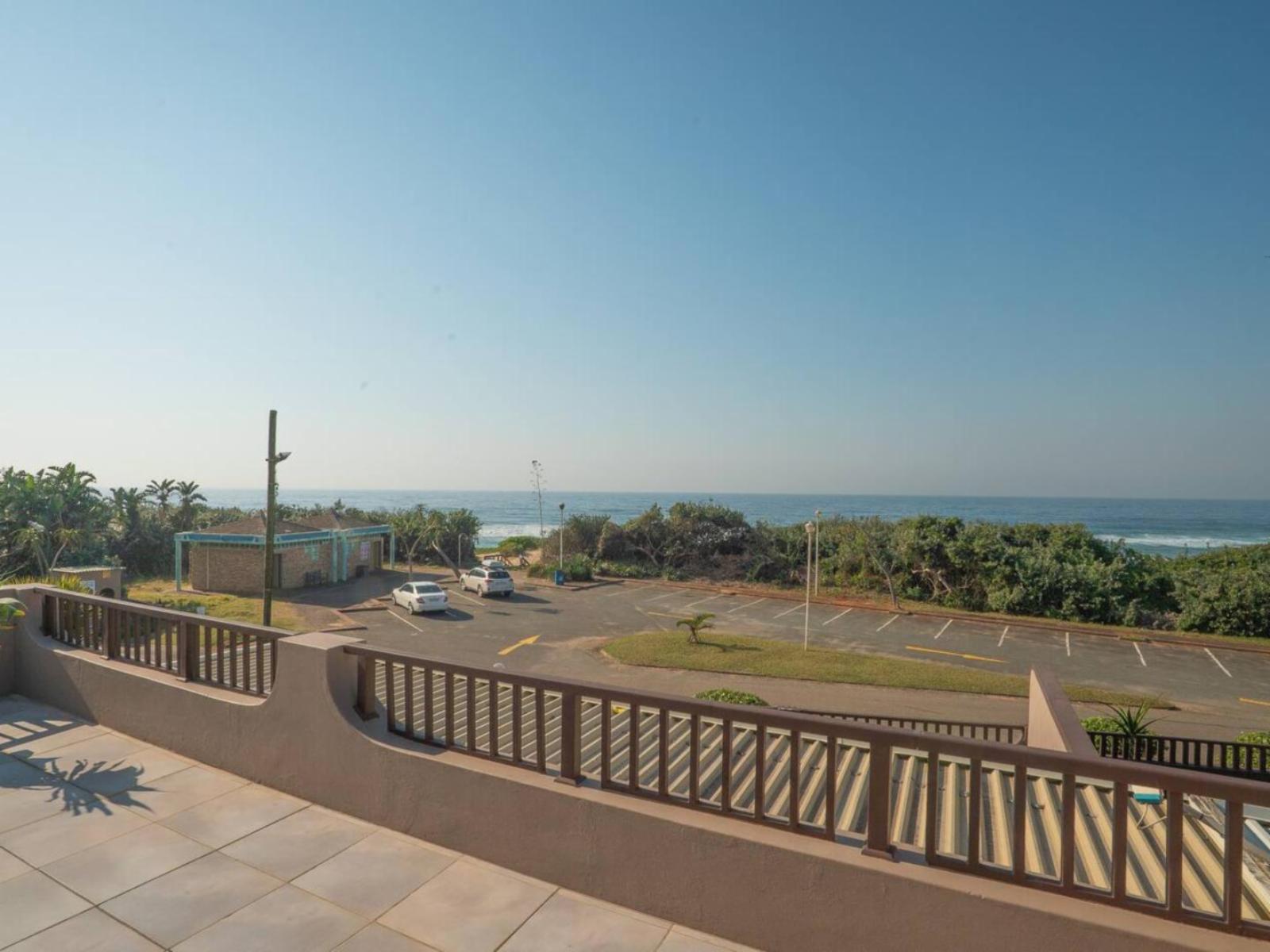
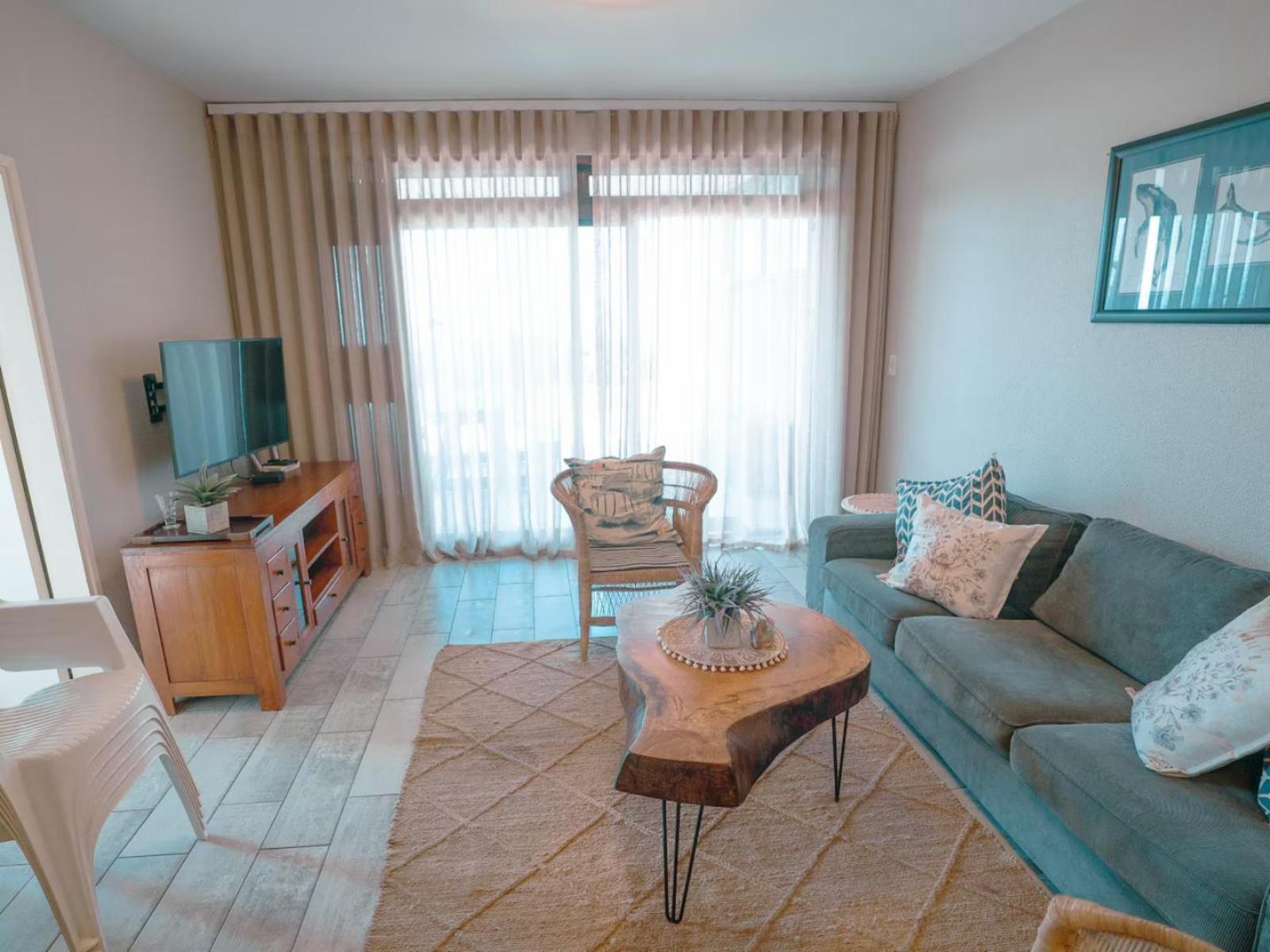
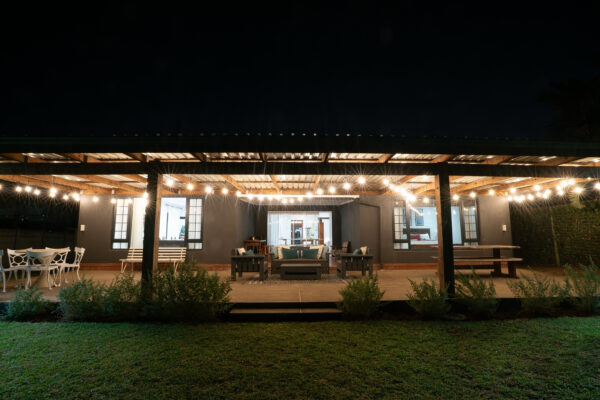
The apartments here suit the kind of trip Warner Beach tends to attract. Self-contained units along the South Coast typically include kitchen facilities, outdoor space, and enough room for a small family or couple wanting more flexibility than a hotel room provides. Proximity to the beach matters more than the quality of the fixtures for most guests, and the properties here are positioned with that in mind.
Pricing is not publicly listed for the current Warner Beach options, so quotes need to come directly from property owners. Rates on the KwaZulu-Natal South Coast spike during peak school holiday periods and over Easter, then settle to considerably lower levels through the quieter winter months. With only two units on the market, those popular windows fill quickly. Leaving a booking until close to arrival during peak season is a common mistake.
The self-catering model also shapes the practical day-to-day experience of a stay. Without in-house staff or restaurants, guests operate fairly independently. That suits travellers who want simplicity over service, but it does mean arriving prepared. Knowing which essentials the listing includes, confirming whether outdoor cooking equipment is provided, and planning a grocery stop on arrival all prevent unnecessary friction. Most of this is clarified by reading the listing carefully or asking the owner directly before confirming.
For a wider range of accommodation types and price points, the larger towns along this stretch of coast carry considerably more inventory. Warner Beach suits those who have committed to the area specifically and want a quiet residential setting rather than a resort strip.
---
## Best Time to Visit Warner Beach
Warner Beach sits within a subtropical climate zone where warm temperatures are the norm for most of the year. Summer, November through February, brings heat regularly above 30°C alongside humidity that builds through the day. Afternoon thunderstorms are common, typically short-lived, but the conditions can feel heavy for visitors not accustomed to them. December and January draw the largest crowds, when South African families take their summer school holidays and the beach fills up accordingly.
Autumn and spring, roughly September to October and March to May, offer some of the most comfortable conditions without the peak-season pressure. The sea stays swimmable, temperatures are warm rather than intense, and accommodation that books solid over summer is easier to secure on shorter notice. These shoulder windows work well for visitors who want flexibility without compromising on weather.
June through August is the dry season. Daytime temperatures sit in the low to mid-20s, the beach is noticeably quieter, and the coastal light is clearer. The sea cools, making swimming less appealing for most, though surfing and long coastal walks continue without disruption. Humpback whales migrate northward along this coastline during June and July and are occasionally spotted from shore, which adds a specific draw for those travelling out of season on a smaller budget.
---
## Getting to Warner Beach
The nearest major airport is King Shaka International, about 60 kilometres north near La Mercy. Domestic connections from Johannesburg, Cape Town, and other main centres land here regularly, as do international flights. Car hire is available from all the main operators at the terminal. From the airport, the N2 highway south is the direct route and takes under an hour in normal conditions.
From central Durban, about 30 kilometres north, the same N2 south covers the distance in roughly 30 to 40 minutes. Friday afternoons during school holidays generate significant outbound traffic from the city, and the drive can extend considerably. Warner Beach lies between the Winklespruit and Amanzimtoti interchange exits on the N2, so those names are useful landmarks when navigating.
Minibus taxis connect Durban to the South Coast towns along the N2 corridor at low cost, stopping at main points along the route. They are frequent but informal in scheduling. The Margate Bus runs a daily scheduled coach service from Durban down the South Coast, which is a more predictable option for travellers without a car.
Once at Warner Beach, the beach and immediate local amenities are walkable from most accommodation. A car becomes practical for day trips further along the coast in either direction.
---
## Warner Beach and Surrounding Areas
**Winklespruit**, two kilometres away, is a residential suburb that runs along the same stretch of shoreline as Warner Beach. The two areas blend into each other, and a walk along the coast between them is easy. It has several beach access points but no distinct commercial centre, making it better suited to an extended coastal walk than a separate excursion.
**Amanzimtoti**, four kilometres north, is the main commercial hub for this part of the coast. It has supermarkets, a shopping mall, pharmacies, and a range of restaurants, providing practical infrastructure that Warner Beach itself lacks. The beach at Amanzimtoti is broader than Warner Beach's and includes a tidal pool that draws families with young children. It is a larger, more developed town, and the difference in atmosphere is clear within a few minutes of arriving.
**Illovo South**, also about four kilometres in the opposite direction, is a quieter residential pocket with direct beach access. Anglers use it regularly, and those seeking to avoid more populated stretches of shoreline tend to gravitate this way. There is minimal commercial development, which is largely the point.
**Umkomaas**, 15 kilometres south, is the access point for the Aliwal Shoal, a reef system lying a few kilometres offshore. Multiple dive operators based in the town run regular boat dives to the reef, which is known for encounters with ragged-tooth and bull sharks. Non-divers will find a small fishing harbour community rather than a tourist strip, with the town's identity shaped almost entirely by the diving trade.
**Bluff**, 22 kilometres toward Durban, is a peninsula separating the harbour from the open sea. It has a nature reserve featuring indigenous coastal forest and walking trails with good birdwatching conditions. The environment contrasts sharply with the open beach character of the South Coast and is worth a half-day visit for anyone interested in coastal ecology.
**Grosvenor**, 23 kilometres south, is a small residential community with beach access and little else for visitors. It marks one end of the quieter residential corridor that extends southward from Warner Beach, giving a sense of how this stretch of coast continues toward Scottburgh.
---
## Planning Your Stay
With two listed properties, Warner Beach has limited inventory and popular dates can close out with little warning. For travel in December or January, booking six to eight weeks ahead is a reasonable buffer. Shoulder season travel, September to November or March to May, typically allows for shorter-notice arrangements and more direct negotiation on rate with property owners.
Before confirming a booking, check what the apartment actually includes. Self-catering properties on the KwaZulu-Natal South Coast vary considerably: some come with beach towels, outdoor furniture, and a braai, others have almost nothing beyond kitchen basics. A braai is central to the South African coastal holiday experience and worth confirming specifically. Also check whether parking is on-site or street-based. Residential coastal suburb parking fills up during busy periods and can become a daily frustration.
The local area does not have its own commercial strip, so planning a grocery stop on arrival or en route is sensible. Knowing this in advance prevents arriving without essentials and having to make an unplanned run on the first evening.
For ocean activity-focused trips, checking local surf forecasting resources in the days before arrival helps with scheduling. Sea conditions along this coastline shift between seasons, and the summer months in particular can bring unpredictable swells. For diving trips, operators in the area typically require advance bookings, especially for weekend departures.
Travel insurance is worth reviewing before the trip if surfing, diving, or other water sports are on the agenda. Standard holiday cover often excludes these activities.

With just two properties currently listed, the accommodation inventory at Warner Beach is compact. Both are apartments, which fits the character of this stretch of the KwaZulu-Natal South Coast, where self-catering is the dominant mode for holiday stays. Visitors cook, keep their own groceries, and organise days around the beach rather than hotel schedules or mealtimes.
The apartments here suit the kind of trip Warner Beach tends to attract. Self-contained units along the South Coast typically include kitchen facilities, outdoor space, and enough room for a small family or couple wanting more flexibility than a hotel room provides. Proximity to the beach matters more than the quality of the fixtures for most guests, and the properties here are positioned with that in mind.
Pricing is not publicly listed for the current Warner Beach options, so quotes need to come directly from property owners. Rates on the KwaZulu-Natal South Coast spike during peak school holiday periods and over Easter, then settle to considerably lower levels through the quieter winter months. With only two units on the market, those popular windows fill quickly. Leaving a booking until close to arrival during peak season is a common mistake.
The self-catering model also shapes the practical day-to-day experience of a stay. Without in-house staff or restaurants, guests operate fairly independently. That suits travellers who want simplicity over service, but it does mean arriving prepared. Knowing which essentials the listing includes, confirming whether outdoor cooking equipment is provided, and planning a grocery stop on arrival all prevent unnecessary friction. Most of this is clarified by reading the listing carefully or asking the owner directly before confirming.
For a wider range of accommodation types and price points, the larger towns along this stretch of coast carry considerably more inventory. Warner Beach suits those who have committed to the area specifically and want a quiet residential setting rather than a resort strip.
---
## Best Time to Visit Warner Beach
Warner Beach sits within a subtropical climate zone where warm temperatures are the norm for most of the year. Summer, November through February, brings heat regularly above 30°C alongside humidity that builds through the day. Afternoon thunderstorms are common, typically short-lived, but the conditions can feel heavy for visitors not accustomed to them. December and January draw the largest crowds, when South African families take their summer school holidays and the beach fills up accordingly.
Autumn and spring, roughly September to October and March to May, offer some of the most comfortable conditions without the peak-season pressure. The sea stays swimmable, temperatures are warm rather than intense, and accommodation that books solid over summer is easier to secure on shorter notice. These shoulder windows work well for visitors who want flexibility without compromising on weather.
June through August is the dry season. Daytime temperatures sit in the low to mid-20s, the beach is noticeably quieter, and the coastal light is clearer. The sea cools, making swimming less appealing for most, though surfing and long coastal walks continue without disruption. Humpback whales migrate northward along this coastline during June and July and are occasionally spotted from shore, which adds a specific draw for those travelling out of season on a smaller budget.
---
## Getting to Warner Beach
The nearest major airport is King Shaka International, about 60 kilometres north near La Mercy. Domestic connections from Johannesburg, Cape Town, and other main centres land here regularly, as do international flights. Car hire is available from all the main operators at the terminal. From the airport, the N2 highway south is the direct route and takes under an hour in normal conditions.
From central Durban, about 30 kilometres north, the same N2 south covers the distance in roughly 30 to 40 minutes. Friday afternoons during school holidays generate significant outbound traffic from the city, and the drive can extend considerably. Warner Beach lies between the Winklespruit and Amanzimtoti interchange exits on the N2, so those names are useful landmarks when navigating.
Minibus taxis connect Durban to the South Coast towns along the N2 corridor at low cost, stopping at main points along the route. They are frequent but informal in scheduling. The Margate Bus runs a daily scheduled coach service from Durban down the South Coast, which is a more predictable option for travellers without a car.
Once at Warner Beach, the beach and immediate local amenities are walkable from most accommodation. A car becomes practical for day trips further along the coast in either direction.
---
## Warner Beach and Surrounding Areas
**Winklespruit**, two kilometres away, is a residential suburb that runs along the same stretch of shoreline as Warner Beach. The two areas blend into each other, and a walk along the coast between them is easy. It has several beach access points but no distinct commercial centre, making it better suited to an extended coastal walk than a separate excursion.
**Amanzimtoti**, four kilometres north, is the main commercial hub for this part of the coast. It has supermarkets, a shopping mall, pharmacies, and a range of restaurants, providing practical infrastructure that Warner Beach itself lacks. The beach at Amanzimtoti is broader than Warner Beach's and includes a tidal pool that draws families with young children. It is a larger, more developed town, and the difference in atmosphere is clear within a few minutes of arriving.
**Illovo South**, also about four kilometres in the opposite direction, is a quieter residential pocket with direct beach access. Anglers use it regularly, and those seeking to avoid more populated stretches of shoreline tend to gravitate this way. There is minimal commercial development, which is largely the point.
**Umkomaas**, 15 kilometres south, is the access point for the Aliwal Shoal, a reef system lying a few kilometres offshore. Multiple dive operators based in the town run regular boat dives to the reef, which is known for encounters with ragged-tooth and bull sharks. Non-divers will find a small fishing harbour community rather than a tourist strip, with the town's identity shaped almost entirely by the diving trade.
**Bluff**, 22 kilometres toward Durban, is a peninsula separating the harbour from the open sea. It has a nature reserve featuring indigenous coastal forest and walking trails with good birdwatching conditions. The environment contrasts sharply with the open beach character of the South Coast and is worth a half-day visit for anyone interested in coastal ecology.
**Grosvenor**, 23 kilometres south, is a small residential community with beach access and little else for visitors. It marks one end of the quieter residential corridor that extends southward from Warner Beach, giving a sense of how this stretch of coast continues toward Scottburgh.
---
## Planning Your Stay
With two listed properties, Warner Beach has limited inventory and popular dates can close out with little warning. For travel in December or January, booking six to eight weeks ahead is a reasonable buffer. Shoulder season travel, September to November or March to May, typically allows for shorter-notice arrangements and more direct negotiation on rate with property owners.
Before confirming a booking, check what the apartment actually includes. Self-catering properties on the KwaZulu-Natal South Coast vary considerably: some come with beach towels, outdoor furniture, and a braai, others have almost nothing beyond kitchen basics. A braai is central to the South African coastal holiday experience and worth confirming specifically. Also check whether parking is on-site or street-based. Residential coastal suburb parking fills up during busy periods and can become a daily frustration.
The local area does not have its own commercial strip, so planning a grocery stop on arrival or en route is sensible. Knowing this in advance prevents arriving without essentials and having to make an unplanned run on the first evening.
For ocean activity-focused trips, checking local surf forecasting resources in the days before arrival helps with scheduling. Sea conditions along this coastline shift between seasons, and the summer months in particular can bring unpredictable swells. For diving trips, operators in the area typically require advance bookings, especially for weekend departures.
Travel insurance is worth reviewing before the trip if surfing, diving, or other water sports are on the agenda. Standard holiday cover often excludes these activities.
Tipes Akkommodasie in Warner Beach
Akkommodasiepryse in Warner Beach
| Tipe | Inskrywings | Vanaf | Gemiddeld | Tot |
|---|---|---|---|---|
| Apartment | 2 | – | – | – |
Warner Beach Kaart
Nabygeleë Bestemmings
Blaai Deur Alle Warner Beach Akkommodasie
Bekyk al 2 akkommodasie-opsies in Warner Beach met foto's, pryse en beskikbaarheid.
Blaai Deur Alle Akkommodasie