## Accommodation in Miramar
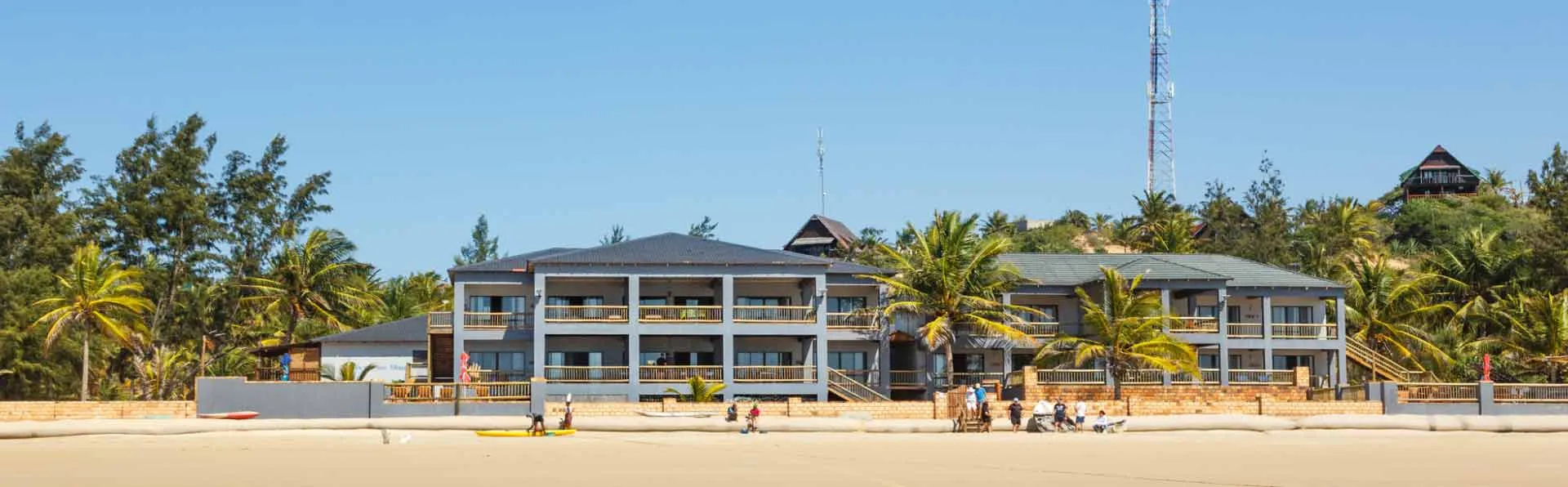
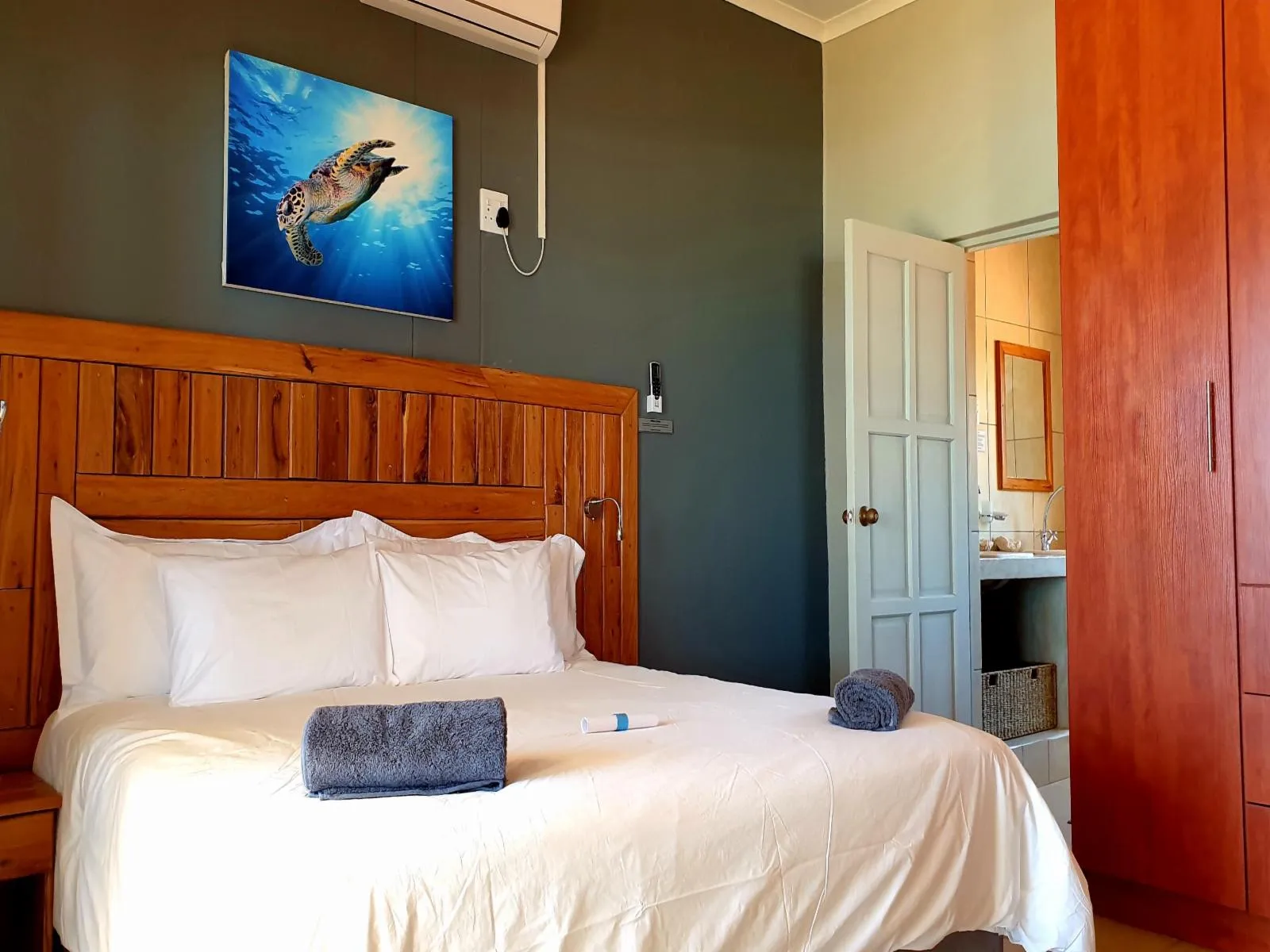
Miramar's accommodation market is small by any measure, with just two properties listed and nightly rates running from R5,500 to R20,160, averaging R12,830. That range reflects a clean two-tier split rather than a graduated spectrum, and the choice between tiers is largely a question of group size and how you want to spend your time at the property.
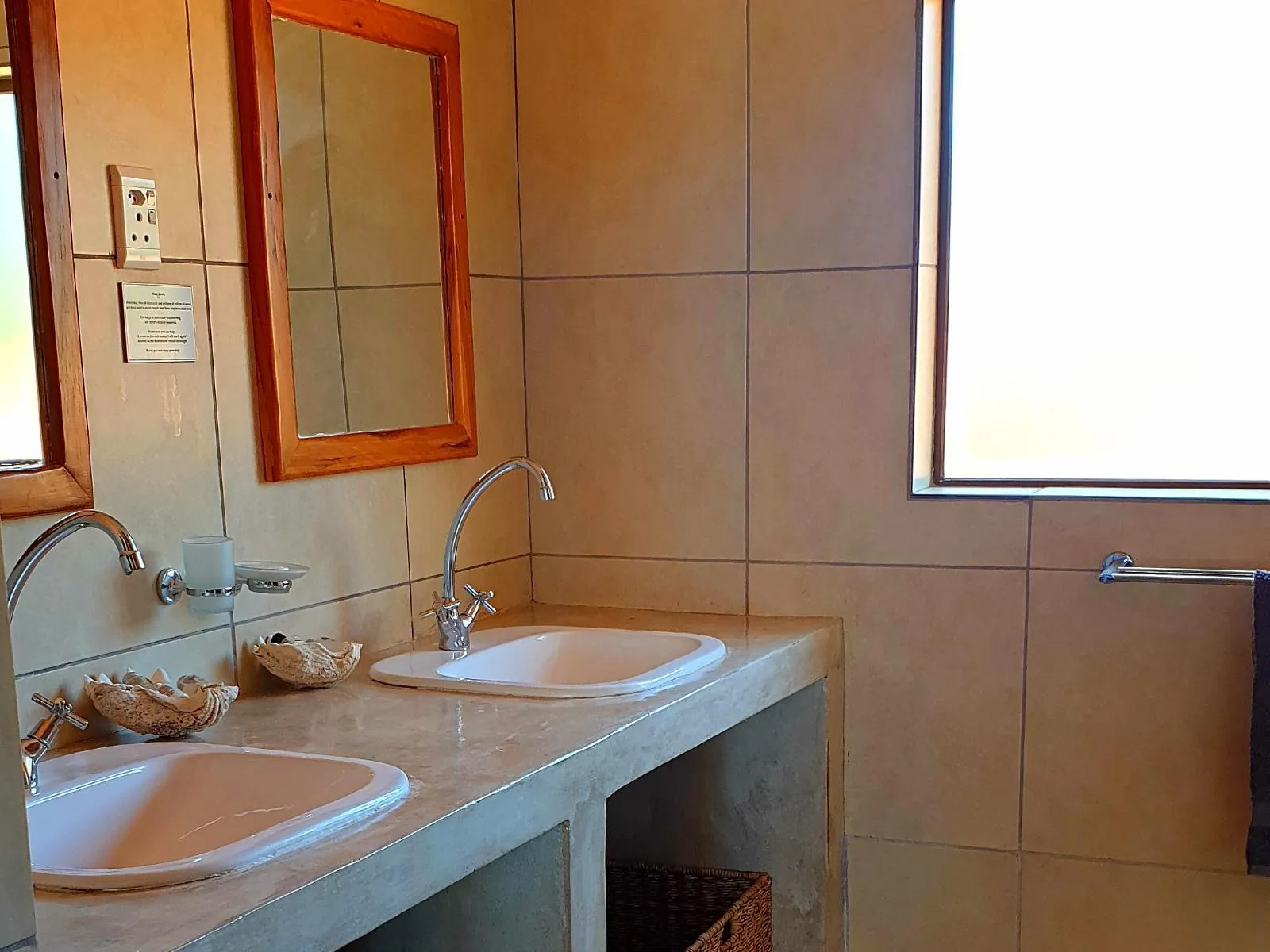
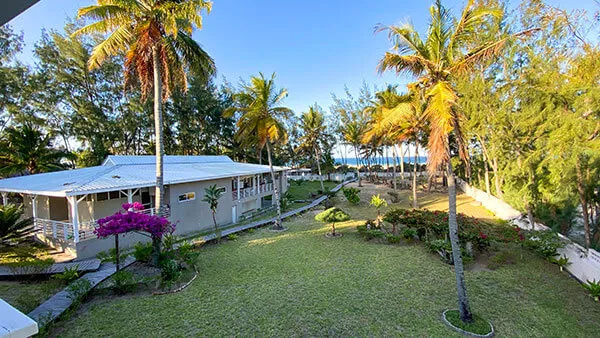
The lower tier is anchored by a single lodge, averaging around R6,099 per night. Lodge accommodation along this part of the coast typically means a comfortable self-catered stay in a natural setting, with outdoor living spaces built for slow mornings and long afternoons in the surroundings rather than time indoors. For couples or small groups looking for a considered base without paying for amenities they will not use, this is the more accessible entry point. The setting does most of the work.
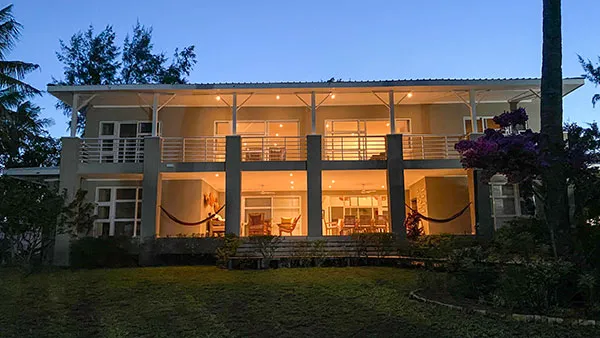
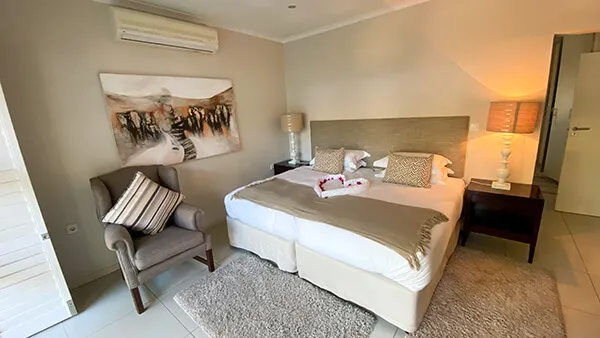
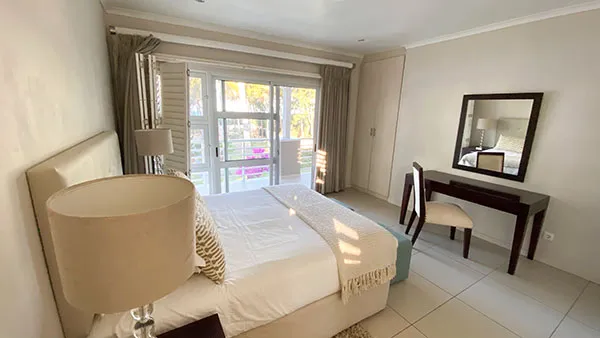
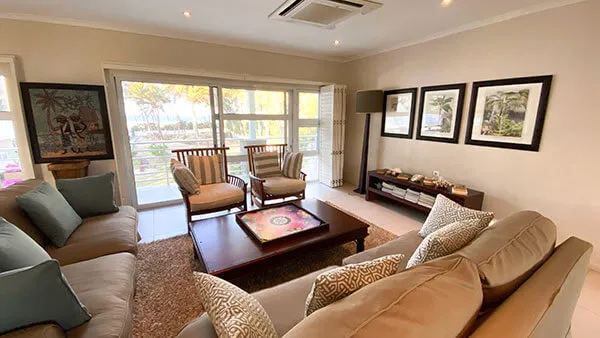
The villa at the upper end operates on a different scale. Rented as a whole property with sole occupancy, it typically features multiple bedrooms, a private pool, and a fully equipped kitchen. The nightly rate looks significant in isolation, but when split across six or eight guests the per-person cost often compares well to booking separate rooms at a comparable coastal destination. Families and groups who want a private shared space, rather than a cluster of adjacent hotel rooms, tend to find this format suits the kind of trip Miramar invites. The remote setting also means that peace and quiet are effectively guaranteed at both price points, which is worth considering if you are weighing Miramar against busier coastal alternatives at similar rates.
Because only two properties serve the destination, availability is the core planning challenge. When one is booked, there is no local fallback. South African school holidays, the December break, and Easter weekends generate the heaviest demand and fill the earliest. Both options operate on a self-catering basis, so a grocery stop at a larger town before the final drive in is an essential part of arrival planning rather than an afterthought.
## Best Time to Visit Miramar
The climate here is subtropical and coastal, with a wet summer and a dry winter that shape both comfort and what is practical outdoors.
Summer, from November through February, is hot and humid with frequent afternoon thunderstorms. Sea temperatures peak during this period, and the landscape is thick and green. This is also the peak season for South African domestic travel, with the December and January school holidays driving the highest demand across coastal destinations. Accommodation in this window fills early and rates reflect that pressure.
Winter, from June to August, is drier and cooler, though temperatures on this stretch of coast remain mild by most standards. Lower humidity makes outdoor activity more comfortable, and calmer sea conditions suit walking, fishing, and time on the water. Visitor numbers fall markedly in winter, and the quieter pace suits those who come specifically for the remoteness of the location rather than a social scene.
The shoulder months of March to May and September to October offer a practical middle ground. Weather is more settled than mid-summer, the school holiday traffic has cleared, and the natural environment stays active. Humpback whales migrate north along this coastline between June and November, with the most reliable sightings in July and August when water clarity is typically at its best.
## Getting to Miramar
Miramar is most practically reached in your own vehicle. There is no scheduled public transport at this scale of settlement, and no local hire options once you arrive. A high-clearance vehicle is advisable in most conditions, and a 4x4 may be necessary during the wet summer months when coastal gravel roads deteriorate quickly. Confirm road conditions with your accommodation before you travel.
King Shaka International Airport in Durban is the nearest major gateway. From there, the route north follows the N2 highway before turning east on secondary roads toward the coast. Travellers from Gauteng typically fly into King Shaka or O.R. Tambo International and drive. Fuel and groceries should be purchased at a larger town along the route before the final approach to Miramar, as local supply options at this scale are limited in range and not always reliably stocked.
Plan to arrive before late afternoon. The final approach roads are not always well-lit or clearly signposted, and navigating unfamiliar terrain in the dark adds unnecessary difficulty on a first visit. Build extra time into the schedule if you are stopping to provision along the way.
A vehicle crossing into Mozambique requires a temporary import permit for South African-registered cars, and all passenger documentation must be current. Border queues vary by day and time and can run longer than expected, so treat any cross-border excursion as a minimum half-day commitment rather than a quick side trip.
## Miramar and Surrounding Areas
**Massinga (54km)**
Massinga is the administrative centre of Massinga District in Mozambique's Inhambane Province. The drive from Miramar covers around 54 kilometres and crosses the border, which requires some preparation, but for visitors using Miramar as a base it offers both a practical service stop and a genuinely different travel experience.
On the practical side, the town has fuel, a market, and traders selling provisions, which can matter mid-trip if supplies are running low. For most travellers, though, the district's coastline is the draw. The Indian Ocean shelf in this part of Mozambique supports reef diving and snorkelling with warm water temperatures throughout the year and good visibility during the dry season from May to October. Manta rays are present for much of the year, and whale sharks pass through the area seasonally. Dive operators work out of lodges and beach camps in the district, running trips for certified divers and offering introductory dives for those without qualifications.
Away from the water, Massinga gives a grounding in Mozambican provincial life that differs markedly from the South African side of the border. The market and small traders reflect the agricultural economy of Inhambane Province, and the architecture and pace of the town have a character that is distinctly Mozambican. The Chopi people, historically associated with this part of Inhambane, developed a timbila xylophone tradition specific to the region that is difficult to encounter outside of it.
At this distance, Massinga is manageable as a day trip. An overnight stay makes more sense if the diving warrants two days on the water, or if you want to move through the town at a slower pace than a day visit allows.
## Planning Your Stay
With only two properties in Miramar, planning centres on securing availability rather than working through a shortlist. When one is booked, there is no alternative within the destination. For school holiday periods, start checking three to six months ahead, particularly if you are aiming for the villa, which suits larger groups that plan together.
Before confirming, read the full listing and ask specific questions. Self-catering properties vary considerably in practice. Confirm whether the kitchen has adequate utensils and cookware, whether bed linen and towels are included in the rate, and how cleaning is managed on longer stays. These details matter more at a remote location with no nearby alternatives.
Ask directly about the approach road. In areas like this, the final kilometres to a property can involve gravel tracks that require a specific vehicle type, and one question before departure avoids a difficult arrival. Confirm how far the nearest fuel stop is from the property while you are at it.
Cancellation terms at independently managed properties of this scale tend to be stricter than at hotel chains. Read the policy before paying a deposit, and consider travel insurance if your dates carry any uncertainty. Owners with limited inventory have little commercial reason to offer exceptions during peak periods.
Mobile signal and internet in remote coastal locations can be unreliable or satellite-dependent. If a stable connection matters for your stay, ask for specifics on the setup before booking rather than assuming a listing's mention of Wi-Fi means a usable connection.