## Accommodation in Swakopmund
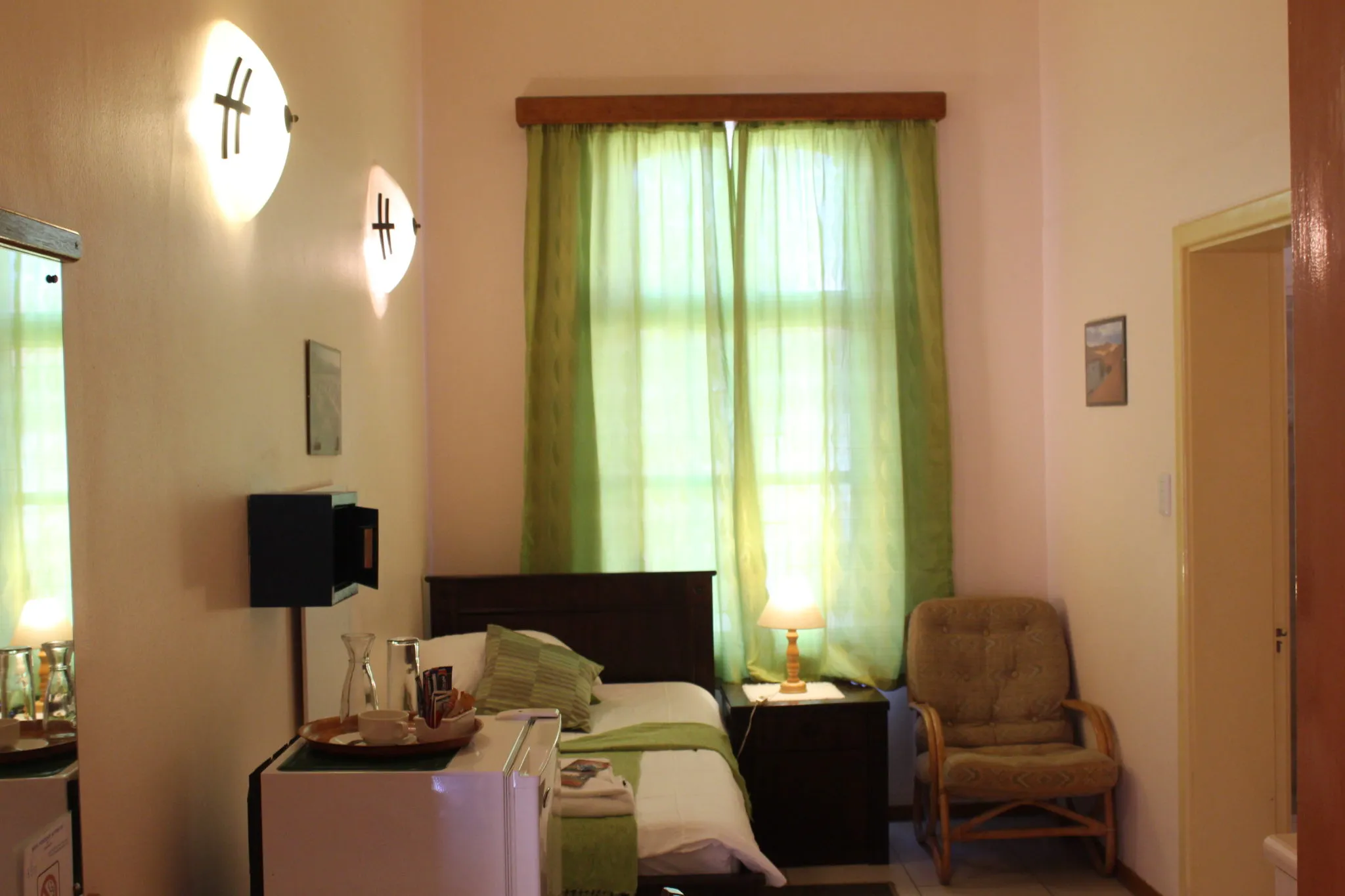
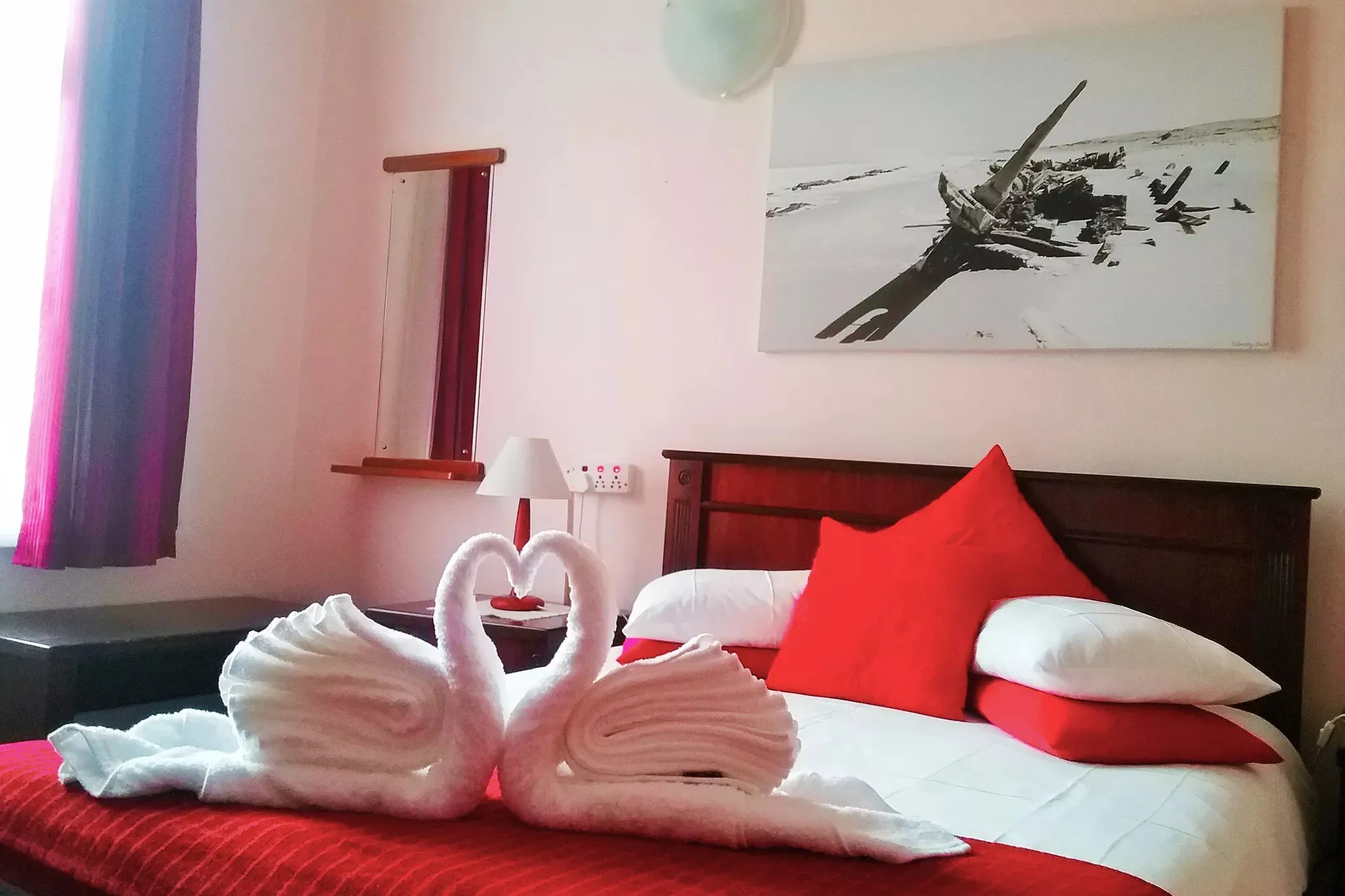
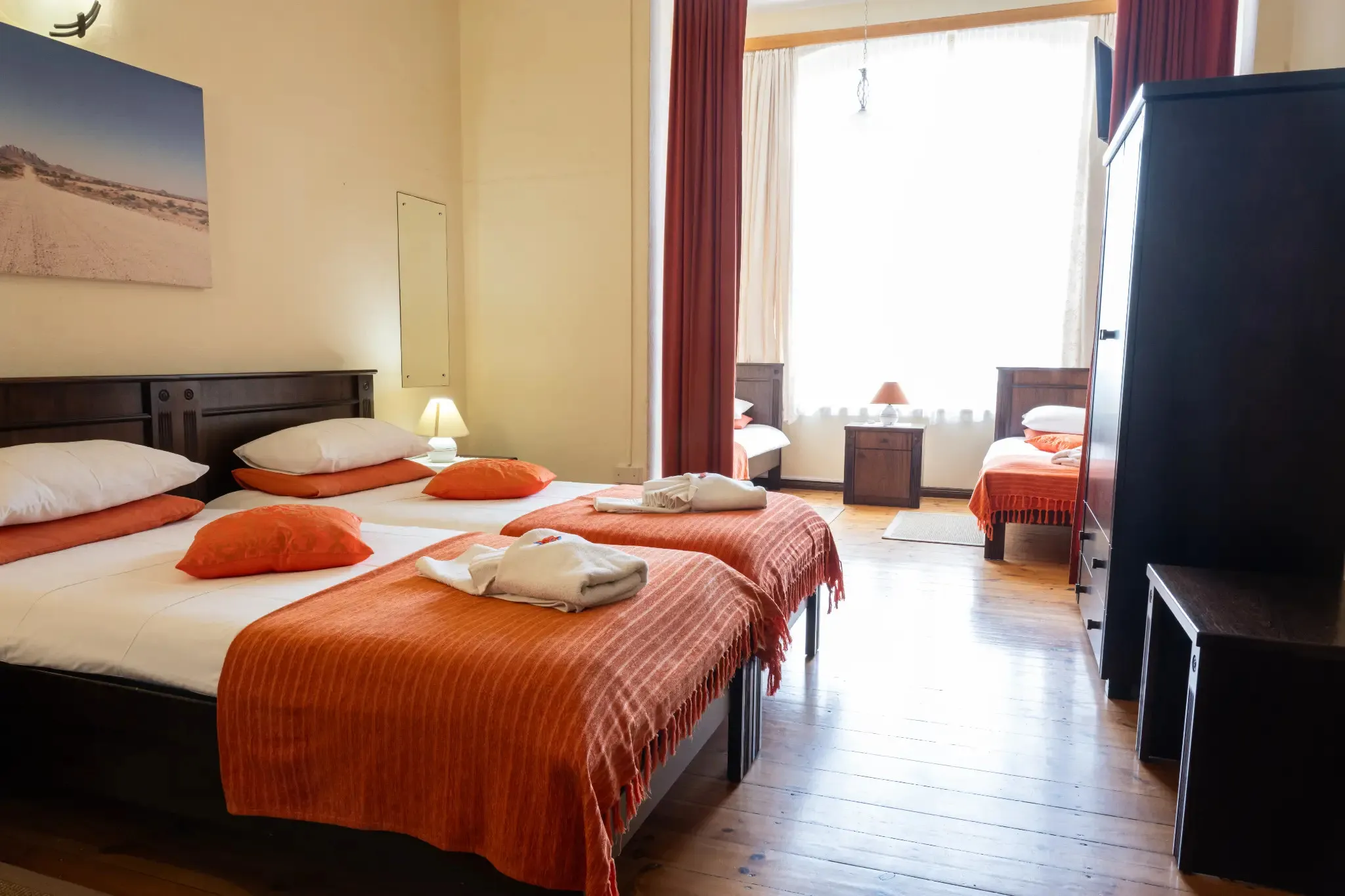
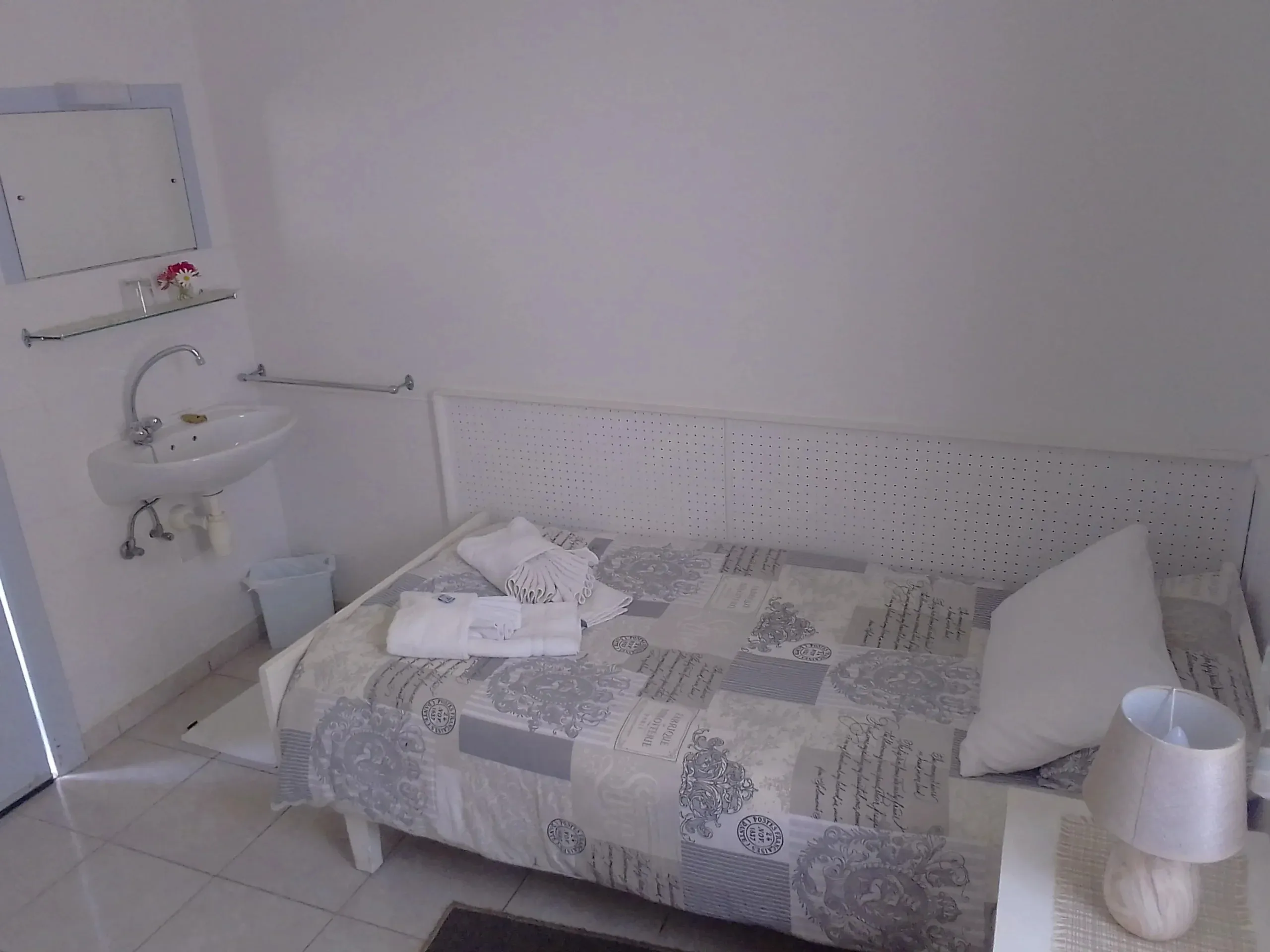
Swakopmund's accommodation market is compact, with six listed properties covering a price range of R725 to R5,200 per night and an average nightly rate of R2,671. That spread reflects a genuine range of property types, making the town accessible to travellers at different budget levels rather than skewing toward a single market segment.
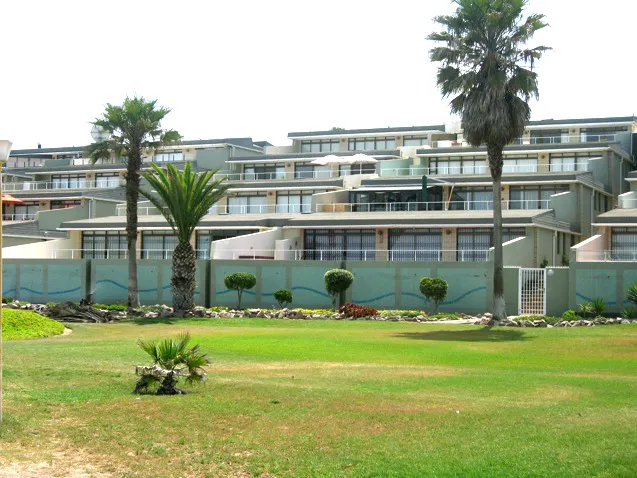
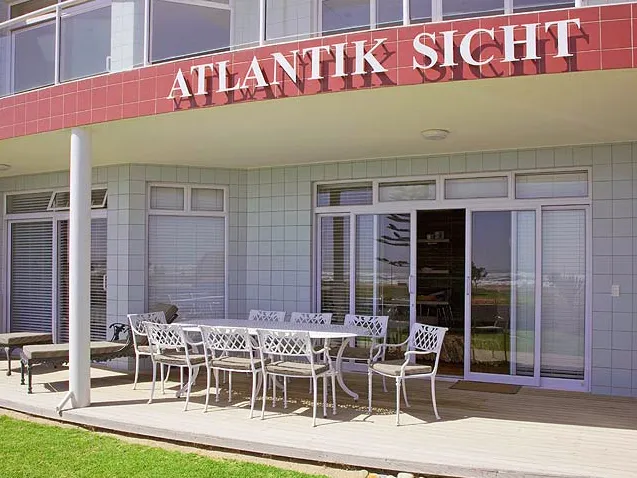
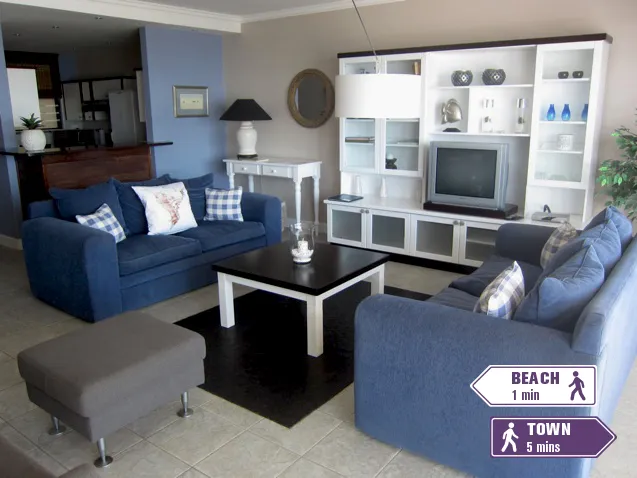
At the budget end, the self-catering option suits those planning a longer stay or travelling as a group. With an average of around R2,082 per night, it sits below the market mean and gives guests independent access to a kitchen, which in a small town carries real practical value. Swakopmund's layout is walkable and supermarkets sit close to most accommodation. Cooking your own meals keeps costs down and provides flexibility that restaurant dining cannot offer, particularly for early morning starts before a day trip or late returns from the desert.
The mid-range centres on the town's two lodges and its bed and breakfast. Lodges in Swakopmund are typically small, owner-operated and personal in their approach. The contrast with a chain hotel is immediate: staff remember guests by name, recommendations are local and specific, and the property feels occupied rather than institutional. The B&B, averaging R3,427 per night, sits at the upper edge of this bracket. Breakfasts here tend to reflect the town's German colonial food culture, with cold meats, cheeses and fresh bread as standard rather than a generic continental plate. In a town with limited morning café options, that quality is a practical consideration, not just an amenity.
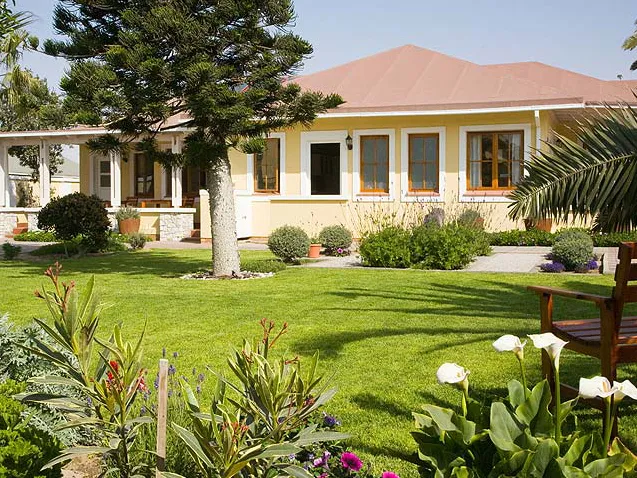
At the top of the market, the guesthouse and boutique hotel both invest in atmosphere and finish. The guesthouse, averaging R5,315 per night, typically offers styled rooms, private outdoor space and attentive service that earns repeat visits. The boutique hotel is the most formally structured option in town, with interiors that draw on Swakopmund's distinctive European-influenced architecture and amenities that operate closer to a full hotel standard.
One feature that runs through all tiers is scale. Every property here is small, and owner-managed accommodation dominates. For many visitors, that consistency is part of the appeal: the same host, the same familiar rooms and the kind of grounded local knowledge that a larger operation rarely replicates.
---
## Best Time to Visit Swakopmund
Swakopmund's climate is shaped by the cold Benguela Current, which flows northward along the Atlantic and keeps coastal temperatures consistently cool. Thick morning fog is a year-round feature, and rain is rare. The weather is more predictable here than at most southern African coastal destinations, which simplifies planning.
The warmest months run from November through March. South African and Namibian school holidays coincide in December and January, making this the peak period for domestic tourism. The town fills quickly during these weeks, availability tightens across most accommodation types and restaurants operate at capacity. Travelling in November or February gives similar temperature conditions without the mid-summer pressure on bookings and public spaces.
Winter, from June through August, is cooler and windier. Strong southerly winds pick up reliably in the afternoons, and inland visitors frequently underestimate how cold the coast becomes once the sun drops. These months are nonetheless well-suited to outdoor desert activities: quad biking and sandboarding on the surrounding dunes are considerably more comfortable in cooler air. The Skeleton Coast, which runs northward from town, is a more productive destination for coastal wildlife during the winter months than in the summer heat.
April, May and September offer a comfortable middle ground. Temperatures are mild, the town is quieter and booking availability is generally straightforward. These months suit visitors who want to explore at their own pace without competing with peak-season crowds.
---
## Getting to Swakopmund
Two airports serve the area. Walvis Bay Airport, approximately 30 kilometres to the south, handles scheduled domestic flights and some regional routes within Namibia, making it the closest air option for travellers connecting from the capital. Windhoek's Hosea Kutako International Airport, the main gateway for international arrivals, sits roughly 360 kilometres inland from the coast.
Most international visitors fly into Windhoek and drive west along the B2 highway. The route is fully tarred throughout and takes between three and four hours in normal conditions. Traffic is light outside the capital, Namibia drives on the left, and a standard passenger car handles the road without difficulty. As you move toward the coast, open savanna gives way to flat desert plain, and the temperature drops noticeably as the Atlantic comes into range.
Visitors from South Africa typically fly into Windhoek rather than making the overland journey. The road distance from Cape Town exceeds 1,700 kilometres via the Northern Cape and the Orange River crossing into Namibia. Those travelling from the Johannesburg area can cross at border posts further east and connect to the B2 from within Namibia.
Swakopmund's town centre is compact and navigable on foot. Most accommodation, restaurants and shops fall within walking distance of each other. A hire car becomes practical for day trips outside town, including access to the surrounding dunes or along the coast road. For shorter in-town trips, informal local taxis are available.
---
## Planning Your Stay
December and January are the busiest booking periods by a significant margin. Properties across the town fill weeks or months in advance during the Christmas and New Year holiday, and last-minute availability is limited at all price levels. If your dates are flexible, April, May and September require far less forward planning and offer a more relaxed booking experience without the trade-off of poor weather.
When comparing properties, check whether breakfast is included in the rate. Swakopmund's café and restaurant scene is adequate but limited in scope, particularly in the early morning. The town has few options for breakfast outside accommodation, and starting the day without a plan creates unnecessary friction. A property that includes a proper morning meal simplifies logistics in a way that matters more here than in a larger, more service-dense city.
The Namibian Dollar is the local currency, pegged at parity with the South African Rand. Properties listed in Rands can generally be paid in either currency without conversion. Card payments are accepted at most businesses in the town centre, though carrying cash is useful for the local market and smaller purchases from informal traders.
Pack warmer clothing than you expect to need. Mornings are cool and often foggy regardless of the season, and strong afternoon winds off the Atlantic make outdoor activities feel colder than the thermometer suggests. A windproof mid-layer is more useful than light summer clothing, even during the warmest months of the year.