Augrabies Reis- & Akkommodasiegids
Jou volledige gids om Augrabies, Suid-Afrika te besoek.
1
Eiendom
Gewildste
Guesthouse
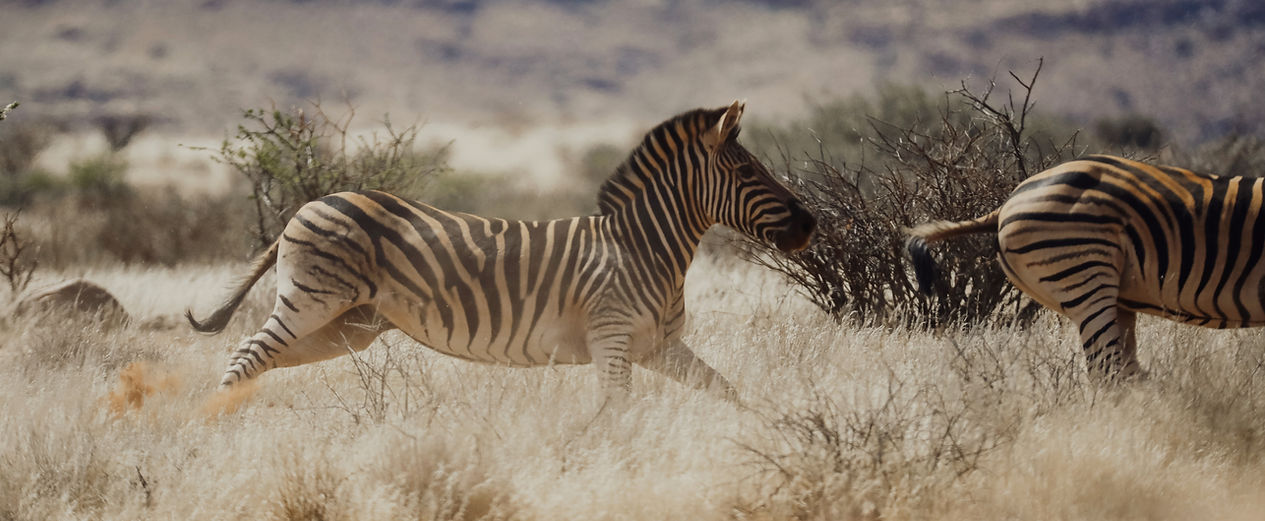
Augrabies offers a unique experience with its dramatic waterfalls and expansive natural park. The area features diverse wildlife and opportunities for outdoor exploration in a semi-arid landscape. Visitors can enjoy the raw beauty of the Orange River and its surrounding environment.
## Accommodation in Augrabies
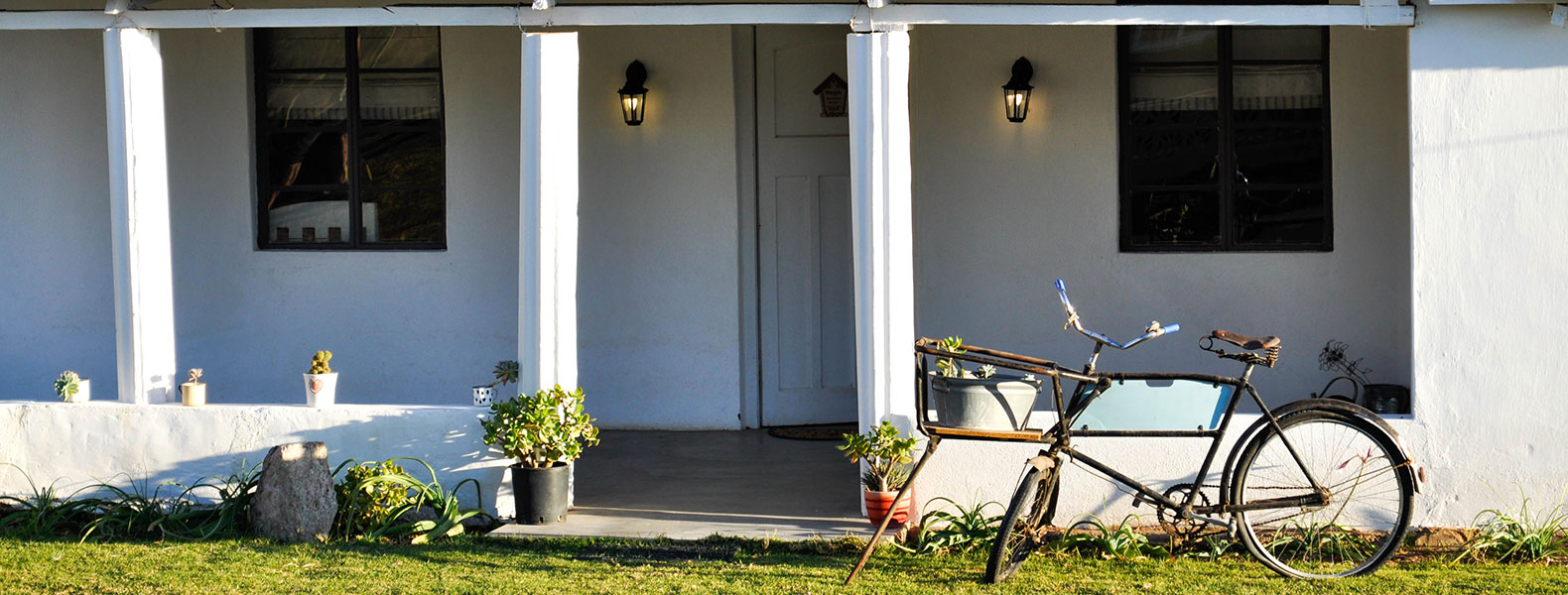
Augrabies is a small town with limited accommodation options, which reflects its role as a gateway rather than a resort destination. With just one property currently listed, visitors are choosing from a focused selection, and nightly rates are best confirmed directly with the property given the variability in the market.
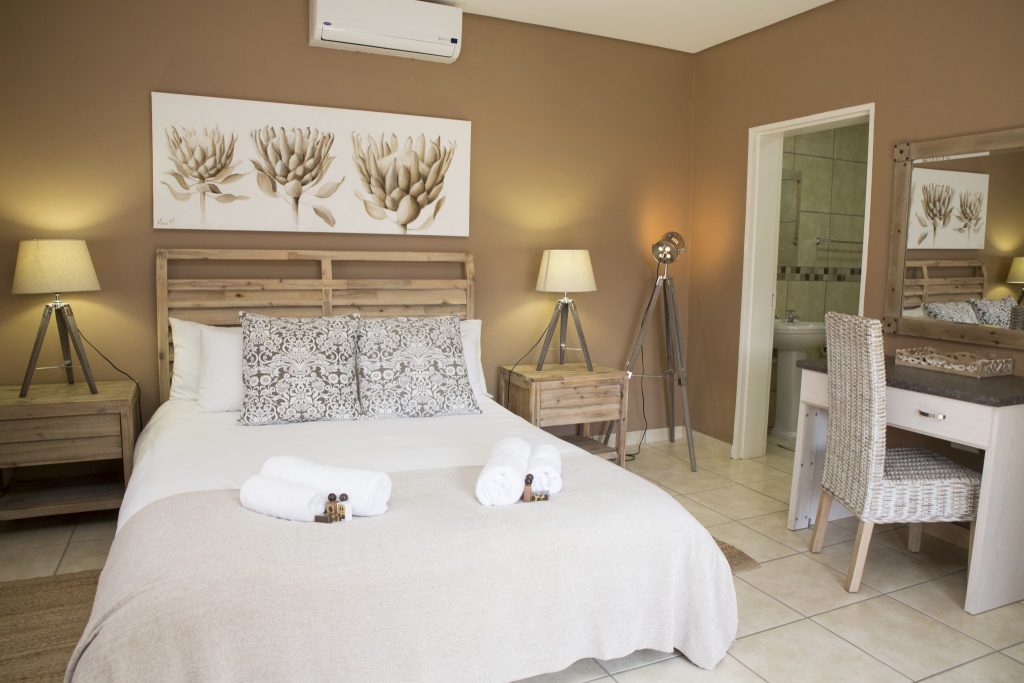
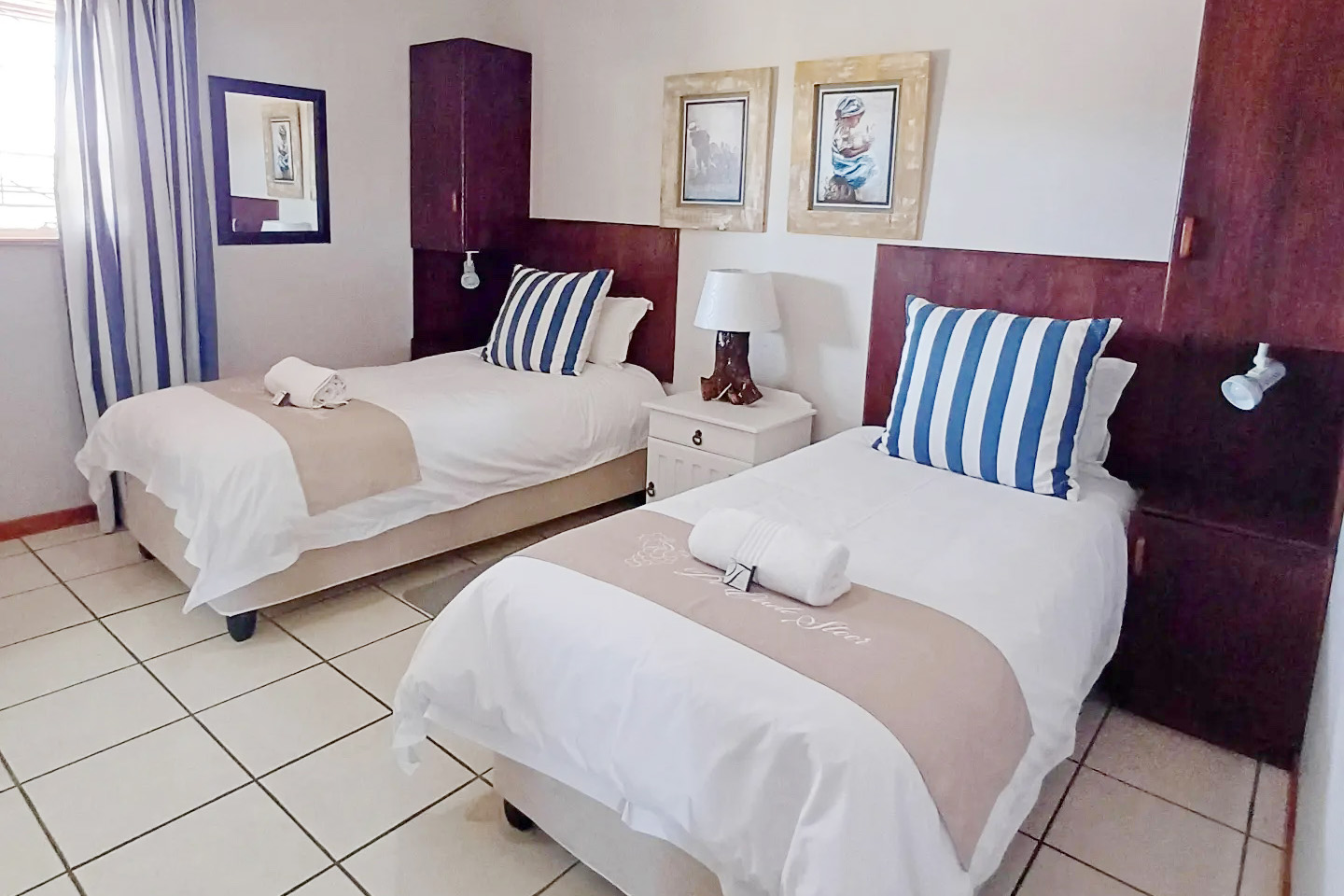
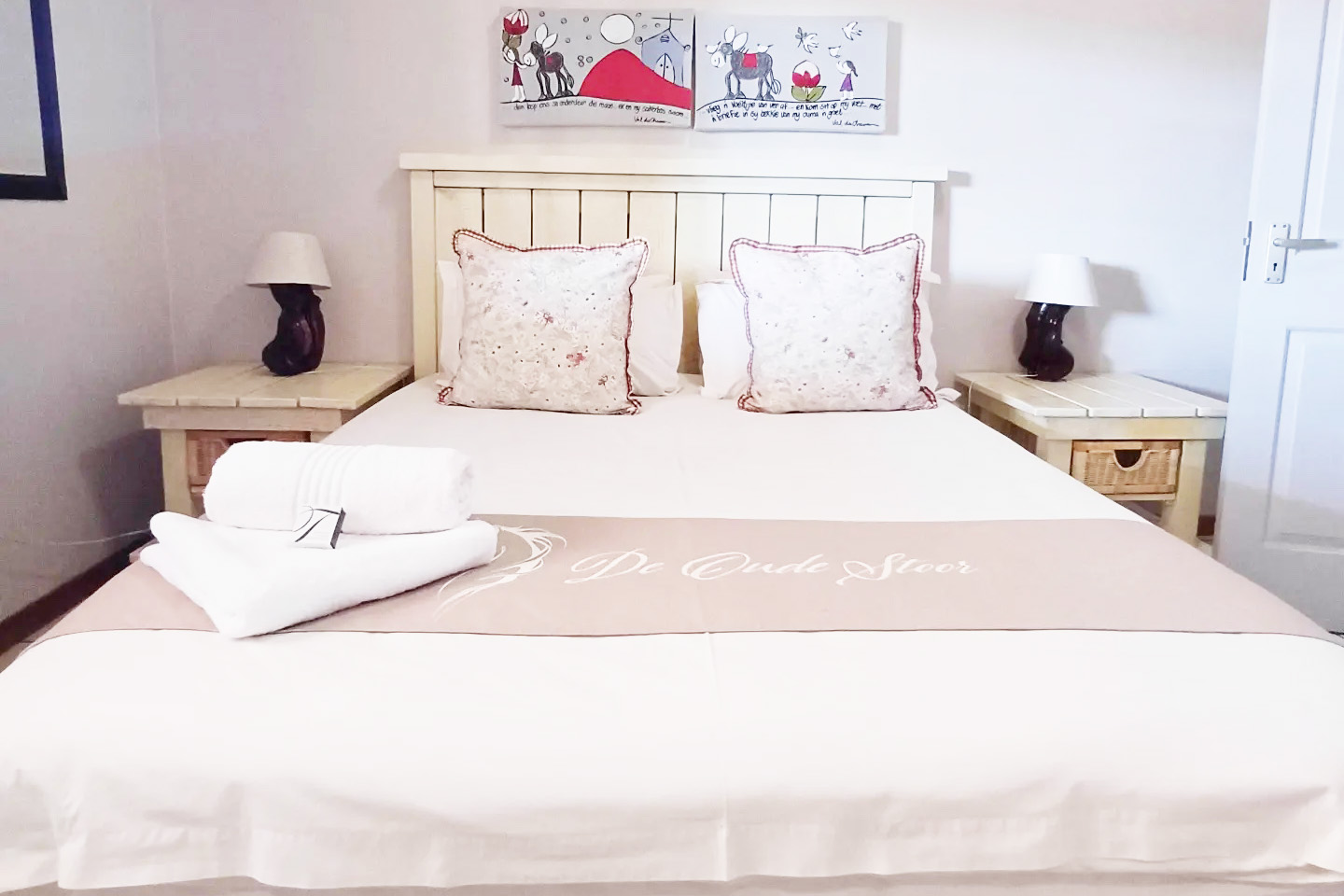
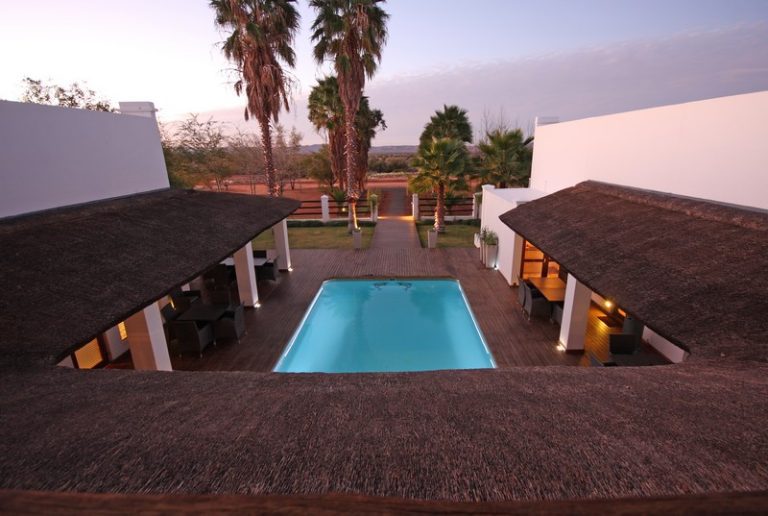
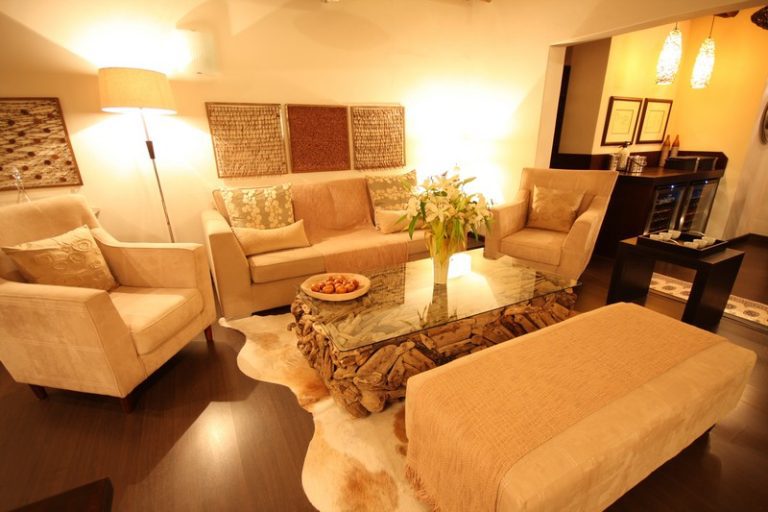
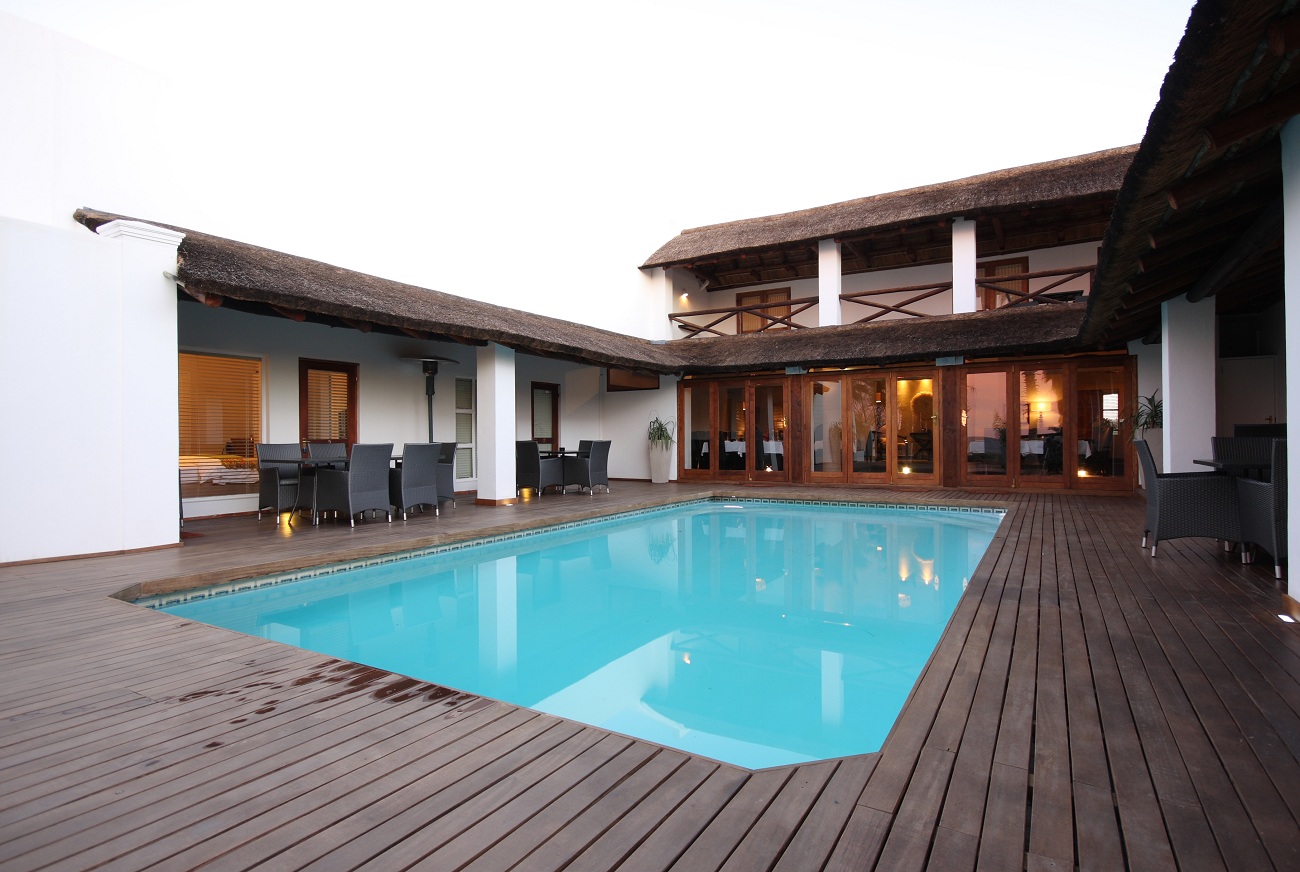
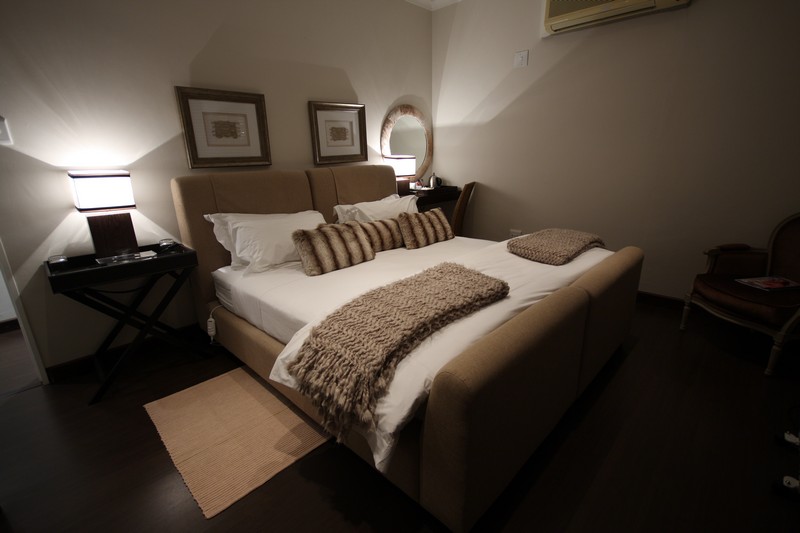
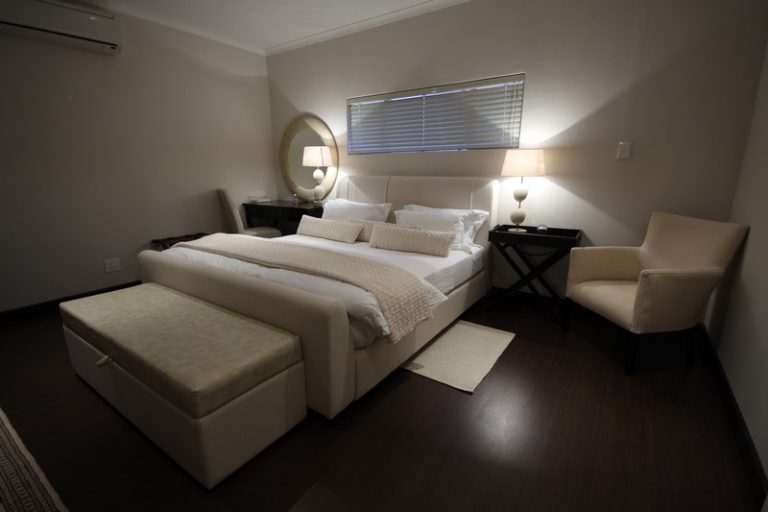
The available guesthouse represents the mid-range tier of what the town offers. Guesthouses in this part of the Northern Cape typically provide en-suite rooms, home-cooked meals on request, and the kind of personal attention that larger chains cannot offer. Owners frequently have practical knowledge of the national park, trail conditions, and wildlife viewing windows, which can add real value to a stay that a standard hotel check-in never provides.
Budget-conscious travelers should also look at the accommodation operated by SANParks inside the Augrabies Falls National Park itself. Options there run from basic campsites through to self-catering chalets and are booked separately through the SANParks reservation system. Staying within the park boundary puts you closest to the falls and the hiking network, though it requires planning ahead, especially during school holidays.
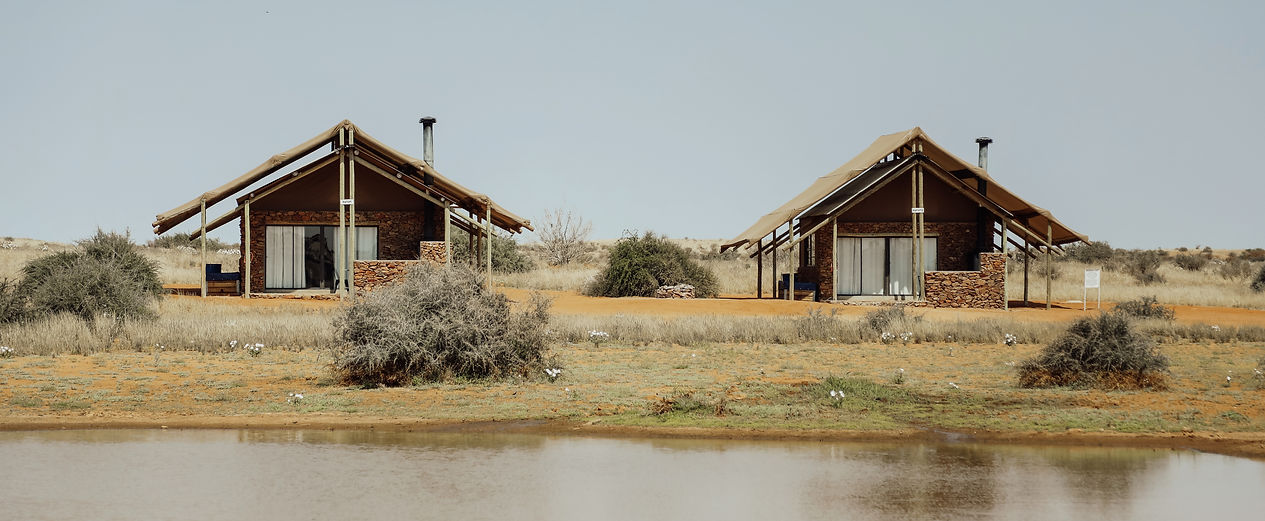
For visitors who want more facilities, private lodges and farm stays operate along the broader Orange River corridor within a short drive of town. These properties tend to suit longer stays and cater to guests interested in canoeing or multi-day hiking rather than a single-night stop.
One practical advantage of a small accommodation market is directness. A phone call or email to the guesthouse generally gets an immediate response, and arrangements around meals, early check-in, or local advice can be sorted without going through automated booking systems.
---
## Best Time to Visit Augrabies
Augrabies sits in a semi-arid zone where the seasons behave distinctly and have a direct bearing on what you can realistically do.
Summer runs from October through to March and brings punishing heat, with December and January regularly exceeding 40°C by midday. This is also the wet season, and even modest rain swells the Orange River substantially. The falls respond dramatically to higher water volumes, becoming louder and more forceful, with spray drifting across the viewing platforms. If seeing the falls at full strength is a priority, summer delivers that, but it comes at the cost of outdoor comfort. Hiking is only practical in the early morning or late afternoon during this period.
Winter, from May through August, is when most leisure travelers visit. Daytime temperatures sit comfortably around 20°C, though nights can drop toward freezing. The park's trails are genuinely enjoyable in these conditions, and wildlife tends to be more active and visible. This is peak season, and the national park fills up during the July school holidays.
Spring, between September and October, offers a reasonable balance: cooler than full summer, less crowded than mid-winter, with decent water levels if the preceding rainy season was adequate.
---
## Getting to Augrabies
Upington International Airport is the most practical arrival point for air travelers, with connections to Johannesburg's O.R. Tambo Airport. Car hire is available at the airport and is effectively essential, since no reliable public transport connects Upington to Augrabies. The drive between the two takes just over an hour on the R359.
From Johannesburg, the road journey is roughly 800 kilometers via the N14 through Kuruman, continuing west. From Cape Town, the N7 north to Springbok connects with the N14 heading east, covering approximately 700 kilometers. Both routes pass through remote stretches with limited services, so planning fuel stops and carrying extra water is sensible.
The R359 between Upington and Augrabies is sealed and in generally good condition. Fuel is available in the towns along the route, but services in smaller communities can be unreliable in terms of hours, so topping up at larger towns is the safer approach.
Once in Augrabies, a private vehicle is the only practical way to get around. Most sealed park roads are accessible in a standard sedan, though some internal tracks are restricted to 4x4 vehicles. The park's reception desk provides current information on which routes are open and their conditions.
---
## Augrabies and Surrounding Areas
The towns and settlements within reach of Augrabies trace the Orange River corridor and vary considerably in what they offer.
**Swaardraai**, 12 kilometers away, is the closest settlement and functions as an agricultural community in the river valley. There is minimal tourist infrastructure, but the road through it offers a quiet alternative route into the surrounding landscape for travelers who want to explore beyond the main highway.
**Kakamas**, 30 kilometers east, is the main service hub for the region. Beyond fuel and provisions, the town has a notable piece of engineering history: an irrigation tunnel completed in 1922 that was central to the development of the Orange River valley's agricultural system. Local co-operative cellars produce wine from the river's irrigated vineyards, and the town is worth a half-day stop.
**Brakboschkolk**, 40 kilometers out, is a small settlement in the dry interior with limited facilities. It functions as a waypoint rather than a destination and is relevant mainly to travelers exploring the back roads toward the Kalahari.
**Keimoes**, 60 kilometers away, has more to offer than its size suggests. The town is surrounded by island vineyards on the Orange River, which create an unusual and photogenic landscape. A local museum covers the history of Khoikhoi and early settler contact in the region, making it worth a deliberate excursion rather than just a drive-through.
**Neilersdrift**, 63 kilometers away, is associated with border access points and intensive irrigation farming. It sees little leisure tourism but is useful context for understanding the agricultural economy of the river corridor.
**Upington**, 91 kilometers northeast, is the regional capital and a fully serviced town with good restaurants, a waterfront on the Orange River, and the Kalahari-Oranje Museum covering the region's natural and human history. It also serves as the main jumping-off point for drives north into the Kgalagadi Transfrontier Park.
---
## Planning Your Stay
With a single property listed in Augrabies, availability is tight when demand spikes. South African school holidays in April, July, September, and December fill accommodation quickly across the Northern Cape. Booking several weeks ahead for these windows is strongly recommended. Outside peak periods, last-minute arrangements may be possible, but confirming lodging before leaving a major center is wise given the town's remoteness.
Before finalizing a booking, check the meal situation explicitly. The nearest alternative dining may be a 30-kilometer drive, so knowing whether dinner is available on-site can change your planning significantly. Ask directly rather than assuming from the listing description.
For summer visits, confirm whether rooms have adequate cooling. Cell signal and internet coverage can be patchy in the area, so downloading offline maps before you arrive removes a potential frustration on arrival. If you plan to do serious hiking in the national park, check the SANParks website for trail permits or any seasonal closures, as some routes are managed for conservation reasons.
Comparing accommodation inside the national park against town-based options is worth doing for any stay longer than one night. The two experiences differ enough, in terms of proximity to the falls, noise, and atmosphere, that the choice depends on what kind of trip you are planning.

Augrabies is a small town with limited accommodation options, which reflects its role as a gateway rather than a resort destination. With just one property currently listed, visitors are choosing from a focused selection, and nightly rates are best confirmed directly with the property given the variability in the market.
The available guesthouse represents the mid-range tier of what the town offers. Guesthouses in this part of the Northern Cape typically provide en-suite rooms, home-cooked meals on request, and the kind of personal attention that larger chains cannot offer. Owners frequently have practical knowledge of the national park, trail conditions, and wildlife viewing windows, which can add real value to a stay that a standard hotel check-in never provides.
Budget-conscious travelers should also look at the accommodation operated by SANParks inside the Augrabies Falls National Park itself. Options there run from basic campsites through to self-catering chalets and are booked separately through the SANParks reservation system. Staying within the park boundary puts you closest to the falls and the hiking network, though it requires planning ahead, especially during school holidays.
For visitors who want more facilities, private lodges and farm stays operate along the broader Orange River corridor within a short drive of town. These properties tend to suit longer stays and cater to guests interested in canoeing or multi-day hiking rather than a single-night stop.
One practical advantage of a small accommodation market is directness. A phone call or email to the guesthouse generally gets an immediate response, and arrangements around meals, early check-in, or local advice can be sorted without going through automated booking systems.
---
## Best Time to Visit Augrabies
Augrabies sits in a semi-arid zone where the seasons behave distinctly and have a direct bearing on what you can realistically do.
Summer runs from October through to March and brings punishing heat, with December and January regularly exceeding 40°C by midday. This is also the wet season, and even modest rain swells the Orange River substantially. The falls respond dramatically to higher water volumes, becoming louder and more forceful, with spray drifting across the viewing platforms. If seeing the falls at full strength is a priority, summer delivers that, but it comes at the cost of outdoor comfort. Hiking is only practical in the early morning or late afternoon during this period.
Winter, from May through August, is when most leisure travelers visit. Daytime temperatures sit comfortably around 20°C, though nights can drop toward freezing. The park's trails are genuinely enjoyable in these conditions, and wildlife tends to be more active and visible. This is peak season, and the national park fills up during the July school holidays.
Spring, between September and October, offers a reasonable balance: cooler than full summer, less crowded than mid-winter, with decent water levels if the preceding rainy season was adequate.
---
## Getting to Augrabies
Upington International Airport is the most practical arrival point for air travelers, with connections to Johannesburg's O.R. Tambo Airport. Car hire is available at the airport and is effectively essential, since no reliable public transport connects Upington to Augrabies. The drive between the two takes just over an hour on the R359.
From Johannesburg, the road journey is roughly 800 kilometers via the N14 through Kuruman, continuing west. From Cape Town, the N7 north to Springbok connects with the N14 heading east, covering approximately 700 kilometers. Both routes pass through remote stretches with limited services, so planning fuel stops and carrying extra water is sensible.
The R359 between Upington and Augrabies is sealed and in generally good condition. Fuel is available in the towns along the route, but services in smaller communities can be unreliable in terms of hours, so topping up at larger towns is the safer approach.
Once in Augrabies, a private vehicle is the only practical way to get around. Most sealed park roads are accessible in a standard sedan, though some internal tracks are restricted to 4x4 vehicles. The park's reception desk provides current information on which routes are open and their conditions.
---
## Augrabies and Surrounding Areas
The towns and settlements within reach of Augrabies trace the Orange River corridor and vary considerably in what they offer.
**Swaardraai**, 12 kilometers away, is the closest settlement and functions as an agricultural community in the river valley. There is minimal tourist infrastructure, but the road through it offers a quiet alternative route into the surrounding landscape for travelers who want to explore beyond the main highway.
**Kakamas**, 30 kilometers east, is the main service hub for the region. Beyond fuel and provisions, the town has a notable piece of engineering history: an irrigation tunnel completed in 1922 that was central to the development of the Orange River valley's agricultural system. Local co-operative cellars produce wine from the river's irrigated vineyards, and the town is worth a half-day stop.
**Brakboschkolk**, 40 kilometers out, is a small settlement in the dry interior with limited facilities. It functions as a waypoint rather than a destination and is relevant mainly to travelers exploring the back roads toward the Kalahari.
**Keimoes**, 60 kilometers away, has more to offer than its size suggests. The town is surrounded by island vineyards on the Orange River, which create an unusual and photogenic landscape. A local museum covers the history of Khoikhoi and early settler contact in the region, making it worth a deliberate excursion rather than just a drive-through.
**Neilersdrift**, 63 kilometers away, is associated with border access points and intensive irrigation farming. It sees little leisure tourism but is useful context for understanding the agricultural economy of the river corridor.
**Upington**, 91 kilometers northeast, is the regional capital and a fully serviced town with good restaurants, a waterfront on the Orange River, and the Kalahari-Oranje Museum covering the region's natural and human history. It also serves as the main jumping-off point for drives north into the Kgalagadi Transfrontier Park.
---
## Planning Your Stay
With a single property listed in Augrabies, availability is tight when demand spikes. South African school holidays in April, July, September, and December fill accommodation quickly across the Northern Cape. Booking several weeks ahead for these windows is strongly recommended. Outside peak periods, last-minute arrangements may be possible, but confirming lodging before leaving a major center is wise given the town's remoteness.
Before finalizing a booking, check the meal situation explicitly. The nearest alternative dining may be a 30-kilometer drive, so knowing whether dinner is available on-site can change your planning significantly. Ask directly rather than assuming from the listing description.
For summer visits, confirm whether rooms have adequate cooling. Cell signal and internet coverage can be patchy in the area, so downloading offline maps before you arrive removes a potential frustration on arrival. If you plan to do serious hiking in the national park, check the SANParks website for trail permits or any seasonal closures, as some routes are managed for conservation reasons.
Comparing accommodation inside the national park against town-based options is worth doing for any stay longer than one night. The two experiences differ enough, in terms of proximity to the falls, noise, and atmosphere, that the choice depends on what kind of trip you are planning.
Tipes Akkommodasie in Augrabies
Akkommodasiepryse in Augrabies
| Tipe | Inskrywings | Vanaf | Gemiddeld | Tot |
|---|---|---|---|---|
| Guesthouse | 1 | – | – | – |
Augrabies Kaart
Nabygeleë Bestemmings
Blaai Deur Alle Augrabies Akkommodasie
Bekyk al 1 akkommodasie-opsies in Augrabies met foto's, pryse en beskikbaarheid.
Blaai Deur Alle Akkommodasie