Beestekraal Reis- & Akkommodasiegids
Jou volledige gids om Beestekraal, Suid-Afrika te besoek.
1
Eiendom
Gewildste
Resort
Beestekraal appeals to holidaymakers with its rural landscapes and community events that highlight local customs. The area includes farms and open spaces for exploration and relaxation. It serves as a base for day trips to nearby attractions, drawing those interested in nature and culture.
## Accommodation in Beestekraal
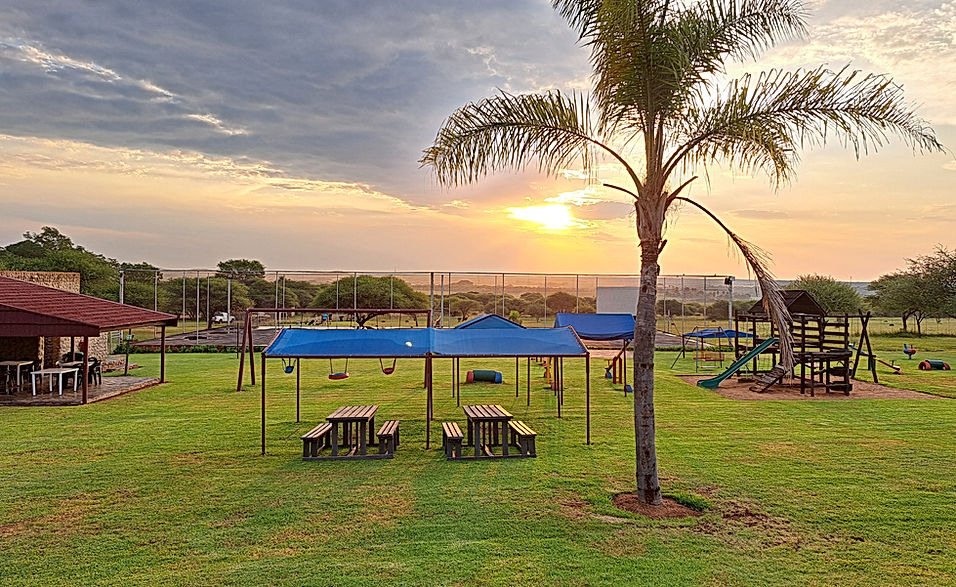
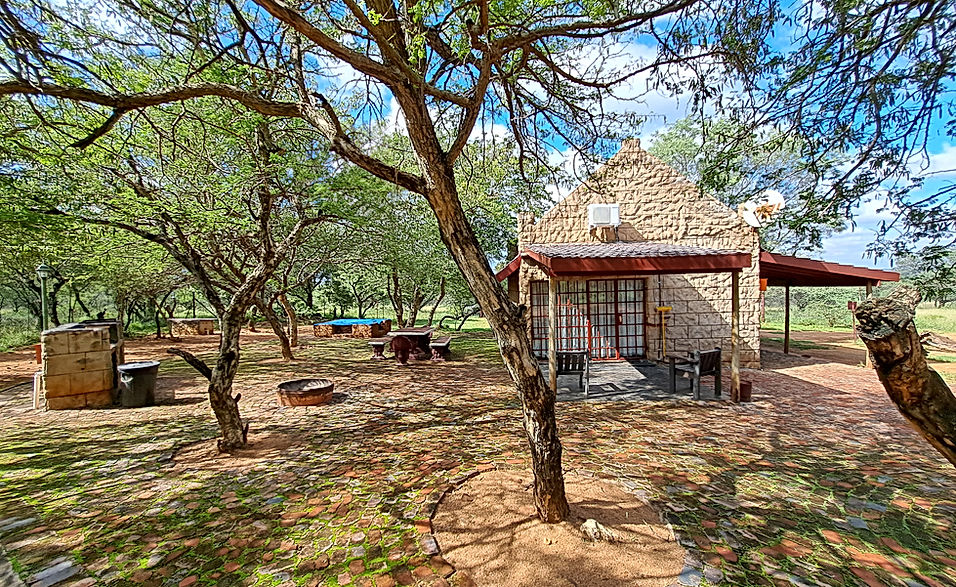
With a single listed property in the area, Beestekraal sits at the quieter end of South Africa's accommodation spectrum. That property is a resort, which gives visitors access to facilities that standalone farm stays or guesthouses in similarly small villages often lack. Resorts in this region typically offer on-site activities, communal spaces, and a degree of self-contained comfort, making them a practical choice for families or groups wanting structure without travelling far for amenities.
Because pricing is not publicly advertised, prospective guests need to contact the property directly to understand what is included and at what cost. This is not unusual for smaller resort operations in rural South Africa, where rates vary by season, group size, or the type of accommodation unit selected.
The general experience in Beestekraal leans toward simplicity and space. Farm-adjacent surroundings mean guests are more likely to fall asleep to silence than to traffic, and mornings tend to involve open skies and birdsong rather than street noise. Braai facilities and shared outdoor areas are common features of properties in this style, encouraging an informal atmosphere among guests.
For travellers accustomed to urban hotel conveniences, adjusting expectations before arrival is sensible. Wi-Fi coverage in rural farming communities can be inconsistent, and service offerings are not on the scale of city resorts. But for those seeking time away from screens and crowds, that trade-off is often the point. Larger towns within an hour by car provide anything the property itself does not.
---
## Best Time to Visit Beestekraal
The area follows a typical Highveld climate pattern: warm, wet summers and dry, mild winters. Summer, from November through February, brings afternoon thunderstorms that cool the air but can make dirt roads slippery and walking trails less accessible. These months are also peak growing season, when the surrounding farmlands are most active and the landscape is at its greenest.
Winter, from June through August, offers clear skies and cooler temperatures. Frost is possible on some mornings, so packing layers is advisable. Birdwatching tends to be more productive during these months because vegetation thins, improving visibility through scrub and acacia stands.
Spring (September and October) is arguably the most comfortable window. Temperatures rise gradually, wildflowers appear on the plains, and the summer rains have not yet arrived. Autumn (March to May) similarly offers pleasant conditions after the summer heat breaks. Given that a single resort serves the area, advance booking matters at any time of year, since one group booking can fill available capacity entirely.
---
## Getting to Beestekraal
The nearest major airport is OR Tambo International in Johannesburg, roughly 80 kilometres southeast. From there, the most practical route is via the N14 highway west toward Krugersdorp, then connecting roads north through the Brits district. The drive takes approximately one hour under normal conditions, though peak-hour traffic out of Johannesburg can extend this considerably.
Drivers from Pretoria travel west on the N4 toward Brits, then turn north. That route covers around 70 kilometres and typically takes under an hour. From Rustenburg to the northwest, the distance is approximately 47 kilometres along the R565.
No scheduled public bus or rail service stops in Beestekraal itself. Visitors relying on public transport can take intercity coaches to Brits, which has a bus terminus, and arrange onward transport privately from there. Car hire from Johannesburg or Pretoria is the most flexible option, particularly since the village and its surroundings require independent wheels to explore. A standard passenger vehicle handles most approach roads adequately, though a vehicle with higher clearance is useful for farm tracks during the wet months.
---
## Beestekraal and Surrounding Areas
Several towns and destinations within an hour of Beestekraal offer a practical mix of services, entertainment, and further exploration.
**Brits** (36 kilometres south) is the closest significant town and functions as the main service hub for the area. It has supermarkets, fuel stations, pharmacies, and a range of restaurants. For visitors needing banking, medical services, or substantial grocery shopping, Brits is the default stop. Its agricultural character is visible in the farming supply shops that line the main commercial streets.
**Mooinooi** (42 kilometres) sits further south and serves as a gateway to the Magaliesberg mountain range. The surrounding area is associated with nature reserves and game farms, making it a worthwhile day trip for anyone interested in hiking among rock formations and river valleys, or spotting antelope and raptors in their natural habitat.
**Botshabelo** (42 kilometres) is distinct from the other nearby destinations. One of South Africa's larger townships, it carries significant historical weight tied to apartheid-era resettlement policies of the 1970s and 1980s. For travellers interested in understanding that chapter of South African history, Botshabelo offers a more sober, educational stop than the other options nearby.
**Rustenburg** (47 kilometres northwest) is a full city with an economy driven by platinum mining. It provides the widest range of restaurants, shopping centres, and services in the region. The foothills around Rustenburg support several nature reserves offering activities such as zip-lining, mountain biking, and guided game walks.
**Sun City** (48 kilometres) is a large, self-contained resort and casino complex set within the Pilanesberg area. Its waterparks, golf course, and proximity to Pilanesberg National Park make it a high-contrast day excursion from the quieter pace of Beestekraal. Game drives in Pilanesberg, which supports the Big Five, can be arranged independently or through the resort.
**Tlhabane** (48 kilometres) is a township adjacent to Rustenburg, known for its local markets and informal commercial activity. For travellers wanting a direct look at everyday economic life in a platinum-belt community, it provides a grounded counterpoint to the entertainment-focused atmosphere of Sun City.
---
## Planning Your Stay
Given that Beestekraal has a single accommodation property, booking as early as possible is the most important practical step. Group or family bookings can fill available units quickly, and there is no nearby overflow option if the property reaches capacity.
Before confirming a reservation, contact the property directly to clarify what is included. Meal options, braai facilities, and any activity programmes vary between rural properties in this region and are not always spelled out in online listings. Confirming check-in times is also worth doing, as some smaller operations do not staff a reception desk through the evening.
Travellers arriving with children or elderly guests should check road conditions on approach routes, particularly between November and February when rain can make unsealed farm roads difficult. Downloading offline maps before departure is straightforward preparation, and storing the property's phone number locally is sensible given that mobile network signal can drop in low-lying areas.
Carry some cash. Card payment infrastructure in small villages and rural properties is not always reliable, and the nearest ATMs are in Brits. Arriving with fuel in the tank is equally advisable, since there are no fuel stations in the village itself.

With a single listed property in the area, Beestekraal sits at the quieter end of South Africa's accommodation spectrum. That property is a resort, which gives visitors access to facilities that standalone farm stays or guesthouses in similarly small villages often lack. Resorts in this region typically offer on-site activities, communal spaces, and a degree of self-contained comfort, making them a practical choice for families or groups wanting structure without travelling far for amenities.
Because pricing is not publicly advertised, prospective guests need to contact the property directly to understand what is included and at what cost. This is not unusual for smaller resort operations in rural South Africa, where rates vary by season, group size, or the type of accommodation unit selected.
The general experience in Beestekraal leans toward simplicity and space. Farm-adjacent surroundings mean guests are more likely to fall asleep to silence than to traffic, and mornings tend to involve open skies and birdsong rather than street noise. Braai facilities and shared outdoor areas are common features of properties in this style, encouraging an informal atmosphere among guests.
For travellers accustomed to urban hotel conveniences, adjusting expectations before arrival is sensible. Wi-Fi coverage in rural farming communities can be inconsistent, and service offerings are not on the scale of city resorts. But for those seeking time away from screens and crowds, that trade-off is often the point. Larger towns within an hour by car provide anything the property itself does not.
---
## Best Time to Visit Beestekraal
The area follows a typical Highveld climate pattern: warm, wet summers and dry, mild winters. Summer, from November through February, brings afternoon thunderstorms that cool the air but can make dirt roads slippery and walking trails less accessible. These months are also peak growing season, when the surrounding farmlands are most active and the landscape is at its greenest.
Winter, from June through August, offers clear skies and cooler temperatures. Frost is possible on some mornings, so packing layers is advisable. Birdwatching tends to be more productive during these months because vegetation thins, improving visibility through scrub and acacia stands.
Spring (September and October) is arguably the most comfortable window. Temperatures rise gradually, wildflowers appear on the plains, and the summer rains have not yet arrived. Autumn (March to May) similarly offers pleasant conditions after the summer heat breaks. Given that a single resort serves the area, advance booking matters at any time of year, since one group booking can fill available capacity entirely.
---
## Getting to Beestekraal
The nearest major airport is OR Tambo International in Johannesburg, roughly 80 kilometres southeast. From there, the most practical route is via the N14 highway west toward Krugersdorp, then connecting roads north through the Brits district. The drive takes approximately one hour under normal conditions, though peak-hour traffic out of Johannesburg can extend this considerably.
Drivers from Pretoria travel west on the N4 toward Brits, then turn north. That route covers around 70 kilometres and typically takes under an hour. From Rustenburg to the northwest, the distance is approximately 47 kilometres along the R565.
No scheduled public bus or rail service stops in Beestekraal itself. Visitors relying on public transport can take intercity coaches to Brits, which has a bus terminus, and arrange onward transport privately from there. Car hire from Johannesburg or Pretoria is the most flexible option, particularly since the village and its surroundings require independent wheels to explore. A standard passenger vehicle handles most approach roads adequately, though a vehicle with higher clearance is useful for farm tracks during the wet months.
---
## Beestekraal and Surrounding Areas
Several towns and destinations within an hour of Beestekraal offer a practical mix of services, entertainment, and further exploration.
**Brits** (36 kilometres south) is the closest significant town and functions as the main service hub for the area. It has supermarkets, fuel stations, pharmacies, and a range of restaurants. For visitors needing banking, medical services, or substantial grocery shopping, Brits is the default stop. Its agricultural character is visible in the farming supply shops that line the main commercial streets.
**Mooinooi** (42 kilometres) sits further south and serves as a gateway to the Magaliesberg mountain range. The surrounding area is associated with nature reserves and game farms, making it a worthwhile day trip for anyone interested in hiking among rock formations and river valleys, or spotting antelope and raptors in their natural habitat.
**Botshabelo** (42 kilometres) is distinct from the other nearby destinations. One of South Africa's larger townships, it carries significant historical weight tied to apartheid-era resettlement policies of the 1970s and 1980s. For travellers interested in understanding that chapter of South African history, Botshabelo offers a more sober, educational stop than the other options nearby.
**Rustenburg** (47 kilometres northwest) is a full city with an economy driven by platinum mining. It provides the widest range of restaurants, shopping centres, and services in the region. The foothills around Rustenburg support several nature reserves offering activities such as zip-lining, mountain biking, and guided game walks.
**Sun City** (48 kilometres) is a large, self-contained resort and casino complex set within the Pilanesberg area. Its waterparks, golf course, and proximity to Pilanesberg National Park make it a high-contrast day excursion from the quieter pace of Beestekraal. Game drives in Pilanesberg, which supports the Big Five, can be arranged independently or through the resort.
**Tlhabane** (48 kilometres) is a township adjacent to Rustenburg, known for its local markets and informal commercial activity. For travellers wanting a direct look at everyday economic life in a platinum-belt community, it provides a grounded counterpoint to the entertainment-focused atmosphere of Sun City.
---
## Planning Your Stay
Given that Beestekraal has a single accommodation property, booking as early as possible is the most important practical step. Group or family bookings can fill available units quickly, and there is no nearby overflow option if the property reaches capacity.
Before confirming a reservation, contact the property directly to clarify what is included. Meal options, braai facilities, and any activity programmes vary between rural properties in this region and are not always spelled out in online listings. Confirming check-in times is also worth doing, as some smaller operations do not staff a reception desk through the evening.
Travellers arriving with children or elderly guests should check road conditions on approach routes, particularly between November and February when rain can make unsealed farm roads difficult. Downloading offline maps before departure is straightforward preparation, and storing the property's phone number locally is sensible given that mobile network signal can drop in low-lying areas.
Carry some cash. Card payment infrastructure in small villages and rural properties is not always reliable, and the nearest ATMs are in Brits. Arriving with fuel in the tank is equally advisable, since there are no fuel stations in the village itself.
Tipes Akkommodasie in Beestekraal
Akkommodasiepryse in Beestekraal
| Tipe | Inskrywings | Vanaf | Gemiddeld | Tot |
|---|---|---|---|---|
| Resort | 1 | – | – | – |
Beestekraal Kaart
Nabygeleë Bestemmings
Blaai Deur Alle Beestekraal Akkommodasie
Bekyk al 1 akkommodasie-opsies in Beestekraal met foto's, pryse en beskikbaarheid.
Blaai Deur Alle Akkommodasie