Tlhabane Reis- & Akkommodasiegids
Jou volledige gids om Tlhabane, Suid-Afrika te besoek.
6
Eiendomme
Vanaf
R855
/ nag
Gemiddeld
R1,028
/ nag
Gewildste
Lodge
Tlhabane is a township on the western edge of Rustenburg in North West Province, closely tied to the platinum mining economy that defines this part of South Africa. It serves as a practical base for visitors exploring the wider Rustenburg area, with Sun City and the Pilanesberg National Park both within easy reach.
## Accommodation in Tlhabane
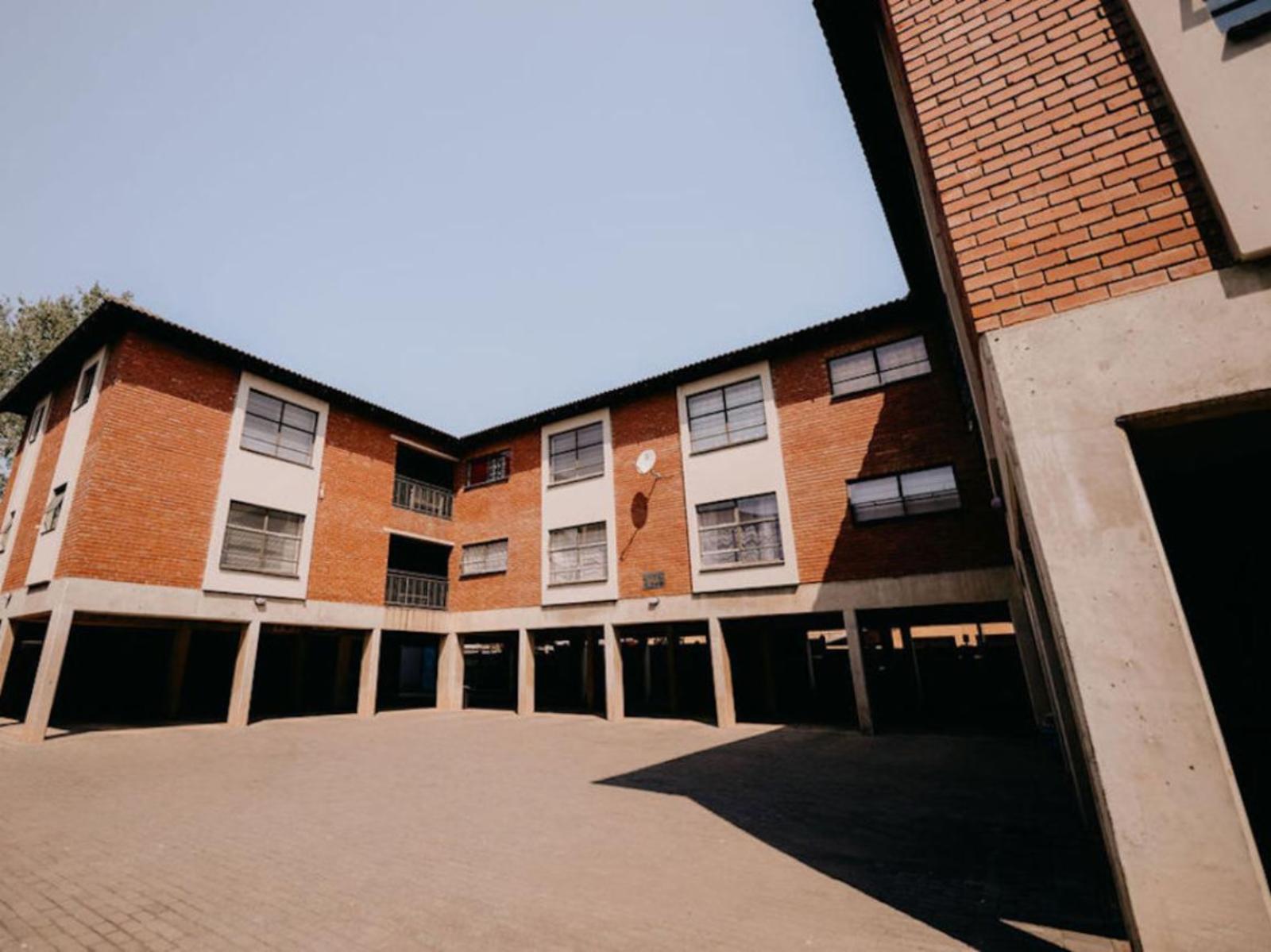
Tlhabane's accommodation market is compact, with six properties spread across nightly rates from R855 to R1,200. The selection skews toward mid-range and upper-tier options, a reflection of the area's dual role as a corporate base for the platinum mining sector and a more affordable entry point for tourists exploring the wider North West Province.
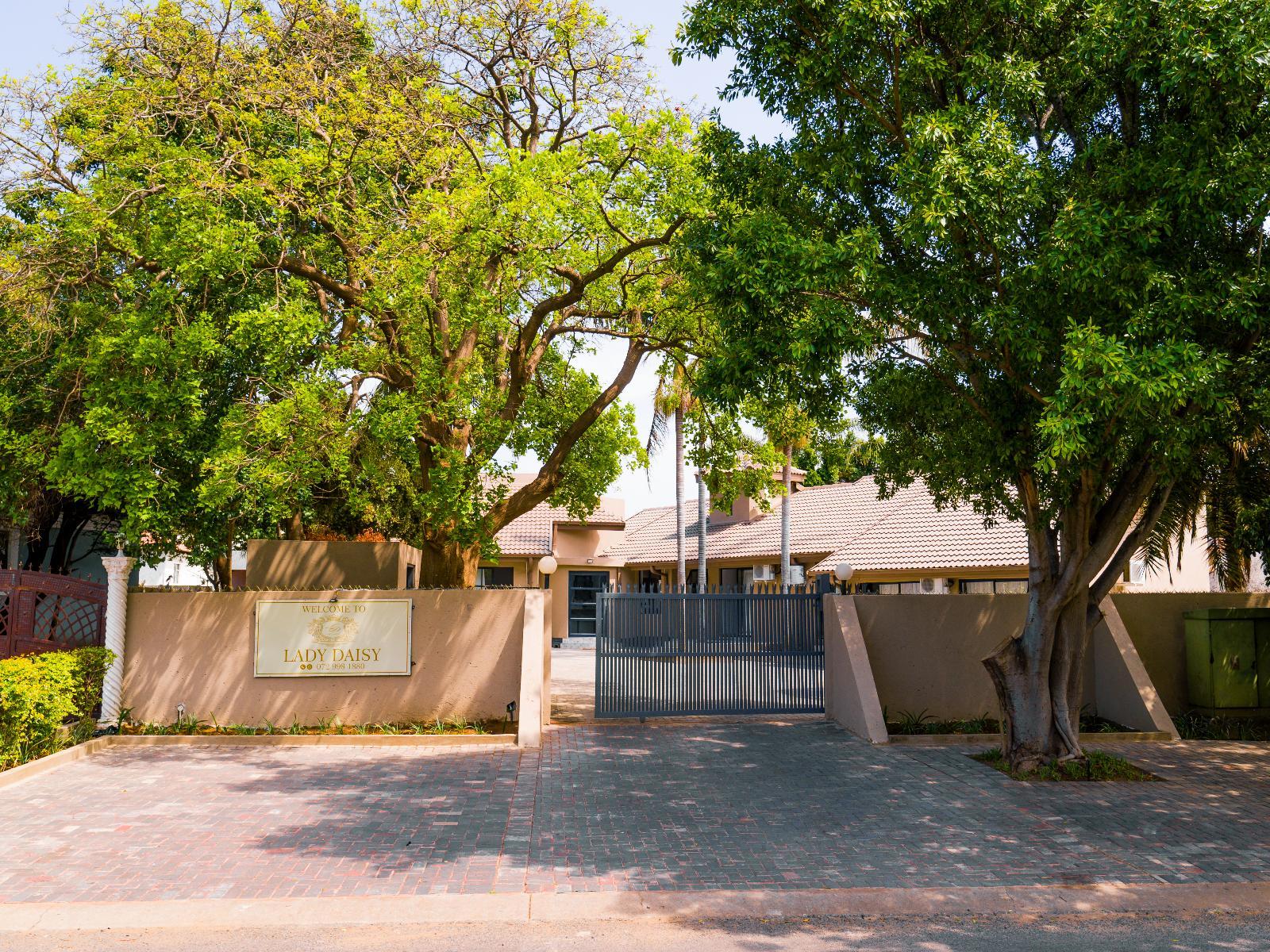
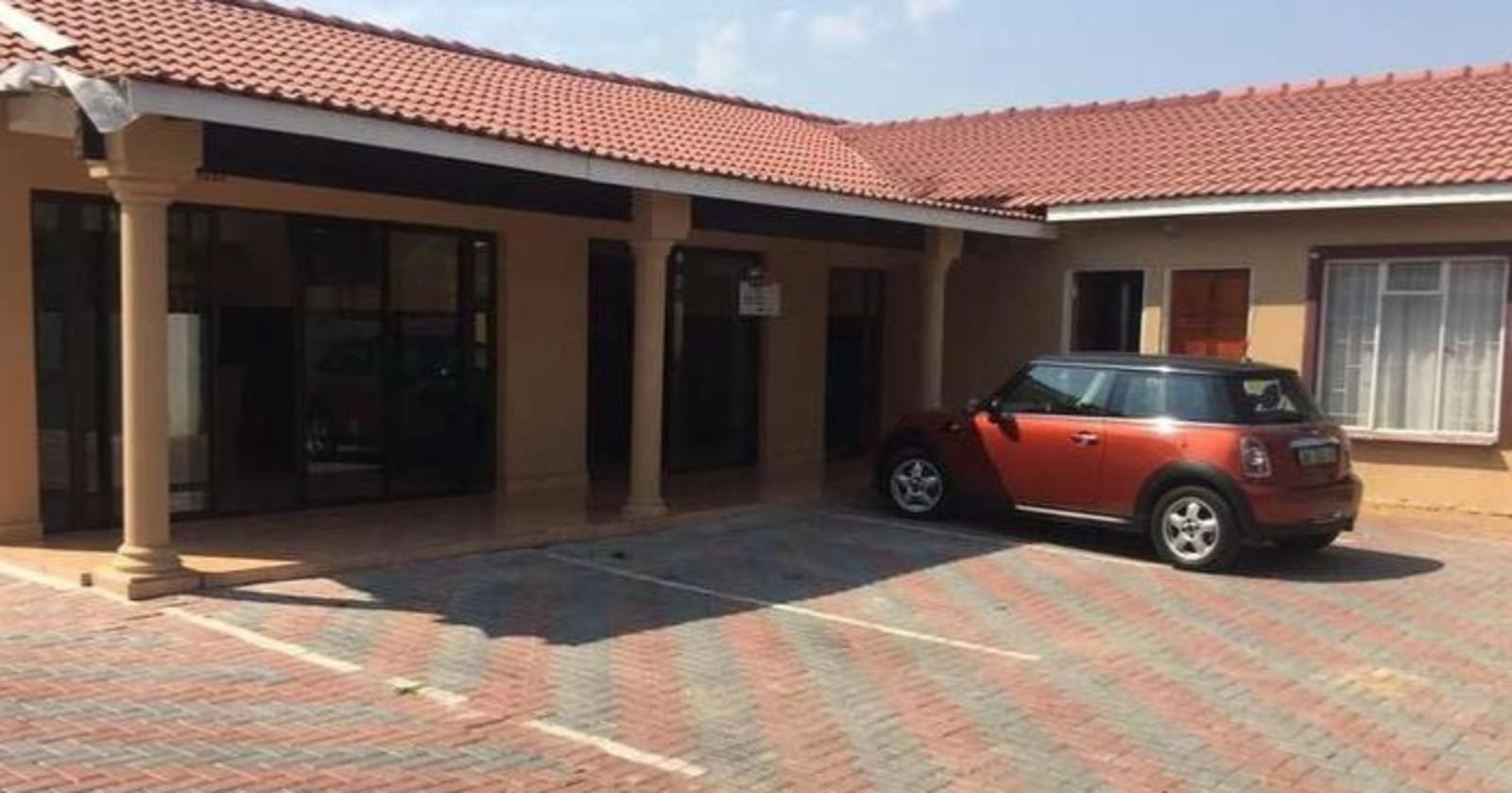
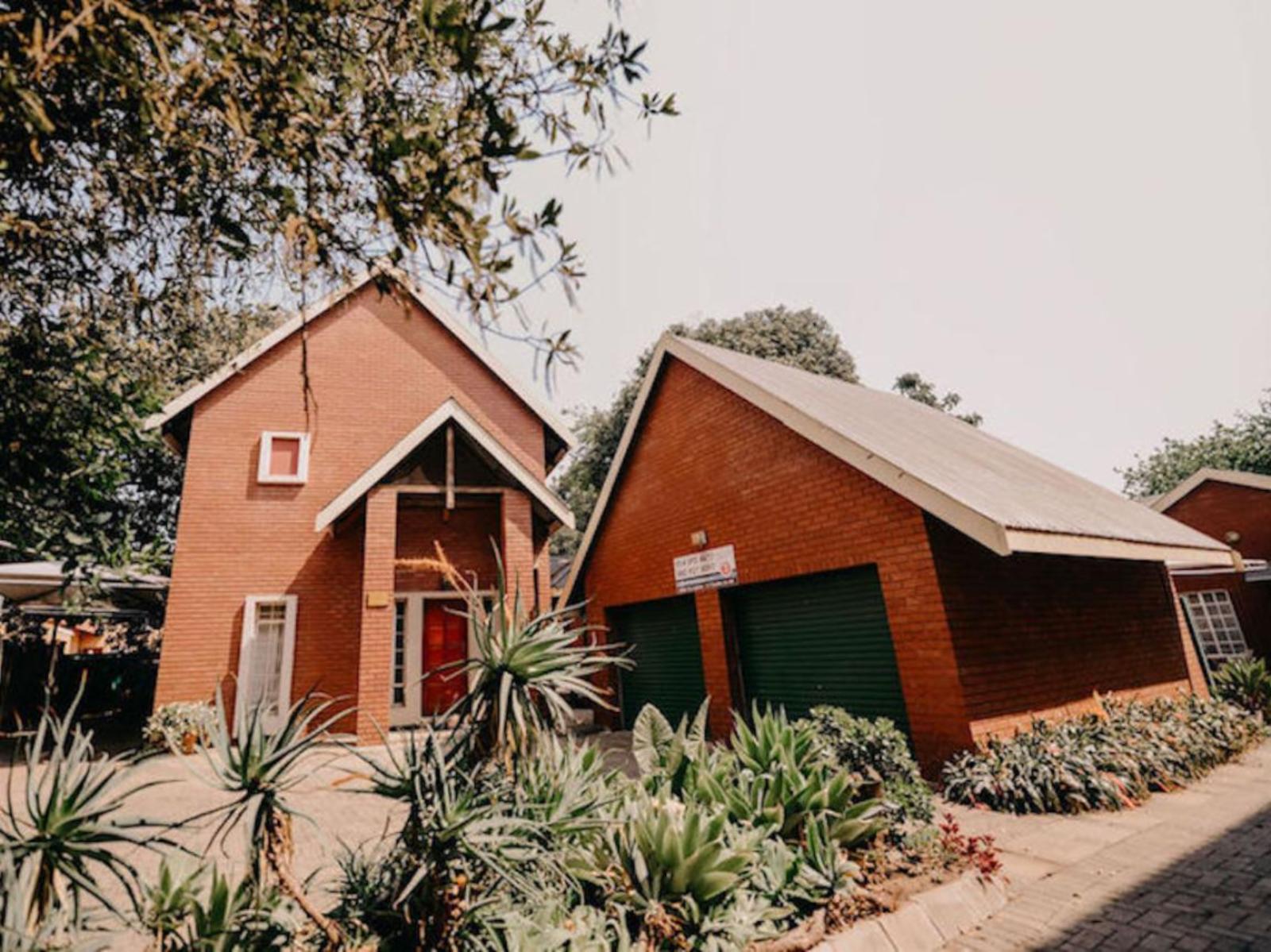
The upper end of the market features two lodges and a guest house. Lodges in this context are generally owner-run properties with more physical space than a standard hotel room, including secure parking, private gardens, and in some cases small conference or meeting facilities aimed at business clients. Stays of a week or more are not uncommon at this tier, and some operators structure their rates to accommodate longer corporate bookings. The guest house at a comparable price point offers a more domestic atmosphere, with home-cooked breakfasts, on-site hosts, and practical local knowledge about the area.
Mid-range options include a bed and breakfast, which covers morning meals and a comfortable night without excess. For those preferring to manage their own schedule, a self-catering unit rounds out the lower end of the price range. This format suits multi-night stays, families, or anyone who values flexibility over included services. Full supermarkets in the adjacent city are reachable within minutes, so provisioning is not a concern.
At an average of R1,028 per night across all six properties, Tlhabane offers clear value relative to Johannesburg and Pretoria. Most properties include off-street or secured parking as standard, which matters for visitors arriving by car. Operators whose primary clients come from the mining sector sometimes carry midweek or extended-stay rates that are not advertised on standard booking platforms, making a direct enquiry worth the effort if your stay runs beyond a couple of nights.
## Best Time to Visit Tlhabane
North West Province has a warm, semi-arid climate with two distinct seasons. Summer runs from October through March, when afternoon thunderstorms are common and temperatures regularly exceed 35°C. The rains keep the landscape green but can affect unpaved roads and make outdoor activities uncomfortable during the hottest part of the day. Early mornings work considerably better than afternoons for driving or any extended time outside.
The dry season from May through August is the more comfortable period for most visits. Vegetation thins considerably during these months, improving visibility for game viewing in the surrounding reserves, and animals congregate around permanent water sources. Days are sunny and mild, but winter nights drop sharply, particularly in June and July, when temperatures approaching freezing are possible at higher elevations. Packing a warm layer is sensible even for short trips.
September and October form a useful shoulder period: conditions remain dry, temperatures are moderate, and visitor numbers are lower than during the peak winter school break. The South African school winter holidays in late June and early July increase demand across the region, affecting accommodation availability and wait times at popular sites. Travelling outside those weeks is worth doing if dates are flexible. Late August and early September see early wildflowers as the landscape begins its transition toward summer.
## Getting to Tlhabane
The N4 highway is the main approach from Johannesburg or Pretoria, covering approximately 120 kilometres from either city. The drive takes around 90 minutes under normal conditions, though peak-hour traffic on the Pretoria approach can add meaningful time. Long-distance bus services from Gauteng stop in Rustenburg rather than Tlhabane directly, so those arriving by bus need to arrange a short onward connection.
OR Tambo International Airport in Johannesburg handles all significant international arrivals and most domestic connections to the region. From the airport, the route west runs along the N14 through Krugersdorp before joining the N4. Hiring a car at the airport is the most flexible approach for the full journey; shuttle services also operate in the direction of Rustenburg but do not cover the final stretch to Tlhabane itself.
Within the area, a private vehicle makes a considerable difference to what is accessible. Minibus taxis run frequently between Tlhabane and central Rustenburg, covering the four-kilometre gap cheaply and reliably. Moving further into the province requires either a hired car or a pre-arranged day tour, as public transport does not connect the smaller outlying towns or nature areas. Car hire desks are available in Rustenburg for anyone arriving by long-distance bus who needs a vehicle from that point forward.
## Tlhabane and Surrounding Areas
Rustenburg, four kilometres away, is the region's primary hub for services, retail, and everyday needs. Waterfall Mall and Rustenburg Crossing are the city's two main shopping centres, between them covering supermarkets, clothing, banking, electronics, and most practical requirements. The restaurant scene is solid for a city of this size, and medical and administrative facilities are well represented. Along the city's southern edge, the Magaliesberg mountain range provides access to hiking trails and nature reserves within a short drive for visitors with an interest in outdoor activity.
Boshoek, 23 kilometres north, is a small settlement on the road corridor heading deeper into the platinum belt. It functions primarily as a transit point rather than a destination in its own right and has limited independent draws.
Sun City, 36 kilometres from Tlhabane, is the most commercially developed leisure complex in the region. The resort covers a substantial footprint with a casino, multiple hotels, a water park, and extensive conference and entertainment facilities. It sits directly adjacent to Pilanesberg National Park, a Big Five game reserve set within the crater of an ancient alkaline volcano. A single day trip can reasonably take in both a game drive through the park and an afternoon at the resort, making it one of the more straightforward day excursions available from a base in Tlhabane.
Mooinooi, at 37 kilometres, is a working town in the platinum mining belt, most useful for fuel and supplies when travelling in that direction. Maanhaarrand, 38 kilometres out, is a small community in the broader rural belt and suits travellers interested in the quieter agricultural landscape of the province rather than its urban centres. Beestekraal, the furthest of these at 48 kilometres, is a farming settlement on the province's quieter road network, with minimal tourism infrastructure but a useful waypoint on longer drives through the region.
## Planning Your Stay
With six properties in total, Tlhabane has limited capacity during peak periods. School holidays and the winter dry season both increase visitor numbers across the broader region, and popular properties can book out well ahead despite the destination's relatively low profile. Booking two to four weeks in advance covers most periods; during the busiest holidays, more lead time is advisable.
When comparing properties, check whether breakfast is included in the listed rate and confirm parking arrangements, since virtually all visitors arrive by private vehicle. Properties oriented primarily toward corporate clients in the mining sector may not display their best rates on standard booking platforms. A direct call or email before confirming often surfaces midweek pricing or extended-stay discounts not visible elsewhere.
Mobile coverage is reliable throughout Tlhabane and the nearby urban area but weakens on some rural roads further into the province. Carry cash, as smaller local businesses and roadside stops do not consistently accept card payments. If a game drive or park entry permit is part of your itinerary, book it ahead rather than counting on availability at the gate. Filling up on fuel before heading toward less-populated areas is a practical habit in this part of North West Province, where petrol stations thin out quickly once you leave the main urban corridor.

Tlhabane's accommodation market is compact, with six properties spread across nightly rates from R855 to R1,200. The selection skews toward mid-range and upper-tier options, a reflection of the area's dual role as a corporate base for the platinum mining sector and a more affordable entry point for tourists exploring the wider North West Province.
The upper end of the market features two lodges and a guest house. Lodges in this context are generally owner-run properties with more physical space than a standard hotel room, including secure parking, private gardens, and in some cases small conference or meeting facilities aimed at business clients. Stays of a week or more are not uncommon at this tier, and some operators structure their rates to accommodate longer corporate bookings. The guest house at a comparable price point offers a more domestic atmosphere, with home-cooked breakfasts, on-site hosts, and practical local knowledge about the area.
Mid-range options include a bed and breakfast, which covers morning meals and a comfortable night without excess. For those preferring to manage their own schedule, a self-catering unit rounds out the lower end of the price range. This format suits multi-night stays, families, or anyone who values flexibility over included services. Full supermarkets in the adjacent city are reachable within minutes, so provisioning is not a concern.
At an average of R1,028 per night across all six properties, Tlhabane offers clear value relative to Johannesburg and Pretoria. Most properties include off-street or secured parking as standard, which matters for visitors arriving by car. Operators whose primary clients come from the mining sector sometimes carry midweek or extended-stay rates that are not advertised on standard booking platforms, making a direct enquiry worth the effort if your stay runs beyond a couple of nights.
## Best Time to Visit Tlhabane
North West Province has a warm, semi-arid climate with two distinct seasons. Summer runs from October through March, when afternoon thunderstorms are common and temperatures regularly exceed 35°C. The rains keep the landscape green but can affect unpaved roads and make outdoor activities uncomfortable during the hottest part of the day. Early mornings work considerably better than afternoons for driving or any extended time outside.
The dry season from May through August is the more comfortable period for most visits. Vegetation thins considerably during these months, improving visibility for game viewing in the surrounding reserves, and animals congregate around permanent water sources. Days are sunny and mild, but winter nights drop sharply, particularly in June and July, when temperatures approaching freezing are possible at higher elevations. Packing a warm layer is sensible even for short trips.
September and October form a useful shoulder period: conditions remain dry, temperatures are moderate, and visitor numbers are lower than during the peak winter school break. The South African school winter holidays in late June and early July increase demand across the region, affecting accommodation availability and wait times at popular sites. Travelling outside those weeks is worth doing if dates are flexible. Late August and early September see early wildflowers as the landscape begins its transition toward summer.
## Getting to Tlhabane
The N4 highway is the main approach from Johannesburg or Pretoria, covering approximately 120 kilometres from either city. The drive takes around 90 minutes under normal conditions, though peak-hour traffic on the Pretoria approach can add meaningful time. Long-distance bus services from Gauteng stop in Rustenburg rather than Tlhabane directly, so those arriving by bus need to arrange a short onward connection.
OR Tambo International Airport in Johannesburg handles all significant international arrivals and most domestic connections to the region. From the airport, the route west runs along the N14 through Krugersdorp before joining the N4. Hiring a car at the airport is the most flexible approach for the full journey; shuttle services also operate in the direction of Rustenburg but do not cover the final stretch to Tlhabane itself.
Within the area, a private vehicle makes a considerable difference to what is accessible. Minibus taxis run frequently between Tlhabane and central Rustenburg, covering the four-kilometre gap cheaply and reliably. Moving further into the province requires either a hired car or a pre-arranged day tour, as public transport does not connect the smaller outlying towns or nature areas. Car hire desks are available in Rustenburg for anyone arriving by long-distance bus who needs a vehicle from that point forward.
## Tlhabane and Surrounding Areas
Rustenburg, four kilometres away, is the region's primary hub for services, retail, and everyday needs. Waterfall Mall and Rustenburg Crossing are the city's two main shopping centres, between them covering supermarkets, clothing, banking, electronics, and most practical requirements. The restaurant scene is solid for a city of this size, and medical and administrative facilities are well represented. Along the city's southern edge, the Magaliesberg mountain range provides access to hiking trails and nature reserves within a short drive for visitors with an interest in outdoor activity.
Boshoek, 23 kilometres north, is a small settlement on the road corridor heading deeper into the platinum belt. It functions primarily as a transit point rather than a destination in its own right and has limited independent draws.
Sun City, 36 kilometres from Tlhabane, is the most commercially developed leisure complex in the region. The resort covers a substantial footprint with a casino, multiple hotels, a water park, and extensive conference and entertainment facilities. It sits directly adjacent to Pilanesberg National Park, a Big Five game reserve set within the crater of an ancient alkaline volcano. A single day trip can reasonably take in both a game drive through the park and an afternoon at the resort, making it one of the more straightforward day excursions available from a base in Tlhabane.
Mooinooi, at 37 kilometres, is a working town in the platinum mining belt, most useful for fuel and supplies when travelling in that direction. Maanhaarrand, 38 kilometres out, is a small community in the broader rural belt and suits travellers interested in the quieter agricultural landscape of the province rather than its urban centres. Beestekraal, the furthest of these at 48 kilometres, is a farming settlement on the province's quieter road network, with minimal tourism infrastructure but a useful waypoint on longer drives through the region.
## Planning Your Stay
With six properties in total, Tlhabane has limited capacity during peak periods. School holidays and the winter dry season both increase visitor numbers across the broader region, and popular properties can book out well ahead despite the destination's relatively low profile. Booking two to four weeks in advance covers most periods; during the busiest holidays, more lead time is advisable.
When comparing properties, check whether breakfast is included in the listed rate and confirm parking arrangements, since virtually all visitors arrive by private vehicle. Properties oriented primarily toward corporate clients in the mining sector may not display their best rates on standard booking platforms. A direct call or email before confirming often surfaces midweek pricing or extended-stay discounts not visible elsewhere.
Mobile coverage is reliable throughout Tlhabane and the nearby urban area but weakens on some rural roads further into the province. Carry cash, as smaller local businesses and roadside stops do not consistently accept card payments. If a game drive or park entry permit is part of your itinerary, book it ahead rather than counting on availability at the gate. Filling up on fuel before heading toward less-populated areas is a practical habit in this part of North West Province, where petrol stations thin out quickly once you leave the main urban corridor.
Tipes Akkommodasie in Tlhabane
Uitgesoekte Verblyf in Tlhabane
Ons Dorpshuis Guest House Rustenburg
Gastehuis
Rustenburg
Vanaf R855
Ons Dorpshuis Guest House Rustenburg
Gastehuis
Rustenburg
· 4.8km van Tlhabane
Vanaf
R855
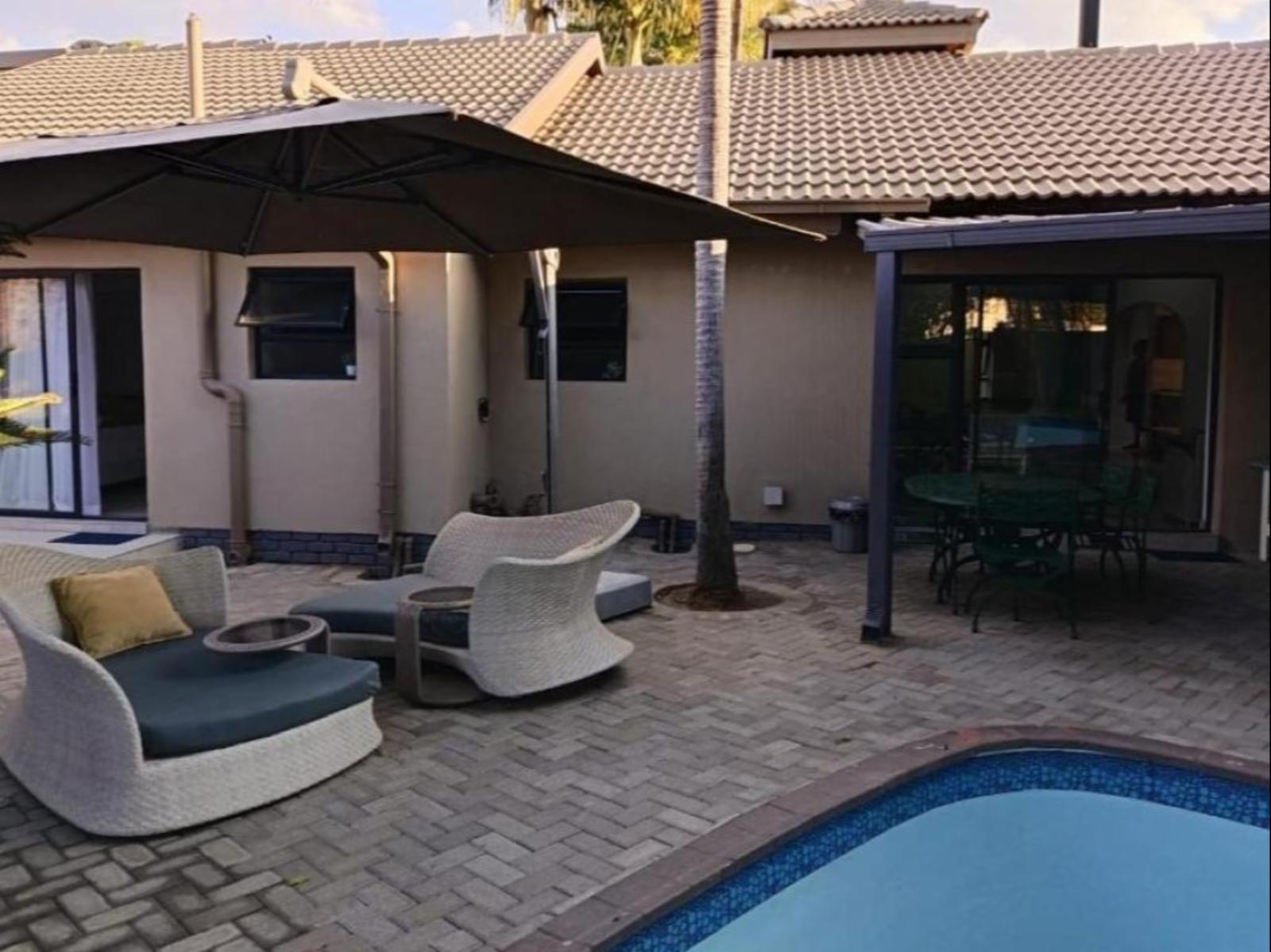
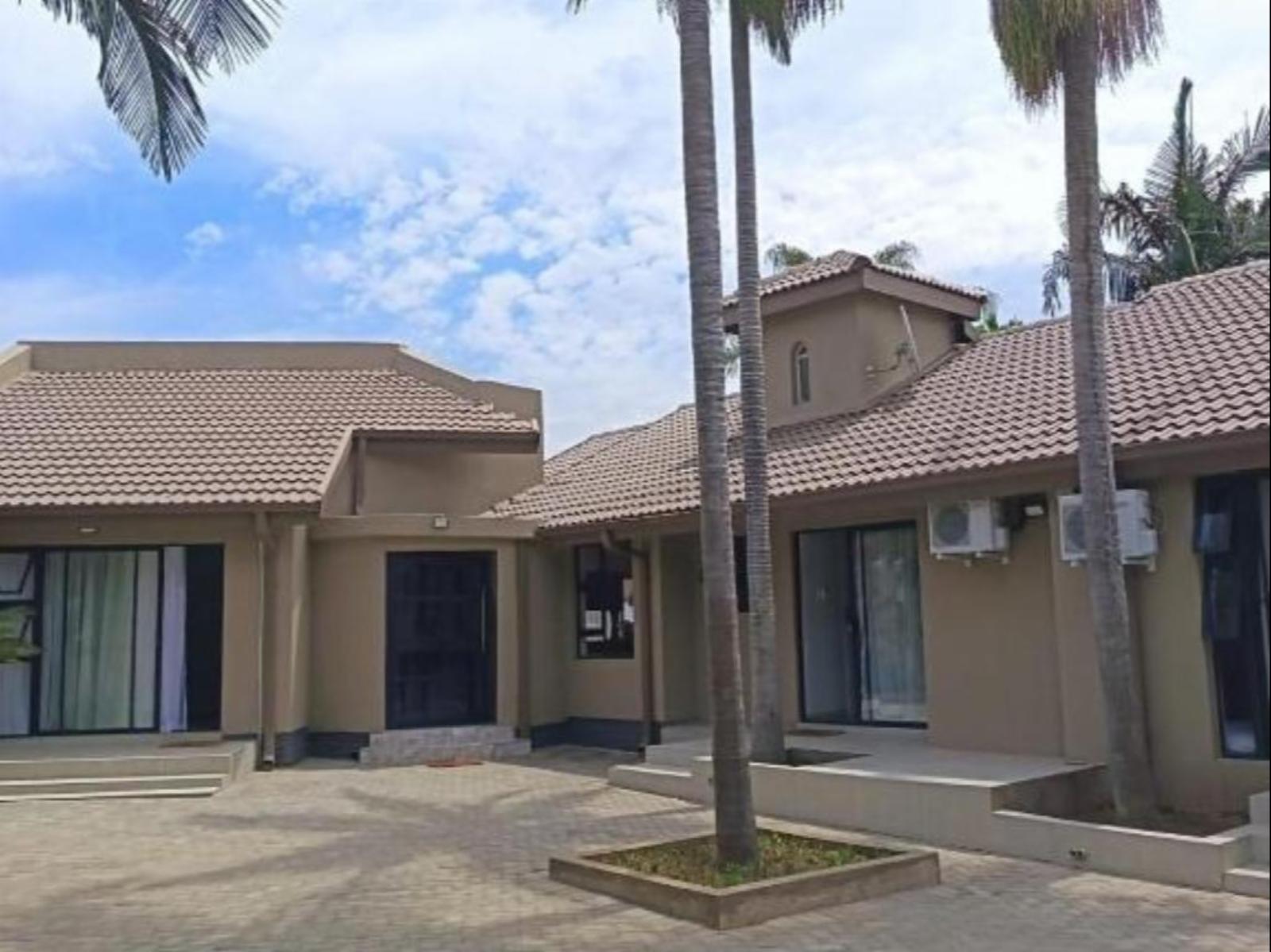
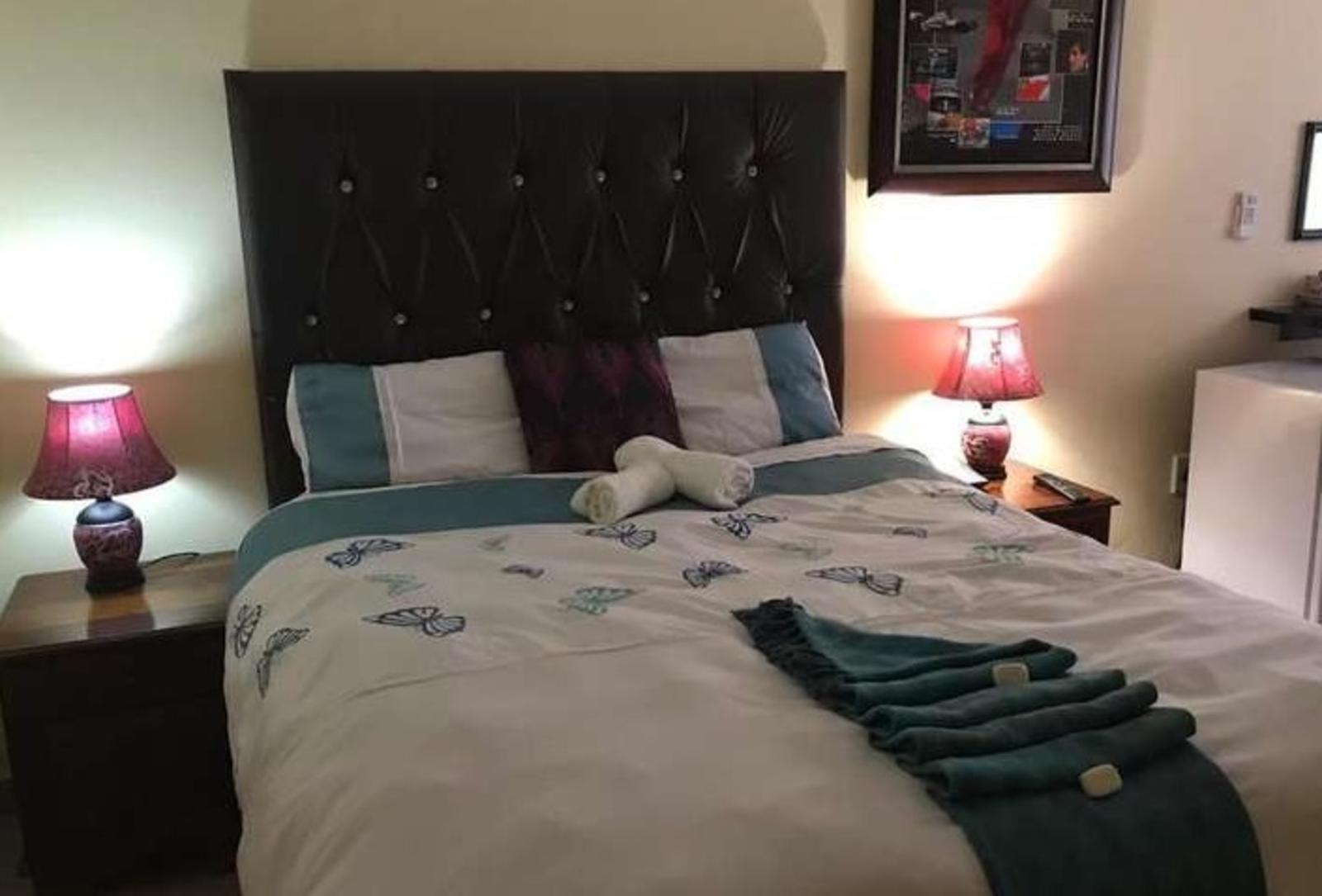
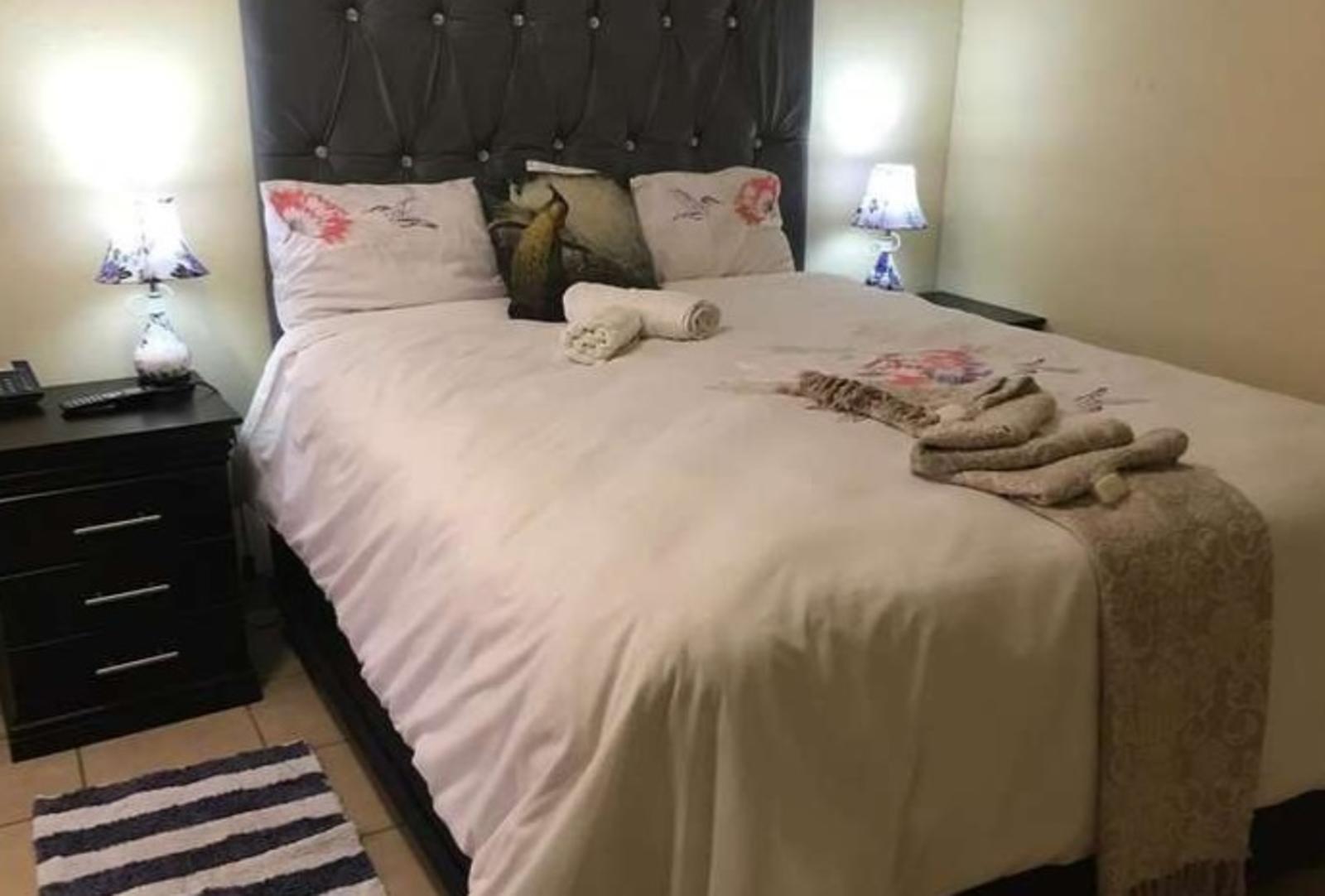
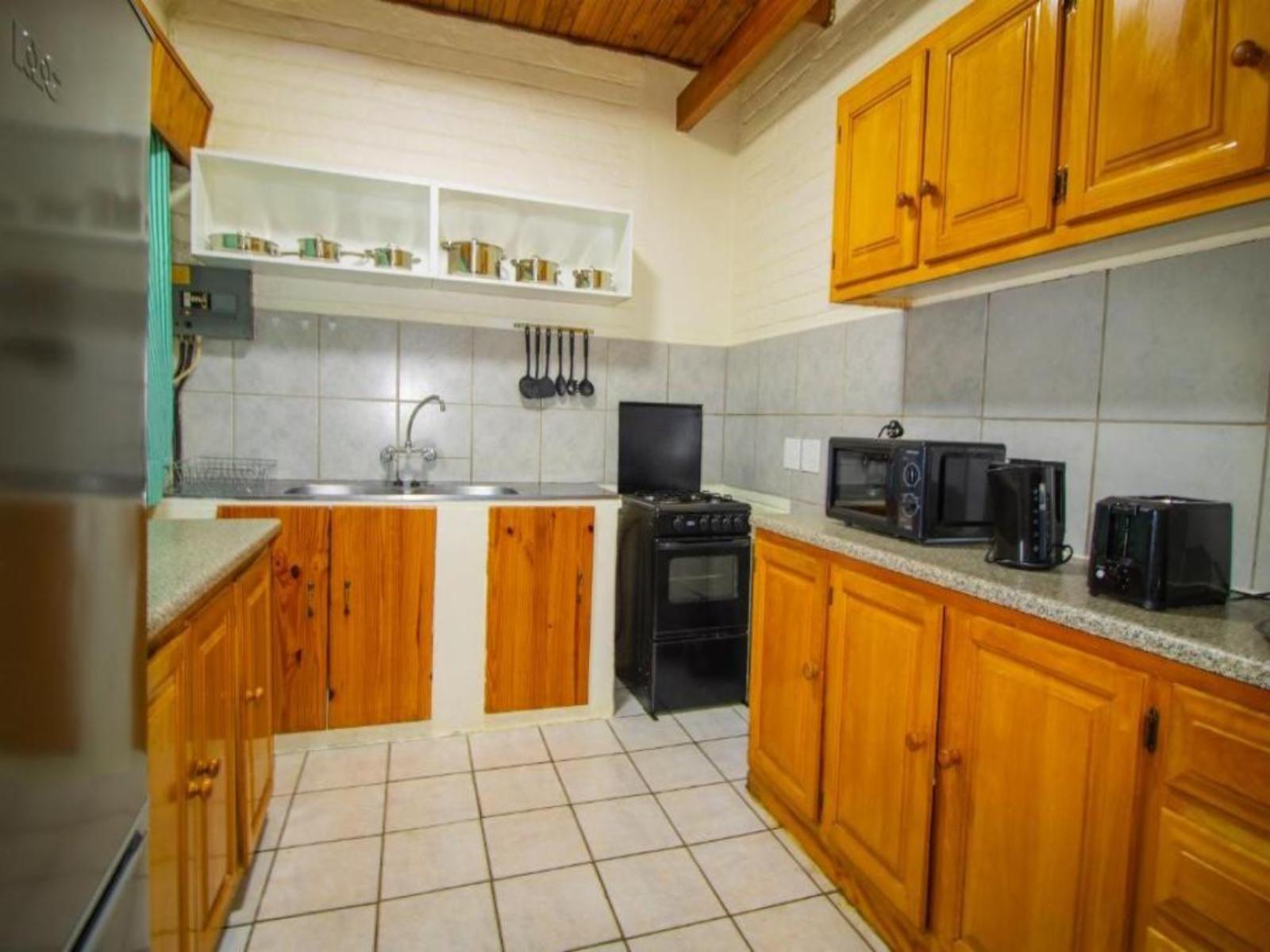
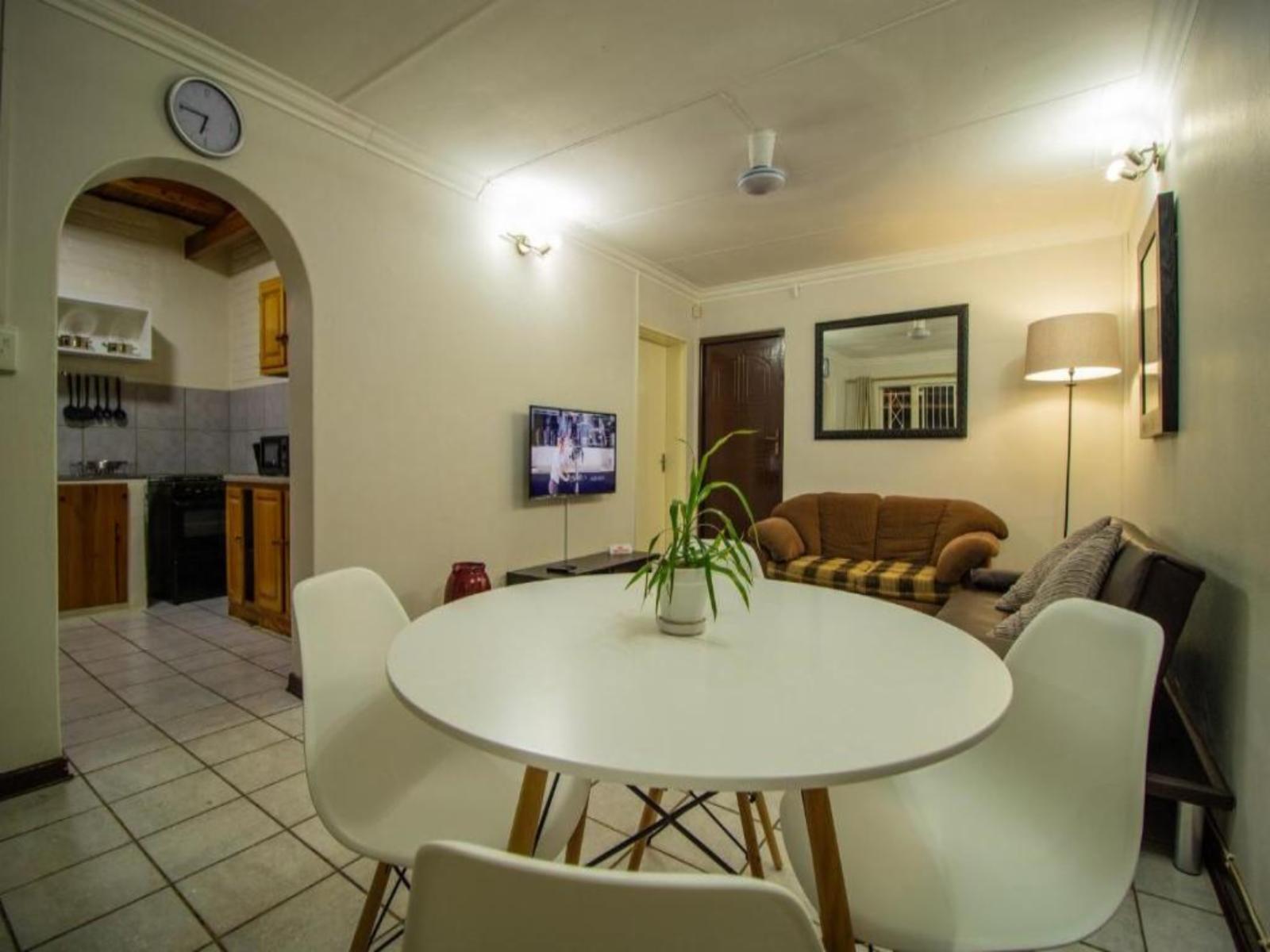
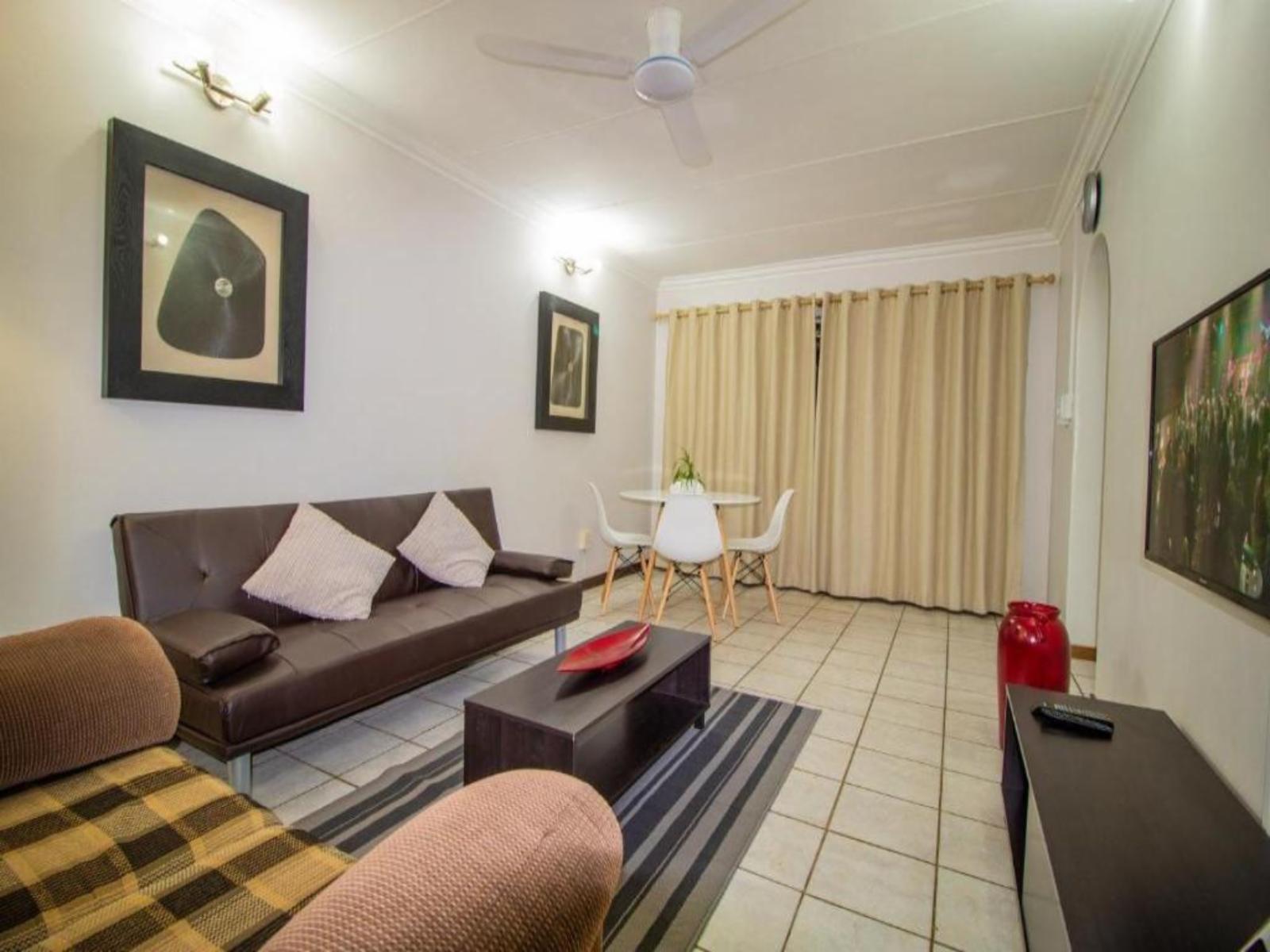
Ons Dorpshuis Guest House in Rustenburg bied TGSA-gewaardeerde Four Star Gastehuis-akkommodasie en Three Star Selfvoorsienende akkommodasie vir sakereisigers, toeriste, skoolgroepe en langtermyngaste. Selfvoorsienende eenhede en huise is geleë ±7km vanaf die hoofgastehuis.
Slaap 28
Kinders welkom
Bambelela Lodge
Lodge
Rustenburg
Vanaf R1,200
Bambelela Lodge
Lodge
Rustenburg
· 10.7km van Tlhabane
Vanaf
R1,200
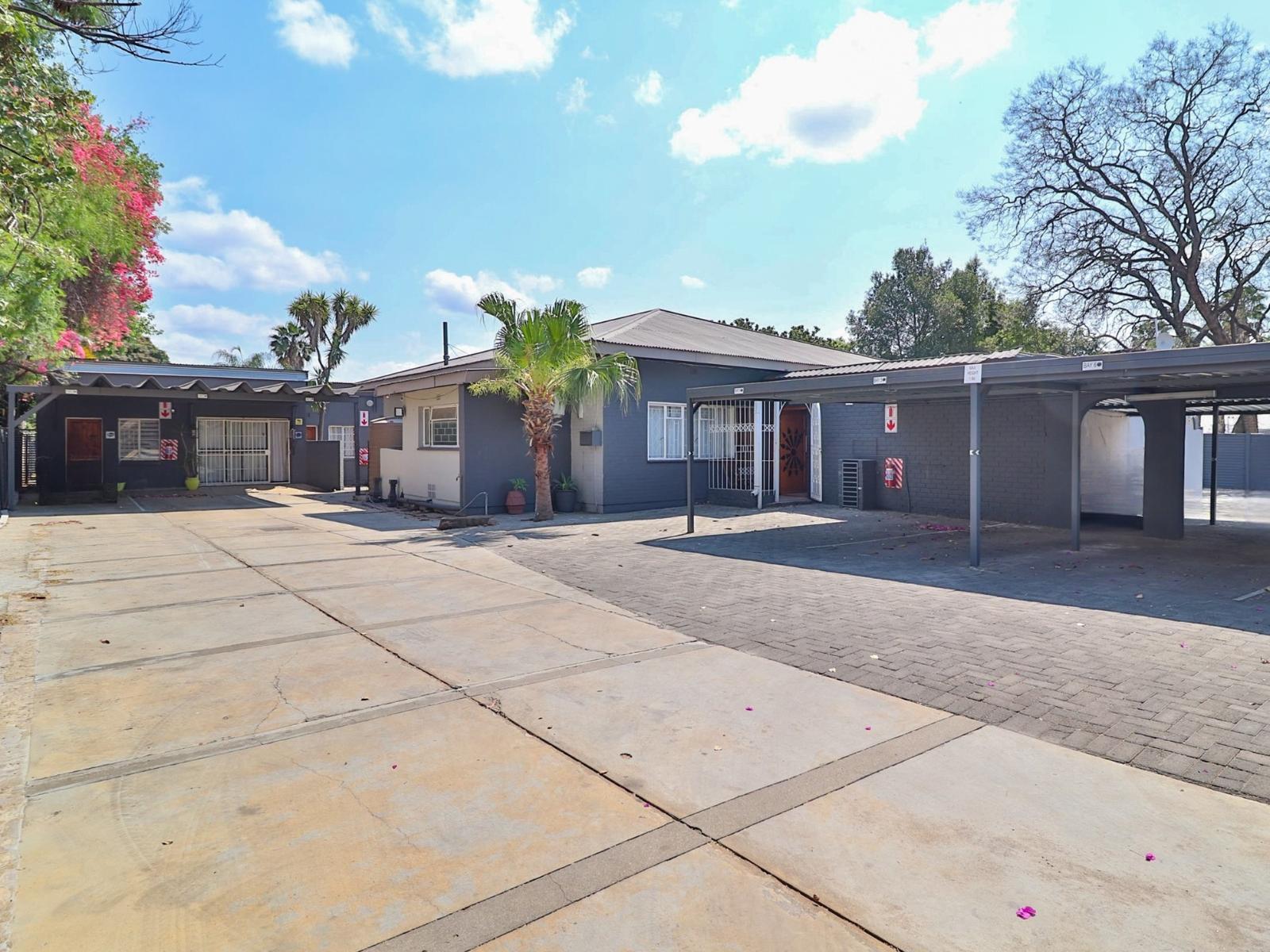
Bambelela Lodge is 'n gasthuis in Rustenburg, Noord-Wes Provinsie, Suid-Afrika wat akkommodasie vir sowel besigheids- as leisure-reisigers aanbied. Tuine met inheemse bome en voëllewe omring die eiendom, wat konferensiefasiliteite en verskeie suite-soorte insluit.
Slaap 6
Kinders welkom
Akkommodasiepryse in Tlhabane
| Tipe | Inskrywings | Vanaf | Gemiddeld | Tot |
|---|---|---|---|---|
| Lodge | 2 | R1,200 | R1,300 | R1,400 |
| Bed and Breakfast | 1 | – | – | – |
| Self-catering | 1 | – | – | – |
| Guesthouse | 1 | – | – | – |
| Guest house | 1 | R855 | R1,277 | R2,550 |
Tlhabane Kaart
Nabygeleë Bestemmings
Blaai Deur Alle Tlhabane Akkommodasie
Bekyk al 6 akkommodasie-opsies in Tlhabane met foto's, pryse en beskikbaarheid.
Blaai Deur Alle Akkommodasie