Bobbejaanstert Reis- & Akkommodasiegids
Jou volledige gids om Bobbejaanstert, Suid-Afrika te besoek.
1
Eiendom
Gewildste
Self-catering
Bobbejaanstert is a small rural settlement in the Limpopo Province, positioned in the bushveld region of South Africa's northern interior. The area serves as a quiet base for visitors interested in exploring the wider Waterberg district and experiencing the characteristic landscape of this agricultural region.
## Accommodation in Bobbejaanstert
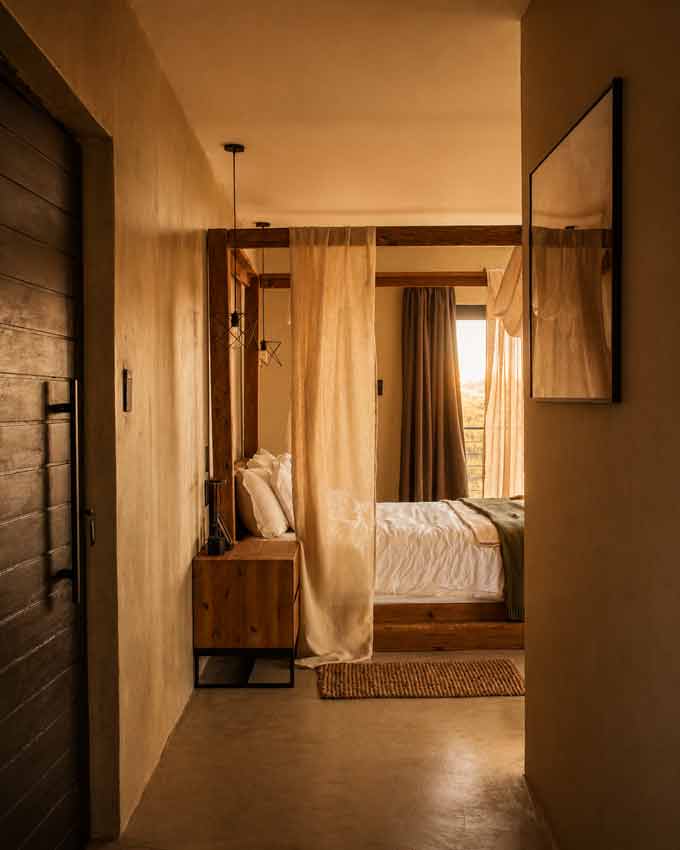
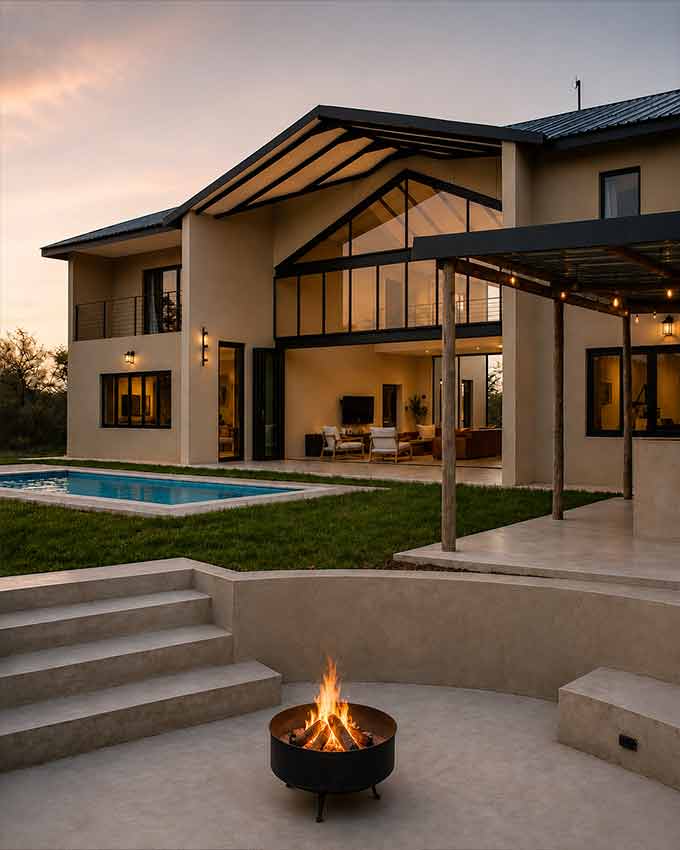
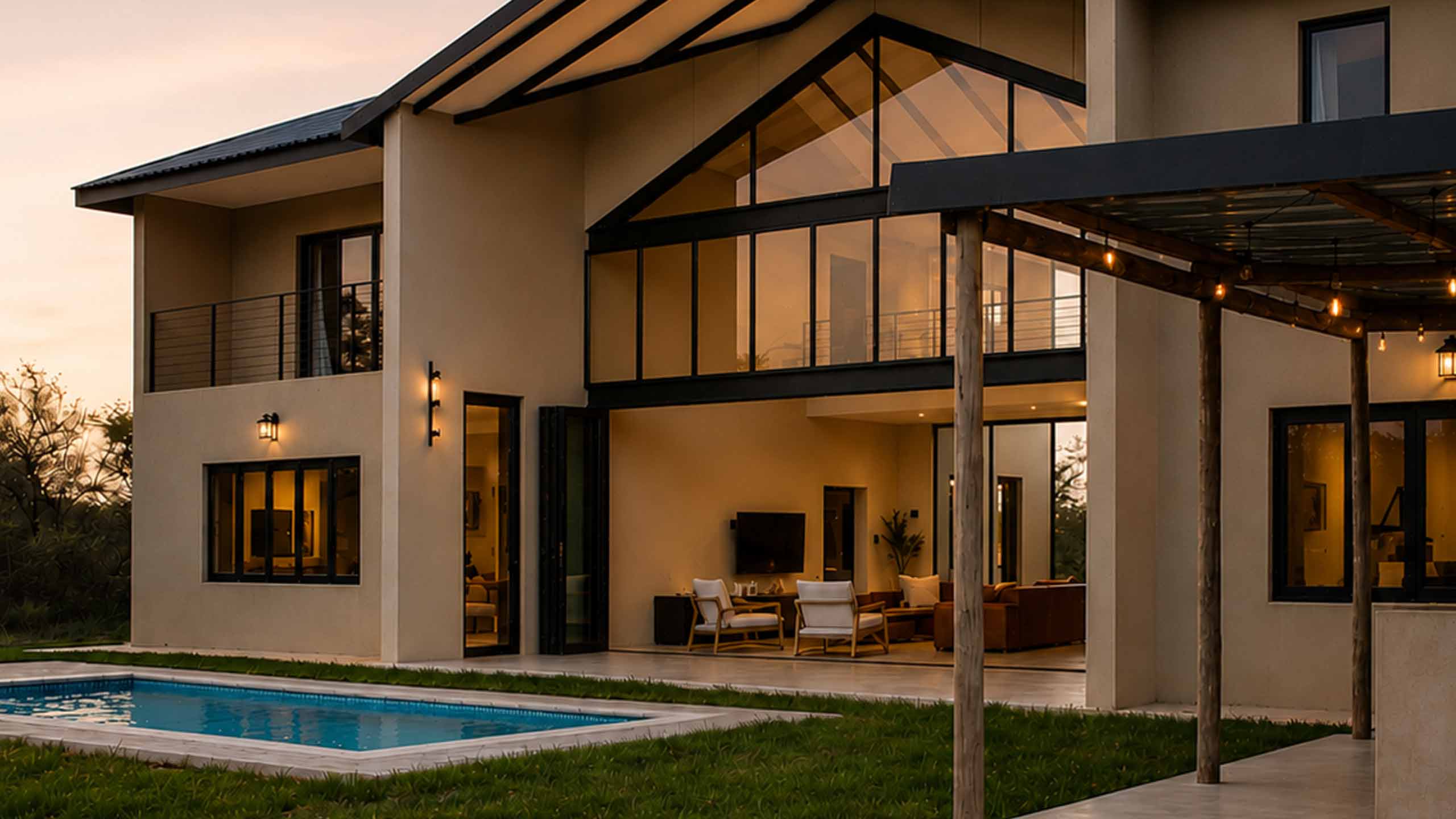
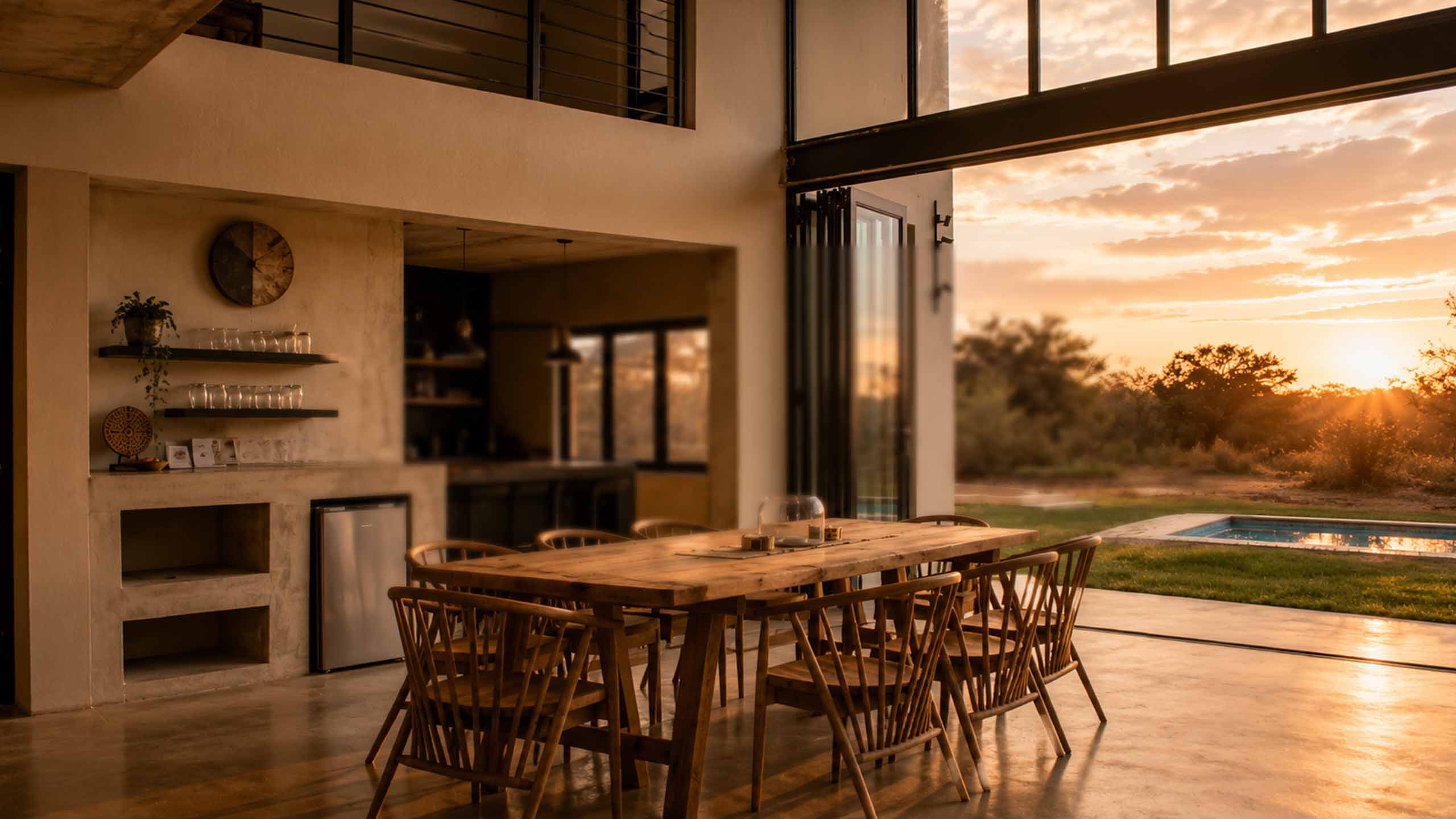
The accommodation offering in Bobbejaanstert is deliberately sparse. With just one property listed, the area makes no pretence of being a tourism hub. Visitors who make the journey arrive knowing exactly what this corner of the Limpopo bushveld delivers: space, quiet, and a direct engagement with farming country rather than a managed lodge experience.
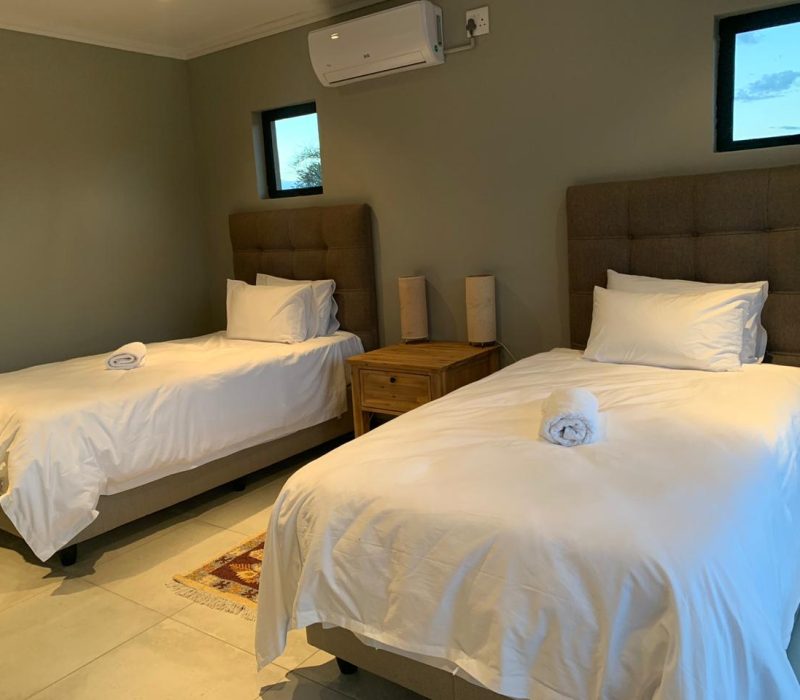
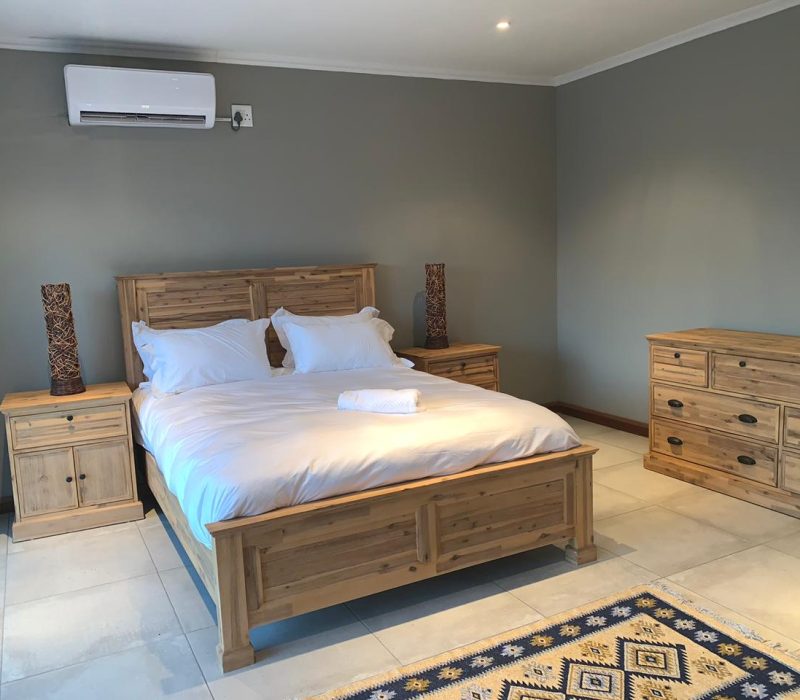
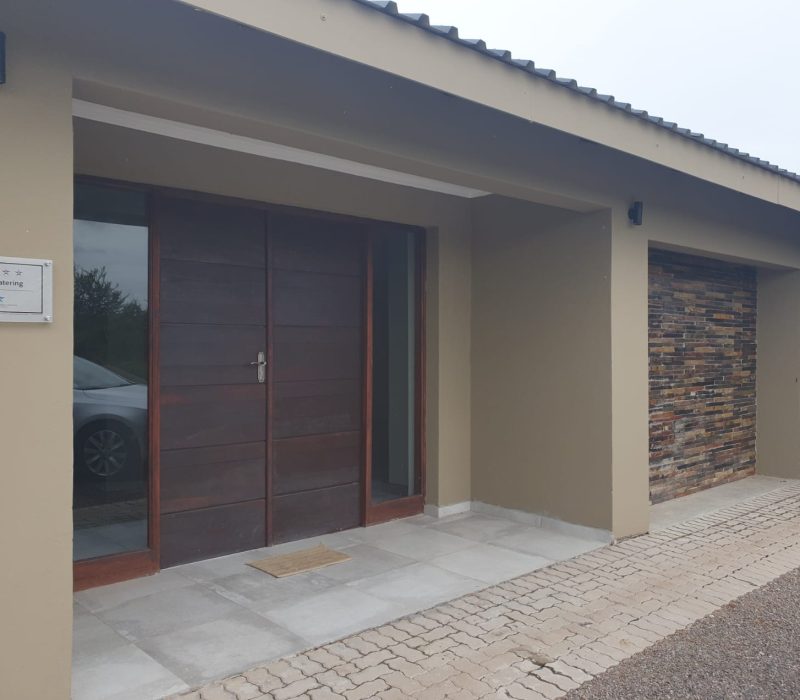
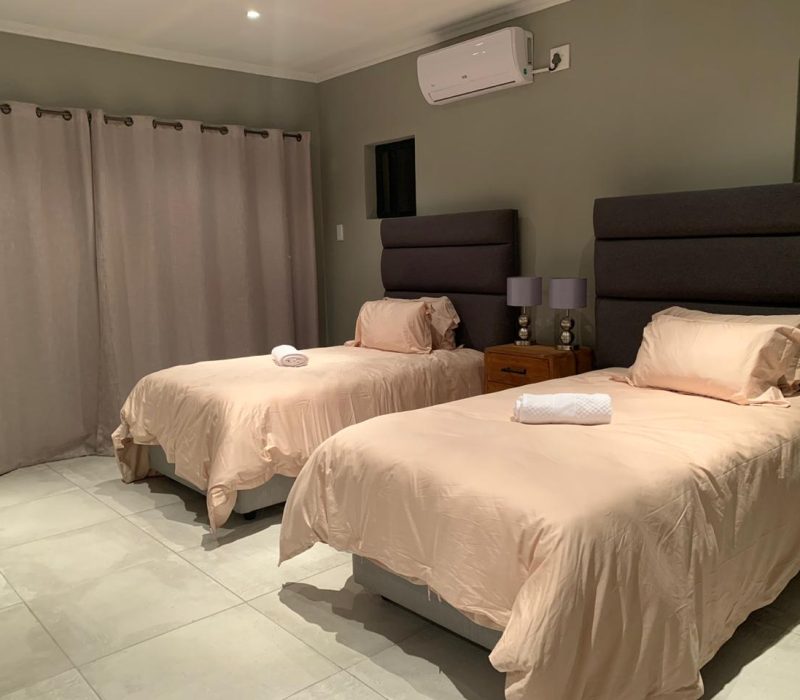
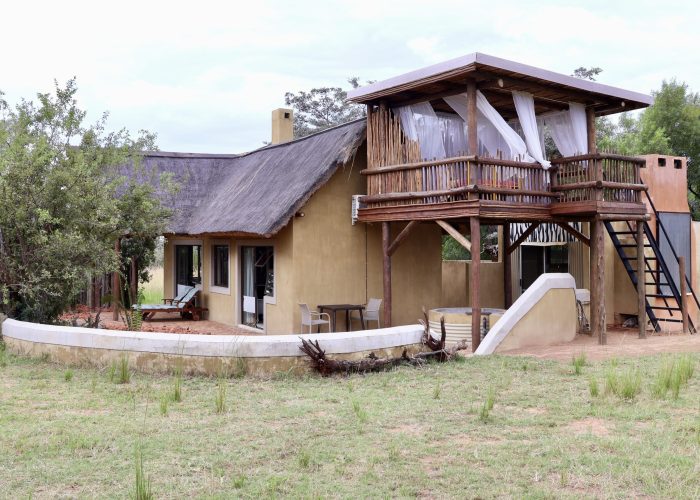
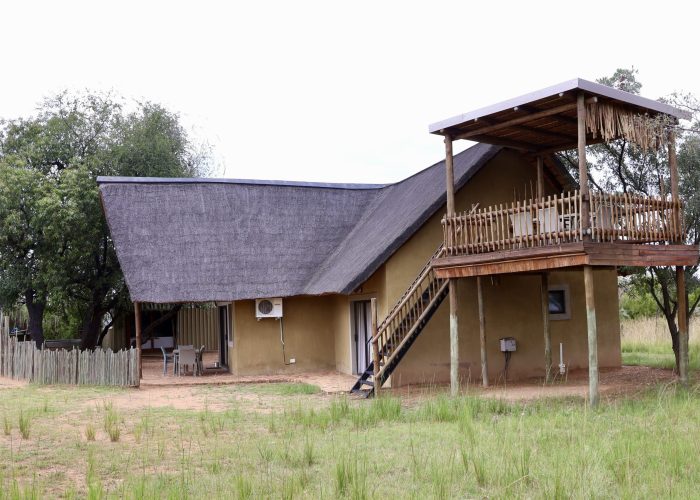
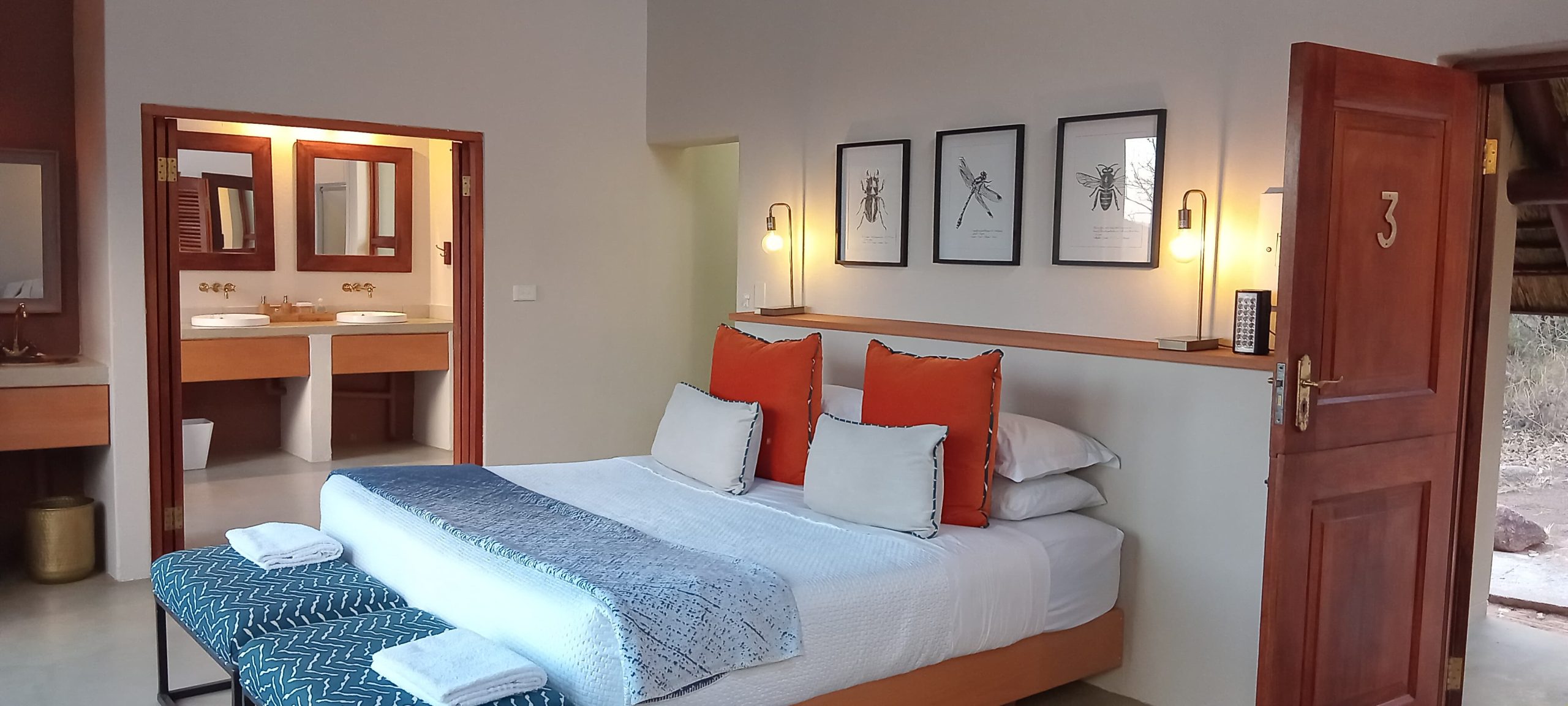
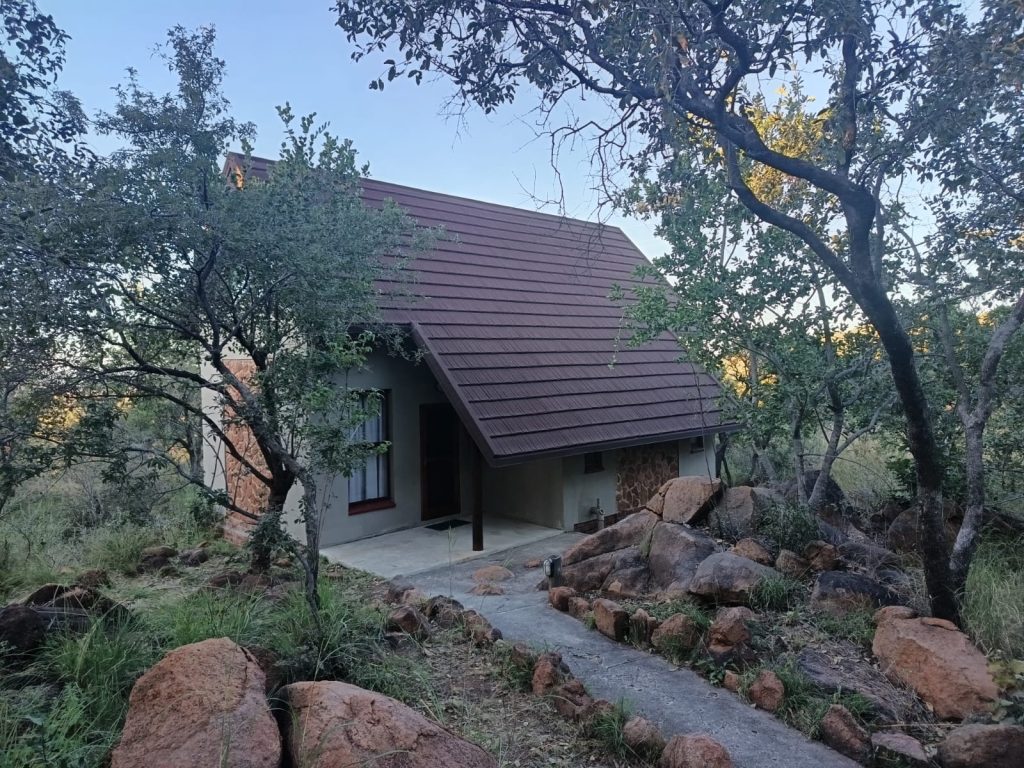
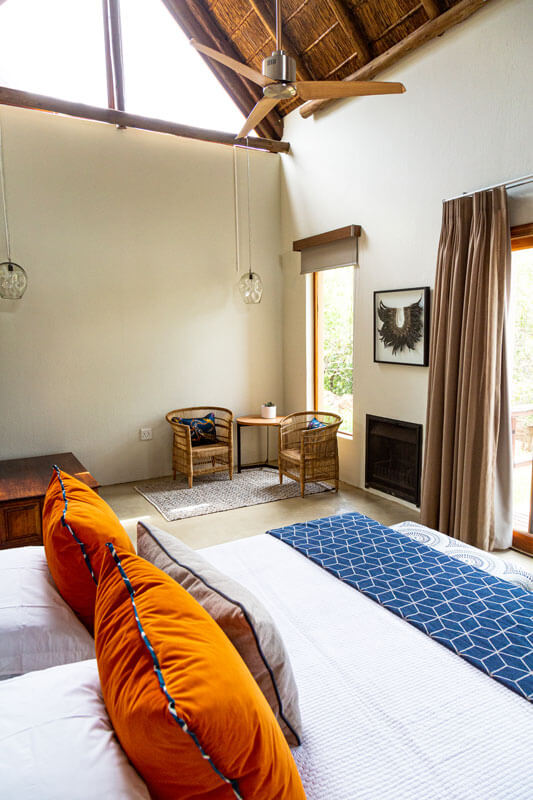
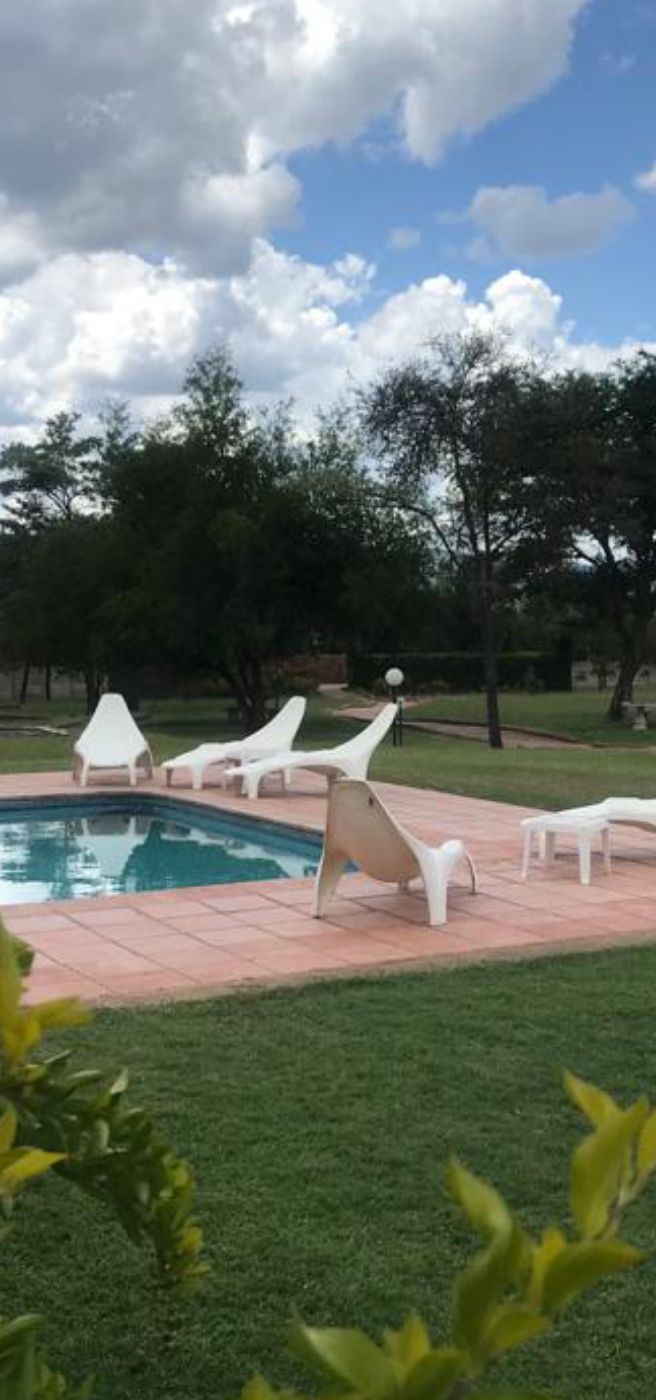
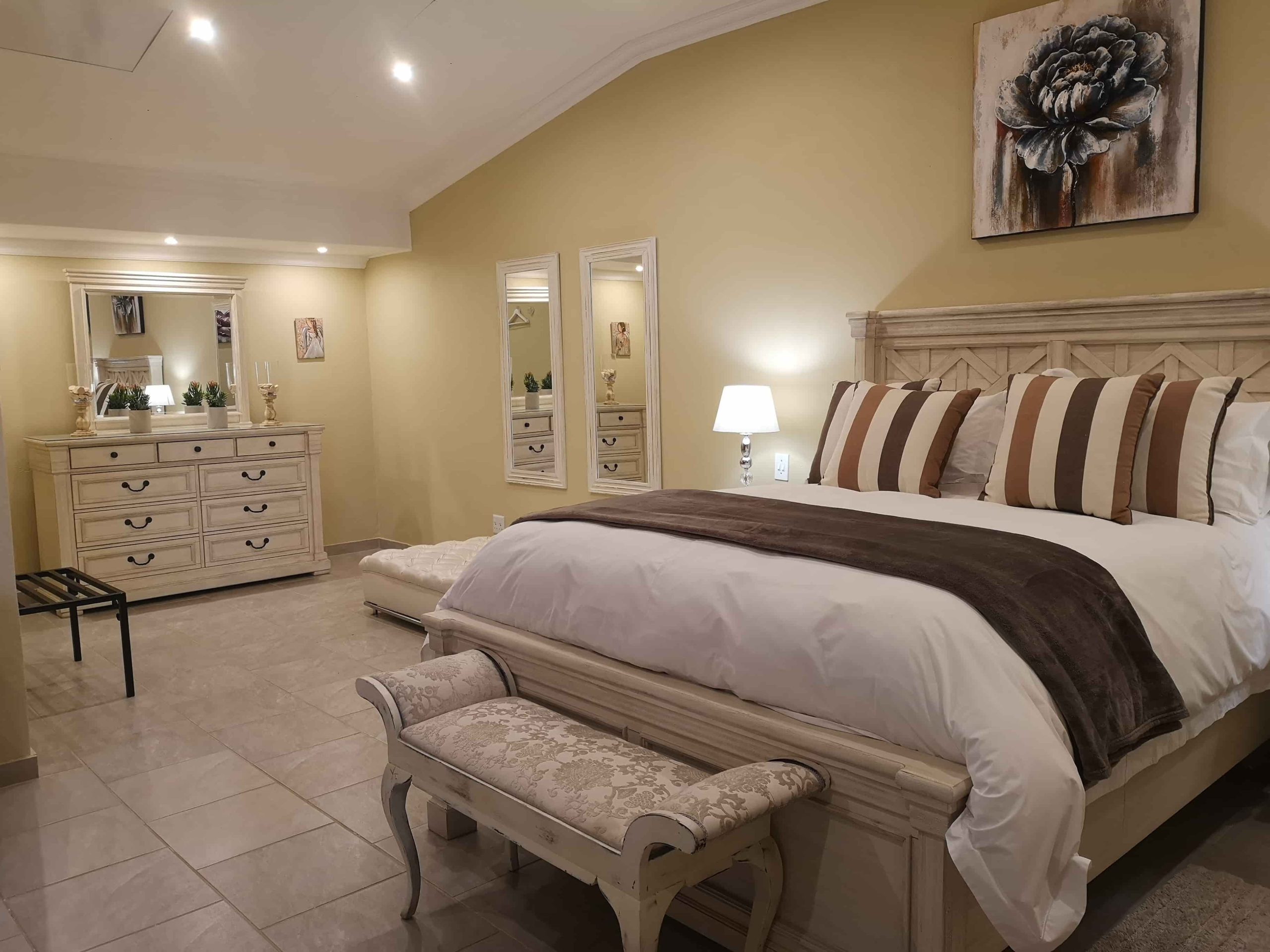
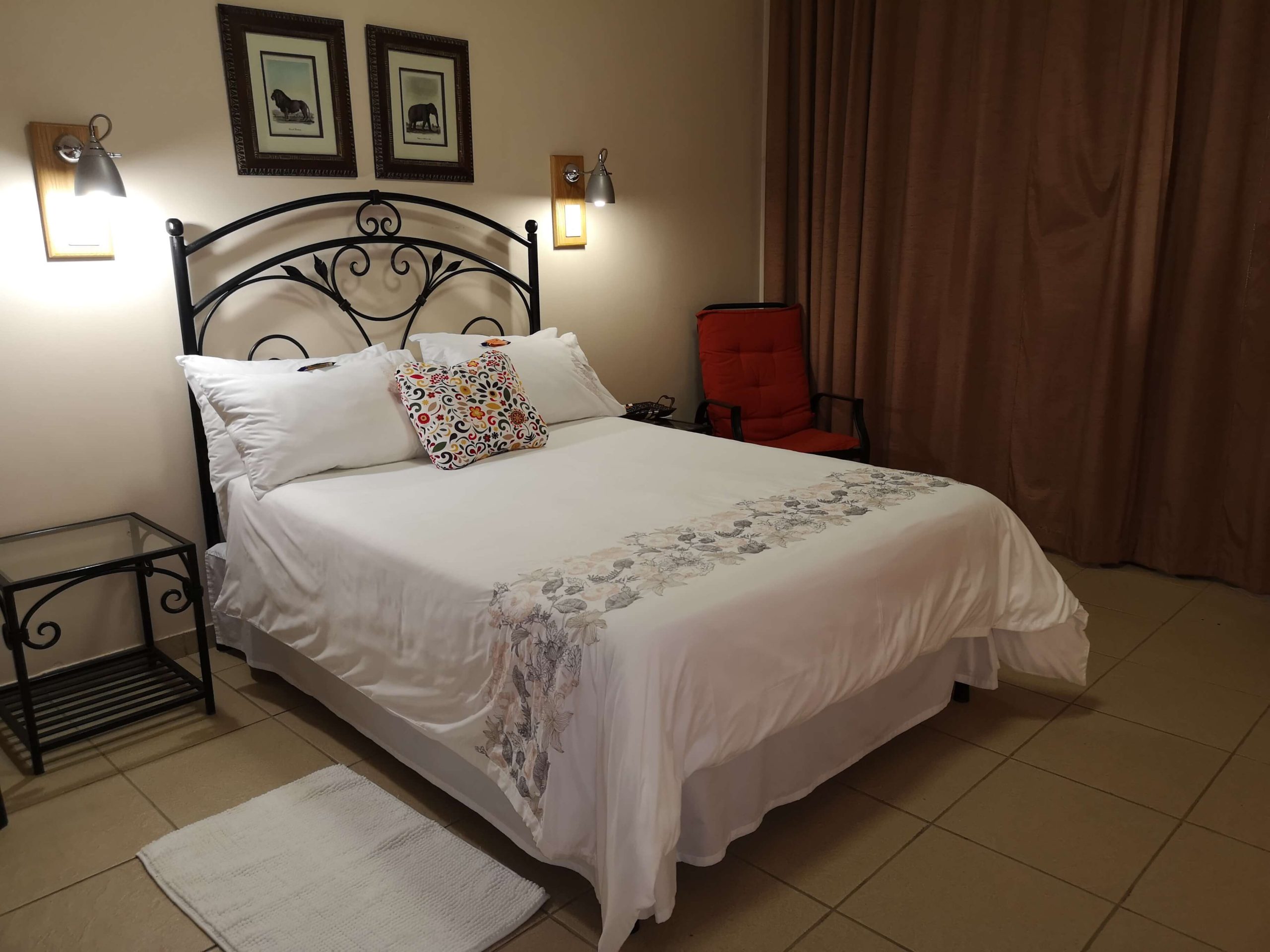
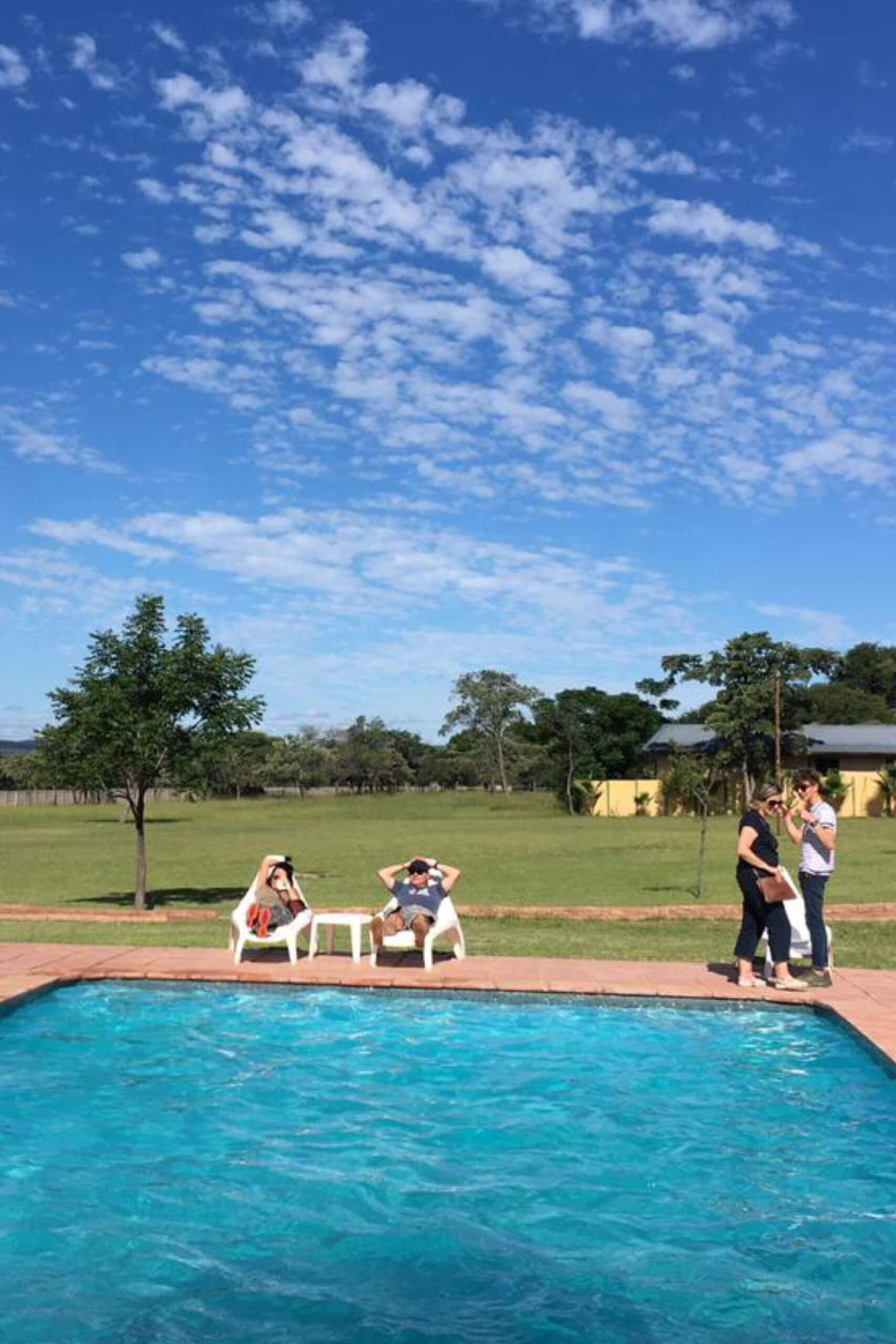
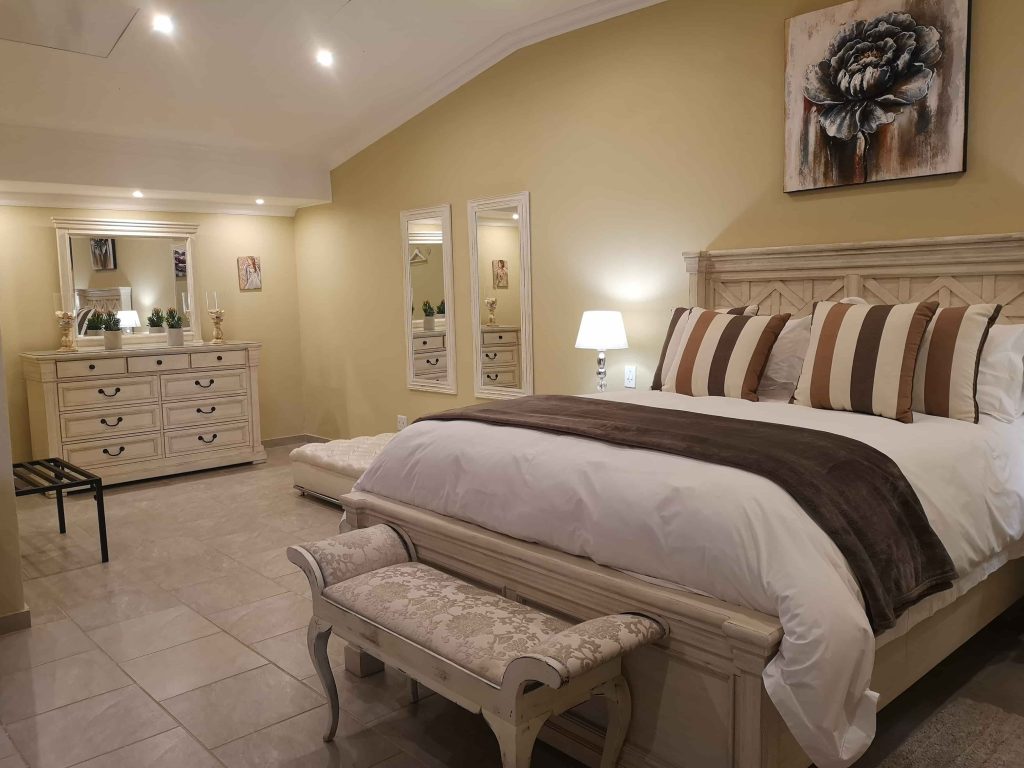
The single available property is self-catering, a format that suits both the landscape and the kind of traveller drawn to it. Self-catering accommodation in this context typically means a cottage, farmhouse annexe, or standalone unit on private land where guests supply their own food and operate on their own schedule. There is no fixed meal service, no guided itinerary imposed on the day, and no front desk managing your movements. For independent travellers, this kind of autonomy is often the point.
Pricing has not been formally published for the listing, so direct contact with the property owner is necessary to confirm current rates and availability. When making that inquiry, it is worth asking whether utilities are included in the rate, whether firewood or gas cooking equipment is provided, and whether a minimum stay applies. Many farm stays in this region prefer bookings of at least two nights, particularly over weekends.
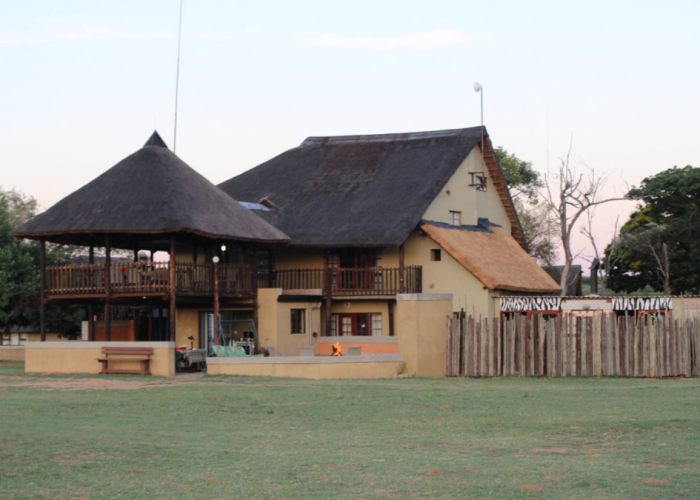
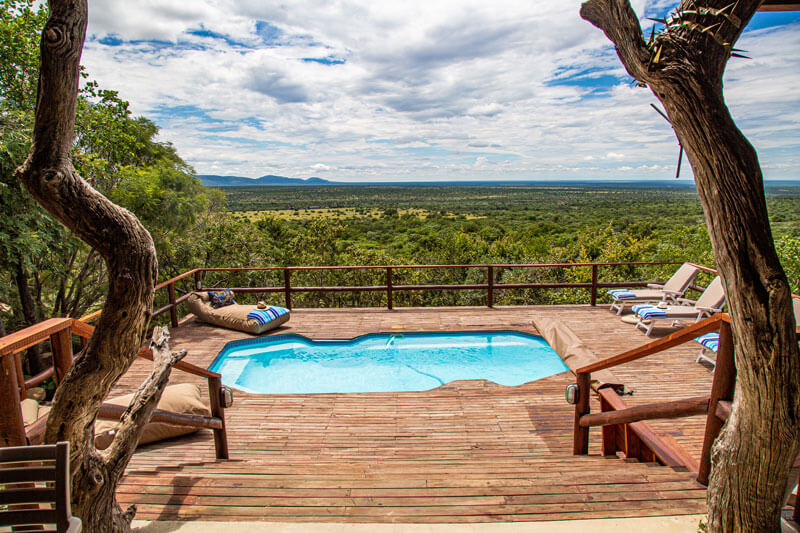
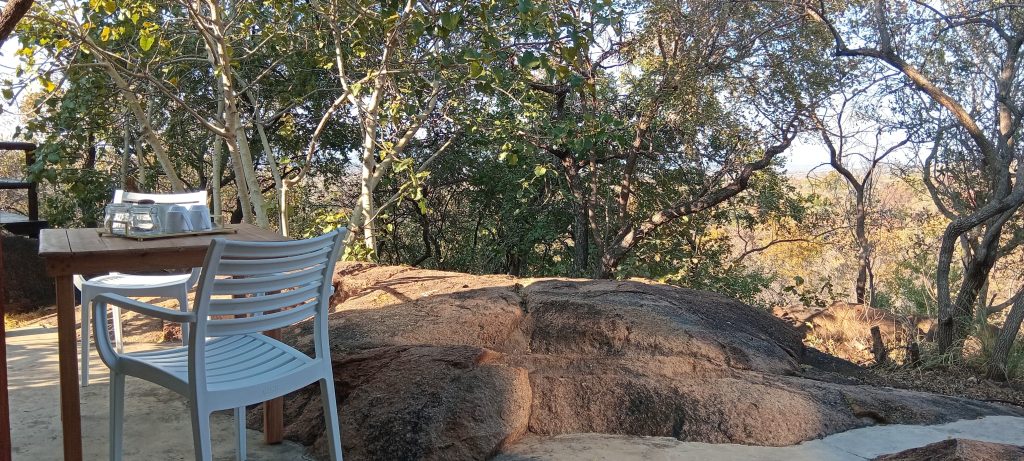
The self-catering format reflects the broader character of this farming belt, where much of the available accommodation was originally built as family retreats or working farm infrastructure before being opened to outside guests. Expect functional comfort rather than boutique finishes. The experience at this level is shaped by the landscape outside the door: the quality of birdsong at dawn, the open horizon, and the rhythm of life on a working cattle or game farm. Neither room design nor catering will be the reason to come.
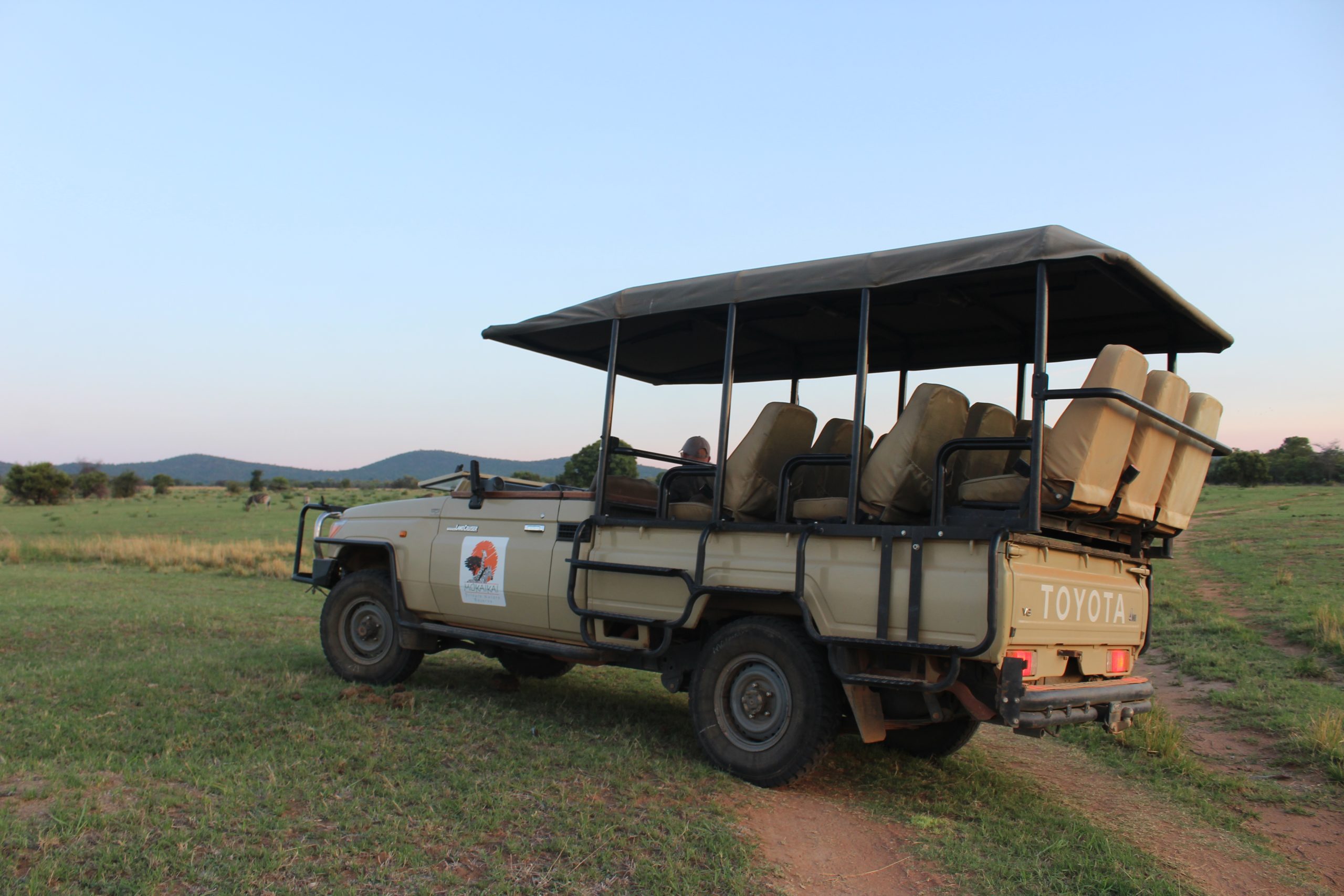
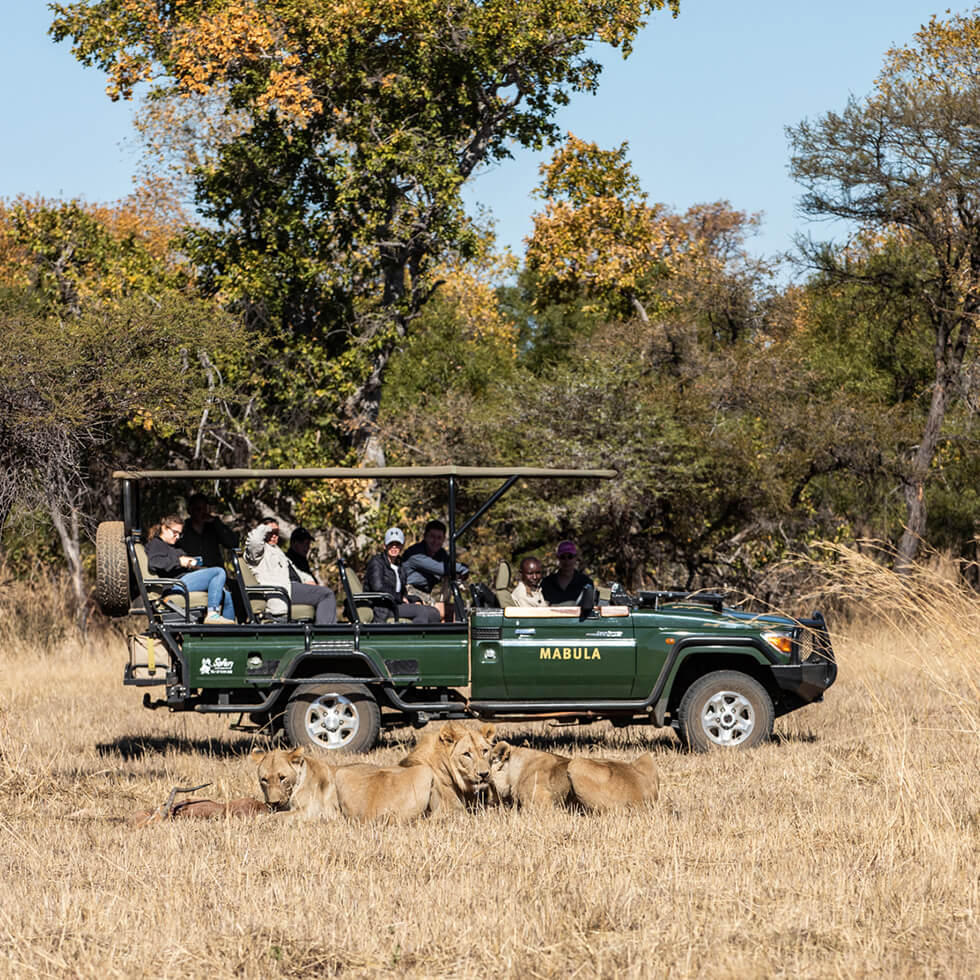
Travellers seeking game lodge facilities with guided drives and full-board meals will find more options in the wider Waterberg region, but those properties lie well outside Bobbejaanstert.
## Best Time to Visit Bobbejaanstert
Bobbejaanstert follows the seasonal rhythm of the Limpopo bushveld: hot, wet summers and warm, dry winters.
Summer runs from November through March. Afternoon thunderstorms arrive with regularity, and temperatures frequently exceed 35 degrees Celsius through January and February. The bush fills with green foliage and birdlife reaches its peak diversity. Migratory species from central Africa arrive during this period, and birds such as the crimson-breasted shrike and a variety of raptors are consistently present. The trade-off is that gravel road access can deteriorate quickly after heavy rain, making some farm tracks difficult for vehicles without adequate clearance.
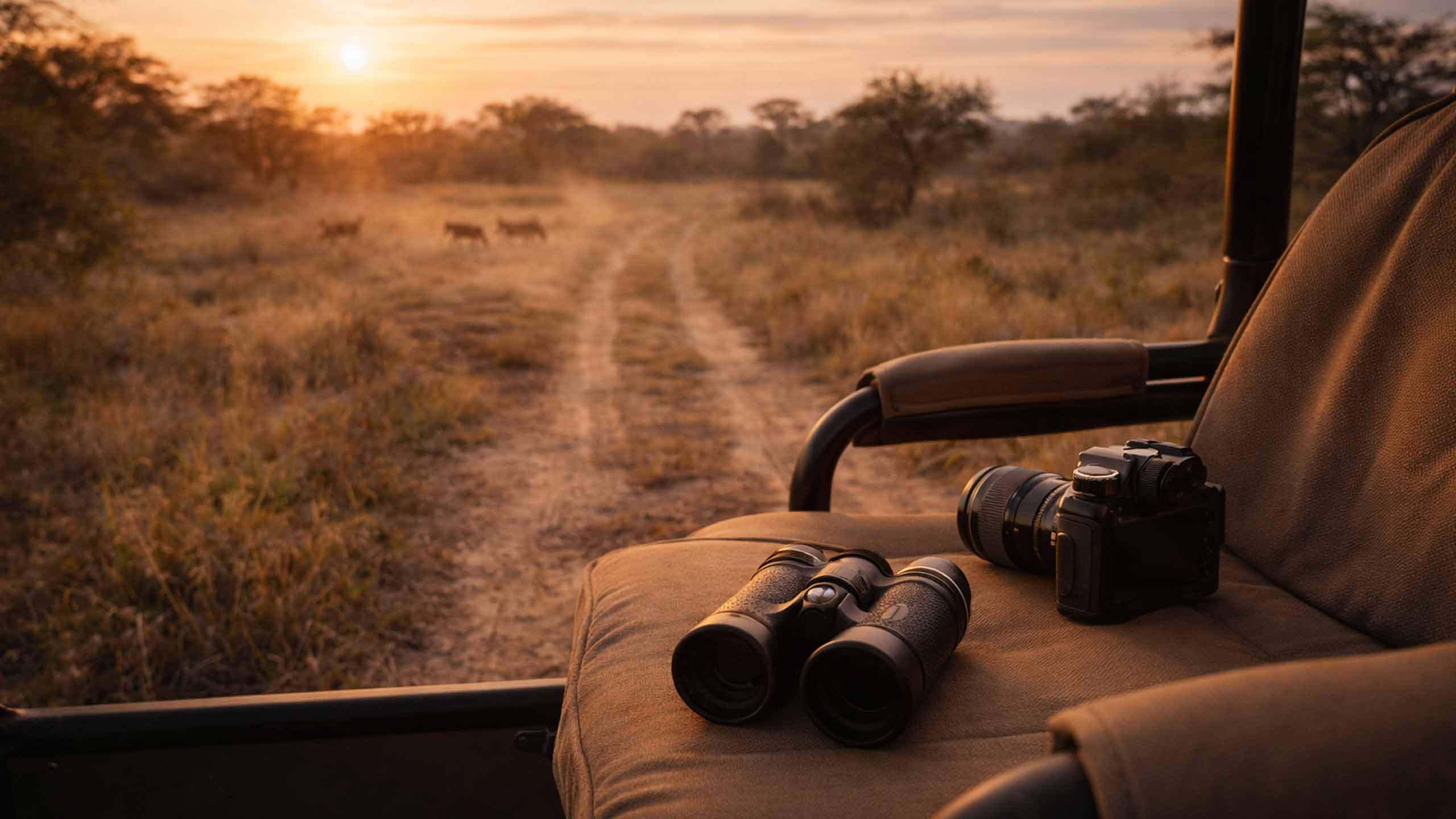
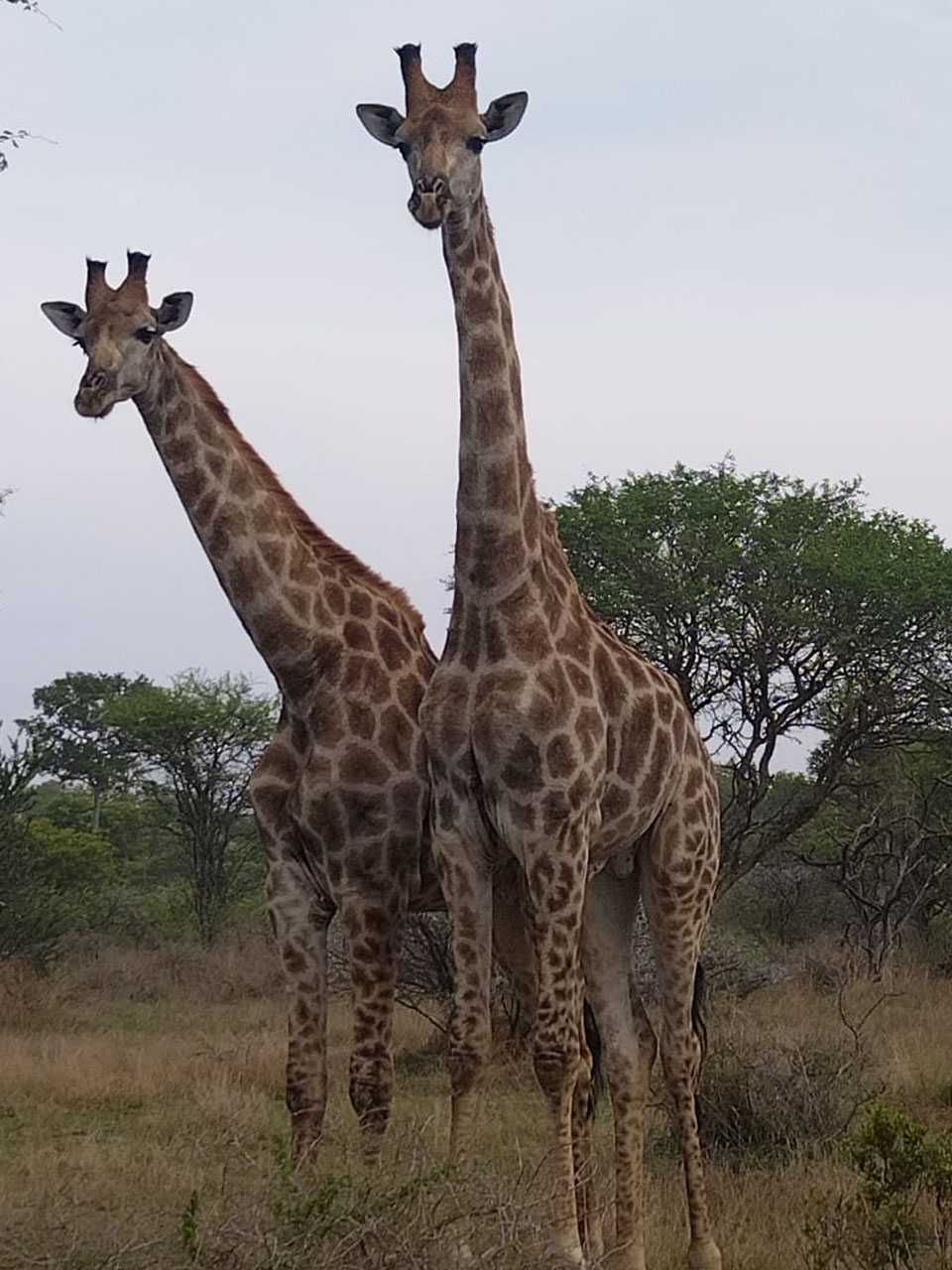
The dry winter months from May to August attract most visitors. Daytime temperatures are comfortable in the low to mid-twenties, but nights drop sharply, and July can approach freezing, so warm clothing matters for evenings outside. Vegetation thins as grasses dry back, which substantially improves visibility for watching game on private reserves in the surrounding area.
April and September are shoulder months with mild conditions, reliable roads, and a landscape that retains enough colour to be appealing without summer's heat or wet-weather uncertainty.
## Getting to Bobbejaanstert
Bobbejaanstert is accessible only by private vehicle. There is no public transport serving the area, and the farm roads connecting individual properties operate outside any scheduled network.
From Pretoria (Tshwane), the journey covers approximately 200 kilometres and takes around three hours under normal conditions. The route runs north on the N1, then northwest on the R516 to Vaalwater, from which local gravel roads lead toward the Bobbejaanstert district. Confirm the exact final route with your accommodation before departure, as property access roads in this area are often unmarked and can be difficult to identify without prior guidance.
Travellers flying in will use either OR Tambo International in Johannesburg, approximately 250 kilometres to the south, or Polokwane International to the northeast. In either case, a rental vehicle is unavoidable, which makes the choice between flying and driving a matter of personal preference rather than practicality.
Vaalwater, roughly 40 kilometres away, is the last reliable stop for fuel and groceries before entering the area. Fill up there. Roads in this district are predominantly unsealed; after significant summer rainfall, some sections become impassable without a capable vehicle.
## Bobbejaanstert and Surrounding Areas
The communities within roughly 50 kilometres of Bobbejaanstert range from quiet farming districts to one of Limpopo's most visited weekend destinations.
**Renosterfontein**, 39 kilometres away, is a farming district whose Afrikaans name translates to "rhinoceros fountain", a reference to the large game that once moved through this region before widespread farming altered the landscape. Cattle and game ranching now define the area. Visitor facilities are minimal, but some farms in the district accommodate guests for hunting or game-viewing, which makes Renosterfontein a reasonable extension of a Bobbejaanstert-based trip for those interested in private reserve experiences.
**Gwarriehoek**, at 40 kilometres, takes its name from the gwarrie tree (Euclea undulata), a compact indigenous species adapted to the rocky soils of this part of Limpopo. Like the neighbouring farming districts, it offers no conventional tourist infrastructure, but the surrounding private properties occasionally host guests on a hunting or game-viewing basis.
The most developed destination in the vicinity is **Bela-Bela**, 46 kilometres to the south, until recently known by its Afrikaans name Warmbaths. Natural hot springs were commercialised into a large resort complex that draws day visitors and weekend guests from Pretoria and Johannesburg throughout the year. The Setswana name Bela-Bela, meaning "boiling boiling", accurately conveys the temperature of the springs. Beyond the thermal resort, the town provides a full range of supermarkets, banking facilities, and retail services.
**Hartbeestfontein**, at 47 kilometres, takes its name from the red hartebeest once common across this landscape. It functions today as a farming service community rather than a visitor destination, though the surrounding terrain is consistent with the broader bushveld of the area.
## Planning Your Stay
With only one property listed in Bobbejaanstert, planning a stay involves direct communication with the owner rather than comparing options across a booking platform. Smaller farm establishments in this region sometimes maintain separate availability calendars or offer rates not reflected on third-party sites, so a direct phone call or email is worthwhile before committing.
Book well in advance for the main South African school holidays: the June and July winter break, the September break, and the December to January summer period. Demand for farm accommodation in this part of Limpopo rises substantially during these windows. Outside the holiday calendar, three to four weeks' notice is generally sufficient.
Before confirming, ask about vehicle requirements for the final access road to the property. Some farm tracks are considerably more demanding than the main approaches, and the owner will know what is needed for your particular dates and conditions. Check mobile network coverage too if connectivity matters for your stay; signal across remote farm properties in this part of Limpopo varies significantly between providers.
Provision yourself before leaving the last town on the route. There are no shops or fuel stations in the Bobbejaanstert area, and retrieving a forgotten essential means a round trip of close to 80 kilometres.

The accommodation offering in Bobbejaanstert is deliberately sparse. With just one property listed, the area makes no pretence of being a tourism hub. Visitors who make the journey arrive knowing exactly what this corner of the Limpopo bushveld delivers: space, quiet, and a direct engagement with farming country rather than a managed lodge experience.
The single available property is self-catering, a format that suits both the landscape and the kind of traveller drawn to it. Self-catering accommodation in this context typically means a cottage, farmhouse annexe, or standalone unit on private land where guests supply their own food and operate on their own schedule. There is no fixed meal service, no guided itinerary imposed on the day, and no front desk managing your movements. For independent travellers, this kind of autonomy is often the point.
Pricing has not been formally published for the listing, so direct contact with the property owner is necessary to confirm current rates and availability. When making that inquiry, it is worth asking whether utilities are included in the rate, whether firewood or gas cooking equipment is provided, and whether a minimum stay applies. Many farm stays in this region prefer bookings of at least two nights, particularly over weekends.
The self-catering format reflects the broader character of this farming belt, where much of the available accommodation was originally built as family retreats or working farm infrastructure before being opened to outside guests. Expect functional comfort rather than boutique finishes. The experience at this level is shaped by the landscape outside the door: the quality of birdsong at dawn, the open horizon, and the rhythm of life on a working cattle or game farm. Neither room design nor catering will be the reason to come.
Travellers seeking game lodge facilities with guided drives and full-board meals will find more options in the wider Waterberg region, but those properties lie well outside Bobbejaanstert.
## Best Time to Visit Bobbejaanstert
Bobbejaanstert follows the seasonal rhythm of the Limpopo bushveld: hot, wet summers and warm, dry winters.
Summer runs from November through March. Afternoon thunderstorms arrive with regularity, and temperatures frequently exceed 35 degrees Celsius through January and February. The bush fills with green foliage and birdlife reaches its peak diversity. Migratory species from central Africa arrive during this period, and birds such as the crimson-breasted shrike and a variety of raptors are consistently present. The trade-off is that gravel road access can deteriorate quickly after heavy rain, making some farm tracks difficult for vehicles without adequate clearance.
The dry winter months from May to August attract most visitors. Daytime temperatures are comfortable in the low to mid-twenties, but nights drop sharply, and July can approach freezing, so warm clothing matters for evenings outside. Vegetation thins as grasses dry back, which substantially improves visibility for watching game on private reserves in the surrounding area.
April and September are shoulder months with mild conditions, reliable roads, and a landscape that retains enough colour to be appealing without summer's heat or wet-weather uncertainty.
## Getting to Bobbejaanstert
Bobbejaanstert is accessible only by private vehicle. There is no public transport serving the area, and the farm roads connecting individual properties operate outside any scheduled network.
From Pretoria (Tshwane), the journey covers approximately 200 kilometres and takes around three hours under normal conditions. The route runs north on the N1, then northwest on the R516 to Vaalwater, from which local gravel roads lead toward the Bobbejaanstert district. Confirm the exact final route with your accommodation before departure, as property access roads in this area are often unmarked and can be difficult to identify without prior guidance.
Travellers flying in will use either OR Tambo International in Johannesburg, approximately 250 kilometres to the south, or Polokwane International to the northeast. In either case, a rental vehicle is unavoidable, which makes the choice between flying and driving a matter of personal preference rather than practicality.
Vaalwater, roughly 40 kilometres away, is the last reliable stop for fuel and groceries before entering the area. Fill up there. Roads in this district are predominantly unsealed; after significant summer rainfall, some sections become impassable without a capable vehicle.
## Bobbejaanstert and Surrounding Areas
The communities within roughly 50 kilometres of Bobbejaanstert range from quiet farming districts to one of Limpopo's most visited weekend destinations.
**Renosterfontein**, 39 kilometres away, is a farming district whose Afrikaans name translates to "rhinoceros fountain", a reference to the large game that once moved through this region before widespread farming altered the landscape. Cattle and game ranching now define the area. Visitor facilities are minimal, but some farms in the district accommodate guests for hunting or game-viewing, which makes Renosterfontein a reasonable extension of a Bobbejaanstert-based trip for those interested in private reserve experiences.
**Gwarriehoek**, at 40 kilometres, takes its name from the gwarrie tree (Euclea undulata), a compact indigenous species adapted to the rocky soils of this part of Limpopo. Like the neighbouring farming districts, it offers no conventional tourist infrastructure, but the surrounding private properties occasionally host guests on a hunting or game-viewing basis.
The most developed destination in the vicinity is **Bela-Bela**, 46 kilometres to the south, until recently known by its Afrikaans name Warmbaths. Natural hot springs were commercialised into a large resort complex that draws day visitors and weekend guests from Pretoria and Johannesburg throughout the year. The Setswana name Bela-Bela, meaning "boiling boiling", accurately conveys the temperature of the springs. Beyond the thermal resort, the town provides a full range of supermarkets, banking facilities, and retail services.
**Hartbeestfontein**, at 47 kilometres, takes its name from the red hartebeest once common across this landscape. It functions today as a farming service community rather than a visitor destination, though the surrounding terrain is consistent with the broader bushveld of the area.
## Planning Your Stay
With only one property listed in Bobbejaanstert, planning a stay involves direct communication with the owner rather than comparing options across a booking platform. Smaller farm establishments in this region sometimes maintain separate availability calendars or offer rates not reflected on third-party sites, so a direct phone call or email is worthwhile before committing.
Book well in advance for the main South African school holidays: the June and July winter break, the September break, and the December to January summer period. Demand for farm accommodation in this part of Limpopo rises substantially during these windows. Outside the holiday calendar, three to four weeks' notice is generally sufficient.
Before confirming, ask about vehicle requirements for the final access road to the property. Some farm tracks are considerably more demanding than the main approaches, and the owner will know what is needed for your particular dates and conditions. Check mobile network coverage too if connectivity matters for your stay; signal across remote farm properties in this part of Limpopo varies significantly between providers.
Provision yourself before leaving the last town on the route. There are no shops or fuel stations in the Bobbejaanstert area, and retrieving a forgotten essential means a round trip of close to 80 kilometres.
Tipes Akkommodasie in Bobbejaanstert
Akkommodasiepryse in Bobbejaanstert
| Tipe | Inskrywings | Vanaf | Gemiddeld | Tot |
|---|---|---|---|---|
| Self-catering | 1 | – | – | – |
Bobbejaanstert Kaart
Nabygeleë Bestemmings
Blaai Deur Alle Bobbejaanstert Akkommodasie
Bekyk al 1 akkommodasie-opsies in Bobbejaanstert met foto's, pryse en beskikbaarheid.
Blaai Deur Alle Akkommodasie