Gwarriehoek Reis- & Akkommodasiegids
Jou volledige gids om Gwarriehoek, Suid-Afrika te besoek.
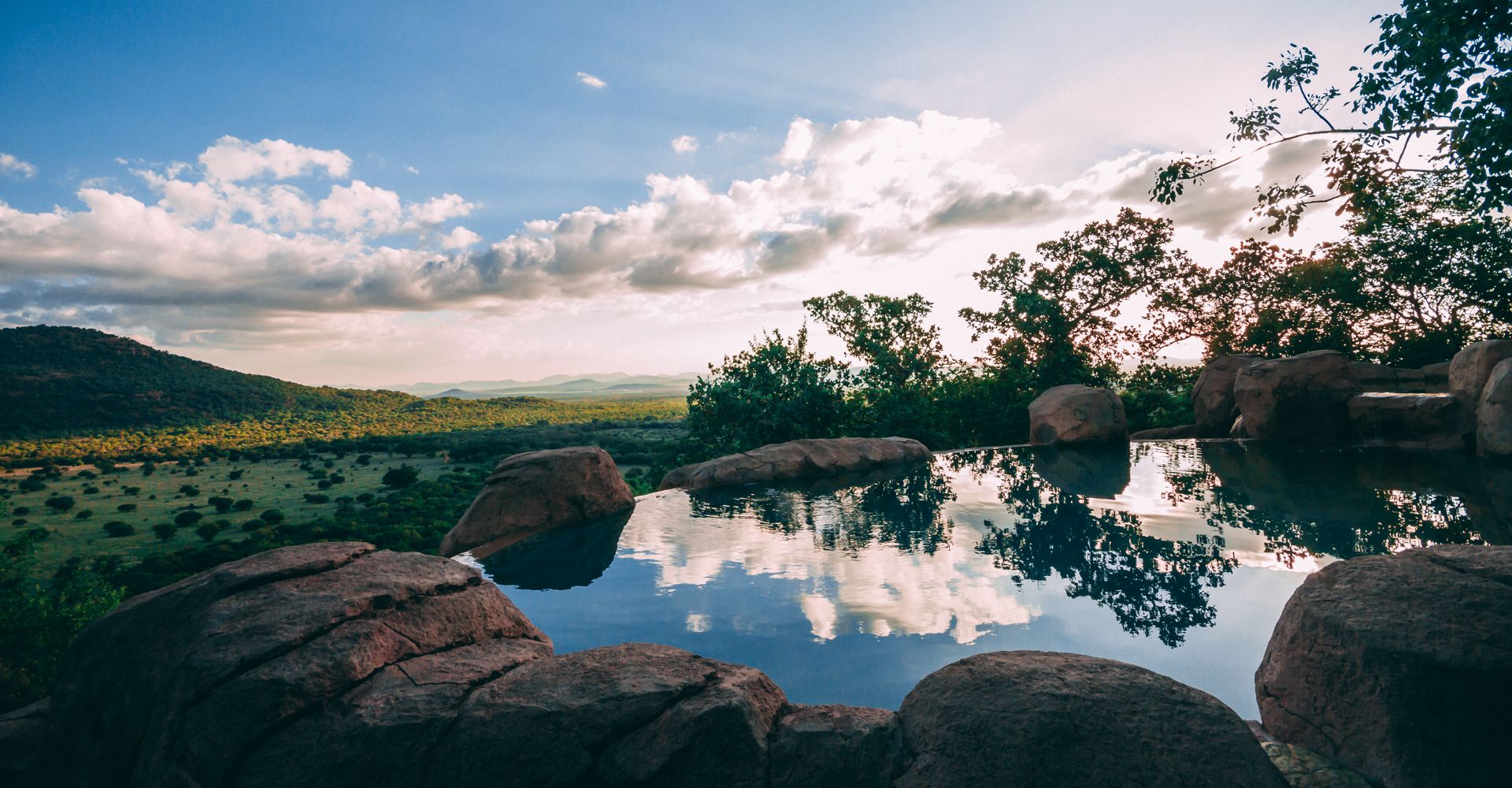
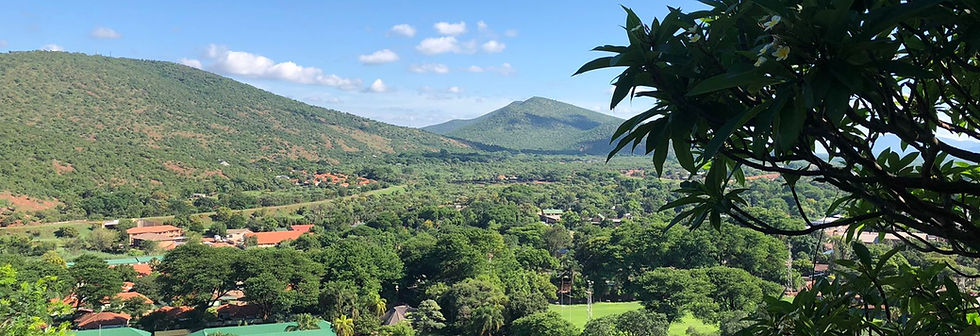
Gwarriehoek is a small rural settlement in Limpopo Province, situated in the bushveld region between Mokopane and Marken. The area serves as a gateway to exploring the agricultural heartland of the Waterberg district, where cattle farming and game ranching define the landscape.
## Accommodation in Gwarriehoek
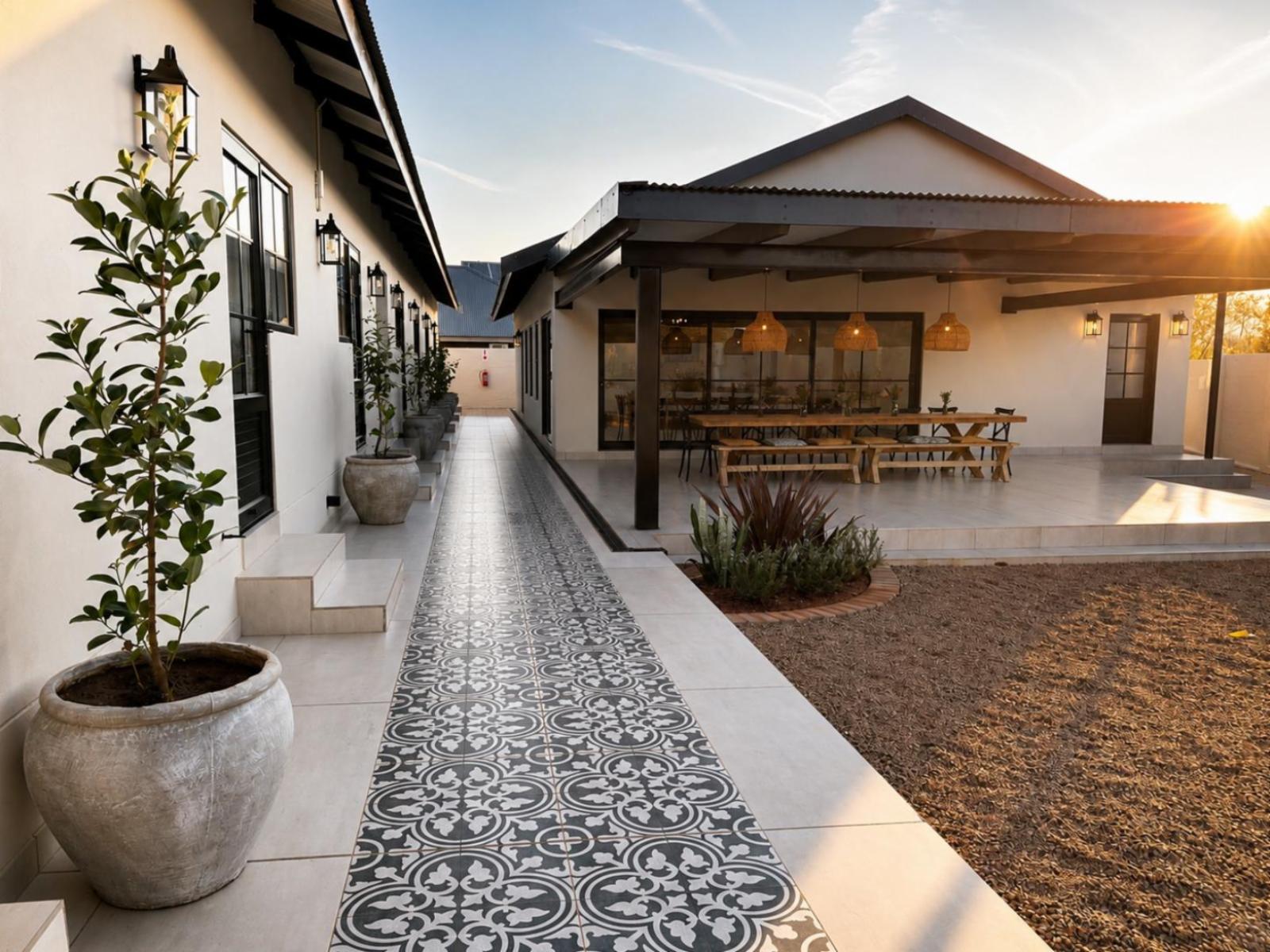
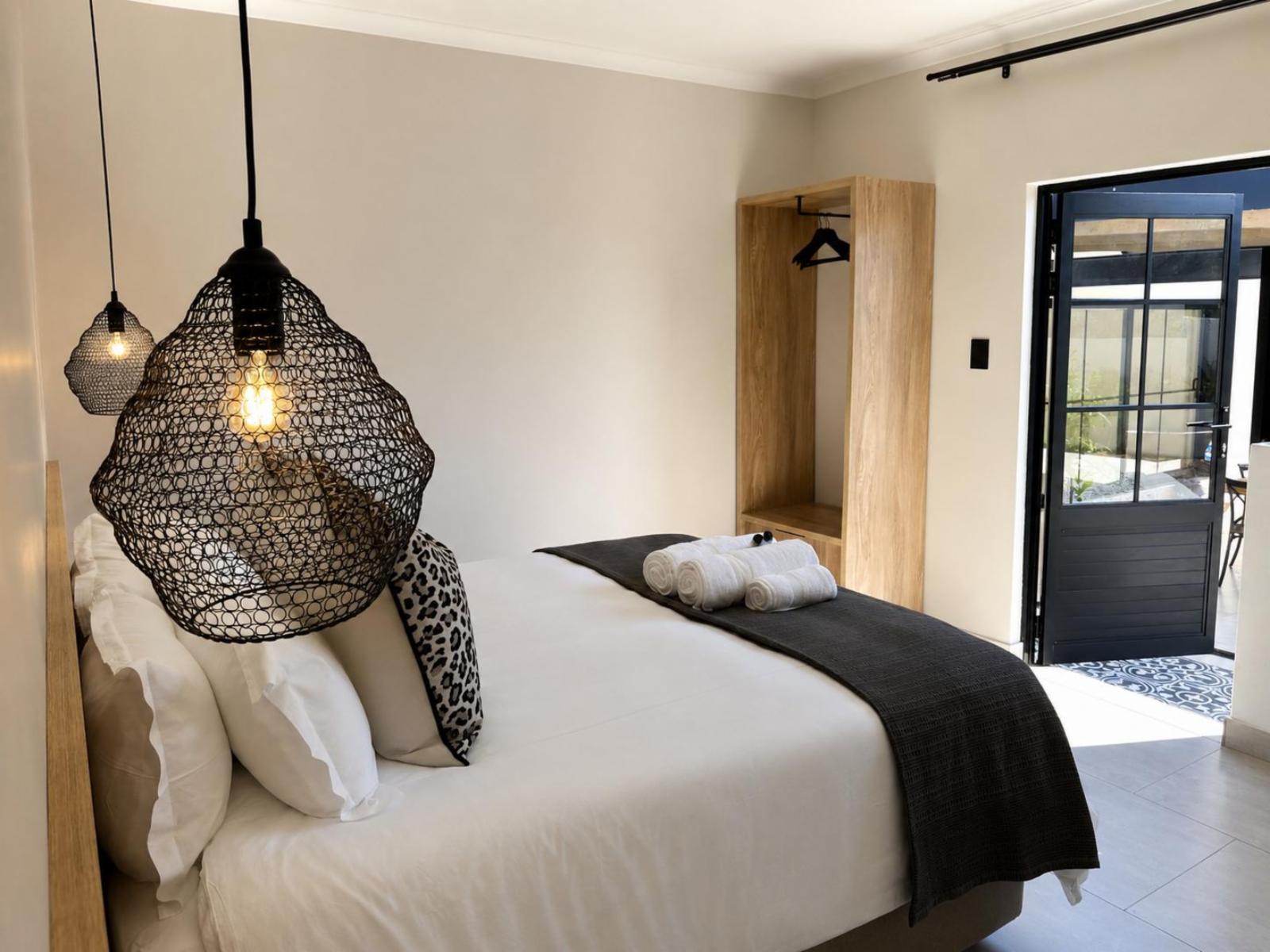
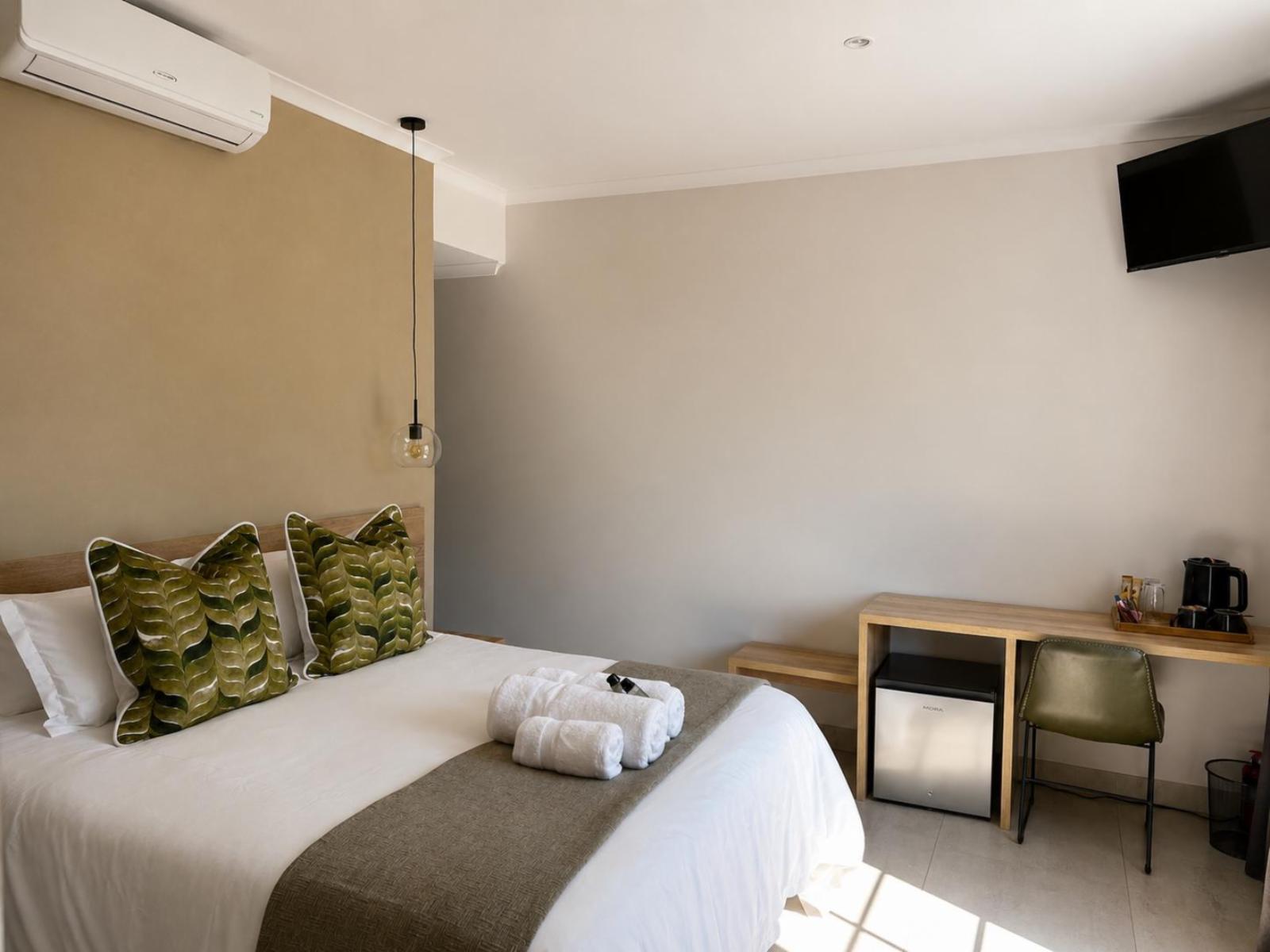
The accommodation landscape in Gwarriehoek is shaped almost entirely by its rural character. No properties are currently listed through mainstream booking platforms, and pricing is not publicly established, which means most stays are arranged directly with property owners or through local hunting and farm stay networks. This is a common pattern in working bushveld areas where accommodation is secondary to the land's primary purpose rather than a standalone commercial operation.
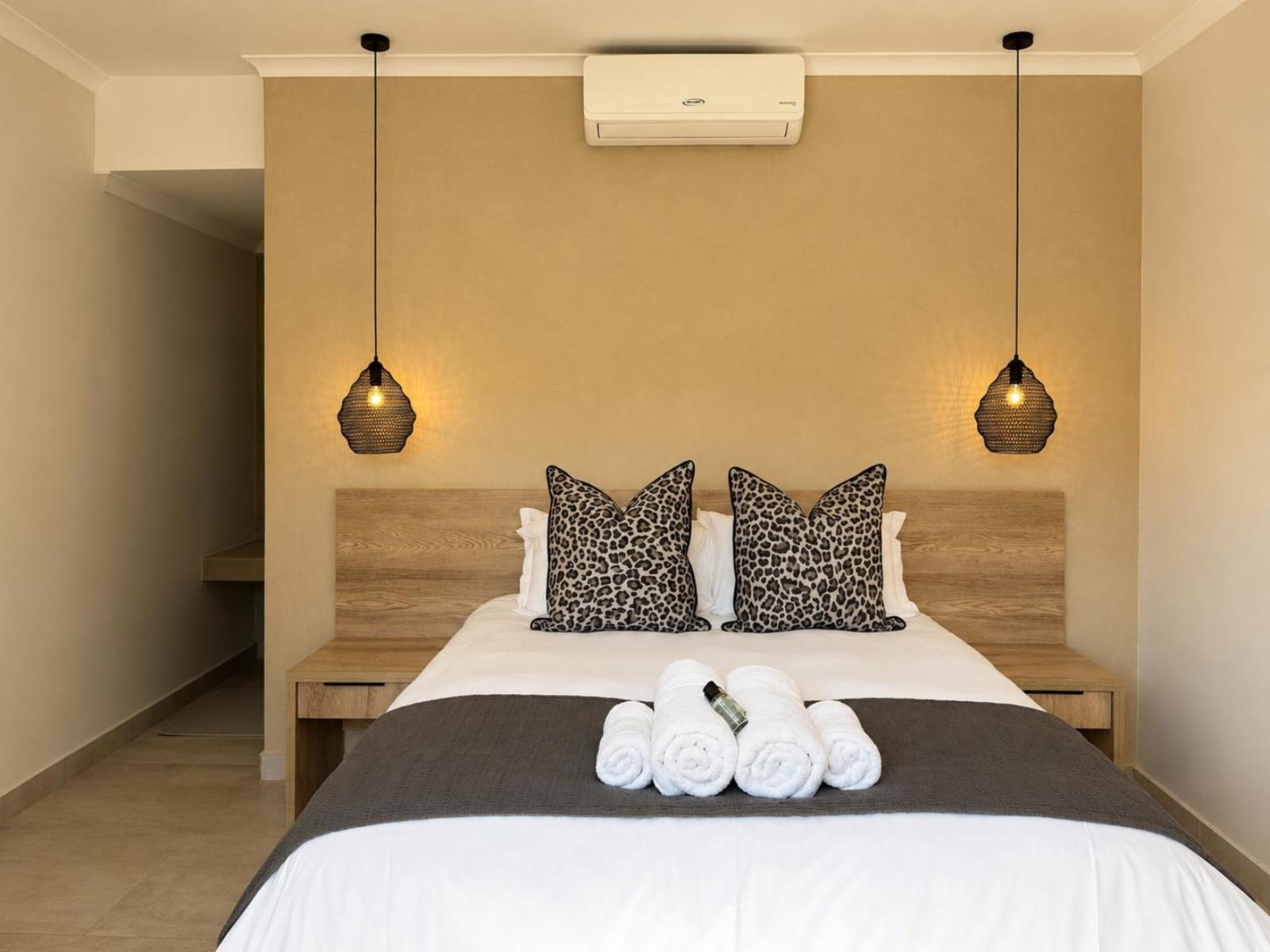
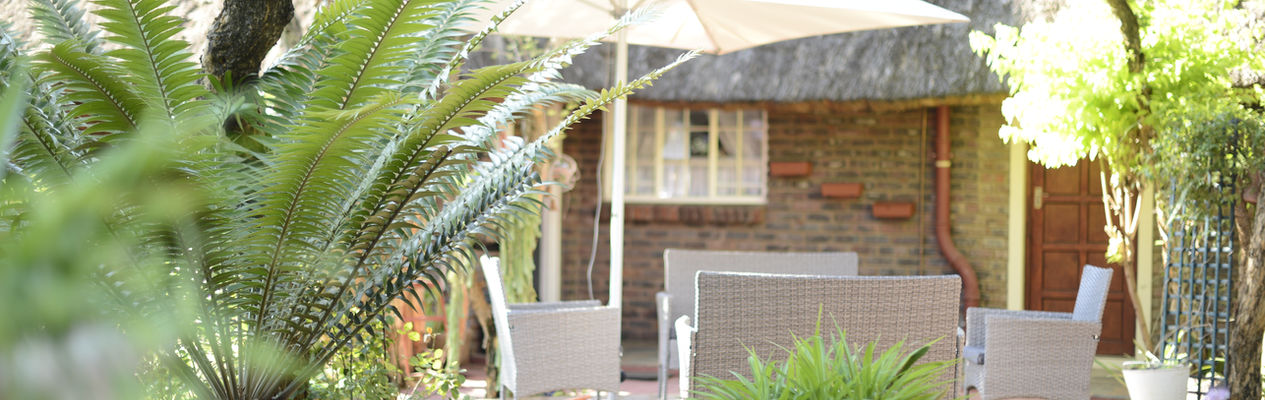
At the budget end, expect basic self-catering units on working farms, typically offering a kitchen, braai facilities, and a bedroom or two. Some units are converted outbuildings with a degree of separation from the main farmhouse, while others share facilities. These are practical rather than polished, aimed at hunters, trail bikers, or travellers who need a secure bed and parking without much fuss. Rates are often negotiated per group rather than per person, and standards vary considerably between properties.
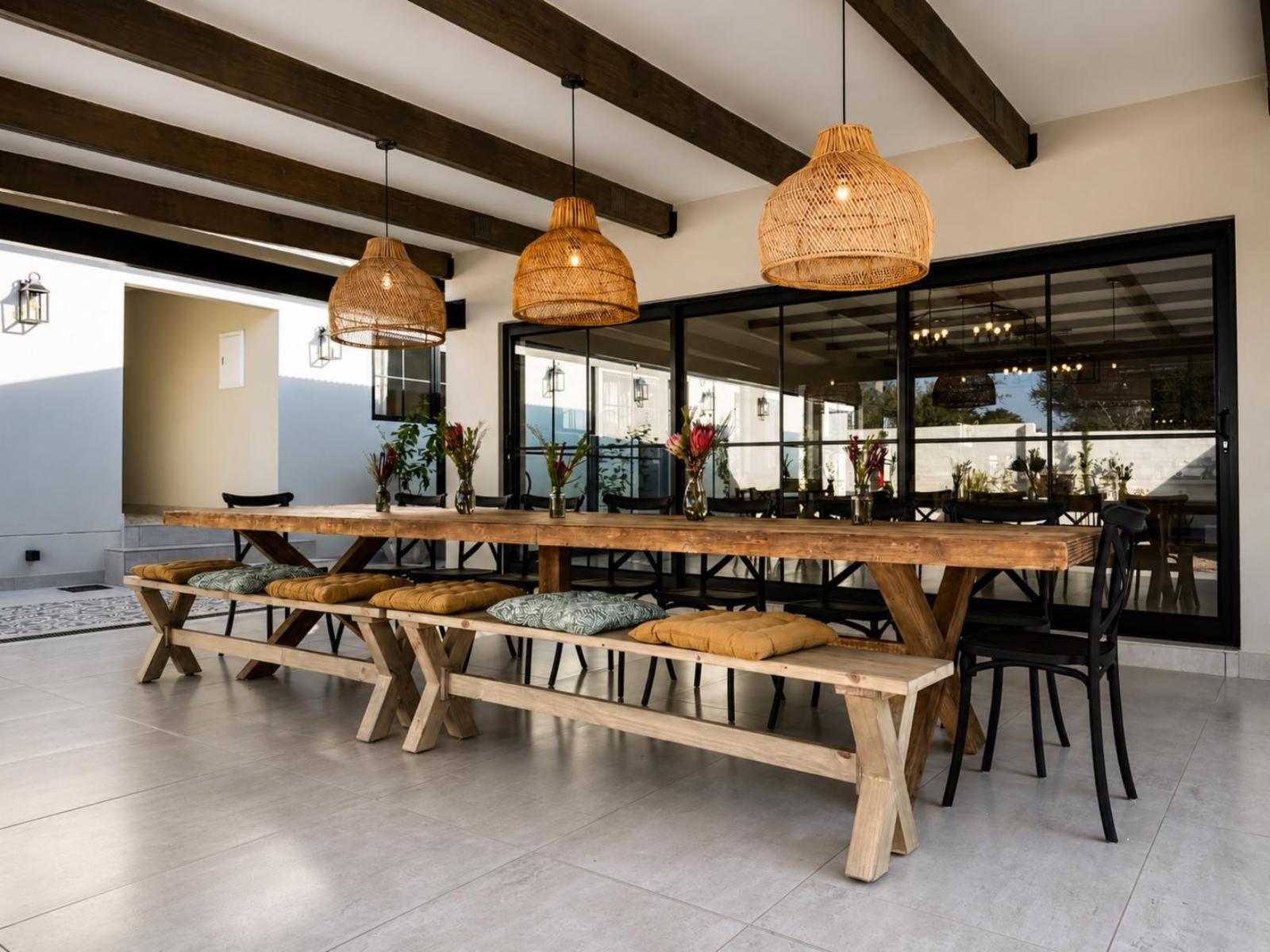
Mid-range options, where they exist, lean toward guest houses and farm lodges that offer more comfort, sometimes including breakfast or dinner on request. Some provide guided birdwatching or game drives on their own land. The bushveld around Gwarriehoek supports reasonable birdlife year-round and resident game species including kudu, impala, and warthog on private farms, making these lodges appealing to visitors wanting a low-key wildlife experience without the scale of a formal reserve. A number of farms have birding hides or waterholes that draw animals in the dry season, giving guests close encounters that require no special effort.
At the upper end, properties in this region tend to be hunting estates with comfortable lodge facilities, full catering, and professional hunting services. These cater to a specific clientele and are generally booked well in advance of the season. For self-guided general visitors, they may not be the right fit, but the infrastructure at some of these estates is notably better than at simpler farm stays.
Prospective visitors should contact properties directly, as availability and pricing shift depending on the season and whether active hunting or agricultural operations are underway. Allow time for responses, and confirm all arrangements by phone before travelling.
## Best Time to Visit Gwarriehoek
The Limpopo bushveld follows a clear seasonal rhythm. Summer runs from November through March, bringing afternoon thunderstorms and temperatures that regularly push above 35°C. The landscape greens up quickly after rain, wildflowers appear along roadsides, and migratory birds arrive in significant numbers, making this the most rewarding period for birdwatchers. The heat and dense vegetation do, however, make game spotting more difficult on open land.
The dry season from May through August is generally better for wildlife. Vegetation thins out, animals concentrate near water sources, and the air clears after the summer haze. Nights can be cold in June and July, occasionally approaching freezing, so pack warm layers for evenings outside.
Spring (September to October) and autumn (April) offer moderate temperatures with a transitioning bush that is active with birds and game alike. These shoulder months also tend to see more accommodation availability, as hunting season demand fluctuates across the year.
General rural touring is possible at any time of year. The cooler dry months remain the most comfortable for extended outdoor activity, and they offer clearer sightlines across the bushveld, which makes casual game viewing from a vehicle or a hide considerably more productive.
## Getting to Gwarriehoek
Gwarriehoek connects to the wider road network via the R101, the main tarred route through central Limpopo. From Johannesburg, the drive north on the N1 through Bela-Bela and on to Mokopane takes roughly three hours, covering around 280 kilometres. From Mokopane, the settlement is approximately 30 kilometres northwest on gravel district roads that can become rough after heavy summer rain.
The closest commercial airport is Polokwane International Airport, about 120 kilometres to the northeast. Scheduled flights operate between Polokwane and Johannesburg's O.R. Tambo International Airport. Car hire is available at Polokwane, but visitors arriving by air should arrange a vehicle before heading into the area, as no local hire services exist.
There is no public transport serving Gwarriehoek directly. Minibus taxis run between Mokopane and surrounding towns but do not extend to farm areas. A standard sedan handles most roads in dry conditions, though reasonable ground clearance helps on farm tracks and after rain. Petrol stations in Mokopane are the last reliable fuel stop before heading northwest on district roads.
## Gwarriehoek and Surrounding Areas
The nearest settlement of any size, Thabazimbi, lies just 17 kilometres from Gwarriehoek and provides the most practical base for fuel, supplies, and services. Built around iron ore mining, it has supermarkets, a district hospital, and vehicle repair shops. Thabazimbi also sits close to Marakele National Park, a large protected area in the Waterberg mountains that holds Big Five game including white rhino, elephant, and buffalo. Visitors based in Gwarriehoek who want a structured game reserve experience will find Marakele the most accessible option in this part of Limpopo, reachable in under an hour.
Amandelbult, 21 kilometres out, is dominated by one of Anglo American Platinum's major mining complexes, part of the platinum belt that has defined the regional economy for decades. There is little in the way of visitor infrastructure here, and the settlement functions primarily as a company facility, but the farm roads in the surrounding area pass through attractive open bushveld.
Northam, 33 kilometres away, serves both the platinum sector and the wider farming community. Its commercial centre is the most developed in the immediate region, with chain stores, hardware shops, fuel, and basic banking, making it a solid provisioning stop before a longer farm stay.
Hartbeestfontein sits roughly 38 kilometres from Gwarriehoek, a small farming locality in the broader bushveld. The name, Afrikaans for hartebeest fountain, speaks to the wildlife that historically populated these plains.
Bobbejaanstert at 40 kilometres and Renosterfontein at 47 kilometres are small rural localities in the surrounding farming belt. Their names, meaning baboon's tail and rhinoceros spring respectively, reflect the fauna and the layered history of settlement across this corner of the Limpopo interior.
## Planning Your Stay
Gwarriehoek is not a destination with a developed booking infrastructure. Most properties operate informally, and confirming availability requires direct contact, usually by phone. Email responses can be slow, so calling ahead is advisable, particularly if your dates are firm.
Timing matters in relation to hunting activity. If the property is a working hunting farm, beds can fill quickly with hunting clients during peak season. Enquiring about stays outside the main hunting windows usually yields more flexibility and a quieter experience overall.
Before confirming, establish whether accommodation is self-catering or includes meals, as this varies considerably between properties and affects what you need to bring. Ask about the condition of the access road, especially after summer rain, and confirm mobile network coverage so you can plan around any communication gaps.
Bring cash. Card facilities are not guaranteed at rural properties, and ATM access means a trip to town. A basic toolkit, a first aid kit, and a downloaded offline map are sensible inclusions for this area. Power outages are a regular occurrence in rural Limpopo, so pack a torch or headlamp. If you are travelling with a trailer or a larger vehicle, confirm gate clearances and track conditions with the property owner before departure.

The accommodation landscape in Gwarriehoek is shaped almost entirely by its rural character. No properties are currently listed through mainstream booking platforms, and pricing is not publicly established, which means most stays are arranged directly with property owners or through local hunting and farm stay networks. This is a common pattern in working bushveld areas where accommodation is secondary to the land's primary purpose rather than a standalone commercial operation.
At the budget end, expect basic self-catering units on working farms, typically offering a kitchen, braai facilities, and a bedroom or two. Some units are converted outbuildings with a degree of separation from the main farmhouse, while others share facilities. These are practical rather than polished, aimed at hunters, trail bikers, or travellers who need a secure bed and parking without much fuss. Rates are often negotiated per group rather than per person, and standards vary considerably between properties.
Mid-range options, where they exist, lean toward guest houses and farm lodges that offer more comfort, sometimes including breakfast or dinner on request. Some provide guided birdwatching or game drives on their own land. The bushveld around Gwarriehoek supports reasonable birdlife year-round and resident game species including kudu, impala, and warthog on private farms, making these lodges appealing to visitors wanting a low-key wildlife experience without the scale of a formal reserve. A number of farms have birding hides or waterholes that draw animals in the dry season, giving guests close encounters that require no special effort.
At the upper end, properties in this region tend to be hunting estates with comfortable lodge facilities, full catering, and professional hunting services. These cater to a specific clientele and are generally booked well in advance of the season. For self-guided general visitors, they may not be the right fit, but the infrastructure at some of these estates is notably better than at simpler farm stays.
Prospective visitors should contact properties directly, as availability and pricing shift depending on the season and whether active hunting or agricultural operations are underway. Allow time for responses, and confirm all arrangements by phone before travelling.
## Best Time to Visit Gwarriehoek
The Limpopo bushveld follows a clear seasonal rhythm. Summer runs from November through March, bringing afternoon thunderstorms and temperatures that regularly push above 35°C. The landscape greens up quickly after rain, wildflowers appear along roadsides, and migratory birds arrive in significant numbers, making this the most rewarding period for birdwatchers. The heat and dense vegetation do, however, make game spotting more difficult on open land.
The dry season from May through August is generally better for wildlife. Vegetation thins out, animals concentrate near water sources, and the air clears after the summer haze. Nights can be cold in June and July, occasionally approaching freezing, so pack warm layers for evenings outside.
Spring (September to October) and autumn (April) offer moderate temperatures with a transitioning bush that is active with birds and game alike. These shoulder months also tend to see more accommodation availability, as hunting season demand fluctuates across the year.
General rural touring is possible at any time of year. The cooler dry months remain the most comfortable for extended outdoor activity, and they offer clearer sightlines across the bushveld, which makes casual game viewing from a vehicle or a hide considerably more productive.
## Getting to Gwarriehoek
Gwarriehoek connects to the wider road network via the R101, the main tarred route through central Limpopo. From Johannesburg, the drive north on the N1 through Bela-Bela and on to Mokopane takes roughly three hours, covering around 280 kilometres. From Mokopane, the settlement is approximately 30 kilometres northwest on gravel district roads that can become rough after heavy summer rain.
The closest commercial airport is Polokwane International Airport, about 120 kilometres to the northeast. Scheduled flights operate between Polokwane and Johannesburg's O.R. Tambo International Airport. Car hire is available at Polokwane, but visitors arriving by air should arrange a vehicle before heading into the area, as no local hire services exist.
There is no public transport serving Gwarriehoek directly. Minibus taxis run between Mokopane and surrounding towns but do not extend to farm areas. A standard sedan handles most roads in dry conditions, though reasonable ground clearance helps on farm tracks and after rain. Petrol stations in Mokopane are the last reliable fuel stop before heading northwest on district roads.
## Gwarriehoek and Surrounding Areas
The nearest settlement of any size, Thabazimbi, lies just 17 kilometres from Gwarriehoek and provides the most practical base for fuel, supplies, and services. Built around iron ore mining, it has supermarkets, a district hospital, and vehicle repair shops. Thabazimbi also sits close to Marakele National Park, a large protected area in the Waterberg mountains that holds Big Five game including white rhino, elephant, and buffalo. Visitors based in Gwarriehoek who want a structured game reserve experience will find Marakele the most accessible option in this part of Limpopo, reachable in under an hour.
Amandelbult, 21 kilometres out, is dominated by one of Anglo American Platinum's major mining complexes, part of the platinum belt that has defined the regional economy for decades. There is little in the way of visitor infrastructure here, and the settlement functions primarily as a company facility, but the farm roads in the surrounding area pass through attractive open bushveld.
Northam, 33 kilometres away, serves both the platinum sector and the wider farming community. Its commercial centre is the most developed in the immediate region, with chain stores, hardware shops, fuel, and basic banking, making it a solid provisioning stop before a longer farm stay.
Hartbeestfontein sits roughly 38 kilometres from Gwarriehoek, a small farming locality in the broader bushveld. The name, Afrikaans for hartebeest fountain, speaks to the wildlife that historically populated these plains.
Bobbejaanstert at 40 kilometres and Renosterfontein at 47 kilometres are small rural localities in the surrounding farming belt. Their names, meaning baboon's tail and rhinoceros spring respectively, reflect the fauna and the layered history of settlement across this corner of the Limpopo interior.
## Planning Your Stay
Gwarriehoek is not a destination with a developed booking infrastructure. Most properties operate informally, and confirming availability requires direct contact, usually by phone. Email responses can be slow, so calling ahead is advisable, particularly if your dates are firm.
Timing matters in relation to hunting activity. If the property is a working hunting farm, beds can fill quickly with hunting clients during peak season. Enquiring about stays outside the main hunting windows usually yields more flexibility and a quieter experience overall.
Before confirming, establish whether accommodation is self-catering or includes meals, as this varies considerably between properties and affects what you need to bring. Ask about the condition of the access road, especially after summer rain, and confirm mobile network coverage so you can plan around any communication gaps.
Bring cash. Card facilities are not guaranteed at rural properties, and ATM access means a trip to town. A basic toolkit, a first aid kit, and a downloaded offline map are sensible inclusions for this area. Power outages are a regular occurrence in rural Limpopo, so pack a torch or headlamp. If you are travelling with a trailer or a larger vehicle, confirm gate clearances and track conditions with the property owner before departure.
Gwarriehoek Kaart
Nabygeleë Bestemmings
Blaai Deur Alle Gwarriehoek Akkommodasie
Bekyk al 0 akkommodasie-opsies in Gwarriehoek met foto's, pryse en beskikbaarheid.
Blaai Deur Alle Akkommodasie