Bucklands Reis- & Akkommodasiegids
Jou volledige gids om Bucklands, Suid-Afrika te besoek.
Bucklands is a small settlement in the North West Province of South Africa, positioned in the semi-arid interior near the Northern Cape border. The area offers visitors a quiet retreat in the Karoo-like landscape, with wide open spaces and clear night skies that appeal to those seeking solitude away from urban centres.
## Accommodation in Bucklands
With no properties currently listed through major booking platforms, accommodation in Bucklands operates almost entirely outside the formal tourism economy. This is consistent with much of South Africa's deep interior, where stays are arranged through direct contact with farmers, guesthouses, or community members rather than through centralised reservation systems. The current data, reflecting zero listed properties and no established nightly pricing, shows how thoroughly this area sits outside mainstream travel infrastructure.
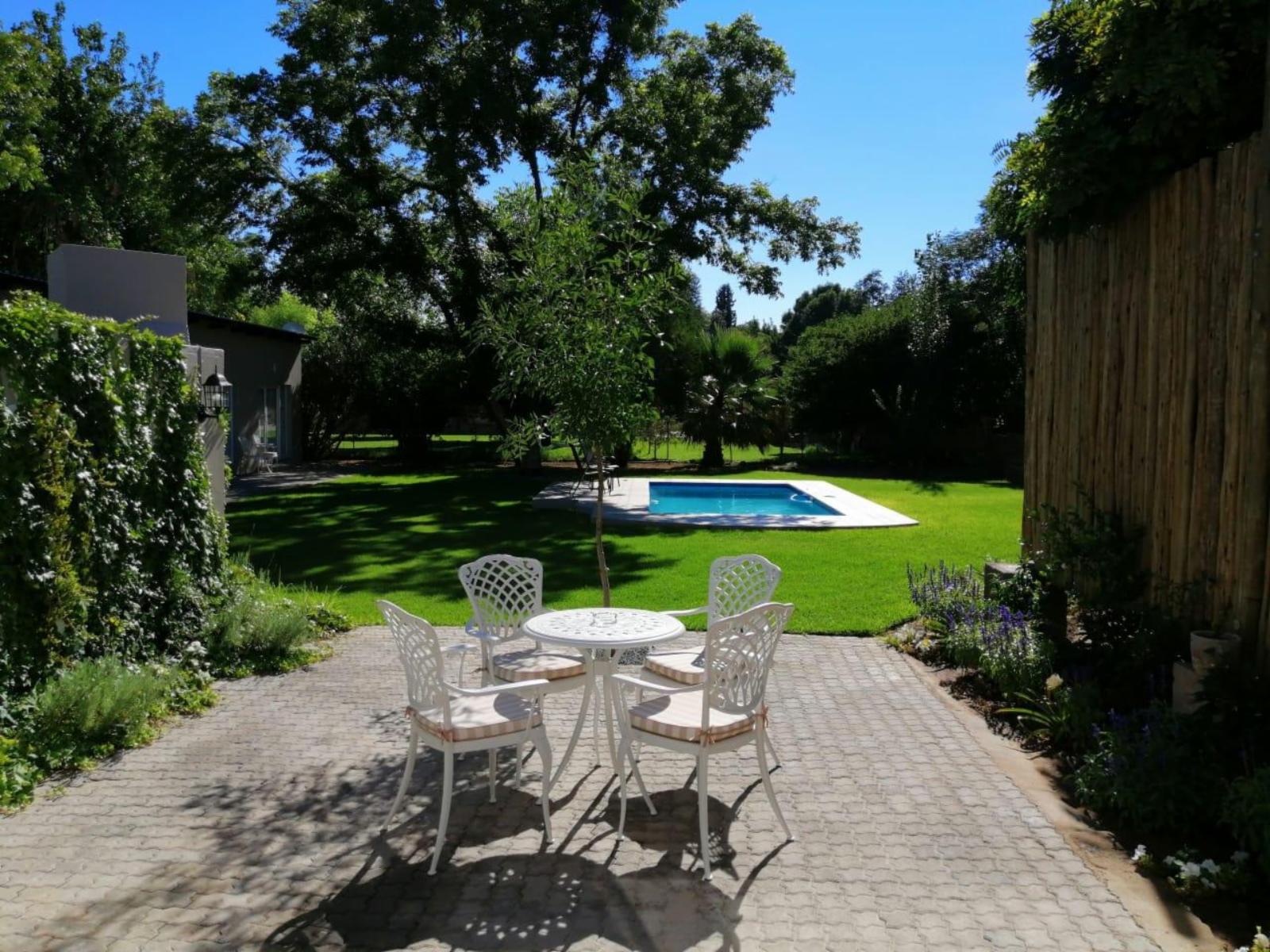
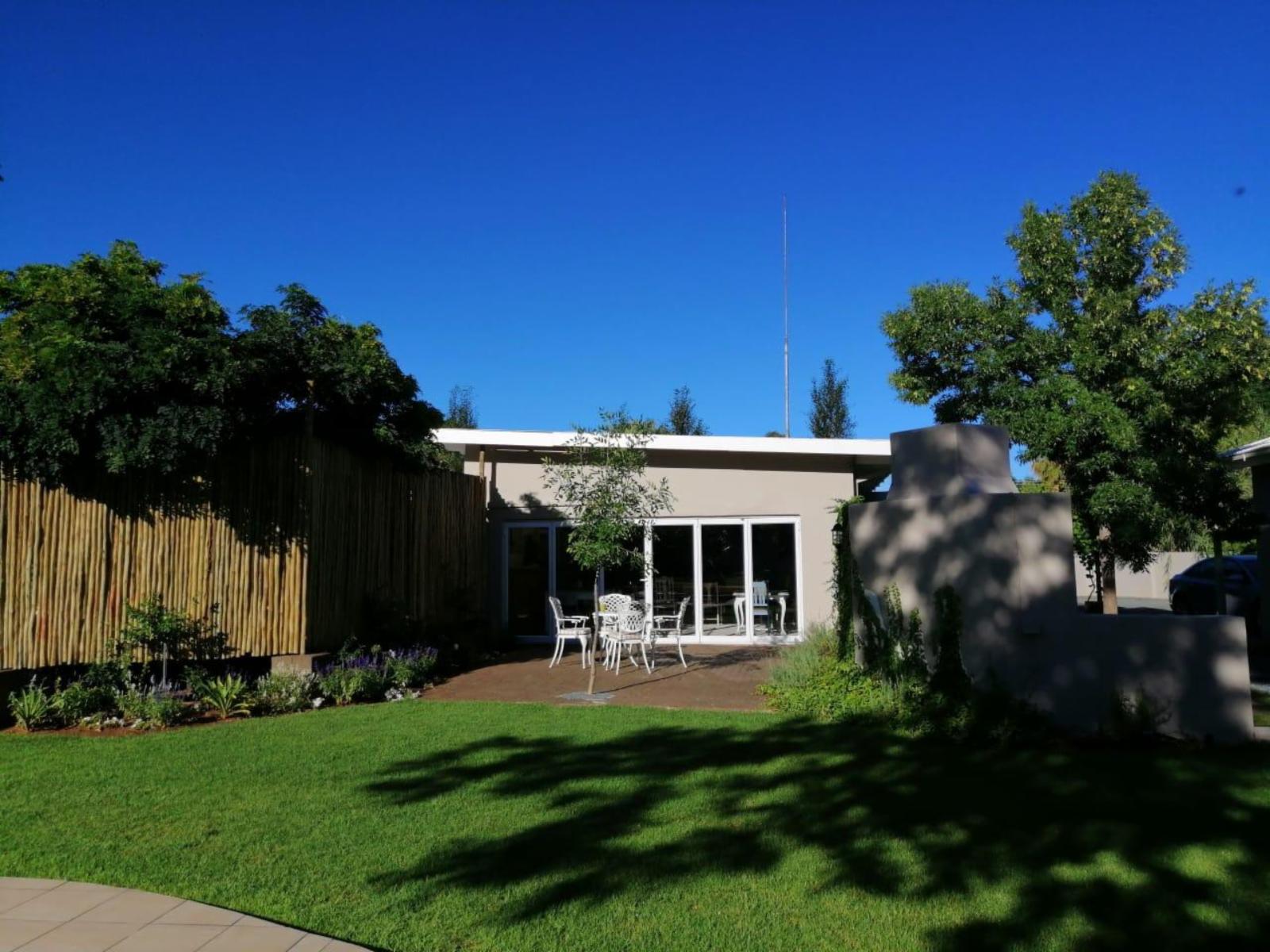
At the more affordable end, basic farm stays and self-catering cottages on working agricultural properties form the backbone of available options. These prioritise function over comfort. Guests get a clean space, a kitchen, and access to the surrounding land. The appeal lies in space, quiet, and proximity to working livestock farming at close range, without elaborate amenities or organised activities.
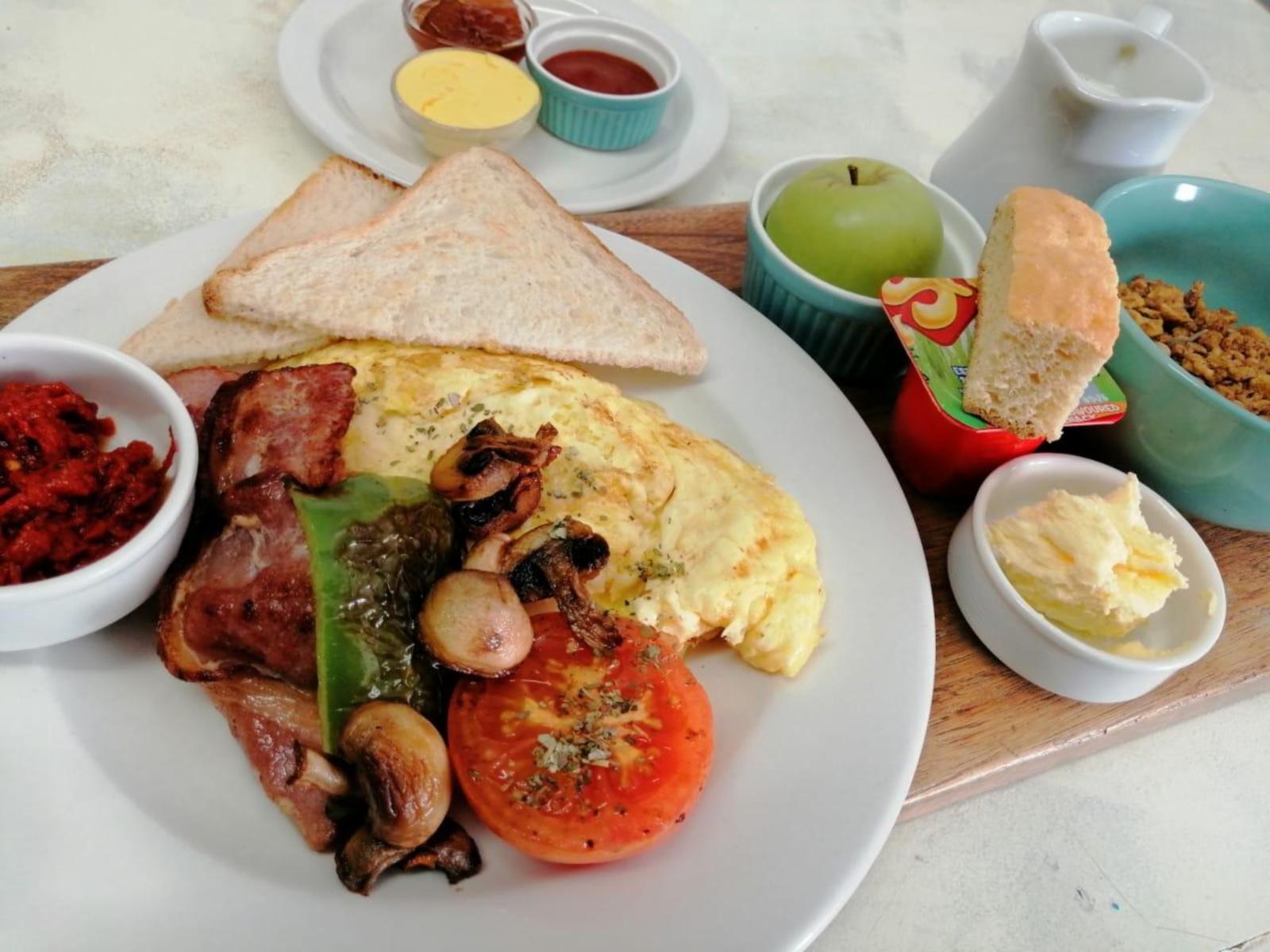
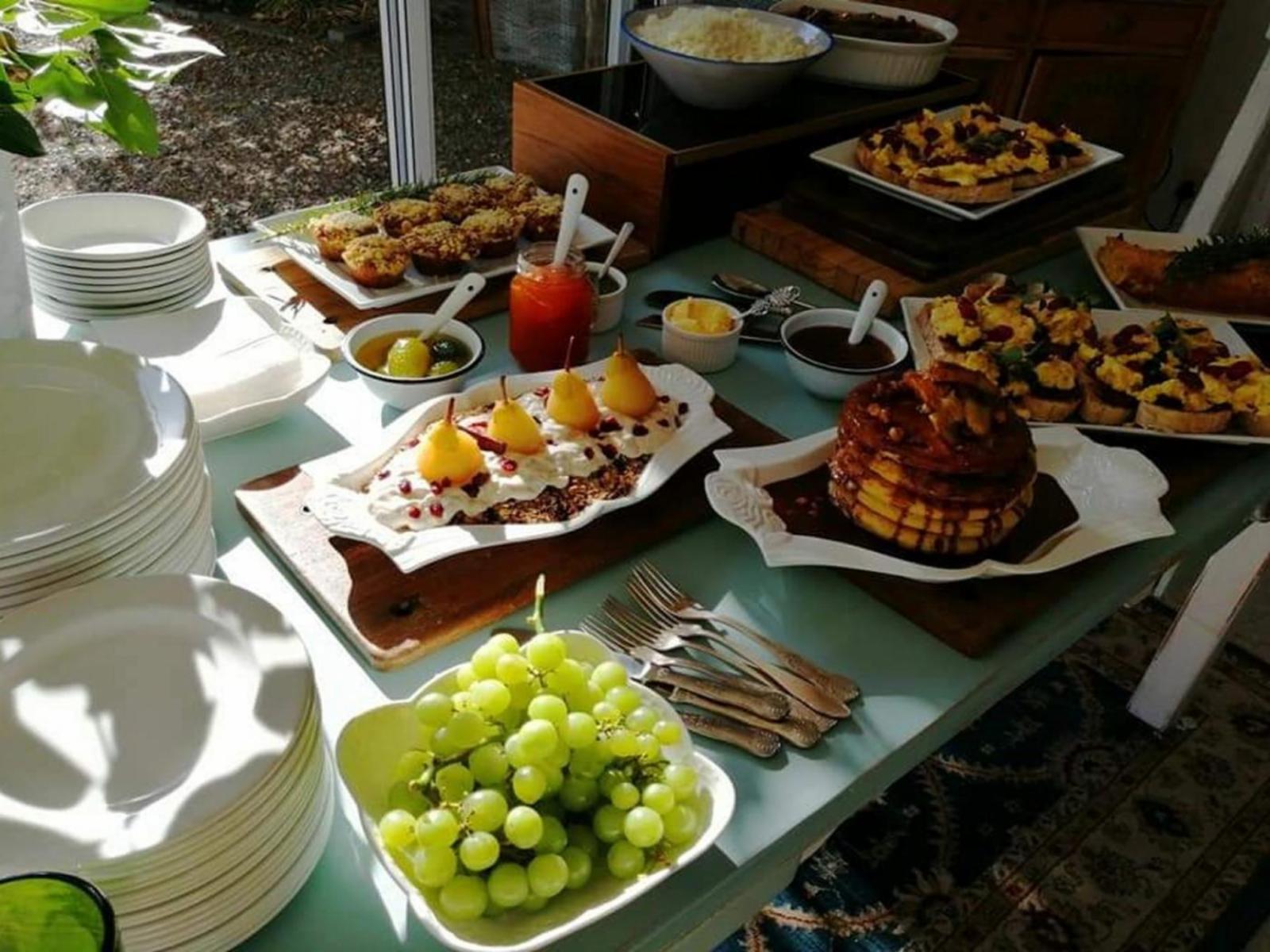
Mid-range accommodation, where it exists, tends to be a farmer-operated guesthouse offering meals on request and slightly more considered facilities. Solar power systems and water storage tanks are common, replacing the grid infrastructure that city visitors take for granted. Rooms may include a private bathroom and simple furnishings. The evenings on properties like these are genuinely unusual for anyone accustomed to urban environments, with near-total quiet and unobstructed views across the surrounding land.
There is nothing here that approaches the standards of a conventional upper-tier lodge. Anyone expecting polished service or resort-style facilities will find Bucklands entirely unsuitable. What passes for upper-range locally is a more comfortable version of the same self-sufficient model, typically a well-equipped farmhouse with a generator and a functional kitchen rather than anything resembling managed tourism accommodation.
Farm stays in this part of North West Province tend to attract travellers who are genuinely self-sufficient and not reliant on organised activities. The experience of being on a working farm, with early mornings, agricultural rhythms, and open land stretching to the horizon, is distinct from anything available through conventional lodge tourism.
Contacting regional tourism offices in the larger nearby towns tends to be more productive than searching booking websites, as many local options never appear online. Availability is limited, and enquiring well in advance of any planned visit is sensible.
## Best Time to Visit Bucklands
Timing makes a considerable difference to what a visit here feels like. Summer, spanning November through February, brings intense heat, with temperatures regularly exceeding 35 degrees Celsius and sometimes reaching 40 degrees during prolonged heatwaves. Wildlife and birdlife are most active in early morning and late afternoon, and the midday hours are best spent in shade.
March through May and August through October offer the most comfortable conditions. Temperatures moderate, mornings are cool without being harsh, and the flat landscape takes on a different quality of light in autumn and spring. Birders will find late winter and early spring worthwhile, as some migratory species pass through the broader region during these months.
Winter nights can drop below freezing, with July typically the coldest month. Days are often mild, sunny, and well-suited for walking or extended drives across the open country. Clear winter skies and negligible light pollution make this the best period for stargazing, one of the activities the area genuinely excels at.
Summer rains, though infrequent, can make gravel roads temporarily impassable. Any visit planned for January or February should allow for a flexible itinerary, since road conditions can change quickly after a storm.
## Getting to Bucklands
Bucklands is reached exclusively by private vehicle, with no public transport serving the settlement. The nearest airports with domestic connections from Johannesburg are at Kimberley, approximately 220 kilometres to the southeast, and Upington around 250 kilometres to the southwest. Kimberley has more frequent scheduled services and is the more practical option for most visitors.
From Johannesburg, the most direct route follows the N14 south through Vryburg before turning onto secondary and gravel roads, covering roughly 580 kilometres in total and taking five to six hours. From Kimberley, the drive takes approximately three hours via the R64 northwest, with the town of Kuruman serving as the last reliable fuel stop about 80 kilometres before Bucklands.
Roads in the area are predominantly gravel. A standard sedan manages them in dry conditions, though ground clearance becomes relevant after rain. The N14 is tarred for most of its length, but conditions deteriorate on the final stretch. No car hire is available locally, so rental arrangements must be made at the departure airport. GPS navigation is unreliable in this region, and downloading offline maps before leaving any urban centre is advisable.
## Bucklands and Surrounding Areas
Douglas, just 9 kilometres from Bucklands, is the most accessible service point for visitors to the area. The town sits at the confluence of the Orange and Vaal rivers, one of the more geographically notable junctions in the South African interior, where the Northern Cape's two major river systems meet. Irrigation farming along the river corridor supports a modest local economy, and Douglas provides fuel, basic shops, and eating options unavailable in Bucklands itself.
Bergsputte, 28 kilometres out, is a small farming settlement with no dedicated visitor facilities. The drive along this route passes through Kalahari fringe terrain where red sand, sparse thorn scrub, and flat horizons are the defining features. Arid-adapted bird species, including various larks, are commonly seen along roadsides in this country, and raptors are a frequent sight hunting over the open veld.
Griekwastad, 48 kilometres from Bucklands, carries historical weight as a 19th-century Griqua settlement. A local museum and some preserved structures document the story of the Griqua people and the early missionary activity that shaped this part of the Northern Cape. It represents the most substantive cultural destination within day-trip distance.
Papkuil lies 65 kilometres to the south and is a small farming community where seasonal watercourses attract birdlife during and after wetter months. The route between Bucklands and Papkuil covers open agricultural land with long sightlines in every direction.
Sydney on Vaal and Wilmae, both approximately 93 kilometres from Bucklands, sit along the Vaal River. Sydney on Vaal in particular has developed some recreational use around the river, including fishing spots along the Vaal. The green riparian environment provides a marked contrast to the dry interior country, and a full-day circuit combining both towns and the river landscape makes for a worthwhile excursion from Bucklands.
## Planning Your Stay
Given how little accommodation in this area appears on standard booking platforms, direct contact with properties is the only reliable approach. Phoning ahead is not just advisable but necessary. Arriving without a confirmed booking is a real risk in a region where the number of properties willing to host visitors is small.
When speaking to a property, ask specifically about power supply, water reliability, and whether meals can be arranged. These practical details carry more weight than any formal rating. Check road conditions if visiting after recent rainfall. A tourism information desk at the nearest large town can advise on current surface conditions along the gravel roads in the area.
Mobile coverage is patchy throughout this region. Both major networks have gaps. Downloading offline maps before departing any city is important, and carrying written directions adds a useful backup. A fully charged power bank is a sensible addition to any kit.
Stock up on food, water, and any medications before the final stretch of gravel road. Commercial infrastructure in the immediate area is minimal. Carrying two to three days' worth of supplies in the vehicle is appropriate preparation for this part of the country, and treating the journey into the interior with the same care you would give a more obviously remote destination is not excessive caution.

With no properties currently listed through major booking platforms, accommodation in Bucklands operates almost entirely outside the formal tourism economy. This is consistent with much of South Africa's deep interior, where stays are arranged through direct contact with farmers, guesthouses, or community members rather than through centralised reservation systems. The current data, reflecting zero listed properties and no established nightly pricing, shows how thoroughly this area sits outside mainstream travel infrastructure.
At the more affordable end, basic farm stays and self-catering cottages on working agricultural properties form the backbone of available options. These prioritise function over comfort. Guests get a clean space, a kitchen, and access to the surrounding land. The appeal lies in space, quiet, and proximity to working livestock farming at close range, without elaborate amenities or organised activities.
Mid-range accommodation, where it exists, tends to be a farmer-operated guesthouse offering meals on request and slightly more considered facilities. Solar power systems and water storage tanks are common, replacing the grid infrastructure that city visitors take for granted. Rooms may include a private bathroom and simple furnishings. The evenings on properties like these are genuinely unusual for anyone accustomed to urban environments, with near-total quiet and unobstructed views across the surrounding land.
There is nothing here that approaches the standards of a conventional upper-tier lodge. Anyone expecting polished service or resort-style facilities will find Bucklands entirely unsuitable. What passes for upper-range locally is a more comfortable version of the same self-sufficient model, typically a well-equipped farmhouse with a generator and a functional kitchen rather than anything resembling managed tourism accommodation.
Farm stays in this part of North West Province tend to attract travellers who are genuinely self-sufficient and not reliant on organised activities. The experience of being on a working farm, with early mornings, agricultural rhythms, and open land stretching to the horizon, is distinct from anything available through conventional lodge tourism.
Contacting regional tourism offices in the larger nearby towns tends to be more productive than searching booking websites, as many local options never appear online. Availability is limited, and enquiring well in advance of any planned visit is sensible.
## Best Time to Visit Bucklands
Timing makes a considerable difference to what a visit here feels like. Summer, spanning November through February, brings intense heat, with temperatures regularly exceeding 35 degrees Celsius and sometimes reaching 40 degrees during prolonged heatwaves. Wildlife and birdlife are most active in early morning and late afternoon, and the midday hours are best spent in shade.
March through May and August through October offer the most comfortable conditions. Temperatures moderate, mornings are cool without being harsh, and the flat landscape takes on a different quality of light in autumn and spring. Birders will find late winter and early spring worthwhile, as some migratory species pass through the broader region during these months.
Winter nights can drop below freezing, with July typically the coldest month. Days are often mild, sunny, and well-suited for walking or extended drives across the open country. Clear winter skies and negligible light pollution make this the best period for stargazing, one of the activities the area genuinely excels at.
Summer rains, though infrequent, can make gravel roads temporarily impassable. Any visit planned for January or February should allow for a flexible itinerary, since road conditions can change quickly after a storm.
## Getting to Bucklands
Bucklands is reached exclusively by private vehicle, with no public transport serving the settlement. The nearest airports with domestic connections from Johannesburg are at Kimberley, approximately 220 kilometres to the southeast, and Upington around 250 kilometres to the southwest. Kimberley has more frequent scheduled services and is the more practical option for most visitors.
From Johannesburg, the most direct route follows the N14 south through Vryburg before turning onto secondary and gravel roads, covering roughly 580 kilometres in total and taking five to six hours. From Kimberley, the drive takes approximately three hours via the R64 northwest, with the town of Kuruman serving as the last reliable fuel stop about 80 kilometres before Bucklands.
Roads in the area are predominantly gravel. A standard sedan manages them in dry conditions, though ground clearance becomes relevant after rain. The N14 is tarred for most of its length, but conditions deteriorate on the final stretch. No car hire is available locally, so rental arrangements must be made at the departure airport. GPS navigation is unreliable in this region, and downloading offline maps before leaving any urban centre is advisable.
## Bucklands and Surrounding Areas
Douglas, just 9 kilometres from Bucklands, is the most accessible service point for visitors to the area. The town sits at the confluence of the Orange and Vaal rivers, one of the more geographically notable junctions in the South African interior, where the Northern Cape's two major river systems meet. Irrigation farming along the river corridor supports a modest local economy, and Douglas provides fuel, basic shops, and eating options unavailable in Bucklands itself.
Bergsputte, 28 kilometres out, is a small farming settlement with no dedicated visitor facilities. The drive along this route passes through Kalahari fringe terrain where red sand, sparse thorn scrub, and flat horizons are the defining features. Arid-adapted bird species, including various larks, are commonly seen along roadsides in this country, and raptors are a frequent sight hunting over the open veld.
Griekwastad, 48 kilometres from Bucklands, carries historical weight as a 19th-century Griqua settlement. A local museum and some preserved structures document the story of the Griqua people and the early missionary activity that shaped this part of the Northern Cape. It represents the most substantive cultural destination within day-trip distance.
Papkuil lies 65 kilometres to the south and is a small farming community where seasonal watercourses attract birdlife during and after wetter months. The route between Bucklands and Papkuil covers open agricultural land with long sightlines in every direction.
Sydney on Vaal and Wilmae, both approximately 93 kilometres from Bucklands, sit along the Vaal River. Sydney on Vaal in particular has developed some recreational use around the river, including fishing spots along the Vaal. The green riparian environment provides a marked contrast to the dry interior country, and a full-day circuit combining both towns and the river landscape makes for a worthwhile excursion from Bucklands.
## Planning Your Stay
Given how little accommodation in this area appears on standard booking platforms, direct contact with properties is the only reliable approach. Phoning ahead is not just advisable but necessary. Arriving without a confirmed booking is a real risk in a region where the number of properties willing to host visitors is small.
When speaking to a property, ask specifically about power supply, water reliability, and whether meals can be arranged. These practical details carry more weight than any formal rating. Check road conditions if visiting after recent rainfall. A tourism information desk at the nearest large town can advise on current surface conditions along the gravel roads in the area.
Mobile coverage is patchy throughout this region. Both major networks have gaps. Downloading offline maps before departing any city is important, and carrying written directions adds a useful backup. A fully charged power bank is a sensible addition to any kit.
Stock up on food, water, and any medications before the final stretch of gravel road. Commercial infrastructure in the immediate area is minimal. Carrying two to three days' worth of supplies in the vehicle is appropriate preparation for this part of the country, and treating the journey into the interior with the same care you would give a more obviously remote destination is not excessive caution.
Bucklands Kaart
Nabygeleë Bestemmings
Blaai Deur Alle Bucklands Akkommodasie
Bekyk al 0 akkommodasie-opsies in Bucklands met foto's, pryse en beskikbaarheid.
Blaai Deur Alle Akkommodasie