Douglas Reis- & Akkommodasiegids
Jou volledige gids om Douglas, Suid-Afrika te besoek.
1
Eiendom
Vanaf
R490
/ nag
Gemiddeld
R490
/ nag
Gewildste
Lodge
Douglas provides a serene spot for river enthusiasts with its location along the Vaal River. The town offers chances for outdoor pursuits and exploration of local history. It serves as an ideal base for those wanting a relaxed getaway in the Northern Cape.
## Accommodation in Douglas
Douglas has one listed property, a lodge priced at R490 per night. This simplifies what can otherwise be a time-consuming comparison: there is no sorting by category and no weighing budget against comfort. The single option shapes the stay, and by rural Northern Cape standards the rate sits at a reasonable point for what the area offers.
A lodge in a working farming town of this kind typically provides self-contained rooms, a braai facility, and outdoor space. The setup leans toward independence rather than service. Guests organise their own meals and supplies, and the accommodation suits people treating the stay as a base for outdoor activity and overland travel rather than those seeking hotel-style hospitality.
The inventory reflects the character of the town. Douglas is agricultural in its orientation, built around farming and the river rather than tourism, and there are no guesthouses, no backpacker beds, and nothing positioned at the upper end of the market. The absence of competing accommodation types is not a gap waiting to be filled but a reflection of what the town is. Travellers expecting staffed reception, in-house dining, or more polished interiors will find larger options along the main highway north or south, at a significant additional drive.
One booking fills the available capacity entirely. The property draws visitors using Douglas as a staging point for the Northern Cape interior, and it can fill ahead of popular dates without much warning. If this is a fixed stop on your itinerary rather than a contingency plan, reserving early avoids the risk of being left without accommodation in a town where no alternatives exist within easy reach.
---
## Best Time to Visit Douglas
The climate is dry and semi-arid with clear seasonal variation. Summer, November through February, brings sustained heat with daytime temperatures regularly exceeding 35°C. Afternoon thunderstorms occur occasionally but add little to an otherwise dry landscape. The veld browns off visibly during these months, and extended outdoor activity is best confined to the early morning hours before conditions build.
The shoulder months offer the most practical visiting conditions: March to May, and again from August into October. Temperatures settle into the mid-twenties, migratory bird species move through the region, and birdwatching along the river corridor improves noticeably. Walking and time outdoors are manageable throughout the day without planning around heat.
Winter, June through August, is dry and clear. Days are pleasant, but nights can fall close to freezing, so warm layers are essential. River activity tends to be consistent in the cooler months, and the area sees fewer visitors outside the mid-year school holiday window.
South African school holidays, the December summer break, Easter, and the June or July winter recess, drive the most concentrated movement through the region. Small-town accommodation in the Northern Cape fills quickly during these periods. Travelling in March to May or September to October gives quieter conditions and more flexibility with your plans.
---
## Getting to Douglas
Douglas is most directly reached via the N12 highway, which connects north to Kimberley roughly 100 kilometres away, a drive of about one hour. From Johannesburg, the N12 route covers approximately 600 kilometres and takes around six hours under normal conditions. From Cape Town, the distance is closer to 900 kilometres, typically via the N1 through the Karoo before turning north into the Northern Cape interior.
There is no commercial airport in Douglas. Kimberley Airport, about an hour's drive away, receives scheduled domestic services from Johannesburg and Cape Town and is the most practical option for those flying in. Upington Airport serves travellers whose itineraries align with routes to the west, but for most visitors it adds considerably to the ground journey. Intercity coach services pass through the broader region but are not a realistic option for visitors arriving with gear or planning to cover ground independently.
A personal vehicle is essential once in Douglas. The town centre is compact enough to cover on foot, but reaching river access points, outlying settlements, and any of the surrounding areas requires independent transport. Fuel is available in Douglas. Top up before heading onto gravel routes, as reliable fuel stops in smaller surrounding communities cannot be assumed.
---
## Douglas and Surrounding Areas
The settlements within day-trip distance of Douglas vary from quiet agricultural communities to historically significant towns and riverside destinations with more developed services.
**Bucklands**, 9 kilometres from Douglas, is the nearest settlement. A small farming community with no visitor facilities, it gives a clear picture of the irrigated agricultural character of the river corridor. The drive is short enough to work as an orientation run when you first arrive in the area.
**Bergsputte**, at 32 kilometres, sits in rockier country where outcrops begin to interrupt the flat farmland. The terrain shifts visibly here, marking the transition from the river valley into harder, drier ground. There are no facilities, but the landscape change helps read the wider geography of this part of the Northern Cape.
**Griekwastad**, 56 kilometres from Douglas, carries the most historical significance of any nearby destination. Also known as Griquatown, it was an early centre of the Griqua people, and a heritage museum in town documents this history. The Griqua story connects to broader questions of identity and land in South Africa's colonial past, giving the visit considerably more depth than a standard rural stop. Basic services are available, making it a practical half-day excursion.
**Papkuil**, 65 kilometres out, is a small rural stop amid wheat and livestock farming country. There is no specific visitor draw, but the drive passes through the open agricultural landscape that defines this stretch between Douglas and the Karoo edge.
**Sydney on Vaal**, 86 kilometres from Douglas, has developed as a riverside destination with facilities for anglers and water-based recreation. The town offers more accommodation and services than Douglas, and some travellers split a trip across both rather than using one as the sole base.
**Wilmae**, at 87 kilometres, sits at the outer limit of practical day-trip range. It is a small settlement with little documented visitor activity. The open semi-arid country on the drive out is the main reason to head this far.
---
## Planning Your Stay
Direct contact with the property is usually the most reliable first step. Some smaller rural operations in the Northern Cape do not maintain consistent listings across major booking platforms, and confirming by phone or email avoids gaps in communication about what is and is not included. Ask specifically about linen, whether outdoor cooking facilities are shared or private, and what the cancellation terms are before committing.
Self-catering is standard in rural Northern Cape accommodation. Unless the listing states otherwise, plan to arrive with food and supplies for the duration of your stay. Some properties require a direct bank transfer to secure a reservation rather than processing payment through a platform.
The sealed roads into Douglas are suitable for a standard sedan. Routes toward surrounding settlements often run on gravel and benefit from a higher-clearance vehicle. Check conditions before heading out on unfamiliar tracks, particularly after rain.
Mobile data coverage is inconsistent in and around Douglas. Download offline maps before leaving your last major centre, and carry cash, as card facilities are not reliable at smaller businesses or rural fuel stops in the wider area. If your plans include heritage sites or visitor facilities in nearby towns, verify their opening hours in advance. Many rural operations run on reduced or seasonal schedules without publicising closures.

Douglas has one listed property, a lodge priced at R490 per night. This simplifies what can otherwise be a time-consuming comparison: there is no sorting by category and no weighing budget against comfort. The single option shapes the stay, and by rural Northern Cape standards the rate sits at a reasonable point for what the area offers.
A lodge in a working farming town of this kind typically provides self-contained rooms, a braai facility, and outdoor space. The setup leans toward independence rather than service. Guests organise their own meals and supplies, and the accommodation suits people treating the stay as a base for outdoor activity and overland travel rather than those seeking hotel-style hospitality.
The inventory reflects the character of the town. Douglas is agricultural in its orientation, built around farming and the river rather than tourism, and there are no guesthouses, no backpacker beds, and nothing positioned at the upper end of the market. The absence of competing accommodation types is not a gap waiting to be filled but a reflection of what the town is. Travellers expecting staffed reception, in-house dining, or more polished interiors will find larger options along the main highway north or south, at a significant additional drive.
One booking fills the available capacity entirely. The property draws visitors using Douglas as a staging point for the Northern Cape interior, and it can fill ahead of popular dates without much warning. If this is a fixed stop on your itinerary rather than a contingency plan, reserving early avoids the risk of being left without accommodation in a town where no alternatives exist within easy reach.
---
## Best Time to Visit Douglas
The climate is dry and semi-arid with clear seasonal variation. Summer, November through February, brings sustained heat with daytime temperatures regularly exceeding 35°C. Afternoon thunderstorms occur occasionally but add little to an otherwise dry landscape. The veld browns off visibly during these months, and extended outdoor activity is best confined to the early morning hours before conditions build.
The shoulder months offer the most practical visiting conditions: March to May, and again from August into October. Temperatures settle into the mid-twenties, migratory bird species move through the region, and birdwatching along the river corridor improves noticeably. Walking and time outdoors are manageable throughout the day without planning around heat.
Winter, June through August, is dry and clear. Days are pleasant, but nights can fall close to freezing, so warm layers are essential. River activity tends to be consistent in the cooler months, and the area sees fewer visitors outside the mid-year school holiday window.
South African school holidays, the December summer break, Easter, and the June or July winter recess, drive the most concentrated movement through the region. Small-town accommodation in the Northern Cape fills quickly during these periods. Travelling in March to May or September to October gives quieter conditions and more flexibility with your plans.
---
## Getting to Douglas
Douglas is most directly reached via the N12 highway, which connects north to Kimberley roughly 100 kilometres away, a drive of about one hour. From Johannesburg, the N12 route covers approximately 600 kilometres and takes around six hours under normal conditions. From Cape Town, the distance is closer to 900 kilometres, typically via the N1 through the Karoo before turning north into the Northern Cape interior.
There is no commercial airport in Douglas. Kimberley Airport, about an hour's drive away, receives scheduled domestic services from Johannesburg and Cape Town and is the most practical option for those flying in. Upington Airport serves travellers whose itineraries align with routes to the west, but for most visitors it adds considerably to the ground journey. Intercity coach services pass through the broader region but are not a realistic option for visitors arriving with gear or planning to cover ground independently.
A personal vehicle is essential once in Douglas. The town centre is compact enough to cover on foot, but reaching river access points, outlying settlements, and any of the surrounding areas requires independent transport. Fuel is available in Douglas. Top up before heading onto gravel routes, as reliable fuel stops in smaller surrounding communities cannot be assumed.
---
## Douglas and Surrounding Areas
The settlements within day-trip distance of Douglas vary from quiet agricultural communities to historically significant towns and riverside destinations with more developed services.
**Bucklands**, 9 kilometres from Douglas, is the nearest settlement. A small farming community with no visitor facilities, it gives a clear picture of the irrigated agricultural character of the river corridor. The drive is short enough to work as an orientation run when you first arrive in the area.
**Bergsputte**, at 32 kilometres, sits in rockier country where outcrops begin to interrupt the flat farmland. The terrain shifts visibly here, marking the transition from the river valley into harder, drier ground. There are no facilities, but the landscape change helps read the wider geography of this part of the Northern Cape.
**Griekwastad**, 56 kilometres from Douglas, carries the most historical significance of any nearby destination. Also known as Griquatown, it was an early centre of the Griqua people, and a heritage museum in town documents this history. The Griqua story connects to broader questions of identity and land in South Africa's colonial past, giving the visit considerably more depth than a standard rural stop. Basic services are available, making it a practical half-day excursion.
**Papkuil**, 65 kilometres out, is a small rural stop amid wheat and livestock farming country. There is no specific visitor draw, but the drive passes through the open agricultural landscape that defines this stretch between Douglas and the Karoo edge.
**Sydney on Vaal**, 86 kilometres from Douglas, has developed as a riverside destination with facilities for anglers and water-based recreation. The town offers more accommodation and services than Douglas, and some travellers split a trip across both rather than using one as the sole base.
**Wilmae**, at 87 kilometres, sits at the outer limit of practical day-trip range. It is a small settlement with little documented visitor activity. The open semi-arid country on the drive out is the main reason to head this far.
---
## Planning Your Stay
Direct contact with the property is usually the most reliable first step. Some smaller rural operations in the Northern Cape do not maintain consistent listings across major booking platforms, and confirming by phone or email avoids gaps in communication about what is and is not included. Ask specifically about linen, whether outdoor cooking facilities are shared or private, and what the cancellation terms are before committing.
Self-catering is standard in rural Northern Cape accommodation. Unless the listing states otherwise, plan to arrive with food and supplies for the duration of your stay. Some properties require a direct bank transfer to secure a reservation rather than processing payment through a platform.
The sealed roads into Douglas are suitable for a standard sedan. Routes toward surrounding settlements often run on gravel and benefit from a higher-clearance vehicle. Check conditions before heading out on unfamiliar tracks, particularly after rain.
Mobile data coverage is inconsistent in and around Douglas. Download offline maps before leaving your last major centre, and carry cash, as card facilities are not reliable at smaller businesses or rural fuel stops in the wider area. If your plans include heritage sites or visitor facilities in nearby towns, verify their opening hours in advance. Many rural operations run on reduced or seasonal schedules without publicising closures.
Tipes Akkommodasie in Douglas
Uitgesoekte Verblyf in Douglas
Broadwater River Estate
Lodge
Douglas
Vanaf R490
Broadwater River Estate
Lodge
Douglas
· 11.5km van Douglas
Vanaf
R490
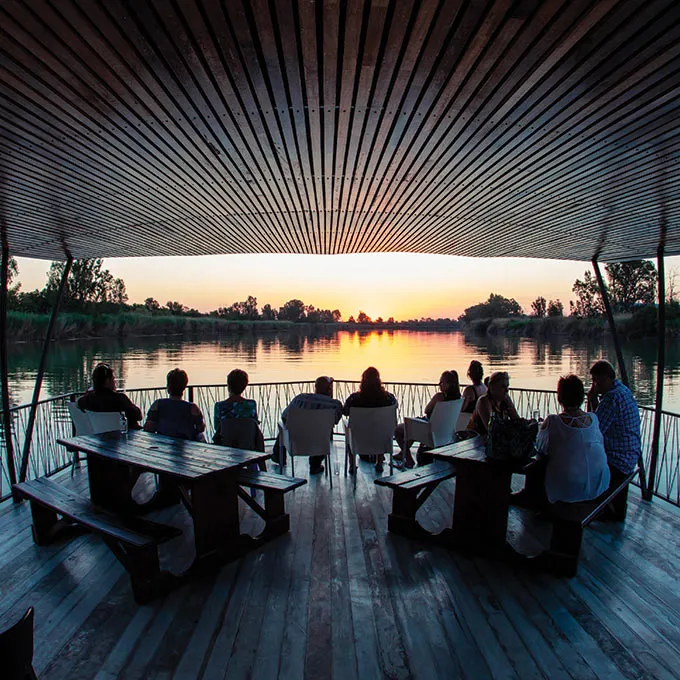
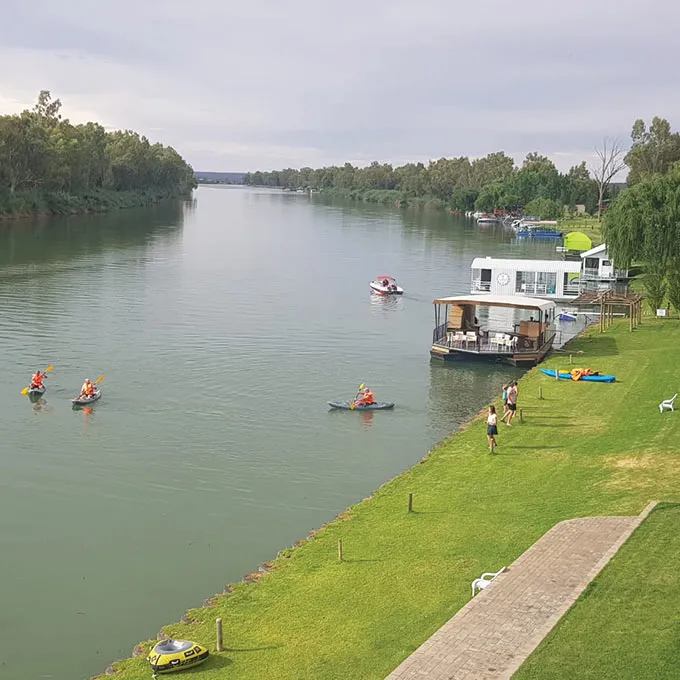
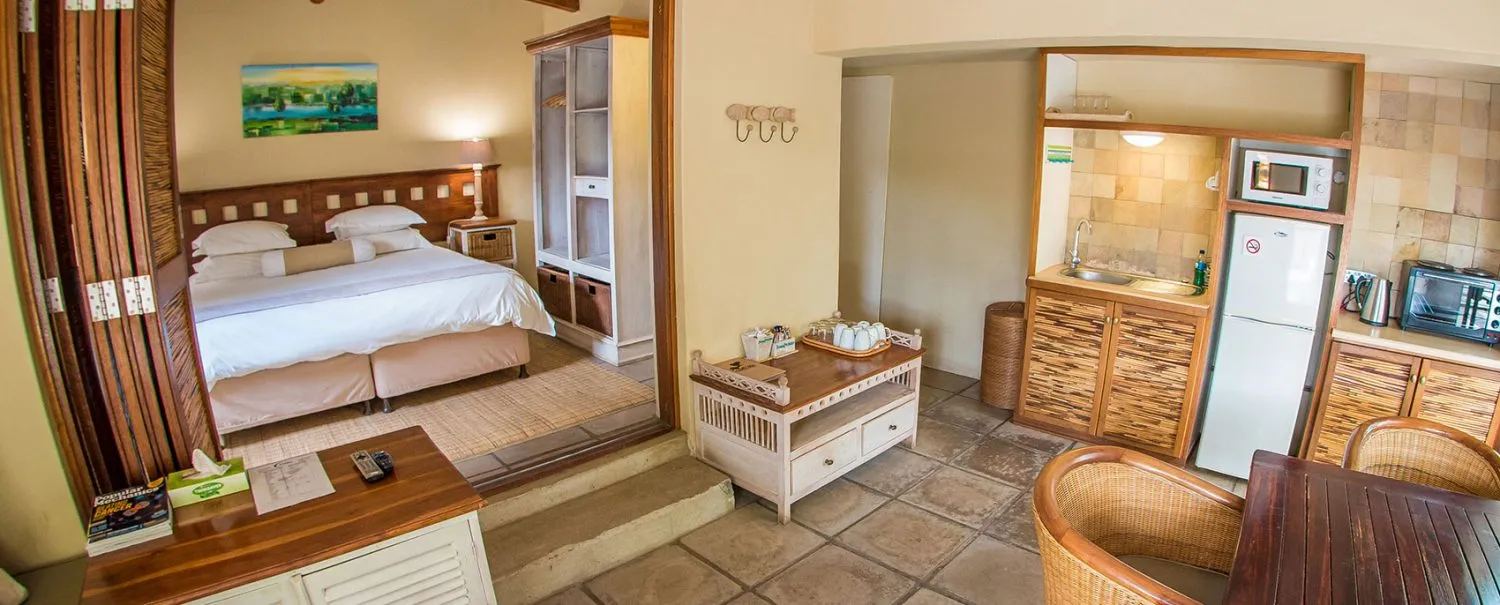
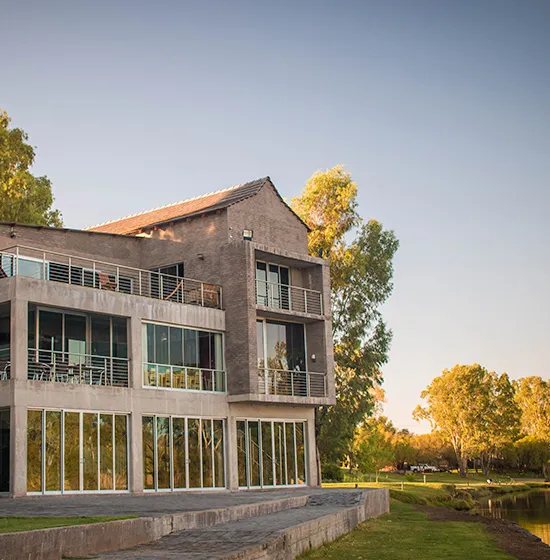
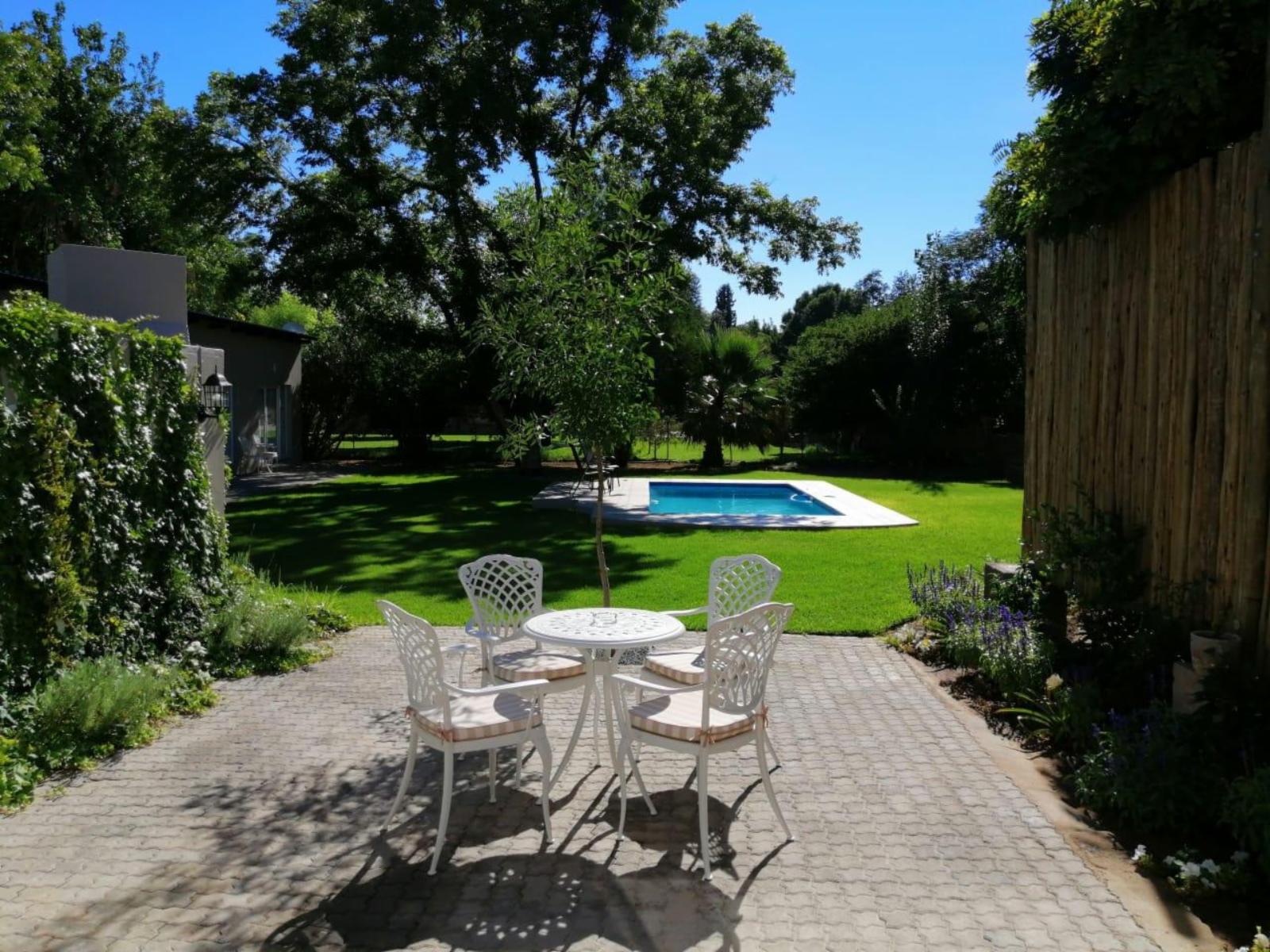
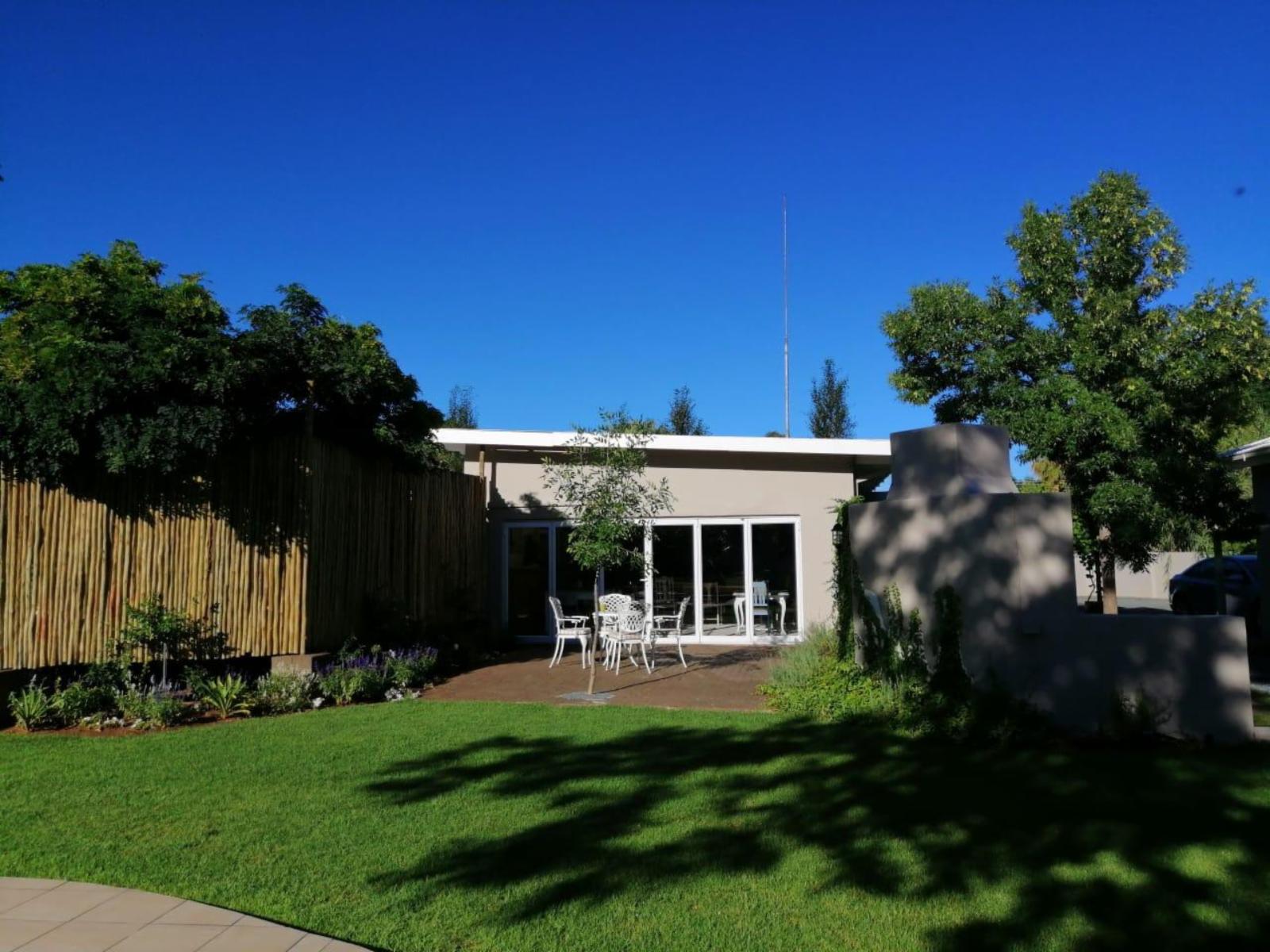
Broadwater bied elegant en komfortabele akkommodasie vir tot 50 gaste aan die oewer van die Vaal-rivier naby Kimberley en Douglas. Gaste het toegang tot karavaan- en kampeerplekke met private badkamers, watersport-aktiwiteite, 'n swembad en 'n konferensiefasiliteit.
Slaap 36
Kinders welkom
Akkommodasiepryse in Douglas
| Tipe | Inskrywings | Vanaf | Gemiddeld | Tot |
|---|---|---|---|---|
| Lodge | 1 | R490 | R2,538 | R7,600 |
Douglas Kaart
Nabygeleë Bestemmings
Blaai Deur Alle Douglas Akkommodasie
Bekyk al 1 akkommodasie-opsies in Douglas met foto's, pryse en beskikbaarheid.
Blaai Deur Alle Akkommodasie