Caledon Reis- & Akkommodasiegids
Jou volledige gids om Caledon, Suid-Afrika te besoek.
1
Eiendom
Vanaf
R775
/ nag
Gemiddeld
R775
/ nag
Gewildste
Bed & Breakfast
Caledon offers a mix of natural beauty and relaxing activities for visitors seeking a peaceful getaway. The town features thermal springs that provide therapeutic benefits, and its surrounding landscapes include rolling hills ideal for outdoor exploration. With a variety of options for stays, it's a spot where one can unwind and enjoy the area's unique offerings.
## Accommodation in Caledon
One property is currently listed in Caledon, with rates at R775 per night, making the town a modest but accessible overnight stop in the Overberg. The available accommodation takes the form of a bed and breakfast, a format that suits Caledon's long history as a waypoint for travellers moving between Cape Town and the coast.
Bed and breakfasts in a town this size offer a more personal experience than you would get at a chain property. Hosts typically know the area well, which means they can advise on the condition of walking routes into the surrounding hills, flag which days the public baths are less crowded, and suggest where to buy local produce. That kind of specific local knowledge tends to be built into the stay rather than something you need to track down separately.
Breakfast is usually included in the rate, served at a fixed time each morning. It pays to confirm the schedule at check-in rather than assuming flexibility, particularly if you plan to make an early start for a day trip. Since there is only one listed property in the town, every arrangement, from late check-in to dietary requests, depends on the individual host's policy.
Travellers who want more self-contained accommodation will find more options in the broader Overberg region, where self-catering cottages and guesthouses can be booked across a range of budgets and party sizes. If staying specifically in Caledon is important, the B&B format is what the market currently offers.
Availability tightens quickly given how few beds are listed in the town. Weekend stays and public holidays book out faster than midweek nights, and the spring wildflower season reliably brings visitors from Cape Town and further. Booking several weeks in advance is sensible for any popular travel period, and for peak times it is essentially non-negotiable.
---
## Best Time to Visit Caledon
The Overberg has a Mediterranean climate, which means dry, warm summers and wet winters. The warmest months run from November through February, with temperatures in Caledon frequently reaching the mid-to-high 30s Celsius. The hot springs are busy in summer but outdoor hiking is best done early in the morning during these months to avoid midday heat.
September and October are often considered the most appealing months to visit. The annual Caledon Flower Show draws visitors in spring, and the surrounding fynbos is at peak colour. Birdwatchers and hikers find conditions well-suited during this period, with drier trails and longer daylight hours than winter allows.
June through August brings consistent rainfall and cooler temperatures. The hot springs are arguably at their most appealing in cold weather, drawing visitors looking for a warm soak between walks. The Klein Swartberg trails remain accessible but can be muddy after heavy rain. Accommodation is easier to secure in winter, and the roads are quieter than in peak season.
The shoulder months of March, April, and May offer good conditions with lower visitor numbers. Weather is generally stable, afternoons stay warm, and the post-summer crowds have thinned. For first-time visitors without a specific event in mind, these months often give the clearest experience of the town and its surroundings at a natural pace.
---
## Getting to Caledon
Caledon sits approximately 110 kilometres southeast of Cape Town along the N2 highway, a journey that typically takes between 90 minutes and two hours by car depending on traffic through the city and conditions on Sir Lowry's Pass. The pass crosses the Hottentots Holland Mountains and is well-maintained, though it can become slippery in winter rain.
Cape Town International Airport is the closest facility handling domestic and international flights. No scheduled shuttle service operates directly between the airport and Caledon, so renting a car on arrival is the most practical option for visitors flying in. The airport sits southwest of the city, adding only a short time to the total drive.
Long-distance bus services from Cape Town do pass through or near Caledon on routes heading toward George and the Garden Route. Frequency is limited, and connections between Caledon and the smaller surrounding towns are unreliable without private transport.
Once in town, the compact layout means the town centre, hot springs, museum, and public spaces are all reachable on foot. The distances involved are short, and parking is straightforward. For day trips into the surrounding countryside, to the Klein Swartberg foothills, or to the coast, a car becomes necessary. There is no local taxi network in the conventional sense, and rideshare services have limited coverage outside Cape Town.
---
## Caledon and Surrounding Areas
Caledon works well as a base for exploring a cluster of distinct towns and coastal settlements that sit within 35 kilometres in various directions.
**Stanford**, 23 kilometres to the south, is a small village on the Klein River with a well-preserved streetscape of Victorian-era buildings. It draws visitors interested in river-based activities, including kayaking and fishing, and has a handful of galleries and restaurants that support a modest creative community. It is compact enough to walk in an hour but has enough to keep most visitors occupied for a half-day.
**Greyton**, 26 kilometres from Caledon, is a village at the foot of the mountains that marks the western trailhead of the Boesmanskloof Trail, a 14-kilometre route crossing through the Riviersonderend range to McGregor. The trail is well-regarded and takes most walkers a full day to complete. The village has a weekly market, a few accommodation options, and a calm pace that reflects its popularity with those seeking a break from city life.
**Hermanus**, 27 kilometres away, is the largest town in the cluster and the primary destination for visitors to this part of the coast. Walker Bay brings southern right whales within viewing distance of the shore between June and November, and a cliff path running along the coastline provides good vantage points without needing a boat. Restaurants, shops, and visitor facilities are more developed here than anywhere else in the surrounding area.
**Onrusrivier**, 29 kilometres from Caledon, is a smaller coastal settlement with a beach known for calmer swimming conditions than exposed Atlantic-facing shores. It is popular with South African families during school holidays and operates at a quieter pace outside those periods.
**Sandbaai**, 30 kilometres away, is a residential suburb adjacent to Hermanus with direct beach access. It offers a lower-key coastal experience than the Hermanus town centre, though visitor infrastructure is limited.
**Vermont**, 33 kilometres from Caledon, sits on the northern shore of the Kleinrivier Lagoon opposite Hermanus. The lagoon is a productive environment for birdwatching, with salt marshes supporting wading species, and the calm water suits windsurfers and kayakers. It is more of a destination for outdoor activity than for eating or shopping.
---
## Planning Your Stay
Given the small number of properties listed in Caledon, confirming availability early should be the first step when planning any visit. Weekends during the spring flower season and the December school holiday period fill quickly. For those dates, booking two months or more in advance is worth doing as soon as travel is confirmed.
Before completing a reservation, check the check-in window. Smaller properties in rural Overberg towns sometimes cannot accommodate late arrivals, particularly where the host does not live on-site. Confirming a rough arrival time in advance avoids complications. It is also worth establishing whether the rate covers all guests in the booking or only one person per room.
Think through whether Caledon is the right base for your specific plans. If most of your days will be spent at the coast near Hermanus, staying closer to the water might make more sense than commuting from inland. If the draw is the springs, the Klein Swartberg, and the quieter pace of an agricultural town, Caledon fits that purpose directly.
Petrol stations in town are reliable, but some routes into the surrounding hills and farm roads have long gaps between facilities. Filling the tank before heading out is a practical habit. Mobile signal can drop on mountain passes and on certain farm roads, so downloading offline maps before leaving accommodation is more useful than relying on a data connection throughout the day.

One property is currently listed in Caledon, with rates at R775 per night, making the town a modest but accessible overnight stop in the Overberg. The available accommodation takes the form of a bed and breakfast, a format that suits Caledon's long history as a waypoint for travellers moving between Cape Town and the coast.
Bed and breakfasts in a town this size offer a more personal experience than you would get at a chain property. Hosts typically know the area well, which means they can advise on the condition of walking routes into the surrounding hills, flag which days the public baths are less crowded, and suggest where to buy local produce. That kind of specific local knowledge tends to be built into the stay rather than something you need to track down separately.
Breakfast is usually included in the rate, served at a fixed time each morning. It pays to confirm the schedule at check-in rather than assuming flexibility, particularly if you plan to make an early start for a day trip. Since there is only one listed property in the town, every arrangement, from late check-in to dietary requests, depends on the individual host's policy.
Travellers who want more self-contained accommodation will find more options in the broader Overberg region, where self-catering cottages and guesthouses can be booked across a range of budgets and party sizes. If staying specifically in Caledon is important, the B&B format is what the market currently offers.
Availability tightens quickly given how few beds are listed in the town. Weekend stays and public holidays book out faster than midweek nights, and the spring wildflower season reliably brings visitors from Cape Town and further. Booking several weeks in advance is sensible for any popular travel period, and for peak times it is essentially non-negotiable.
---
## Best Time to Visit Caledon
The Overberg has a Mediterranean climate, which means dry, warm summers and wet winters. The warmest months run from November through February, with temperatures in Caledon frequently reaching the mid-to-high 30s Celsius. The hot springs are busy in summer but outdoor hiking is best done early in the morning during these months to avoid midday heat.
September and October are often considered the most appealing months to visit. The annual Caledon Flower Show draws visitors in spring, and the surrounding fynbos is at peak colour. Birdwatchers and hikers find conditions well-suited during this period, with drier trails and longer daylight hours than winter allows.
June through August brings consistent rainfall and cooler temperatures. The hot springs are arguably at their most appealing in cold weather, drawing visitors looking for a warm soak between walks. The Klein Swartberg trails remain accessible but can be muddy after heavy rain. Accommodation is easier to secure in winter, and the roads are quieter than in peak season.
The shoulder months of March, April, and May offer good conditions with lower visitor numbers. Weather is generally stable, afternoons stay warm, and the post-summer crowds have thinned. For first-time visitors without a specific event in mind, these months often give the clearest experience of the town and its surroundings at a natural pace.
---
## Getting to Caledon
Caledon sits approximately 110 kilometres southeast of Cape Town along the N2 highway, a journey that typically takes between 90 minutes and two hours by car depending on traffic through the city and conditions on Sir Lowry's Pass. The pass crosses the Hottentots Holland Mountains and is well-maintained, though it can become slippery in winter rain.
Cape Town International Airport is the closest facility handling domestic and international flights. No scheduled shuttle service operates directly between the airport and Caledon, so renting a car on arrival is the most practical option for visitors flying in. The airport sits southwest of the city, adding only a short time to the total drive.
Long-distance bus services from Cape Town do pass through or near Caledon on routes heading toward George and the Garden Route. Frequency is limited, and connections between Caledon and the smaller surrounding towns are unreliable without private transport.
Once in town, the compact layout means the town centre, hot springs, museum, and public spaces are all reachable on foot. The distances involved are short, and parking is straightforward. For day trips into the surrounding countryside, to the Klein Swartberg foothills, or to the coast, a car becomes necessary. There is no local taxi network in the conventional sense, and rideshare services have limited coverage outside Cape Town.
---
## Caledon and Surrounding Areas
Caledon works well as a base for exploring a cluster of distinct towns and coastal settlements that sit within 35 kilometres in various directions.
**Stanford**, 23 kilometres to the south, is a small village on the Klein River with a well-preserved streetscape of Victorian-era buildings. It draws visitors interested in river-based activities, including kayaking and fishing, and has a handful of galleries and restaurants that support a modest creative community. It is compact enough to walk in an hour but has enough to keep most visitors occupied for a half-day.
**Greyton**, 26 kilometres from Caledon, is a village at the foot of the mountains that marks the western trailhead of the Boesmanskloof Trail, a 14-kilometre route crossing through the Riviersonderend range to McGregor. The trail is well-regarded and takes most walkers a full day to complete. The village has a weekly market, a few accommodation options, and a calm pace that reflects its popularity with those seeking a break from city life.
**Hermanus**, 27 kilometres away, is the largest town in the cluster and the primary destination for visitors to this part of the coast. Walker Bay brings southern right whales within viewing distance of the shore between June and November, and a cliff path running along the coastline provides good vantage points without needing a boat. Restaurants, shops, and visitor facilities are more developed here than anywhere else in the surrounding area.
**Onrusrivier**, 29 kilometres from Caledon, is a smaller coastal settlement with a beach known for calmer swimming conditions than exposed Atlantic-facing shores. It is popular with South African families during school holidays and operates at a quieter pace outside those periods.
**Sandbaai**, 30 kilometres away, is a residential suburb adjacent to Hermanus with direct beach access. It offers a lower-key coastal experience than the Hermanus town centre, though visitor infrastructure is limited.
**Vermont**, 33 kilometres from Caledon, sits on the northern shore of the Kleinrivier Lagoon opposite Hermanus. The lagoon is a productive environment for birdwatching, with salt marshes supporting wading species, and the calm water suits windsurfers and kayakers. It is more of a destination for outdoor activity than for eating or shopping.
---
## Planning Your Stay
Given the small number of properties listed in Caledon, confirming availability early should be the first step when planning any visit. Weekends during the spring flower season and the December school holiday period fill quickly. For those dates, booking two months or more in advance is worth doing as soon as travel is confirmed.
Before completing a reservation, check the check-in window. Smaller properties in rural Overberg towns sometimes cannot accommodate late arrivals, particularly where the host does not live on-site. Confirming a rough arrival time in advance avoids complications. It is also worth establishing whether the rate covers all guests in the booking or only one person per room.
Think through whether Caledon is the right base for your specific plans. If most of your days will be spent at the coast near Hermanus, staying closer to the water might make more sense than commuting from inland. If the draw is the springs, the Klein Swartberg, and the quieter pace of an agricultural town, Caledon fits that purpose directly.
Petrol stations in town are reliable, but some routes into the surrounding hills and farm roads have long gaps between facilities. Filling the tank before heading out is a practical habit. Mobile signal can drop on mountain passes and on certain farm roads, so downloading offline maps before leaving accommodation is more useful than relying on a data connection throughout the day.
Tipes Akkommodasie in Caledon
Uitgesoekte Verblyf in Caledon
Athenian Villa Bed 'n Breakfast
Bed en Ontbyt
Caledon
Vanaf R775
Athenian Villa Bed 'n Breakfast
Bed en Ontbyt
Caledon
· < 1km van Caledon
Vanaf
R775
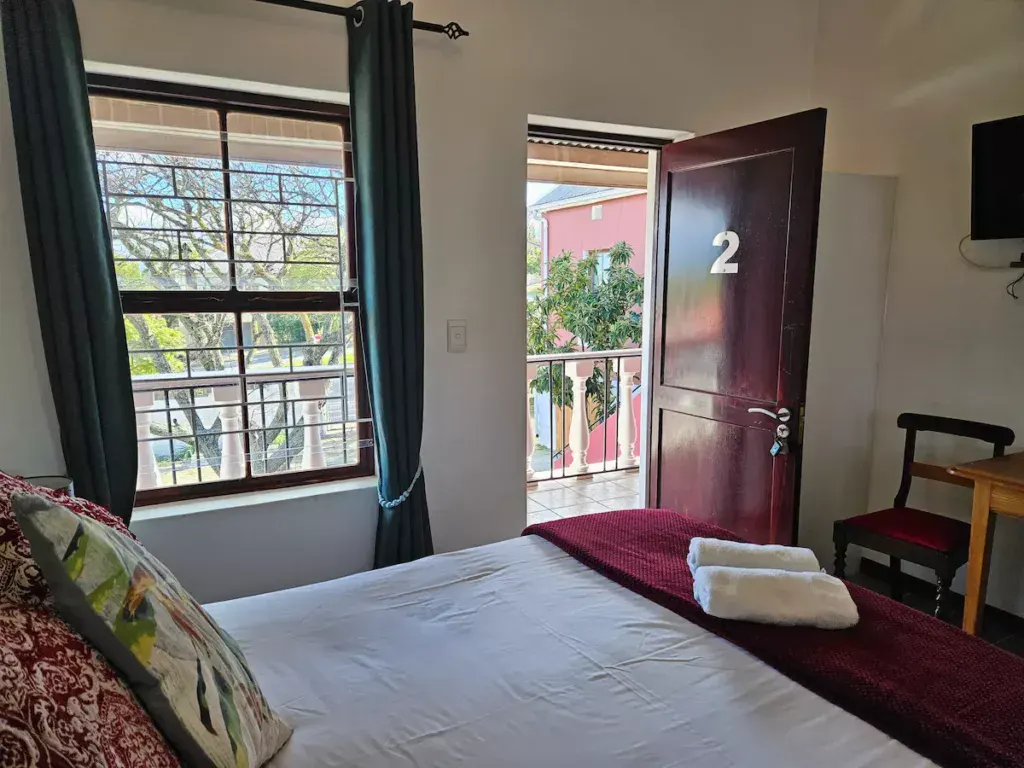
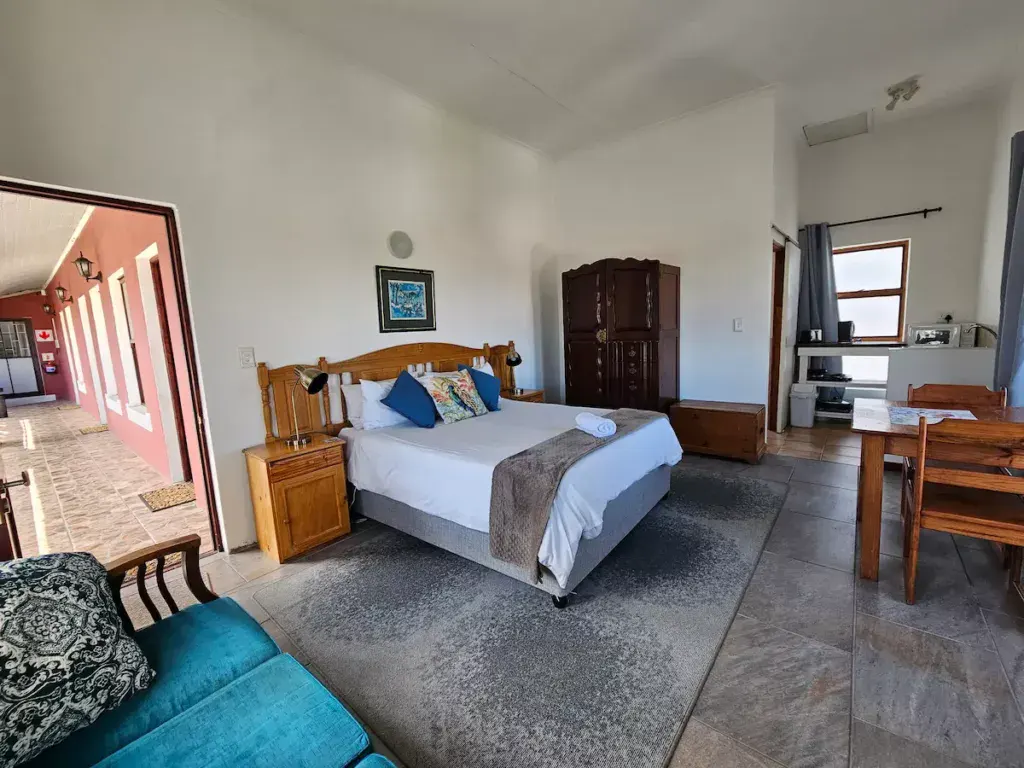
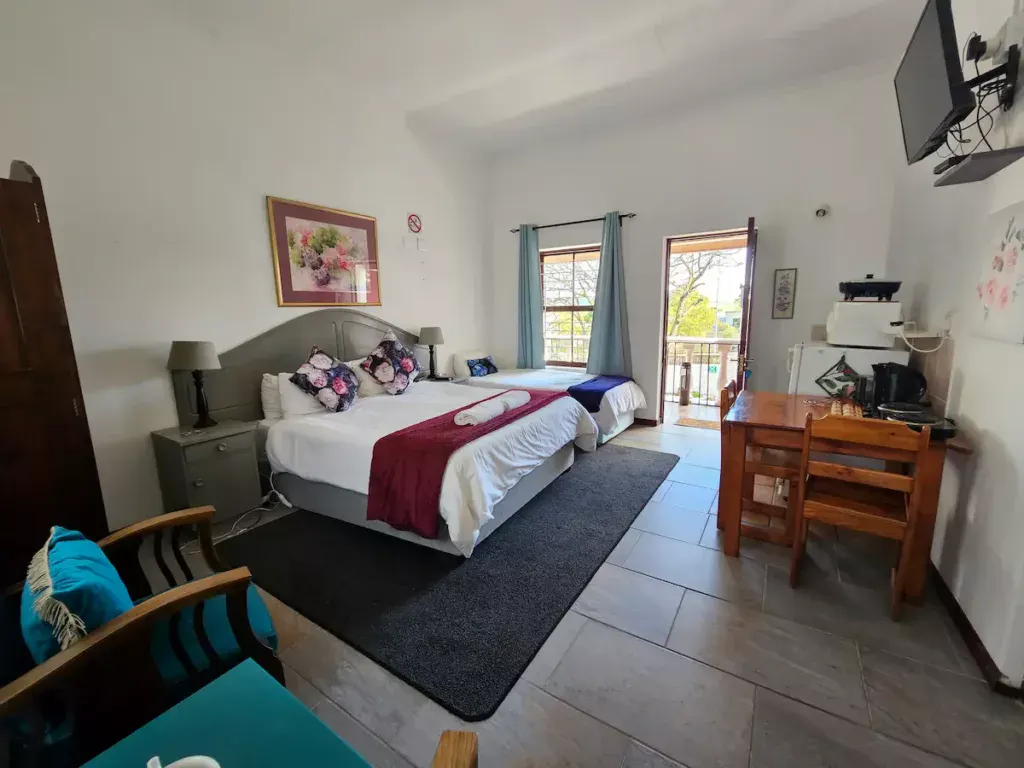
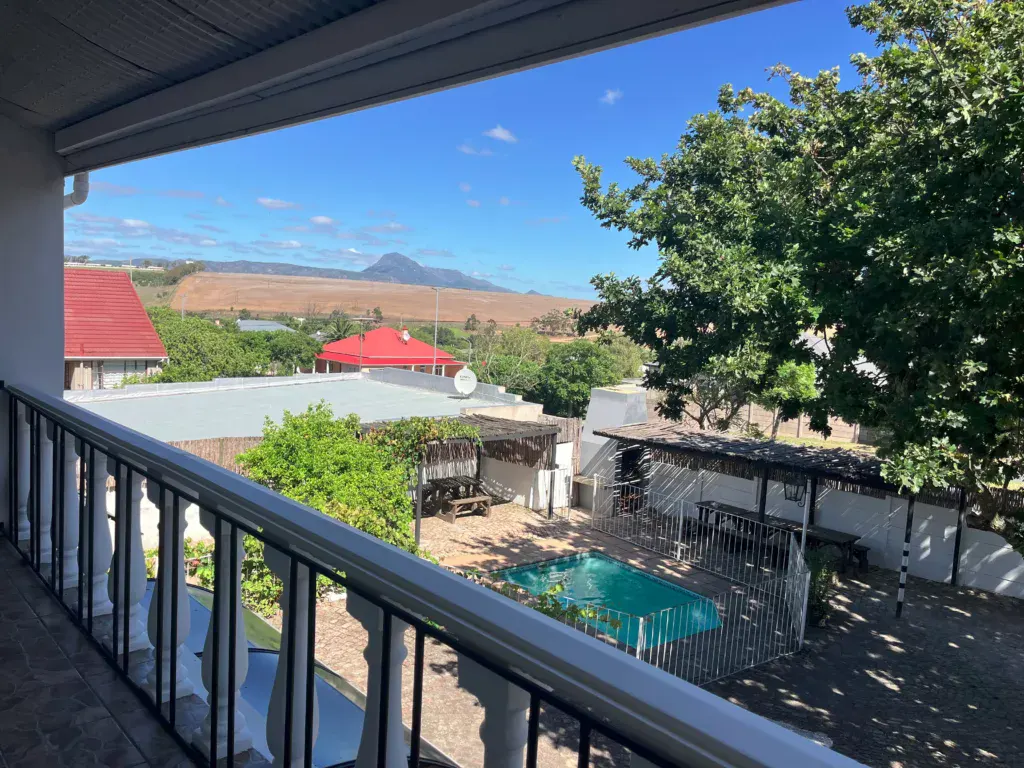
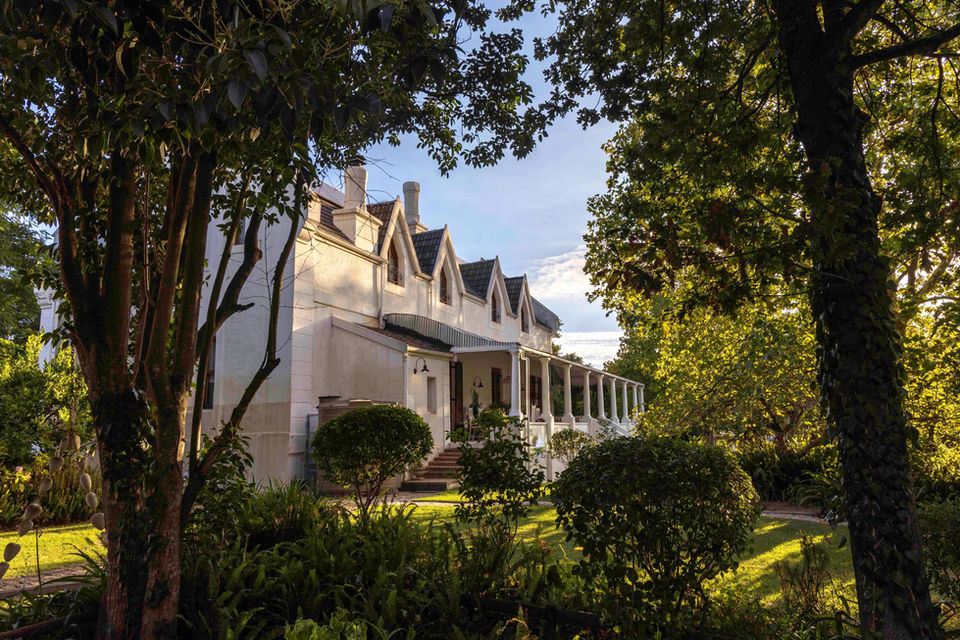
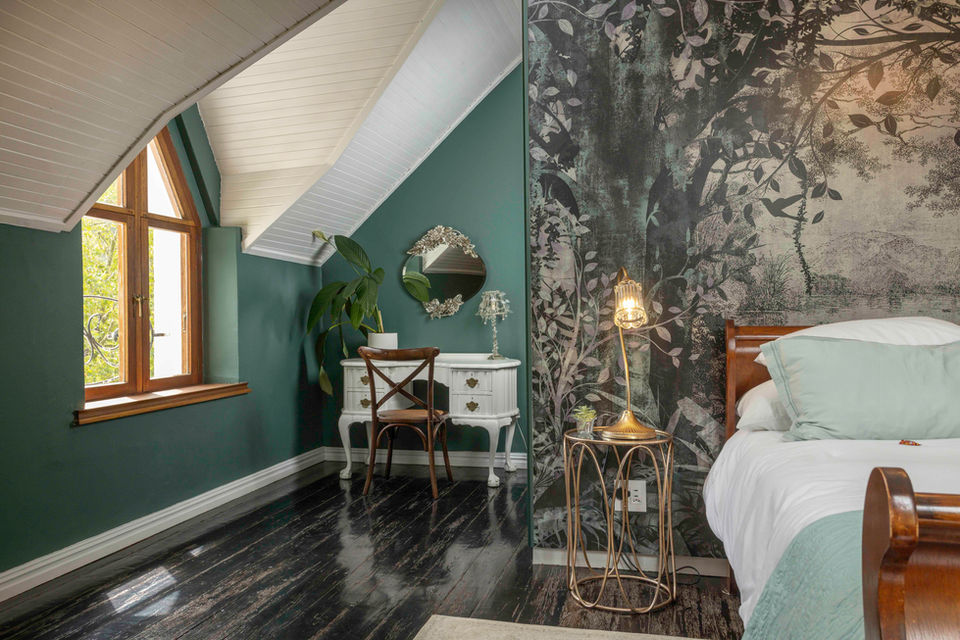
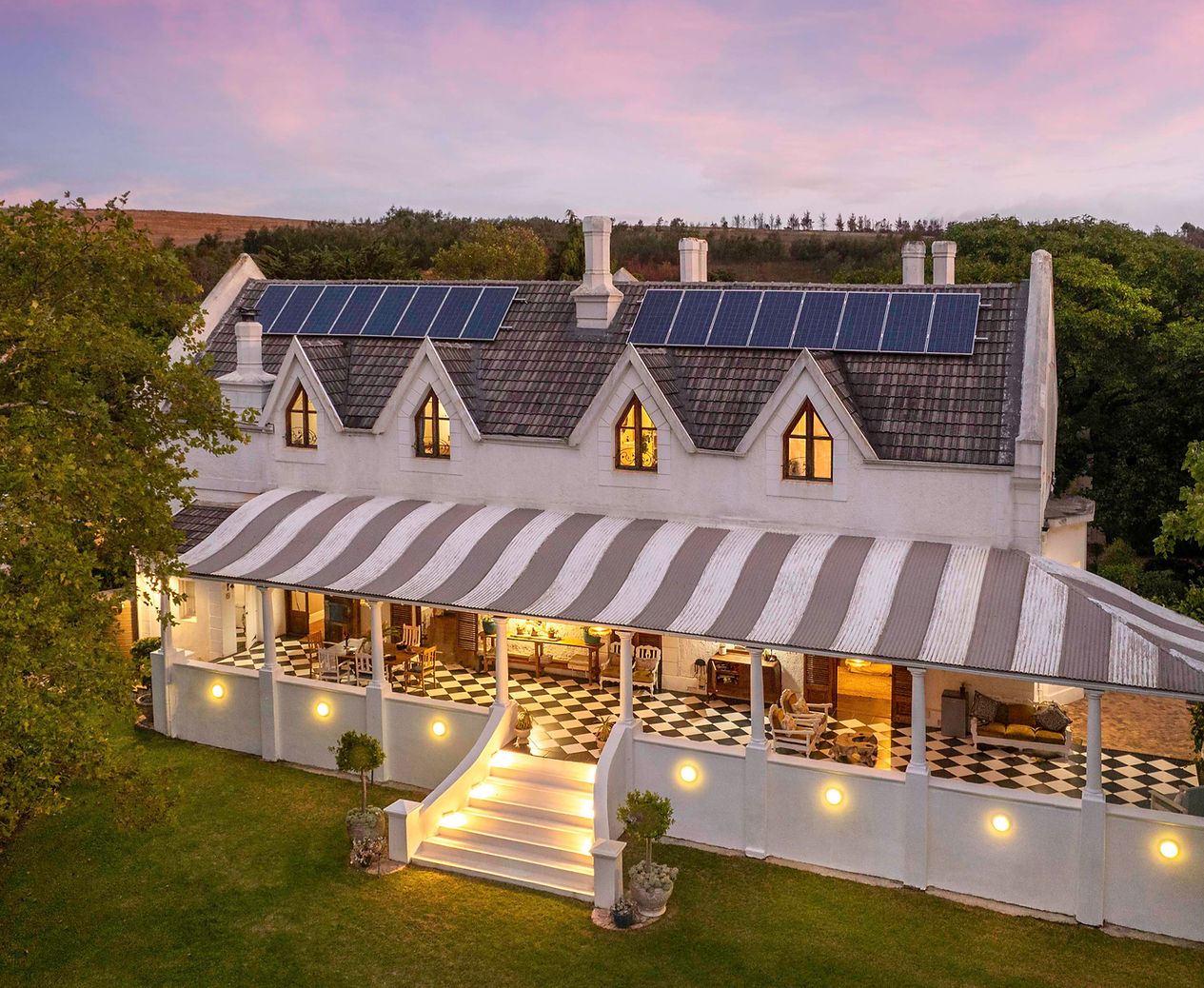
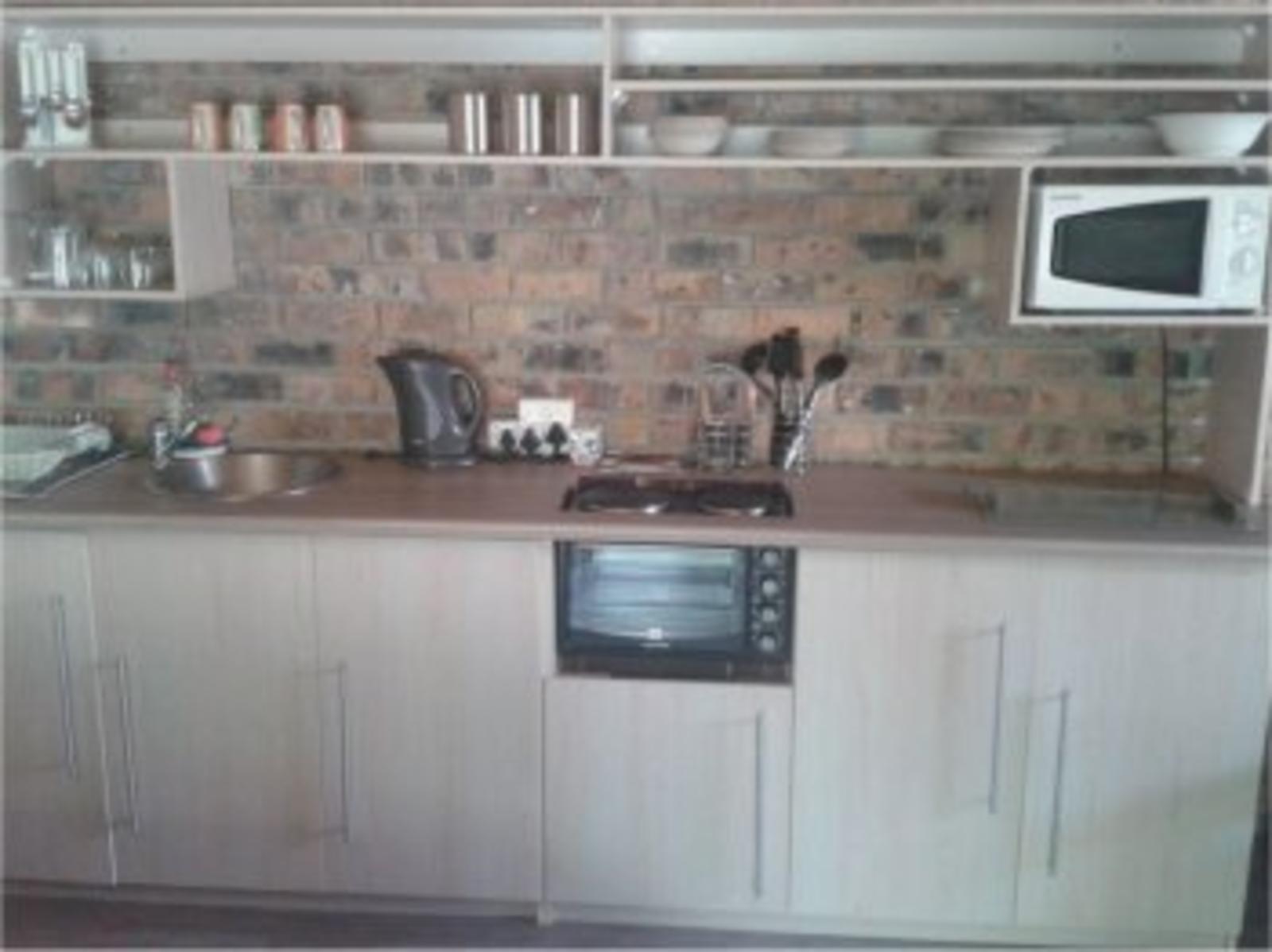
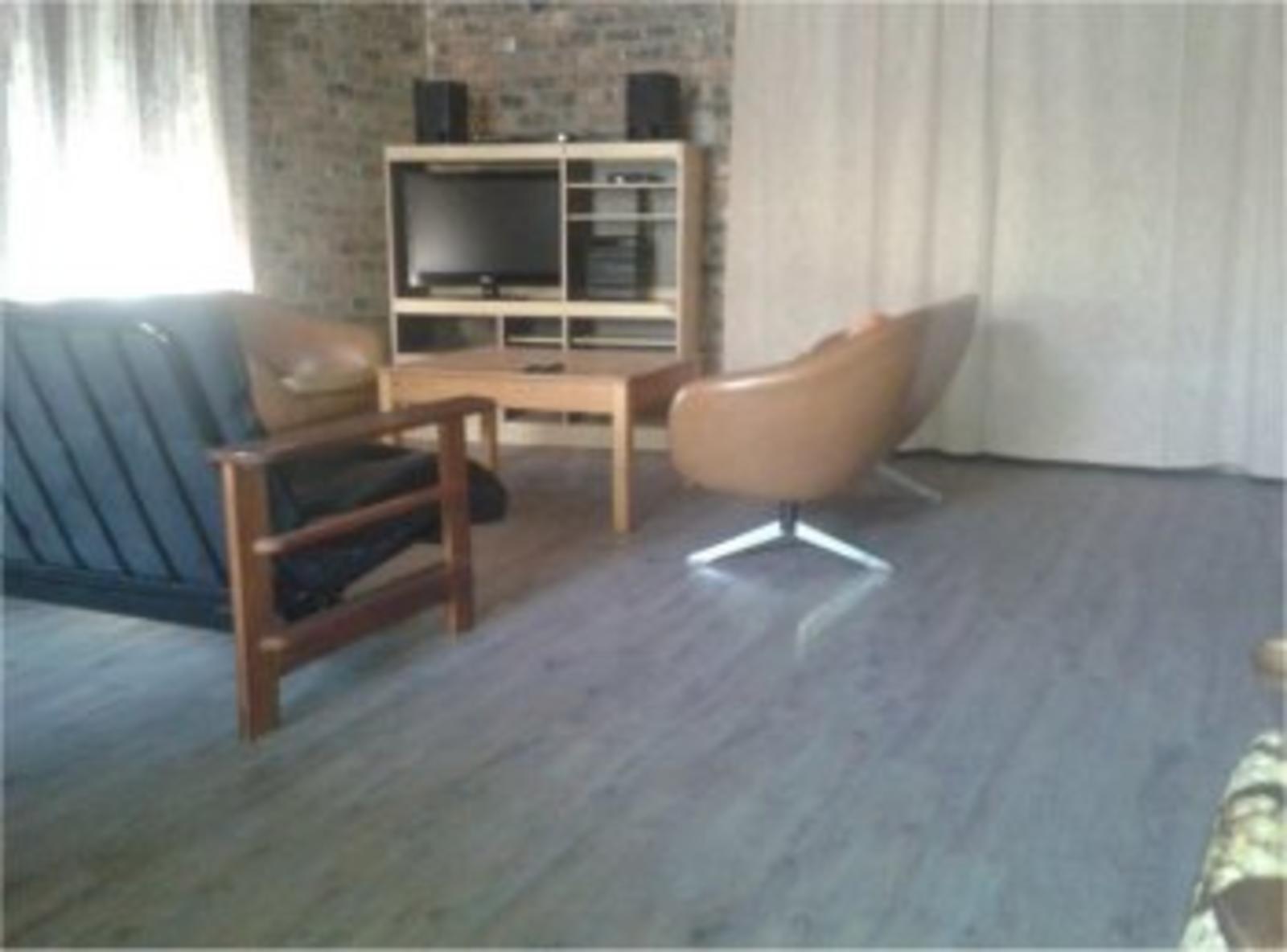
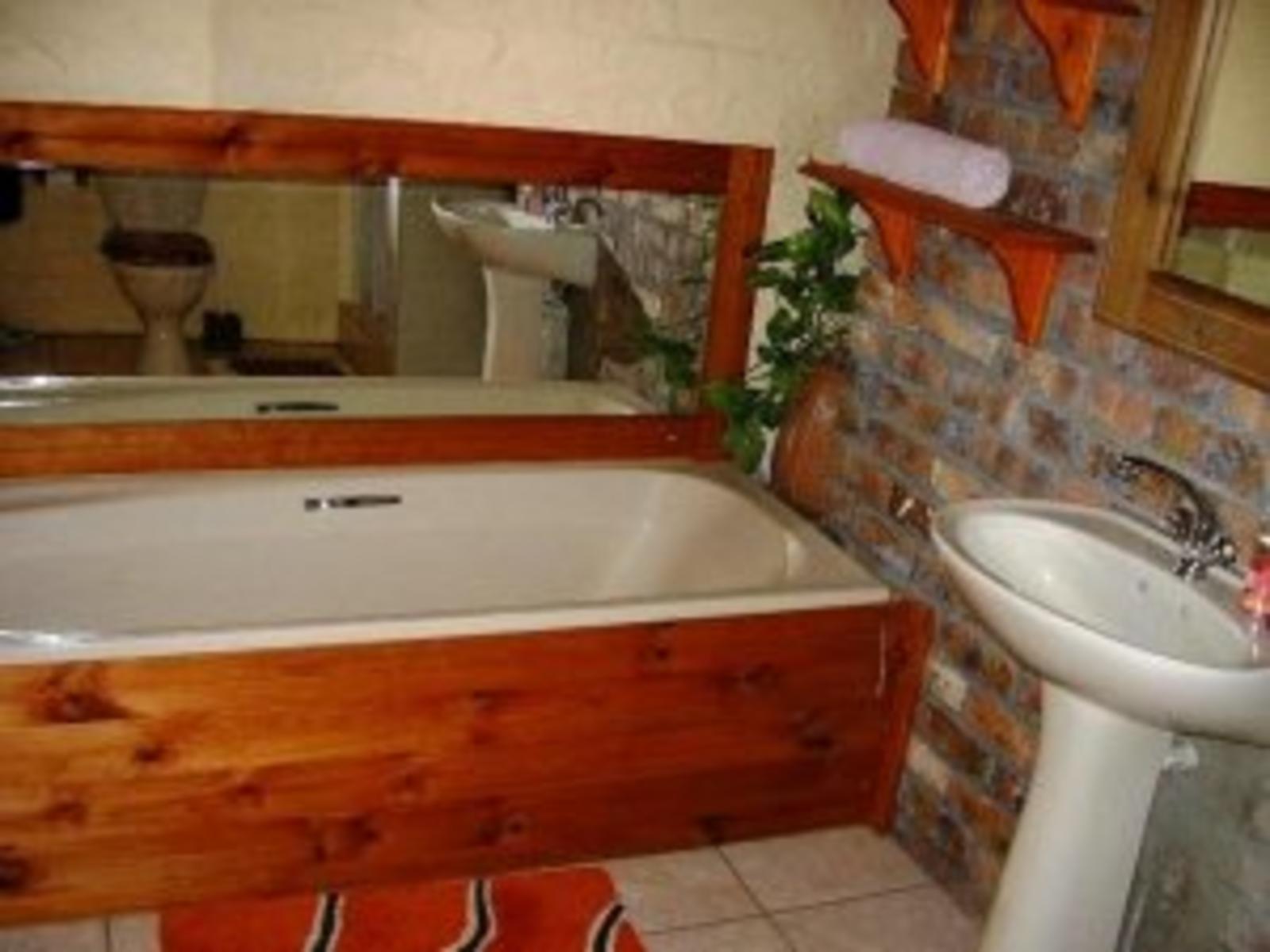
Athenian Villa-verblyf bied 'n omgewing wat herinner aan die Griekse Eilande in die Overberg. Die gebou het 'n indrukwekkende geskiedenis as een van die eerste in Caledon. Die voorgevel is 'n nasionale monument wat uitkyk op Donkin Street. Veilige ondergrondse parkering is beskikbaar.
Slaap 6
Akkommodasiepryse in Caledon
| Tipe | Inskrywings | Vanaf | Gemiddeld | Tot |
|---|---|---|---|---|
| Bed & Breakfast | 1 | R775 | R1,075 | R1,375 |
Caledon Kaart
Nabygeleë Bestemmings
Blaai Deur Alle Caledon Akkommodasie
Bekyk al 1 akkommodasie-opsies in Caledon met foto's, pryse en beskikbaarheid.
Blaai Deur Alle Akkommodasie