Stanford Reis- & Akkommodasiegids
Jou volledige gids om Stanford, Suid-Afrika te besoek.
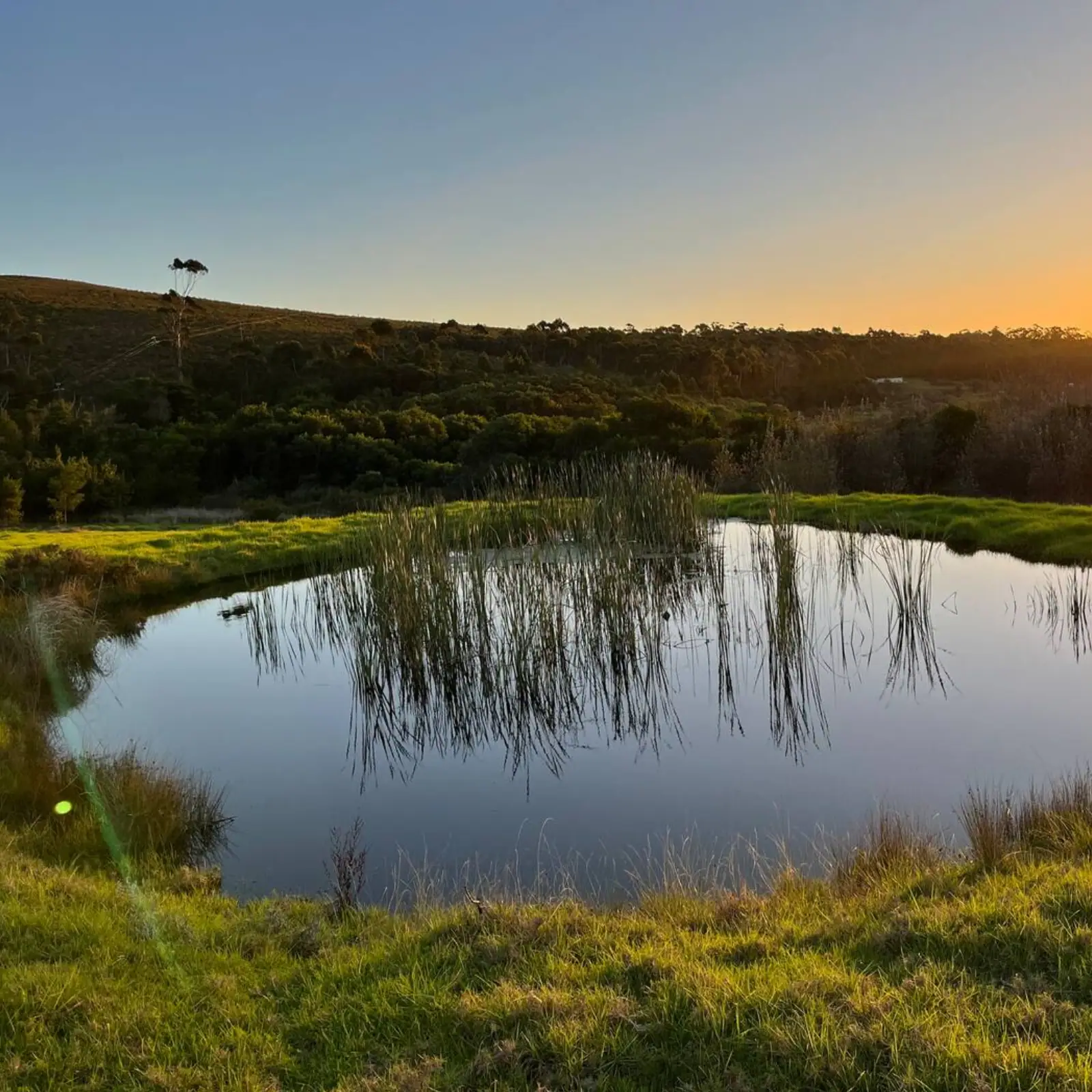
Stanford provides a peaceful retreat with its historic buildings and nearby natural reserves. The area includes opportunities for hiking and birdwatching, appealing to those seeking relaxation. Its proximity to the coast adds to the appeal for outdoor enthusiasts.
## Accommodation in Stanford
Stanford has a modest but functional accommodation market. Listings currently show 0 properties available through this platform, though the town supports a genuine mix of options found through direct booking or local agencies. Pricing varies considerably by property type and time of year.
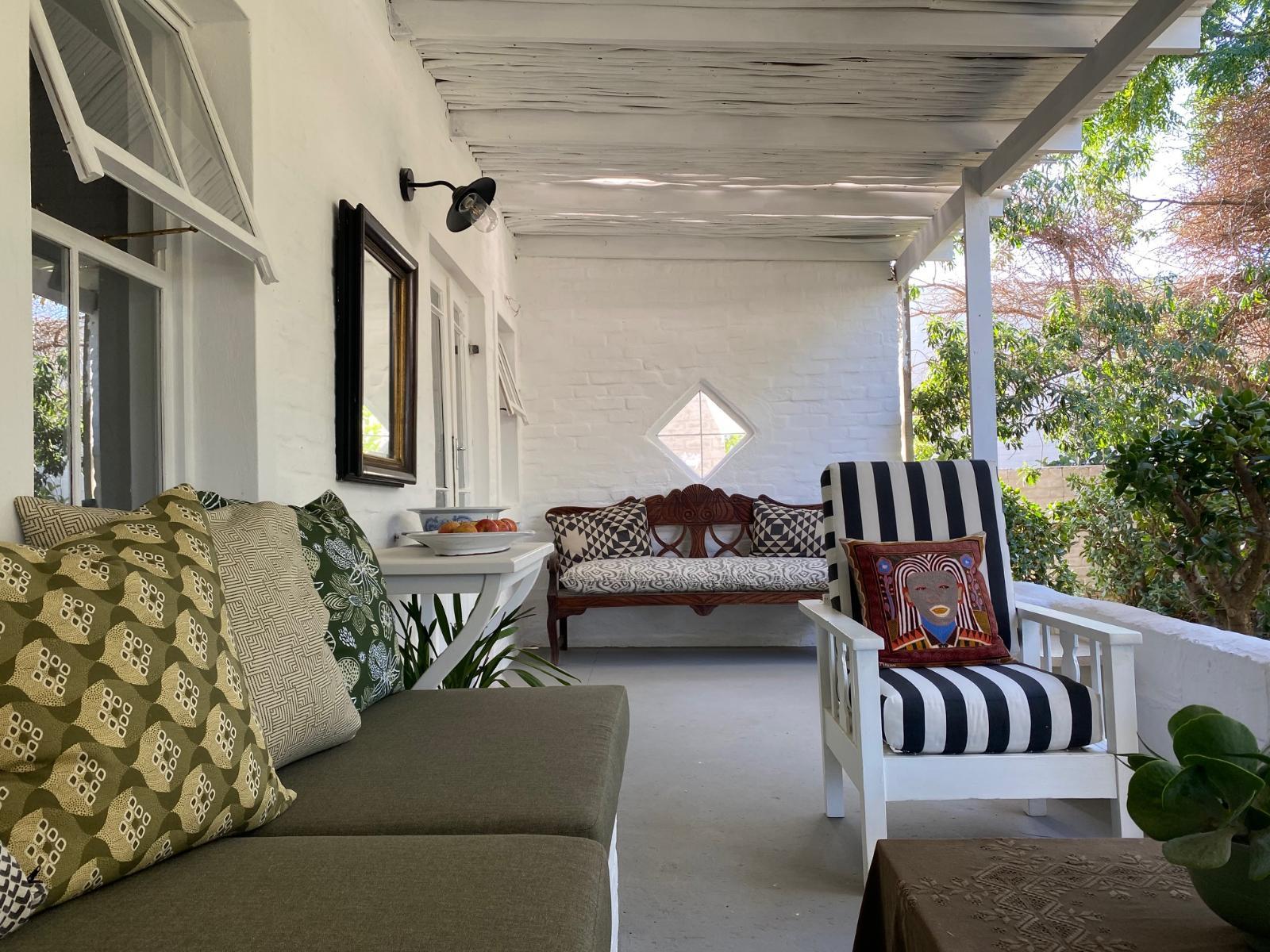
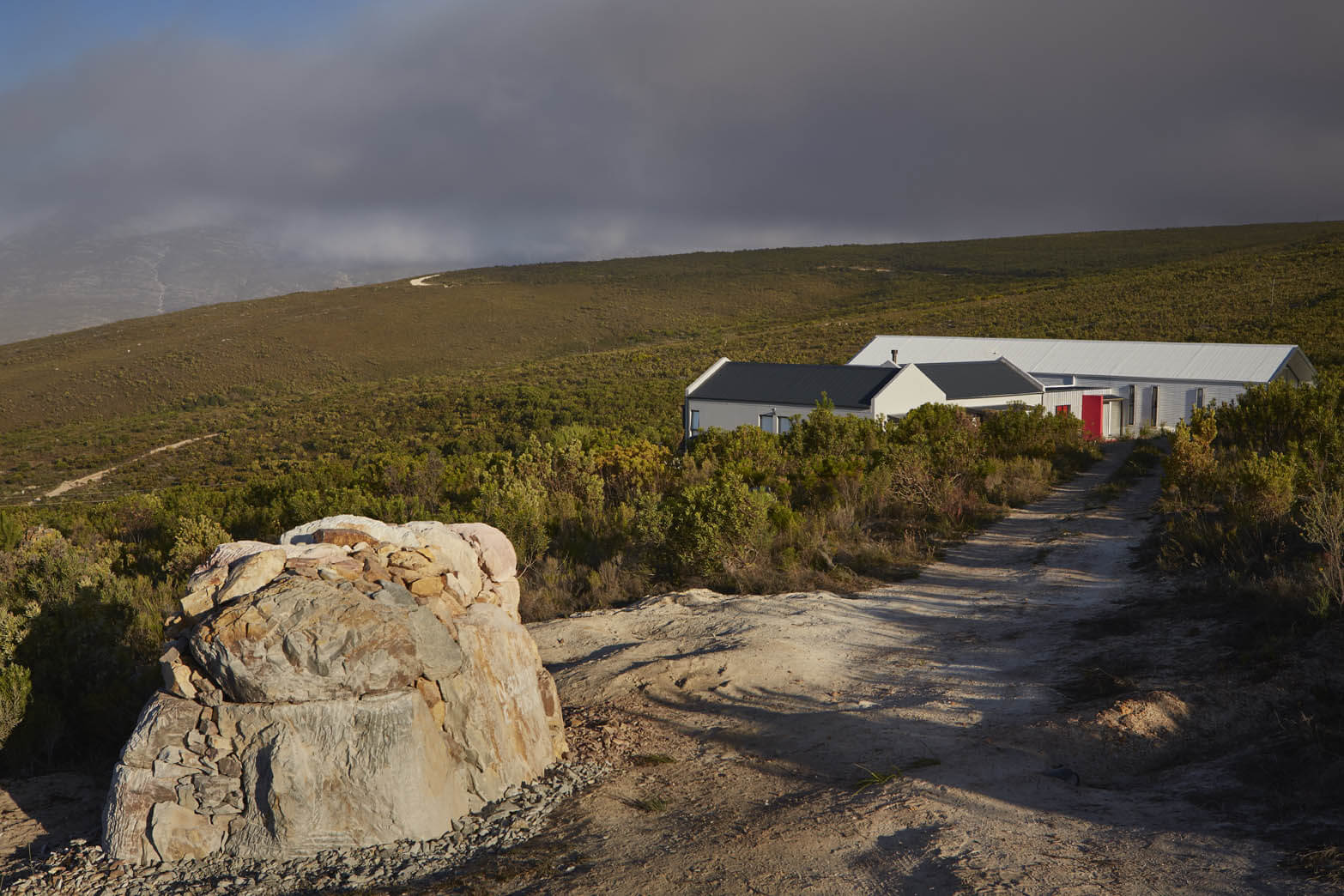
At the budget end, self-catering cottages and basic rooms represent the most affordable way to stay. These typically occupy converted farm outbuildings on smallholdings outside the town centre, offering simple amenities and direct access to the surrounding countryside. Guests willing to cook for themselves find this arrangement practical for longer stays, and rates are generally negotiable outside peak periods.
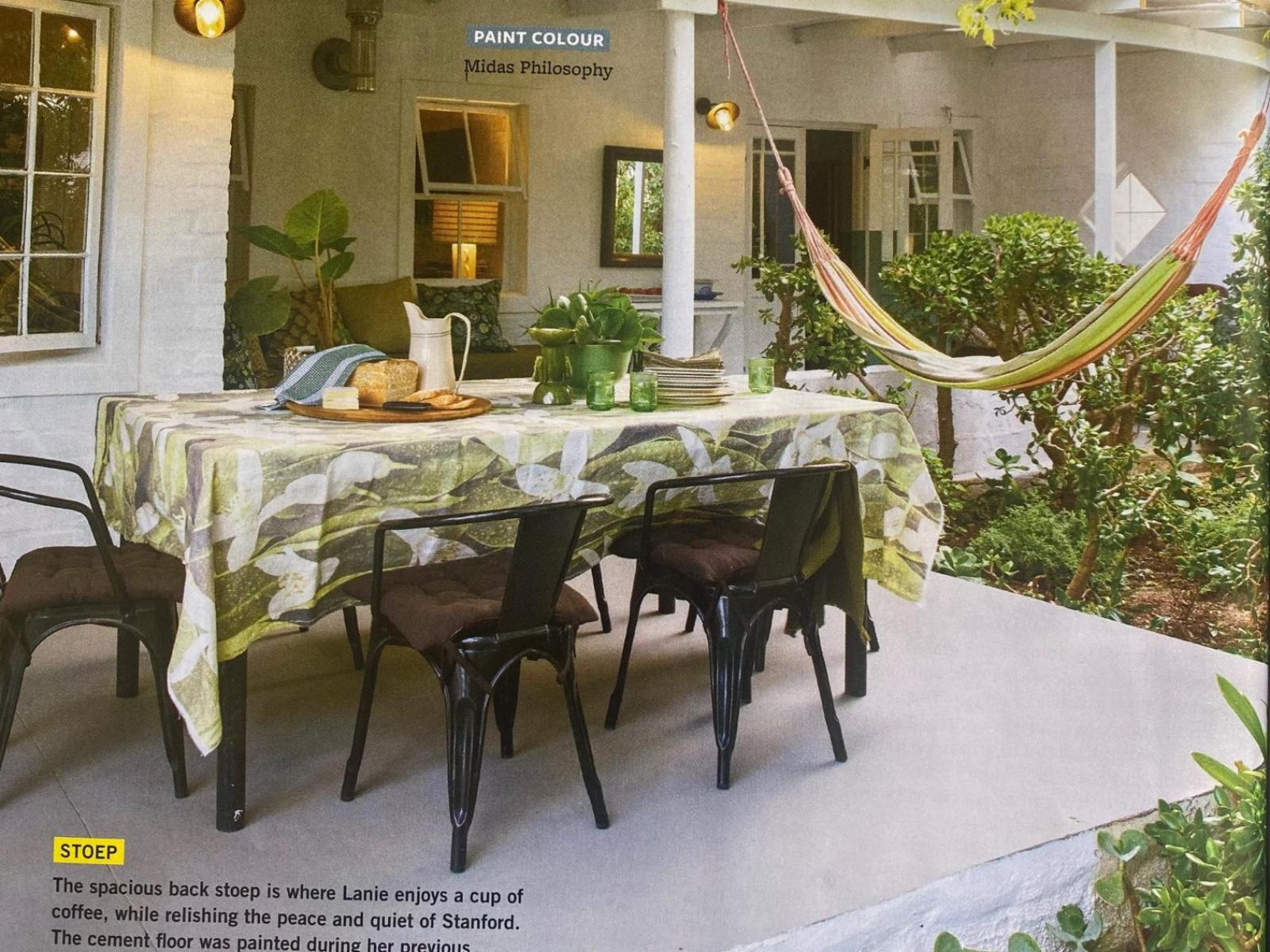
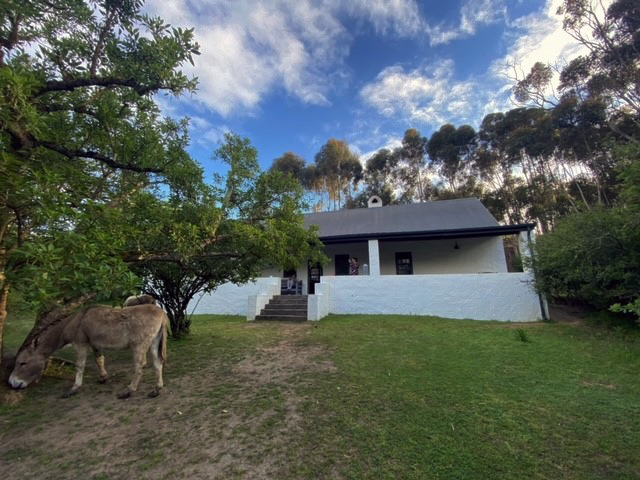
Mid-range travellers have a broader selection. Guesthouses within the town itself tend to be owner-managed, often occupying restored Victorian or Cape Dutch buildings that reflect Stanford's 19th-century origins. Breakfast is usually included, and hosts typically provide local knowledge that more commercial establishments do not offer. Farm stays at this price point add more space and privacy, making them well-suited to couples and small families who want a rural character without sacrificing comfort. Bed and breakfast options also sit in this tier, offering a balance between guesthouse service and a more personal atmosphere.
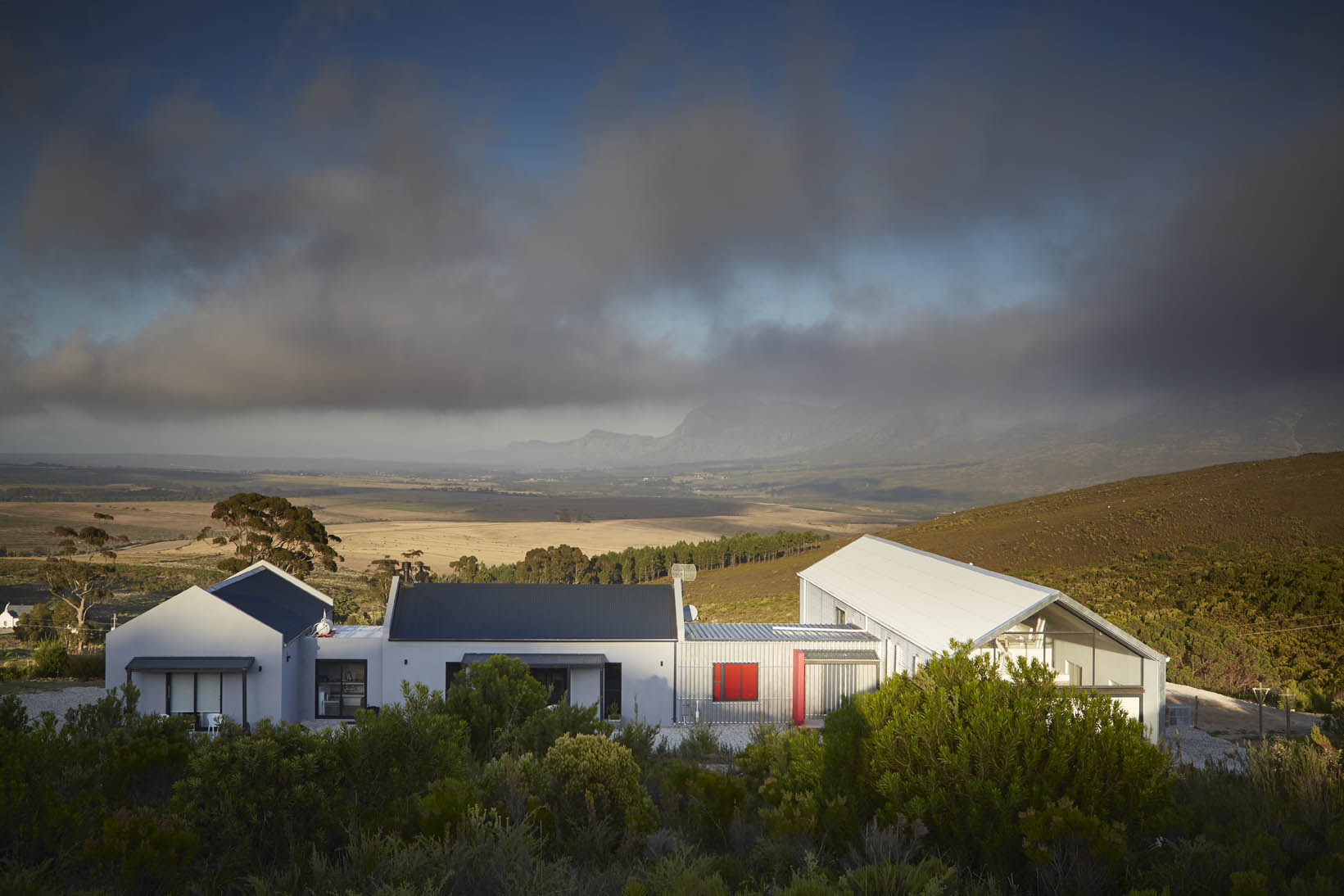
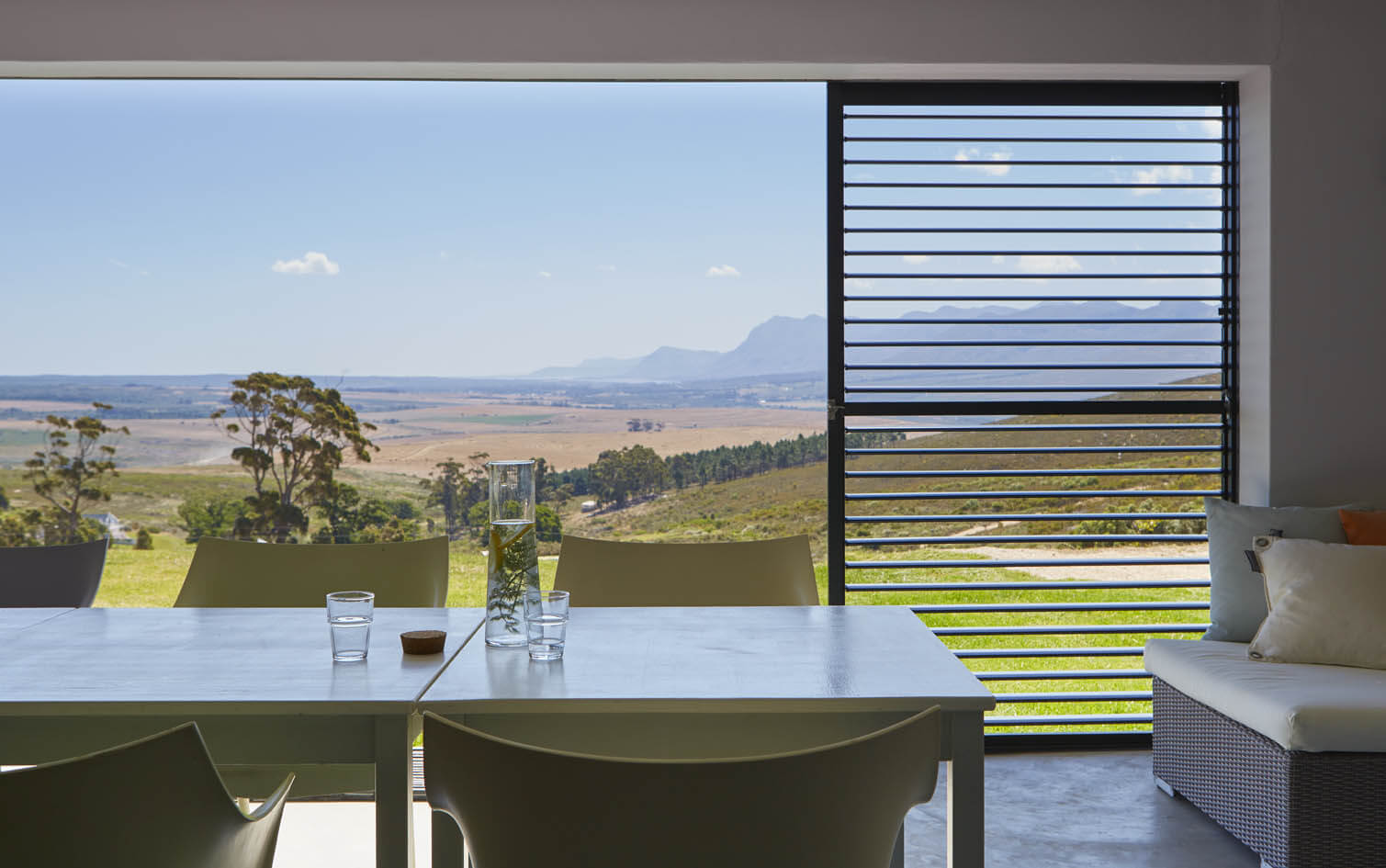
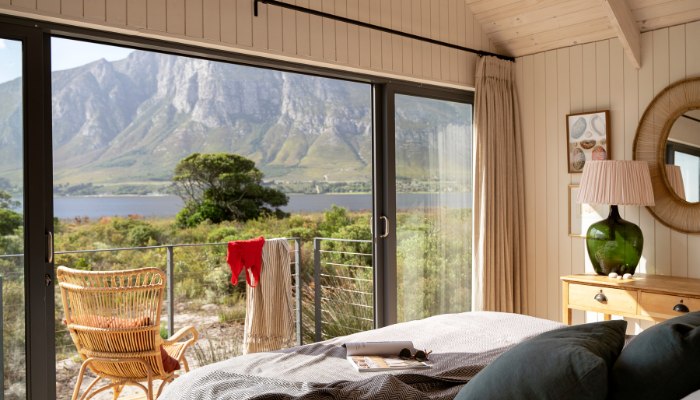
Upper-tier options are concentrated around the Stanford Hills area, where wine estates provide accommodation with views across vineyards and the Klein River valley. These properties tend to include on-site tastings or arranged activities, and they attract visitors looking for a slower, more considered pace. Availability at this level is genuinely limited. Properties here fill weeks or months ahead during peak periods, making advance booking less optional than a suggestion.
For group visits or extended stays, self-catering houses in and around the town centre provide flexibility that guesthouses cannot match. Overall, the range of options suits different travel styles, but the total inventory is small enough that popular properties should be secured well before arrival.
---
## Best Time to Visit Stanford
Stanford sits within the Western Cape's Mediterranean climate zone, which means hot, dry summers from November through March and cooler, wetter winters between June and August.
Spring, from September through November, is generally the most agreeable time to visit. Temperatures settle between roughly 15 and 25 degrees Celsius, wildflowers spread across the surrounding hills, and the annual southern right whale migration brings whales close to the coastline near the town through to late November. Seasonal flower shows in the region draw day visitors during this window.
Summer brings reliable sunshine and long days, which suit cycling, hiking, and visits to local estates. December and January are the busiest months, coinciding with South African school holidays. Restaurants and local services fill up accordingly, and some accommodation requires minimum-night stays.
Autumn, from March to May, offers quieter conditions and cooler walking weather. The landscape stays green from winter rainfall and crowds thin considerably after Easter. Winter brings occasional cold fronts with rain, though frost is uncommon at Stanford's elevation. Overcast winter days are suited to drives through the surrounding farmland and slower exploration of the town itself, and accommodation demand drops noticeably, which benefits visitors who can travel outside school term time.
---
## Getting to Stanford
Stanford is reached via the R326, a turn-off from the R43 approximately 125 kilometres south-east of Cape Town. From the city, take the N2 east past Somerset West and Strand, then the R43 south toward the coast before joining the R326 to the town. The drive runs between 90 minutes and two hours, depending on traffic near Cape Town's southern suburbs.
George Airport, roughly 230 kilometres east along the coast, connects to domestic routes from Johannesburg and other major centres. For international arrivals, Cape Town International Airport is the nearest practical option, with car hire from all major operators available on-site.
A private vehicle is effectively essential for visiting Stanford. No scheduled bus service runs directly to the town, though shared minibus taxis link the broader coastal region and can be used by travellers familiar with the route. Schedules are irregular and timing is unpredictable for visitors without local knowledge.
Within Stanford itself, the town centre is compact enough to cover on foot. The river walk, main street, and most accommodation are within easy walking distance of each other. Exploring the farms and estates in the surrounding hills requires a vehicle, however, and some rural roads are unpaved. Bicycle hire is available through certain accommodation providers, which works well for the flat roads immediately around the town centre.
---
## Stanford and Surrounding Areas
Stanford works well as a base for the southern Overberg coast, with several distinct destinations reachable within half an hour.
De Kelders, 15 kilometres to the west, sits above limestone cliffs overlooking Walker Bay. The cliff-top vantage points are considered among the best positions in South Africa for land-based whale observation, offering close sightlines without the need for a boat. The area also contains accessible cave systems that show evidence of occupation stretching back thousands of years, including shell middens and early stone tool use.
Gansbaai, 19 kilometres from Stanford, is the operational hub of South Africa's shark cage diving industry. The channel between Dyer Island and Geyser Rock supports one of the highest concentrations of great white sharks recorded anywhere in the world, alongside substantial Cape fur seal populations on both islands. Multiple licensed operators run cage diving and surface viewing trips from the harbour, and the working fishing port reflects an older economy that predates tourism by several generations.
Baardskeerdersbos, 20 kilometres away and inland, is a hamlet at the foot of the Akkedisberg range. Its small cluster of restaurants and creative studios has built a following among Cape Town weekenders and artists. Trails in the surrounding area pass through fynbos and along seasonal streams with minimal foot traffic.
Hermanus, also 20 kilometres from Stanford, has a more developed tourism infrastructure, with a wider selection of restaurants and shops than the smaller coastal settlements. A cliff path stretching several kilometres above the bay is its most prominent feature. The town serves as a useful provisioning stop for anyone spending several days in the region.
Van Dyks Bay, 21 kilometres out, is a quiet fishing settlement with little commercial development. Visitors come mainly for the walk along the rocky shoreline and the view toward the Danger Point headland. Kleinbaai, at 22 kilometres, is the working launch point for most shark diving departures, with a smaller, more functional harbour than Gansbaai's.
---
## Planning Your Stay
Stanford's accommodation inventory is small, and the most sought-after properties fill well ahead of peak periods. For a spring visit between September and November, booking two to three months in advance is a practical minimum. Winter visits can usually be arranged at shorter notice, and owners are often more flexible on terms during quieter months.
When comparing properties, confirm whether pricing is per person or per unit, as this varies between self-catering and guesthouse options. Check whether the listed rate includes breakfast, linen, and a final cleaning fee, as these are not universally included and affect the real cost of a stay.
Rural properties outside the town may require a vehicle with reasonable ground clearance, particularly after winter rain. Confirm road conditions and gate access with your host before arriving, especially if the journey ends after dark. Farm accommodation often requires an approximate arrival time so that access can be arranged in advance.
The town has a small grocery store suitable for basics. For a wider shop, options along the R43 corridor are a short drive away. Medical facilities beyond minor treatment are some distance from Stanford, so travellers with specific health requirements should plan accordingly. Booking directly with accommodation providers often gives more flexibility on cancellation terms and opens a clearer channel for questions about current local conditions than automated booking platforms allow.

Stanford has a modest but functional accommodation market. Listings currently show 0 properties available through this platform, though the town supports a genuine mix of options found through direct booking or local agencies. Pricing varies considerably by property type and time of year.
At the budget end, self-catering cottages and basic rooms represent the most affordable way to stay. These typically occupy converted farm outbuildings on smallholdings outside the town centre, offering simple amenities and direct access to the surrounding countryside. Guests willing to cook for themselves find this arrangement practical for longer stays, and rates are generally negotiable outside peak periods.
Mid-range travellers have a broader selection. Guesthouses within the town itself tend to be owner-managed, often occupying restored Victorian or Cape Dutch buildings that reflect Stanford's 19th-century origins. Breakfast is usually included, and hosts typically provide local knowledge that more commercial establishments do not offer. Farm stays at this price point add more space and privacy, making them well-suited to couples and small families who want a rural character without sacrificing comfort. Bed and breakfast options also sit in this tier, offering a balance between guesthouse service and a more personal atmosphere.
Upper-tier options are concentrated around the Stanford Hills area, where wine estates provide accommodation with views across vineyards and the Klein River valley. These properties tend to include on-site tastings or arranged activities, and they attract visitors looking for a slower, more considered pace. Availability at this level is genuinely limited. Properties here fill weeks or months ahead during peak periods, making advance booking less optional than a suggestion.
For group visits or extended stays, self-catering houses in and around the town centre provide flexibility that guesthouses cannot match. Overall, the range of options suits different travel styles, but the total inventory is small enough that popular properties should be secured well before arrival.
---
## Best Time to Visit Stanford
Stanford sits within the Western Cape's Mediterranean climate zone, which means hot, dry summers from November through March and cooler, wetter winters between June and August.
Spring, from September through November, is generally the most agreeable time to visit. Temperatures settle between roughly 15 and 25 degrees Celsius, wildflowers spread across the surrounding hills, and the annual southern right whale migration brings whales close to the coastline near the town through to late November. Seasonal flower shows in the region draw day visitors during this window.
Summer brings reliable sunshine and long days, which suit cycling, hiking, and visits to local estates. December and January are the busiest months, coinciding with South African school holidays. Restaurants and local services fill up accordingly, and some accommodation requires minimum-night stays.
Autumn, from March to May, offers quieter conditions and cooler walking weather. The landscape stays green from winter rainfall and crowds thin considerably after Easter. Winter brings occasional cold fronts with rain, though frost is uncommon at Stanford's elevation. Overcast winter days are suited to drives through the surrounding farmland and slower exploration of the town itself, and accommodation demand drops noticeably, which benefits visitors who can travel outside school term time.
---
## Getting to Stanford
Stanford is reached via the R326, a turn-off from the R43 approximately 125 kilometres south-east of Cape Town. From the city, take the N2 east past Somerset West and Strand, then the R43 south toward the coast before joining the R326 to the town. The drive runs between 90 minutes and two hours, depending on traffic near Cape Town's southern suburbs.
George Airport, roughly 230 kilometres east along the coast, connects to domestic routes from Johannesburg and other major centres. For international arrivals, Cape Town International Airport is the nearest practical option, with car hire from all major operators available on-site.
A private vehicle is effectively essential for visiting Stanford. No scheduled bus service runs directly to the town, though shared minibus taxis link the broader coastal region and can be used by travellers familiar with the route. Schedules are irregular and timing is unpredictable for visitors without local knowledge.
Within Stanford itself, the town centre is compact enough to cover on foot. The river walk, main street, and most accommodation are within easy walking distance of each other. Exploring the farms and estates in the surrounding hills requires a vehicle, however, and some rural roads are unpaved. Bicycle hire is available through certain accommodation providers, which works well for the flat roads immediately around the town centre.
---
## Stanford and Surrounding Areas
Stanford works well as a base for the southern Overberg coast, with several distinct destinations reachable within half an hour.
De Kelders, 15 kilometres to the west, sits above limestone cliffs overlooking Walker Bay. The cliff-top vantage points are considered among the best positions in South Africa for land-based whale observation, offering close sightlines without the need for a boat. The area also contains accessible cave systems that show evidence of occupation stretching back thousands of years, including shell middens and early stone tool use.
Gansbaai, 19 kilometres from Stanford, is the operational hub of South Africa's shark cage diving industry. The channel between Dyer Island and Geyser Rock supports one of the highest concentrations of great white sharks recorded anywhere in the world, alongside substantial Cape fur seal populations on both islands. Multiple licensed operators run cage diving and surface viewing trips from the harbour, and the working fishing port reflects an older economy that predates tourism by several generations.
Baardskeerdersbos, 20 kilometres away and inland, is a hamlet at the foot of the Akkedisberg range. Its small cluster of restaurants and creative studios has built a following among Cape Town weekenders and artists. Trails in the surrounding area pass through fynbos and along seasonal streams with minimal foot traffic.
Hermanus, also 20 kilometres from Stanford, has a more developed tourism infrastructure, with a wider selection of restaurants and shops than the smaller coastal settlements. A cliff path stretching several kilometres above the bay is its most prominent feature. The town serves as a useful provisioning stop for anyone spending several days in the region.
Van Dyks Bay, 21 kilometres out, is a quiet fishing settlement with little commercial development. Visitors come mainly for the walk along the rocky shoreline and the view toward the Danger Point headland. Kleinbaai, at 22 kilometres, is the working launch point for most shark diving departures, with a smaller, more functional harbour than Gansbaai's.
---
## Planning Your Stay
Stanford's accommodation inventory is small, and the most sought-after properties fill well ahead of peak periods. For a spring visit between September and November, booking two to three months in advance is a practical minimum. Winter visits can usually be arranged at shorter notice, and owners are often more flexible on terms during quieter months.
When comparing properties, confirm whether pricing is per person or per unit, as this varies between self-catering and guesthouse options. Check whether the listed rate includes breakfast, linen, and a final cleaning fee, as these are not universally included and affect the real cost of a stay.
Rural properties outside the town may require a vehicle with reasonable ground clearance, particularly after winter rain. Confirm road conditions and gate access with your host before arriving, especially if the journey ends after dark. Farm accommodation often requires an approximate arrival time so that access can be arranged in advance.
The town has a small grocery store suitable for basics. For a wider shop, options along the R43 corridor are a short drive away. Medical facilities beyond minor treatment are some distance from Stanford, so travellers with specific health requirements should plan accordingly. Booking directly with accommodation providers often gives more flexibility on cancellation terms and opens a clearer channel for questions about current local conditions than automated booking platforms allow.
Stanford Kaart
Nabygeleë Bestemmings
Blaai Deur Alle Stanford Akkommodasie
Bekyk al 0 akkommodasie-opsies in Stanford met foto's, pryse en beskikbaarheid.
Blaai Deur Alle Akkommodasie