Calvinia Reis- & Akkommodasiegids
Jou volledige gids om Calvinia, Suid-Afrika te besoek.
1
Eiendom
Vanaf
R990
/ nag
Gemiddeld
R990
/ nag
Gewildste
Hotel
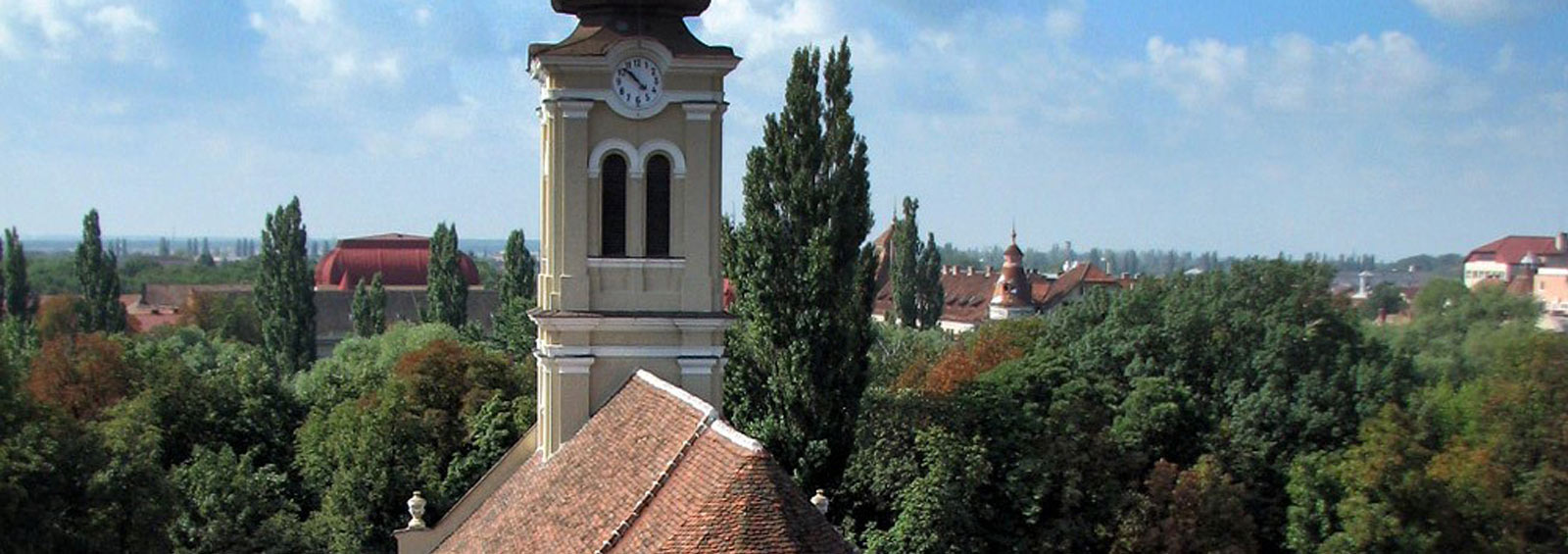
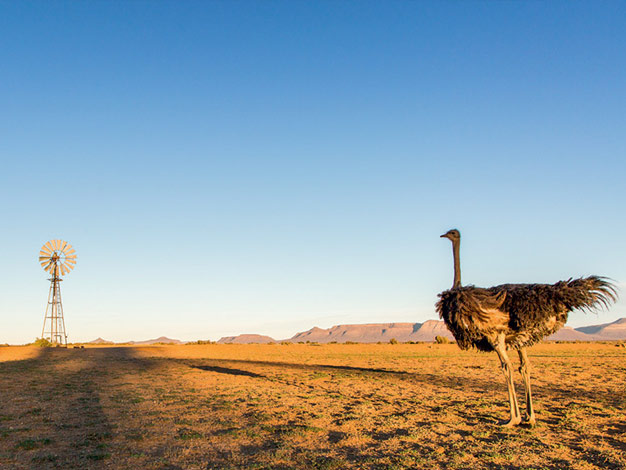
Calvinia stands out for its clear skies and expansive Karoo landscapes that draw stargazers and nature enthusiasts. The town includes historical sites from the 19th century that provide a glimpse into early South African life. Its position makes it a good spot for those seeking quiet adventures in the countryside.
## Accommodation in Calvinia
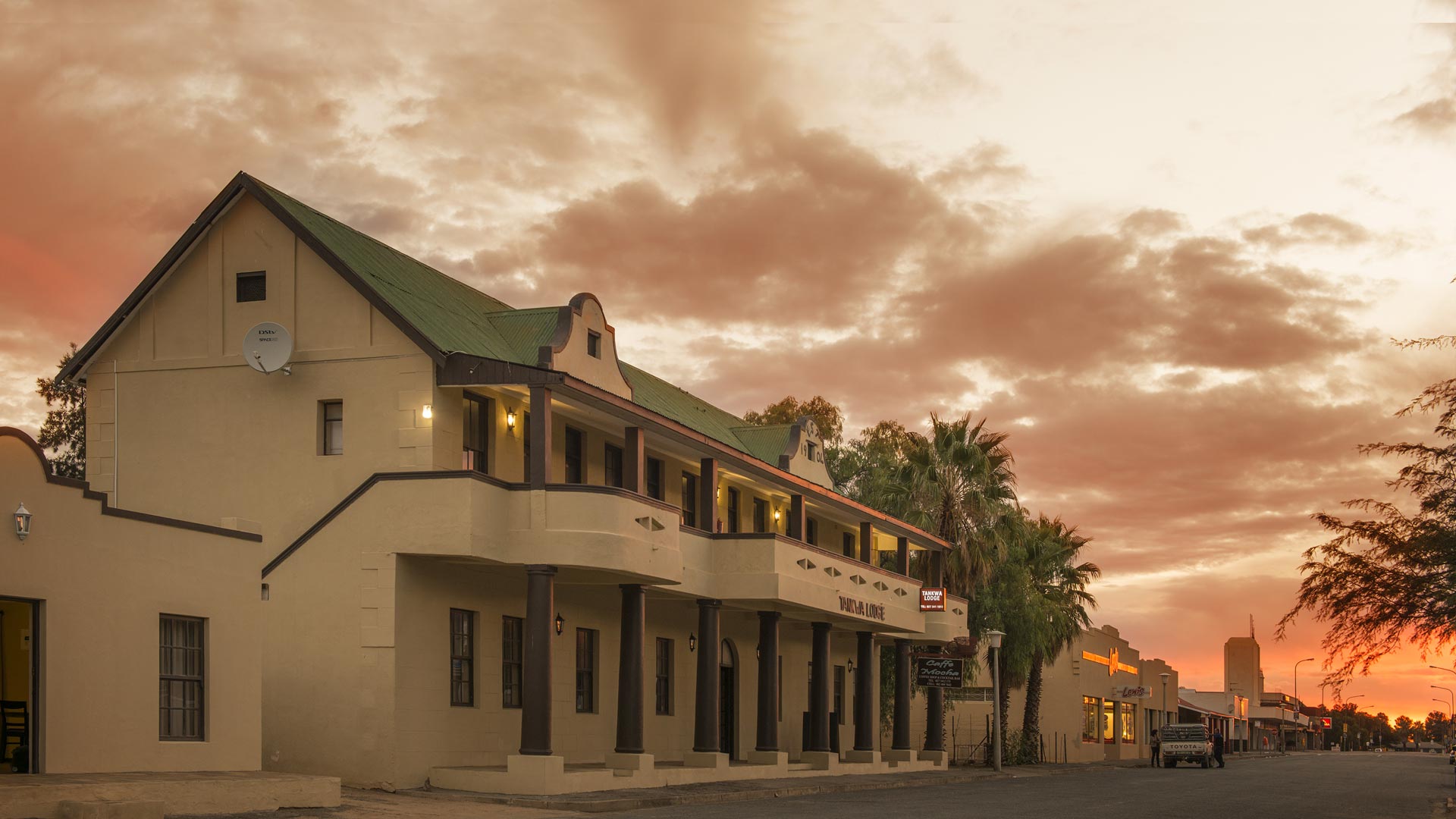
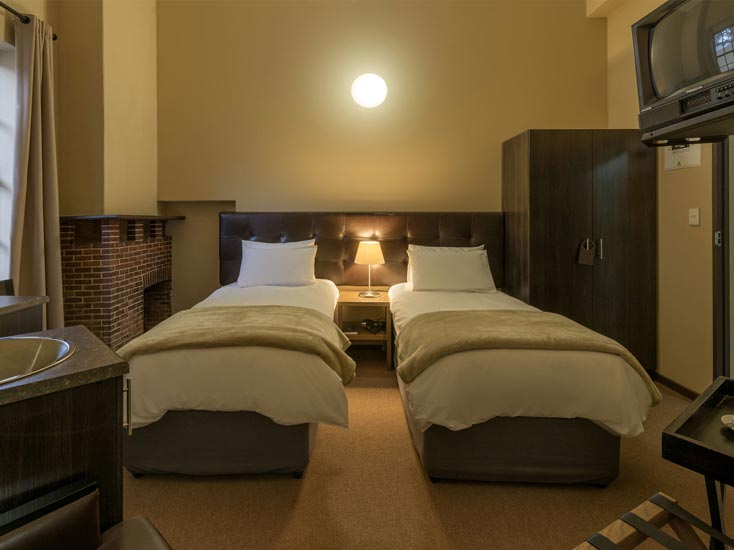
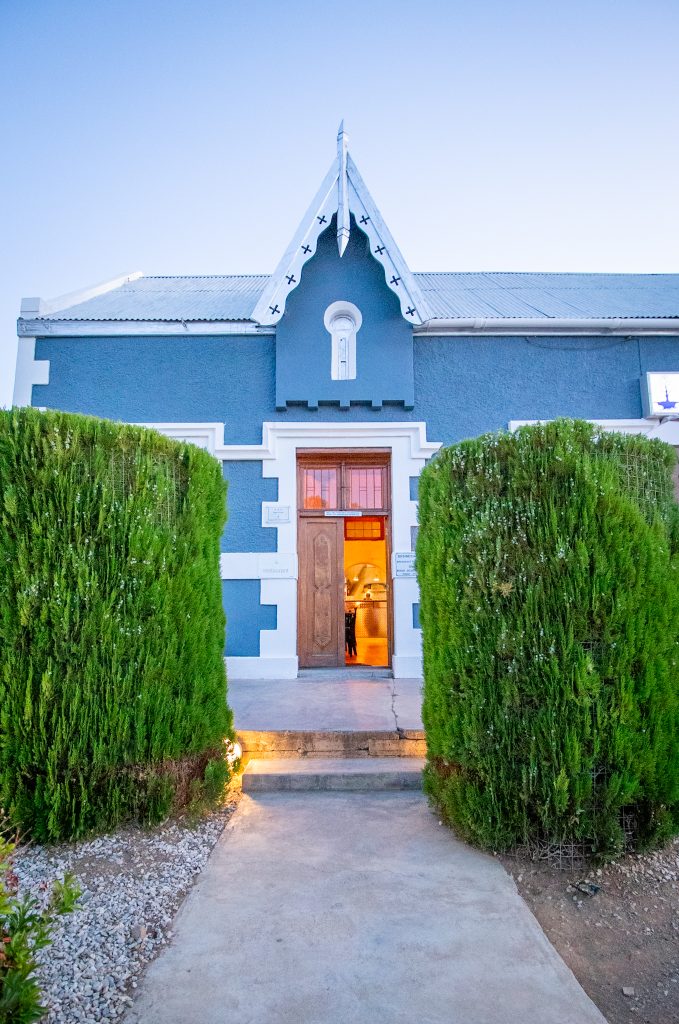
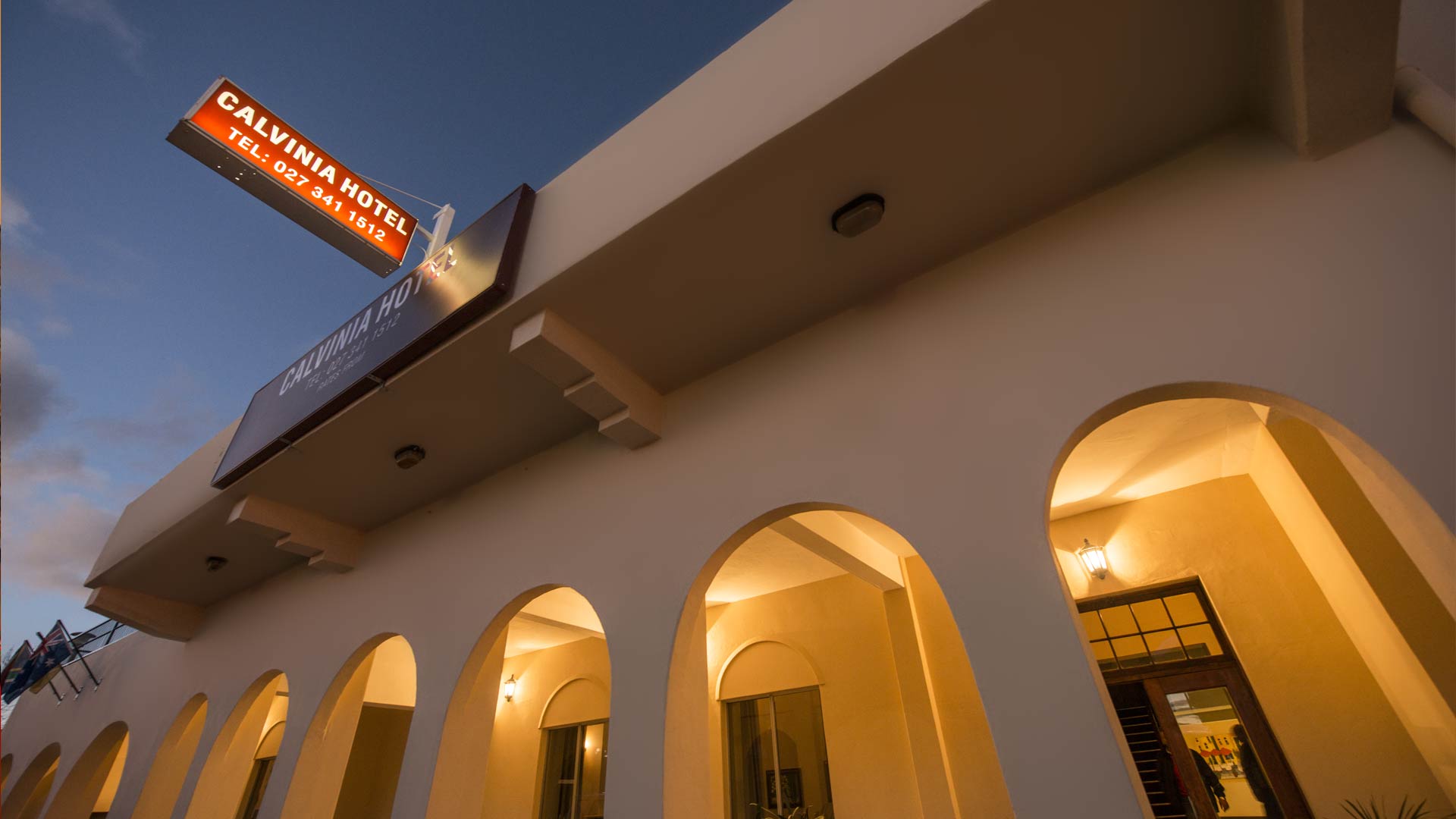
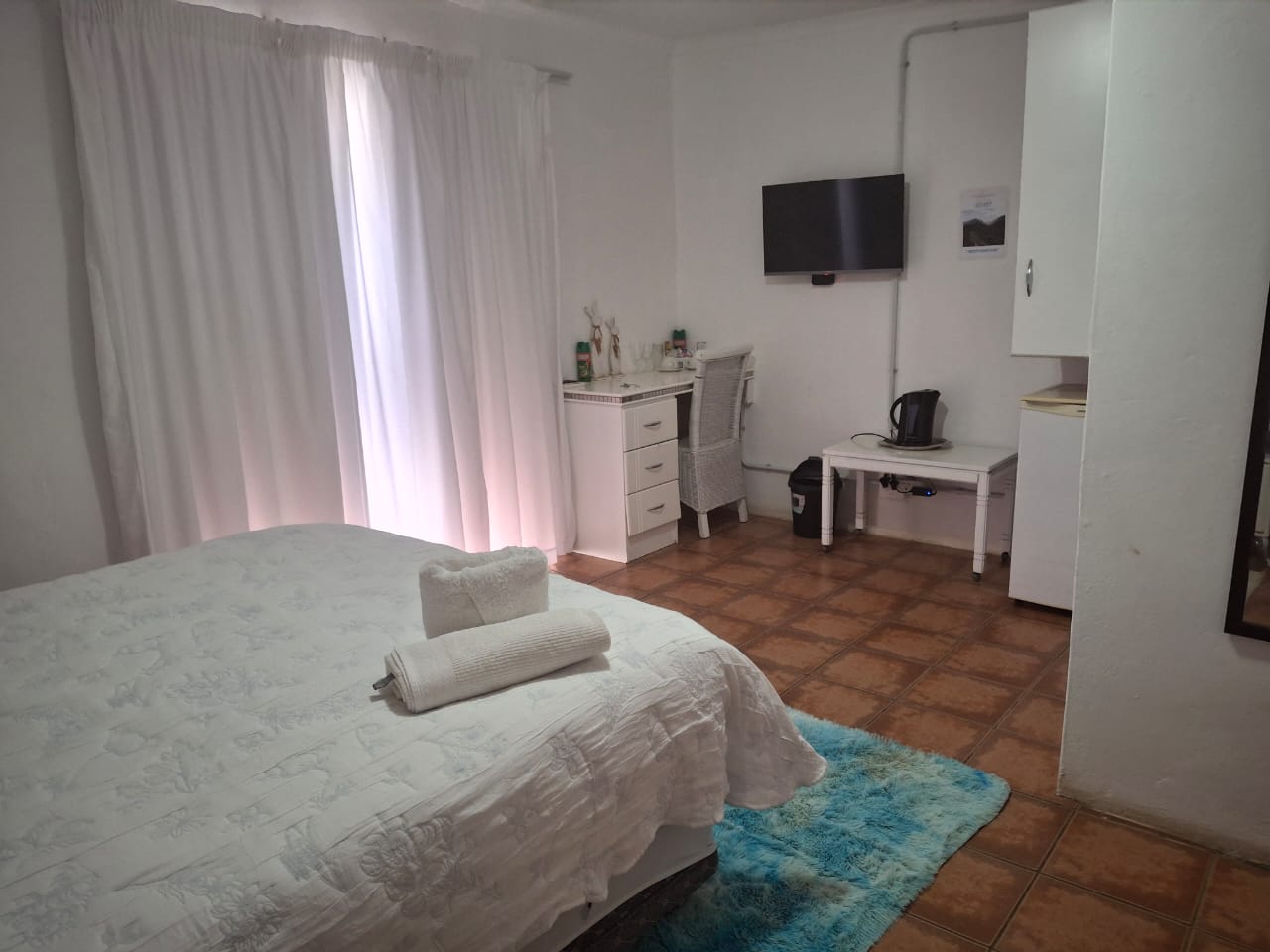
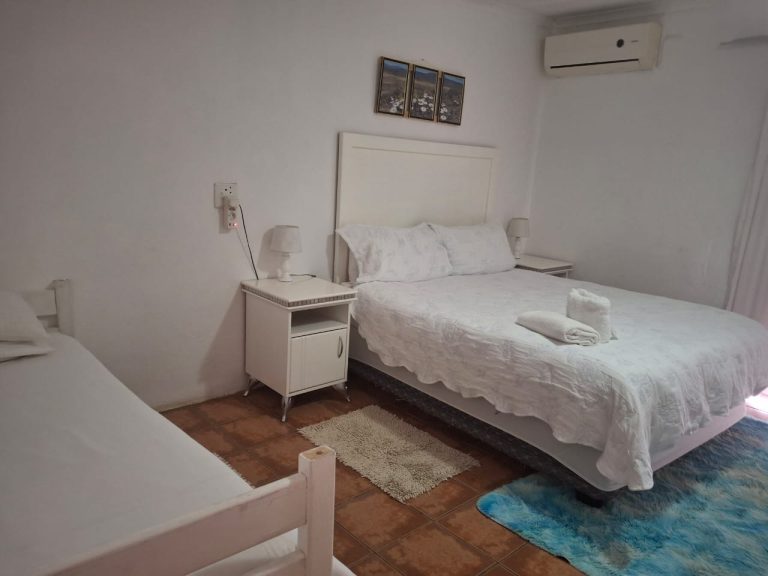
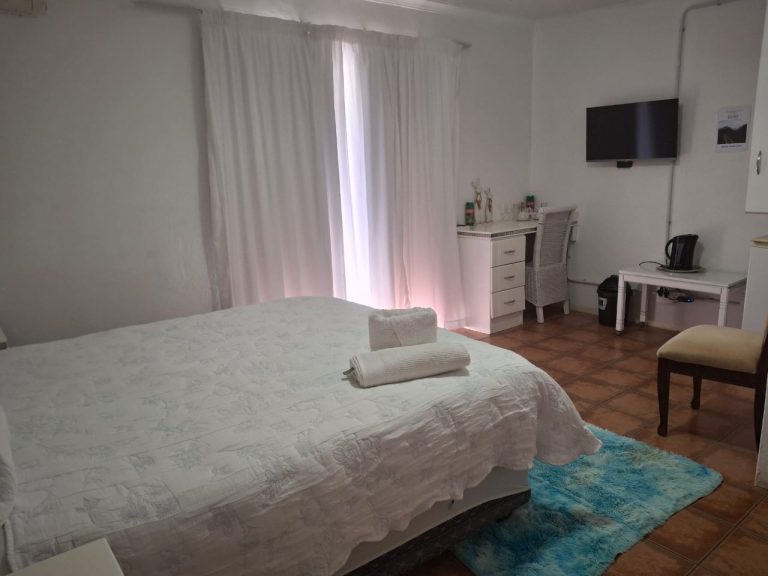
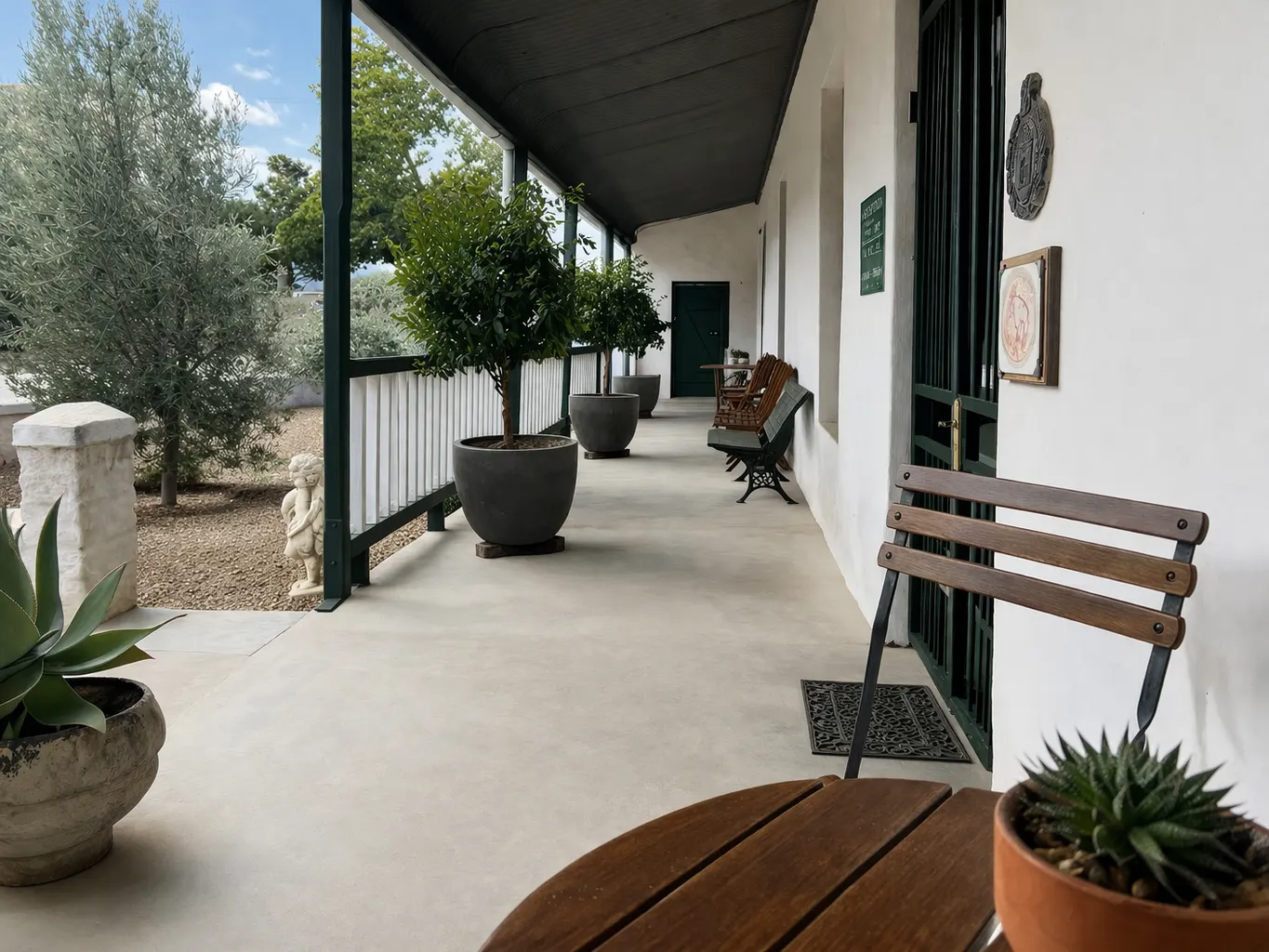
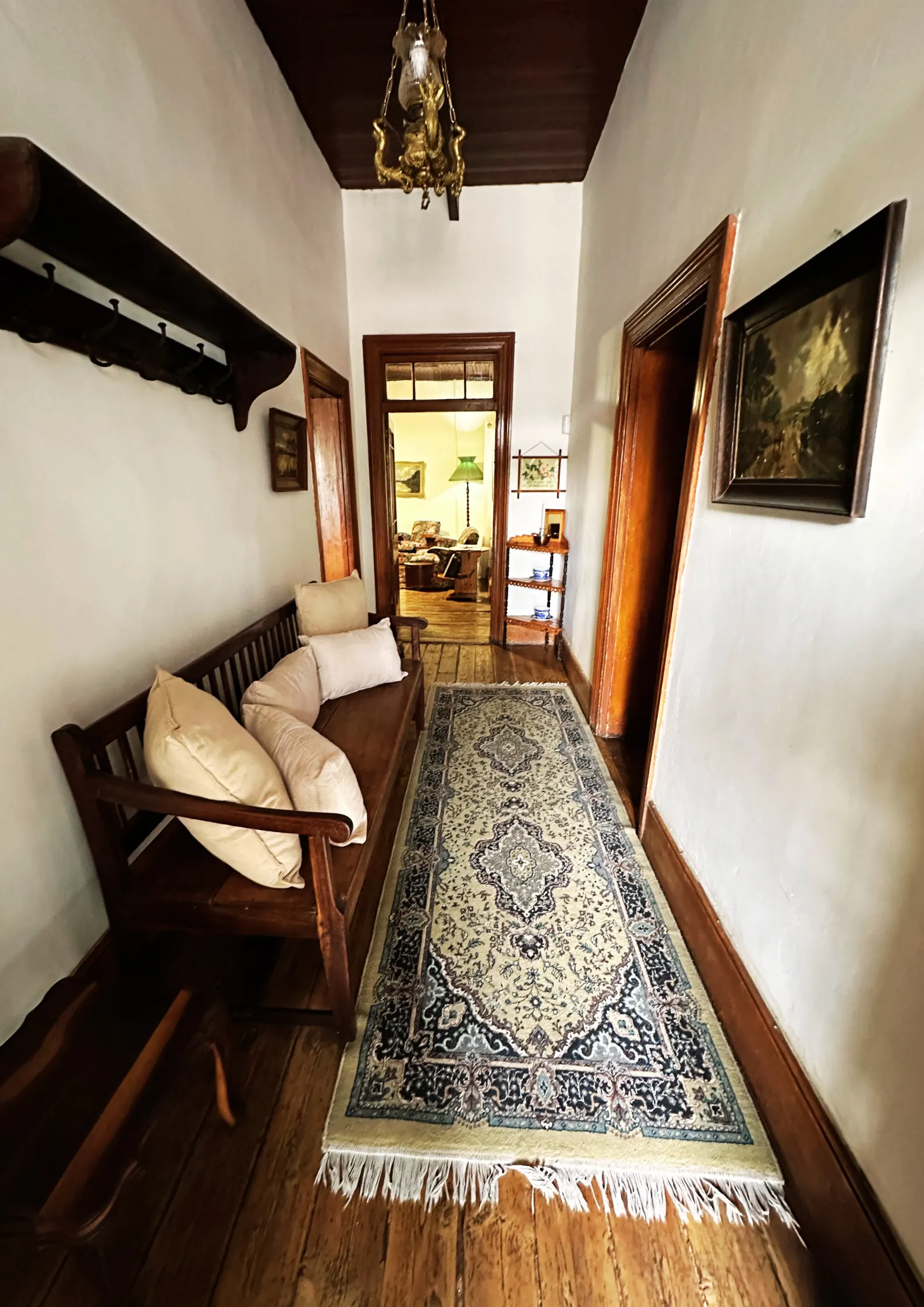
The accommodation options in Calvinia are modest in number but practical in character. The town currently offers one listed property, with nightly rates at R990, placing it comfortably within reach of travellers who want a base in the Hantam region without committing to a self-catering arrangement. The available stay falls within the hotel category, offering the kind of structured service that suits visitors who prefer having meals and basic amenities handled rather than cooking for themselves after a day outdoors.
Given the town's remote setting and the pace of travel it encourages, a hotel works well as a starting point. Staff at establishments like these often carry working knowledge of local routes, seasonal conditions, and which reserves are worth visiting on any given day. This kind of informal guidance can be more useful than printed maps.
Calvinia is not a destination with sprawling budget hostels or resort-style properties. What you find reflects the town itself: functional, without pretension, aimed at travellers who are passing through or spending several nights while exploring the surrounding countryside. Booking ahead is advisable, particularly during spring when the landscape draws visitors from across South Africa and available beds fill quickly.
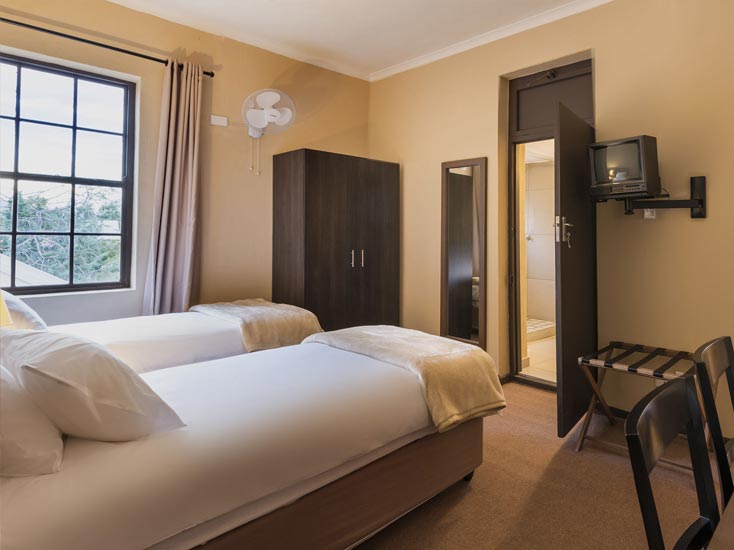
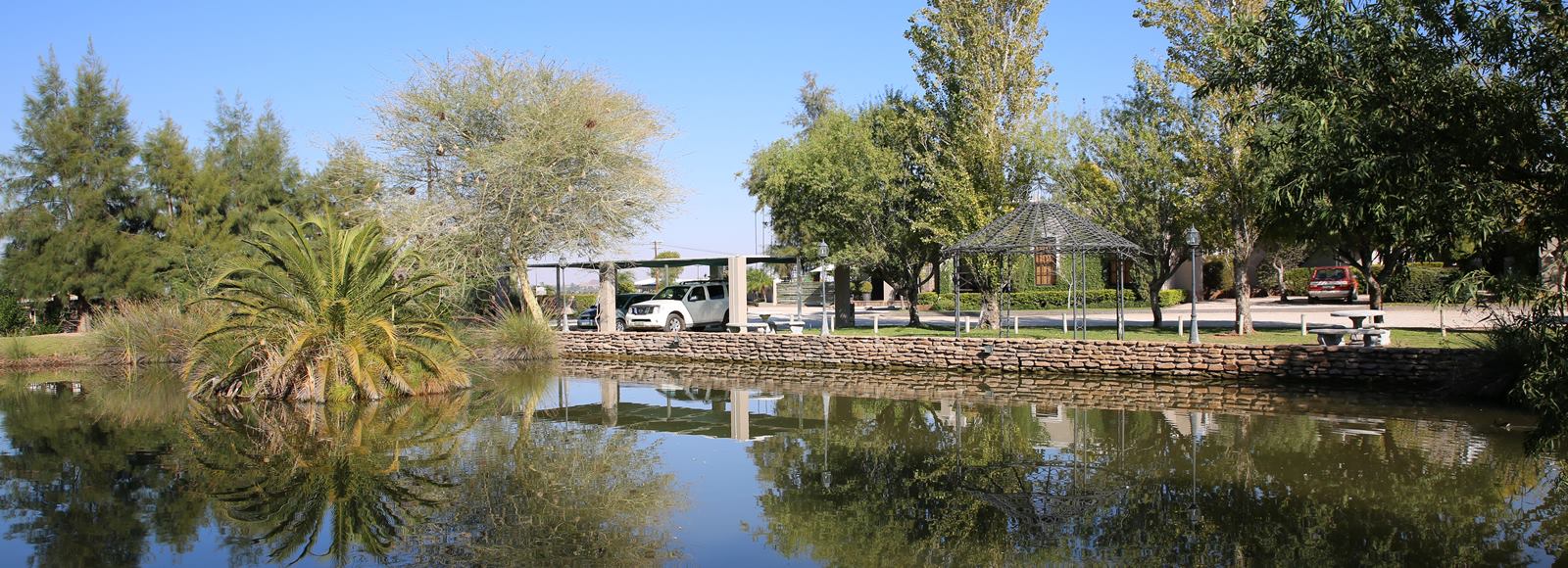
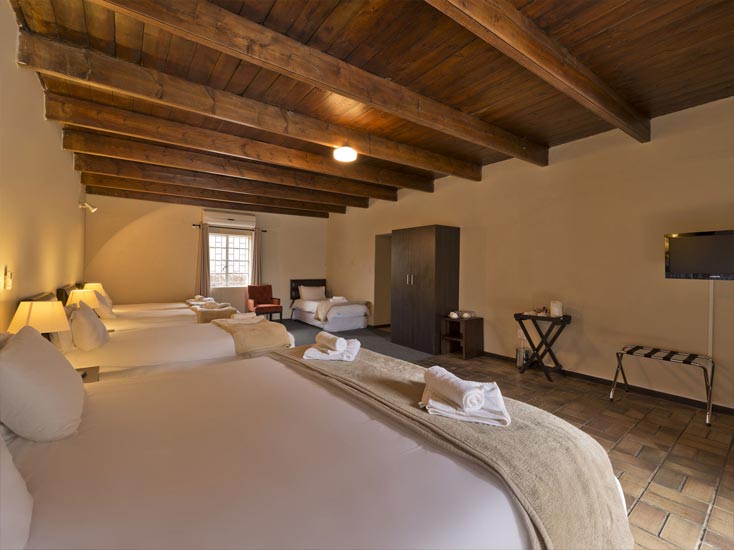
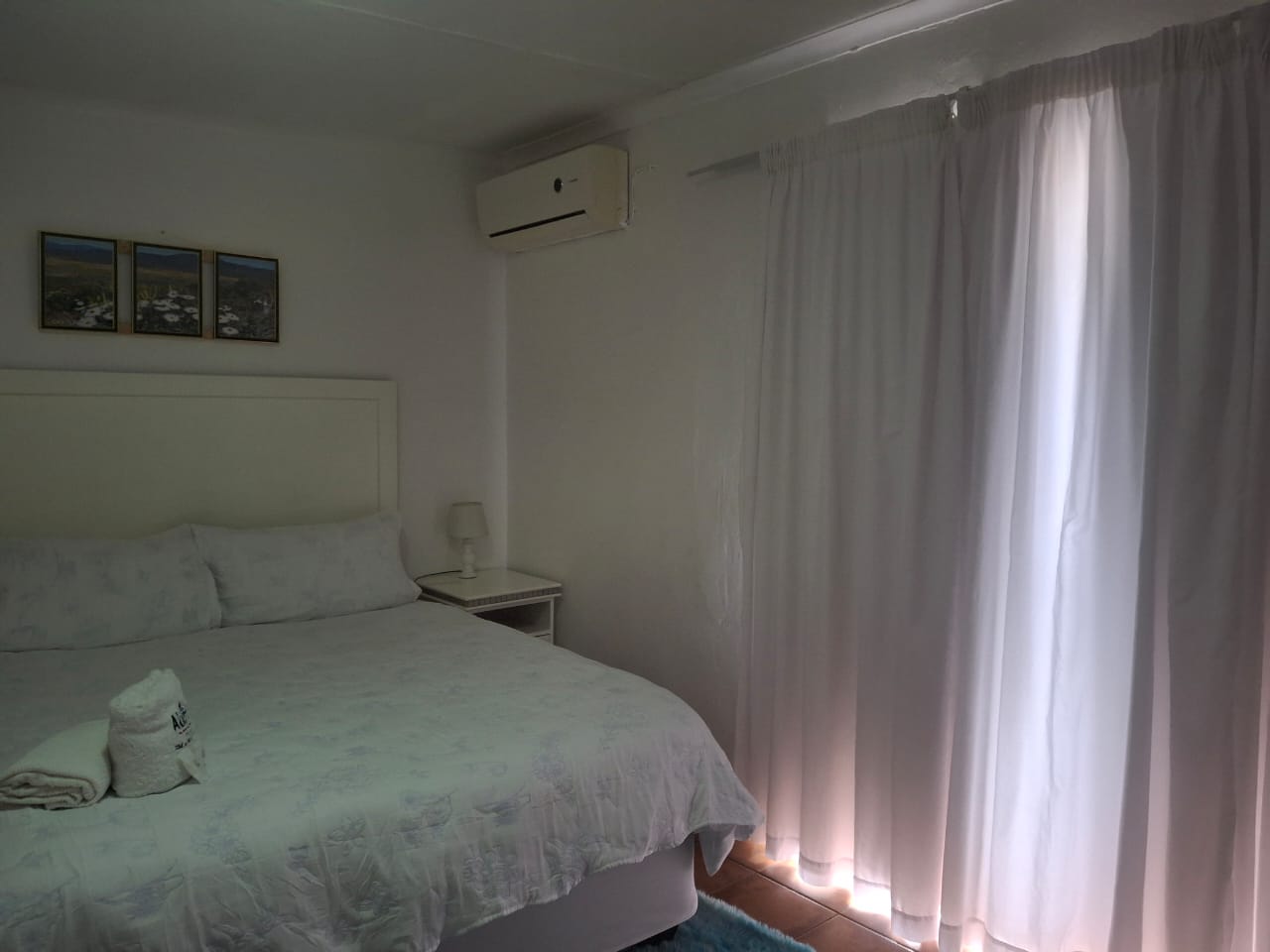
The properties here are not designed to keep you indoors. Rooms are comfortable and quiet, sized for a proper night's sleep after time spent in the open air. The absence of urban noise makes early starts straightforward, and some establishments have outdoor areas where evenings can be spent watching the sky darken into something genuinely impressive. There are few places in the country where the transition from dusk to full dark feels as immediate as it does in the semi-desert.
---
## Best Time to Visit Calvinia
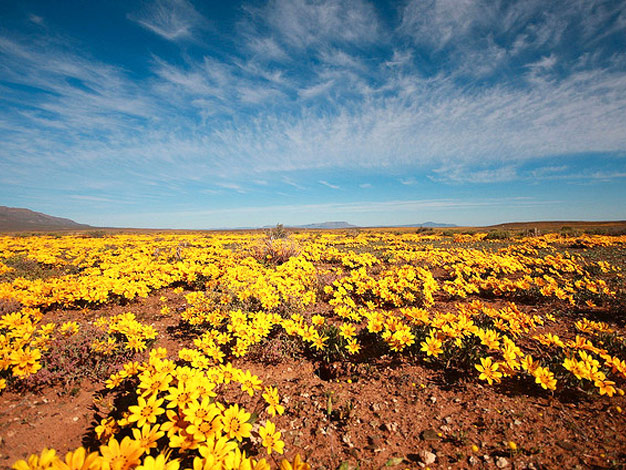
The most popular window for visiting Calvinia runs from late July through September, when the Namaqualand wildflowers come into bloom across the surrounding plains. This season draws significant domestic tourism relative to the town's usual quiet, so arriving mid-week or planning well ahead reduces the risk of arriving to find limited options. The annual flower displays can vary considerably from year to year depending on winter rainfall, but in a good season the colour across the landscape is genuinely striking.
Summer, from December through February, brings sustained heat with temperatures frequently exceeding 35°C. The dry climate keeps humidity low, but extended outdoor activity demands early starts and adequate water. Midday hours are best spent out of the sun.
Winter days from June to August are mild and clear, while nights turn sharply cold due to the town's elevation. This is the best period for those primarily interested in astronomy, as longer nights, dry air, and minimal cloud cover make for exceptional sky conditions. Autumn and spring offer the most balanced weather for hiking and general exploration, combining reasonable daytime temperatures with the possibility of encountering migratory bird species moving through the region.
---
## Getting to Calvinia
Reaching Calvinia requires a private vehicle in almost every practical scenario. The town is approximately 470 kilometres from Cape Town, a drive of around five hours following the N7 north through Citrusdal and Clanwilliam to Vanrhynsdorp, then east on the R27 across the Hantam plain. Road surfaces on the main routes are generally in reasonable condition, though some side roads connecting to farms and reserves are unpaved and require more care.
There is no commercial airport serving Calvinia directly. Cape Town International Airport is the most convenient option for visitors flying in from other parts of South Africa, with car hire available on arrival. Upington Airport to the north-east is an alternative for those approaching from the Northern Cape interior. The drive from either city is long enough that an overnight stop along the way is worth considering.
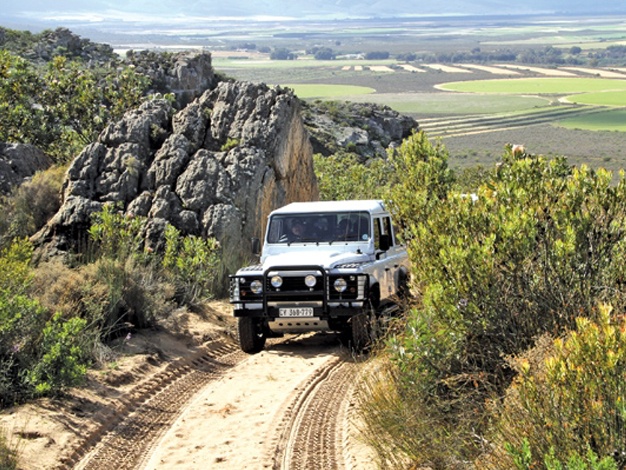
Within Calvinia, the town centre is compact and walkable. For reaching the surrounding countryside, including the hills and reserve areas on the town's edges, a vehicle is essential. No scheduled public transport operates between Calvinia and the outlying areas of interest, and formal taxi services are limited. Visitors planning to explore gravel roads into the hills will benefit from a vehicle with reasonable ground clearance, though standard sedans are fine for the main routes.
---
## Calvinia and Surrounding Areas
The destinations within a two-hour drive of Calvinia cover a surprisingly varied set of landscapes and interests, making the region well-suited to a longer road trip with Calvinia as one of several stops.
**Klawer**, 114 kilometres to the south-west, sits in the Olifants River Valley and marks the beginning of more intensively farmed country. It functions primarily as a commercial hub for the surrounding wine and rooibos farming district. The drive between Calvinia and Klawer passes through changing vegetation zones that show clearly how the landscape transitions from semi-desert into cultivated valley.
**Clanwilliam**, one kilometre further at 115 kilometres, carries more visitor interest. This is the centre of the rooibos tea industry in South Africa, and the town sits at the entrance to the Cederberg mountain region. Clanwilliam Dam is used for watersports and camping, and the surrounding hills contain documented San rock art sites, including the Sevilla Rock Art Trail.
**Sutherland**, 132 kilometres to the east, has a specific draw that sets it apart from the other towns in this cluster. The South African Astronomical Observatory has its Southern African Large Telescope (SALT) facility here, one of the largest optical telescopes in the southern hemisphere. Guided tours run regularly, and the town has developed a modest tourism infrastructure around stargazing, with the altitude and dry air producing exceptional visibility.
**Cederberg**, 144 kilometres away, refers to the wilderness area running along the Cederberg mountain range. Rock formations including the Wolfberg Arch and the Maltese Cross are accessible on well-marked hiking trails, ranging from day walks to multi-day routes with overnight huts. San rock paintings appear at numerous sites throughout the area.
**Citrusdal**, at the same distance, is a small agricultural town most associated with citrus farming. The Baths resort, a few kilometres from town, offers natural hot spring pools and serves as a popular stopover for travellers on the N7. It fits naturally into a return route between Calvinia and Cape Town.
**Noordhoek**, 154 kilometres out, is a quieter settlement in the broader Cederberg and Olifants River catchment. It attracts fewer visitors than the larger towns in the region, which suits travellers deliberately avoiding the more established tourist spots.
---
## Planning Your Stay
Demand in Calvinia peaks sharply during flower season, which typically runs from late July through September. Securing accommodation six to eight weeks in advance during this period is a sensible minimum, and some years the busiest weekends fill earlier than that. For travel outside this window, shorter lead times are usually workable, though confirming availability before making the drive is always worthwhile given how few properties serve the town.
Before finalising a booking, confirm whether meals are included or whether the property operates on a self-catering basis. Dining options in Calvinia after dark are limited compared to larger towns, and arriving without that detail settled can complicate the evening. It is also worth asking whether staff can provide guidance on local routes and conditions, as this affects how much independent preparation you will need to do.
Bring sufficient cash. Card facilities in small Northern Cape towns are not always reliable, and the nearest ATM may require a drive if local machines are offline. Mobile coverage within Calvinia is reasonable, but it can drop significantly once you move into the surrounding countryside and hills. Download any offline maps before you leave the main road. Finally, check weather forecasts the day before you plan to hike, as summer afternoon thunderstorms can develop quickly in the mountains surrounding the town.

The accommodation options in Calvinia are modest in number but practical in character. The town currently offers one listed property, with nightly rates at R990, placing it comfortably within reach of travellers who want a base in the Hantam region without committing to a self-catering arrangement. The available stay falls within the hotel category, offering the kind of structured service that suits visitors who prefer having meals and basic amenities handled rather than cooking for themselves after a day outdoors.
Given the town's remote setting and the pace of travel it encourages, a hotel works well as a starting point. Staff at establishments like these often carry working knowledge of local routes, seasonal conditions, and which reserves are worth visiting on any given day. This kind of informal guidance can be more useful than printed maps.
Calvinia is not a destination with sprawling budget hostels or resort-style properties. What you find reflects the town itself: functional, without pretension, aimed at travellers who are passing through or spending several nights while exploring the surrounding countryside. Booking ahead is advisable, particularly during spring when the landscape draws visitors from across South Africa and available beds fill quickly.
The properties here are not designed to keep you indoors. Rooms are comfortable and quiet, sized for a proper night's sleep after time spent in the open air. The absence of urban noise makes early starts straightforward, and some establishments have outdoor areas where evenings can be spent watching the sky darken into something genuinely impressive. There are few places in the country where the transition from dusk to full dark feels as immediate as it does in the semi-desert.
---
## Best Time to Visit Calvinia
The most popular window for visiting Calvinia runs from late July through September, when the Namaqualand wildflowers come into bloom across the surrounding plains. This season draws significant domestic tourism relative to the town's usual quiet, so arriving mid-week or planning well ahead reduces the risk of arriving to find limited options. The annual flower displays can vary considerably from year to year depending on winter rainfall, but in a good season the colour across the landscape is genuinely striking.
Summer, from December through February, brings sustained heat with temperatures frequently exceeding 35°C. The dry climate keeps humidity low, but extended outdoor activity demands early starts and adequate water. Midday hours are best spent out of the sun.
Winter days from June to August are mild and clear, while nights turn sharply cold due to the town's elevation. This is the best period for those primarily interested in astronomy, as longer nights, dry air, and minimal cloud cover make for exceptional sky conditions. Autumn and spring offer the most balanced weather for hiking and general exploration, combining reasonable daytime temperatures with the possibility of encountering migratory bird species moving through the region.
---
## Getting to Calvinia
Reaching Calvinia requires a private vehicle in almost every practical scenario. The town is approximately 470 kilometres from Cape Town, a drive of around five hours following the N7 north through Citrusdal and Clanwilliam to Vanrhynsdorp, then east on the R27 across the Hantam plain. Road surfaces on the main routes are generally in reasonable condition, though some side roads connecting to farms and reserves are unpaved and require more care.
There is no commercial airport serving Calvinia directly. Cape Town International Airport is the most convenient option for visitors flying in from other parts of South Africa, with car hire available on arrival. Upington Airport to the north-east is an alternative for those approaching from the Northern Cape interior. The drive from either city is long enough that an overnight stop along the way is worth considering.
Within Calvinia, the town centre is compact and walkable. For reaching the surrounding countryside, including the hills and reserve areas on the town's edges, a vehicle is essential. No scheduled public transport operates between Calvinia and the outlying areas of interest, and formal taxi services are limited. Visitors planning to explore gravel roads into the hills will benefit from a vehicle with reasonable ground clearance, though standard sedans are fine for the main routes.
---
## Calvinia and Surrounding Areas
The destinations within a two-hour drive of Calvinia cover a surprisingly varied set of landscapes and interests, making the region well-suited to a longer road trip with Calvinia as one of several stops.
**Klawer**, 114 kilometres to the south-west, sits in the Olifants River Valley and marks the beginning of more intensively farmed country. It functions primarily as a commercial hub for the surrounding wine and rooibos farming district. The drive between Calvinia and Klawer passes through changing vegetation zones that show clearly how the landscape transitions from semi-desert into cultivated valley.
**Clanwilliam**, one kilometre further at 115 kilometres, carries more visitor interest. This is the centre of the rooibos tea industry in South Africa, and the town sits at the entrance to the Cederberg mountain region. Clanwilliam Dam is used for watersports and camping, and the surrounding hills contain documented San rock art sites, including the Sevilla Rock Art Trail.
**Sutherland**, 132 kilometres to the east, has a specific draw that sets it apart from the other towns in this cluster. The South African Astronomical Observatory has its Southern African Large Telescope (SALT) facility here, one of the largest optical telescopes in the southern hemisphere. Guided tours run regularly, and the town has developed a modest tourism infrastructure around stargazing, with the altitude and dry air producing exceptional visibility.
**Cederberg**, 144 kilometres away, refers to the wilderness area running along the Cederberg mountain range. Rock formations including the Wolfberg Arch and the Maltese Cross are accessible on well-marked hiking trails, ranging from day walks to multi-day routes with overnight huts. San rock paintings appear at numerous sites throughout the area.
**Citrusdal**, at the same distance, is a small agricultural town most associated with citrus farming. The Baths resort, a few kilometres from town, offers natural hot spring pools and serves as a popular stopover for travellers on the N7. It fits naturally into a return route between Calvinia and Cape Town.
**Noordhoek**, 154 kilometres out, is a quieter settlement in the broader Cederberg and Olifants River catchment. It attracts fewer visitors than the larger towns in the region, which suits travellers deliberately avoiding the more established tourist spots.
---
## Planning Your Stay
Demand in Calvinia peaks sharply during flower season, which typically runs from late July through September. Securing accommodation six to eight weeks in advance during this period is a sensible minimum, and some years the busiest weekends fill earlier than that. For travel outside this window, shorter lead times are usually workable, though confirming availability before making the drive is always worthwhile given how few properties serve the town.
Before finalising a booking, confirm whether meals are included or whether the property operates on a self-catering basis. Dining options in Calvinia after dark are limited compared to larger towns, and arriving without that detail settled can complicate the evening. It is also worth asking whether staff can provide guidance on local routes and conditions, as this affects how much independent preparation you will need to do.
Bring sufficient cash. Card facilities in small Northern Cape towns are not always reliable, and the nearest ATM may require a drive if local machines are offline. Mobile coverage within Calvinia is reasonable, but it can drop significantly once you move into the surrounding countryside and hills. Download any offline maps before you leave the main road. Finally, check weather forecasts the day before you plan to hike, as summer afternoon thunderstorms can develop quickly in the mountains surrounding the town.
Tipes Akkommodasie in Calvinia
Akkommodasiepryse in Calvinia
| Tipe | Inskrywings | Vanaf | Gemiddeld | Tot |
|---|---|---|---|---|
| Hotel | 1 | R990 | R1,418 | R1,845 |
Calvinia Kaart
Nabygeleë Bestemmings
Blaai Deur Alle Calvinia Akkommodasie
Bekyk al 1 akkommodasie-opsies in Calvinia met foto's, pryse en beskikbaarheid.
Blaai Deur Alle Akkommodasie