Sutherland Reis- & Akkommodasiegids
Jou volledige gids om Sutherland, Suid-Afrika te besoek.
Sutherland is a small town famous for its exceptional stargazing opportunities due to its clear skies and high altitude. Visitors can explore the South African Astronomical Observatory, which draws scientists and enthusiasts alike. The area also provides a quiet base for exploring the surrounding Karoo landscapes.
## Accommodation in Sutherland
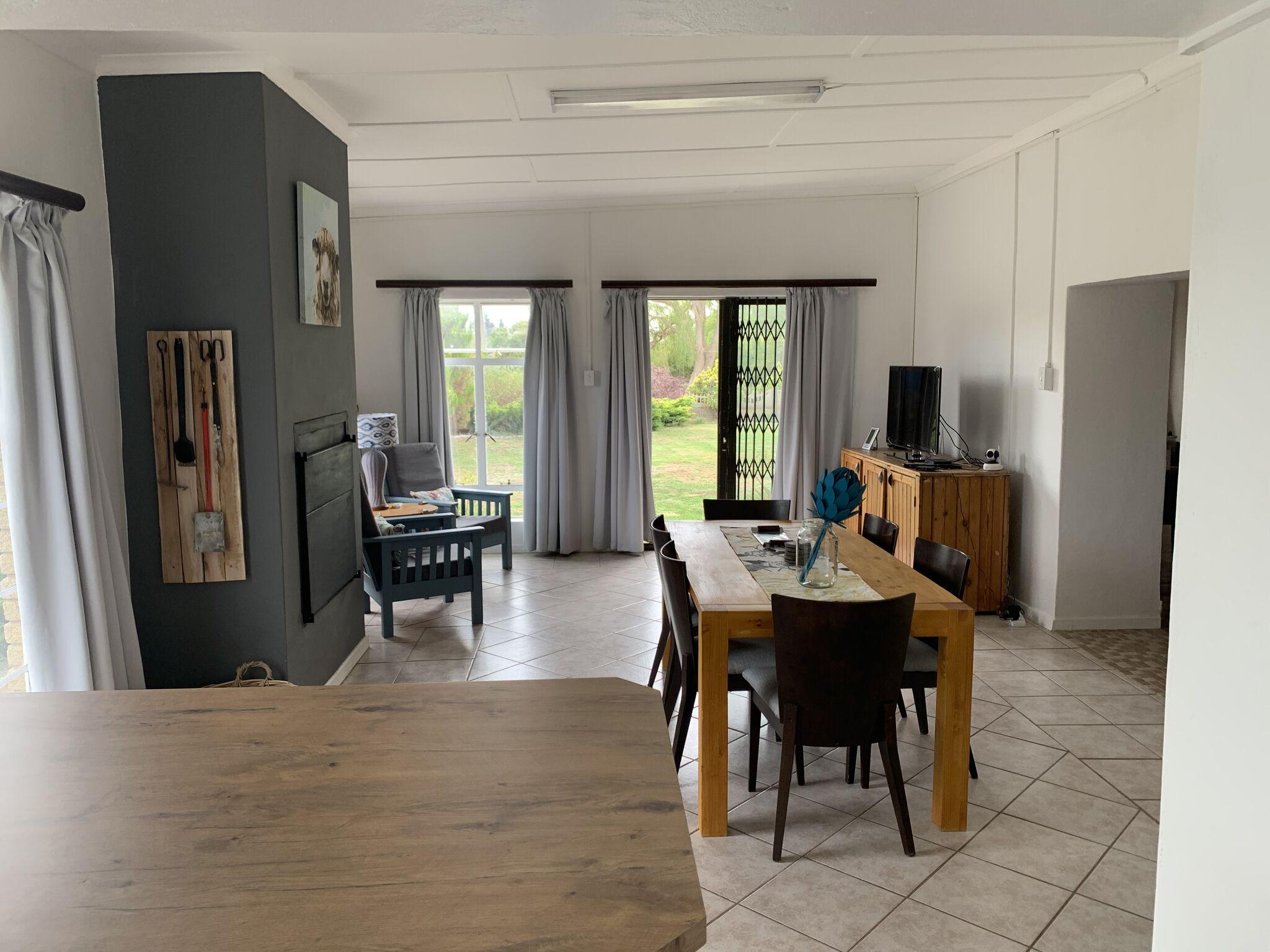
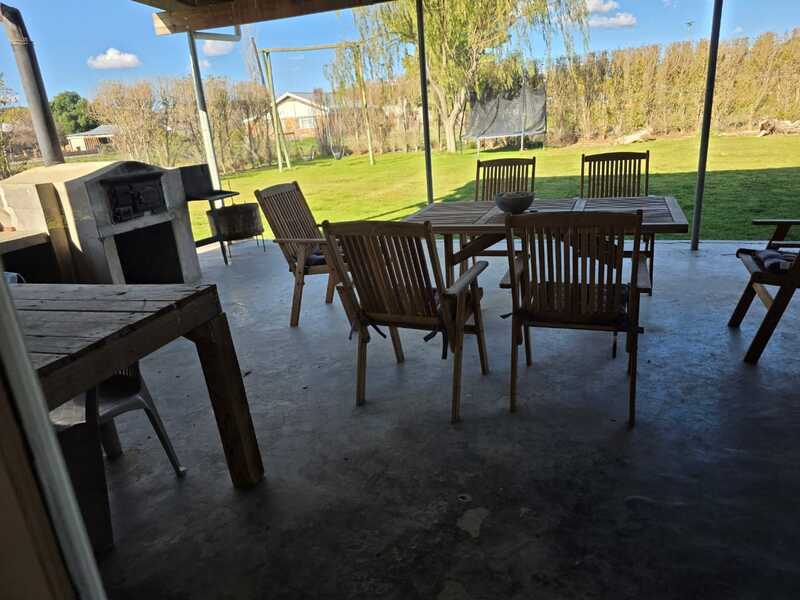
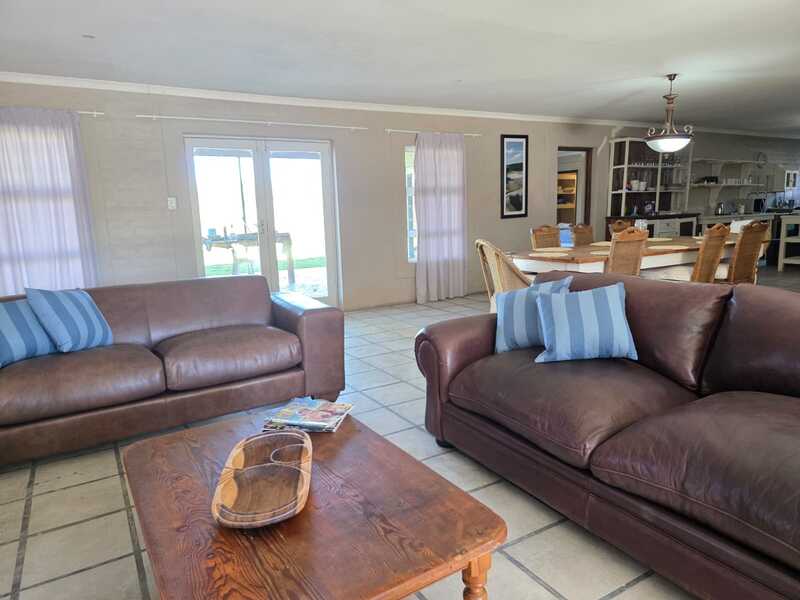
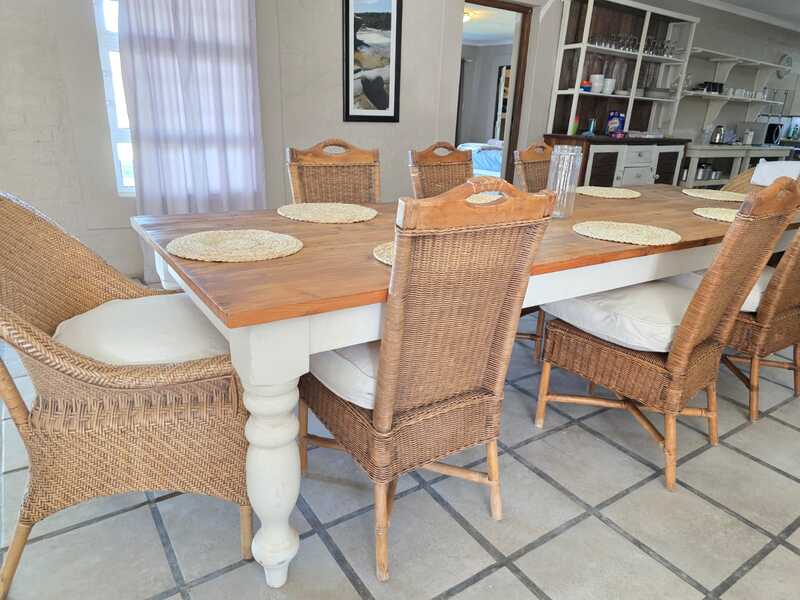
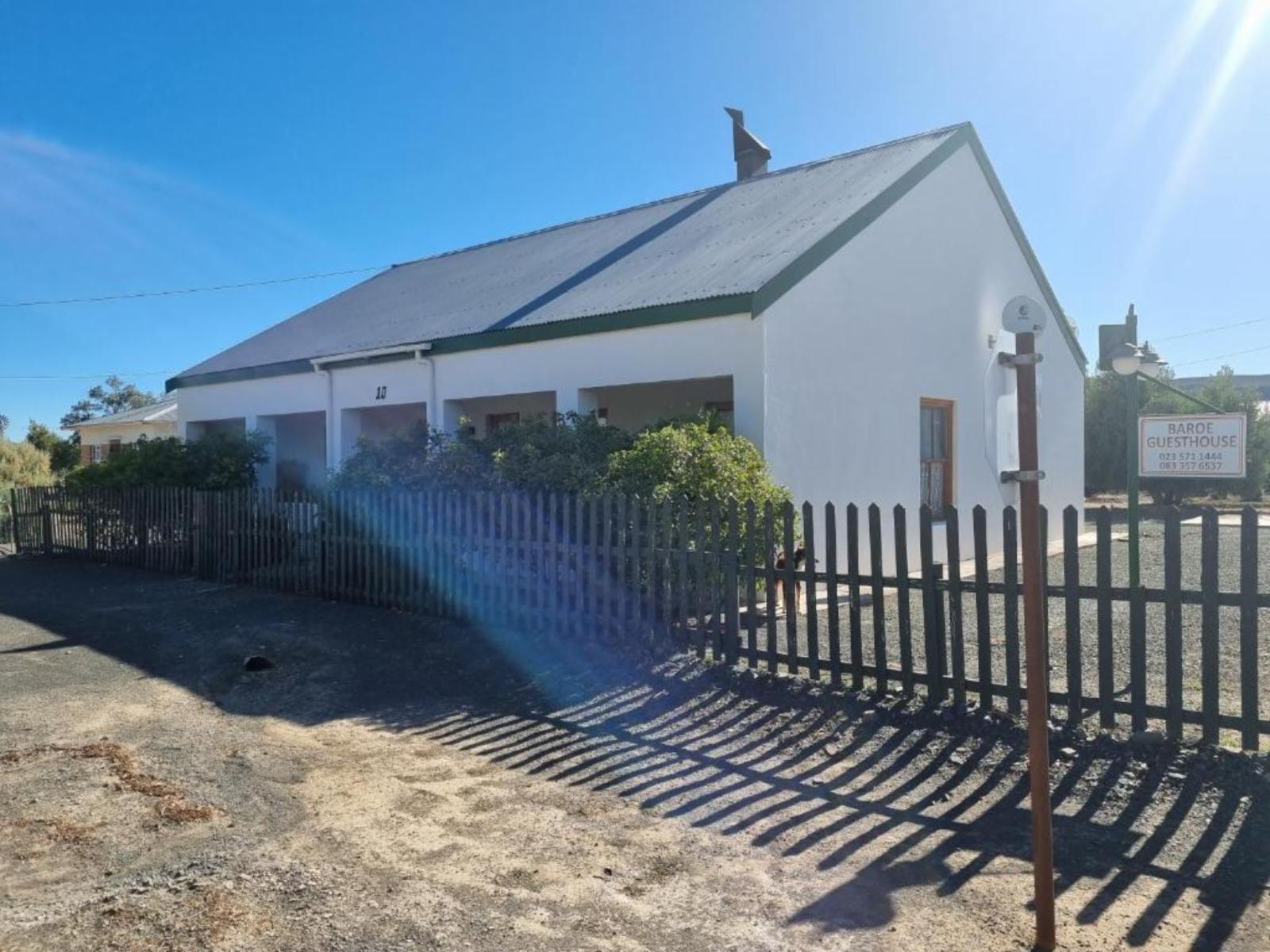
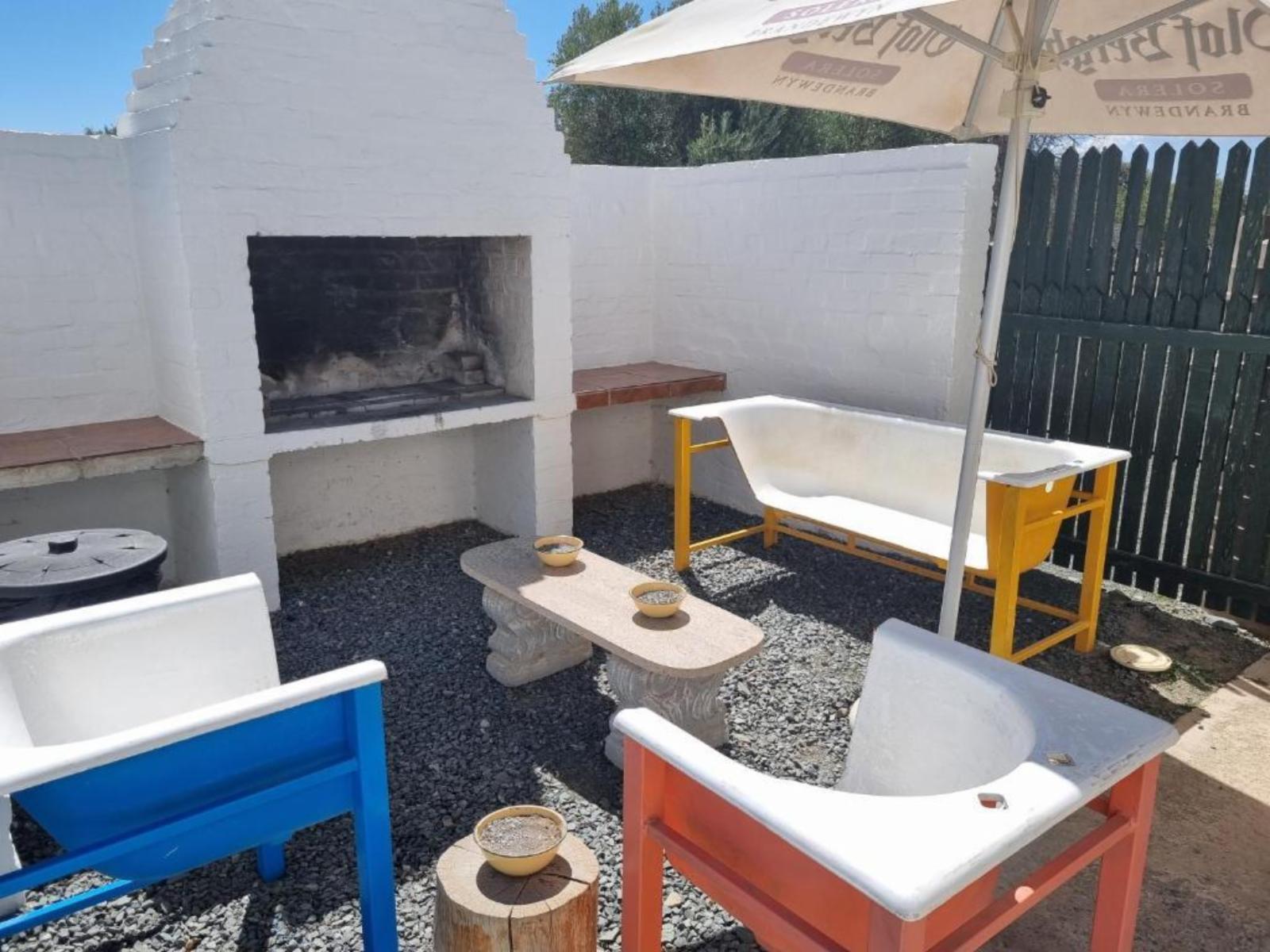
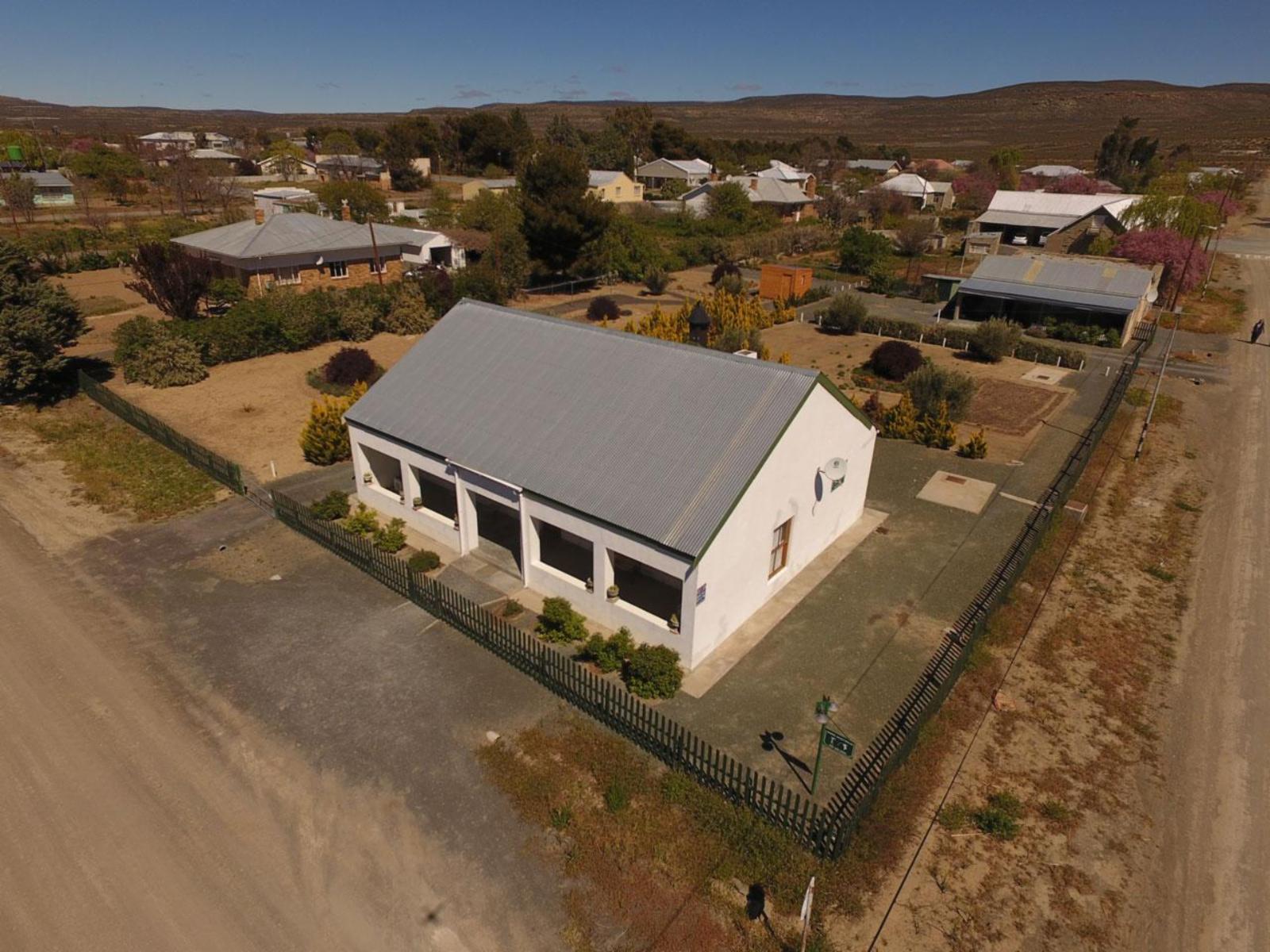
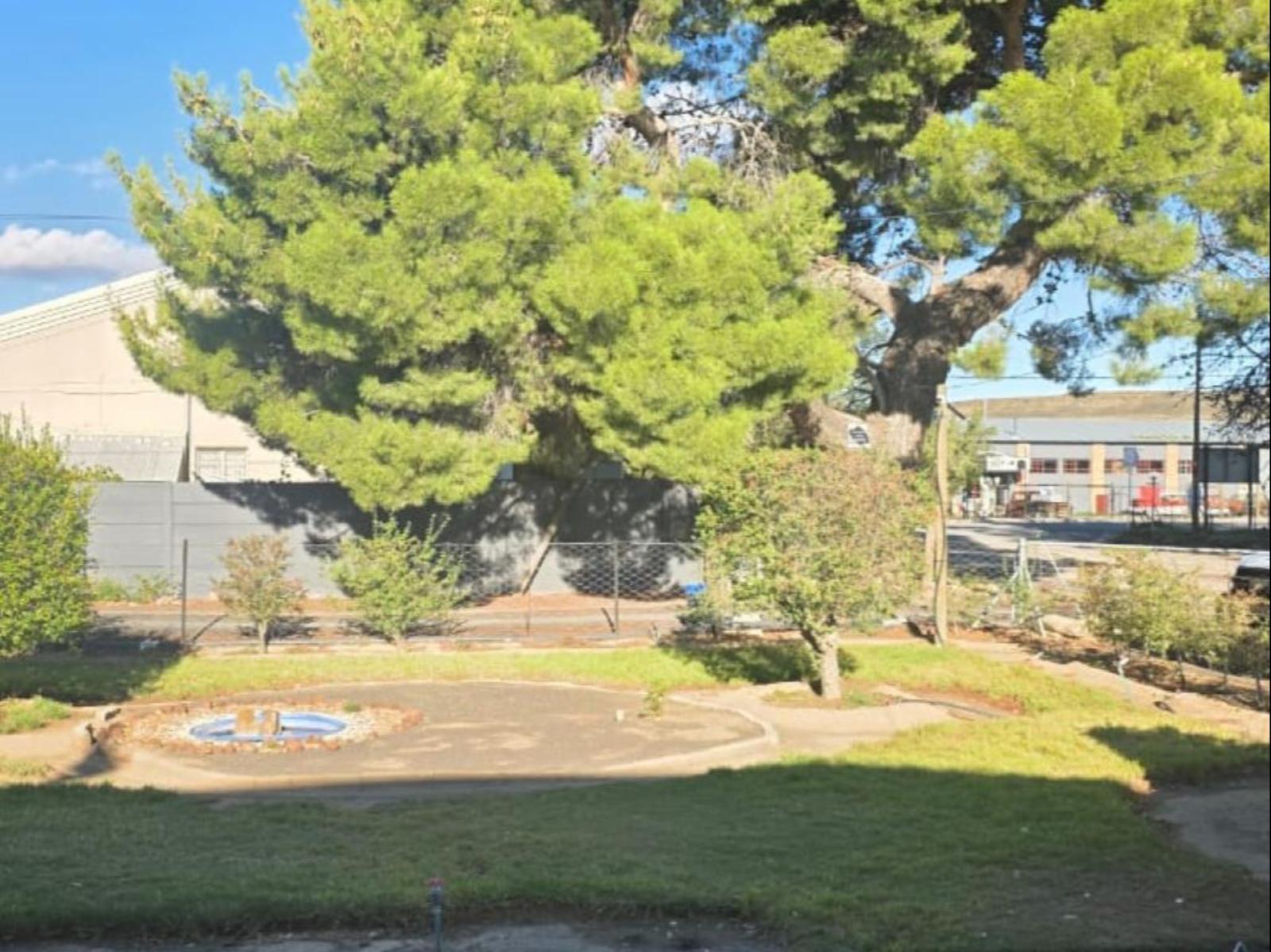
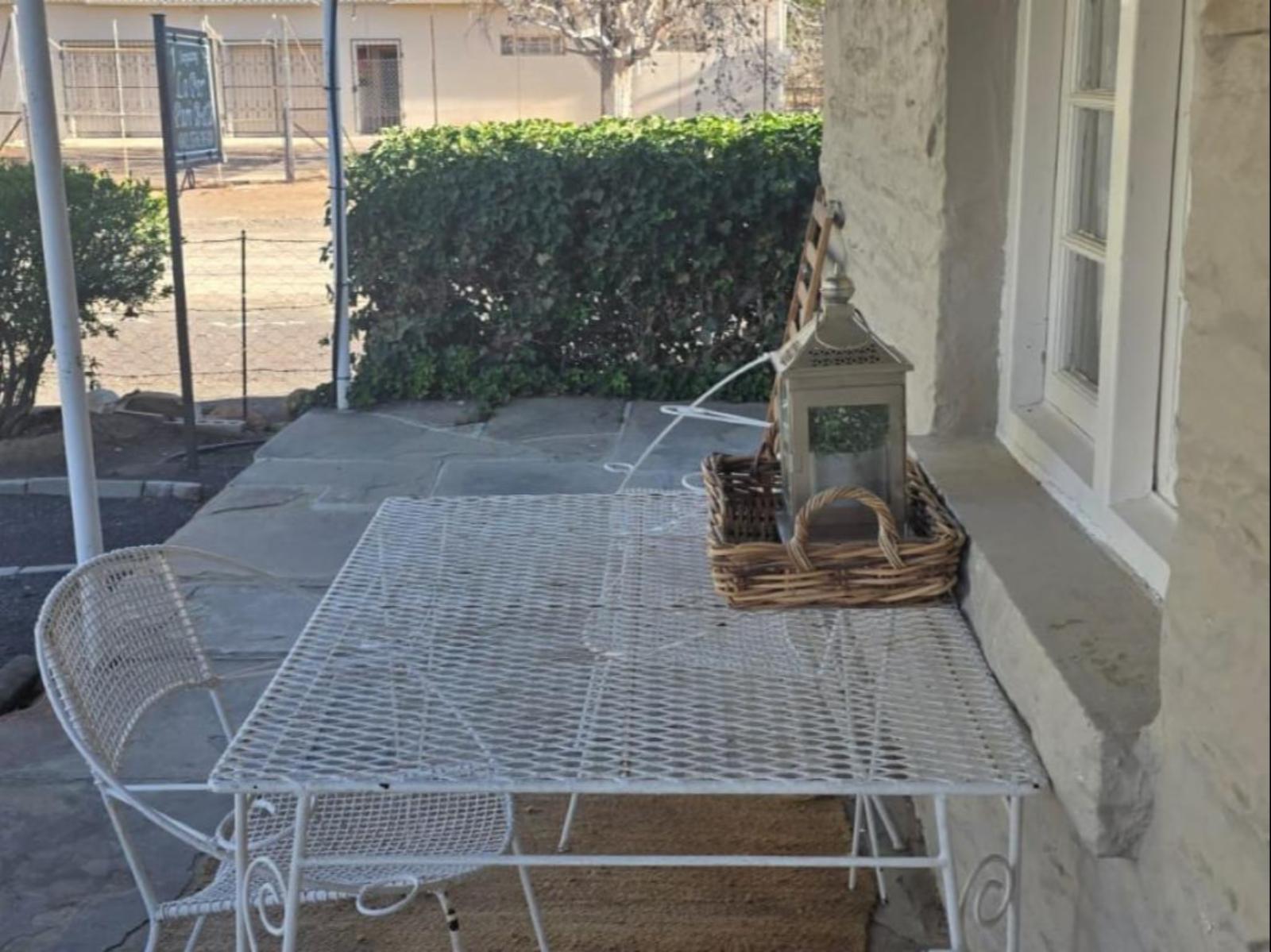
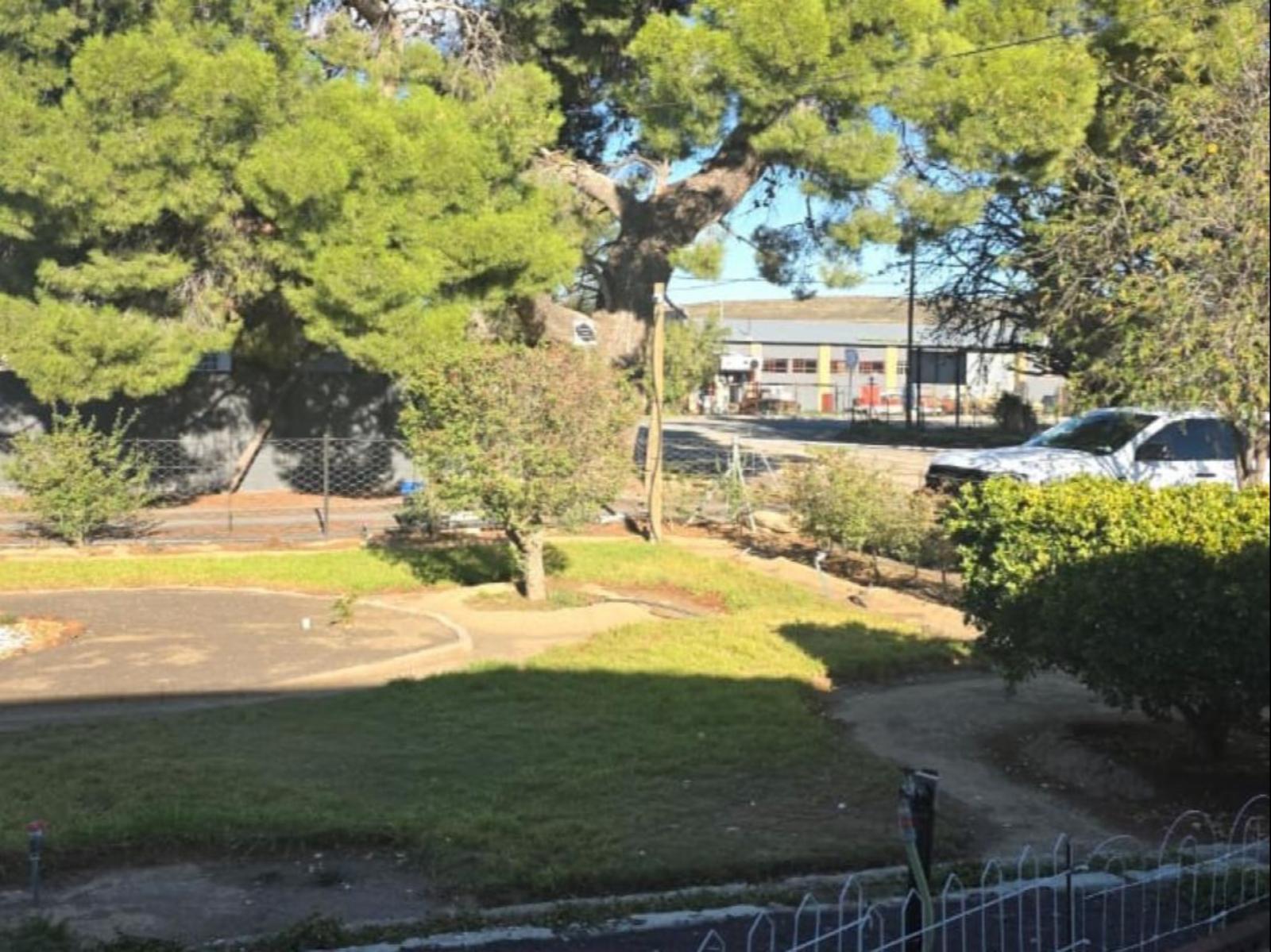
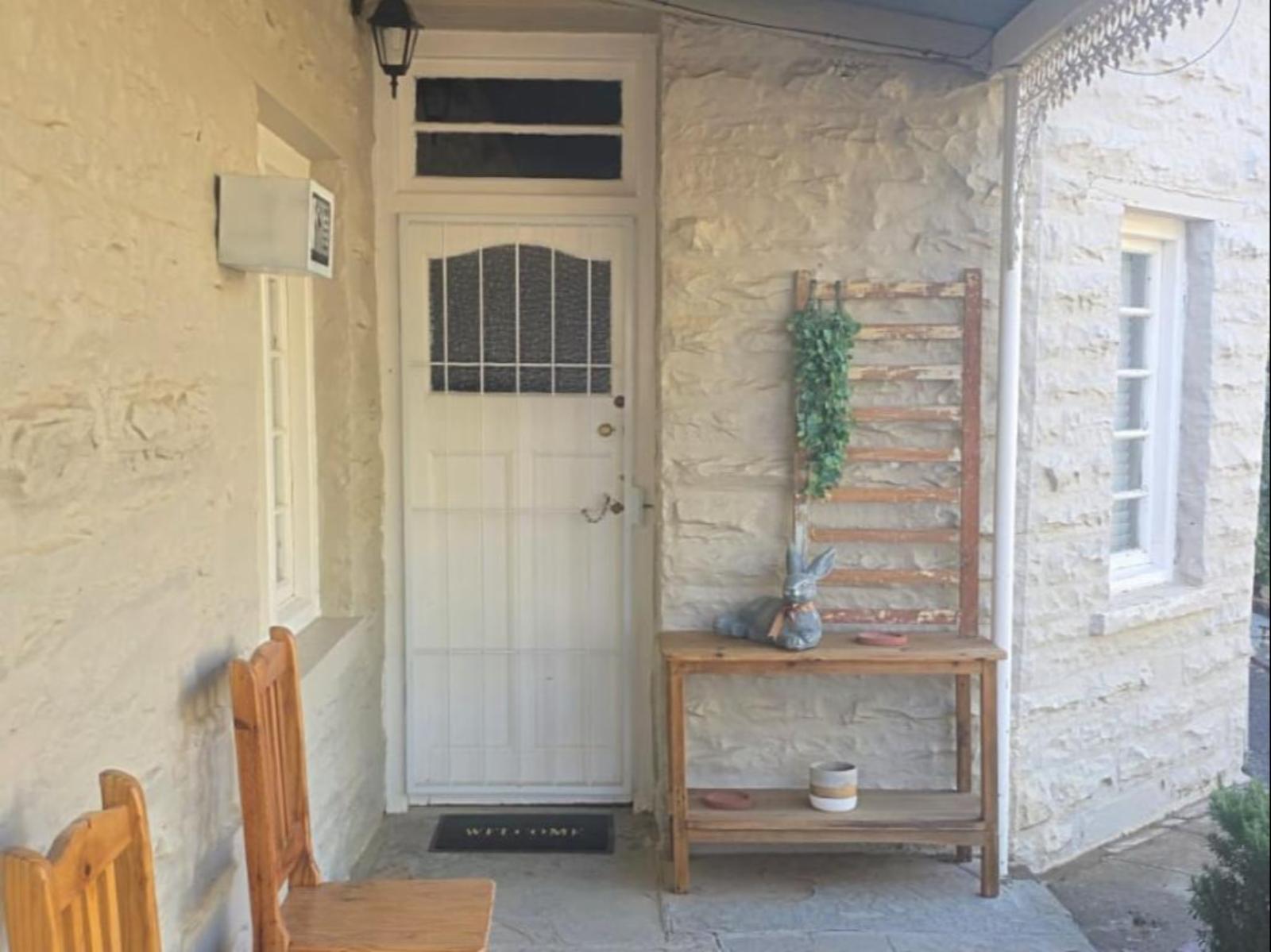
Sutherland is a small, isolated town and its accommodation scene reflects that scale. There are currently no properties indexed through standard online booking channels, but the town does have options for visitors who contact establishments directly or book through local tourism offices. The choices tend to be characterful rather than corporate, shaped by the surrounding Karoo landscape and the astronomy-driven visitor trade.
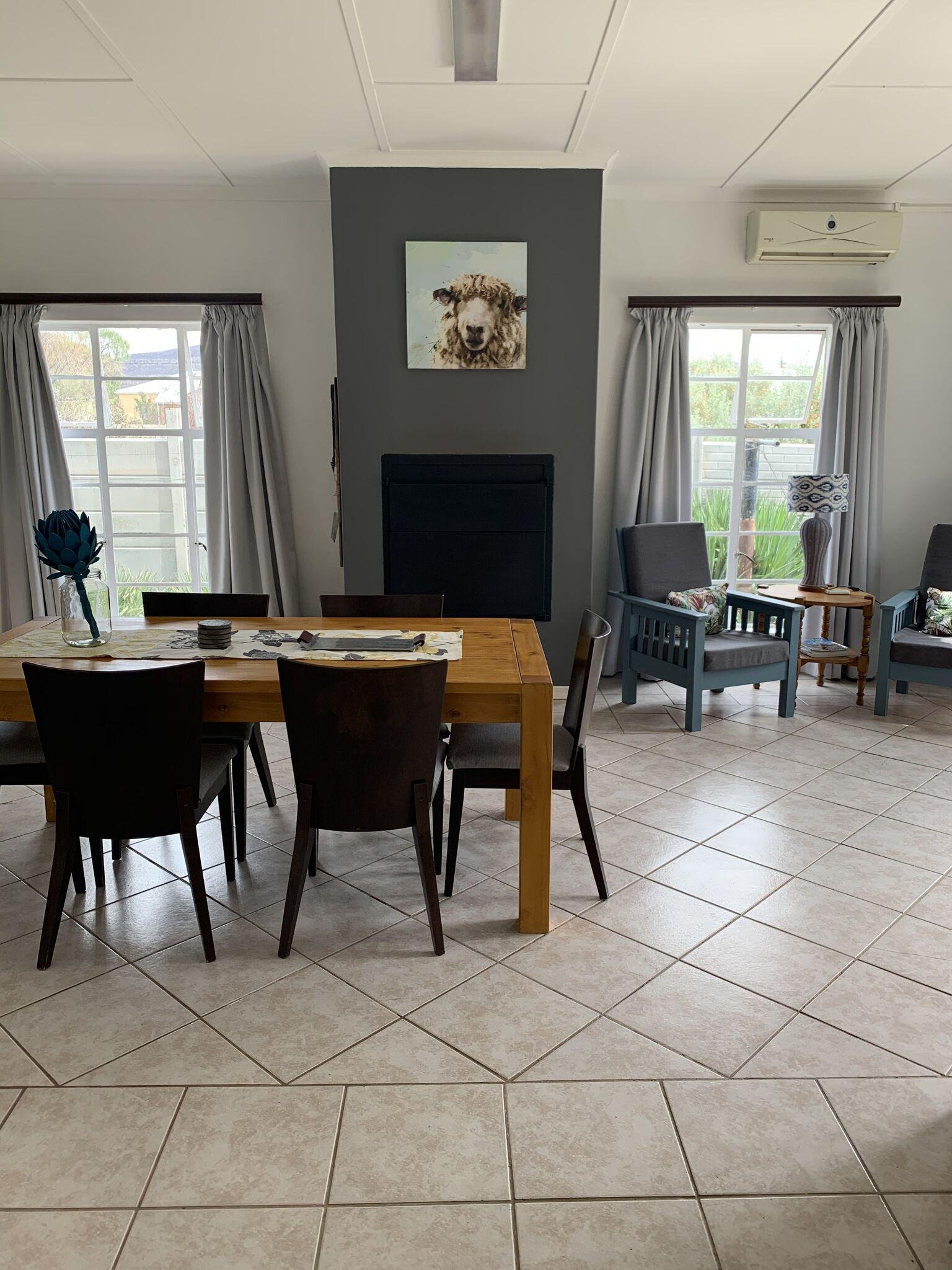
At the budget end, simple guesthouses and rooms in private homes provide a no-frills base for stargazers and road trippers who plan to spend most of their time outdoors. These places typically offer a bed, a hot breakfast, and enough warmth to recover from cold desert nights. Self-catering cottages sit in similar territory, giving visitors the flexibility to manage their own meals, which matters in a town with limited restaurant options.
Mid-range visitors tend to gravitate toward farm stays and guest cottages on working properties outside the town proper. These places often come with wide views across the Roggeveld plateau and, critically, genuinely dark skies away from even the modest light of the town centre. Many suit small groups or families planning to stay several nights and explore at their own pace.
For those willing to spend more, a handful of boutique guesthouses lean into the astronomy angle, offering telescope access and guided night-sky sessions alongside comfortable rooms. Hosts at these properties often have enough knowledge about southern hemisphere constellations and deep-sky objects to make the visit educational as well as comfortable. Availability at this tier can be tight during peak winter months when demand outstrips supply.
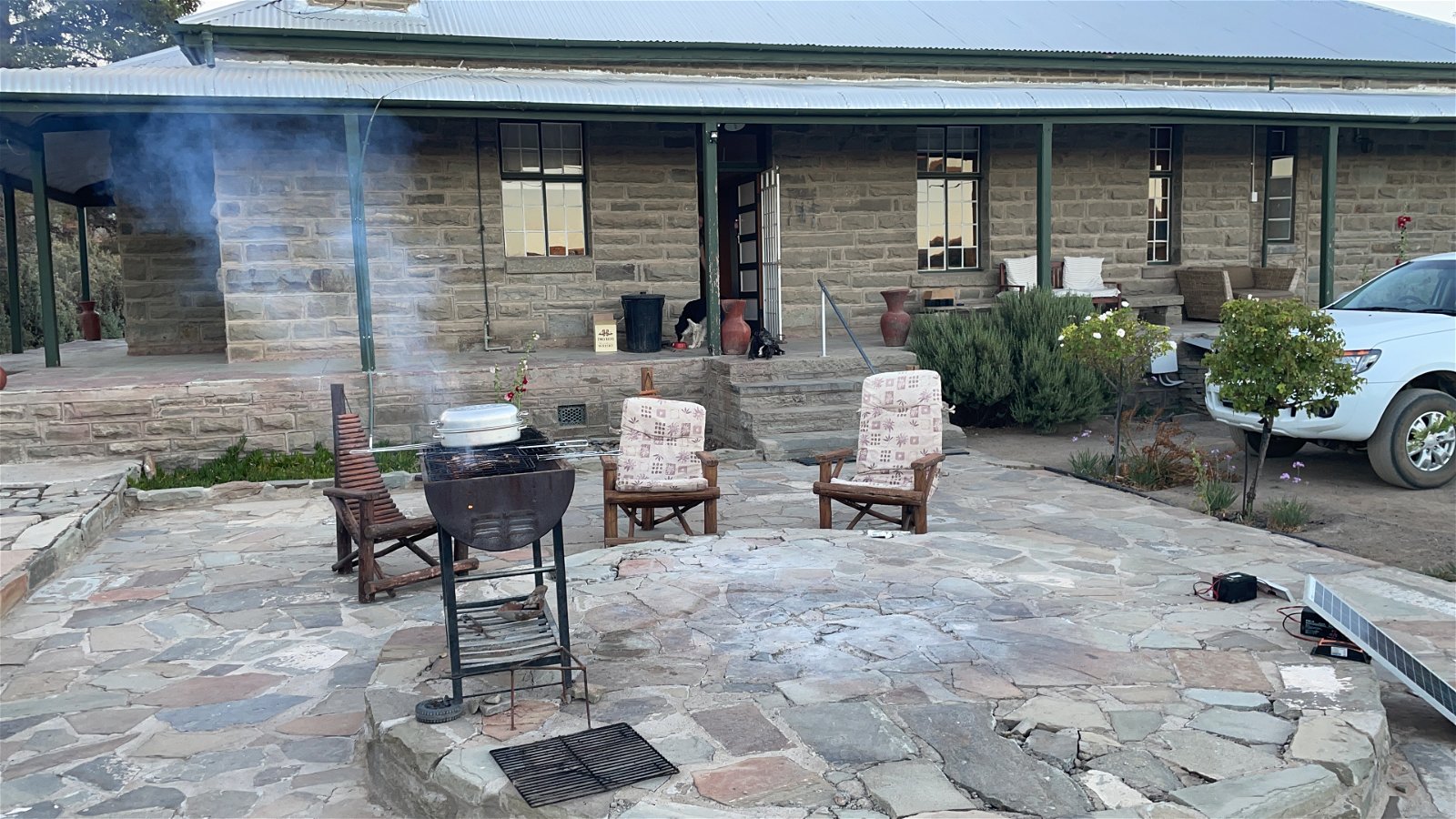
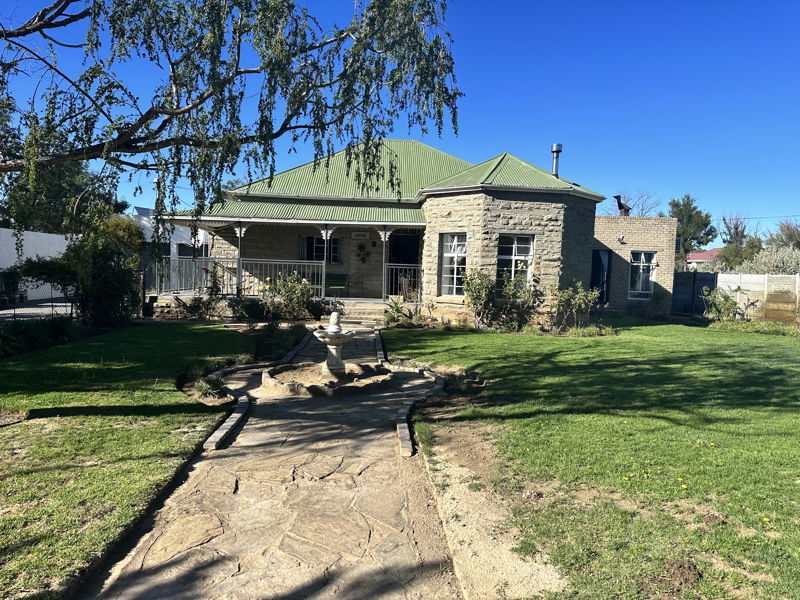
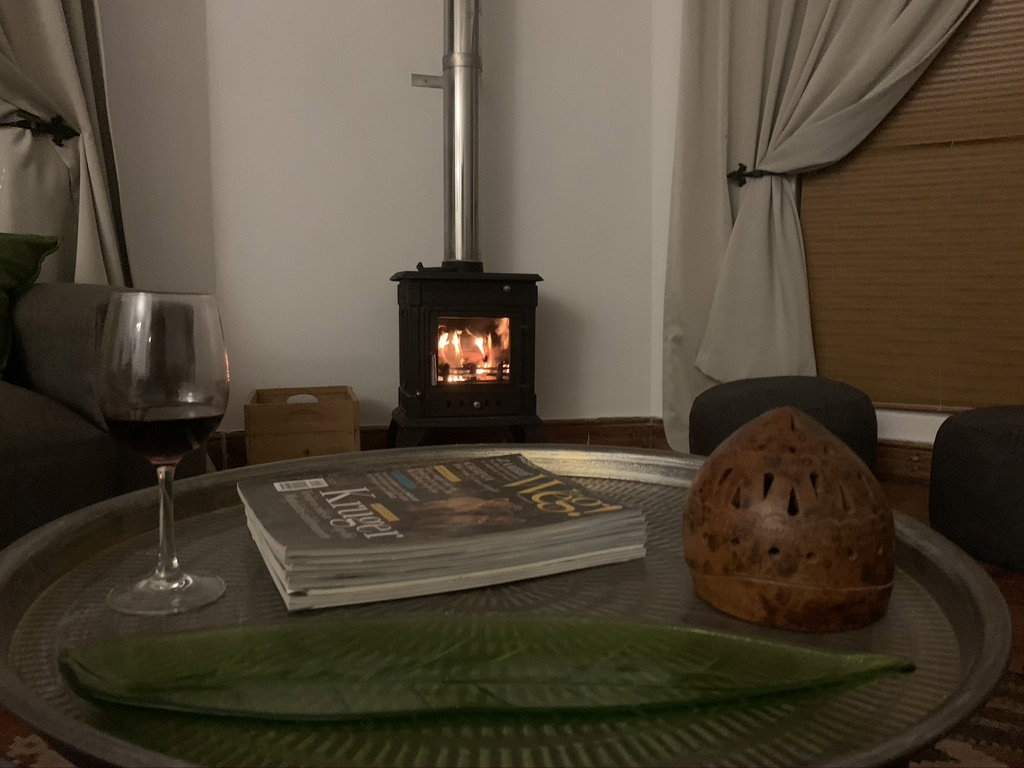
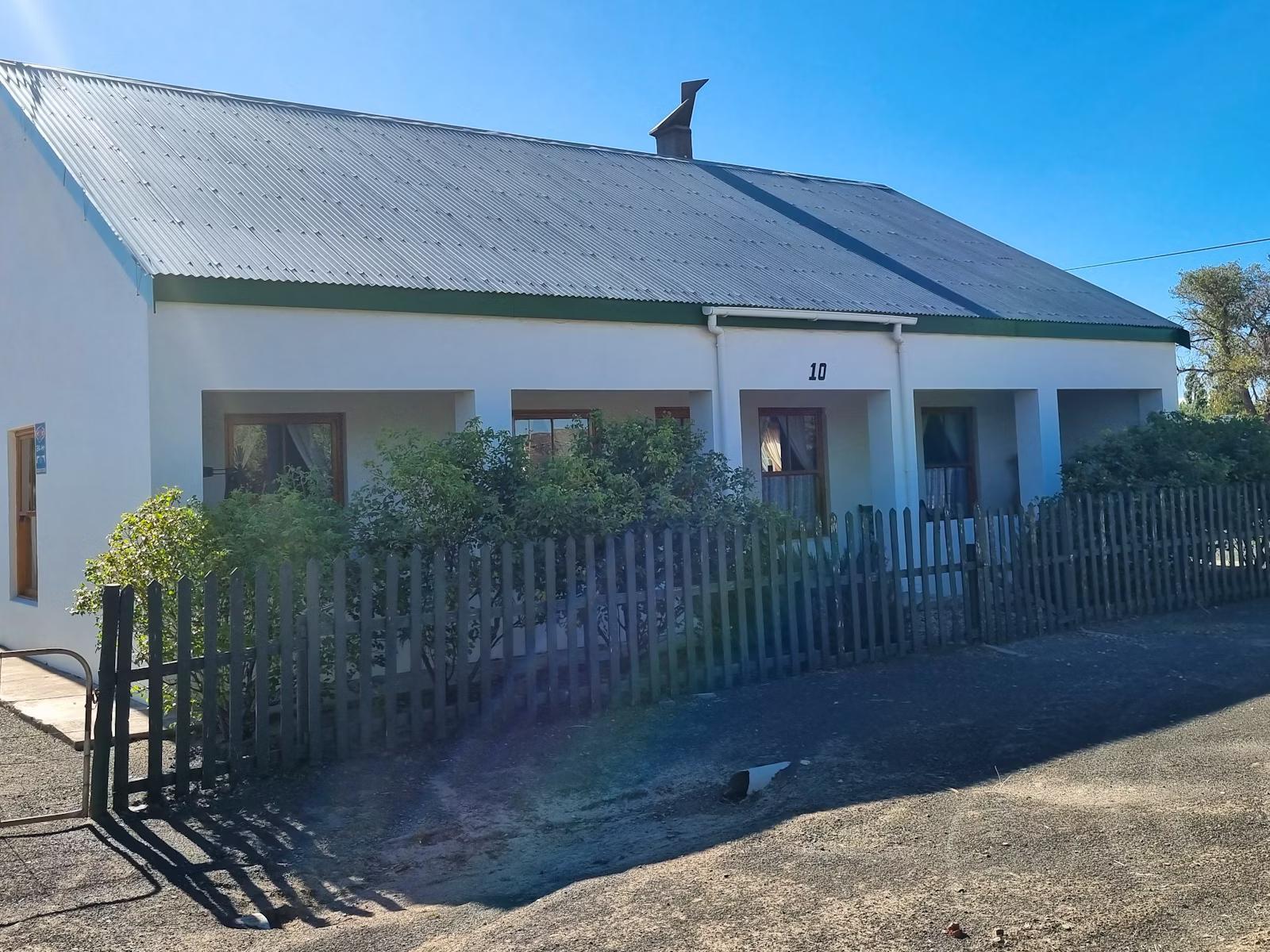
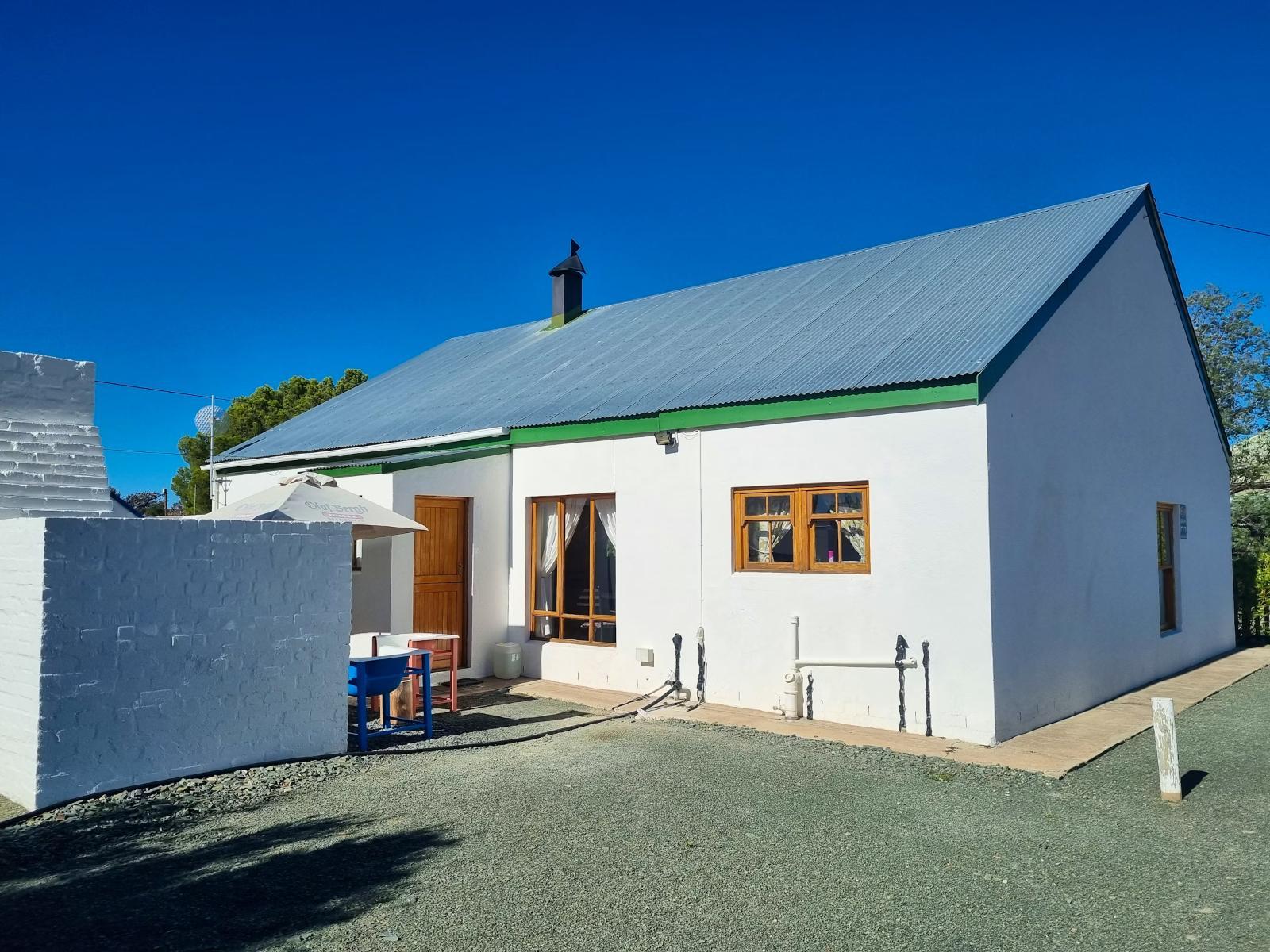
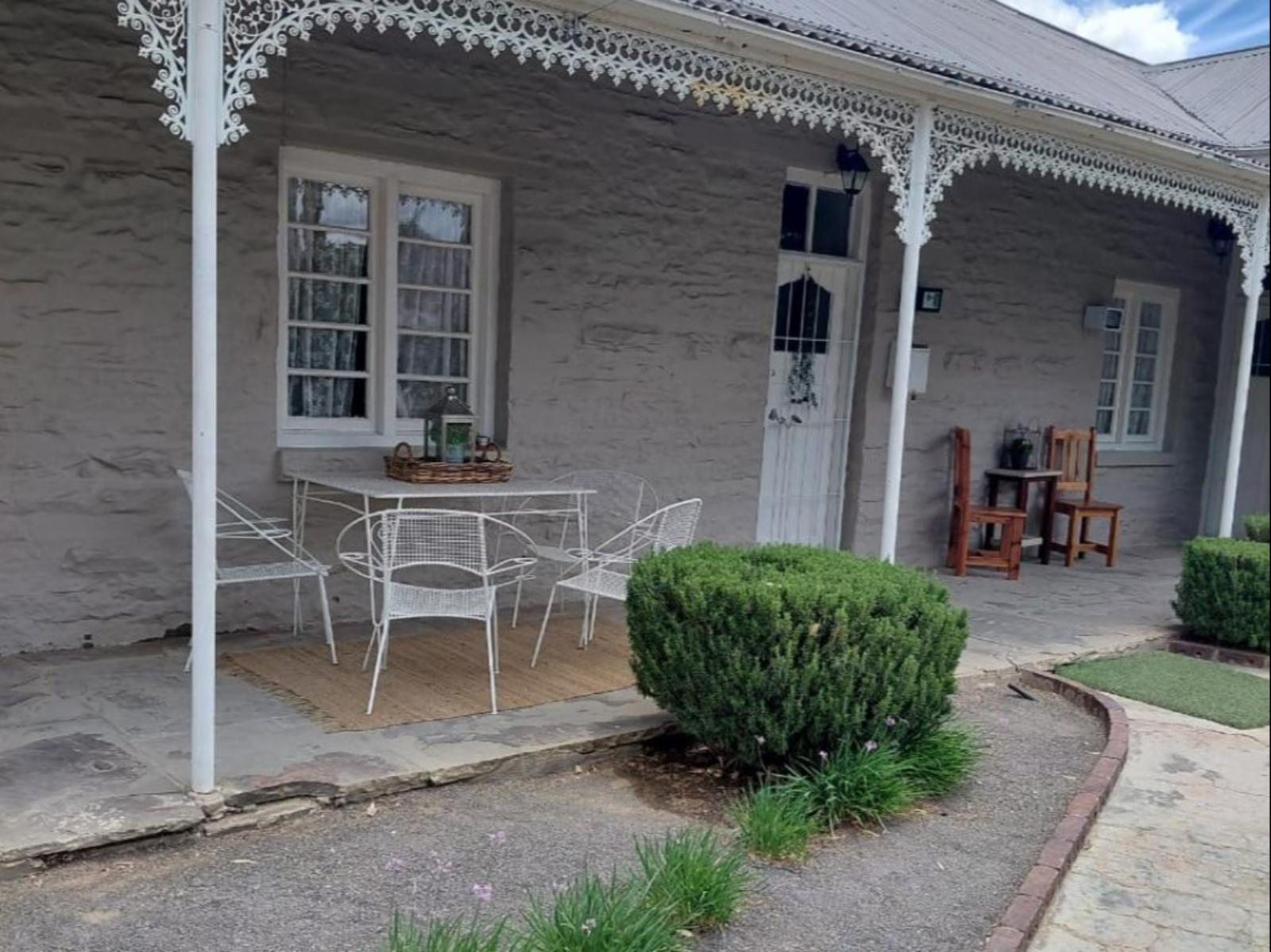
Across all tiers, the Karoo setting adds character that standardised hotels cannot replicate. Stone walls, thick duvets, wood fires, and views across open plains are common features regardless of what you pay. The accommodation market is small enough that early booking makes a real difference, particularly for winter visits.
---
## Best Time to Visit Sutherland
Sutherland sits at roughly 1,450 metres above sea level on the Roggeveld plateau, and the altitude shapes everything about the climate. Winters, from June through August, are genuinely cold. Temperatures regularly drop below freezing overnight, and snow falls several times each season, drawing visitors who want to experience snowfall in an otherwise arid interior. The cold also sharpens the atmosphere, improving astronomical visibility. Winter is the peak season for stargazers, though it demands proper clothing and preparation.
Spring, from September to November, brings milder days and the first wildflowers across the Karoo flats. The air is clear, winds typically settle, and the landscape comes alive in ways that reward walkers and birdwatchers. Summer, December to February, is warmer but still moderate compared to lower-lying regions, with afternoon thunderstorms providing occasional drama. Autumn, March to May, is the quietest period, with stable weather and fewer visitors.
For stargazing specifically, any clear, moonless night offers something worthwhile, but winter combines dry air, long nights, and low humidity for the best conditions overall. June and July book out faster than any other period, so planning ahead by at least two to three months is necessary for those dates.
---
## Getting to Sutherland
The most direct route from Cape Town follows the N1 north toward Matjiesfontein, then branches northeast via the R354 through the Tankwa Karoo and up the Gannaga Pass, covering roughly 360 kilometres in total. An alternative takes the N1 through Touws River to Laingsburg, then heads north on the R354. Both routes involve mountain passes and sections of gravel road, so a vehicle with reasonable ground clearance handles them more comfortably than a low-slung car.
There is no scheduled public transport serving Sutherland. The town's remoteness makes a private vehicle effectively essential, both for getting there and for moving around once you arrive. Car hire from Cape Town is the standard approach for visitors flying into the country. Travellers coming from the Garden Route can fly into George Airport, roughly 400 kilometres to the southeast, and drive north through the Little Karoo.
Fuel is available within Sutherland, but filling up before leaving a larger town is sensible, since long stretches of road have no services. Mobile reception on the approach roads can be patchy, so downloading offline navigation maps before departure is a practical precaution. The roads are driveable in a standard sedan under normal conditions, but the gravel sections reward slower speeds and some patience.
---
## Sutherland and Surrounding Areas
Sutherland makes a workable base for exploring a spread of towns across the central Karoo and beyond, each with its own distinct character.
**Laingsburg** (91km south) carries the weight of a catastrophic flood in 1981 that destroyed much of the town. A small museum documents the disaster with photographs and accounts from survivors, and the rebuilt town has a functional infrastructure that makes it a useful stop on the N1. The Buffels River running through the area supports some birdlife and offers a contrast to the drier country to the north.
**Touwsrivier** (120km southwest) is a railway town built around the practical business of keeping trains moving through the Hex River Mountains. It is not a destination in itself, but the approach from the south, where the N1 descends through one of the most dramatic mountain passes in the Western Cape, justifies the detour for drivers with time to spare.
**Calvinia** (132km northwest) is a larger Karoo centre with a regional museum and well-preserved Cape Dutch architecture along its main street. The Hantam region surrounding it is known for spring wildflower displays from July to September, when namaqualand daisies and vygies cover the flats in patterns visible from the road.
**Ladismith** (135km south) sits at the foot of the Swartberg range in the Little Karoo and is known for locally produced cheese, particularly a sharp cheddar variety. The Towerkop peak behind the town is a distinctive landmark, and passes from here give access to mountain routes into the Great Karoo.
**Groenfontein** (146km) serves as a gateway to the Gamkaskloof valley, known locally as Die Hel, an isolated farming valley reached by a demanding gravel road that draws four-wheel-drive enthusiasts and hikers looking for something off the standard circuit.
**De Doorns** (152km south) anchors South Africa's largest table grape production area in the Hex River Valley. In late summer, the valley floor is covered in vineyards framed by high mountain walls on both sides, a landscape that feels markedly different from the open plateau around Sutherland.
---
## Planning Your Stay
The combination of a small accommodation pool and a well-defined peak season means that Sutherland rewards forward planning more than most destinations of its size. June and July bookings should be made two to three months ahead, and weekends that coincide with public viewing events at the observatory fill even faster. Checking the observatory's event calendar before settling on dates will help you time the visit to match what you actually want to do.
Before confirming any booking, verify that the property has adequate heating. Winters in Sutherland are cold enough that a room without a heater or fireplace will be uncomfortable, and this detail is not always prominent in descriptions. If the property is on a farm outside town rather than in the centre, ask about road conditions and whether the approach is navigable at night, as gravel tracks can be confusing in the dark for first-time visitors.
Dining options in town are limited, so knowing whether your accommodation includes meals, or whether you will need to self-cater, is worth confirming before you arrive. If self-catering, stock up on supplies in Laingsburg or another town on the way up. Mobile data coverage can drop out on approach roads and sometimes within town, so download star charts, offline maps, and booking confirmations before leaving a city.

Sutherland is a small, isolated town and its accommodation scene reflects that scale. There are currently no properties indexed through standard online booking channels, but the town does have options for visitors who contact establishments directly or book through local tourism offices. The choices tend to be characterful rather than corporate, shaped by the surrounding Karoo landscape and the astronomy-driven visitor trade.
At the budget end, simple guesthouses and rooms in private homes provide a no-frills base for stargazers and road trippers who plan to spend most of their time outdoors. These places typically offer a bed, a hot breakfast, and enough warmth to recover from cold desert nights. Self-catering cottages sit in similar territory, giving visitors the flexibility to manage their own meals, which matters in a town with limited restaurant options.
Mid-range visitors tend to gravitate toward farm stays and guest cottages on working properties outside the town proper. These places often come with wide views across the Roggeveld plateau and, critically, genuinely dark skies away from even the modest light of the town centre. Many suit small groups or families planning to stay several nights and explore at their own pace.
For those willing to spend more, a handful of boutique guesthouses lean into the astronomy angle, offering telescope access and guided night-sky sessions alongside comfortable rooms. Hosts at these properties often have enough knowledge about southern hemisphere constellations and deep-sky objects to make the visit educational as well as comfortable. Availability at this tier can be tight during peak winter months when demand outstrips supply.
Across all tiers, the Karoo setting adds character that standardised hotels cannot replicate. Stone walls, thick duvets, wood fires, and views across open plains are common features regardless of what you pay. The accommodation market is small enough that early booking makes a real difference, particularly for winter visits.
---
## Best Time to Visit Sutherland
Sutherland sits at roughly 1,450 metres above sea level on the Roggeveld plateau, and the altitude shapes everything about the climate. Winters, from June through August, are genuinely cold. Temperatures regularly drop below freezing overnight, and snow falls several times each season, drawing visitors who want to experience snowfall in an otherwise arid interior. The cold also sharpens the atmosphere, improving astronomical visibility. Winter is the peak season for stargazers, though it demands proper clothing and preparation.
Spring, from September to November, brings milder days and the first wildflowers across the Karoo flats. The air is clear, winds typically settle, and the landscape comes alive in ways that reward walkers and birdwatchers. Summer, December to February, is warmer but still moderate compared to lower-lying regions, with afternoon thunderstorms providing occasional drama. Autumn, March to May, is the quietest period, with stable weather and fewer visitors.
For stargazing specifically, any clear, moonless night offers something worthwhile, but winter combines dry air, long nights, and low humidity for the best conditions overall. June and July book out faster than any other period, so planning ahead by at least two to three months is necessary for those dates.
---
## Getting to Sutherland
The most direct route from Cape Town follows the N1 north toward Matjiesfontein, then branches northeast via the R354 through the Tankwa Karoo and up the Gannaga Pass, covering roughly 360 kilometres in total. An alternative takes the N1 through Touws River to Laingsburg, then heads north on the R354. Both routes involve mountain passes and sections of gravel road, so a vehicle with reasonable ground clearance handles them more comfortably than a low-slung car.
There is no scheduled public transport serving Sutherland. The town's remoteness makes a private vehicle effectively essential, both for getting there and for moving around once you arrive. Car hire from Cape Town is the standard approach for visitors flying into the country. Travellers coming from the Garden Route can fly into George Airport, roughly 400 kilometres to the southeast, and drive north through the Little Karoo.
Fuel is available within Sutherland, but filling up before leaving a larger town is sensible, since long stretches of road have no services. Mobile reception on the approach roads can be patchy, so downloading offline navigation maps before departure is a practical precaution. The roads are driveable in a standard sedan under normal conditions, but the gravel sections reward slower speeds and some patience.
---
## Sutherland and Surrounding Areas
Sutherland makes a workable base for exploring a spread of towns across the central Karoo and beyond, each with its own distinct character.
**Laingsburg** (91km south) carries the weight of a catastrophic flood in 1981 that destroyed much of the town. A small museum documents the disaster with photographs and accounts from survivors, and the rebuilt town has a functional infrastructure that makes it a useful stop on the N1. The Buffels River running through the area supports some birdlife and offers a contrast to the drier country to the north.
**Touwsrivier** (120km southwest) is a railway town built around the practical business of keeping trains moving through the Hex River Mountains. It is not a destination in itself, but the approach from the south, where the N1 descends through one of the most dramatic mountain passes in the Western Cape, justifies the detour for drivers with time to spare.
**Calvinia** (132km northwest) is a larger Karoo centre with a regional museum and well-preserved Cape Dutch architecture along its main street. The Hantam region surrounding it is known for spring wildflower displays from July to September, when namaqualand daisies and vygies cover the flats in patterns visible from the road.
**Ladismith** (135km south) sits at the foot of the Swartberg range in the Little Karoo and is known for locally produced cheese, particularly a sharp cheddar variety. The Towerkop peak behind the town is a distinctive landmark, and passes from here give access to mountain routes into the Great Karoo.
**Groenfontein** (146km) serves as a gateway to the Gamkaskloof valley, known locally as Die Hel, an isolated farming valley reached by a demanding gravel road that draws four-wheel-drive enthusiasts and hikers looking for something off the standard circuit.
**De Doorns** (152km south) anchors South Africa's largest table grape production area in the Hex River Valley. In late summer, the valley floor is covered in vineyards framed by high mountain walls on both sides, a landscape that feels markedly different from the open plateau around Sutherland.
---
## Planning Your Stay
The combination of a small accommodation pool and a well-defined peak season means that Sutherland rewards forward planning more than most destinations of its size. June and July bookings should be made two to three months ahead, and weekends that coincide with public viewing events at the observatory fill even faster. Checking the observatory's event calendar before settling on dates will help you time the visit to match what you actually want to do.
Before confirming any booking, verify that the property has adequate heating. Winters in Sutherland are cold enough that a room without a heater or fireplace will be uncomfortable, and this detail is not always prominent in descriptions. If the property is on a farm outside town rather than in the centre, ask about road conditions and whether the approach is navigable at night, as gravel tracks can be confusing in the dark for first-time visitors.
Dining options in town are limited, so knowing whether your accommodation includes meals, or whether you will need to self-cater, is worth confirming before you arrive. If self-catering, stock up on supplies in Laingsburg or another town on the way up. Mobile data coverage can drop out on approach roads and sometimes within town, so download star charts, offline maps, and booking confirmations before leaving a city.
Sutherland Kaart
Nabygeleë Bestemmings
Blaai Deur Alle Sutherland Akkommodasie
Bekyk al 0 akkommodasie-opsies in Sutherland met foto's, pryse en beskikbaarheid.
Blaai Deur Alle Akkommodasie