Ceres Reis- & Akkommodasiegids
Jou volledige gids om Ceres, Suid-Afrika te besoek.
Ceres provides opportunities for hiking and exploring the surrounding mountains and valleys. The area features fruit farms that produce apples and pears, drawing visitors interested in agriculture and fresh produce. With its cooler climate, it serves as a refreshing destination for outdoor enthusiasts.
## Accommodation in Ceres
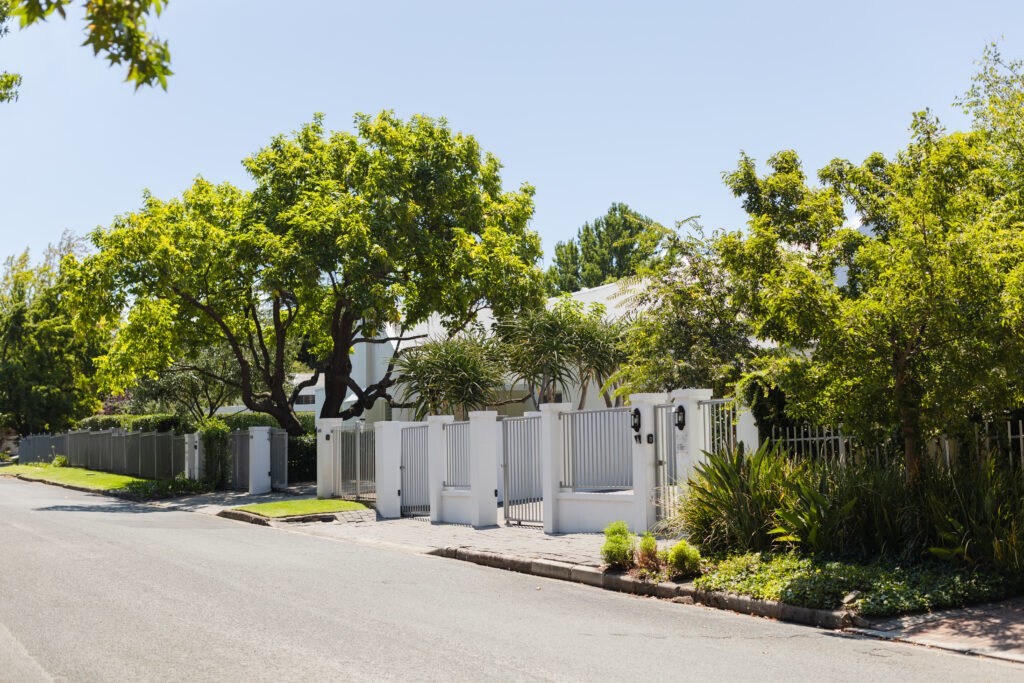
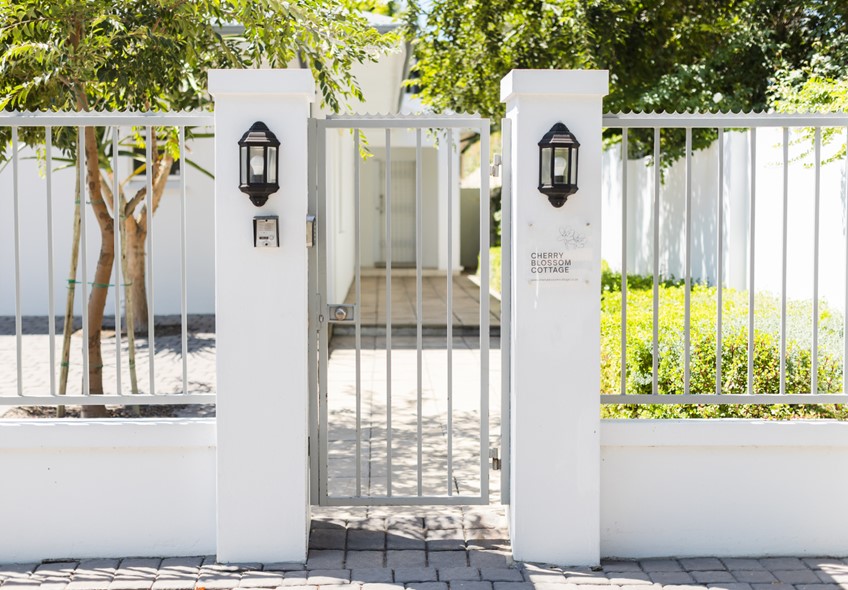
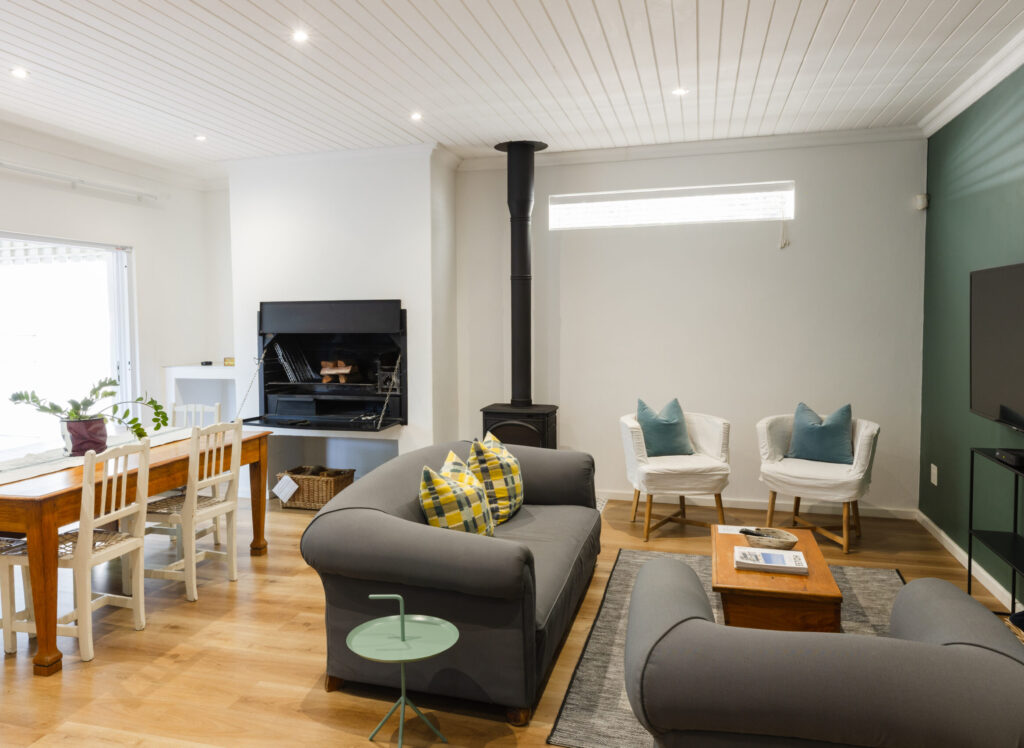
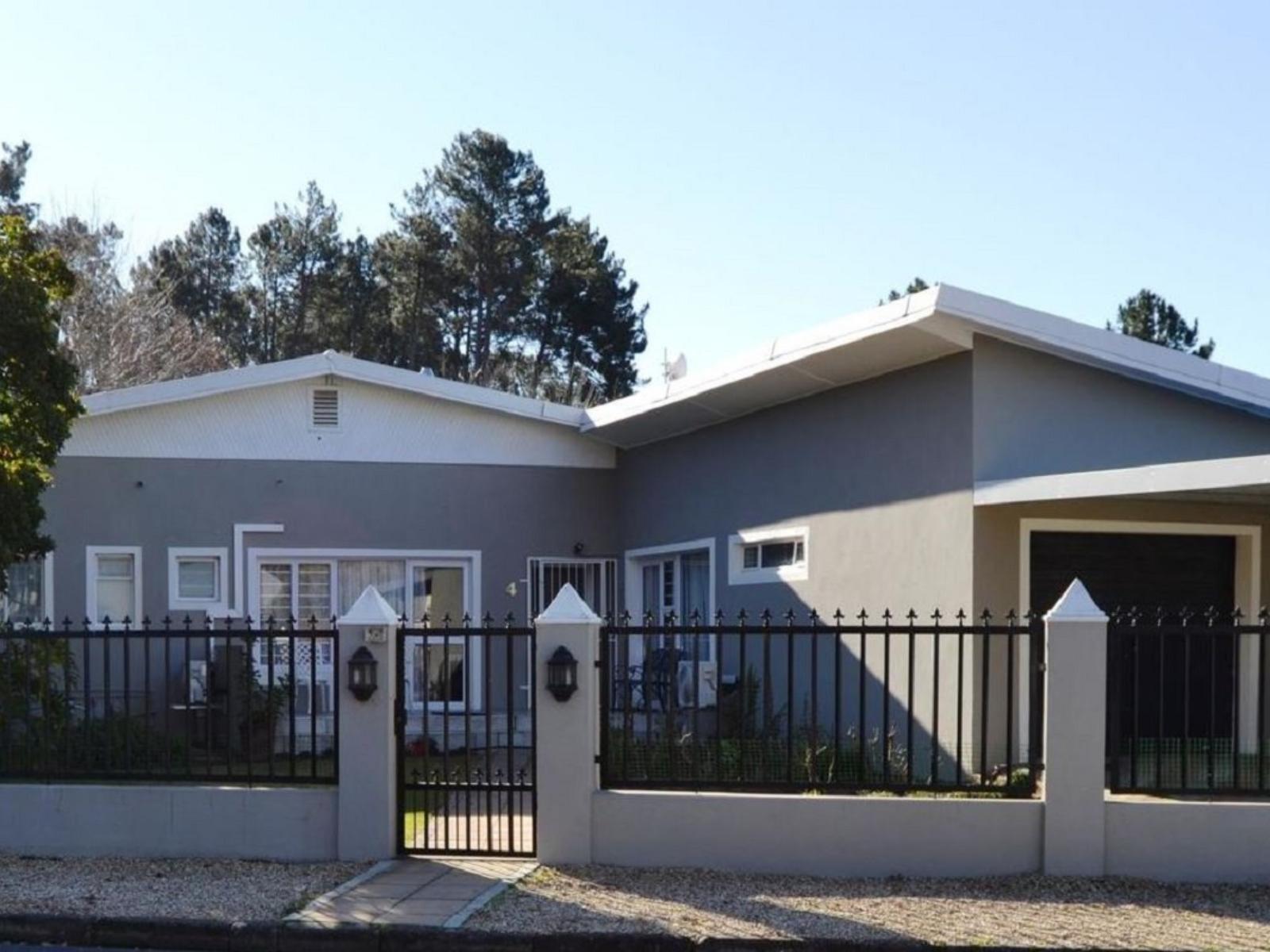
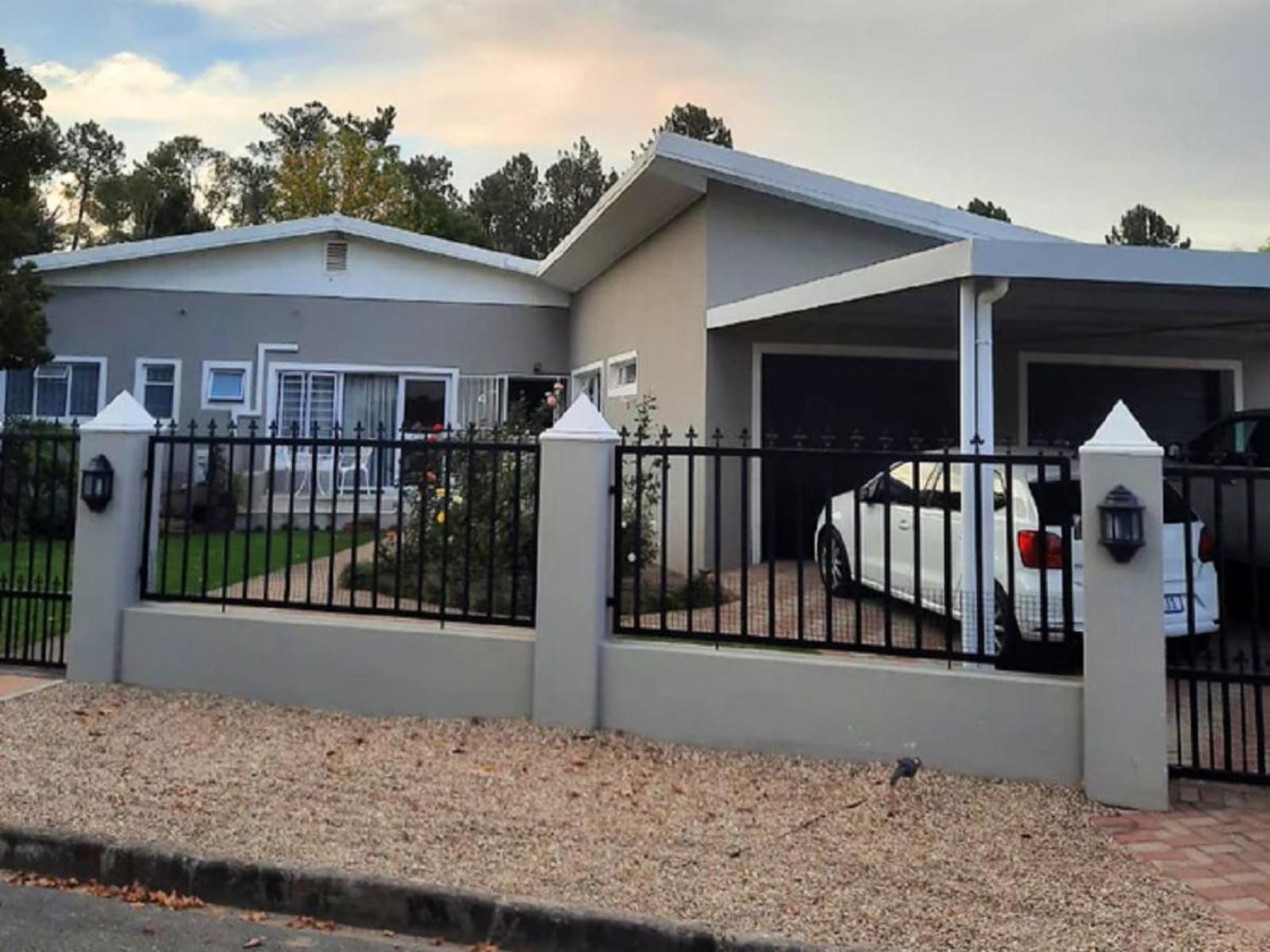
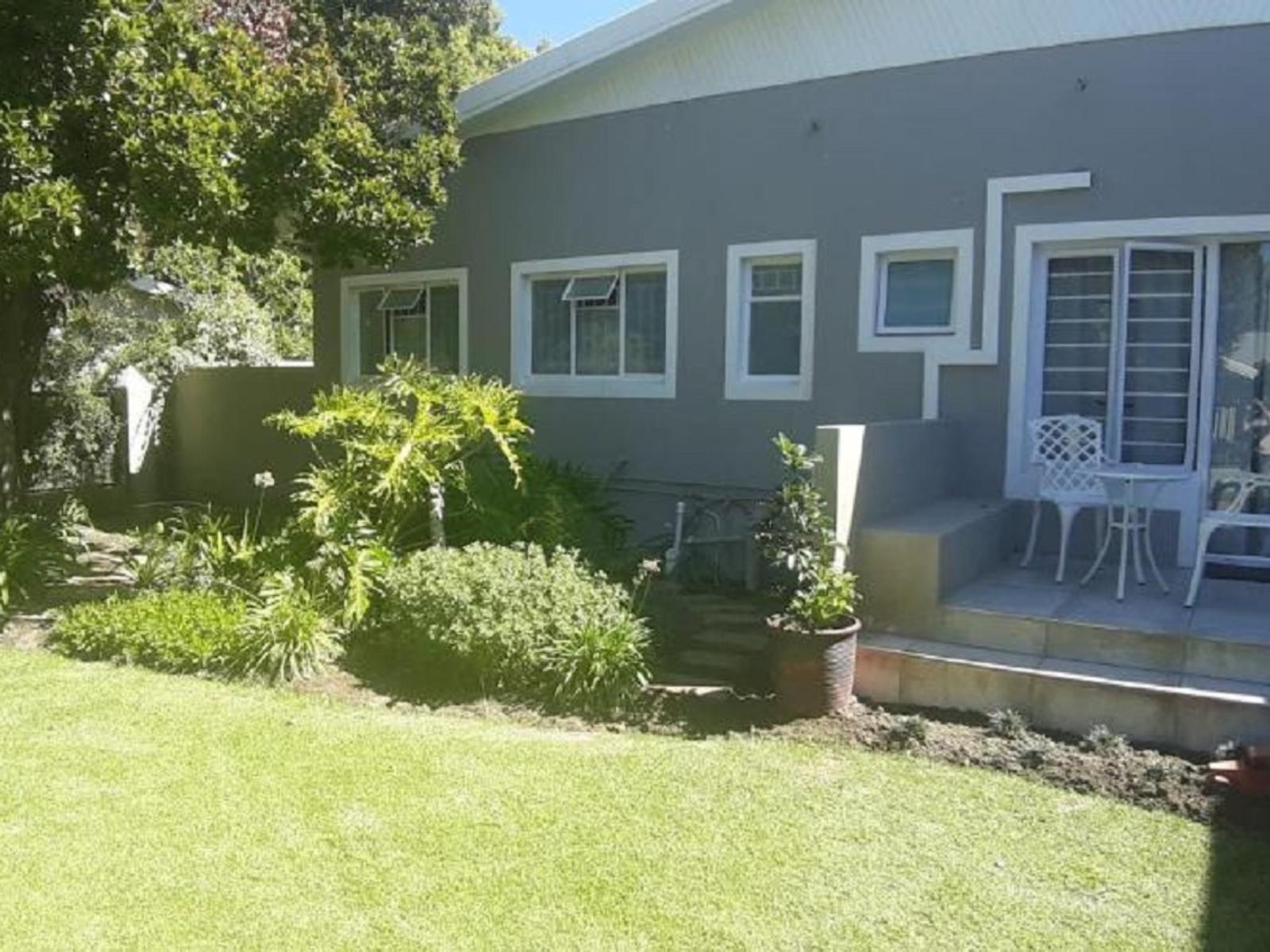
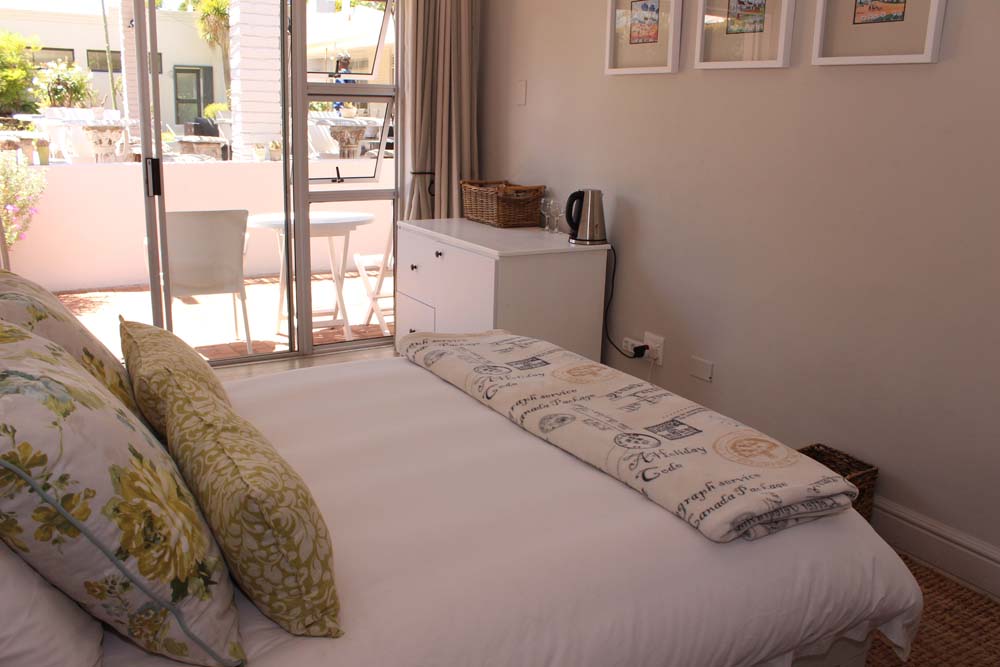
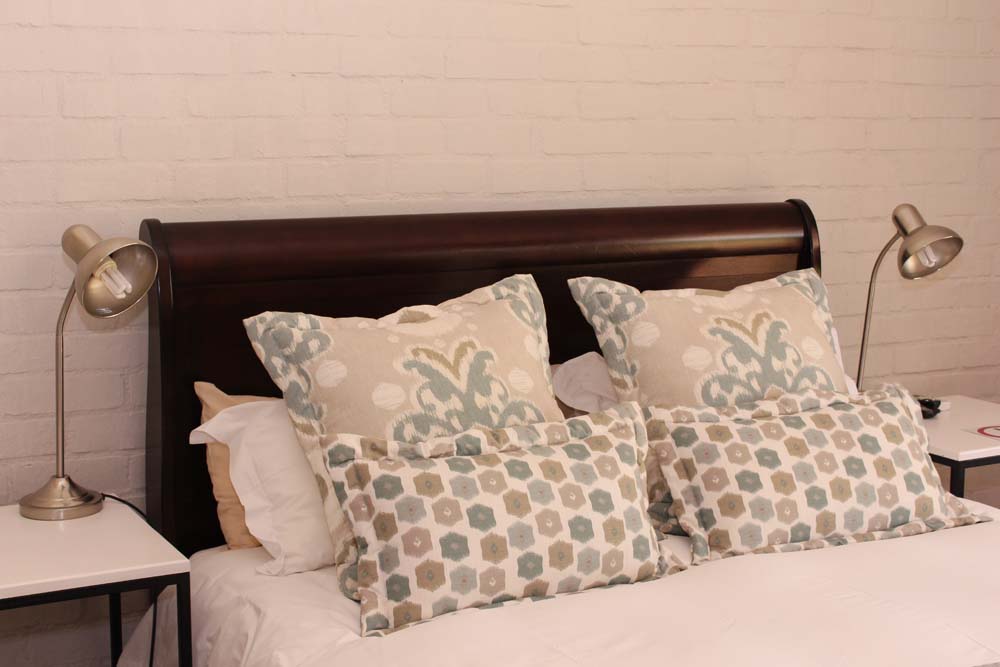
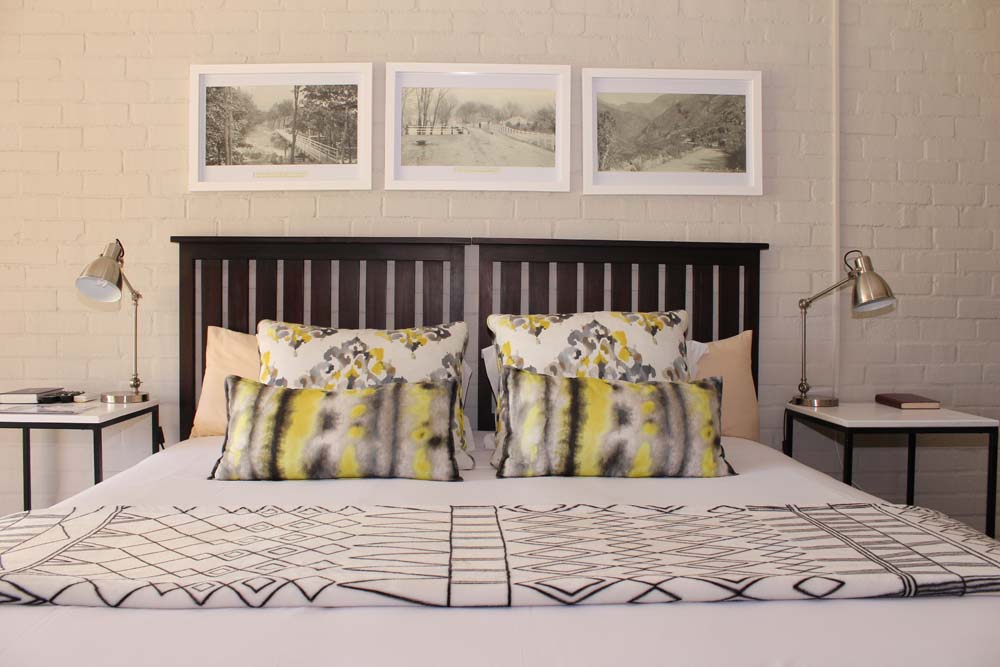
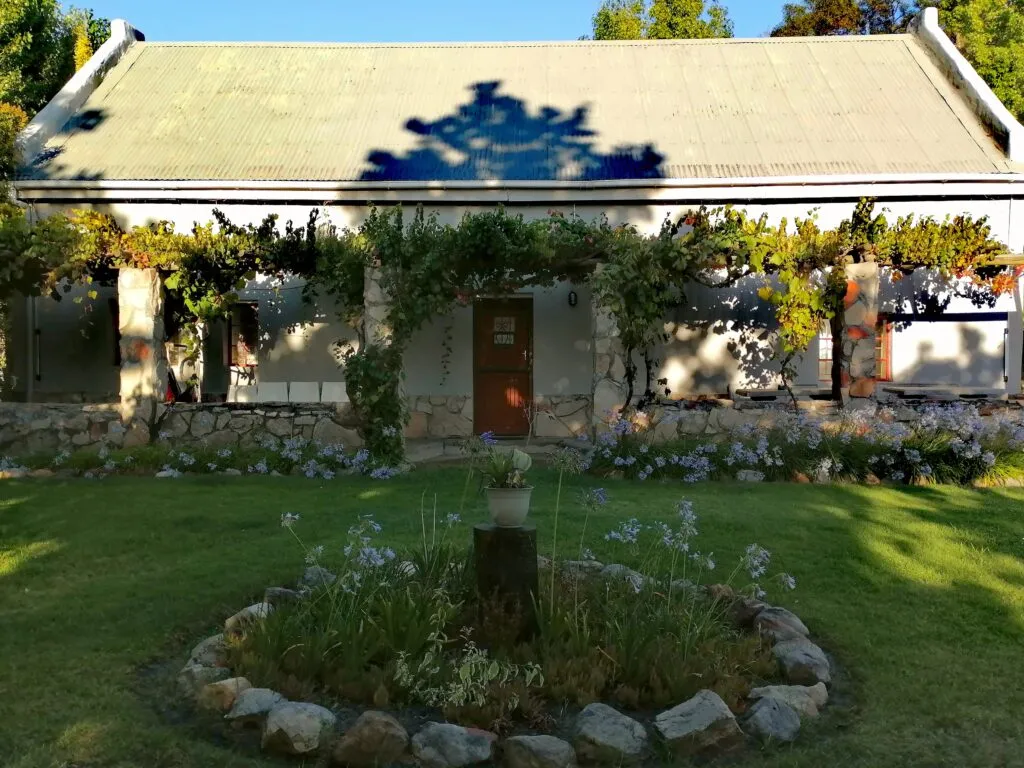
The accommodation scene in Ceres centres largely on farm stays and rural guesthouses, reflecting the town's agricultural character rather than a conventional hotel market. With 0 properties currently listed on this platform and pricing not yet available, prospective visitors should contact local tourism offices or reach out directly to properties for current rates.
At the budget end, self-catering cottages on working fruit farms are among the most widely available options in the area. These offer basic facilities alongside direct access to orchard landscapes, and suit families who want space and independence without paying guesthouse rates. Backpacker infrastructure is limited within Ceres itself, so budget travellers often find a self-catering cottage the most practical affordable choice.
Mid-range options open up considerably. Farm guesthouses in this bracket typically include breakfast and offer guided walks or fruit tastings as part of the stay. Bed-and-breakfast establishments within the town itself tend to be smaller and personally run, often by local families who can give useful practical guidance on the surrounding roads and attractions. Several sit within walking distance of the town centre shops and museum.
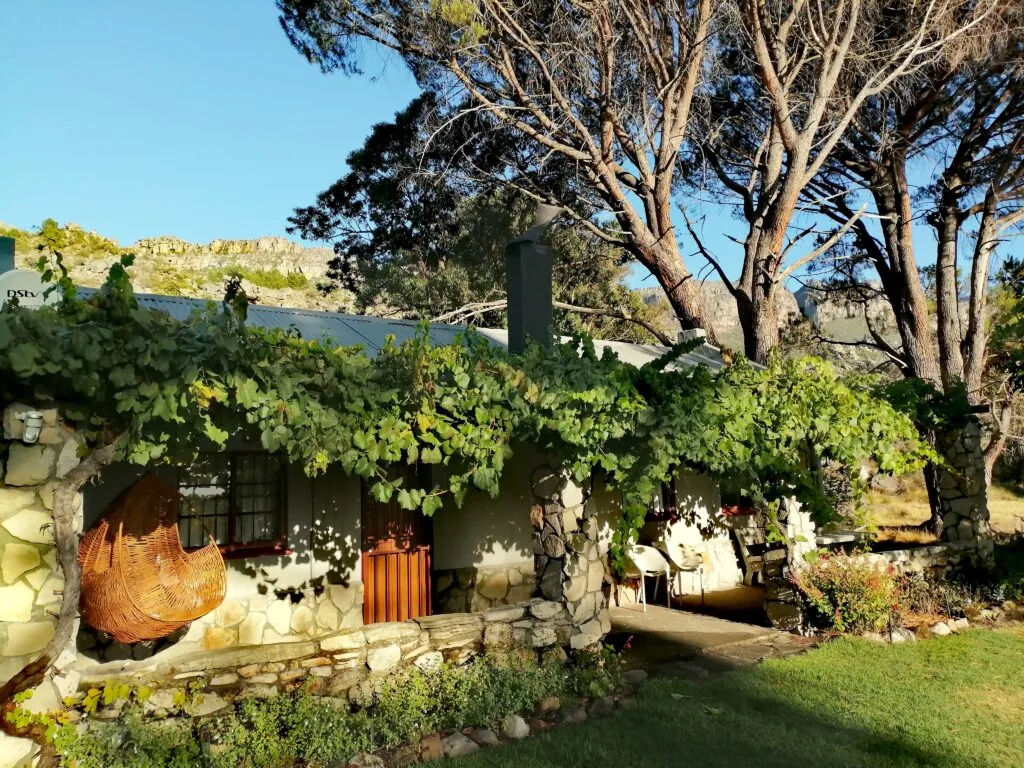
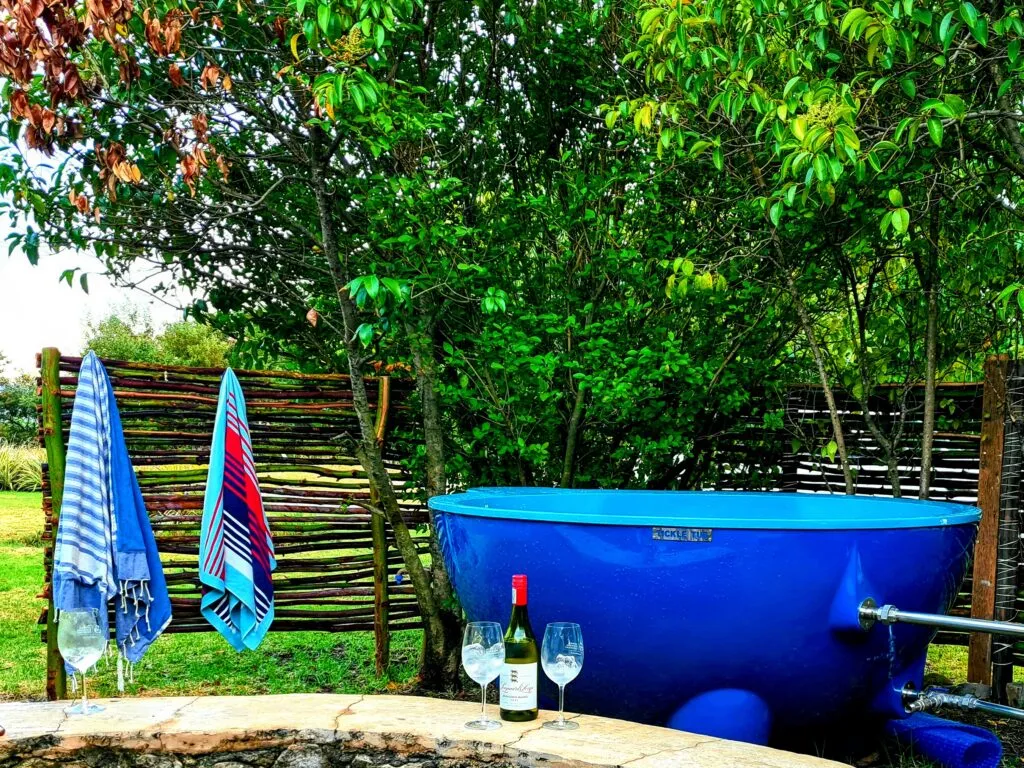
At the upper end, boutique farm lodges use the surrounding mountain and orchard scenery to their advantage. These properties often feature private gardens, outdoor pools, and farm-oriented dining. Some cater specifically to wedding groups or small corporate gatherings, which can limit availability during summer and harvest season.
Whatever suits your budget, staying on or near one of the farms gives a more grounded sense of place than accommodation in the town centre. The proximity to working orchards, particularly during the autumn harvest, adds context that a standard guesthouse stay in a nearby town simply cannot replicate.
---
## Best Time to Visit Ceres
Spring, from September through November, is a strong window for a visit. Orchards come into bloom, temperatures sit at a comfortable range for hiking, and the roads into the Skurweberg mountains are clear. Birdwatching in the surrounding reserves is at its most productive during this period, with the Cape sugarbird reliably present.
Summer (December to February) brings warm days well suited to farm visits, higher-altitude hiking, and exploring river spots. The annual fruit festival, which celebrates the deciduous harvest, typically falls in late summer or early autumn and draws considerable crowds from across the region. School holidays align with this period, so booking ahead is essential.
Autumn, from March into May, sees cooler evenings while daytime conditions remain comfortable. The harvest is in full swing, making it one of the better seasons for anyone specifically interested in farm life and orchard activities.
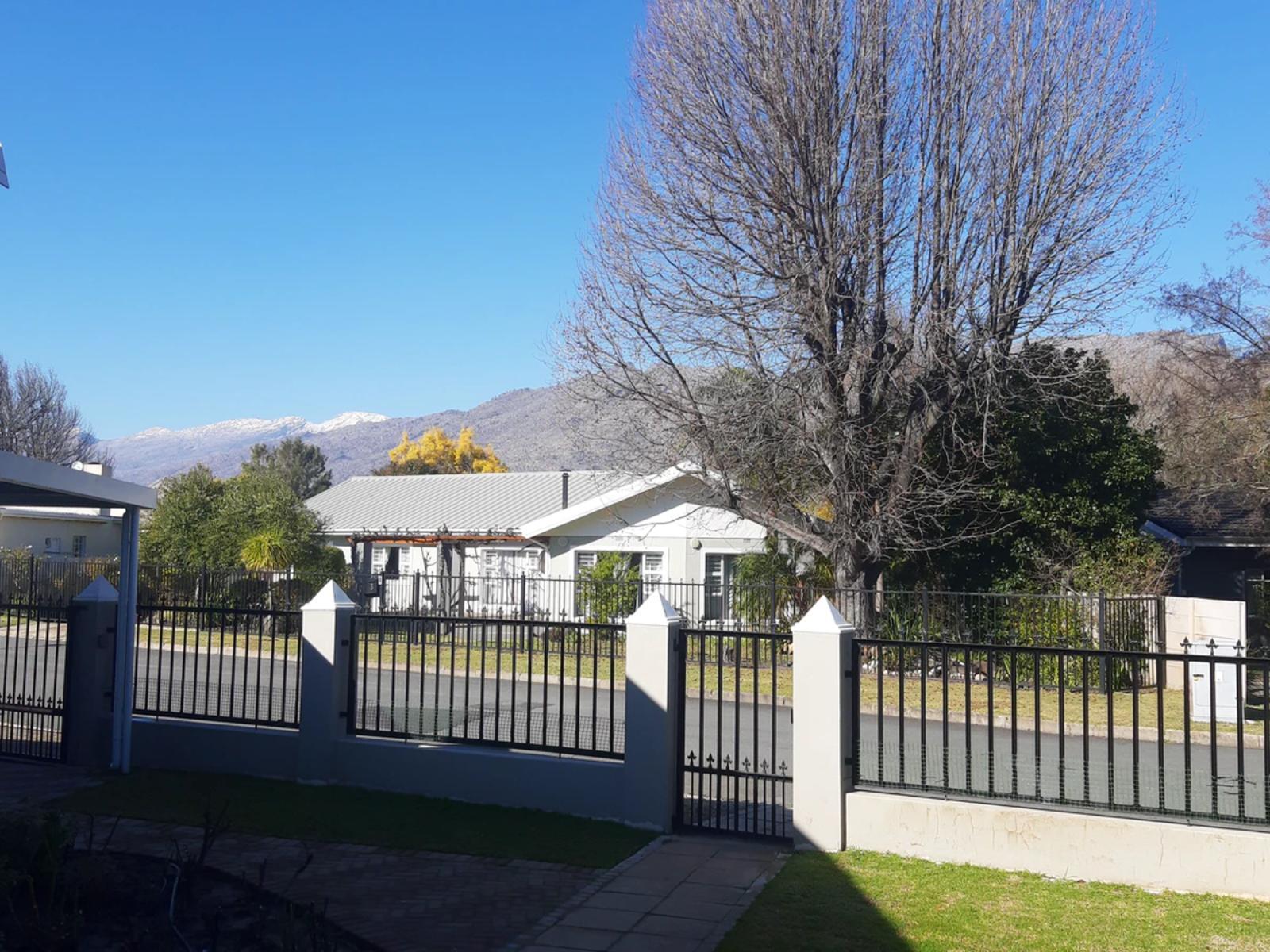
Winter (June to August) is cold, with frost on lower ground and snow on higher peaks. These snow events draw day-trippers from Cape Town in large numbers, creating short-lived spikes in local demand. Outside of those windows, winter is quieter, which works in favour of travellers who prefer fewer visitors and a slower pace.
---
## Getting to Ceres
Ceres sits approximately 145 kilometres north-east of Cape Town, a drive of roughly two hours under normal conditions. The standard route follows the N1 from Cape Town through Paarl, then transitions onto the R44 and R46 through Michell's Pass, a mountain road with notable views and some historical significance as a 19th-century engineering project.
Cape Town International Airport is the nearest major airport, served by domestic routes from Johannesburg, Durban, and other centres, as well as international flights. From the airport, hiring a car is the most practical arrangement. There is no direct scheduled coach service to Ceres. Long-distance buses stop at Worcester, 33 kilometres away, from where a local taxi or pre-arranged transfer would cover the remaining distance.
From the north, the R46 connects Ceres with Clanwilliam and the Cederberg region via the N7, making it a natural stopping point for travellers combining it with a West Coast or Namaqualand itinerary.
Once in Ceres, a private vehicle is effectively a necessity. The town itself is compact and walkable, but farms, trails, and most accommodation options are spread across valley roads and mountain approaches that are not served by any formal public transport. Car hire from Cape Town remains the standard approach for most independent visitors.
---
## Ceres and Surrounding Areas
Several distinct destinations sit within 35 kilometres of Ceres, each offering something different from the fruit-farming landscape of the Witzenberg Valley.
**Wolseley**, 11 kilometres south, is a small service town at the convergence of the Hex River and Witzenberg valleys. The drive between the two towns through the valley floor gives one of the clearest impressions of the agricultural scale of the region, with rows of orchards stretching to the mountain slopes on both sides of the road.
**Tulbagh**, 18 kilometres to the south-east, contains one of the best-preserved concentrations of Cape Dutch architecture in the country. Church Street is a National Monument, lined with whitewashed gabled buildings from the 18th and 19th centuries. Wine estates on the outskirts of Tulbagh produce cool-climate varieties and offer tastings. It is a natural half-day excursion from Ceres, requiring no highway driving.
**Groenfontein**, 29 kilometres out, is a quiet farming valley with very little tourist infrastructure. The draw is primarily the scenery and the absence of other visitors. It functions better as part of a loop drive than as a standalone destination, but for those who prefer uncrowded countryside, the road through it is worth the detour.
**Worcester**, 33 kilometres south-east along the R43, is the largest town in the Breede River Valley and provides the most practical services in the region: larger supermarkets, a hospital, filling stations, and a broader choice of restaurants. The Karoo Desert National Botanical Garden here is particularly impressive in spring, when succulents are in flower. Worcester also anchors the Breedekloof wine route.
**De Doorns**, 35 kilometres away in the Hex River Valley, is the country's primary table grape-producing area. The valley is enclosed by steep mountains on both sides, giving it a different character altogether from the Ceres basin, and it is worth a drive in summer when the vineyards are in active production.
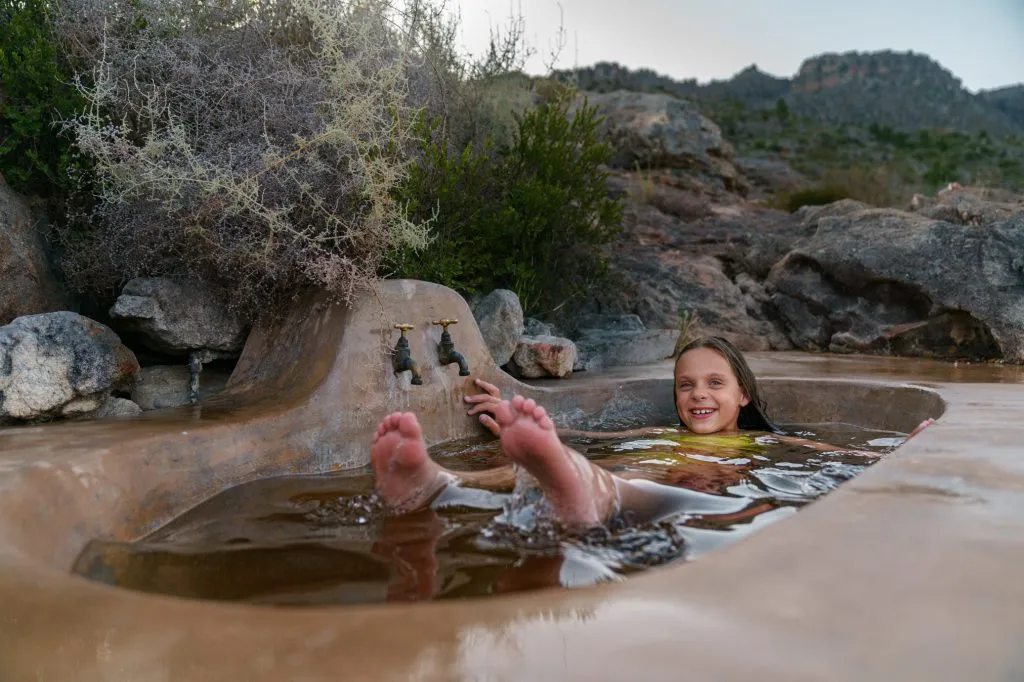
**Rawsonville**, also 35 kilometres out, is a relaxed wine country town with a notable draw for winter visitors: the Goudini Spa, which has thermal hot spring pools. It is one of the more practical cold-weather day trips available to anyone staying in Ceres during June or July.
---
## Planning Your Stay
Because Ceres does not have a large volume of accommodation, availability tightens quickly during predictable peak periods. The summer fruit festival, the December and January school holidays, and winters with significant snowfall on the higher peaks all create short windows where properties fill well in advance. Booking six to eight weeks ahead for any of these periods is a reasonable minimum.
When comparing properties, check whether breakfast is included and whether a minimum stay applies. Many farm accommodations require two or three nights on weekends during high season. Confirm heating arrangements before committing, particularly for a winter visit: Ceres nights can be sharply cold, and not all older farm buildings are well insulated.
Travellers with children should verify child-friendliness in advance, since some boutique farm lodges are oriented toward adult guests. Those bringing pets should do the same, as policies vary widely.
Mobile coverage can be unreliable on outlying farms. Download offline maps before leaving, and store a physical address for your accommodation. GPS routing in this area occasionally directs drivers onto private farm tracks. The Ceres Tourism Bureau is a practical first contact for hiking permits, farm visit arrangements, and driving routes that do not appear on standard travel platforms.

The accommodation scene in Ceres centres largely on farm stays and rural guesthouses, reflecting the town's agricultural character rather than a conventional hotel market. With 0 properties currently listed on this platform and pricing not yet available, prospective visitors should contact local tourism offices or reach out directly to properties for current rates.
At the budget end, self-catering cottages on working fruit farms are among the most widely available options in the area. These offer basic facilities alongside direct access to orchard landscapes, and suit families who want space and independence without paying guesthouse rates. Backpacker infrastructure is limited within Ceres itself, so budget travellers often find a self-catering cottage the most practical affordable choice.
Mid-range options open up considerably. Farm guesthouses in this bracket typically include breakfast and offer guided walks or fruit tastings as part of the stay. Bed-and-breakfast establishments within the town itself tend to be smaller and personally run, often by local families who can give useful practical guidance on the surrounding roads and attractions. Several sit within walking distance of the town centre shops and museum.
At the upper end, boutique farm lodges use the surrounding mountain and orchard scenery to their advantage. These properties often feature private gardens, outdoor pools, and farm-oriented dining. Some cater specifically to wedding groups or small corporate gatherings, which can limit availability during summer and harvest season.
Whatever suits your budget, staying on or near one of the farms gives a more grounded sense of place than accommodation in the town centre. The proximity to working orchards, particularly during the autumn harvest, adds context that a standard guesthouse stay in a nearby town simply cannot replicate.
---
## Best Time to Visit Ceres
Spring, from September through November, is a strong window for a visit. Orchards come into bloom, temperatures sit at a comfortable range for hiking, and the roads into the Skurweberg mountains are clear. Birdwatching in the surrounding reserves is at its most productive during this period, with the Cape sugarbird reliably present.
Summer (December to February) brings warm days well suited to farm visits, higher-altitude hiking, and exploring river spots. The annual fruit festival, which celebrates the deciduous harvest, typically falls in late summer or early autumn and draws considerable crowds from across the region. School holidays align with this period, so booking ahead is essential.
Autumn, from March into May, sees cooler evenings while daytime conditions remain comfortable. The harvest is in full swing, making it one of the better seasons for anyone specifically interested in farm life and orchard activities.
Winter (June to August) is cold, with frost on lower ground and snow on higher peaks. These snow events draw day-trippers from Cape Town in large numbers, creating short-lived spikes in local demand. Outside of those windows, winter is quieter, which works in favour of travellers who prefer fewer visitors and a slower pace.
---
## Getting to Ceres
Ceres sits approximately 145 kilometres north-east of Cape Town, a drive of roughly two hours under normal conditions. The standard route follows the N1 from Cape Town through Paarl, then transitions onto the R44 and R46 through Michell's Pass, a mountain road with notable views and some historical significance as a 19th-century engineering project.
Cape Town International Airport is the nearest major airport, served by domestic routes from Johannesburg, Durban, and other centres, as well as international flights. From the airport, hiring a car is the most practical arrangement. There is no direct scheduled coach service to Ceres. Long-distance buses stop at Worcester, 33 kilometres away, from where a local taxi or pre-arranged transfer would cover the remaining distance.
From the north, the R46 connects Ceres with Clanwilliam and the Cederberg region via the N7, making it a natural stopping point for travellers combining it with a West Coast or Namaqualand itinerary.
Once in Ceres, a private vehicle is effectively a necessity. The town itself is compact and walkable, but farms, trails, and most accommodation options are spread across valley roads and mountain approaches that are not served by any formal public transport. Car hire from Cape Town remains the standard approach for most independent visitors.
---
## Ceres and Surrounding Areas
Several distinct destinations sit within 35 kilometres of Ceres, each offering something different from the fruit-farming landscape of the Witzenberg Valley.
**Wolseley**, 11 kilometres south, is a small service town at the convergence of the Hex River and Witzenberg valleys. The drive between the two towns through the valley floor gives one of the clearest impressions of the agricultural scale of the region, with rows of orchards stretching to the mountain slopes on both sides of the road.
**Tulbagh**, 18 kilometres to the south-east, contains one of the best-preserved concentrations of Cape Dutch architecture in the country. Church Street is a National Monument, lined with whitewashed gabled buildings from the 18th and 19th centuries. Wine estates on the outskirts of Tulbagh produce cool-climate varieties and offer tastings. It is a natural half-day excursion from Ceres, requiring no highway driving.
**Groenfontein**, 29 kilometres out, is a quiet farming valley with very little tourist infrastructure. The draw is primarily the scenery and the absence of other visitors. It functions better as part of a loop drive than as a standalone destination, but for those who prefer uncrowded countryside, the road through it is worth the detour.
**Worcester**, 33 kilometres south-east along the R43, is the largest town in the Breede River Valley and provides the most practical services in the region: larger supermarkets, a hospital, filling stations, and a broader choice of restaurants. The Karoo Desert National Botanical Garden here is particularly impressive in spring, when succulents are in flower. Worcester also anchors the Breedekloof wine route.
**De Doorns**, 35 kilometres away in the Hex River Valley, is the country's primary table grape-producing area. The valley is enclosed by steep mountains on both sides, giving it a different character altogether from the Ceres basin, and it is worth a drive in summer when the vineyards are in active production.
**Rawsonville**, also 35 kilometres out, is a relaxed wine country town with a notable draw for winter visitors: the Goudini Spa, which has thermal hot spring pools. It is one of the more practical cold-weather day trips available to anyone staying in Ceres during June or July.
---
## Planning Your Stay
Because Ceres does not have a large volume of accommodation, availability tightens quickly during predictable peak periods. The summer fruit festival, the December and January school holidays, and winters with significant snowfall on the higher peaks all create short windows where properties fill well in advance. Booking six to eight weeks ahead for any of these periods is a reasonable minimum.
When comparing properties, check whether breakfast is included and whether a minimum stay applies. Many farm accommodations require two or three nights on weekends during high season. Confirm heating arrangements before committing, particularly for a winter visit: Ceres nights can be sharply cold, and not all older farm buildings are well insulated.
Travellers with children should verify child-friendliness in advance, since some boutique farm lodges are oriented toward adult guests. Those bringing pets should do the same, as policies vary widely.
Mobile coverage can be unreliable on outlying farms. Download offline maps before leaving, and store a physical address for your accommodation. GPS routing in this area occasionally directs drivers onto private farm tracks. The Ceres Tourism Bureau is a practical first contact for hiking permits, farm visit arrangements, and driving routes that do not appear on standard travel platforms.
Ceres Kaart
Nabygeleë Bestemmings
Blaai Deur Alle Ceres Akkommodasie
Bekyk al 0 akkommodasie-opsies in Ceres met foto's, pryse en beskikbaarheid.
Blaai Deur Alle Akkommodasie