Accommodation in Groenfontein
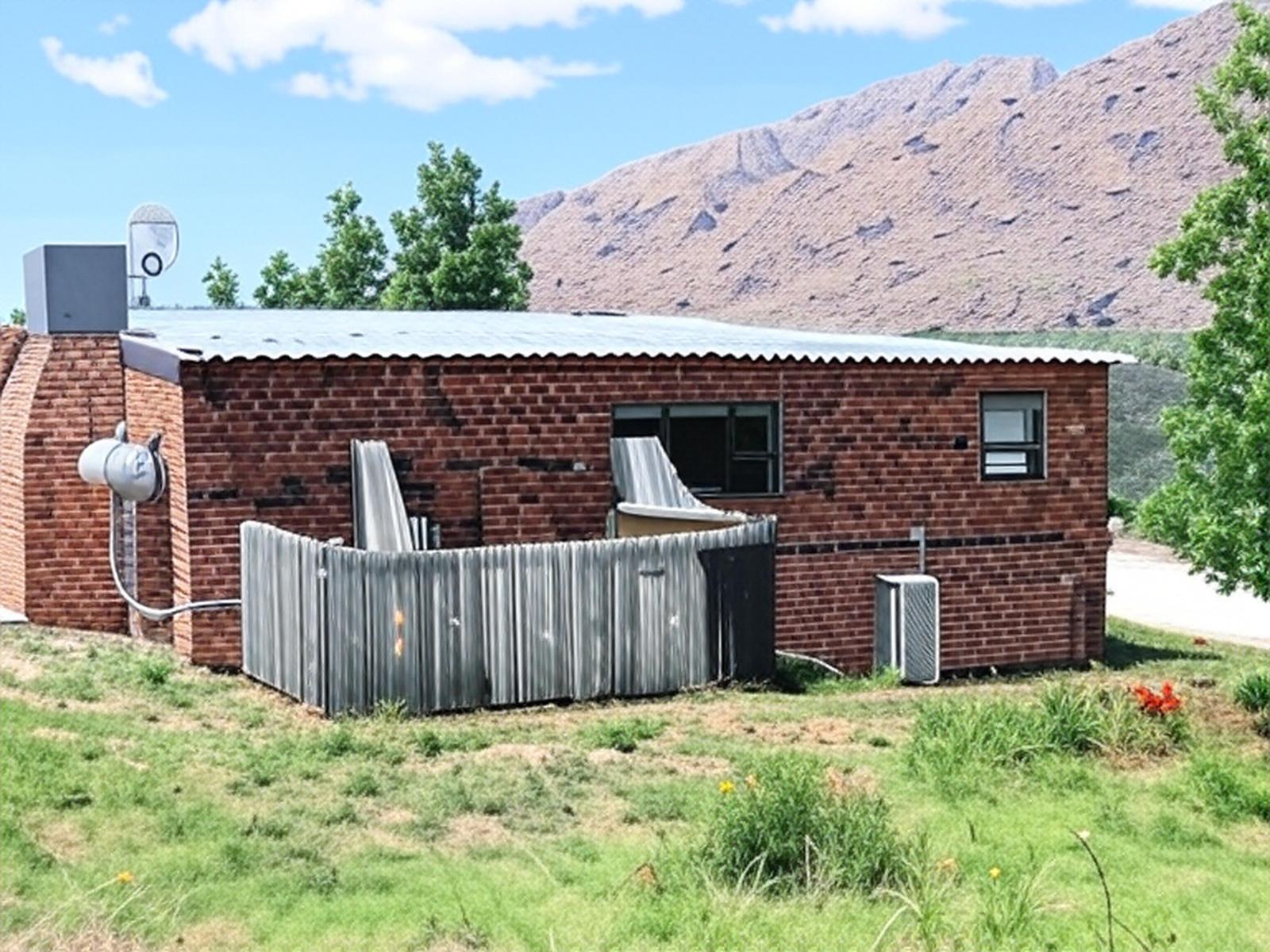
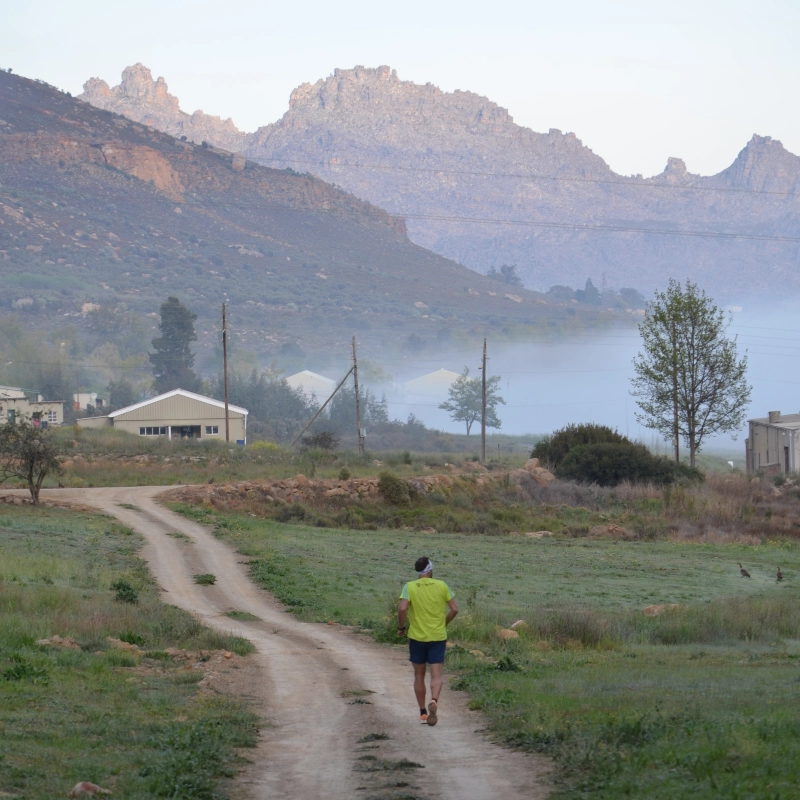
The accommodation options in Groenfontein reflect the farming and wilderness character of the Cederberg region. While the current listings database shows 0 formally catalogued properties with pricing not yet established, the area is served by a mix of farm stays and self-catering cottages, typically arranged directly with local landowners or through regional booking agents.
At the budget end, basic farm stays offer simple rooms or dormitory-style sleeping on working properties. These often include access to shared kitchen facilities and outdoor areas, and some farmsteads provide meals using produce grown on site, which keeps costs manageable even outside promotional periods. The trade-off is limited privacy and minimal amenity packages, but for hikers and backpackers focused on early starts and trail access, this arrangement suits the purpose well.
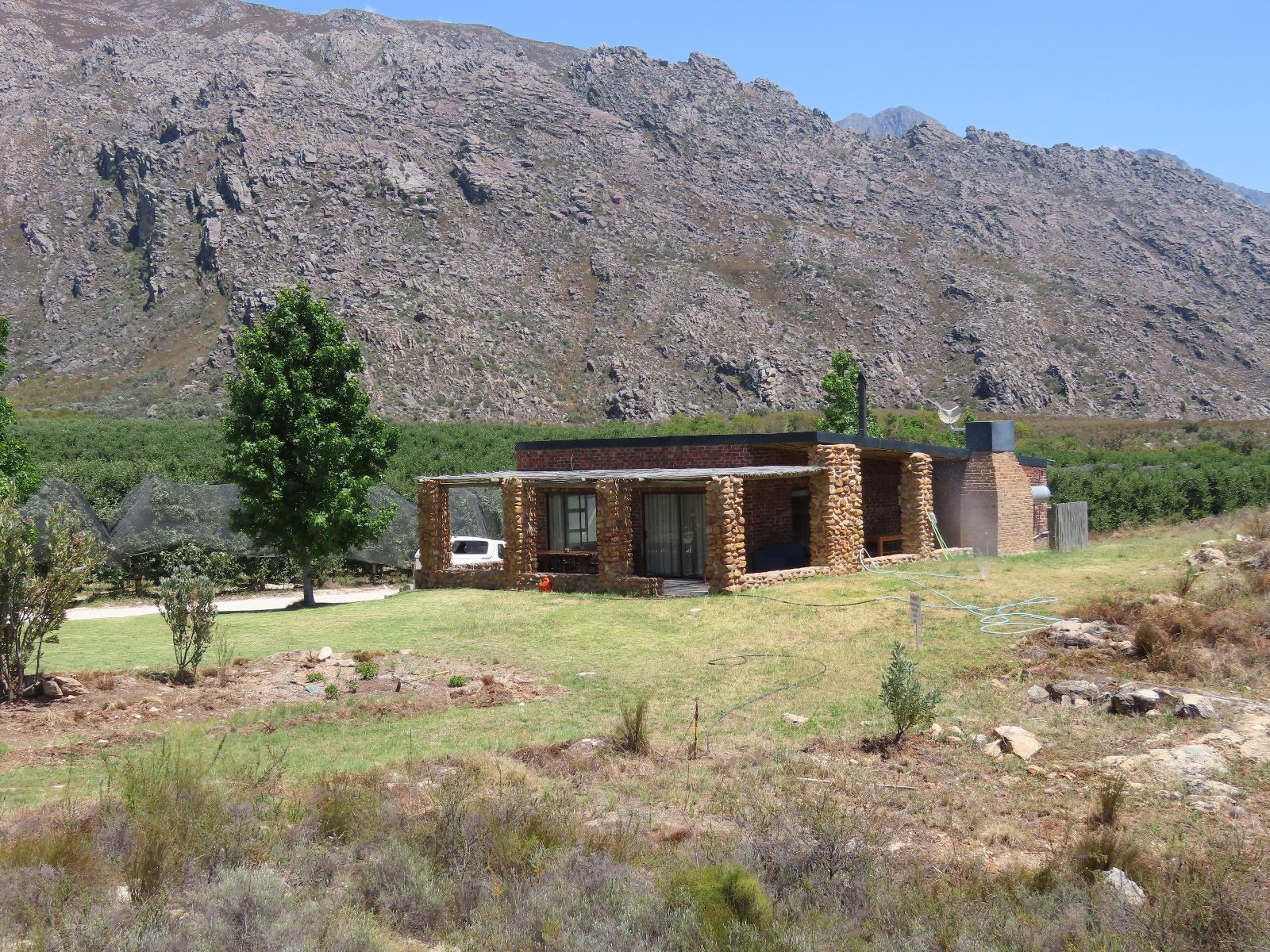
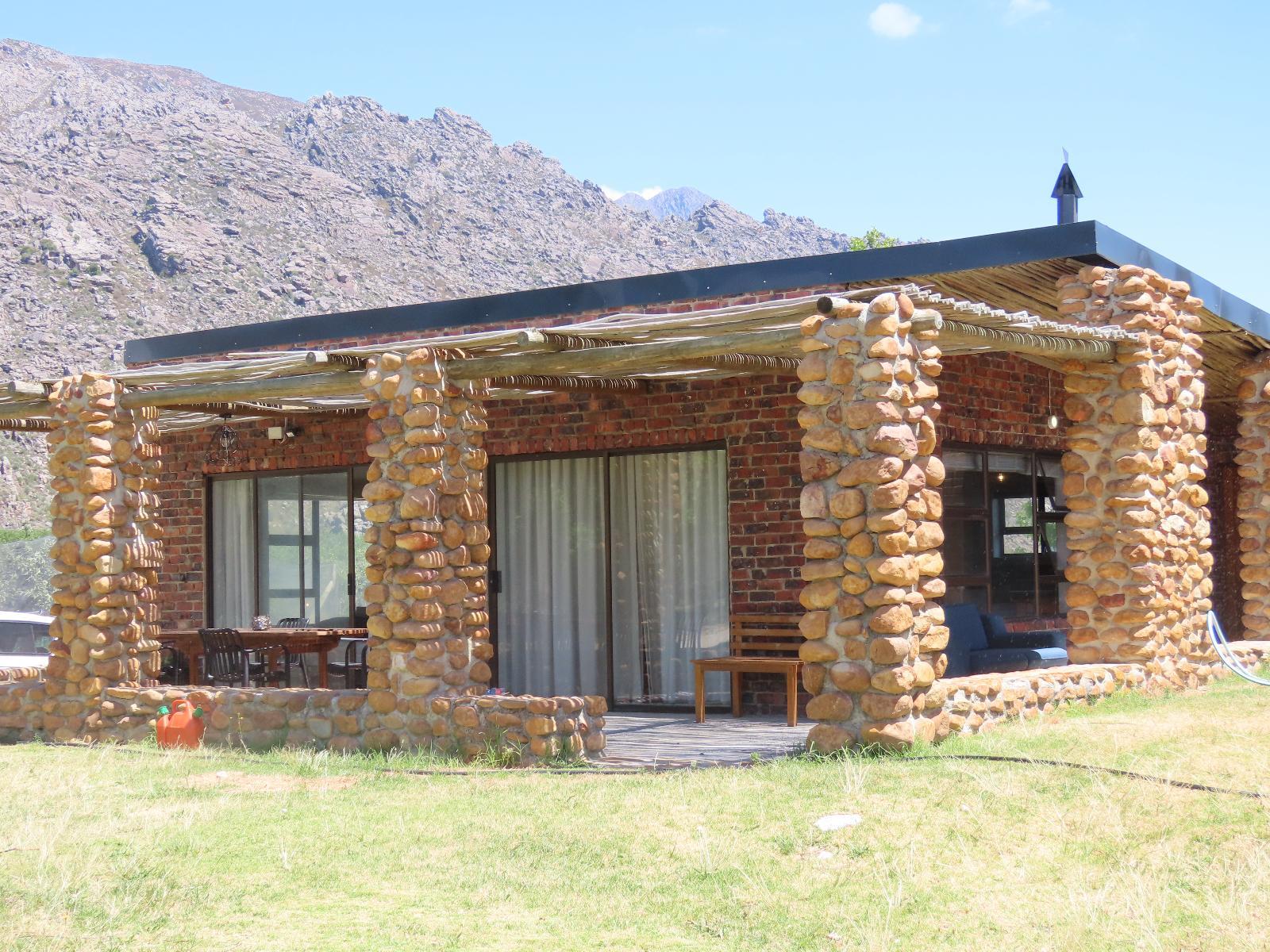
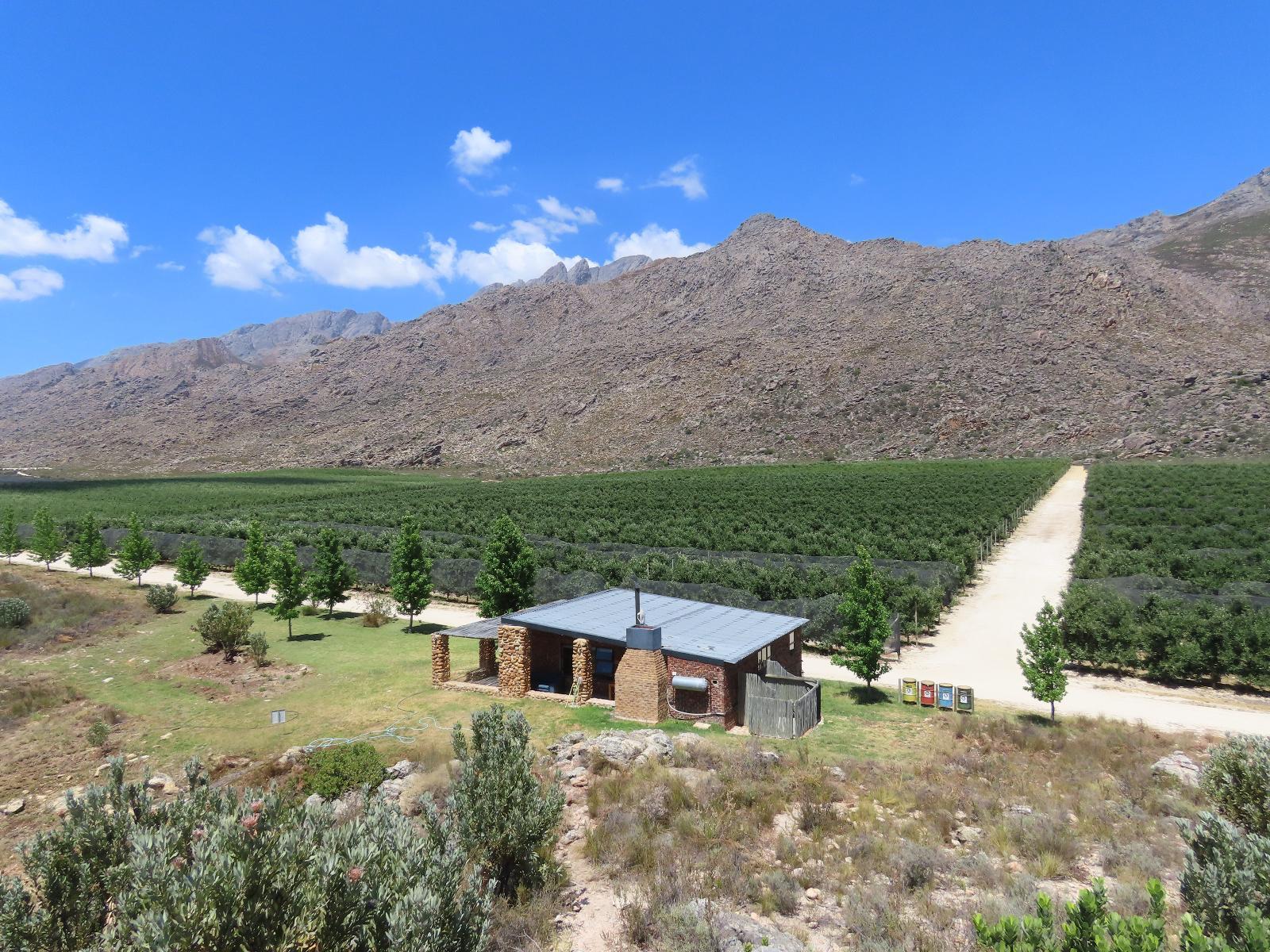
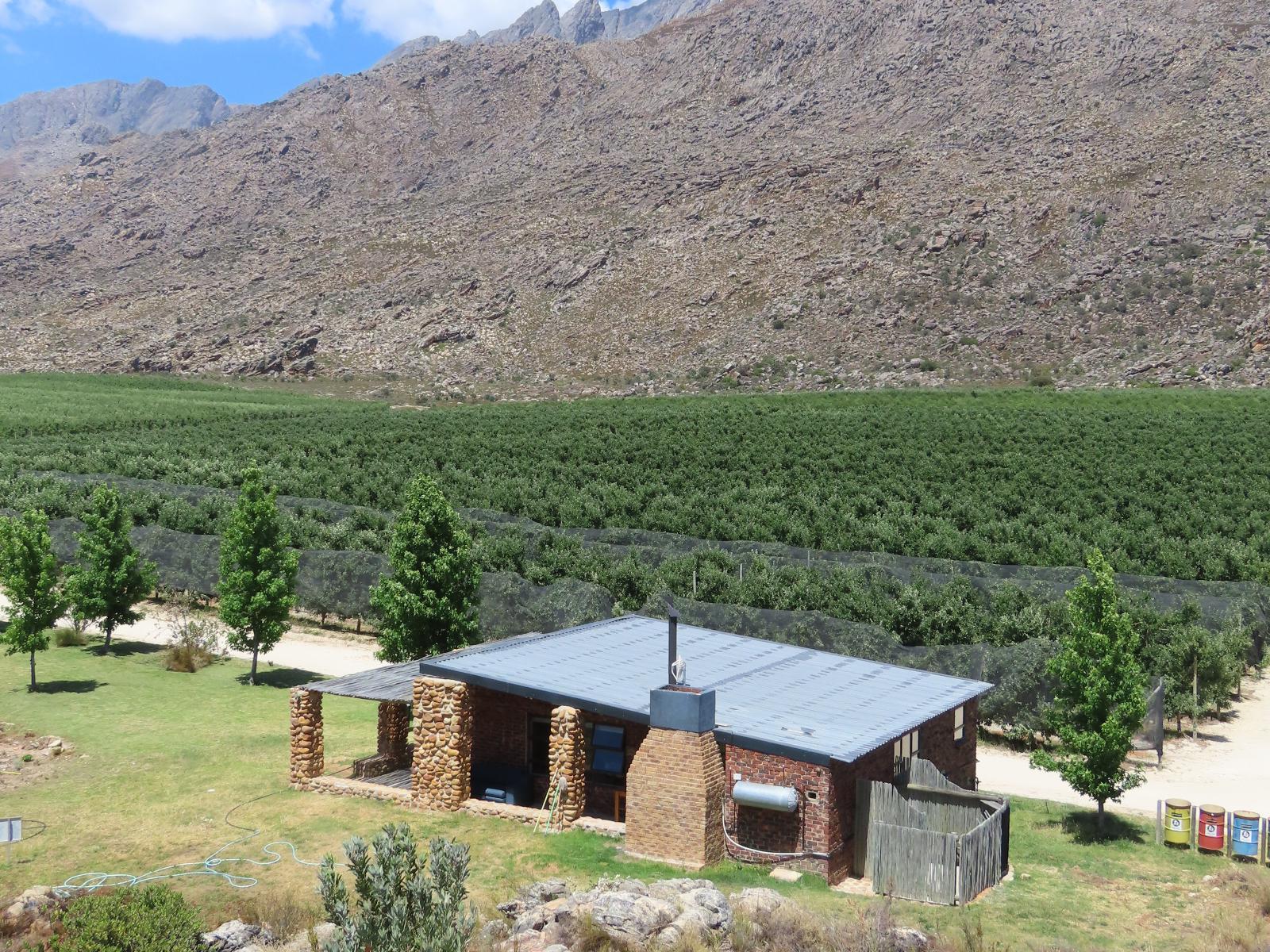
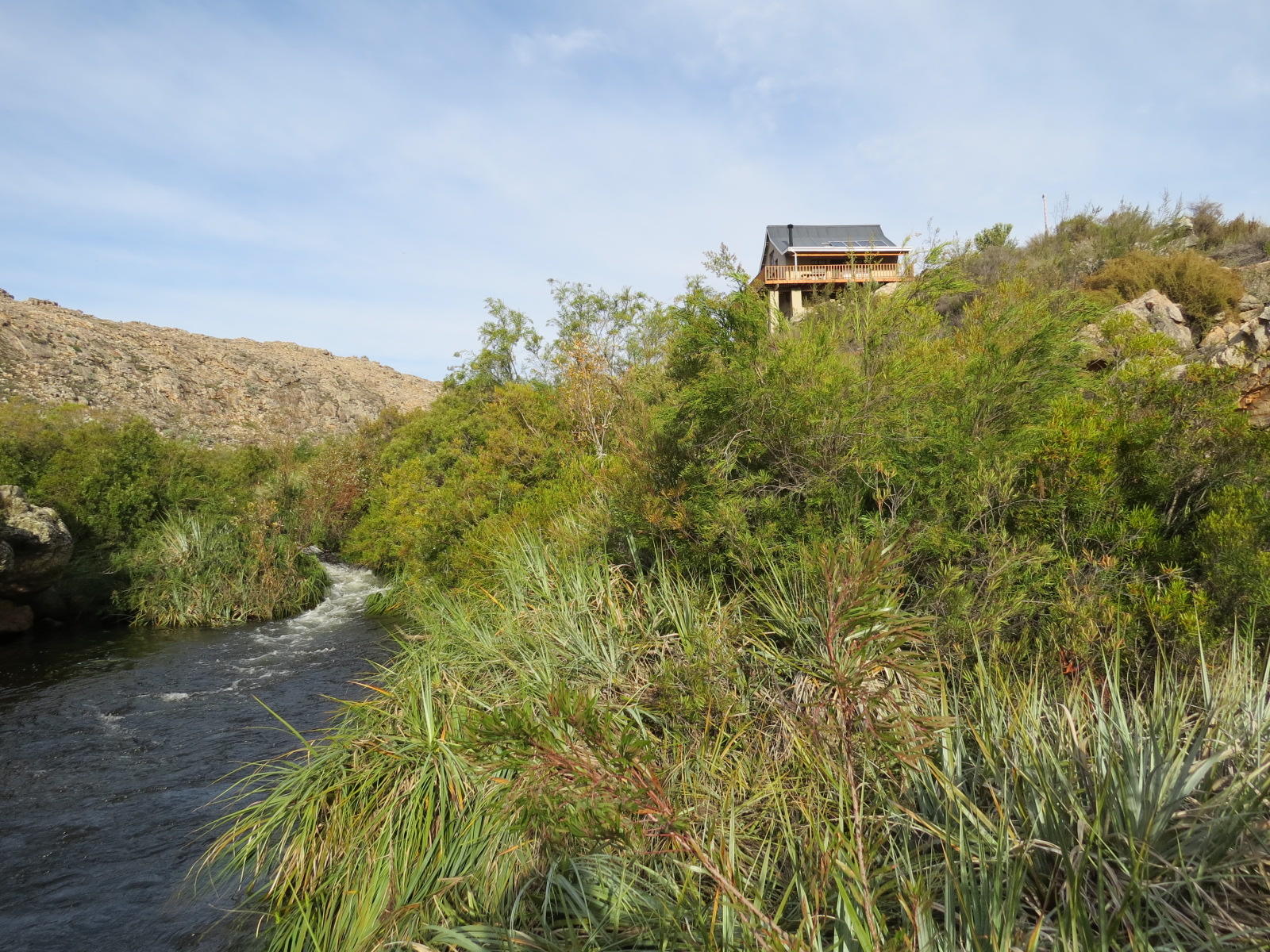
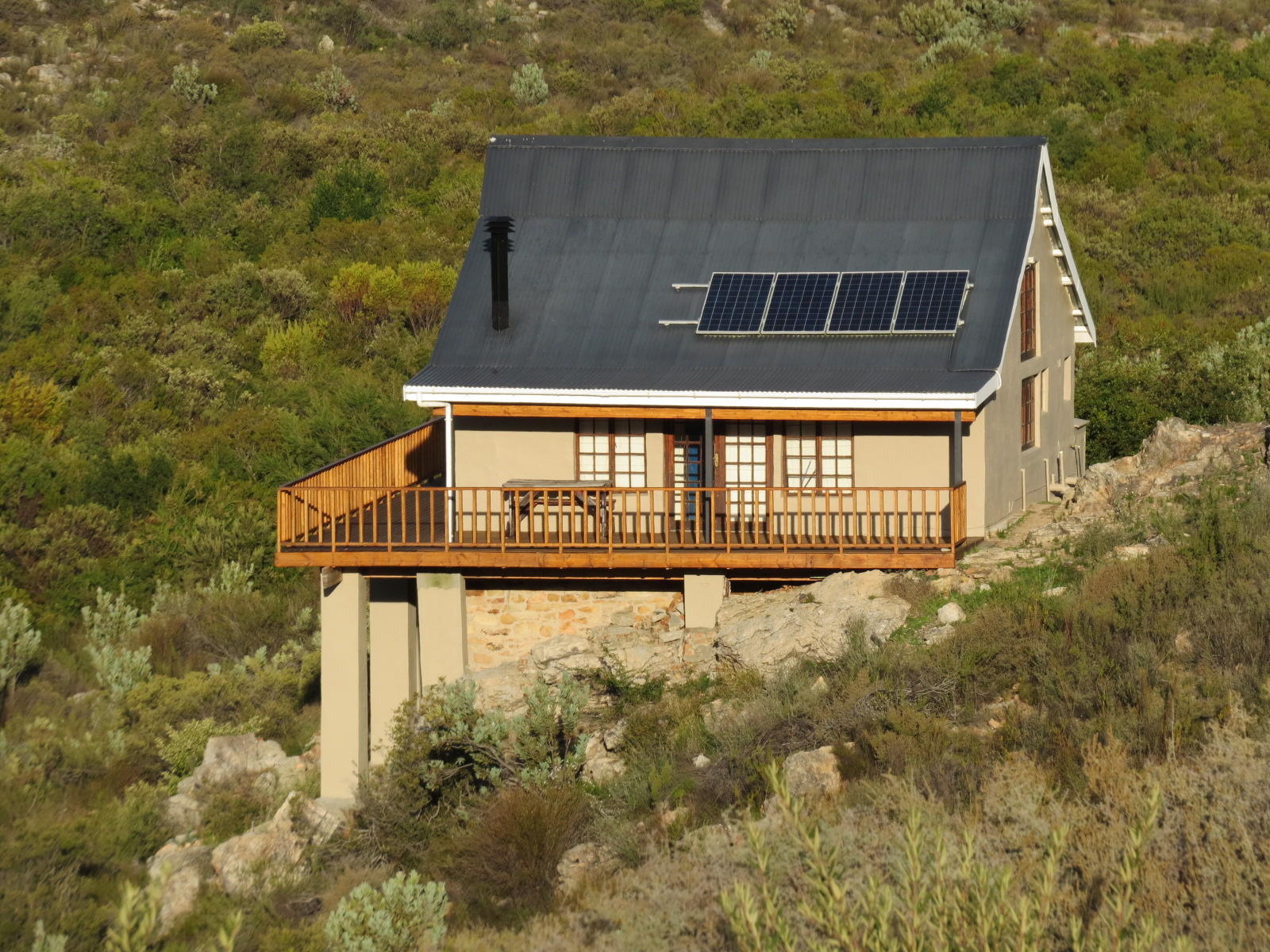
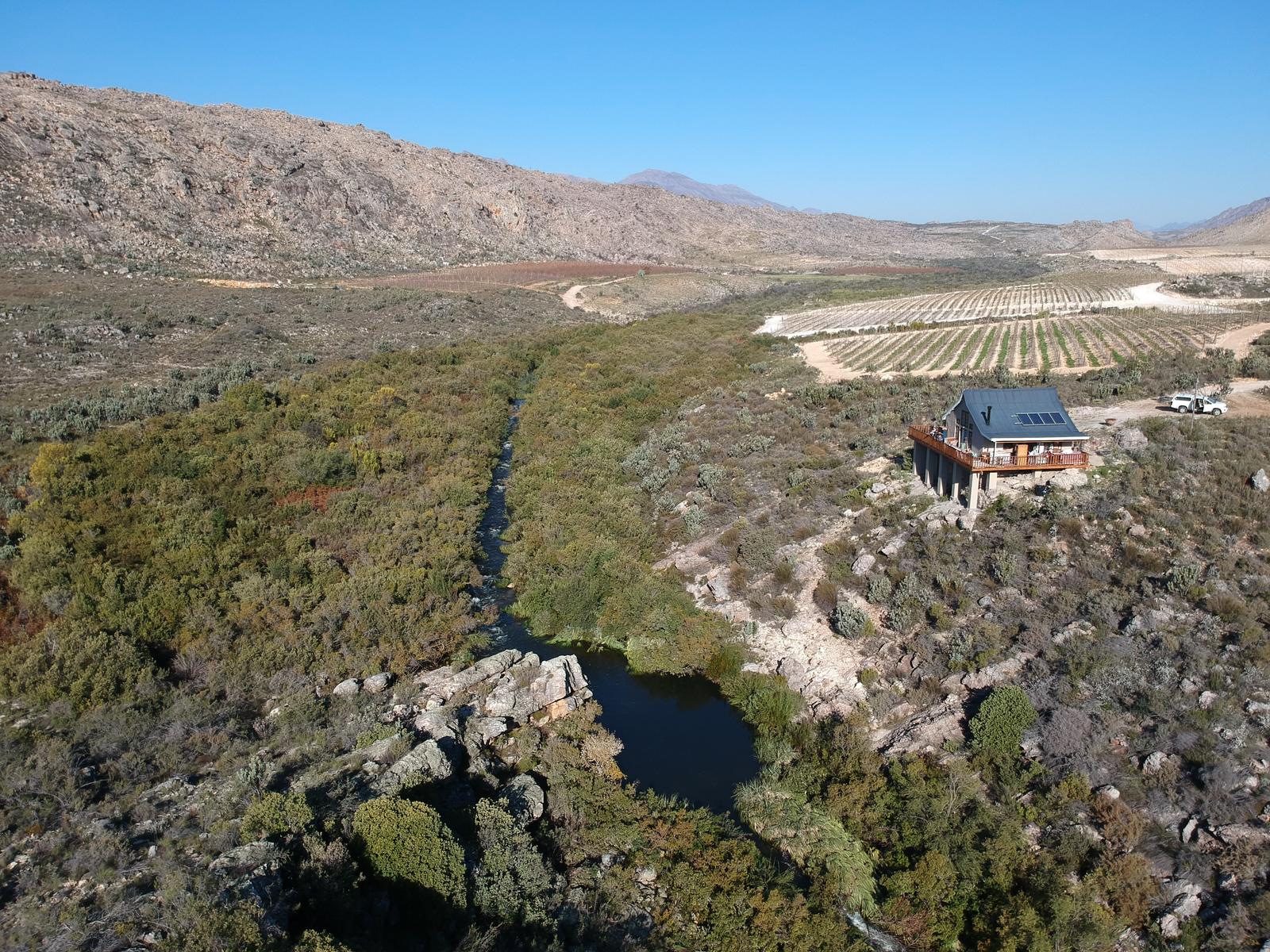
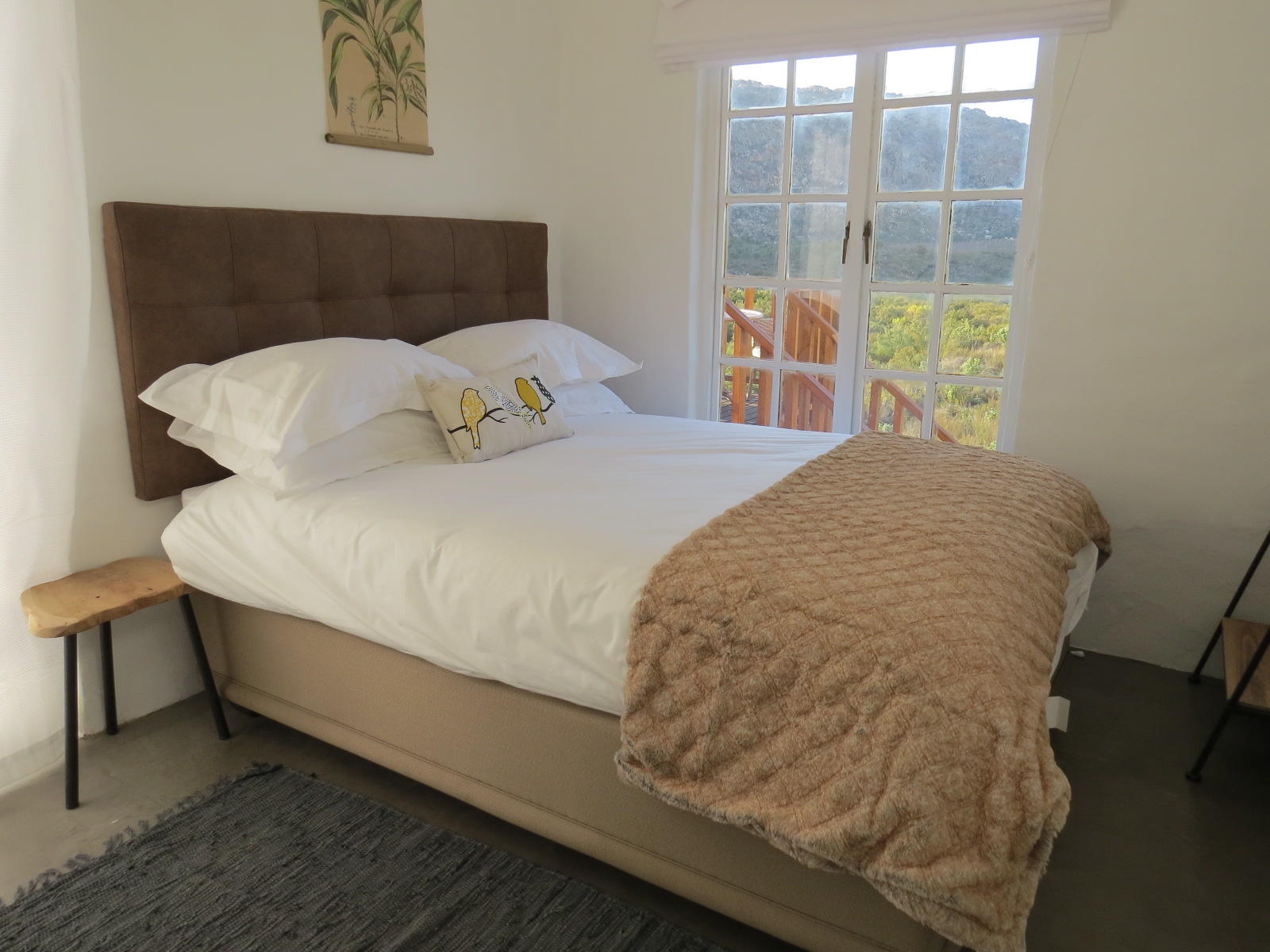
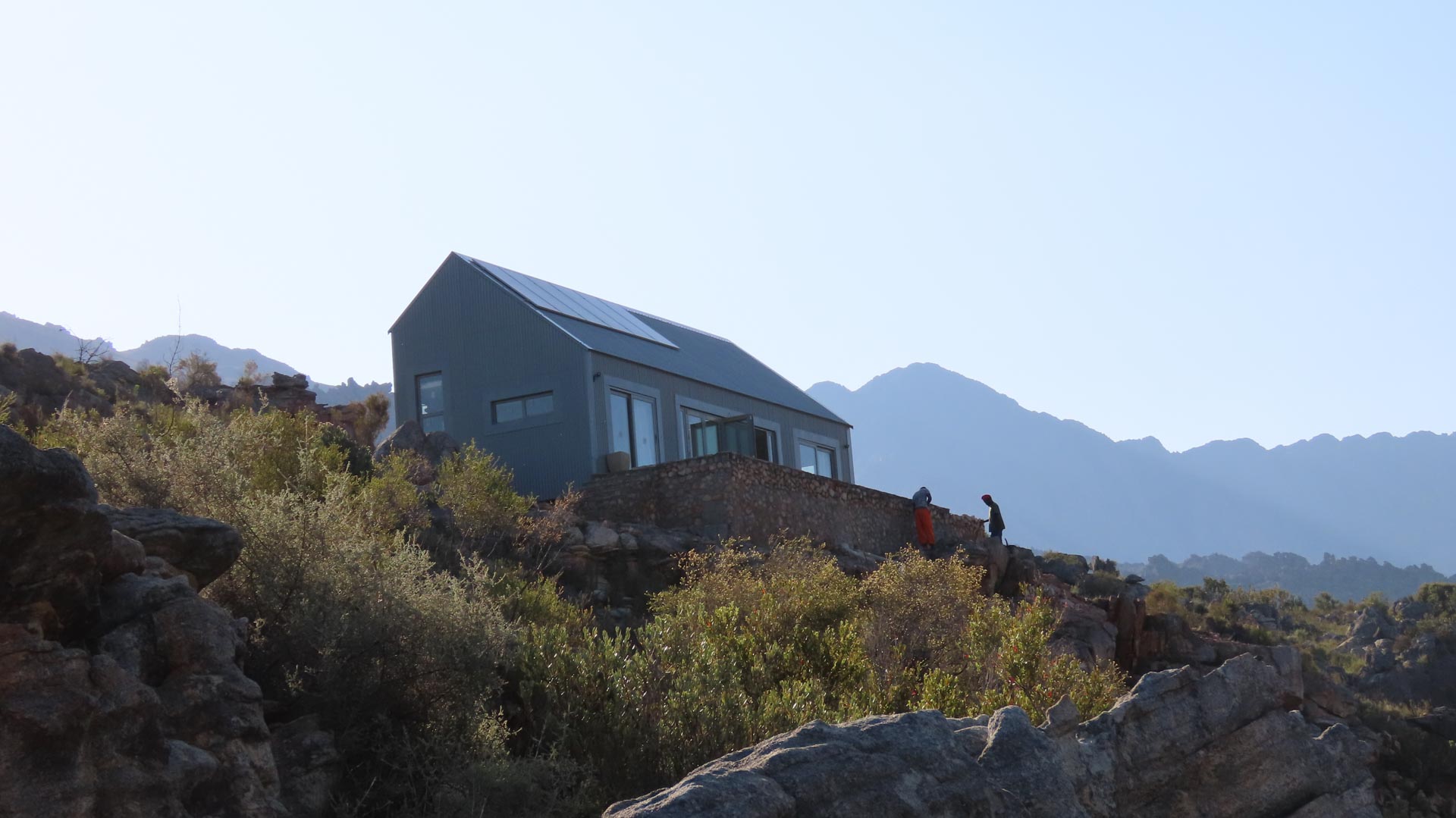
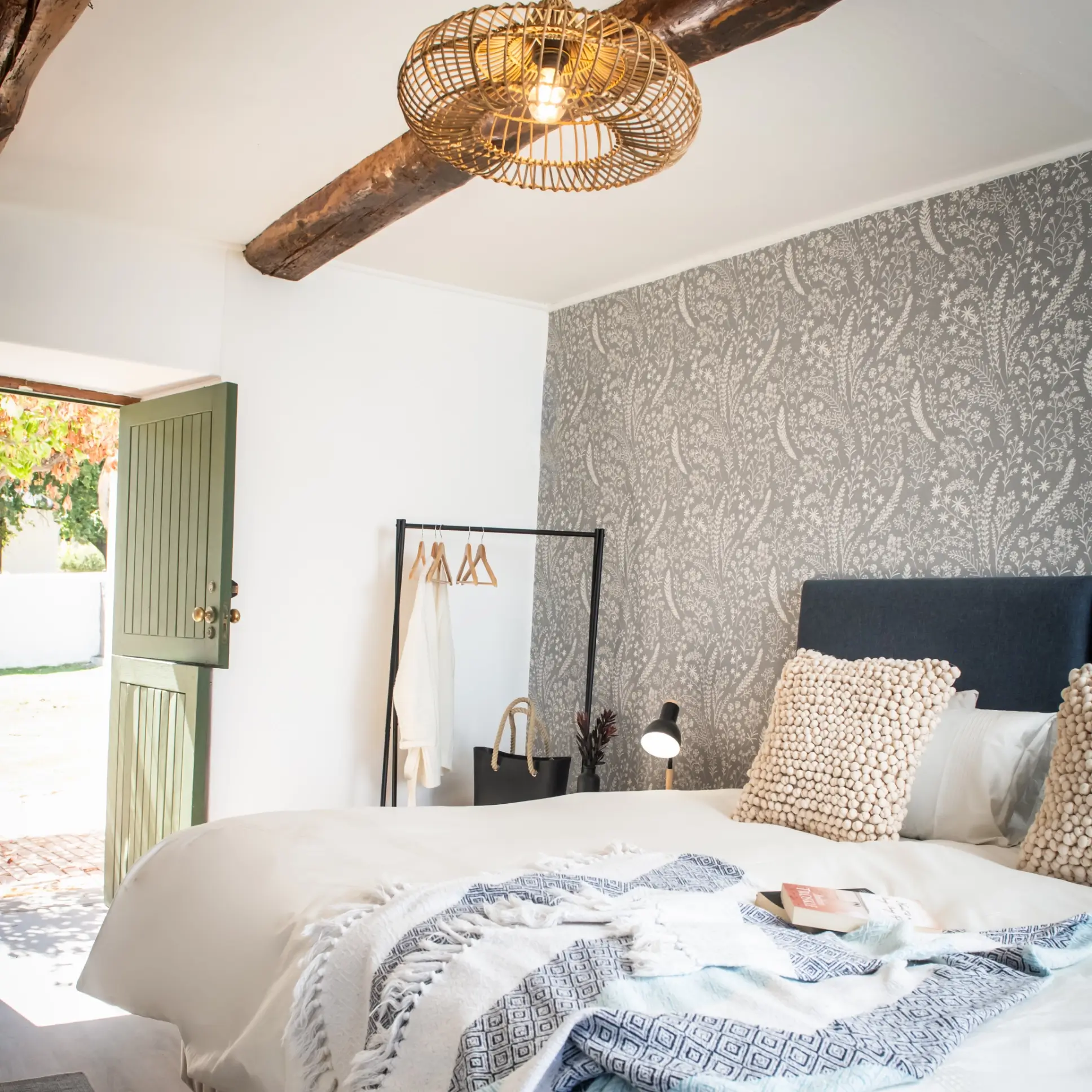
Mid-range options generally take the form of self-catering cottages, either freestanding on private land or grouped on eco-friendly smallholdings. Guests typically have their own kitchen, bathroom, and a stoep or outdoor seating area looking onto the surrounding landscape. These properties work well for couples or small families staying two nights or more, and several include braai facilities. Some cottage operators also provide optional catering, usually by arrangement in advance.
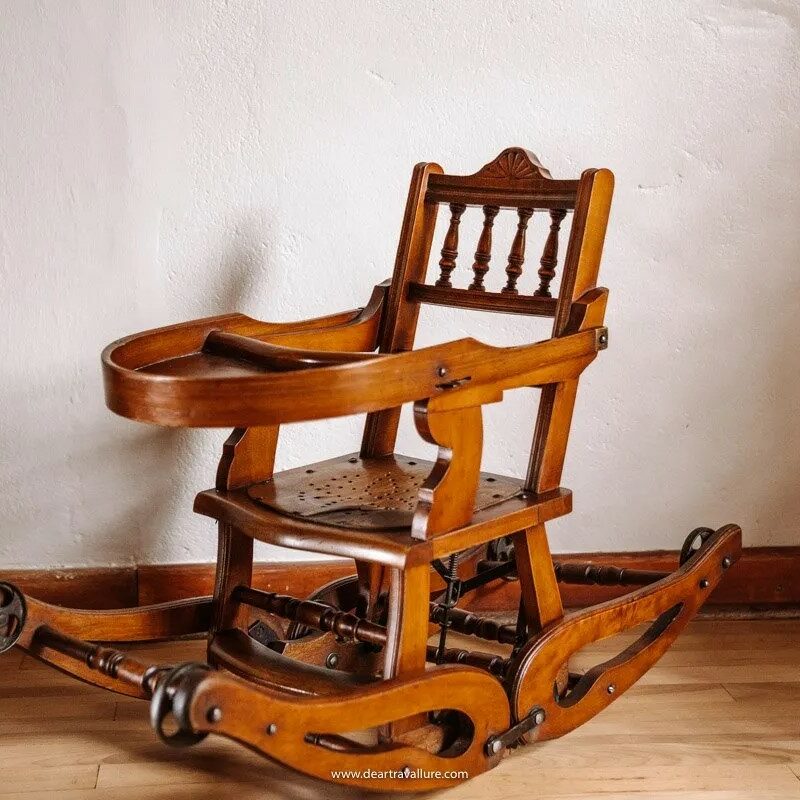
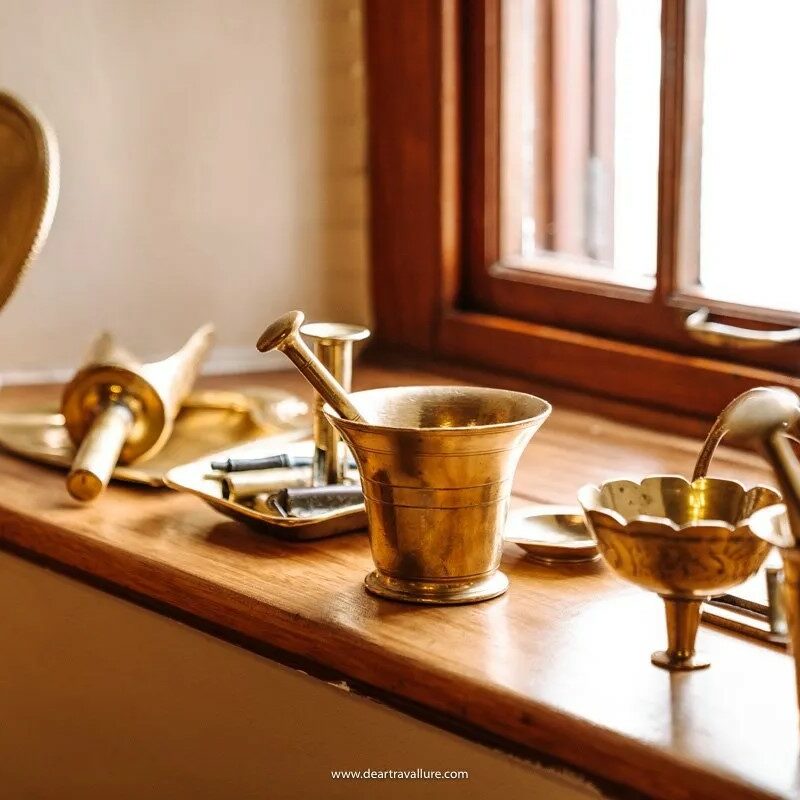
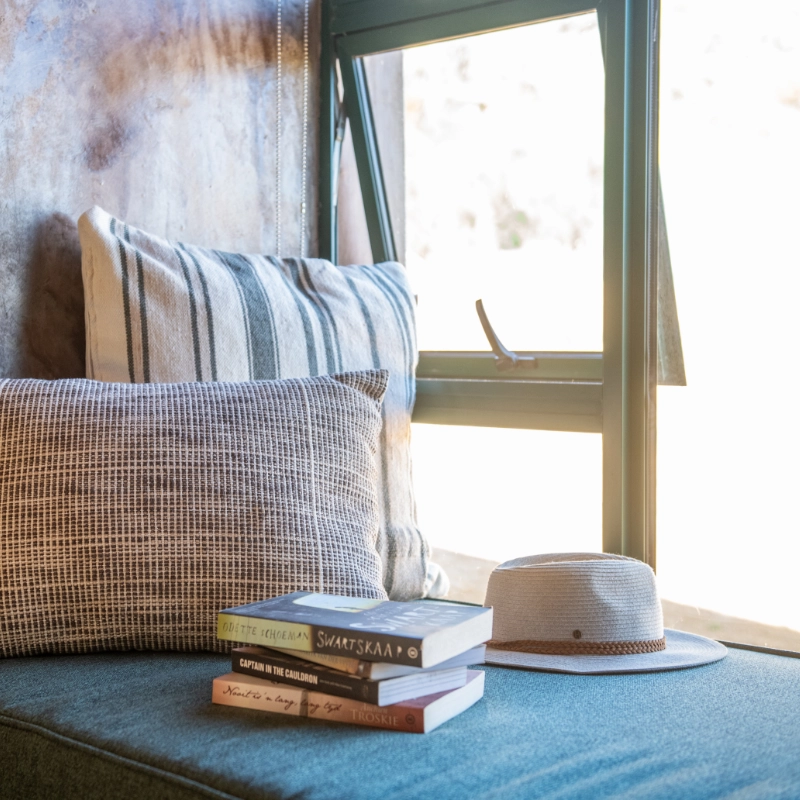
Upper-tier accommodation in and around Groenfontein tends toward farm guesthouses with additional services: guided walks, packed lunches, or more considered interior styling. Pricing at this level reflects the remoteness and the personal attention from host families, though it remains considerably lower than comparable offerings in major wine regions. Since pricing and availability information is not currently catalogued for this destination, contacting properties directly is the most reliable way to confirm rates and what is included.
Booking windows are shorter than in more visited Cederberg nodes, so last-minute trips are often feasible outside school holidays.
Best Time to Visit Groenfontein
The Cederberg region has a Mediterranean-influenced climate, with hot, dry summers and cool, wet winters. The most practical window for outdoor activity runs from September through April, when rainfall is low and daylight hours allow for full-day hikes.
Spring, from September to November, brings wildflowers across the fynbos, including proteas and ericas, and temperatures sit comfortably between 18 and 28 degrees Celsius. This is one of the better periods for birdwatching, as migratory species arrive and resident birds are particularly active.
Summer months from December to February bring the strongest heat, with temperatures occasionally exceeding 35 degrees Celsius in the valleys. Early morning starts are advisable for any walking, and afternoon thunderstorms are possible despite the generally dry character of the season. December and January also fall within South African school holidays, so some farm properties fill faster than usual.
Autumn, March through May, offers mild and consistent conditions and is broadly considered the most comfortable period for travel in the area. Winter, June through August, brings the most rainfall and cooler nights, which can limit some outdoor activities. Clear winter days, however, produce excellent visibility for both landscape photography and stargazing, and the region is far enough from city light pollution to make night skies genuinely worthwhile.
Getting to Groenfontein
The most direct route from Cape Town follows the N1 north before connecting via the N7 or linking roads toward Citrusdal, covering roughly 200 kilometres. The drive takes approximately two to two and a half hours depending on road conditions and which specific property you are heading to. From Paarl or Stellenbosch, the route via the N1 and Huguenot Tunnel is comparable in time.
Cape Town International Airport is the nearest major international gateway, approximately 200 kilometres south. Domestic flights connect Cape Town to Johannesburg, Durban, and other centres, making it accessible for visitors from across South Africa. George Airport, roughly 400 kilometres east, is an alternative for those arriving from the Garden Route corridor.
There is no scheduled public transport directly serving Groenfontein. Rental cars are available from Cape Town International and from agencies in Paarl, Worcester, and Citrusdal. A standard sedan is adequate for main routes, though access to more remote farm properties may require a vehicle with reasonable ground clearance. Shared shuttle services operate between Cape Town and Citrusdal on some days, but onward travel to individual farms requires private arrangement. Fuel up in Citrusdal before the final stretch into the countryside.
Groenfontein and Surrounding Areas
Using Groenfontein as a base gives practical access to several towns in the Western Cape interior, each with a distinct character and purpose.
Tulbagh, 28 kilometres away, sits in a valley framed by the Winterhoek and Witzenberg mountain ranges. The town is known for Church Street, which contains one of the largest concentrations of Cape Dutch and Victorian architecture in the country, many buildings restored following a 1969 earthquake. Wine estates in the valley produce Shiraz and Chenin Blanc, and a number of cellar doors are open for tastings during the week.
Ceres, 29 kilometres distant, is the commercial hub of the Warm Bokkeveld fruit-growing region. The town is practical for resupply, with supermarkets and fuel stations, and the surrounding orchards produce apples, pears, and stone fruit that supplies much of South Africa's export market. The Ceres Karoo begins just east of town, offering a notably different landscape from the fynbos closer to Groenfontein.
Porterville, 35 kilometres away, is the entry point for hikes into the Groot Winterhoek Wilderness Area, a formally protected section of the Cape mountains. The wilderness area requires permits issued in advance through CapeNature and offers multi-day trail options with overnight huts.
Wolseley, 37 kilometres from Groenfontein, is a small agricultural town in the Breede River Valley. It functions mainly as a service stop but has good road connections to both the N1 and the mountain passes leading deeper into the Cederberg.
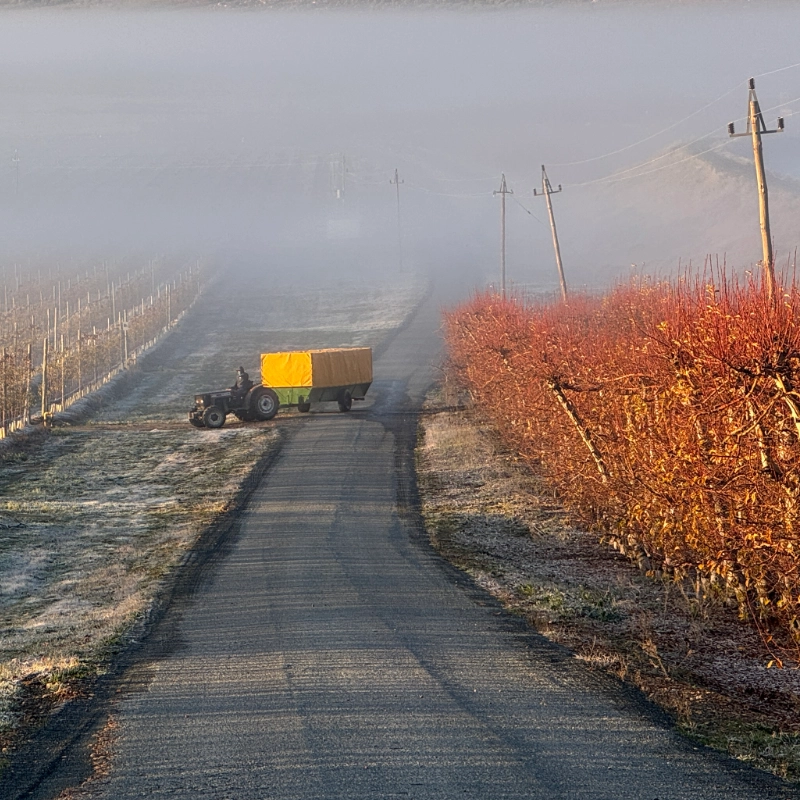
De Doorns, 51 kilometres away, sits at the upper end of the Hex River Valley, which produces the majority of South Africa's export table grapes. The visual effect of the vineyards set against the surrounding peaks is distinctive, particularly in autumn when the vine leaves turn red and gold.
Noordhoek, also 51 kilometres away, is a coastal settlement on the Atlantic seaboard south of Cape Town, known for its long beach and horse-riding operations. It represents a different kind of day trip from Groenfontein, combining mountain driving through spectacular passes with a seaside destination at the end.
Planning Your Stay
Because Groenfontein does not have a large pool of formally listed properties, planning ahead matters more here than in better-documented destinations. Contacting farm owners or guesthouses directly, rather than relying solely on major booking platforms, is often the most effective approach. Many properties in this area are family-run and manage their own availability calendars independently.
Before confirming any booking, check road conditions for the specific access route to your property, particularly after periods of heavy winter rainfall. Ask whether the road is suitable for a standard rental car or if higher ground clearance is necessary. This is a practical question that hosts will answer straightforwardly.
South African school holidays, particularly the December and January summer break and the July winter break, push occupancy up across the Cederberg region. Booking four to eight weeks ahead during these windows is advisable. Outside school holidays, shorter lead times are generally sufficient.
Confirm in advance what is included with your stay. Some farm properties supply linen and towels; others do not. Self-catering cottages vary considerably in how well-stocked the kitchen is. If you are planning multi-day hikes that end away from your accommodation, ask whether the property can store luggage or assist with vehicle logistics.
Mobile signal coverage is patchy across parts of the Cederberg, so downloading offline maps and recording GPS coordinates before you leave the last town is a straightforward precaution worth taking.