Darling Reis- & Akkommodasiegids
Jou volledige gids om Darling, Suid-Afrika te besoek.
Darling is a town that draws visitors for its impressive wildflower displays, especially during the spring months. The area includes farms and small communities, providing opportunities for quiet exploration. With its connection to local agriculture and nearby nature reserves, it serves as a base for those seeking a break from urban life.
## Accommodation in Darling
Darling is a small agricultural town with a modest but functional accommodation scene. The overall listings currently tracked on this platform sit at 0 properties, with rates not yet established, though the broader West Coast region provides a useful benchmark for what to expect across different budget tiers.
At the budget end, self-catering cottages on working farms are the most common option. These suit travellers who prefer independence, typically offering a kitchen, braai facilities, and a view across fynbos or wheat fields. Pricing at this tier tends to be structured around the number of guests rather than a room category, and the atmosphere is informal.
Mid-range stays are mostly guesthouses in and around the town centre, often run by long-term residents with detailed knowledge of local walking routes, seasonal flower trails, and nearby farm stalls. Breakfast is frequently included, and the garden settings and communal outdoor areas add to the appeal. Rooms are comfortable rather than lavish, which fits the character of the town.
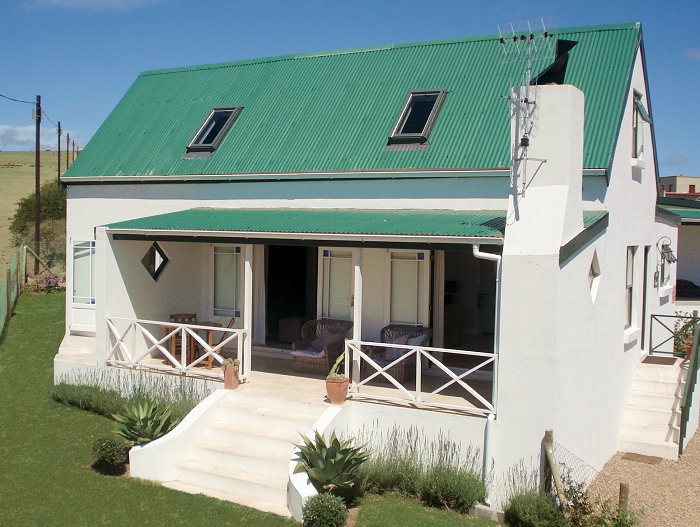
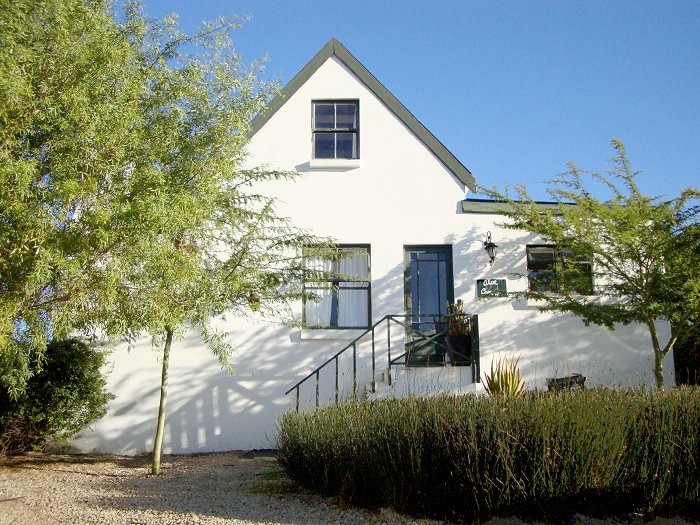
At the upper end, boutique farm stays and heritage properties offer more space and architectural character. Converted Cape Dutch farmhouses with thick whitewashed walls, stoeps, and open veld views are the standout type in this bracket. These properties suit couples or small groups wanting a quiet base for exploring the Swartland without sacrificing comfort.
Across all tiers, availability tightens sharply during September and October when wildflower season draws significant visitor numbers. Booking six to eight weeks ahead is advisable for a spring visit. Outside flower season, the town is considerably quieter and short-notice bookings are generally possible, particularly on weekdays.
---
## Best Time to Visit Darling
Spring, from August through October, is when Darling receives the bulk of its visitors. The annual Wildflower Show, held over a weekend in September, draws botanists, photographers, and nature enthusiasts to see the region's native fynbos and annual wildflowers at peak bloom. Guided tours operate through private and communal flower reserves during this window, and the roadsides take on colour that is otherwise absent for much of the year.
Winter, from June through August, brings reliable rainfall and temperatures typically ranging between 7 and 18 degrees Celsius. The landscape stays green and clear, but outdoor activities are less comfortable and tourist infrastructure winds down. This is the quietest period, which suits travellers who prefer uncrowded conditions.
Summer, November through March, is dry and warm, with temperatures frequently above 30 degrees Celsius. The countryside turns golden, but farm visits, wine tasting, and West Coast drives remain worthwhile. Autumn, April and May, offers mild temperatures, low humidity, and quiet roads, making it an underrated window for anyone interested in the agricultural side of the Swartland.
---
## Getting to Darling
Darling sits roughly 75 kilometres north of Cape Town along the R27, the West Coast Road. The drive from the city centre takes between 60 and 90 minutes depending on traffic, passing through Cape Town's northern suburbs before opening into the flat farming country of the Swartland.
Cape Town International Airport is the nearest major airport, approximately 90 kilometres from Darling via the N1 and R27. Car hire is the practical choice for getting here, as no scheduled public transport runs directly to the town. Ride-share services and metered taxis do not reliably operate on this route, so international visitors arriving without a vehicle should arrange a private transfer through their accommodation.
Once in Darling, the town centre is compact and walkable. A car becomes necessary for reaching surrounding farms, nature reserves, or neighbouring towns. The R27 provides easy access south toward Bloubergstrand and north toward the West Coast resort towns, making Darling a convenient midpoint for a longer West Coast road trip. Fuel is available in town, but mechanical services are limited. Checking the vehicle's condition before departing Cape Town is a sensible precaution.
---
## Darling and Surrounding Areas
Darling sits within easy reach of several distinct West Coast destinations, each worth visiting for different reasons.
**Yzerfontein**, 21 kilometres to the west, is a small Atlantic seaboard village with a working fishing harbour and access to Sixteen Mile Beach, one of the longer stretches of undeveloped coastline in the region. The wetlands and rocky outcrops around the village attract birdwatchers, and the pace is noticeably quieter than larger resort towns.
**Springbok**, 29 kilometres out, is a small settlement serving local farming operations in the surrounding agricultural area. It offers little tourist infrastructure but the drive through the characteristic Swartland wheat and canola landscape makes it a scenic detour.
**Hopefield**, 35 kilometres north-east, is the closest town to the West Coast Fossil Park, where excavated remains of Pliocene-era megafauna, including giant short-necked giraffes and sabre-toothed cats, are on display. The Sandveld Nature Reserve is also accessible from here, adding a natural history dimension to any West Coast trip.
**Melkbosstrand**, 39 kilometres south, is a beach suburb with strong, consistent wind conditions popular with kite surfers and windsurfers. It sits directly across from Robben Island and has a cluster of seafood restaurants along the beachfront.
**Saldanha Bay**, 44 kilometres north, contains one of the largest natural harbours in the Southern Hemisphere. The town operates primarily as a commercial port, but the bay itself supports sailing and water sports, and the surrounding area has a rugged, working-coast character distinct from the leisure towns nearby.
**Langebaan**, 45 kilometres north, is the most developed leisure destination along this stretch of coast. The Langebaan Lagoon, protected within the West Coast National Park, offers flat calm water suitable for kiteboarding, kayaking, and stand-up paddleboarding. The lagoon is also a significant habitat for flamingos and migratory shorebirds, and the town has a good range of restaurants and holiday facilities.
---
## Planning Your Stay
If your visit falls during the Wildflower Show weekend in September, book accommodation as early as possible. Properties across Darling and the surrounding area fill quickly, sometimes months in advance. A midweek visit in the same month gives you the flower season without the weekend crowds.
When comparing properties, confirm whether breakfast is included. This is not standard across all guesthouses and farm stays, and the difference affects the practical logistics of your day. Self-catering bookings require checking what kitchen equipment is supplied, since dining out in Darling is limited to a small number of establishments and cooking access becomes more relevant than in a larger town.
Clarify arrival and key collection arrangements before you travel. Many smaller Western Cape properties do not have a staffed front desk and rely on pre-arranged meeting times or lockbox systems. Knowing the details in advance avoids problems, particularly if you are arriving late or after a long drive.
Mobile coverage in the town is generally reliable with major South African networks, though farm properties outside the centre can be patchy. Ask about Wi-Fi at booking if connectivity matters. Carrying some cash is practical, as a number of smaller establishments and farm stalls in the area do not accept card payments.

Darling is a small agricultural town with a modest but functional accommodation scene. The overall listings currently tracked on this platform sit at 0 properties, with rates not yet established, though the broader West Coast region provides a useful benchmark for what to expect across different budget tiers.
At the budget end, self-catering cottages on working farms are the most common option. These suit travellers who prefer independence, typically offering a kitchen, braai facilities, and a view across fynbos or wheat fields. Pricing at this tier tends to be structured around the number of guests rather than a room category, and the atmosphere is informal.
Mid-range stays are mostly guesthouses in and around the town centre, often run by long-term residents with detailed knowledge of local walking routes, seasonal flower trails, and nearby farm stalls. Breakfast is frequently included, and the garden settings and communal outdoor areas add to the appeal. Rooms are comfortable rather than lavish, which fits the character of the town.
At the upper end, boutique farm stays and heritage properties offer more space and architectural character. Converted Cape Dutch farmhouses with thick whitewashed walls, stoeps, and open veld views are the standout type in this bracket. These properties suit couples or small groups wanting a quiet base for exploring the Swartland without sacrificing comfort.
Across all tiers, availability tightens sharply during September and October when wildflower season draws significant visitor numbers. Booking six to eight weeks ahead is advisable for a spring visit. Outside flower season, the town is considerably quieter and short-notice bookings are generally possible, particularly on weekdays.
---
## Best Time to Visit Darling
Spring, from August through October, is when Darling receives the bulk of its visitors. The annual Wildflower Show, held over a weekend in September, draws botanists, photographers, and nature enthusiasts to see the region's native fynbos and annual wildflowers at peak bloom. Guided tours operate through private and communal flower reserves during this window, and the roadsides take on colour that is otherwise absent for much of the year.
Winter, from June through August, brings reliable rainfall and temperatures typically ranging between 7 and 18 degrees Celsius. The landscape stays green and clear, but outdoor activities are less comfortable and tourist infrastructure winds down. This is the quietest period, which suits travellers who prefer uncrowded conditions.
Summer, November through March, is dry and warm, with temperatures frequently above 30 degrees Celsius. The countryside turns golden, but farm visits, wine tasting, and West Coast drives remain worthwhile. Autumn, April and May, offers mild temperatures, low humidity, and quiet roads, making it an underrated window for anyone interested in the agricultural side of the Swartland.
---
## Getting to Darling
Darling sits roughly 75 kilometres north of Cape Town along the R27, the West Coast Road. The drive from the city centre takes between 60 and 90 minutes depending on traffic, passing through Cape Town's northern suburbs before opening into the flat farming country of the Swartland.
Cape Town International Airport is the nearest major airport, approximately 90 kilometres from Darling via the N1 and R27. Car hire is the practical choice for getting here, as no scheduled public transport runs directly to the town. Ride-share services and metered taxis do not reliably operate on this route, so international visitors arriving without a vehicle should arrange a private transfer through their accommodation.
Once in Darling, the town centre is compact and walkable. A car becomes necessary for reaching surrounding farms, nature reserves, or neighbouring towns. The R27 provides easy access south toward Bloubergstrand and north toward the West Coast resort towns, making Darling a convenient midpoint for a longer West Coast road trip. Fuel is available in town, but mechanical services are limited. Checking the vehicle's condition before departing Cape Town is a sensible precaution.
---
## Darling and Surrounding Areas
Darling sits within easy reach of several distinct West Coast destinations, each worth visiting for different reasons.
**Yzerfontein**, 21 kilometres to the west, is a small Atlantic seaboard village with a working fishing harbour and access to Sixteen Mile Beach, one of the longer stretches of undeveloped coastline in the region. The wetlands and rocky outcrops around the village attract birdwatchers, and the pace is noticeably quieter than larger resort towns.
**Springbok**, 29 kilometres out, is a small settlement serving local farming operations in the surrounding agricultural area. It offers little tourist infrastructure but the drive through the characteristic Swartland wheat and canola landscape makes it a scenic detour.
**Hopefield**, 35 kilometres north-east, is the closest town to the West Coast Fossil Park, where excavated remains of Pliocene-era megafauna, including giant short-necked giraffes and sabre-toothed cats, are on display. The Sandveld Nature Reserve is also accessible from here, adding a natural history dimension to any West Coast trip.
**Melkbosstrand**, 39 kilometres south, is a beach suburb with strong, consistent wind conditions popular with kite surfers and windsurfers. It sits directly across from Robben Island and has a cluster of seafood restaurants along the beachfront.
**Saldanha Bay**, 44 kilometres north, contains one of the largest natural harbours in the Southern Hemisphere. The town operates primarily as a commercial port, but the bay itself supports sailing and water sports, and the surrounding area has a rugged, working-coast character distinct from the leisure towns nearby.
**Langebaan**, 45 kilometres north, is the most developed leisure destination along this stretch of coast. The Langebaan Lagoon, protected within the West Coast National Park, offers flat calm water suitable for kiteboarding, kayaking, and stand-up paddleboarding. The lagoon is also a significant habitat for flamingos and migratory shorebirds, and the town has a good range of restaurants and holiday facilities.
---
## Planning Your Stay
If your visit falls during the Wildflower Show weekend in September, book accommodation as early as possible. Properties across Darling and the surrounding area fill quickly, sometimes months in advance. A midweek visit in the same month gives you the flower season without the weekend crowds.
When comparing properties, confirm whether breakfast is included. This is not standard across all guesthouses and farm stays, and the difference affects the practical logistics of your day. Self-catering bookings require checking what kitchen equipment is supplied, since dining out in Darling is limited to a small number of establishments and cooking access becomes more relevant than in a larger town.
Clarify arrival and key collection arrangements before you travel. Many smaller Western Cape properties do not have a staffed front desk and rely on pre-arranged meeting times or lockbox systems. Knowing the details in advance avoids problems, particularly if you are arriving late or after a long drive.
Mobile coverage in the town is generally reliable with major South African networks, though farm properties outside the centre can be patchy. Ask about Wi-Fi at booking if connectivity matters. Carrying some cash is practical, as a number of smaller establishments and farm stalls in the area do not accept card payments.
Darling Kaart
Nabygeleë Bestemmings
Blaai Deur Alle Darling Akkommodasie
Bekyk al 0 akkommodasie-opsies in Darling met foto's, pryse en beskikbaarheid.
Blaai Deur Alle Akkommodasie