De Kelders Reis- & Akkommodasiegids
Jou volledige gids om De Kelders, Suid-Afrika te besoek.
5
Eiendomme
Vanaf
R2,248
/ nag
Gemiddeld
R2,819
/ nag
Gewildste
Self-catering
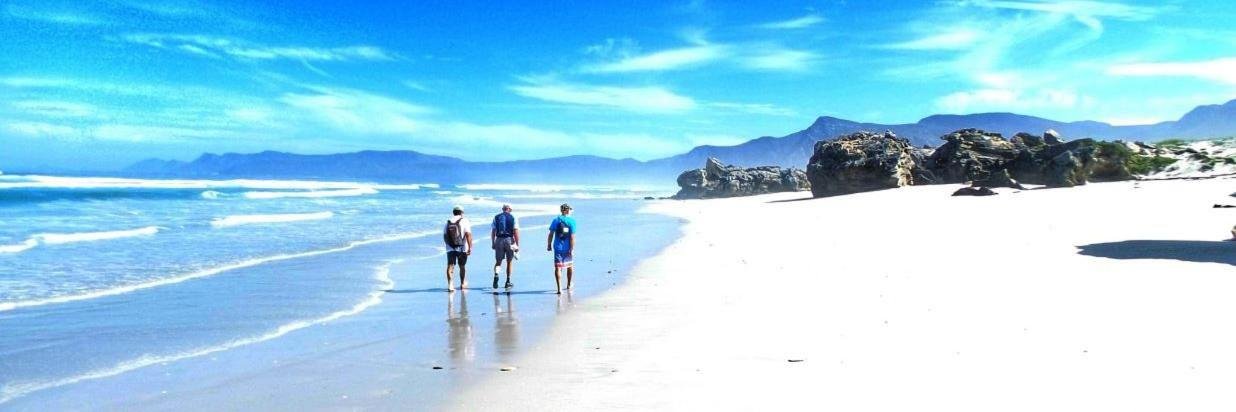
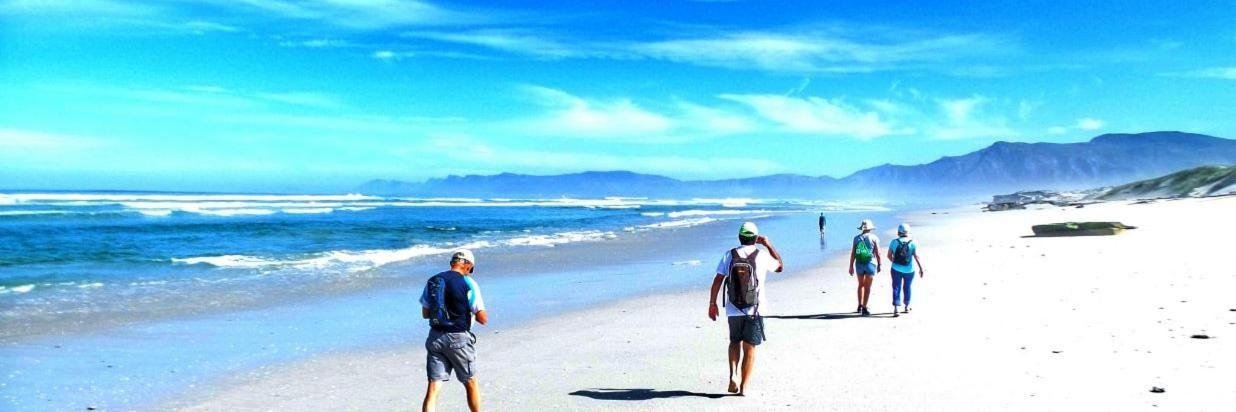
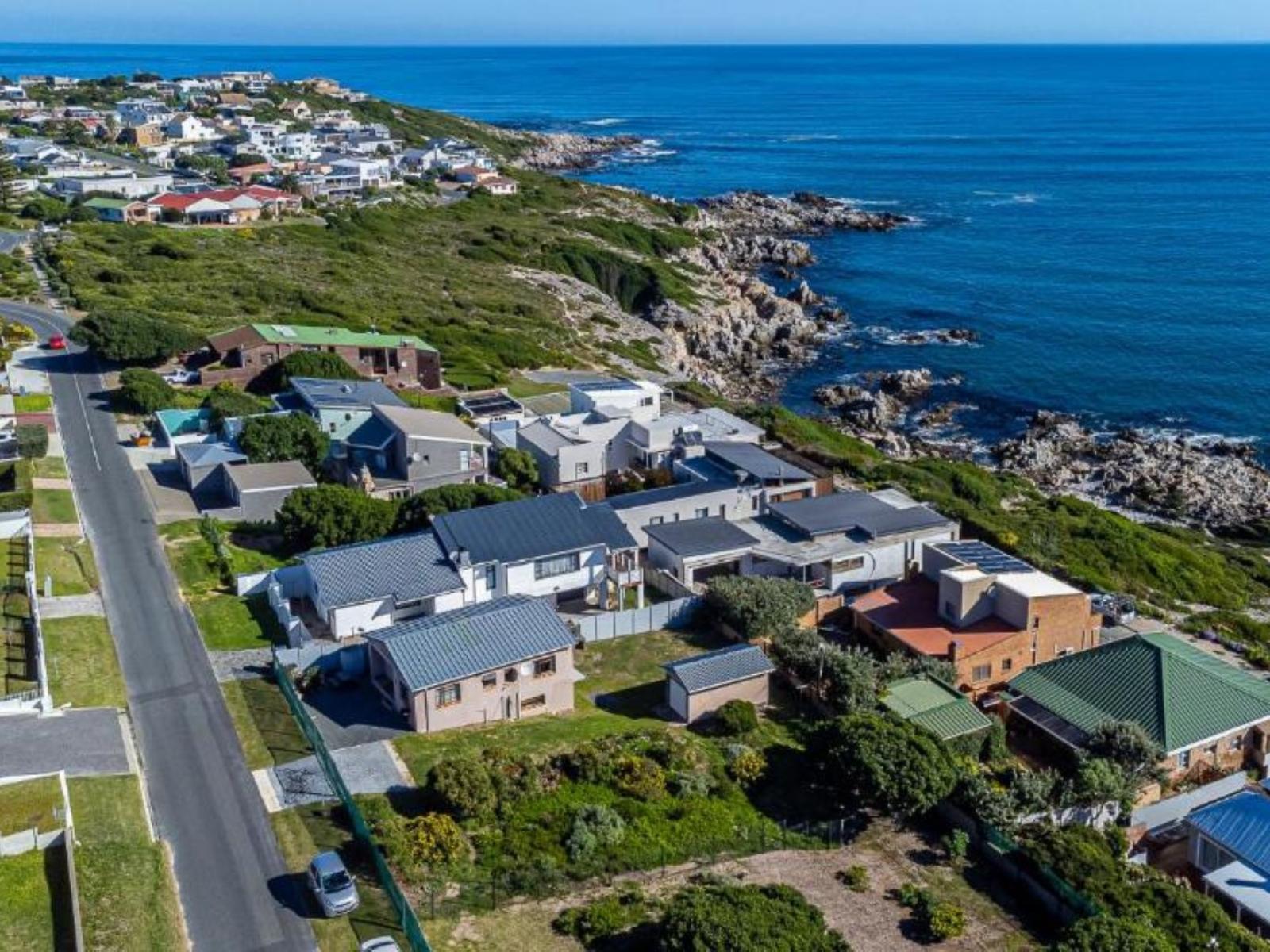
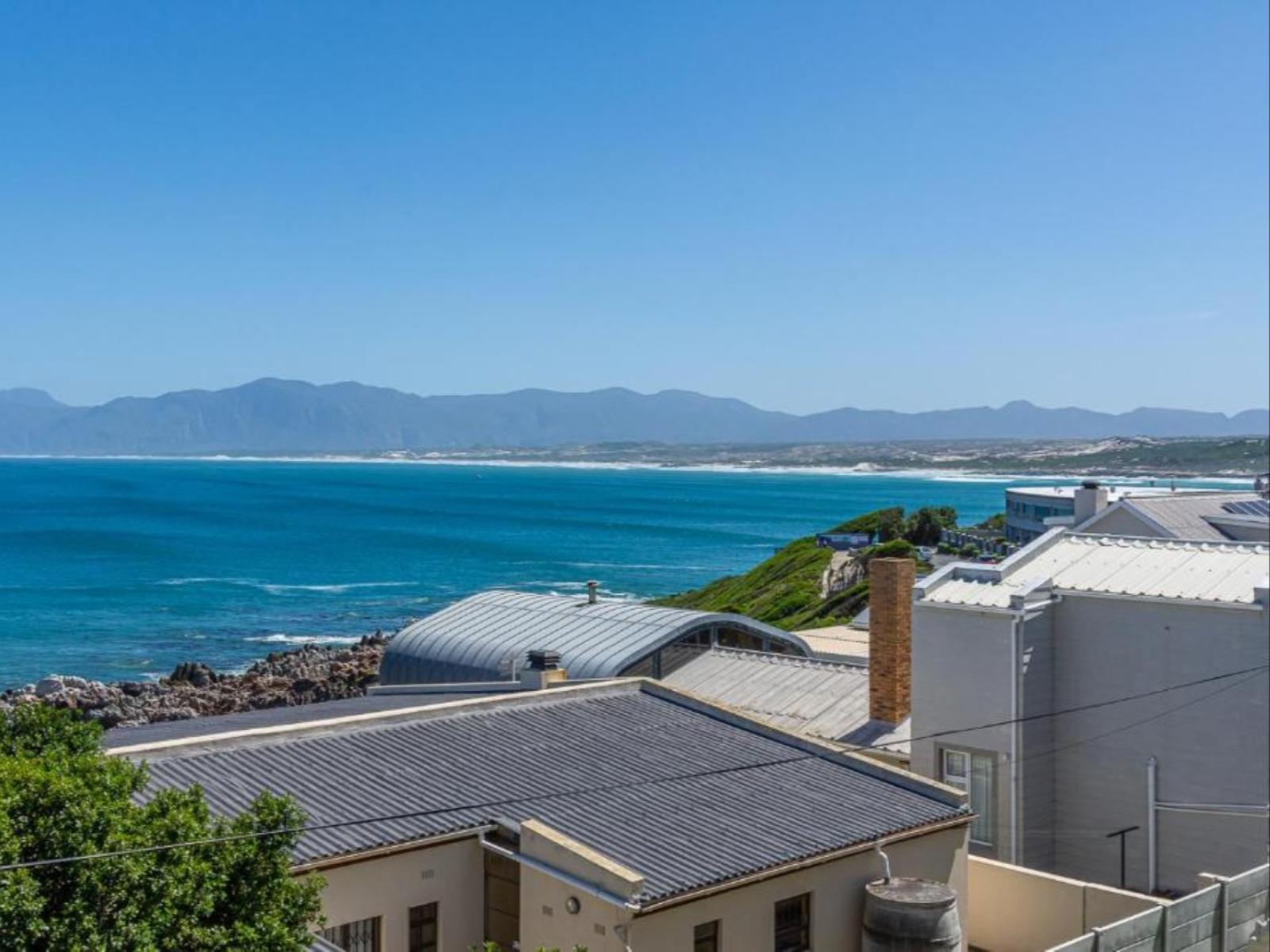
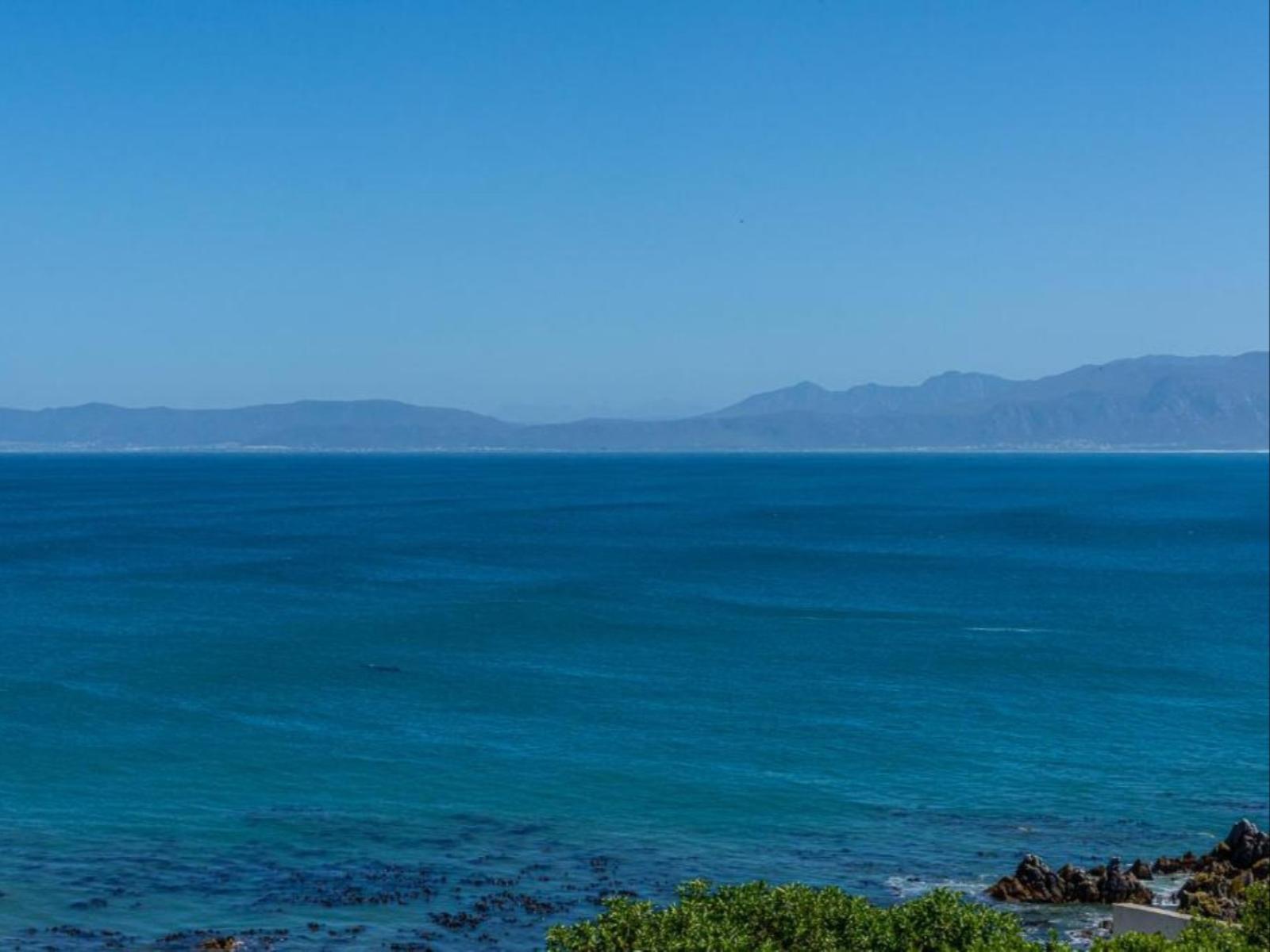
De Kelders is a small coastal village on the eastern shore of Walker Bay, about 160 kilometres from Cape Town. It sits above a rocky shoreline known for some of the best land-based whale watching in South Africa, drawing visitors from June through December each year.
## Accommodation in De Kelders
De Kelders has five properties in total, with nightly rates running from R2,248 to R3,390. There are no hotels in the village, and the accommodation reflects the character of the place: private, owner-managed, and mostly positioned to take advantage of the elevated terrain above the cliffs.
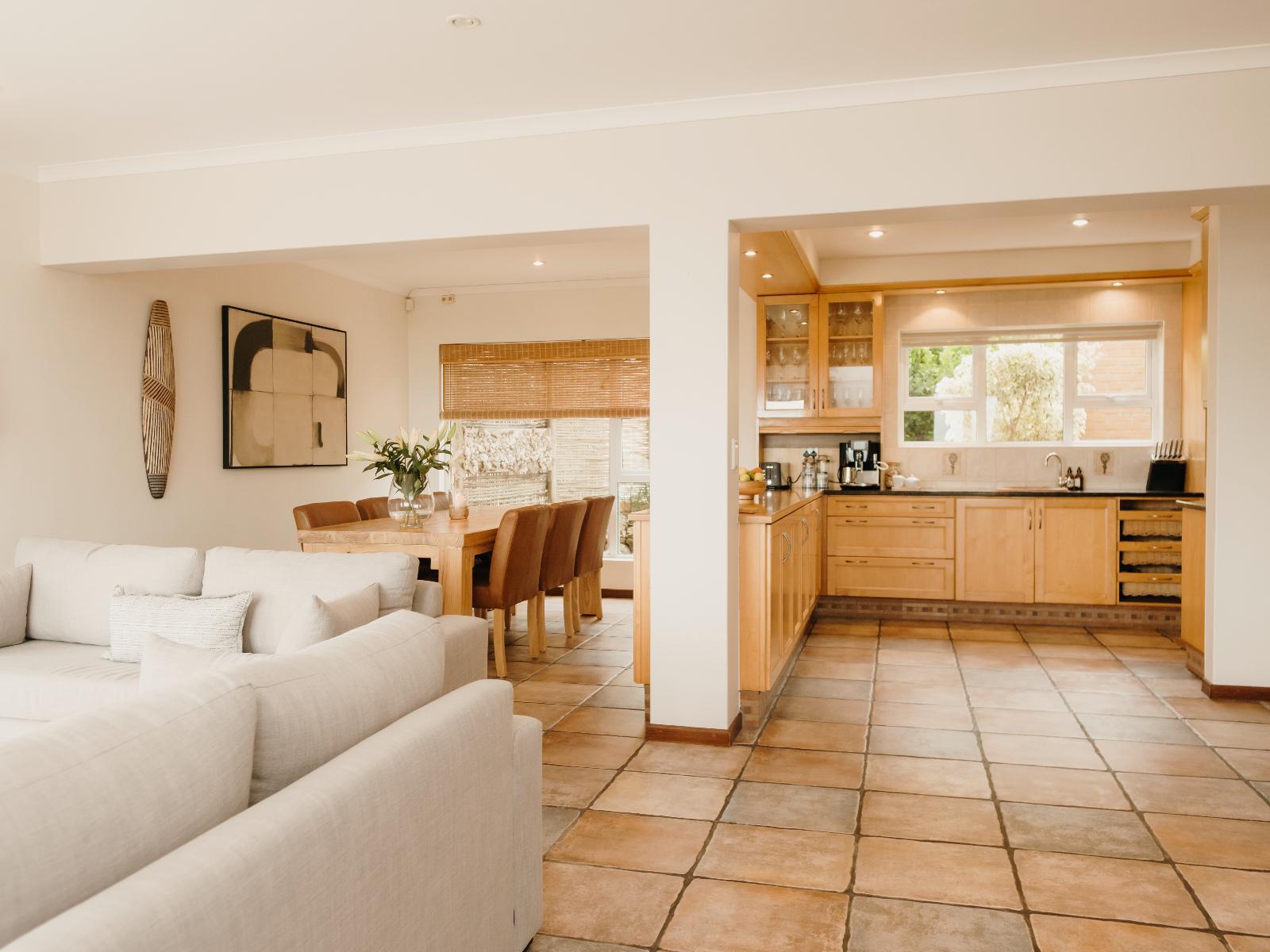
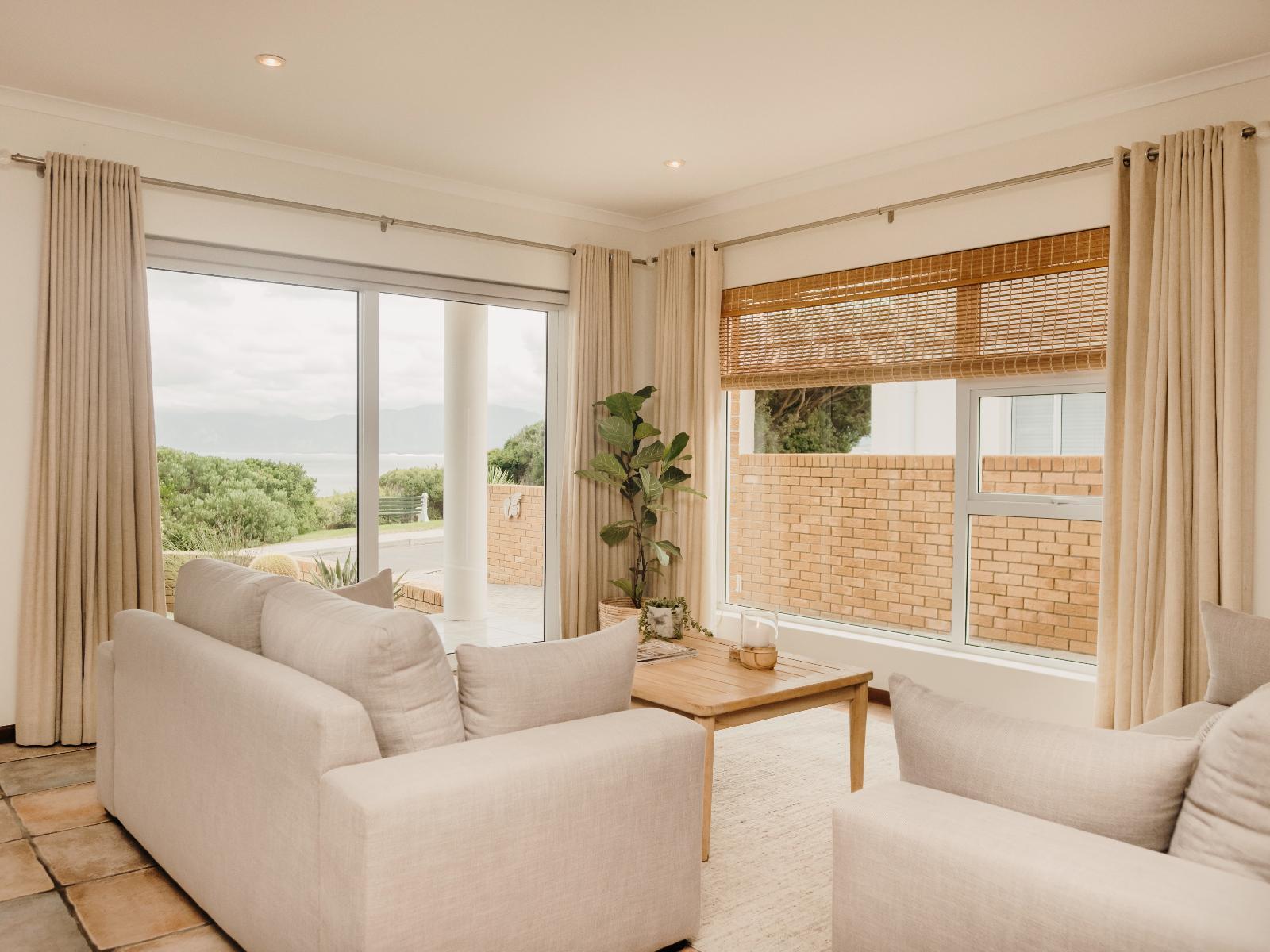
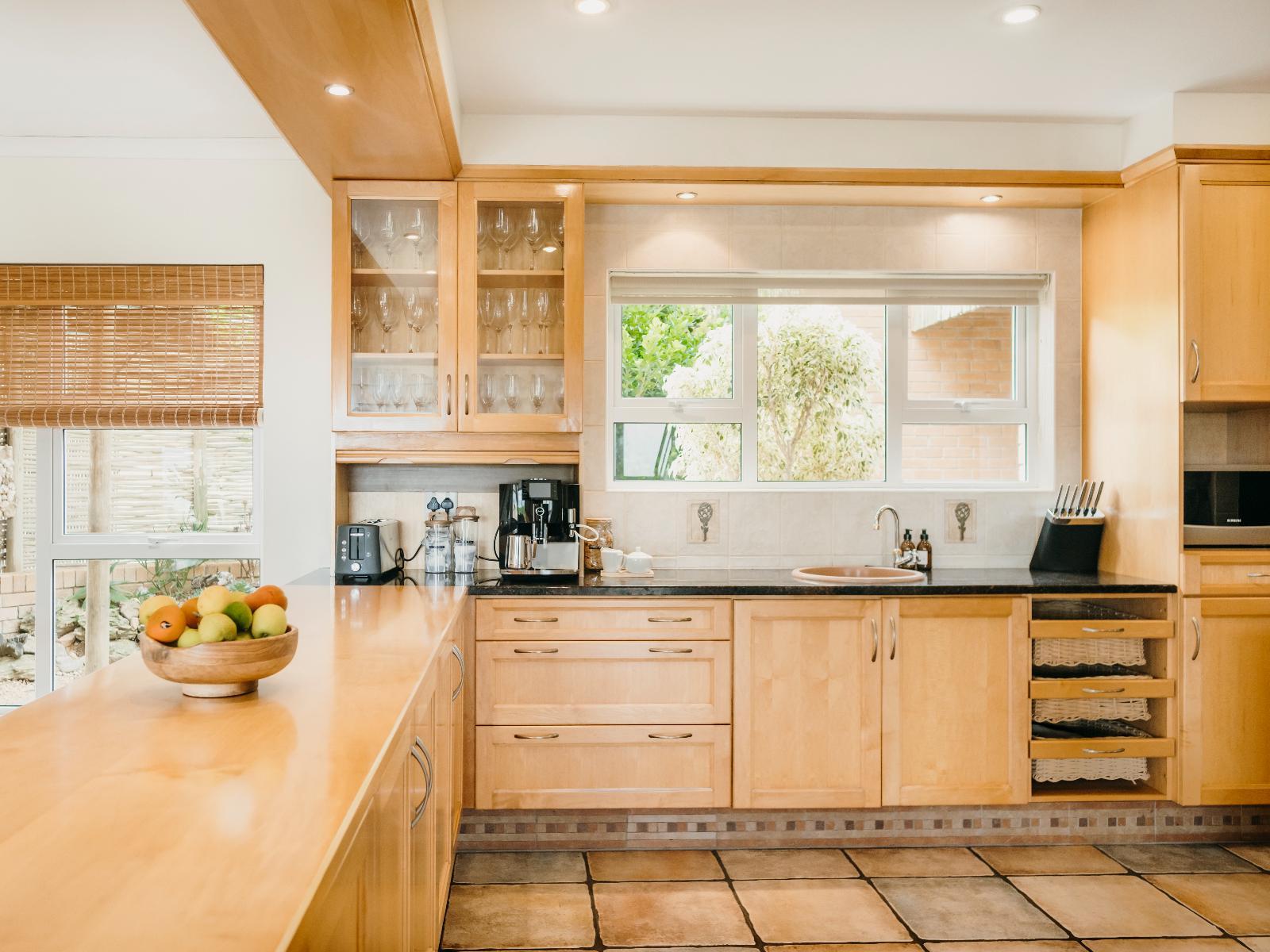
Self-catering makes up the majority of what is available. Three properties in this category are typically holiday homes or cottages let by their owners, well suited to visitors who want to manage their own schedule and cook for themselves. Having a kitchen is a practical asset for multi-night stays. The nearest shops and restaurants are a short drive away, and the ability to eat in simplifies the logistics of longer trips, particularly when the weather turns.
One bed and breakfast operates in the village, offering a more personal arrangement for guests who prefer not to cater for themselves. Breakfast included removes one daily decision, and hosts at smaller properties like this tend to be a reliable source of local knowledge about tides, walks, and conditions on the water.
At the upper end, the single guest house in De Kelders provides the most comprehensive service of the three categories. This type of property typically includes a fuller amenity set, sometimes with dinner available on request, and is better suited to visitors who want attentive hosting in a small, quiet setting. With only one listing at this level, availability is limited, and rates reflect both that scarcity and the quality of clifftop positions available in the village.
Across all categories, total stock is thin. Properties in the most favoured positions are often committed months ahead during peak season. Most listings carry minimum stay requirements, and two nights is the standard expectation.
---
## Best Time to Visit De Kelders
The whale season is the main reason most visitors choose their dates carefully. Southern right whales enter Walker Bay between June and December to calve and nurse their young, and the cliffs at De Kelders sit directly above this bay. Elevated viewpoints along the cliff edge allow observation from land at close range, sometimes for hours at a time without needing to move far. July and August see the highest whale activity and the most visitors, with accommodation filling well before those months arrive.
The Western Cape's rainy season runs from May through August. Atlantic fronts bring rain, overcast skies, and occasional strong winds during this period, which can make outdoor time unpredictable. September and October offer improving conditions with reduced crowds, and the fynbos on the slopes behind the village is at its most varied in spring. Those slopes fall within the Cape Floral Region, a UNESCO World Heritage Site, and the transition from winter to spring is a reasonable time to see the vegetation at its best.
Summer, from November through February, is warm and dry, with temperatures sometimes reaching the mid-30s inland. The coastal position moderates the heat, but shade along the cliff walks is limited. December and January are popular with domestic South African travellers, so availability tightens again.
For visitors whose main interest is not whale watching, March, April, and May offer quieter roads, lower prices, and mild weather before the winter rains set in.
---
## Getting to De Kelders
Cape Town International Airport is the nearest major entry point by air, roughly 180 kilometres to the west. Most visitors hire a car and drive, with the journey taking around two hours under normal conditions. From Cape Town, the route follows the N2 east to Bot River, where the R43 branches south toward the coast. The road runs through farmland and coastal terrain before reaching the De Kelders turn-off.
No scheduled bus service reaches the village directly. Long-distance coaches stop at larger towns along the main highway, and onward travel from those points requires a private transfer or a taxi arrangement made in advance. Shared minibus taxis cover some routes along the R43 corridor, but schedules are informal and coverage is inconsistent.
For most visitors, a rental car is the practical solution. It gives flexibility for day trips along the surrounding coastline and accounts for the local reality that petrol, groceries, and services are not available within the village itself. The R43 is in generally good condition; some coastal approach roads to individual properties may be gravel, so it is worth checking with your accommodation before the final stretch. Arriving with a full tank is advisable, as fuel is not available in De Kelders.
---
## De Kelders and Surrounding Areas
**Gansbaai** is just 3 kilometres away and functions as the area's main service hub, with supermarkets, a petrol station, restaurants, and a working harbour. Beyond the practical, it is the departure point for cage diving with great white sharks, one of the most well-known marine wildlife experiences in South Africa. Tour boats head out to Dyer Island, where a large African penguin colony shares the rocks with Cape fur seals. The channel between Dyer Island and Geyser Rock, known as Shark Alley, concentrates both predators and prey and has made this stretch of coastline a reference point for marine wildlife travel internationally.
**Kleinbaai** (7km) is a small fishing harbour used by many of the shark diving operators. It is a working waterfront rather than a tourist destination, but the harbour and surrounding shoreline offer a direct look at the fishing industry that runs alongside the area's tourism economy, and the coastal views from the access roads are open and clear.
**Van Dyks Bay** (7km) is a residential coastal settlement with no commercial activity. The footpaths connecting it to the broader shoreline are accessible and provide sustained sea views in both directions, making it a straightforward addition to a coastal walk.
**Stanford** (15km) sits inland on the Klein River and has a noticeably different feel from the coastal villages. The town has craft studios, the Birkenhead Brewery, and a Saturday market. The Klein River can be paddled by canoe, and the riparian environment supports good bird watching year-round. A half-day visit pairs well with a drive back along the coast.
**Baardskeerdersbos** (19km) is a small inland settlement popular with hikers and mountain bikers. Well-marked trails run through the surrounding hills and scrubland, and the village has a pub that functions as a community gathering point. It offers an alternative base for visitors who prefer an inland setting over direct coastal exposure.
**Hermanus** (19km along the R43) has a wider selection of restaurants, a Saturday morning market, and a cliff path that runs for several kilometres along the shoreline. The town hosts the annual Whale Festival in September, which draws large crowds and a programme of events. It also offers more shops and services than anywhere closer to De Kelders, making it a practical destination for a longer afternoon, a good meal, or a proper resupply.
---
## Planning Your Stay
With only five properties in De Kelders, availability is limited and moves quickly. Peak whale season sees some places committed months in advance, so confirming accommodation early is the most practical step if you have fixed travel dates. Last-minute availability in July and August is uncommon.
When comparing options, check carefully what the nightly rate includes. Properties vary in whether they supply linen, towels, and firewood. Coastal evenings are cool year-round, and some properties charge separately for heating or firewood, which can affect the real cost of a multi-night stay.
The caves along the shoreline, which give the village its Afrikaans name (De Kelders means "the cellars"), and the rock pools nearby are both best accessed at low tide. Downloading a tide table before you arrive is worthwhile. Mobile signal in parts of the village is intermittent, so saving maps and important contact numbers offline before you leave the main road is sensible.
There is no shop or commercial centre within the village itself. Groceries, cash, and any medical supplies need to be sourced elsewhere before arrival. Food delivery services do not cover this part of the coast, so if you are staying in a property with a kitchen, plan your shopping before the turn-off. Arriving unprepared for a quiet Sunday evening is a common mistake for first-time visitors.

De Kelders has five properties in total, with nightly rates running from R2,248 to R3,390. There are no hotels in the village, and the accommodation reflects the character of the place: private, owner-managed, and mostly positioned to take advantage of the elevated terrain above the cliffs.
Self-catering makes up the majority of what is available. Three properties in this category are typically holiday homes or cottages let by their owners, well suited to visitors who want to manage their own schedule and cook for themselves. Having a kitchen is a practical asset for multi-night stays. The nearest shops and restaurants are a short drive away, and the ability to eat in simplifies the logistics of longer trips, particularly when the weather turns.
One bed and breakfast operates in the village, offering a more personal arrangement for guests who prefer not to cater for themselves. Breakfast included removes one daily decision, and hosts at smaller properties like this tend to be a reliable source of local knowledge about tides, walks, and conditions on the water.
At the upper end, the single guest house in De Kelders provides the most comprehensive service of the three categories. This type of property typically includes a fuller amenity set, sometimes with dinner available on request, and is better suited to visitors who want attentive hosting in a small, quiet setting. With only one listing at this level, availability is limited, and rates reflect both that scarcity and the quality of clifftop positions available in the village.
Across all categories, total stock is thin. Properties in the most favoured positions are often committed months ahead during peak season. Most listings carry minimum stay requirements, and two nights is the standard expectation.
---
## Best Time to Visit De Kelders
The whale season is the main reason most visitors choose their dates carefully. Southern right whales enter Walker Bay between June and December to calve and nurse their young, and the cliffs at De Kelders sit directly above this bay. Elevated viewpoints along the cliff edge allow observation from land at close range, sometimes for hours at a time without needing to move far. July and August see the highest whale activity and the most visitors, with accommodation filling well before those months arrive.
The Western Cape's rainy season runs from May through August. Atlantic fronts bring rain, overcast skies, and occasional strong winds during this period, which can make outdoor time unpredictable. September and October offer improving conditions with reduced crowds, and the fynbos on the slopes behind the village is at its most varied in spring. Those slopes fall within the Cape Floral Region, a UNESCO World Heritage Site, and the transition from winter to spring is a reasonable time to see the vegetation at its best.
Summer, from November through February, is warm and dry, with temperatures sometimes reaching the mid-30s inland. The coastal position moderates the heat, but shade along the cliff walks is limited. December and January are popular with domestic South African travellers, so availability tightens again.
For visitors whose main interest is not whale watching, March, April, and May offer quieter roads, lower prices, and mild weather before the winter rains set in.
---
## Getting to De Kelders
Cape Town International Airport is the nearest major entry point by air, roughly 180 kilometres to the west. Most visitors hire a car and drive, with the journey taking around two hours under normal conditions. From Cape Town, the route follows the N2 east to Bot River, where the R43 branches south toward the coast. The road runs through farmland and coastal terrain before reaching the De Kelders turn-off.
No scheduled bus service reaches the village directly. Long-distance coaches stop at larger towns along the main highway, and onward travel from those points requires a private transfer or a taxi arrangement made in advance. Shared minibus taxis cover some routes along the R43 corridor, but schedules are informal and coverage is inconsistent.
For most visitors, a rental car is the practical solution. It gives flexibility for day trips along the surrounding coastline and accounts for the local reality that petrol, groceries, and services are not available within the village itself. The R43 is in generally good condition; some coastal approach roads to individual properties may be gravel, so it is worth checking with your accommodation before the final stretch. Arriving with a full tank is advisable, as fuel is not available in De Kelders.
---
## De Kelders and Surrounding Areas
**Gansbaai** is just 3 kilometres away and functions as the area's main service hub, with supermarkets, a petrol station, restaurants, and a working harbour. Beyond the practical, it is the departure point for cage diving with great white sharks, one of the most well-known marine wildlife experiences in South Africa. Tour boats head out to Dyer Island, where a large African penguin colony shares the rocks with Cape fur seals. The channel between Dyer Island and Geyser Rock, known as Shark Alley, concentrates both predators and prey and has made this stretch of coastline a reference point for marine wildlife travel internationally.
**Kleinbaai** (7km) is a small fishing harbour used by many of the shark diving operators. It is a working waterfront rather than a tourist destination, but the harbour and surrounding shoreline offer a direct look at the fishing industry that runs alongside the area's tourism economy, and the coastal views from the access roads are open and clear.
**Van Dyks Bay** (7km) is a residential coastal settlement with no commercial activity. The footpaths connecting it to the broader shoreline are accessible and provide sustained sea views in both directions, making it a straightforward addition to a coastal walk.
**Stanford** (15km) sits inland on the Klein River and has a noticeably different feel from the coastal villages. The town has craft studios, the Birkenhead Brewery, and a Saturday market. The Klein River can be paddled by canoe, and the riparian environment supports good bird watching year-round. A half-day visit pairs well with a drive back along the coast.
**Baardskeerdersbos** (19km) is a small inland settlement popular with hikers and mountain bikers. Well-marked trails run through the surrounding hills and scrubland, and the village has a pub that functions as a community gathering point. It offers an alternative base for visitors who prefer an inland setting over direct coastal exposure.
**Hermanus** (19km along the R43) has a wider selection of restaurants, a Saturday morning market, and a cliff path that runs for several kilometres along the shoreline. The town hosts the annual Whale Festival in September, which draws large crowds and a programme of events. It also offers more shops and services than anywhere closer to De Kelders, making it a practical destination for a longer afternoon, a good meal, or a proper resupply.
---
## Planning Your Stay
With only five properties in De Kelders, availability is limited and moves quickly. Peak whale season sees some places committed months in advance, so confirming accommodation early is the most practical step if you have fixed travel dates. Last-minute availability in July and August is uncommon.
When comparing options, check carefully what the nightly rate includes. Properties vary in whether they supply linen, towels, and firewood. Coastal evenings are cool year-round, and some properties charge separately for heating or firewood, which can affect the real cost of a multi-night stay.
The caves along the shoreline, which give the village its Afrikaans name (De Kelders means "the cellars"), and the rock pools nearby are both best accessed at low tide. Downloading a tide table before you arrive is worthwhile. Mobile signal in parts of the village is intermittent, so saving maps and important contact numbers offline before you leave the main road is sensible.
There is no shop or commercial centre within the village itself. Groceries, cash, and any medical supplies need to be sourced elsewhere before arrival. Food delivery services do not cover this part of the coast, so if you are staying in a property with a kitchen, plan your shopping before the turn-off. Arriving unprepared for a quiet Sunday evening is a common mistake for first-time visitors.
Tipes Akkommodasie in De Kelders
Uitgesoekte Verblyf in De Kelders
Whalesong Lodge
Gastehuis
De Kelders
Vanaf R3,390
Whalesong Lodge
Gastehuis
De Kelders
· < 1km van De Kelders
Vanaf
R3,390
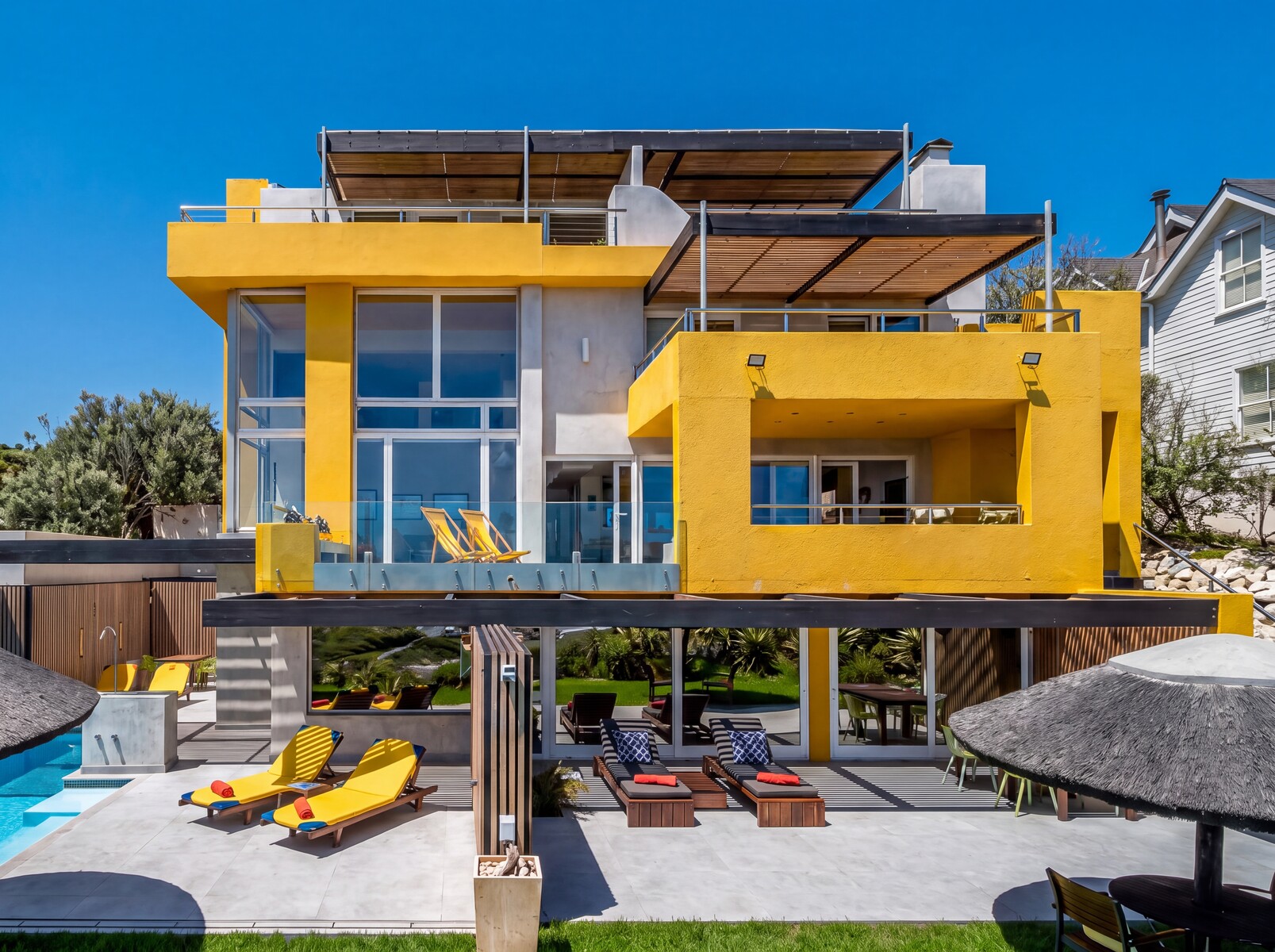
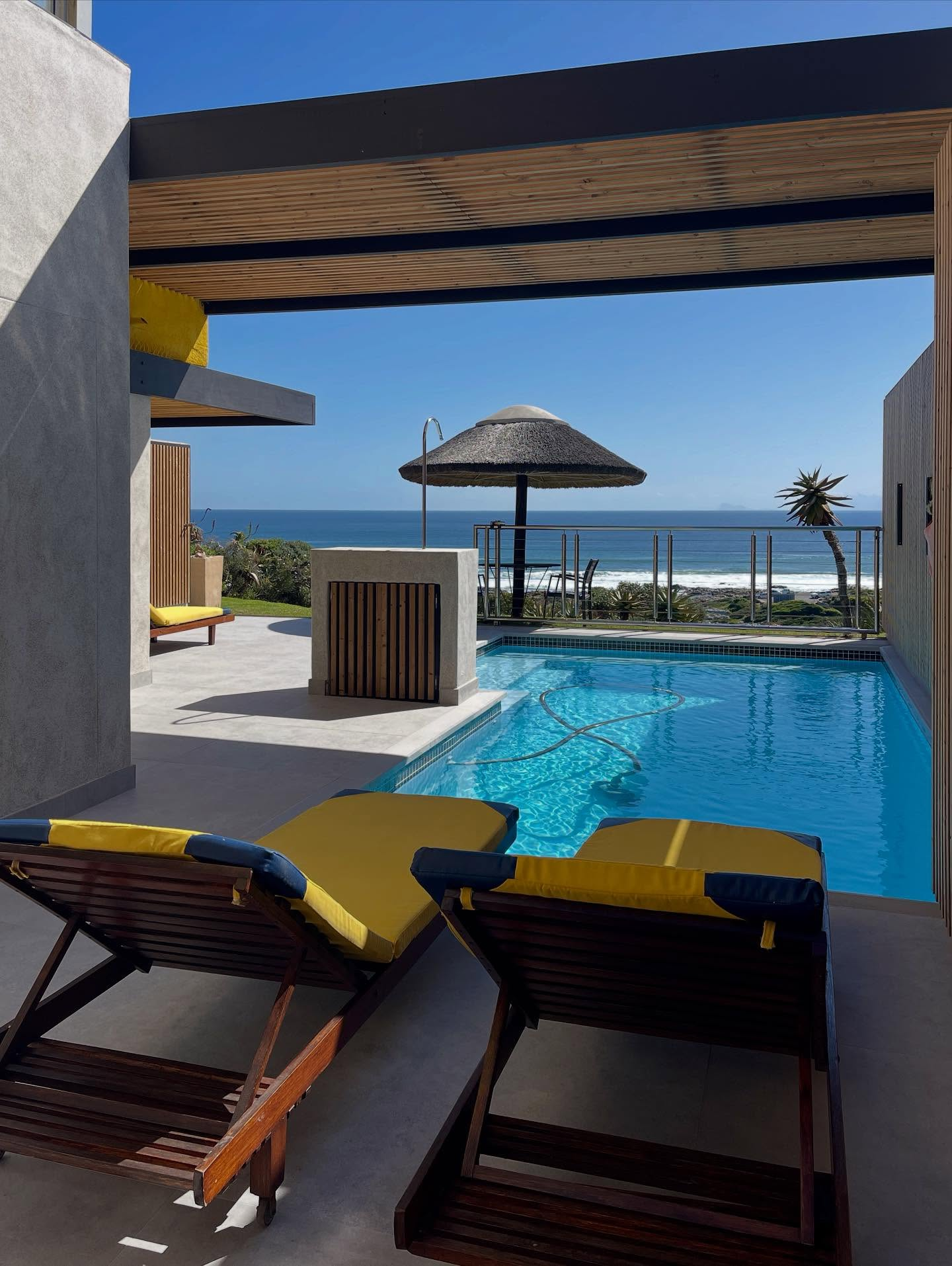
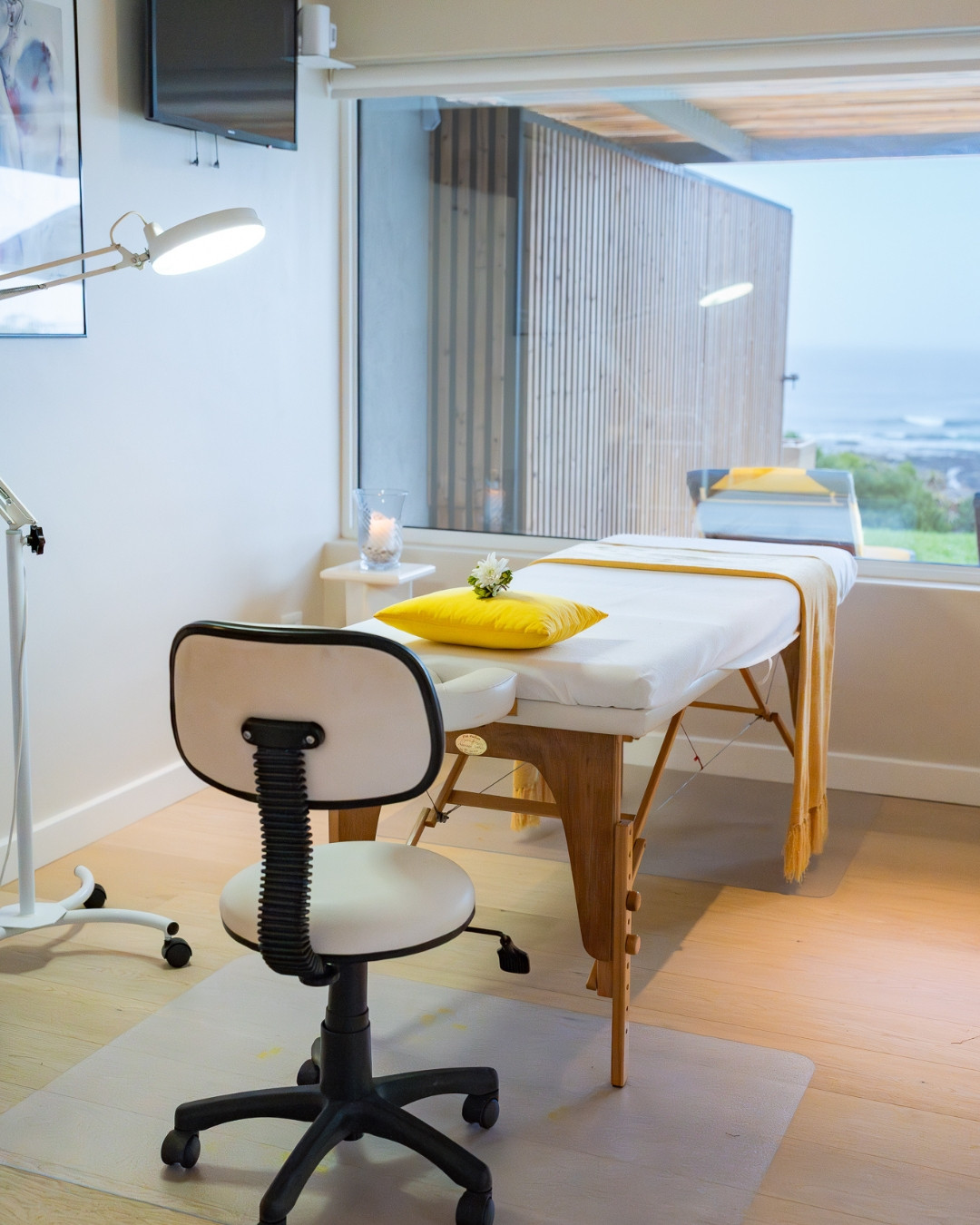
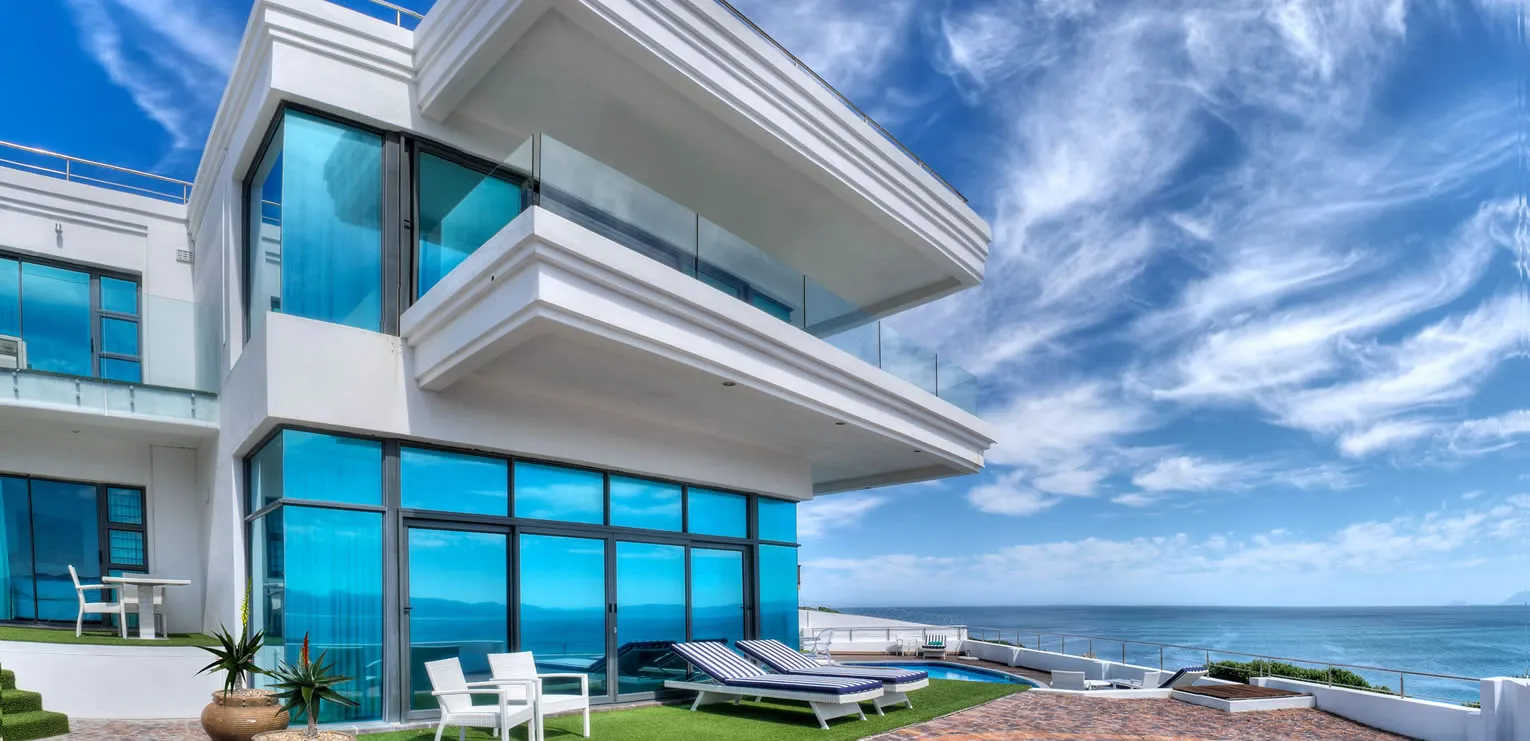
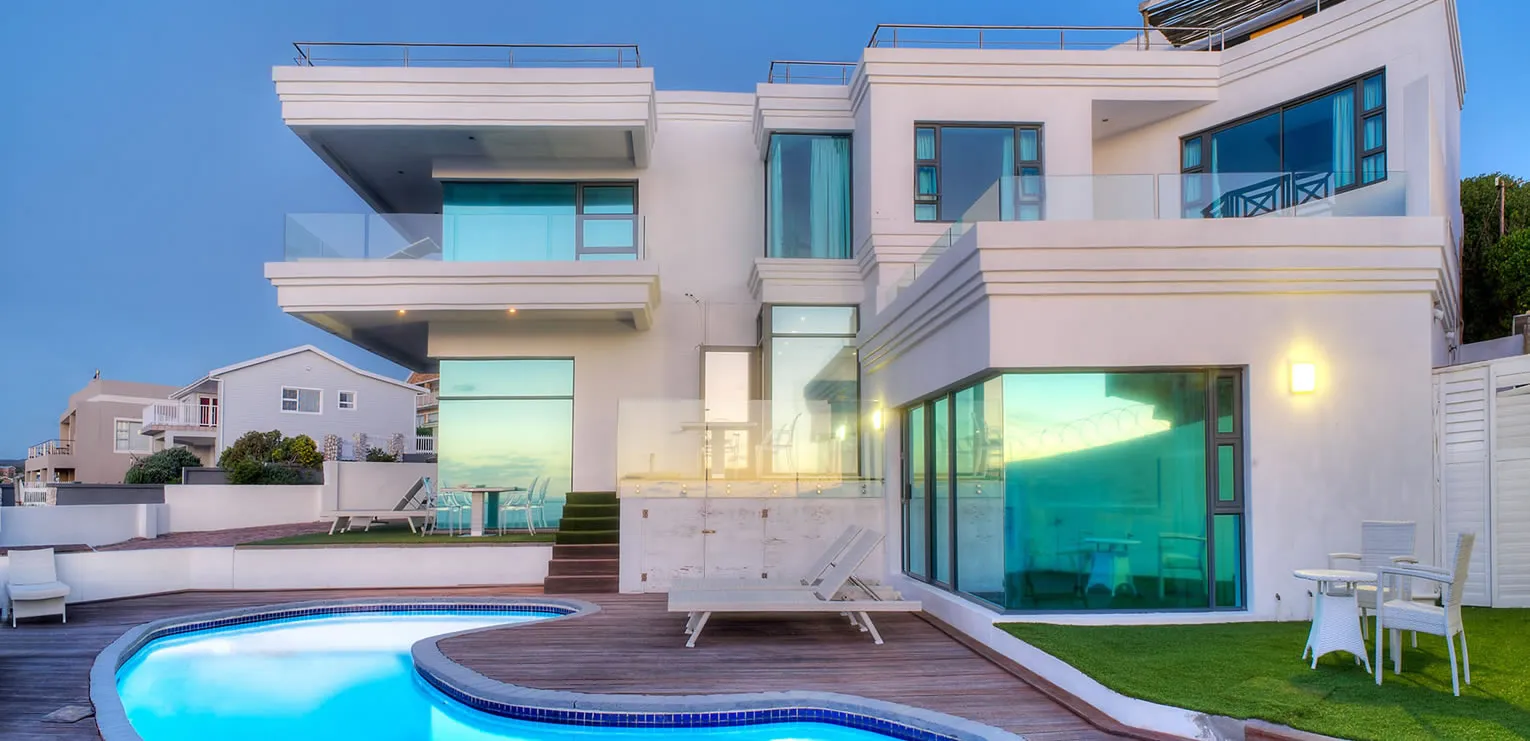
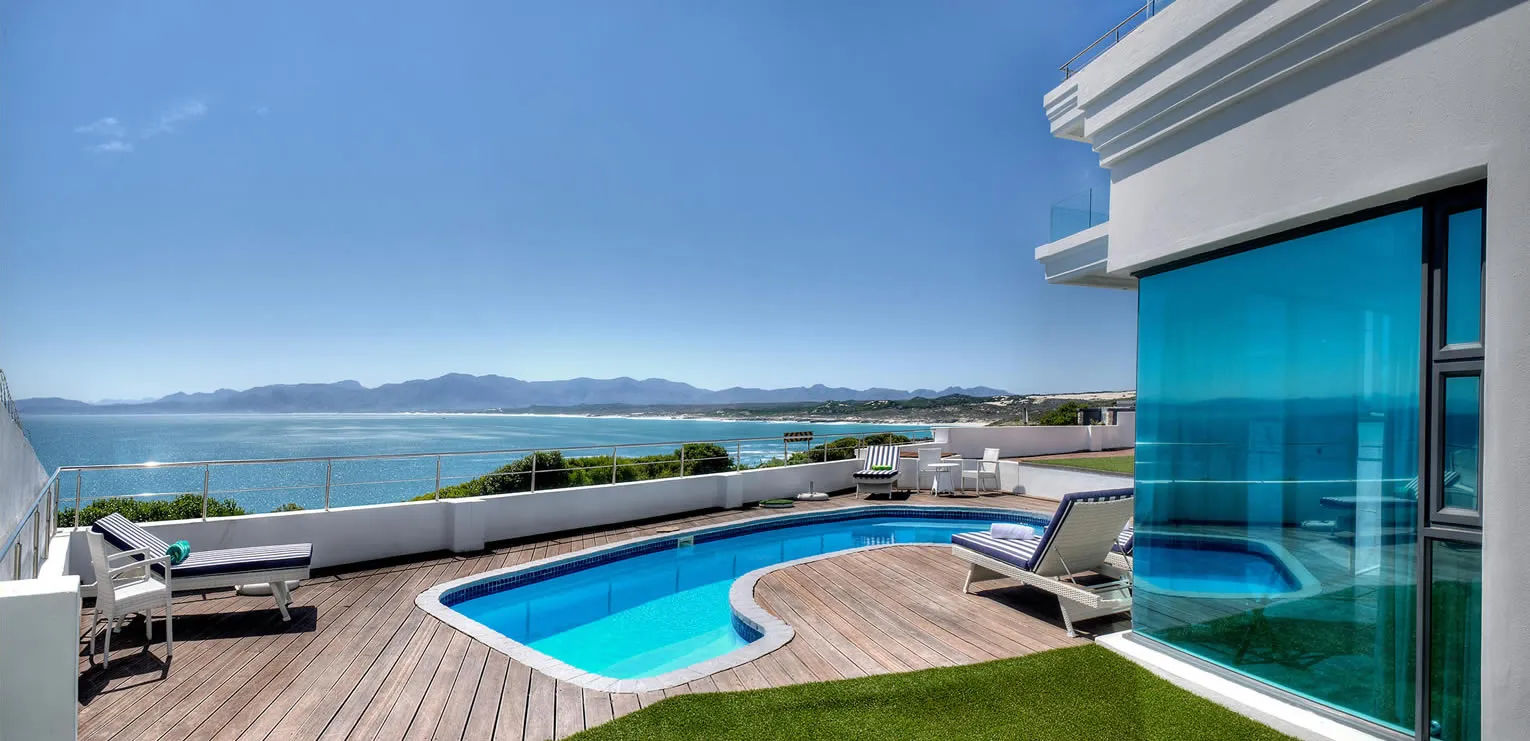
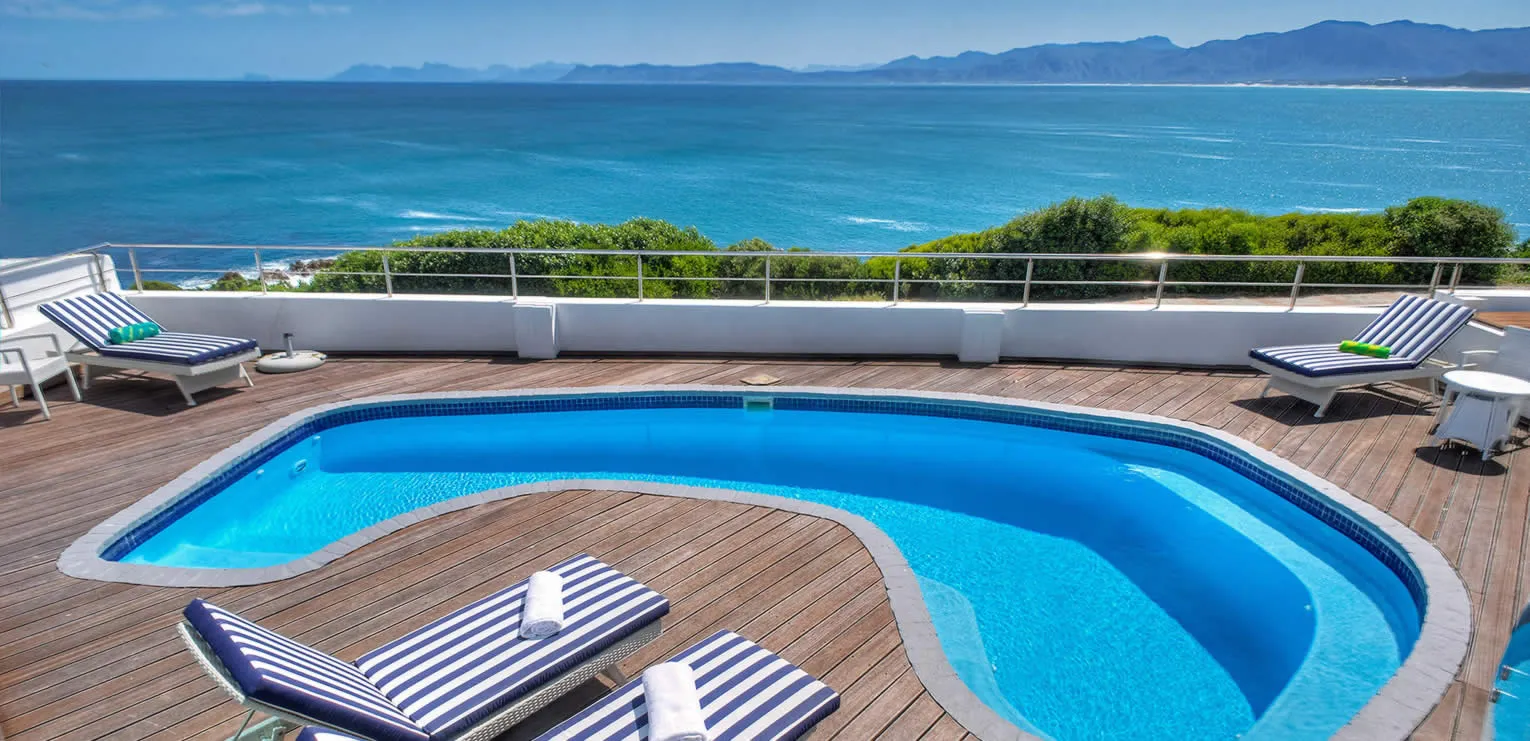
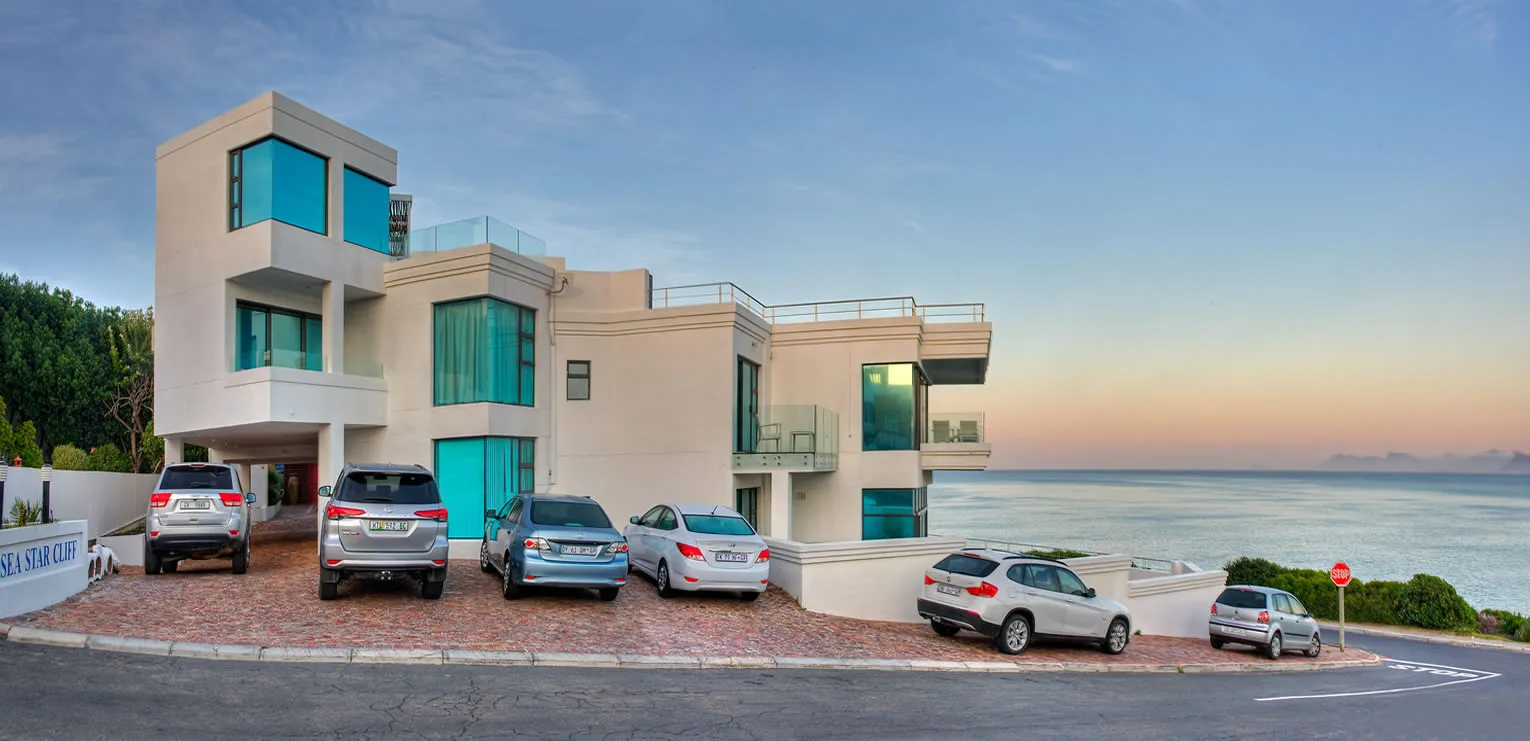
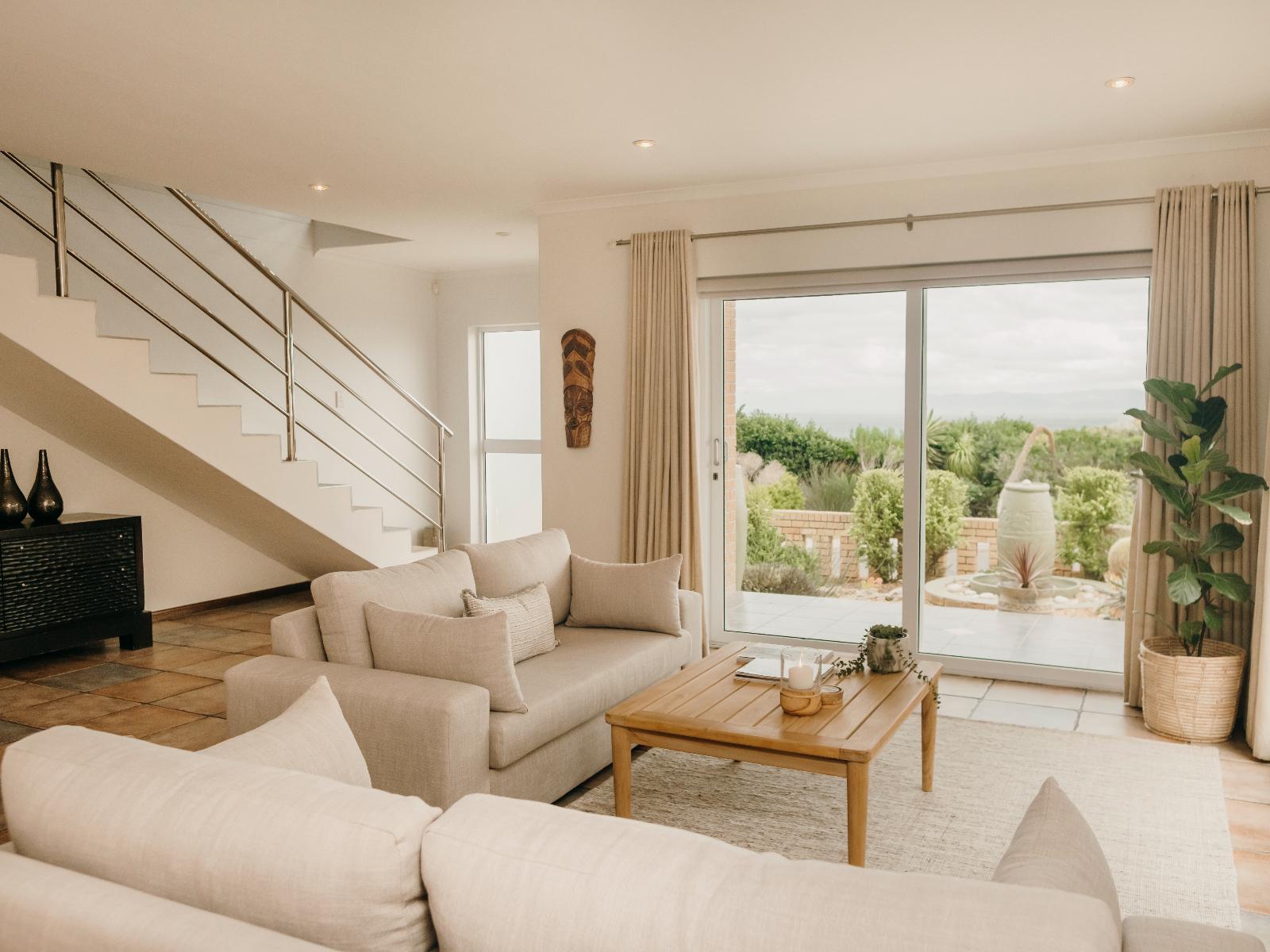
Whalesong Lodge is 'n boetiek-akkommodasie in De Kelders, Gansbaai, minder as twee uur van Kaapstad. Gestig in 2005, het die eiendom standaardkamers, 'n huweliksreisuite en die Milkwood House-uitbreiding wat oor Walker Bay uitkyk.
Slaap 6
Kinders welkom
Farm215
Selfsorg
Gansbaai
Vanaf R2,248
Farm215
Selfsorg
Gansbaai
· 13.6km van De Kelders
Vanaf
R2,248
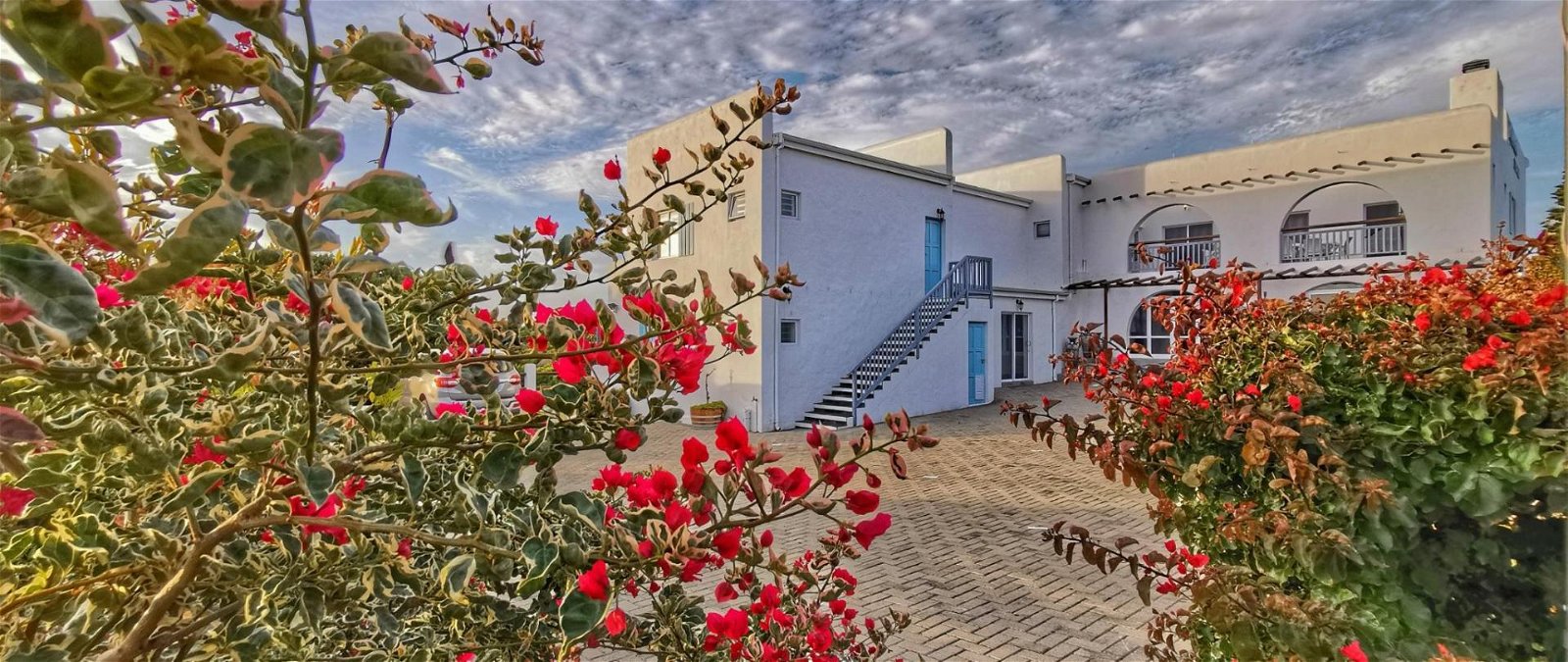
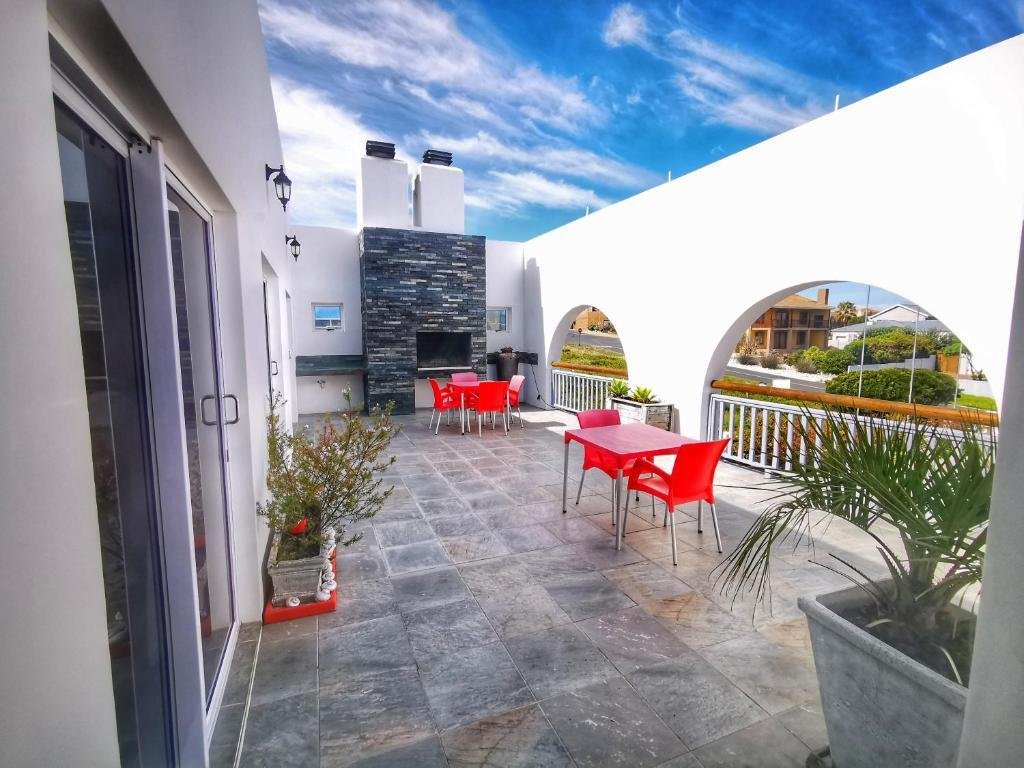
Farm215 is selfsorgings-akkommodasie op 'n 800 hektaar private natuurreservaat in die Suid-Afrikaanse Overberg. Nie meer as 20 gaste is op enige tyd op die reservaat, verspreid oor die Fynbos Suites, House 215, en Fynbos Hill.
Slaap 14
Kinders welkom
Akkommodasiepryse in De Kelders
| Tipe | Inskrywings | Vanaf | Gemiddeld | Tot |
|---|---|---|---|---|
| Self-catering | 3 | R2,248 | R3,844 | R8,745 |
| Bed and Breakfast | 1 | – | – | – |
| Guest house | 1 | R3,390 | R4,999 | R6,990 |
De Kelders Kaart
Nabygeleë Bestemmings
Blaai Deur Alle De Kelders Akkommodasie
Bekyk al 5 akkommodasie-opsies in De Kelders met foto's, pryse en beskikbaarheid.
Blaai Deur Alle Akkommodasie