Accommodation in Dwarsrivier
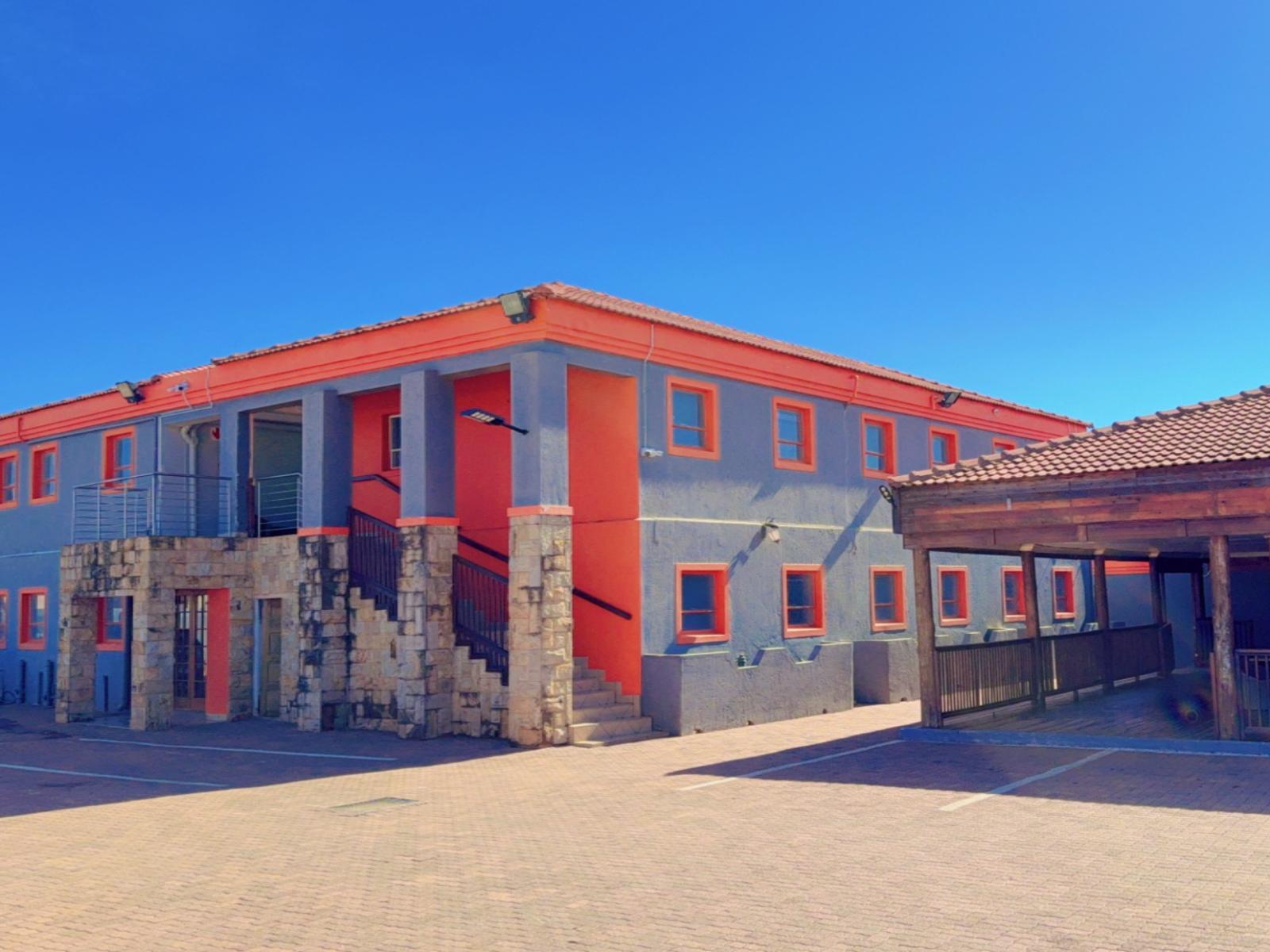
No properties from this area appear on major international booking platforms, which reflects how accommodation across the Limpopo lowveld actually operates rather than indicating a shortage of places to stay. Farm stays, self-catering cottages, and small guesthouses exist across the district, but they sit outside the mainstream booking ecosystem entirely. Direct contact with operators is the standard route to a reservation, and pricing varies considerably between properties and tiers.
At the budget end, self-catering units on working farms are the most common option. These are practical spaces built around outdoor living: a basic kitchen, a braai area, and simple furnishings. Guests are expected to bring their own provisions, since well-stocked shops require a drive to one of the larger regional towns. The appeal lies in the space, the quiet, and the uncomplicated setup rather than in any particular amenity.
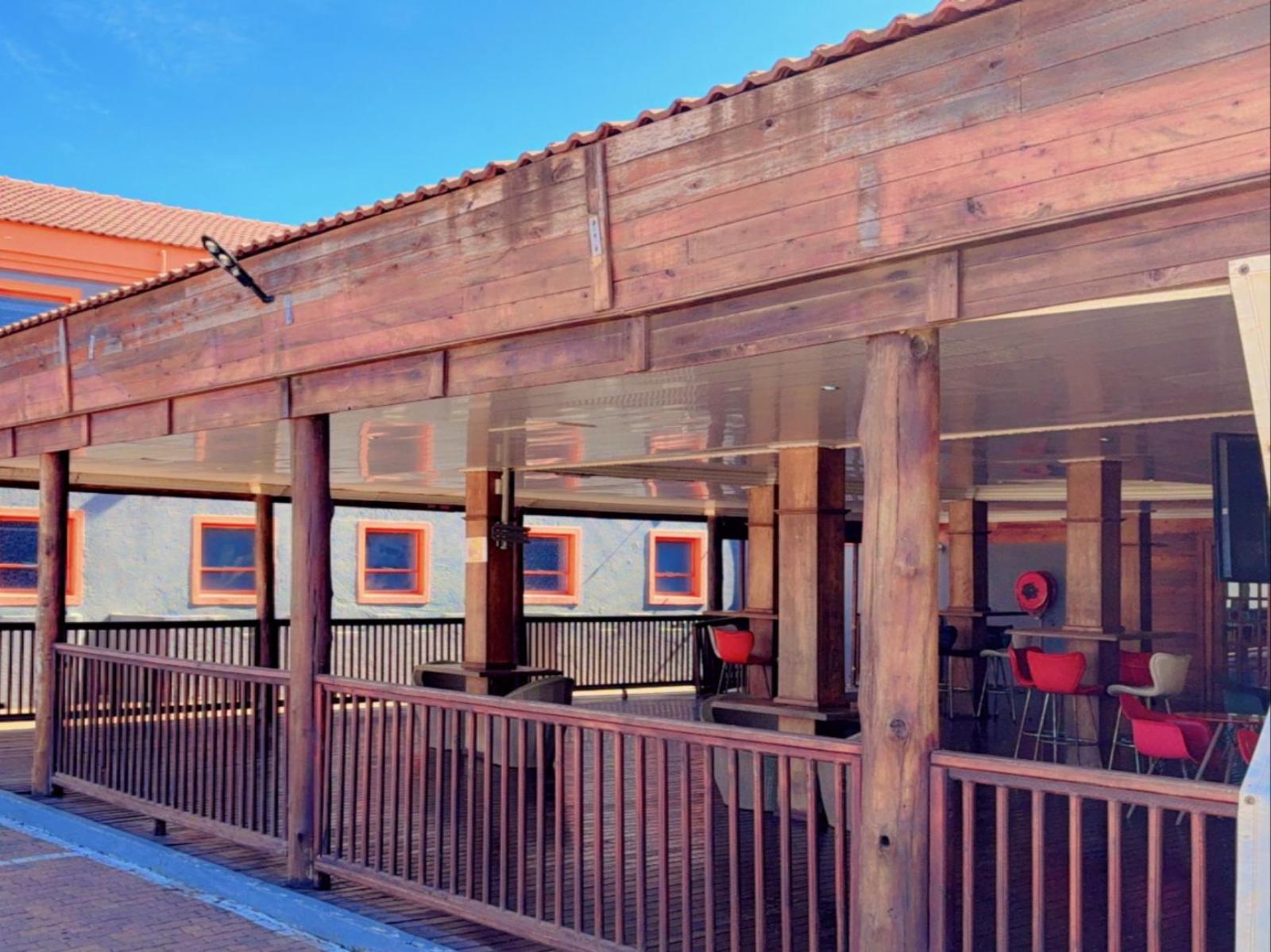
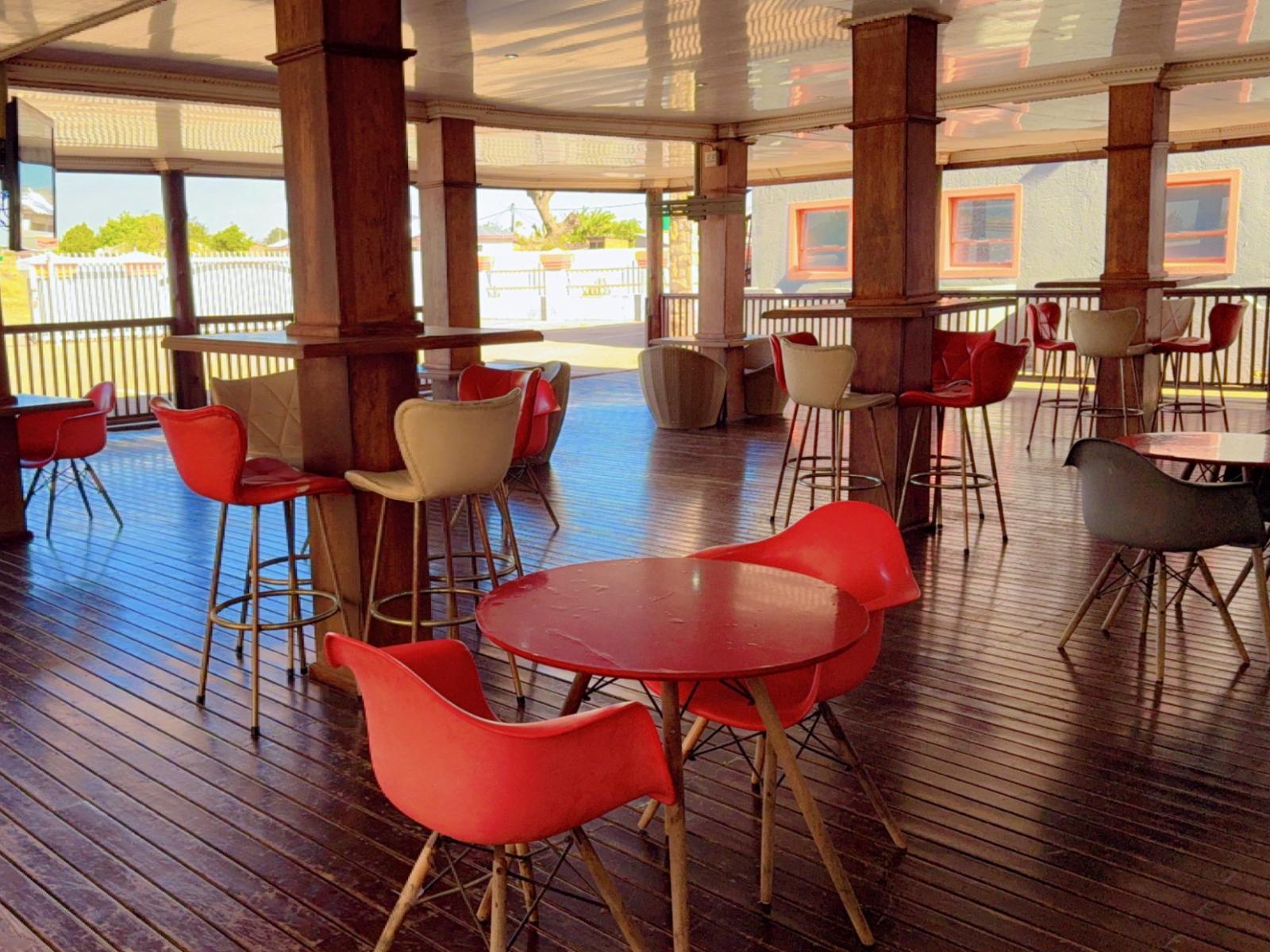
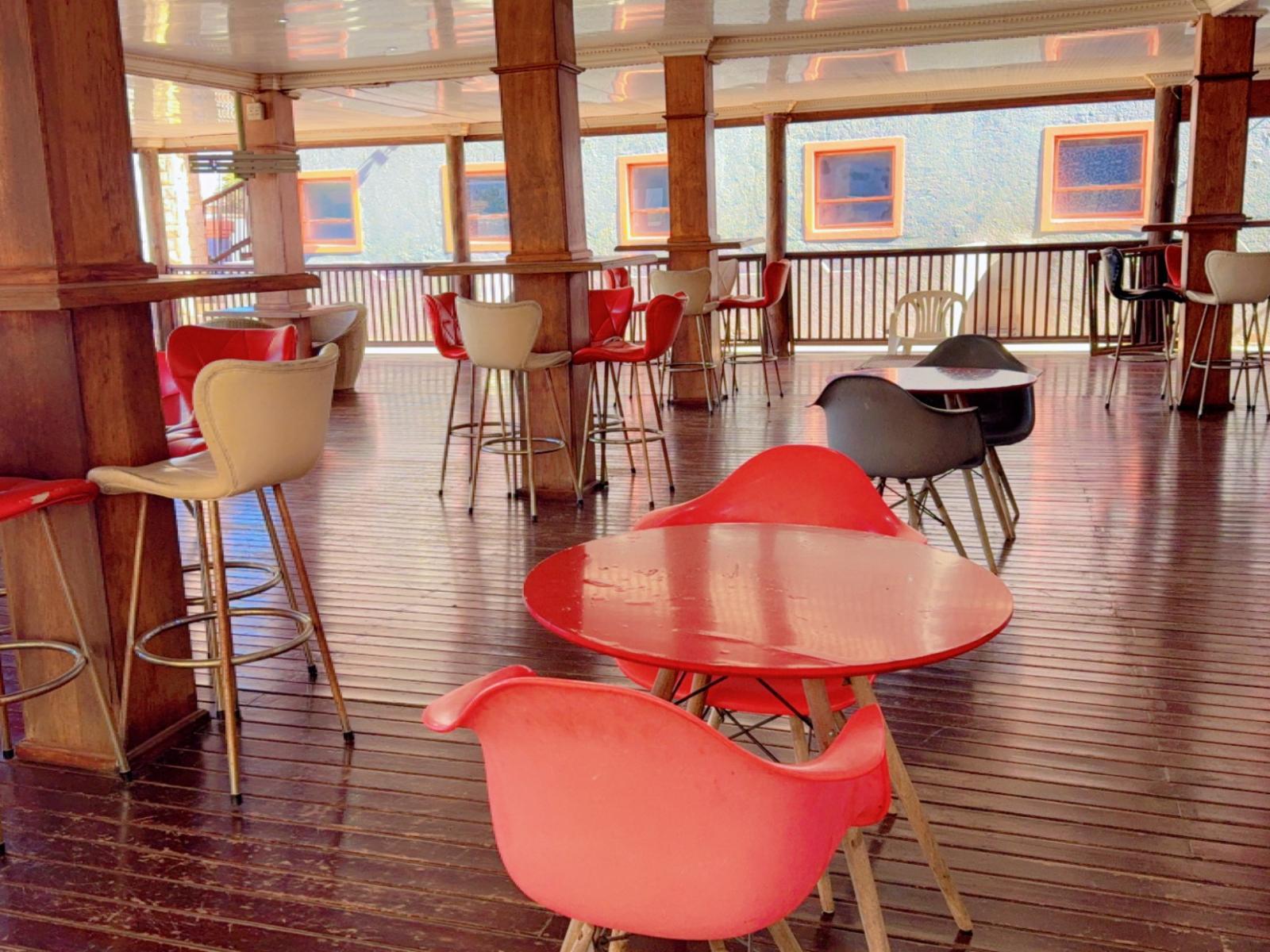
Mid-range options take the form of farm cottages or small guesthouses on properties where game has been reintroduced. Kudu, impala, and smaller antelope are common on these farms, and the scale of operations means hosts tend to be accessible with current, specific knowledge: road conditions, recent animal sightings, and which nearby reserves are worth the entry fee. Braai facilities are standard at this tier, and a well-run farm cottage offers a more personal atmosphere than any large resort-style operation can manage.
Upper-tier accommodation means private game lodges, typically on properties where guided drives are built into the nightly rate or offered as a paid addition. This category covers considerable variation in actual quality, and two lodges describing themselves in similar terms can differ substantially in what they deliver. Direct questions before booking yield more accurate expectations than reading marketing copy. Across all tiers, the essential character of a stay here remains consistent: genuinely rural, at real distance from urban services, and suited to travellers who treat that distance as part of the appeal.
Best Time to Visit Dwarsrivier
The dry season from May through August is the most practical time for most visitors. Daytime temperatures are warm without becoming oppressive, nights drop to a noticeable cool, and the thinning winter vegetation opens sightlines that make game considerably easier to spot. Gravel farm roads stay firm and passable, and afternoon thunderstorms are not a concern. Visitor numbers peak during winter, and accommodation should be secured well in advance for any stay during this period.
October through March brings heat, humidity, and regular afternoon storms. Some farm access roads become genuinely problematic after sustained rain. For birdwatchers, however, this is the season worth planning around. Migratory species arrive in large numbers from around November, young animals are commonly visible from that month onward, and the bush takes on a density and colour entirely different from its winter form.
April and September sit in a useful middle ground. Temperatures are moderate, rain is minimal or recently finished, and visitor numbers are below the winter peak. As the rains hold off through September, wildlife activity increases as animals range more widely in search of water. Either month suits a first visit to the lowveld for travellers with flexibility in their schedule.
Getting to Dwarsrivier
Eastgate Airport, outside Hoedspruit, receives scheduled flights from Johannesburg and Cape Town and is the most practical air entry point, roughly 40 kilometres south of Dwarsrivier. Phalaborwa Airport, about 60 kilometres to the east, connects with OR Tambo International and suits travellers whose itinerary includes the central or northern gates of Kruger National Park.
Driving from Johannesburg takes five to six hours. The standard route follows the N1 north to Mokopane, then turns east through Burgersfort to join the R71 corridor running through the lowveld toward Tzaneen and Phalaborwa. From Polokwane, the R71 heading east covers the remaining distance to Dwarsrivier in around three hours. Traffic leaving the Johannesburg metropolitan area is the main variable in total journey time from the south.
No public transport serves Dwarsrivier or the surrounding farms, making a private vehicle essential rather than optional. Tar roads in the district are manageable in a standard sedan, but farm access tracks and eroded side roads benefit from decent ground clearance, particularly after rain. Fill up in Hoedspruit, Tzaneen, or Phalaborwa before heading into the area. There are no filling stations closer to the district that can be relied upon, and running low on fuel in rural Limpopo creates a problem with no easy solution nearby.
Dwarsrivier and Surrounding Areas
Several small settlements within day-driving range of Dwarsrivier give context to the district and extend what a visit can include beyond the immediate area of any individual property.
Ramatshowe, four kilometres from Dwarsrivier, is the nearest settlement. A mix of small-scale farming and communal land use characterises the area, and its proximity makes it a practical first stop when minor needs arise during a stay. It reflects the immediate local community rather than catering to visitors.
Ga-ramokgopa, seven kilometres out, sits within territory historically associated with the Balobedu people. The Balobedu are known across Limpopo for the rain queen tradition, a matrilineal chieftaincy with deep cultural significance in the region. This history is distinct from anything the game farm circuit typically addresses. A traveller with any interest in the social and cultural dimensions of the lowveld will find Ga-ramokgopa worth seeking out as a complement to a wildlife-centred stay.
Eisleben, twelve kilometres from Dwarsrivier, is where the commercial agricultural character of the area becomes most visible. Citrus groves and subtropical orchards run through this corridor, and the landscape reads quite differently from the bushveld to the west. Driving through gives a clearer picture of how the land is used beyond conservation and tourism, and the contrast with game farm territory is striking.
Bandelierkop, fifteen kilometres away, is the nearest settlement with basic commercial services. It sits at a useful crossroads for navigating the broader area and is the most practical stopping point for provisions not packed before arrival.
Ga-mathule and Doornboom, at 28 and 29 kilometres respectively, extend the range for day driving from Dwarsrivier. The territory between the two crosses mixed bushveld and farmland where steenbok, duiker, and various raptors are regularly visible from the road. Roads in this direction are generally reasonable for an afternoon circuit, and the drive itself tends to be the point rather than any specific endpoint at either end.
Planning Your Stay
Direct contact is the only route to a reservation in this area, so reach operators by phone or email before planning a trip. A phone call confirms availability more reliably than waiting on an email response, since rural operations are not always staffed for prompt online correspondence.
Book well ahead for the winter dry season, particularly around the July school holidays, and for November through February if birding is the primary reason for the trip. These are the periods when demand rises fastest and options narrow quickly. Outside these peaks, availability is generally better, though well-regarded properties fill regardless of season.
Before confirming any booking, ask specific questions rather than relying on how a property describes itself. Confirm whether the access road requires a high-clearance vehicle. Ask what backup power arrangements are in place, since load-shedding affects rural Limpopo as it does the rest of South Africa. Check whether guided activities, firewood, and access to wildlife areas on the property are included in the rate or charged separately. These costs are not always stated upfront, and the difference between an all-inclusive and a basic nightly rate can be substantial.
Carry sufficient cash for the full stay. Card machines are unreliable in the district and the nearest ATM requires a drive to a larger town. Download offline maps before leaving the last major centre you pass through. A spare tyre in good condition and travel insurance covering medical evacuation are practical necessities given the distance from hospital facilities and the time that farm access roads can add to any emergency journey.